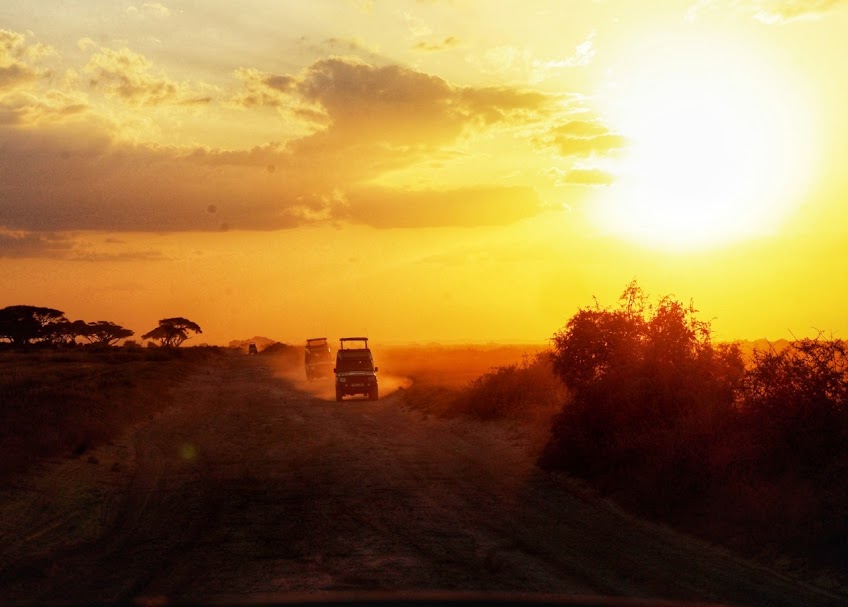
Africa is one of those magical places where there is no single best time to visit. The perfect month for your journey depends entirely on what you want to see and do. Whether you dream of standing in the thundering mist of Victoria Falls, watching millions of wildebeest charge across the Serengeti, or tracking mountain gorillas through misty rainforests, timing is everything. Let me guide you to booking the best times to visit your favorite African countries.
Truly, When is the Best Time to Visit Africa?
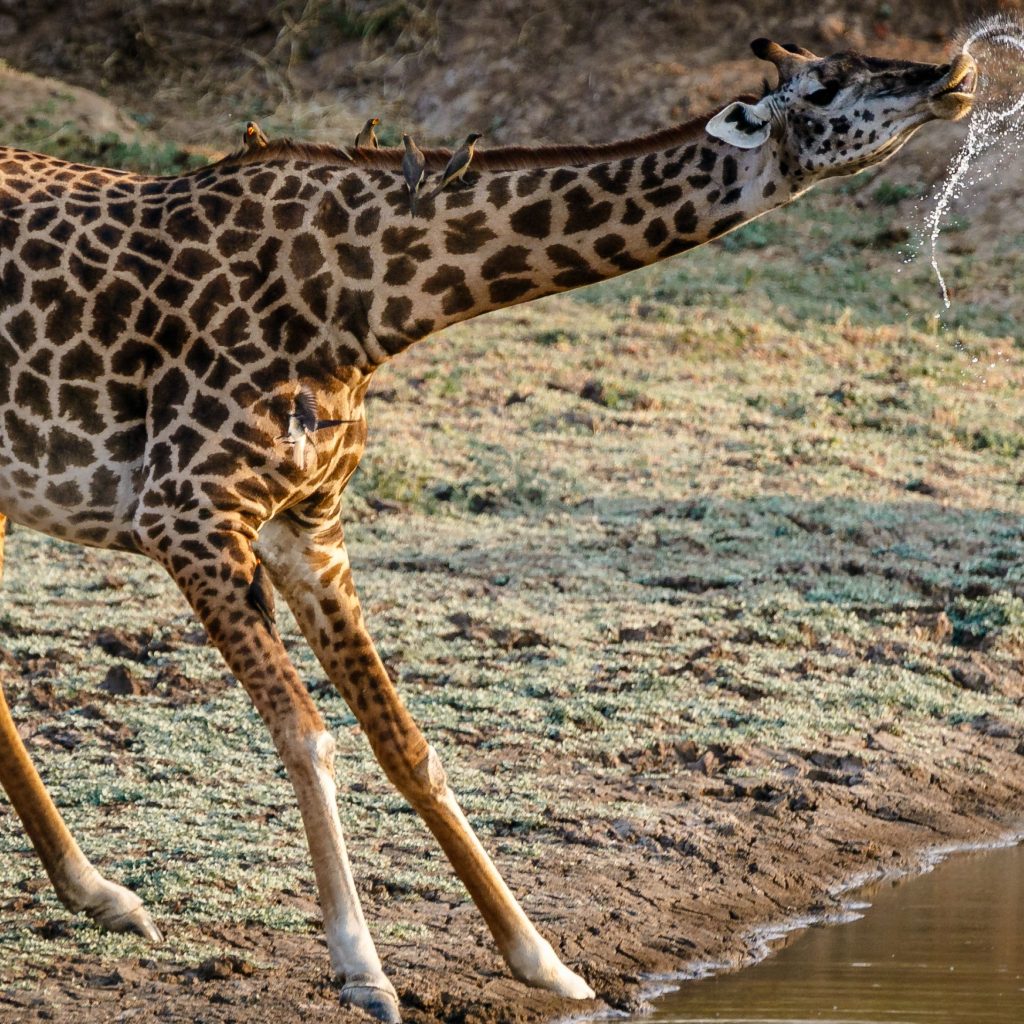
I stand by what I said, that the best time to visit Africa is anytime, but there are some months in the year that promise the best wildlife viewing, and that is between the dry winter months of May to October. During this period, the vegetation is thin and animals congregate around predictable waterholes.
But, it depends on what your ideal African safari itinerary is. If you are hoping to trek with gorillas, lounge on tropical beaches, or climb mountains, then the ideal time to explore shifts dynamically by country and region.
To make it easier for you, here are 12 top destinations to help you explore and plan the perfect safari itinerary:
Southern Africa
Southern Africa is a land of staggering contrasts, famous for its hauntingly beautiful desert landscapes where towering red dunes meet the Atlantic, and home to some of the largest, most majestic elephant populations. It is a region built for adventure but designed for comfort. What truly dictates the rhythm of life here is a distinct climate pattern: a crisp, bone-dry winter that draws wildlife to shrinking waterholes for spectacular viewing, followed by a dramatic summer-wet season that transforms the parched bush into a lush, emerald paradise.
1. South Africa: What is the Best Month for a Big Five Safari and Cape Town Combo?
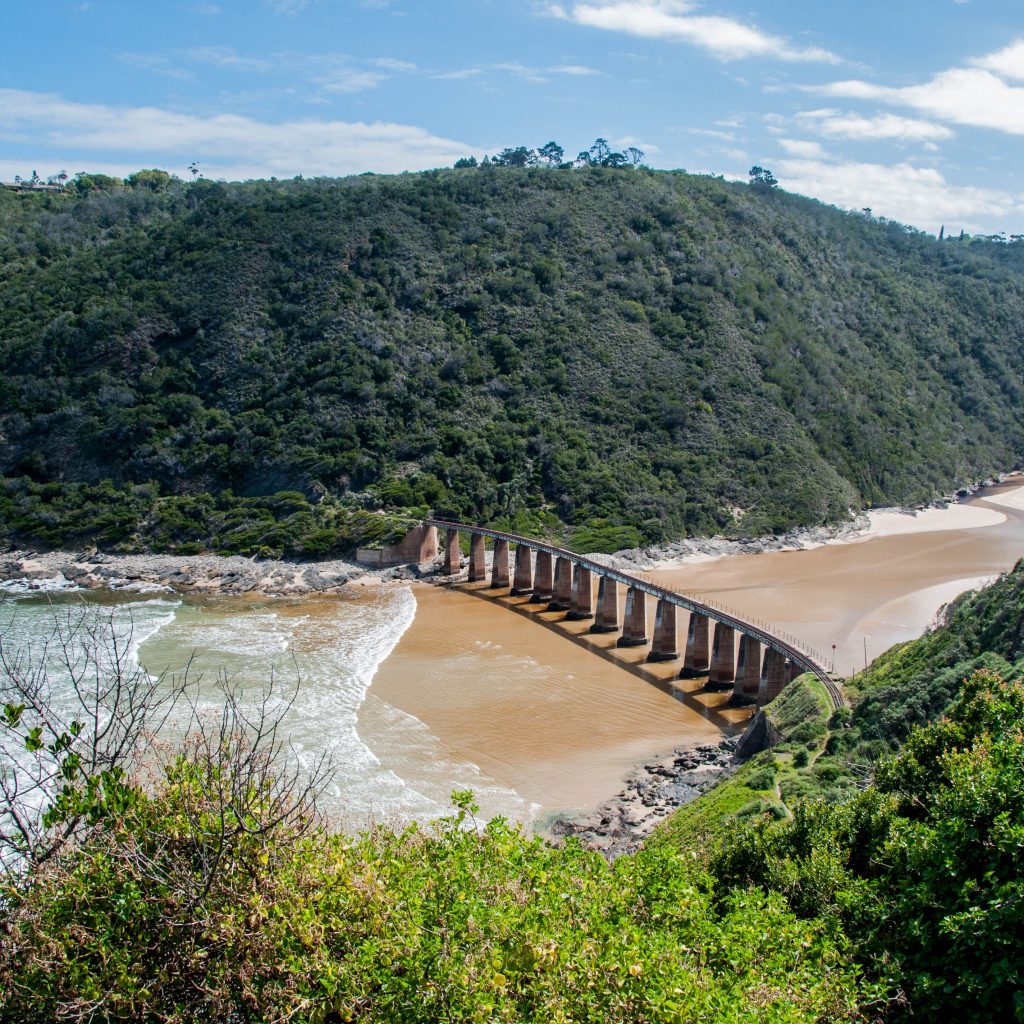
South Africa functions almost like a massive, self-contained continent, where two completely contrasting weather zones play out at the exact same time. It is a place where you can seamlessly track the Big Five through the iconic bushveld of Kruger National Park, wind your way down the dramatic, wave-crashed cliffs of the legendary Garden Route, and wrap up your journey indulging in the world-class culinary and wine scene of cosmopolitan Cape Town.
The dry winter months from May to September are the undisputed best time for wildlife safaris in Kruger. During this window, the parched bush thins out and leaves fall, making camouflaged predators much easier to spot, while animals are forced to gather predictably around shrinking rivers and waterholes.
However, there is a brilliant catch: Cape Town experiences its chilly, rainy winter during these exact same months. If you are looking to pull off the ultimate, seamless combo trip, the secret lies in booking the shoulder months of April, May, or September, a sweet spot that rewards you with gorgeous, sunny days in the Cape alongside phenomenal wildlife tracking conditions in the north.
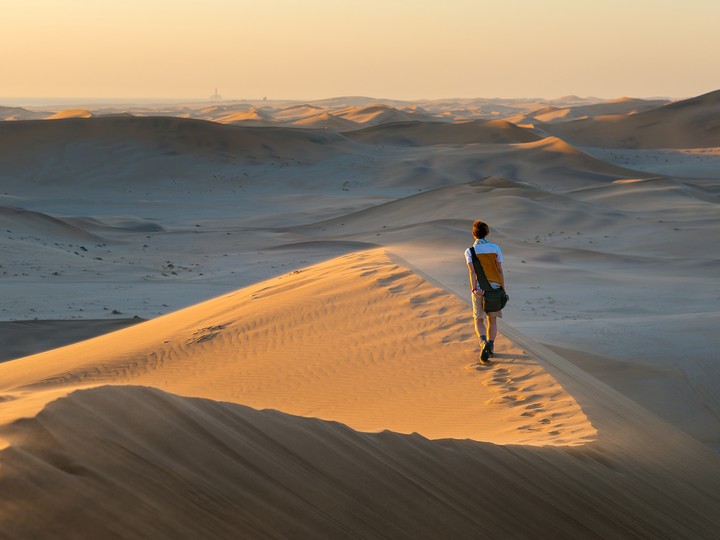
2. Namibia: When Should You Visit the World’s Oldest Desert?
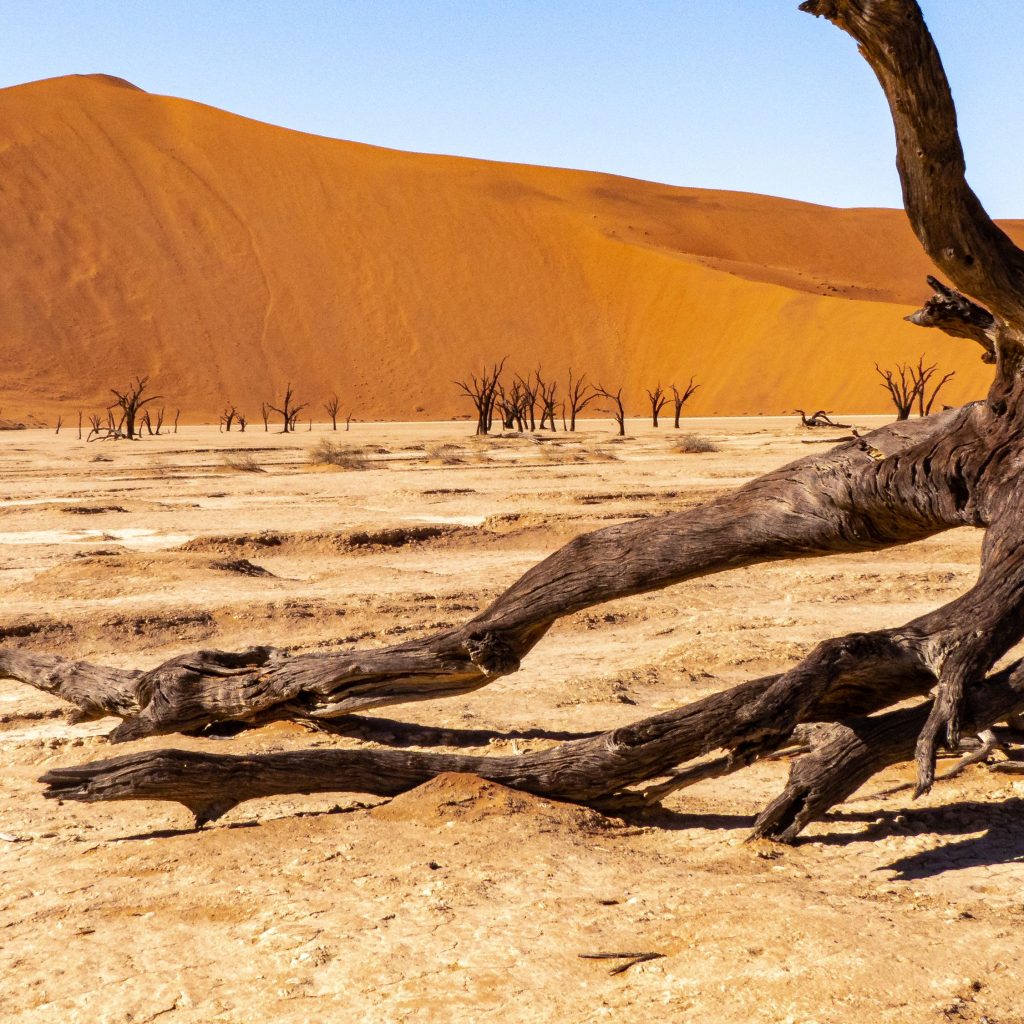
Namibia is a spellbinding, intensely arid country defined by some of the most surreal and striking landscapes on the planet, where towering, sunbaked orange sand dunes plunge directly into the cold, crashing waves of the Atlantic Ocean. It is a destination of otherworldly beauty: you can experience seemingly effortless wildlife viewing in Etosha National Park, photograph the haunting silhouettes of ancient dead trees in the stark white clay pan of Deadvlei, and lose yourself exploring the eerie, shifting dunes of the ancient Namib Desert.
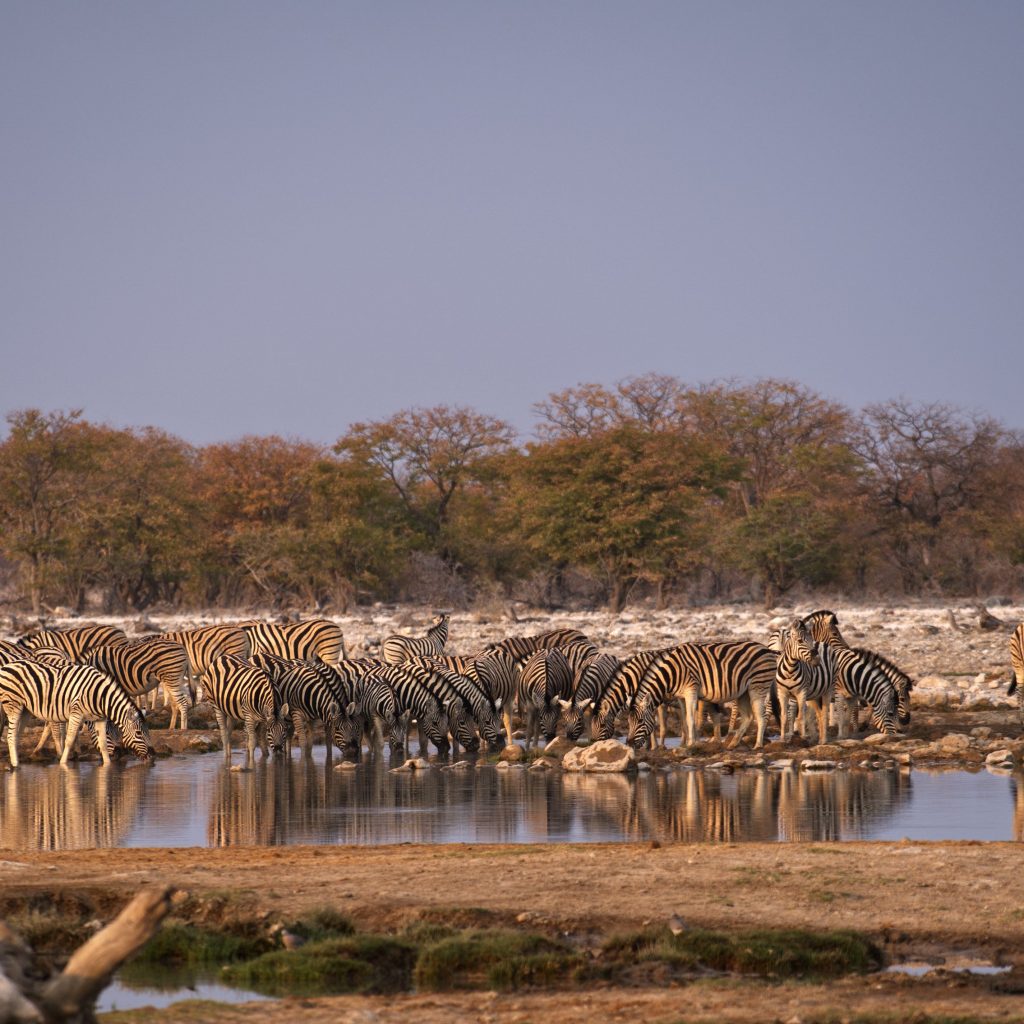
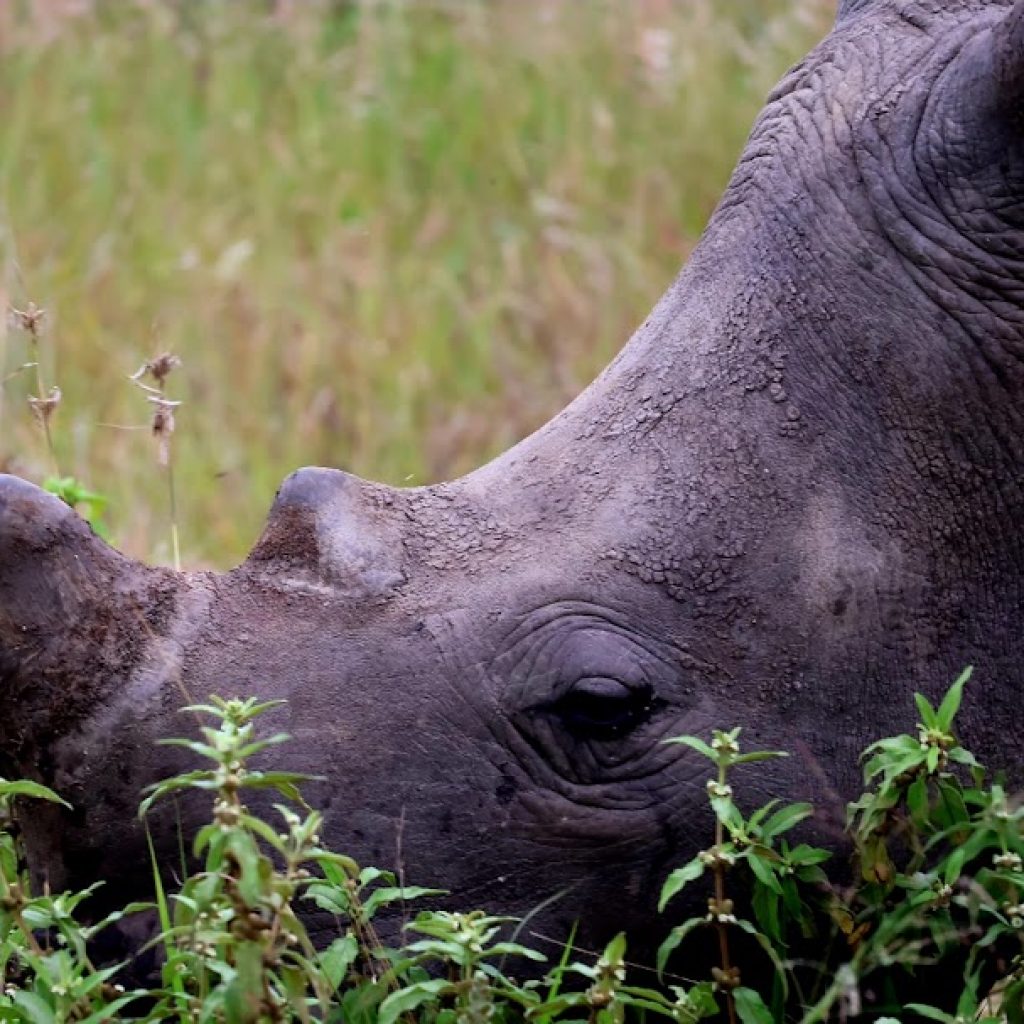
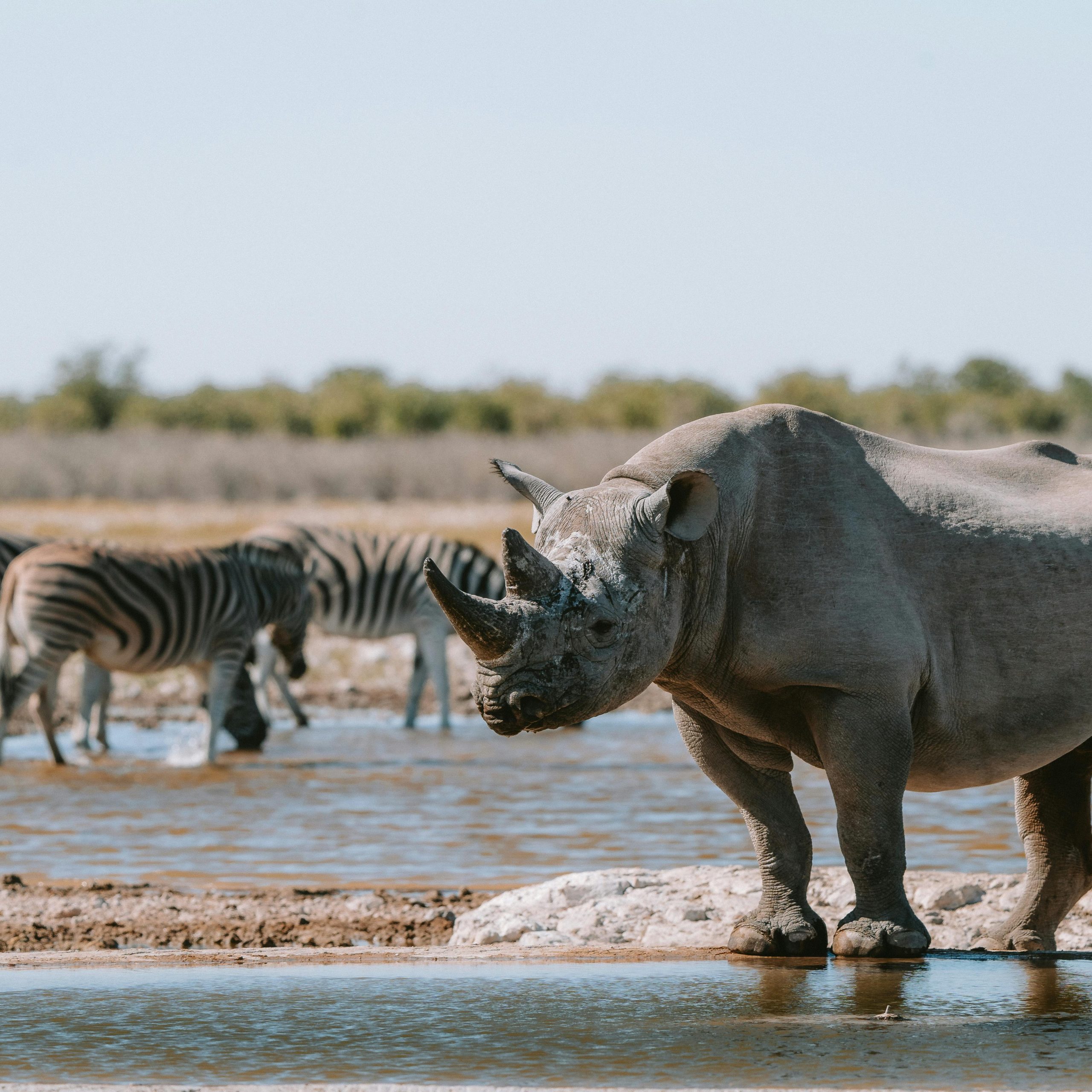
The best time to visit is during the dry winter months from May to October. During this crisp window, the weather is incredibly pleasant, offering warm, clear days and chilly, star-filled nights. Because water becomes exceptionally scarce across the landscape, safari-goers enjoy a uniquely relaxed experience; you don’t even need to spend hours driving around searching for animals. Instead, you can simply park your vehicle next to one of Etosha’s famous floodlit waterholes and watch as lions, elephants, and even elusive, endangered black rhinos come directly to you.
By contrast, the summer season from November to April brings a dramatic shift. Scorching desert heat frequently pushes past 40°C (104°F), and occasional rains cause the wildlife to scatter deep into the interior, making them far more challenging to find.
3. Botswana: When Do the Floods Arrive in the Okavango Delta?
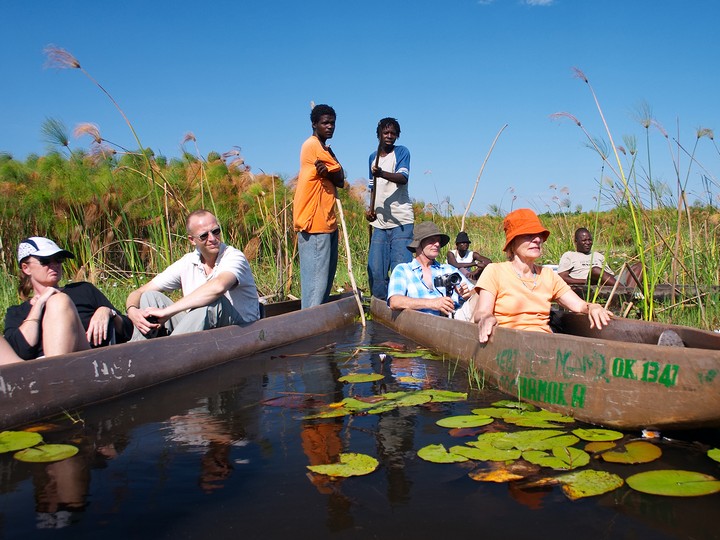
Botswana offers some of the most deeply exclusive and untamed wildlife encounters on earth. It is a place of quiet, intimate adventures and grand spectacles, where you can glide silently in a mokoro, a traditional dugout canoe through the crystal-clear, lily-padded lagoons of the Okavango Delta, or stand witness to awe-inspiring, massive elephant herds marching along the vibrant riverfront of Chobe National Park.
The prime window to visit spans from June to August. This period marks Botswana’s bone-dry winter season, yet it is precisely when the Okavango Delta mysteriously rises and floods. Torrential summer rains that fell months prior in the distant Angolan highlands take a slow, epic journey across hundreds of miles down the Okavango River, finally spilling out to resurrect the parched Kalahari basin. This incredible phenomenon creates the ultimate, gold-standard window for water-based game viewing as wildlife flocks to the newly formed oasis.
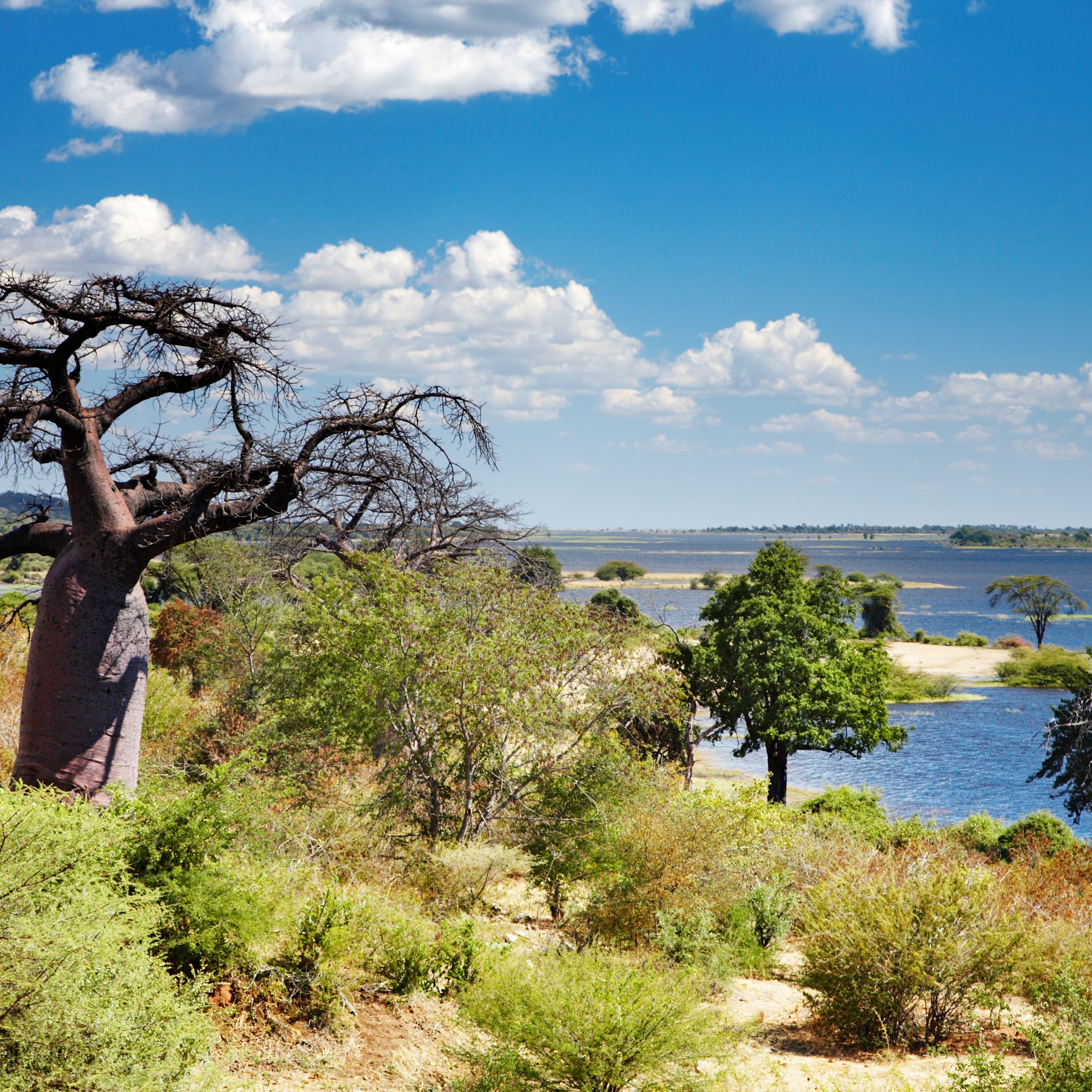
There is another spectacular seasonal peak just around the corner: from August to October, the safari action shifts dramatically toward Chobe National Park. As the surrounding bush dries out completely, it triggers the highest concentration of elephants on the continent, drawing thousands of these majestic giants to line the riverbanks in a breathtaking daily assembly.
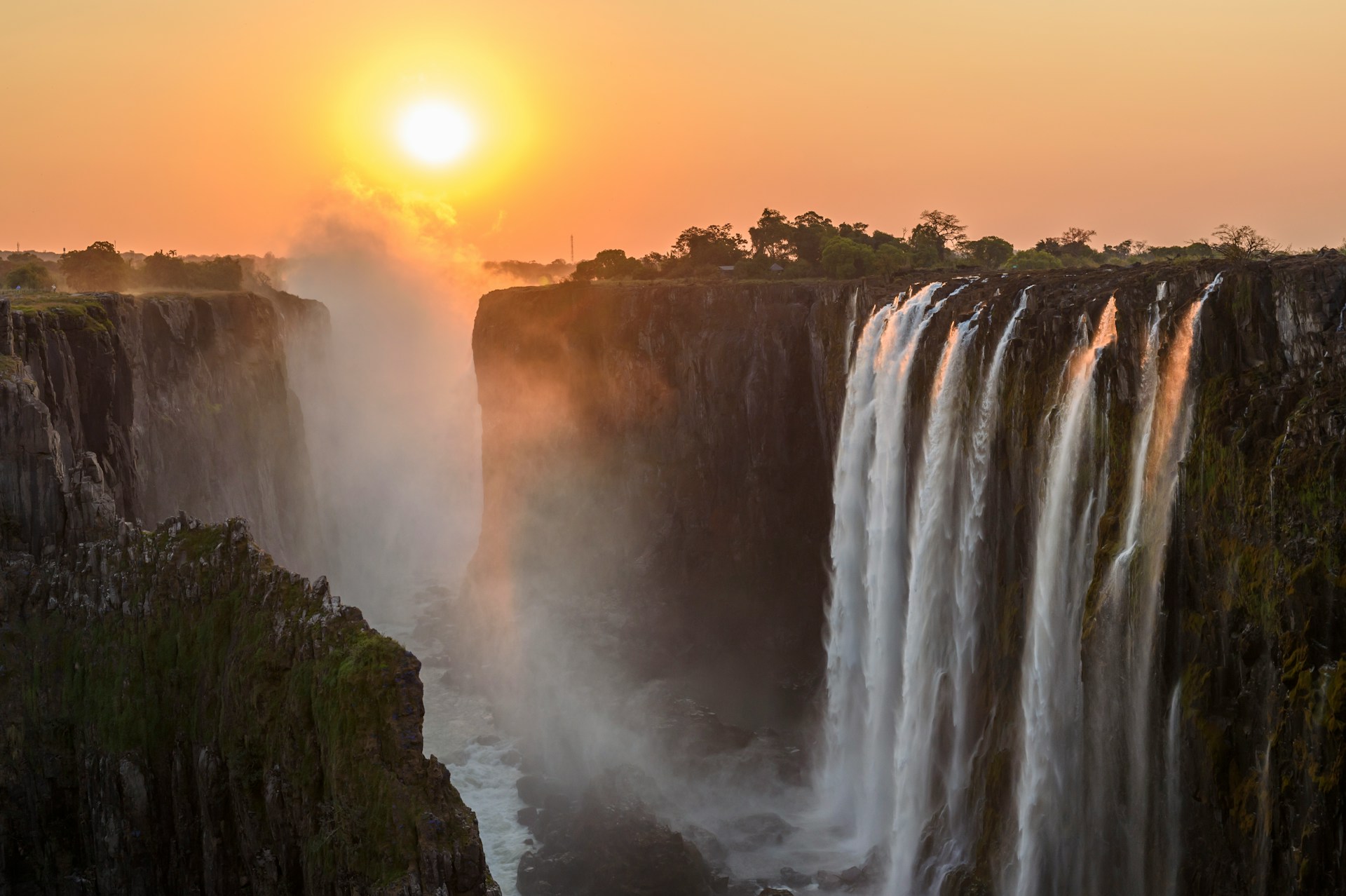
4. Zimbabwe: When is Victoria Falls at Peak Flow?
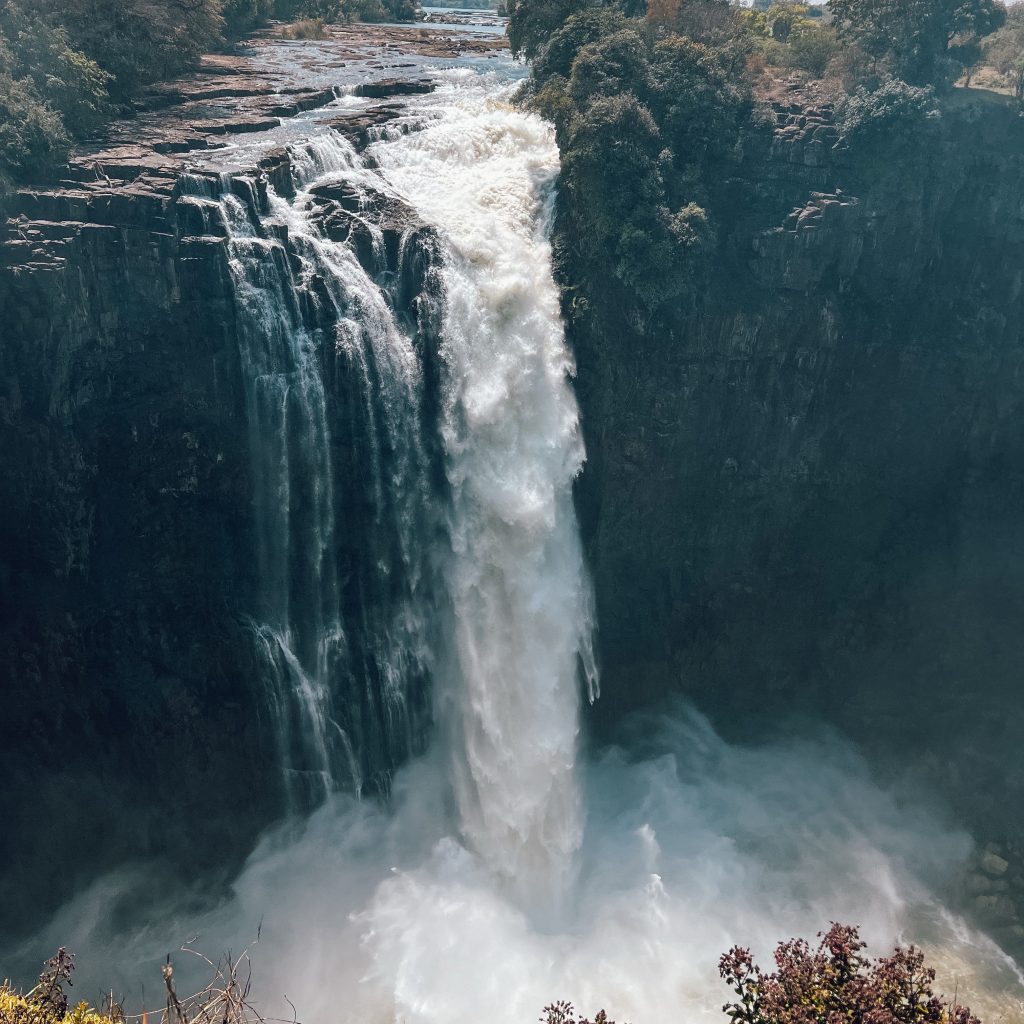
Zimbabwe stands as a beautifully untamed safari paradise, offering some of the finest walking safaris on the continent led by exceptionally trained local guides. It is a land of visceral, bucket-list encounters where you can stand face-to-face with the thunderous majesty of Victoria Falls, track gargantuan elephant herds through the wild bush of Hwange National Park, and step back in time while exploring ancient, enigmatic stone ruins that echo stories of old empires.
To witness Victoria Falls at its most power, you will want to plan your visit between February and July during the high-water season. This is when the Zambezi River gorges overflow, and you should come prepared to get completely soaked to the bone by a dramatic, upward-showering spray that can be seen from miles away.
However, if you are looking to stitch together the ultimate combo trip that pairs the falls with an elite wildlife safari, June to September is your undisputed sweet spot. During these crisp winter months, the heavy mist clears just enough to grant you spectacular photography conditions at the falls, while the intensifying dry season forces the legendary wildlife of Hwange to gather in massive, breathtaking numbers around the park’s vital pump-fed waterholes.
5. Zambia: When Can You Experience the Famous “Boiling Pot” Hike?
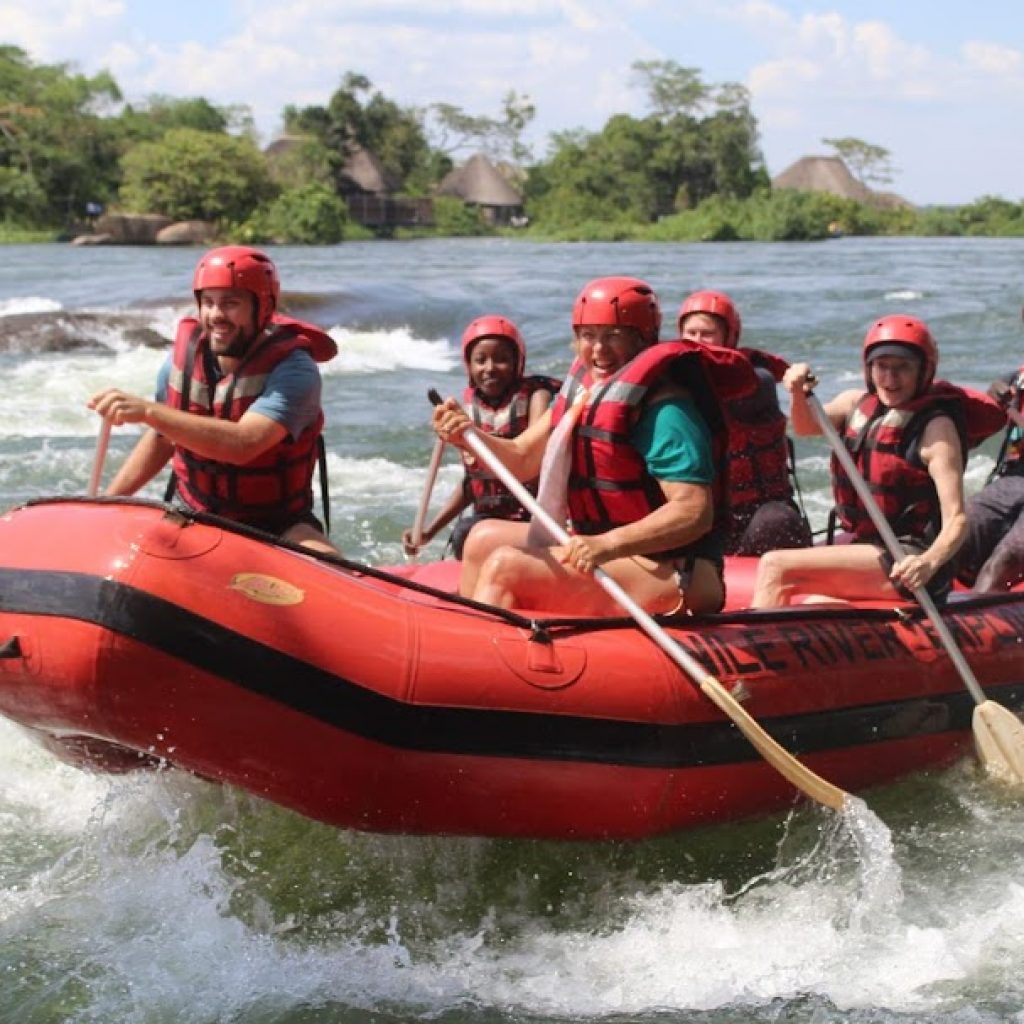
Zambia is celebrated as the legendary birthplace of the walking safari, offering a slice of raw, authentic African wilderness. It is a destination for true explorers, where you can plunge into adrenaline-fueled white-water rafting on the tempestuous rapids of the Zambezi River, embark on deeply immersive guided walking safaris through the wildlife-rich plains of South Luangwa National Park, and conquer the steep, exhilarating hike down into the Boiling Pot: a massive, churning whirlpool nestled directly at the dramatic base of Victoria Falls.
For tracking big game on foot, the peak season runs from August to October. As the dry season reaches its height, the vegetation recedes to open up exceptional visibility, and animals are drawn out from hiding to congregate around the last remaining water sources.
However, if you are an adventure seeker specifically looking to tackle the legendary white-water rafting or the rugged descent to the Boiling Pot, your target window shifts to the low-water season between August and December. When water levels are too high earlier in the year, the extreme, swirling currents of the Zambezi become far too dangerous, forcing authorities to close the rapids for safety.
6. Mozambique: What are the Best Months for a Tropical Beach Escape?
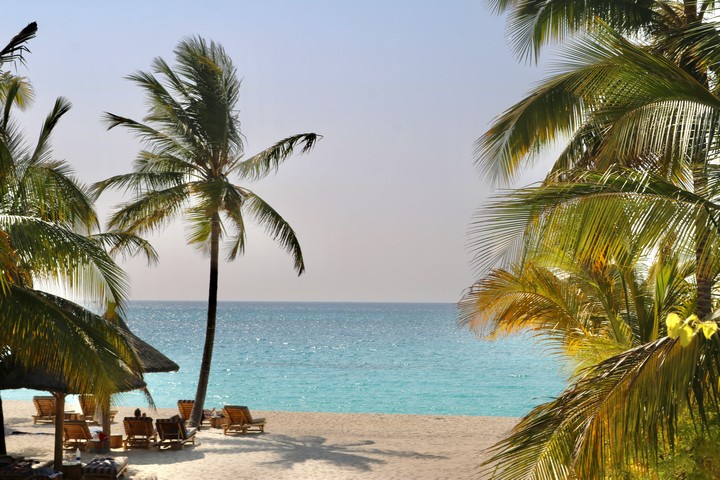
Mozambique is the ultimate end-of-trip reward, boasting over 2,500 kilometers of pristine Indian Ocean coastline that feels like a world away from the dusty safari trails. Here you go from tracking lions to soaking up the salt air, whether you’re diving alongside gentle whale sharks in Tofo, wandering through the atmospheric colonial ruins of Ilha de Moçambique, or drifting across the turquoise shallows of the Bazaruto Archipelago in a traditional wooden dhow.
The sweet spot for planning your escape is between May and November. During this cooler, dry winter window, you get those iconic, endless blue skies and the clearest underwater visibility for diving. Whatever you do, try to avoid the coast between January and March; that’s cyclone season, and you really don’t want to be caught in the path of those heavy tropical storms when you’re hoping for a sun-drenched getaway.
One final piece of advice for the logistics: don’t get caught out at the airport. Mozambique has moved to a digital-first approach with their Online ETA (Electronic Travel Authorization) platform. Even if you’re coming from a country that usually has visa-exempt status, you now need to sort this out at least 48 hours before you fly. My best tip is to double-check the latest requirements on the UK Government Foreign Travel Advice portal before you book anything. It’s the most reliable way to make sure your transition from the bush to the beach goes off without a hitch.
7. Madagascar: When Can You See Baby Lemurs in the Wild?
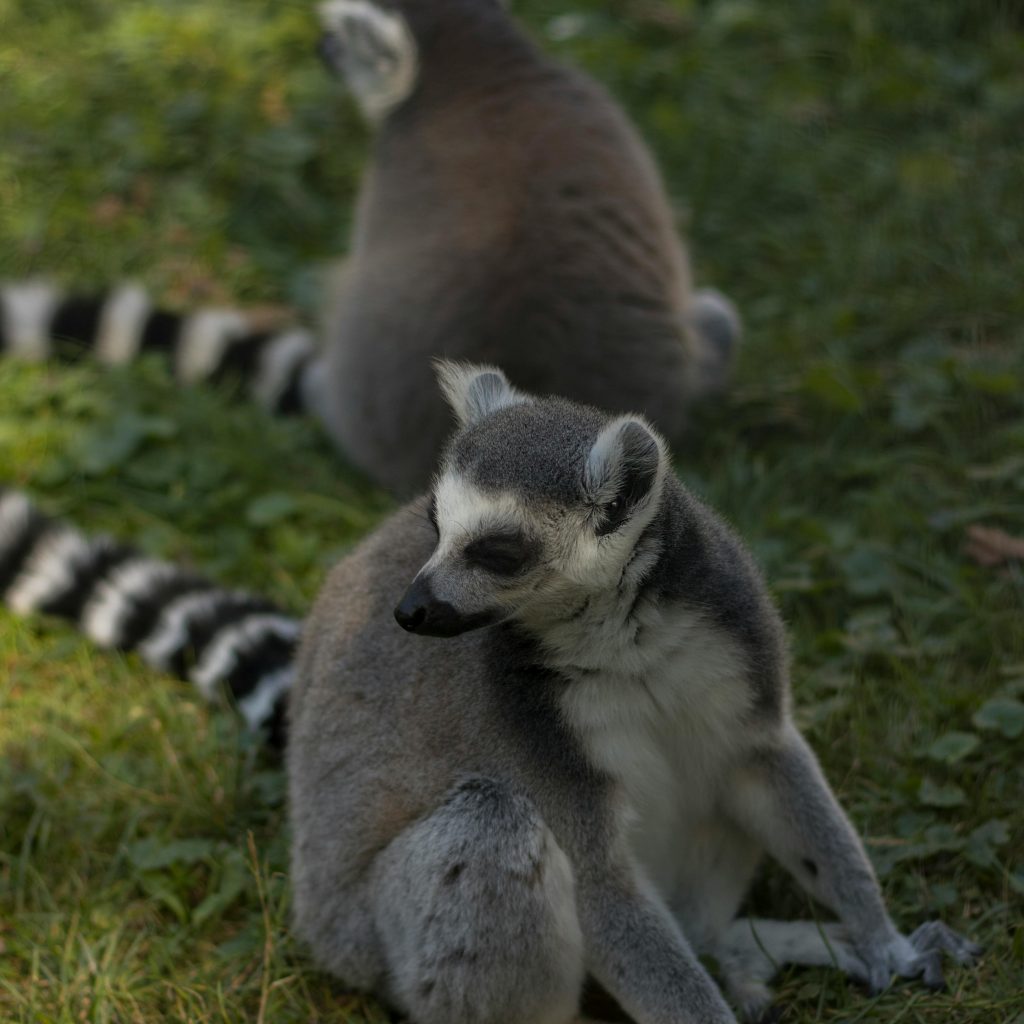
As the world’s fourth-largest island, Madagascar functions like an entirely separate planet. It is an absolute ecological wonderland where roughly 90% of the weird and wonderful wildlife can’t be found anywhere else on earth. For travelers looking for something truly off the beaten path, this is the ultimate frontier. You can find yourself walking beneath the ancient, towering silhouettes of giant baobab trees along the legendary Avenue of the Baobabs, or spending your mornings tracking loud, playful lemurs through the dense, misty rainforests of Andasibe.
If you want the most comfortable weather for hiking through these rugged, dense forests, my advice is to aim for the dry winter window between July and October. The temperatures are cooler, the trails are manageable, and it makes moving through the national parks a breeze.
But here is a fantastic insider tip: if you can push your trip into October or November, you will be treated to one of the most incredible wildlife sights on earth, lemur birthing season, where you can watch tiny, wide-eyed newborn baby lemurs clinging tightly to their mothers’ backs as they leap through the canopy. Just make sure you are completely packed and gone by January. From January to March, the island faces intense monsoonal cyclone seasons that regularly batter the eastern coast, washing out roads and shutting down travel entirely.
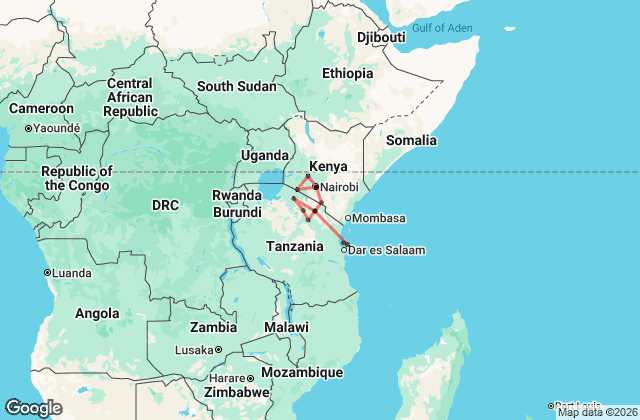
East Africa Circut
If you are trying to choose between the two major safari loops, understanding the landscape and the bizarre weather quirks will save you a lot of headache.
The East Africa Circuit is characterized by expansive, rolling savannas, dramatic volcanic peaks, and dense mountain rainforests. This region’s calendar is shaped by two distinct rainy seasons: the long rains (heavy downpours from April to May) and the short rains (lighter afternoon showers in November).
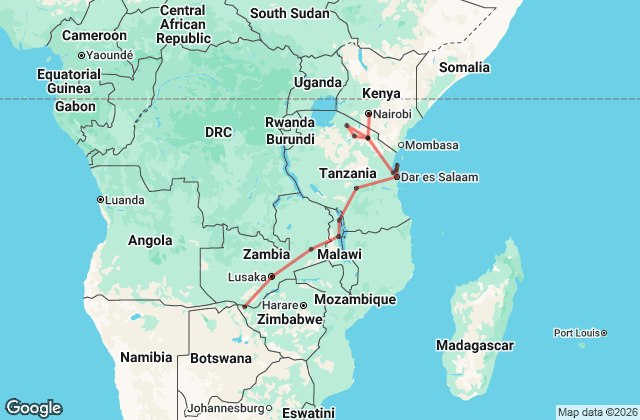
My advice for this loop is to start high in the misty forests of Uganda or Rwanda. You will want to target the dry windows of January to February or June to September; trekking after mountain gorillas is a lot more fun when you aren’t slipping down muddy volcanic slopes. From the highlands, your path leads down to the vast plains of the Serengeti and Masai Mara. If you time it between July and October, you will catch the legendary Great Migration putting on nature’s ultimate, heart-pounding show. To wash off the safari dust, wrap the trip up on the white-sand beaches of Zanzibar, which basks in glorious tropical sunshine during those exact same dry months.
Nature & Wildlife, Beach & Safari, Big 5 Safari, Top Beaches
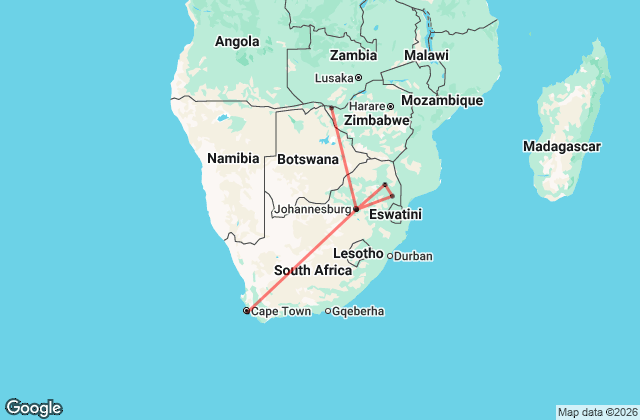
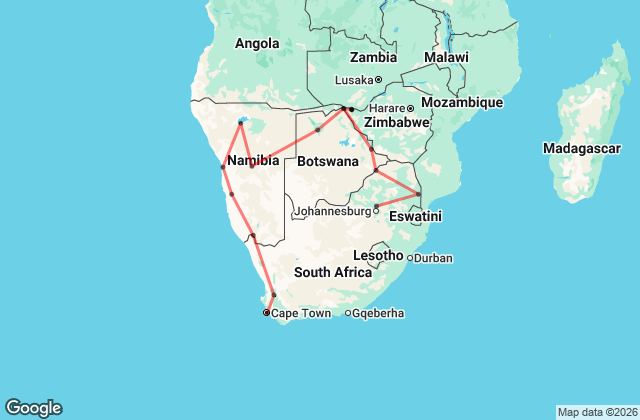
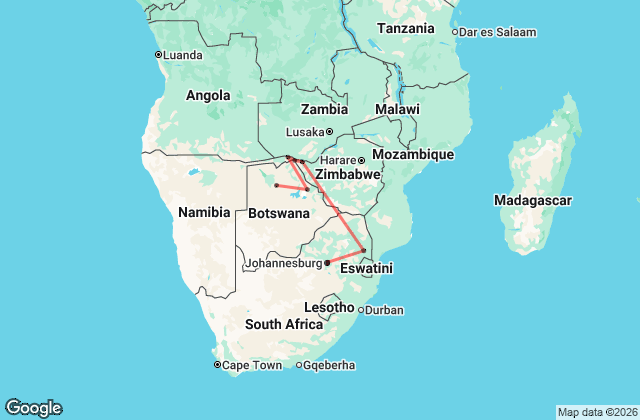
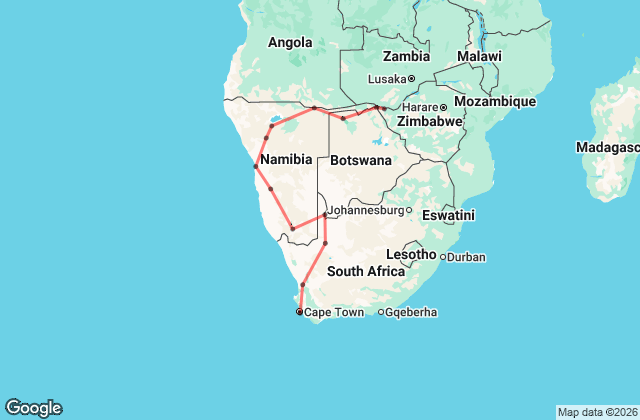
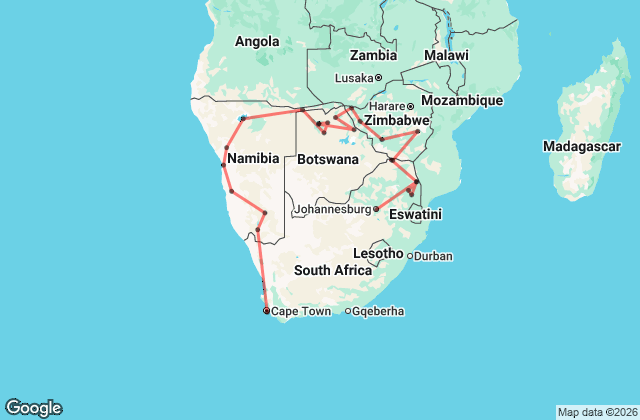
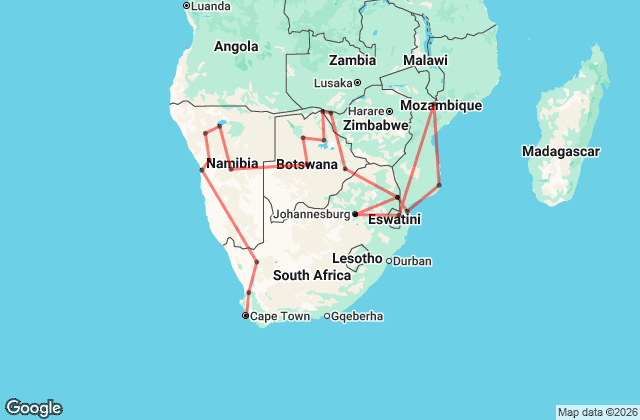
Alternatively, the Southern Africa Circuit offers an entirely different, water-driven rhythm that completely flips the script. It kicks off in Botswana’s Okavango Delta, which paradoxically floods during the bone-dry winter months of June to August, creating a pristine water oasis right when the rest of the land is parched. As the surrounding bush dries out from May to October, the safari action heats up in legendary reserves like Kruger, Etosha, and Chobe, where animals gather en masse around shrinking waterholes, making them incredibly easy to spot. Your journey then reaches a thundering crescendo at Victoria Falls, where the Zambezi River hits its spectacular peak flow between February and July, before you finally head off to relax on a nearby coastal beach.
8. Tanzania: How Do You Time the Great Wildebeest Migration?
Tanzania is home to some of the most legendary, sweeping wilderness areas on the entire continent. It is a place that firmly captures the imagination, where you can find yourself watching millions of animals move in an endless, dramatic wave during the Great Wildebeest Migration, exploring the prehistoric, enclosed volcanic oasis of the Ngorongoro Crater floor, or testing your physical limits climbing the snow-capped peak of Mount Kilimanjaro.
When it comes to planning your trip around the Great Migration, keep in mind that it is a year-round journey, but two specific chapters deserve a spot on your bucket list. If you are chasing high-adrenaline drama, book between July and October to witness the chaotic, crocodile-infested river crossings in the Northern Serengeti. However, if you prefer something deeply moving, choose January to March for the synchronized calving season in the southern plains. Watching roughly 500,000 calves take their first steps within a matter of weeks is unforgettable. But be prepared, because it draws in hordes of hungry lions and cheetahs looking for an easy target.
If your heart is set on conquering Mount Kilimanjaro, timing is just as critical for your safety and comfort. You will want to stick strictly to the clear, dry weather windows of either July to October or January to March. According to National Geographic’s climbing guides, these months offer the most stable conditions and clear skies, giving you the absolute best shot at standing on the rooftop of Africa without being rained out.
9. Kenya: When Do the Herds Enter the Masai Mara?
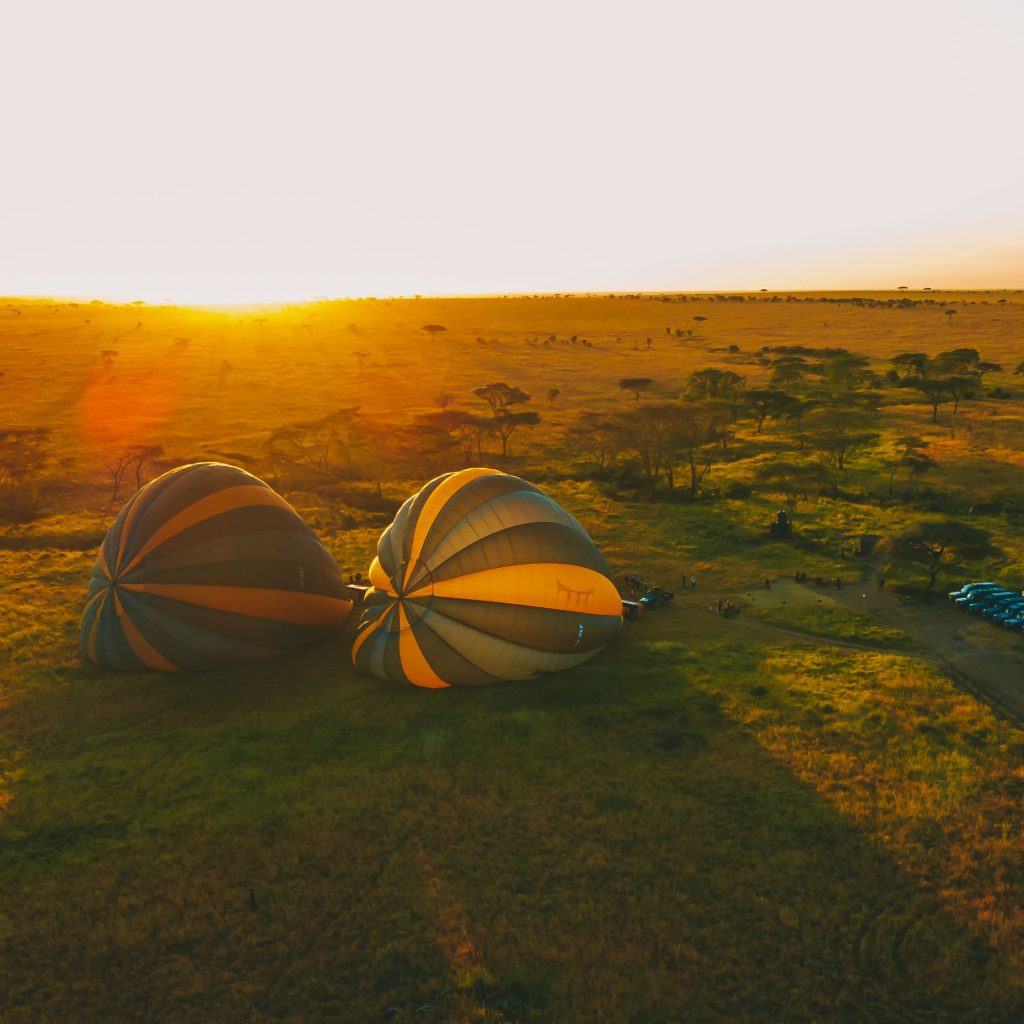
Kenya serves up a beautiful blend of deep cultural encounters with Masai warriors alongside some of the most spectacular wildlife tracking on earth. It is a destination where old-world safari romance meets raw natural drama. If you go, you can find yourself holding your breath as you witness the chaotic, dust-filled Mara River crossings, or floating silently in a hot-air balloon at sunrise, watching the endless golden savanna unfold beneath your basket.
If you want to catch the landscape at its most dramatic, look at booking between July and October. This is exactly when the immense Great Migration herds spill over from the Serengeti to graze on the fresh, green grasses of the Masai Mara. It is an absolutely unmissable spectacle of nature, but you should keep in mind that because it is so famous, it draws massive crowds and plenty of other safari vehicles.
If you are like me and prefer a slightly quieter, more exclusive experience without sacrificing great wildlife viewing, here is my top tip: target the short dry season of January and February instead. The weather is beautiful, the crowds thin out significantly, and the park’s excellent resident wildlife, including the big cats, are still right there waiting for you.
10. Zanzibar: When is the Best Time to Visit the Spice Island?
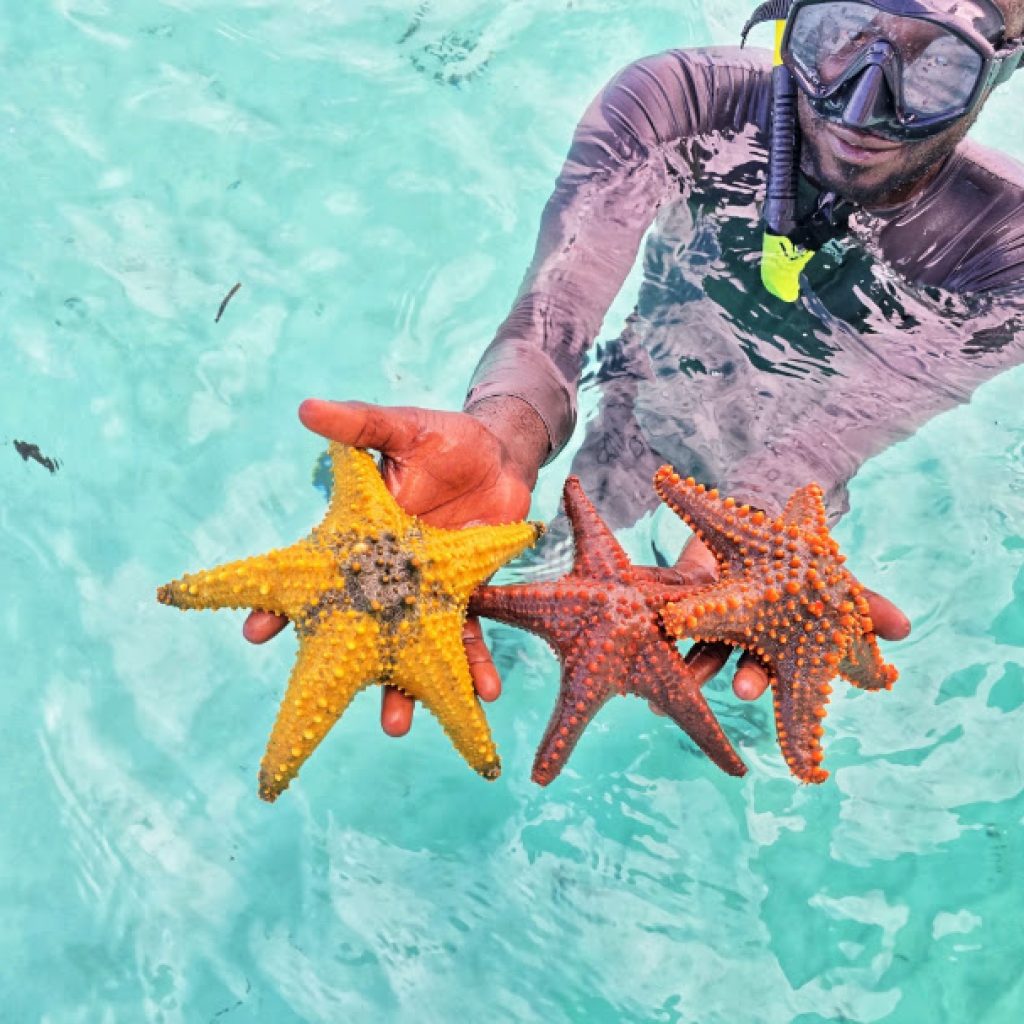
Zanzibar is the ultimate tropical antidote to a dusty safari, a sun-drenched archipelago floating just off the coast of mainland Tanzania. What makes this place truly intoxicating isn’t just the scenery, but its soulful, centuries-old identity. It’s a vibrant, aromatic melting pot where African, Arabian, and Indian cultures seamlessly weave together. It’s an island where you can spend your morning getting hopelessly lost in the historic, labyrinthine limestone alleys of Stone Town, your afternoon touring fragrant, family-run vanilla and clove plantations, and your evening watching the horizon turn violet from a powdery white-sand beach.
Logistically, Zanzibar is a dream because it aligns perfectly with the seasonal rhythms of the East African safari circuit. If you want the absolute best beach weather, aim for the long dry season from July to October, or look at the short dry spell during January and February. Both windows serve up those clear, calm turquoise waters and bright sunny days that make the Indian Ocean so famous.
But take my advice on this: do not book a beach getaway here during April and May. This is the peak of the region’s long rains, and the downpours can be so intense and persistent that many boutique beach resorts actually shut their doors temporarily to do heavy property maintenance. Safely skip those two months, and you’ll have an absolute paradise waiting for you.
11. Uganda: When is the Prime Season for Gorilla Trekking?
Uganda is known affectionately as the Pearl of Africa, and is a place of breathtaking ecological transitions, where the golden savannas of East Africa collide dramatically with the dense, emerald jungles of Central Africa. For travelers seeking a raw, deeply intimate connection with nature, Uganda is an absolute paradise. It’s a destination where you can experience the profound privilege of sitting just meters away from a quiet family of mountain gorillas in the Bwindi Impenetrable Forest, or find yourself tracking high-energy chimpanzees as they swing through the ancient canopy of Kibale Forest.
12. Rwanda: When Should You Explore the Land of a Thousand Hills?
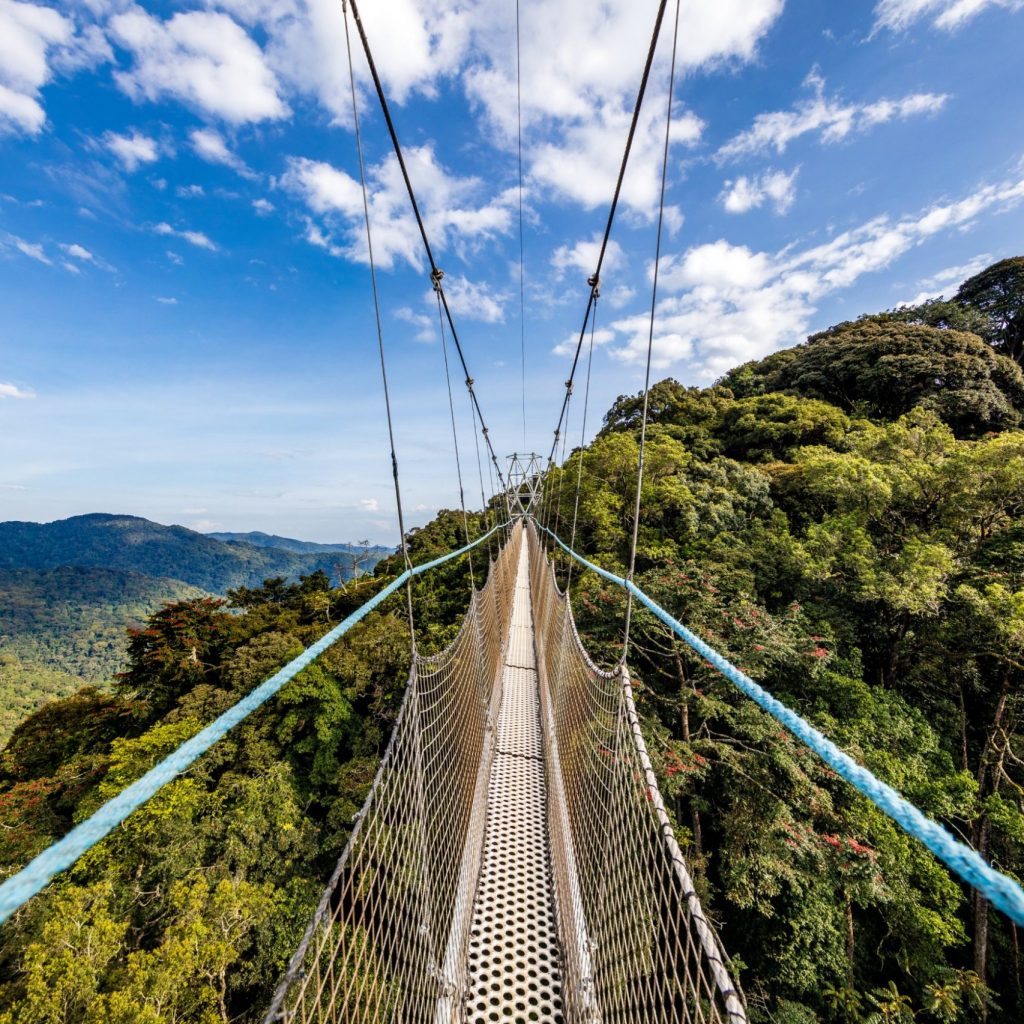
Rwanda is known as the Land of a Thousand Hills, it offers a seamless, top-tier luxury experience where rugged adventure meets world-class hospitality. Here, you can embark on an elite gorilla trekking expedition in Volcanoes National Park, or find yourself suspended high in the misty air, walking along an exhilarating canopy walkway above the ancient, pre-historic trees of Nyungwe Forest.
If you want the most predictable trekking conditions, the peak dry window from June to September is the most popular time to lock in your permits. The forest floor is firmer, skies are generally clear, and navigating the mountain trails is as straightforward as jungle trekking can get.
However, if you are an avid photographer, here is a golden insider tip: do not overlook the shoulder months of October and November. While these months bring light, sporadic rains, the brief showers do something magical to the landscape: they completely wash away the atmospheric dust and haze. This leaves you with incredibly crisp air and a dramatic, vibrant saturation that makes the emerald-green volcanic peaks absolutely pop in your photos.
A Quick Glance
To help you keep track of all these moving pieces, seasonal highlights, and regions, I’ve mapped out the entire guide into a scannable master table. It breaks down the optimal timing based on exactly what you want to achieve on the ground.
Country / Region
Peak Window
Best For
The Insider Advice
South Africa
Apr, May & Sep
Kruger + Cape Town Combo
Kruger safaris peak May–Sep, but Cape Town is rainy then. Hit the shoulder months for great weather in both spots.
Namibia
May to October
Desert Vistas & Etosha Safaris
Winter is clear and mild. Skip driving around; just park at Etosha’s floodlit waterholes and let the wildlife come to you.
Botswana
Jun to August
Okavango Delta Floods
Paradoxically, the delta floods during the bone-dry winter. Shift to Chobe from Aug–Oct for incredible elephant concentrations.
Zimbabwe
Jun to September
Victoria Falls + Wildlife Combo
Feb–Jul has the most powerful water spray at the falls, but Jun–Sep clears up enough for great photography and premium Hwange safaris.
Zambia
Aug to October
Walking Safaris & River Action
Vegetation thins out for world-class walking safaris. August–December is low-water season, which is mandatory for the Boiling Pot hike and rafting.
Mozambique
May to November
Tropical Beach Escape
Offers flawless blue skies and perfect diving visibility. Strictly avoid Jan–Mar due to intense coastal cyclone risks.
Madagascar
Jul to October
Forest Hiking & Baby Lemurs
Perfect hiking weather runs Jul–Oct. Book Oct–Nov to see newborn baby lemurs clinging to their mothers. Avoid Jan–Mar monsoons.
Tanzania
Jul–Oct & Jan–Mar
Great Migration & Kilimanjaro
Hit Jul–Oct for high-drama Northern Serengeti river crossings, or Jan–Mar for the calving season. Both windows are ideal for climbing Kili.
Kenya
July to October
Masai Mara Migration
This is the ultimate window for the iconic Mara River crossings. For a quieter, crowd-free trip with great resident big cats, target Jan–Feb.
Zanzibar
Jul–Oct & Jan–Feb
Spice Island Beach Retreat
Aligns perfectly with the East African safari dry spells. Avoid April and May at all costs—heavy rains prompt widespread resort closures.
Uganda
Jan–Feb & Jun–Sep
Gorilla & Chimp Tracking
Primate trekking is year-round, but these dry windows keep you from sliding down muddy jungle slopes and protect your camera gear.
Rwanda
Jun–Sep & Oct–Nov
Luxury Primate Trekking
Jun–Sep offers the firmest footing. However, photographers should choose Oct–Nov; light rains clear the dust, making the green volcanoes pop.
The Golden Rule for the Circuits:
If you choose East Africa (Kenya, Tanzania, Uganda, Rwanda), your calendar revolves around the long rains in April and May. If you choose Southern Africa (South Africa, Botswana, Namibia, Zimbabwe, Zambia), you are playing a water-driven game where the dry winter (May to October) forces wildlife directly into your line of sight.
Safari Style and Behavior Guide
No matter where or when you choose to travel across this spectacular continent, understanding basic safari etiquette and packing logistics will make your experience a seamless journey. Nailing these final details ensures you blend into the wild rather than standing out for the wrong reasons.
Ditch the Bright Colors
When packing your bags, stick to lightweight, breathable layers in muted earth tones like khaki, olive green, warm brown, and soft gray. There is actual science behind this advice: bright clothes can startle wildlife, while solid black and dark blue clothing actively attract biting tsetse flies in East and Central Africa. On the flip side, leave the crisp white shirts at home: they will be permanently stained by the fine, iron-rich red safari dust within the first hour of your first game drive.
Bring Quality Optics
Do not rely solely on your smartphone screen to bring the wild closer. While modern phone cameras are incredible for landscapes, they completely fall short when a camouflaged leopard is resting in a distant acacia tree or a rare bird is nesting across a river. Investing in a quality pair of 8×42 binoculars is an absolute game-changer, giving you the clarity and magnification needed to catch the subtle, blink-and-you-miss-it details of the bush.
Before your vehicle even rolls through the gates of a national park, dive deep into your phone or camera settings and silence all digital bleeps, shutter noises, and autofocus sounds. The wild operates on an intricate, quiet frequency, and a sharp electronic beep can completely shatter a tense, quiet moment with a stalking predator. Silencing your gear isn’t just about being polite to the other travelers in your vehicle; it ensures you don’t break the spell of the natural soundscape around you.
Keep Your Voice Down
When your guide pulls up to a sighting, pull your conversation down to a low, gravelly whisper. It is incredibly tempting to gasp or point excitedly when a lion emerges from the grass, but you should never shout, click your tongue, or wave your arms to try and get an animal’s attention. Remember that you are an uninvited guest entering their living room; maintaining a quiet, respectful presence ensures the wildlife stays completely relaxed, allowing them to display their authentic, natural behaviors right in front of your eyes.
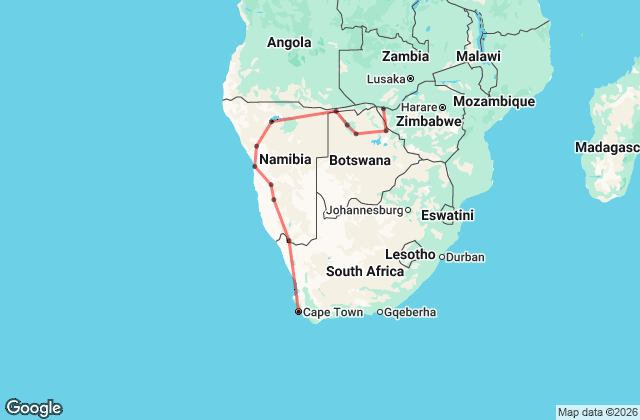
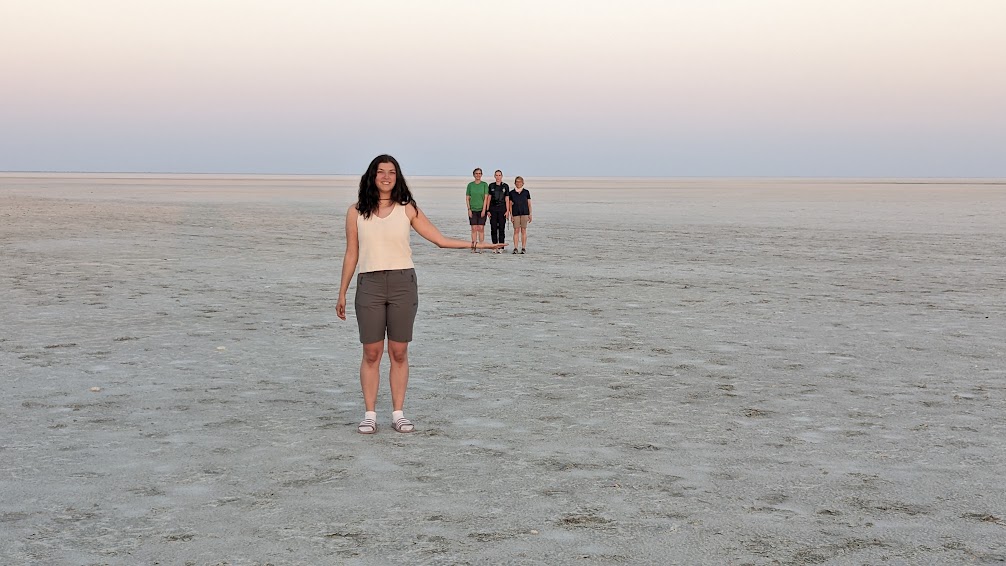
Ready to stop dreaming about that African safari and start actually mapping it out? The secret to an unforgettable trip really comes down to one thing: alignment. You want to match your bucket-list encounters, whether it’s navigating a rugged 4×4 trail across Namibia’s salt pans or jumping on an immersive overlanding expedition from Cape Town to Kenya, with the specific, shifting seasons of the regions you’re targeting.
My best piece of advice is to start the process early. These incredible experiences are not just in high demand; the very best camps, local guides, and prime dates are often snapped up by seasoned travelers more than a year in advance. If you have your heart set on a specific window, don’t wait until the last minute, get the logistics settled now, and you’ll spend your time on the ground actually enjoying the wild, rather than stressing about where you’re going to sleep that night.
N.B: This blog was written by Leandra Slabbert on October 9, 2018. It was rewritten by Faatima Suliman on July 10, 2026.
Tanzania is a magical land of breathtaking contrasts – from the endless golden plains of the Serengeti to the snow-capped peaks of Kilimanjaro. It is famously known for its legendary hospitality and vibrant culture. Tanzania is one of the many…
Let’s discuss the different family safaris in East and Southern Africa to help you choose the right destination for you and your children. Both East Africa and Southern Africa offer wide-ranging types of family safaris that cater to everyone from…
Southern Africa is home to dozens of UNESCO World Heritage Sites – Here’s a List of 11 of the best From South Africa up to Malawi, and from Namibia on the west coast across to Mozambique, you can find many…
Travelling through Africa is about capturing the precious moments of being in the wild. In order to do that, apart from being present in the moment, you need a fully charged camera and cell phone. No matter where you travel,…
The San Bushmen are the oldest known people group in Southern Africa, alongside the Khoe. If you ever visit the Kalahari Desert (which you absolutely should if you can, for so many reasons!), you’ll encounter the San Bushmen and artefacts…