Beyond the wildlife and unfiltered landscapes of Africa, there is one thing I often find brings people together, and that, is culture.
Uncovering the traditions, customs, and history of the people who are deeply rooted within a region, such as the Maasai People, is how we, as humans, connect. As Michael Jackson said… It’s Human Nature.
Is the Masai Mara a Tribe?
The short answer: not quite. The Masai Mara is a game reserve in southwestern Kenya, while the people commonly referred to as the “Masai Mara tribe” are properly known as the Maasai. A semi-nomadic ethnic group who live in and around the reserve, as well across northern Tanzania. This is a common mix-up, since the Maasai have lived alongside the Mara for generations and the two names are so often used in the same breath on a safari or a tour. In this blog, I will use ‘Maasai’ for the people and ‘Masai Mara’ for the reserve, but if you have searched for one term expecting another, you are in good hands.
Who Are the Maasai People?
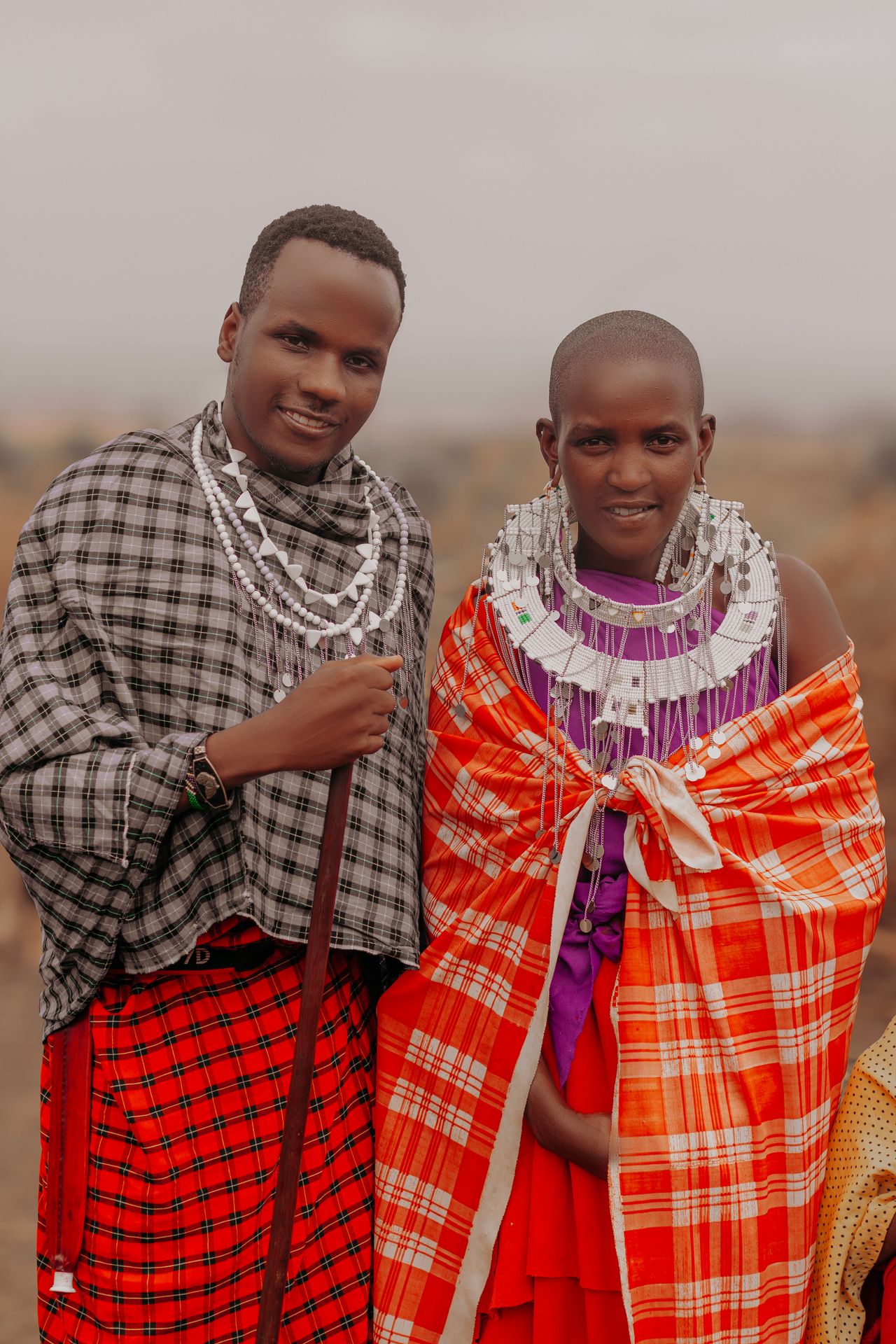
The Maasai are a semi-nomadic people whose traditional homeland spans southern Kenya and northern Tanzania, much of it bordering, or overlapping with, some of East Africa’s most famous game reserves, including the Masai Mara and the Serengeti. At the centre of Maasai life, is cattle. Herds are a primary source of food, income, and social standing, and Maasai belief holds that cattle were given to the tribe by their god, Enkai, to protect and raise.
This close relationship with the land hasn’t come without hardship. Land treaties signed in the early 1900s under colonial rule cost the Maasai a significant portion of their traditional grazing territory, pushing many communities into less fertile areas. Despite this, and despite ongoing pressure from land development and a growing population, the Maasai have held onto their customs and way of life more than almost any other tribe in the region, which is why travellers are so drawn to meeting them today.
Maasai Culture & Traditions
Music and Dance
Maasai music is built around vocal harmony rather than instruments, and led by a song leader, known as the olaranyani, who carries the main melody while the group responds. Women sing lullabies and praise songs, often gathering to sing and dance together. The best known dance to outsiders in the Adamu, commonly referred to as the jumping dance. This dance is performed by warriors who attempt to jump the highest in order to illustrate their strength, fitness and, traditionally, marriageability.
Coming of Age Ceremonies
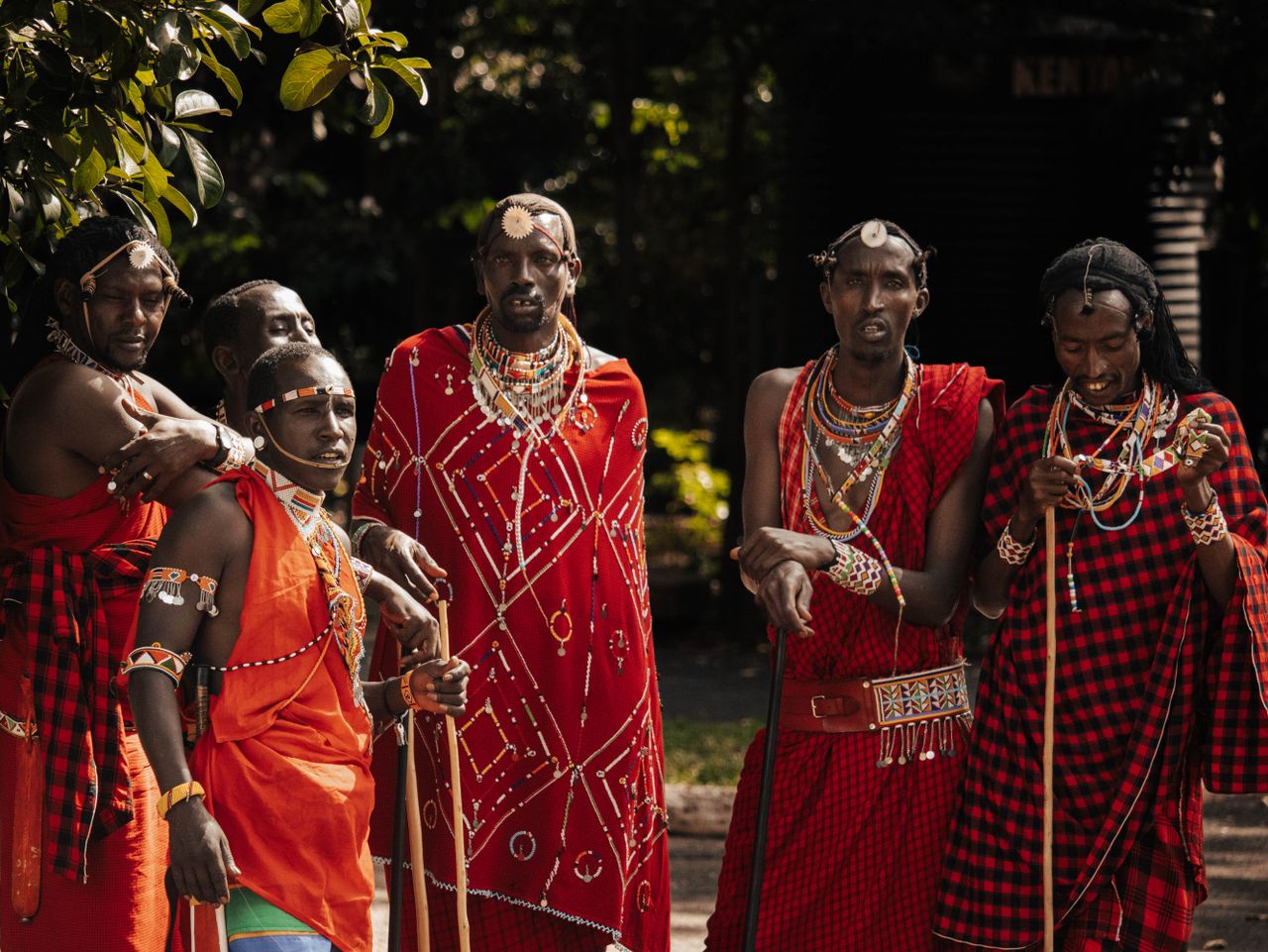
Maasai warriors pass through a significant rite of passage called Eunoto. A ceremony that can stretch over 10 days of singing, dancing, and rituals as young men transition into senior warrior status.
Dress and Beadwork
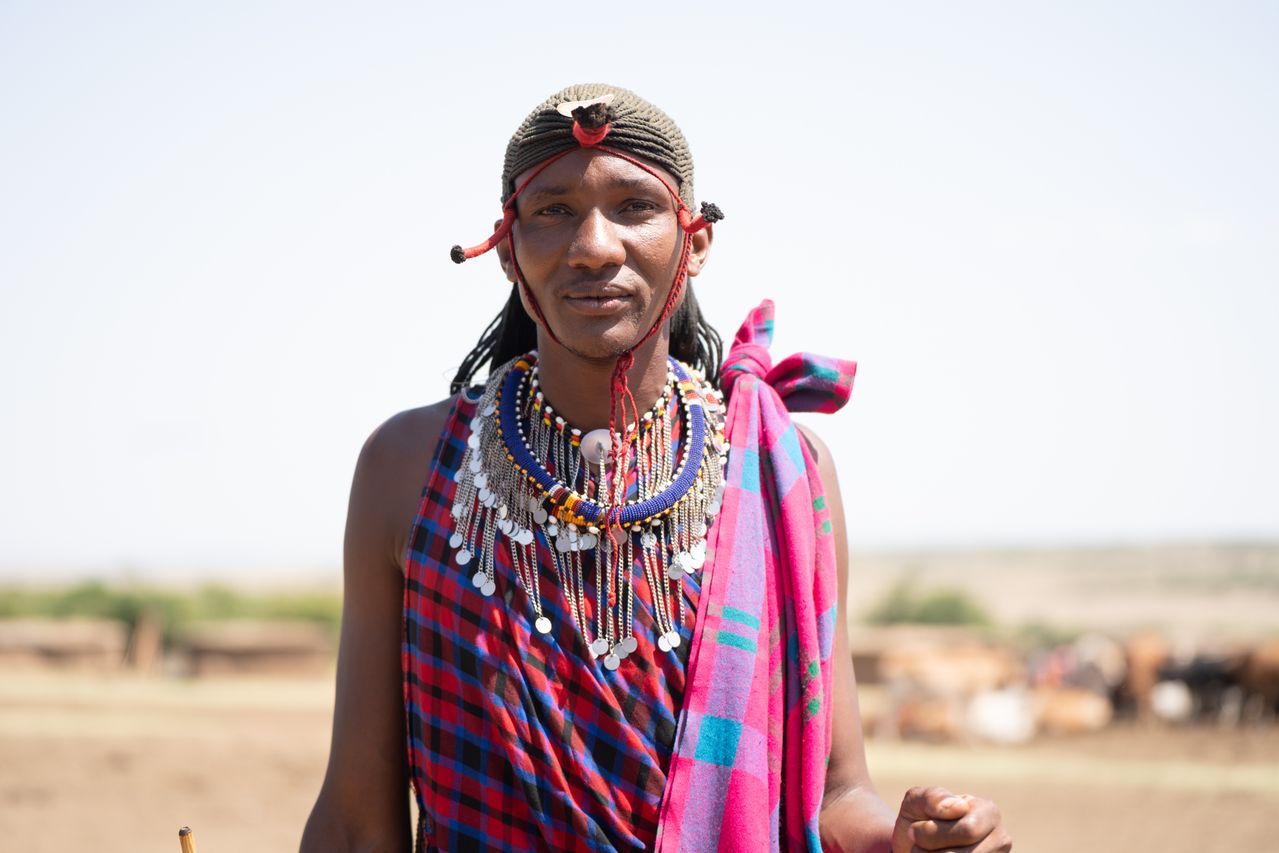
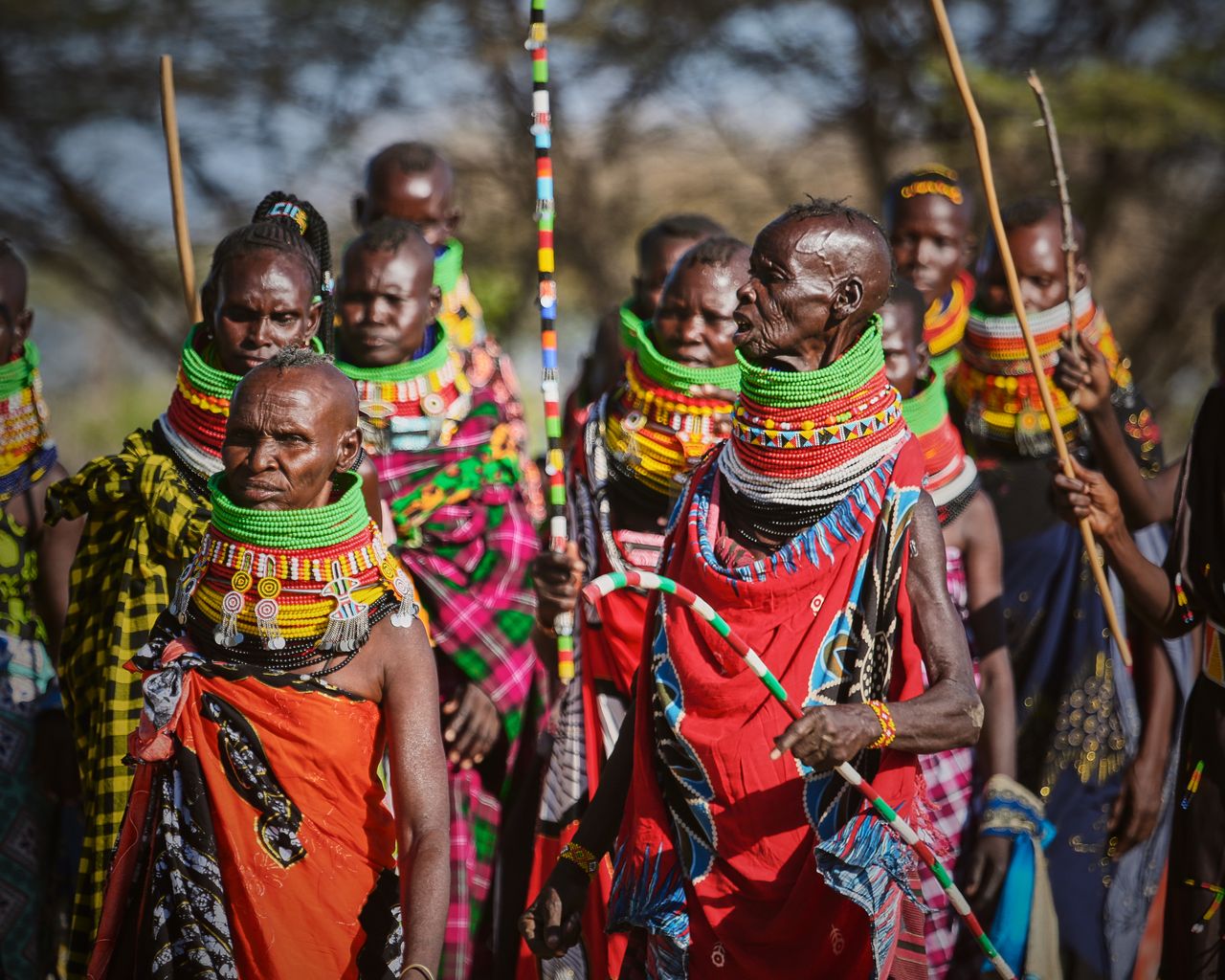
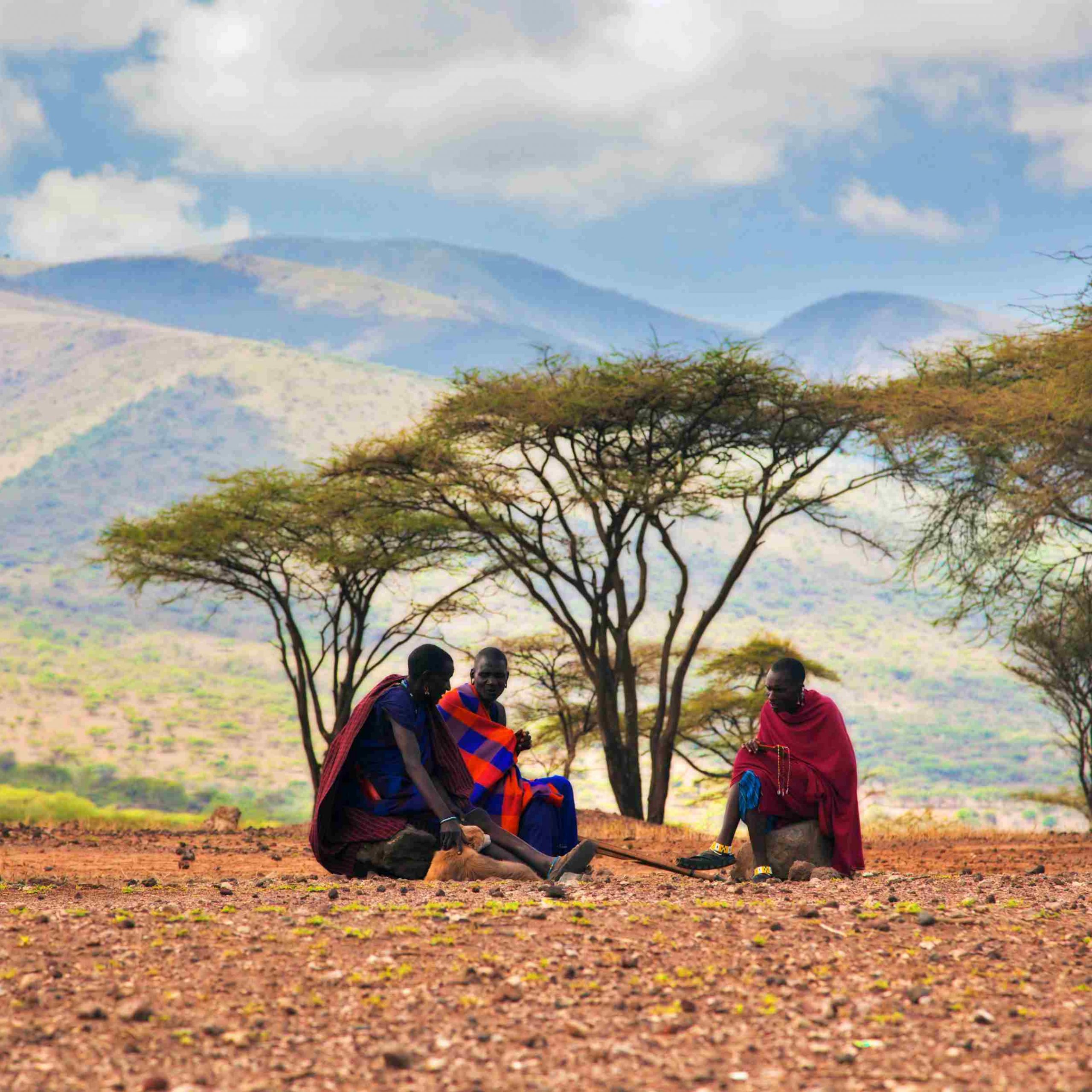
Maasai dress is instantly recognisable: bright red shuka cloaks, believed to help ward off wild animals, paired with elaborate beaded jewellery. The beadwork is far more than decorative; colours and patterns communicate age, social status, and achievement, with more elaborate pieces traditionally reserved for those of higher standing. Since colonial-era trade brought glass beads to the region, beadwork has also become an important source of income for Maasai women.
Homestead Life
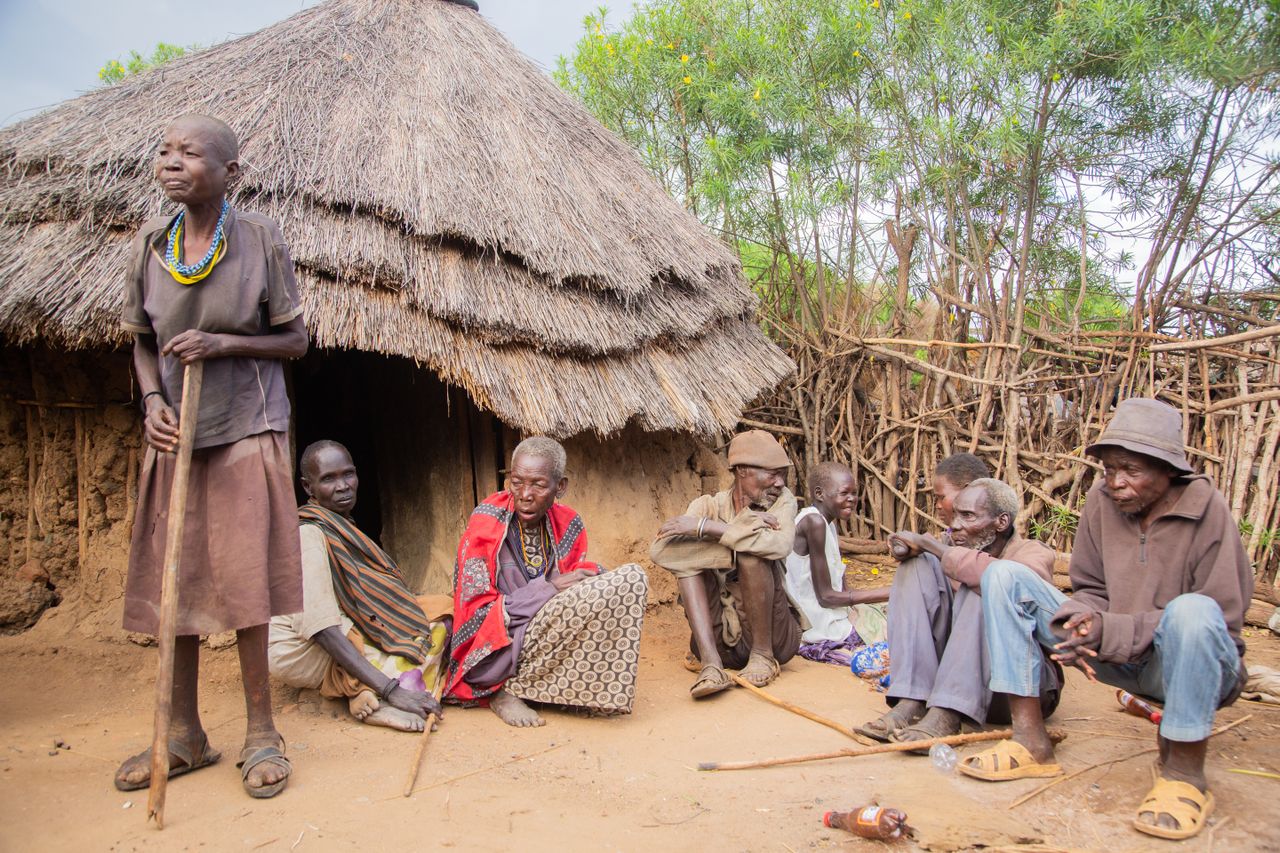
Maasai families live in a fortified enclosure called an Enkang, built from thick thorn bushes to protect the community and livestock from predators and rival tribes. Inside, you’ll typically find up to twenty small huts, or manyattas, built from branches plastered with cow dung that hardens in the sun, a resourceful, low-impact building method that reflects how little of the cattle’s output goes to waste.
What Language Do the Maasai Speak?
The Maasai speak Maa, a language closely related to those spoken by the Samburu and Camus peoples of central and western Kenya. Maa has historically been a spoken rather than written language, with stories, songs, and history passed down verbally through generations. Many Maasai also speak Swahili and English, particularly those working in or near the tourism industry.
Visiting the Maasai Respectfully
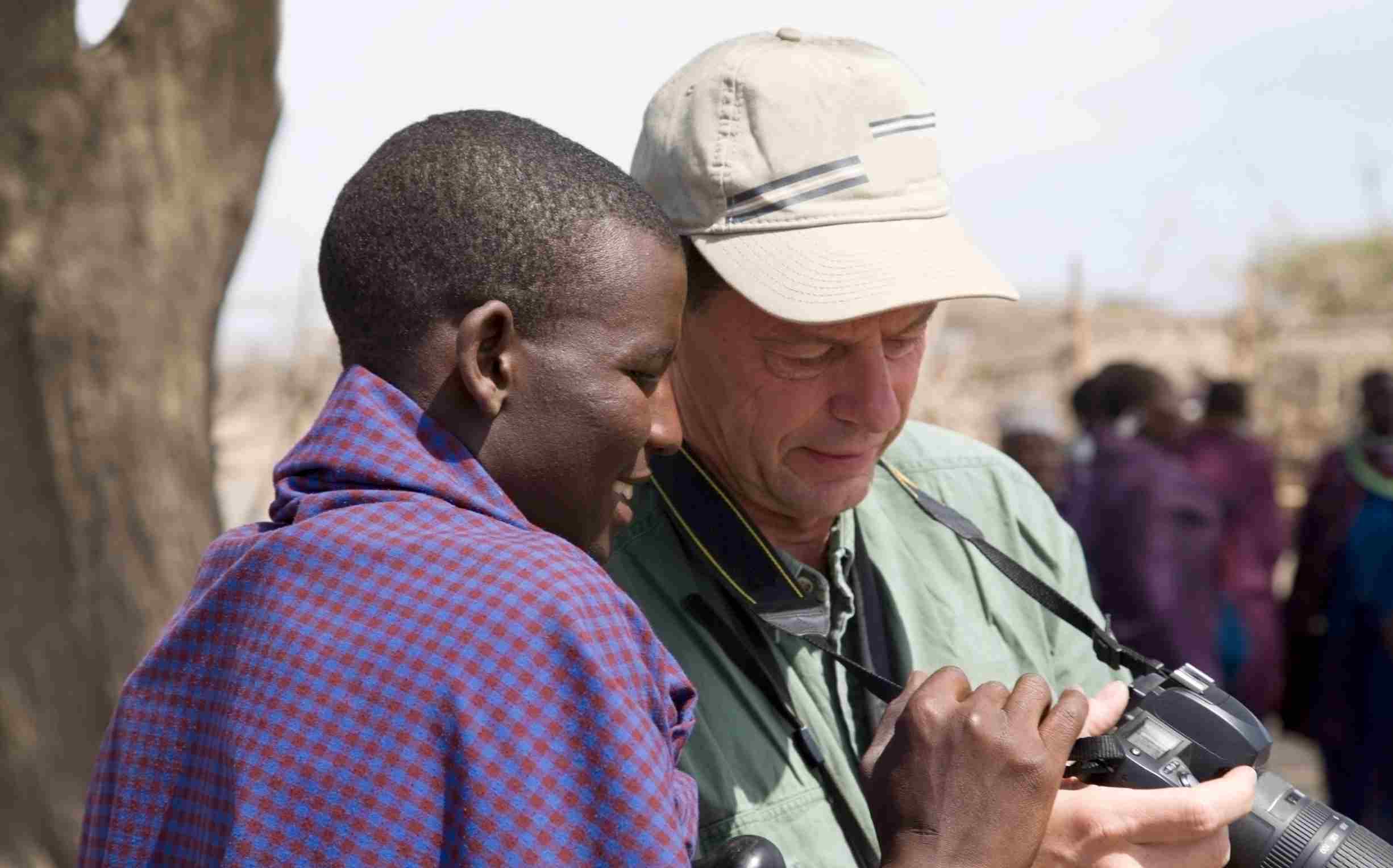
A visit to a Maasai village is one of the most memorable parts of a Kenya or Tanzania safari, but it’s worth approaching thoughtfully. Village visits are usually arranged in advance and typically include a welcome, a demonstration of the jumping dance, a look inside a manyatta, and the chance to buy beadwork directly from local artisans. A few things go a long way: always ask before taking photographs of individuals, and remember that buying beadwork or crafts directly supports the community rather than being simply a souvenir. Tourism plays a real economic role for many Maasai communities, so a respectful, engaged visit benefits both sides.
The Maasai Age-Set System
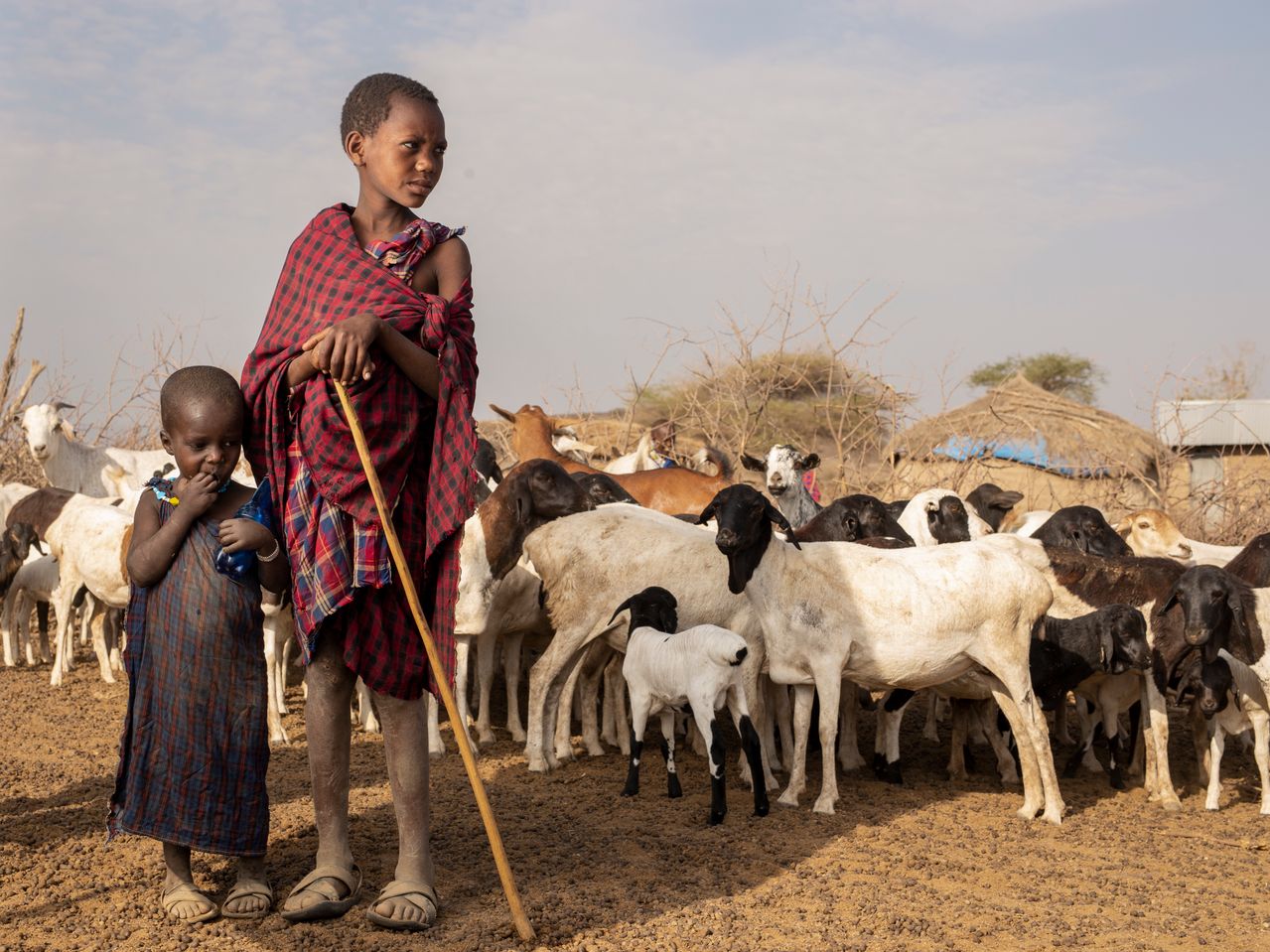
Maasai society isn’t organised around the nuclear family alone; it’s structured around age-sets, groups of boys initiated into adulthood together who then move through defined life stages as a cohort. Young boys progress into morans, or warriors, responsible for protecting the community and its cattle, before eventually advancing into elderhood, where they take on roles of leadership and decision-making. Each stage carries its own responsibilities, rituals, and status, and the system is part of what gives Maasai communities their strong sense of collective identity across generations.
Maasai Spirituality & Beliefs
The Maasai are monotheistic, worshipping a single god, Enkai (sometimes spelled Engai), believed to have two forms, a benevolent, nurturing side and a vengeful one, reflected in the dual colours black and red often associated with the deity. As mentioned earlier, cattle are considered a gift from Enkai, which is part of why herds are treated with such deep reverence rather than viewed purely as livestock. Spiritual leaders, or laibons, hold an important role in Maasai communities, historically providing guidance, blessings, and traditional medicine.
The Maasai Today
Modern life has brought real change to Maasai communities. Many Maasai now balance traditional pastoralism with formal education, wage employment, and life in nearby towns, and it’s increasingly common to meet Maasai working across Kenya and Tanzania’s tourism, conservation, and business sectors. At the same time, land pressure from agriculture, development, and population growth continues to shrink the grazing areas central to Maasai life, an ongoing challenge that communities and conservation organisations are working to address, including through community-run conservancies that share tourism revenue directly with local Maasai landowners.
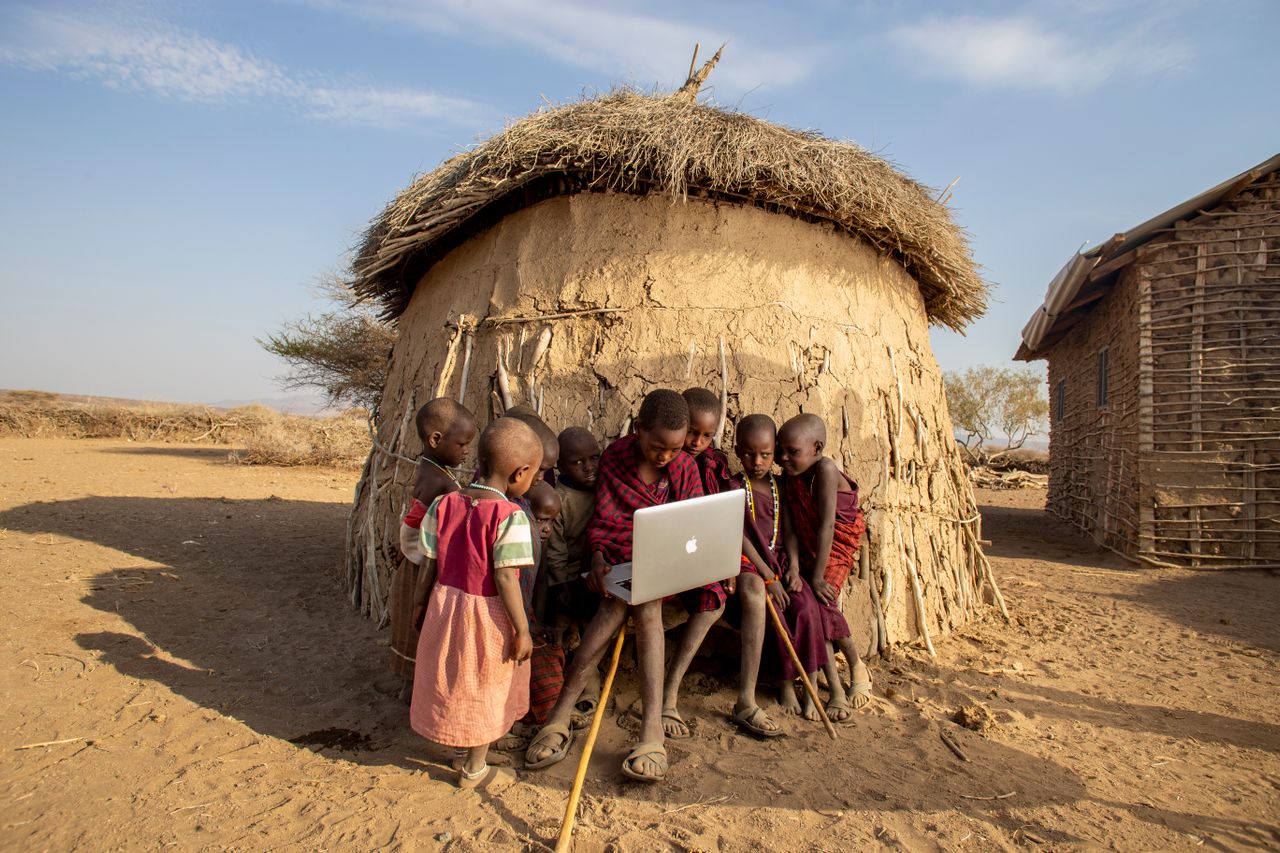
A Living Culture
The Maasai aren’t a relic of the past, they’re a living, adapting people who continue to shape life across the Masai Mara and Serengeti today, on their own terms. Travellers lucky enough to meet the Maasai in person are witnessing a culture that has held onto its identity through real hardship, and that resilience deserves as much attention as the beadwork and the jumping dance. Approaching a visit with curiosity, patience, and respect goes a long way toward making that exchange a genuinely positive one for everyone involved.









![How to plan an Overland Tour through Africa [Guide]](https://africanoverlandtours.com/wp-content/uploads/2025/04/Plan-an-overland-tour-in-africa-768x576.jpg)