I think these six facts about Kenya will make you want to visit the country. Why not read them and tell me if I’m wrong or right?
Kenya is one of the most diverse, beautiful, and surprising countries in not just Africa, but the world. I could tell you many fascinating facts about this East African nation. But here are just six. They’re facts that I find really interesting as a traveller, and I think you will too.
1. There’s a safari park literally next door to the main international airport
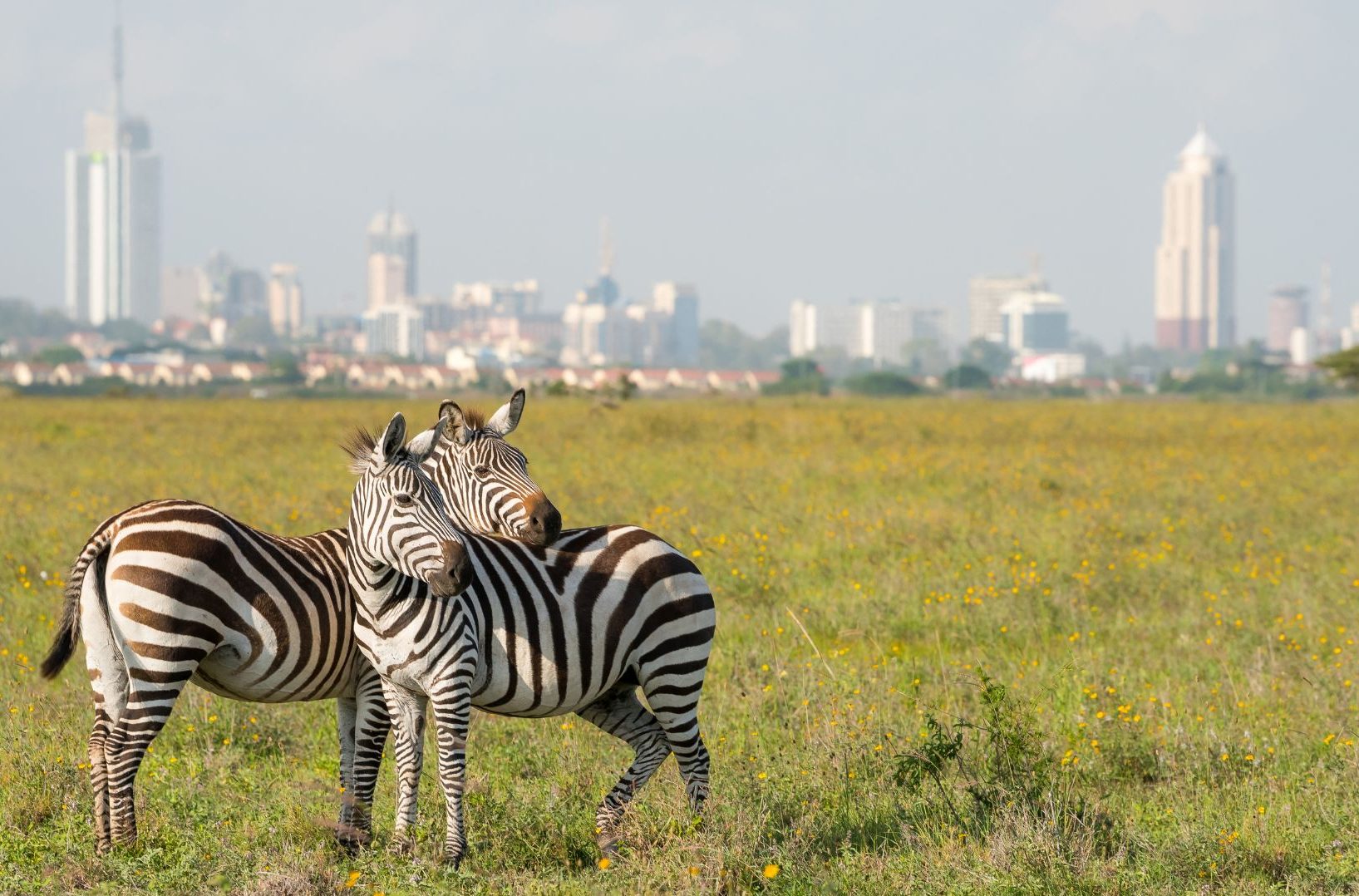
It usually takes a bit of time to travel from an international airport to one of Africa’s big-game reserves. But not in Nairobi, the capital of Kenya. Here, the airport shares a boundary line with Nairobi National Park. The park is also a mere 13-minute drive from the capital’s CBD.
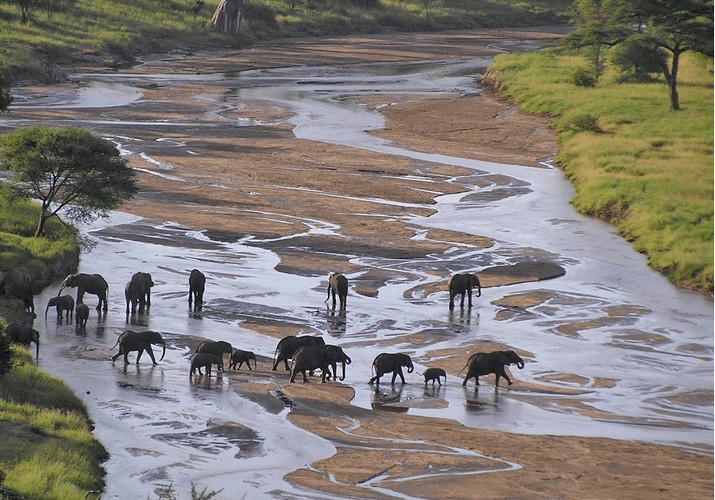
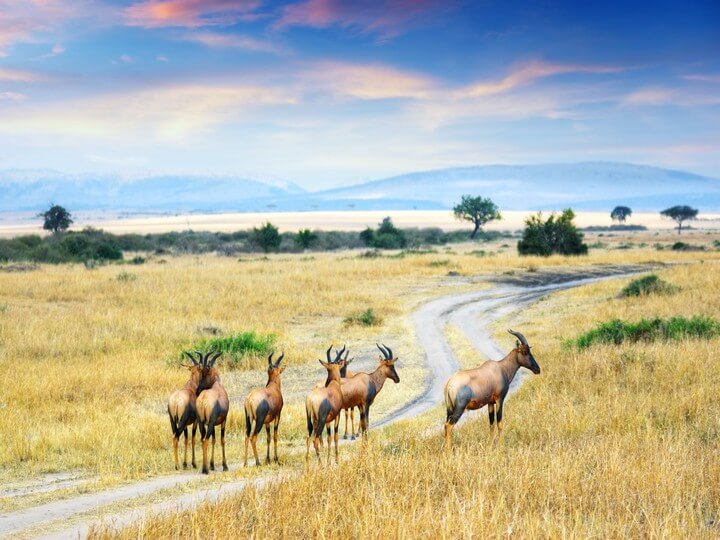
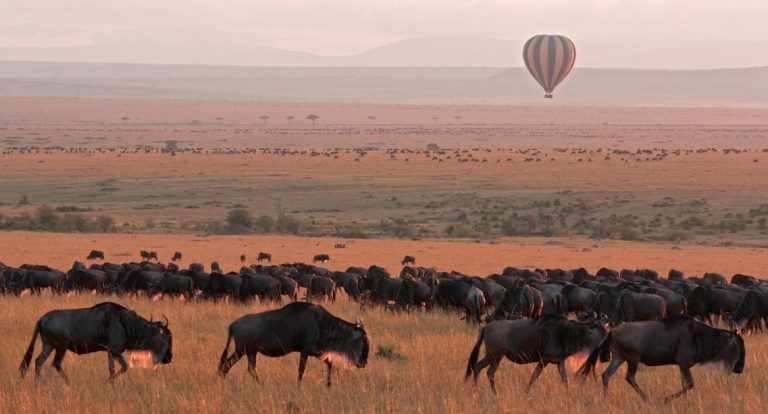
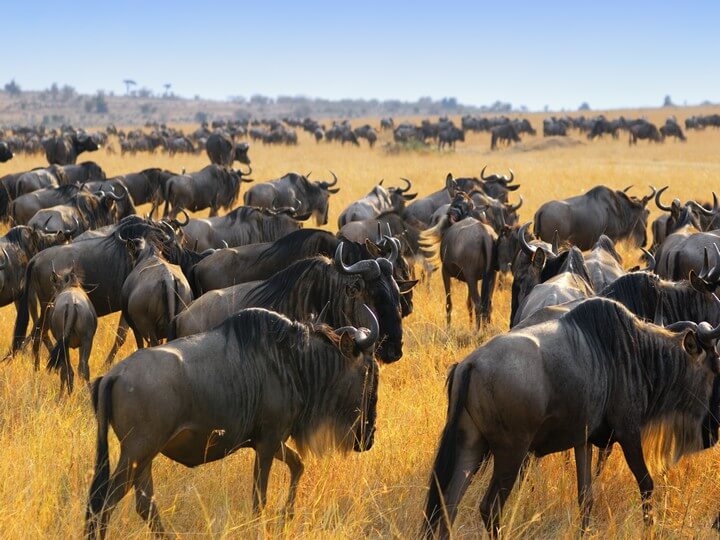
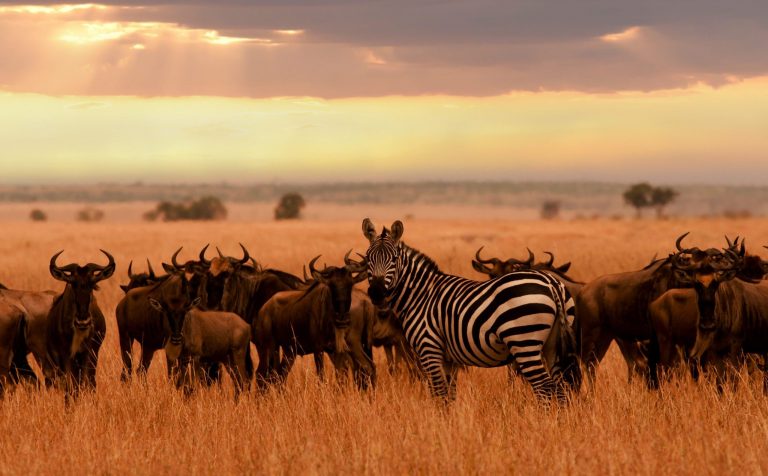
Nairobi National Park is home to over 100 mammal species, including four of the Big Five (lions, leopards, black rhinos, and Cape buffaloes). You can also find giraffes, zebras, wildebeests, cheetahs, hyenas, jackals, and servals. And then there are the more than 500 bird species present, which include secretary birds, martial eagles, and red-bellied parrots. Some of the park’s wildlife species live in the onsite animal orphanage.
The park offers an exceptionally accessible safari experience for anyone short on time. It’s also the only place where you can enjoy the unique view of savannah wildlife against a modern city skyline!
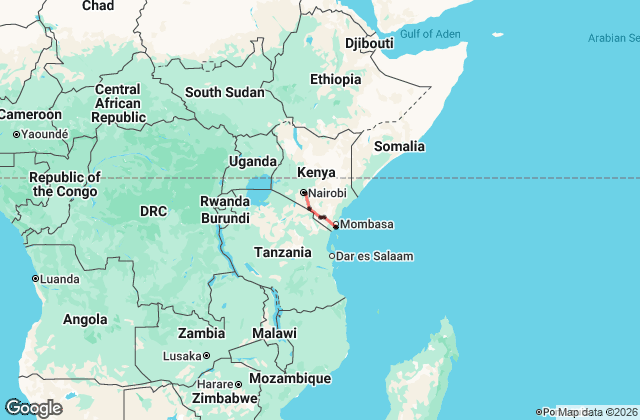
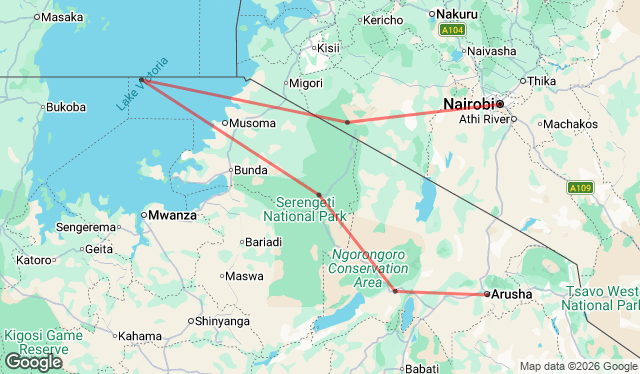
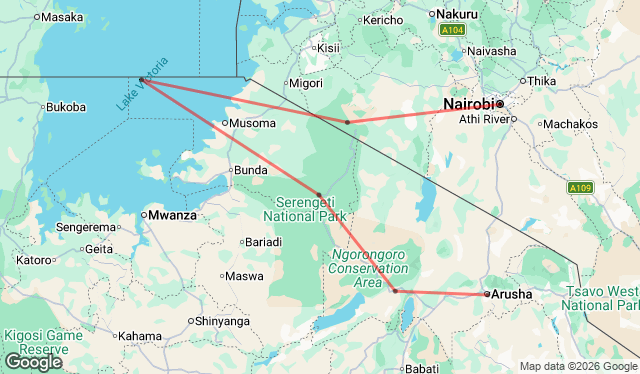
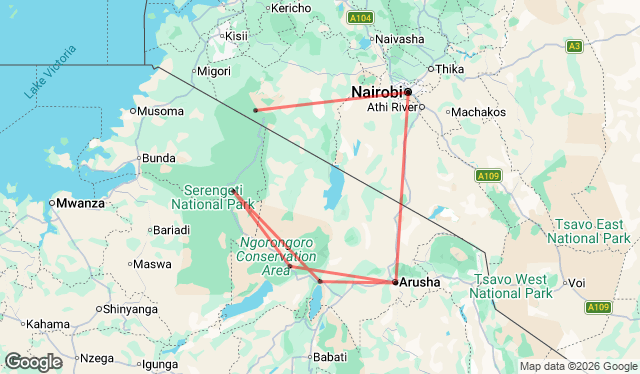
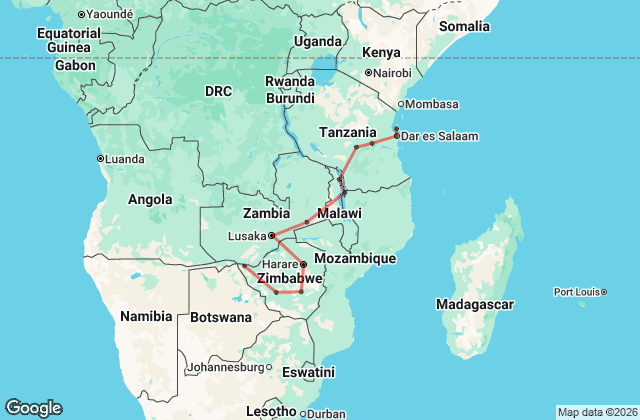
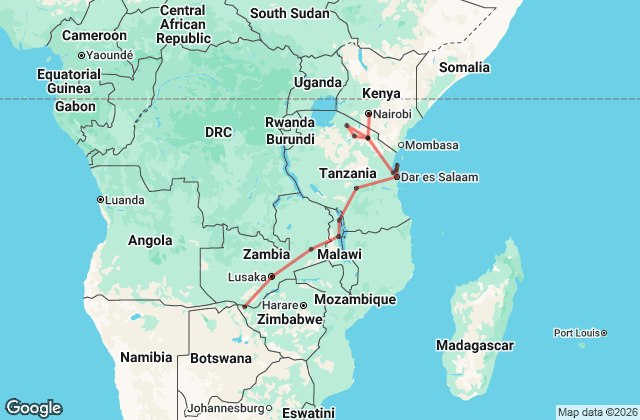
If you’d like to visit Nairobi National Park on an overland tour, check out these itineraries, all of which start or end in Nairobi.
2. Kenya sees over 1,100 bird species, more than all of Europe
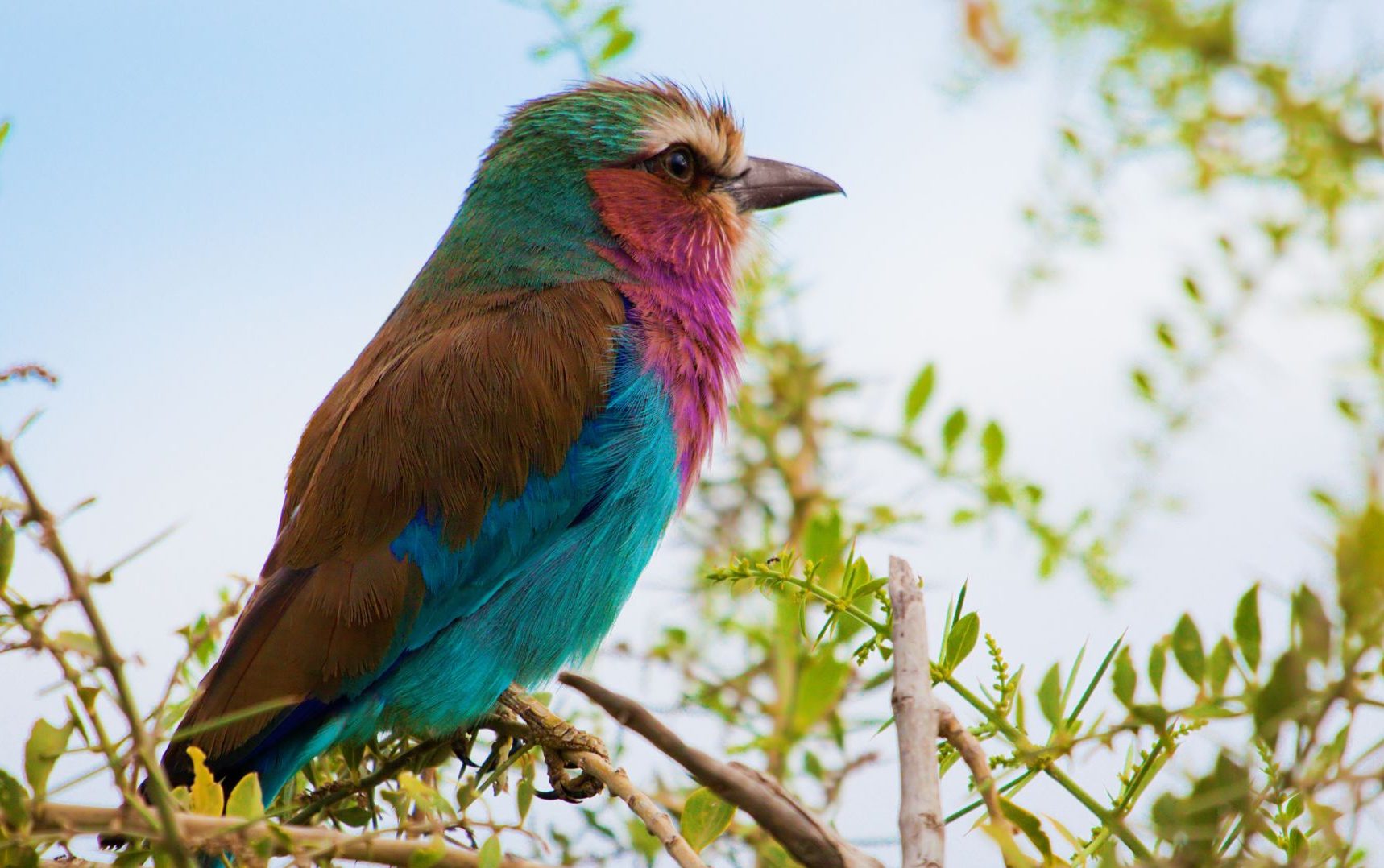
Kenya ranks twelfth in the world for bird diversity. It also reportedly has the second-highest species count in Africa after the DRC, which beats it by just 70 species, even while being four times as big. So if you like birds, you really should visit Kenya!
Kenya is able to host such a massive range of birds thanks in part to its position within a major migratory flyway. Another factor is the fact that it’s one of the most bioclimatically diverse countries on Earth; its biomes include desert, coastal mangrove, forest, highland, savannah, and more. And then there’s also the fact of the East African Rift running through the country; this tear in the continental plate has created many pockets of biological endemism.
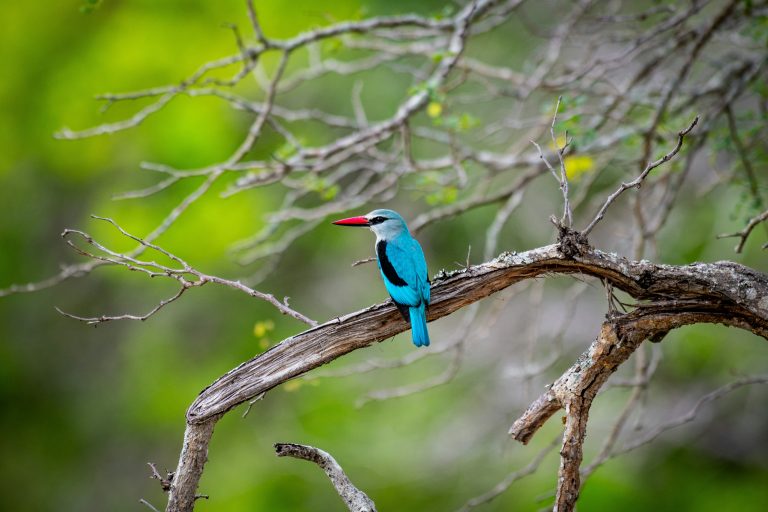
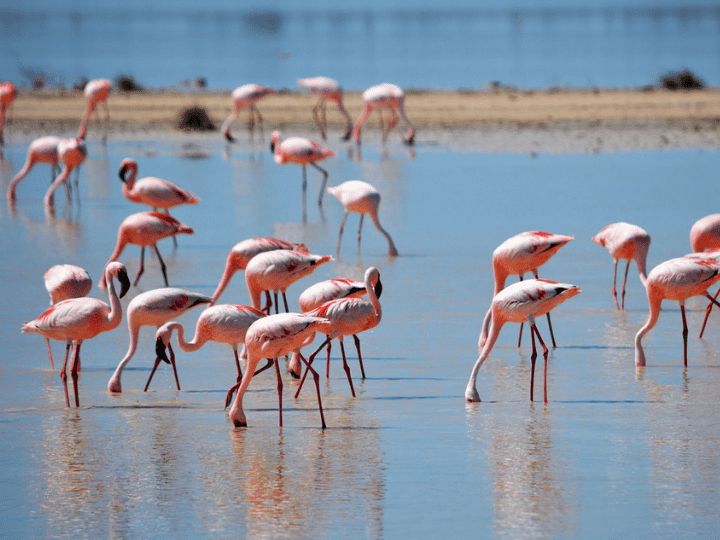
Kenya’s national bird is the impossibly picturesque lilac-breasted roller (shown above). Happily, it’s pretty easy to find on a safari, as are various other much-loved species, like grey crowned cranes, kori bustards, and Fischer’s lovebirds. I must also point out that the Rift Valley’s soda lakes see spectacular concentrations of greater and lesser flamingoes. For true birders, note that some of Kenya’s endemic species are the taita apalis, Sharpe’s longclaw, Clarke’s weaver, and Hinde’s babbler.
3. Kenyans are wildly diverse, speaking 68 languages
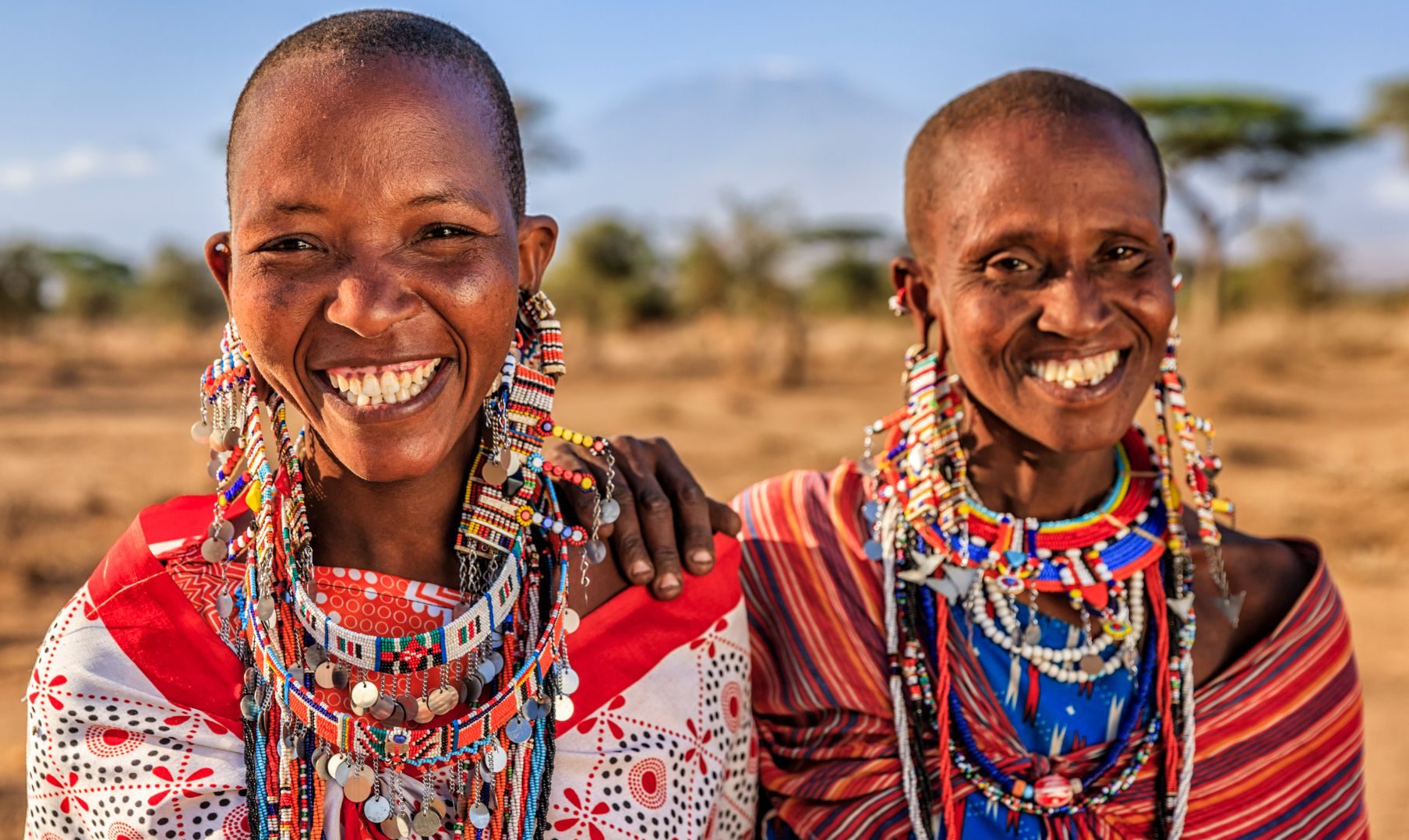
Another interesting fact about Kenya is that it has 68 different languages, according to Ethnologue. Most of these (61) are indigenous languages, and can be divided into three further groups, namely Bantu, Nilotic, and Afroasiatic. The remaining seven, like English and Hindi, are imports.
Most Kenyans speak three languages: English and Swahili (the official languages) and their mother tongue, which is usually a tribal language. Note that the word tribal isn’t pejorative in Kenya – Kenyans tend to be proud of their ethnic identities.
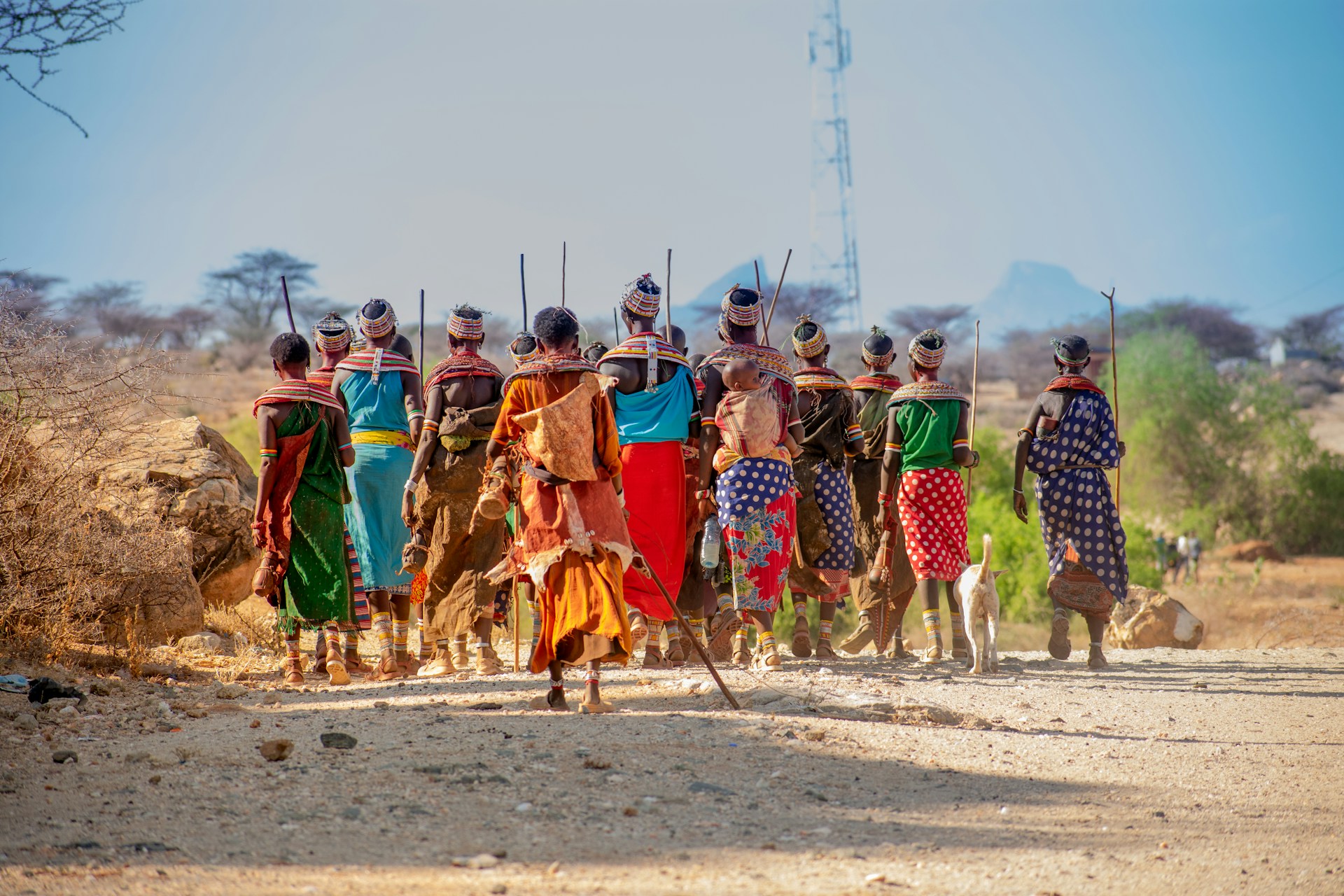
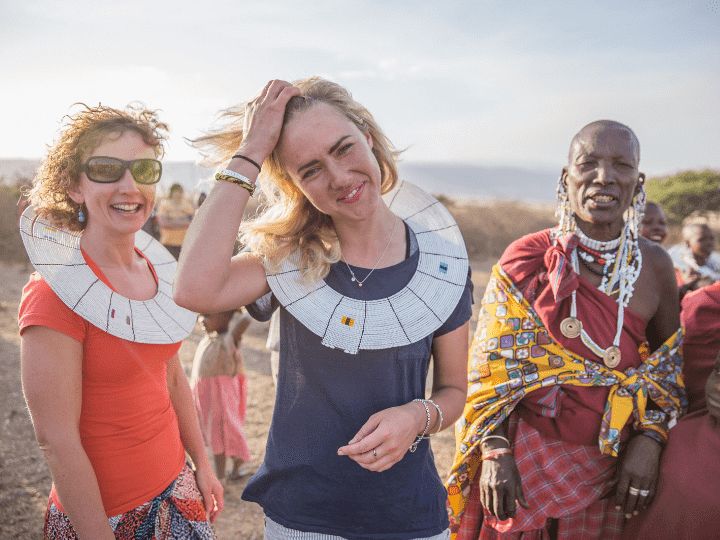
There are 42 officially recognised tribes in Kenya, of which the Masai are the most famous. The Masai retain their distinctive customs, dress, herding lifestyle, and more. And the Maa language is critical to their continued cohesion.
All of this diversity makes Kenya an incredibly rewarding country to visit from a cultural and historical perspective. Many tribes welcome visitors to take part in culturally immersive experiences, like village visits, as a way to share their culture and also earn some income.
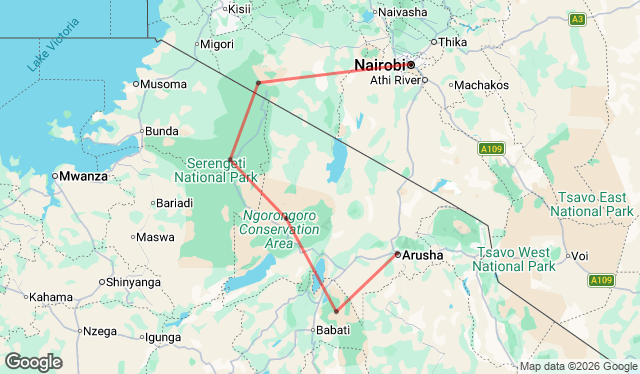
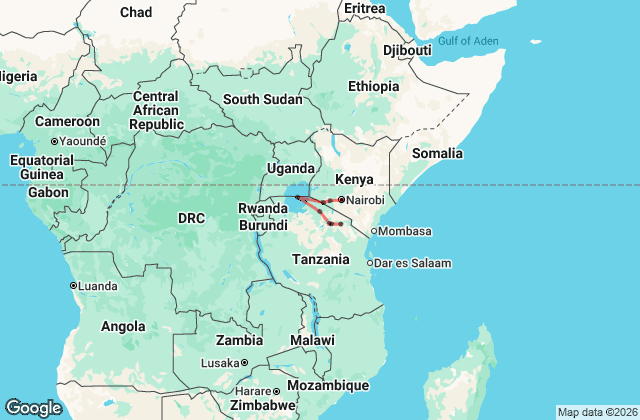
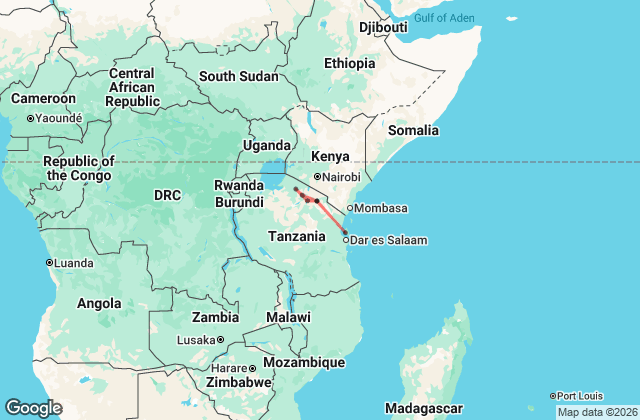
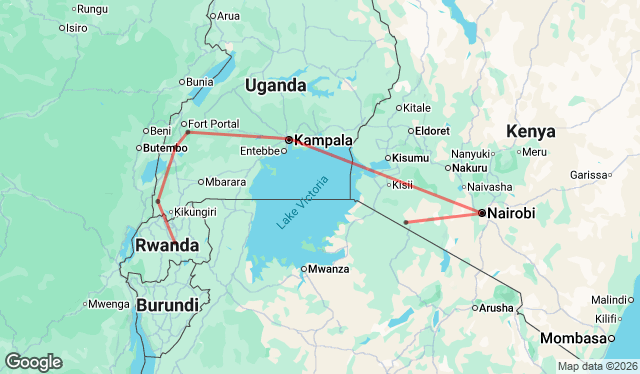
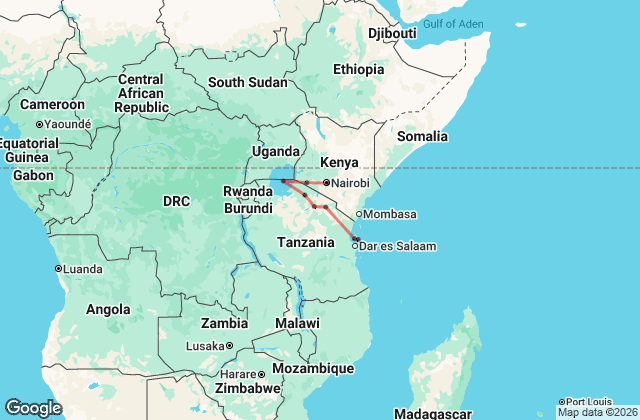
If you’d like to explore some of the cultures of Kenya, consider booking an African Overland Tours trip like the 15 Day Tanzania and Kenya Tour, 8 Day Unveiling Kenya’s Wonders, 8 Day Majestic Kenya Safari, or 10 Day Kenya Unveiled: Cultural & Wildlife Wonders.
4. The East African Rift is the training ground for many of the world’s top runners

For decades, Kenyans (along with Ethiopians) have dominated the ranks of the world’s greatest middle- and long-distance runners. For instance, there’s Eliud Kipchoge, widely considered the greatest marathon runner of all time. There’s also Paul Tergat, the late Kelvin Kiptum, and Faith Kipyegon, among others.
If you noticed the common ‘kip’ in three of the above surnames, that’s because many of Kenya’s best runners are from the Kalenjin tribe, where the prefix kip means ‘born of’. The Kalenjin mostly live – and therefore learn to run – in the highlands of the East African Rift. This factor, along with others like their physiology (Nilotic people tend to be tall and lean), produces many gifted runners.
If you like trail running, you might consider heading to central Kenya, where the highlands flank the Great Rift Valley, and you can run trails that have helped to shape some of the world’s running legends. In particular, there’s the town of Iten, where athletes from around the world come to train. Here, there are endless red-dirt forest, savannah, and escarpment-edge trails to explore. What’s more, being 2,400 m (7,874 ft) above sea level means a temperate climate that’s heaven for running.
5. Flowers are BIG business in Kenya
The cut flowers industry is one of Kenya’s top exports and biggest employers. It reportedly employs over 100,00 people directly and around two million indirectly. But almost none of those exports are indigenous plants, despite the fact that Kenya is one of Africa’s most plant-diverse countries. Its exports are mostly foreign species (roses, carnations, and chrysanthemums), grown in its highlands.
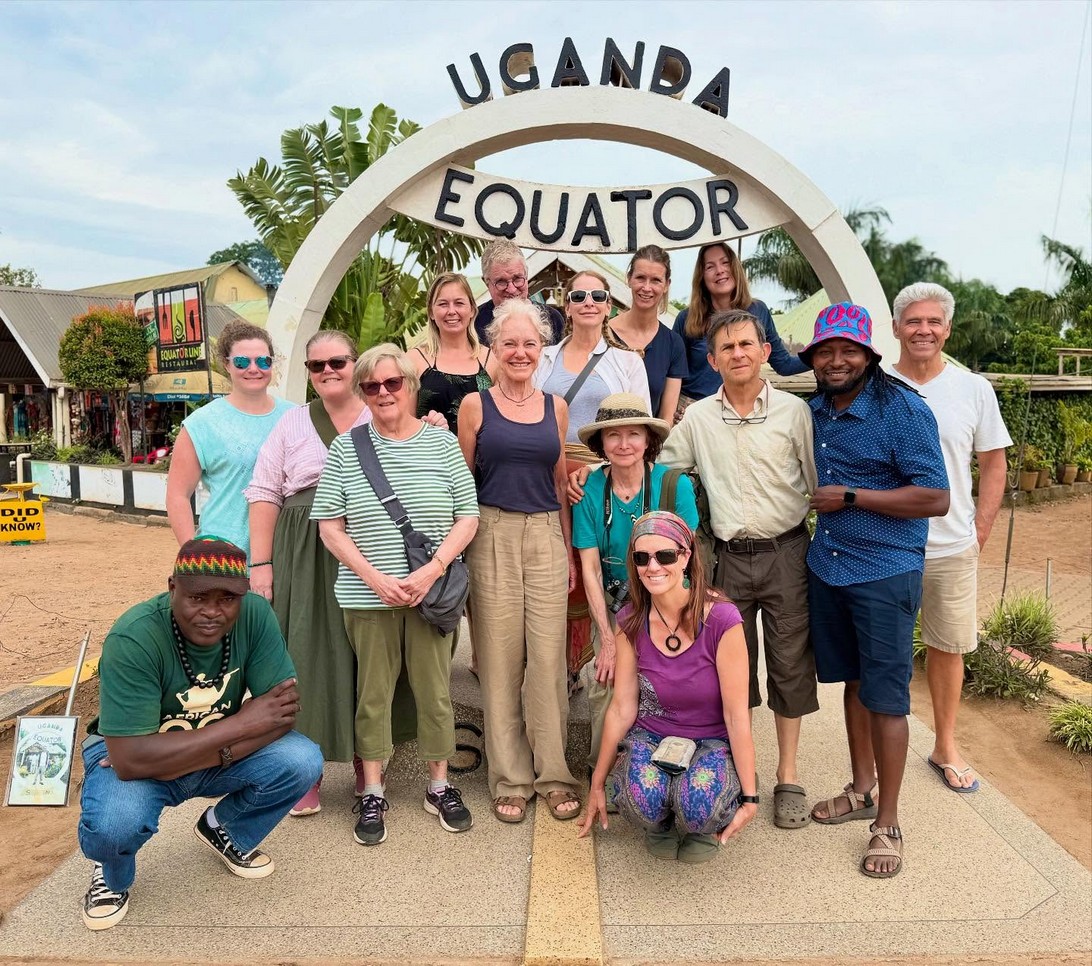
Incredibly, one of the biggest buyers of Kenyan cut flowers is the Netherlands. Known as a global floral hub, the Netherlands sustains this reputation by buying roses and other cut flowers from an African nation that touches the Equator!
Flower-lovers like me will find themselves in clover, pun intended, when exploring the country’s indigenous floral wealth. The orchid is Kenya’s unofficial national flower. In fact, Kenya is reportedly home to around 250 native orchid species!
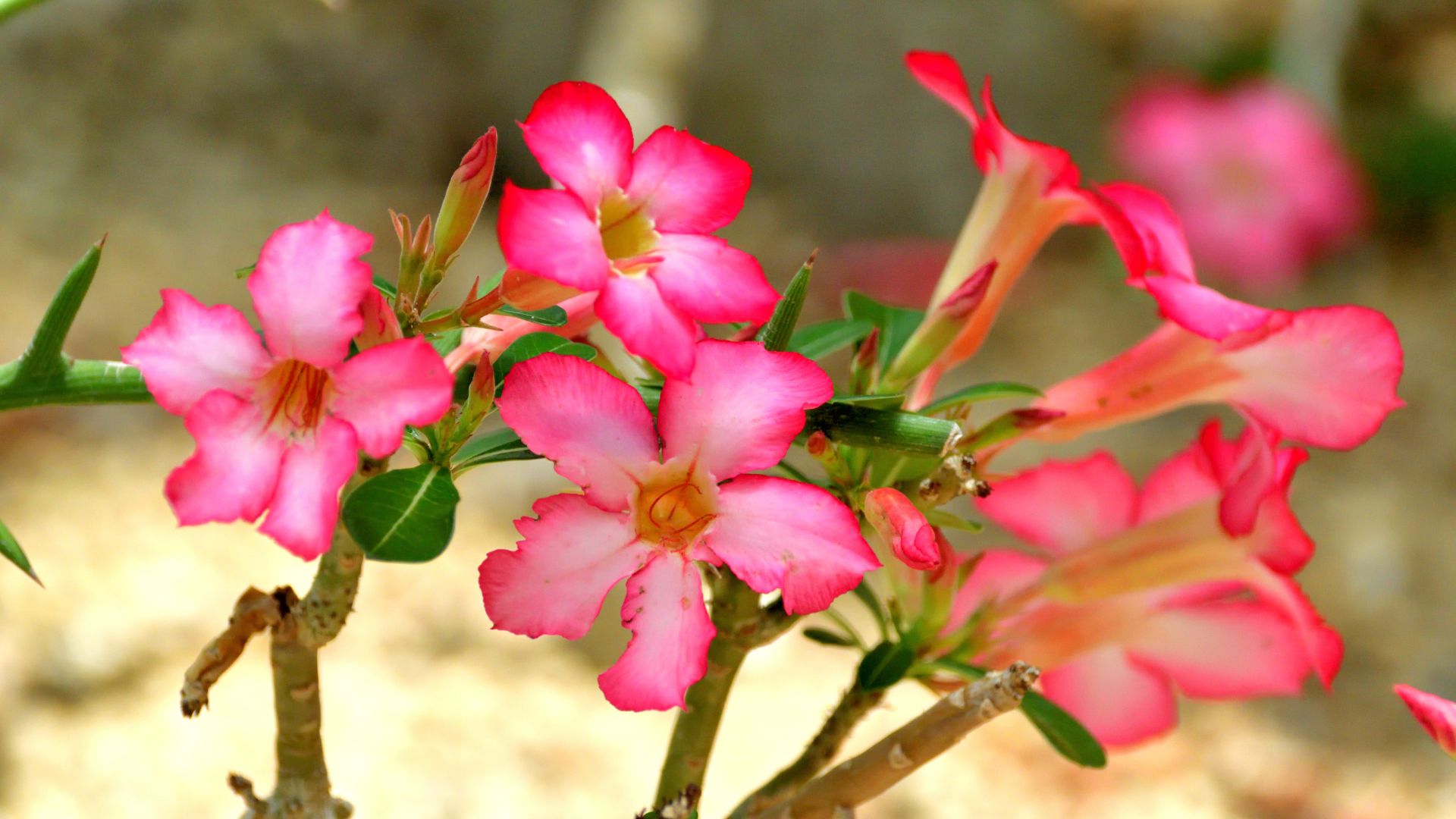
Beyond the orchids, you can find desert specials in the north, like the highly toxic but captivating desert rose (or impala lily), shown above. Then there are rare high-altitude beauties like the enormous, top-heavy giant groundsels that grow on the misty slopes of Mount Kenya. There are also various savannah icons, like baobab trees and whistling acacias (which, yes, do ‘whistle’ in the wind). And there are also many moist forest delights in the lowlands, like the unforgettable sausage tree, whose sausage-shaped pods can grow up to 2 feet long.
6. Mount Kenya is Africa’s highest technical mountain
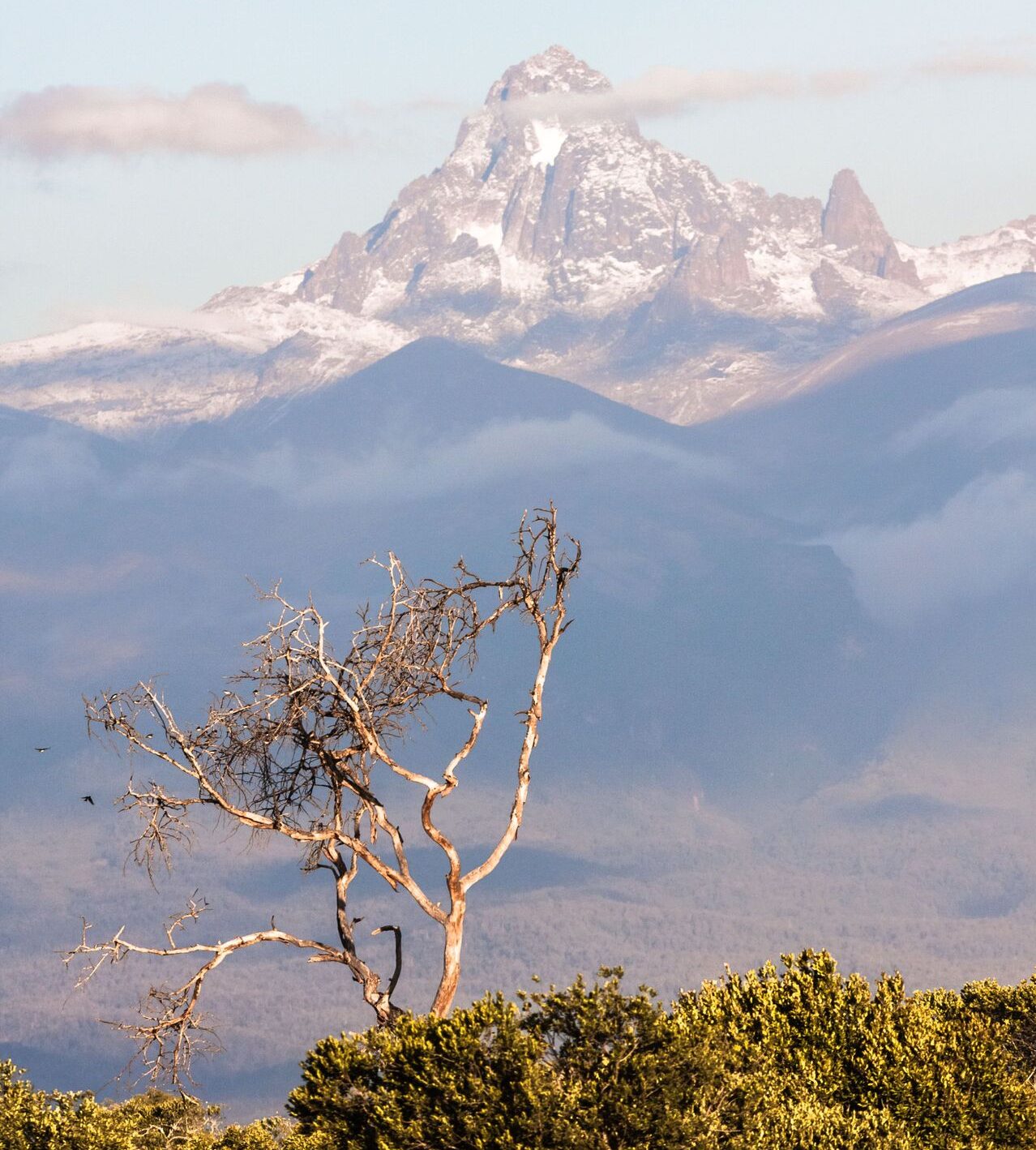
Africa’s highest mountain is Mount Kilimanjaro at 5,895 m (19,341 ft) in neighbouring Tanzania. It’s actually the world’s tallest free-standing mountain. But its summit can, astonishingly, be reached simply by hiking, as there are no technical sections. At 5,199 m (17,057 ft), Mount Kenya‘s highest peak does, on the other hand, very much require mountaineering skills.
Know that trekkers can reach the peak known as Point Lenana on Mt Kenya, which at 4,985 m (16,355 ft) also offers incredible views and a great sense of achievement. For some context or scale, Point Lenana is still much higher than either Mount Whitney in California or the Matterhorn in Europe.
You can also do day hikes up into Mt Kneya’s forest and moorland zones. In the latter, you’ll find some of Africa’s most unusual plant species, including the aforementioned giant groundsel as well as the giant lobelia.
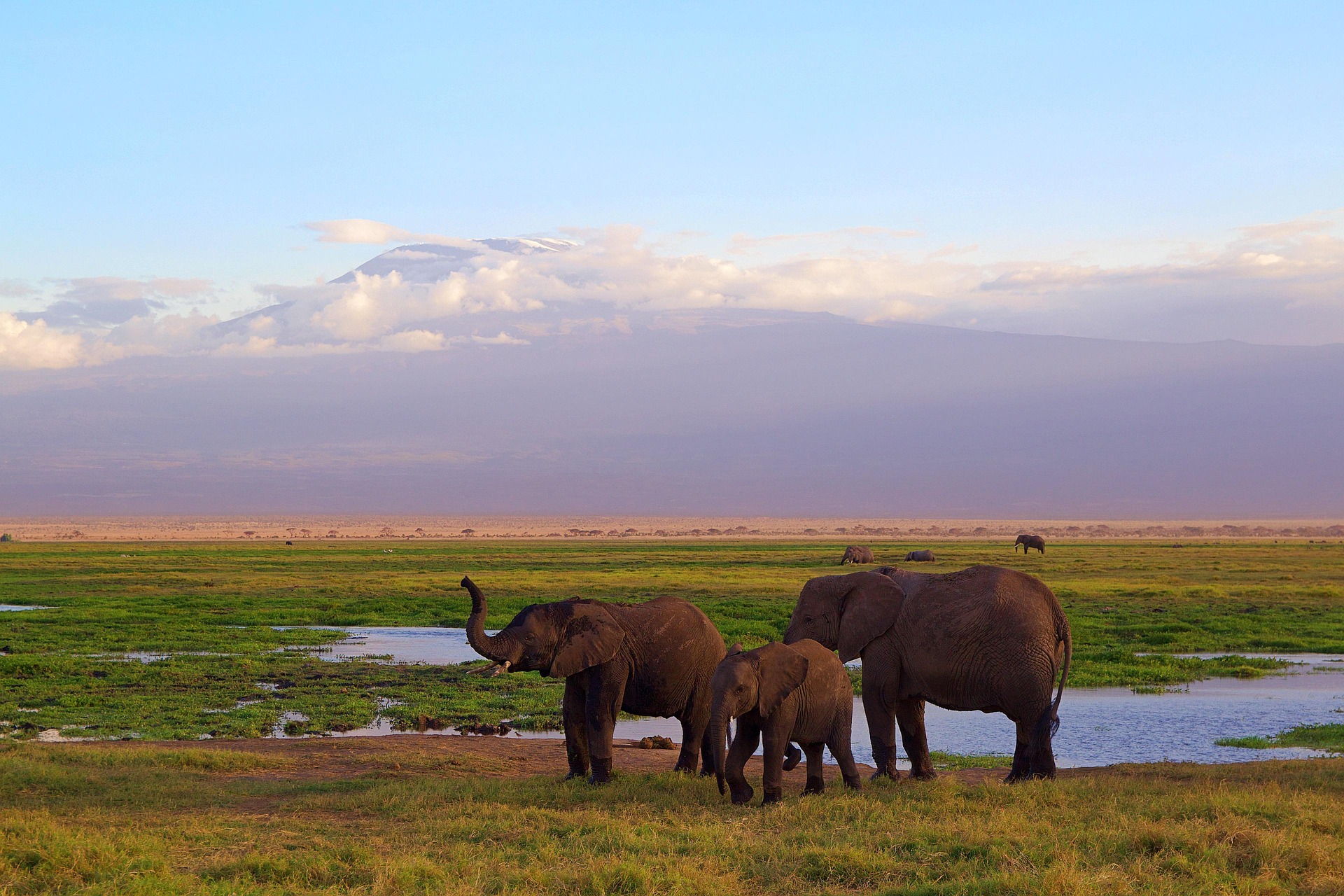
Even if you don’t wish to put on hiking boots at all, do make a point of visiting the mountain if you’re nearby. To my mind, it has one of the prettiest and most alluring profiles of the world’s mountains. Partly, it’s the ruggedness of its snowy peaks. Partly, it’s the lushness of the surrounding landscape. And then it’s also the fact that you can sometimes espy quintessentially African wildlife like elephants wandering in its foothills.
Plan a Kenyan overlanding adventure
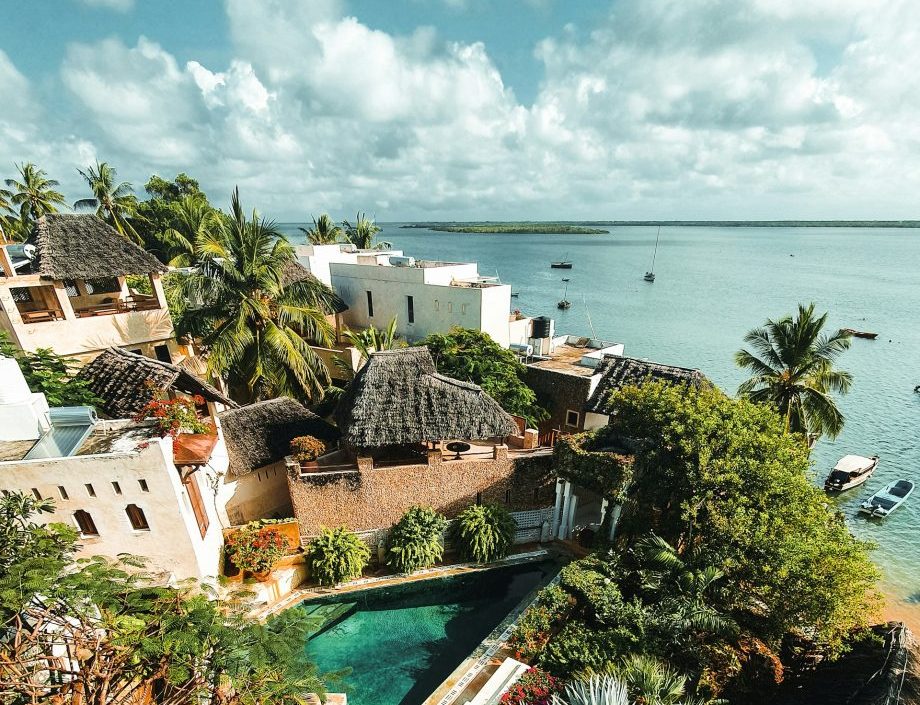
Of course, there are so many other fascinating facts about Kenya that I could share. Like how Lake Turkana in the north is the largest desert lake in the world. That the tropical island of Lamu has a mediaeval town to explore and no cars. And that five of the world’s seven sea turtle species nest on Kenya’s shores.
What should hopefully be apparent from all I’ve shared is how beautiful and diverse this East African nation truly is. And this is why it’s one of Africa’s most visited countries. In fact, my own British father visited Kenya in his 20s and so fell in love with it that now my whole family is African. That’s the allure of Kenya for you. So you have been warned.
Note: This blog post was created in October 2022 by Leandra Slabbert. It was completely rewritten in May 2026 by Megan Abigail White.