

Explore Uganda
18 days
South Africa
Places you'll visit
African Overland Tours
https://www.facebook.com/AfricanOverlandTourscom/
https://www.instagram.com/african_overland_tours/
https://www.youtube.com/@africanoverlandtoursandsafaris
+27 (0) 21 448 0997
Customer Service
Worldwide

Southern Africa is home to dozens of UNESCO World Heritage Sites – Here’s a List of 11 of the best
From South Africa up to Malawi, and from Namibia on the west coast across to Mozambique, you can find many magnificent and diverse protected landscapes and marine systems. These habitats support an astonishing array of plant and animal life (truly – there’s even a floral kingdom in the mix). And they’re also home to a melting pot of people groups, both past and present, who have left behind incredible artefacts, from hidden rock paintings to hefty fortresses.
This blog post highlights just 11 of these numerous sites. It’s a subjective list, of course. All of the UNESCO sites in Southern Africa are highly worthy of being visited! I’ve simply chosen those that I consider the most popular, representative, or interesting to international travellers, particularly those inclined towards overlanding adventures.
Note that South Africa features heavily in this list because it has a dozen UNESCO sites, more than any other African nation besides Ethiopia (which also boasts a dozen).
But enough preamble. Let’s start the list with my favourite place on earth …
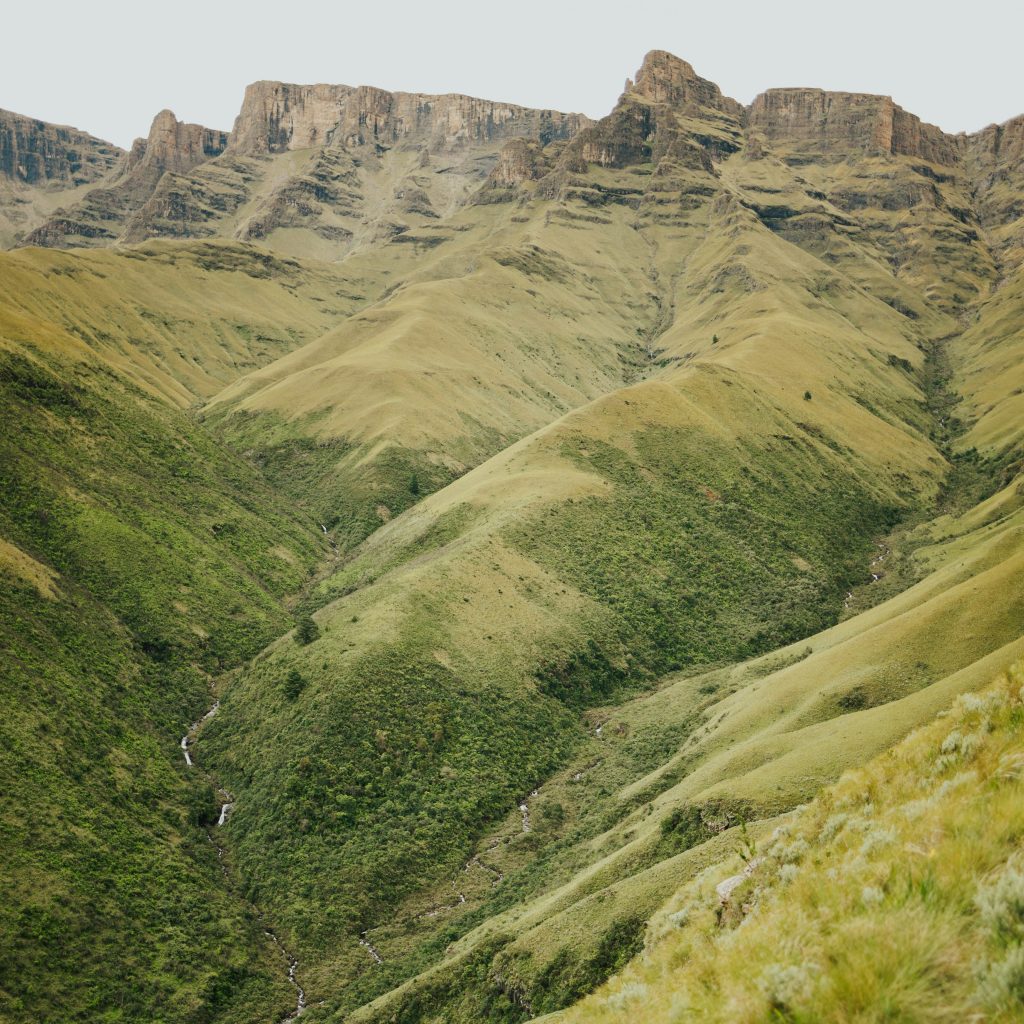
The Maloti–Drakensberg Park protects the highest portion of a magnificent escarpment mountain range that’s the tallest in Southern Africa. This transational park is composed of the uKhahlamba Drakensberg National Park in South Africa and the adjacent Sehlathebe National Park in Lesotho. The mountains offer challenging and incredibly scenic hikes and multiday treks.
One of the mountain range’s most prominent features is the 5 km-long and 1.2 km-high sheer wall of rock known as the Amphitheatre. An overnight hike here sees you climb chain ladders and test your head for heights. The breathtaking Tugela Falls – arguably the tallest waterfall in the world – flows over the edge of the Amphitheatre.
Another major feature of the mountain range is its rock art paintings, left behind by San people. The San were sadly driven out of the area in the eighteenth century by European settlers. As hunter-gatherers, the paintings are absolutely invaluable as they’re all that remain to testify to their time in the region.

ZAR
58480.00https://schema.org/InStock
African Overland Tours
Price From
R58,480

The Cape Floral Region Protected Areas is a clunky and rather uninspiring name that refers to something marvellous. The Cape’s flora – or its fynbos – is a kind of scrubland or heathland that produces many well-known and striking flowers like king proteas, pincushions, and agapanthus lilies. It moreover constitutes one of the world’s six floral kingdoms. And it has a far greater plant species density than anywhere else in the world. Anywhere. So if you go walking in the fynbos during flowering season, expect to stop every two steps because you’ve seen yet another bloom you’ve never seen before.
This UNESCO site is made up of eight different areas, including national parks, wilderness areas, and state forests. One of the most recognisable names among these eight is Table Mountain National Park. If you only have time to visit one location, this is the obvious choice. You can hike up the mountain, or take the cable car, though hiking puts you in the way of more varied habitats.
Alternatively, visit my favourite place in Cape Town: Kirstenbosch Botanic Gardens on the eastern slope of Table Mountain. Also part of this UNESCO site, Kirstenbosch is your best bet for seeing as many plant species as possible in a short span of time. You’ll also be able to learn all about the flora from its various resources. It really isn’t your ordinary botanical garden – it’s so much more.

ZAR
60360.00https://schema.org/InStock
African Overland Tours
Price From
R60,360

Staying in the Western Cape, you have the historic prison on Robben Island where Nelson Mandela was held for 27 years during the Apartheid years.
The island is located in the Atlantic Ocean to the north of Cape Town. More specifically, it sits within Table Bay and is about 7 km (4 mi) from the nearest bit of mainland. The water here is fed by the cold Benguela Current and the current is strong. Today, the line between the island and the mainland is known as Freedom Swim, and it’s a great challenge for very strong swimmers, rather than a desperate bid for freedom.
Mandela was transferred to Robben Island’s maximum-security prison along with other political prisoners after the Rivonia Trials of 1964. Today, visitors can take a boat trip to the island to see the prison, which has been turned into a museum. These tours offer a visceral sort of history class as you can experience for yourself the often harsh weather conditions and extreme isolation of the place. It’s a miracle that Mandela emerged from his time there not with revenge in his heart, but a vision of reconciliation.
ZAR
57125.00https://schema.org/InStock
African Overland Tours
Price From
R57,125
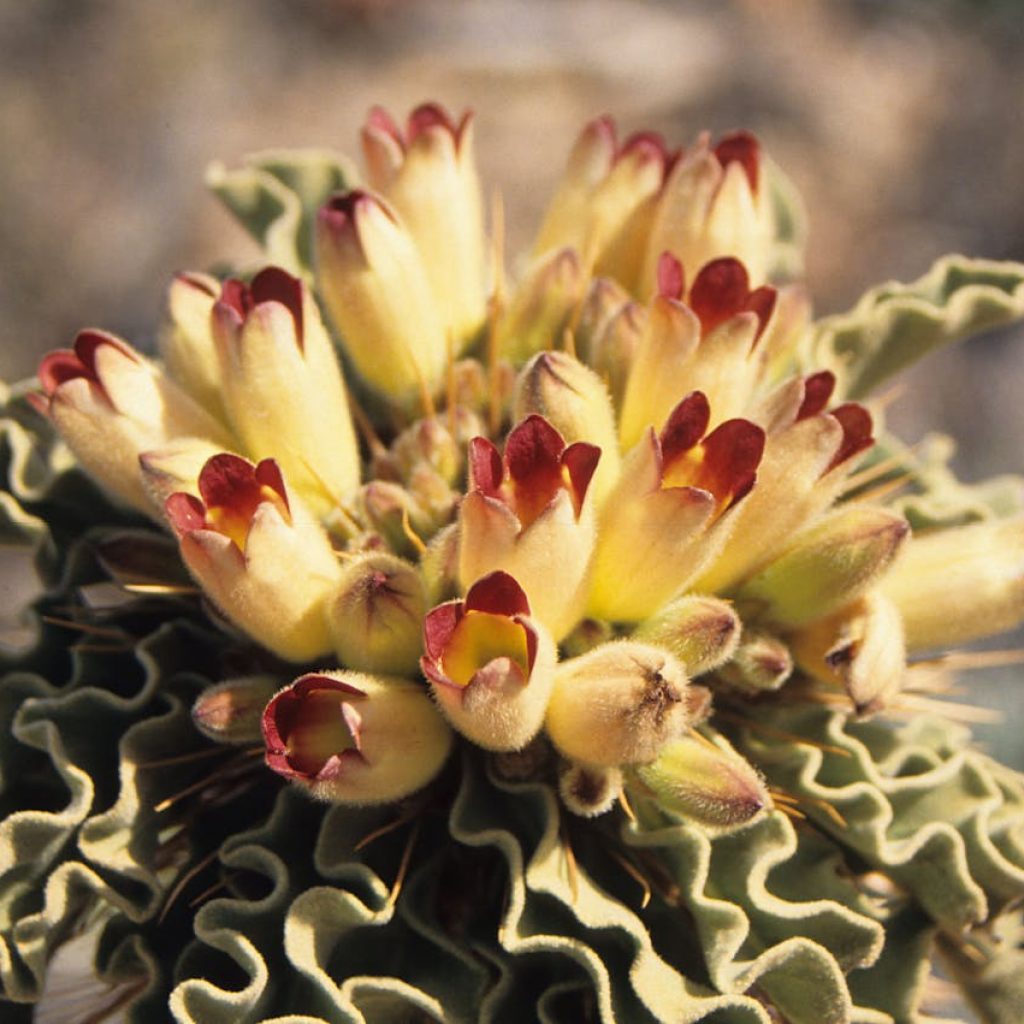
This UNESCO site refers to the South African portion of the Ai-|Ais/Richtersveld Transfrontier Park. As described by UNESCO itself, the landscape “sustains the semi-nomadic pastoral livelihood of the Nama people, reflecting seasonal patterns that may have persisted for as much as two millennia in southern Africa.” The Nama are famous, among other things, for their portable rush-mat houses (called haru om).
Part of the larger Karoo Desert, the Richtersveld is also notable for its dramatic mountains, incredibly diverse desert flora, and hardy wildlife. One of the many unusual plants to appreciate here is the whacky elephant’s trunk succulent. True to its name, it has a frankly ugly stalk (thick, taller than a man, and covered in spikes) but it is topped by the most glorious blooms, as shown above.
One of the best ways to experience the quietude and austere beauty of the Richtersveld is on a multiday Orange River rafting trip, where you sleep on the riverbank under the stars.
I must also just mention that the Fish River Canyon, the second-largest canyon in the world, lies a stone’s throw to the north. It’s located inside Namibia’s portion of the Ai-|Ais/Richtersveld Transfrontier Park, and is on UNESCO’s tentative list. So of course you should visit it too while in the area.
ZAR
56655.00https://schema.org/InStock
African Overland Tours
Price From
was
R62,950
R56,655
Saturday
25 Apr 2026

Thursday
14 May 2026
From
R62,950
R56,655

10% discount
Saturday
23 May 2026
Thursday
11 Jun 2026
From
R62,950
R56,655
10% discount
Saturday
04 Jul 2026
Thursday
23 Jul 2026
From
R62,950
R56,655
10% discount
Saturday
18 Jul 2026
Thursday
06 Aug 2026
From
R62,950
R56,655
10% discount
Saturday
29 Aug 2026
Thursday
17 Sep 2026
From
R62,950
R56,655
10% discount
Saturday
12 Sep 2026
Thursday
01 Oct 2026
From
R62,950
R56,655
10% discount
Saturday
26 Sep 2026
Thursday
15 Oct 2026
From
R62,950
R56,655
10% discount
Saturday
24 Oct 2026
Thursday
12 Nov 2026
From
R62,950
R56,655
10% discount
Saturday
07 Nov 2026
Thursday
26 Nov 2026
From
R62,950
R56,655
10% discount
Tuesday
22 Dec 2026
Sunday
10 Jan 2027
From
R62,950
R56,655
10% discount

Moving to the east coast of Southern Africa, we have the exceptionally beautiful St Lucia Estuary system. This is a diverse and ecologically rich transboundary ecosystem that includes both land, lakes, and sea. It’s protected by South Africa’s iSimangaliso Wetland Park and Mozambique’s Maputo National Park. The two parks encompass gorgeous coral reefs, sandy beaches, coastal dunes, freshwater lakes, swamps, mangroves, seagrass beds, and savannahs.
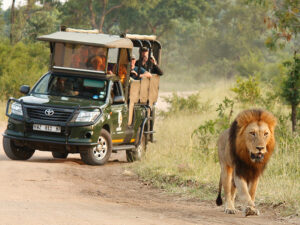
The site is a wonderful safari and adventure destination. Firstly, you can enjoy safari drives and boat trips looking for the likes of lions, hippos, and crocs. You can also look for turtle nesting sites in the dunes and swim in the warm Indian Ocean. And finally, you can enjoy some of the best scuba diving in all of Africa. Keep your eyes peeled for loggerhead and leatherback sea turtles, humpback whales, bottlenose dolphins, and whale sharks, among others.

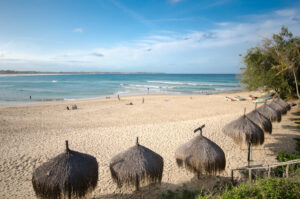
If you’ve ever visited, or wanted to visit Stone Town in Zanzibar, then make a note of the Island of Mozambique (or Ilha de Moçambique). Why? This lesser-known UNESCO site is another historic Indian Ocean town that offers unique architectural gems, beautiful seascapes, gorgeous coral reefs, and delicious seafood.
The Island of Mozambique earned its present-day multicultural identity through the melding, over centuries, of the African, Arab, and Portuguese cultures, among others. Vasco de Gama himself visited the island in 1498 while searching for a sea route to India. The Portuguese established a trading port and naval base on the island in 1507, which later developed into the capital of Portuguese East Africa. Many of their colonial buildings remain, like the São Sebastião fort. The modest and weatherbeaten (but intact) Chapel of Nossa Senhora de Baluarte (or “Chapel of Our Lady of the Bulwark”) is, in fact, believed to be the oldest European building in the Southern Hemisphere.
The island is connected to the mainland by a bridge, so those who dread any sort of water crossing need not shy away.
ZAR
77050.00https://schema.org/InStock
African Overland Tours
Price From
R77,050
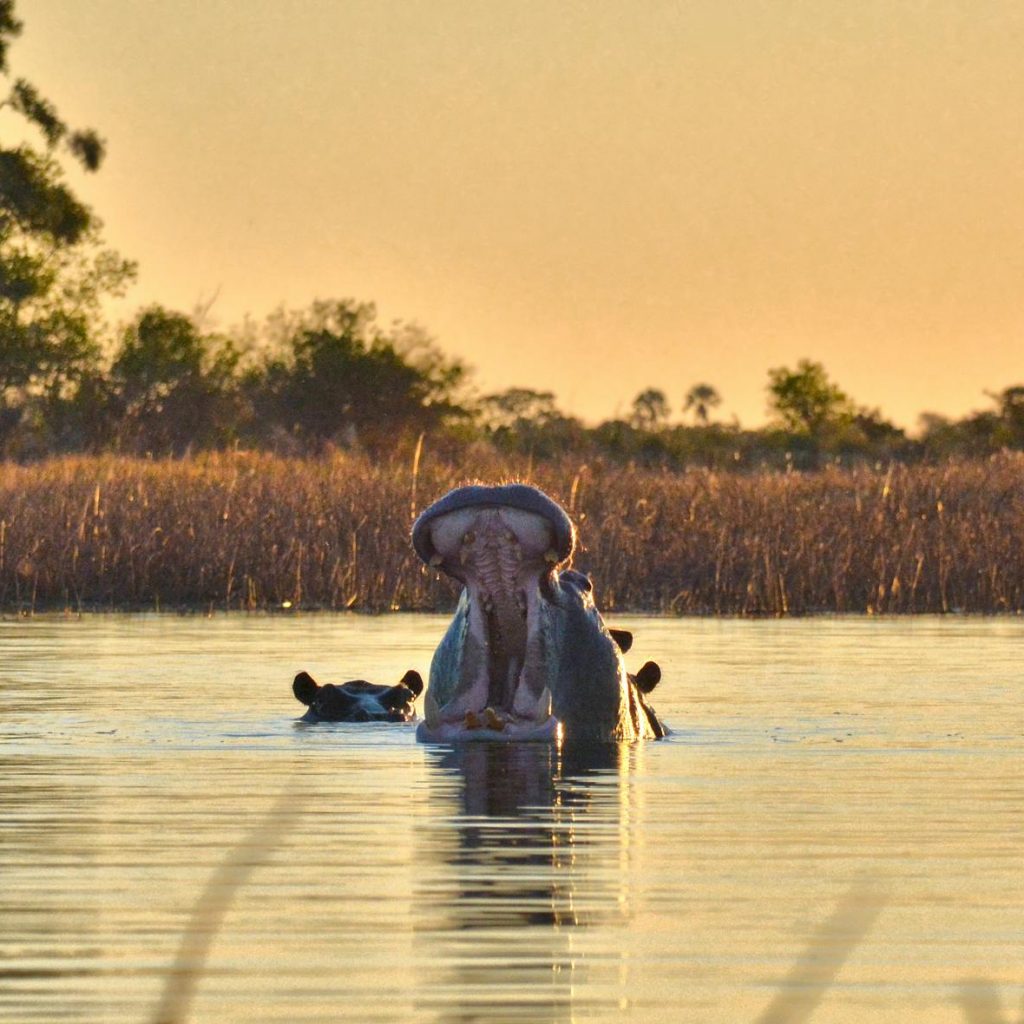
The Okavango is the world’s largest inland delta, recognised by UNESCO for its ecological importance. The delta is shared between Botswana and Namibia, but the latter portion is still on UNESCO’s tentative list.
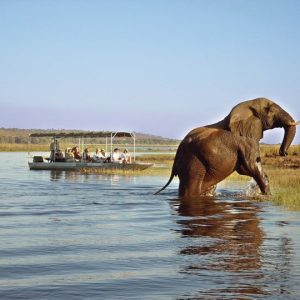
The Okavango is a seasonal oasis. Each year, the Okavango River flows south into the Kalahari Desert and creates a vast network of lagoons, floodplains, and islands. These habitats support showstopping biodiversity, including enormous herds of bush elephants, bloats of hippos, packs of endangered painted dogs, and over 400 species of birds.
You can enjoy game drives, but the main appeal, in my opinion, is exploring the winding water channels on a traditional mokoro (dugout canoe). This is the sort of serene safari that benefits nervous systems and protects nature. You simply drift or are poled along, and then have the gift of observing wildlife from sometimes surprisingly close quarters.
ZAR
80835.00https://schema.org/InStock
African Overland Tours
Price From
R80,835
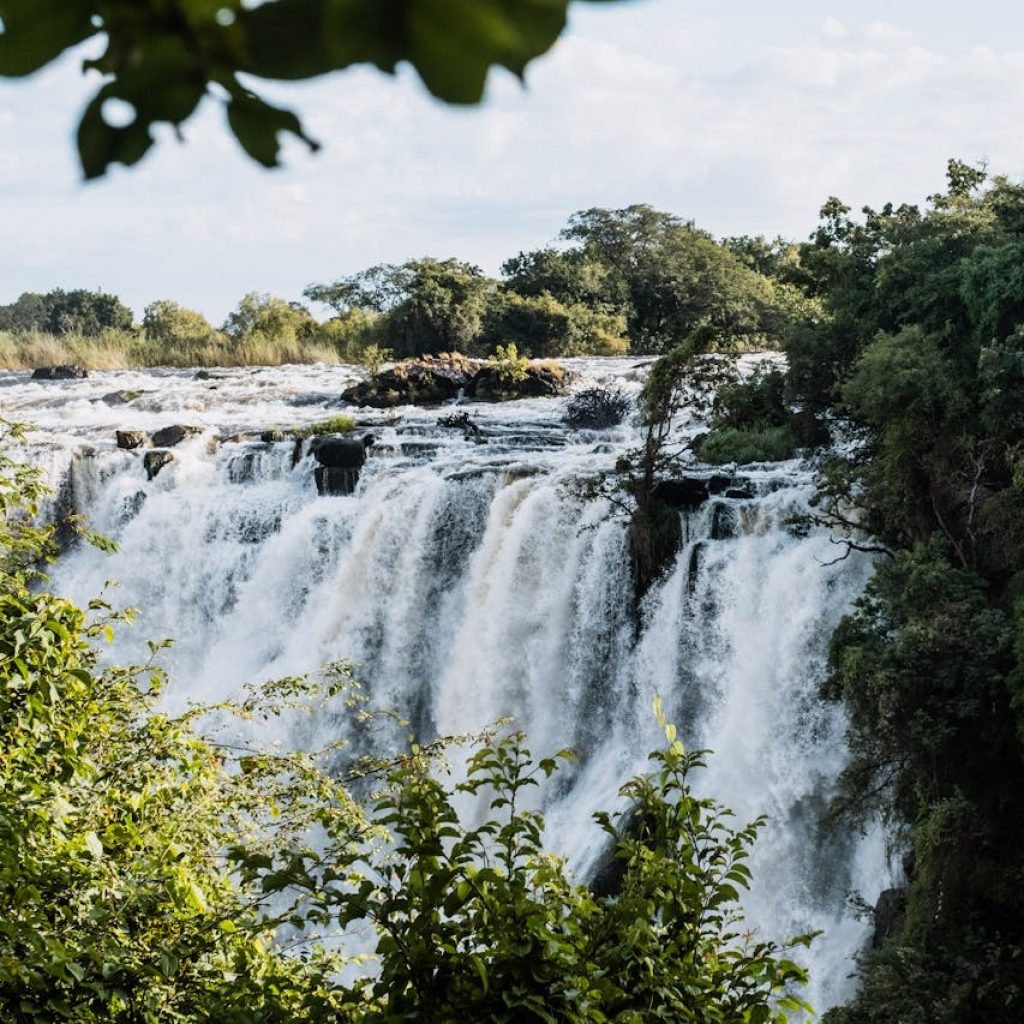
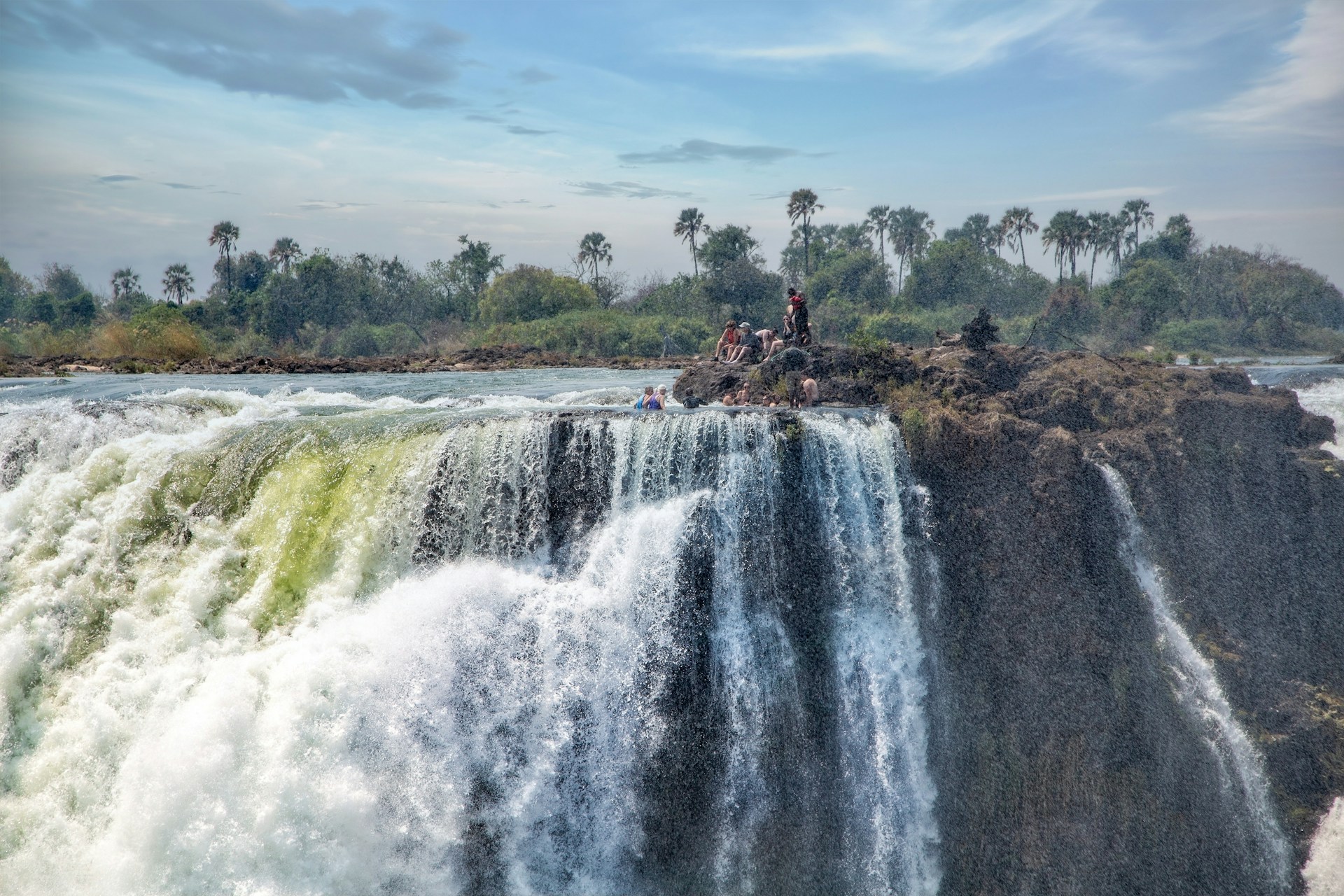
Victoria Falls needs little introduction. With a width of 1,708 m (5,604 ft) and a height of 108 m (354 ft), it produces the world’s largest curtain of falling water. It’s understandably one of Africa’s most-visited sites.
The falls are evocatively called Mosi-oa-Tunya (“The Smoke that Thunders”) in the local Lozi language. This refers to the mist created by the falls and the sound of all that water rushing over the edge and crashing into the gorge below. Be prepared for a good drenching when heading onto the viewing bridge, raincoat or not. There’s a very good chance you’ll also see a beautiful rainbow in the mist.
If you want a hit of adrenaline, Victoria Falls and the Zambezi River have you sorted. You can go white-water rafting and tackle Class IV and V rapids. If that’s not thrilling enough, you can also zipline across the gorge, bungee jump off the bridge, or do the equally insane Gorge Swing. While relaxing in Devil’s Pool might sound comparatively tame, this natural basin in the Zambezi River sits at the waterfall’s edge. So you’ll never meet me there.
ZAR
74360.00https://schema.org/InStock
African Overland Tours
Price From
was
R92,950
R74,360
Monday
18 May 2026
Saturday
06 Jun 2026
From
R92,950
R74,360
20% discount
Monday
13 Jul 2026
Saturday
01 Aug 2026
From
R92,950
R83,655
10% discount
Monday
07 Sep 2026
Saturday
26 Sep 2026
From
R92,950
R83,655
10% discount
Monday
02 Nov 2026
Saturday
21 Nov 2026
From
R92,950
R83,655
10% discount
Monday
28 Dec 2026
Saturday
16 Jan 2027
From
R92,950
R83,655
10% discount
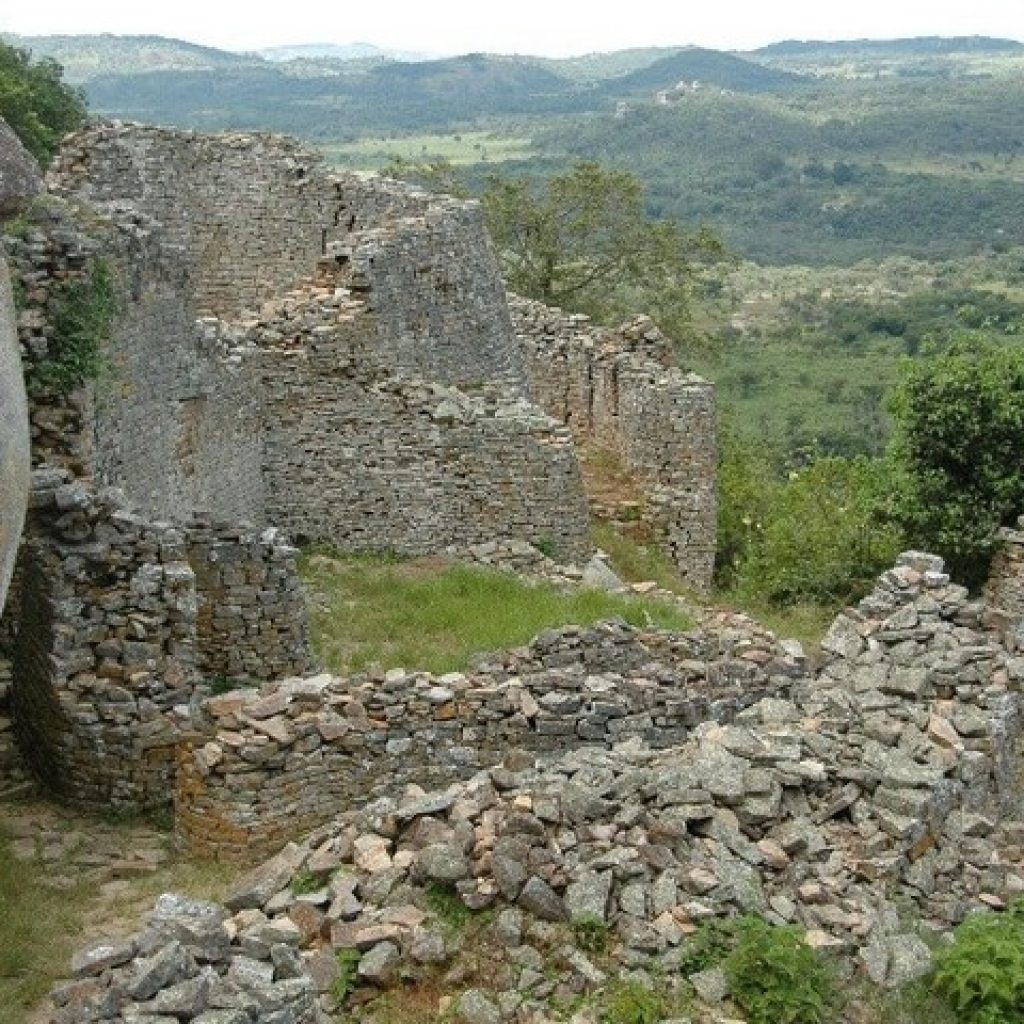
Legend has it that the ruins of Great Zimbabwe were once the capital of the Queen of Sheba.
What we know for sure about this ruined stone city is that it was the beating heart of a powerful medieval Bantu kingdom. Inhabited from the 11th to 14th centuries by the ancestors of the Shona people, it’s a massive and mortarless dry-stone edifice that showcases unparalleled engineering for its era. The towering walls of the Great Enclosure are particularly arresting and atmospheric, even in their roofless, ruined state.
Great Zimbabwe was also a major trade hub, connecting the gold mines of the interior with the coast, as evidenced by imported goods like Persian ceramics. It’s therefore an important site for learning about a sophisticated pre-colonial African civilisation – something many international (and even African) visitors often don’t know about until they visit.
I must also mention that the stone-carved Zimbabwe Birds found at Great Zimbabwe have, in recent years, been returned to the site. They can be viewed in the small onsite museum. If you’ve ever seen the Zimbabwean flag, you’ll know the eagle that’s the emblem of the country is modelled on the Zimbabwe Birds.
ZAR
39440.00https://schema.org/InStock
African Overland Tours
Price From
R39,440
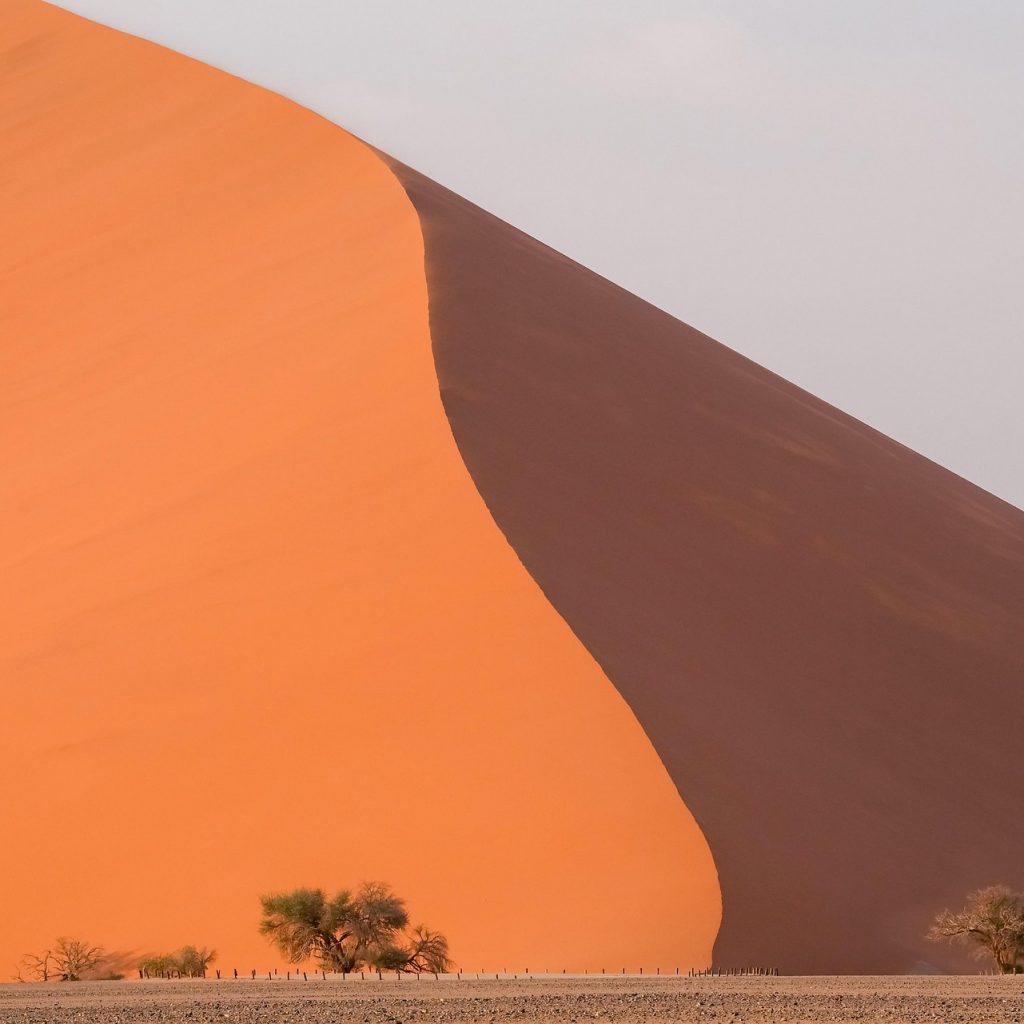
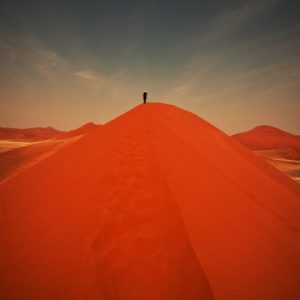
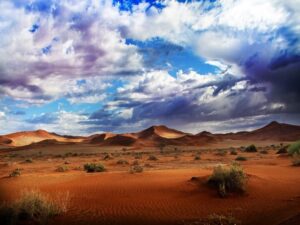
The Namib Sand Sea has the best name on this list. Lying within Namibia’s Namib-Naukluft Park, the Namib Sand Sea is a unique coastal fog desert. The site encompasses various ecosystems, including gravel plains, inselbergs (isolated hills), a coastal lagoon, and ephemeral rivers. But without doubt, its calling card is its towering and shifting red dunes.
These inhospitable and almost uninhabited dunes have long drawn travellers in search of the different. Many are enchanted by the solitude and quiet they provide. Photographers are mesmerised by their sharp lines, deep shades, and deeper shadows. Thrillseekers want to fly down the dunes on boards. And nature-lovers head off on safaris in the hopes of observing the many endemic invertebrates, reptiles, and mammals that have somehow adapted to the flux in microhabitats created by the ever-shifting sands. I think I understand them all.
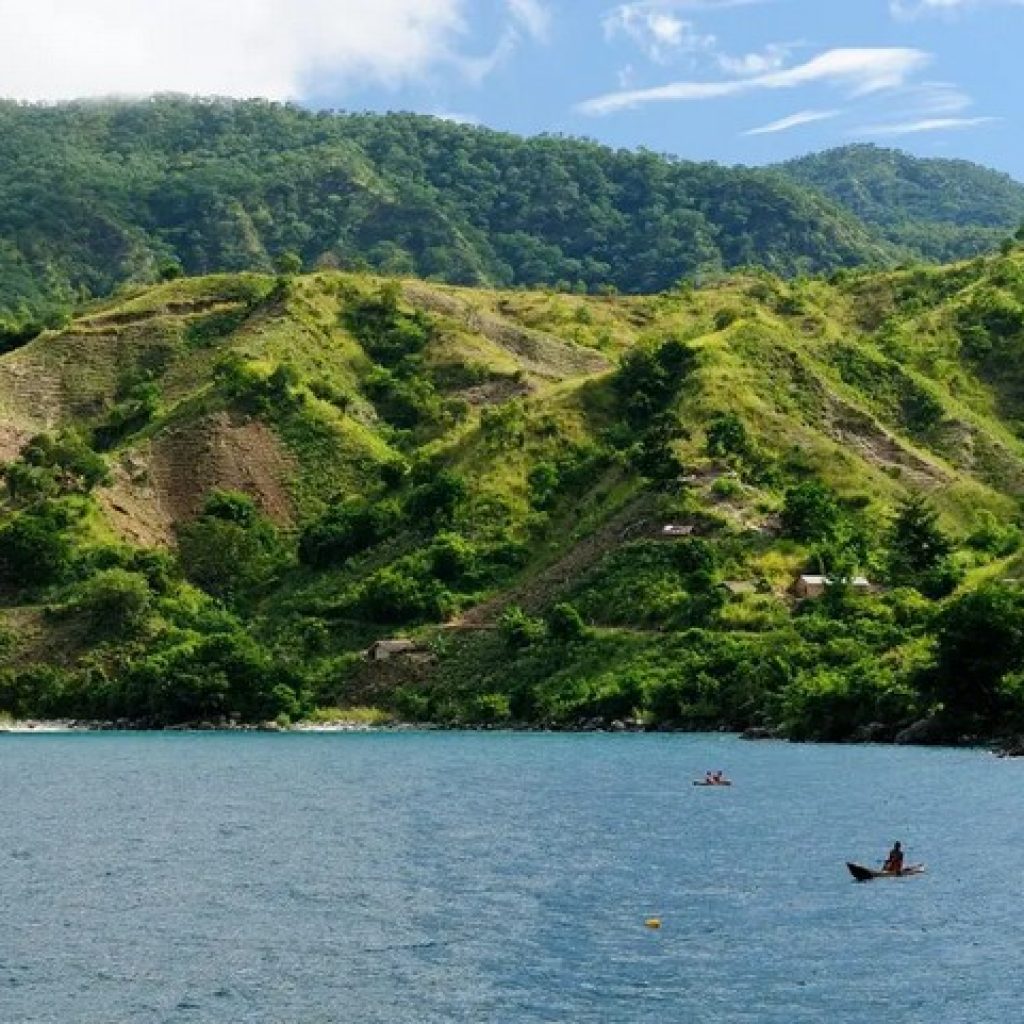
Lake Malawi is a long, narrow, and extremely deep lake that forms the eastern border of the country. Part of the East African Rift System, it was created through the same seismic activity that led to the formation of Mount Kilimanjaro and the region’s other volcanoes. It’s the second-deepest lake in Africa and an absolutely vital ecosystem for many hundreds of fish species, nearly all of which are endemic.
Lake Malawi National Park protects the southern portion of the lake. According to UNESCO, the site’s “cichlids [rockfish] are considered of equal value to science as the finches of the Galapagos Islands remarked on by Charles Darwin or the honeycreepers of Hawaii”.
Not only are the lake’s fishies protected by the park, happily so too are its translucent waters and gorgeous mountain backdrop. Adventure-seekers can enjoy an array of watersports, like snorkelling, scuba diving, paddle-boarding, waterskiing, windsurfing, kayaking, and sailing. There are also great hiking trails, and you can sign up for village visits to learn about the local cultures.
ZAR
239355.00https://schema.org/InStock
African Overland Tours
Price From
was
R265,950
R239,355
Check out African Overland Tours’ Southern Africa tours to find an overland trip that includes all the UNESCO World Heritage Sites, and more, that have taken your fancy.
Note: This blog post was first written and published by Brownyn Paxton on 25 June 2013. It was rewritten and republished by Megan Abigail White on 15 January 2026.
Best World Heritage Sites of Southern Africa
4
1
Price From
R205,065
2
Price From
R58,480
3

Price From
R69,920
4

Price From
R111,275
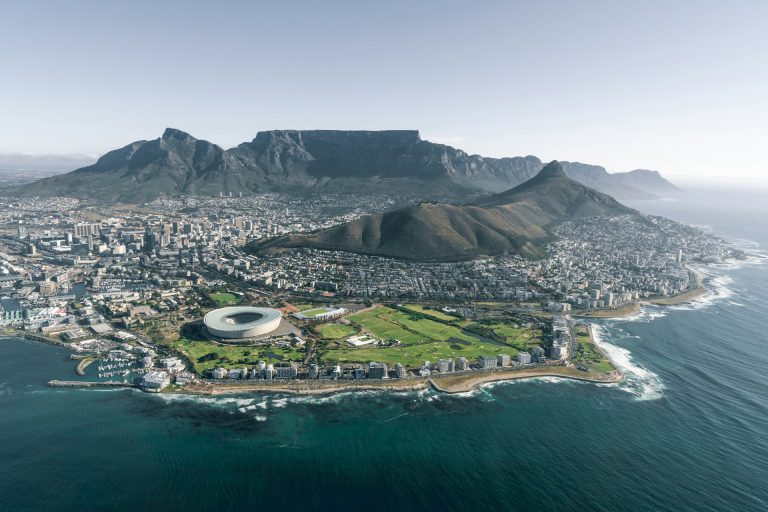
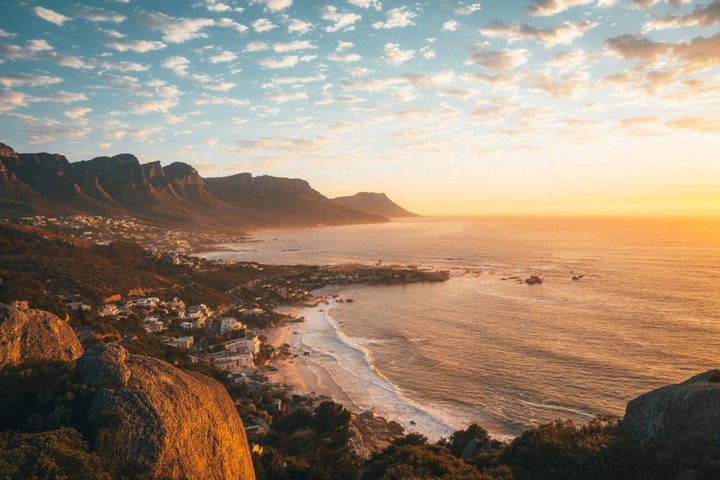
Every city is unique, but Cape Town is truly memorable Cape Town is a postcard sort of city, thanks to its snug position between Table Mountain and the Indian and Atlantic Oceans and the enviable backdrops they all provide. It’s…
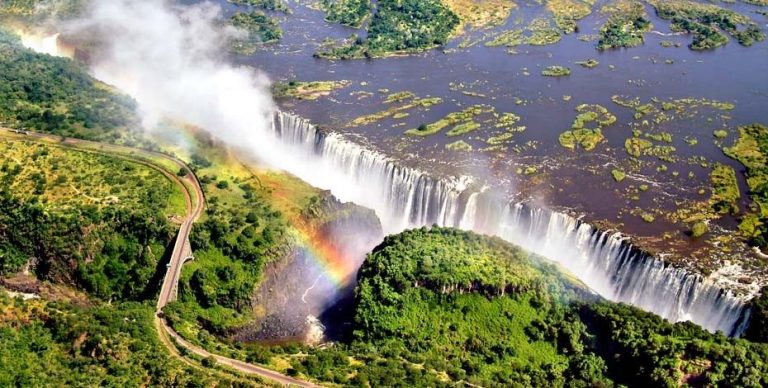
Have you ever dreamt of sitting at the edge of a waterfall? Feeling the rush of the current against you, the sound of gallons of water falling to the ground, taking in the ethereal beauty of Zambia and Zimbabwe? Let’s…

Language has the power to bring people together. Whether you are fluent or not, learning the common phrases of a different country will not only impress the local people of that country but also bring you closer to experiencing local…
"*" indicates required fields