

African Overland Tours
https://www.facebook.com/AfricanOverlandTourscom/
https://www.instagram.com/african_overland_tours/
https://www.youtube.com/@africanoverlandtoursandsafaris
+27 (0) 21 448 0997
Customer Service
Worldwide

African Overland Tours
https://www.facebook.com/AfricanOverlandTourscom/
https://www.instagram.com/african_overland_tours/
https://www.youtube.com/@africanoverlandtoursandsafaris
+27 (0) 21 448 0997
Customer Service
Worldwide
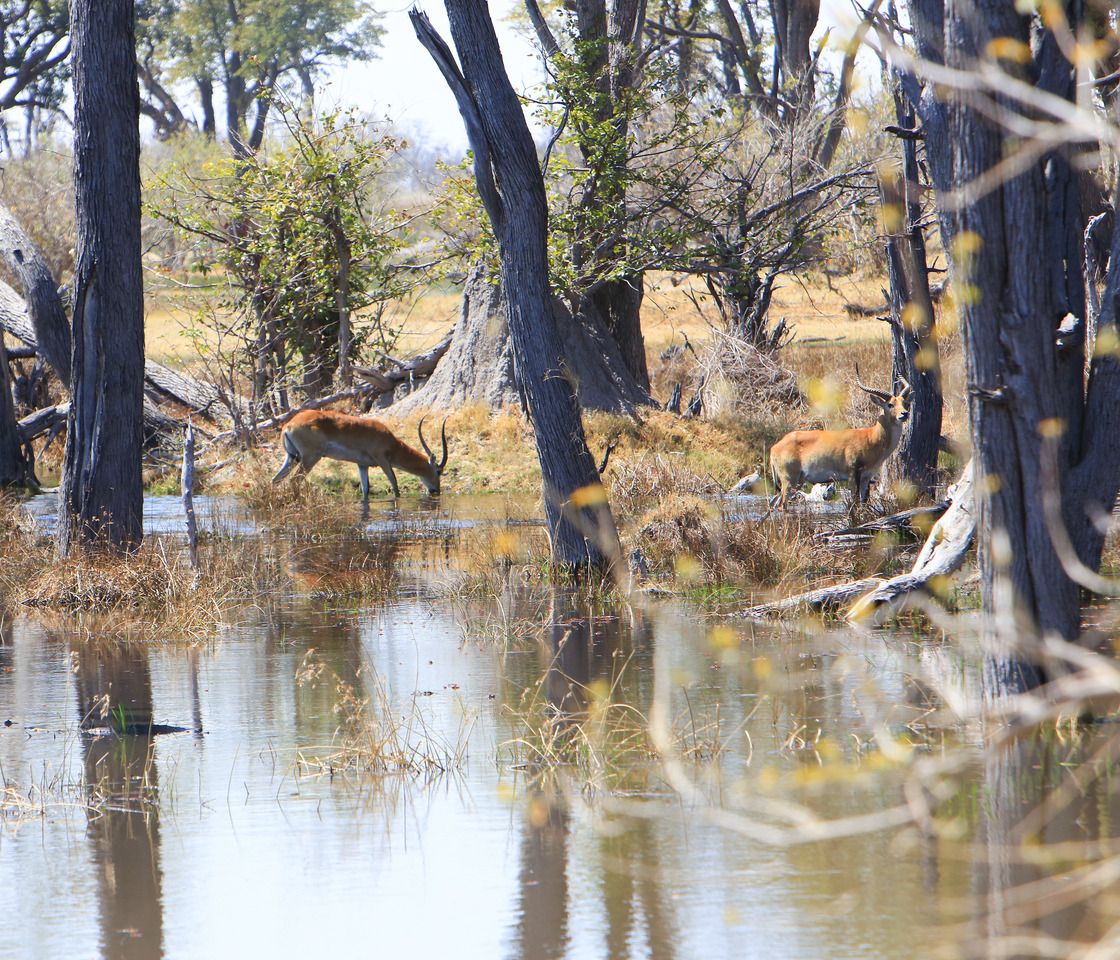
Moremi Game Reserve in the Okavango Delta is a game reserve with many faces
It can ring hollow to say that Moremi Game Reserve is a place of diverse landscapes and experiences. Isn’t that what safari marketers tell you about every place they want you to visit?
Yet Moremi Game Reserve truly deserves this description.
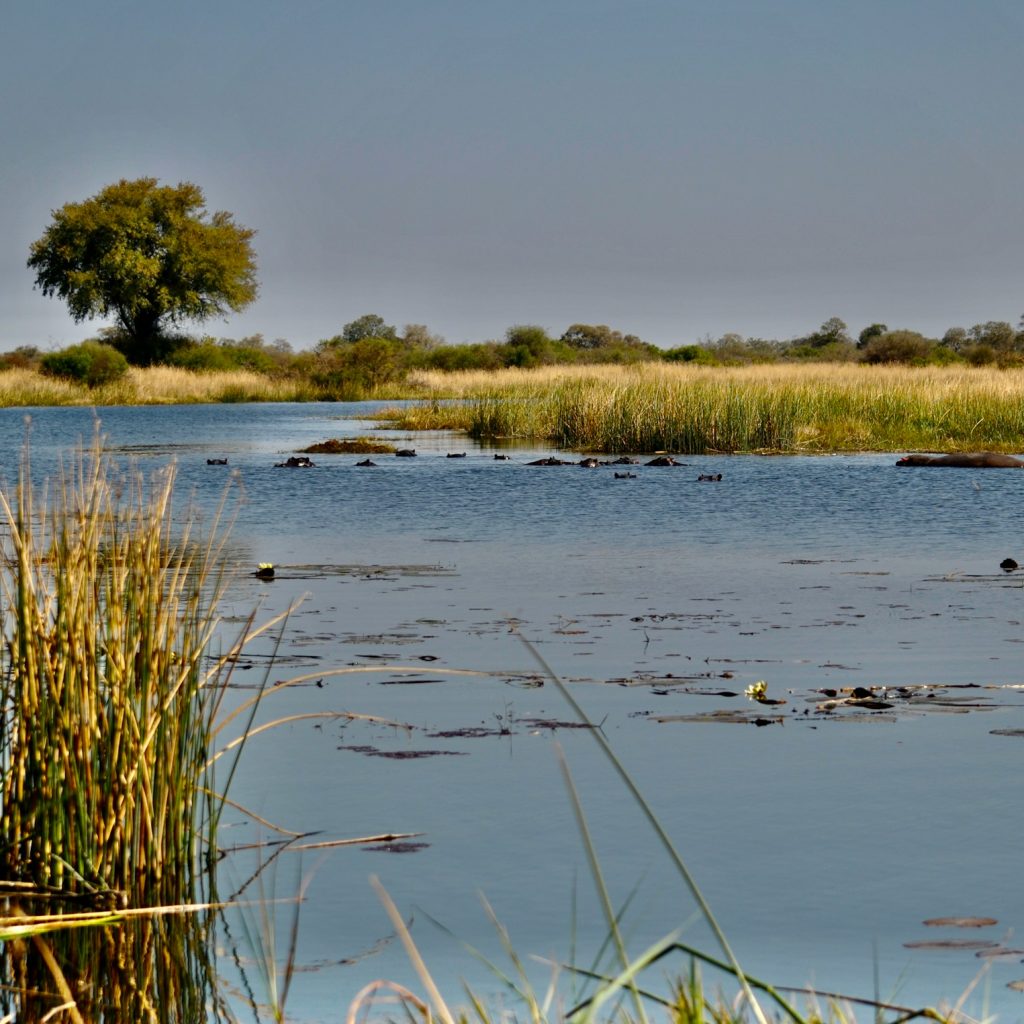
From one corner of the reserve to the next, and from season to season, the landscape changes, the colours shift, the animals migrate, and safarigoers move from land to water to air.
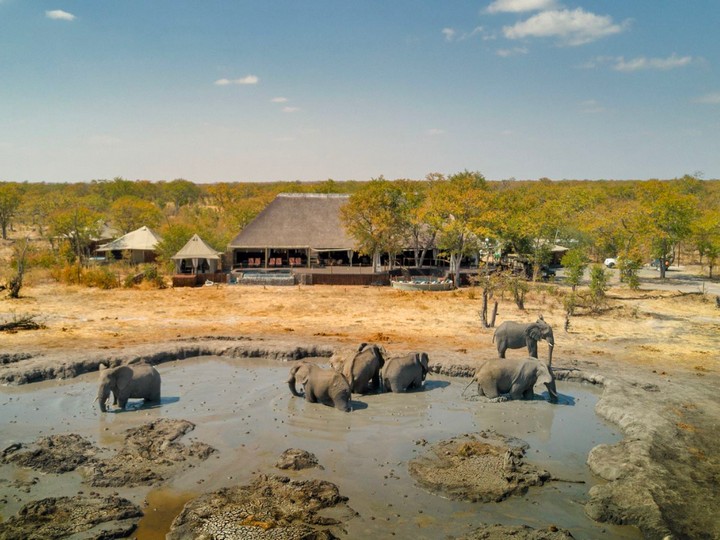
As you explore the land, large herds, solitary hunters, and scavenging packs move in and out of your orbit, following pathways and instincts older than themselves. By the water, you see wallowers emerge and submerge, thirsty animals splash and drink, and large flocks settle and lift in colourful displays.

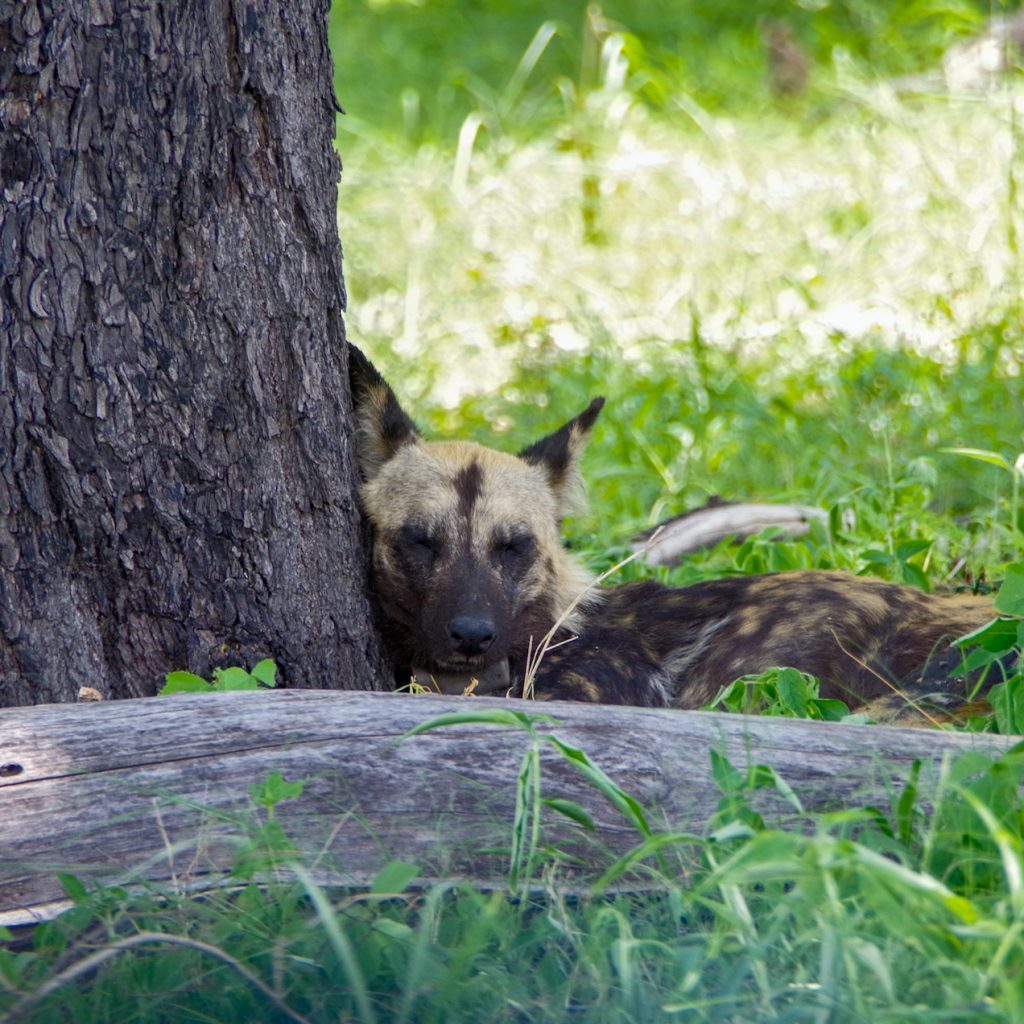
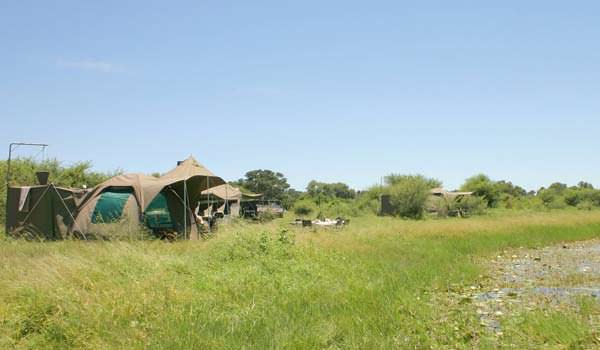
Every day in Moremi can be different. You could look for leopards and painted dogs on a woodland game drive in the morning, pole along papyrus channels in the afternoon, and gather around a campfire in the savannah in the evening. And the next day? Why not take a sunrise hot air balloon ride, then boat along a sleepy river, and relax with binos in the shade of a bird hide?
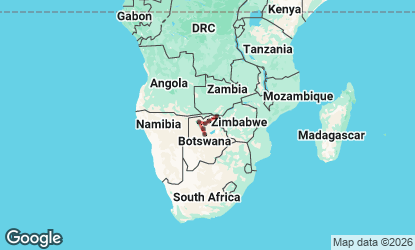
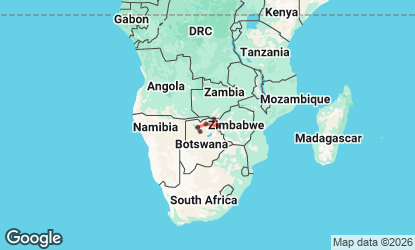
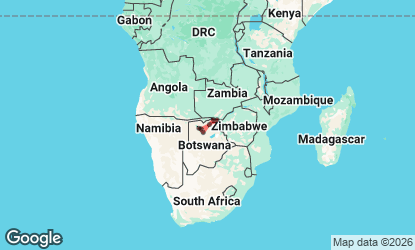
Moremi Game Reserve is located in northern Botswana and is an easy two-hour drive from Maun International Airport. It shares a border with another renowned Kalahari Desert reserve: Chobe National Park. It’s also an integral part of the Kavango Zambezi Transfrontier Conservation Area.
Moremi protects about 40% of the larger Okavango Delta system, which is a UNESCO World Heritage Site. It’s the only officially protected portion of the delta, so its importance can’t be overstated. Because it’s a reserve, not a national park, the local San (Bushmen) can continue living there.
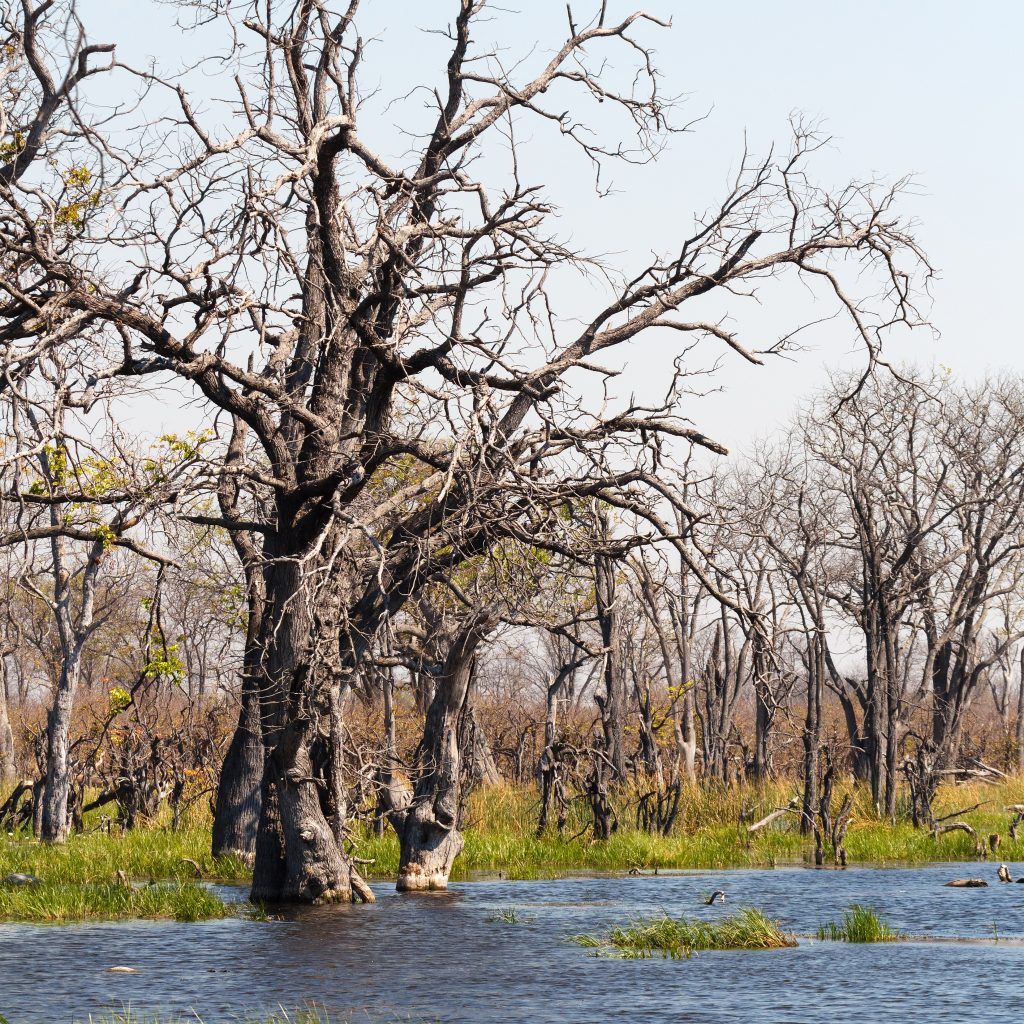
Established in 1963, Moremi protects about 3,900 square kilometres of the eastern and central portions of the Okavango Delta. At first, it protected just the Mopane Tongue, which is a triangular piece of land that consists mostly of dry mopane woodland.
The reserve is named after the Batawana Chief Moremi III, who was concerned during his lifetime about wildlife decline in the area. Some years after his death, his widow added Chief’s Island to the reserve.
Chief’s Island is one of the largest islands in the delta, and sits in the heart of the delta. It’s called an island because it’s surrounded by floodplains. When the floodwaters rise each year, animals retreat to this high ground, increasing its wildlife density and making it an exceptional site for game viewing.

Moremi Game Reserve offers visitors the delight of various contrasting landscapes and habitats. The reserve includes permanent rivers, lagoons, and wetlands, seasonal floodplains and waterways, riverine forests, mopane and acacia woodlands, savannah grasslands, and dry salt pans.
All of this habitat diversity allows for a fantastic diversity in wildlife. The reserve is one of Africa’s premier destinations for elephants, predators, and birding. It’s also home to the Big Five, after both white and black rhinos were successfully reintroduced into the ecosystem.
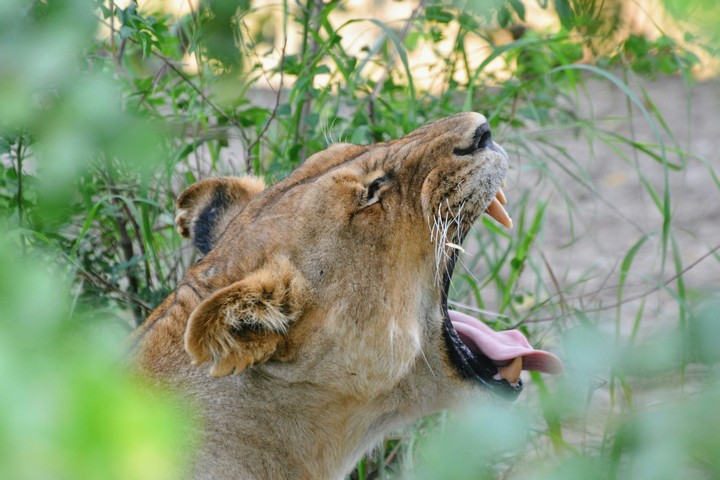
The reserve is also an especially good place to see endangered painted dogs (African wild dogs). Other notable wildlife you can find here are Cape buffaloes, hippos, crocodiles, giraffes, zebras, blue wildebeests, cheetahs, hyenas, and jackals. Smaller residents include meerkats, dwarf mongooses, and bat-eared foxes.
You can also find just about every type of Southern African antelope in Moremi, from elands and sables down to steenboks and duikers.

Of course, you can anticipate finding different sorts of wildlife on different safari activities. When you glide along the narrow channels of the delta on a traditional mokoro (dugout canoe) ride, for instance, you’re in the way of seeing waterbirds and semi-aquatic animals like red lechwes. On lagoon boat trips, you’ll find the likes of hippo bloats and flamingo stands. And on safari drives, you can hope to spot the likes of lions, cheetahs, and baboons.
Moremi is the perfect destination for anyone who craves variety in their safari experience.

Moremi isn’t an especially big conservation area by African standards. Yet its bird species count is one of the best on the continent. In fact, it has a similar species count to parks like the Serengeti, which is roughly five times larger. Birders therefore naturally love Moremi, as visits here are so rewarding!
Central to the reserve’s high bird species count is the fact that it’s a major site for Palearctic migratory birds, especially waterbirds. Migratory birds are resident between roughly October and April, with December to March serving as peak birding months.
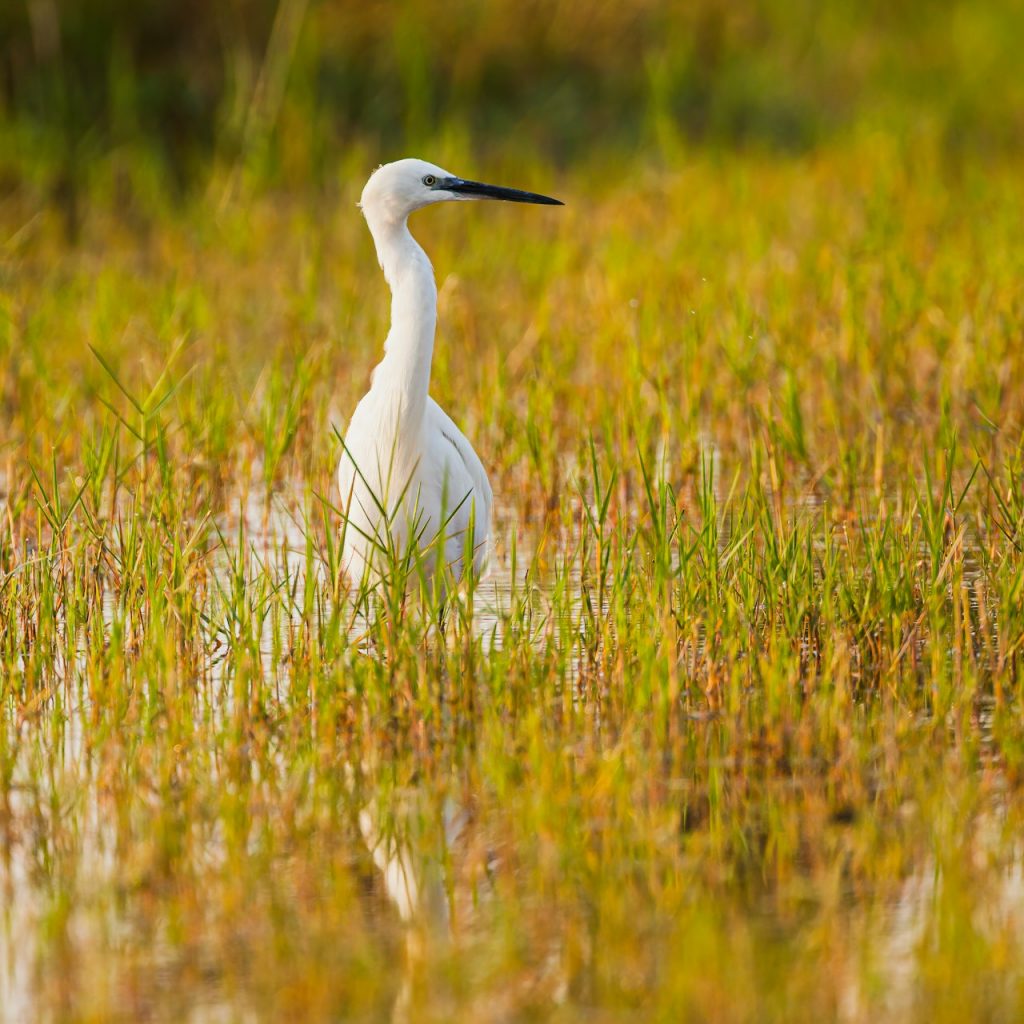
The best birding sites in Moremi are naturally centred on water-rich areas, like Xakanaxa Lagoon, the Kwai River, and the wetlands around Xigera Safari Lodge. In such locations you can find various herons, storks, and egrets, among others.
Some of the special birds you can find in Moremi are Pel’s fishing owl, pygmy goose, white-backed night heron, African skimmer, wattled crane, slaty egret, African jacana, pied kingfisher, and southern carmine bee-eater.
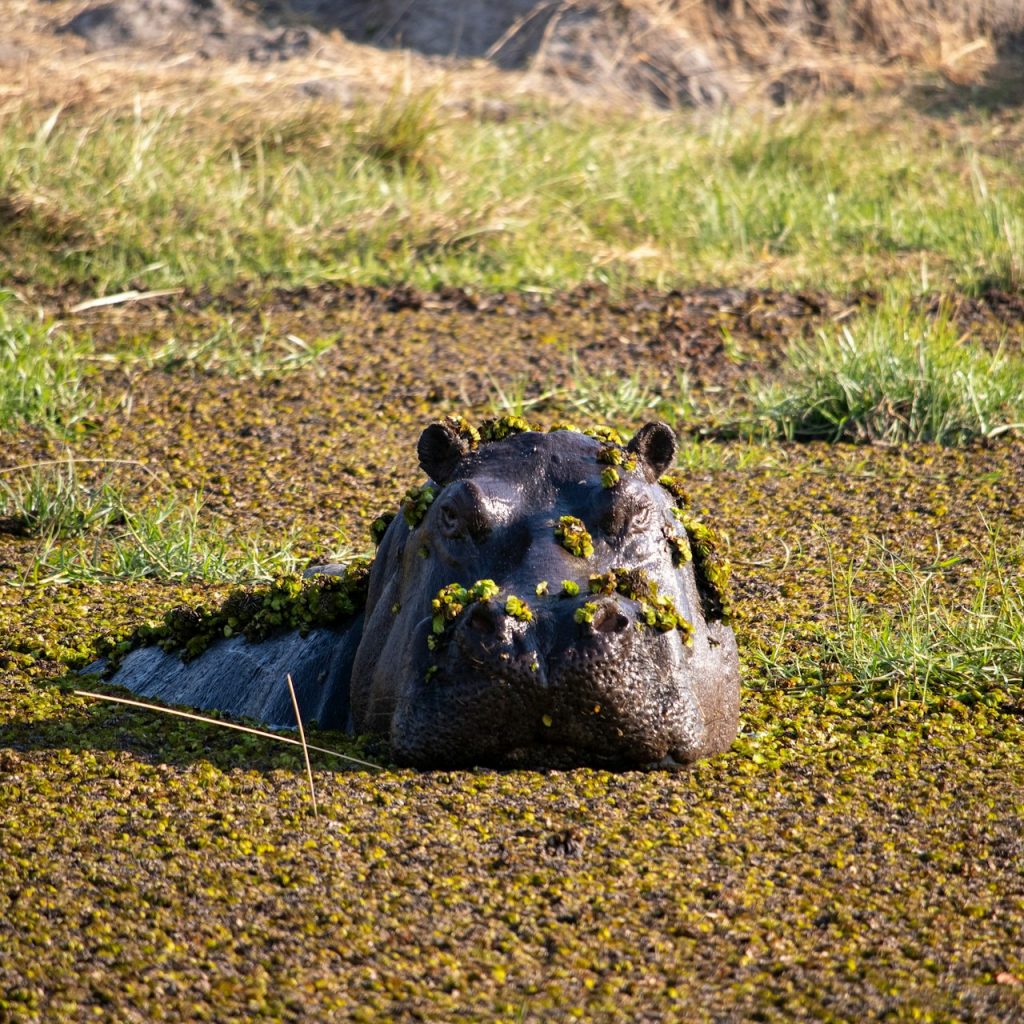
Tired of seeing photos of hippos and other wildlife instead of seeing them in person? Plan the perfect Moremi Game Reserve safari with African Overland Tours!
This blog was originally written by Bronwyn Paxton 31 August 2017. It has since been rewritten by Megan Abigail White on 19 February 2026.
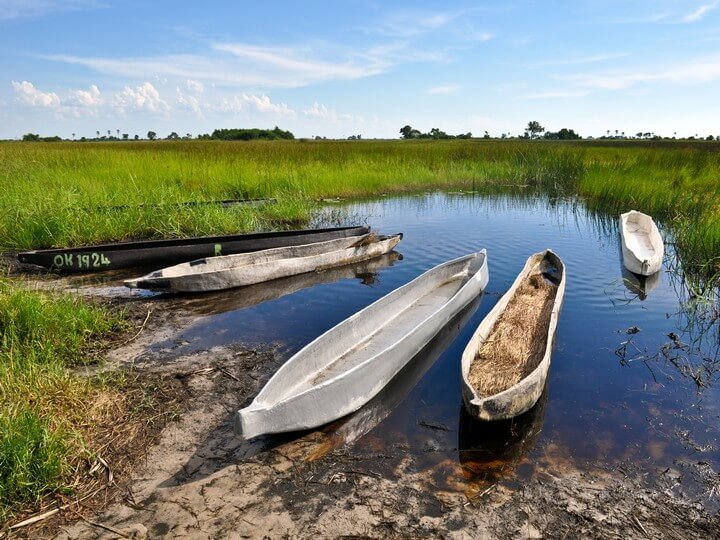
The Okavango Delta in Botswana is by far one of Africa’s biggest draw cards! Not much can compete with it’s phenomenal wildlife and wilderness. This large inland delta, formed where land between the Gumare and Kunyere fault dropped. The water…
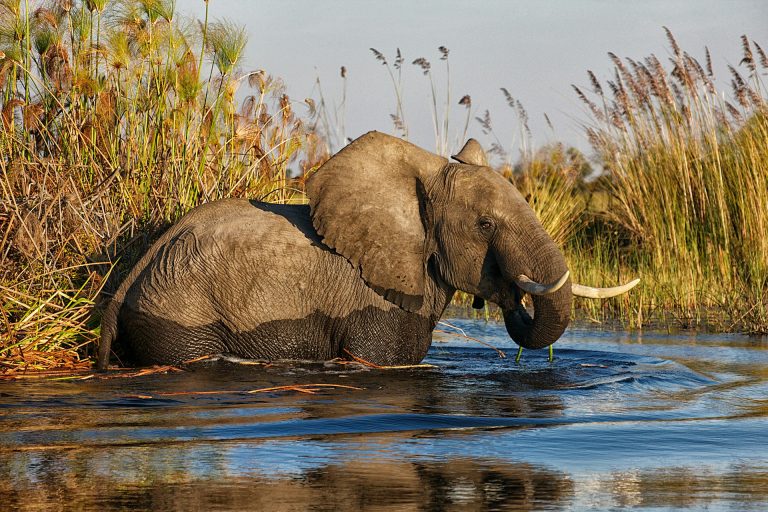
If you’ve ever dreamed of visiting the Okavango Delta, here’s what you need to know to start planning your adventure The Okavango Delta is the world’s largest inland delta. It’s also a true oasis, offering a water-rich habitat in the…
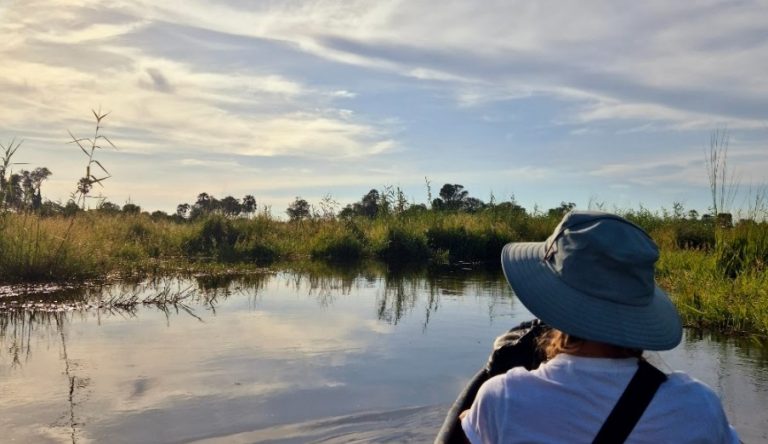
Let’s be honest, booking your first safari is a mix of pure excitement and a healthy dose of “What have I gotten myself into?” You’ve seen the stunning photos, dreamed of the wildlife, but the reality of camping in the…

Southern Africa is home to dozens of UNESCO World Heritage Sites – Here’s a List of 11 of the best From South Africa up to Malawi, and from Namibia on the west coast across to Mozambique, you can find many…
Moremi, Botswana – an Okavango Delta reserve of surprising contrasts
5
1
Price From
R101,175
2

Price From
was
R56,950
R45,560
4

Price From
R48,345
5
Price From
was
R147,850
R133,065
"*" indicates required fields