Spotting the Big Five is hands down the “mane” event on an African safari (haha get it? Big Five pun? Lion’s mane… sigh…)
Africa is well known for many things: breathtaking landscapes, tranquil sunsets, epic safaris, to name a few. Africa is also well known for its legendary wildlife, which has captivated the imagination of safari goers for the longest time. The Big Five is a must on your to-do list, and sighting all five is the ultimate accomplishment. But what makes these five species so iconic? “Rhino” (I know) exactly what you need to know to spot these magnificent animals on your African safari trip: from where to spot them and their interesting quirks, to the best places and time to spot them.
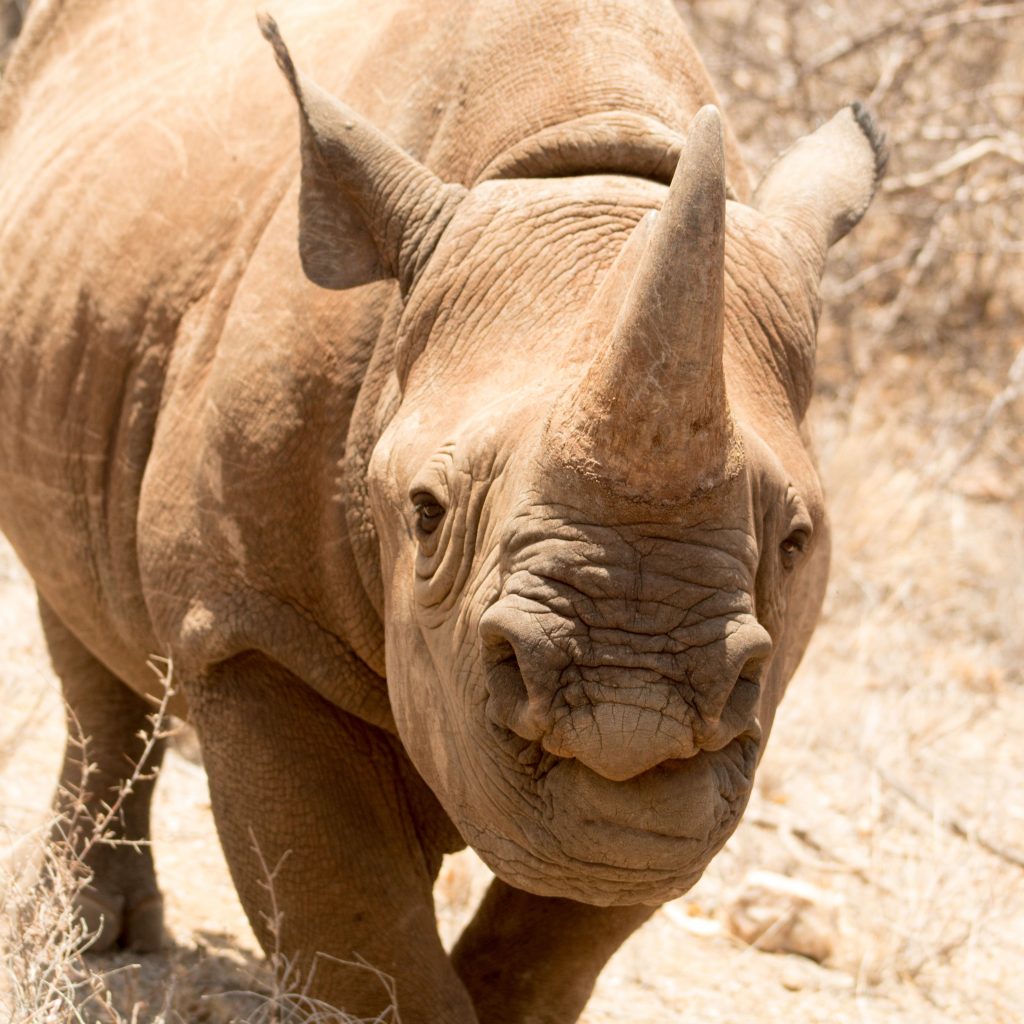
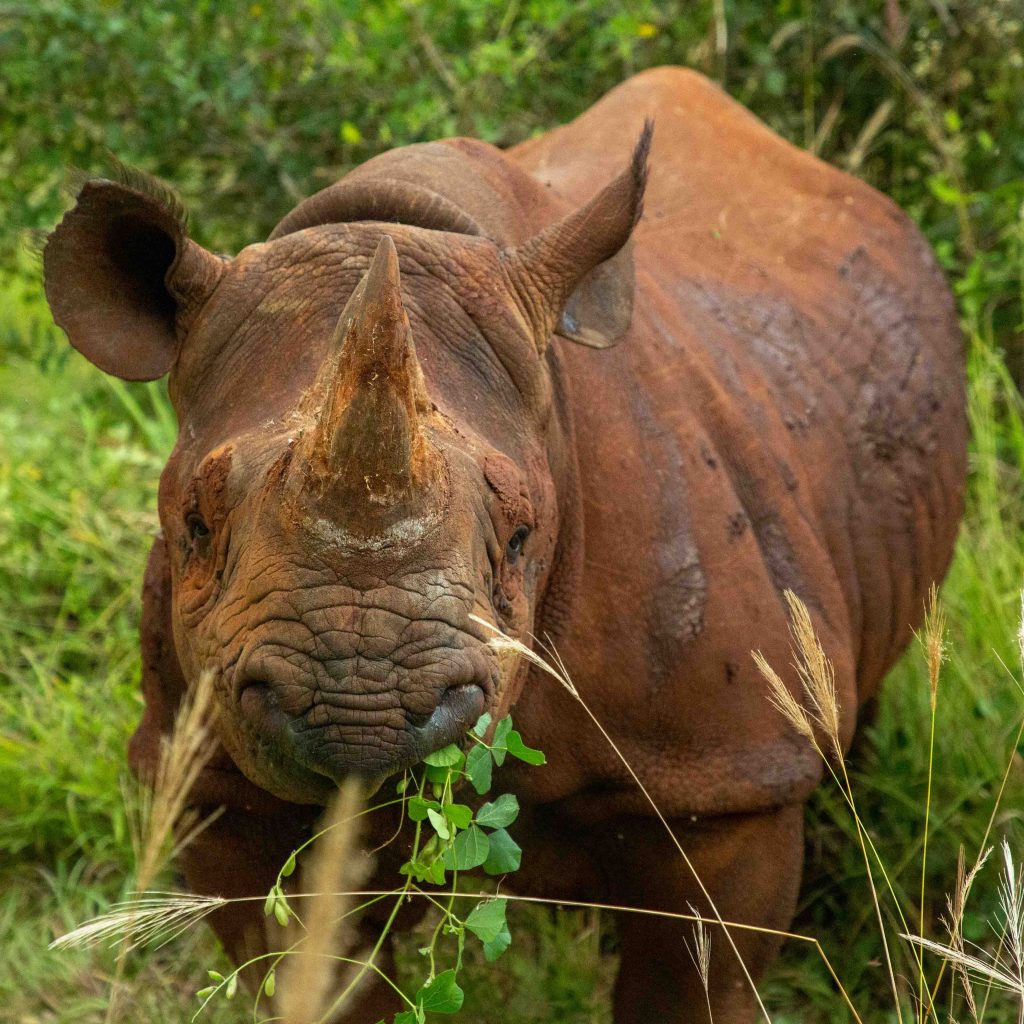
A close-up of an African black rhino in Kenya
What Are the Big Five
While there are many different animals that roam the land in Africa, the Big Five only include the African elephant, Cape buffalo, leopard, lion and rhinoceros. You’d think they are called the Big Five because of their physical size, but that is not true. The name came from 19th century big-game hunters who described the five most dangerous animals to hunt on foot in Africa. These species were notorious for their stealth, unpredictability, and violent defense when cornered. Now the name has been reclaimed by safari guides and conservationists. The Big Five represent the crown jewels of African wildlife conservation, national natural heritage, and South Africa’s multi-billion-rand eco-tourism industry.
1. The African Lion
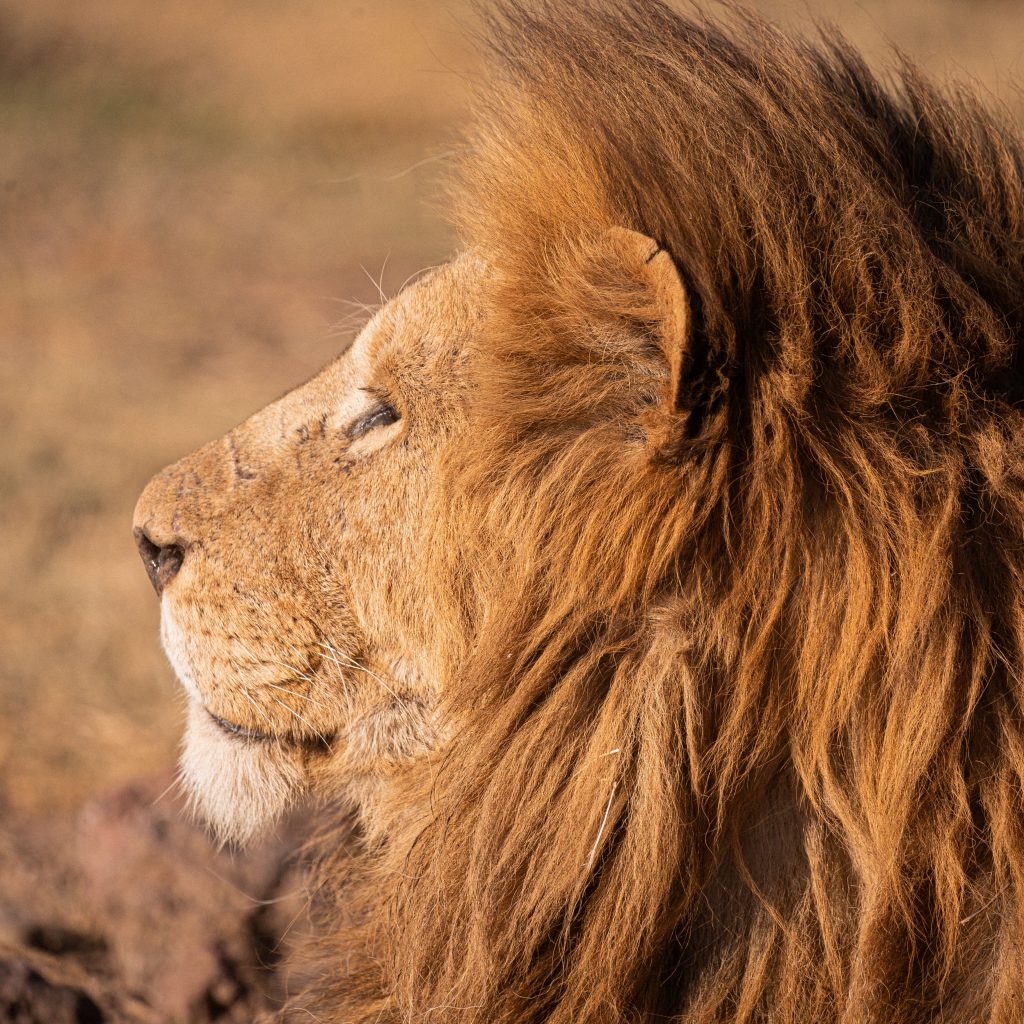
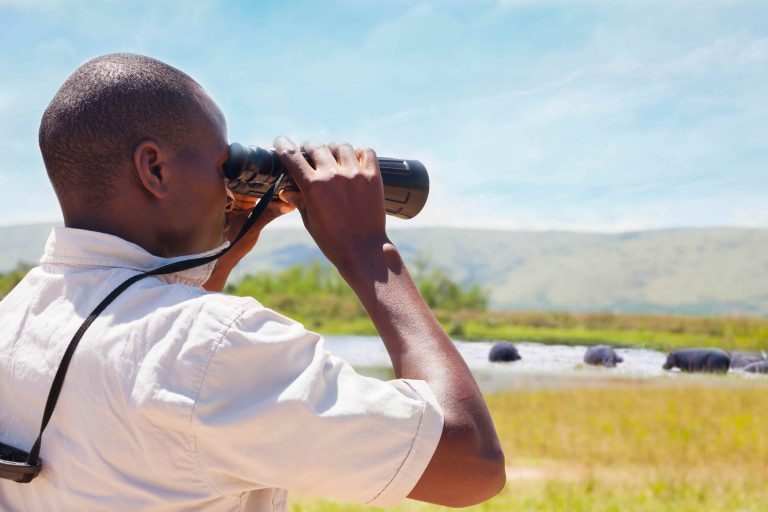
You probably know the lion referred to as the King of the Jungle (or as Mufasa and Simba in the movie The Lion King). The powerful, majestic, and stealthy African lion is at the top of almost every safari bucket list. The African lion is large and beautiful, and considered the most dangerous because they can attack without being provoked. Because they camouflage themselves in the golden dry grass, they are not so easily spotted. You will need to have your binoculars at the ready, listening to your guide as they help you spot them lazing in the sun.
Lion in Tanzania
Fun Facts About the African Lion
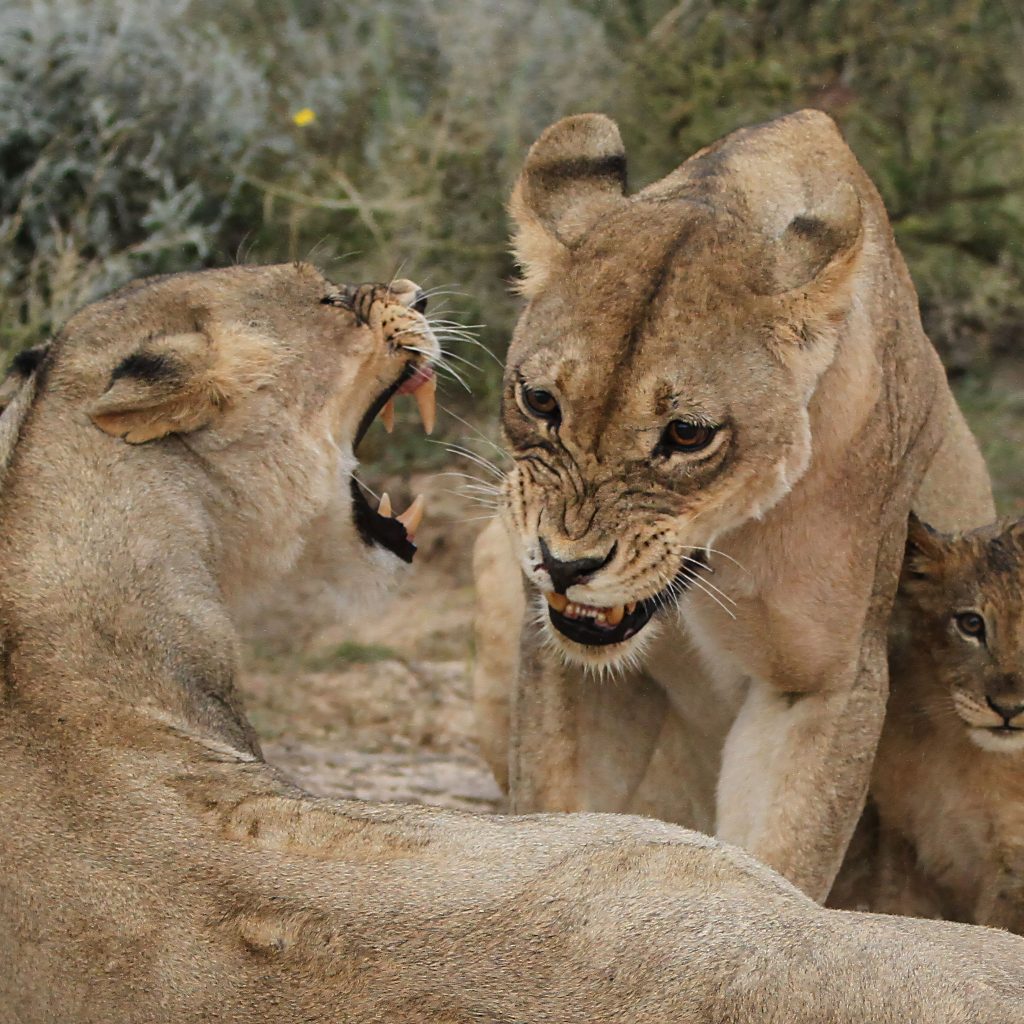
I find it interesting that lions are the only truly social cats, living in prides of up to 40 individuals. While you might think the male lions hunt well, it is actually the lionesses that execute the vast majority of hunts. They especially ensure the male is protected during confrontation with other predators, leaning in close to him to protect his neck from being targeted (cue the romance song from lion king: can you feel the love tonight…) Lionesses are known for their impressive tactical hunting strategies. They are master conservers, spending up to 20 hours a day resting to save energy for twilight and nocturnal hunts. A lion’s roar is thunderous: you could be 8 kilometers (5 miles) away looking at zebras and still hear its roar, which reaches 114 decibels!
Best Time to See African Lions on Safari
The dry season, betweenJuly to October, is the best time for high visibility and action. There are two major ecological changes that occur as the months pass without rain: the vegetation thins out and water becomes scarce. During this time, the grass wither, and trees lose their dense foliage, stripping away the natural camouflage that big cats (including leopards) and rhinos rely on to blend in with nature. When the seasonal rivers and pools dry up, wildlife is forced to concentrate around a few permanent rivers and waterholes. Herds of zebras, wildebeest and impalas (among many others) have no other choice but to move toward the remaining water sources daily, making it the perfect hunting ground for hungry lion prides and leopards. You’ll get the best of both worlds by spotting wildlife easily around waterholes and the chance to observe intense hunting action.
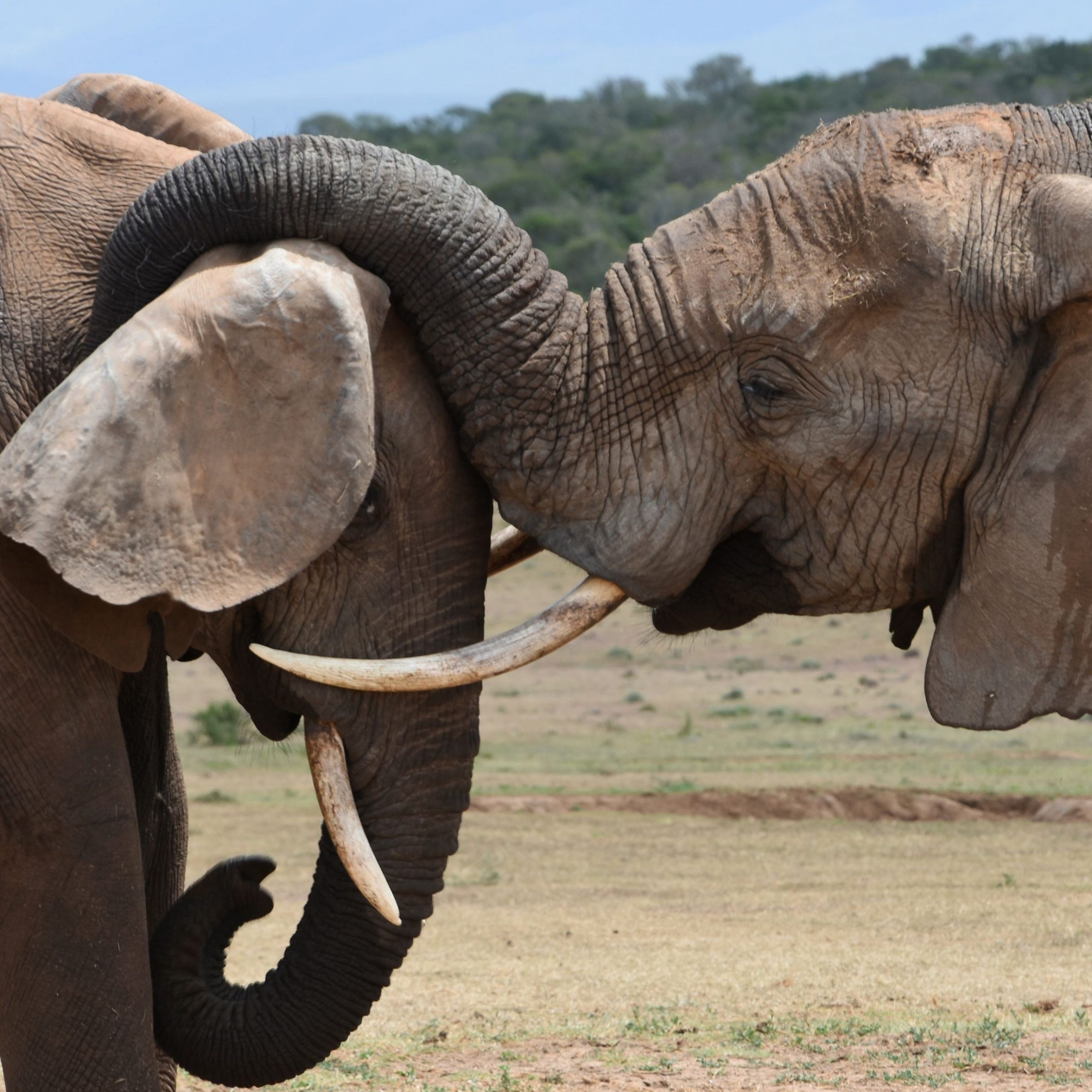
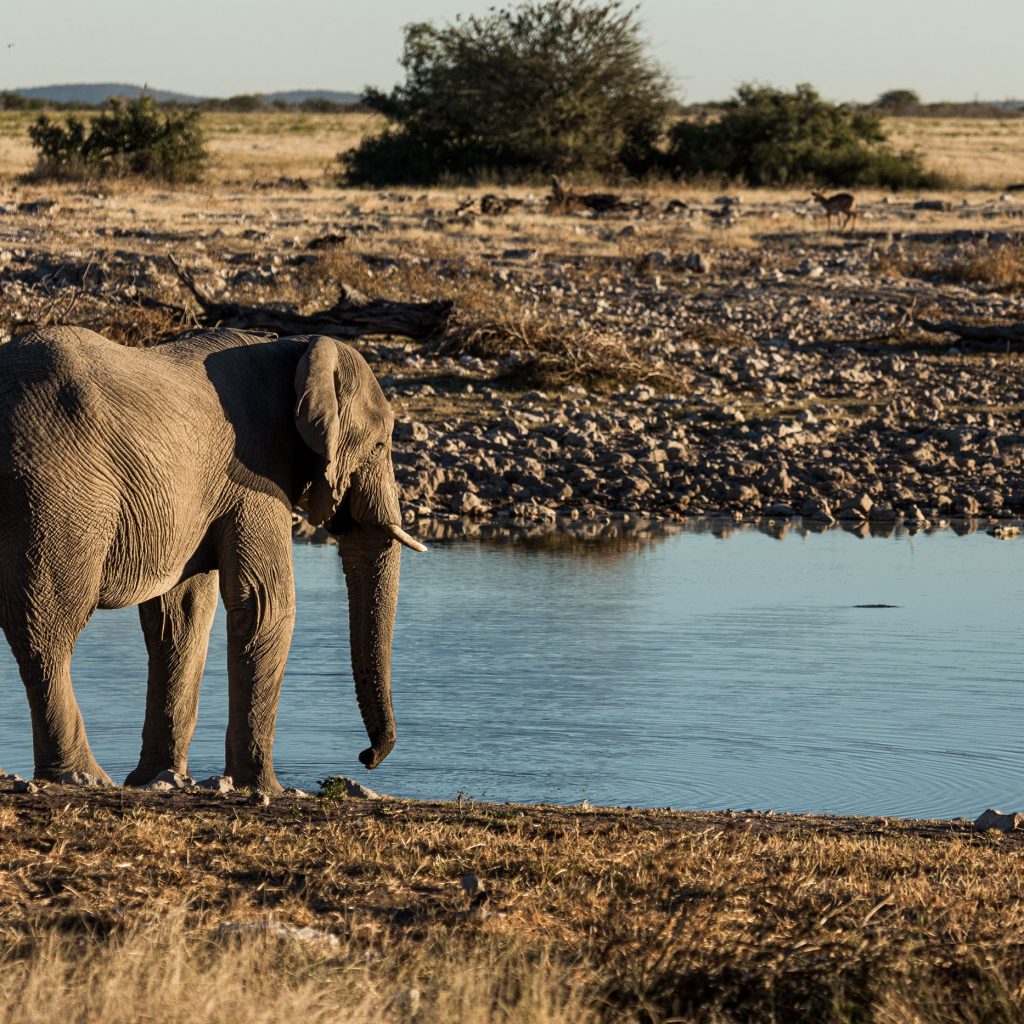
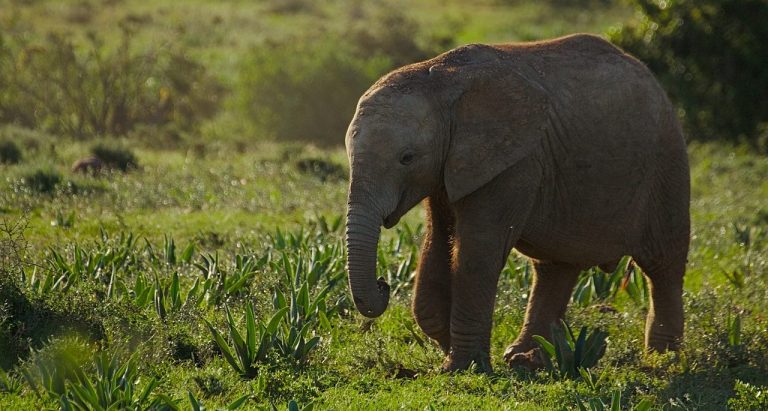
Photos do not do justice to the sheer scale of a wild African elephant, and nothing prepares you for when it is right in front of you. They are the symbols of strength and intelligence. The African elephant is divided into two species: the African savanna elephant and the smaller African forest elephant. Both male and female African elephants grow tusks (unlike their Asian relatives), and their massive ears are remarkably shaped like the continent of Africa. This is a bucket list sighting, and I guarantee, every picture you capture of this beautiful animal will leave you in awe.
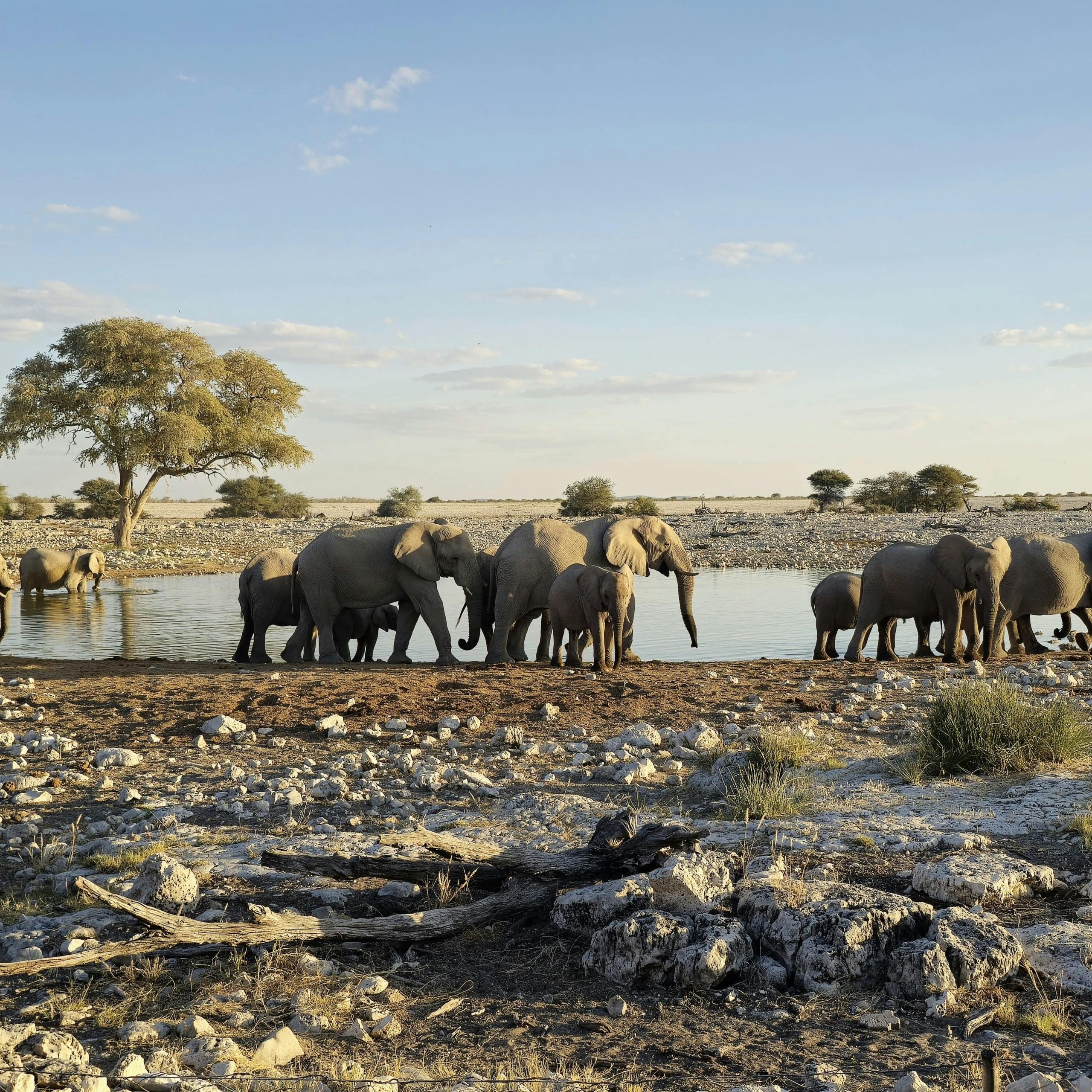
Elephant in Namibia at a waterhole
Fun Facts About the African Elephant
Elephants possess the largest brain of any land animal, and are great a exhibiting complex emotions like empathy and grief. They can communicate across miles using low frequency rumbles that travel through the ground, and are felt through their feet. Elephants are very handy when it comes to helping the ecosystem and aiding other species: they can dig waterholes, pull down invasive trees, and disperse seeds
Best Time to See African Elephants on Safari
The dry winter months are, again, the best time to spot wildlife on safari, including the African elephant. Elephants consume up to 200 liters of water a day, which is why they are bound to linger around major, permanent waterholes like Kenya’s Amboseli swamps and Botswana’s Chobe River. During this time, there is a noticeable change in their herd behavior: their smaller, dispersed family units merge into a super herd, numbering in the hundreds. It is breathtaking to take in the sense of scale when dozens of these family groups congregate on a single riverbank.
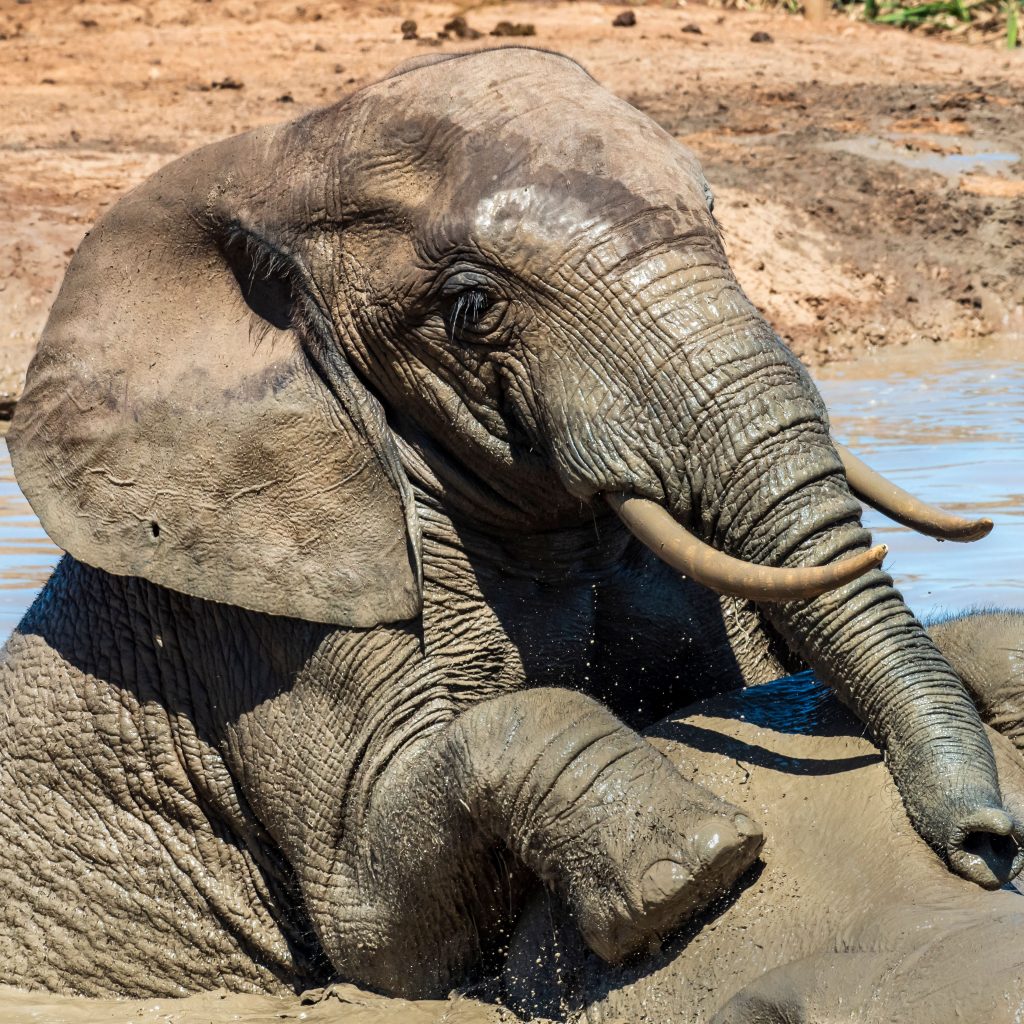
With so many herds sharing a limited space (with other species as well like zebras and impalas), you will get to see elephants communicating with each other in a way unlike any other. Younger calves play-fight in the shallow waters, bulls interlock their trunks, and you will see (and hear) their low frequency rumbles and happy ear-flapping. You will get the chance to watch them swim, submerge in the water, use their trunks as snorkels, and spray themselves with mud to protect their skin from the sun. You’ve guessed it: this is photography heaven (and guaranteed to make you giggle with happiness!
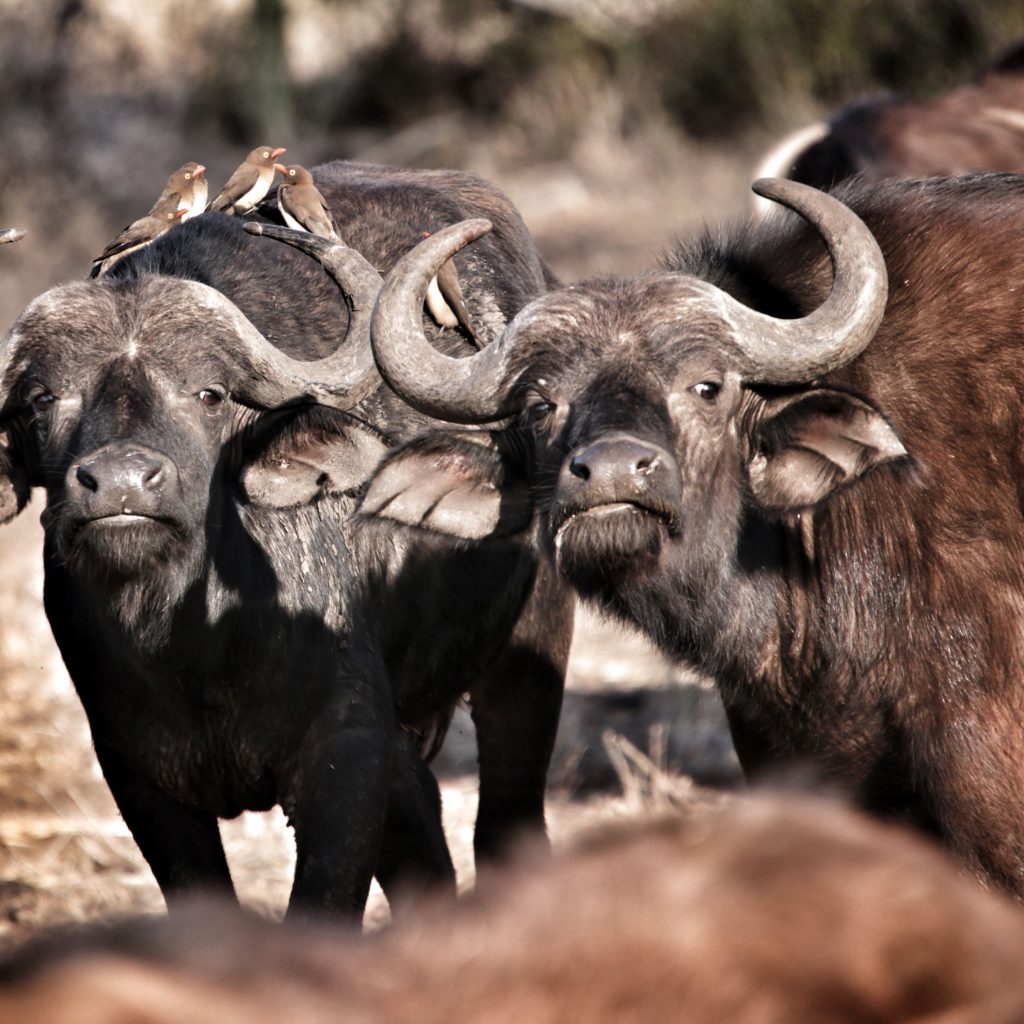
They may look like cattle, but do not underestimate them. The Cape buffalo is considered the most dangerous animal on the Big Five list to hunt. They can weigh up to 800 kg (1760 lbs), making them as heavy as a modern Formula 1 race car with the driver inside! The fused bone shield across their horns is called a “boss”, and when a buffalo gets angry, there is no stopping it. It only takes one look from these animals and a disgruntled snort to have you running in the opposite direction!
African buffaloes in South Africa with birds perched on their backs
Fun Facts About the Cape Buffalo
Know the saying “never forget, never forgive”? The Cape buffalo knows it all too well, going back to stalk and circle back on hunters who have targeted and wounded them. They have a mob mentality, using a tactic called “ mobbing” to attack and chase off an entire pride of lions if one in the herd is threatened. They also decide consensually, using body language to vote on which direction to travel during grazing.
Best Time to See Cape Buffalo on Safari
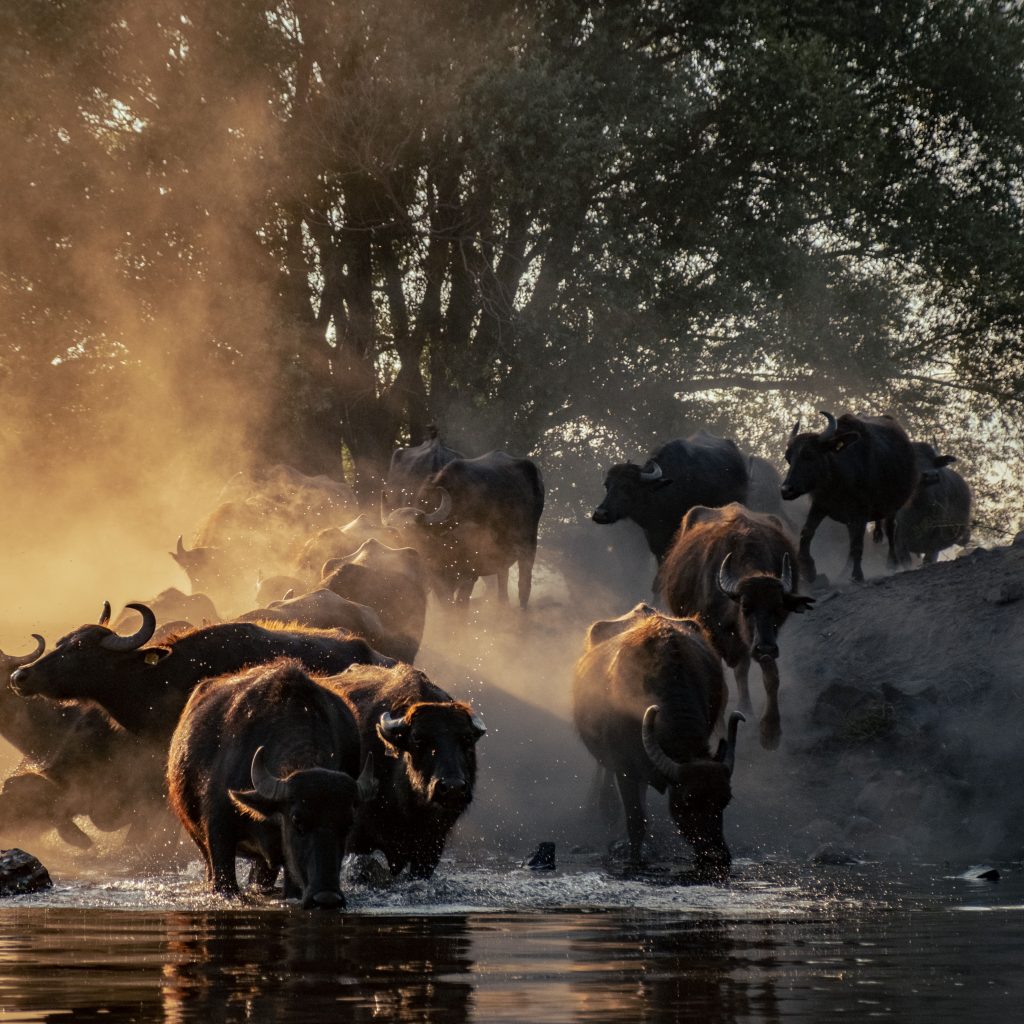
You’ve noticed the pattern: the dry season is the most ideal time to spot wildlife on safari. The dry season changes the Cape buffalo’s behaviour by shifting them from small scattered herds into massive, defensive herds that dominate the landscape. Adult buffalos can eat up to 30 pounds of forage daily, and must drink water every single day. During the dry seasons they merge in their massive numbers along permanent rivers and large dams. These combined herds are called “super-herds”, and can number anywhere from 500 to 2000 buffalo! The sheer impact of a black dust-cloud rising over thousands of curving horns as the herd moves together is one of Africa’s most formidable sights.
Predators know exactly where these super-herds are heading, which means the stakes for predator action and drama are high. Lions will routinely shadow buffalo herds during the dry season, waiting for the weak, old or young individual buffalo to lag behind the travelling herd. This is the action you want to be there for, witnessing the tactical stalking’s, dramatic showdowns and the famous buffalo mobbing (counter attacks)to rescue a member of the herd.
When the sun begins to set on the dry terrain, buffalo spend their time wallowing in remaining muddy banks to cool their massive bodies and coat their skin against biting insects. As they move out to graze in the late afternoon, they kick up massive golden dust trails in the low light. Trust me, this is the dream set up for photographers: seeing sparkles of golden dust sparkle in the setting sun, and these majestic creatures filling the space.
Buffalo herd crossing a river amid swirling dust at sunset in Chobe National Park, Botswana
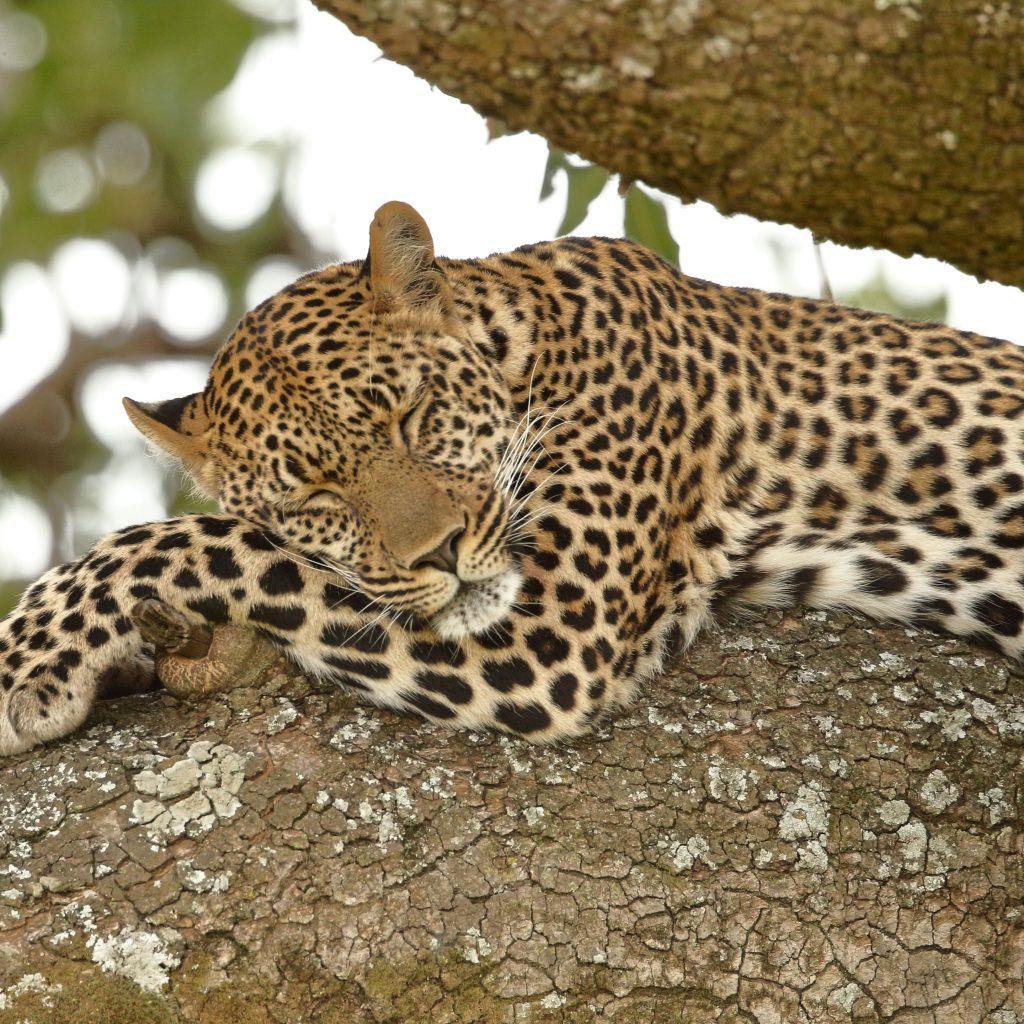
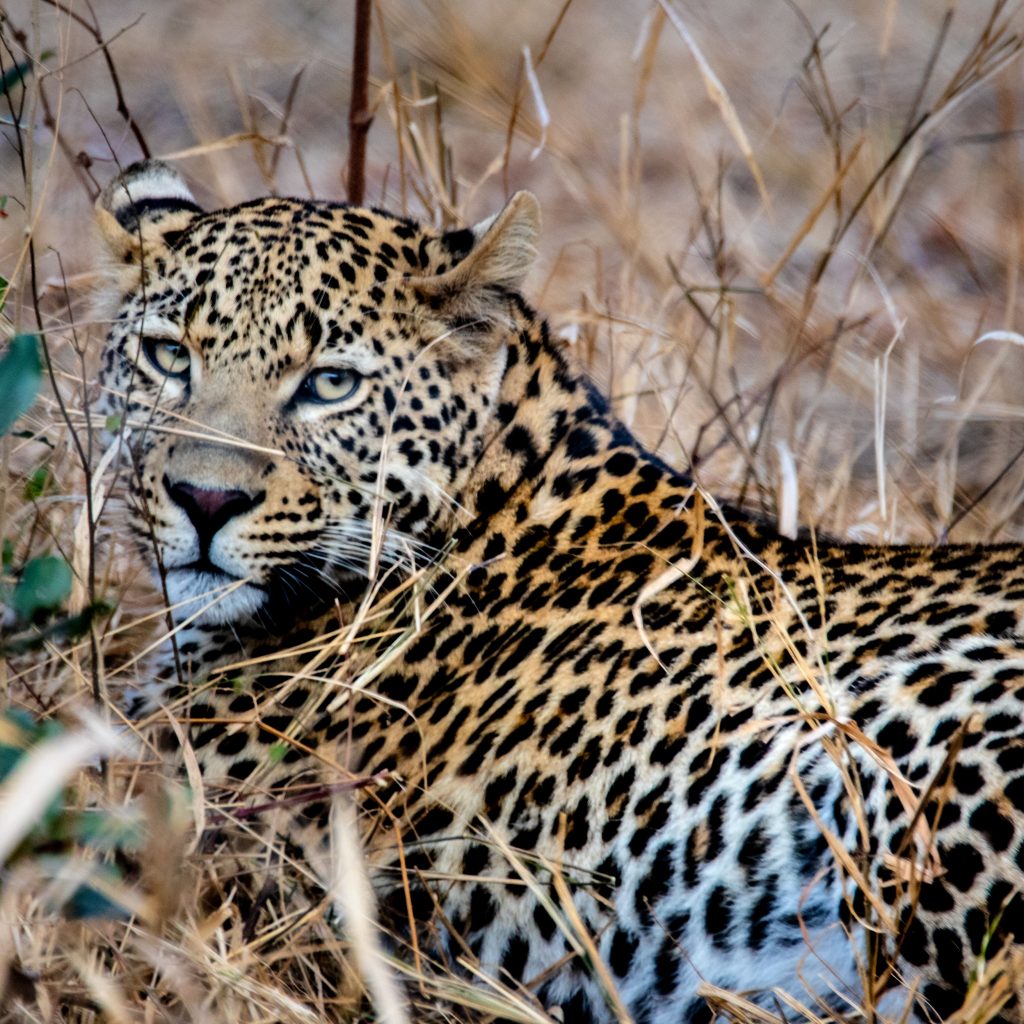
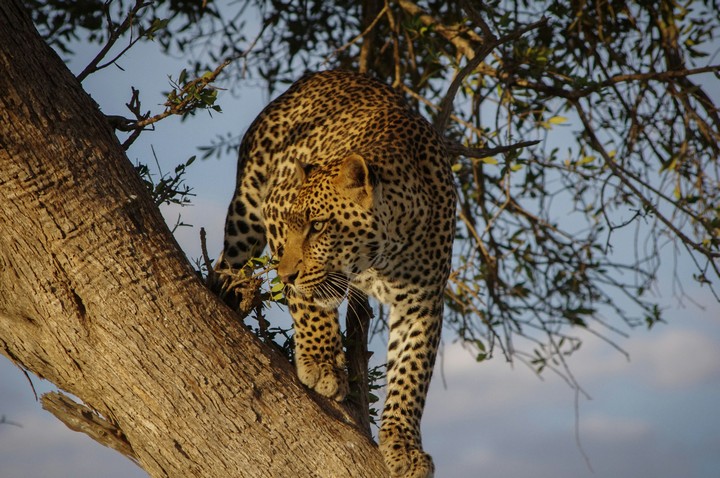
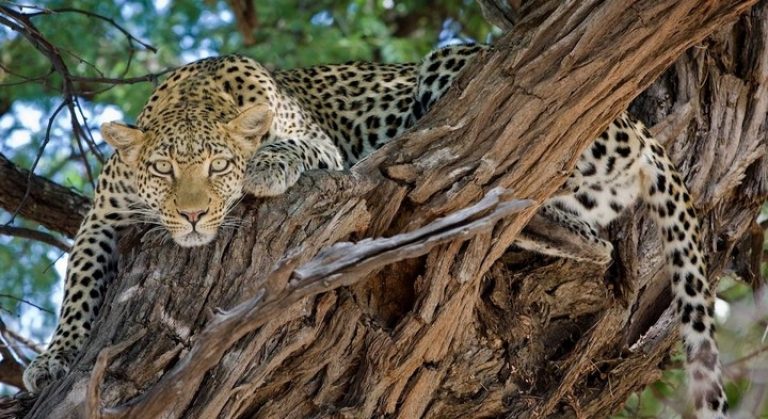
Now you see it, now you don’t: the leopard is the master of camouflage and agility. They enjoy a solitary life, are mostly silent, and are primarily nocturnal. To spot this spotted beauty requires a sharp eye, patience and a skilled safari guide. A leopard’s intricate, rose-like fur patterns are called rosettes, which allow them to melt effortlessly into tree branches and tall grass. Unlike a jaguar, leopards do not have spots inside their rosettes.
Do you know the difference between a cheetah and a leopard? They do look similar, and you could see either on your African safari, but there are distinct differences you can look out for. Cheetahs have solid, round black spots across their body, and distinct black “tear lines” running from their eyes to their mouths. Leopards don;t have tear lines, and instead of round black spots, they have the rosettes.
A serene leopard resting on a tree branch in Masai Mara
Fun Facts About the Leopard
Leopards have incredible strength, routinely dragging carcasses twice their own body weight into the trees to keep them away from lions and hyenas. They can spring up to 3 meters (10 feet) straight into the air, and can leap 6 meters (20 feet) horizontally. Leopards are, also, very adaptable, surviving in desert dunes, dense rainforests, open woodlands, and high mountains.
Best Time to See Leopards on Safari
You guessed it, the dry winter seasons make it much easier to spot leopards while on an African safari. It is especially easier at night, when the temperatures drop and they wake from resting all day to patrol territories. During the day, leopards will rest deep in shaded areas and ravines to conserve energy. By night, they mark their boundaries and prepare for hunts, making it a far more exciting game drive than during the daytime.
During the dry months, the deciduous trees shed their leaves, stripping away the thick foliage that leopards depend on to camouflage in during the day. A leopard resting in a fork of a sausage tree or marula tree, normally hidden behind dense greenery, becomes clearly visible against the bare branches.
When you’re on a night game drive, you’ll notice your guide using high powered red or filtered spotlights to catch the leopard’s eye-shine. Leopards possess a specialized layer behind their retinas that reflects light back through the eye, making their presence visible in pitch darkness long before their rosettes blend into the brush. You will literally see the sparkle in their eyes!
With many herds gathering around remaining permanent rivers and waterholes at night, leopards go into hunting mode, establishing hunting perimeters to narrow down where trackers need to search for food.
When you see a rhino in the wild, you will feel the shivers of excitement spread through you. It feels like stepping into a prehistoric era, like watching a living fossil navigate the wild. Africa is home to two distinct species: the White Rhino (a square lipped grazer) and the Black Rhino (a hook-lipped browser). Did you know that despite being classified as a White Rhino or a Black Rhino, they are both gray? The reason it’s called a White Rhino is because the Dutch word “wijd” (meaning wide) was used to describe its square lip used to graze grass.
Rhino horns are made of solid keratin, the same protein found in human hair and fingernails. This is not the same as elephant tusks. Elephant tusks are actually elongated teeth! Rhino horns do not contain ivory. Horn poaching remains the single greatest threat to their survival, rendering both the White Rhino and Black Rhino critically vulnerable. The Black Rhino is critically endangered, while the White Rhino is classified as near threatened.
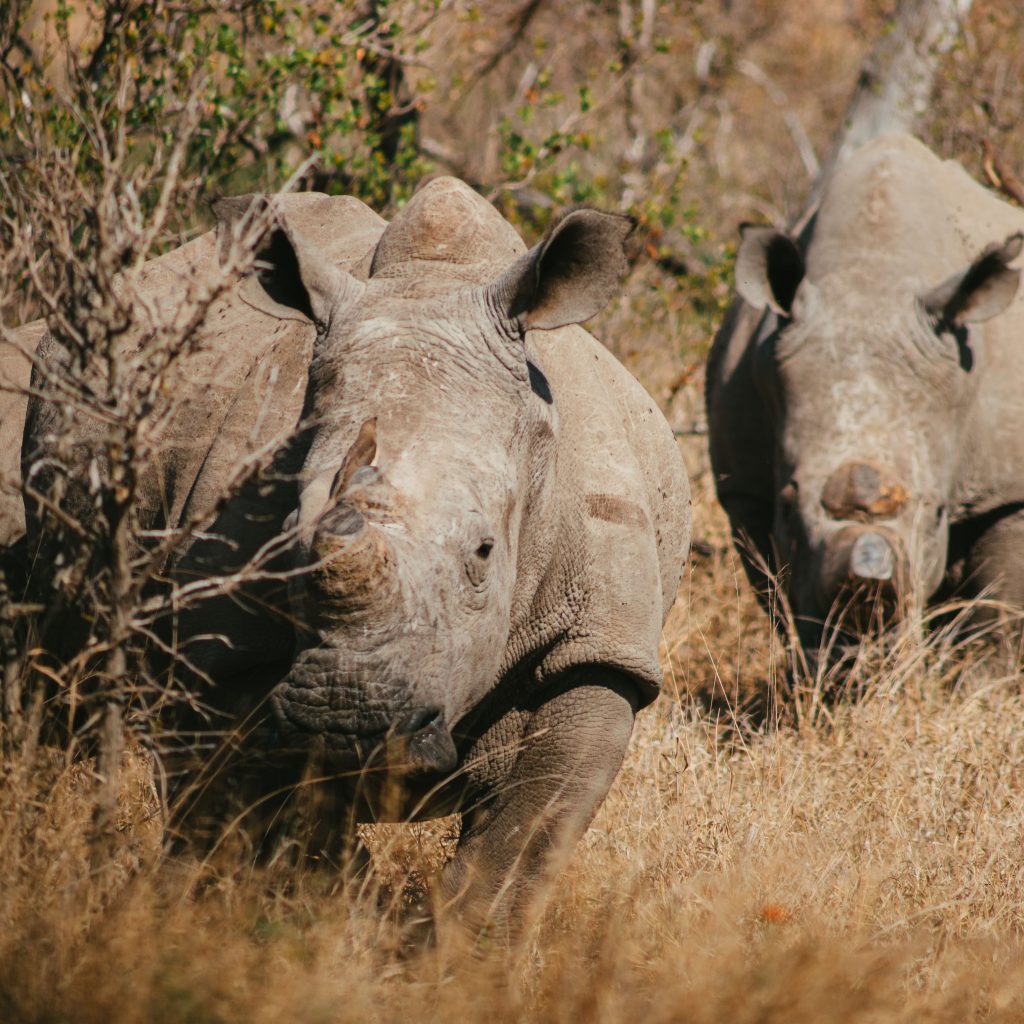
Two white rhinos roaming the bushveld in the Kruger National Park
Fun Facts About the Rhino
I wasn’t kidding when I said it feels like seeing a living fossil wandering the land, because modern rhinos belong to one of the oldest living mammal lineages on the planet! Their skin acts as armor, reaching up to 5 cm (2 inches) thick. Despite this, their skin remains sensitive to sunburn and insect bites, which is why they frequently wallow in mud. Rhinos also have poor vision, not being able to see clearly past 30 meters. They do have sharp hearing, though. Their swivel ears and keen noses quickly alert them to any danger.
Best Time to See Rhinos on Safari
You’ve guessed it! The dry months, between May to September, are the perfect window for tracking rhinos, especially the elusive black rhino. During the wet summer months, the bushveldt turns into a thick, tangled green landscape. Black rhinos, which feed on thorny acacia branches and woody shrubs, can be standing five meters away from your safari vehicle and remain completely invisible. But in min-winter, the dense bush dries up and the leaves drop, making the landscape clear and bare, and easy to spot the rhinos as they graze and wander. Trackers can easily spot fresh, three-toed rhino tracks (spoor) and follow their distinct footprint trails across areas.
Rhinos need to drink water regularly, especially during the dry winter heat when their forage loses all natural moisture. They are forced to move closer to the waterholes and river streams every 1-2 days. Most black rhinos can be secretive and avoid the mid-day heat. You will find them at water sources under the cover of dusk or during the night. Reserves with floodlit waterholes (like in Etosha, Namibia) provide the most amazing opportunity for you to sit with a cup of tea and watch these prehistoric titans emerge silently from the dark to quench their thirst.
Rhinos extend their feeding times into the early morning and late afternoon during winter when the temperature is mild. This means great opportunities to spot them on an early morning game drive, or a late afternoon game drive.
An African safari is something to check off on your bucket list, and the Big Five follows suit. There is nothing more exciting than setting out on a game drive and ticking off each of the Big Five, one by one, and spending time to take in how majestic they are. It is one thing to see a lion on a movie screen, but to actually see it up close and feel its roar vibrate through the ground beneath you is incomparable!
N.B: This blog was first written by Bronwyn Paxton, 24 April, 2024. It was rewritten by Faatima Suliman, 07 August, 2026.
No, the Big Five are found across multiple countries in sub-Saharan Africa, not just South Africa. While South Africa is a popular destination to see them, you can also find all five animals in countries like Botswana, Zimbabwe, Zambia, Tanzania, and Kenya
The Big Five did not mean the biggest animals. It meant the five most dangerous animals to hunt on foot. Giraffes are calm and peaceful. They do not attack people or fight back like the Big Five animals do. Even though giraffes are very tall, size was not the main rule for the list.
The rarest of The Big Five is the black rhino, an animal prized by poachers for the purported (yet scientifically unproven) medicinal properties of its horn, a quality that has driven this ancient animal (a 50 million-year-old species) nearly to extinction.
South Africa's banknotes feature the Big Five animals: the rhinoceros, elephant, and lion. The South African Reserve Bank places a different animal and its young (depicted as a family) on the back of each rand banknote, while the front features a portrait of Nelson Mandela.
You should avoid wearing white on a safari because bright white fabrics stand out sharply against the natural earth tones of the bush, making you easily spotted by wildlife and mimicking the alarm signals of prey animals. Additionally, unpaved dirt roads kick up heavy dust that immediately stains and ruins light clothing
Most people know about the Big Five. But what about Africa’s Little Five safari animals? The BIG Five of Africa are captivating large animals that receive a lot of attention. Conservationists are working hard to secure their futures, and every…
Imagine spotting the most impressive predators of East and Southern Africa while touring the stunning landscapes of the golden savannah. It is the highlight of any tour and an experience few forget! But do you know whether what you’ve seen…
Addo Elephant National Park is a big-game safari and marine reserve where you can see not just the Big Five but the Big Seven! Addo Elephant National Park – or just Addo for short – sits on the southern coastline…
Cruises offer a tantalizing glimpse of exotic locales, a taste of adventure. But for those with a thirst for something more profound, for a journey that touches the soul, an African overland adventure awaits. Imagine this: the sun dips below…
The right app at the right moment on a safari can be a real win. Here are the best mobile apps for an African safari – the ones that help you get the most out of the experience. While one…