Most people know about the Big Five. But what about Africa’s Little Five safari animals?
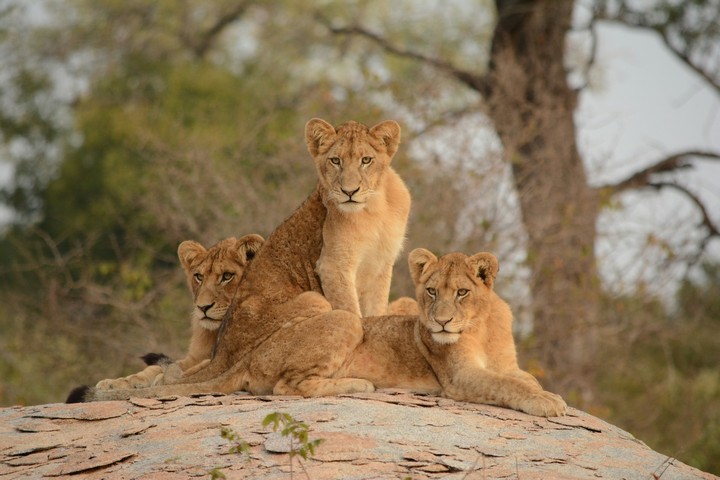
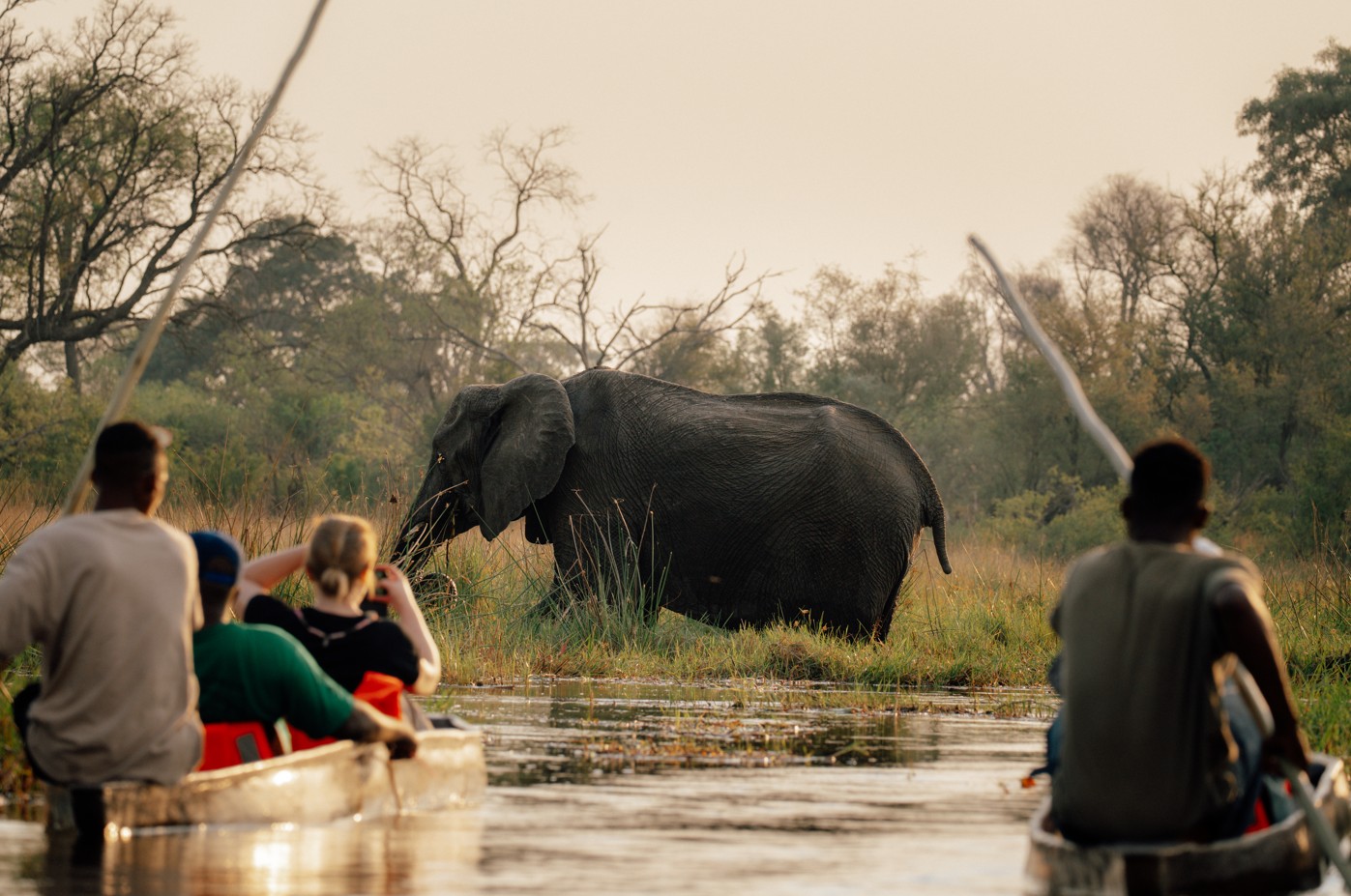
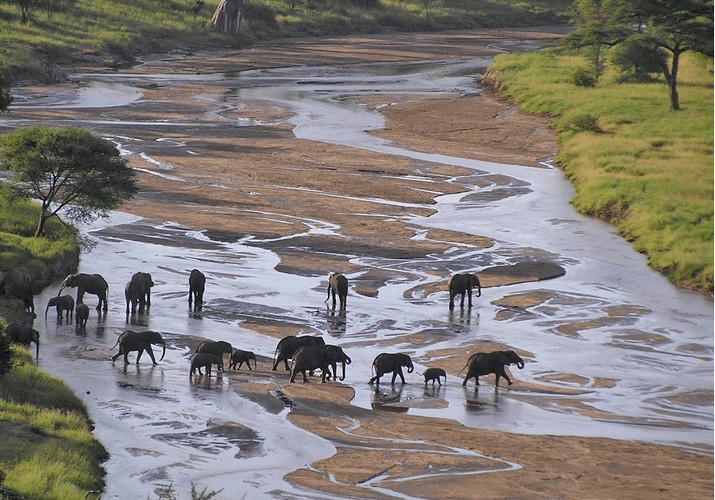
The BIG Five of Africa are captivating large animals that receive a lot of attention. Conservationists are working hard to secure their futures, and every safarigoer hopes to see them all. They are the lion, elephant, black rhino, leopard, and Cape buffalo.
Yet safari guides and conservationists know that there are many smaller, lesser-known creatures that are equally integral to the health of their ecosystems. So to encourage tourists to take note of further wildlife, they devised the concept of the LITTLE Five, which are small animals you can also spot on an African safari that have the names of the Big Five included in their common English names. They are:
- Red-billed buffalo weaver
- Elephant shrew
- Rhinoceros beetle
- Leopard tortoise
- Antlion
Fun and clever, not so?
Allow me to introduce you to each of the fascinating creatures that make up Africa’s Little Five …
1. Red-billed buffalo weaver
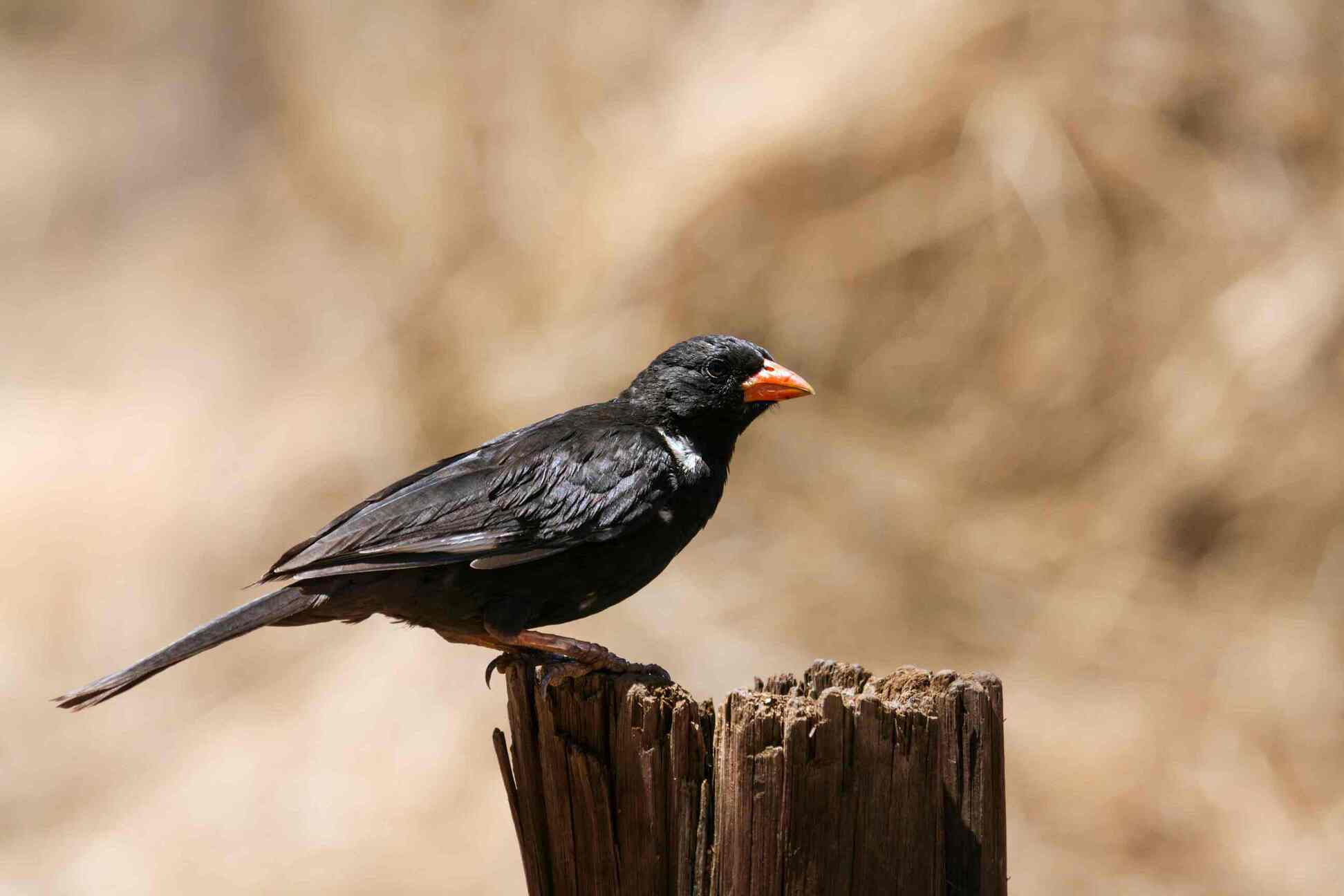
The red-billed buffalo weaver is, like any self-respecting weaver, a noisy and social bird. It builds large, messy, communal nests made from grass and sticks in trees or on powerlines or similar human-made structures. Males and females look very similar, but we can tell the one in this picture is a male because of the white flecks in its wings, which females don’t have.
You can find the red-billed buffalo weaver in both East and Southern Africa, usually in savannah or woodland.
Note that the red-billed birds you often see perched on buffaloes’ backs (because they’re eating ticks in the fur) aren’t weavers. They’re red-billed oxpeckers. So while it would’ve been neat for these birds to be a Little Five species, their name didn’t fit the bill.
2. Elephant shrew
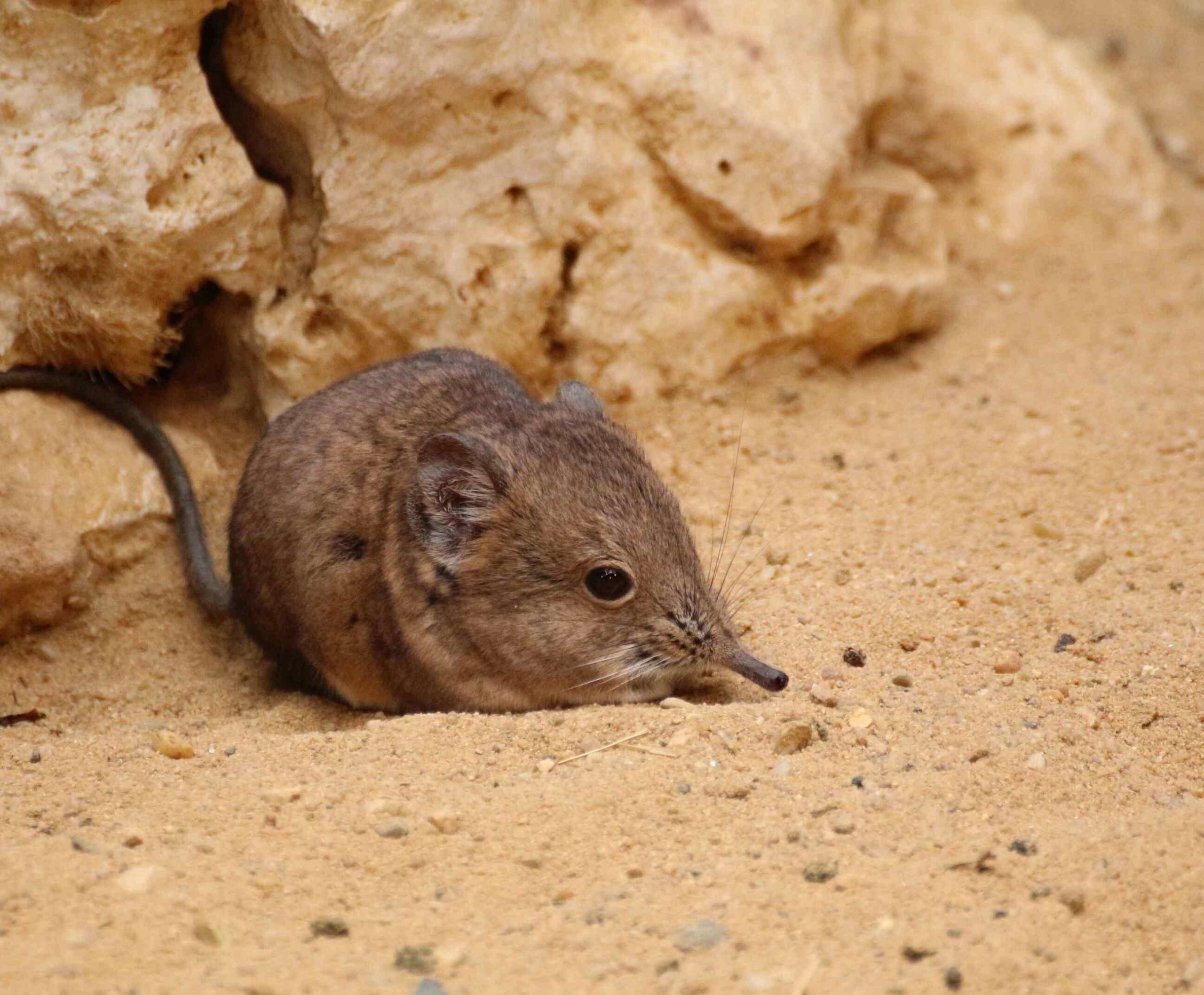
The elephant shrew (also called the jumping shrew or sengi) is a little insectivorous mammal that’s native to Africa.
The animal earned its name because it resembles a shrew in appearance and has a long, mobile nose reminiscent of an elephant’s trunk. But it’s not actually a type of shrew, which is part of a different order. It’s also amusing that an animal this tiny carries the word elephant in its name. Yet it turns out, according to scientists, that the elephant shrew actually has more in common with elephants than shrews!
Elephant shrews have relatively long legs and move about in rabbit-like hops. They’re very fast too, reportedly able to run up to 28 km (17 miles) per hour.
Elephant shrews live in forests, woodlands, and thickets. They’re fascinating creatures, and you can learn more about them here.
3. Rhinoceros beetle
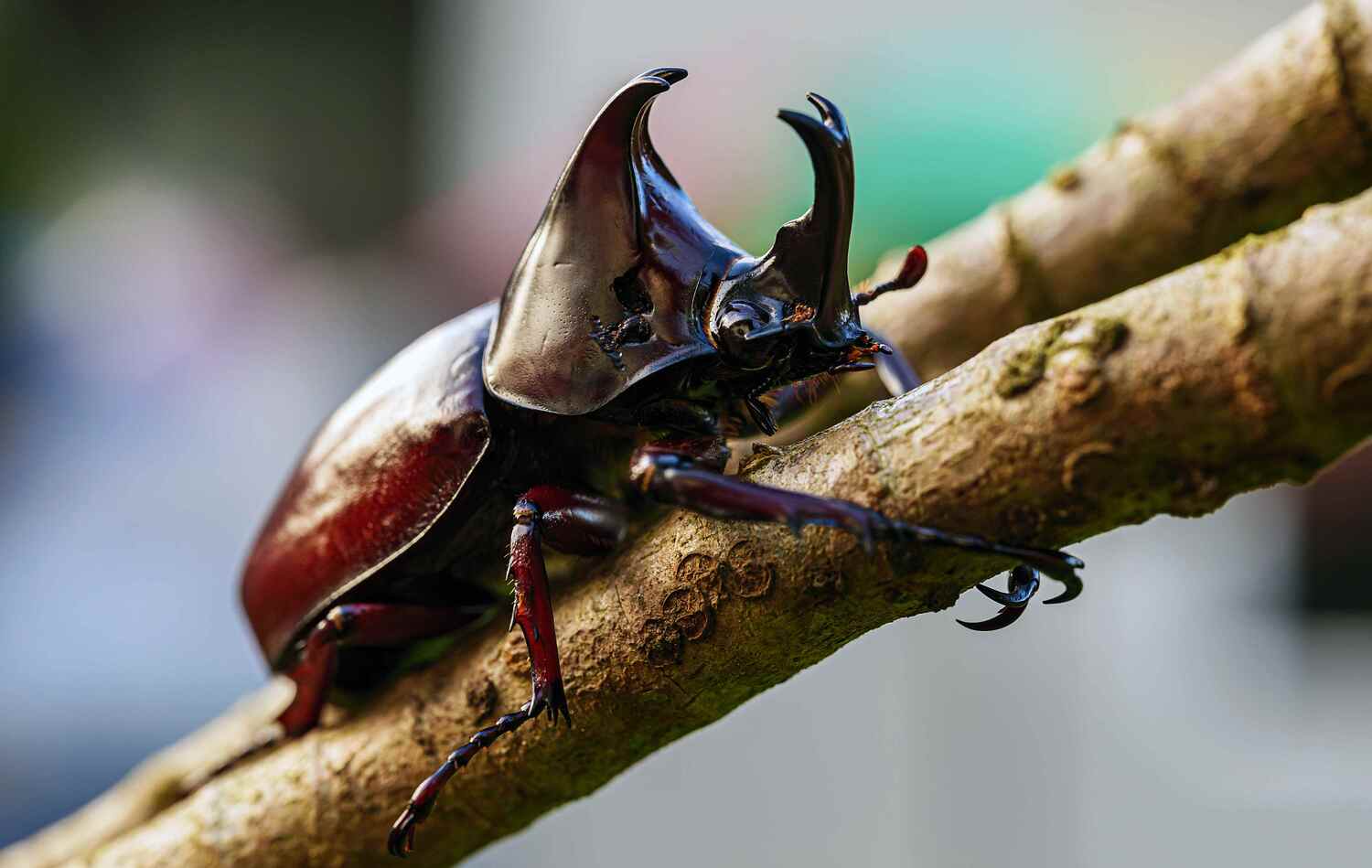
The rhinoceros beetle – or simply rhino beetle – is a large beetle found all around the world. It’s aptly named. Because similar to the rhino of the Big Five, the rhino beetle has a really tough exterior, and males have horn-shaped protuberances on their heads.
Another name for the rhino beetles found in the Americas is the Hercules beetle. Again, the name is apt, as the rhino beetle has insane lifting strength relative to its size. In fact, scientists believe it to be the strongest animal in the world! Yet it has a fruitarian diet, and is totally harmless.
Note that the various species of the rhino beetle you’ll find in sub-Saharan Africa aren’t as big as those found in some parts of the world. On an African safari, you’re likely to see beetles ranging from 3 to 6 cm long (1 to 2.5 inches).
Nature & Wildlife, Waterways & Wetlands, Beach & Safari, Wilderness Walks, Big 5 Safari, Migration Safaris, Desert Adventurer, Top Beaches
Nature & Wildlife, Waterways & Wetlands, Wilderness Walks, Cultural Immersion, Big 5 Safari, Migration Safaris
Nature & Wildlife, Waterways & Wetlands, Wilderness Walks, Cultural Immersion, Big 5 Safari, Desert Adventurer
Nature & Wildlife, Big 5 Safari, Migration Safaris
Nature & Wildlife, Waterways & Wetlands, Wilderness Walks, Mountain Adventures, Big 5 Safari, Desert Adventurer, Dramatic Vistas
4. Leopard tortoise
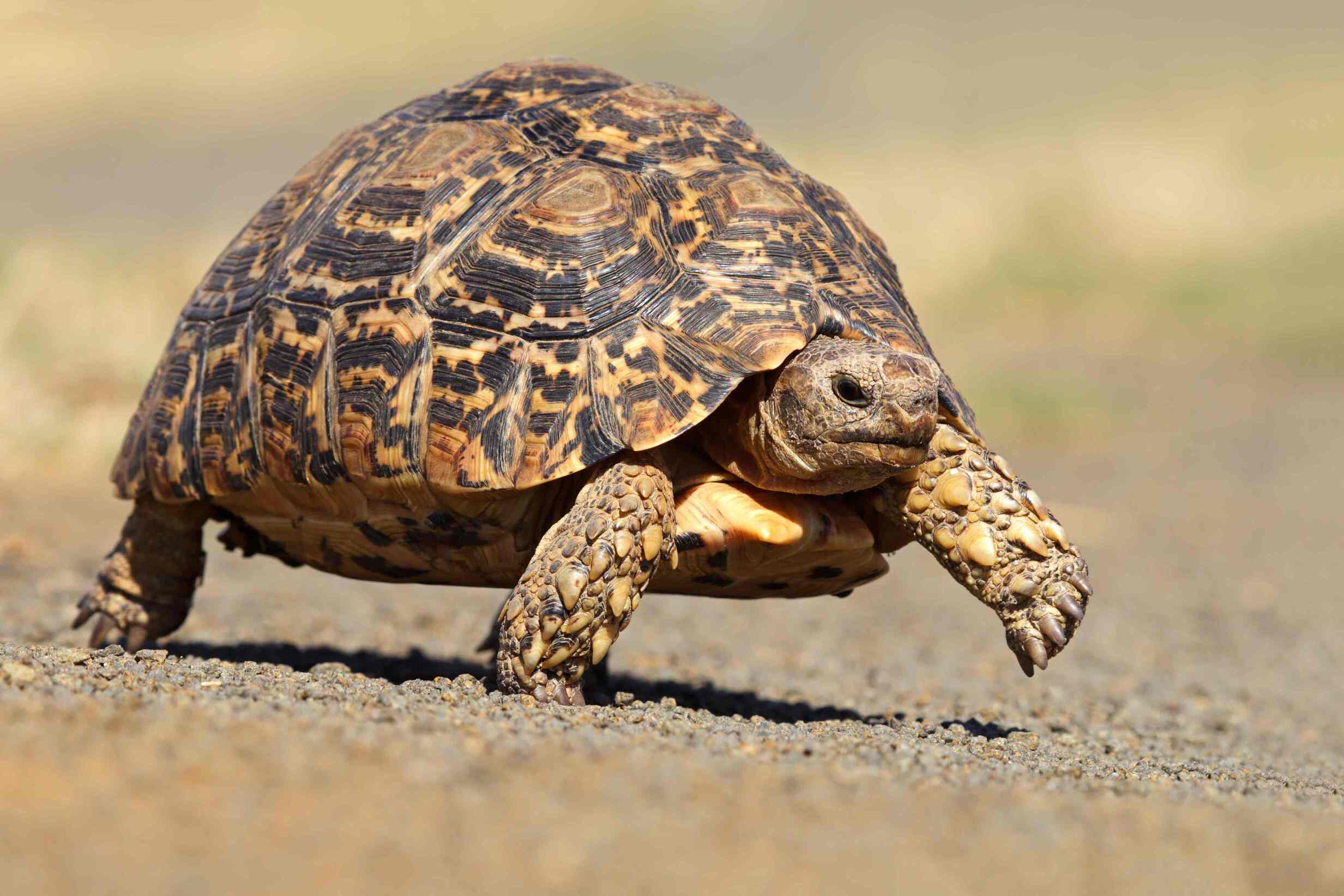
The leopard tortoise is named for the black-and-yellow spotty pattern on its shell. It’s a large and pretty tortoise that you find in semi-arid and grassland regions of Southern and East Africa.
Leopard tortoises are herbivores. While an adult male is typically around 20 kg (44 lb), they can grow as heavy as 40 kg (88 lb). When males compete for partners, they ram each other with their shells. They then ram the females into submission. They can live up to 80 to 100 years.
Incidentally, leopards have on occasion been known to prey on leopard tortoises, as have other predators like lions and hyenas. Generally speaking, however, fully grown leopard tortoises aren’t common prey for such carnivores.
5. Antlion
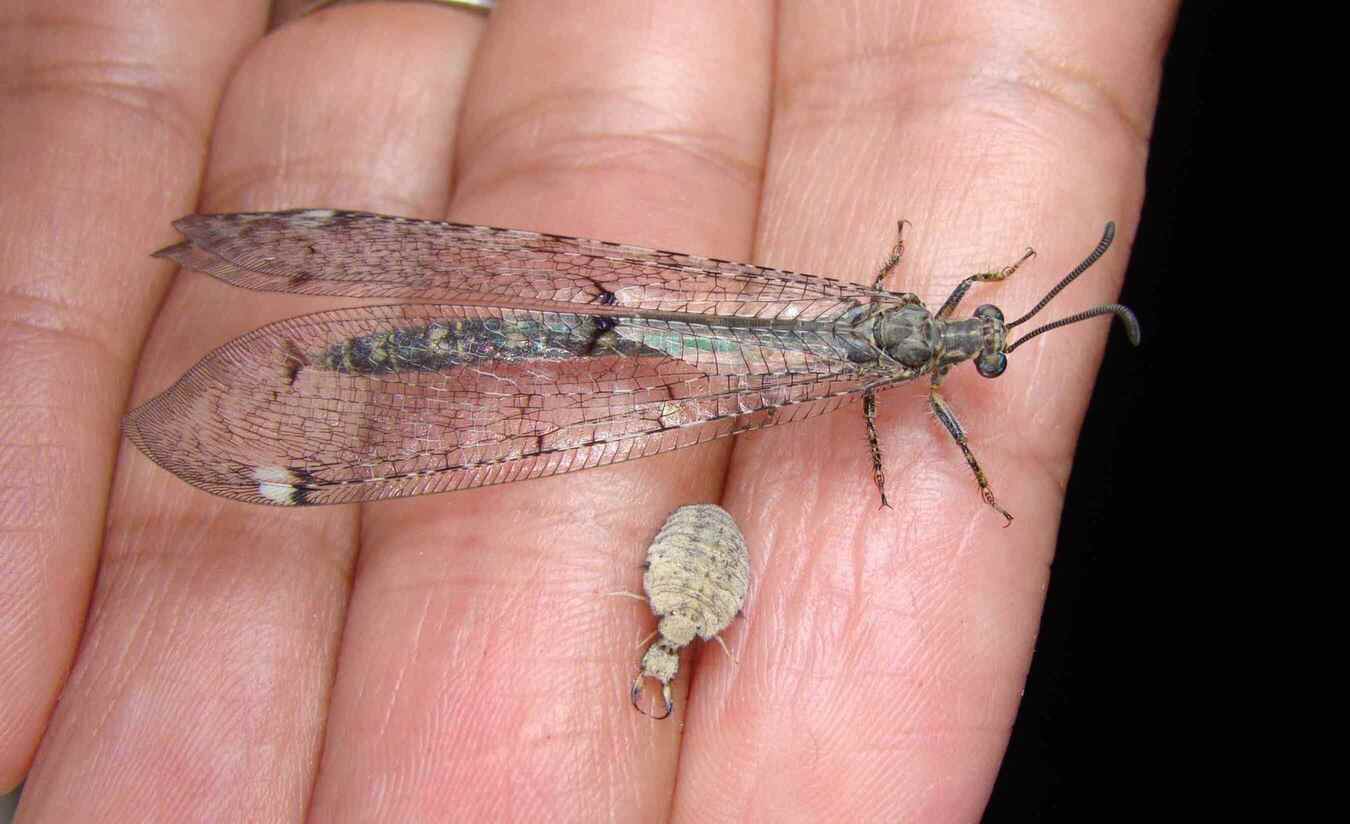
There are around 2,000 antlion species around the world. They’re predatory insects with jaws that look like two sickles. They create funnel-shaped pits in loose sand and then wait below them with their sharp jaws poised to snap up ants and other insects that slide into the traps.
There are many other fascinating facts I could tell you about antlions. For instance, they live for one to three years, but spend most of that time as hungry larvae buried underground. When it’s ready to undergo its metamorphosis, it will pupate in a cocoon, then emerge as an adult (as seen in the above picture). At that time, it has about a month of life left in which to procreate.
Another wild fact is that the antlion can’t move forward in the larval stage. It can only move in reverse, so to speak. The Urban Ecology Center has a nice blog post with more fun facts on the antlion.
Look for the Little Five on your next African safari
While most of Africa’s Little Five aren’t easy to find given their diminutive sizes, among other factors, they’re all widespread and very often share a habitat. For instance, you can find all five creatures in destinations as diverse and far apart as the Kruger, Kgalagadi, the Okavango Delta, Gorongosa in Mozambique, Majete in Malawi, the Serengeti, and Hell’s Gate in Kenya.
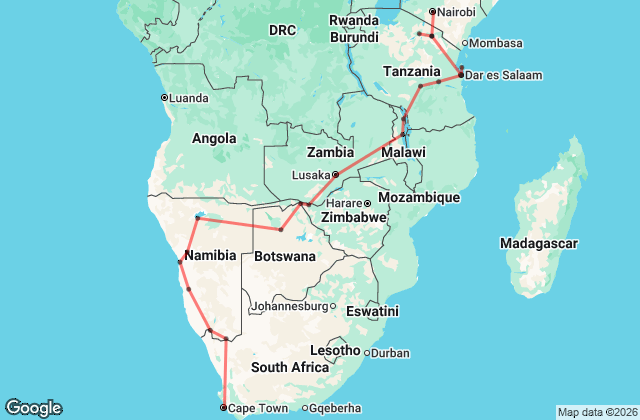
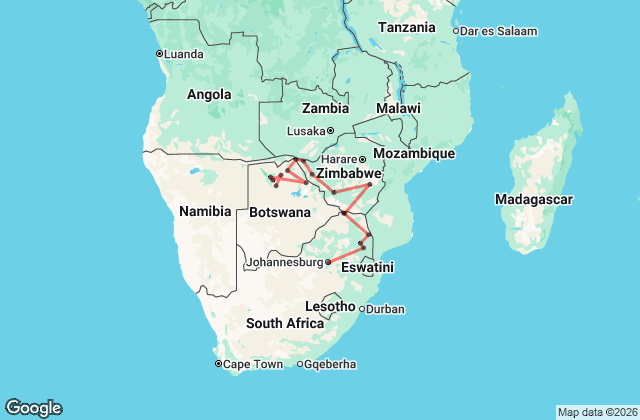
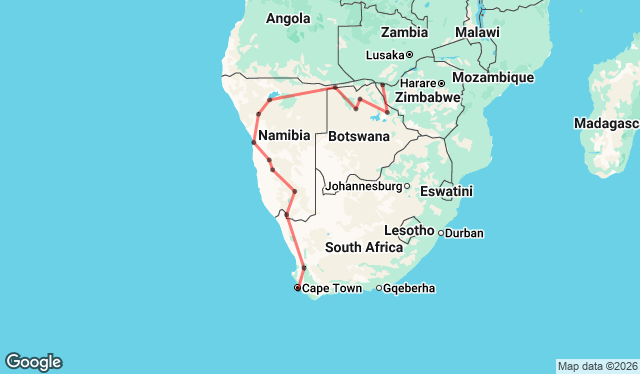
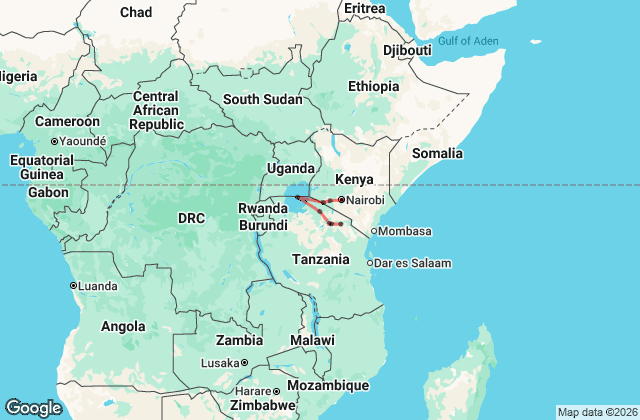
If you’re keen to plan an affordable African safari where you could spot both the Big Five and the Little Five, check out the overlanding tours below!
Note: This blog post was created in October 2016 by Sarah Duff. It was rewritten in August 2026 by Megan Abigail White.