


African Overland Tours
https://www.facebook.com/AfricanOverlandTourscom/
https://www.instagram.com/african_overland_tours/
https://www.youtube.com/@africanoverlandtoursandsafaris
+27 (0) 21 448 0997
Customer Service
Worldwide

African Overland Tours
https://www.facebook.com/AfricanOverlandTourscom/
https://www.instagram.com/african_overland_tours/
https://www.youtube.com/@africanoverlandtoursandsafaris
+27 (0) 21 448 0997
Customer Service
Worldwide
It’s possible to draw close to some species of African wildlife without engaging in risky or unethical behaviour
Many of us understandably long to draw close to the wild animals of Africa to better see and appreciate them. Some are so adorable, fluffy, or intriguing that we’d love to stroke or even hold them. And there are often photographs out there suggesting this is possible. A meerkat on someone’s shoulder, someone else stroking a cheetah cub, and someone else having a giraffe eat out of their hand.
Some of these pictures are real, some are fake. Some show hard-won encounters, like those between trusted caretakers and their wards. But others show abnormal chance encounters or paid experiences that present real safety or morality concerns.
Whatever the situation, these images fly around the internet and can lead to the hope – even expectation – of really close encounters with wild animals in Africa. So let’s discuss which encounters are safe for both you and the animal. I also point out the red flags of potentially dangerous or unethical animal interactions.
It certainly is possible to draw close to certain wild animals in Africa. With some, especially primates, you can often meet them in the wild. With others, you must visit a sanctuary, like a wildlife orphanage. But please note that only some of these encounters are both safe and ethical.
Let’s first discuss the animal encounters you can book with little safety or ethical qualms. I’ll then discuss a handful of the more controversial ones to help you decide for yourself if you want to engage in them.
Here are six popular experiences that bring you very close to wild animals …
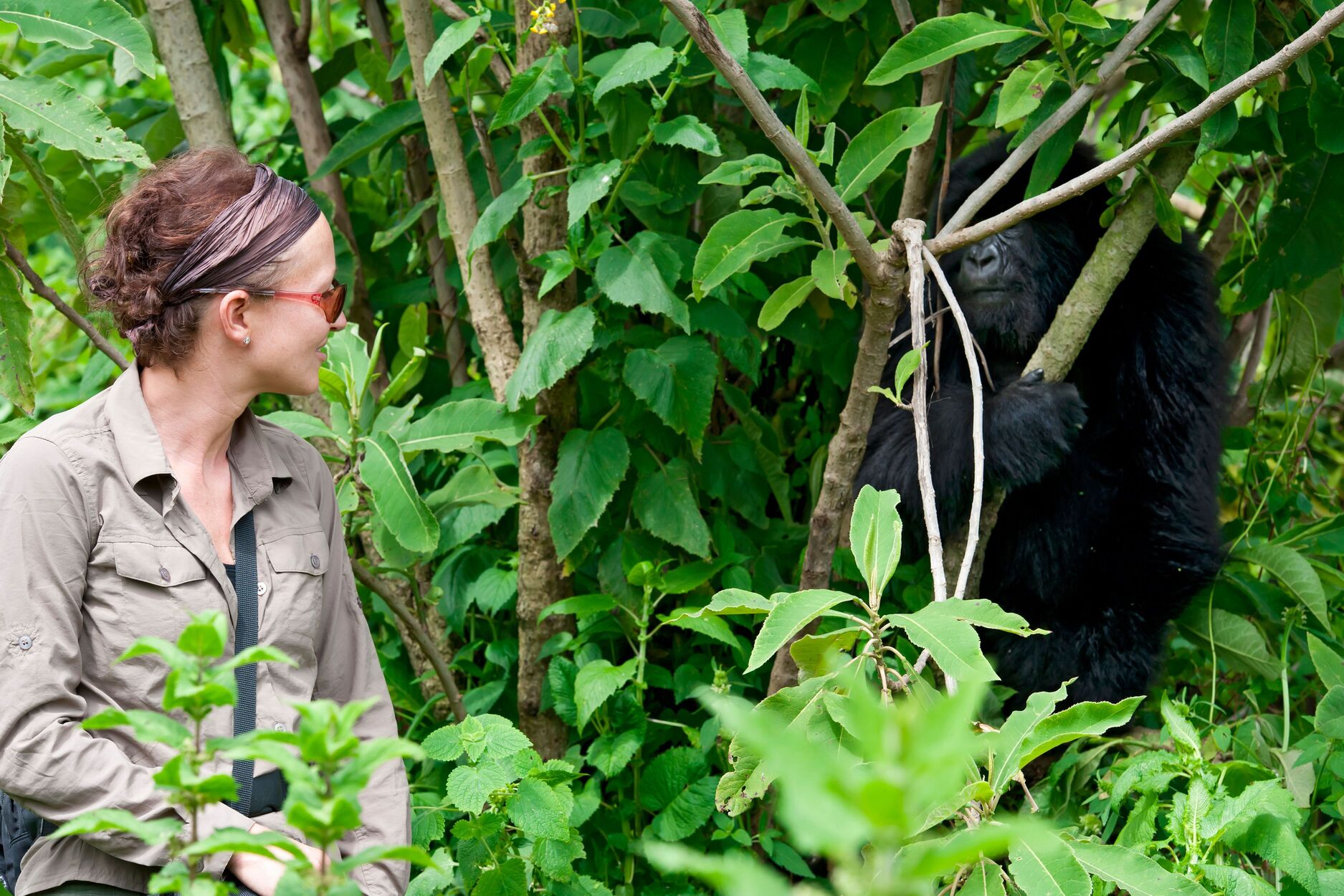
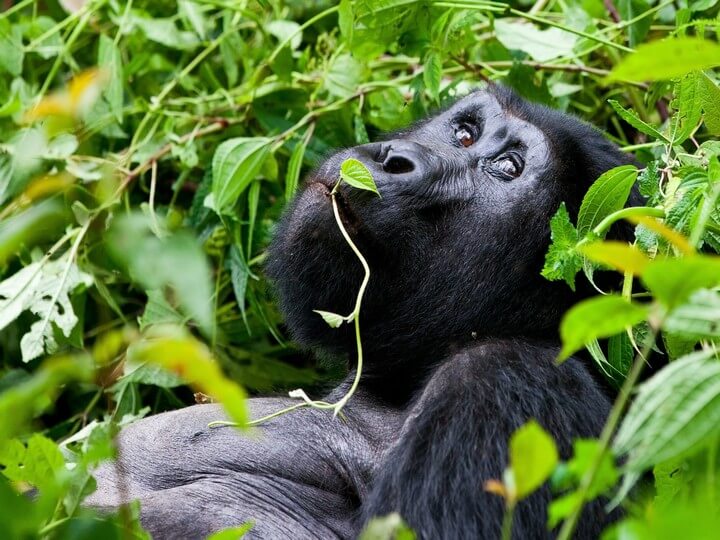
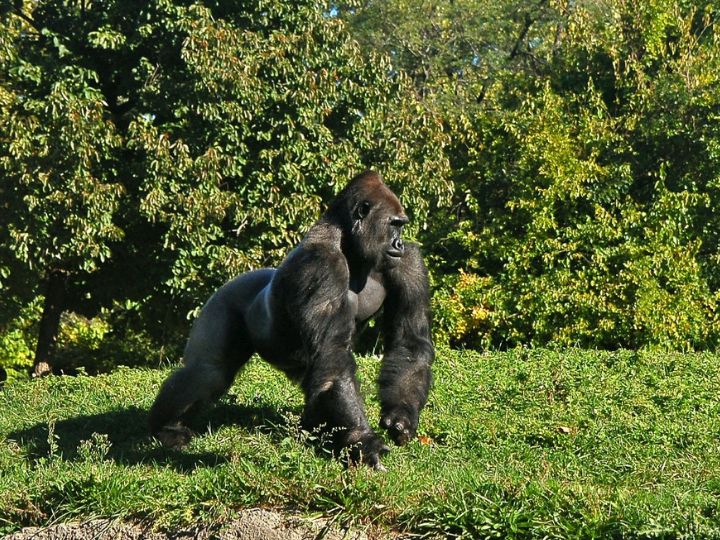
When it comes to getting close to animals in the wild, you can’t really top mountain gorilla trekking. Visitors regularly come within a few metres (feet) of these gentle primates!
This exceptional experience is on offer in the tri-border region of Rwanda, Uganda, and the DRC. The gorillas live in thickly forested mountains, and you go on a guided trek to find them.
While mountain gorilla trekking isn’t without its detractors, it’s overall considered a safe and humane animal encounter. This is thanks in large part to strict regulations governing gorilla treks. For instance, each gorilla troop must only be visited for one hour per day. Also, you can only visit troops that are habituated to humans, which is to say that they’ve been gradually desensitised to the presence of humans.
Combine these stipulations with the fact that mountain gorilla arne’t generally aggressive creatures unless provoked, and humans can quietly sit near such massively powerful creatures without undue concern.
Finally, but importantly, I must point out that mountain gorillas are very well protected. This is a critical part of the equation, as wild animals that lose their natural wariness towards humans through overexposure become more vulnerable to harm, like poaching. But intensive security measures in all three countries mitigate against the dangers of habituation to humans.
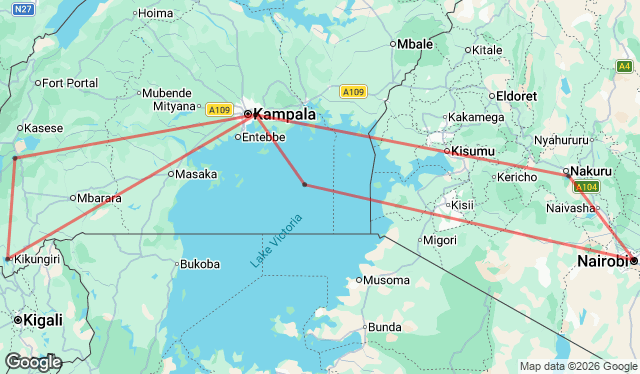
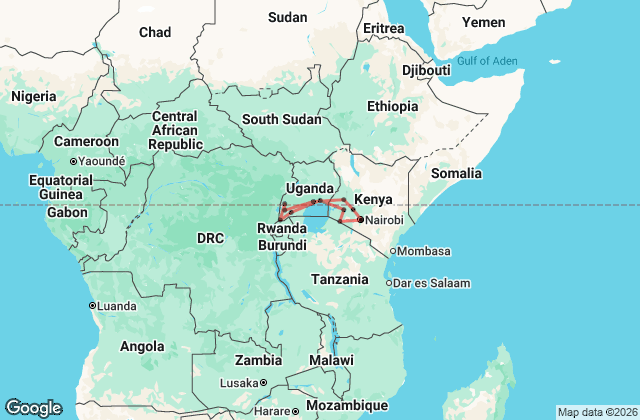
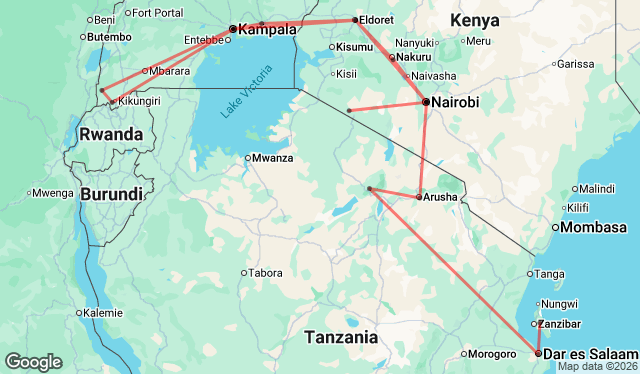
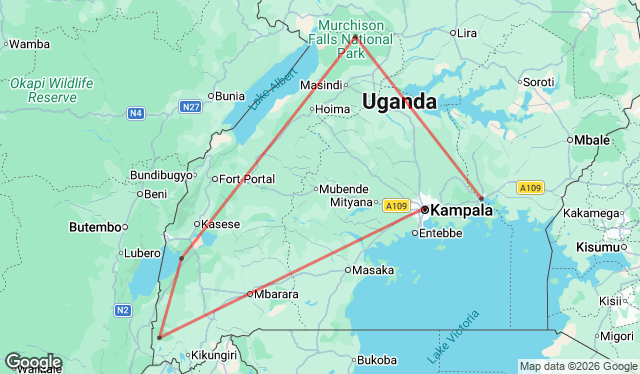
Check out this 15-day Kenya game parks and gorillas safari or 13-day best of Uganda overland adventure if you’re interested in booking this exciting wildlife encounter for yourself.
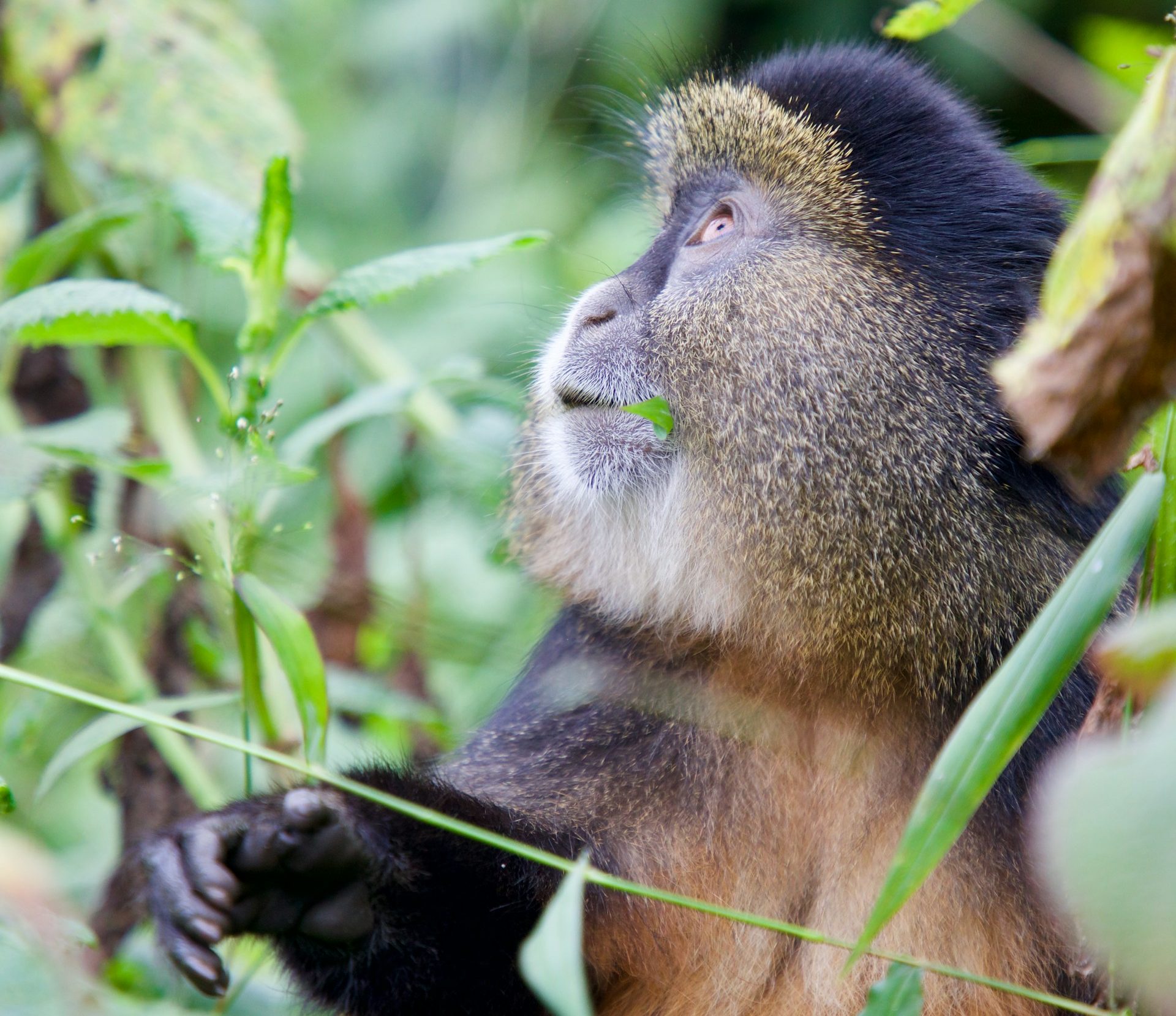
The golden monkey is an endangered Old World primate species that lives in the same mountain range (the Virungas) as some mountain gorillas. These beautiful, round-faced creatures spend much of their time in the bamboo forests just below the zone that the gorillas favour.
Golden monkey trekking is therefore easier than gorilla trekking, as you don’t have to hike so far or so high to find them. Similar to a gorilla trek, a guide leads you to a habituated troop. Once you’ve found them, you can spend a little while observing them jumping between trees, munching on bamboo, playing with each other, and observing you right back.
Golden monkeys are endangered, and these close-up wildlife encounters help to support their conservation.
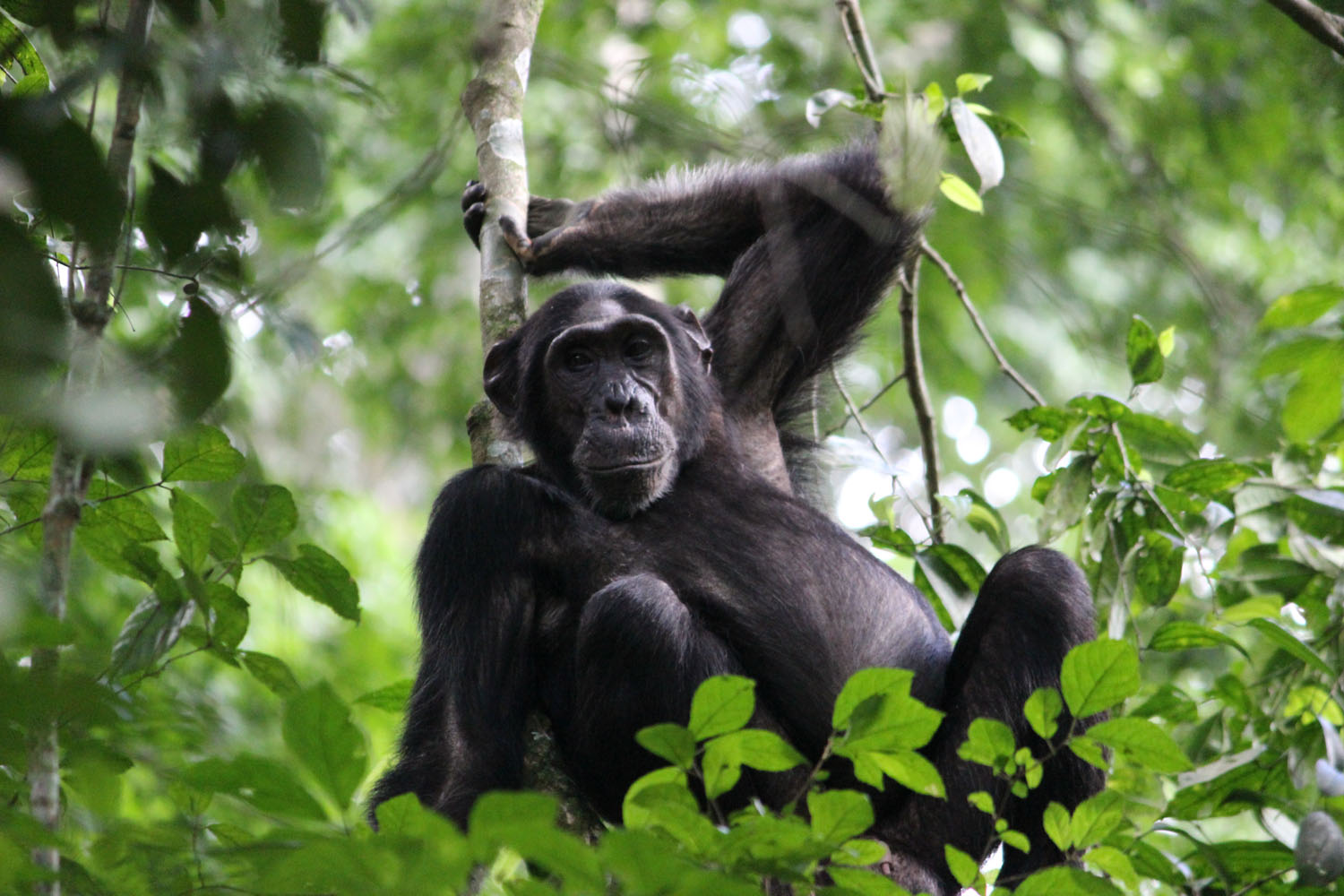
Another popular primate experience on offer in Africa that’s generally both safe and ethical is chimpanzee tracking.
Similar to mountain gorilla trekking, you follow a guide into the forest to find and spend an hour with a habituated chimp community. But unlike gorillas, chimps spend much of their time in trees, so you’re likely going to be looking up quite a bit. Chimps spend about 50% of their lives resting or sleeping. When active, they’re generally munching on leaves or fruits, socialising, and grooming one another.
You want to head to Tanzania, Rwanda, or Uganda for chimpanzee tracking. While Zambia has chimp encounters too, these are sanctuary-based experiences.
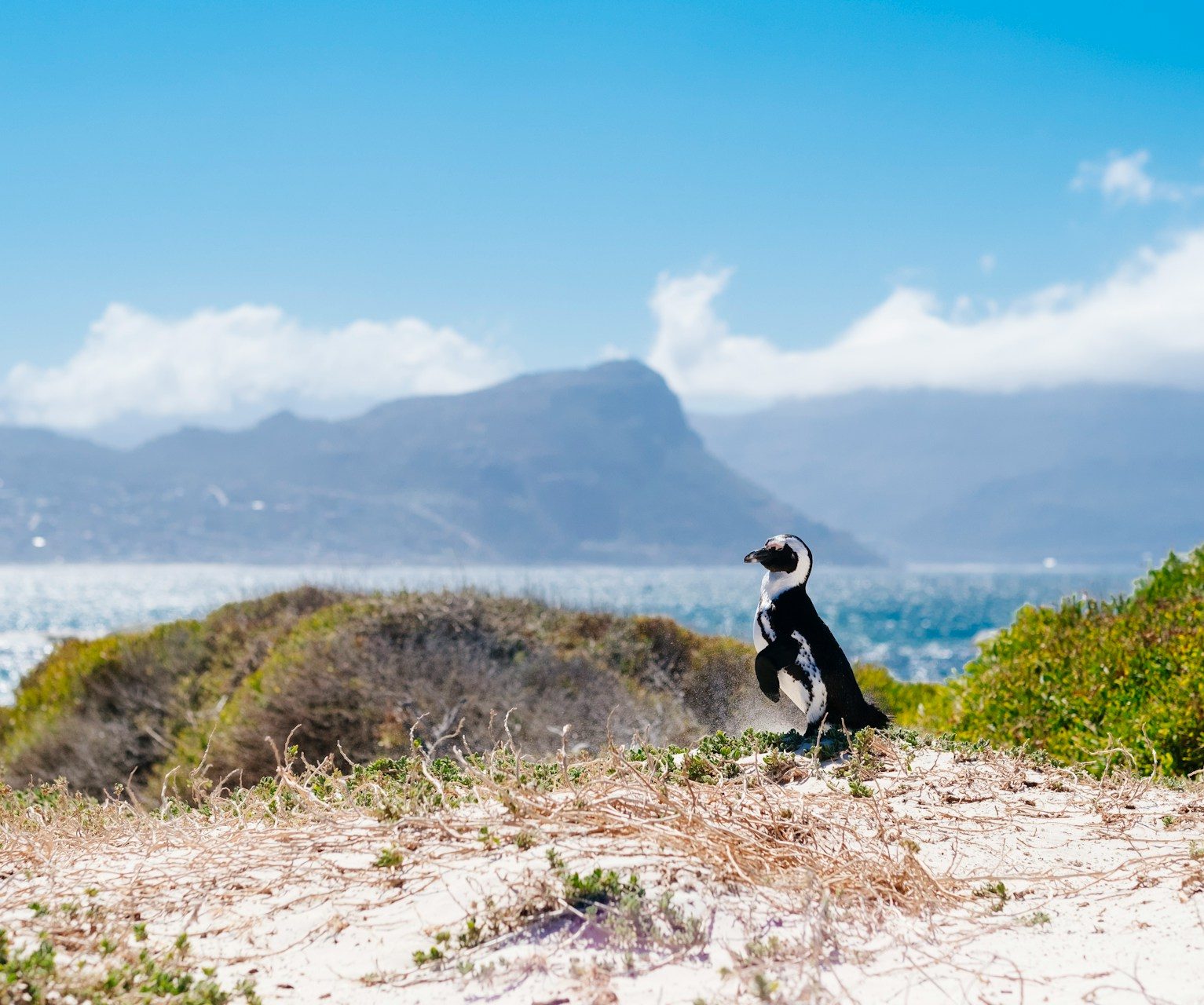
One of Africa’s most accessible and budget-friendly wild animal encounters is visiting the African penguins of Cape Town.
At Boulders Beach, the penguins are everywhere. There’s the sandy cove that’s checkered with boulders and penguins. But you can also wander along a 1.4 km, wheelchair-friendly boardwalk to observe the creatures among the dune vegetation. And all this comes with the dramatic and beautiful backdrop of False Bay!
African Overland Tours offers various tour packages that start and end in Cape Town. These range from short, accommodated trips (like the 12-day Durban to Cape Town via Lesotho) to epic, once-in-a-lifetime camping adventures (like the 63-day Nairobi to Cape Town).
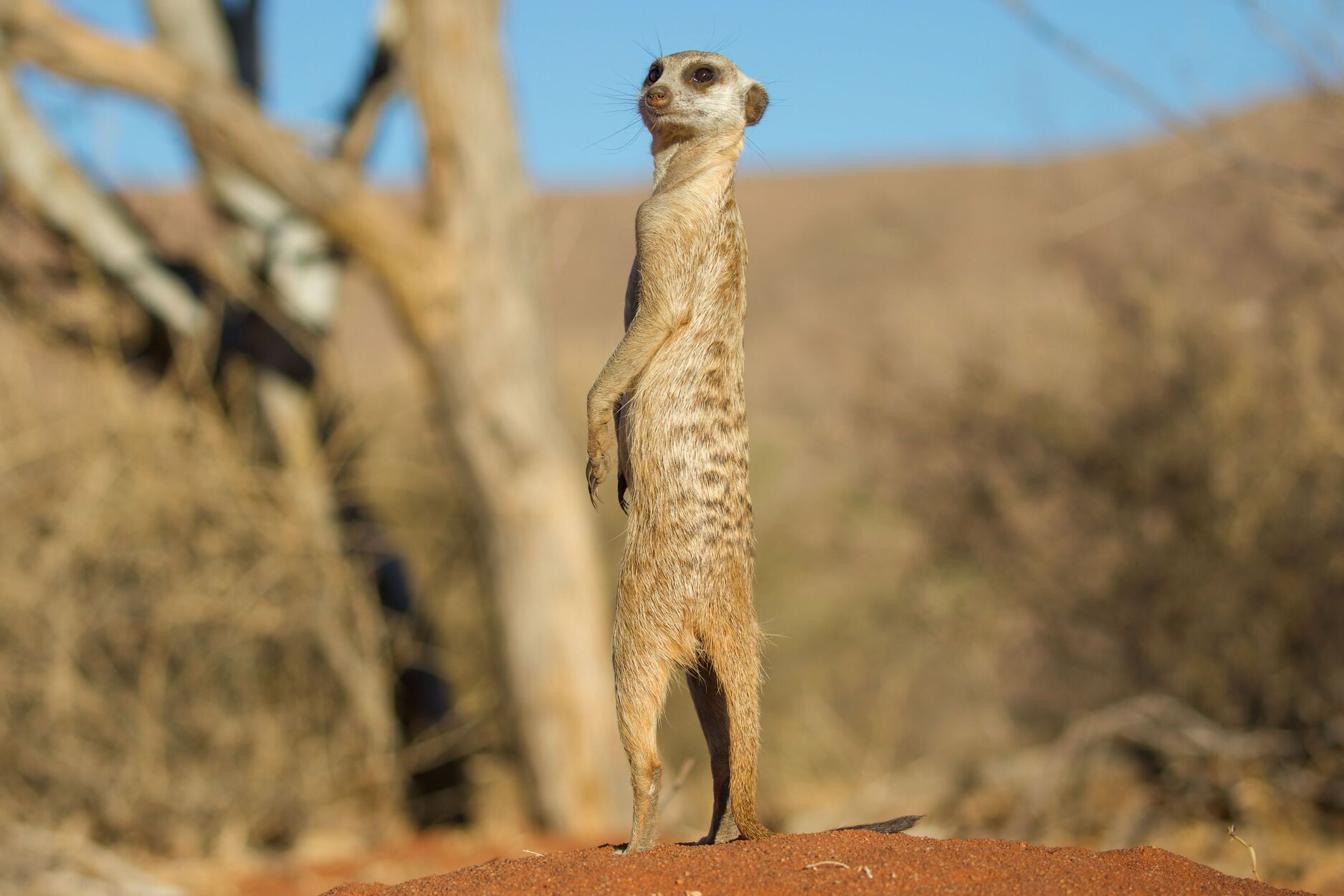
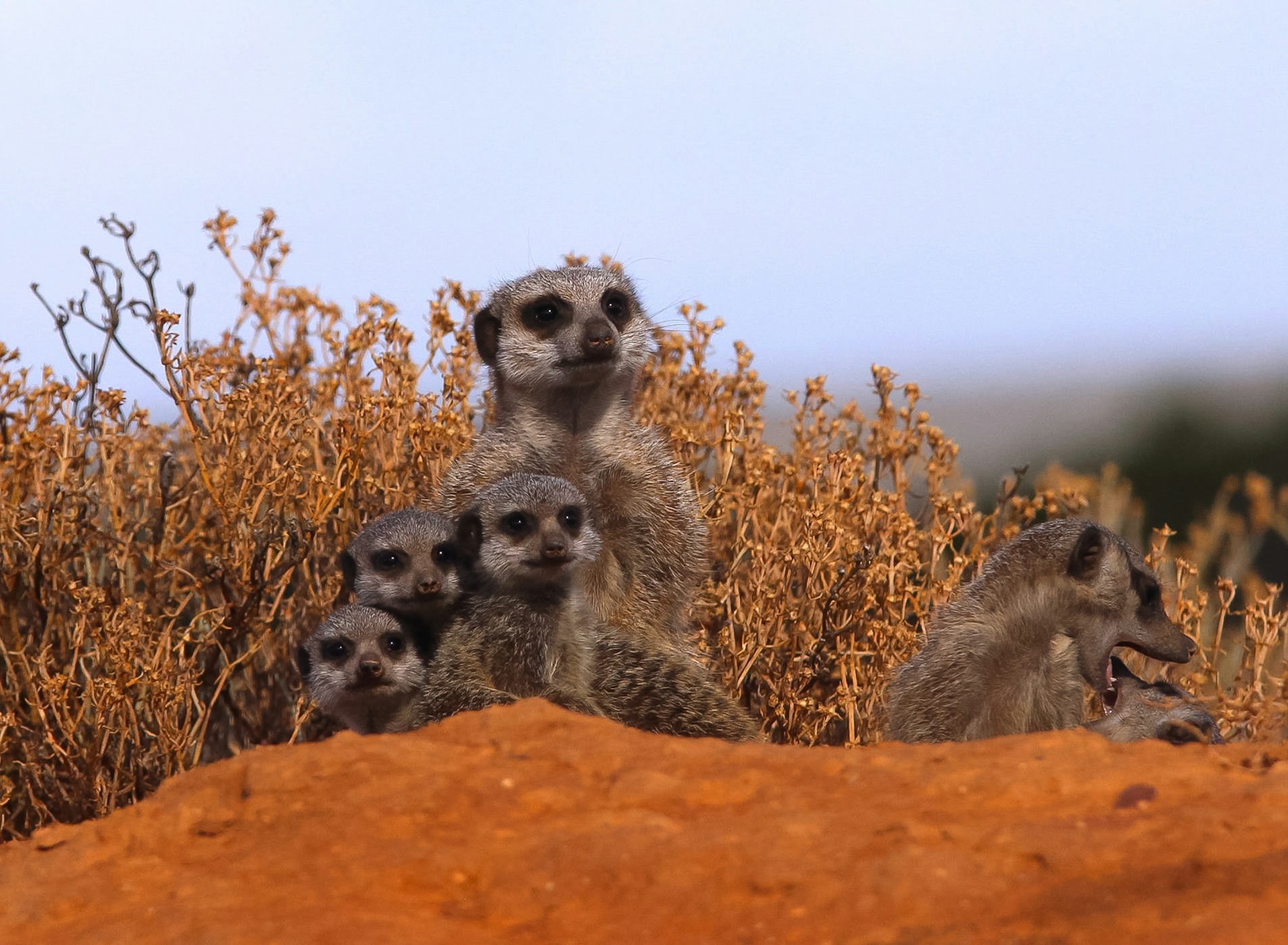
Meerkats are among the most popular wildlife species of the Kalahari Desert of Southern Africa. The lookout antics of these cute and inquisitive creatures make them highly endearing.
A handful of meerkat colonies in Tswalu Kalahari Reserve in northern South Africa have become habituated to humans over many years, making it possible to draw within a few metres of their burrows without causing them undue distress. To ensure the well-being of the meerkats, visitors are accompanied by a guide and aren’t permitted to touch the animals.
I must point out, however, that Twsalu is a private reserve and carries a private reserve-sized price tag.
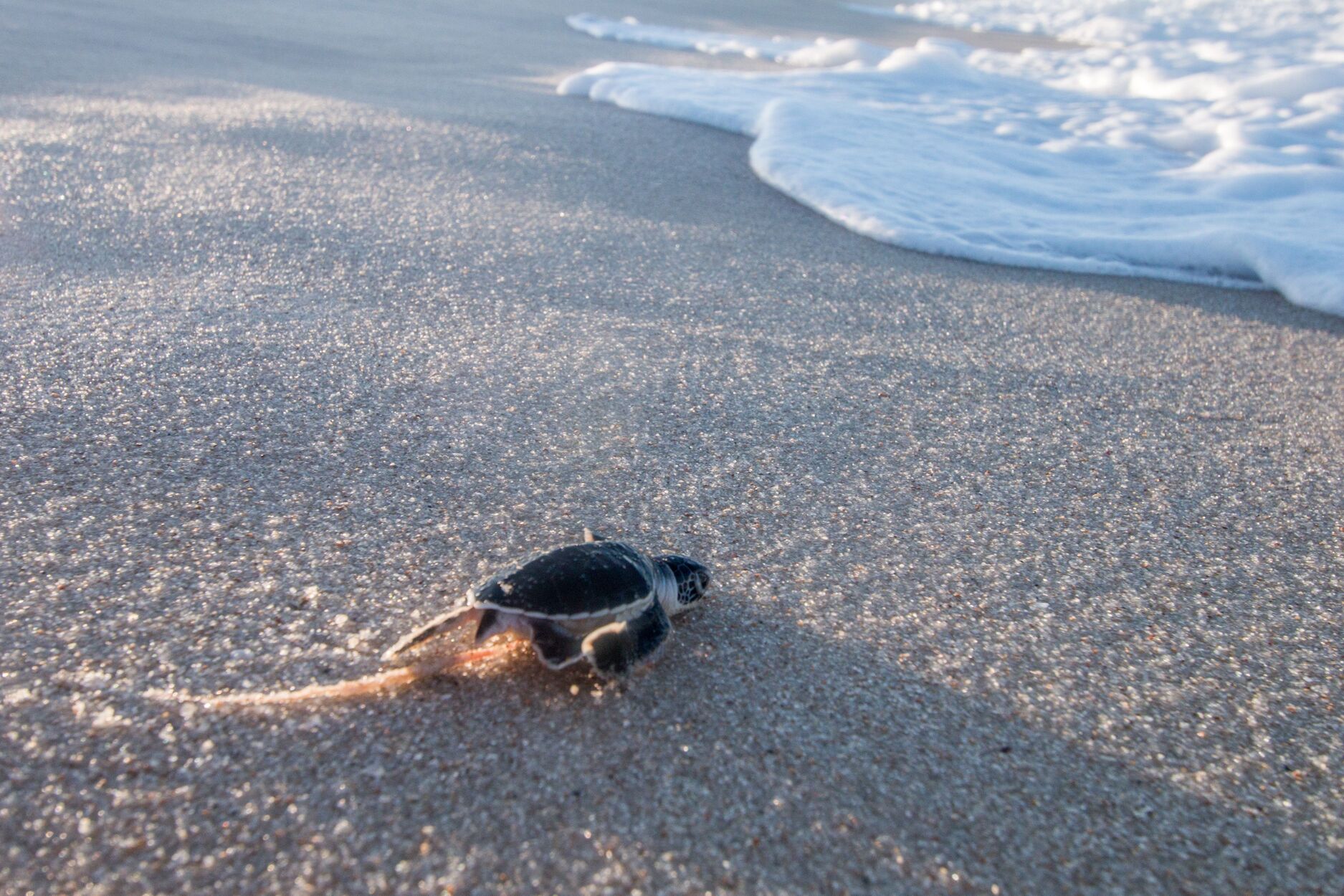
Five of the world’s seven marine turtle species nest along the East African coast. They are the leatherback, loggerhead, green, hawksbill, and olive ridley turtles. All are classified as vulnerable or endangered.
There are many public beaches as well as protected spaces you can visit to see turtle nesting sites or dive alongside the creatures. Of course, the big delight for many is being present on the beach when the hatchlings emerge from their eggs and make a dash for the Indian Ocean, hoping to avoid becoming seagull food en route. This is a remarkable close encounter with wildlife that’s accessible to all.
Note that the most ethically managed turtle nesting sites are in South Africa, Mozambique, and the Seychelles.
It’s possible to draw close – and sometimes even touch – certain wild animals at different wildlife rescue centres and sanctuaries across the continent. The following two close-up encounters are your best bets for safe and ethical activities.
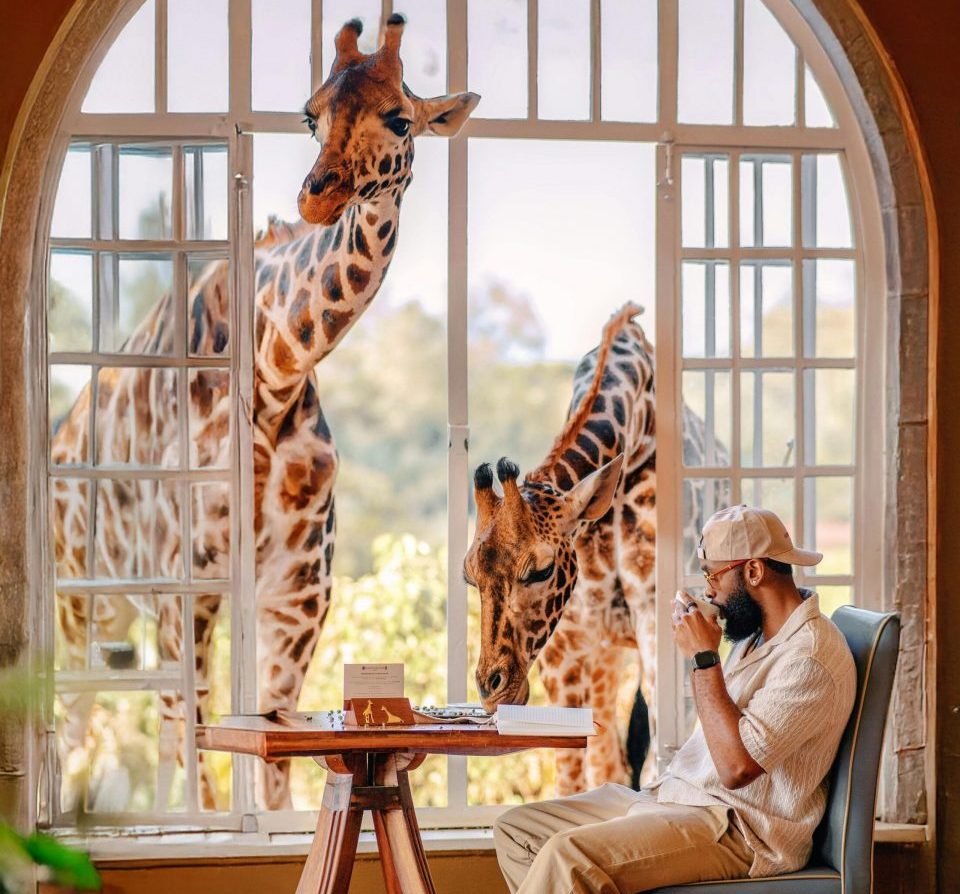
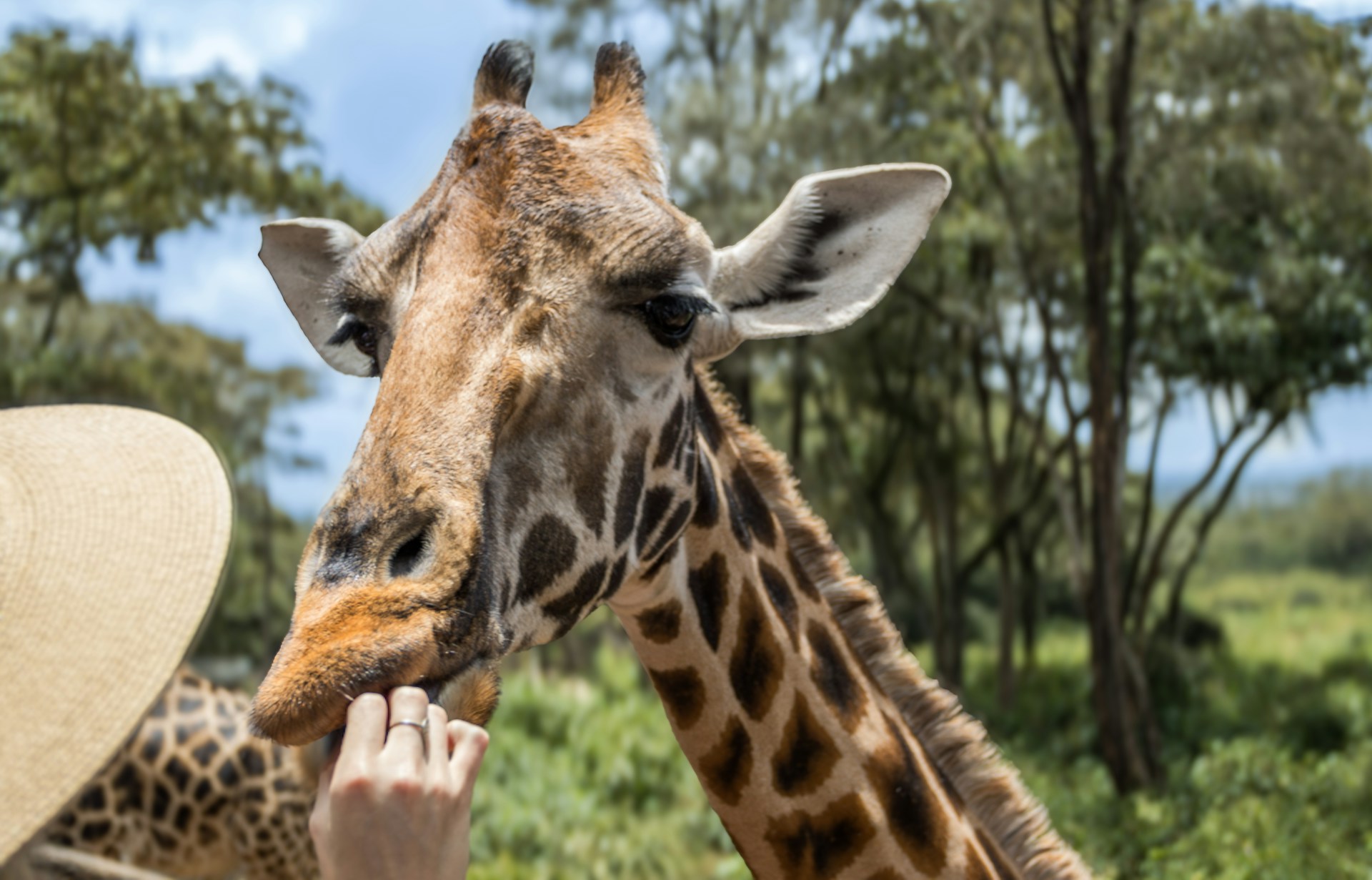
The Giraffe Manor in Nairobi, Kenya, has a resident population of endangered Rothschild’s giraffes who famously like to poke their heads through the windows of the dining room, much to the delight of guests.
There’s also a raised feeding platform at the on-site Giraffe Centre, which lets you come extremely close to the giraffes. Sometimes they’ll even use their long, dark, rough tongues to eat out of your hand. This is an incredibly rare wildlife situation that doesn’t appear to cross any serious ethical lines. I say this because while it’s obviously not natural for giraffes to eat out of a human’s hand, they’re not forced into it. Moreover, there’s a forested section where they can retreat into isolation when they wish. Consequently, many feel that the conservation work undertaken by the manor is sufficient payoff for all of the human foot traffic.
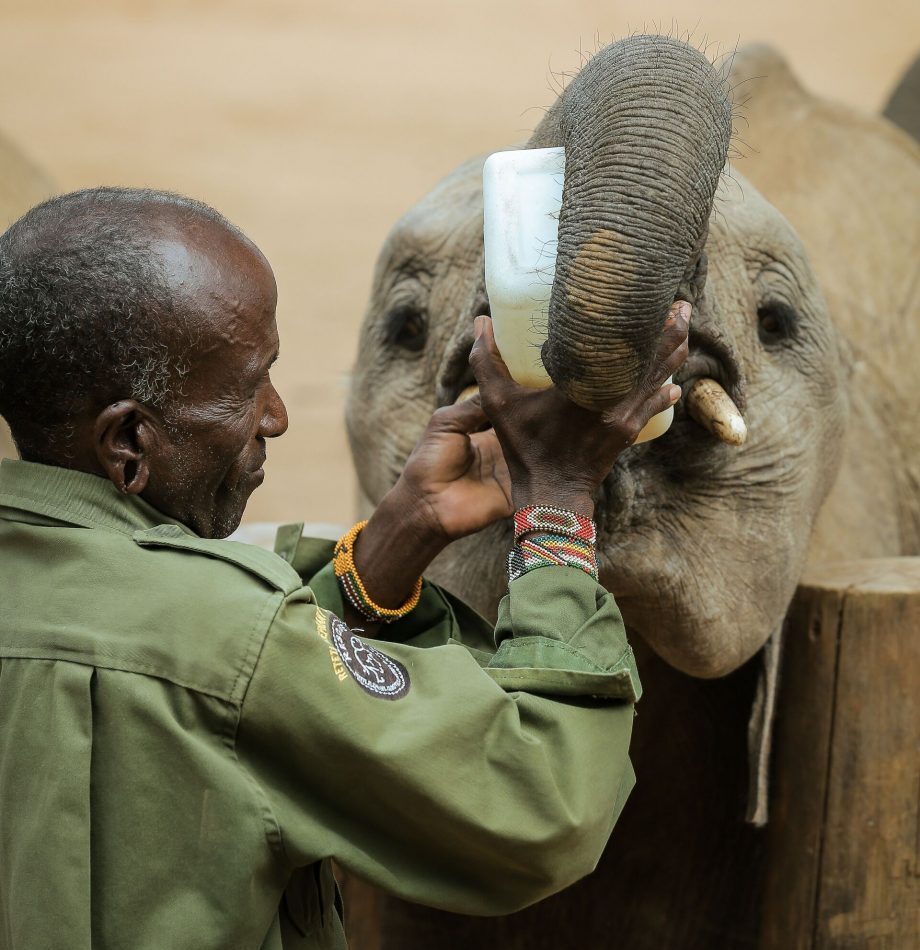
There are many elephant sanctuaries across Africa. They’re especially necessary because of omnipresent elephant traps and poaching, which leads to many injured animals and orphaned calves.
To help with funding their efforts, many elephant sanctuaries welcome day visitors. The ethical operations won’t allow you to touch or feed the elephants. This is the domain of trusted caretakers and veterinarians. But you’re allowed to observe certain activities, like the caretakers bottlefeeding the calves, from a much closer distance than what’s normal in the wild. So even when done ethically like this, such encounters are a rare privilege and safe exercise.
There are many legal but risky or morally dubious wildlife encounters on offer in Africa. Some are more obviously dangerous or unethical, like riding ostriches, which is both. Otherwise are more open to debate, and can depend on where and how it’s being done.
I highlight three questionable encounters, and explain the safety and ethical issues at play so you can assess them (and other wildlife activities) for yourself.
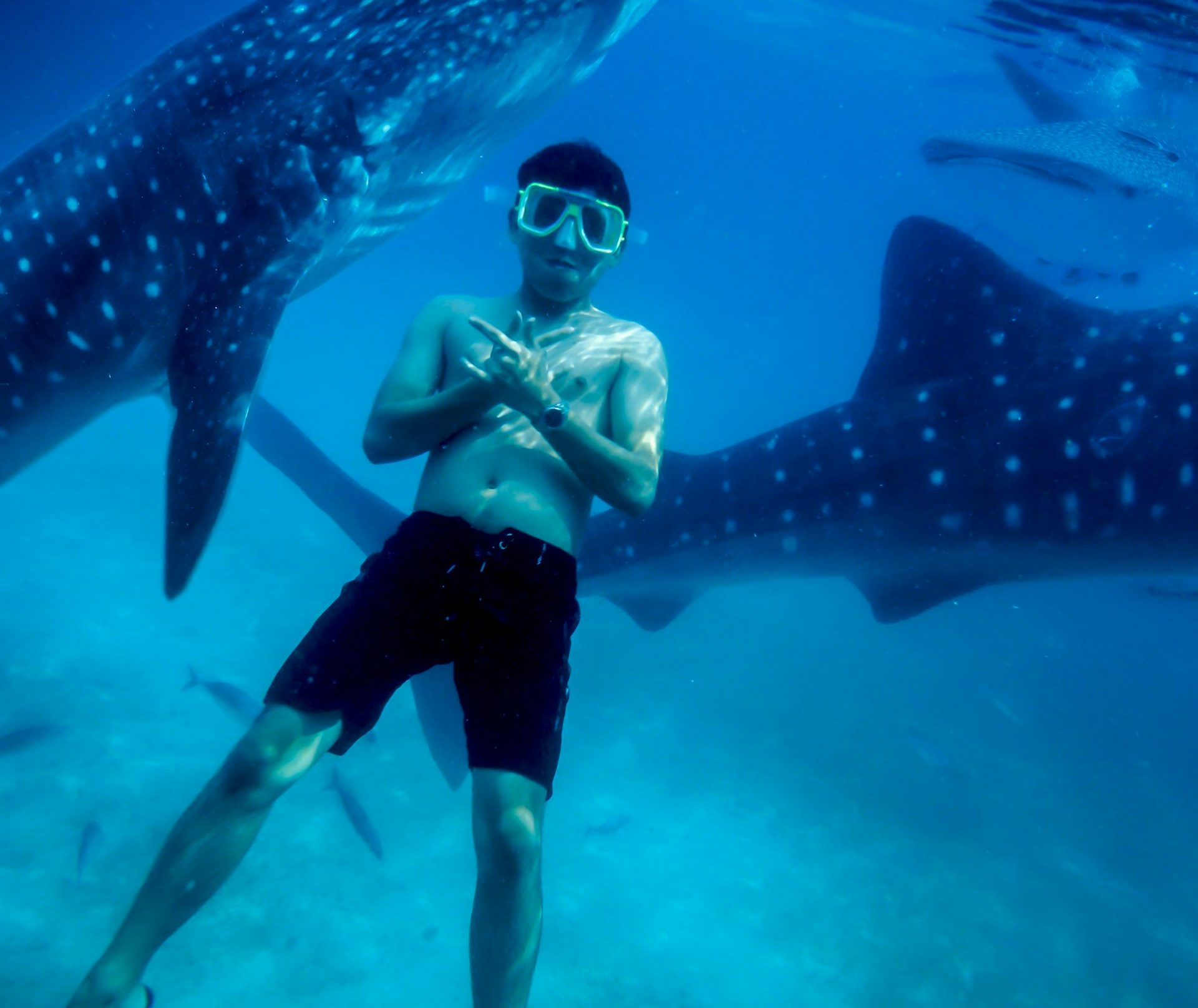
Take wild dolphin or whale shark swimming, for instance. Swimming with marine animals is illegal or heavily regulated in some African countries, but not in others. Where it’s not regulated or enforced, tour operators often drive their boats very close to the dolphins or whale sharks, and visitors then try to swim up to the creatures.
Swimming with dolphins or whale sharks tends to be sold as a beautifully intimate wildlife encounter. It’s not particularly risky for the humans. But what’s not said is that the animals sometimes get knocked and injured by boats. Humans can transmit germs to dolphins, as they’re mammals too. And the creatures sometimes grow so stressed from constant visits that they change their natural behaviours and look for new territory, which has various ecological implications.
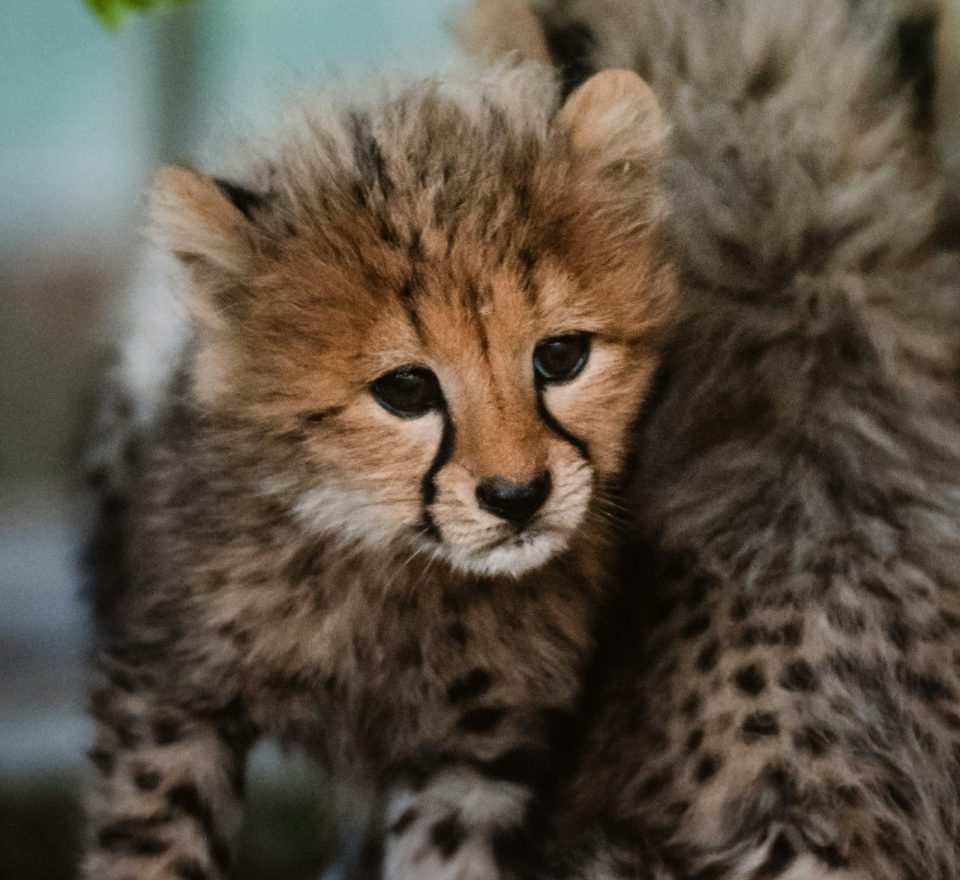
Close contact with humans – especially when ongoing – can be very stressful for wildlife. Being handled or petted (or ridden!) by a succession of strangers, with no option to run away, would be tiring or upsetting for any creature, even a domestic one. But this is what’s allowed in some sanctuaries.
For instance, there are sanctuaries where you can pet or handle a cheetah cub or other small predator, as they don’t really pose a risk to humans at that size. But this isn’t what’s best for the animals.
Also, please know that wild animals that become too accustomed to humans are extra vulnerable if released back into the wild. What’s more, some sanctuaries don’t actually have the intention of releasing healed wildlife as they’ve become a source of income. Yet no wild animal should be consigned to a lifetime of captivity if they’re well enough to be released back into the wild.
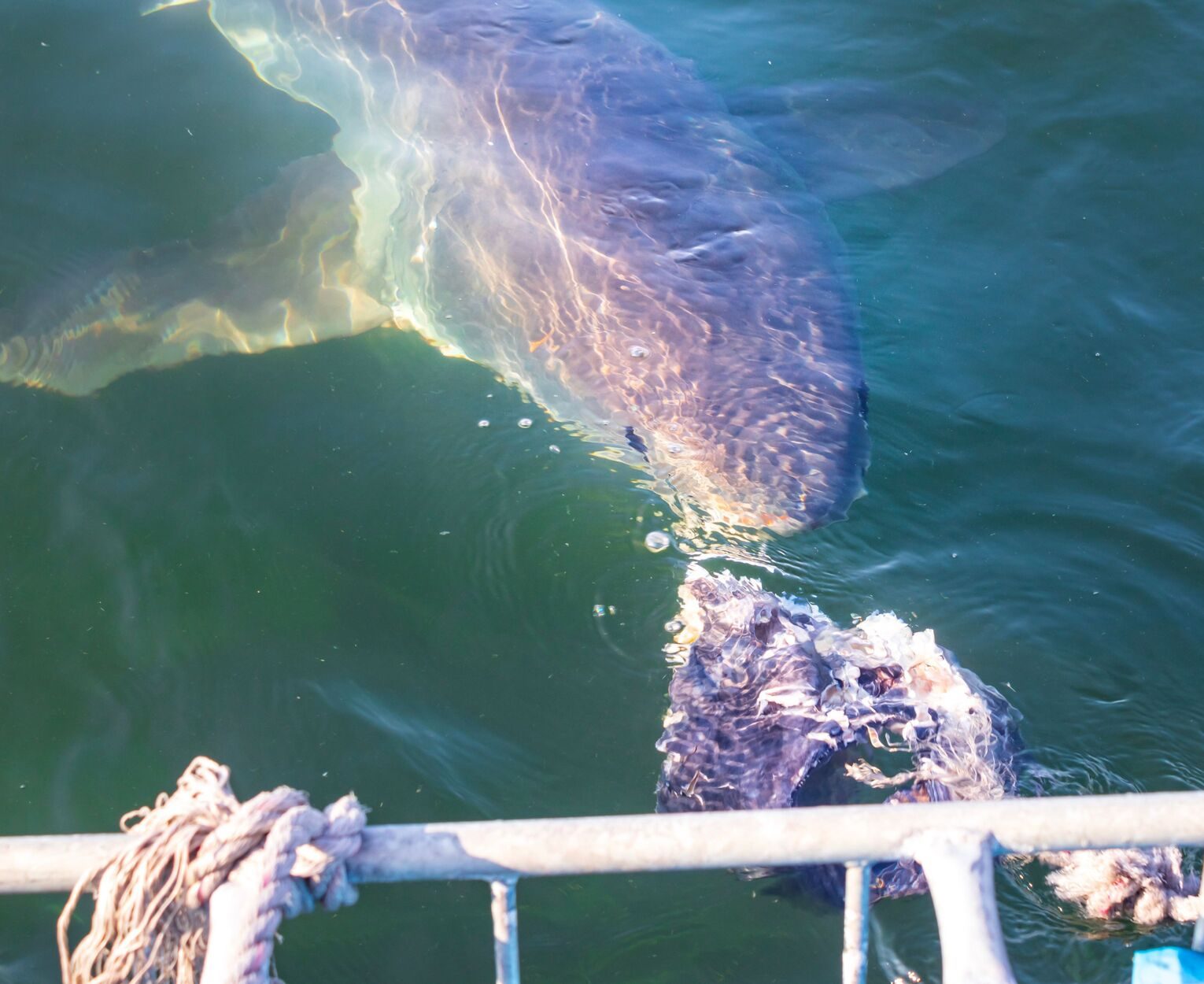
Please be wary of industries or individual operations that use provoking or dangerous methods to get interactions to take place. White shark cage diving, for instance, can see operators put bloody prey into the water to attract the creatures to the cage. But this has led to some sharks becoming entangled and hurt.
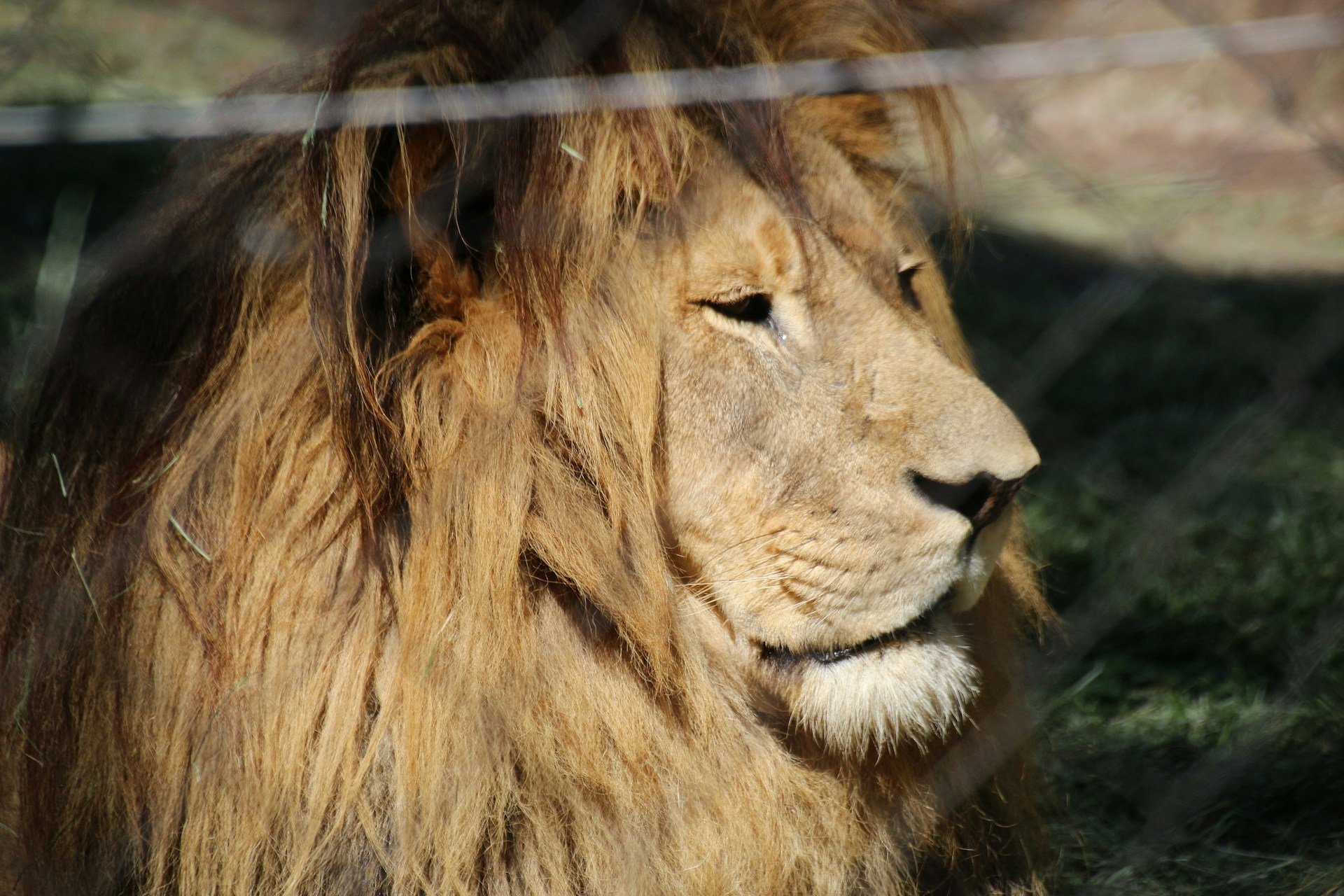
There are many setups across Africa, including smart ones, that market close encounters with wildlife in terms that minimise or obfuscate the negative impacts or risks. This is because where there’s money to be made, someone is willing to cross a line to make it.
Please think about the fact that if you get bitten, scratched, or otherwise hurt, there’ll be little solace in knowing how rare that is, or even in suing the operator, as you’re still going to be injured, or worse. As we all know from unfortunate stories like that of Steve Irwin, even the most experienced wildlife handlers can’t fully control or predict the actions of wild animals. We should never forget the meaning of the word wild through overfamiliarity with it. So please always consider the particular species of wildlife in question and how much danger they might pose to you if something went sideways.
Also, please note that just because a business operates as a wildlife sanctuary doesn’t mean it has the animals’ best interests at heart. Sometimes the operations are simply money-making endeavours, having a purely utilitarian attitude towards animals. The gap between what’s legal and what’s ethical in wildlife treatment is often very wide.

As with so many things in life, we must each negotiate our own way within the grey to a standpoint regarding close wildlife encounters. Because as I’ve hopefully made clear, animal encounters can’t always be neatly delineated into ‘good’ or ‘bad’. And a business’s self-reported safety and ethical credentials can’t always be trusted.
This being the case, it’s often necessary to do a little research of your own to decide if an animal encounter or particular operation aligns with your values and appetite for risk. And if you’re travelling with others, I encourage you to bring up the topic with them. Sometimes, people just need a nudge to help them think through the potential risks and ethical implications of their choices. The world needs more people who make conscientious and responsible travel decisions.
Note: This blog post was created on 7 April 2014 by Bronwyn Paxton. It was completely rewritten on 15 May 2026 by Megan Abigail White.
Close encounters with wild animals in Africa that are safe and ethical
7
1

Price From
R72,650
2

Price From
R75,090
3
Price From
R104,950
4

Price From
R161,150
5

Price From
R2,729
6
Price From
R58,950
7
Price From
R125,100
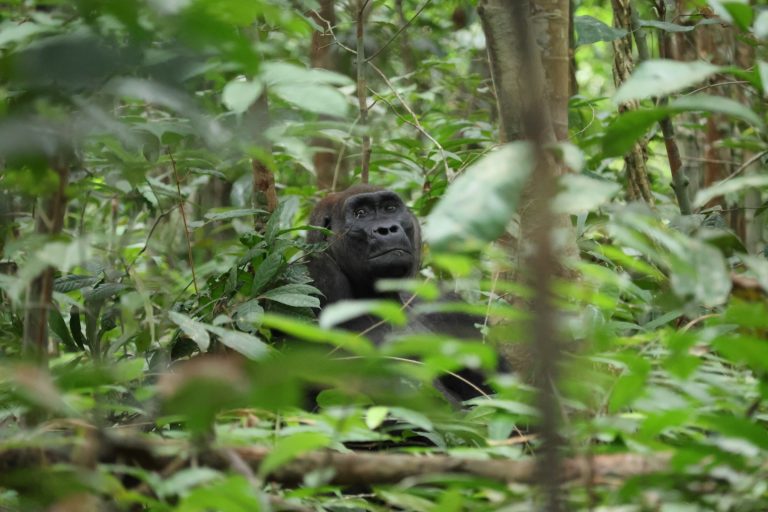
Just because something is permissible doesn’t mean it’s ethical Africa is the most popular continent for wildlife encounters. Not surprising! There are many iconic species here that you can’t find elsewhere, like bush elephants, black rhinos, giraffes, hippos, and chimpanzees.…
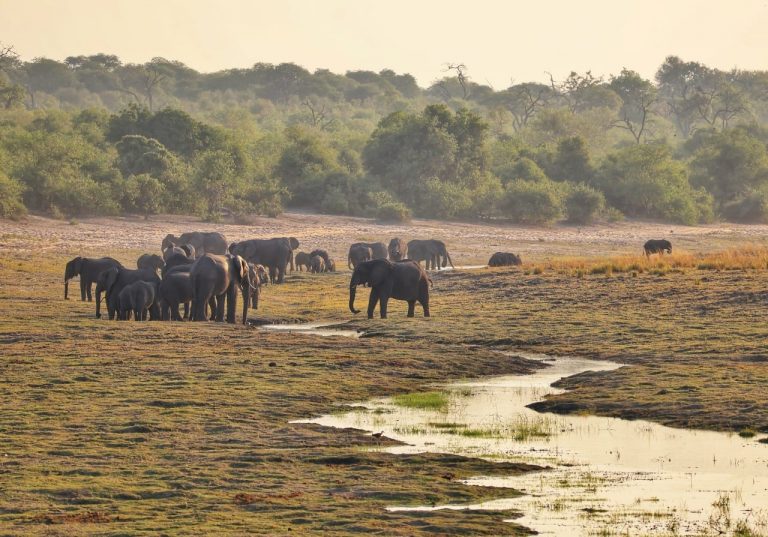
Who is suited to an African overland tour and how do you find the right one for you? An African overland tour is a wild and immersive trip that’s often life-changing and life-affirming. But it’s not for absolutely everyone. Then…
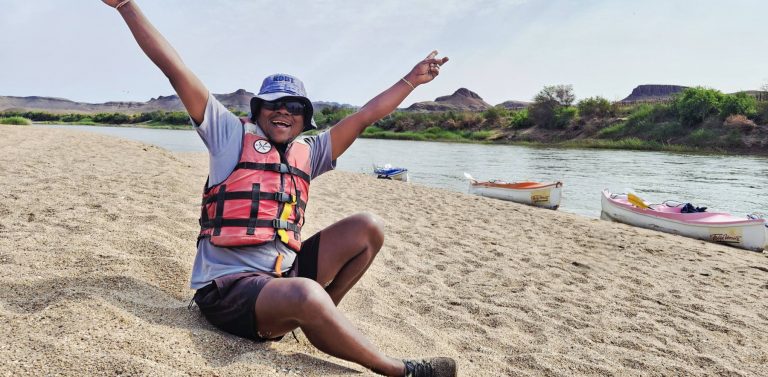
An African overlanding safari can be about so much more than just game drives Africa is a fantastic destination for outdoor activities. There’s lots of sun, clear skies, warm waters, mountains, lakes, endemic animals, wild rivers, sand dunes, coral reefs,…
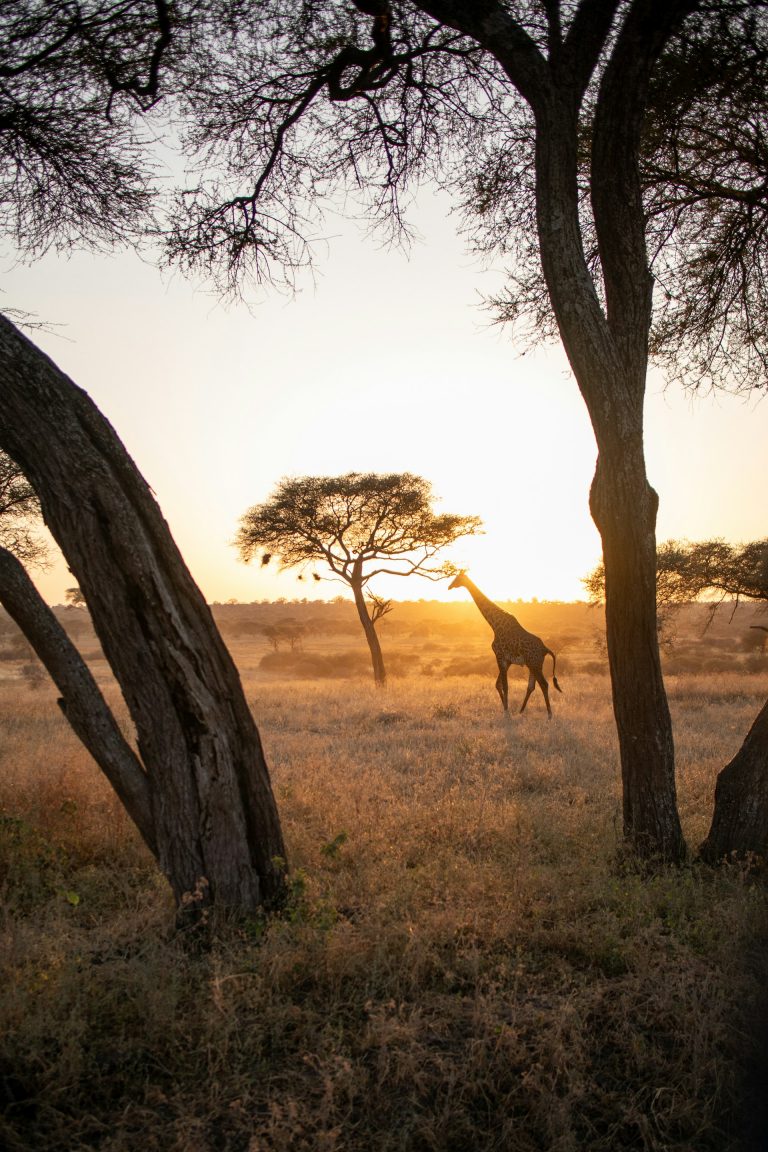
Here are some practical ways to travel more sustainably on an African safari Green travel isn’t just about choosing a lodge with solar panels and a composting bin. It’s about understanding how your journey affects the environment, the animals, and…
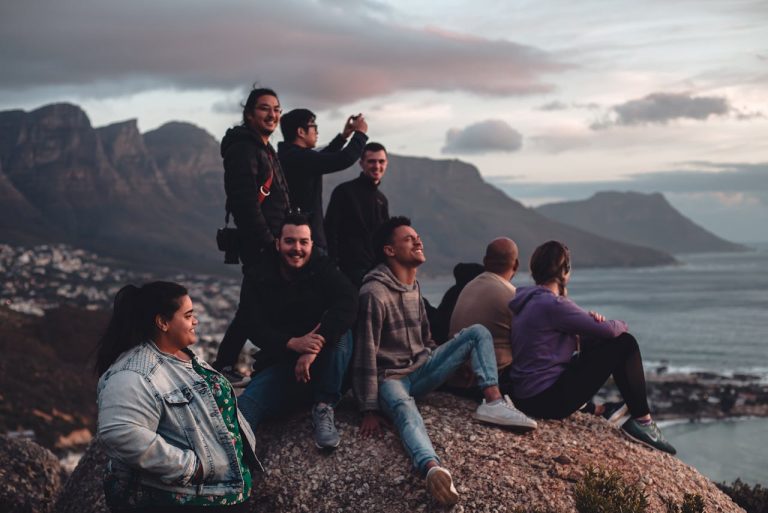
So you want to go travelling in Africa? Of course you do! But there are different ways to do it. And some are smarter than others, as they’re safer, more cost-effective, more immersive and sustainable, and just more fun. The…
"*" indicates required fields