Best Overall Months: June to October and January to February
If you’re looking for a sweet spot for both Southern and East Africa, the dry season from June to October and January-February is widely considered the best time to visit. Why?
Dry weather easier travel and fewer mosquitoes
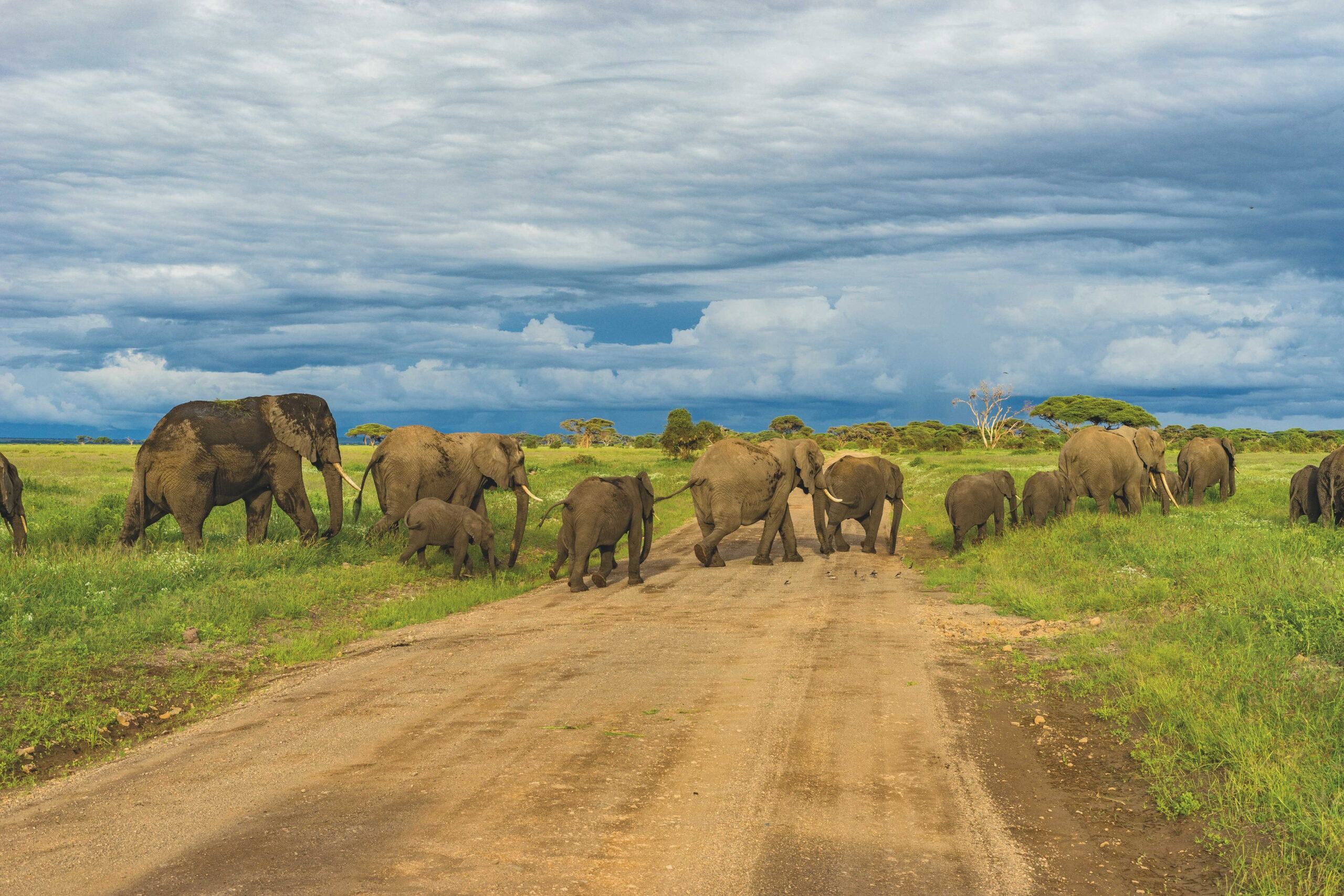
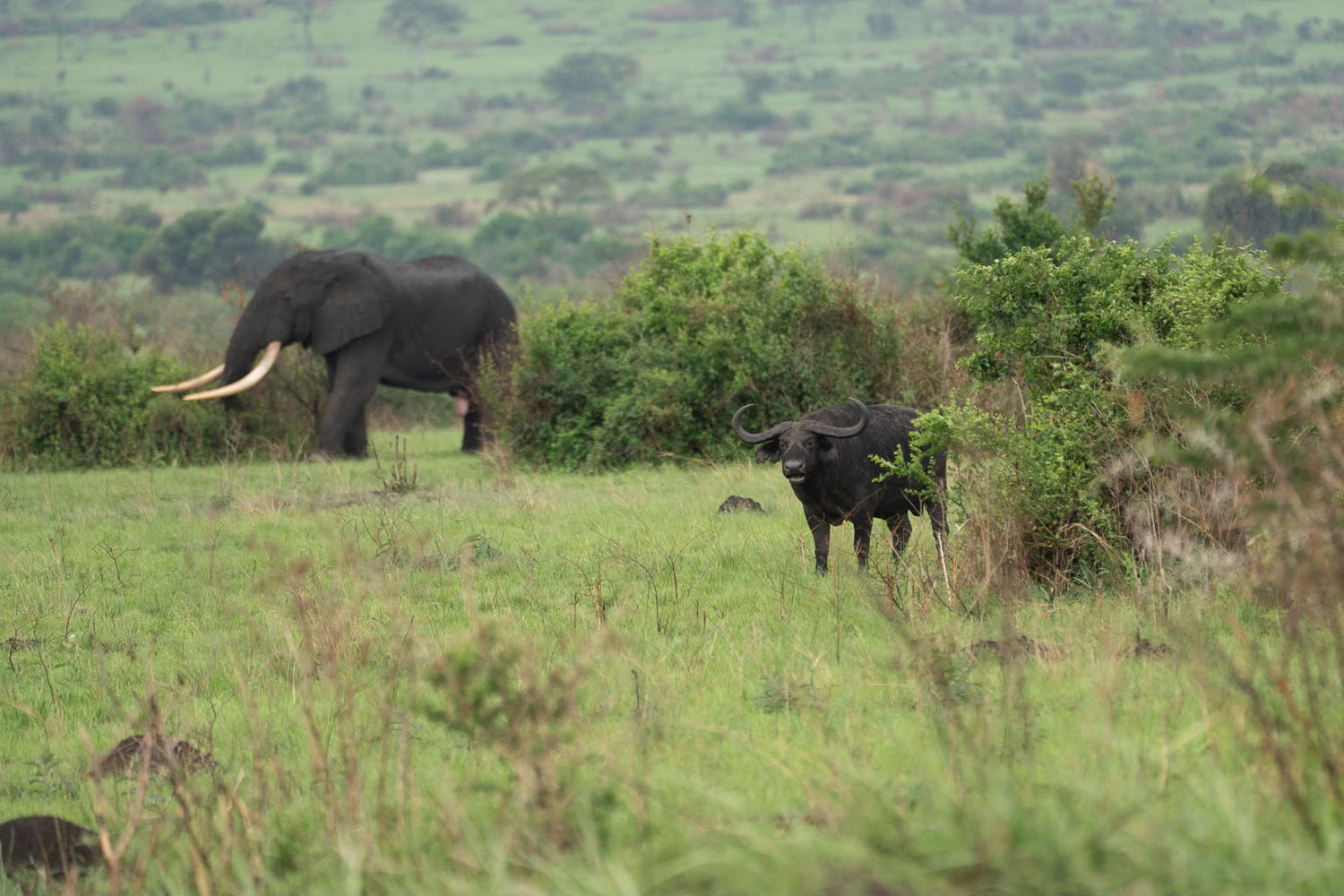
Peak wildlife viewing animals gather around waterholes and are easier to spot
Cooler temperatures especially pleasant in places like Namibia, Botswana, and Kenya
Southern Africa (South Africa, Namibia, Botswana, Zimbabwe, Zambia)
Best months: May to September
June–August: Excellent for safaris; cool mornings, dry days
September–October: Hotter, but fantastic for wildlife as animals cluster near water
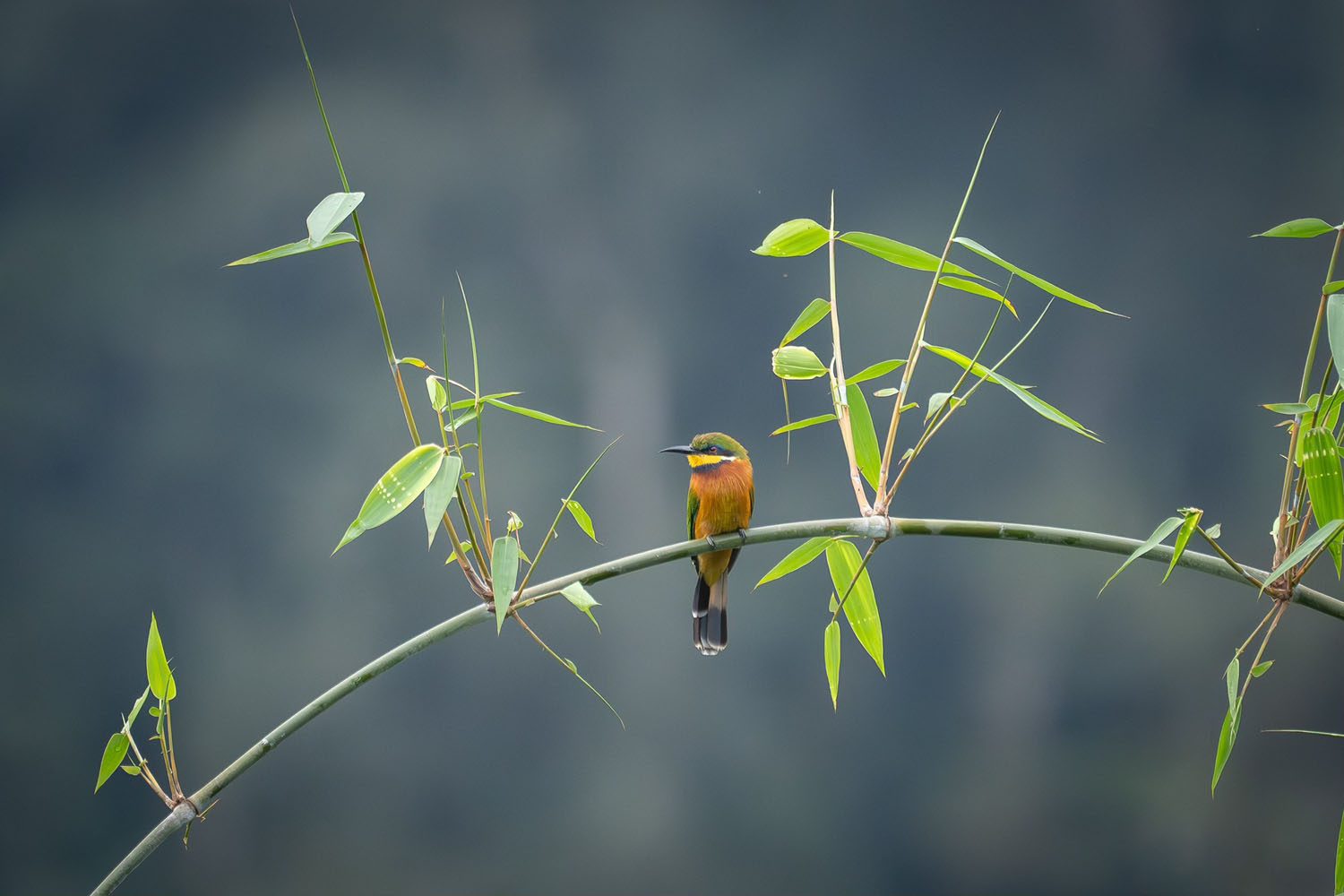
November–April: The green (rainy) season — landscapes are lush, but wildlife is harder to spot and roads can get muddy. Great for birdwatching.
Top pick: July or August — dry, clear, and great for game drives in Kruger, Chobe, and Etosha.
East Africa (Kenya, Tanzania, Uganda, Rwanda)
Best months: June to October and January to February
July–September Prime time for the Great Migration in the Serengeti and Maasai Mara
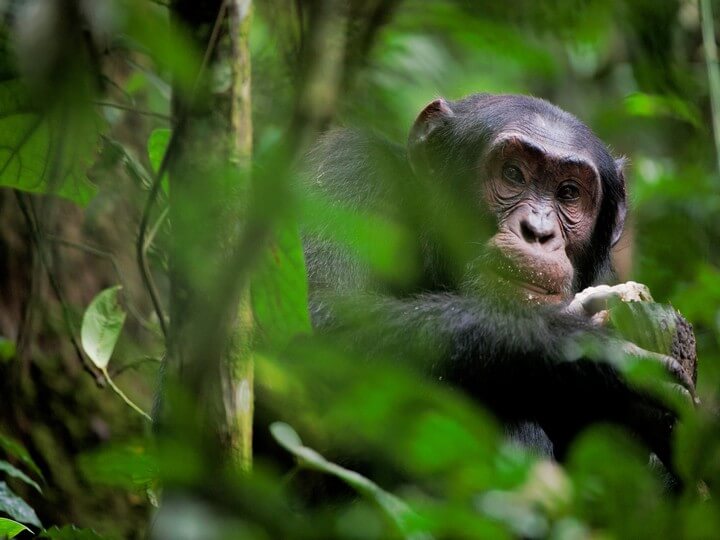
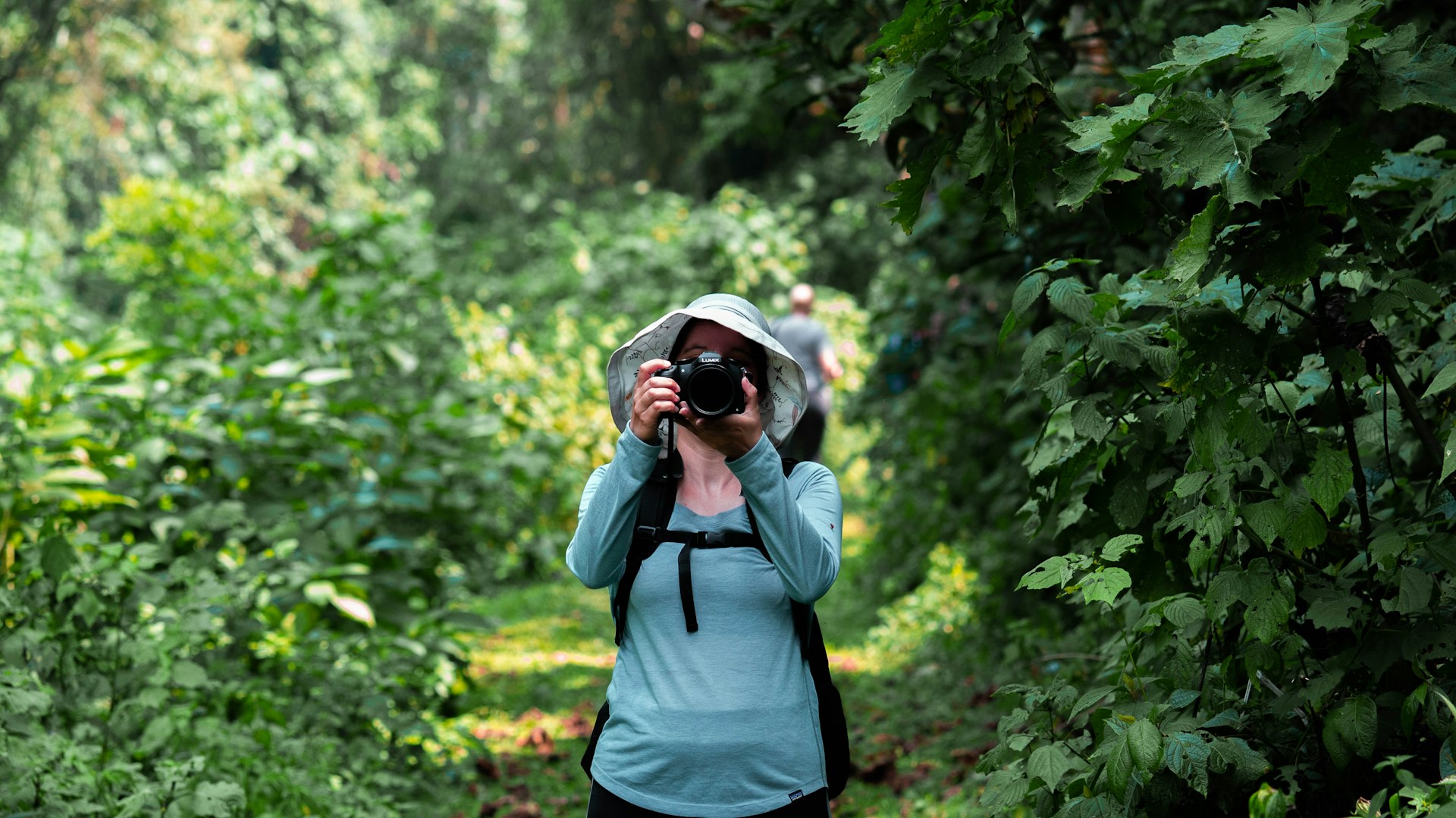
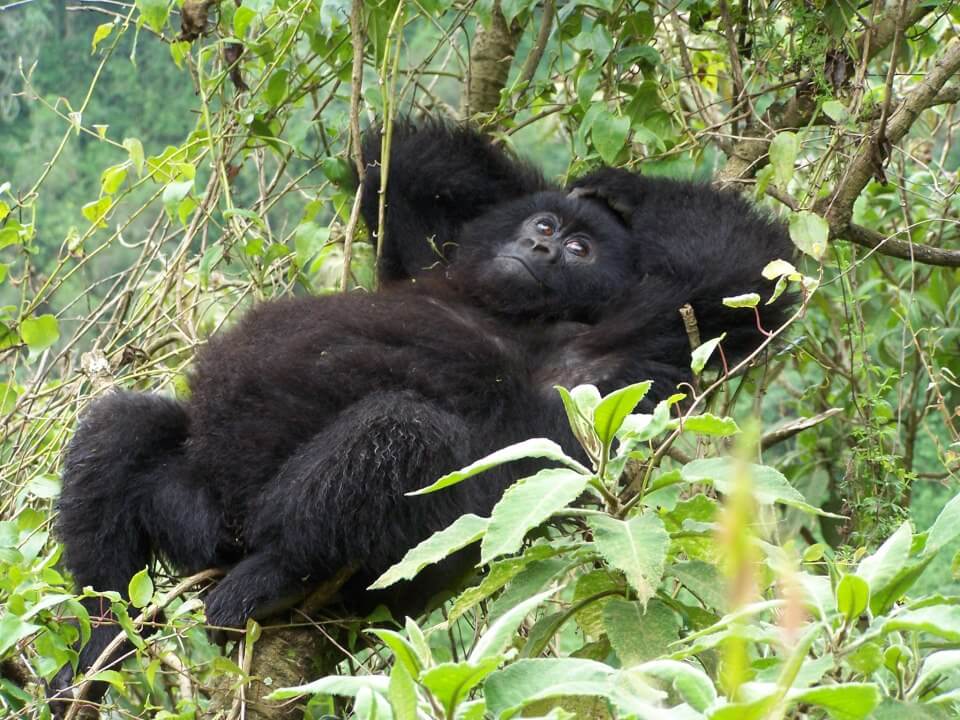
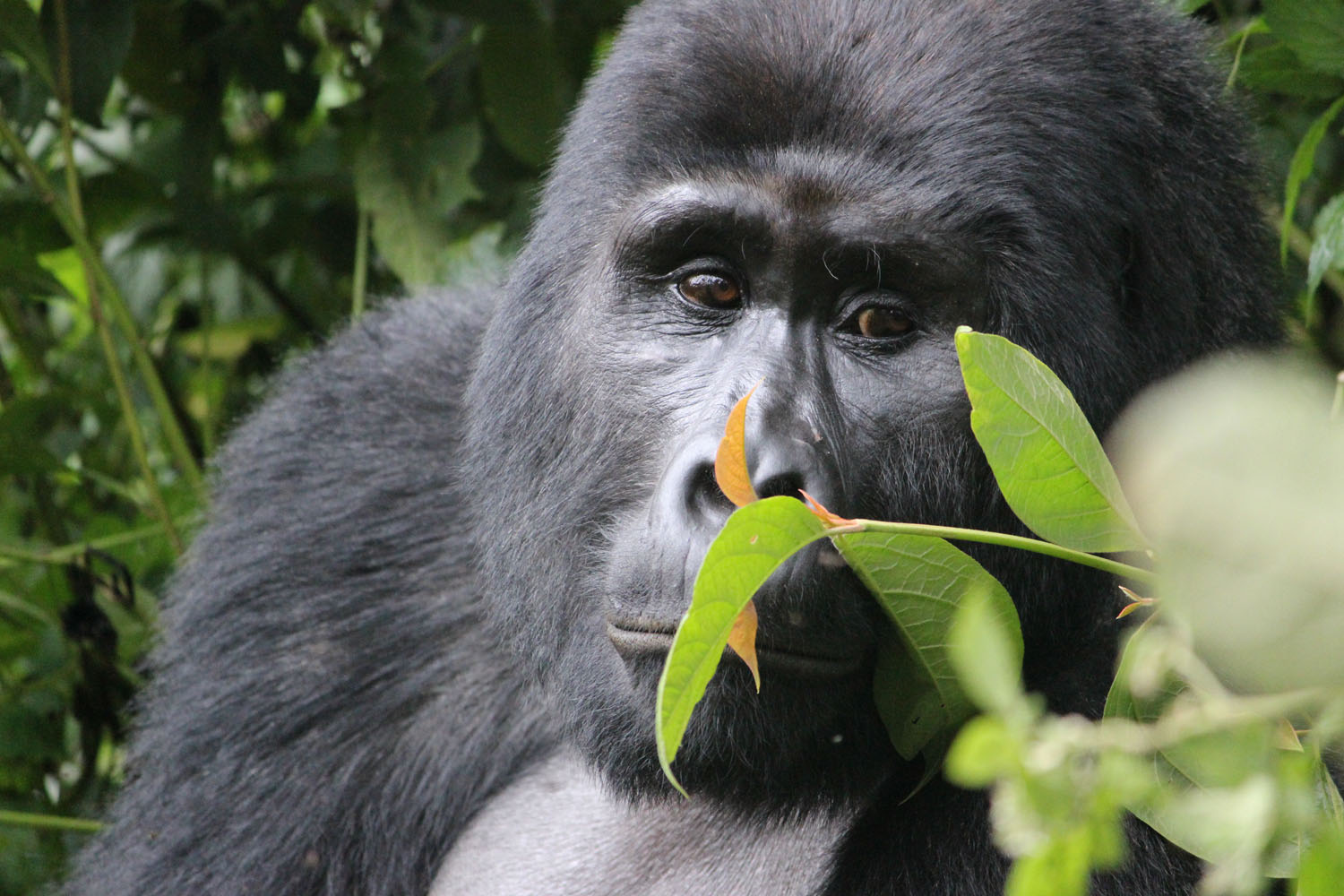
January–February Short dry season, good for safaris and gorilla trekking
March–May Long rains — travel is still possible, but muddy conditions and wildlife dispersal can be a challenge
Top pick July or August — Great Migration + ideal gorilla trekking conditions in Uganda and Rwanda
| Highlight |
Best Time |
| Classic safaris |
June – October |
| Fewer tourists |
May or November |
| The Great Migration (Kenya/Tanzania) |
July – September |
| Gorilla trekking (Uganda/Rwanda) |
June – August, January – February |
| Victoria Falls at peak flow |
March – May |
| Budget travel |
Green season (November – April) |