

African Overland Tours
https://www.facebook.com/AfricanOverlandTourscom/
https://www.instagram.com/african_overland_tours/
https://www.youtube.com/@africanoverlandtoursandsafaris
+27 (0) 21 448 0997
Customer Service
Worldwide

African Overland Tours
https://www.facebook.com/AfricanOverlandTourscom/
https://www.instagram.com/african_overland_tours/
https://www.youtube.com/@africanoverlandtoursandsafaris
+27 (0) 21 448 0997
Customer Service
Worldwide
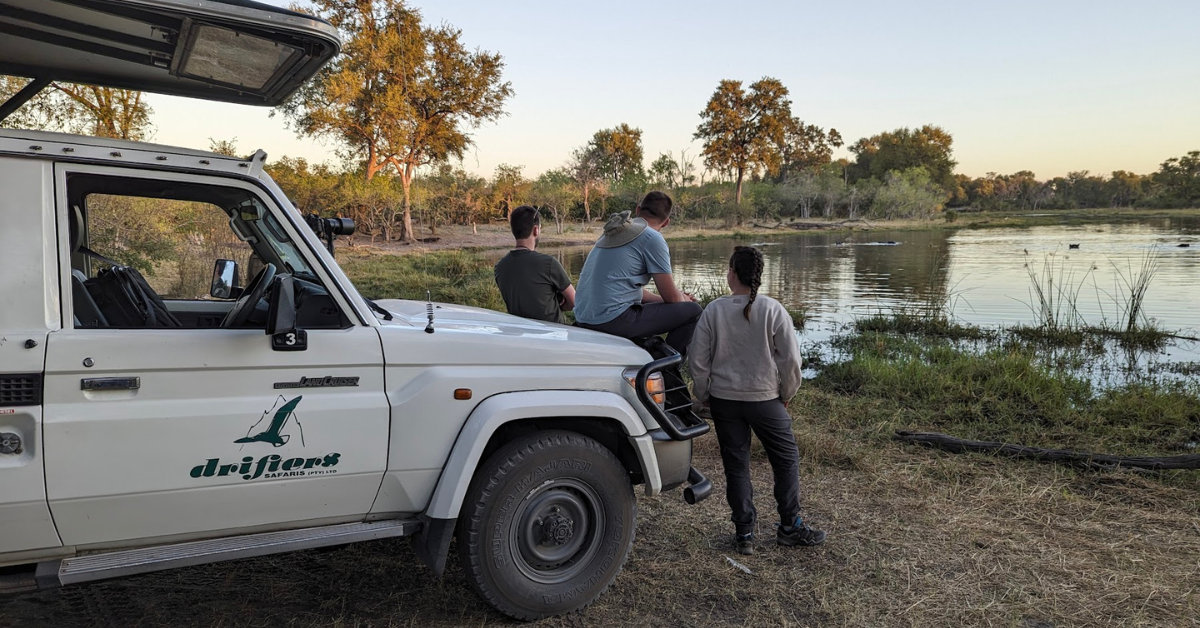
If you’re planning an African overland safari, one of the questions that comes up is simple: “What kind of vehicle will I actually be travelling in?”
Well, the answer depends on the tour, the group size, and the kind of experience you want. Africa is meant to be explored, and it’s often the case that different vehicles are used for different routes and travel styles, from classic overland trucks to smaller safari-ready 4x4s. Each one plays a specific role in getting you closer to the landscapes, wildlife, and remote camps that make Africa unforgettable.
Here’s a clear breakdown of the main vehicles used on overland tours and when you can expect to use them.
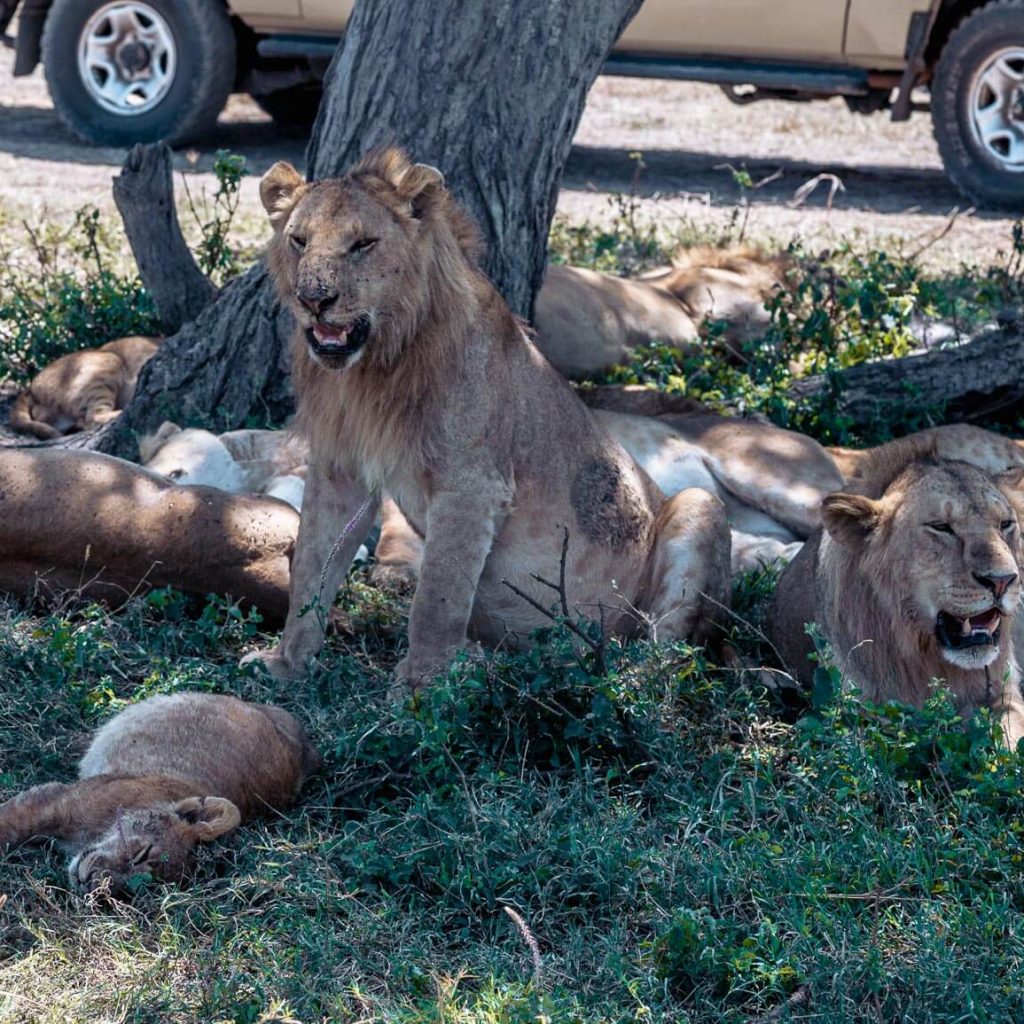
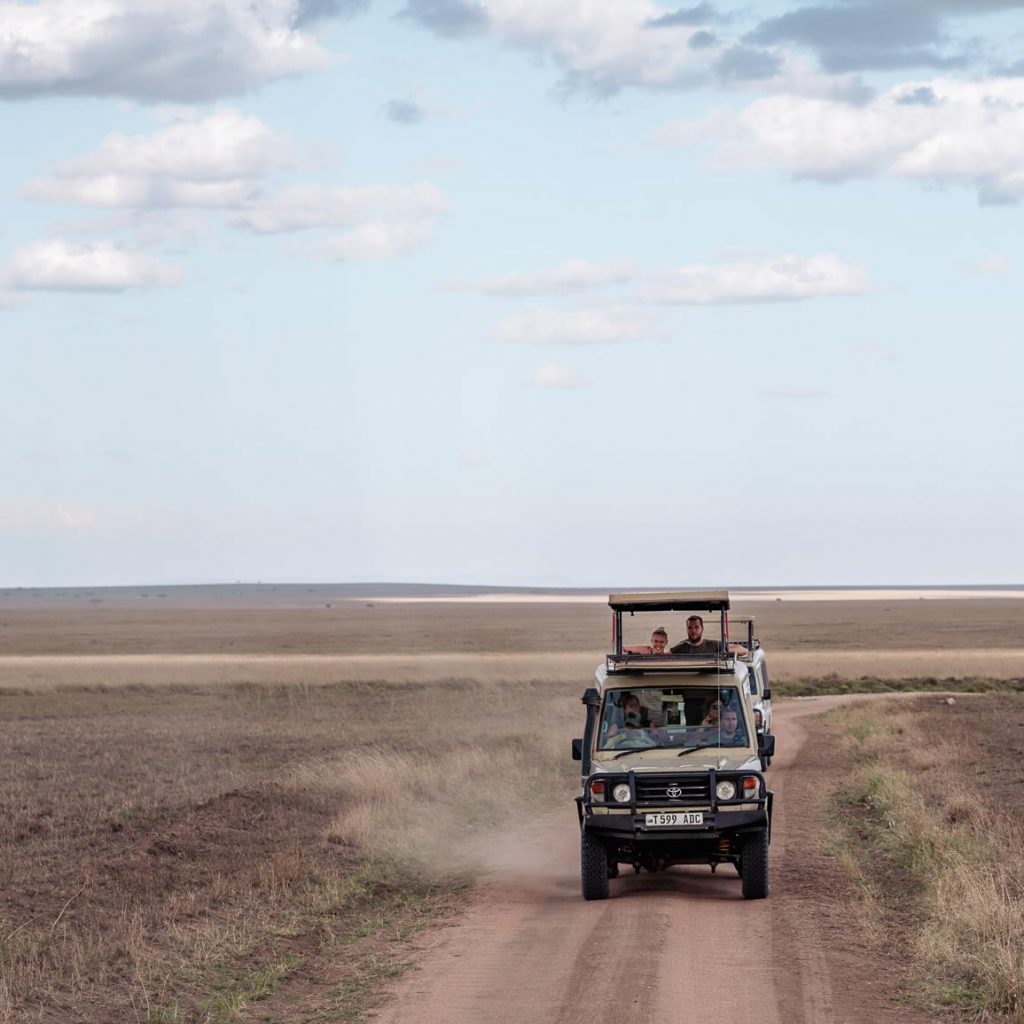
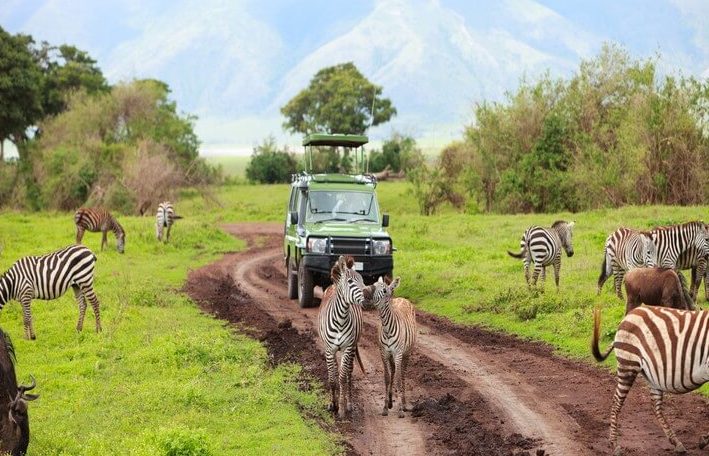
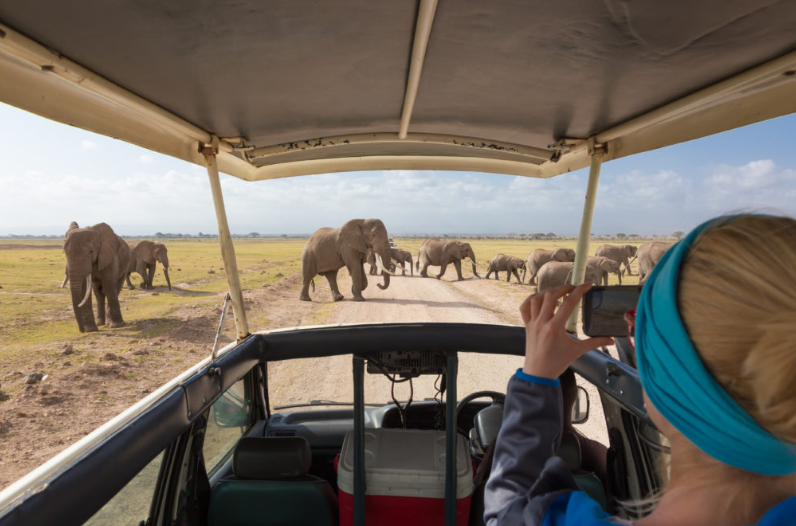
A game drive vehicle is usually a converted Toyota Land Cruiser or similar 4×4. These are purpose-built for African safaris. They typically seat between 1 and 9 guests and are designed for open-air wildlife viewing.
You’ll use this type of vehicle when heading into national parks and private reserves where larger overland trucks can’t go. Think narrow bush tracks, river crossings, and remote wildlife areas.
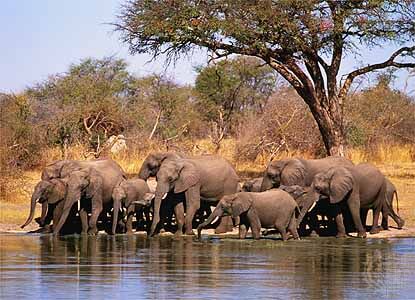
This is the vehicle you’ll be in when tracking lions at sunrise in the Serengeti or watching elephants gather at a waterhole in Chobe. It’s high clearance, tough, and gives you unobstructed views for photography and game spotting.

Price From
R102,460
Price From
R108,355
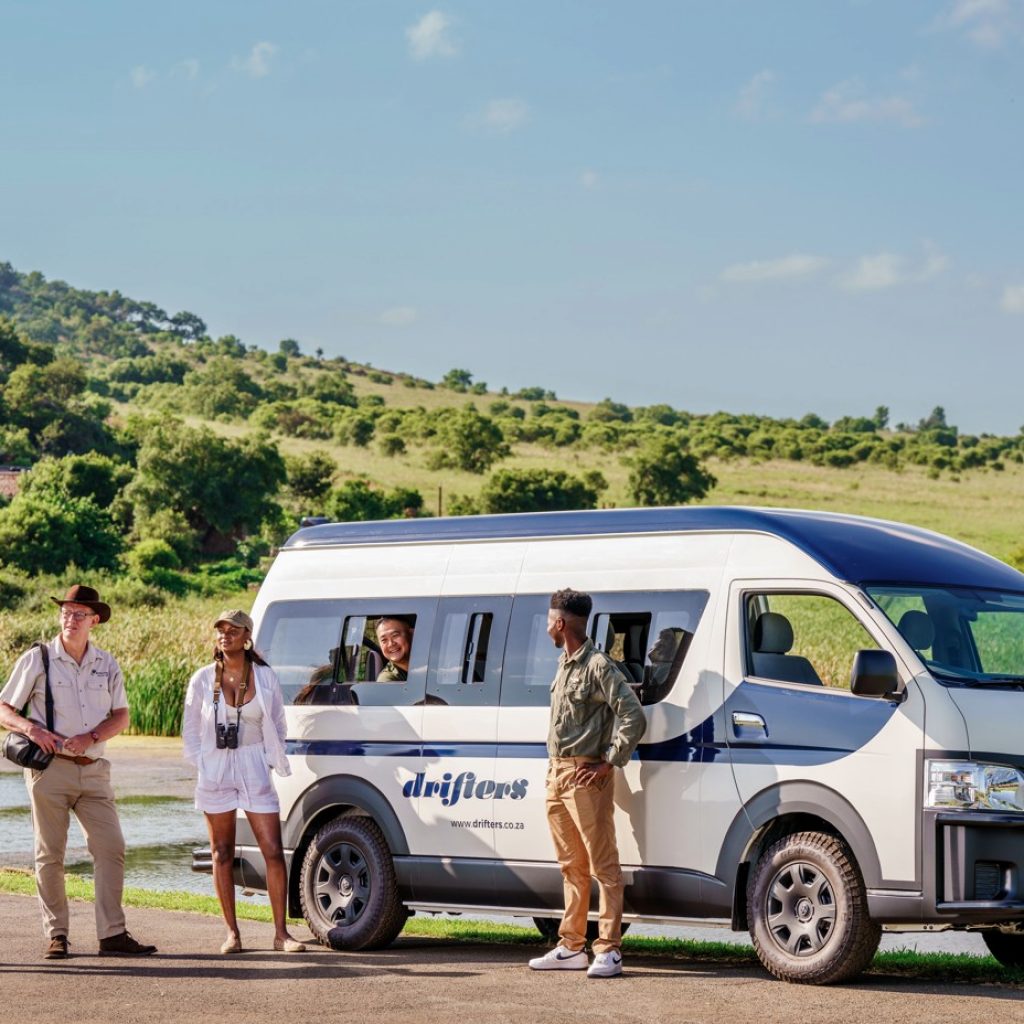
Minivans, such as a Toyota Quantum or similar, are often used for private guided tours and small groups of up to 12 travellers.
They’re comfortable, efficient, and ideal for shorter routes, city transfers, and certain regional tours where heavy off-road driving isn’t required. If you’re travelling as a family or a small private group, this option offers flexibility without the scale of a full overland truck.
For example, travellers exploring parts of South Africa’s Garden Route or doing shorter regional adventures may find this vehicle perfectly suited to their needs.
Price From
was
R69,950
R62,955

Price From
R64,140
Midibuses, like the Toyota Coaster or similar, carry up to 16 passengers. They’re commonly used for small scheduled group departures or tours that balance comfort with accessibility.
These vehicles are great for road-based travel across countries such as Namibia or Botswana, where long scenic drives connect desert landscapes, salt pans, and wildlife reserves.
They offer more space than a minivan while still being smaller and more maneuverable than a full-scale overland truck.

Price From
R86,090
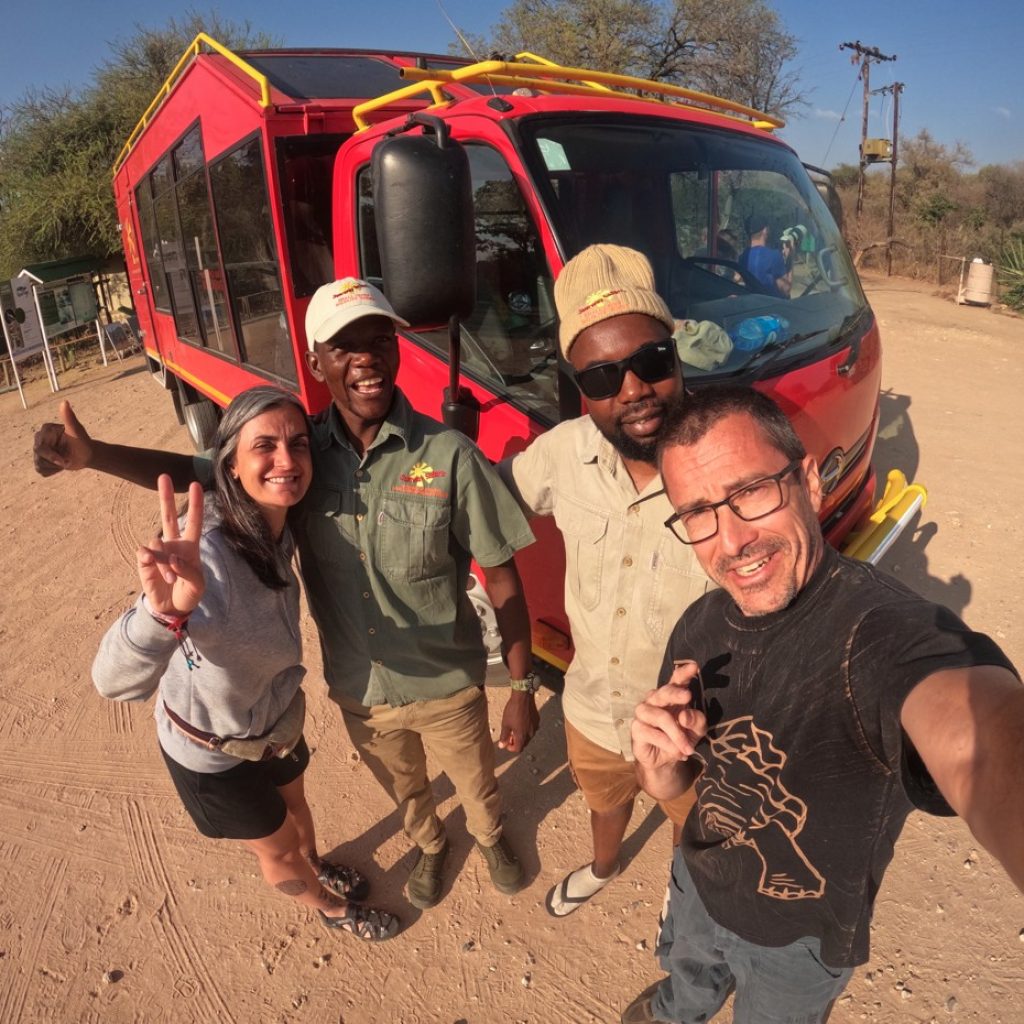
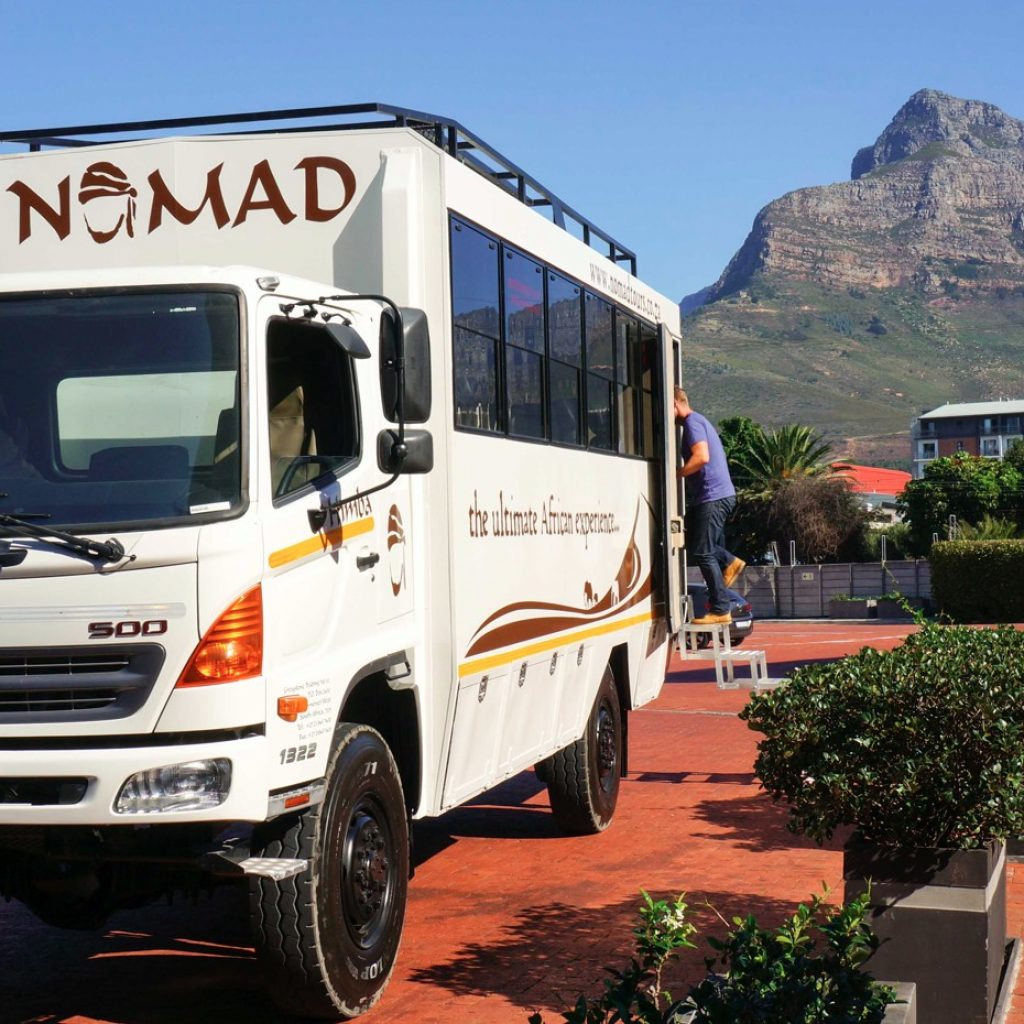
For groups of 4 to 12 guests, a converted Hino 300 or similar custom-built overland vehicle is often used. These vehicles are designed specifically for African terrain.
They provide elevated seating, large windows, and storage for camping equipment while remaining compact enough to handle rougher roads. This option works well for travellers who want the social atmosphere of an overland tour but with a smaller group dynamic.
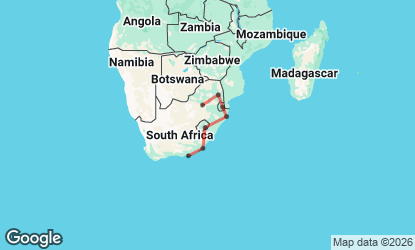
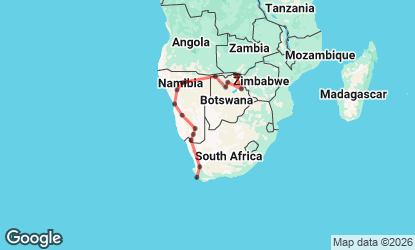
You’ll often see this vehicle on routes through Namibia’s Skeleton Coast, Botswana’s Okavango region, or multi-country adventures across Southern Africa.
Price From
R53,950

Price From
was
R104,950
R94,455
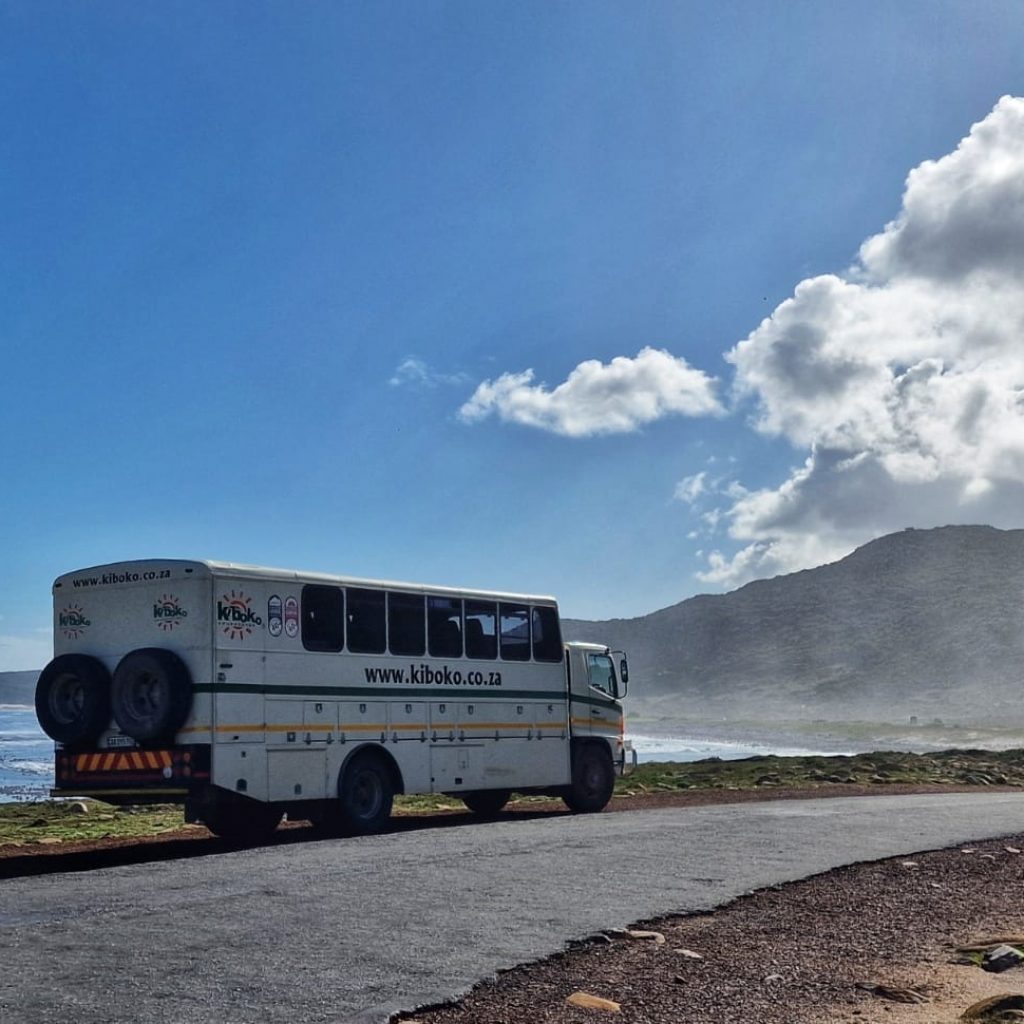
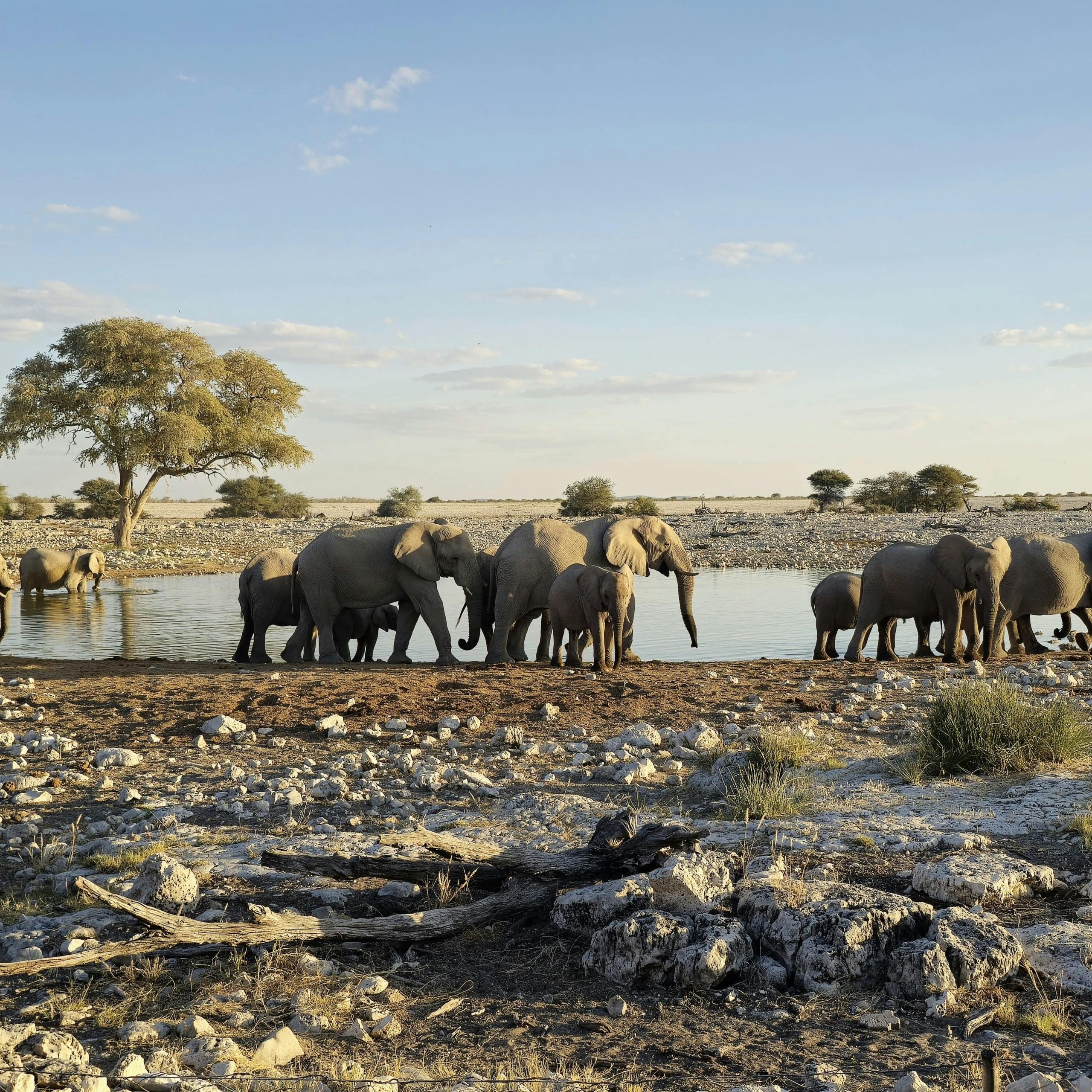
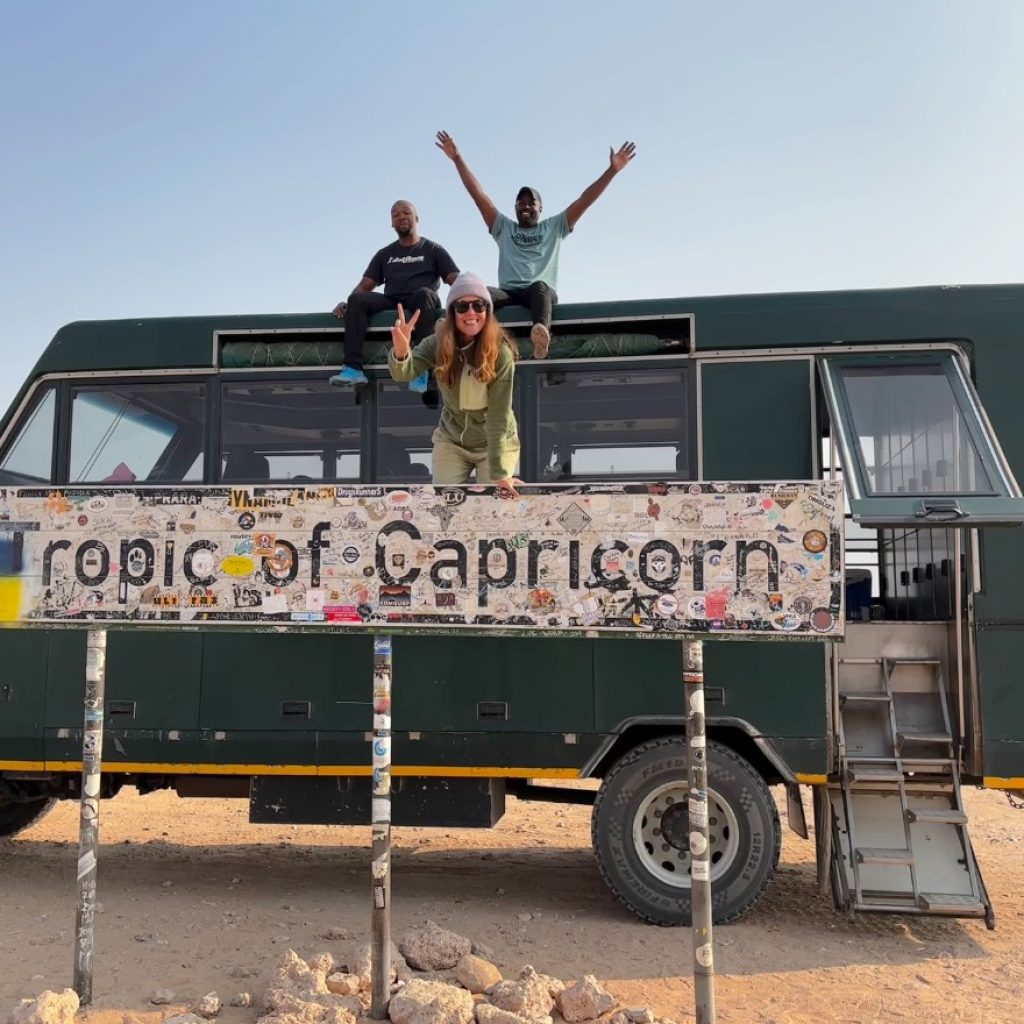
When people picture an African overland safari, this is usually what they imagine.
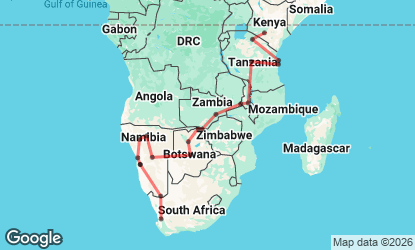
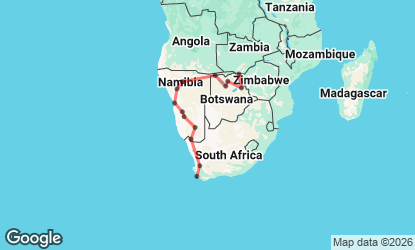
A converted Hino 500 or similar overland truck carries between 4 and 22 passengers. It’s built for long-haul, cross-border adventures. These trucks are rugged, raised for visibility, and equipped to carry camping gear, supplies, and everything needed for extended journeys.
This is the backbone of many epic routes on African Overland Tours, including Cape Town to Victoria Falls, Nairobi to Cape Town, or trans-Africa expeditions.
They’re ideal for travellers who want a social, budget-conscious, and immersive way to travel across multiple countries.
Price From
was
R191,600
R172,440

Price From
was
R92,950
R83,655
One important thing to understand is that your overland truck won’t always go everywhere.
Certain regions, especially remote wildlife reserves and deep bush areas, restrict access to smaller 4×4 safari vehicles only. When this happens, you’ll temporarily switch vehicles to continue the adventure.
This is where the “overnight backpack” comes in.
Before entering these remote areas, you’ll be asked to pack a small overnight bag with essentials. Your main luggage stays safely on the overland truck, while you transfer to a safari vehicle that can navigate sandy tracks, floodplains, or rugged terrain.
This setup allows guides to take you deeper into places like the Okavango Delta or remote sections of national parks, where you’ll experience spectacular views, incredible wildlife encounters, and truly memorable bush camping or lodge stays.
It’s not a downgrade. In fact, it’s often the highlight of the trip.
If you’re browsing African Overland Tours and looking for inspiration, think about what kind of travel style excites you most.
If you want a classic, social, cross-border adventure with camping under African skies, look at longer overland truck tours such as Cape Town to Victoria Falls.
If wildlife is your main focus, choose itineraries that include dedicated 4×4 safari vehicle excursions into national parks and reserves.
If you’re travelling privately or with family, consider small group custom vehicles or minivan-based tours for flexibility and comfort.
The right vehicle isn’t just transport. It shapes how you experience Africa.
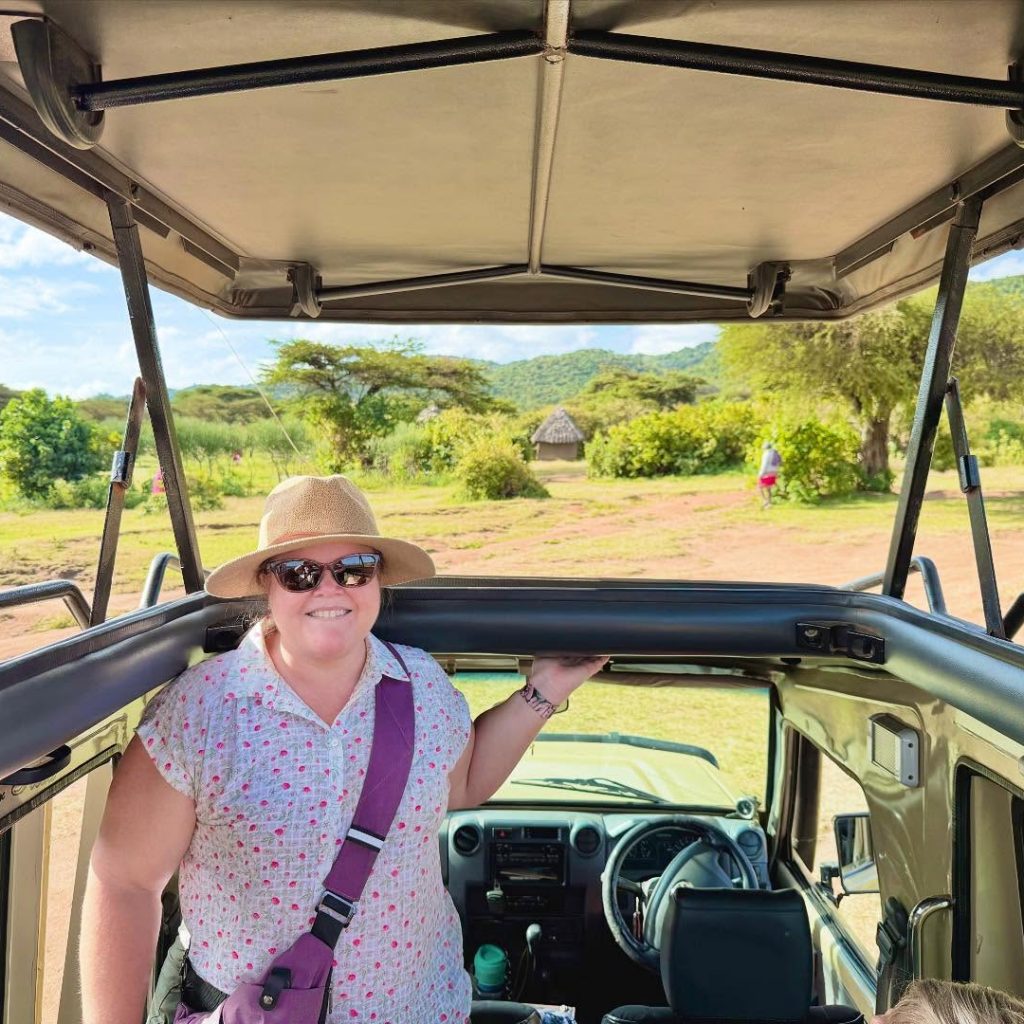
Overland travel in Africa isn’t one-size-fits-all. From compact safari vehicles to fully equipped overland trucks, each option is designed to match the terrain, group size, and style of adventure.
Understanding how these vehicles work, and why you might switch between them, helps set clear expectations. It also shows how carefully planned these tours are to balance comfort, safety, and access to Africa’s most remote and beautiful regions.
If you’re ready to explore deserts, deltas, wildlife reserves, and vibrant cities, the right vehicle is already waiting.
This article was originally published in 2016 by Bronwyn Paxton and has been rewritten by Faatima Suliman on 25 February 2026.
What Types of Vehicles are used on an African Overland Safari?
6
1

Price From
R79,299
2
Price From
R80,659
3

Price From
R55,425
4

Price From
R67,460
5
Price From
R110,690
6
Price From
R103,440
"*" indicates required fields