


African Overland Tours
https://www.facebook.com/AfricanOverlandTourscom/
https://www.instagram.com/african_overland_tours/
https://www.youtube.com/@africanoverlandtoursandsafaris
+27 (0) 21 448 0997
Customer Service
Worldwide

African Overland Tours
https://www.facebook.com/AfricanOverlandTourscom/
https://www.instagram.com/african_overland_tours/
https://www.youtube.com/@africanoverlandtoursandsafaris
+27 (0) 21 448 0997
Customer Service
Worldwide
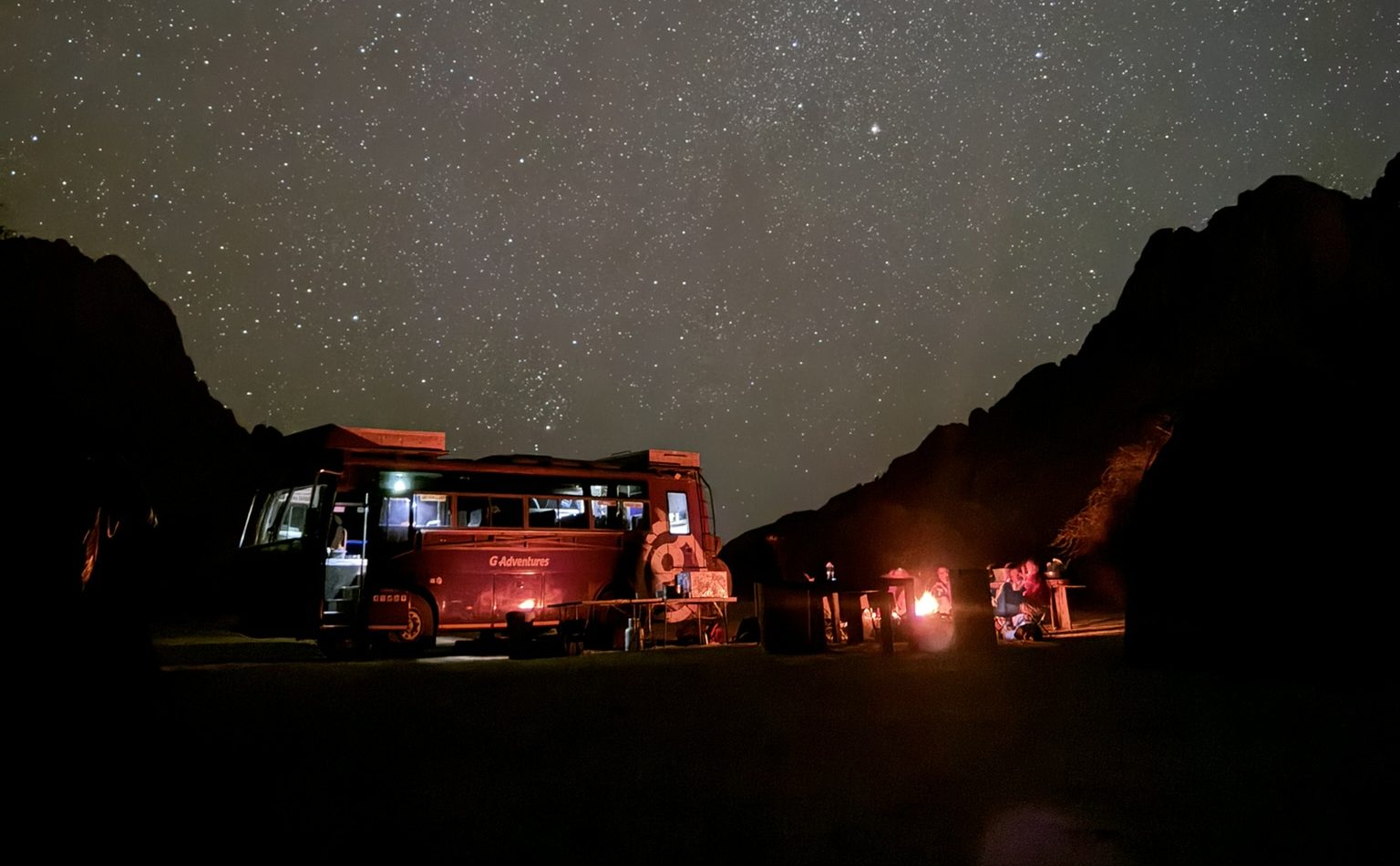
Here’s a comprehensive list of everything to pack for an African overland safari
Any adventure worth its salt requires a bit of planning and preparation. And key to this prep is understanding what to pack, and why.
In this blog post I discuss the equipment, shoes, clothing, gadgets, and other items necessary for a safe and enjoyable African overland safari. This includes discussing the gear required for activities that often fall within such a trip, like a gorilla trek or beach stay.
Note too that some of the equipment and items discussed here are necessary only if you’re doing a camping tour. I note in the description of each when this is the case, but please understand that this blog post aims to provide a comprehensive packing list for all types of overland safaris as offered by African Overland Tours.
Download our Ultimate Packing Checklist for your next Overland Tour
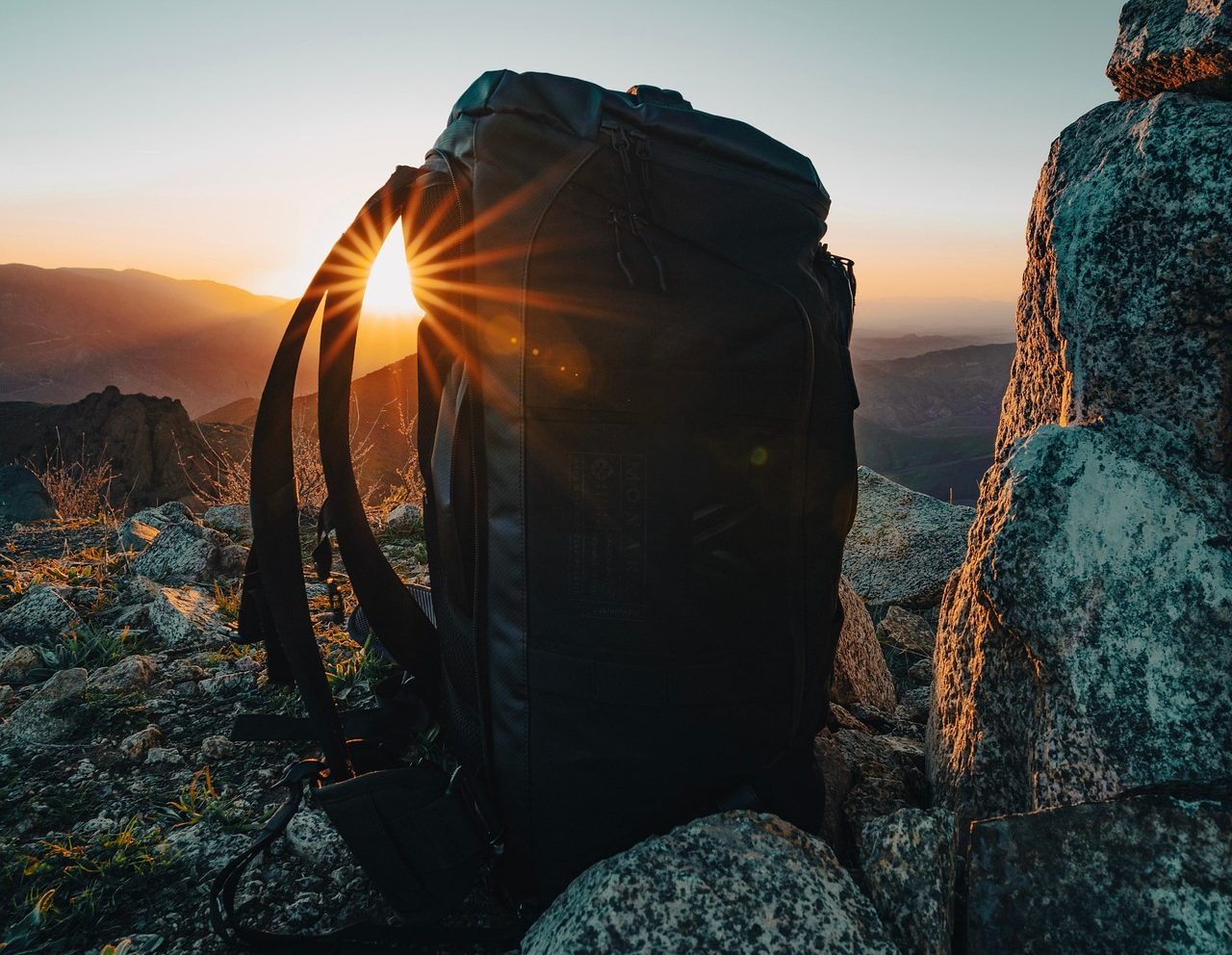
You need to have the following equipment for an African overland safari. Consider borrowing or renting some of the items you don’t have in order to save on costs.
This is your main luggage bag. A sturdy duffel bag is ideal. If, however, you’re going to be doing a trek as part of your tour, make this a rucksack.
Note that on an African Overland Tours safari, a suitcase won’t work if you’re part of a larger group travelling in an overlanding truck. This is because your luggage needs to fit into a locker that’s 35 cm x 35 cm x 80 cm (or 14 in x 14 in x 32 in). So bring one that’s squishable. And one you’re not too precious about in case it gets dirty or scuffed during the trip.
This is for carrying whatever you need for the day, like drinking water, a packed lunch, rain gear, and your camera.
If you’re going to be doing hikes where a rucksack would be overkill, consider a proper hiking backpack that has a hip belt to take some of the weight off your shoulders.
Note that your total luggage limit on an African Overland Tours safari is 23 kg (51 lb).
Top tip: Be sure to test out your rucksack or backpack before your overlanding trip to ensure it’s comfy, large enough, and has all the features you need.
Ensure you have a rain cover for your rucksack or backpack if you’re going to do any treks, hikes, or walking safaris. Note that gorilla and other primate treks take place in rainforests.
Many modern backpacks and rucksacks have built-in rain covers. Alternatively, buy a cover that fits your pack snugly. Or bring a waterproof poncho that will protect both you and your pack.
If you’re going to go rafting, canoeing, or similar, you might like to invest in a waterproof dry bag so you can safely take some items on the water with you, like your phone or camera.
Speaking of keeping things dry, also pack some standard dry bags for transporting damp laundry and the like.
Note that there are some countries in East Africa that have a ban on single-use plastics. So pack reuseable dry bags.
A critical item on your packing list for an African overland safari is your sleeping bag. And to help it fit into your luggage, bring a compression or stuff sack for it.
The recommended specs for your sleeping bag will differ greatly depending on where you’re going, and when. Winter in the highlands of Africa can be surprisingly cold. For instance, did you know that the night-time temperature in the Serengeti can occasionally drop to nearly freezing point?
So it’s essential that you research the season and destinations in your itinerary to guide you in this decision.
Note that certain trekking hubs like Mt Kilimanjaro have places where you can rent a high-quality bag. This then frees you up to only pack a lighter sleeping bag for the rest of your trip.
Consider packing a sleeping bag liner, especially if you’re going to use a rented bag. A budget option is to simply sew up an old sheet. If you’re going to be camping in very cold weather, a thermal bag liner offers extra cosiness.
Top tip for long tours: If you don’t have the space (or budget) for more than one sleeping bag liner, consider removing it or turning it inside out halfway through your trip. Also, if you have the opportunity to leave your bag open in the sun on a hot day, that’s a great way to sanitise it.
On a camping tour, you need to bring your own pillow and pillowcase. But a pillow is a great asset no matter your accommodation type, as you’ll enjoy having it on long drives.
Top tip: If you’re short on space, you could pack an airplane neck pillow or just bring a pillow case and stuff it with soft clothing.
If you’re camping with African Overland Tours, you’ll be provided with a mattress. But a fitted sheet keeps things more hygienic.
A hot water bottle is a great addition to your packing list for tours taking place in cold weather.
Pack two reuseable water bottles for your African overland tour. I say two because one large bottle can make your backpack lopsided. Also, it can be nice to put water in one bottle and a flavoured drink in the other.
African Overland Tours will provide you with potable water throughout your tour.
Personally, I like to take a hot drink with me on safari drives and hikes. Bring a flask if this idea resonates with you.
A hydration pack is essential if you’re going to be doing any arduous mountain hiking or trekking. But even if you’re just planning the likes of a mountain gorilla trek, it can be nice to take effortless sips of water through a hose.
If you’re going to be hiking or trekking, consider packing collapsible trekking poles that fit into your luggage.
Note that the terrain you cover on a gorilla trek can be steep and slippery, and a pair of trekking poles will give you extra confidence. That said, walking sticks are available onsite.
You may well want a blanket to drape over you in the safari vehicle in cold weather and when sitting around the campfire at night.
This is something you might consider buying when you land in Africa, and then donating before leaving.
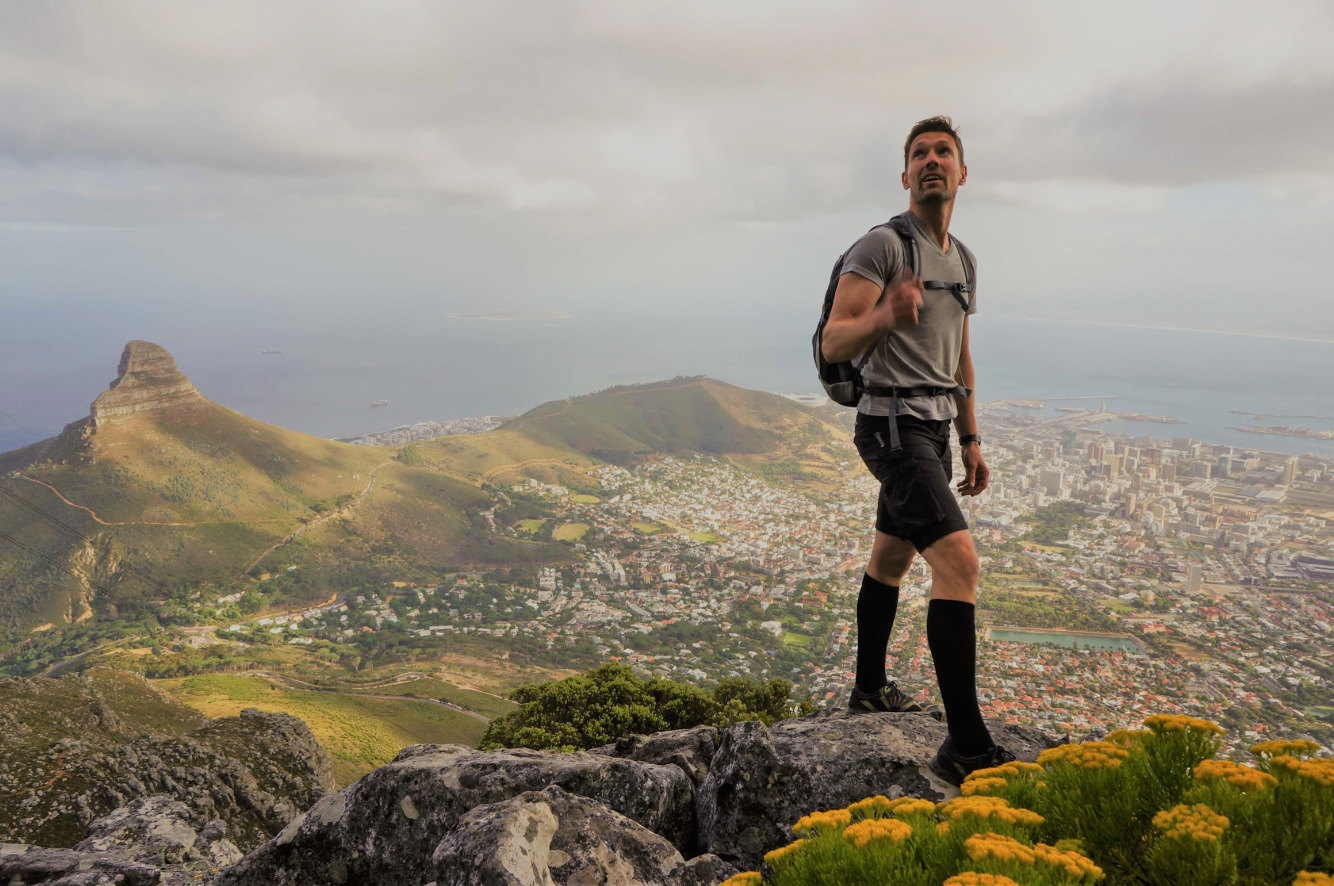
I don’t want to be too prescriptive with footwear, as you know what you like and what works well for you. But to offer some guidance, consider bringing the following …
These are your everyday shoes. You want closed shoes because they protect you from stubbed toes, dust, stones, thorns, and insect bites or worse. Most likely they’re going to be a comfy pair of lace-up sneakers or trainers. If you bring white ones, know that they won’t stay white.
Top tip: Don’t bring new shoes; you want a pair you’ve broken in and know to be comfortable.
If you’re doing a camping overland tour, think about what sort of shoes could do dual service as shower and campsite shoes. If you’re staying in lodges with private ensuite bathrooms, then a pair of sturdy slippers might be preferable for walking around the lodge.
If you’re going to be visiting a beach (whether on the coast or inland), you might like a pair of sandals or flip-flops you can slip on and off. Even if you’re someone who enjoys going barefoot when possible, know that the sand can scorch your feet on hot days.
Depending on your itinerary, a pair of water shoes could well be useful to help you safely navigate the likes of rockpools and riverbeds.
Regular trainers are sufficient for most safari activities like bush walks. The obvious exception to the rule is if you’re going to do some serious hiking, like in the Drakensberg mountains of South Africa or on a mountain summit climb in East Africa.
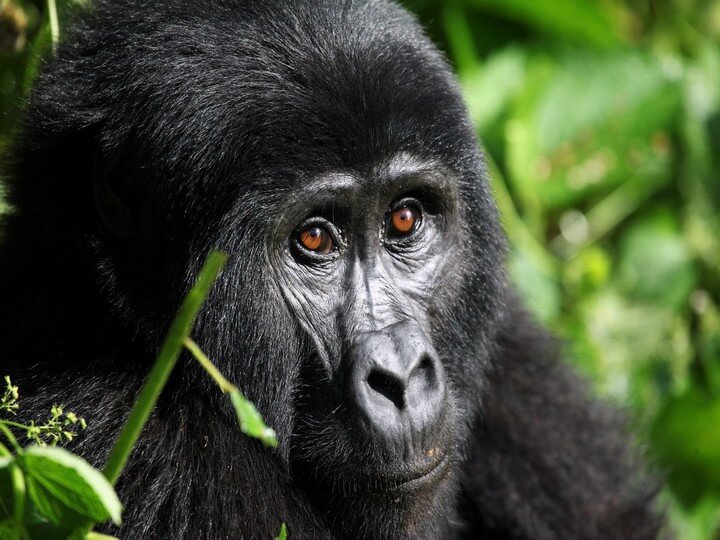
A less obvious activity where you can choose between trainers and trekking boots is mountain gorilla trekking. On a gorilla trek you often navigate treacherous terrain, where boots with deep lugs, ankle support, and decent water-resistance are a boon.
Top tip: Wear any heavy hiking boots on the airplane to save on luggage weight and also ensure that any lost or delayed luggage doesn’t deprive you of critical footwear.
You’ll likely need a variety of cool and warm clothing for your African safari, especially if you’re travelling to many countries. Please read through the following items and consider which you need – and how many – based on your particular itinerary and season of travel.
Before we discuss specific items, let me share some general principles when it comes to safari clothing.
Colours:
Fabric:
Finally, clothes that layer well are your friend, as weather and temperatures can fluctuate greatly and finding a spot to change is a hassle.
Pack the following for your legs:
Finally, another great piece of clothing for a safari is zip-off pants that convert into shorts. You can start the day covered up, perhaps on a chilly sunrise safari drive, and then peel off the bottom halves when things heat up.
Consider packing the following tops:
Ladies, if you like wearing skirts or dresses, pack at least one so that you have it for beach or city days.
Depending on your group and itinerary, you might have an evening where you head to a restaurant and would enjoy dressing a little smarter than usual.
A warm fleece jacket or pullover is a non-negotiable on an African safari – you have to pack something warm even if you’re travelling along the coast in summer, as you just never know.
Depending on your destinations and the season, you may need a properly warm jacket, especially if you run cold. A winter jacket is necessary on high-altitude hikes and treks.
While you could pack pyjamas, a better option might be a very comfortable tracksuit or a pair of sweatpants and a comfy top that you can pull on after an evening shower. I’m thinking of something you’re happy to wear in company in the evenings and can then wear straight to bed.
Be sure to have a waterproof jacket with a drawstring hood. A pair of waterproof overpants can also be a good idea if you’re going to do any hiking.
Top tip: Keep your rain jacket in your daypack, so you’re never caught without it. Africa is famous for serving up late-afternoon downpours.
Many safari destinations are very hot and humid, so you want underwear made from fabric that will help to keep you dry.
Also, if you’re going to be experiencing intense cold like on a trek, pack thermal leggings and long-sleeved thermal tops.
There are usually many occasions to go swimming or get wet on an African overland safari.
Firstly, many lodges and campsites having swimming pools. Secondly, many itineraries include beach destinations. And finally, you sometimes can swim in rivers or lakes, or go canoeing and rafting.
Consider the right sort of swimwear for you based on your itinerary. It might be that a standard bathing suit is all you need to pack. But if you’re fair-skinned and are going to go out in the water for a while, like on a snorkelling or scuba diving excursion, please consider packing a long-sleeved rash vest and maybe even swim leggings, to better protect yourself.
It can be nice to have something to tie around you on a beach. That said, in East Africa, you can buy beautiful traditional kikois, which are basically large and colourful sarongs made from cotton. So you could plan to purchase one during the trip as a way to save on luggage early on and also support a local entrepreneur.
Longer socks are better than hidden or ankle socks in the dusty conditions that often accompany many safari destinations.
If you’re going hiking or trekking, please research the climate to know if you need thermal socks instead of just regular hiking ones. You might also consider sock liners for extra warmth and to help avoid blistering.
Top tip: Treat your socks like you would hiking boots. By this, I mean test them out at home to ensure there are no issues.
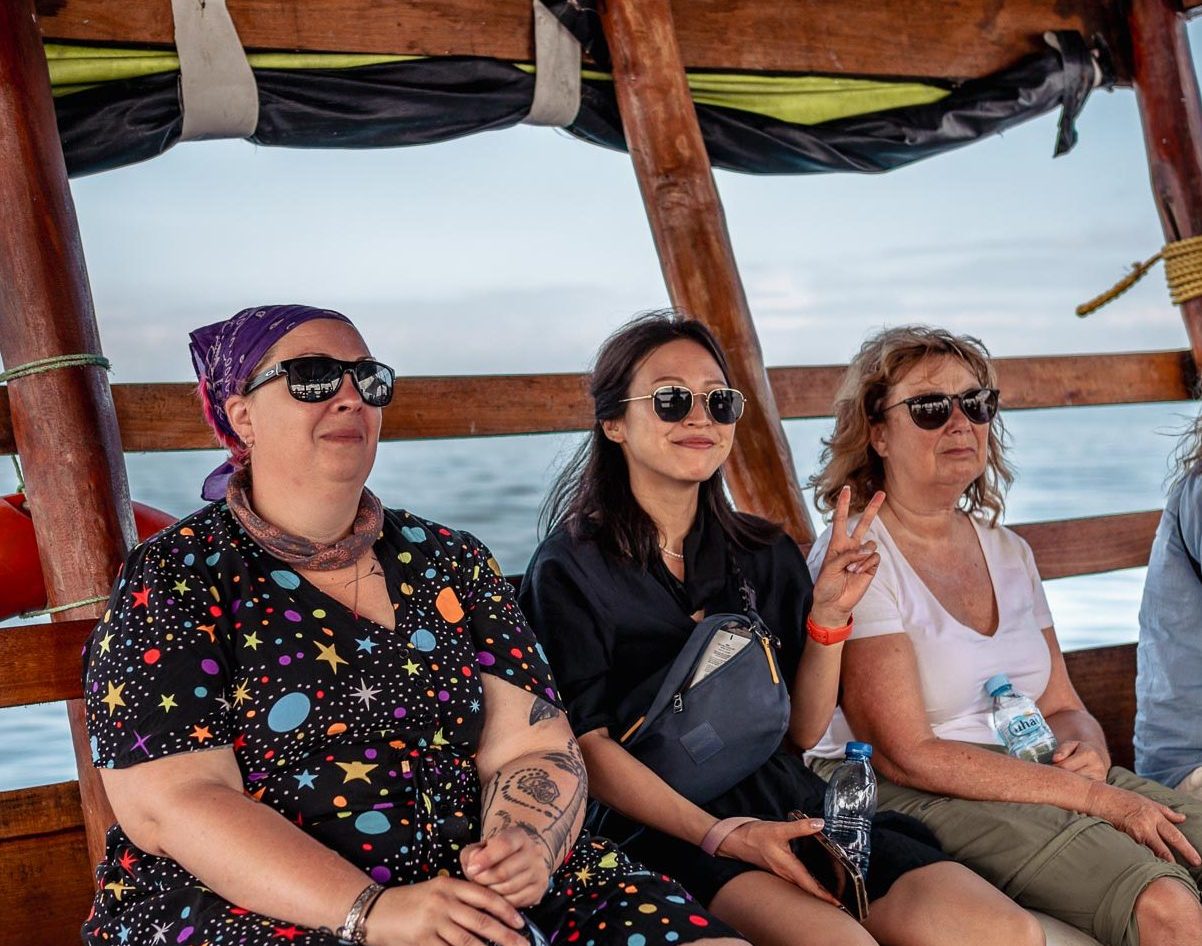
Let’s look at some of the smaller items you should also pack for an overland safari …
Wrap-around sports sunglasses are a great option for an African safari as they keep the sun out well. Polarised lenses are helpful in very hot climates or if you’re going to be trekking above the snowline. And finally, a cord is useful so you don’t drop or lose them.
A broad-rimmed bush hat is ideal for an African safari as it helps to keep the sun off not just your face but also the back of your neck. A sports cap is also an option. But I don’t advise a peak as you don’t want your scalp to burn.
A beanie is useful for cold nights. It’s essential for high-altitude treks.
Take note that early morning or night-time safari drives in open-sided vehicles can be very chilly indeed.
You may well enjoy a pair of gloves if visiting in winter. If you’re heading into high altitude, pack mittens and glove liners.
If you’re going to do a mountain gorilla trek, you often need to grab hold of vegetation to navigate next-to-not-there trails, but this can shred bare hands. So a pair of gloves similar to gardening gloves are recommended for a gorilla trek.
If you’re doing any hiking or trekking, consider gaiters to help keep your shoes dry, dirt out of your socks, and snakes from having any access to your legs.
If you have a smart watch, then I’m sure you’re going to want to wear that. But given that part of the joy of an African safari is disconnecting from the online world, know that a wrist watch is a great accessory so you can tell them time without being pulled into your device.
If you need corrective glasses or lenses, be sure to pack spares. And bring a quality lens disinfectant since you’ll be spending most of your time outdoors.
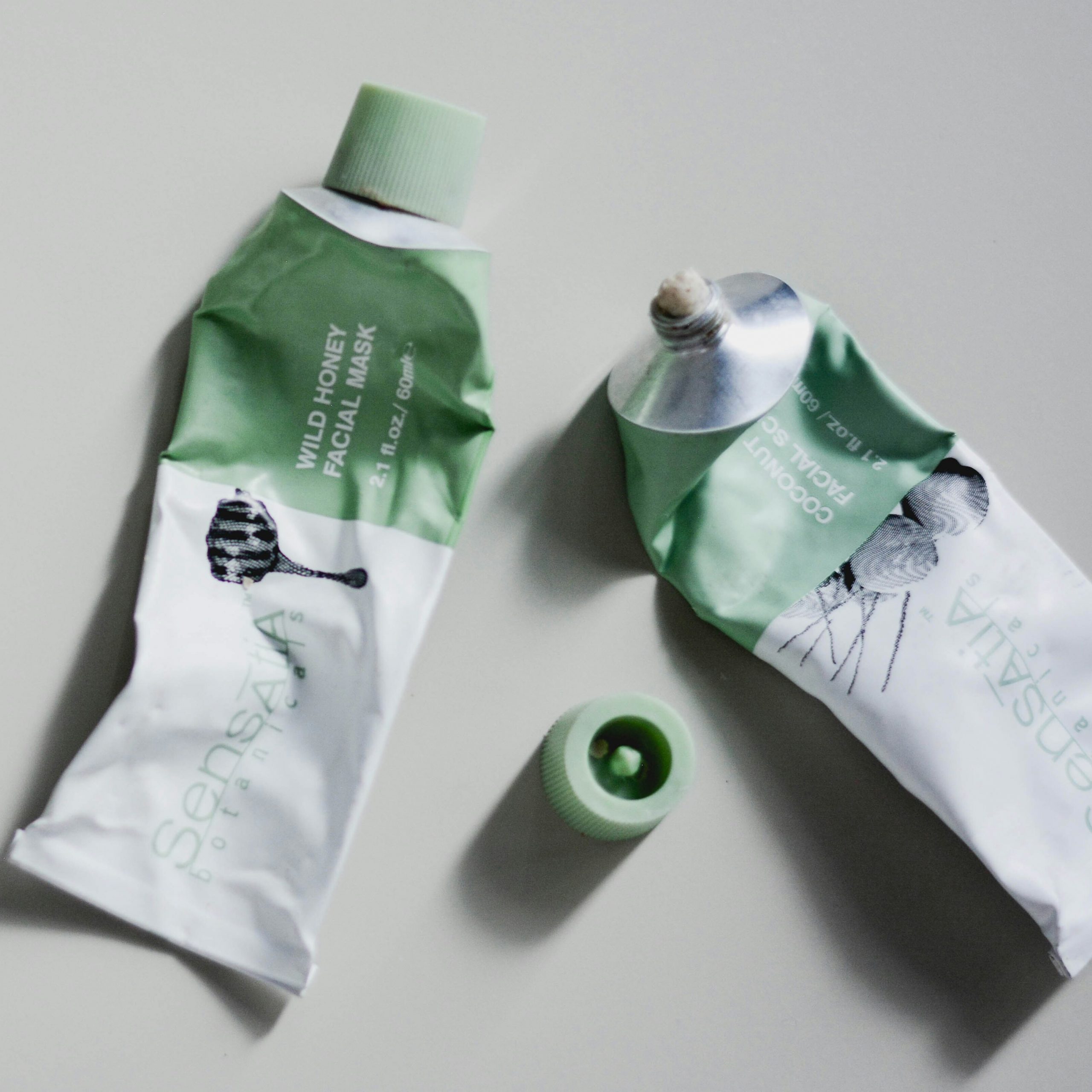
Here’s a comprehensive breakdown of all the personal care items you should pack for your African overland safari …
Towels aren’t always provided, even on accommodated tours, so be sure to pack at least one, though two is better. One could be a swimming towel if you’re visiting beaches.
I recommend packing microfibre towels as they’re lightweight and quick-drying. Those with zip pouches are useful for storing and concealing small valuables.
You’re going to want something to help you scrub clean when you shower.
You visit many beautiful and fragile ecosystems on an African overland tour, where your grey water can have a negative impact on the environment if you’re using standard toiletries, as these contain ingredients that are toxic to plants and some organisms.
With this in mind, please only pack clean (natural) toiletries for your overland tour. And remember that a soap bar in a sealable soap dish is more environmentally friendly (and compact) than liquid soap in a plastic bottle.
Tip tip: If you’re joining the tour with someone you know, which is likely, it might be worth the effort to discuss splitting items like soap and shampoo between you to save on space and weight.
Be sure to bring a sunscreen that protects you from both UVA and UVB rays. Not only is the African sun notoriously strong, but it becomes even fiercer in the highlands and mountains.
Also, while you may perhaps not be visiting the ocean during your tour, any toxic chemicals will still find their way into the ecosystem, whether through a water-based sport like white-water rafting or because you wash it off in the shower and it enters the likes of a soakaway sewerage system. So please pack a sunscreen advertised as being reef-safe.
Finally, if you know you’re prone to burning, pack a soothing aftersun gel.
I know I keep saying this, but it bears repeating since some tourists anticipate Africa to be all heat and humidity, but have a hardworking moisturiser with you to protect your skin in dry and cold destinations.
You want a lip balm that will also protect your lips from sun damage.
Chemical insect repellents may last long, but they’re not good for the environment. If, however, you’re not taking prophylactics against malaria, then you might want to prioritise a DEET insect repellent over a natural one.
That said, if you are going to take malaria medication, I encourage you to bring a natural repellent that relies on essential oils to keep mosquitoes and other insects away. They’re better for your own endocrine system too.
These are for ‘bush showers’ on long travel days. You may wish to pack a waterless hand sanitiser in addition to the wet wipes.
Know that you won’t be able to find a pharmacy during most of an overland safari tour. So err on the side of caution and pack a fairly comprehensive personal first aid kit. And ensure you have enough of each medication to cover you should you develop a real issue.
Here are some items you should consider including in your first aid kit:
Be sure to pack any personal medications you need, and have some extra in case you have a delayed return flight. And it’s best to bring your doctor’s script for any prescribed medications should airport security want to see it.
If you’re going to be visiting a malarial area on your African overland safari (and the chances of that are high), please speak with your GP beforehand to discuss if you’re going to take prophylactics. It’s important you understand the risks associated with taking the medication and with not taking it.
Finally, if you’re going to visit an area of high altitude, speak with your GP about altitude meds. Anything above 3,000 m can affect the body in unpleasant ways. Mountain gorilla treks in the Virunga mountains can take you well above that.
Let’s now talk about your tech packing list …
Know that connectivity across Africa is a varied story. If you’re going to visit many countries on your overland safari, it may be that a combination of an e-SIM package and some physical SIM cards is the best option for you.
Research the type of plug points in the specific countries you intend to visit to ensure your adapter caters for them.
The safari trucks used by African Overland Tours have limited charging points, so a multiport USB hub will help ensure you can charge all of your devices.
Having a backup power source is always a good idea.
If you’re going to be camping, be sure to pack a hands-free headlamp and have enough spare batteries for the trip. Know that batteries drain quicker in extreme cold, so pack them inside thermal socks if trekking at high altitude.
It’s also a good idea to have a small torch (flashlight) for backup, even if you’re staying in permanent accommodations on your safari. Note that some power banks come with a built-in torch, so you might like to pack a two-in-one as a space saver.
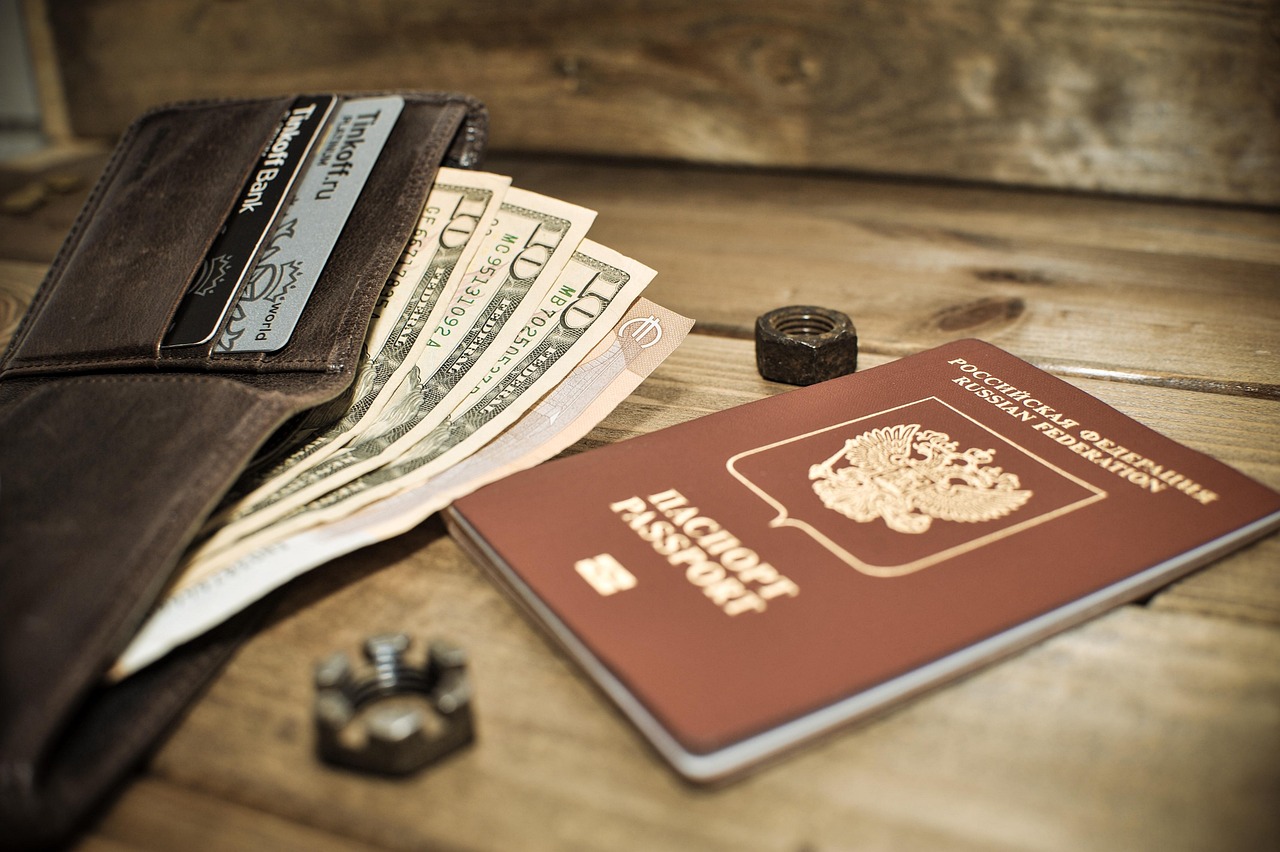
As this is meant to be an exhaustive packing list for an African safari, don’t forget to pack:
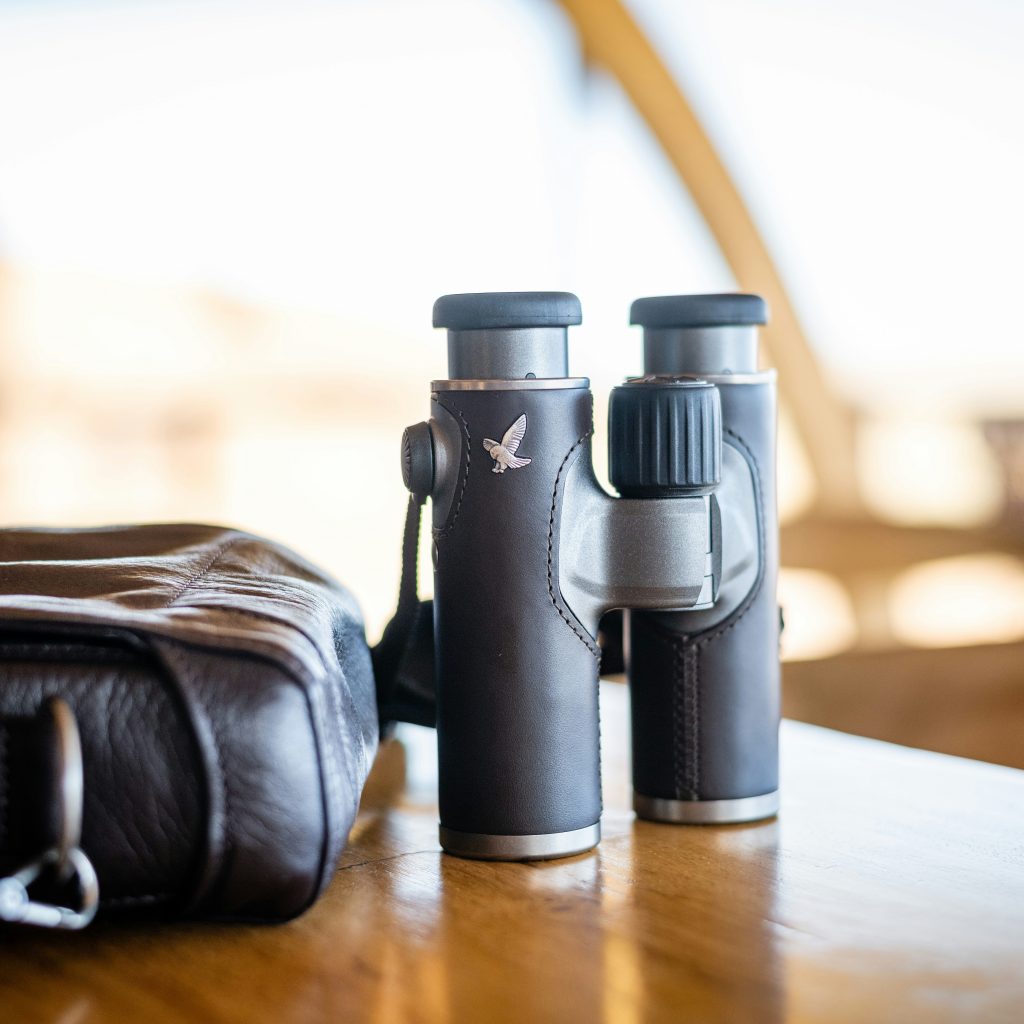
Finally, the following items aren’t essentials. But if you’re a wonder of a packer and still have some space or weight allowance to play with, consider bringing some of the following items on your overland safari …
If you’ve worked your way through this blog post, you now know enough to confidently plan and pack for a safe and smooth African overland safari!
Note: This blog post was first created in 2013. It was rewritten by Megan Abigail White in 2026.
Your complete packing list for an African overland safari
6
1

Price From
was
R265,950
R239,355
2
Price From
was
R92,950
R83,655
3

Price From
was
R62,950
R56,655
4
Price From
R161,350
5

Price From
was
R104,950
R94,455
6
Price From
R104,950
Here are 15 of the best photography spots within the city of Cape Town Cape Town is a truly fortunate city. Why? It’s been blessed by nature with an abundance of beauty. There are the ocean views, the mountains, the…
Be sure to book a walking safari in Africa to enjoy a very different sort of wildlife experience When someone says the word safari, we usually picture people being driven across the savannah in a 4×4. Safari game drives are…
For the last six years I’ve worked as a travel journalist – working first at a South African travel magazine called Getaway and then freelancing for the last few years. My job has taken me on some amazing adventures around…

There are three styles of overland tours, camping, accommodated and those that have a combination of the two. These can further be broken down into Southern and East African tours, with reference to the standards you can expect. In Southern…
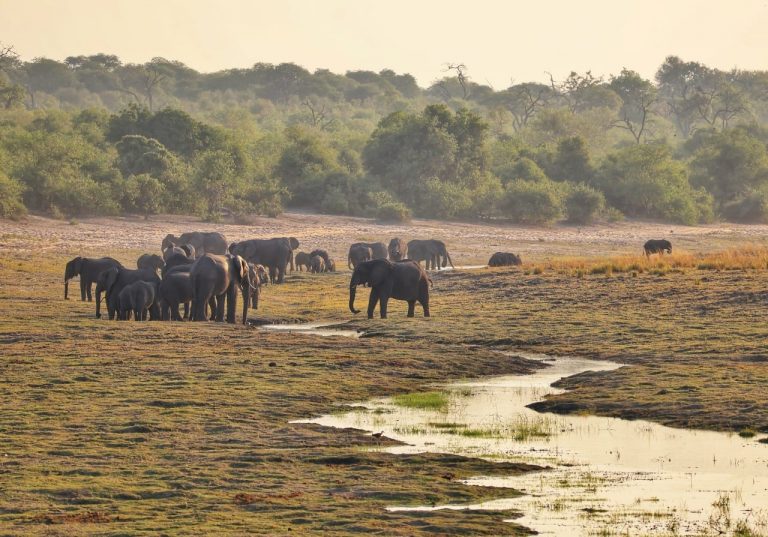
Who is suited to an African overland tour and how do you find the right one for you? An African overland tour is a wild and immersive trip that’s often life-changing and life-affirming. But it’s not for absolutely everyone. Then…
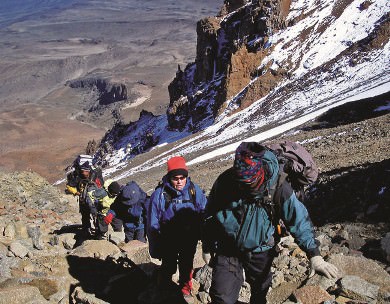
Whether you’re keen to climb snowy peaks, walk in remote desert landscapes or hike along pristine coastal cliffs, Africa has you sorted! From technical summit treks to coastal hikes, you’re spoilt for choice in this magnificent and diverse continent. Here…

I think we can all agree that life is about learning, exploring and broadening our horizons. Life is about creating memories, experiencing the unknown and being proactive. With so many once-in-a-lifetime experiences and extraordinary encounters, we can say for sure…


Southern Africa is home to dozens of UNESCO World Heritage Sites – Here’s a List of 11 of the best From South Africa up to Malawi, and from Namibia on the west coast across to Mozambique, you can find many…
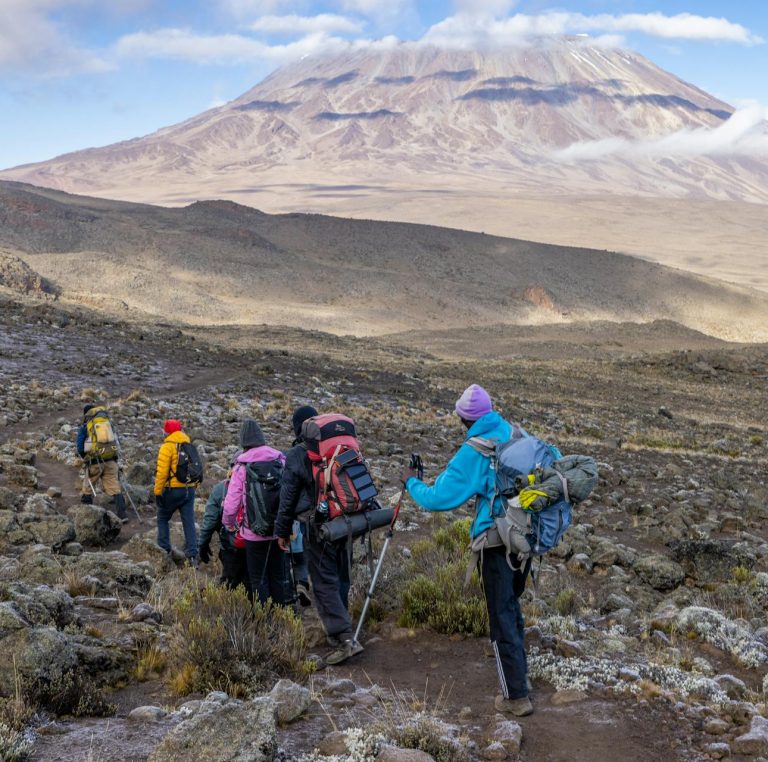
The route you choose for climbing Mount Kilimanjaro is very important, as it can determine if you manage to summit There are seven established ascent routes leading up Mount Kilimanjaro. Six of the routes require camping, while the other (the…
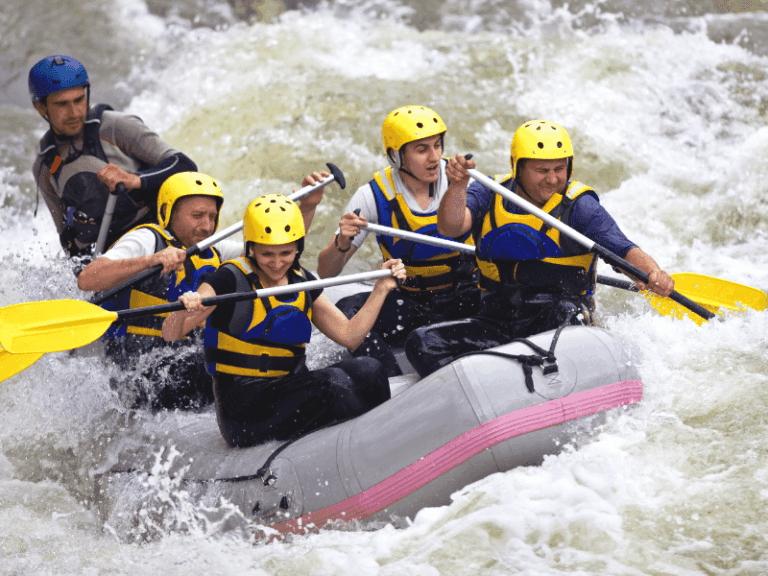
For many, East Africa is the land of great escapes The orange sunsets, untamed wildlife, captivating cultures, and endless savannas make you feel as though you’ve reached the end of the world. Staple items on an East African tour include…
"*" indicates required fields