

African Overland Tours
https://www.facebook.com/AfricanOverlandTourscom/
https://www.instagram.com/african_overland_tours/
https://www.youtube.com/@africanoverlandtoursandsafaris
+27 (0) 21 448 0997
Customer Service
Worldwide

African Overland Tours
https://www.facebook.com/AfricanOverlandTourscom/
https://www.instagram.com/african_overland_tours/
https://www.youtube.com/@africanoverlandtoursandsafaris
+27 (0) 21 448 0997
Customer Service
Worldwide
If you’ve ever dreamed of visiting the Okavango Delta, here’s what you need to know to start planning your adventure
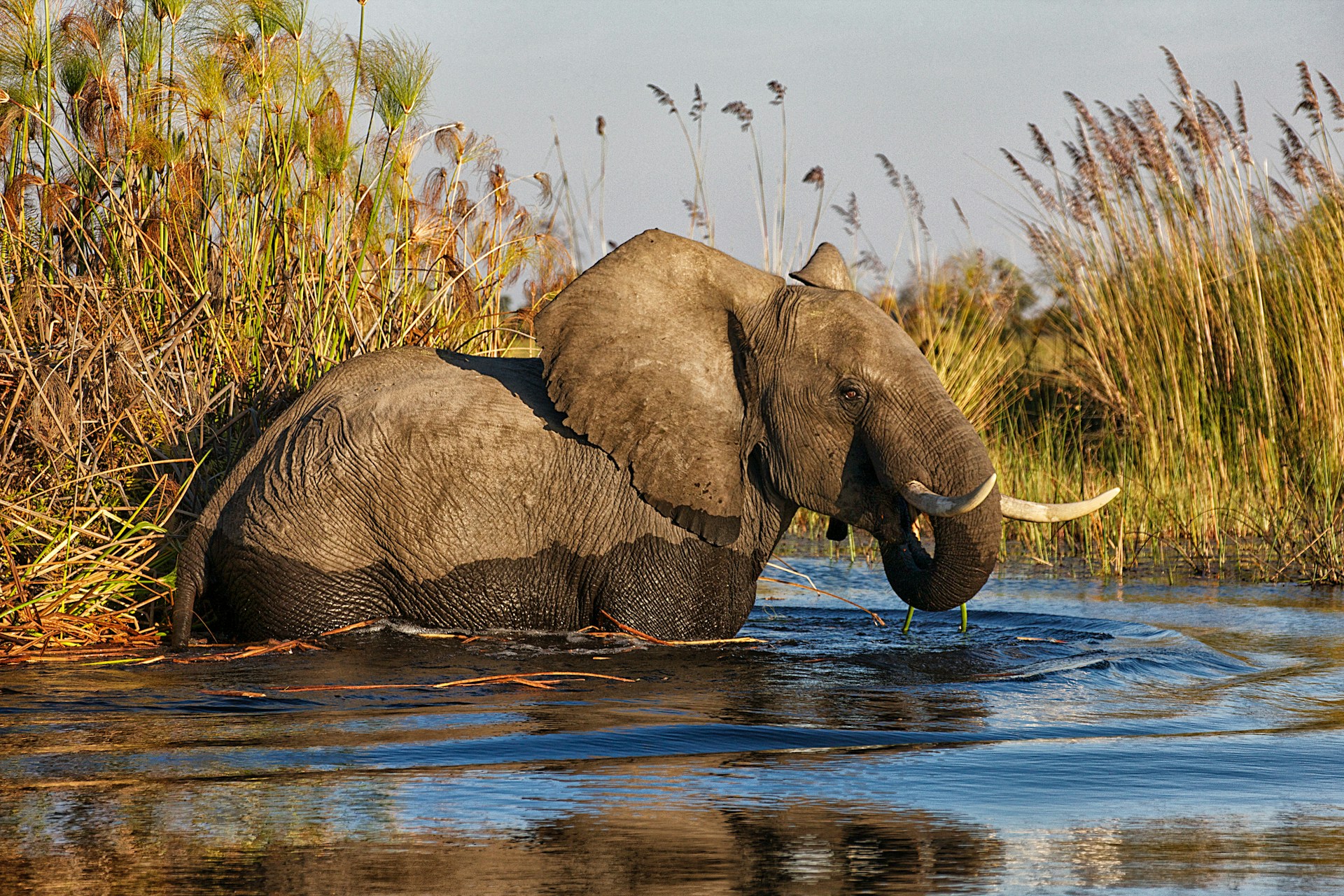
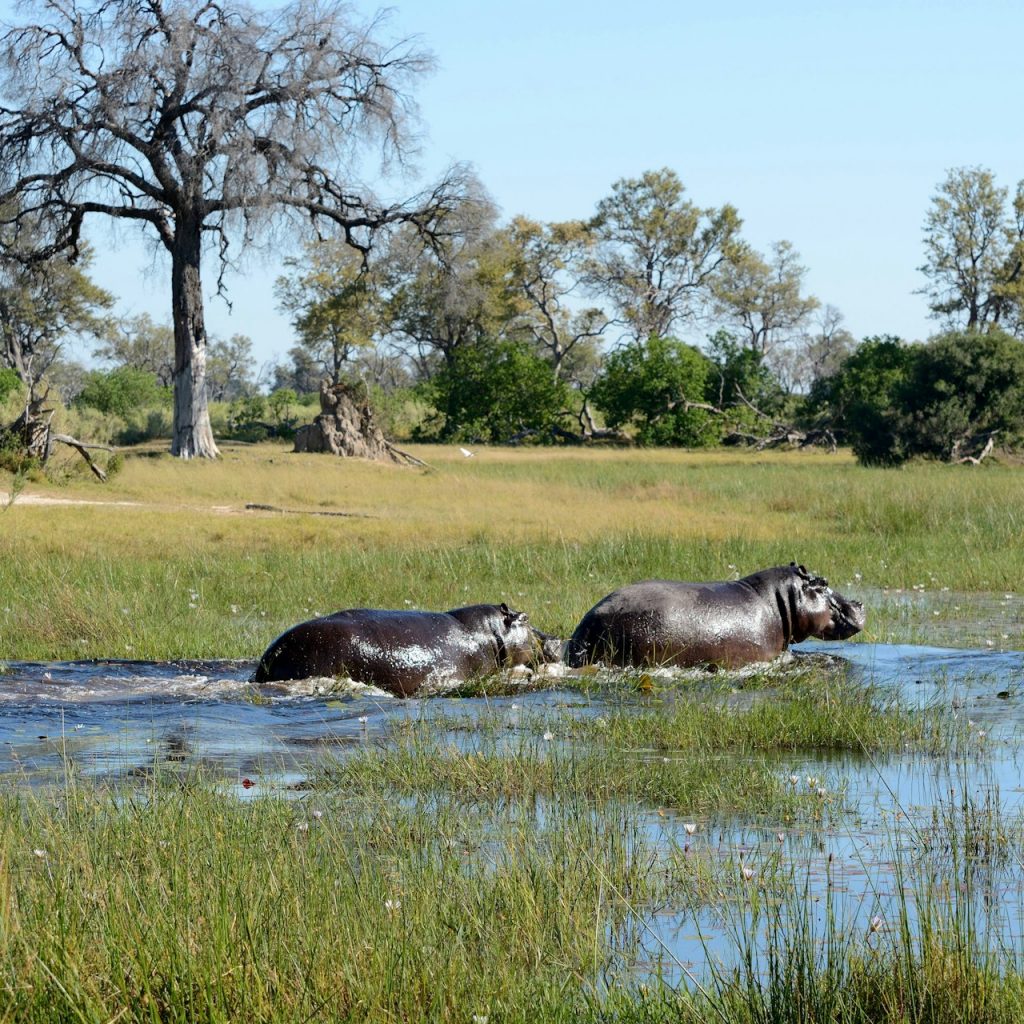
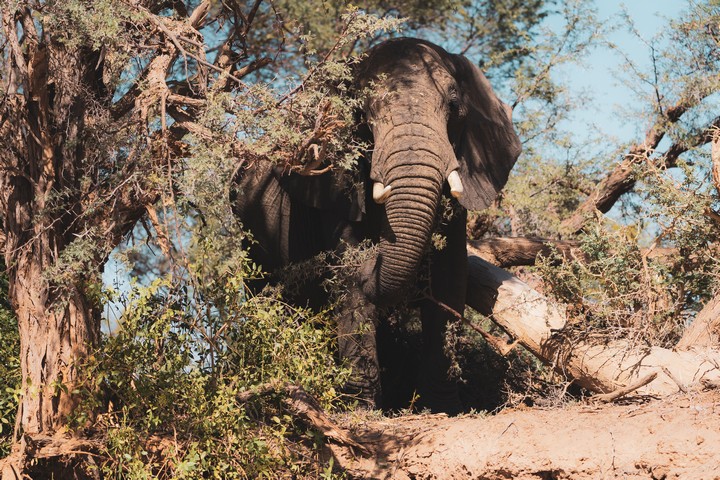
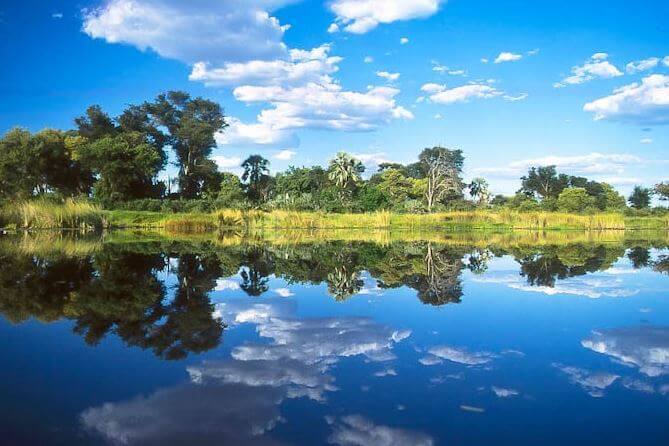
The Okavango Delta is the world’s largest inland delta. It’s also a true oasis, offering a water-rich habitat in the middle of the formidable Kalahari Desert. It’s a magnet for thirsty migratory species like elephants as well as a stronghold for water-dependent species like hippos that can’t survive in the surrounding desert.
Understanding this, it’s easy to appreciate why the Okavango Delta enjoys such an incredible density of wildlife and has become one of Africa’s most prized safari destinations. It’s also, unsurprisingly, a UNESCO World Heritage site.
The Okavango Delta is in the northwestern portion of Botswana. The closest airport is Maun International Airport (MUB), which is located on the edge of the delta. Once in Maun, you can drive into the delta or catch a local transfer on a light aircraft.
There are regular flights to Maun from Kasane (a town in the Chobe District of Botswana), Gaborone, Johannesburg, and Cape Town.
The Okavango Delta offers some of Africa’s most varied, thrilling, and immersive safaris. This is because you can enjoy not just traditional safari drives but also canoe, boating, horse, aerial, and walking safaris.
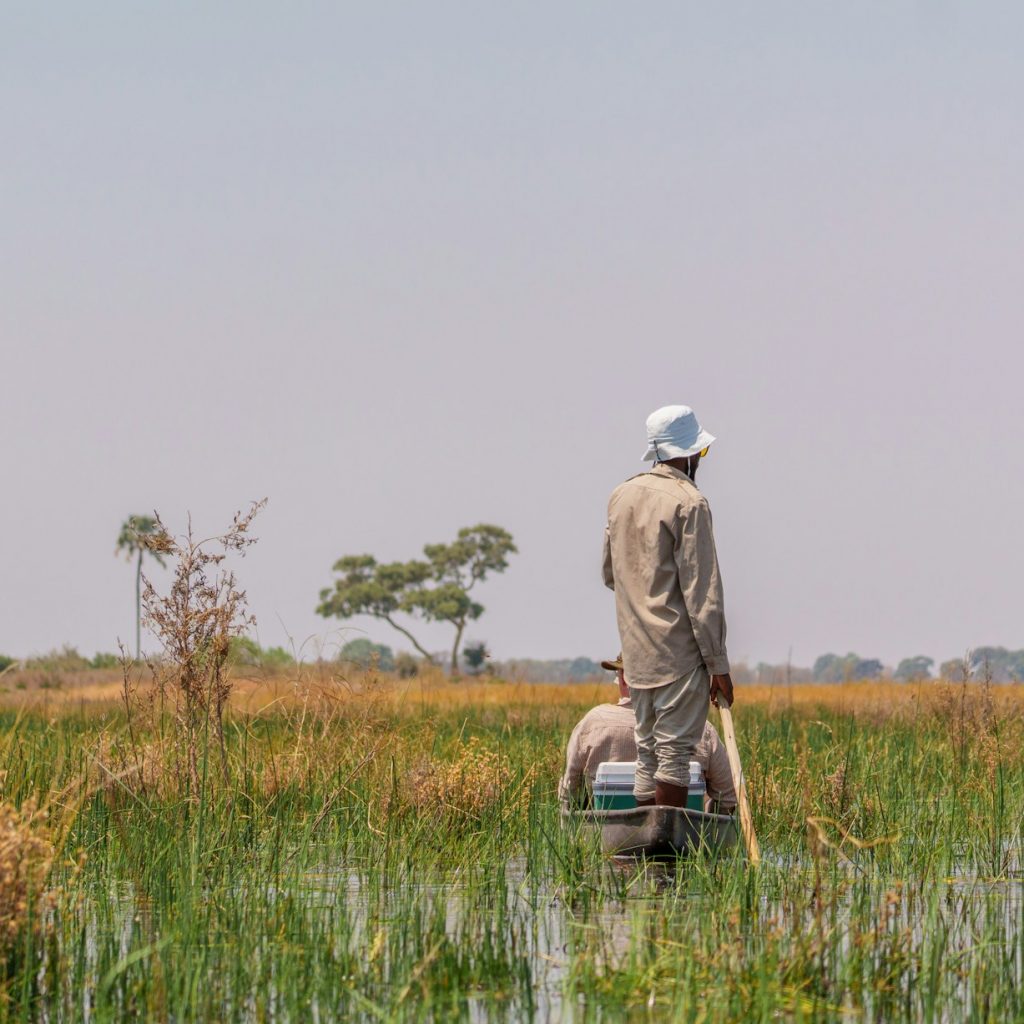
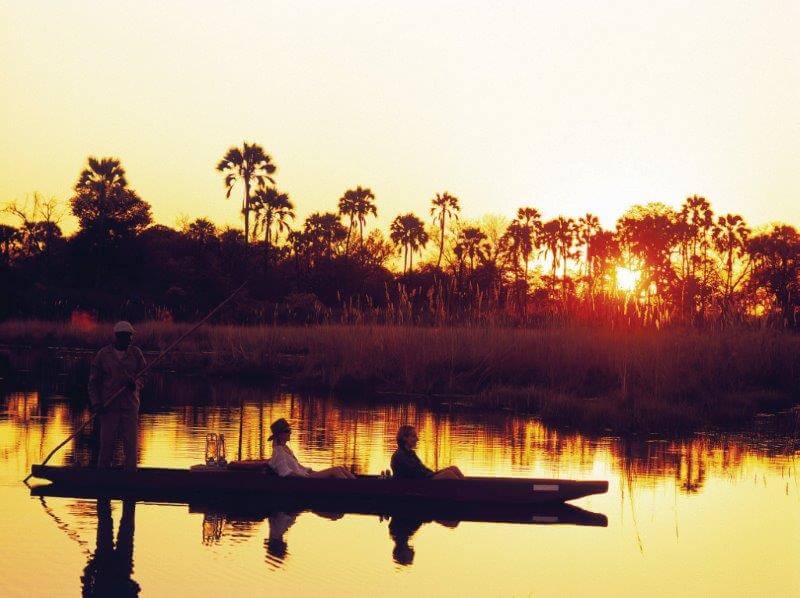
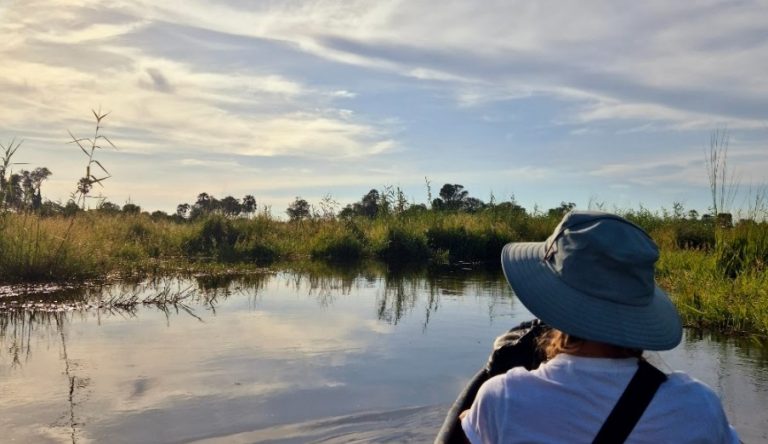
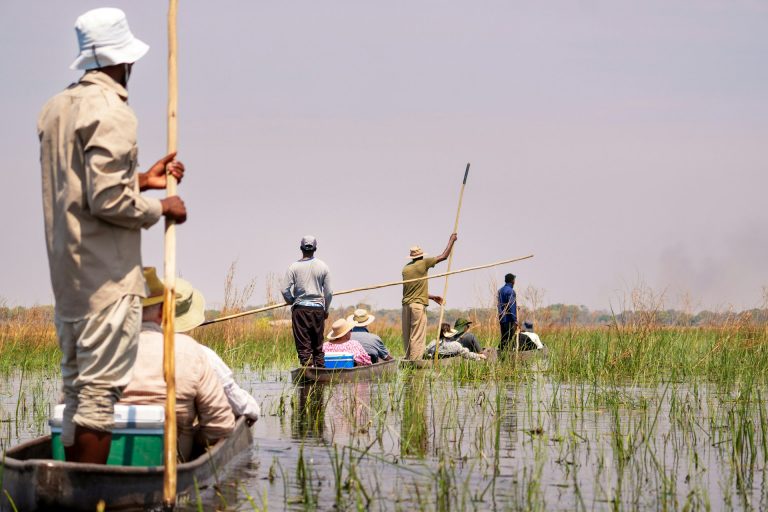
The calling-card activity of the Okavango Delta is mokoro excursions. A mokoro is a traditional wooden dugout canoe (though sometimes today companies use fibreglass canoes). A highly skilled local is your poler and game spotter on these outings. It’s a truly privileged experience to wend through the reed-lined channels looking for waterbirds, antelopes, and various other aquatic creatures.
Boat safaris are also wonderful experiences in the delta. These take place on the larger bodies of water where you can encounter the likes of hippos, bush elephants, and buffaloes.
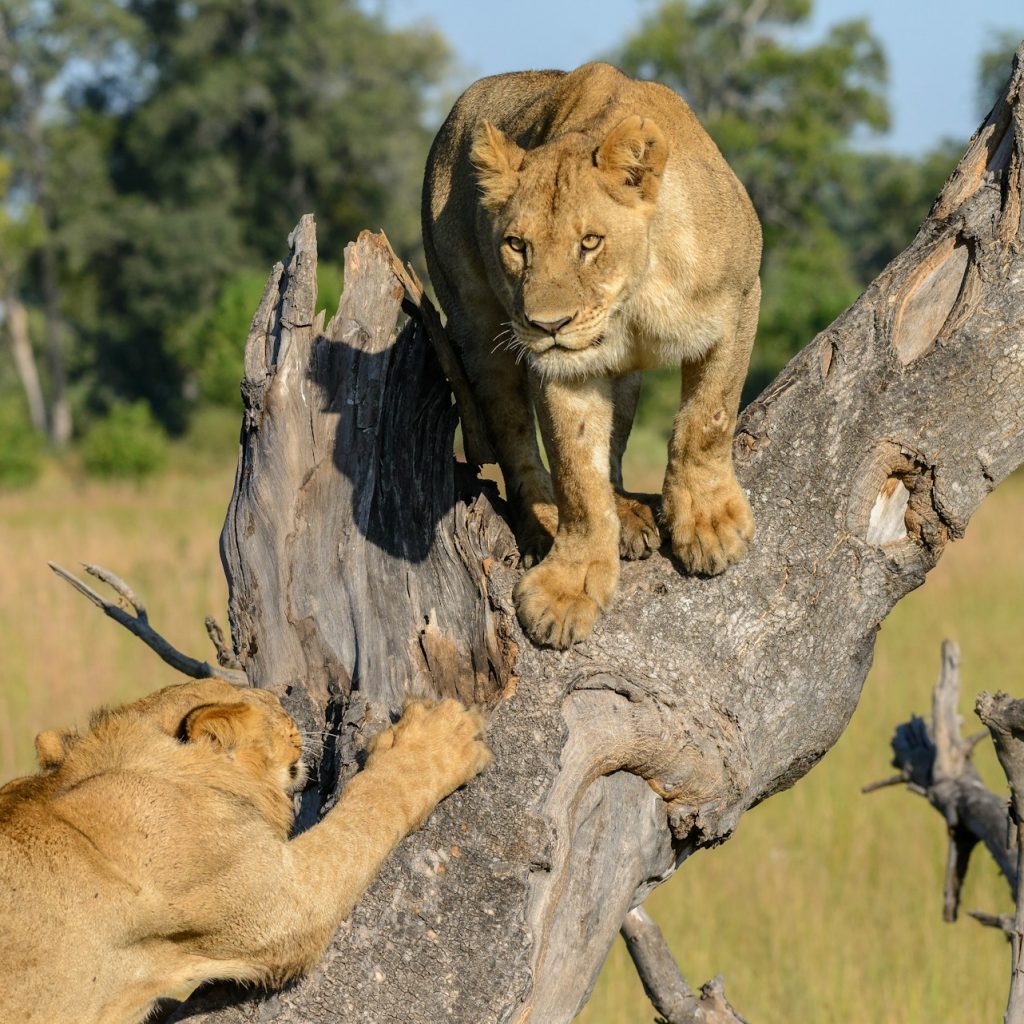
On land, you can enjoy driving and walking safaris in pristine savannahs and woodlands. Some concessions even offer horseback safaris!
A walking safari, like a mokoro ride, is one of the delta’s quieter and more environmentally conscious experiences. They bring you wonderfully close to the sights, sounds, and smells of the delta’s different habitats and inhabitants.
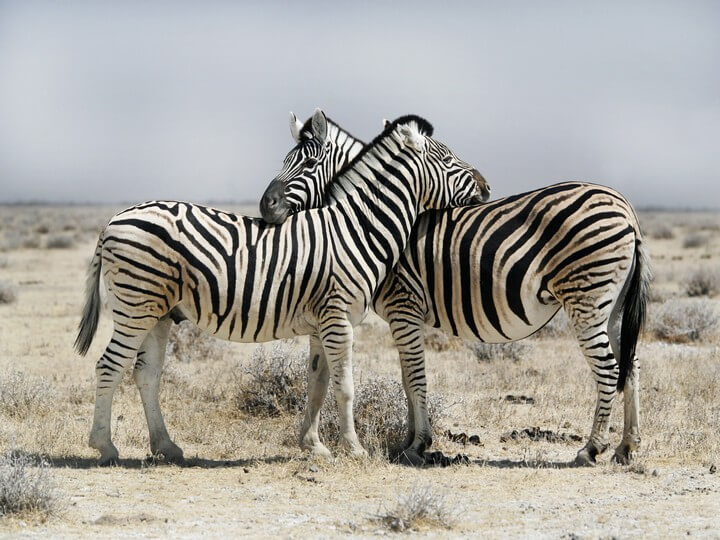
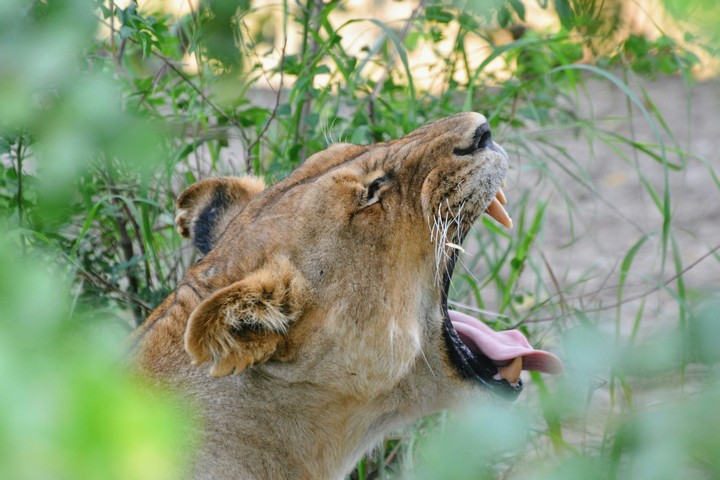
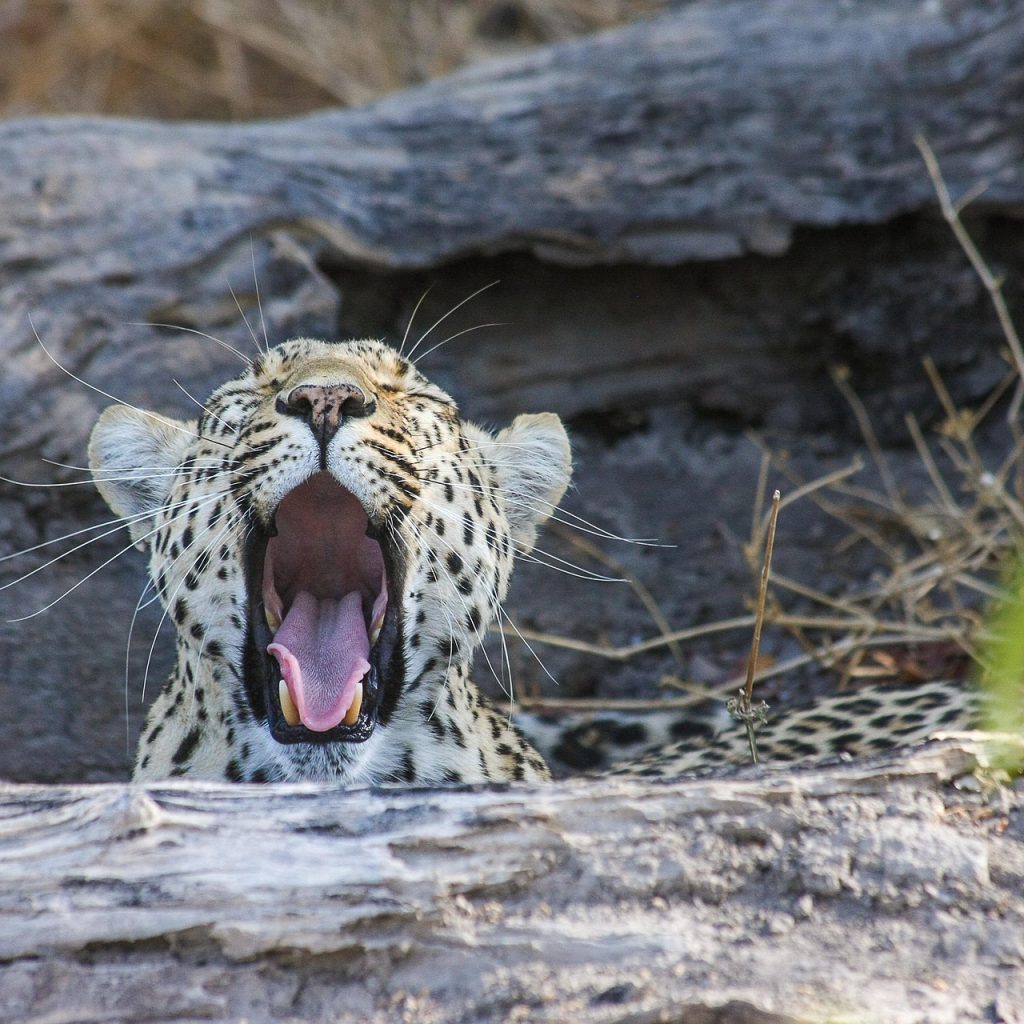
Botswana Tourism claims there are 122 mammal species in the delta. These include lions, leopards, cheetahs, giraffes, elands, and zebras. Black and white rhinos have also been reintroduced, so it’s once again a Big Five destination. The highest concentration of rhinos is on Chief’s Island in Moremi Game Reserve.
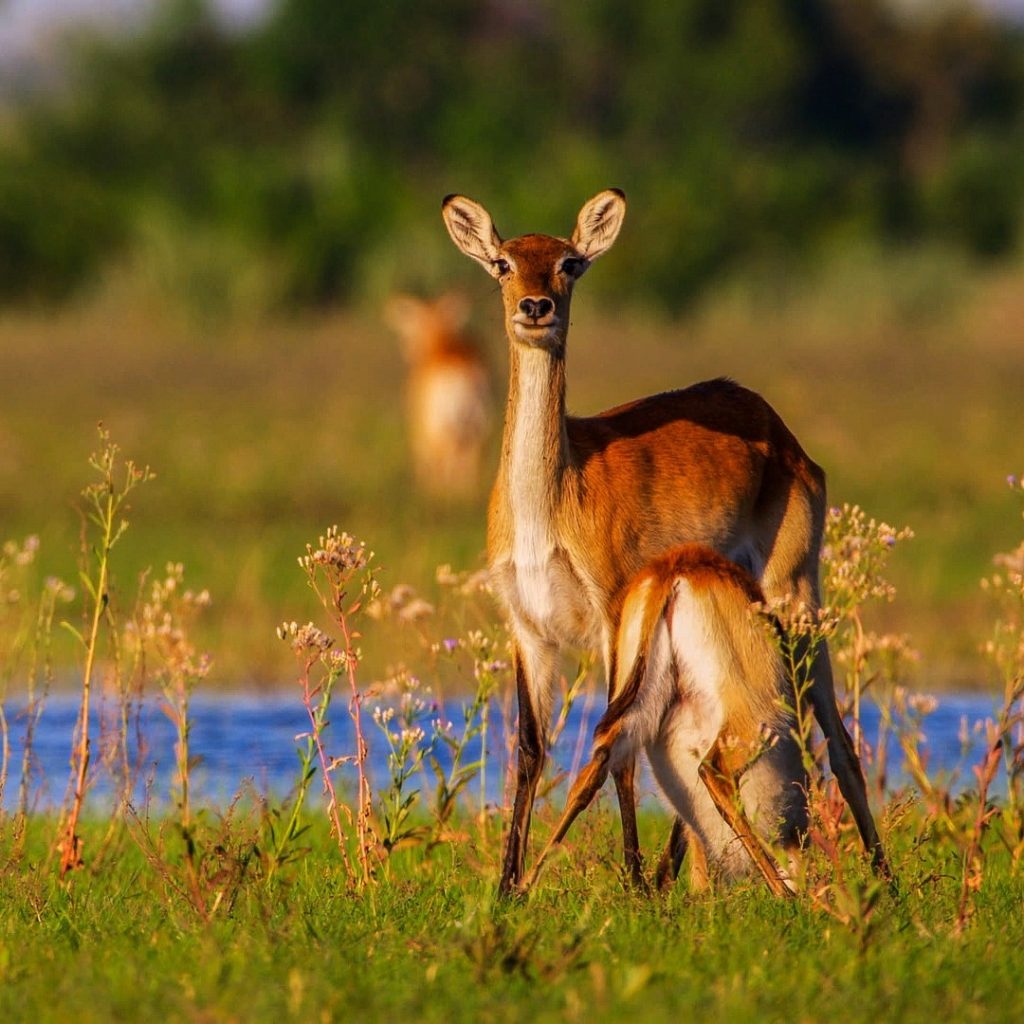
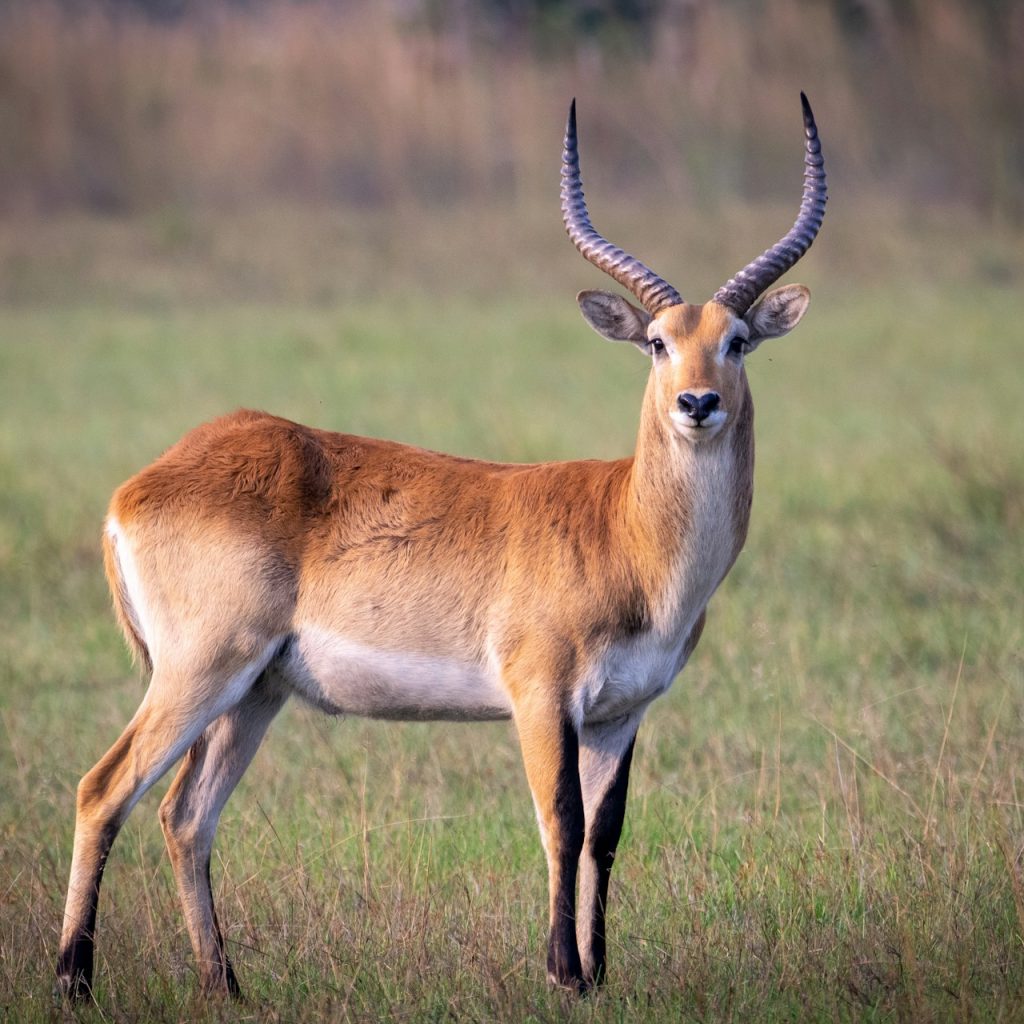
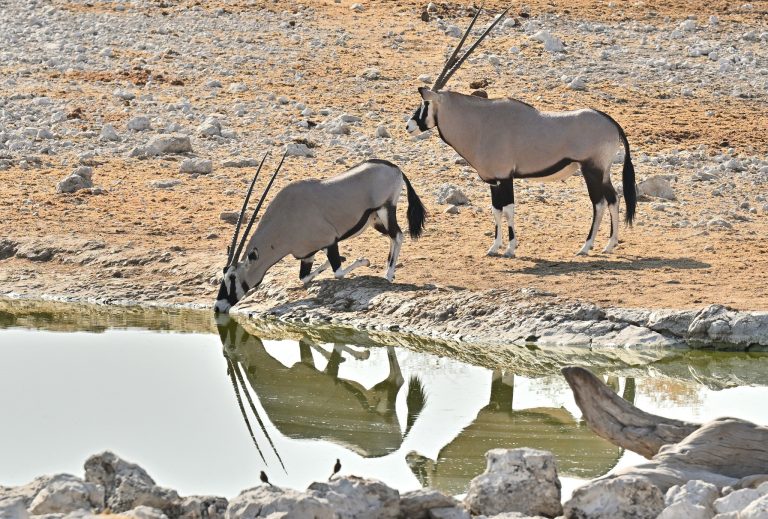
One of the rarer species you can hope to find during your safari are endangered painted dogs (also called African wild dogs). There are also various rare antelope species in residence, like the semi-aquatic red lechwe, the strikingly dark sable, and the hefty roan. Then there are sitatungas, which are elusive antelopes that have specially adapted hooves that help them move through papyrus swamps.
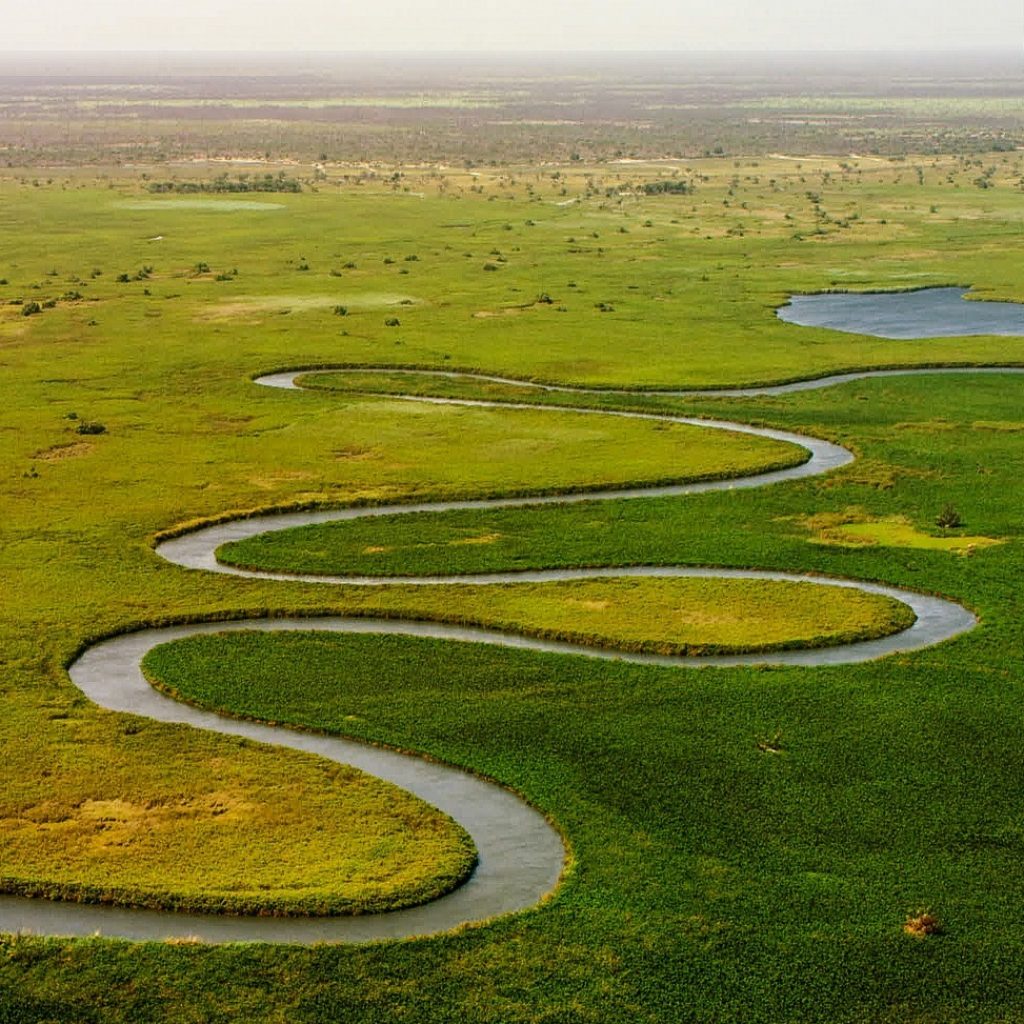
You can also do a hot air balloon sunrise safari over the delta or take a scenic flight in a small airplane. Such experiences offer a whole different vantage point for appreciating the scale and beauty of the Okavango Delta, whether it’s the sharply winding rivers of the wet season or the water-choked landscape of the flooded season. (More on the different seasons in just a moment.)
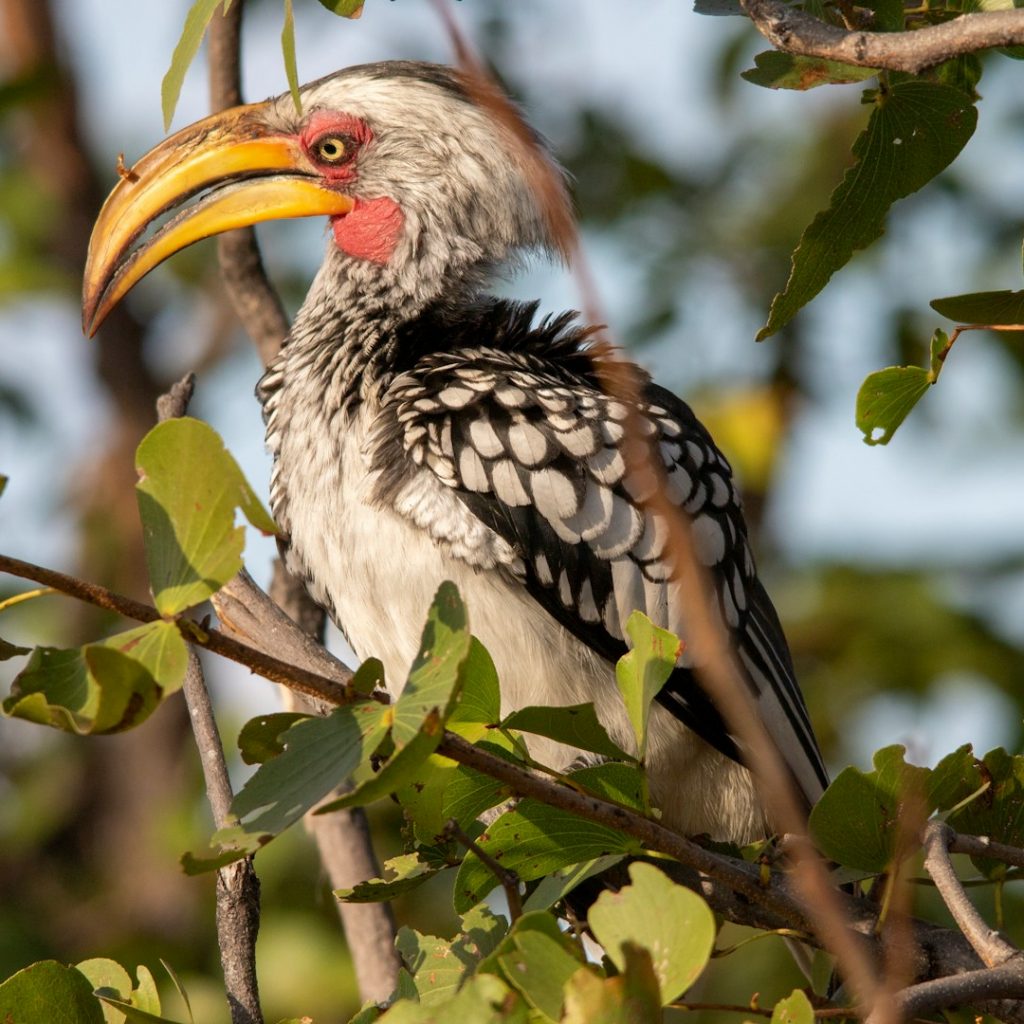
Finally, let’s not forget that birders come from all over the world to enjoy the phenomenal birdspotting provided by the delta. It’s not uncommon for birders to spot over 100 species in a day.
Many endangered, important, and not to mention gorgeous bird species can be found in the Okavango Delta. These include the Pel’s fishing owl, African skimmer, vulnerable slaty egret, southern ground hornbill, rosy-throated longclaw, and endangered wattled crane. The Amur falcon, which migrates all the way from Siberia, can also be spotted here in summer, as can many other migratory species.

Price From
R45,426
The Okavango Delta offers excellent safaris all year round. That said, the two main seasons each present different highlights. Deciding when to visit depends on what matters most to you. So let’s discuss the characteristics and advantages of each season.
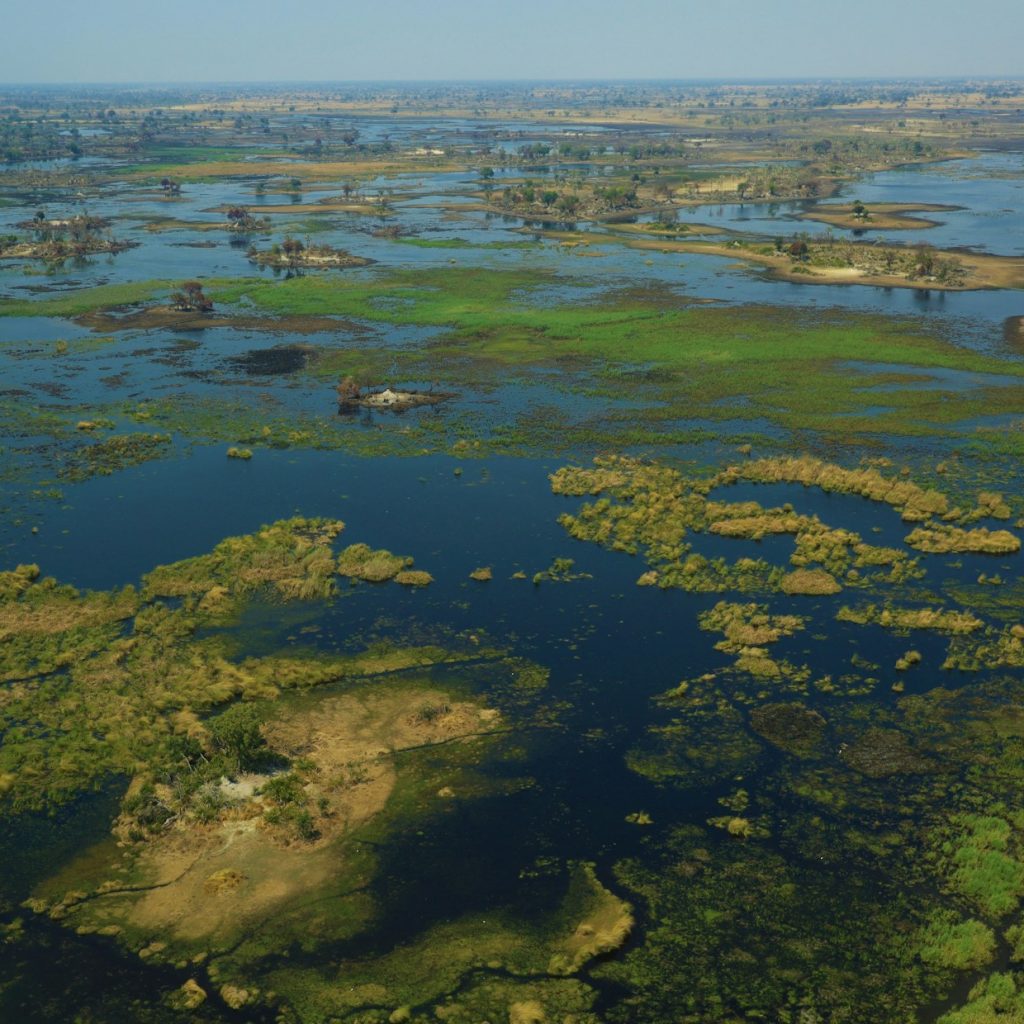
The sort of Okavango Delta you’ve doubtless seen in videos is one where travellers are being punted along narrow, reed-crowded channels in mokoros. This sort of experience is on offer in the dry, flooded season, which runs from roughly May to October.
To talk of a dry and flooded season might sound a little confusing at first blush. But understand that all of the delta’s water comes from far away – from the Angolan highlands far to the north, to be exact. Those highlands receive rainfall between November and April, but it takes months for all of the water to travel south. By the time the rains have flowed into and filled the delta’s floodplains, the dry season has arrived.
This state of affairs means you can enjoy stable, sunny days floating on a watery wonderland as well as clear, starry skies at night around a campfire. Such experiences are a gift of nature to anyone fortunate enough to visit during this time.
What’s more, because the surrounding landscape is parched, the thirsty animals congregate in and around the water, making them easy to find. The thinned-out vegetation also makes them easier to spot.
Note that peak season in the Okavango Delta is July to October, which is the central portion of the flooded season.
The low season is the rainy, green season, and this runs from November to April. This season is by no means an inferior one for visiting, as it has its own riches and perks for safarigoers. Also, remember that there are permanent waterways in the Okavango Delta, so you can still enjoy boating safaris and spot a variety of water-based wildlife.
One of the highlights of visiting the Okavango Delta in the green season is the excellent birding on offer at this time. Migratory species are in residence between November and early April, pushing the species count well north of 400 (though some say it’s as high as 550). The Okavango Delta is a truly world-class birding destination!
The landscape is also very pretty at this time, with green grasses, freshly created canopies, and colourful wildflowers. Further to this, dramatic afternoon thunderstorms make for wonderful photography and atmospheric moments (pun intended).
Finally, but not least importantly, there are many newborn calves to admire between January and March! If you’re keen for some predator action, this is a good time of year for that too.


Price From
R63,750
Price From
was
R123,150
R110,835
Price From
R125,100
Price From
was
R145,400
R130,860
Price From
was
R147,850
R133,065

Price From
was
R170,850
R153,765
Price From
R69,200
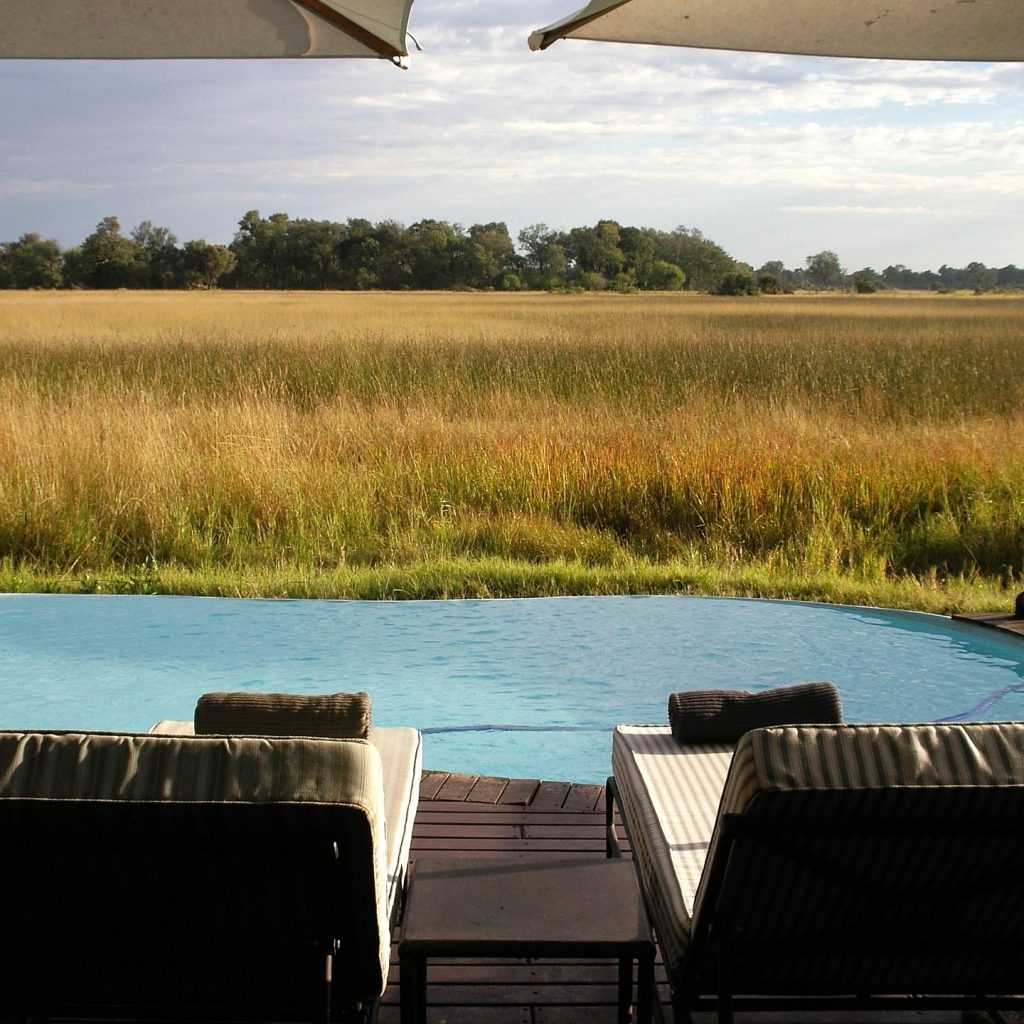
Botswana is one of the most stable countries in Africa, if not the most stable. You can travel there with no concerns.
The only safety matter to really consider on an Okavango Delta safari is how to protect yourself from malaria. Beds in lodges invariably have nets over them. But you’ll want to speak with your GP before travelling to decide on a prevention plan that best suits you.
Note that there’s also bilharzia in the region, but you’re not really in any danger of contracting it as you’re not going to swim in the water given the presence of hippos and other dangerous wildlife. There are swimming pools for cooling off.
One final thing I could say, which perhaps isn’t necessary, is that you want to properly protect yourself from the African sun. Pack sunhats, sunglasses, and sunscreen, and also perhaps consider the virtues of lightweight and breathable long-sleeved tops and pants. On the flipside – and this could surprise some – note that it can grow really cold at night in winter. Have warm stuff to wear for early morning game drives.
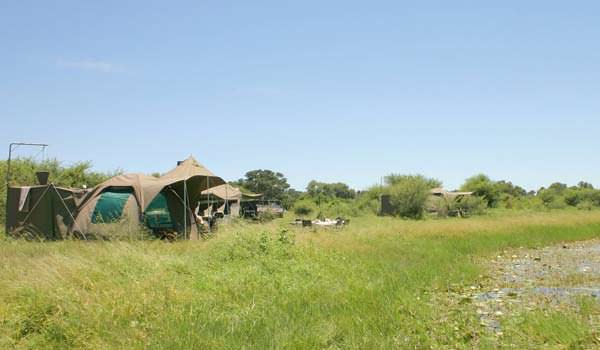
Many believe that an Okavango Delta safari is out of their reach due to budget constraints. While it’s certainly one of the more exclusive destinations in Africa, partly because of its remoteness, it can still be visited reasonably affordably. African Overland Tours offers budget safaris through Botswana and the Okavango Delta. They’re able to keep prices relatively low by offering camping accommodation and also simply by virtue of offering small-group scheduled tours. (I explain why this is the case in The big advantage of small group travel in Africa.)
Another key way to keep costs down is to travel there by road. The price tag for an Okavango Delta safari is often steep because folks want to fly into the nearest airport, and then fly right into the heart of the delta. By overlanding, you save on money and carbon emissions whilst also exposing yourself to a wider range of landscapes; you can better appreciate how truly remote the delta is, and how much of a surprise oasis it really is given the desert you must cross to reach it.
Finally, I must also point out that the green, rainy season is less crowded and offers better rates as a consequence. So those travelling on a budget should consider this time of year. That said, if you’re going to be camping, don’t forget about those regular afternoon downpours. It might therefore be better to consider budget lodge or glamping accommodation if visiting during the wet season.
The Botswanan Government regulates tourism within the delta pretty tightly in order to protect the integrity of this fragile ecosystem. Permanent structures and visitor numbers are limited. A happy consequence of this is that the evils of mass tourism are mostly kept at bay. Those who do make the effort to travel to this remote ecosystem are rewarded with an experience that feels wilder and more exclusive than many of the continent’s other famous safari destinations. It’s also brilliantly unique. If you have the chance to visit, do it!
Let’s be honest, booking your first safari is a mix of pure excitement and a healthy dose of “What have I gotten myself into?” You’ve seen the stunning photos, dreamed of the wildlife, but the reality of camping in the…
Africa is a tipping continent, so here’s a comprehensive guide on when, how, and how much to tip on safari Tipping is an established practice in African tourism. What’s more, many folks working in client-facing tourism service roles rely on…

Southern Africa is home to dozens of UNESCO World Heritage Sites – Here’s a List of 11 of the best From South Africa up to Malawi, and from Namibia on the west coast across to Mozambique, you can find many…
Southern Africa is where National Geographic documentaries come to life, where you’ll have experiences most people only see on television. From the world-famous Kruger National Park to the water wonderlands of the Okavango Delta, Southern Africa offers safari adventures and…
Ever heard of a country with elephants for neighbour’s and salt pans like moonscapes? Welcome to Botswana, a treasure trove of fascinating facts just waiting to be discovered! While we can speak about this incredible destination for hours, we thought…

To the rookie traveler, Maun holds little interest. At face value, it’s an outback town of tour operators and nondescript buildings sprawled out over kilometers with not much of a discernible center. The cows and dogs will look both ways…
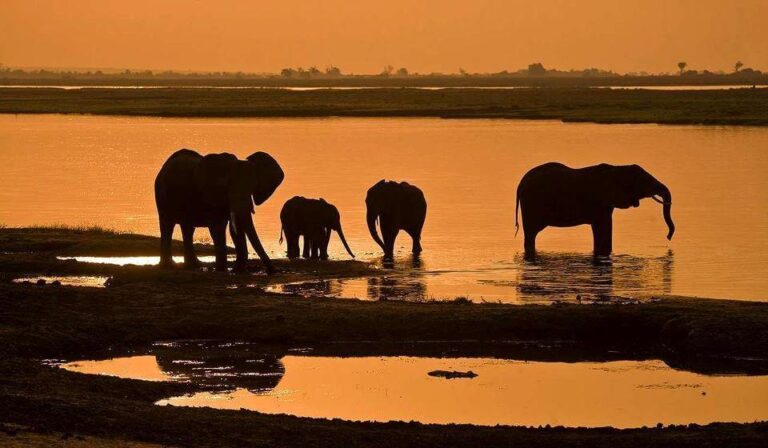
Chobe National Park in northern Botswana is one of the very top safari destinations in Africa thanks to its incredible concentration and diversity of large wildlife. In fact, it’s believed to have the highest density of elephants anywhere in the…
A Beginner’s Guide to Exploring the Okavango Delta
4
1
Price From
was
R56,950
R48,407
2

Price From
R100,334
3

Price From
R81,745
4
Price From
R49,155
"*" indicates required fields