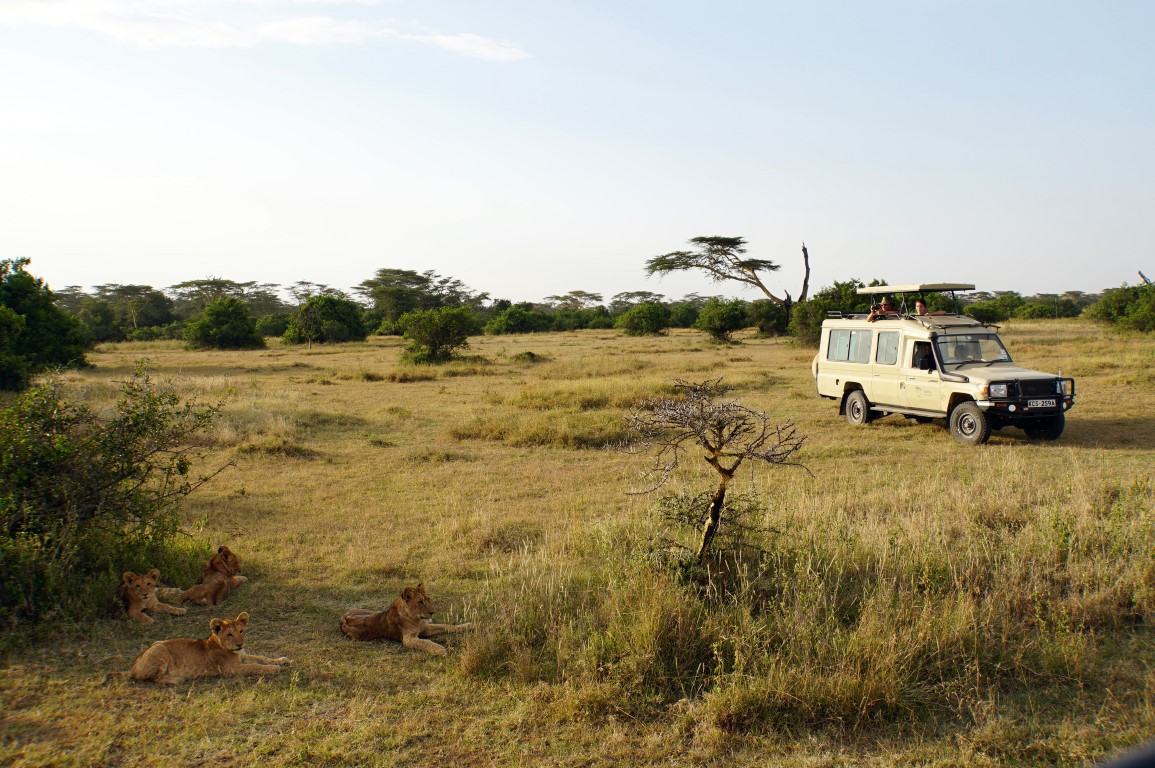
June is a fantastic month for an African safari as the rains have stopped but the crowds haven’t yet arrived
June is the start of the prime game-viewing season in Africa. But it’s also not fully peak season. This is, in many ways, its secret sauce.
June is a safari shoulder season
Never heard of a shoulder season? It’s the transitional period between a high and a low season in tourism.
For safaris in most parts of East and Southern Africa, June is a shoulder season as the long rains have come to an end and the climate is starting to settle into winter.
Winter is marked by cooler, stabler weather, so you have clear skies and good visibility, which are excellent for game-viewing. But because June is a shoulder season, meaning the weather isn’t quite as reliable as it’s soon going to be, the crowds of tourists haven’t yet swelled to their full size.
This situation means that June safaris offer many great perks.
Perks of going on safari in Africa in June
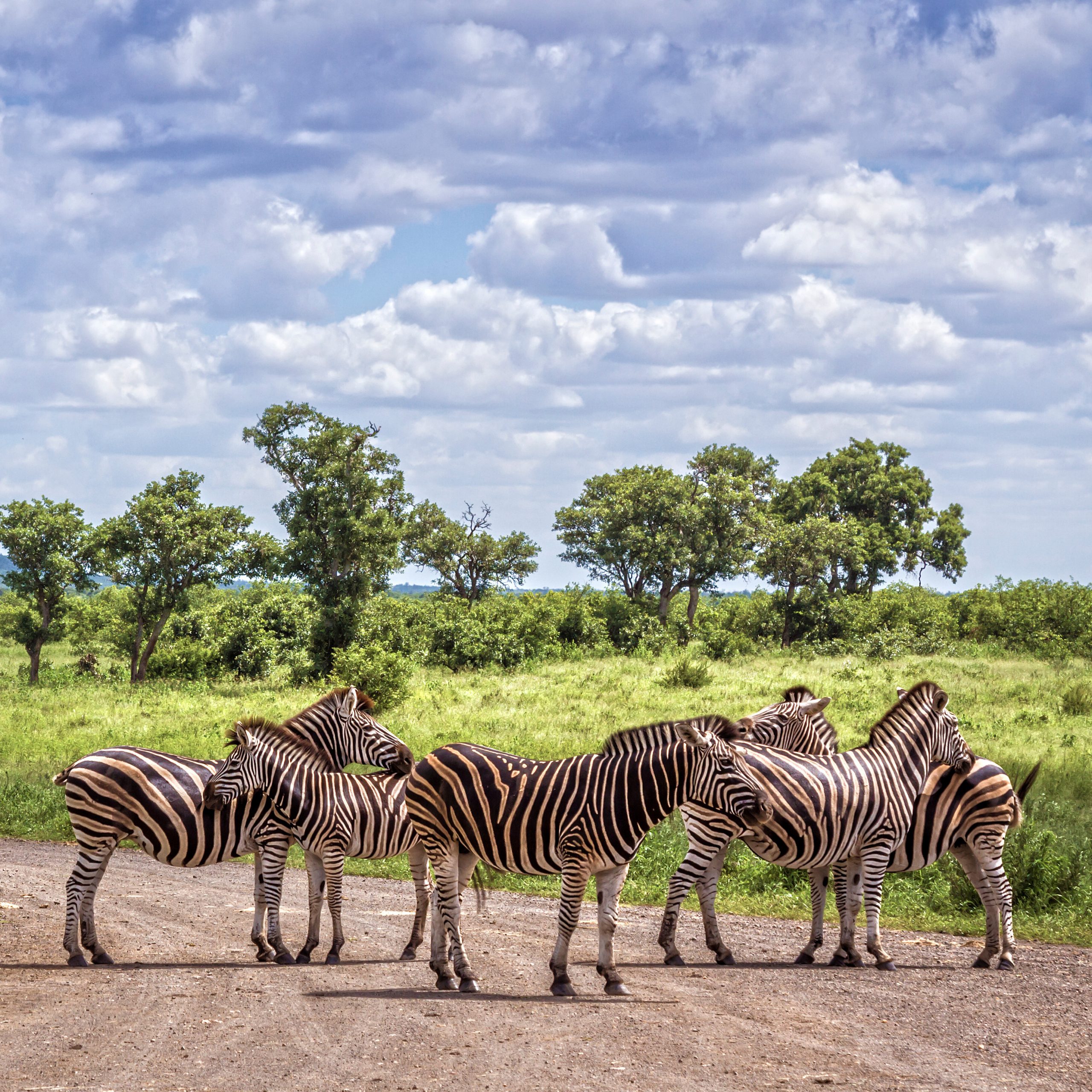
When you go on safari in Africa in June, you generally enjoy:
- Cooler days with less humidity and chilly nights are perfect for gathering around a fireplace
- Quieter game reserves, as the Northern Hemisphere isn’t yet on summer leave
- A pretty landscape, as the recent rains have left things green
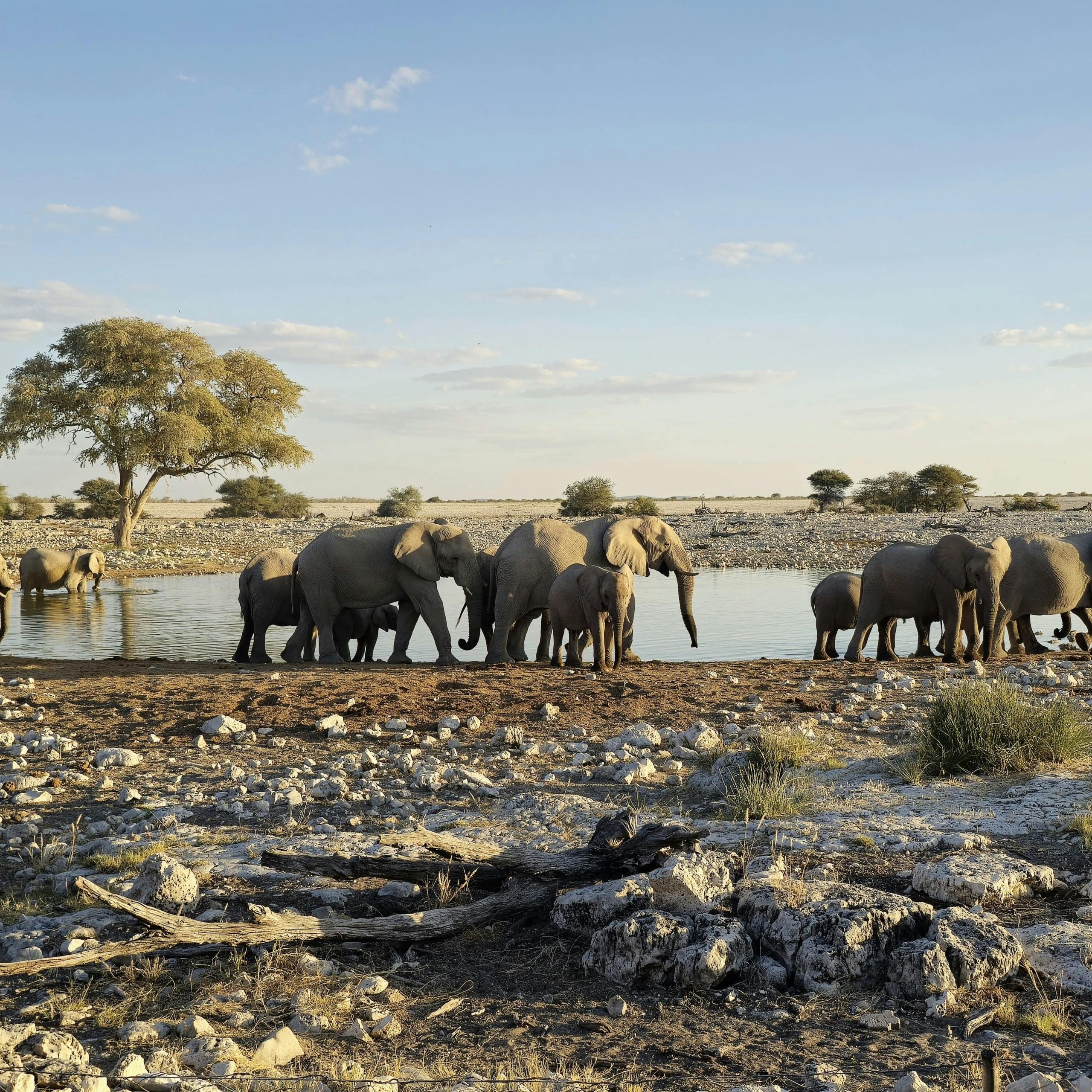
- Great wildlife sightings, as many of the animals are forced to start gathering around dwindling water resources
- Cheaper tour packages and accommodations
- A more sustainable trip, as you’re helping to spread the economic benefits of tourism outside of peak season
- A reduced environmental footprint, as peak season crowds can place a strain on resources
Top 5 places to go on safari in June
You can enjoy a great safari almost anywhere in Southern or East Africa in June. That said, there are a few places that aren’t at their best in June, like the Makgadikgadi Pans of Botswana. More to the point, however, is the fact that certain destinations have something extra special to offer at this time of year, or come with an extra safety benefit.
With this in mind, here’s my choice of five of the very best places to go on safari in Africa in June …
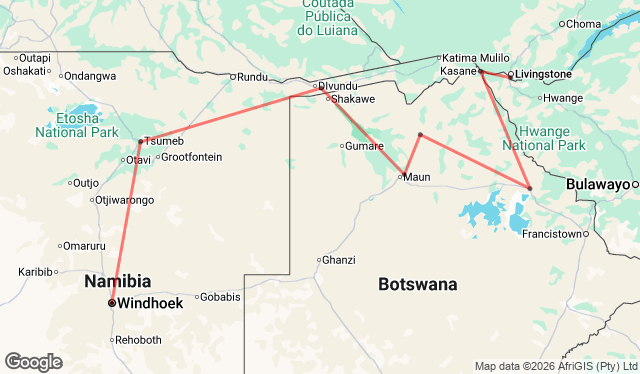
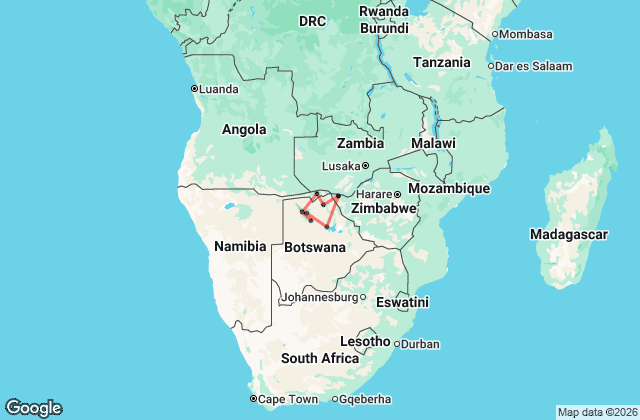
1. The Okavango Delta in Botswana
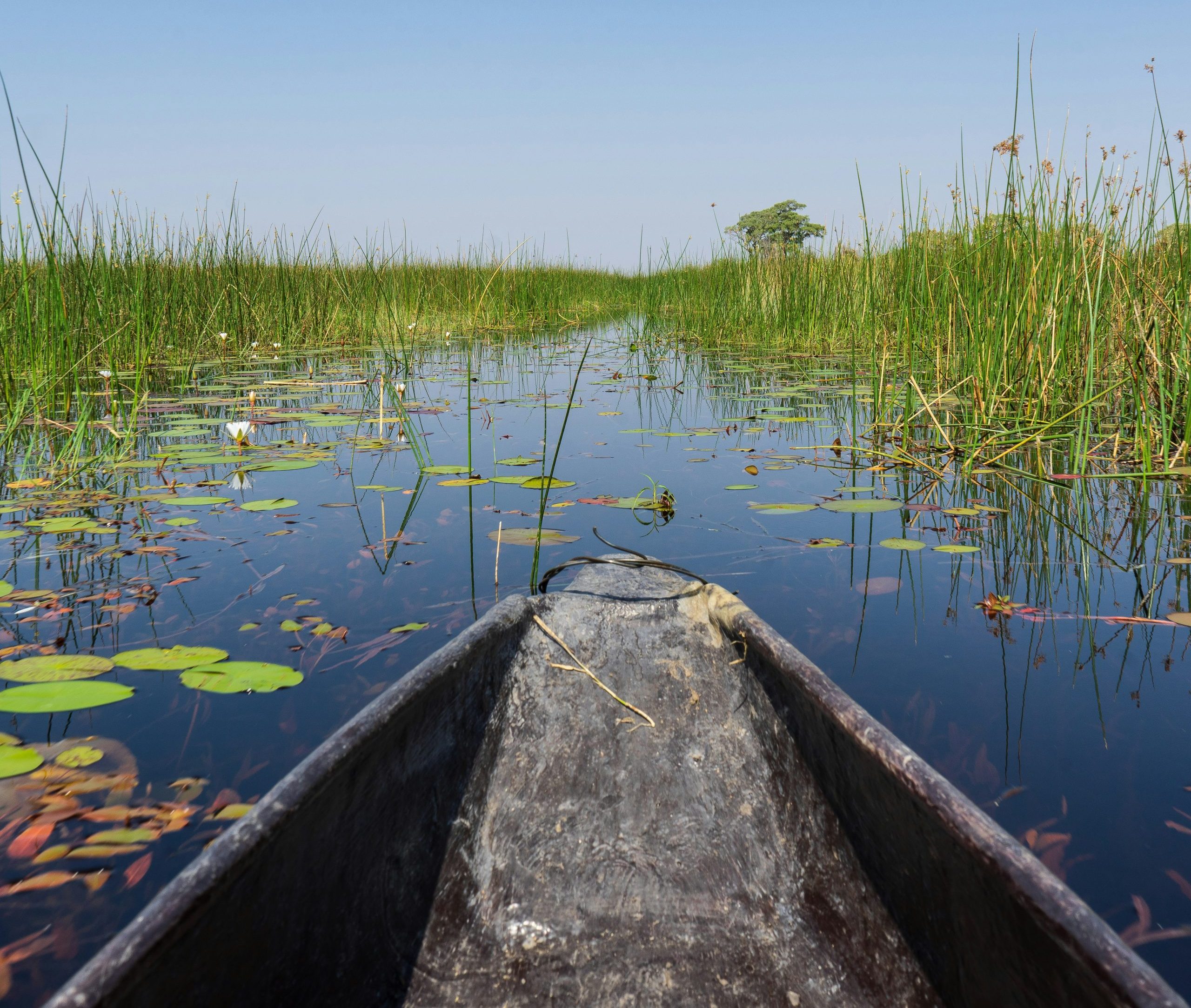
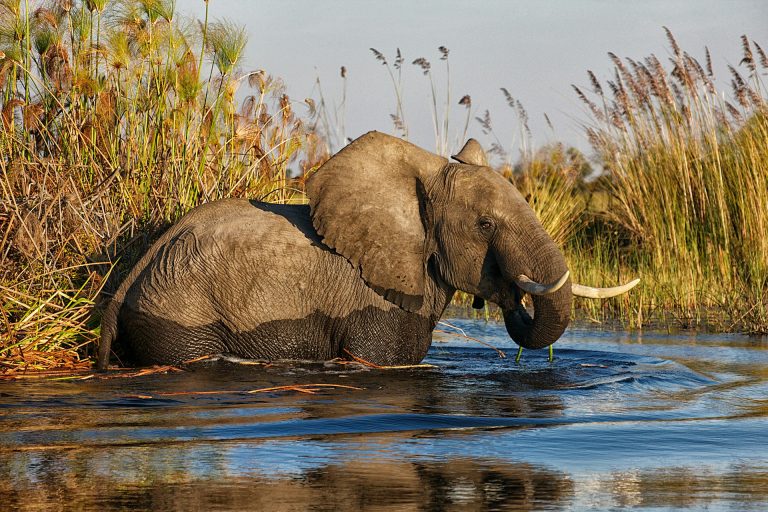
Most folks would agree that the ideal time to visit the Okavango Delta in northern Botswana is the dry season, which starts in June. This is because the dry season is when the floodwaters arrive, filling the delta’s floodplains. And this invites you to partake in various water-based safari activities.
In June, not only can you enjoy boat safaris on the perennial rivers and lakes, but you can also step into a dugout canoe (mokoro) and explore freshly created lakes and little channels among the reeds, where waterbirds, waterbucks, and other water-loving animals like to hang out.
This is also a great season for aerial game-viewing via a small plane or hot air balloon. These activities let you truly appreciate the vastness of the delta, and also marvel at the green-and-blue mosaic created by the influx of water.
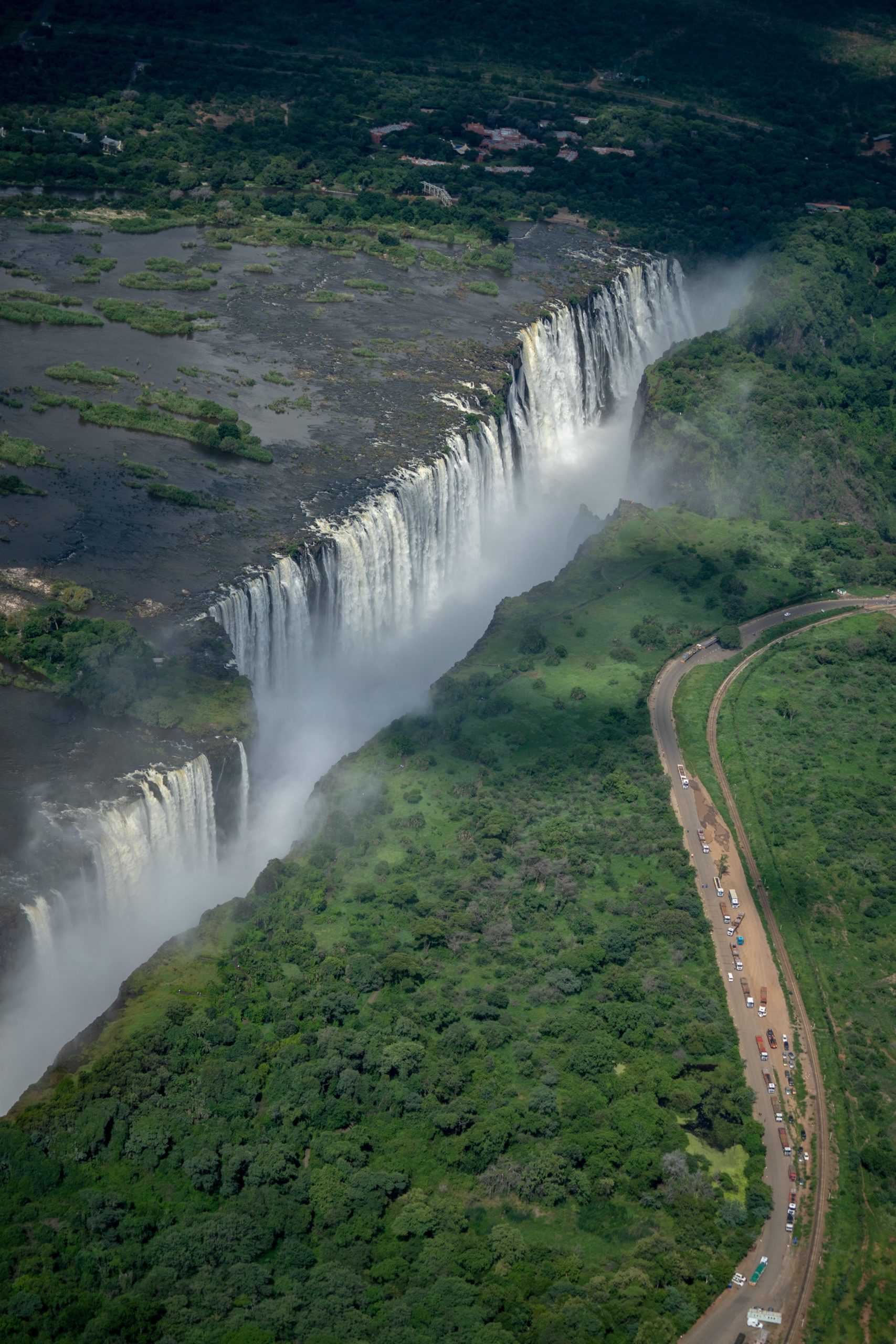
June is also a great month for safari if you’d like to pair a classic Okavango Delta experience like that discussed above with visiting Victoria Falls. The peak flood season for the falls is between April and May or June. The water level then starts dropping until November. In June, the flow is still strong, so this month offers a nice balance between peak conditions for both the Okavango Delta and Vic Falls.
Nature & Wildlife, Waterways & Wetlands, Big 5 Safari, Dramatic Vistas
Nature & Wildlife, Waterways & Wetlands, Wilderness Walks, Big 5 Safari, Dramatic Vistas
Nature & Wildlife, Waterways & Wetlands, Beach & Safari, Wilderness Walks, Cultural Immersion, Big 5 Safari, Dramatic Vistas
Nature & Wildlife, Waterways & Wetlands, Beach & Safari, Wilderness Walks, Cultural Immersion, Big 5 Safari, Top Beaches, Dramatic Vistas
Nature & Wildlife, Waterways & Wetlands, Beach & Safari, Wilderness Walks, Cultural Immersion, Big 5 Safari, Dramatic Vistas
Nature & Wildlife, Waterways & Wetlands, Beach & Safari, Wilderness Walks, Cultural Immersion, Big 5 Safari, Dramatic Vistas
Nature & Wildlife, Waterways & Wetlands, Wilderness Walks, Cultural Immersion, Big 5 Safari
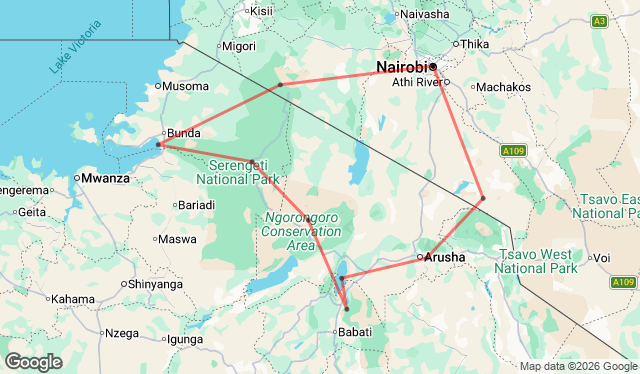
2. The Great Migration in Serengeti, Tanzania
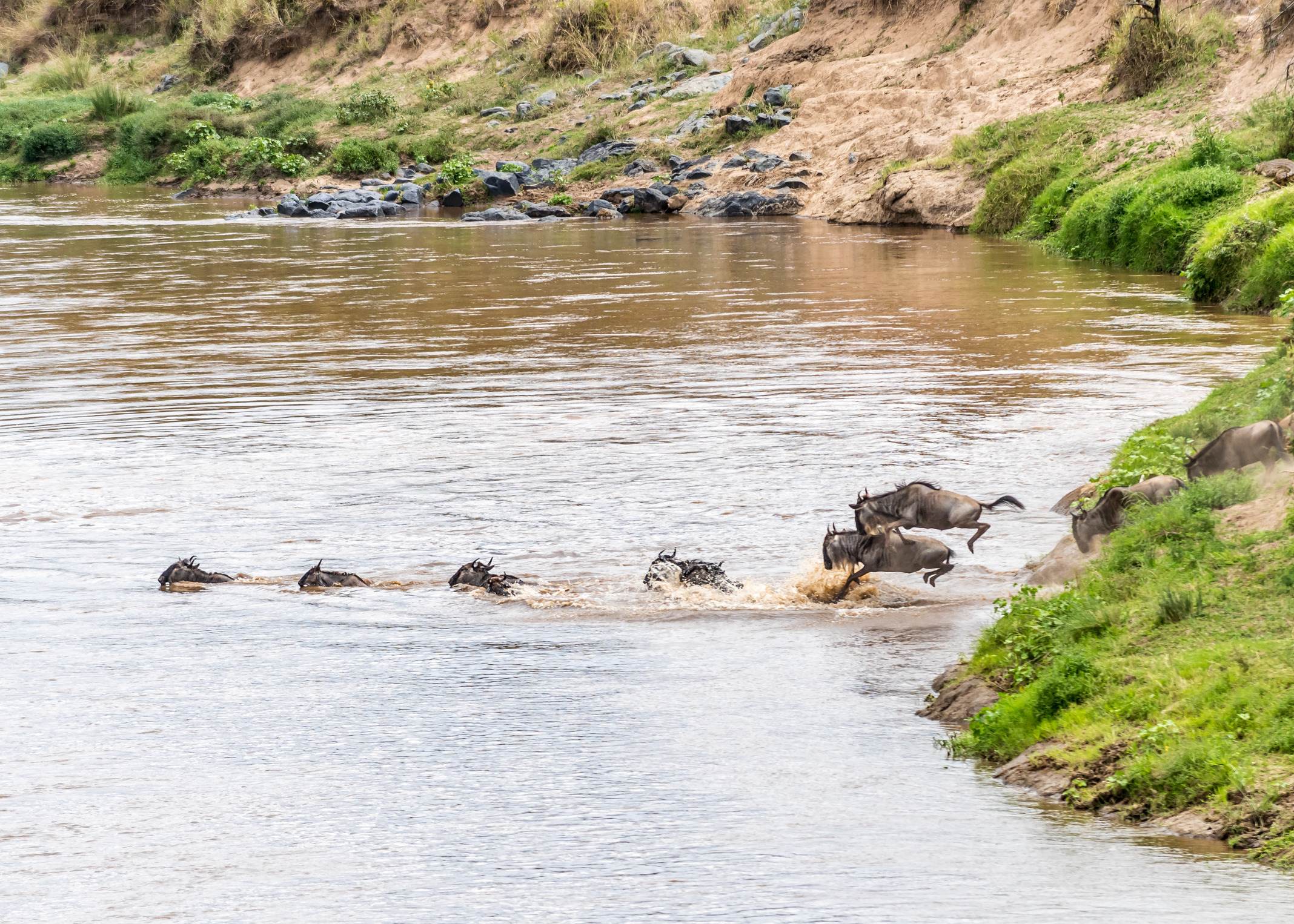
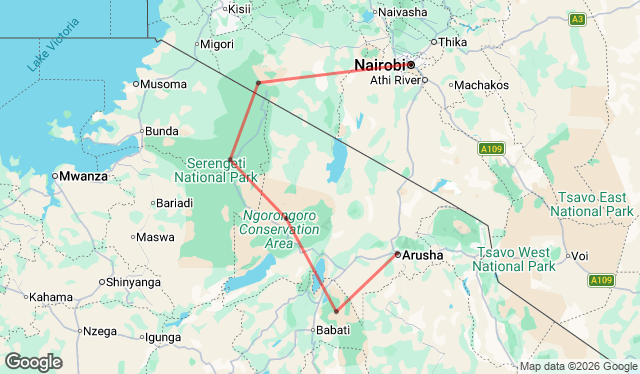
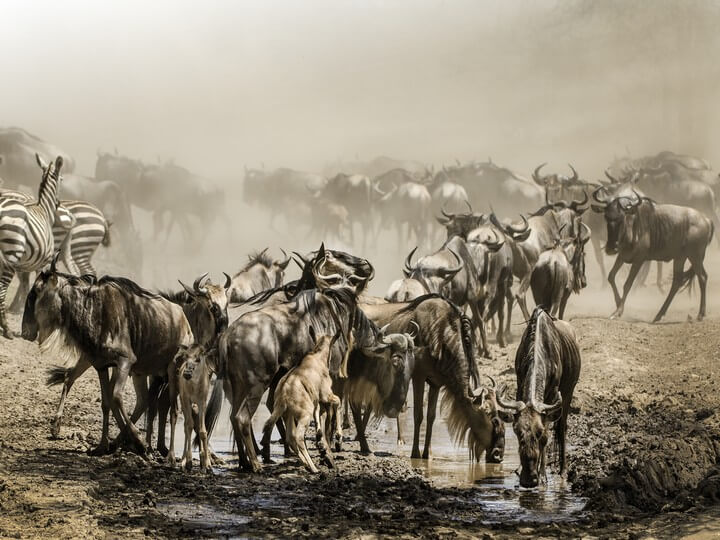
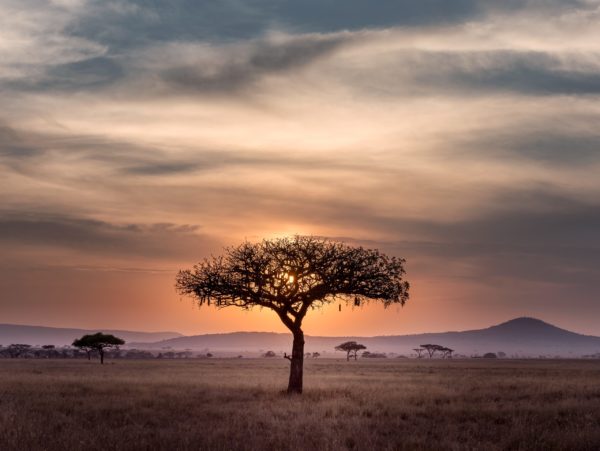
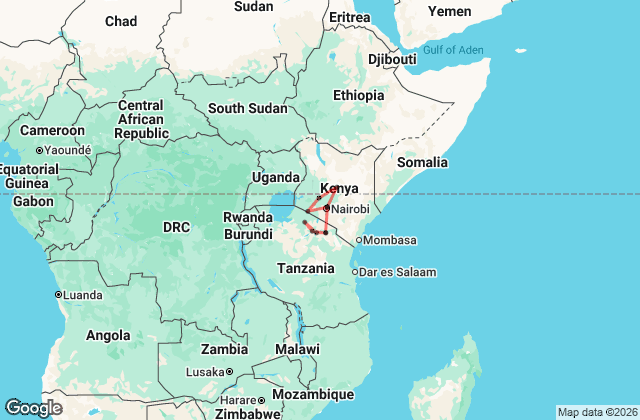
June is a great month to visit Serengeti National Park in northern Tanzania to see the Great Migration.
At this time of year, the enormous herds are on the move, heading north through the western sector of the park. Notably, they start to cross the Grumeti River, so there’s a good chance you’ll see this particularly famous and showstopping aspect of the Great Migration, which doesn’t take place during many months of the year.
Another great reason to choose June to visit the Great Migration over the more popular months of July to October is the very fact that it’s a less popular month. This means you’re not surrounded by as many other vehicles, which can block parts of your view.
In addition, and importantly, by choosing June, you’re not contributing towards the strain that peak season places on the Serengeti ecosystem. So it’s a more responsible month, so to speak.
Finally, I just want to reiterate that a June landscape is softer and prettier than it is in the ensuing few months, when everything browns. With plenty of grass still around, there’s also less dust.
Migration Safaris, Big 5 Safari, Cultural Immersion, Nature & Wildlife
Nature & Wildlife, Cultural Immersion, Big 5 Safari, Migration Safaris
3. Majete and other game reserves of Malawi
Many international tourists overlook Malawi, which is part of what makes it so special. It’s far less touristy and crowded in general, and this means you enjoy game-viewing experiences that feel wonderfully exclusive. In fact, a June safari in Malawi can feel like a low-season experience in terms of visitor numbers.
Majete Wildlife Reserve in the southwest of the country is one of the country’s top wildlife destinations. It’s a beautiful and biodiverse Big Five reserve where you find hills, savannah, woodlands, and chestnut and mahogany trees.
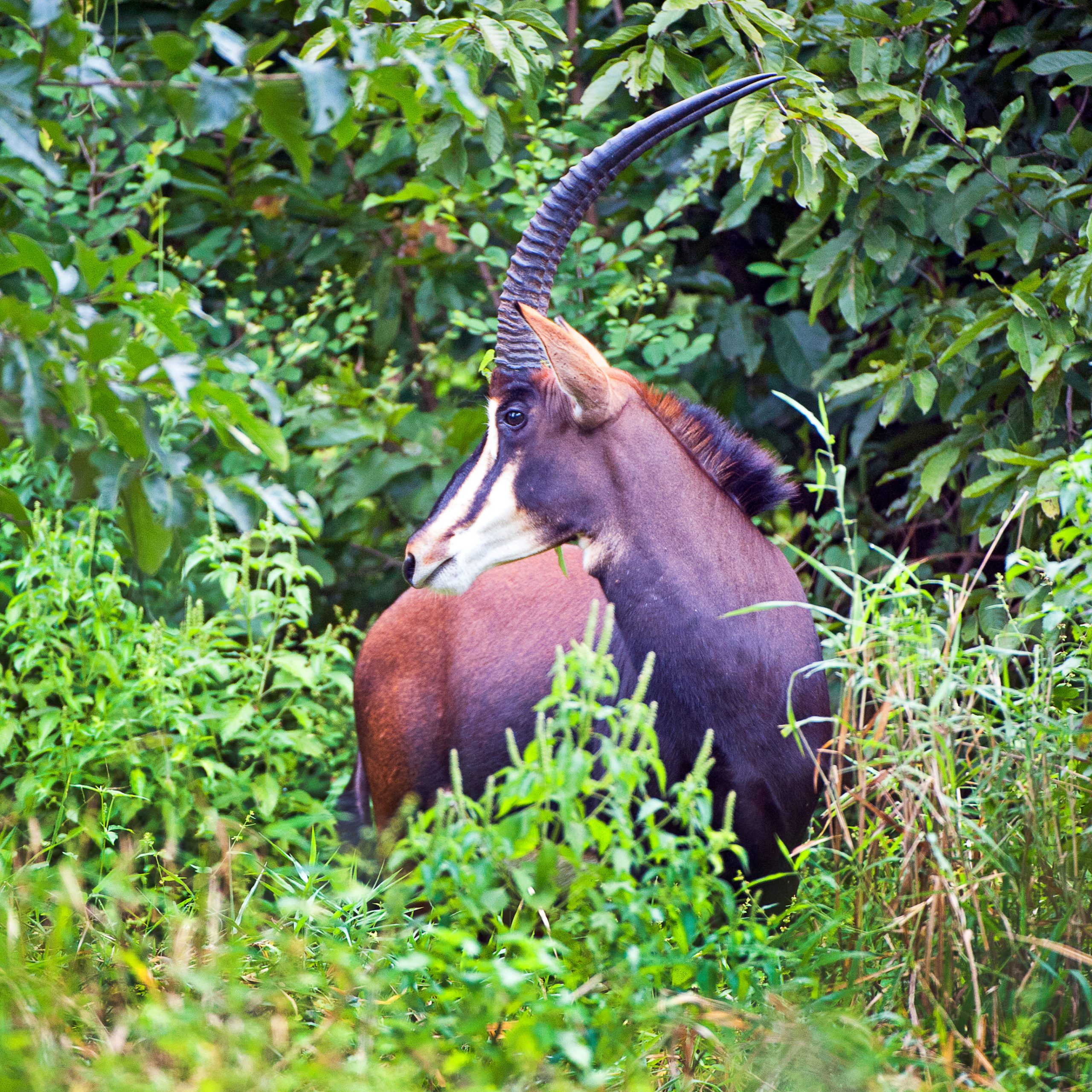
After some successful wildlife reintroductions, Majete now has the Big Five. It also supports healthy populations of painted wolves, giraffes, cheetahs, and sable antelopes. And it has over 300 recorded bird species, including African cuckoo hawks, Pel’s fishing owls, and racket-tailed rollers.
If you’re interested in being a responsible traveller, Majete – and Malawi as a whole – should most definitely be on your radar. I say this because, firstly, Majete is a truly great model of sustainable wildlife management, as it’s centred on a model of community involvement and investment. But in addition to this, and more generally, choosing to visit a more nascent safari destination like Malawi in a shoulder season month like June is a key way to help make tourism in Africa more inclusive and sustainable.
4. Great Limpopo Transfrontier Park in Southern Africa
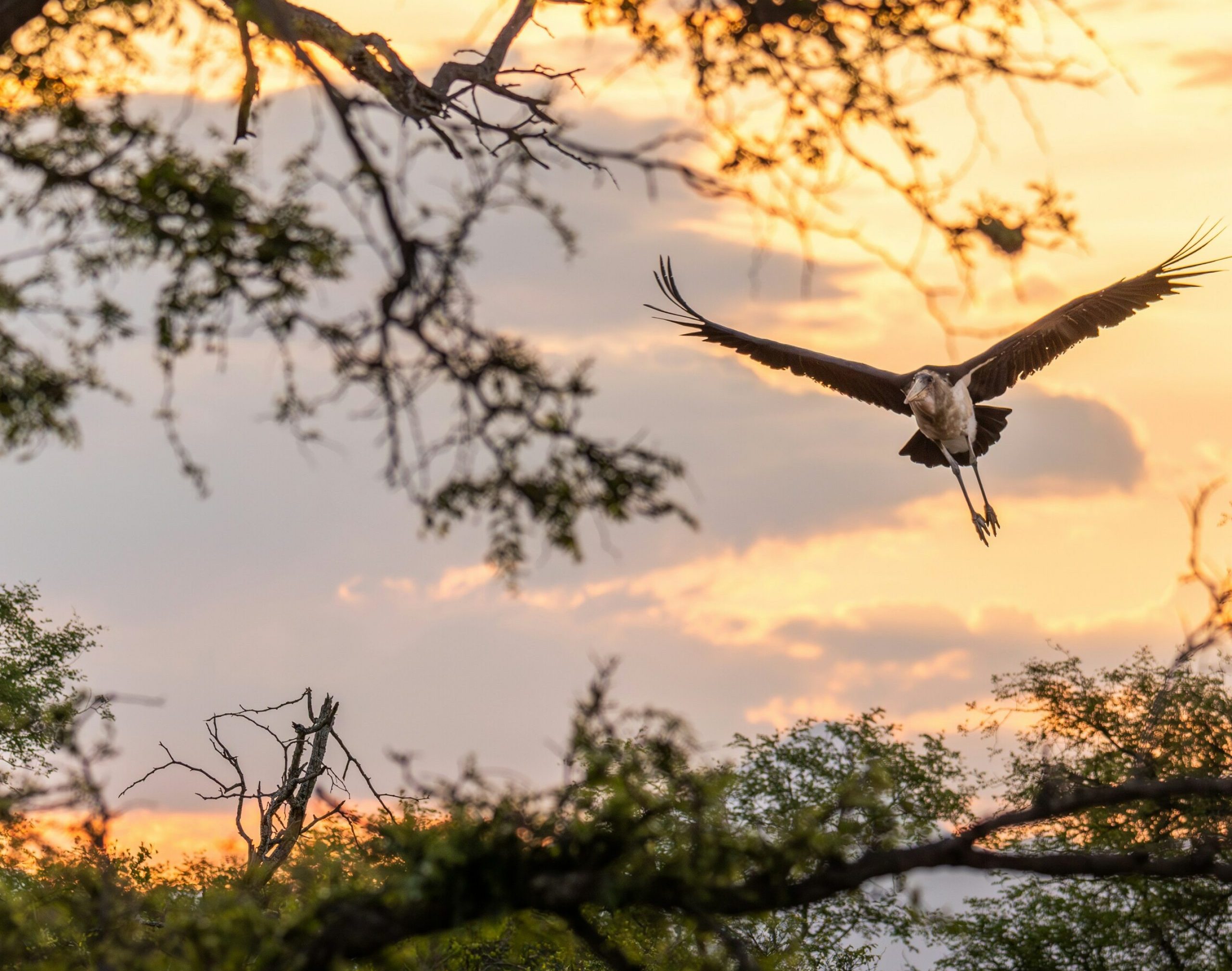
The Great Limpopo Transfrontier National Park is an enormous, fenceless transnational reserve that includes Kruger National Park in South Africa, Limpopo National Park in Mozambique, and Gonarezhou National Park in Zimbabwe, among others.
Safaris in any of these parks are utterly grand and rewarding. Kruger will be the busiest, but it’s the easiest to reach. If you’d like a quieter safari, head to Zimbabwe or Mozambique.
The landscapes of this transitional park range from mountains to endless grassy plains, wetlands, forests, woodlands, and more. It’s a true wildlife sanctuary and biodiversity hotspot, harbouring roughly 150 mammal species (including the Big Five) and over 500 bird species.
Importantly, June is the start of the short window when you can visit the park and the risk of contracting malaria is low. This is because the territory is on the edge of Africa’s malaria zone, and in winter, its mosquitoes are mostly dormant.
Speak with your GP to be sure, but many choose not to take prophylactics if visiting the region in June. Most simply use anti-bug spray and also cover up (which you often want to do anyway, given the cooler temperatures). This is an especially important consideration if you’re wanting to go on safari in Africa with small kids.
5. Mountain gorilla, chimp, and monkey parks of Rwanda or Uganda

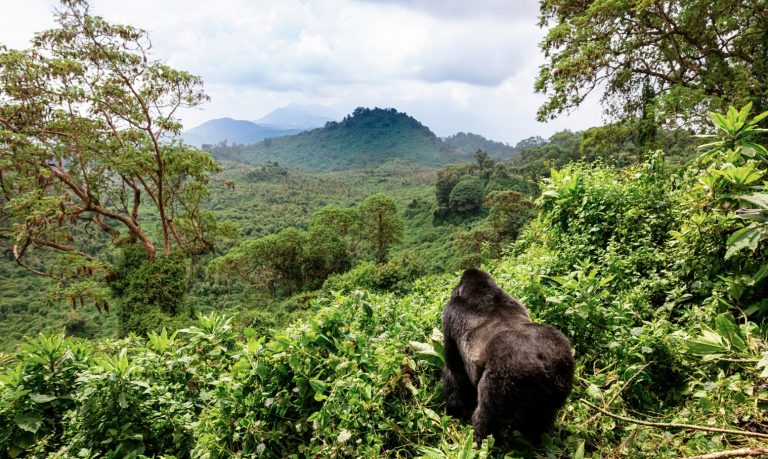
East Africa is home to many rare and endemic primates. Most notably, there’s the endangered mountain gorilla, which lives in only a handful of pockets within the mountains on the Rwanda–Uganda–DRC border region.
To find the gorillas, as well as many of the region’s other primates, you need to hike into their dense jungle homes, which are often up in the mountains. Given that June is the start of the drier season, this is a great time to tackle such a trek so that you’re less likely to spend your time slipping and sliding in mud.
Note that you also need a permit to visit some of the primates, like mountain gorillas, golden monkeys, and chimpanzees. These permits can sell out many months in advance, but they’re naturally easier to obtain outside of the true peak season.
You can go chimpanzee tracking in various places in East Africa. But for mountain gorillas, you must choose between Bwindi Impenetrable National Park and Mgahinga Gorilla National Park in southwest Uganda or Volcanoes National Park in northwest Rwanda. Both Mgahinga and Volcanoes also offer golden monkey tracking.
If you’re all about the primates, however, consider also heading to beautiful Nyungwe Forest National Park in southwest Rwanda. This mountainous and rainforest-clad reserve hosts a whopping 13 primate species! These include chimpanzees, angola colobuses, silver monkeys, L’Hoest’s monkeys, and owl-faced monkeys.
Nyungwe also has a suspended canopy walkway that’s wonderful for primate and also bird spotting. And there’s even a thrilling zipline. These activities require the clear skies of a month like June for good visibility and safety.
Nature & Wildlife, Wilderness Walks, Gorilla Trekking, Big 5 Safari, Migration Safaris, Chimp Trekking
Nature & Wildlife, Beach & Safari, Gorilla Trekking, Migration Safaris, Top Beaches, Chimp Trekking
Note: This blog post was first written in 2014 by Sarah Duff. It was completely rewritten in 2026 by Megan Abigail White.