

African Overland Tours
https://www.facebook.com/AfricanOverlandTourscom/
https://www.instagram.com/african_overland_tours/
https://www.youtube.com/@africanoverlandtoursandsafaris
+27 (0) 21 448 0997
Customer Service
Worldwide

African Overland Tours
https://www.facebook.com/AfricanOverlandTourscom/
https://www.instagram.com/african_overland_tours/
https://www.youtube.com/@africanoverlandtoursandsafaris
+27 (0) 21 448 0997
Customer Service
Worldwide
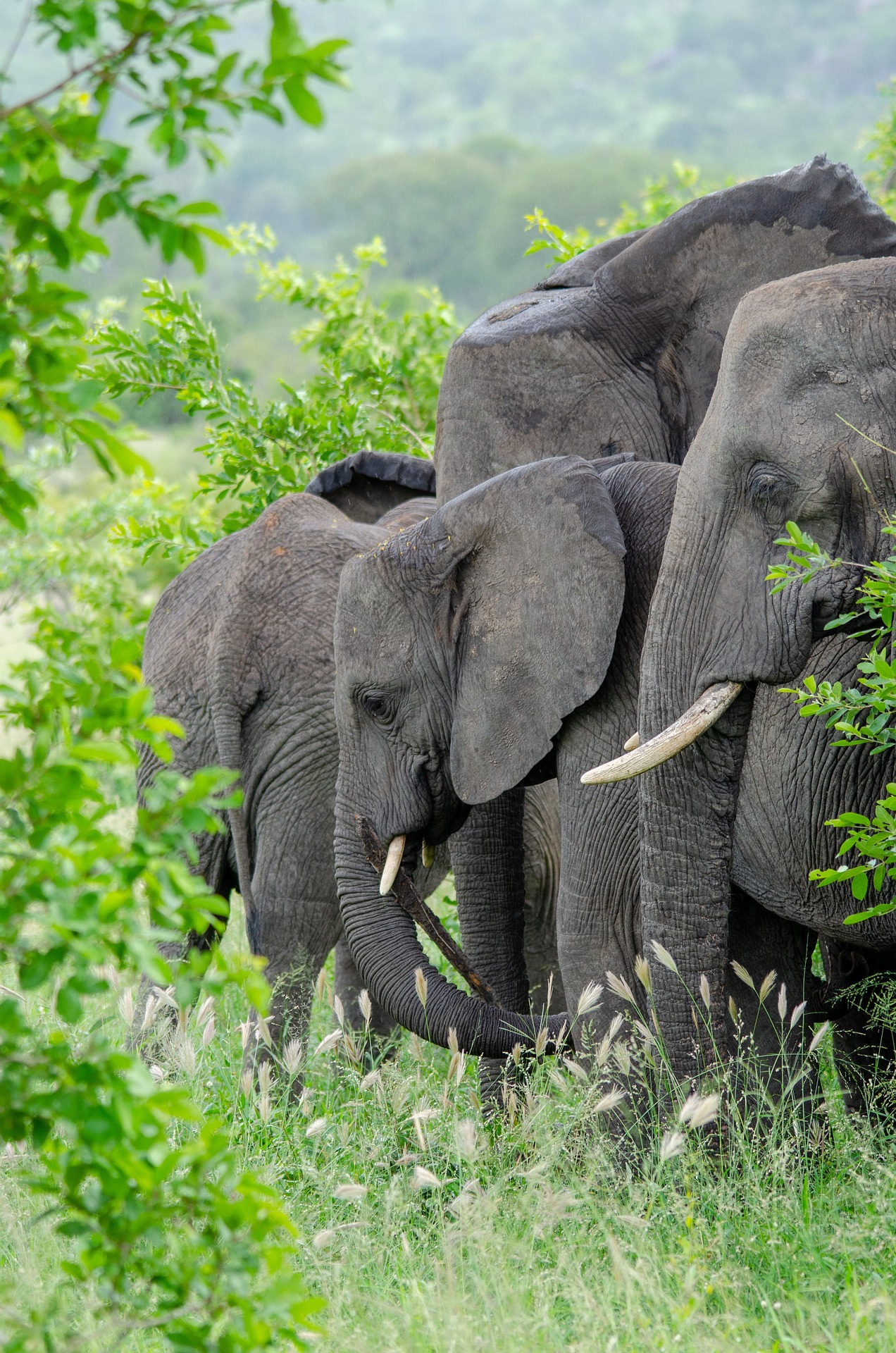
Kruger National Park is one of Africa’s most affordable game parks, making it a great option for budget travellers
South Africa’s flagship game reserve, Kruger National Park, offers the quintessential African big-game safari experience. The Kruger’s vastness and diverse ecosystems are able to support a true abundance of wildlife. This includes the Big Five, other fan favourites like zebras, cheetahs, and giraffes, and over 500 species of birds. It’s these boasts that have made the Kruger one of Africa’s most well-known and beloved national parks. And that’s why everyone who hasn’t yet visited wants to go!
Happily, there are many ways to save money when visiting the Kruger. What’s more, it’s actually a far cheaper park in general than some similarly lauded reserves like the Serengeti and Masai Mara. Here’s why …
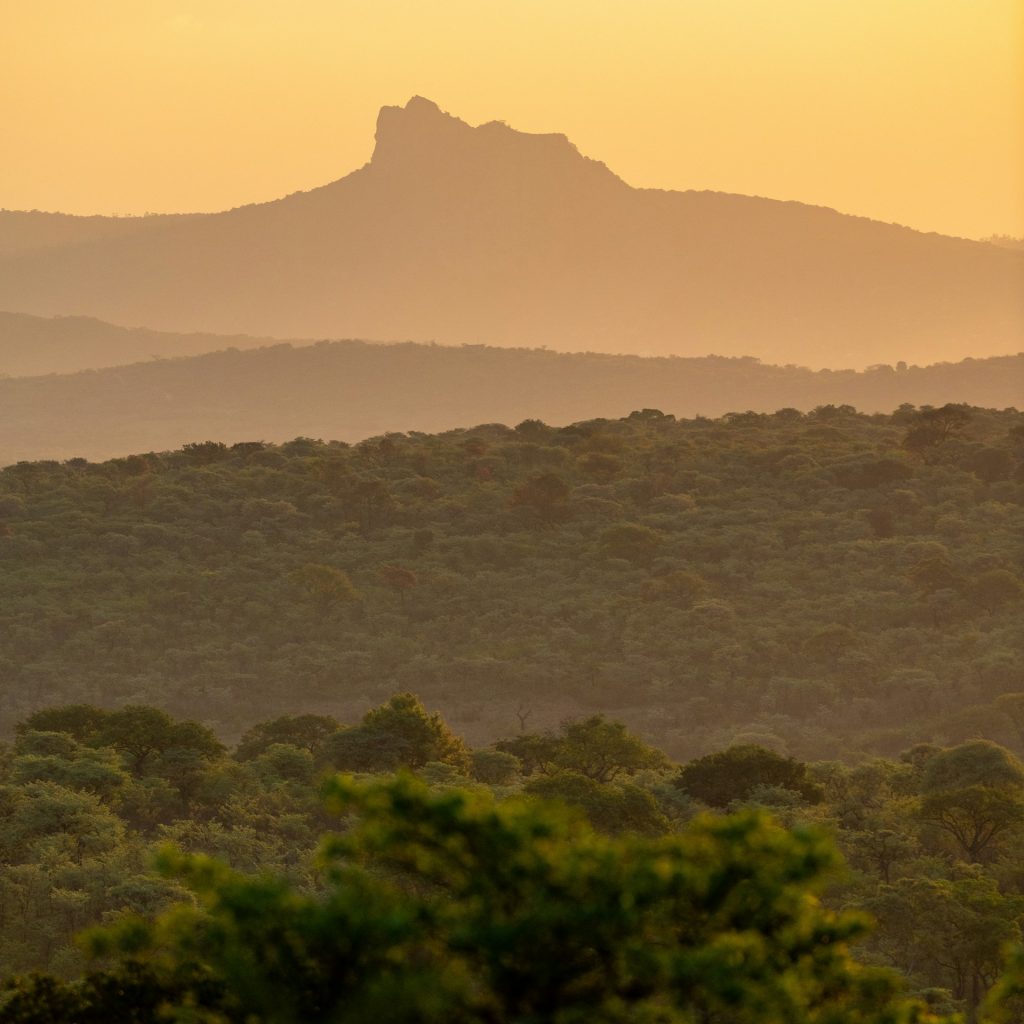
One of the biggest costs involved in visiting many of Africa’s best national parks and game reserves is the daily entrance fee. The Masai Mara in Kenya, for instance, currently requires foreign adults to pay US$100 per day for the low season, while high season is US$200. The Kruger, by contrast, costs just R602 (or US$37) per international adult, regardless of season. (Note that you must also pay a daily conservation fee of R134, or US$8.)
So if you’re planning a budget safari trip but still want to go big, so to speak, the Kruger is your place.
That said, the Kruger, like most game parks, can be visited in sumptuous style or on a shoestring. With this in mind, here are some specific ways to ensure your visit to Kruger National Park stays within budget …
I have six tips for keeping your Kruger costs low, but a quick heads up: if you follow Tip #6, you don’t really need to pay attention to any of the others!
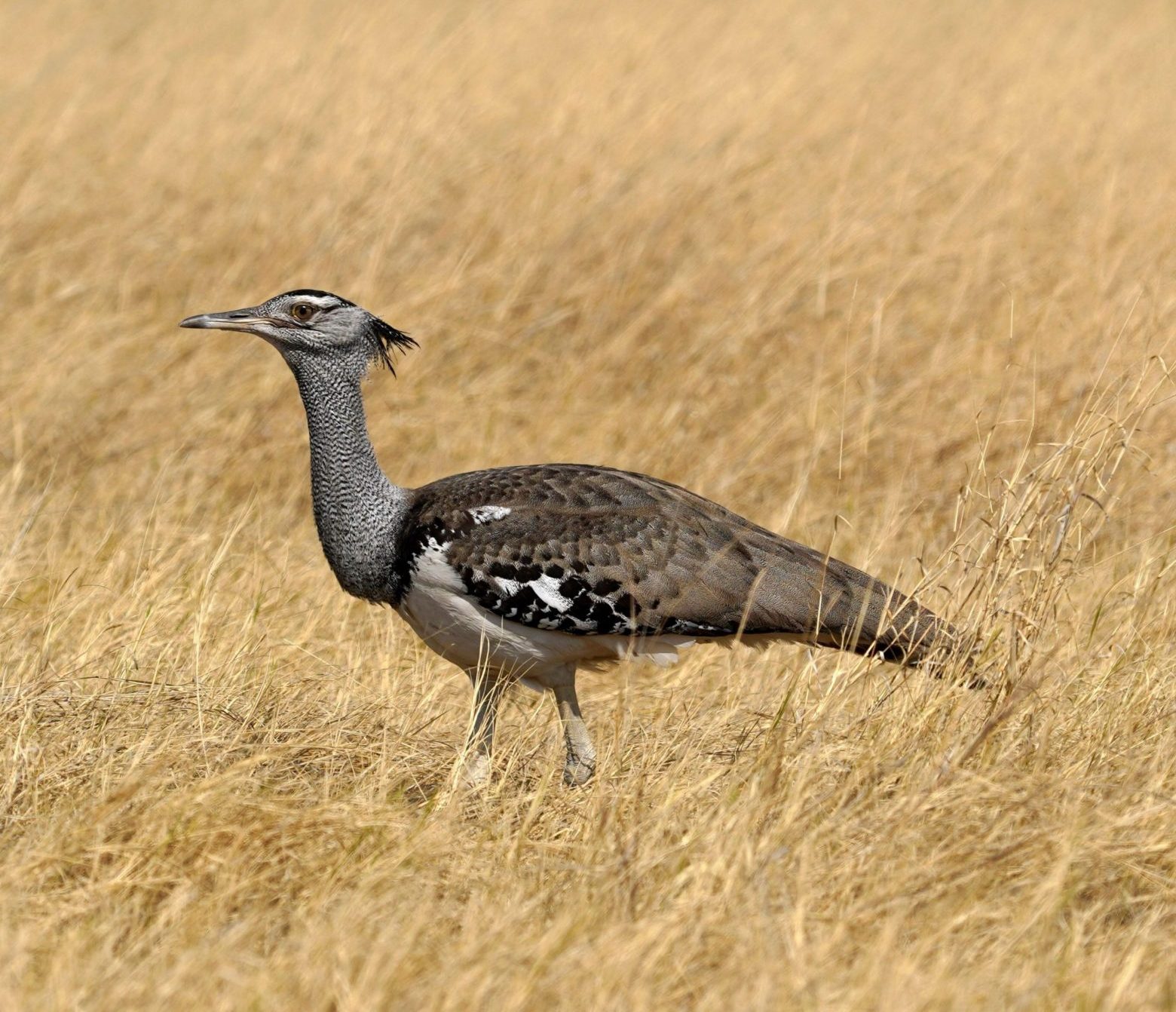
As with many parks around the world, you pay less if you visit in an off-peak or shoulder season. This is because you generally can find cheaper accommodation, flights, and car rentals.
With Kruger National Park, the off-peak (or low) season is between October and May. But I must say, wildlife viewing in Kruger is excellent no matter when in the year you visit.
Most folks like to visit the Kruger between June and October (peak season) because it’s winter, so the days are cooler. The vegetation is also sparser in winter, making animals easier to spot. But off-peak season is an ideal time to visit, for various reasons. Not only are things cheaper, but October to March is when all the migrant birds are present, pushing the bird species count to more than 500. Summer is also calving season, so you’re going to see spindly-legged little wildebeests, zebras, impalas, and other antelopes learning to walk and run. Finally, but not least in my opinion, spring brings the rains, which cause the vegetation to bounce back. Kruger covered in green and wildflowers is a beautiful sight!
Having mentioned the rains, I must point out that, unlike some parks in Africa, Kruger doesn’t close for the rains and remains highly accessible throughout the year. The park’s main roads are tarred, so they’re unaffected by regular rains. Some of the park’s gravel and dirt roads can be impacted after heavy rains, of course, but that doesn’t mean you can’t still go on safari using the other roads. What’s more, the rains tend to come as short, intense afternoon thundershowers that bring relief from the heat, wash everything clean, and create dramatic skyscapes that are heaven to photograph.
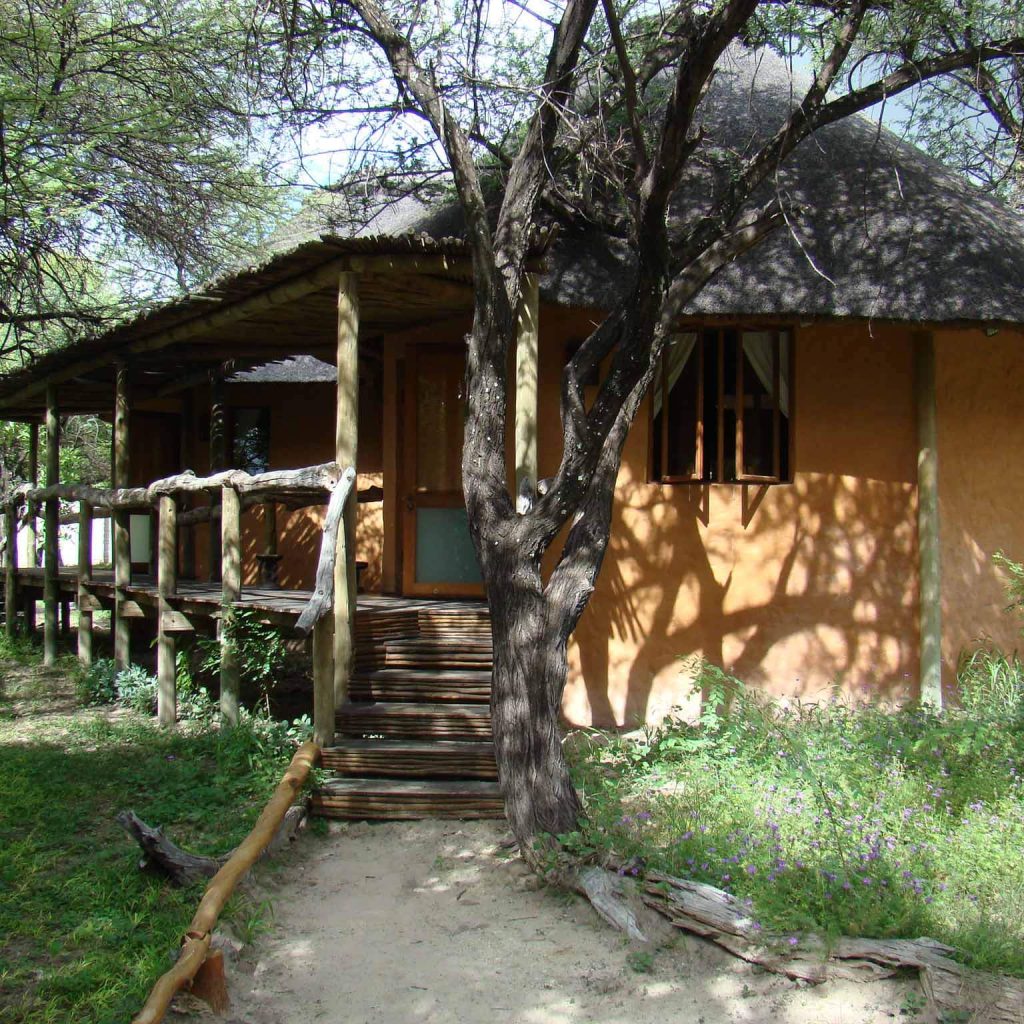
Kruger National Park has no shortage of budget accommodation choices.
This is especially true if you’re happy to stay just outside of the park. There are many affordable B&Bs, self-catering chalets, and budget lodges right on the doorstep of Kruger. This is the best option if you’re really looking to save some pennies.
If you want to stay inside Kruger, however, there are various types of rest camps to choose from scattered throughout the park. All of the major ones come with electricity. And all bush camps have basic braai (barbecue) grills for cooking your food.
The absolutely cheapest option is a campsite where you pitch your own tent.
If you’d like a little more comfort or ease than staying in a tent but still keeping costs low, there’s a range of other budget-friendly options. You can choose between basic huts or chalets as well as permanent, furnished tents (aka glamping).
It’s difficult to give figures for accommodation in and around Kruger, given the great range of options and also the fact that prices are seasonal. But a bush camp site within Kruger during the low season where you bring your own tent could come in as low as about R400 (or US$25) per night. If you’re sharing a tent, that would further bring down costs.
Of course, as with most things, like flights, you can usually save money if you book your accommodation in advance. On the flip side, if you have a stomach for gambling, you could look for last-minute deals; in the low season, this might pay off.
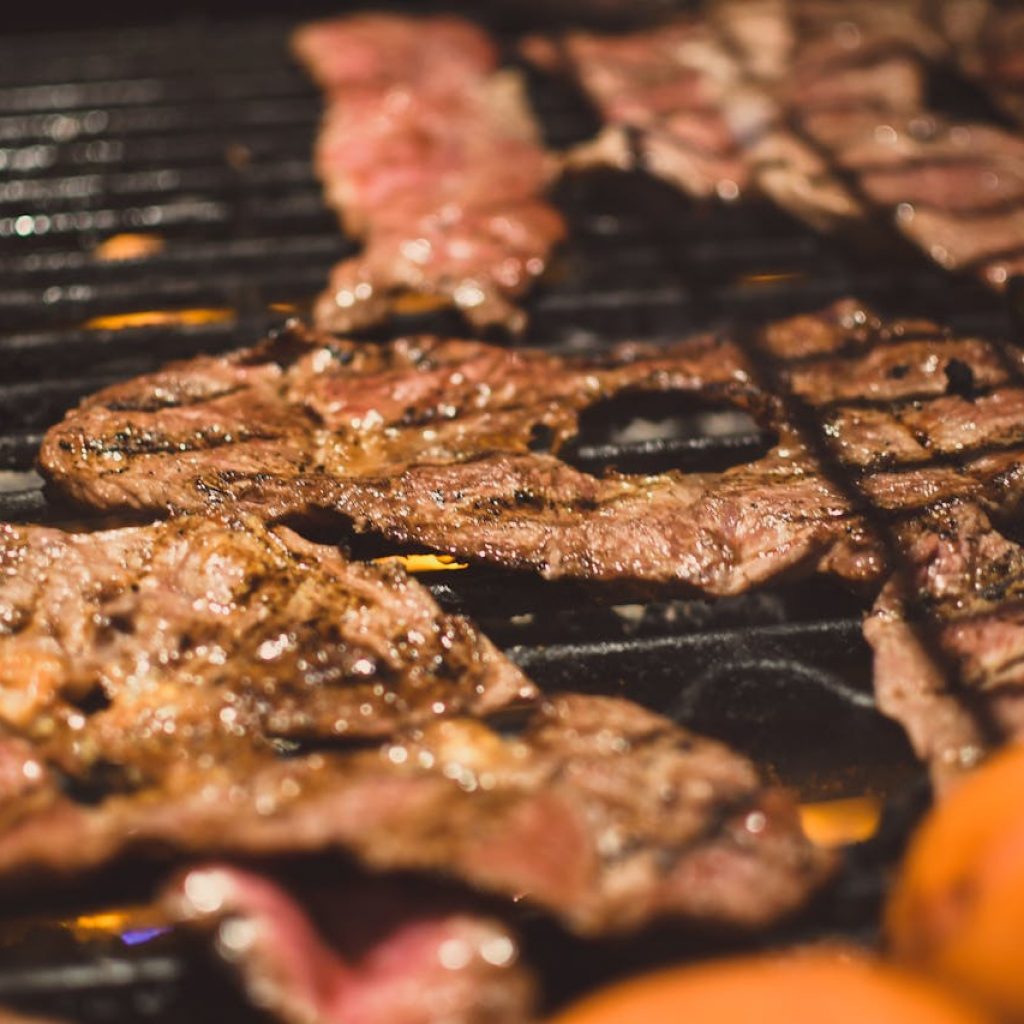
There are numerous eateries within Kruger National Park. They range from fancy restaurants to modest cafés. But eating inside the park is pricier than normal, in large part because all food has to be transported from quite a distance. Some of the establishments have lovely settings and views, so perhaps consider eating out on just one or two occasions if your budget extends to that just for the experience. But overall, to save money, you should bring your own snacks to the park and cook your own meals.
There are shops inside Kruger where you can buy fresh produce and long-life items. But again, the markup on these items will be noticeable. If you really want to do Kruger National Park on a budget, then do your grocery shopping in the city or one of the surrounding towns before heading into the park.
As mentioned, if you go the camping route, the bush camps have braai (barbecue) facilities you can use to cook your food. So you don’t need to arrange your own cooking equipment.

There are ways to keep your costs down even on an organised safari. Note, for starters, that organised safaris charge per vehicle, not per person. So you want to book a group safari, not a private one.
With African Overland Tours, you explore the park in an open-top 4×4. Only a few people can fit into each vehicle, so it really is a fairly intimate experience, even if not strictly speaking private.
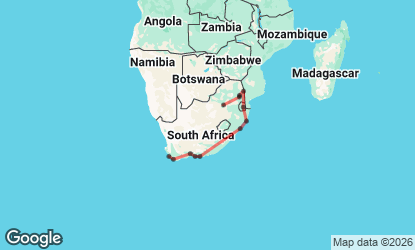

Price From
R66,230
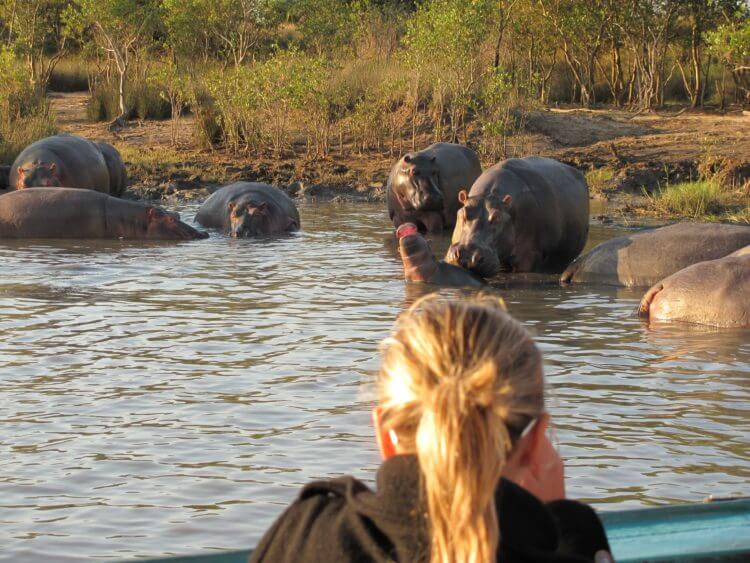
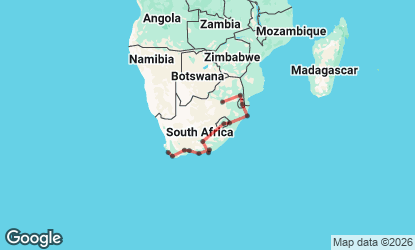
Price From
was
R69,950
R62,955
It takes four to five hours to drive the nearly 400 km (250 miles) from the international airport in Johannesburg to Kruger. There are also quick, cheap flights to airports or airstrips in or near Kruger that you can take. These flights do save on time and can be cheaper than driving (it just depends on how you choose to do the drive).
That said, I can’t in good conscience recommend choosing a flight over driving, as it’s short-haul flights that are the most problematic environmentally. This is because it’s take-offs and landings that are the real pollutants.
The way to approach ground transport to make it cheaper than a transfer flight is to opt for shared transport as part of a tour package. There are many tour companies (African Overland Tours among them) that offer packages that include shared transport to and from Johannesburg. This is usually in a small bus. The combination of a package deal and shared transport makes this the most affordable way to reach Kruger.
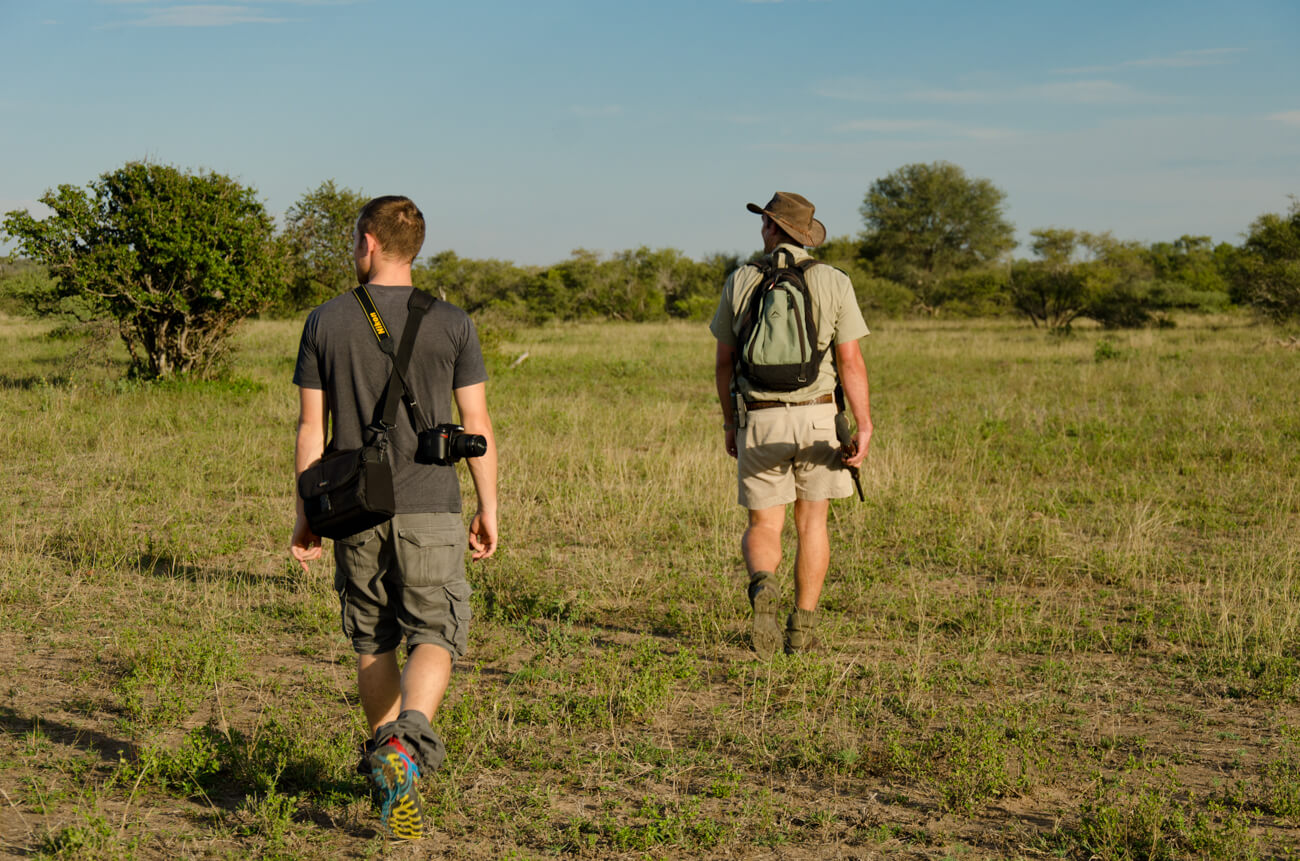
There are many rewarding experiences on offer at Kruger National Park and its adjacent reserves. These include bush walks, night-time safari drives, stargazing, mountain biking, horse-riding safaris, and tracking experiences. Also, just because you’re looking into a budget safari, doesn’t mean you might not be able or willing to splurge on a more expensive activity if it’s an especially memorable one, like a hot air balloon ride.
The best advice I can give with regards to finding affordable or the best-priced activities is to research different options and operators early on. In this way you can set up alerts or keep your eyes open for discounts, bundle specials, and the like. Group activities will almost always be more affordable than private options, so include that in your search too.
As mentioned, if you book your Kruger safari with a tour operator, you needn’t pay attention to any other advice in this post! This is because the whole point of a budget tour operator is to do all the planning, deal-hunting, and booking for you.
Let’s look at the two main advantages of visiting the Kruger with a tour operator – both of which potentially keep more money in your wallet.
Firstly, while it’s often possible to cut travel costs by doing things yourself, you’re also taking on a greater burden in terms of time and admin. So perhaps ask yourself: what is your time worth? For many workers, time equals money.
Further to this, tour operators often have access to group and other discounts that aren’t available to the public. So sometimes a tour operator can be more cost-effective than independent travel, even after their fee.
Secondly, I can’t overstate the safety advantages of travelling with a reputable tour operator.
The Kruger is vast and highly remote. If your vehicle breaks down en route or within the park, for instance, you’re not getting swift roadside assistance on a self-drive. You could well be spending the night in your vehicle, in fact. With a tour operator, however, there are other company vehicles nearby that could come to assist you. And they won’t charge for this. Solo travel can quickly become very expensive if things go wrong.
Ultimately, you need to weigh the safety, discount, time, and other benefits of using a tour operator against the potential savings of independent travel. It’s a personal decision, of course. You might like to read The big advantage of small group travel in Africa to help you think through everything.
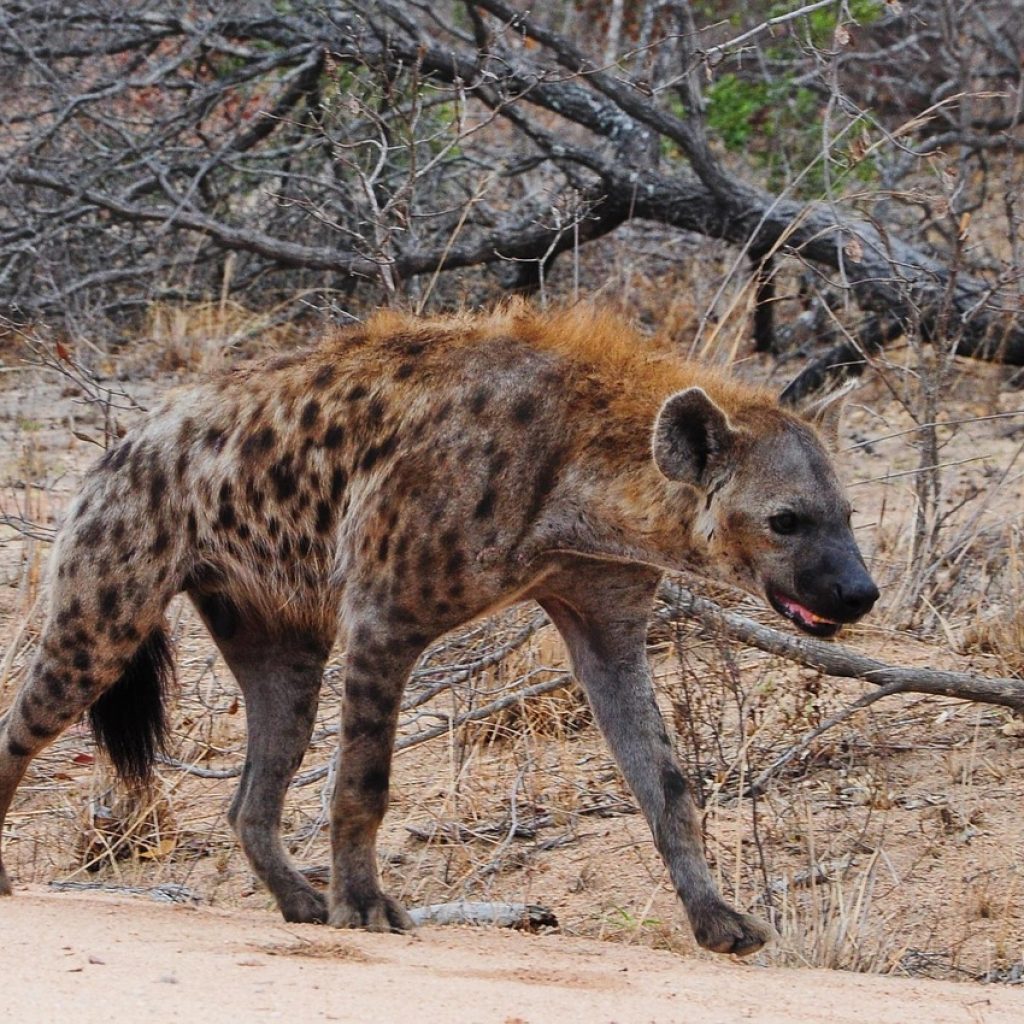
Inspired to plan a Kruger National Park trip? Check out these Kruger budget safaris on offer by African Overland Tours.
Note: This blog post was written by Sarah Duff and published on 29 April 2024. On 20 January 2026 it was completely rewritten by Megan Abigail White.
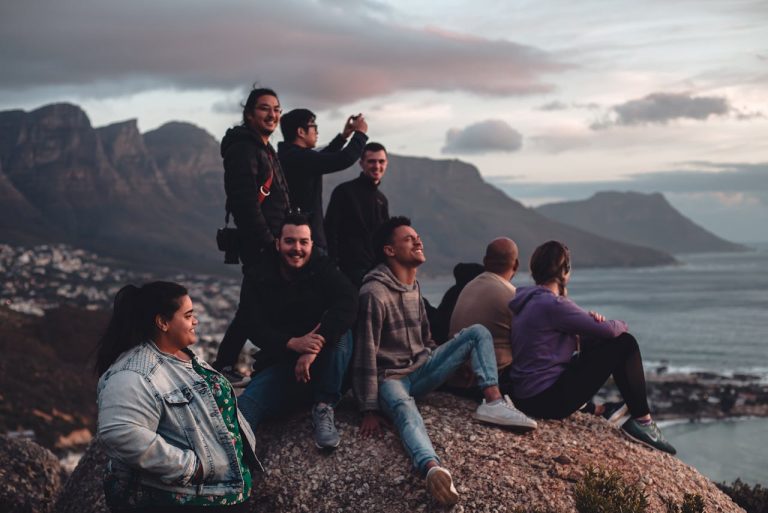
So you want to go travelling in Africa? Of course you do! But there are different ways to do it. And some are smarter than others, as they’re safer, more cost-effective, more immersive and sustainable, and just more fun. The…

Going on an African safari holiday is for many, the trip of a lifetime – something they’ve planned for and saved up for years. It’s understandable then that people want to return home with some spectacular photos to show their…

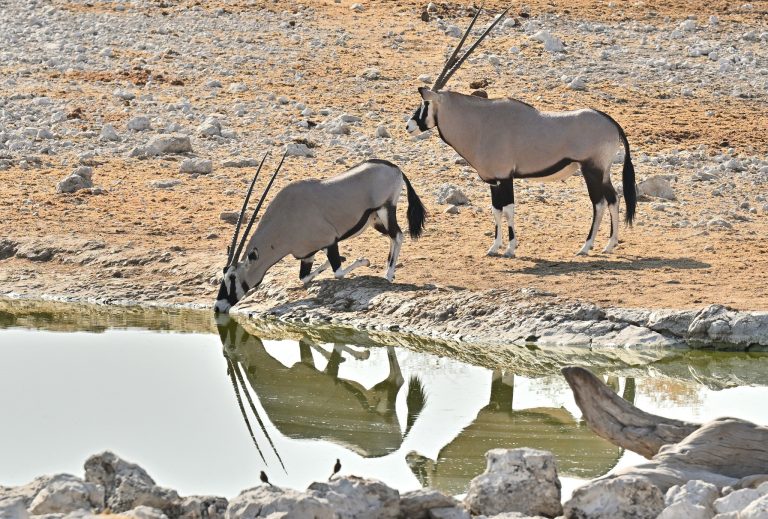
Southern Africa is where National Geographic documentaries come to life, where you’ll have experiences most people only see on television. From the world-famous Kruger National Park to the water wonderlands of the Okavango Delta, Southern Africa offers safari adventures and…
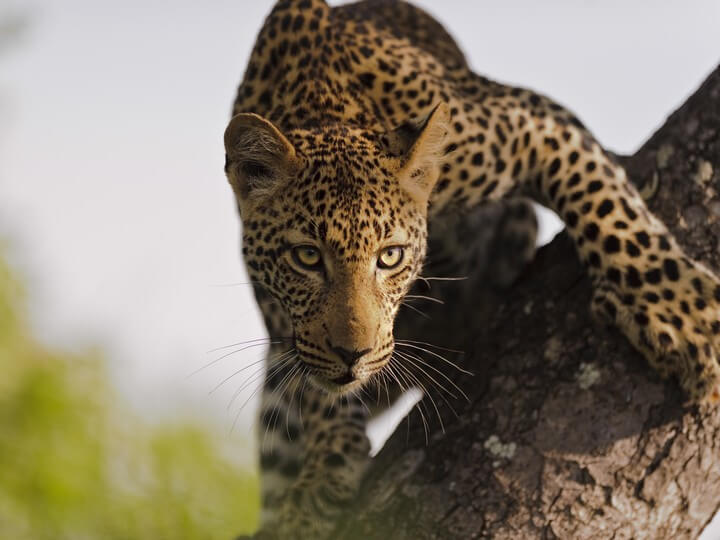
Nestled in the northeastern corner of South Africa lies Kruger National Park, a sprawling wilderness sanctuary that beckons explorers from around the globe. Stretching across nearly 20,000 square kilometres, this iconic park is renowned for its rich biodiversity and breathtaking…

So, you’ve decided to go overlanding in Africa but you’re looking at the hundreds of options of overlanding trips and feeling a bit overwhelmed? We’re here to help you choose! Here’s our guide on how to choose the best African…
How to travel to Kruger National Park on a budget
5
1
Price From
R57,125
3

Price From
R53,950
4
Price From
was
R58,950
R47,160
5
Price From
R72,499

"*" indicates required fields