Tanzania is one of Africa’s top destinations for safaris, mountain trekking, history and culture, culinary surprises, and more. Here are seven highlights of Tanzania to help anyone planning a holiday there.
There’s so much to do and see in Tanzania, a country almost twice the size of Spain. So how do you decide what to prioritise? Certainly, the country’s renowned beauty, natural wonders, and wildlife should feature heavily in any itinerary. With that in mind, let’s start this list of seven highlights of Tanzania with its most famous wildlife park …
1. Witness the Great Migration in the Serengeti
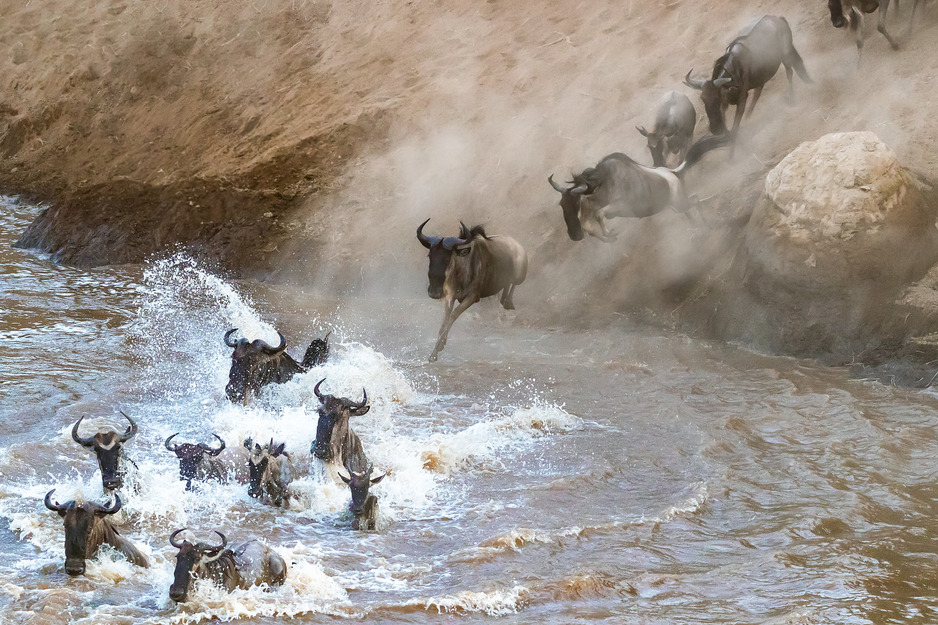
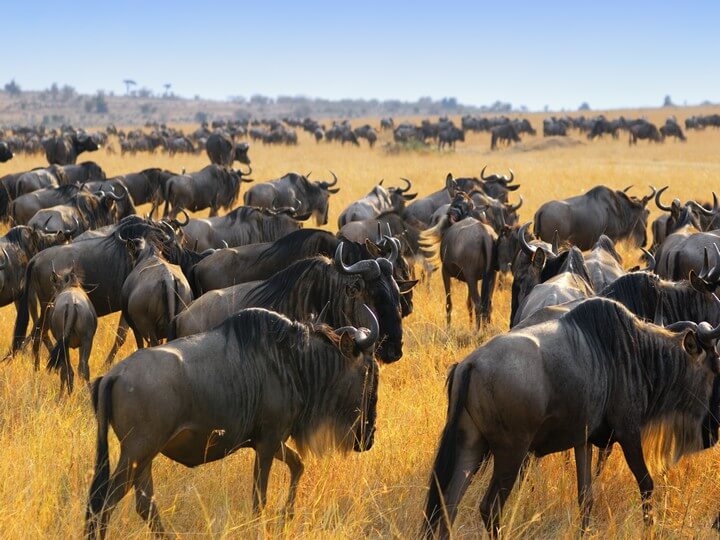
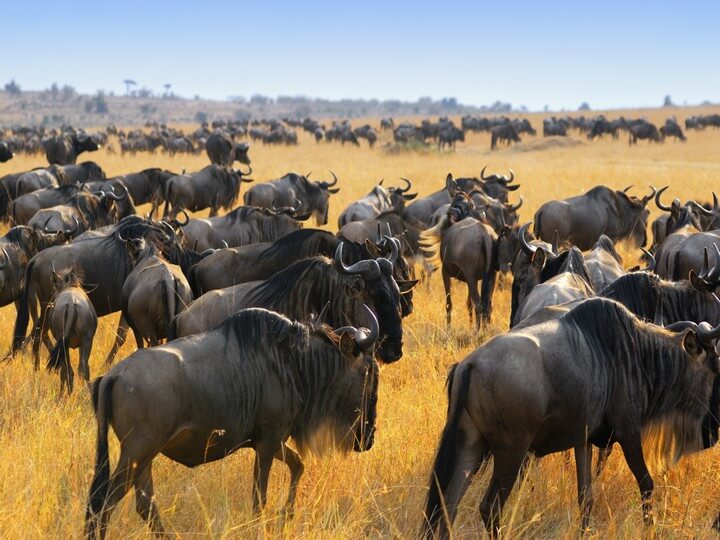
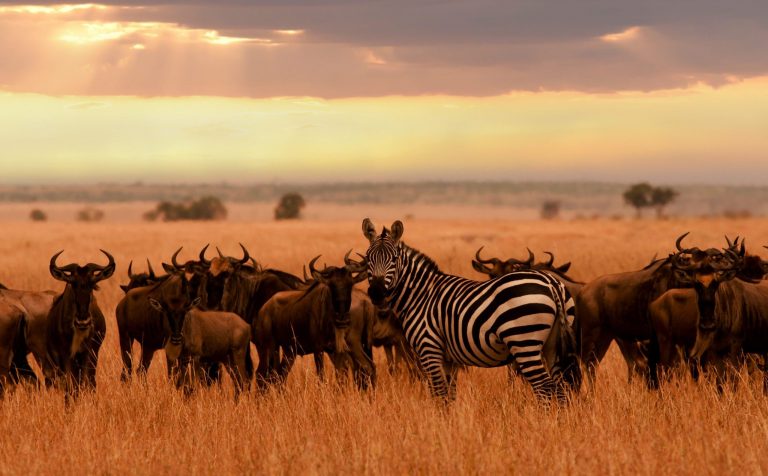
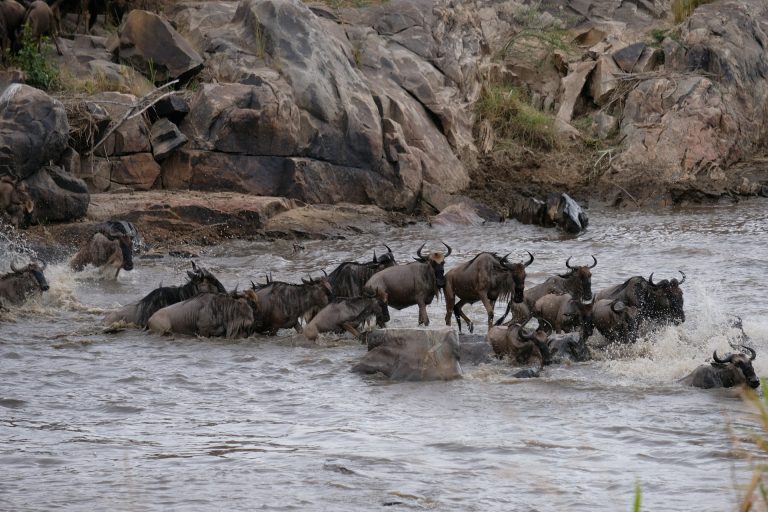
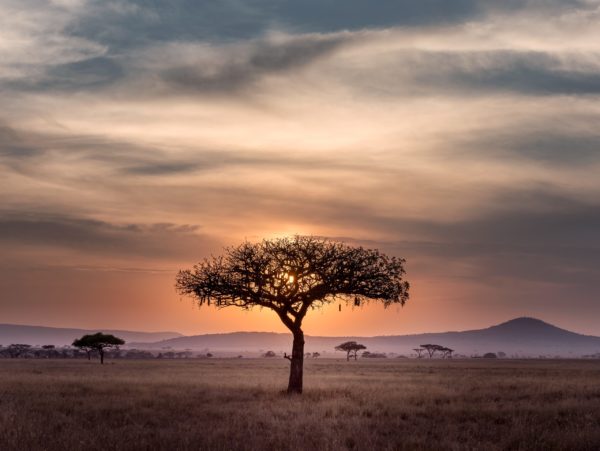
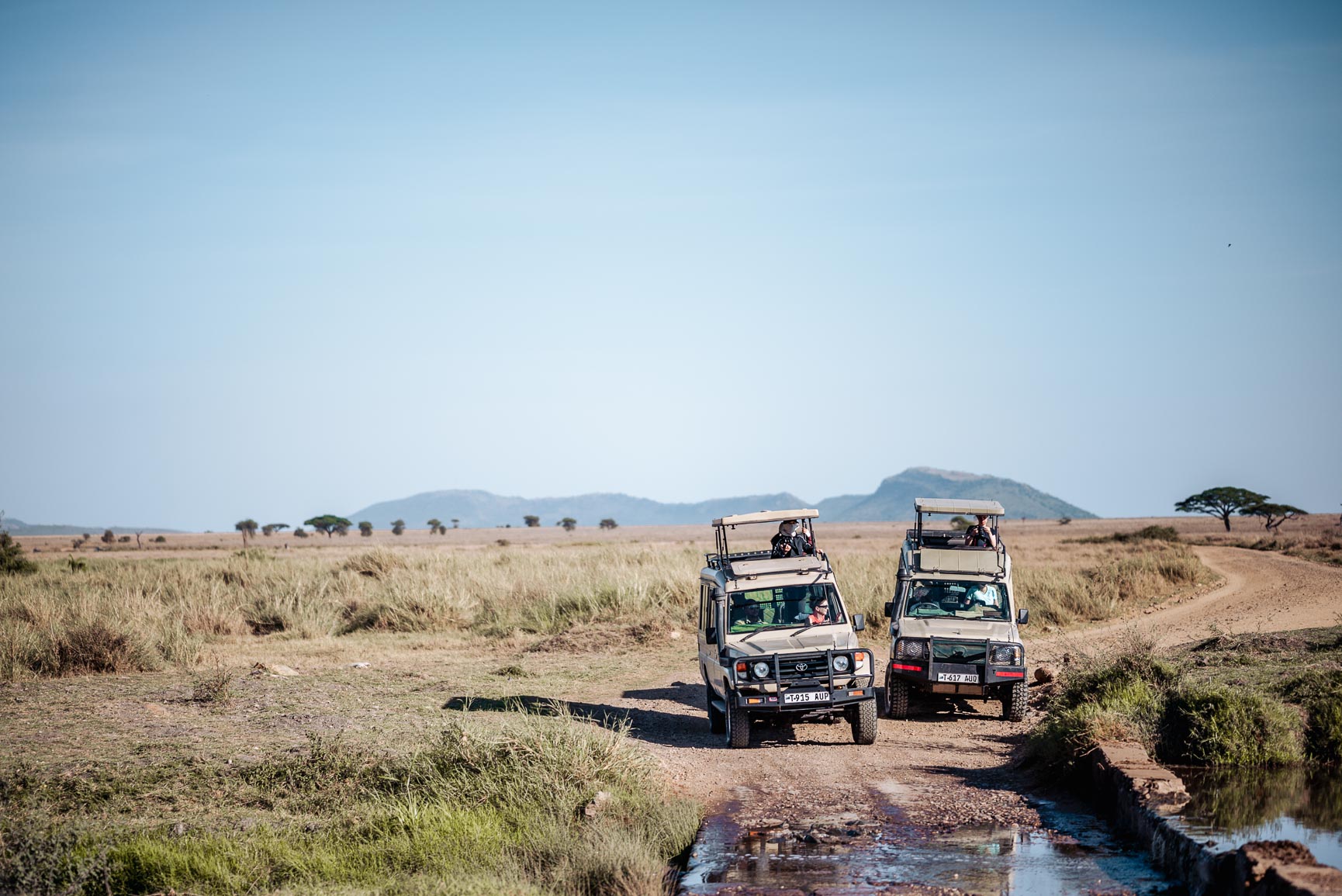
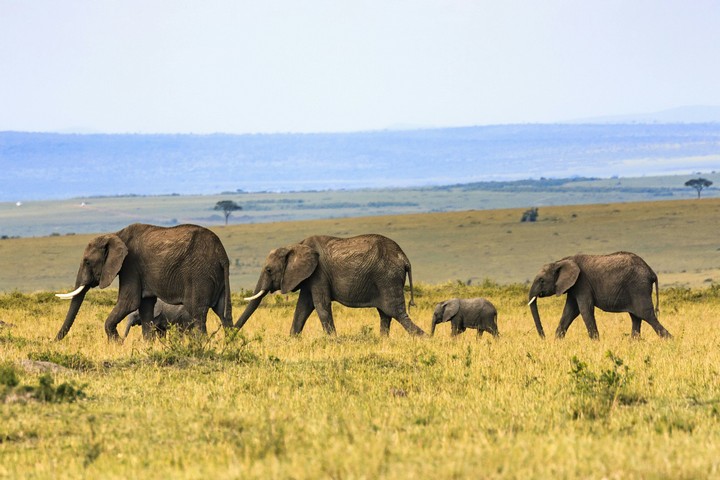
Serengeti National Park is Tanzania’s flagship wildlife reserve. At 1.5 million hectares, it’s home for most of the year to the herds of the Great Wildebeest Migration, a spectacle of such stunning scale that it has to be seen in person to be truly appreciated.
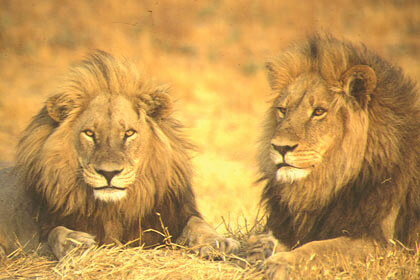
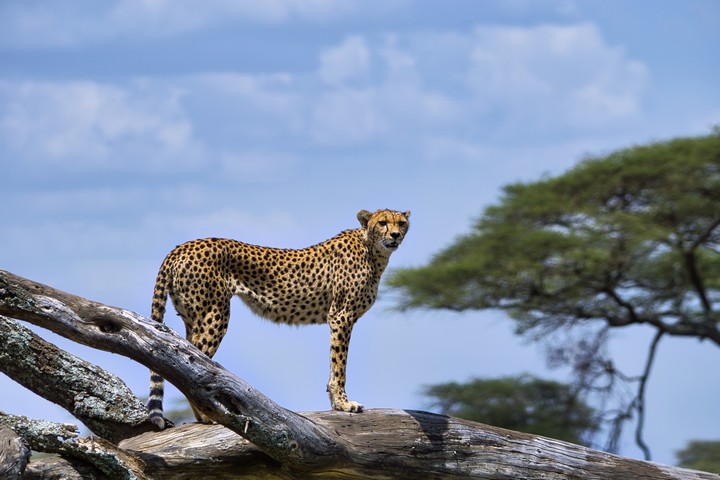
But the Serengeti is also so much more than just the Great Migration. It’s also a biodiversity hotspot, and contains all of the Big Five (rhinos, elephants, leopards, buffaloes, and lions), various endangered species (including cheetahs and pangolins), and all of the other big animals international tourists crave to see (like hippos, giraffes, hyenas, elands, and crocodiles). In fact, UNESCO claims the Serengeti sustains “the largest number of ungulates and the highest concentration of large predators in the world”.
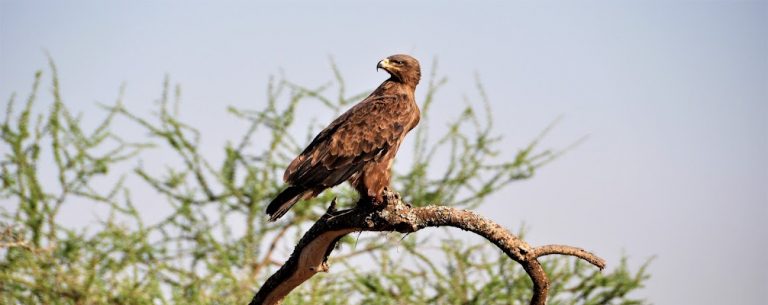
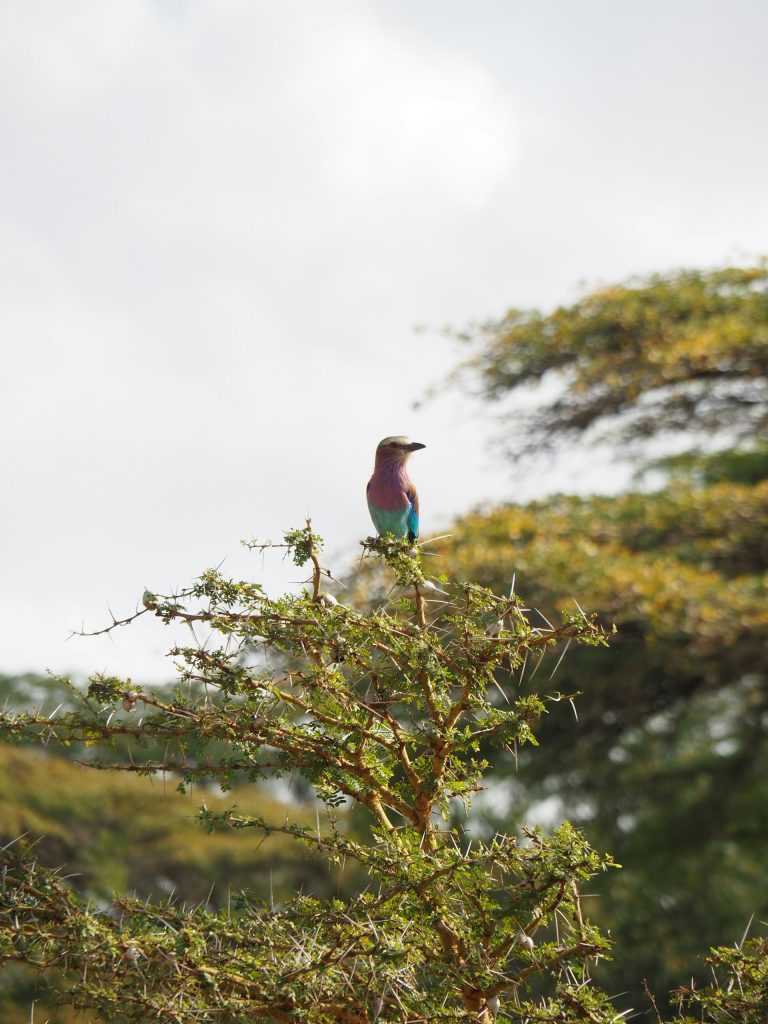
The park also hosts over 500 bird species in the migratory season, including safari favourites like African fish eagles, secretary birds, and kori bustards. It also has the largest population of ostriches anywhere in the world.
So if you’re going to visit Tanzania, a Serengeti safari is an absolute must!
2. Go on a Big Five safari in Ngorongoro Crater
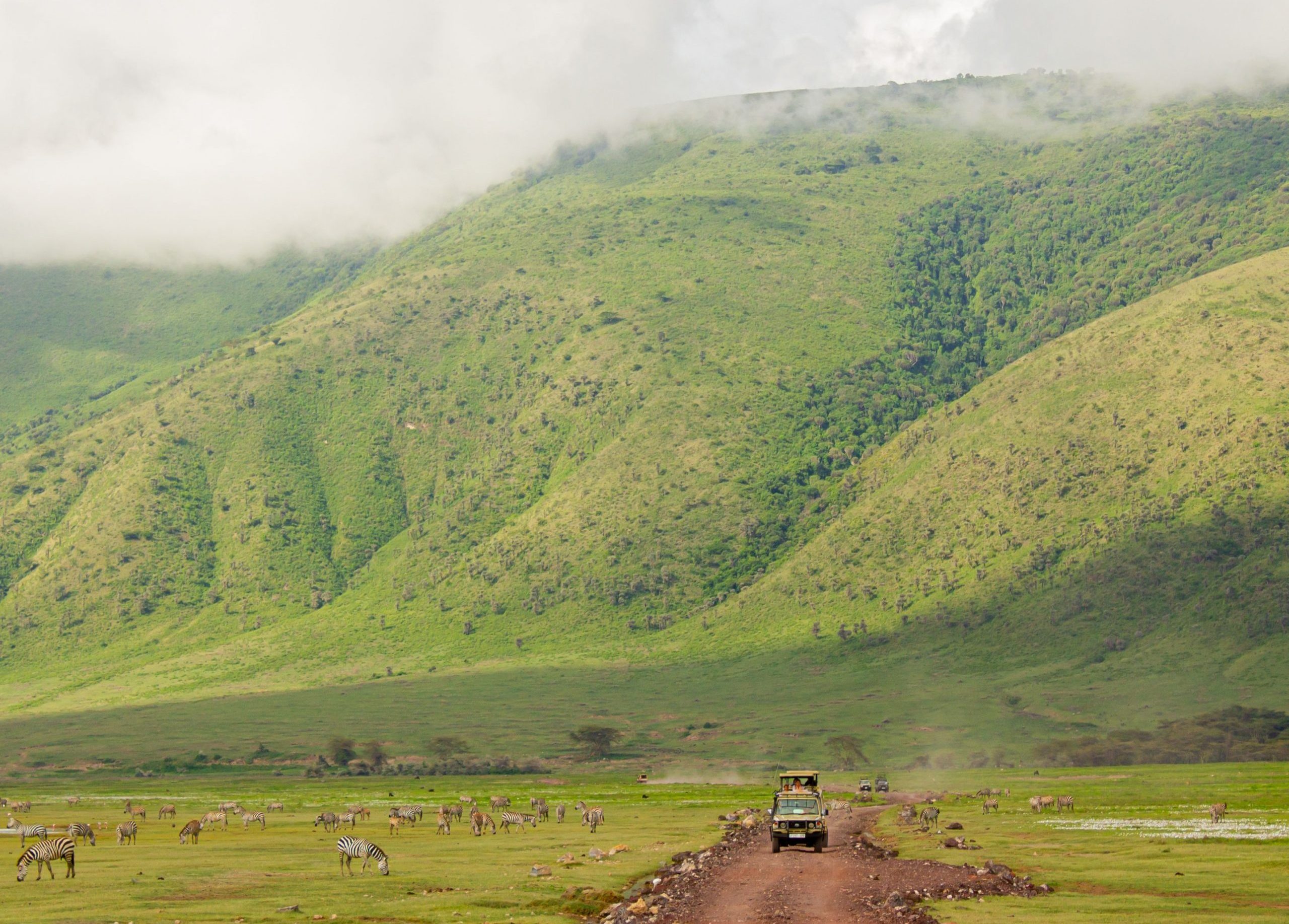
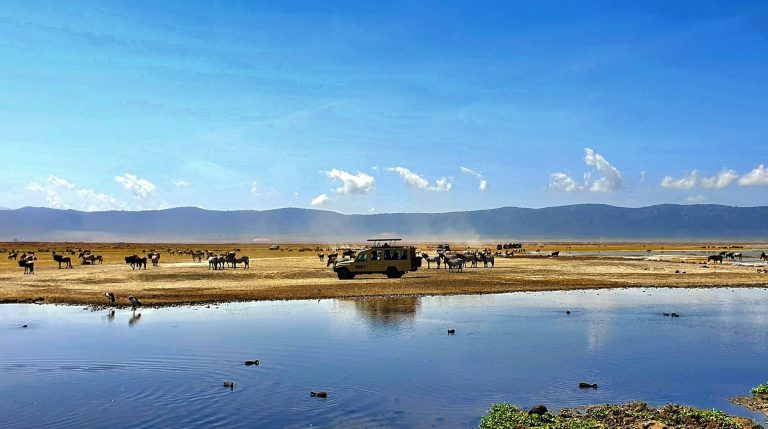
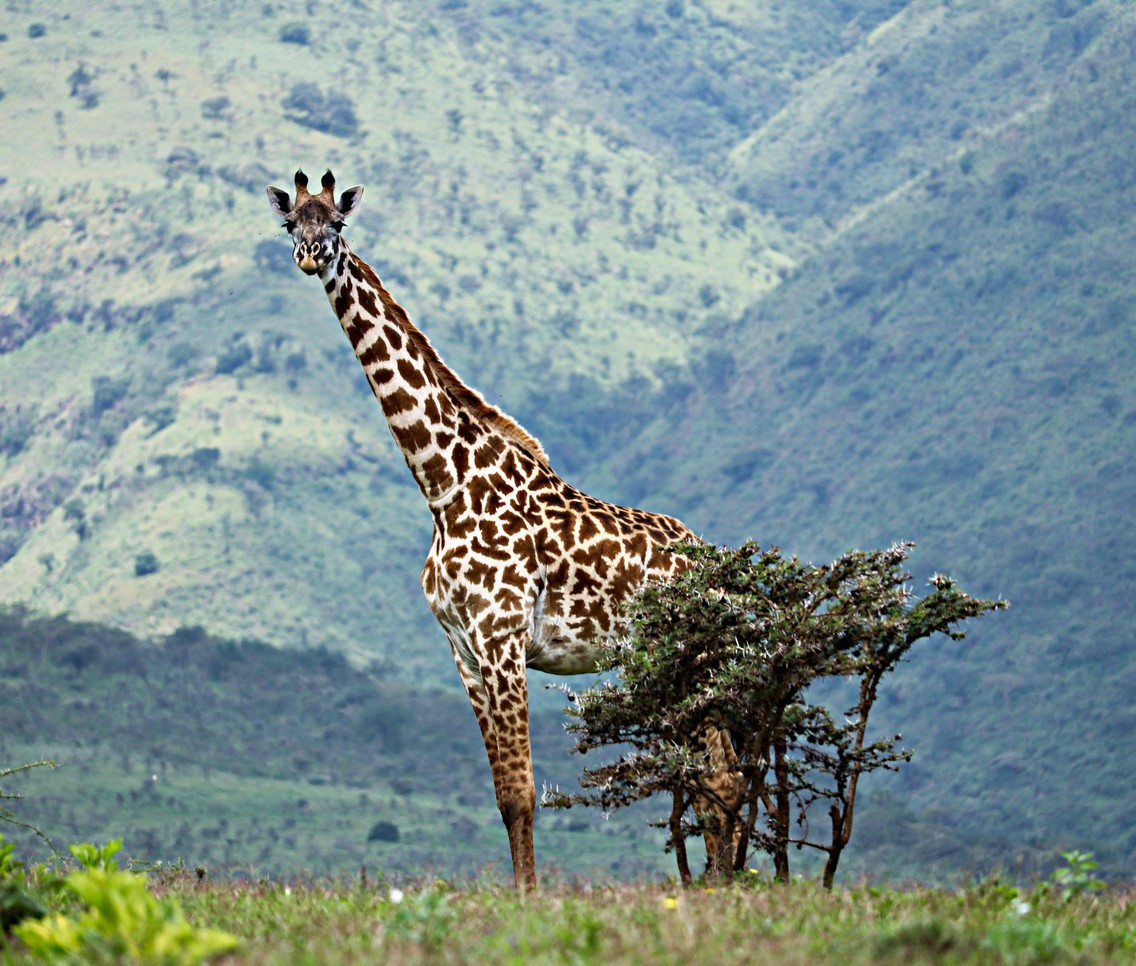
If you could only visit one place in Tanzania, my suggestion would be heading to Ngorongoro Crater in northern Tanzania. This unique site combines two very special boasts: it’s a natural marvel while also offering one of Africa’s greatest concentrations of large wildlife.
Ngorongoro Crater is a 600-metre-deep caldera (collapsed volcano). Its steep walls are covered in tangled rainforest, while the basin is mostly savannah, with some lakes, a small patch of forest, and some hills.
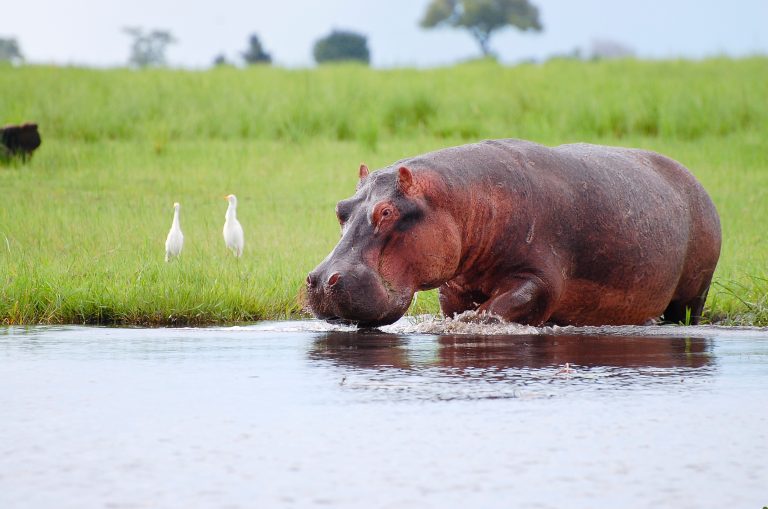
From the high crater rim, the basin looks empty, but when you descend on safari (a thrilling drive down a zigzagging road), you discover there’s wildlife everywhere. Ngorongoro Crater is actually one of your best bets for seeing all of the Big Five in one day, given they’re contained in a relatively small space. It’s also a great place for spotting hippos, flamingoes, elands, wildebeests, zebras, and baboons.
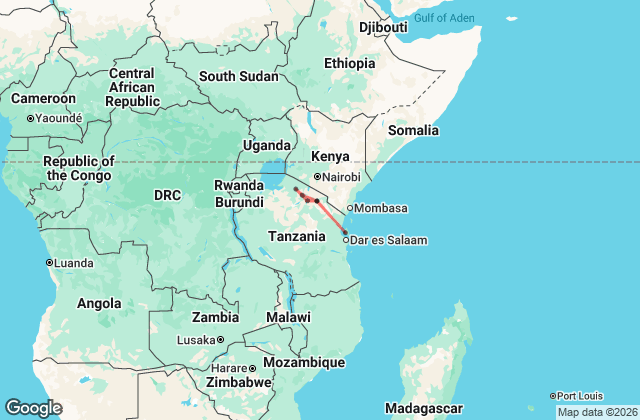
Nature & Wildlife, Beach & Safari, Cultural Immersion, Big 5 Safari, Migration Safaris
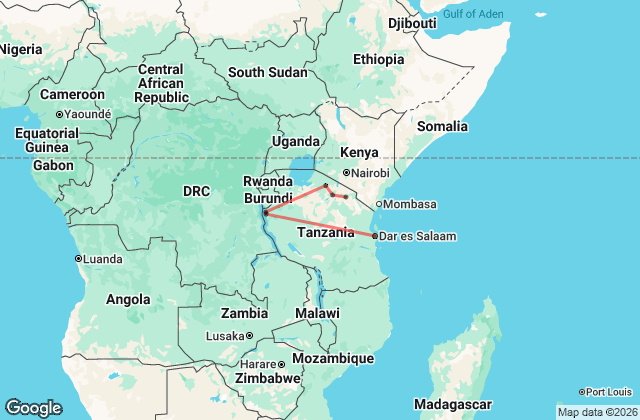
Nature & Wildlife, Cultural Immersion, Big 5 Safari, Migration Safaris
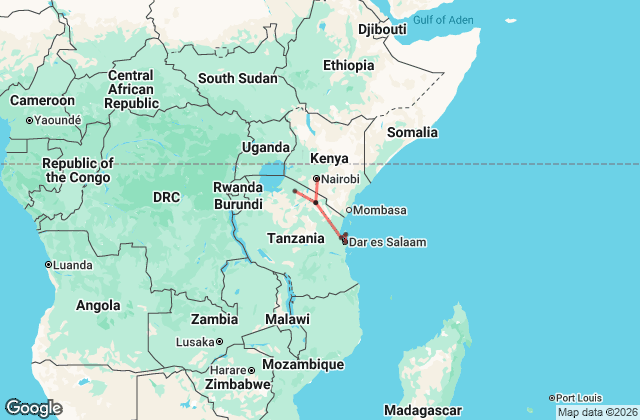
Nature & Wildlife, Cultural Immersion, Big 5 Safari, Migration Safaris
Nature & Wildlife, Beach & Safari, Wilderness Walks, Big 5 Safari, Top Beaches
Nature & Wildlife, Beach & Safari, Cultural Immersion, Big 5 Safari
3. Climb Mt Kilimanjaro, Africa’s highest peak
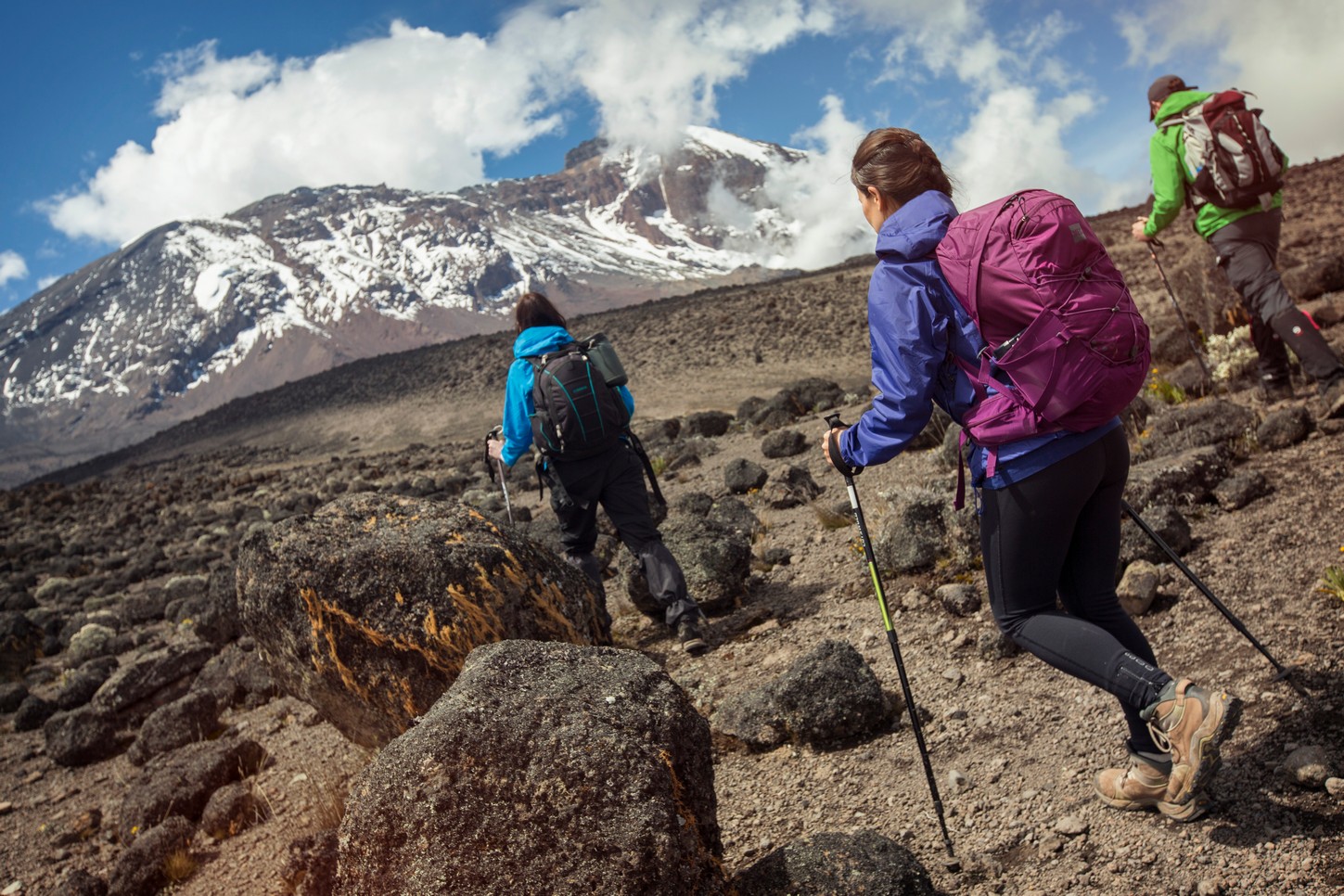
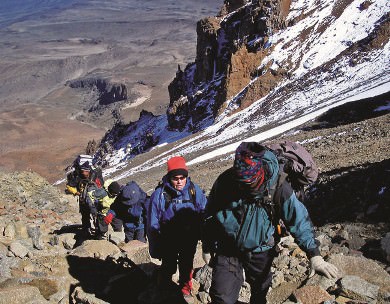
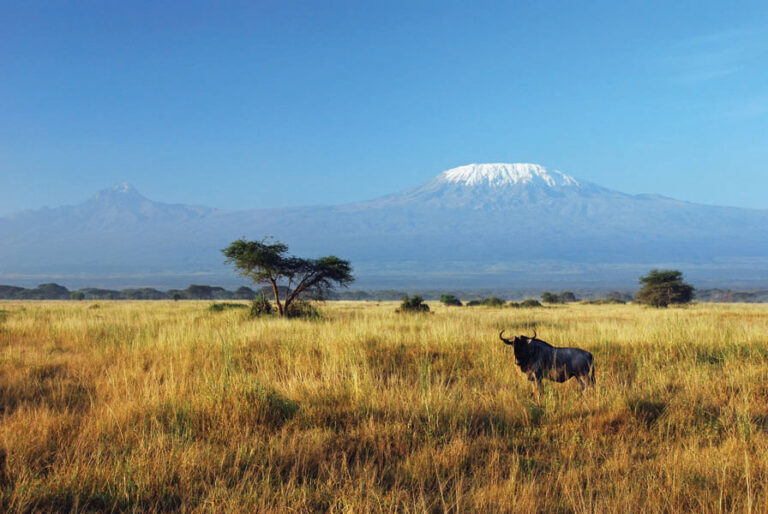
Another undisputed highlight of Tanzania is Mt Kilimanjaro (5,895 m), the world’s tallest standalone mountain.
Kilimanjaro stands near the Equator, but it rises so high that its summit supports seasonal snow and perennial glaciers. It’s one of the world’s most popular trekking mountains. In fact, it’s the tallest mountain you can climb as a regular hiker, as it requires no technical skill or equipment. This makes reaching the top a relatively attainable goal. So if you’re keen for a worthy physical challenge, you should set your sights on Kilimanjaro.
It takes around a week to complete a Kilimanjaro climb. But don’t underestimate how tough it is, particularly thanks to the effects of high altitude. The scenery en route to the summit is beautiful and ever-changing, ranging from rainforest to heather to alpine desert to the stark summit.
Easier alternative: Mount Meru
Within sight of Kilimanjaro is Mt Meru (4,565 m), which can be climbed in just three or four days. It’s still a big endeavour with a tough summit day. And it also takes you through beautiful vegetation zones and offers very rewarding views. A notable difference with Meru is that you can see more large wildlife on this trek, like buffaloes and giraffes.
4. Explore beautiful Zanzibar and wander Stone Town
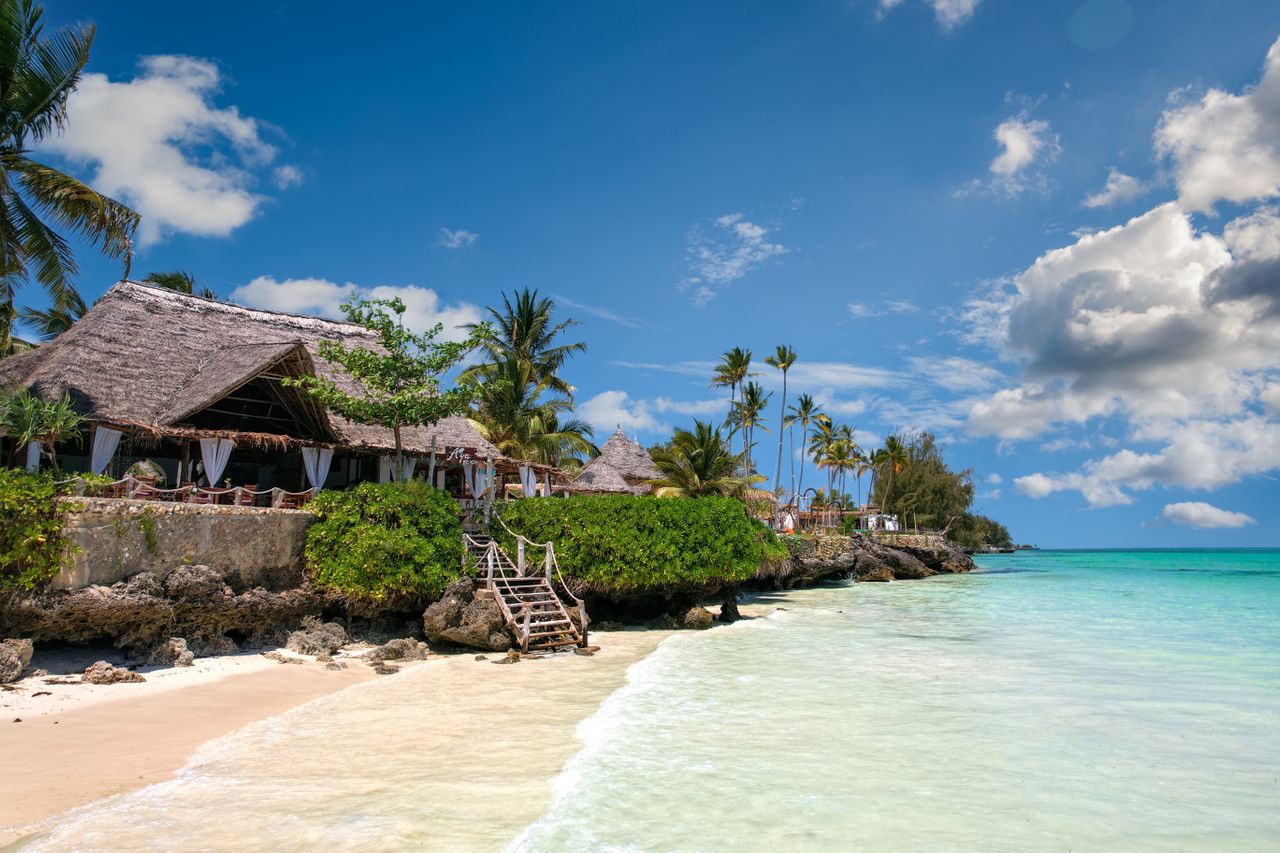
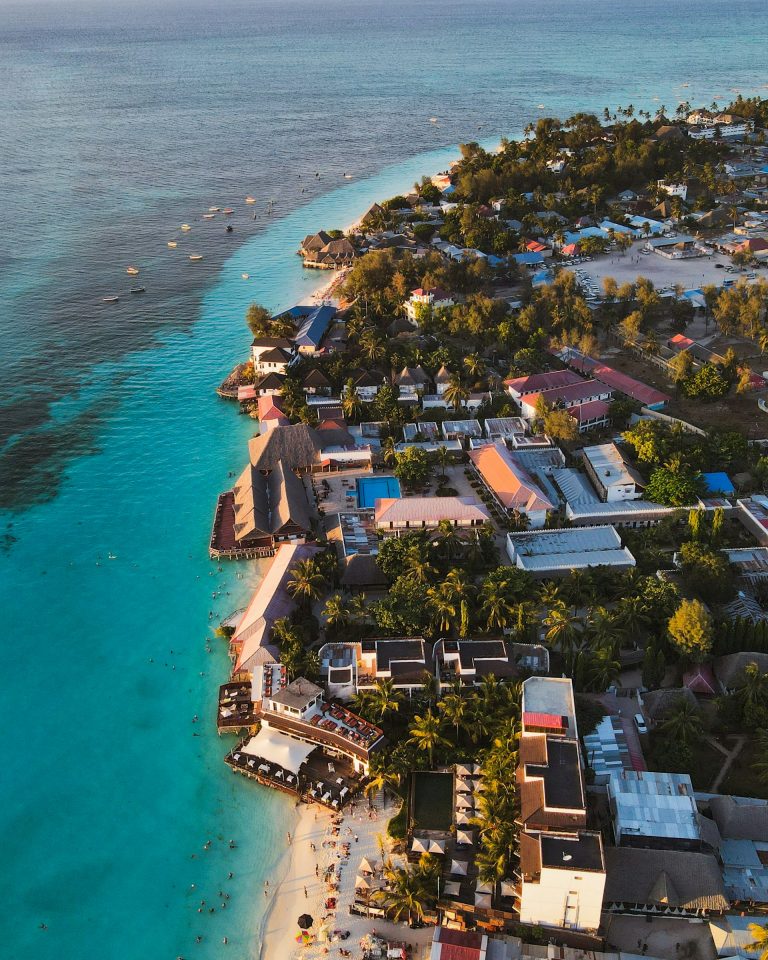
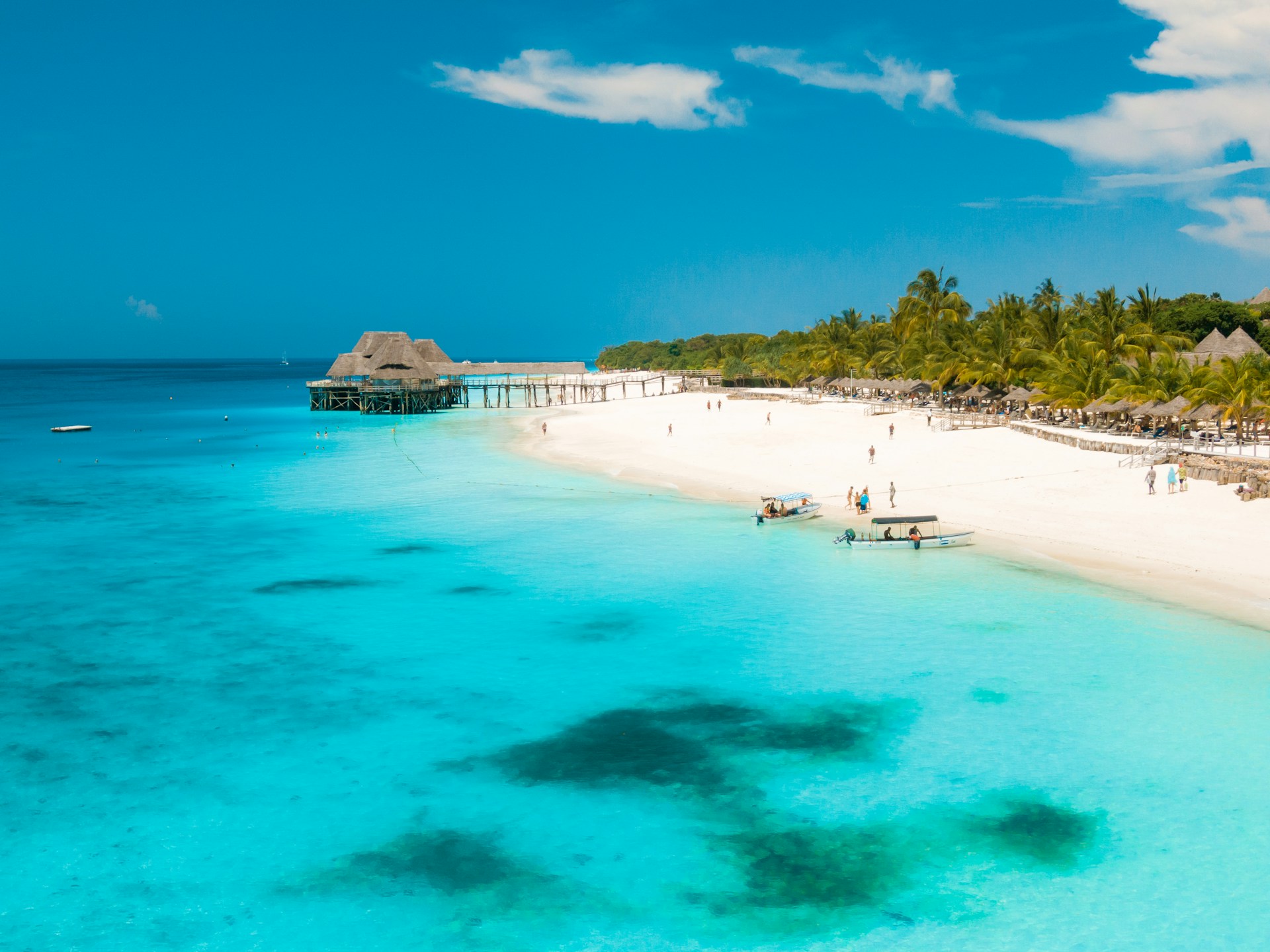
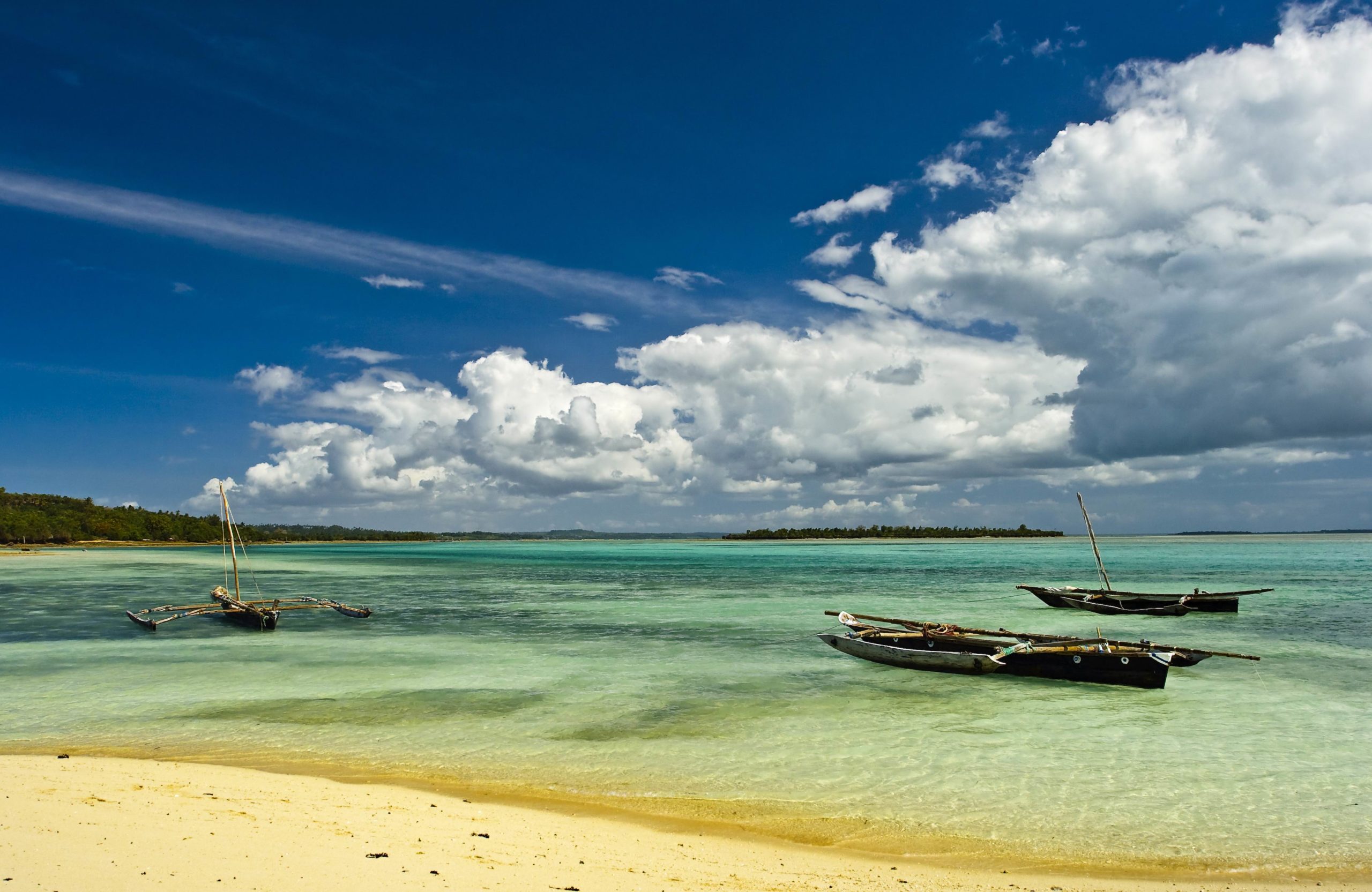
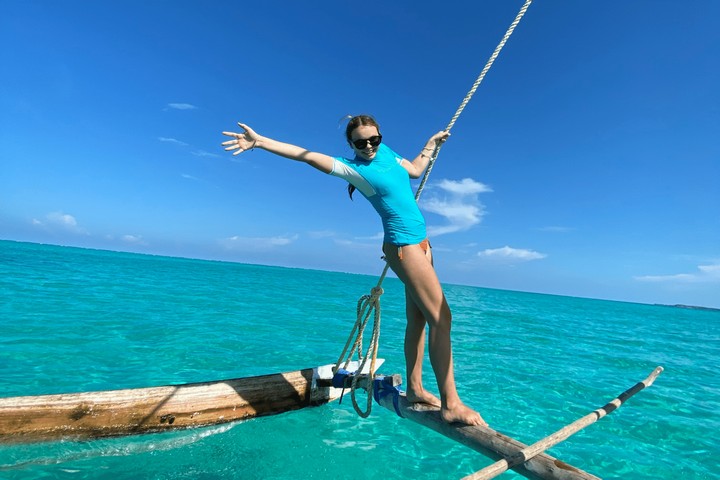
The Zanzibar Archipelago is one of the Indian Ocean’s great snorkelling and diving locations, having many beautiful coral reefs, seagrass meadows, and drop-off walls. It’s also a wonderful place for sailing and boat cruises, as its waters are rich in various large marine animals, including whale sharks, various turtle and dolphin species, and different migratory whales. The coastal mangroves are delightful for kayaking.
For many, the allure of Zanzibar is simply relaxing on its soft, sandy beaches and dipping into the translucent waters. There’s also a vibrant nightlife in some of the beach towns.
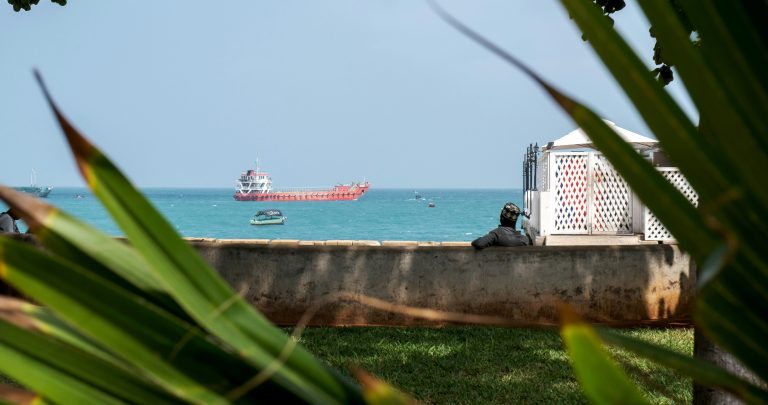
For those interested in history, Zanzibar is an incredible destination, especially Stone Town, which once served as the capital of the entire Omani Empire. It’s a treat to simply wander the narrow streets with their intricately carved wooden doorways, explore ruins like those of the old fort and notorious slave quarters. Finally, head to the Night Market on the promenade to sample fusion seafood dishes flavoured with locally grown spices.
Quieter alternative: Mafia Island
Mafia Island is part of a lesser-known, less-developed archipelago that also has beautiful beaches, coves, and mangroves, incredible coral reefs and marine life, and a fascinating history. It’s a great destination for anyone wanting a tropical island getaway that’s quieter and less touristy than Zanzibar.
5. Visit Lake Natron and climb Mt Ol Doinyo Lengai
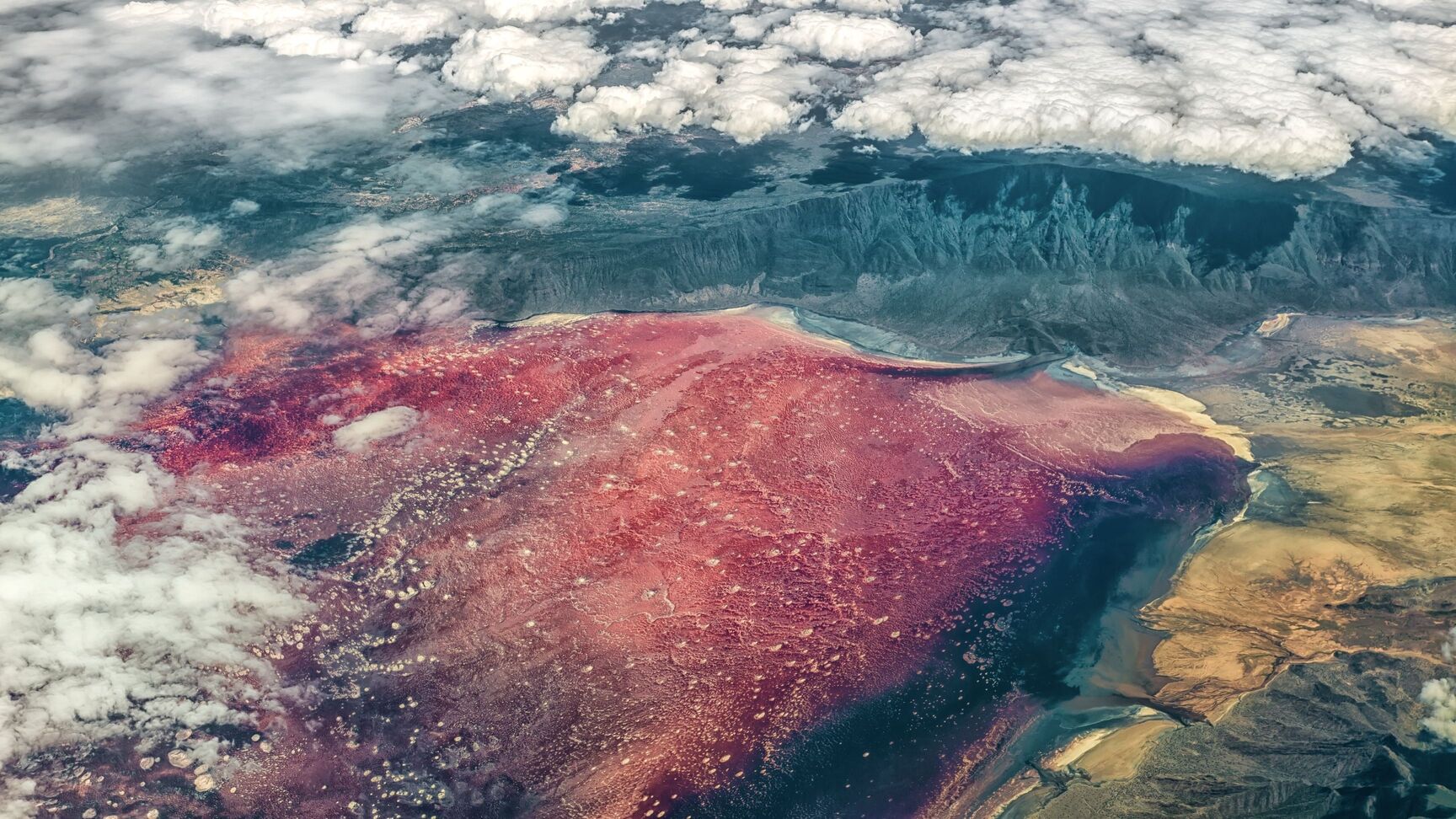
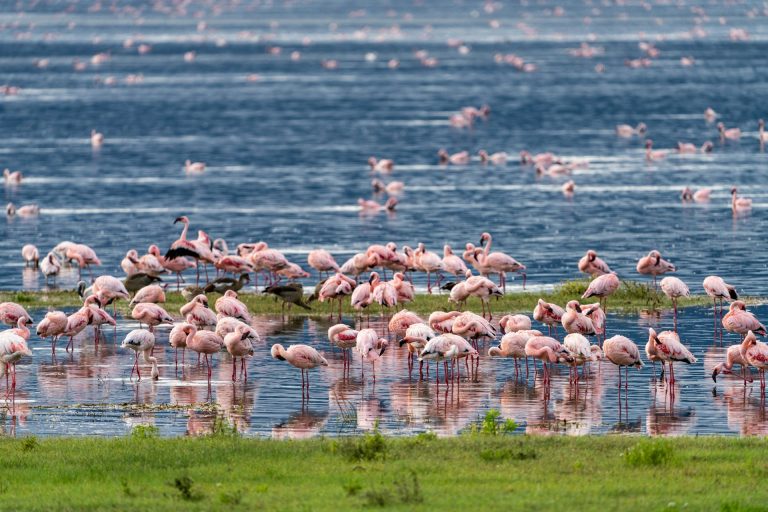
More off the beaten tourist track than the places discussed above are Lake Natron and the volcano that towers over it, Mt Ol Doinyo Lengai. Located in the far north of Tanzania, Lake Natron is renowned for being the main breeding ground for 75% of the world’s lesser flamingoes. It also famously turns red sometimes thanks to the microorganisms that thrive in its highly alkaline water.
Ol Doinyo Lengai (2,962 m) is sacred to the local Masai people, as encapsulated in its name, which means “Mountain of God”. Intrepid hikers can do a night-time summit to avoid the heat of the day and reach the crater rim for incredible sunrise views. It’s often touted as being East Africa’s toughest single-day climb.
If you’d like just a gentle hike, walk up the river bed of Ngare Sero, the narrow canyon river in the escarpment wall of the Great Rift Valley that flows into Lake Natron. The canyon leads to a delightful oasis consisting of a powerful little waterfall that’s overseen by palm trees and creates a natural pool perfect for taking a dip.
6. Do a tour of the mediaeval Kilwa Kisiwani ruins
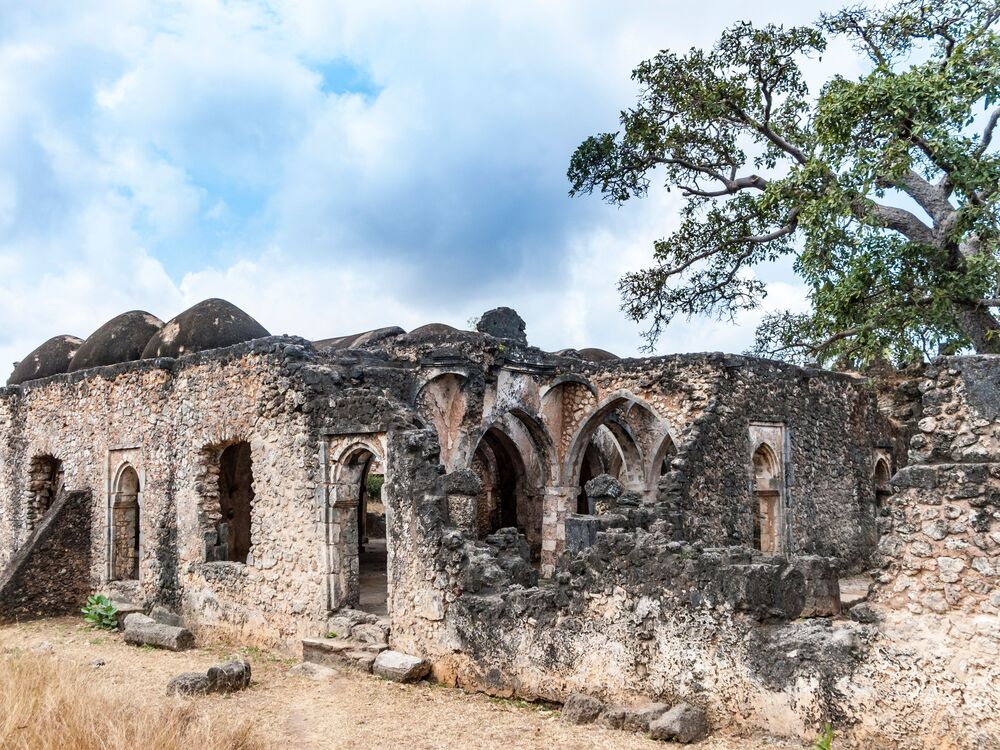
Another highlight of Tanzania are the extensive ruins of Kilwa Kisiwani on the southern Tanzanian island of the same name.
The city of Kilwa Kisani was in its heyday in the thirteenth and fourteenth centuries, when the Kilwa Sultunate ruled the entire Swahili Coast. At this time, the city had a population of roughly 10,000. It served as a major trading hub, overseeing the exchange of ivory and gold from the mainland for goods like perfumes, carnelians (red gemstones), and china from Persia, India, and China respectively.
The famous traveller Ibn Battouta visited Kilwa Kisiwani in 1331 and described it as one of the most beautiful cities of the world. Today, the whole island is a UNESCO World Heritage Site. You can visit impressive coral-and-lime ruins and learn all about the site’s long and fascinating multicultural history.
Additional or alternate ruins: Songa Mnara
The neighbouring Songa Mnara Island also has mediaeval Swahili ruins worth visiting. These are mostly made of coral and wood, and include the remains of a palace complex and five mosques. This island is part of the same UNESCO World Heritage Site as Kilwa Kisiwani.
7. Do a boat safari in Nyerere National Park
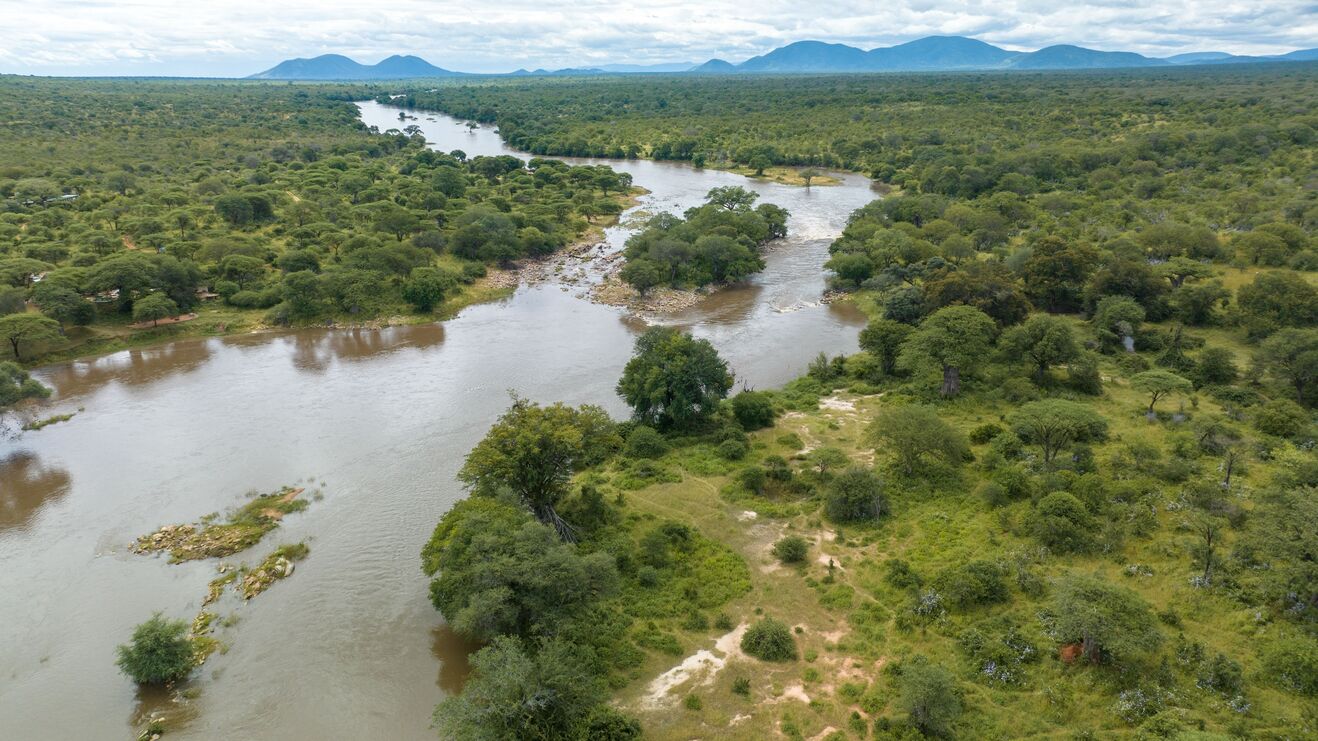
Nyerere National Park in southern Tanzania is an absolutely enormous park with a great diversity and density of wildlife. It’s one of the best places in East Africa for a big-game safari. It has the additional selling points of offering boat cruises and walking safaris, which many big safari parks do not.
Perhaps the most exciting experience in Nyerere is doing a boat cruise on the Rufiji River. This lets you see buffaloes, elephants, waterbucks, hippos, crocodiles, and more from a different viewpoint – sometimes a closer one. The park is also a top birding site, having over 440 recorded species.
I recommend visiting Nyerere if you want a wilderness experience that’s far from the crowds but still lets you find all of Africa’s most iconic savannah animals.
Explore the highlights of Tanzania on an overland tour
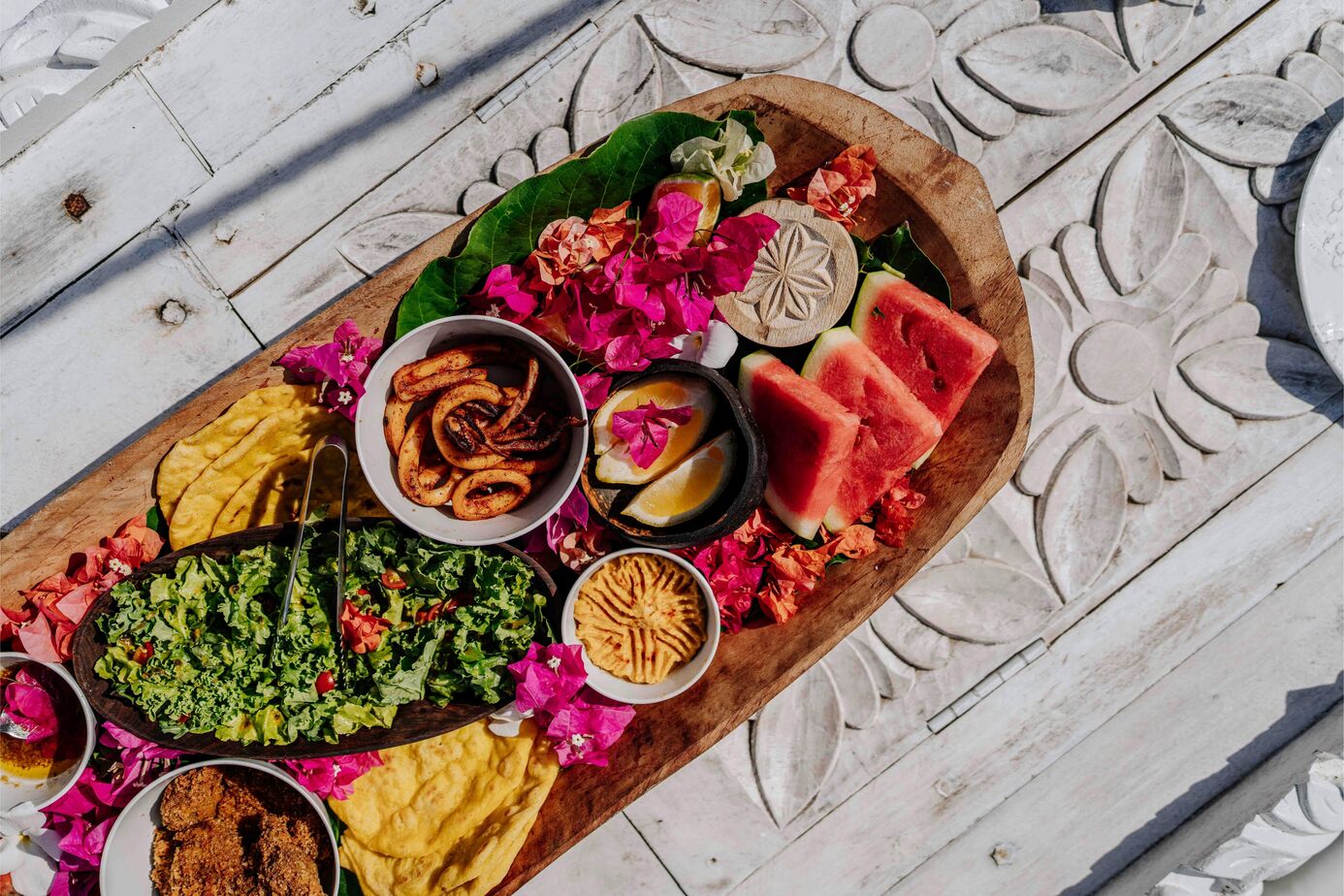
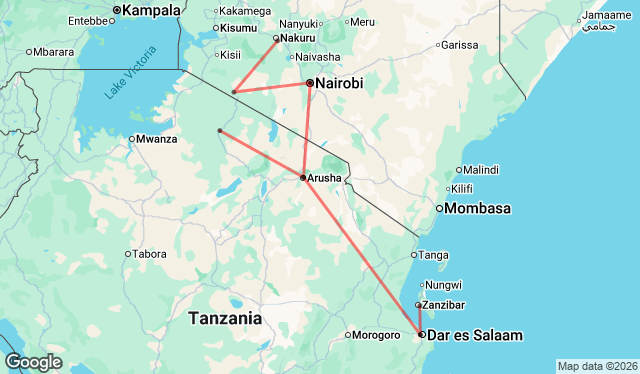
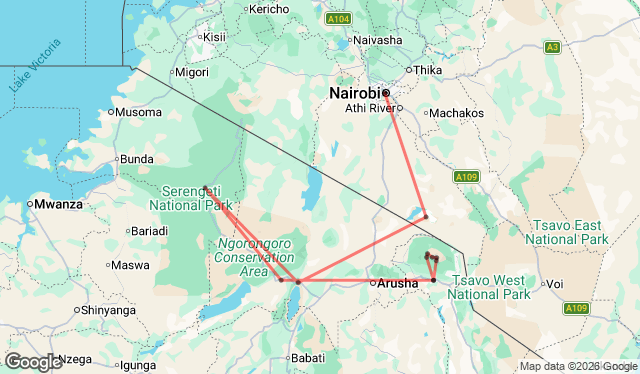
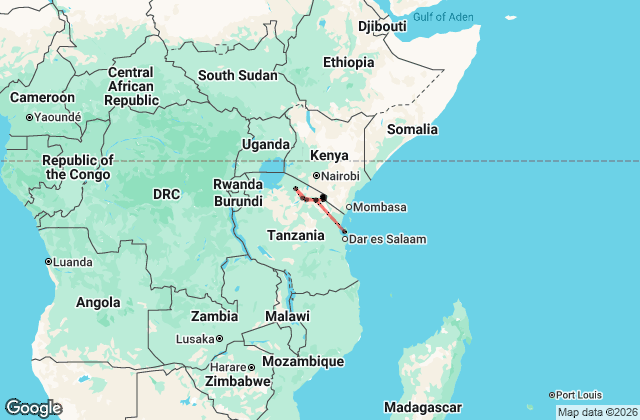
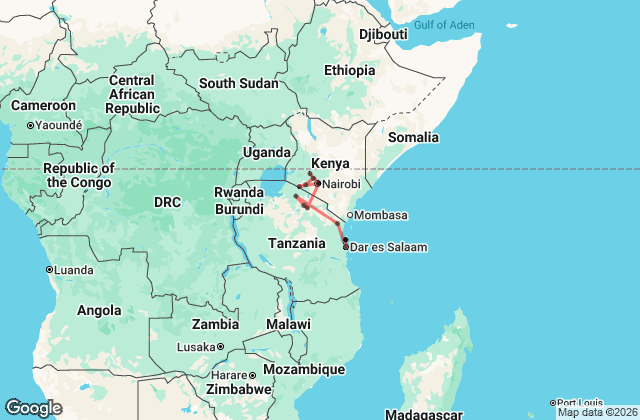
As mentioned, Tanzania is a big country. One of the most economical and environmentally friendly ways to visit many of its attractions is on a small-group tour. African Overland Tours offers budget-friendly tours to most of the destinations mentioned in this post. Please browse the itineraries below for inspiration!
Note: This blog post was created in November 2013 by Bronwyn Paxton. It was completely rewritten in September 2026 by Megan Abigail White.



















![Beyond the Great Migration: Best things to do in the Serengeti [Guide]](https://africanoverlandtours.com/wp-content/uploads/2025/04/Serengeti-national-park-768x576.png)