

African Overland Tours
https://www.facebook.com/AfricanOverlandTourscom/
https://www.instagram.com/african_overland_tours/
https://www.youtube.com/@africanoverlandtoursandsafaris
+27 (0) 21 448 0997
Customer Service
Worldwide

African Overland Tours
https://www.facebook.com/AfricanOverlandTourscom/
https://www.instagram.com/african_overland_tours/
https://www.youtube.com/@africanoverlandtoursandsafaris
+27 (0) 21 448 0997
Customer Service
Worldwide
Every city is unique, but Cape Town is truly memorable
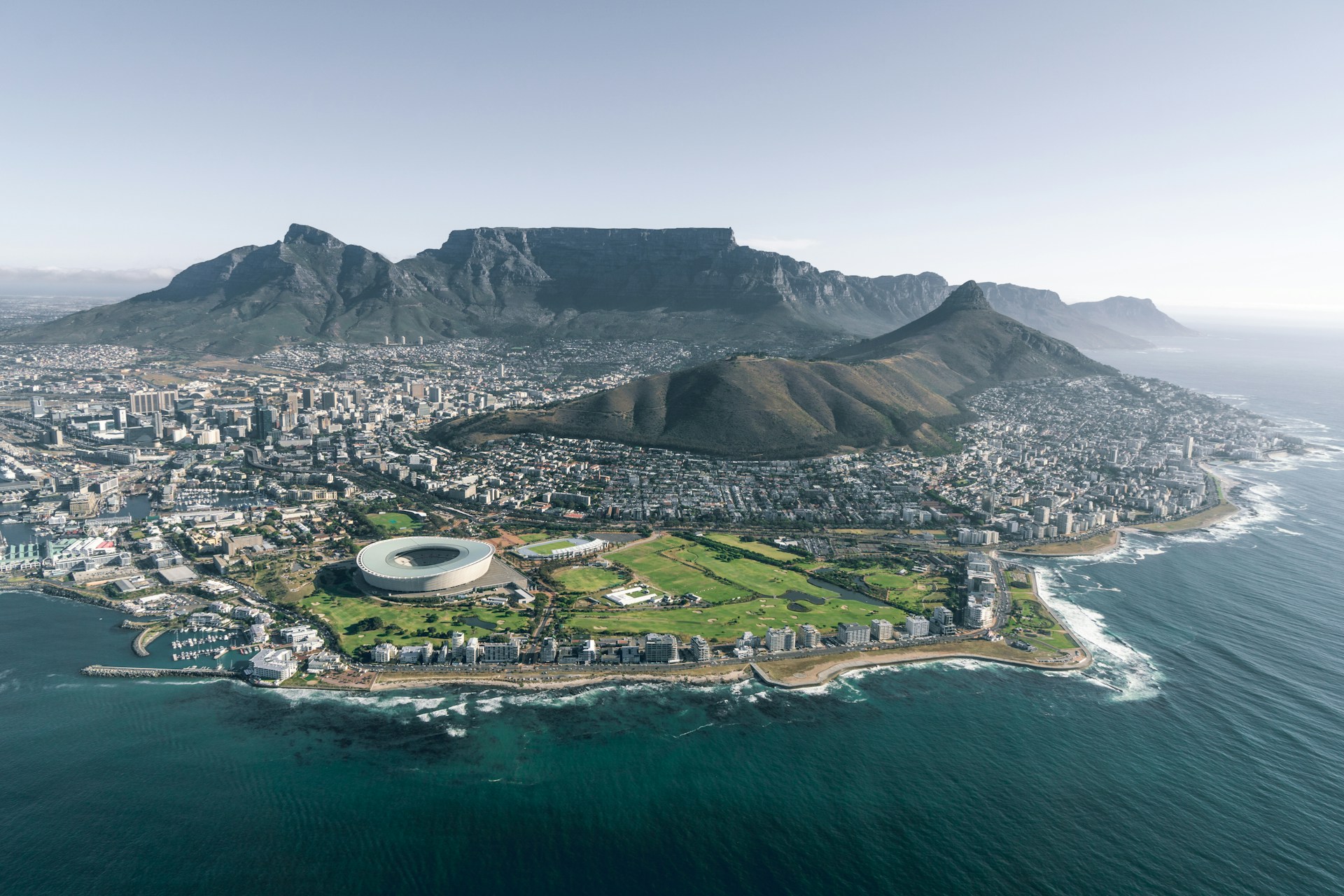
Cape Town is a postcard sort of city, thanks to its snug position between Table Mountain and the Indian and Atlantic Oceans and the enviable backdrops they all provide. It’s also famed for its floral wonders, exciting food scene, rich cultural heritage, friendly vibes, and proximity to the country’s world-renowned vineyards.
Cape Town is always winning awards, both within South Africa and on the international stage. For instance, in 2025 alone, the city was named:
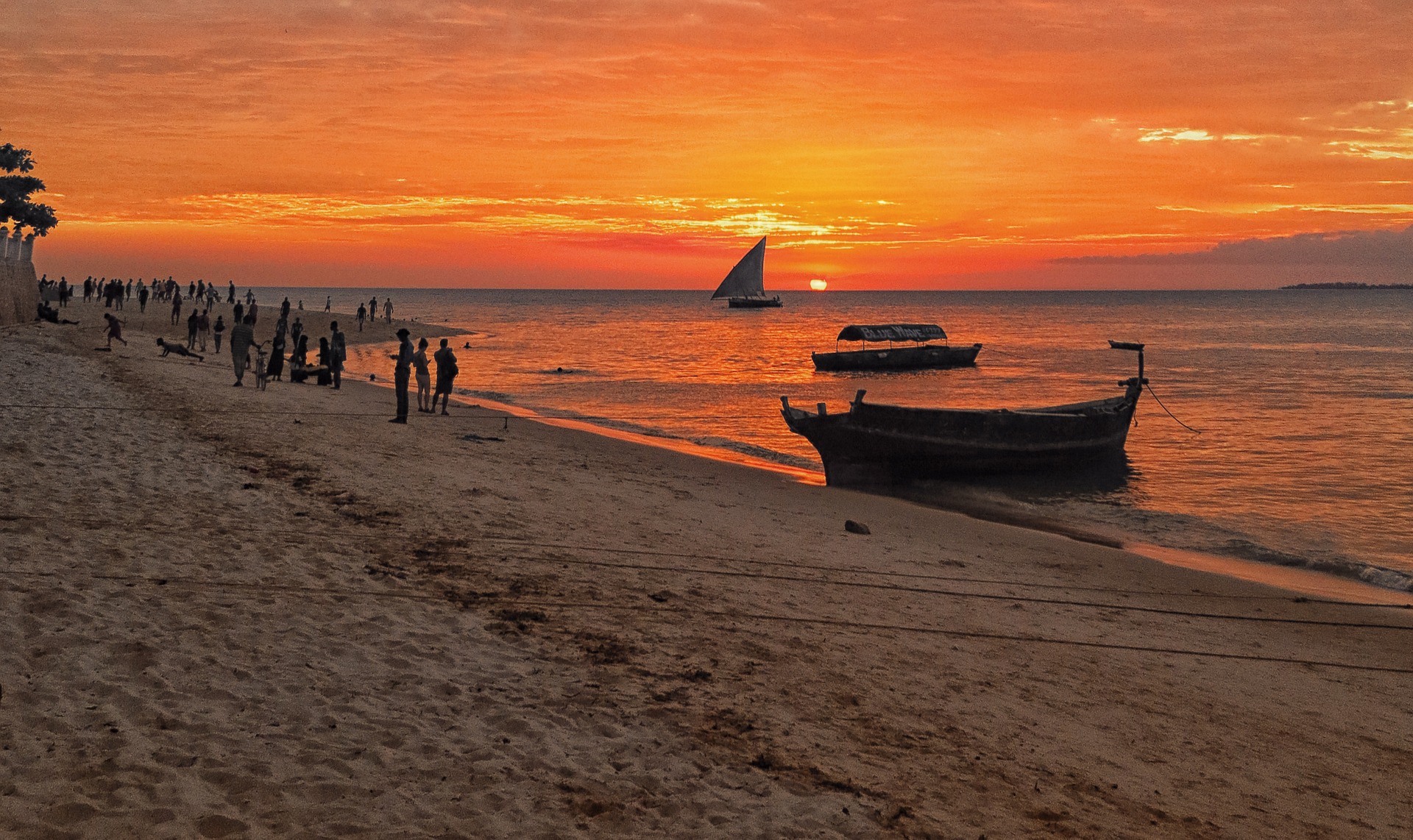
I also can’t count the number of people I know who’ve visited Cape Town and surprised themselves by never leaving. Some are South Africans, but many are foreigners. It’s the city’s countless charms, from trendy pedestrian streets with narrow eateries to blazing orange sunsets over the ocean, that pull people in. Time and time again.
So what do all the above-mentioned voters and relocators know that makes them choose Cape Town?
Cape Town is a city of incomparable scenery.
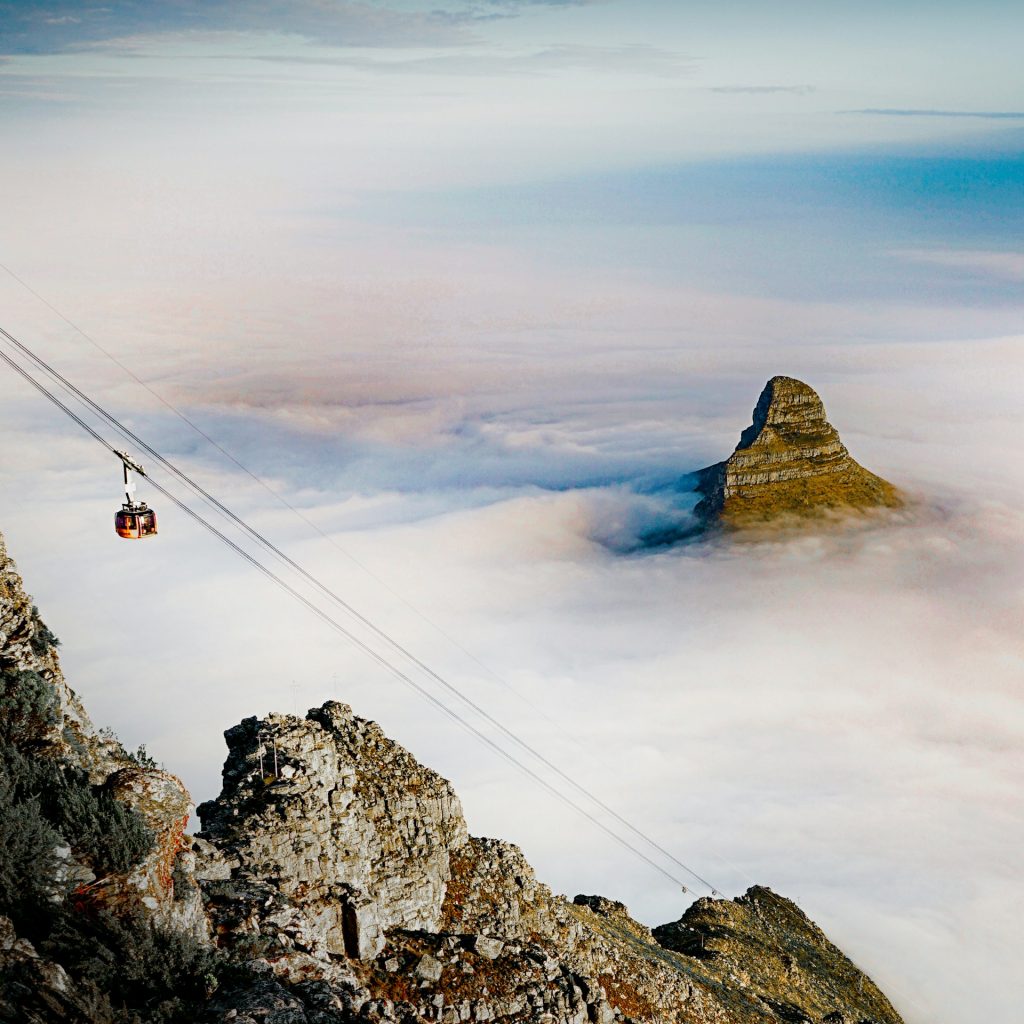
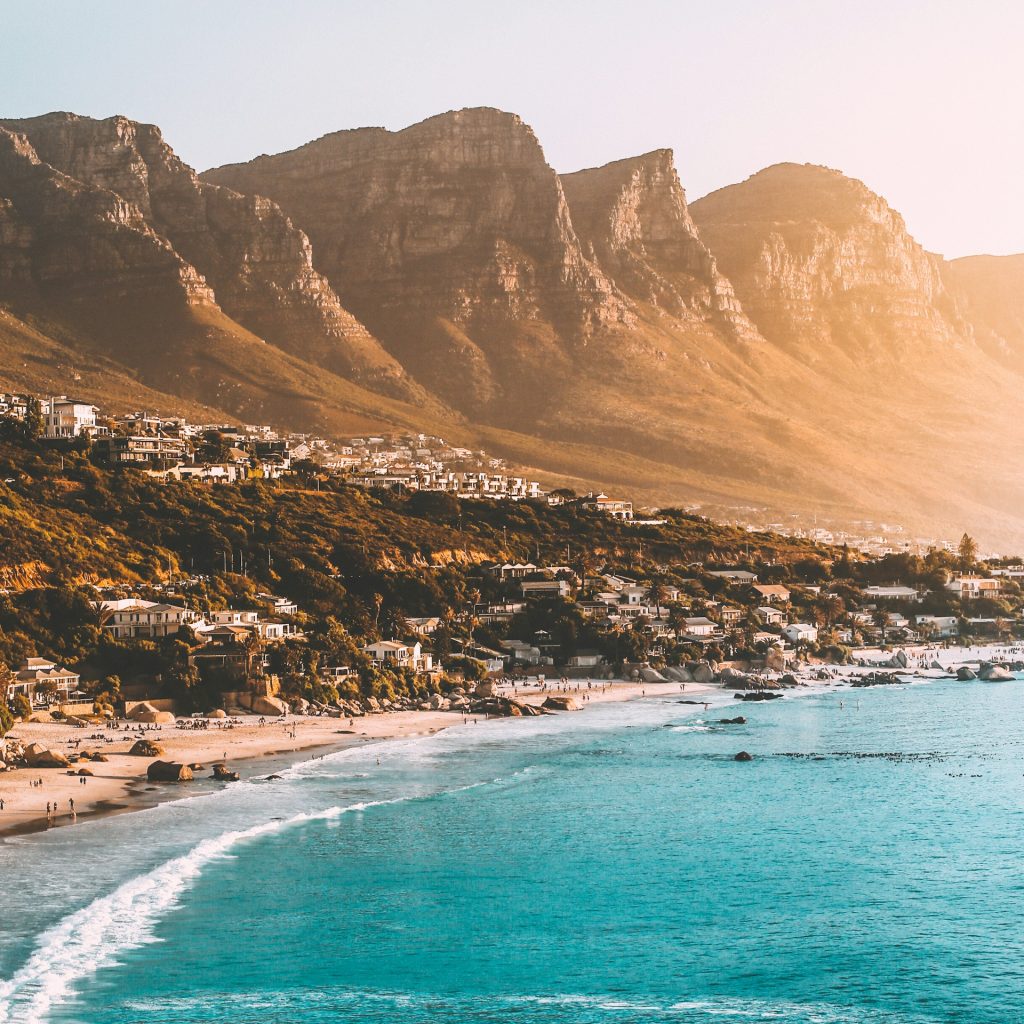
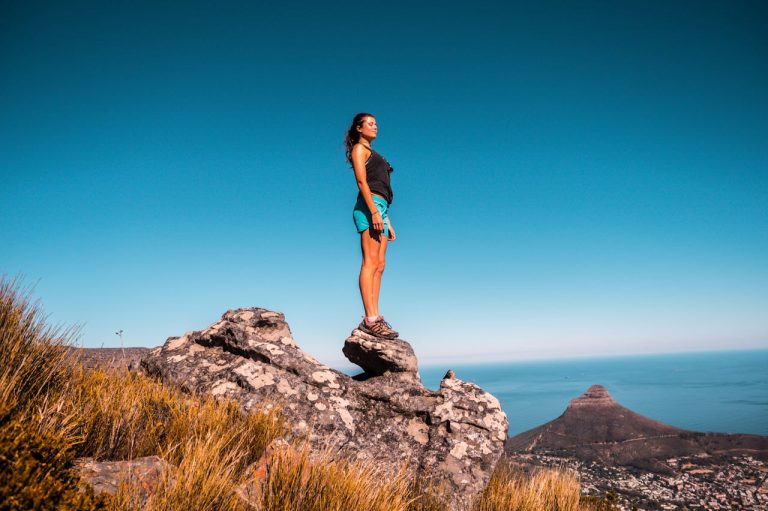
Table Mountain presides over all, offering alternatively a dramatic mountain backdrop or a wall of mist. When viewed from different sides, you have the classic view of a remarkably flat ‘tabletop’ with the city spread out below, the pointed summit of Devil’s Peak, or the sequential headlands of the 12 Apostles.
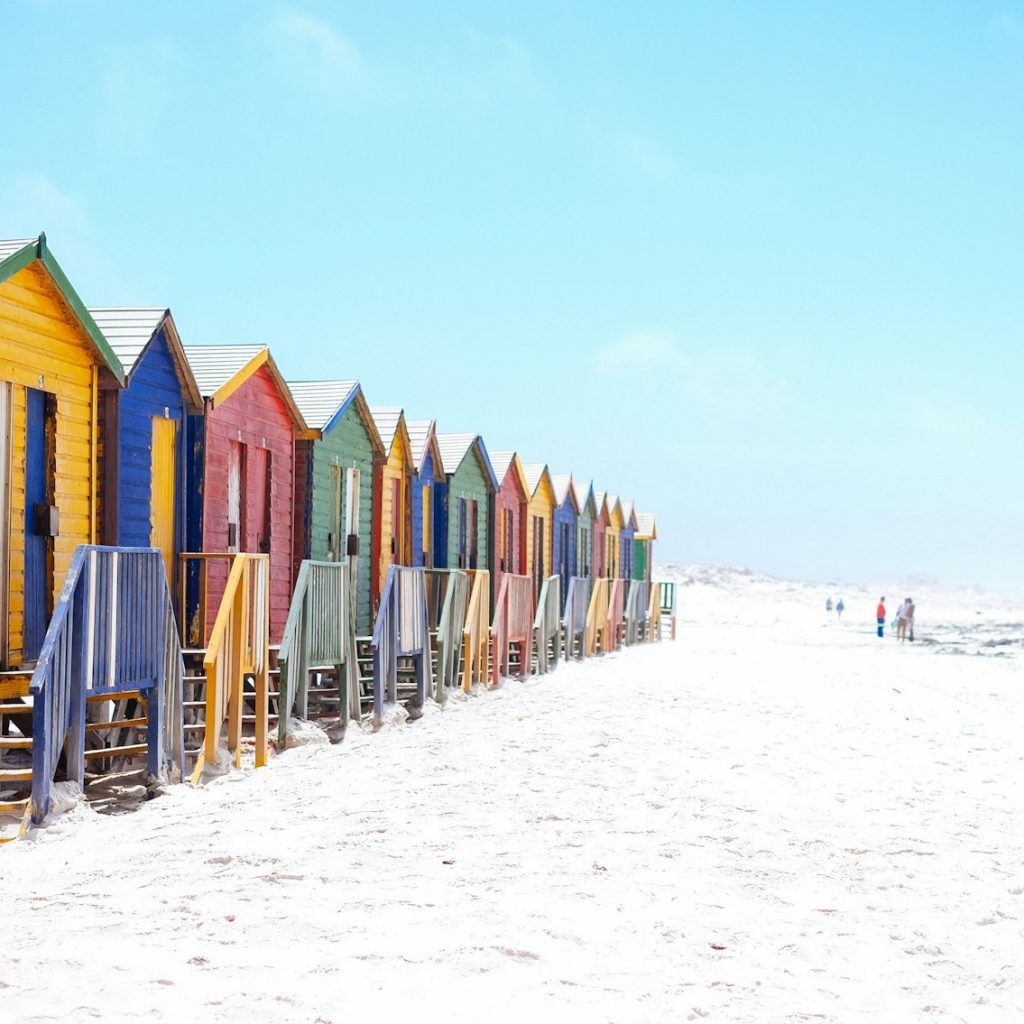
Visitors can choose between all sorts of beaches, from the busy and stylish coves of Camps Bay and Clifton to the swathes of sand at Tableview or the sometimes deserted little beaches of the Cape Peninsula.

The beaches and oceans of Cape Town are also synonymous with its charming wildlife. There are the black-and-white African penguins of Boulders Beach, for instance, the fur seals near the Victoria and Albert Waterfront, and the baboons and ostriches that roam the peninsula’s remote beaches. The seals, along with great white sharks, orcas, southern right whales, and other species of whale, can also be spotted while on boat trips in False Bay, en route to Robben Island, and elsewhere.
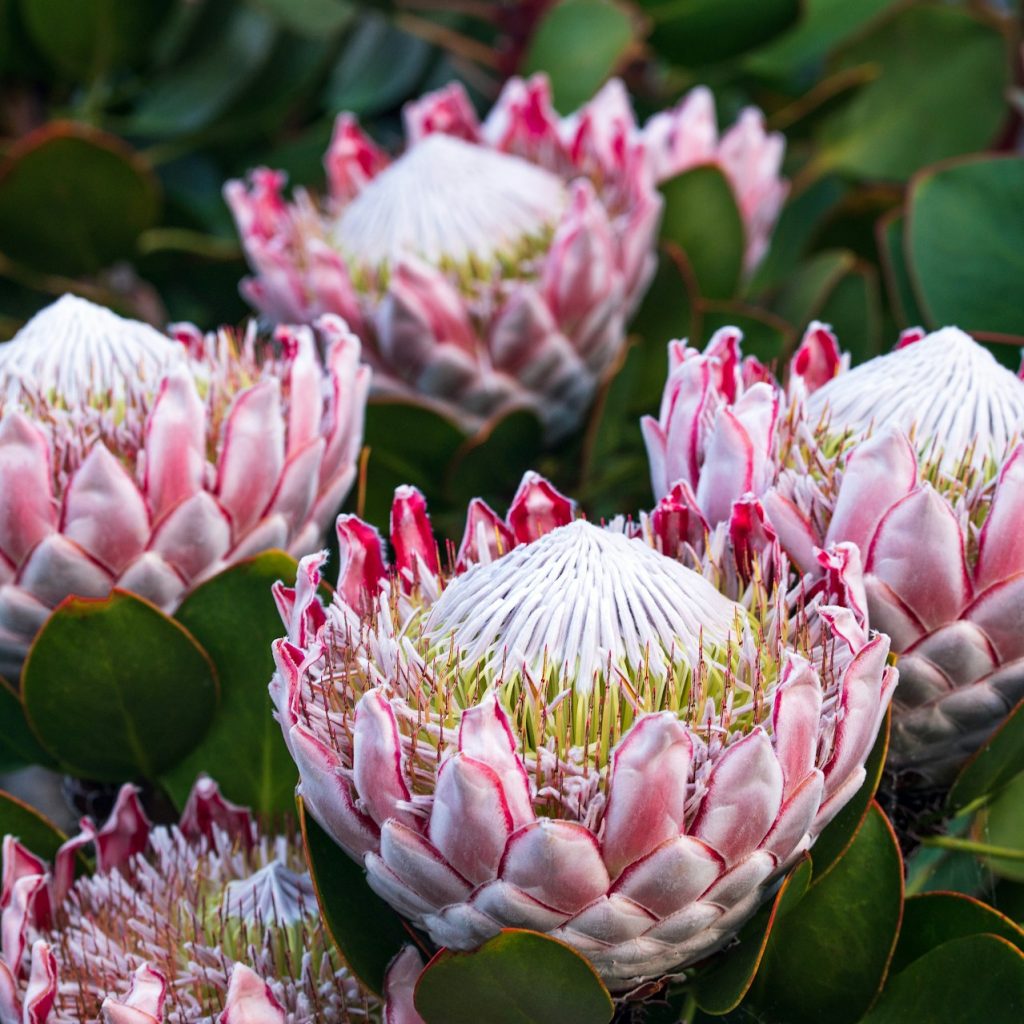
What’s more, Table Mountain National Park, Kirstenbosch Botanical Gardens, and other protected natural spaces offer wonderful walking and hiking trails that showcase the countless beautiful plants and flowers of the fynbos. From king proteas to red disas, this is bucket-list territory for botanists and nature-lovers in general. The Cape Floral Kingdom does, in fact, contain more species per square metre than anywhere else in the world – beating out even the Amazon Rainforest!
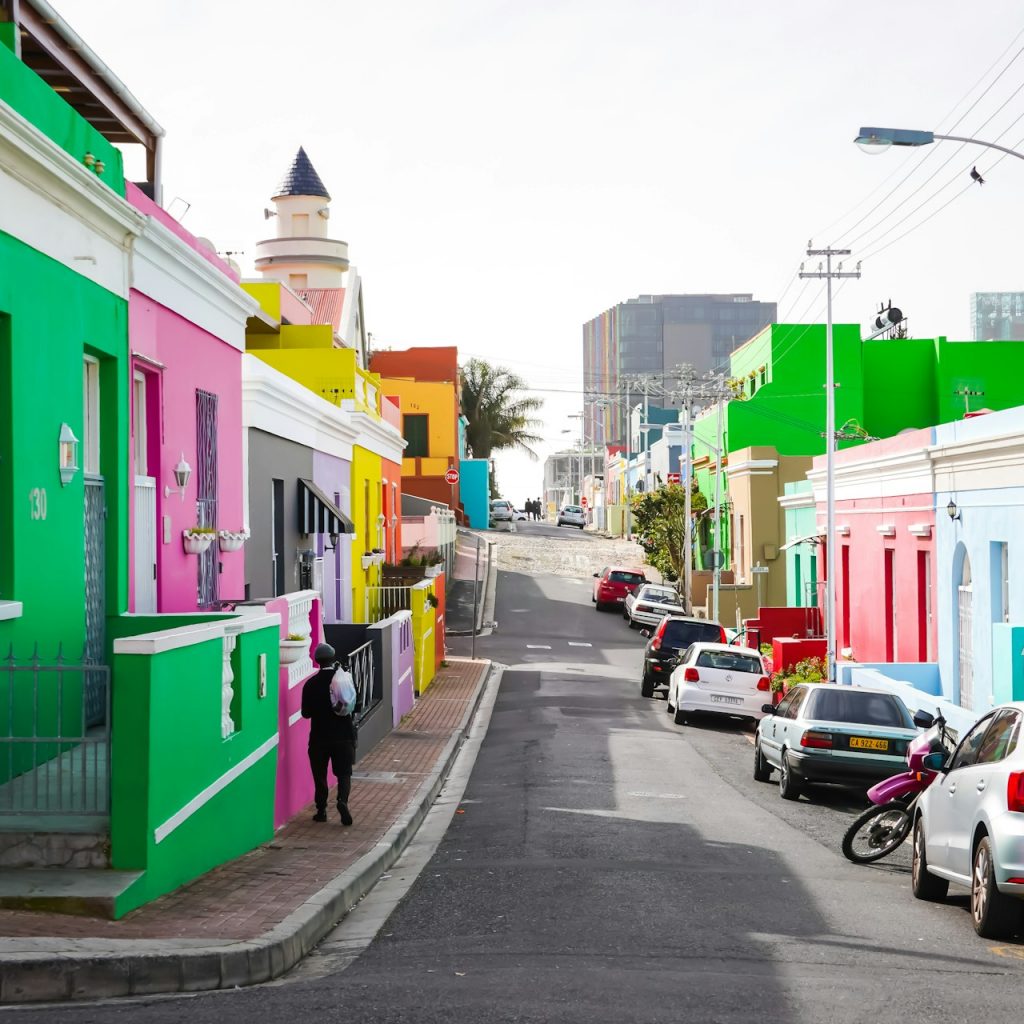
The history of the city is also front and centre with tourists. Cape Town was founded in 1652 by the Dutch East India Company, which wished to establish a port along the long sea route between Europe and Asia. The Castle of Good Hope, the fort it built, and the Slave Lodge remain to this day, as do several other 17th-century constructions.
These original buildings are now intermingled or overlaid with a wide variety of architectural gems showcasing later influences and communities, like those of the Victorians and Cape Malays. Cape Town City Hall and the Victoria and Albert Waterfront Clock Tower are great examples of Victorian Gothic architecture.
To learn about more recent history, consider visiting the iZiko Bo-Kaap Museum (which tells the story of the city’s 19th-century Muslims), Robben Island (where Nelson Mandela was imprisoned), and the District Six Museum, (which highlights a multicultural neighbourhood that was a casualty of the cruel segregation laws of Apartheid).
Enjoying all of the city’s attractions and natural beauty is made easy with the capital’s high number of sunny days and overall mild weather (winter can be testing, however). The only section that ever sees snow is the top of Table Mountain, and that’s not every year.
In spring and summer, the city’s streets and parks as well as the mountains are overlaid with greenery, and wildflowers dot open land with colour. Come autumn, the streets only increase in charm when the stately trees’ leaves turn orange, yellow, and russet.
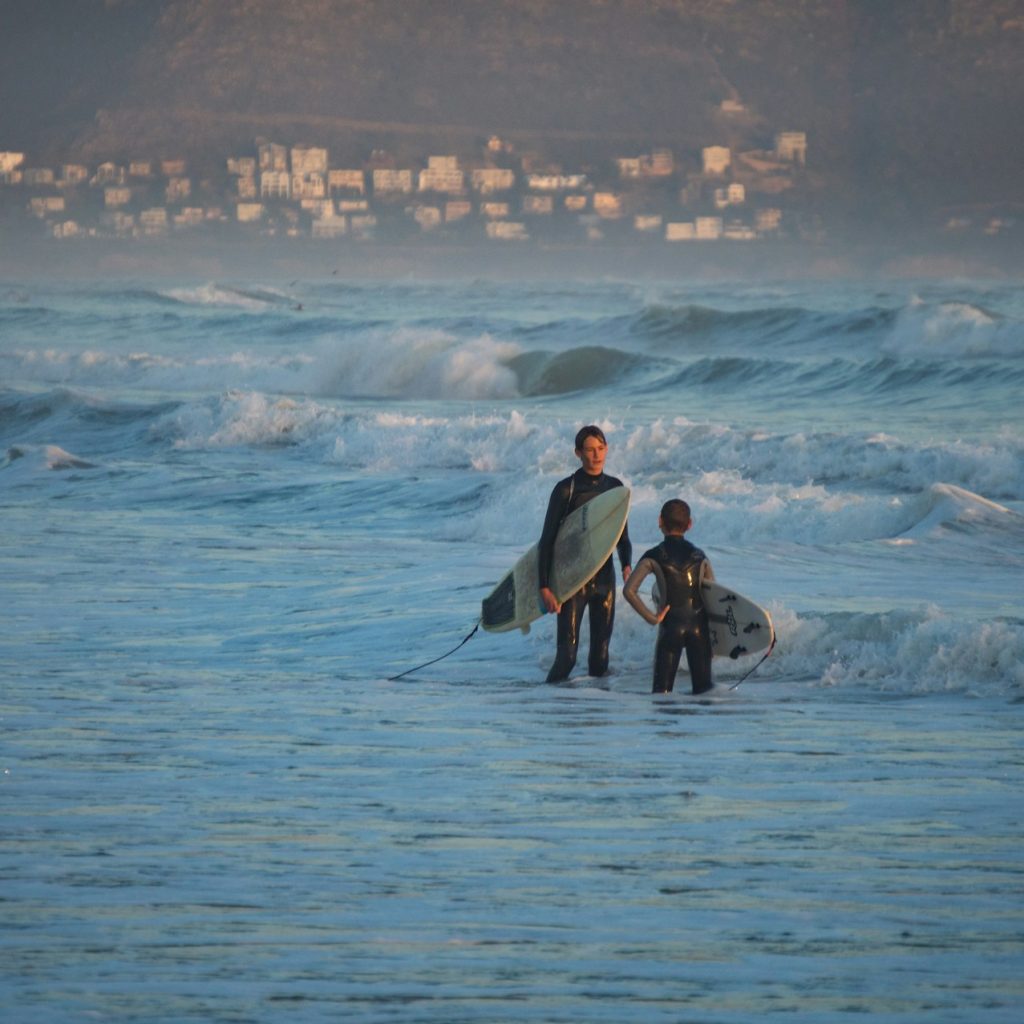
If you’ve never tried surfing, sea kayaking, kite-surfing, or other sea-based watersports, Cape Town might be your perfect opportunity, as there’s often plenty of wind as well as some beginner-friendly waters. But as mentioned, there are many different sorts of beaches surrounding the city, and some of them offer juggernaut waves. Dungeons in Hout Bay is the city’s most famous big-wave spot. It is, in fact, the country’s top location for extreme surfing.
Finally, but not least, there’s the food. This can be centred on fine dining, but it certainly doesn’t need to be. The city’s street, market, and café fare is varied and heavenly too.
Some of Cape Town’s most famous savoury dishes to try are bobotie (a Cape Malay baked dish involving spiced minced meat), potjiekos (a traditional stew cooked in a cast-iron pot), and the gatsby (a massive sandwich stuffed with fries, meat, and sauce). The city’s most famous sweet treats include Afrikaans specialities like milk tart (a baked custard tart dusted with cinnamon) and koeksisters (sweet, syrupy, twisted doughnuts).
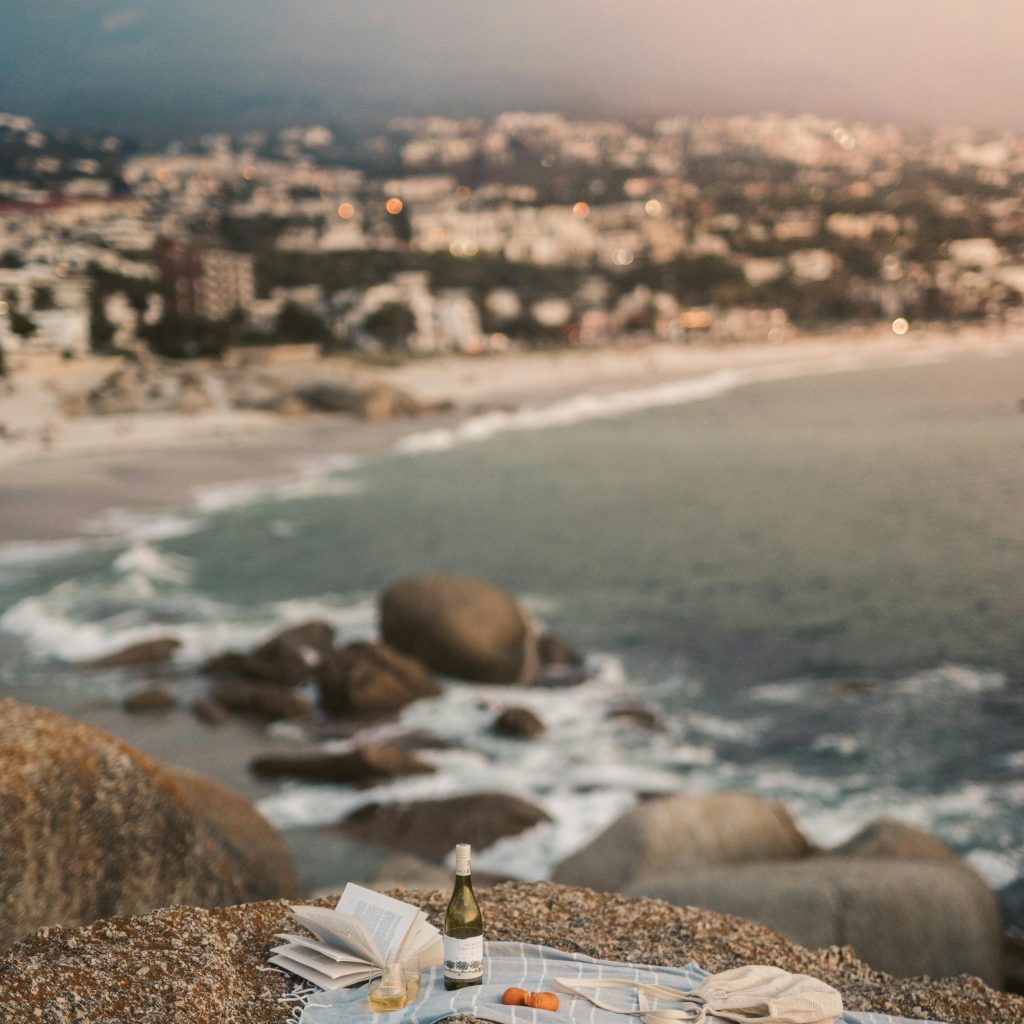
Finally, I can’t not mention the wine when talking about Cape Town. Yes, the vineyards aren’t technically in the city, but they’re so close that it would be churlish to overlook them.
South Africa’s wine story began with the French Huguenots, who brought their viticulture knowledge with them when they settled in the adjacent Cape Fold Mountains in 1688. While you could order some wine with a meal in the city, you have some of the world’s finest wineries within an hour’s drive. So make a plan to visit at least one or two of the nearby wine estates, or, perhaps even better, go on a wine-and-cheese-tasting tram trip.
Many international travellers coming for an overlanding trip in Southern Africa start or end their journey in Cape Town. Like those embarking on African Overland Tours’ popular Cape Town, Kruger and Vic Falls expedition.
The city is an ideal starting or finishing point for overlanders, for a few reasons. First of all, Cape Town International Airport is regularly voted as Africa’s best airport.
Secondly, Cape Town sits in a little pocket of land at the tip of the continent that’s vastly different from anywhere else in sub-Saharan Africa. The landscape, history, architecture, climate, vegetation, cuisine … it has all created an African anomaly. So no Southern African trip can really be thought to be complete without Cape Town in it.
Finally, it’s always a good idea to give yourself a buffer day or two for international flights in case something goes wrong. And what better place than Cape Town for killing some time? Because as I’ve hopefully proved, there’s no shortage of thrilling, fascinating, scenic, and tasty things to do here.
Note: This blog post was first published on 9 April 2013. It was rewritten by Megan Abigail White on 13 January 2026.
Cape Town is one of the world’s most beloved cities
5
2

Price From
R72,499
3

Price From
R58,310
4
Price From
R91,350
5
Price From
R119,250
It is highly recommended that you apply for a Namibian e-Visa before your trip to potentially reduce waiting times and congestion at border points. Namibia launched its new online visa application system on March 3, 2025, which allows eligible travellers…
 11 MIN READ
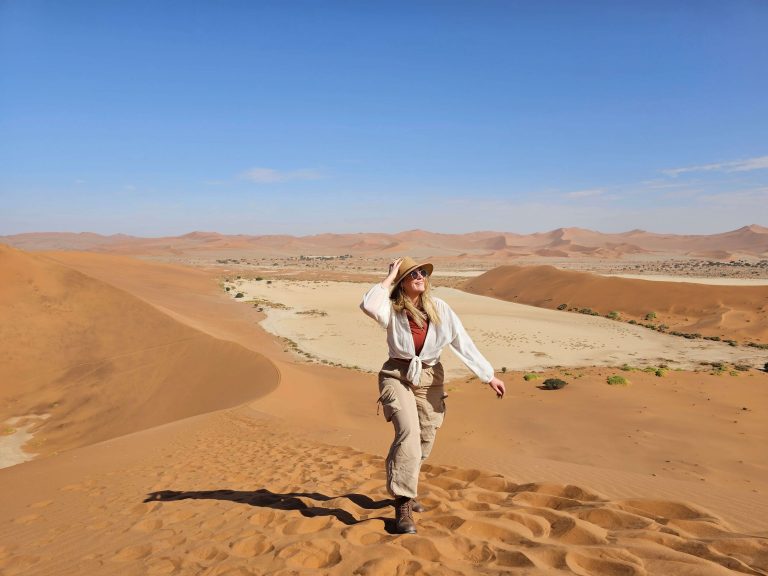
The call of Africa is strong, and reverberates deep within the soul. However, for the solo female traveller, it can be daunting. The idea of exploring this vast and diverse continent can be both exhilarating and perhaps a little overwhelming.…
6 MIN READ
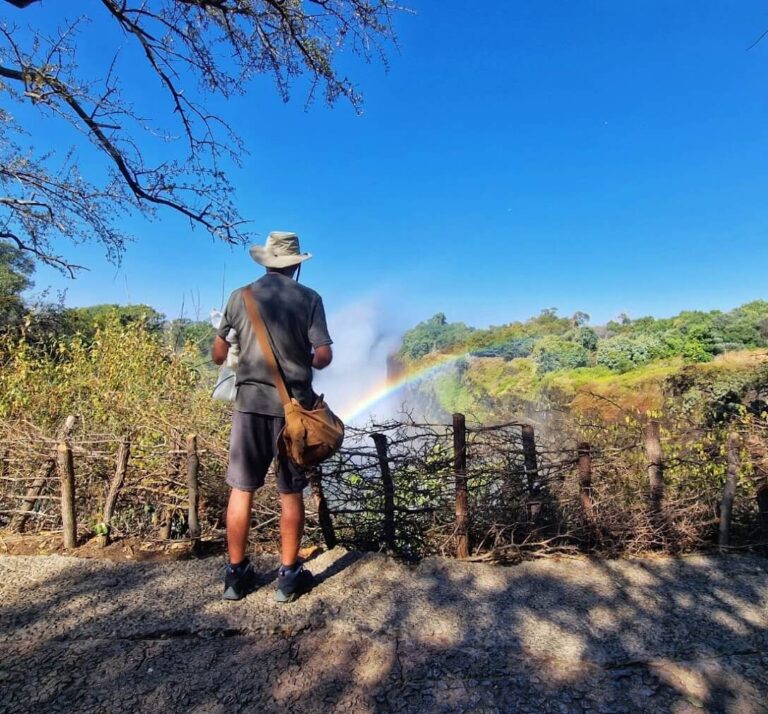
Discover the Smoke that Thunders One of the Seven Natural Wonders of the World, Victoria Falls is breathtakingly beautiful. The Tonga people, who have lived near the falls for centuries, call it Mosi Oa Tunya, or “the smoke that thunders.”…
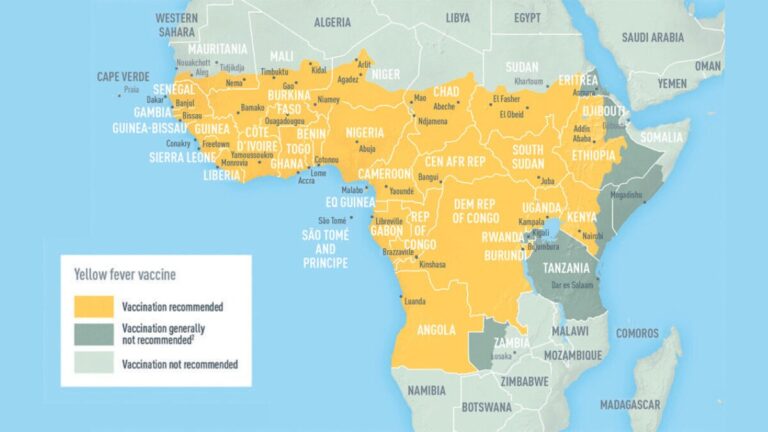
Here is a guide on yellow fever requirements for East and Southern Africa, aimed at clarifying the situation for clients travelling from countries with no risk of yellow fever transmission, specifically to Southern Africa. Understanding Yellow Fever and Transmission Risk…
4 MIN READ
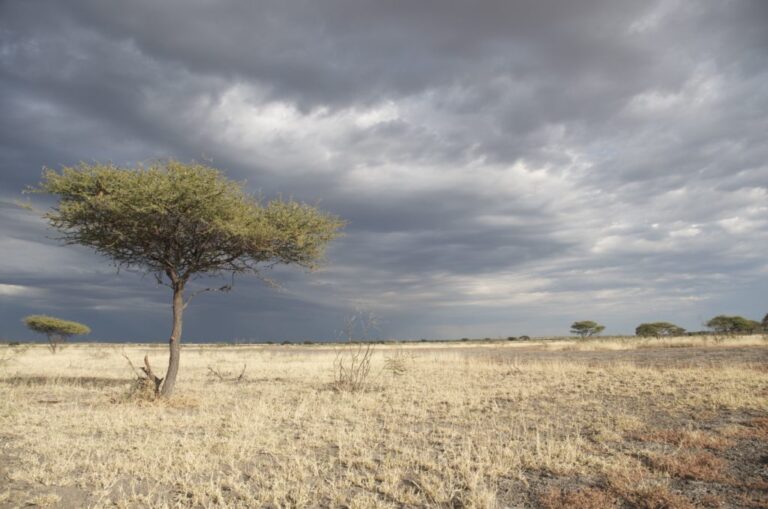
Embark on an inspiring journey to the Kalahari Desert, a vast and captivating landscape in southern Africa. Often called simply the Kalahari, this remarkable region is more accurately described as a large semi-arid sandy savannah rather than a true desert.…
7 MIN READ
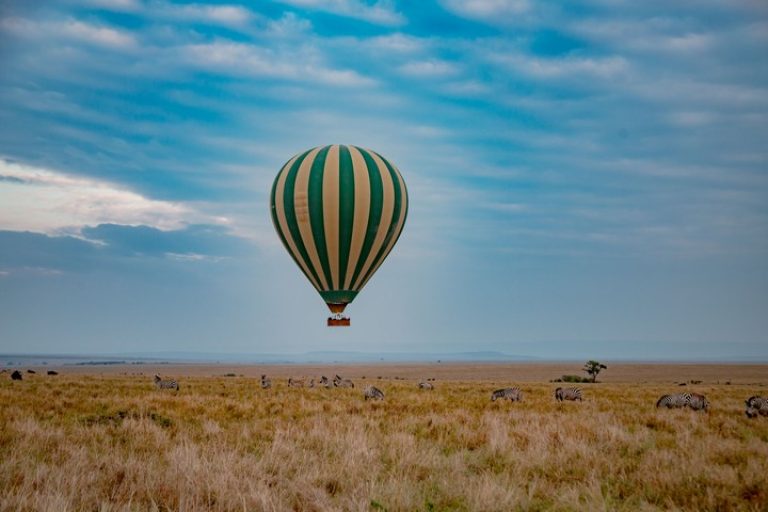
Welcome to the heart of wild Africa, where rolling savannahs meet dramatic river crossings and an unparalleled abundance of wildlife roams free. Mara Africa, often known as the Maasai Mara National Reserve and sometimes spelt Masai Mara, or locally as…
6 MIN READ
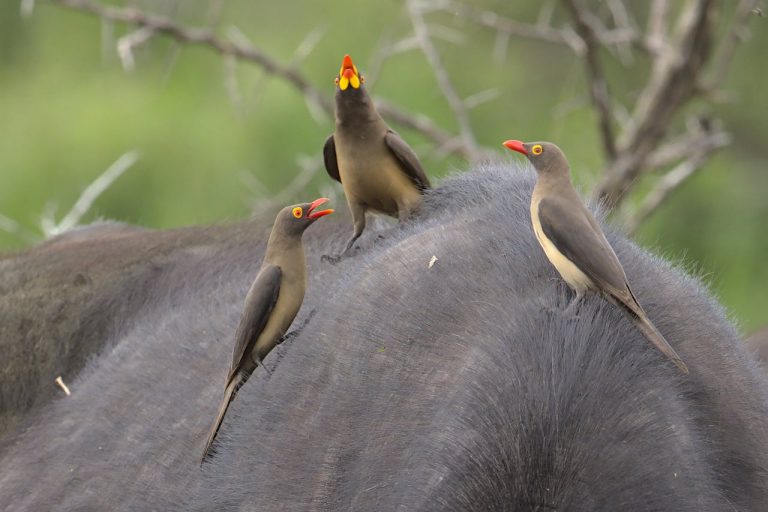
So, you’ve just disembarked from your cruise. The sun’s shining, maybe you’ve got a little extra glow (or a slight sunburn!), and you’re feeling the urge to do something more… While cruises offer a relaxing way to explore a few…
5 MIN READ

Are you over 40 and dreaming of an African adventure but unsure where to start? Meet Colleen, an inspiring traveller who recently embarked on a transformative overland tour from Victoria Fall to Cape Town —designed especially for those in their…
5 MIN READ
Imagine working under the vast African sky, connecting with fellow digital nomads, and building a thriving community while exploring breathtaking landscapes… what could be better? Overlanding Africa isn’t just a travel adventure; it’s a unique opportunity to escape the isolation…
4 MIN READ

"*" indicates required fields