

African Overland Tours
https://www.facebook.com/AfricanOverlandTourscom/
https://www.instagram.com/african_overland_tours/
https://www.youtube.com/@africanoverlandtoursandsafaris
+27 (0) 21 448 0997
Customer Service
Worldwide

African Overland Tours
https://www.facebook.com/AfricanOverlandTourscom/
https://www.instagram.com/african_overland_tours/
https://www.youtube.com/@africanoverlandtoursandsafaris
+27 (0) 21 448 0997
Customer Service
Worldwide
Here are five things to know before your African safari
From showing caution with respect to the wildlife, which includes mosquitoes, to managing your expectations on what you’ll find, here are five things I believe it’s useful to know or consider before planning and booking an African safari …
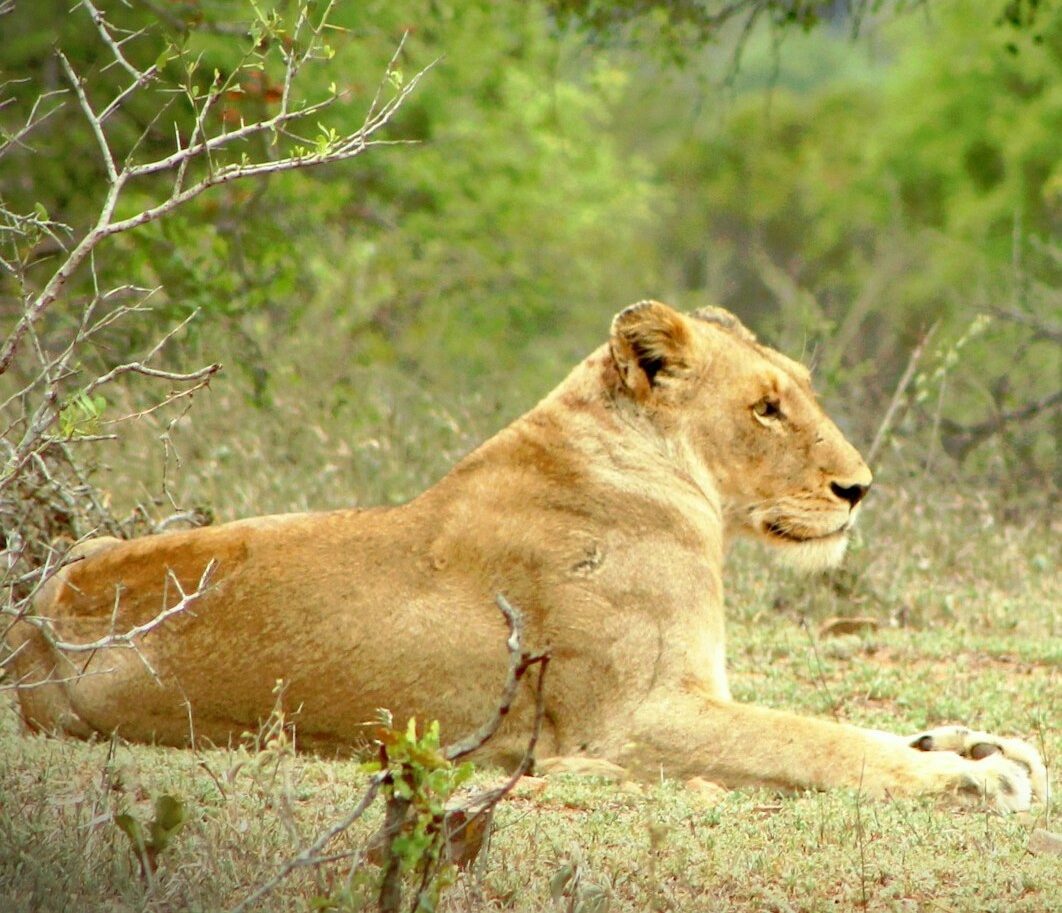
Almost everyone knows to mind their p’s and q’s around the likes of lions and elephants. But sometimes it appears that visitors forget this, because you see them stepping out of their vehicle, for instance, to take a closer photo. Never do this.
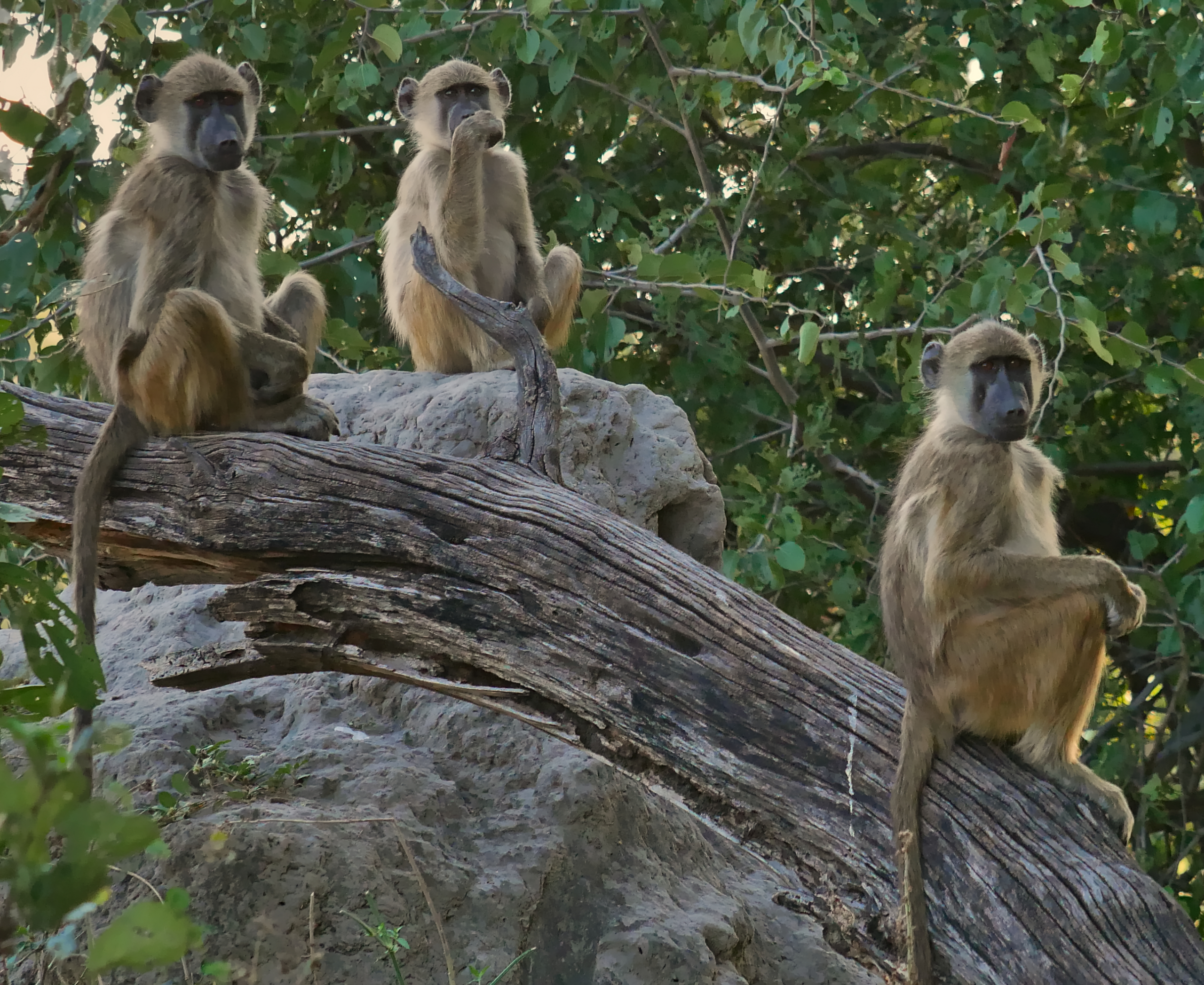
Many of Africa’s wild animals are very big, strong, toothy, or swift, like buffaloes, leopards, crocodiles, and hippos. But there are others that can also do you great harm. Some of them are poisonous, swift, aggressive, or have sharp claws or beaks. I’m thinking here of the likes of ostriches, baboons, and honey badgers. These creatures can actually be a little more dangerous precisely because the threats they pose aren’t so well-known among tourists.
No matter what wildlife you see, or don’t see (remember, they they often like to stay hidden), please remember that the animals you see on an African safari are wild – as in, untamed and unpredictable.
So the thing to please know – and remember well, even when you get excited at seeing something special – is that you must listen to your safari guide’s advice at all times. If you’re planning a self-drive safari, then you need to properly research the do’s and don’ts of safari safety in the reserve you intend to visit.
A few basic safari safety pointers are:
The Big Five – Cape buffalo, bush elephant, lion, leopard, and black rhino – was a concept devised by colonial hunters in reference to the African wildlife they deemed the most dangerous to hunt on foot.
Today, the Big Five has become an overpowering marketing message that greatly shapes safarigoers’ ideas of what an African safari ‘should’ be. This is so much the case, that marketers now ignore mentioning the Big Five at their peril. And there you have it: a seemingly unbreakable cyclic reinforcing of the idea that the Big Five are the heart and soul of a great safari.
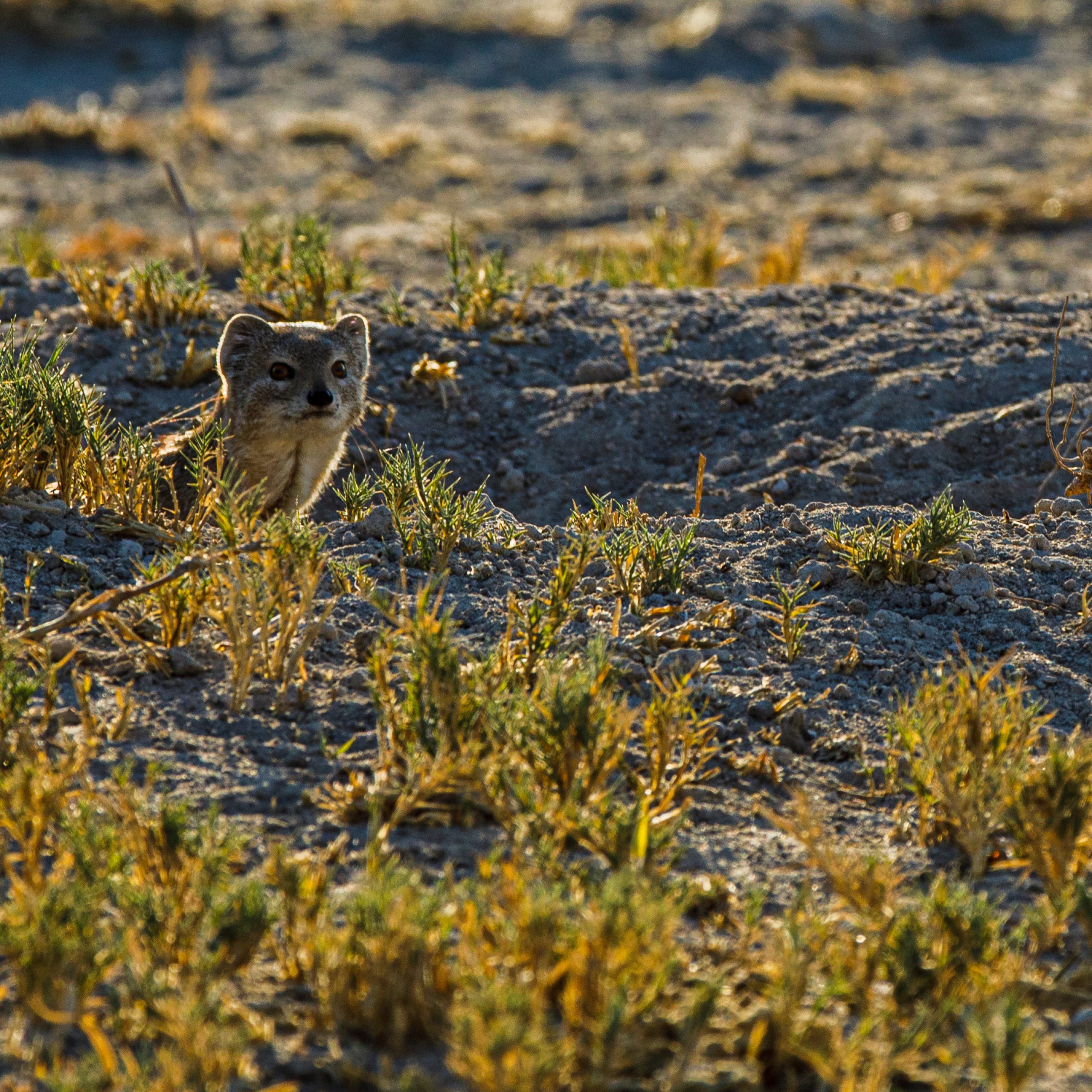
Certainly, it’s wonderful to see the animals of the Big Five. But Africa has hundreds of wild mammal species. There are dozens of rare and beautiful antelopes, for instance, from large kudus down to dwarf duikers. There are also many rare, little-known, and literally little species that are thrilling to find, like meerkats, porcupines, bush babies, pangolins, anthill tigers, and bleeding-heart monkeys.
Personally, I’ve found spotting the smaller, lesser-known, or shyer animals on safari to be more captivating than the famous animals I’ve seen in countless photographs and videos. It’s the creatures who’s names and faces I don’t immediately recognise that can inject a wonderful sense of surprise and discovery into a safari.
If we try to remove the Big Five marketing message from our brains, we open ourselves up to being pleased with whatever animals we find on our own unique safari experience.
Remember too that Africa is chockfull of fascinating species beyond the mammals, like enormous birds, chameleons that live on one mountain alone, rare primates, and bafflingly capable beetles.
If you approach your safari without preconceived ideas about the animals that make it worthwhile or ‘successful’, you’re prepping yourself to have incredible experience.
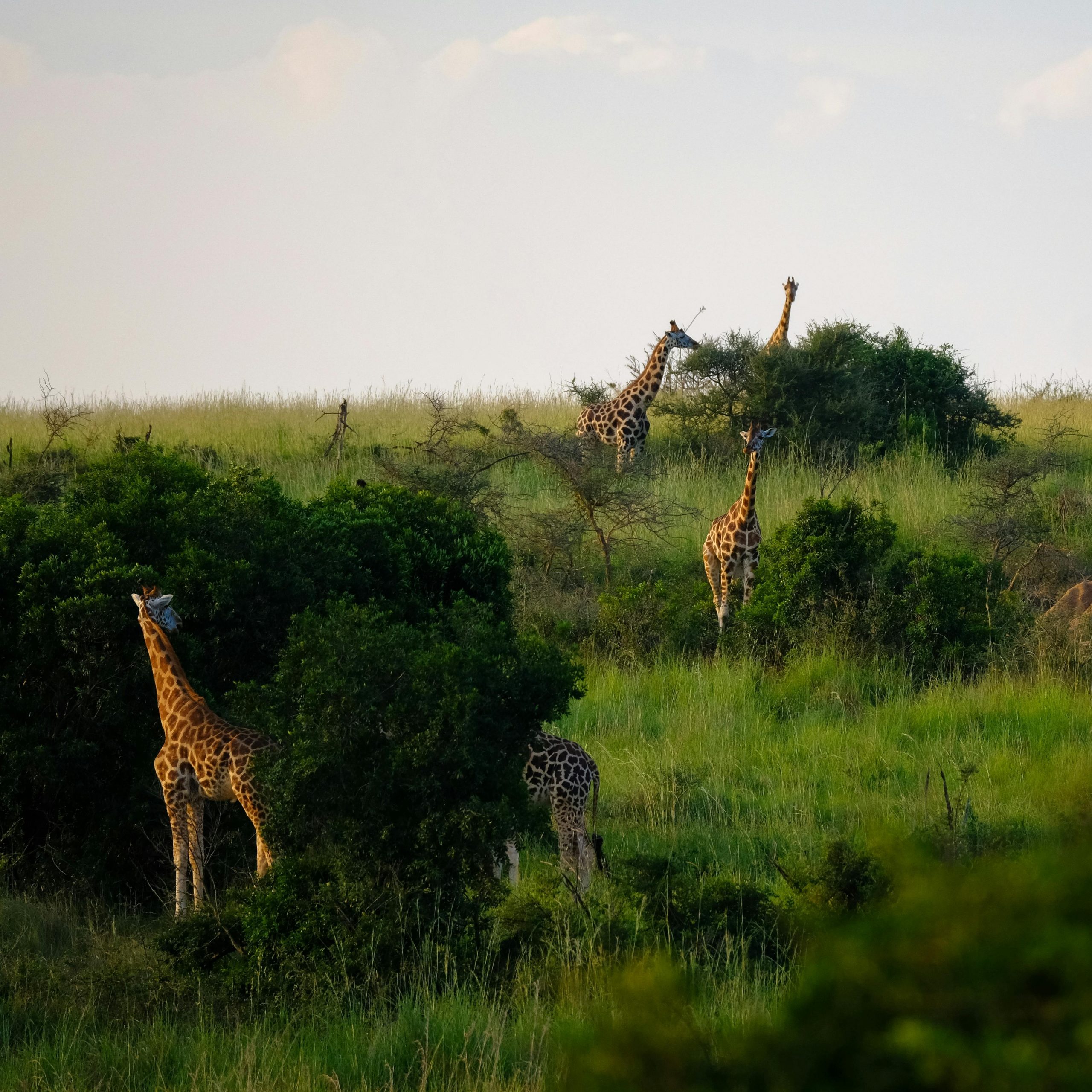
As just discussed, marketing affects everything, not least where we book our safaris.
When it comes to going on safari in Africa, everyone knows about the Kruger in South Africa, the Serengeti in Tanzania, and the Masai Mara in Kenya. What this means is that these flagship reserves can become packed with visitors – sometimes there’s a traffic jam around particularly exciting wildlife sightings!
While these reserves are famous for good reasons, and visiting them certainly won’t disappoint, there are many lesser-known or smaller reserves all over Africa filled with an abundance and diversity of wildlife, as well as wonderful scenery, but without the crowds.
Moreover, if you’d like for your travel decisions to help make tourism in Africa more sustainable for people and more supportive of wildlife conservation, then planning to visit the countries and parks that don’t receive an overabundance of safarigoers is a powerful decision.
Some such places you might like to research are Majete Wildlife Reserve in Malawi, Bwabwata National Park in the Caprivi Strip, and North Luangwa National Park in Zambia. Not only are these reserves examples of lesser-known destinations, they’re also built on fantastic models of community involvement.
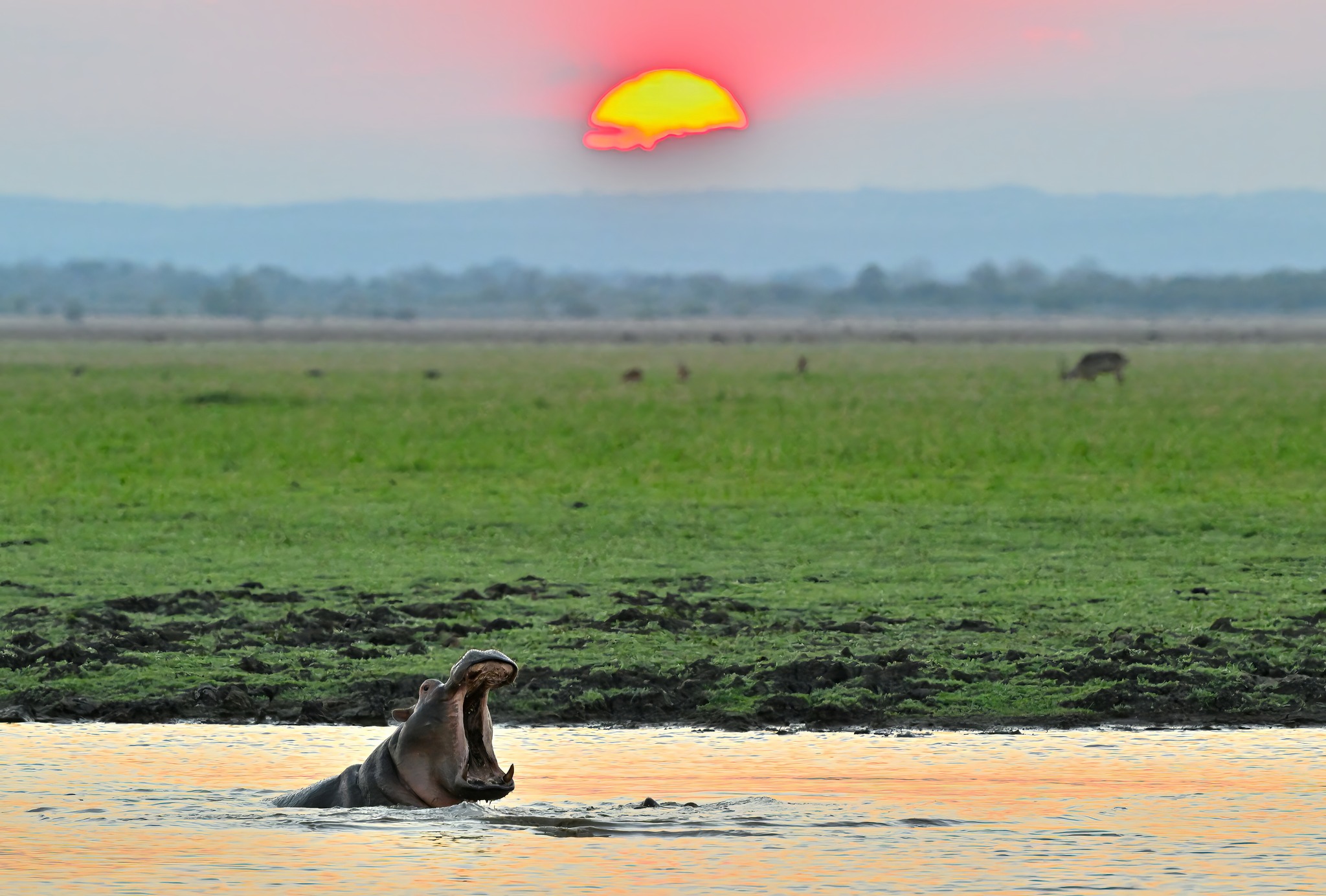
Malaria is a risk in almost all East Africa’s safari destinations, as well as many Southern African ones. You should consult with your GP or travel clinic before you travel to Africa to see if the places you’re going to visit are risk areas at that time of year. If they are, discuss the pros and cons of prophylactic medications. This is a particularly important discussion to have if you intend to go on safari with small kids under the age of five.
Two other important notes on the malaria situation.
Firstly, the general safety measures that everyone should take when visiting a malarial region are:
Secondly, know that there are wonderful game reserves in Southern Africa that are either perennially or seasonally free of malaria. Most of South Africa is, in fact, free of malaria, save for the northeastern corner, where you find Kruger. But even there, the risk is mostly seasonal, with winter generally considered safe as the mosquitoes tend to die or go dormant.
Flights within Africa are generally pretty expensive, especially if you’re used to the budget airline prices of Europe, Asia, and North America. What’s more, it’s short-haul flights that are the worst for the environment, as it’s takeoff and landing that cause the most emissions.
With this in mind, I recommend that you decide on the region of Africa you’d like to visit, and then commit to travelling by land.
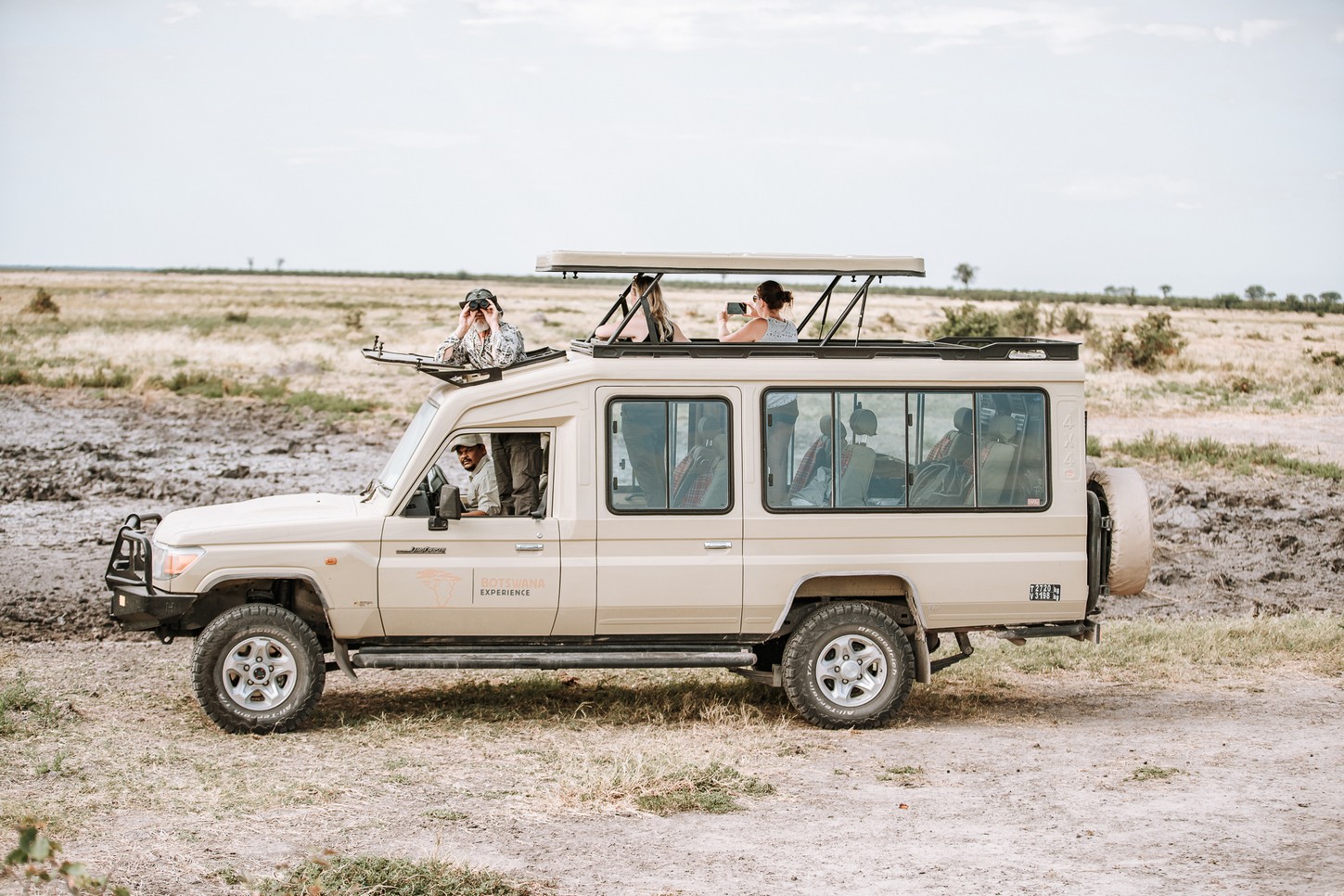
Given that most of the continent doesn’t have reliable passenger trains – or any trains at all – you’re going to need to travel by vehicle. But note that many African game reserves can only be safely navigated in a four-wheel-drive (4WD). What’s more, in some countries the roads between reserves aren’t good either, so often you need 4WD to get around in general.
The good news is that overlanding in Africa is a wonderful experience. It’s more culturally immersive than dropping in and out of the super touristy destinations. It’s also one of the most budget-friendly ways of travel in Africa.
It’s a really good idea to join a group tour when planning to go on an African safari, especially a multinational one.
Group overlanding tours offer the safety of numbers, discounted rates, and a local guide. What’s more, that guide deals with the varying paperwork required at different national borders, among other things. If you’re on the fence when it comes to group versus self-drive safaris, know that I discuss the topic properly in Overlanding in Africa: self-drive or group tour?
African Overland Tours offers budget-friendly overlanding safaris through East and Southern Africa, lasting from one week to more than 60 days! Have a look at their varied and exciting itineraries to find the one that’s just right for you.
Note: This blog post was first written by Sarah Duff in 2015. It was rewritten by Megan Abigail White in 2026.
5 things to know before you go on an African safari
6
1

Price From
R58,480
2

Price From
was
R62,950
R56,655
3
Price From
was
R92,950
R83,655
4
Price From
was
R265,950
R239,355
5
Price From
was
R56,950
R48,407
6

Price From
was
R104,950
R94,455
There are a few things to consider when deciding where in Africa to take your kids on safari – and I discuss them all Those able to take their kids on safari most definitely should! It’s a mind- and soul-expanding…
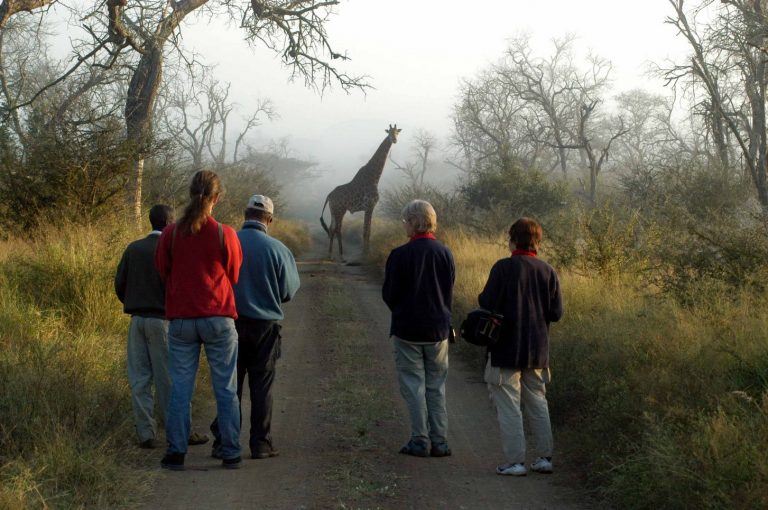
Be sure to book a walking safari in Africa to enjoy a very different sort of wildlife experience When someone says the word safari, we usually picture people being driven across the savannah in a 4×4. Safari game drives are…
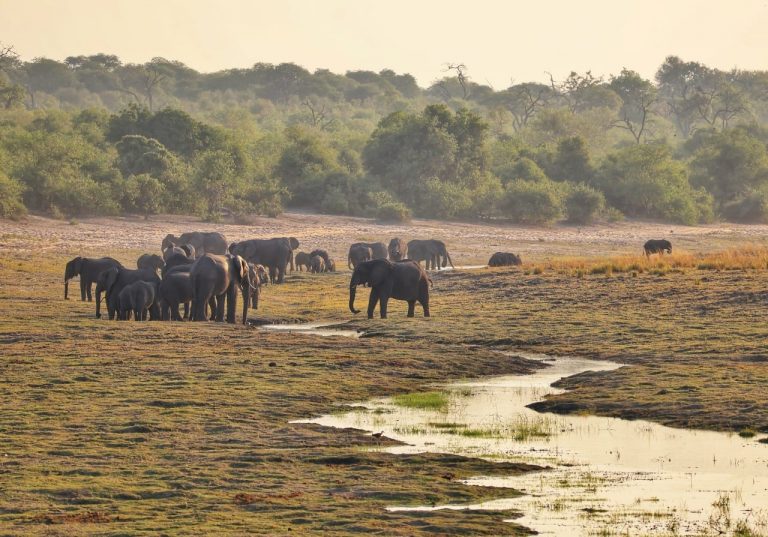
Who is suited to an African overland tour and how do you find the right one for you? An African overland tour is a wild and immersive trip that’s often life-changing and life-affirming. But it’s not for absolutely everyone. Then…
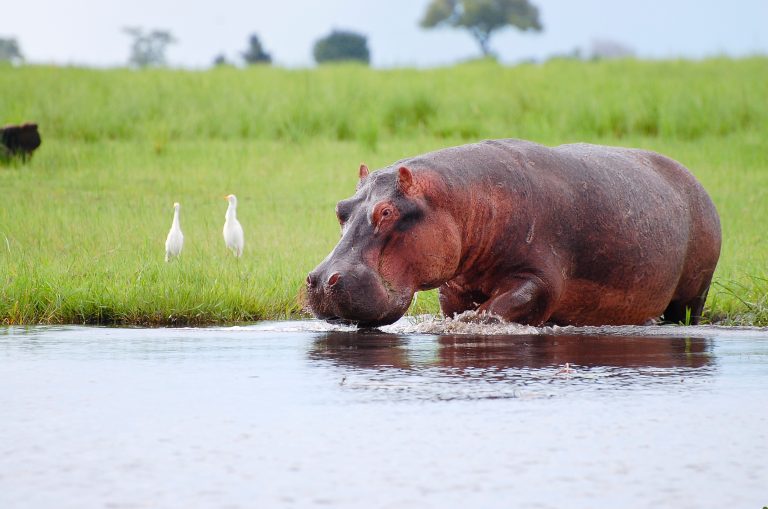
Let’s discuss the main differences between East African and Southern African safaris to help you choose the right destination for you Both East Africa and Southern Africa offer varied and thrilling African safari experiences. You can find a wonderful variety…
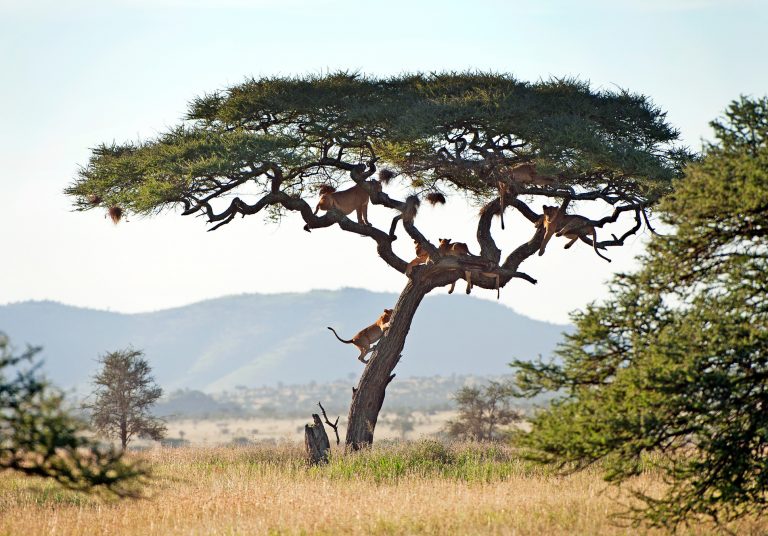
An African safari is, overall, a very safe sort of trip There’s no reason to be unduly worried about your safety when going on a safari in Africa. Most such trips go off without a hitch. That said, travel is…
"*" indicates required fields