

African Overland Tours
https://www.facebook.com/AfricanOverlandTourscom/
https://www.instagram.com/african_overland_tours/
https://www.youtube.com/@africanoverlandtoursandsafaris
+27 (0) 21 448 0997
Customer Service
Worldwide

African Overland Tours
https://www.facebook.com/AfricanOverlandTourscom/
https://www.instagram.com/african_overland_tours/
https://www.youtube.com/@africanoverlandtoursandsafaris
+27 (0) 21 448 0997
Customer Service
Worldwide
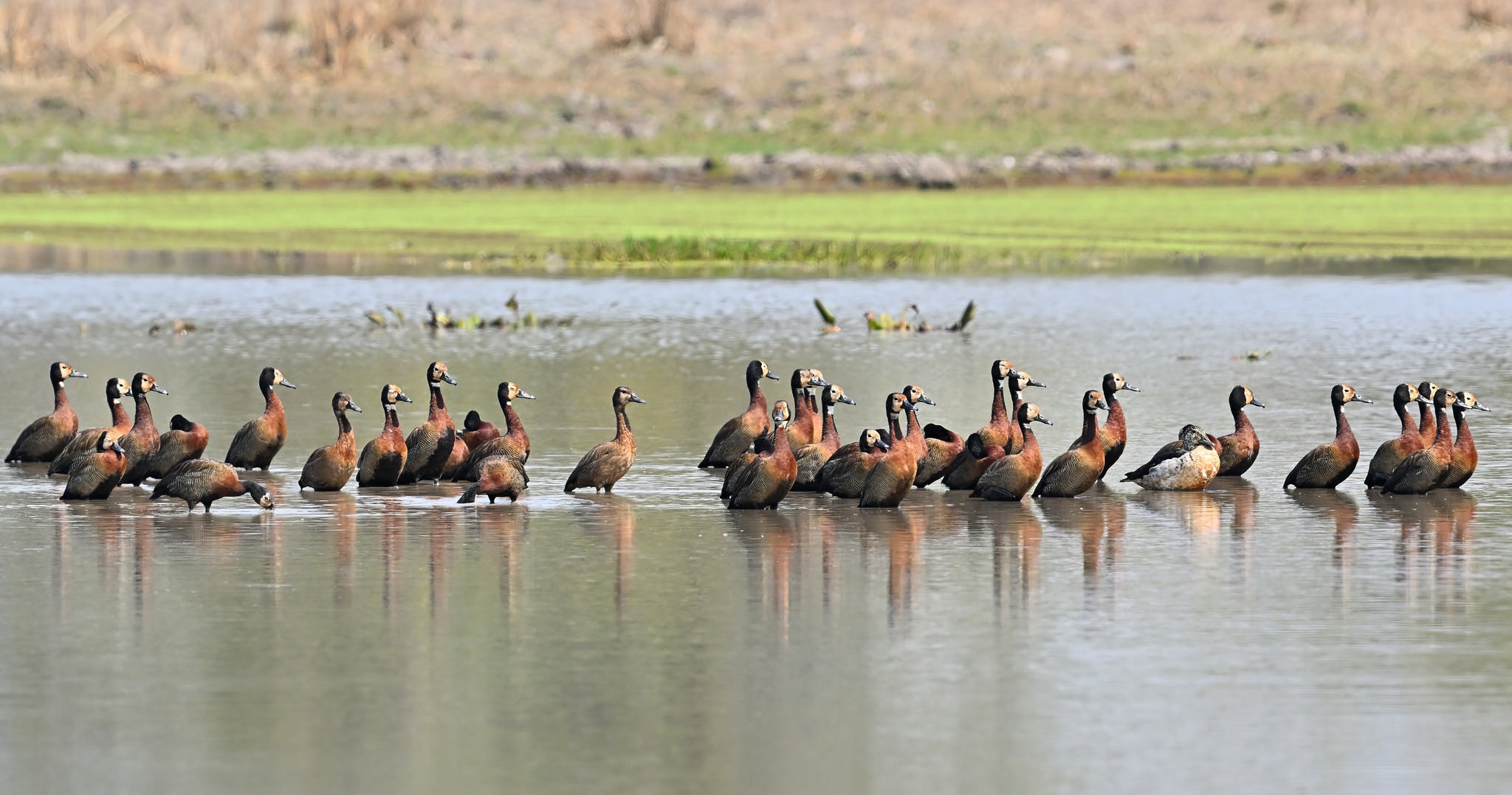
Mozambique’s C20th conflict collapsed the country’s tourism, but now it’s rebuilding, and tourists are returning
Some older readers may remember when Mozambique was one of Southern Africa’s premier tourism destinations. High-flyers from all over the globe came here to enjoy drinks on sunny beaches and look for Africa’s greats on safari drives.
But then, a tragedy. The country descended into a terrible civil war that lasted from 1977 to 1992.
The impact of the conflict on the country’s game parks and wildlife was devastating, particularly in the central region. Yet nature is profoundly resilient. And the story of Momzambique’s wildlife and safari tourism is one of resilience too.
Note: Most of the photos in this blog post, including the featured image, are used with kind permission from Joao Fernandes, who travelled to Mozambique with African Overland Tours.
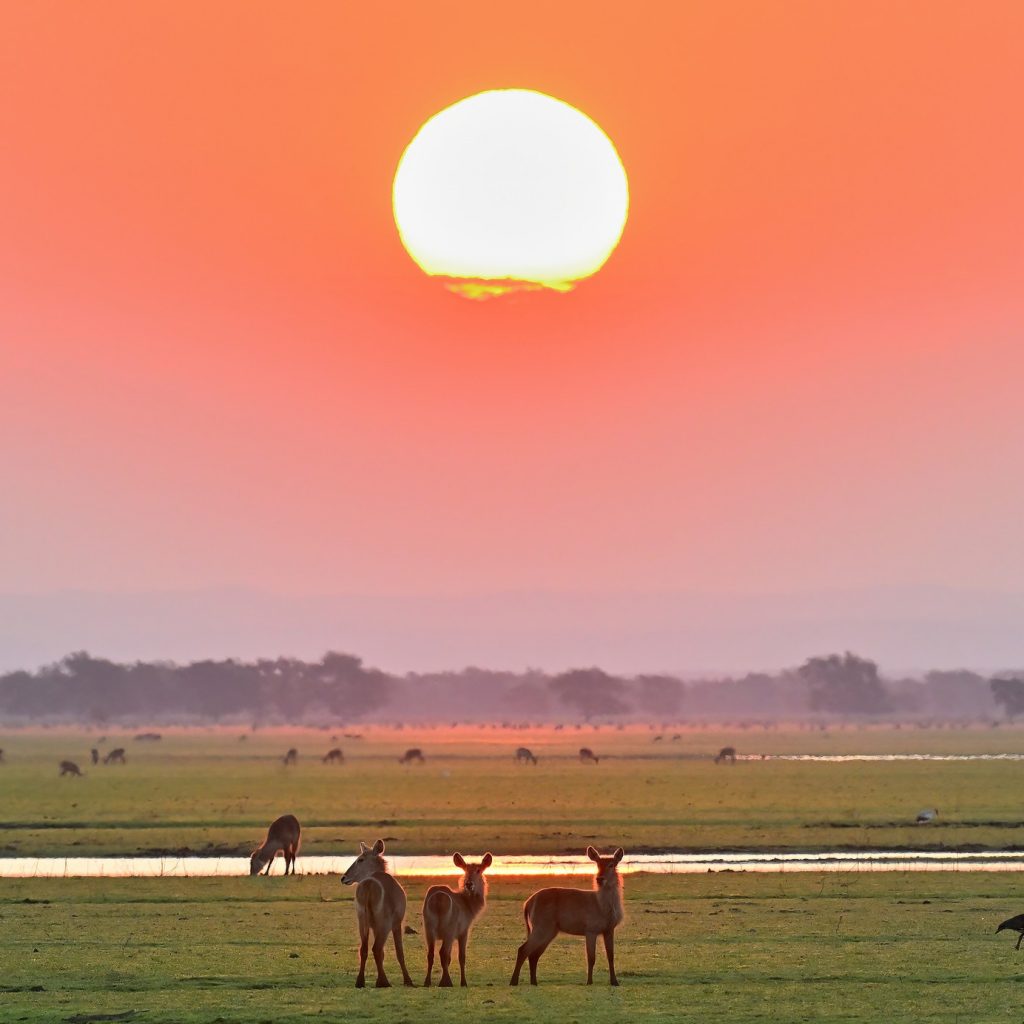
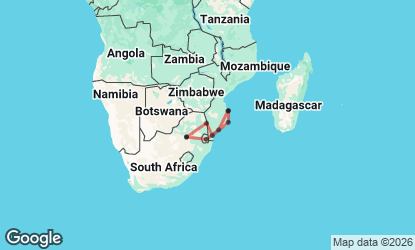
There are many incredible wildlife reserves within Mozambique, all offering excellent gamespotting. But I’m going to focus on just three reserves – ones that stand out to me as offering exceptional but distinct safari experiences and ones that are spread across the length of the country.
This last point is important because Mozambique is a very big country (almost double the size of California). So you couldn’t possibly visit it all in one trip. Depending on where in the country you choose to explore, you can enjoy a world-class safari in:
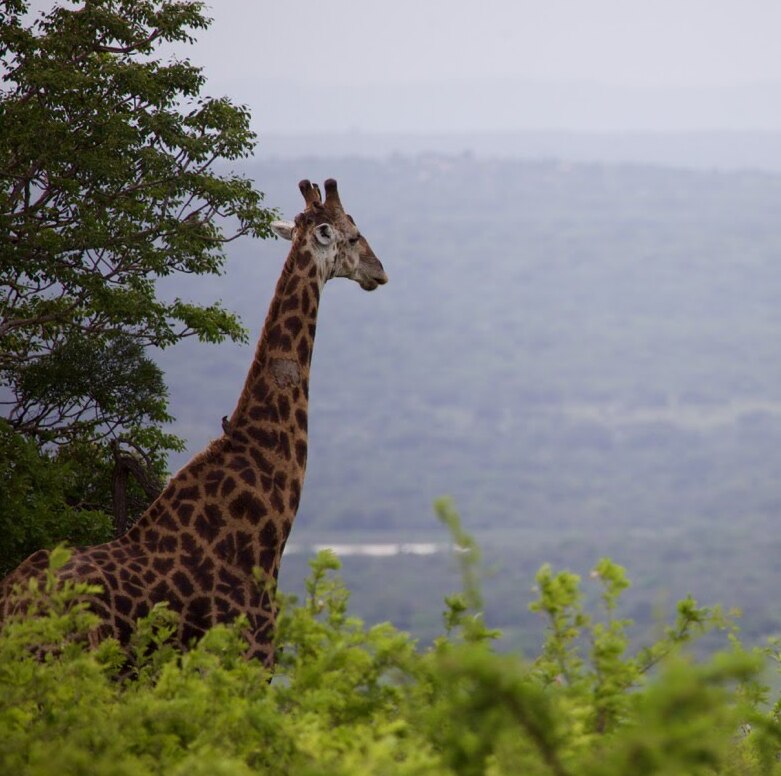
In the south of Mozambique is one of the country’s top safari spots: Limpopo National Park.
Named for the mighty Limpopo River that runs through it, the park is actually part of a much larger, transnational reserve called the Great Limpopo Transfrontier Park. This larger protected region also includes Kruger National Park in South Africa and Gonarezhou National Park in Zimbabwe, among two other national parks in Mozambique and various corridors (connecting reserves).
At 35,000 sq km (13,500 sq mi), the fenceless Great Limpopo Transfrontier Park is home to an incredible and diverse range of free-roaming wildlife. Inhabitants include elephants, lions, leopards, buffaloes, cheetahs, giraffes, zebras, hyenas, hippos, warthogs, crocodiles, endangered painted wolves, and diverse antelope species. It’s also a birding hotspot, with over 500 recorded bird species!
It’s truly one of Africa’s best safari destinations. And while many international visitors head to the more famous Kruger National Park, those wanting a quieter and wilder safari should consider Limpopo National Park.
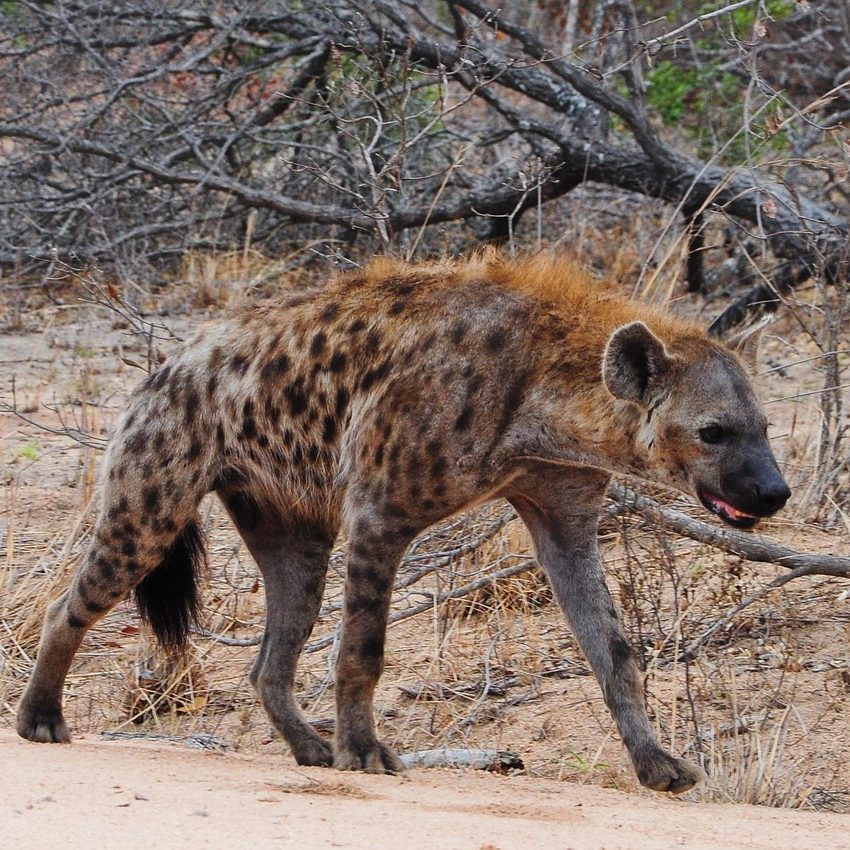
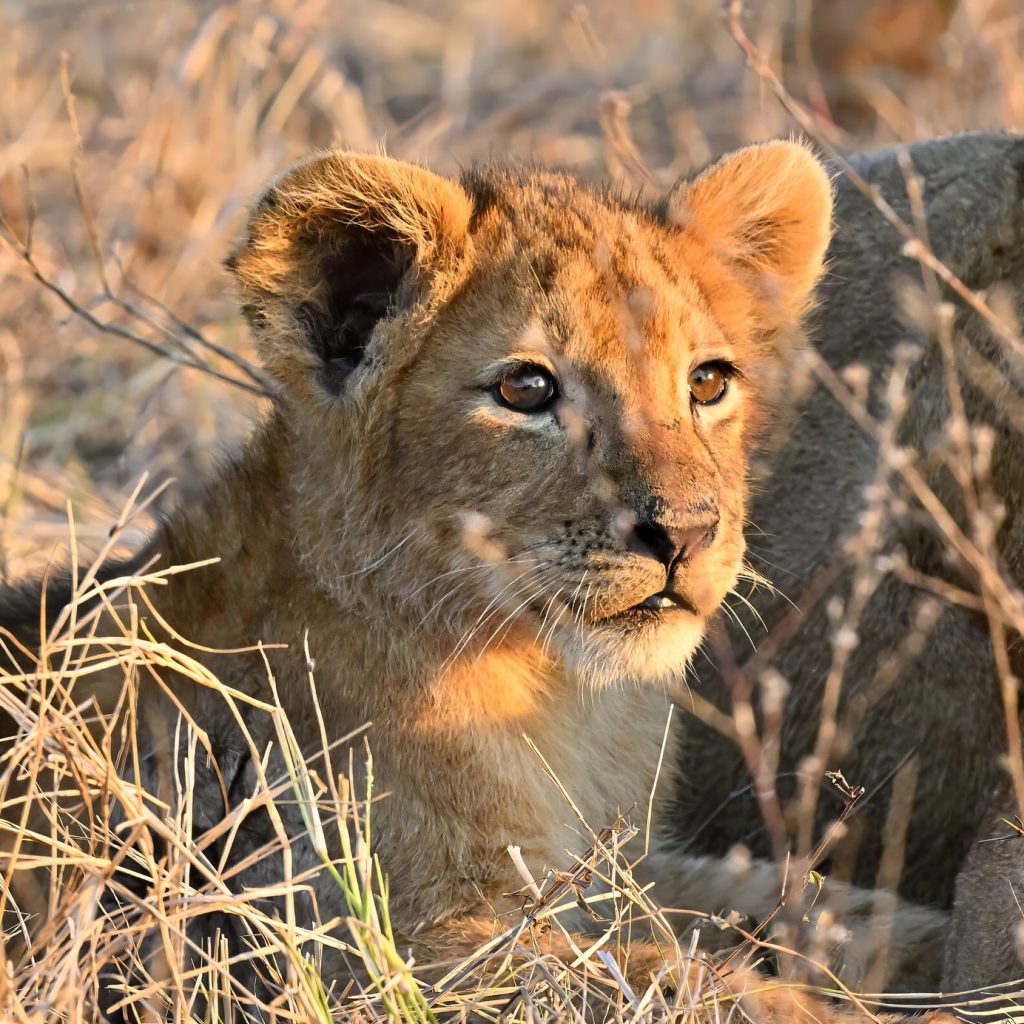
I mentioned in the intro about the devastating effects of the civil war on Mozambique’s nature reserves and wildlife. Nowhere was this felt more than in Gorongosa National Park.
Thankfully, the Gorongosa Restoration Project, which began in 2007, has managed to restore healthy populations of these species. It’s arguably Africa’s greatest restoration story.
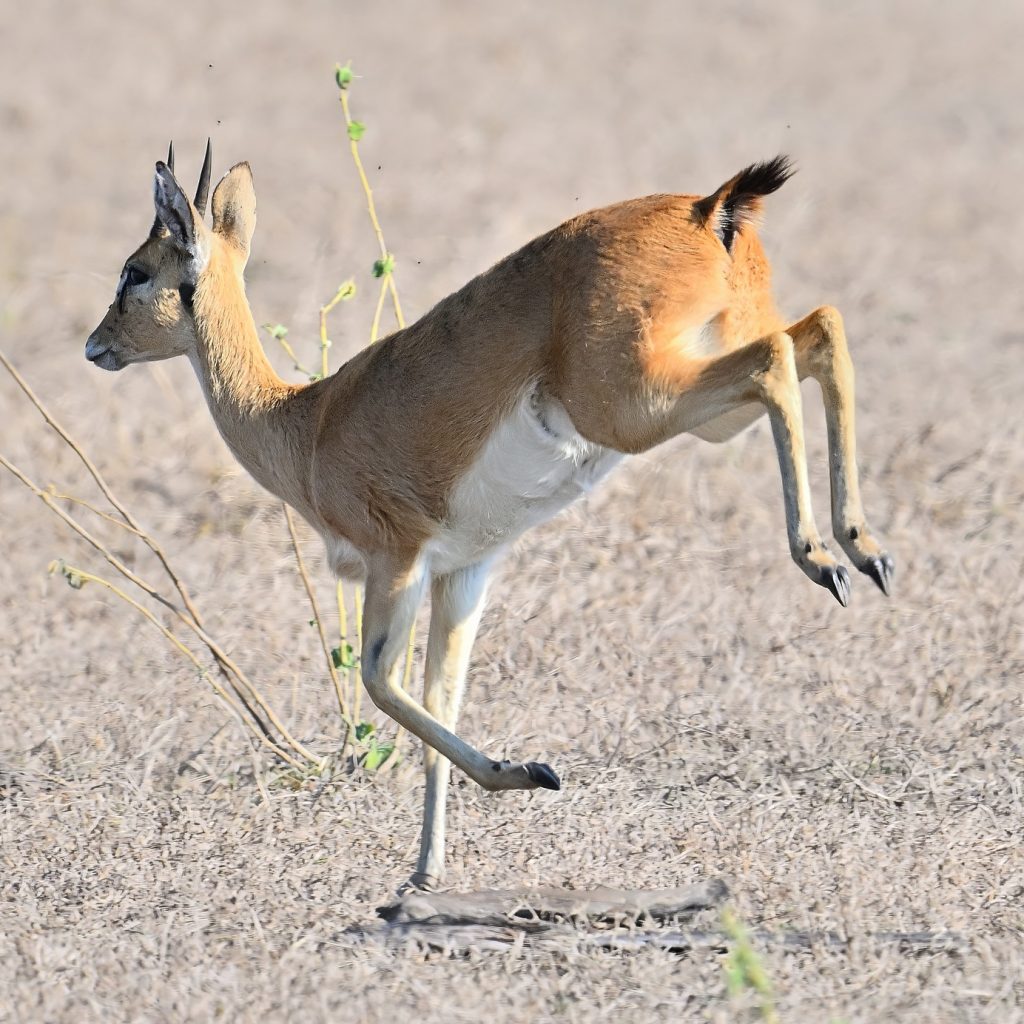
Consequently, today’s visitors to Gorongosa can once again enjoy stellar game viewing. The park’s wildlife roster includes all the notable species I mentioned for Limpopo National Park. You also stand a higher-than-usual chance of spotting small oribis (see above), as Gorongosa is one of the species’ few real strongholds.
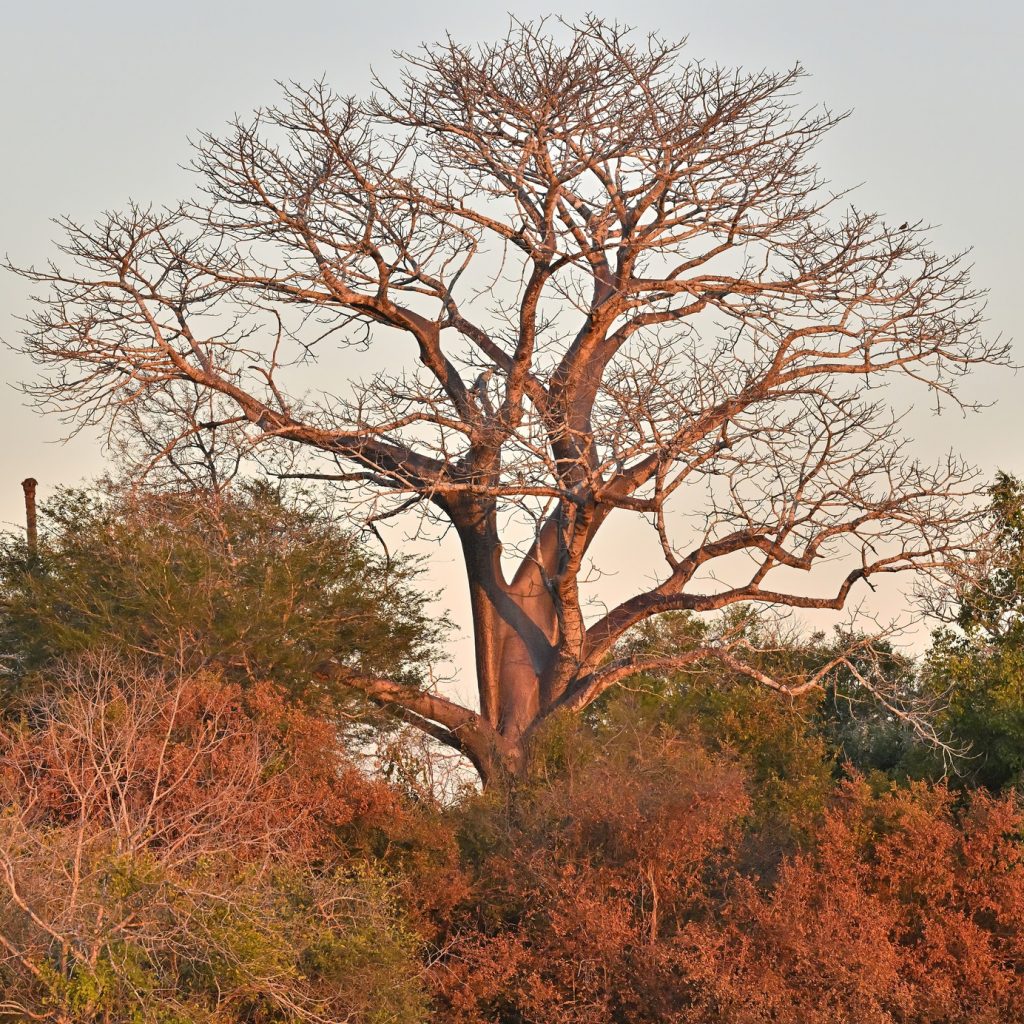
I must also take a moment to say that Gorongosa is utterly beautiful.
Located at the southern tip of Africa’s Great Rift Valley, the park has gorgeous savannah grasslands and woodlands, seasonal wetlands around Lake Urema, unique limestone gorges supporting evergreen forests, and montane rainforests on the slopes of the isolated Mount Gorongosa.
The presence of Mount Gorongosa really does make the park extra special. This volcanic mountain (after which the park is named) rises out of the savannah to a height of 1,863 m (6,112 ft). The rainforest blanketing its slopes is an isolated ecosystem, and consequently you can find some rare and endemic species here, including the Mount Gorongosa pygmy chameleon.

Niassa Special Reserve sits in the far north of Mozambique on the border with Tanzania and Malawi. The border with Malawi is, however, a lacustrine (lake-based) one, as it runs down the centre of Lake Niassa (also known as Lake Malawi).
Niassa is magnificently massive. At 42,000 sq km (16,000 sq mi), it’s roughly the same size as Denmark or Switzerland. This makes it one of Africa’s largest wilderness areas.
Niassa is also truly removed. It’s considered the most remote and untouched part of Mozambique. Very few tourists venture this far north, yet those who do are spellbound. (That said, please keep an eye on travel advisories and only visit the park with a local tour operator.)
The reserve’s truly vast miombo forests, enormous inselbergs with sometimes sheer cliff faces, and narrow gorges put me in mind of something out of a Jurassic Park movie. In researching the park, I came across others who had landed on the same description. How else to describe a place that feels so raw, vital, and untamed?

The wildlife of Niassa is stellar, thanks not only to its great size but also its connectedness through wildlife corridors to other large reserves. According to the Wildlife Conservation Society, the reserve is home to over 4,000 bush elephants. It also has many lions and leopards, thanks in large part to the award-winning Niassa Carnivore Project.
Niassa is a particularly good place for spotting painted wolves (also called African wild dogs), as it protects around 5% of the continent’s population. It also has three endemic mammal subspecies that are rare elsewhere: the Niassa wildebeest, Boehm’s zebra, and Johnston’s impala.
Finally, I want to add that Niassa has many cave paintings, thought to be the work of the Batwa. The Batwa are a hunter-gatherer people of short stature who are believed to be the original inhabitants of the region. Today, they live in the Great Lakes region of Central and East Africa.
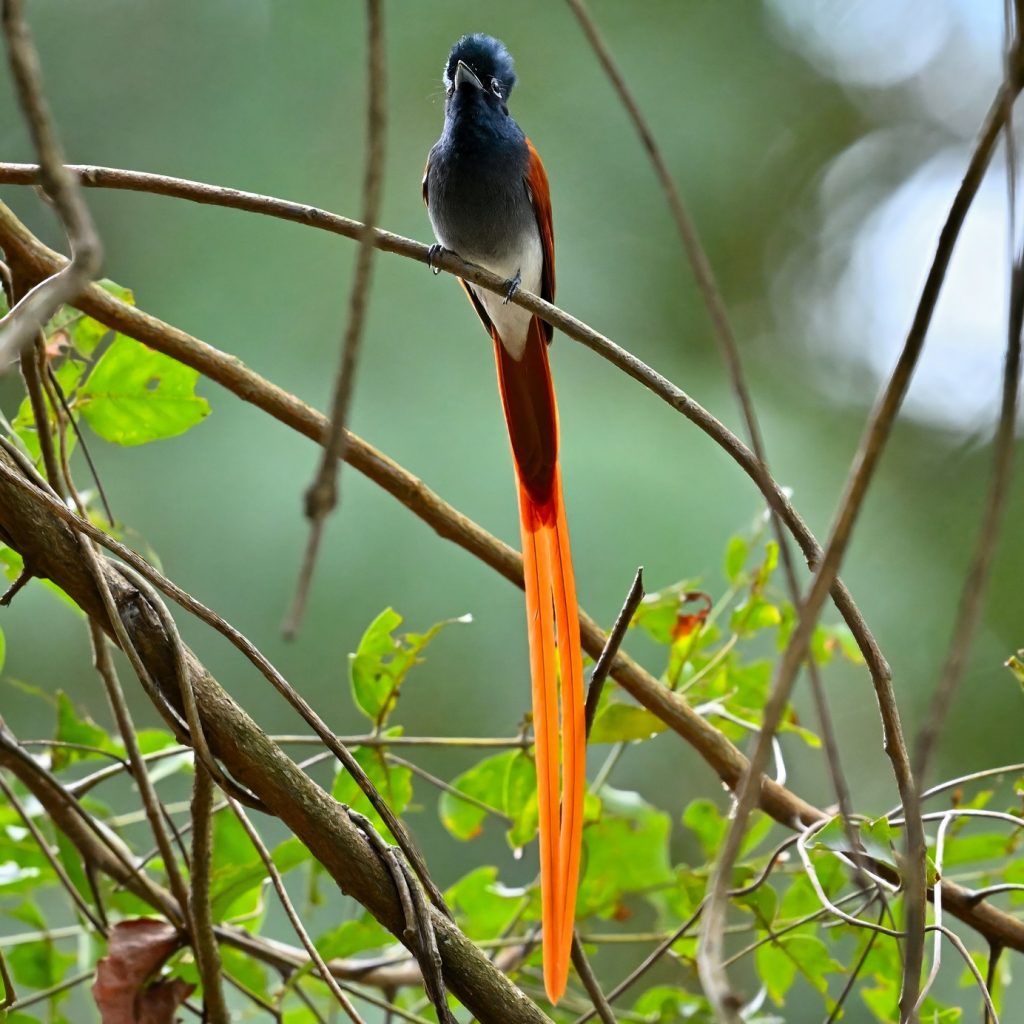
While there are some really wonderful conservation success stories coming out of Mozambique, the country still faces an uphill battle in this regard. Tourism is key to helping incentivise and fund wildlife conservation efforts. So if you’re planning an African safari, please consider visiting one or more of the truly incredible Mozambican reserves discussed above. You could pair it with an incredible soft-sand Mozambican beach and island holiday.
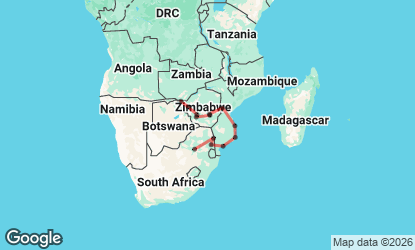
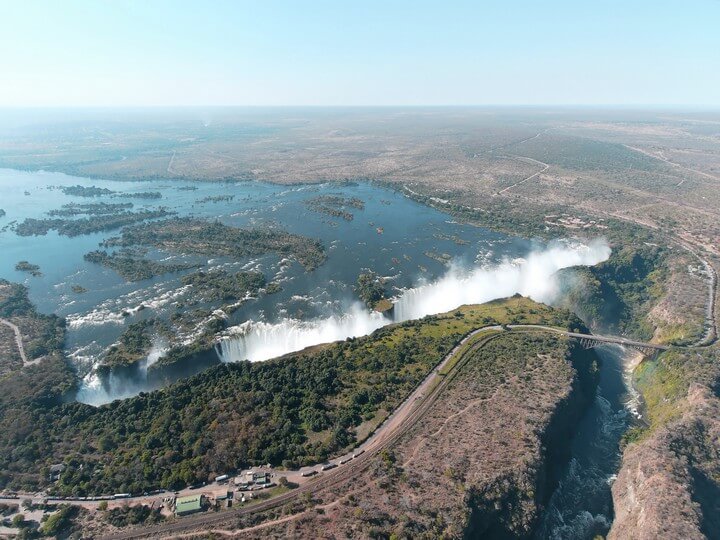
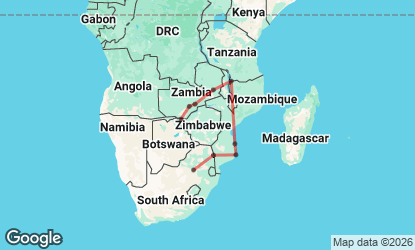
Please note that you need a 4WD to reach and explore Mozambique’s wildlife reserves. The easiest, safest, and most affordable way to do this is on a group overlanding tour. Check out these exciting small-group Mozambican safaris from African Overland Tours – you could well find you’re looking at your next trip!
Explore Mozambique’s Top Game Parks
5
1


Price From
R77,050
2
Price From
R61,775
3

Price From
R125,100
4

Price From
R77,050
5
Price From
was
R58,950
R47,160
For the last six years I’ve worked as a travel journalist – working first at a South African travel magazine called Getaway and then freelancing for the last few years. My job has taken me on some amazing adventures around…


Southern Africa is home to dozens of UNESCO World Heritage Sites – Here’s a List of 11 of the best From South Africa up to Malawi, and from Namibia on the west coast across to Mozambique, you can find many…
In Mozambique, sunny days abound, and the ocean is deliciously warm and swimmable all year round There are places where palm trees give way to yellow sands that meet a gently lapping ocean. In other spots, the land drops steeply…
The Great Rift Valley is a storied location of geological wonders, iconic wildlife, and rich cultures What is the Great Rift Valley? The Great Rift Valley is a monumental geographic feature that runs for 7,000 km (4,300 miles) from the…
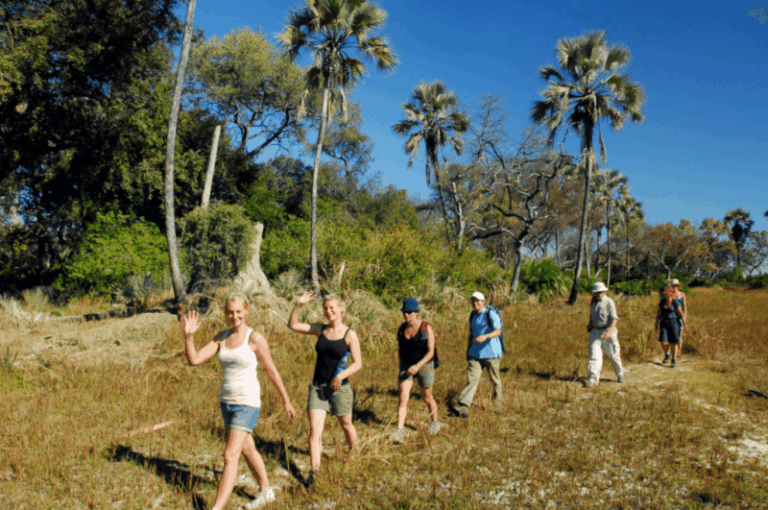
Each and every one of us has felt the power and peace of being surrounded by nature. That feeling of euphoria that arises when you take a deep breath of fresh air and feast your eyes on unspoiled landscapes. Nature…

"*" indicates required fields