I absolutely love the Garden Route. But it’s a big road trip with many possible stops and attractions. So here’s my list of the top 10 things to do on the Garden Route to help you plan your adventure.
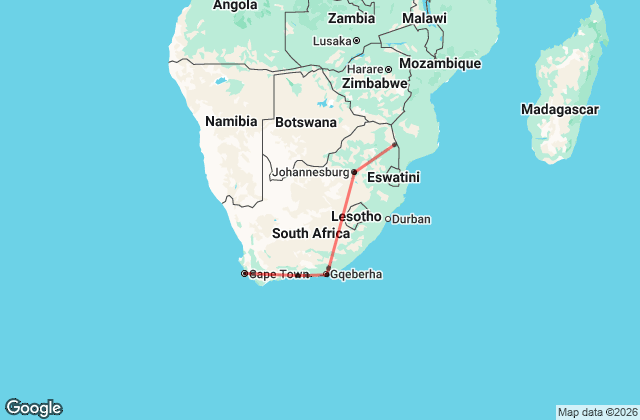
The Garden Route is a heavenly road trip that runs along the southern coastline of South Africa. It starts in Mossel Bay in the Western Cape and then runs east for roughly 300 km (186 mi) until its endpoint at Storm’s River on the border of the Eastern Cape.
Best things to do on the Garden Route, from west to east
Here’s my personal pick of the top 10 things to do on the Garden Route, starting in the west at Mossel Bay and ending in the east at Storm’s River.
1. Visit Mossel Bay for marine life, adrenaline, and colonial history
Mossel Bay is one of the oldest settlements in South Africa, having been a stopping point for Portuguese explorers, the first Europeans to round the tip of Africa. Visit the fascinating Bartholomeu Dias Museum Complex to see the Old Post Tree (a milkwood that was used in the early 1500s as a post office), the Maritime Museum (which includes a life-size replica of the caravel captained by Dias), and much more. Also head to the historic Cape St Blaize Lighthouse and climb to the top for panoramic coastal views.
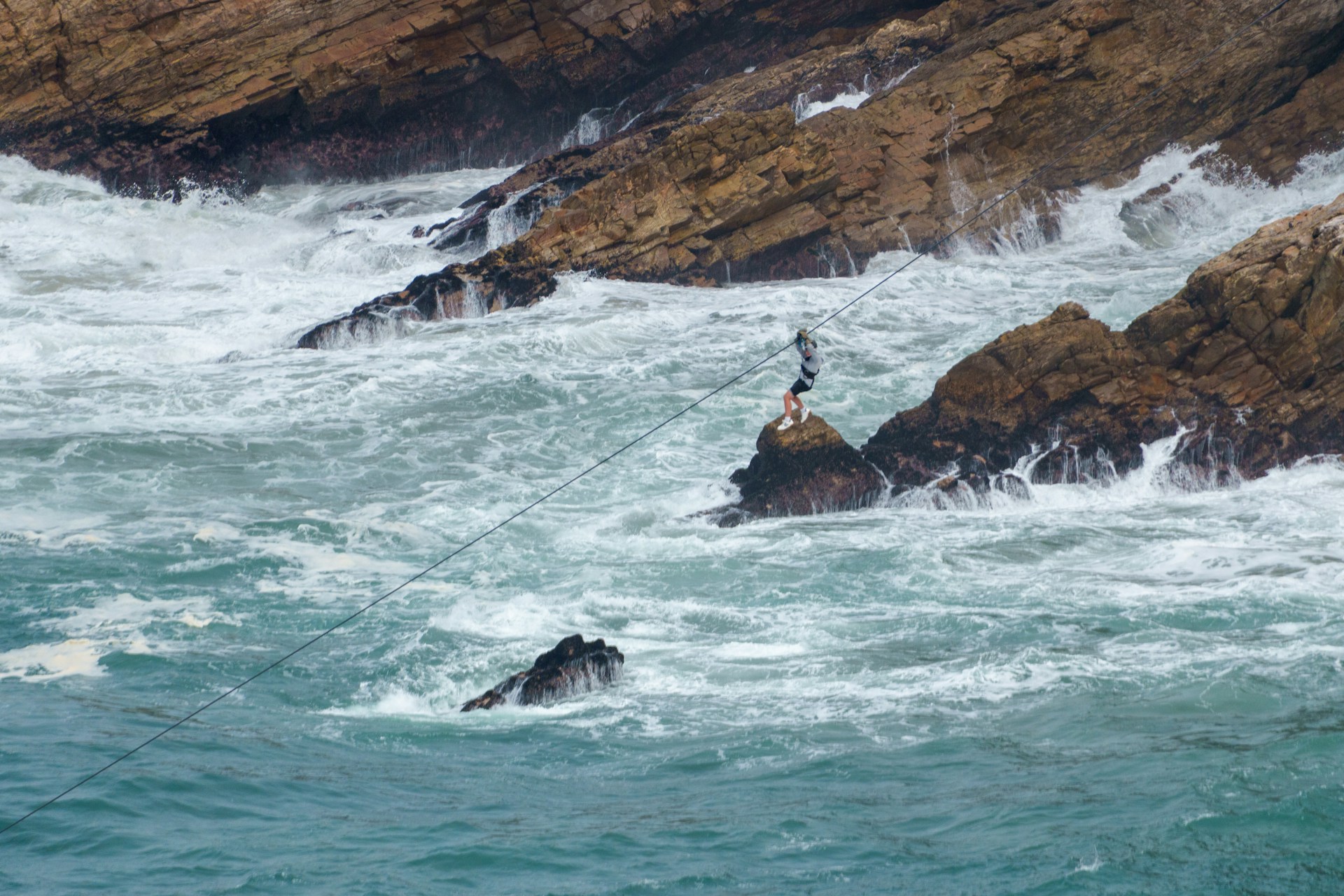
Surfers and scuba divers will love Mossel Bay, as the waves are big and the reefs are beautiful. Those keen for a drier thrill can enjoy the zipline across the bay. Finally, hop on a boat trip to Seal Island to admire its noisy colony of Cape fur seals and various seabirds. You might also spot dolphins, whales, and great white sharks.
2. Go all in on adventure activities in Wilderness
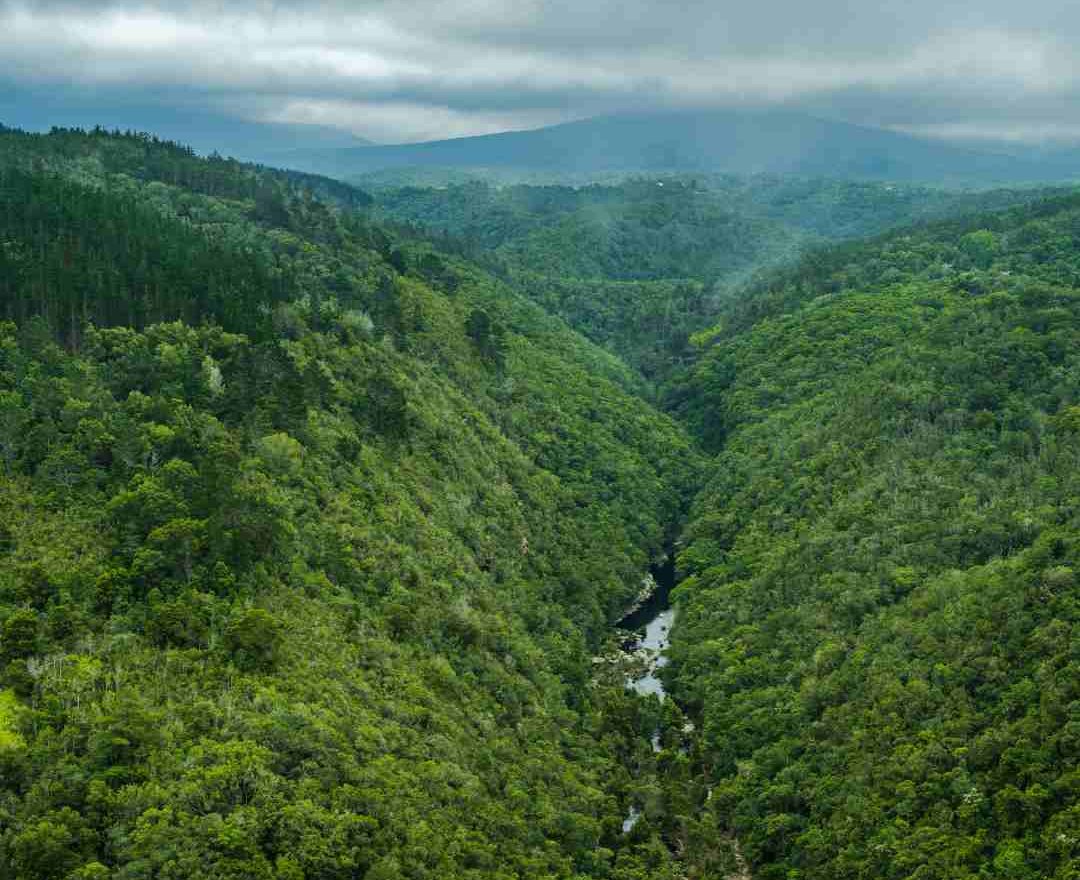
The small town of Wilderness has everything that makes the Garden Route the gem that it is: old-growth forest threaded by rivers, bird-rich estuaries and lagoons, long, sandy beaches, and coastal waters teeming with marine life.
The key drawcard here is Wilderness National Park, where you can go hiking, canyoning, canoeing, abseiling, birdwatching, and more. There are many beautiful waterfalls to visit on foot or by kayak, and unlike many destinations in Africa, you can actually safely swim in the rivers along the Garden Route.
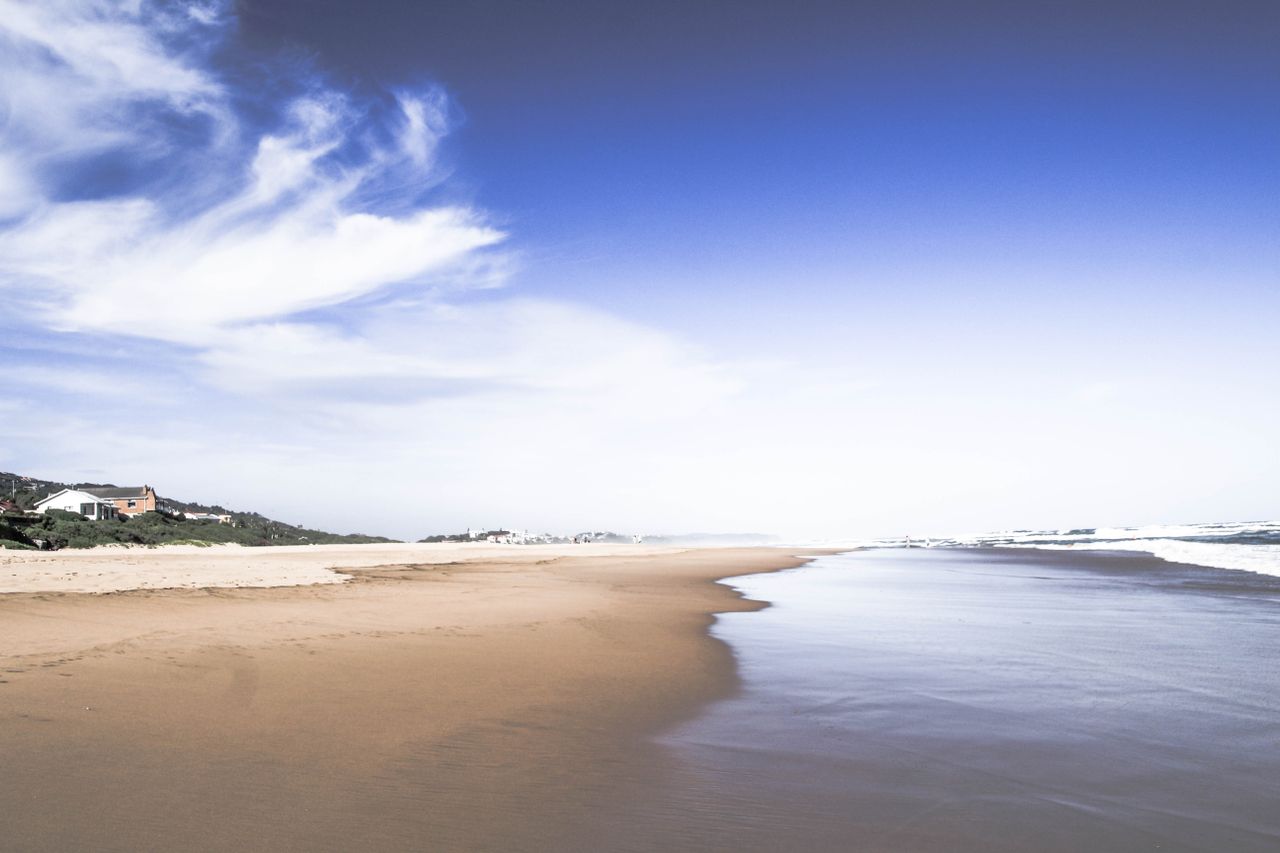
The beach is the other main drawcard. Simply enjoy strolling its length, or go swimming, surfing, or paragliding. If this sounds like your cup of tea, check out the 14 Day Garden Route Experience tour, which has you spending two nights in Wilderness.
3. Delight in seafood, scenery, and scuba diving in Knysna
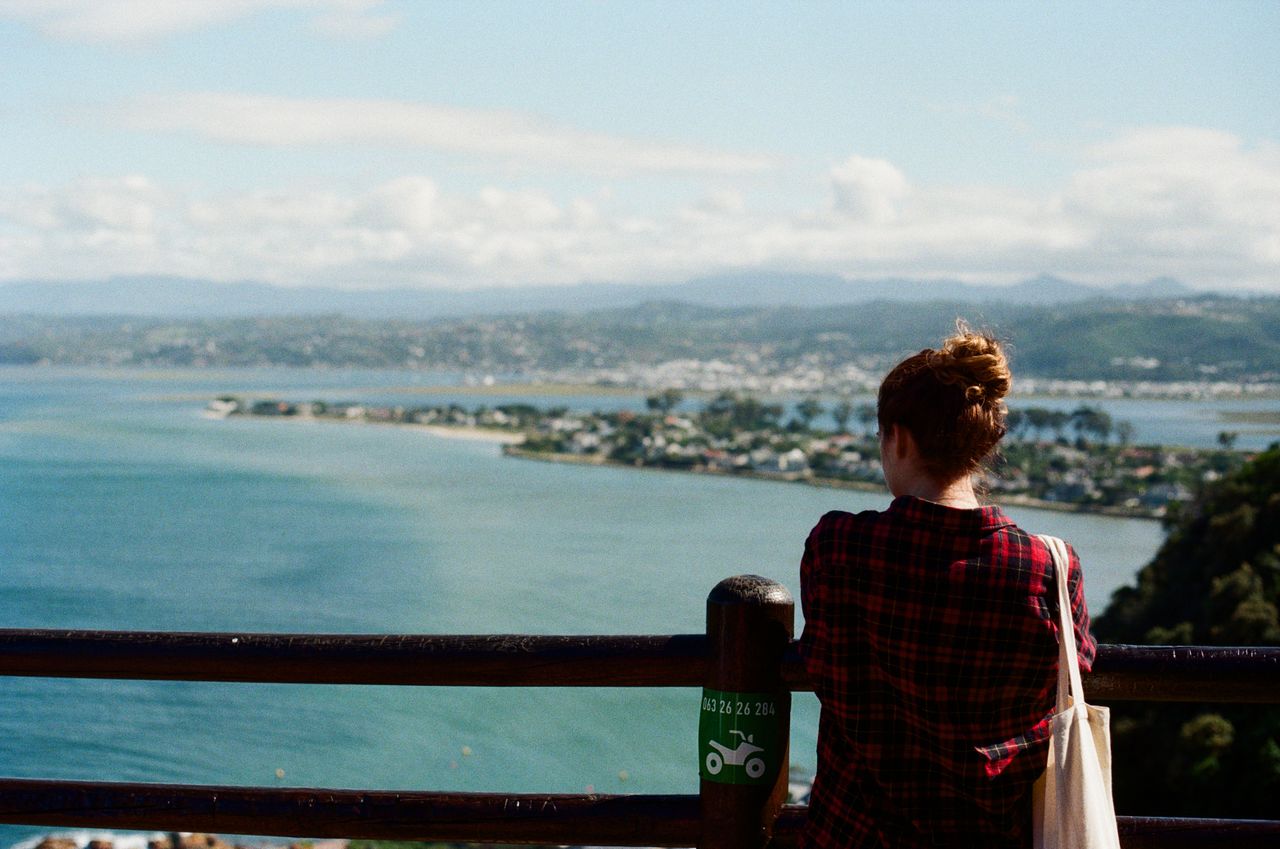
Knysna is the most popular tourist town along the Garden Route, as it has so much going for it.
For starters, it sits on a beautiful lagoon and has two steep headlands at the estuary known as the Heads. You can hike to the top of either one for incredible scenery and thrilling birdspotting. Adventure-seekers can also enjoy kayaking on the lagoon, hiking or mountain biking in the forested mountains around the town, sailing, and more. Knysna is also one of the top diving sites along the Garden Route.
Knysna is also a great destination for those seeking culinary and cultural experiences. A great time to visit Knysna in this respect is during the Knysna Oyster Festival held every July. This festival has many components beyond the oyster catch, including a forest marathon, model railway fair, wine tasting, and handicraft workshops.
4. Explore Plettenberg Bay, the ‘jewel of the Garden Route’
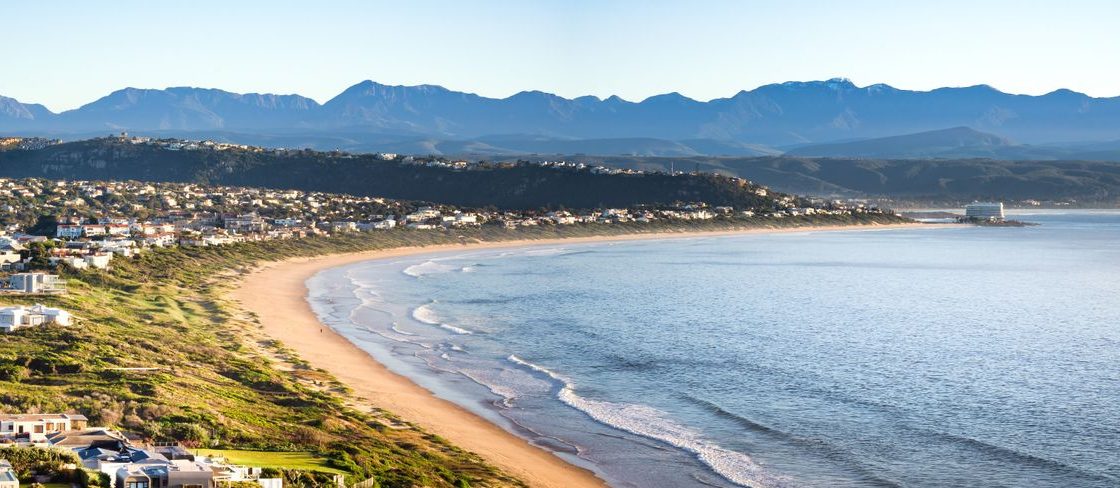
Plettenberg Bay is one of the most beautiful and famous of the coastal towns along the Garden Route. It’s an east-facing bay that’s protected by a peninsula to the south. The shoreline sees fynbos-covered dunes dip to a sandy beach that in turn gently slides into the ocean. Behind the town, known simply as Plett to locals, are mountains covered in indigenous forest.
The bay consists of roughly 15 km of sandy beaches, with distinct breaks, like where the Keurbooms River empties into the sea. You can choose from different Blue Flag beaches, some offering relatively sheltered and safe swimming conditions, others better for surfing, others still offering great lookout points.
I mentioned Keurbooms River, and I must say that kayaking or stand-up paddle-boarding on the river to its waterfall is a must for anyone able to do so. And if you’re a diver, join a cage-free diving tour to visit Cape fur seals.
5. Go on a whale-spotting boat tour
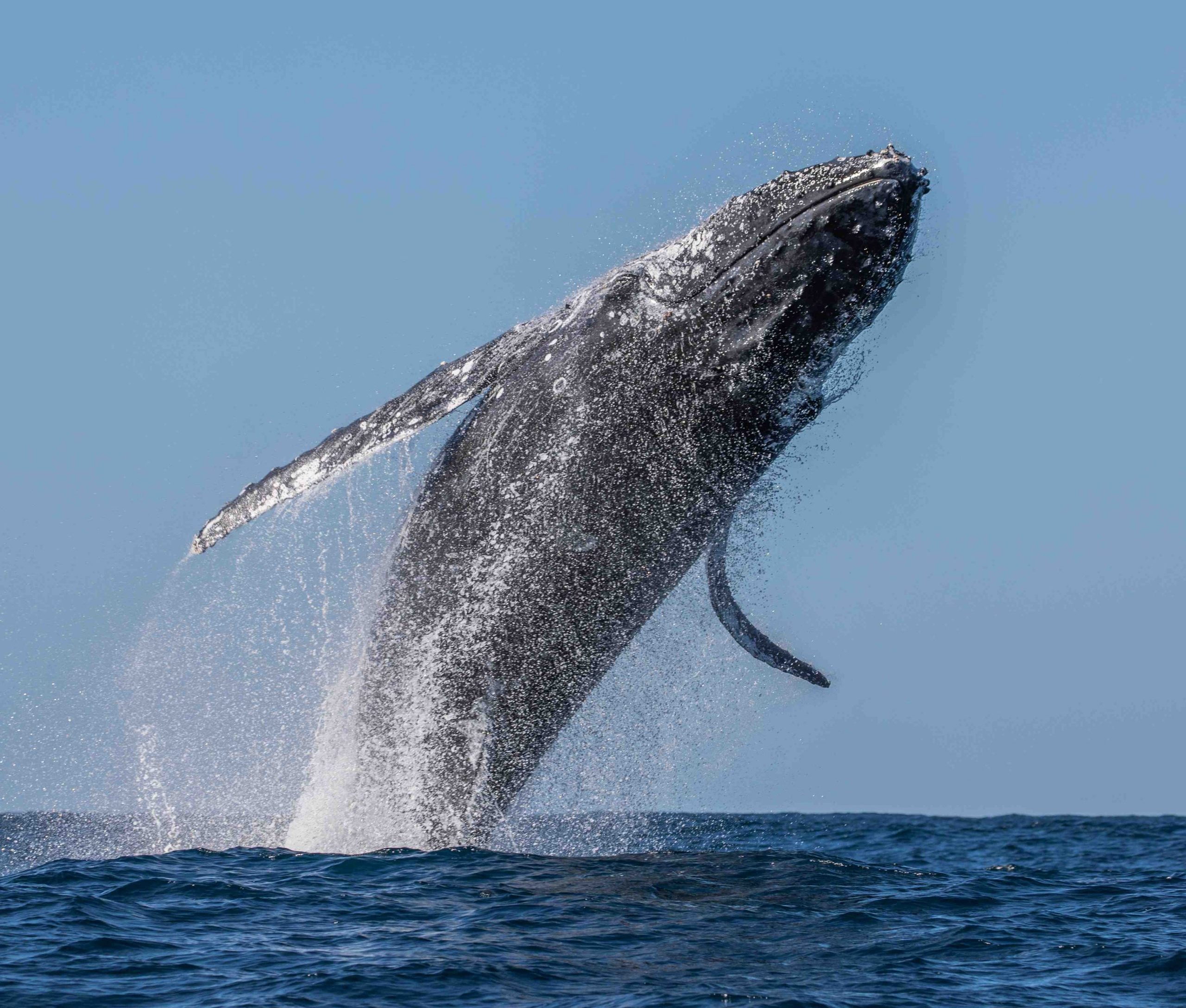
The Garden Route is synonymous with whale-watching. South Africa’s southern coastal waters host migratory southern right and humpback whales between about May and November. They also have resident Bryde’s whales. Sometimes whales can be seen from the land, but if you’re really keen to see these mammoths of the ocean, then go on a whale-spotting boat tour.
Boat tours are offered all along the Garden Route. But there’s a known population of Bryde’s whales near Plettenberg Bay, so this is perhaps the best spot for a whale-spotting tour.
Note that various other marine life can be spotted on such boat trips too. Most notably, look out for Cape clawless otters, Indian Ocean bottlenose and humpback dolphins, and great white sharks.
6. Hike and explore prehistoric history on Robberg Peninsula
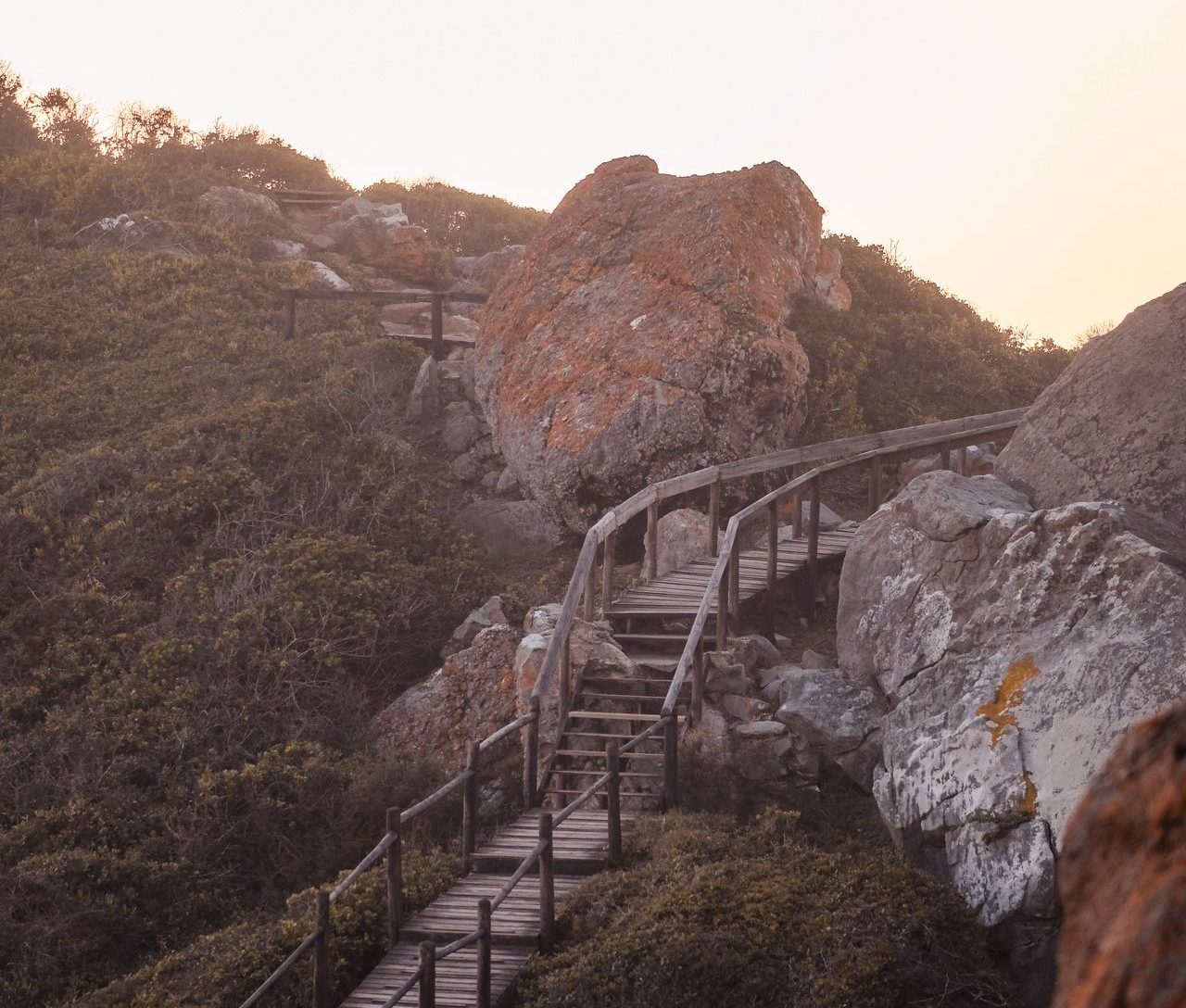
Robberg Nature and Marine Reserve protects the rugged and beautiful 4 km-long peninsula that juts out at the southern end of Plettenberg Bay. The spaces between the cliffs and exposed boulders are filled with dense fynbos, and the often strong winds and endless view south give an end-of-the-world feeling.
There are three circular hiking routes ranging from 2.1 km to 9.2 km. The longer hikes are especially great if you’re into wildlife, as you see a seal colony, a nursery of kelp gulls, and large colonies of gannets, cormorants, and terns.
Robberg Reserve is also a World Heritage Site for the Stone Age evidence found in its caves. You can visit the Nelson Bay Cave interpretive centre to learn more.
7. Visit Birds of Eden, Monkeyland, and Jukani Wildlife Sanctuary
Birds of Eden, Monkeyland, and Jukani are three award-winning wildlife sanctuaries a little east of Plettenberg Bay that appear highly ethical.
Birds of Eden Free Flight Sanctuary is the world’s largest free-flight aviary. A two-hectare dome covers 2 ha of indigenous forest within a gorge. You can find 220 bird species within the sanctuary!
Monkeyland is a free-roaming sanctuary for primates that have been rescued from homes and zoos. There are currently 550 primates across nine species in the sanctuary, which include gibbons and lemurs (not native to South Africa, by the way). You walk a fun suspension bridge through the canopy to observe them.
Jukani Wildlife Sanctuary has the tagline “Where rescued big cats feel at home”. Like the other sanctuaries, this is about rehoming animals, so the focus isn’t on indigenous species. Consequently, you can find cats like tigers, pumas, and jaguars in addition to the species you’d expect, like lions and leopards.
Note that you visit both Monkeyland and Birds of Eden on the 14 Day South African Adventure tour. You might also be interested in reading How to choose an ethical animal encounter in Africa.
8. Bungy jump off Africa’s highest bridge
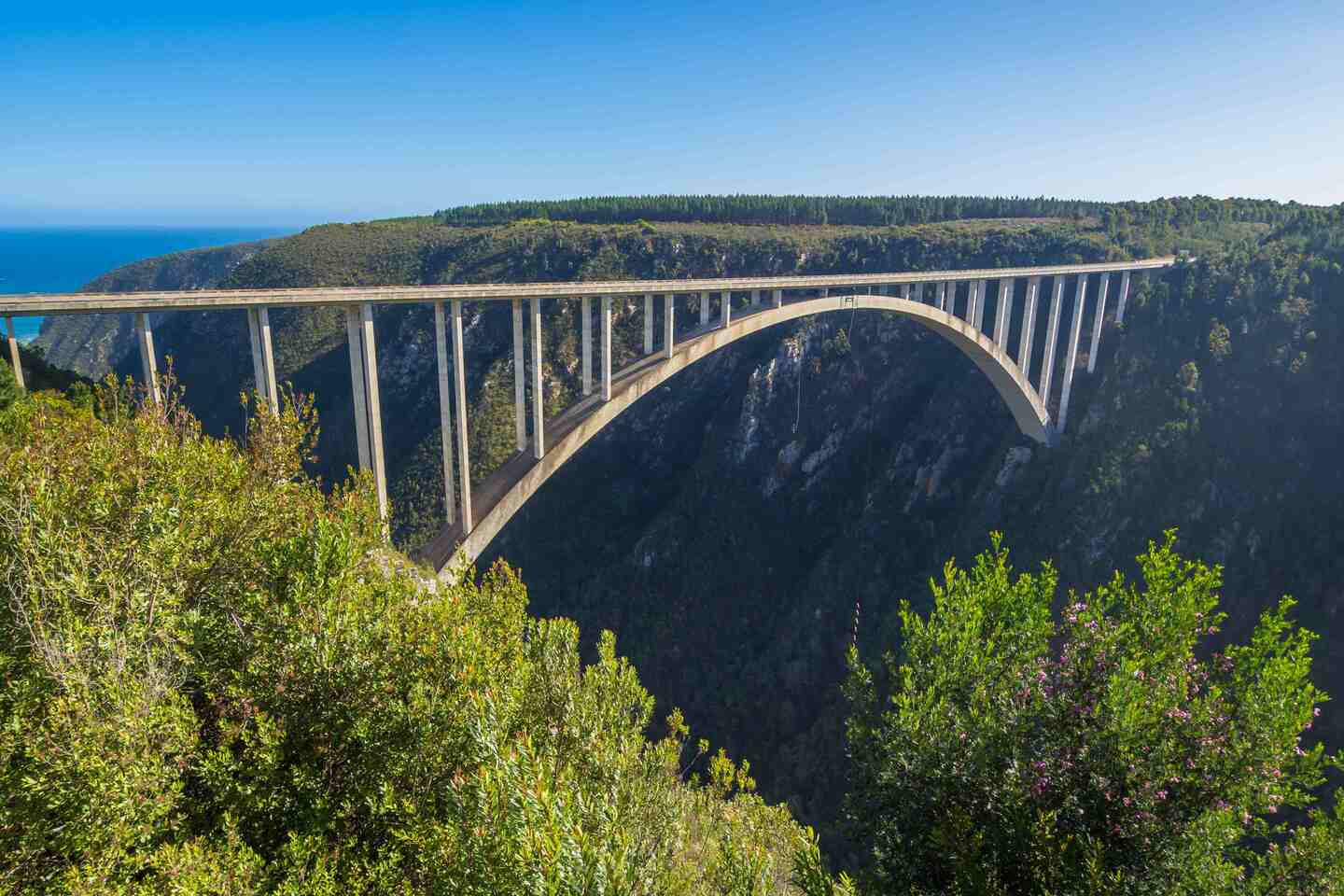
Heading east from Plett, you drive across an arch bridge nearby that’s 216 m (709 ft) high. Bloukrans Bungy is the sixth-highest bungy jump in the world, and the highest in Africa. Why someone would want to fling themselves off the side of this bridge is beyond me, but I recognise that it’s a big attraction, and so I include it in this list.
If you’re keen on an adrenaline-filled activity but want something a little tamer, then there’s also a zipline at the bridge. And finally, there’s the so-called SkyWalk that takes you underneath the road and lets you appreciate the views down to the Indian Ocean and up the forested Bloukrans River valley.
9. Do some exceptional birding
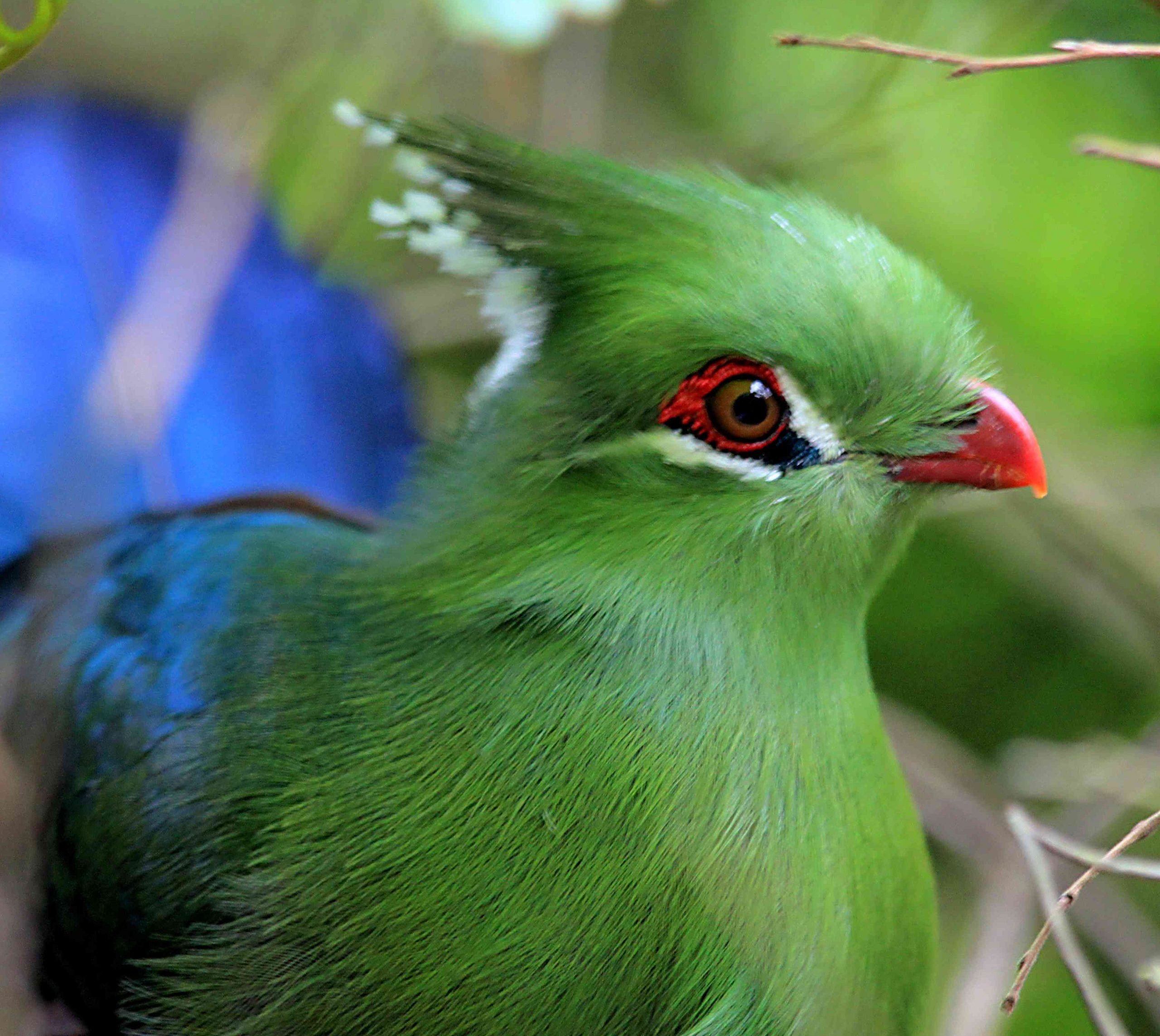
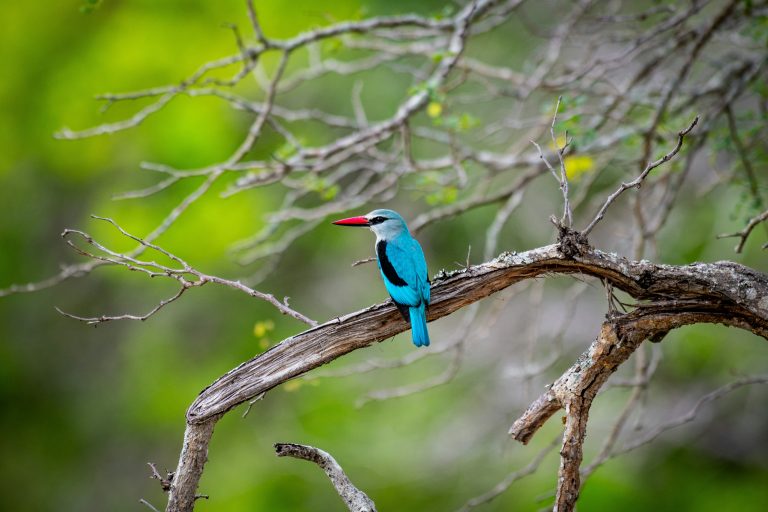
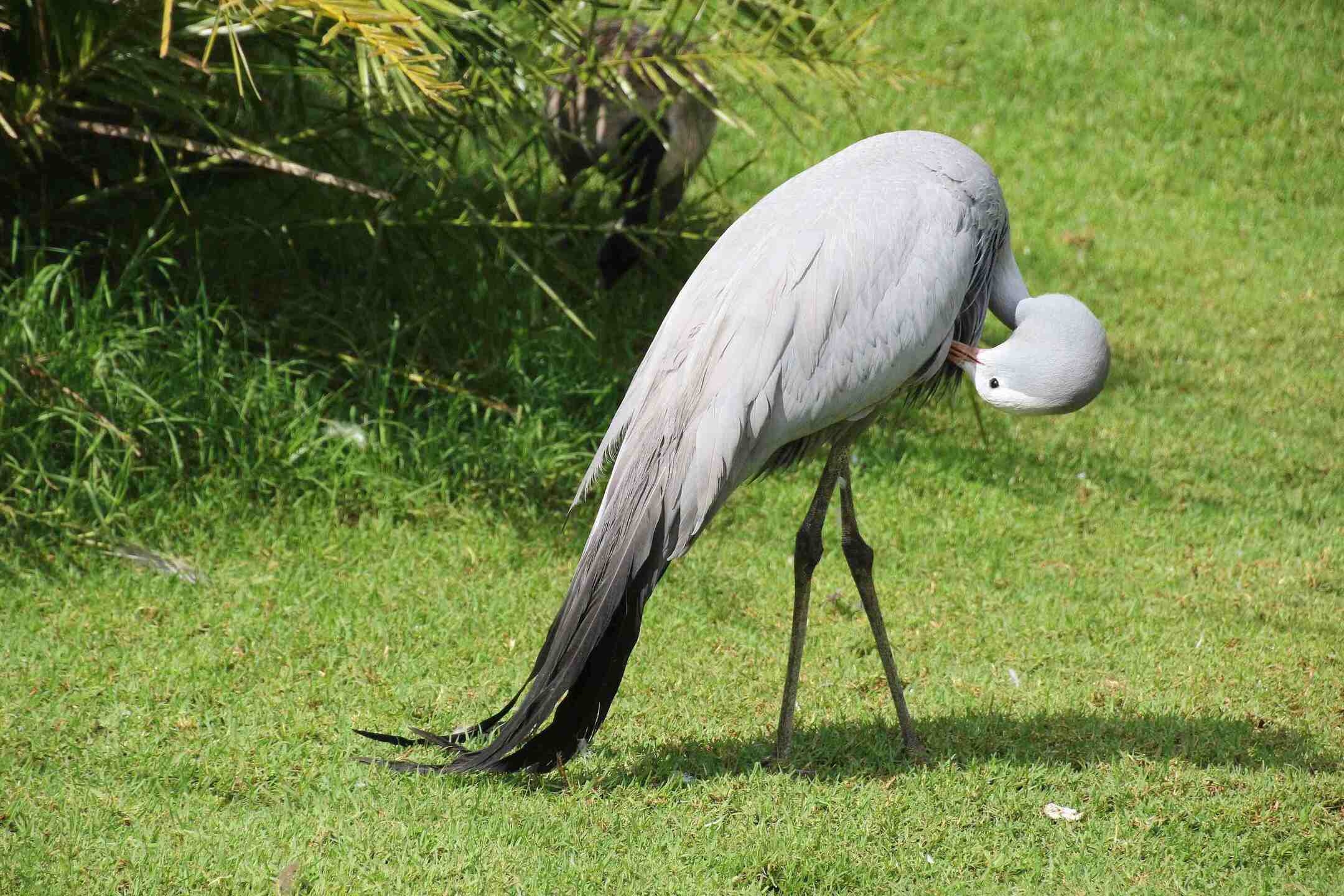
The Garden Route is an excellent road trip for birding. There’s an abundance of waterbirds, of course, as well as many forest and mountain birds. Some special species you can find relatively easily in many places are the fish eagle, blue crane, narina trogon, Knysna turaco (loerie), African black oystercatcher, southern double-collared sunbird, and black-headed oriole.
The western section of the Garden Route is a particularly great destination for seeing waterbirds. It has large saltwater lakes, wetlands, and Touw Estuary, which are part of a RAMSAR site. The central section of the route around Knysna has more than 280 listed birds. The lagoon and estuary of Knysna itself is a great place for spotting waterbirds.
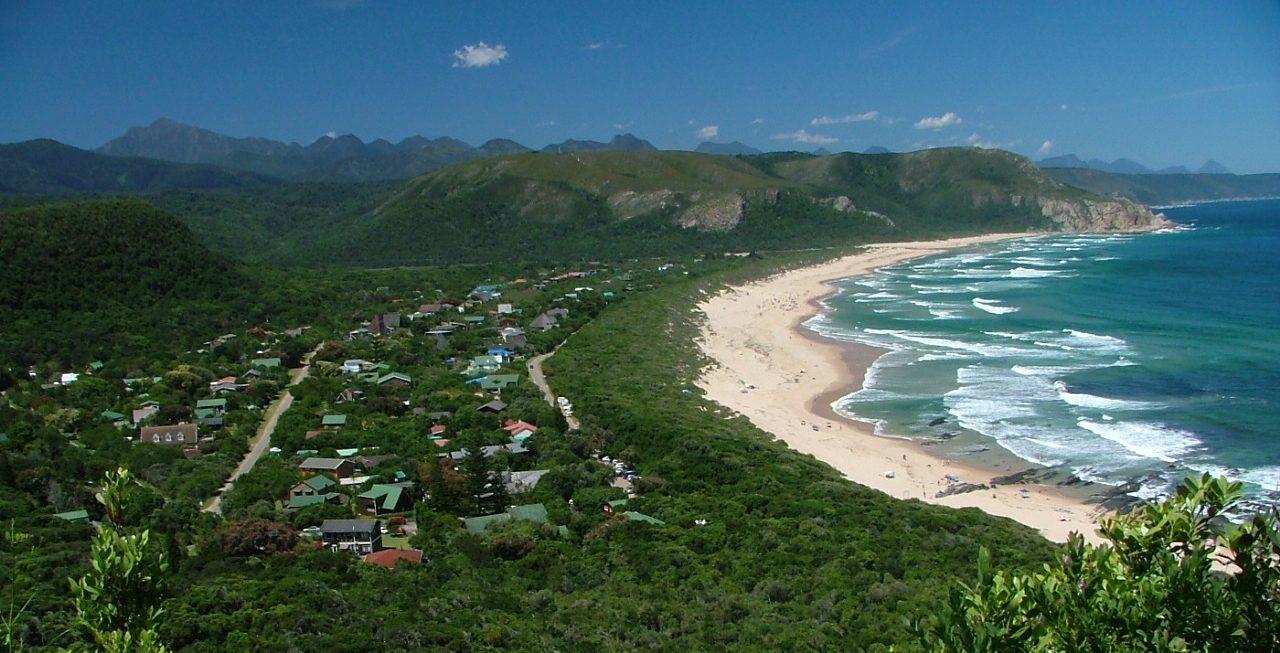
Finally, the eastern section of the route has many forest and mountain birds in addition to river and seabirds. The best spot for birding here is in and around Nature’s Valley, a secluded village that sits in the forest by a sandy crescent beach (as shown in the feature image of this blog post).
10. Go wild in Tsitsikamma National Park
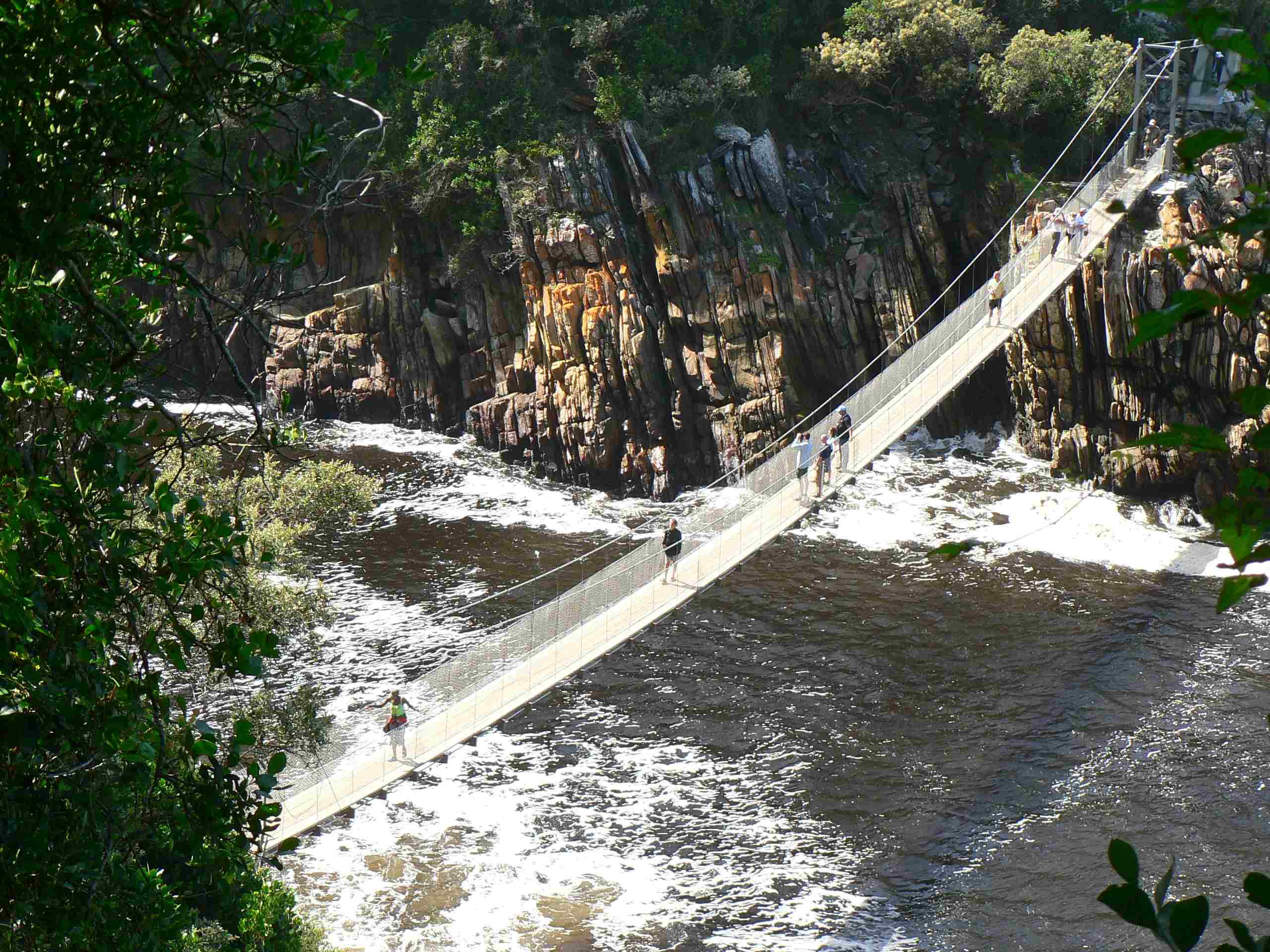
Tsitsikamma National Park is the eastern terminus of the Garden Route coastline, and is quite possibly the highlight of the whole road trip to my mind. Here, temperate indigenous forest blankets mountains cut by deep river valleys. It boasts over 100 giant tree species, including beautiful milkwoods, stinkwoods, and Outeniqua yellowwoods. The coastline consists of tall, rugged headlands covered in fynbos. On the jagged shore, flat, dark-rock ledges stretch out into the ocean like long fingers, creating countless alcoves perfect for swimming and snorkelling.
Tsitsikamma is the ideal place for adventurous types. You can go hiking, abseiling, ziplining, Segway-ing, mountain biking, kayaking, blackwater tubing, and diving, among other things. The famous five-day Otter Trail takes place here too. But even if you don’t wish to be very active, simply walking the suspension bridges across the mouth of Storm’s River is thrilling and rewarding.
If you’re keen to spend some time exploring Tsitsikamma National Park, the 12 Day Durban to Cape Town and 18 Day South Africa’s Best tours both give you two nights in the park.
Book your own Garden Route adventure
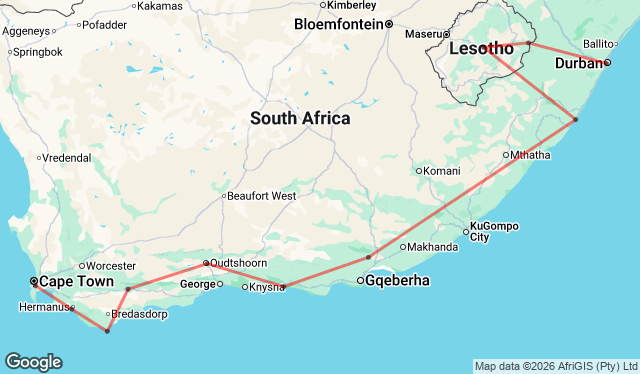
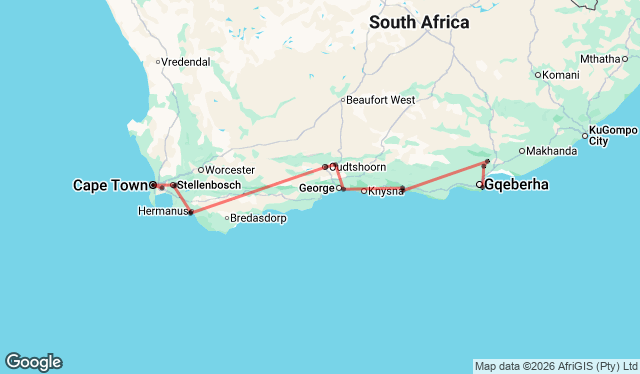
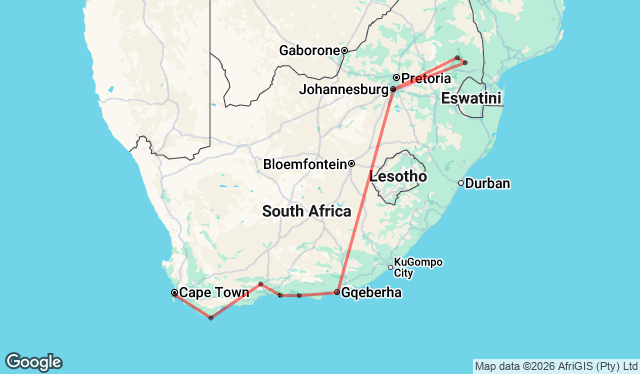
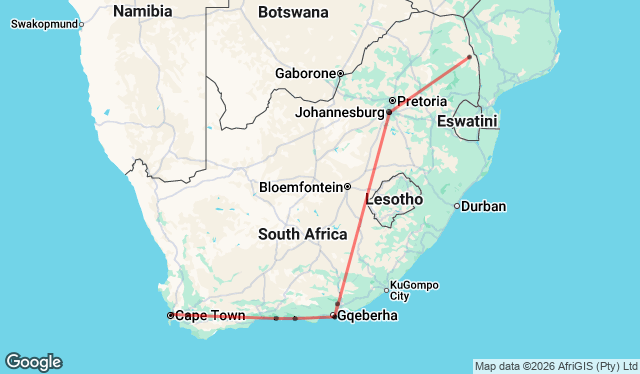
Ready to book a Garden Route road trip? Check out these Garden Route overland packages from African Overland Tours. Some focus solely on the Garden Route, one pairs it with another of South Africa’s best road trips, the Wild Coast, others with the epic Panorama Route, and some add a Kruger safari too, which is always a good idea!
Note: This blog post was created in October 2016 by Sarah Duff. It was completely rewritten by Megan Abigail White in July 2026.