Durban is a sunny coastal city with lots to do. As a local, these are the seven things I consider the most fun to do in Durban.
There are many great things to do in Durban (also called eThekwini), from beach experiences to foodie adventures, hiking, and more. Here’s my pick of just seven fun things that first-timers to Durban should consider.
1. Explore Durban’s Golden Mile
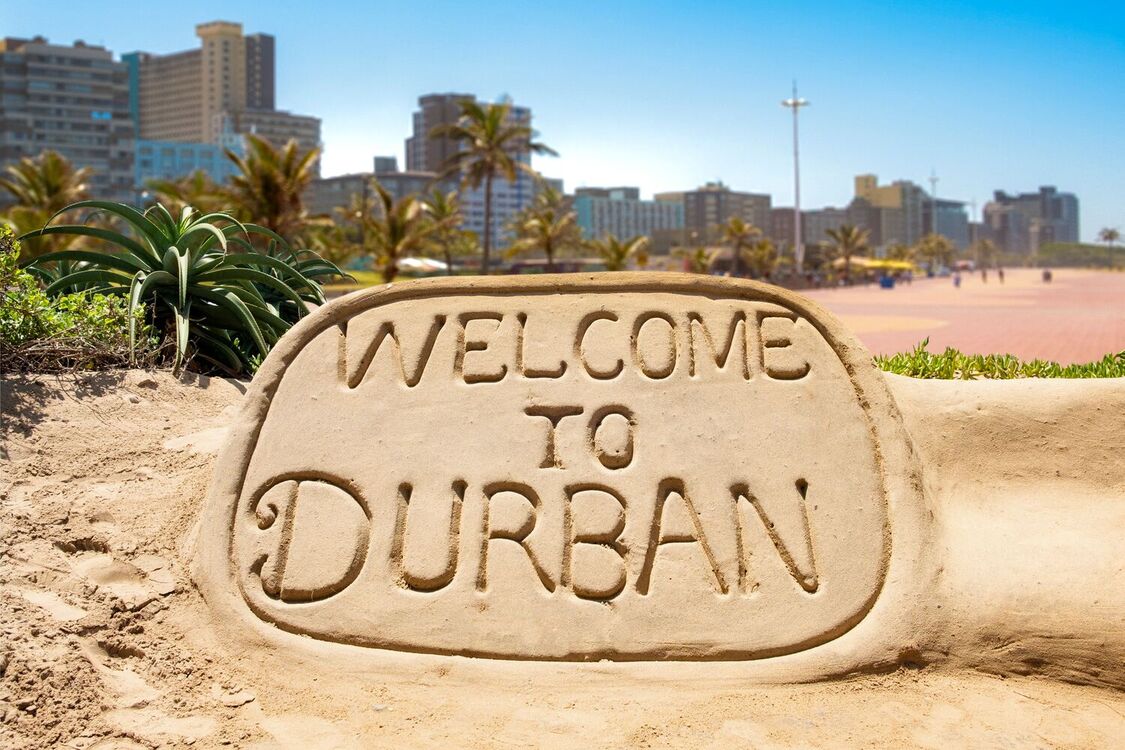
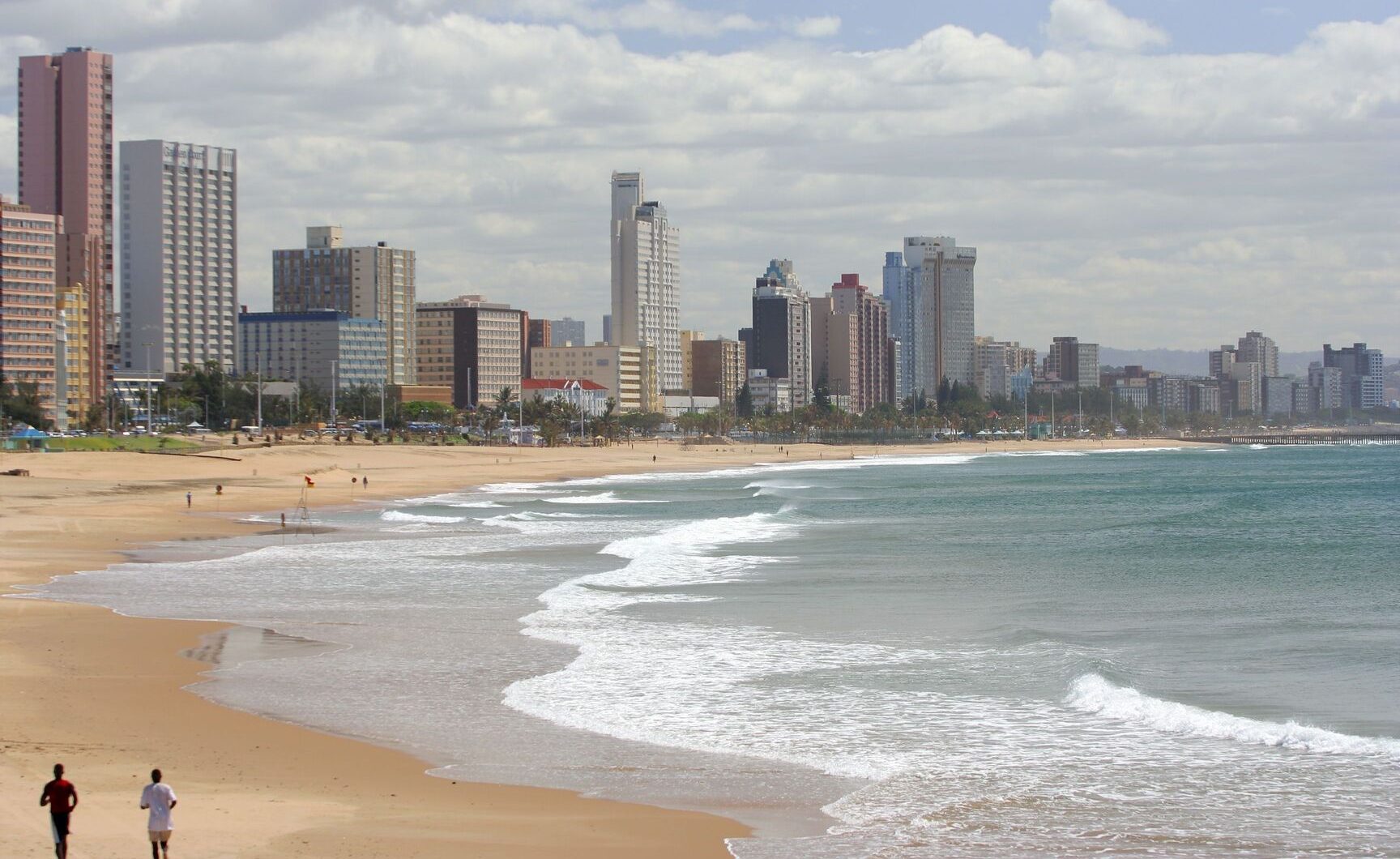
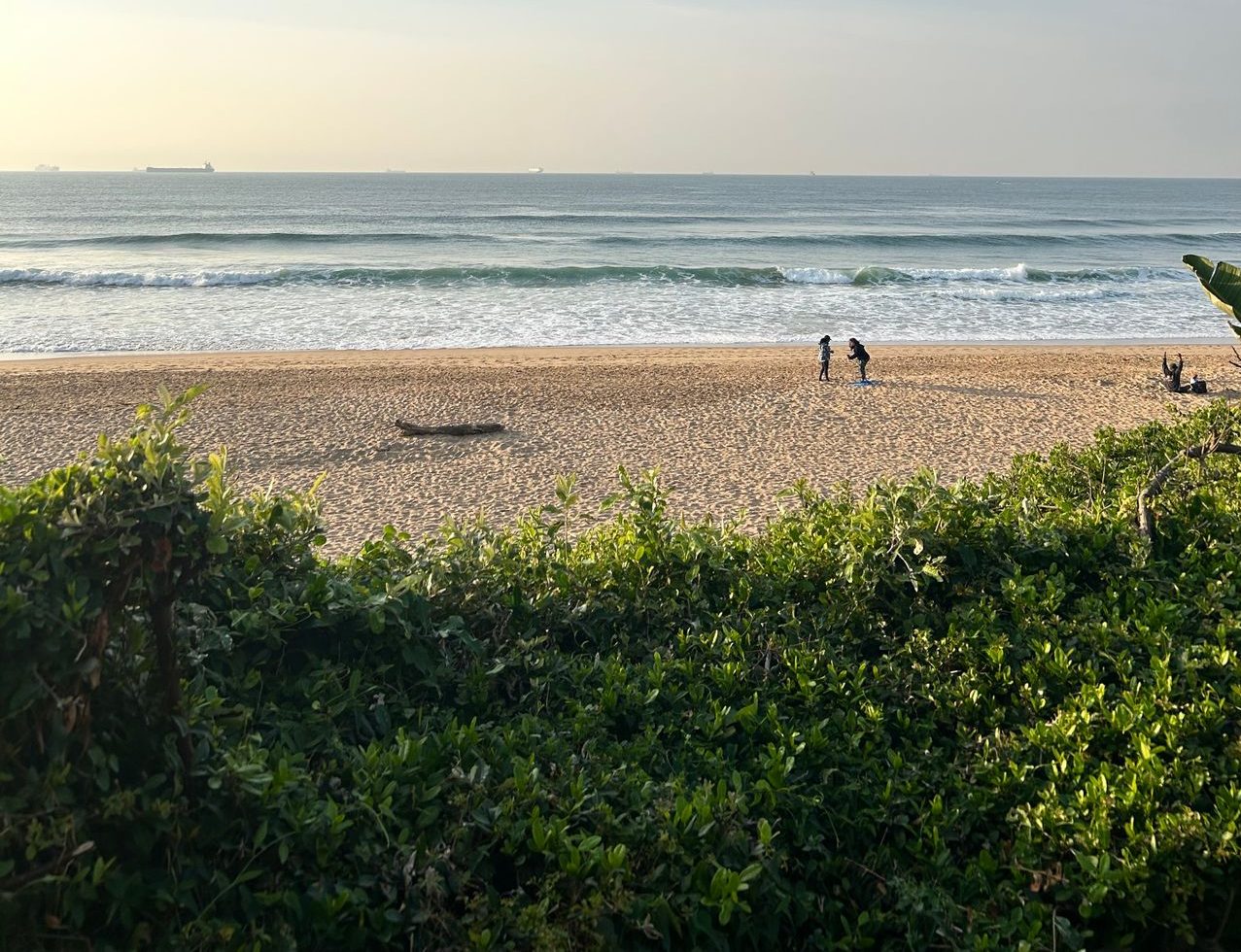
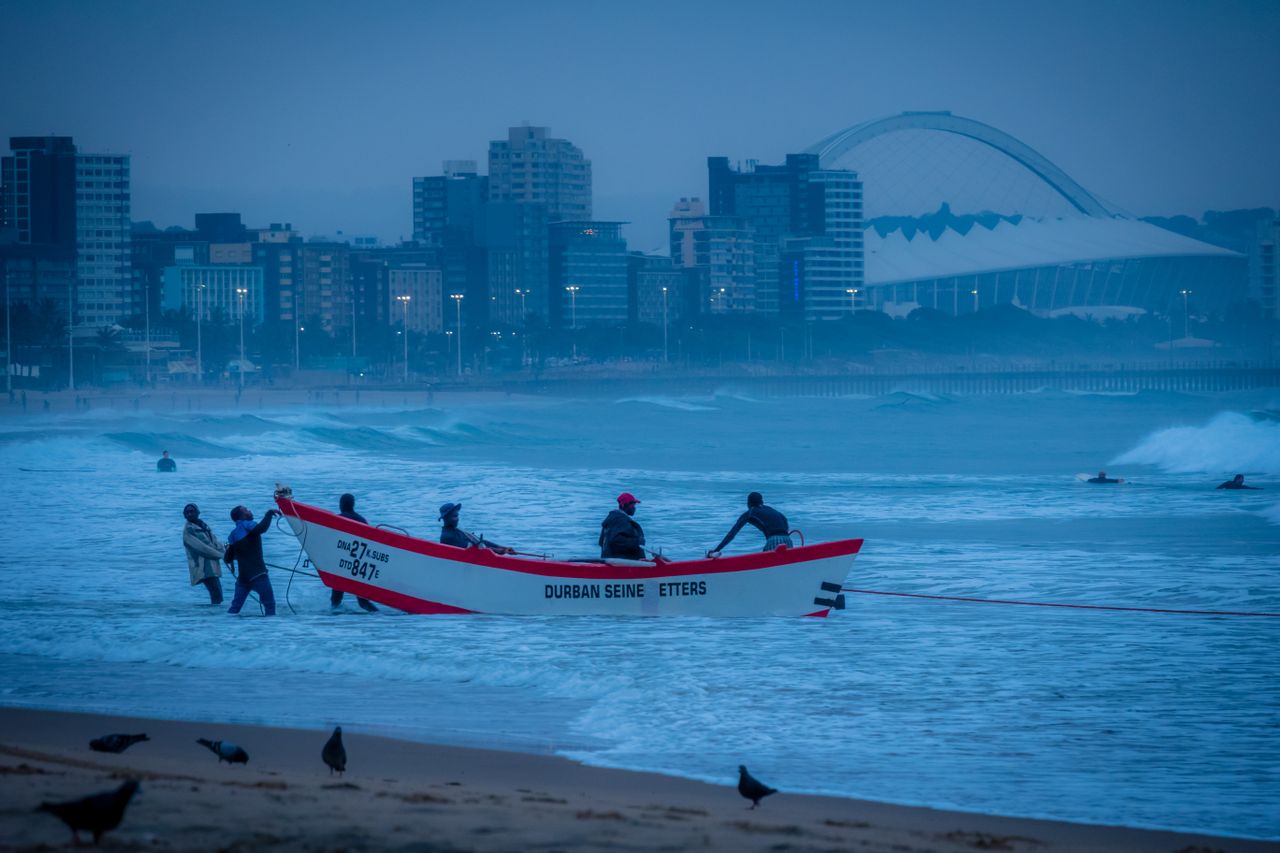
Durban’s sandy, big-wave beachfront is known as the Golden Mile. It’s far longer than a mile, however – more like 8 km (5 miles) from the harbour in the south to Blue Lagoon in the north. You can walk, run, cycle, or Segway the length of it on the promenade, which I highly recommend! Of course, time on the beach itself is a treat too, as the water here is always warm. Arrive before dawn if you want an epic ocean sunrise.
I suggest you start exploring the Golden Mile at its southern, touristy end, where a new, elevated section of the promenade lets you overlook the harbour mouth, and you may see a ship coming or going.
There are eateries all along the Golden Mile. Surf Riders Café is by far the best option in my opinion. Everyone raves about their inventive seafood dishes, and as a vegan I’m delighted to have various tasty options too.
Durban is big on waves, so it’s a great place for surfing, bodysurfing, and all other manner of watersports. Boat tours to look for dolphins and other marine life are popular too. If you’re new to watersports or are nervous, DUC Beach has the calmest waters. And the Point Waterfront Canal, just 300 metres inland, is a great place for learning stand-up paddle boarding. It also offers gondola rides.
The northern half of the Golden Mile is quieter. Here, you’ll see locals braaing (barbequing) on the grass and fishermen casting their lines from the rocks. If you’re keen on nature, cross the bridge and visit the Beachwood Mangroves Nature Reserve. A low boardwalk lets you walk through the mangrove forest, where grey crabs scurry below, and out into the open for lovely views of indigenous swamp.
Finally, I must say that the Golden Mile’s Moses Mabhida Stadium is undergoing some work, but when complete, you’ll be able to once again do the Big Swing off its arch. There will also be a zipline into neighbouring People’s Park, a sea-facing bungy jump, and a new SkyCar for riding to the top of the arch.
2. Explore uShaka Marine World
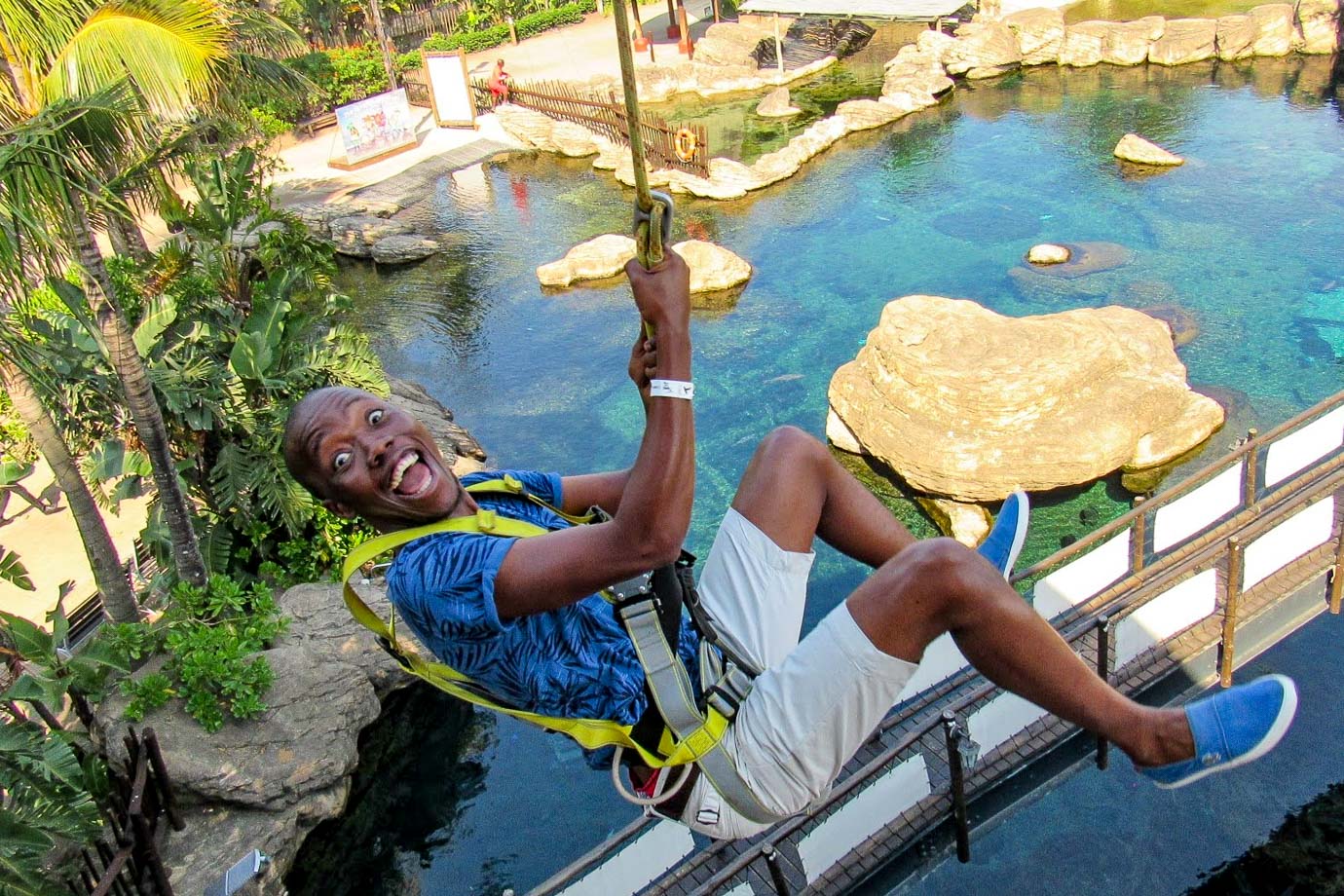
The above image is used with kind permission from Chimp & Zee Rope Adventure
uShaka Marine World is a theme park with loads of fun things to do. It’s always winning awards, and is excellent in every way. For many, it’ll easily be the most memorable thing they do in Durban.
I would say uShaka’s three main attractions are its aquarium, water park, and aerial obstacle course.
The aquarium is one of the largest in the southern hemisphere. You descend underground and follow a walkway past various tanks, large and small, filled with sharks, rays, turtles, seahorses, and all manner of weird and wonderful invertebrates. It really, really is a must-see.
Then there’s the Chimp & Zee Rope Adventure, where you step into a harness and navigate 34 aerial obstacles. The course gets trickier and higher the further along you go, and includes a couple of ziplines.
The Wet ‘n Wild water park has all the usual fun slides. But for me, it’s the lazy river that makes it super special. You loll in a tube under the Durban sun and glide past the shipwreck, under the zipliners, and, importantly, into a tunnel that takes you past the enormous shark tank!
I must add that uShaka also has dolphin, African penguin, and seal shows all the time. And you can dive with ragged-tooth sharks, feed spotted eagle rays by hand, and more besides. While I have some reservations about these activities, they’re very popular, so I mention them here.
Finally, note that uShaka is on the Golden Mile, right next to the Point Waterfront Canal. So if you only have one day in Durban, make it about the Golden Mile and uShaka.
3. Do the golf cart tour in Durban Botanic Gardens
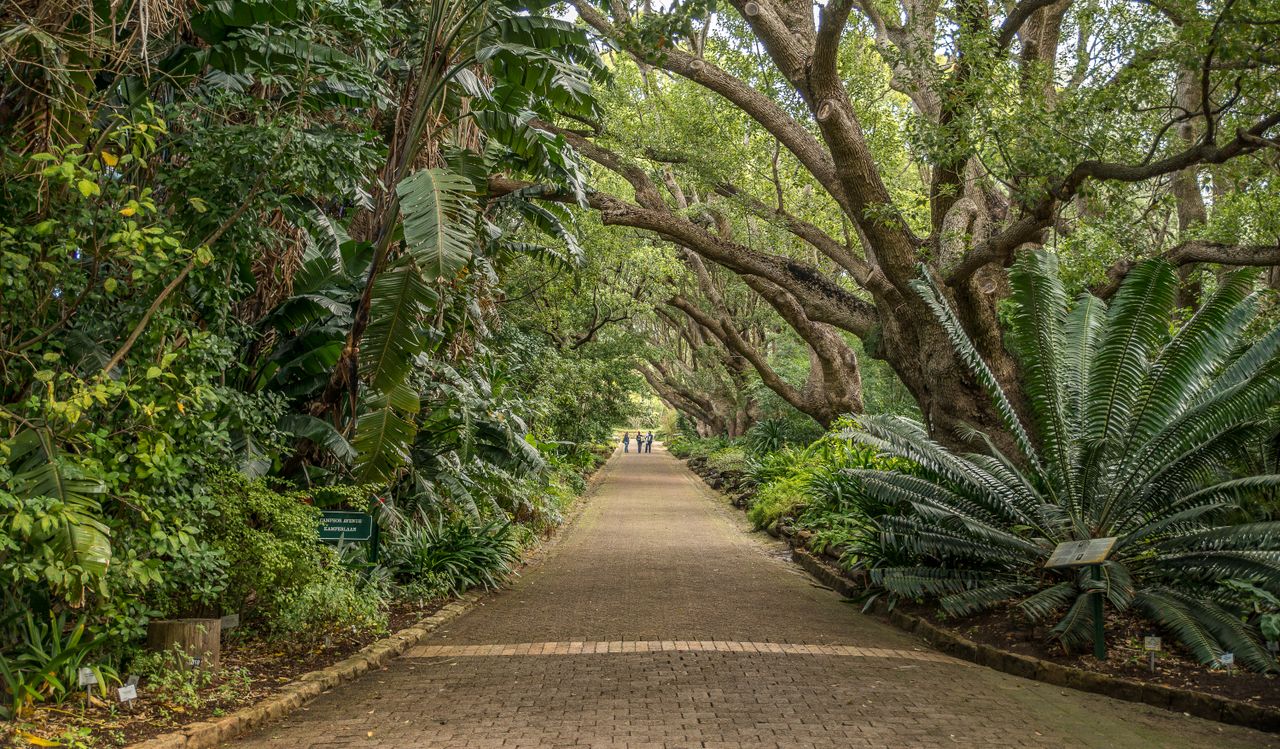
Durban Botanic Gardens isn’t terribly large – you could wander it all in an hour – but it’s remarkable how many varying ecosystems and tableaus it contains. There’s the tree-dotted lawn where monkeys gambol and the pond where ducks waddle, red bishops hop between reeds, and noisy ibises perch like oversized ornaments in the treetops. Deeper in, there’s the sunken garden with its colourful flowerbeds, the sensory garden for the blind, a Japanese Garden, a cycad lane, and much more besides.
I particularly love the grove of frangipani trees, the cannonball trees with their ostentatious blooms and ridiculously large fruits, and the beautiful collection of orchids and bromeliads in the new Tropical Display House.
The gardens are actually Africa’s oldest surviving botanic gardens, having been founded in 1849. It was a laboratory of sorts for the British Empire back in the day, allowing them to test if certain plants could be grown commercially in the colony. I learned about this and more on the golf cart tour, and I highly, highly recommend this. You’ll be astonished how many varied and surprising stories the place contains. You’ll learn, for instance, why there’s a cycad called the Lonely Old Man that’s monitored by CCTV camera 24-7.
The gardens are free to enter and very safe. There are always quiet corners to enjoy. But if you’d like some local colour, so to speak, visit on a weekend. You’ll invariably see a handful of wedding parties having photographs taken, from Zulu brides in big white gowns to Hindu brides in red-and-gold saris. While the different cultures in Durban often favour different haunts, everyone likes and uses the botanic gardens, which is nice.
4. Wander and dine on Florida Road
Florida Road in Durban’s Morningside area is an institution. It’s a long, tree-lined road with many beautifully renovated Victorian buildings. And it’s bursting to the seams with eateries, as well as a few shops. It’s usually very vibey, especially at night. It’s also one of the safest places in the city for exploring on foot. Finally, it’s aimed at locals, not tourists, so you’re experiencing an authentic side of Durban here.
For some of the best coffee in Durban, visit Humble Coffee or Now Coffee, both of whom roast their own beans. The Barn Owl Coffee is also nice. The latter is a container café located in the small, open-air courtyard of Florida Fields, which is perhaps the best spot overall on Florida Road. Here, you can choose from a selection of specialist food and drink vendors and sit in a prettily landscaped communal dining area. There are striking sculptures and fun spin-top-like chairs that require a little courage from most adults when first attempting a revolution. Sometimes there are events and live music here.
Some of the most popular restaurants on Florida Road are Sofra Istanbul (tasty and affordable), Jack’s Grill (great pastas and seafood), and Lupa (excellent Italian cuisine). I like them all. But really there’s no end of choice of great eateries to suit all budgets and tastebuds.
Finally, if you want a uniquely Durban dish, head to House of Curries for a bunny chow. There’s no rabbit in it – it’s a hollowed-out, half-loaf of white bread filled with curry. Or simply eat any Indian dish to feel like a Durbanite, as Indian cuisine is today very much part of our collective culture.
5. Hike in Krantzkloof Nature Reserve
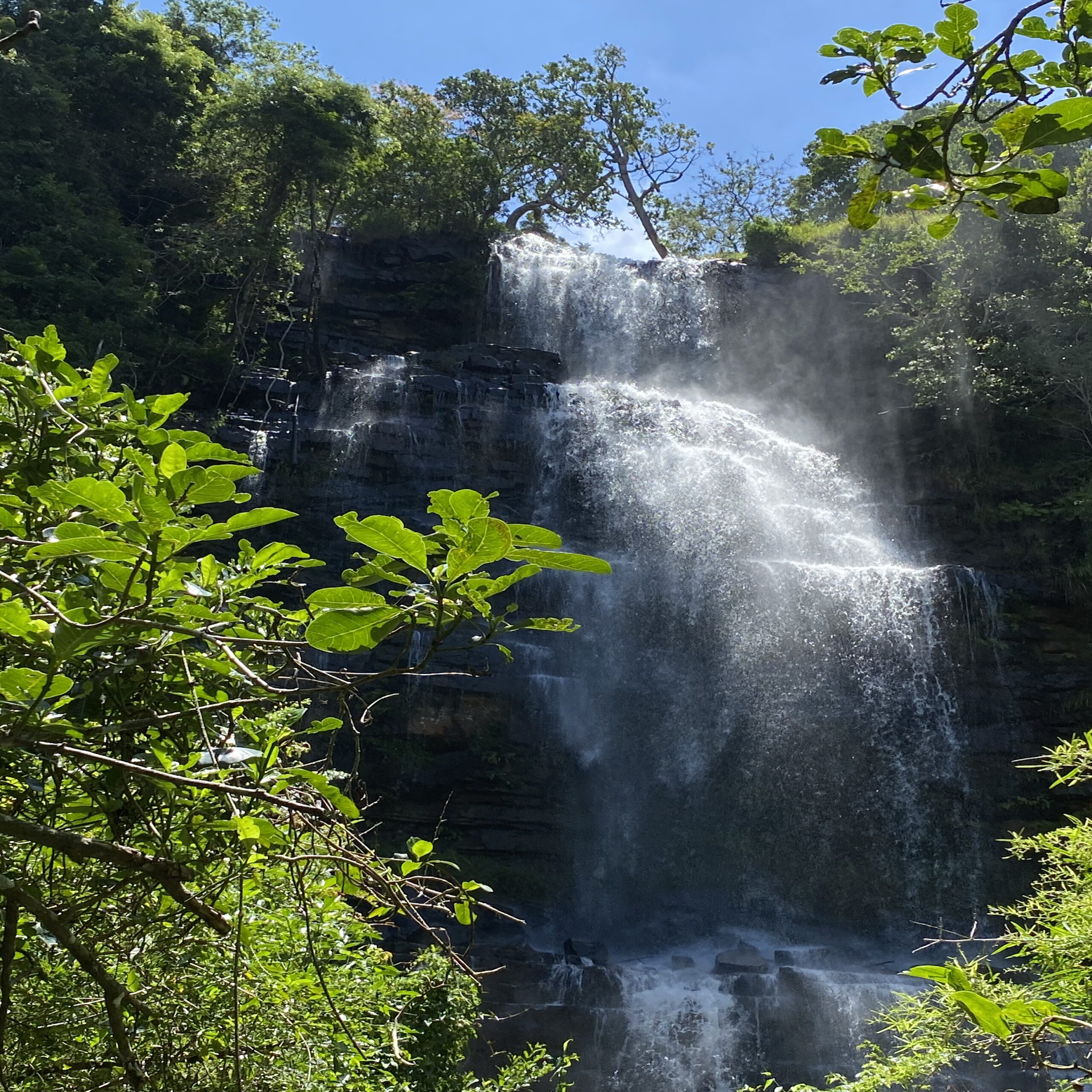
I’ve been discussing fun things to do in Durban city proper. But the greater Durban area has many more – and more varied – attractions.
If you drive a little inland, you quickly gain elevation, and the environment changes significantly. In the leafy residential suburb of Kloof, there’s a surprisingly deep gash in the landscape that is Krantzkloof Gorge. Or just Kloof Gorge to locals. It’s a beautiful, beautiful place, so if you love spending time in nature, make time for it!
You can do hikes of varying length and difficulty in Krantzkloof, two of which lead to gorgeous waterfalls. You can reach the base of the small waterfall (shown above) in about 20 minutes on a pretty easy hike. To reach the big waterfall, you’re going to climb down into the gorge. You need proper hiking boots, and trekking poles won’t hurt, as it’s a very steep and gnarly trail. You need up to two hours for that roundtrip hike. But even non-walkers can enjoy the epic views of the place, as a flat stroll of about five minutes from the parking lot leads to an excellent lookout point.
There’s plenty of wildlife to spot in the gorge, including bushbucks and duikers. Crowned and Wahlberg’s eagles breed here, and you often spot an eagle or two soaring above the trees.
Note that there are picnicking facilities. But you must bring your own food, as none is sold onsite.
6. Watch a Zulu dance and see crocodiles at PheZulu
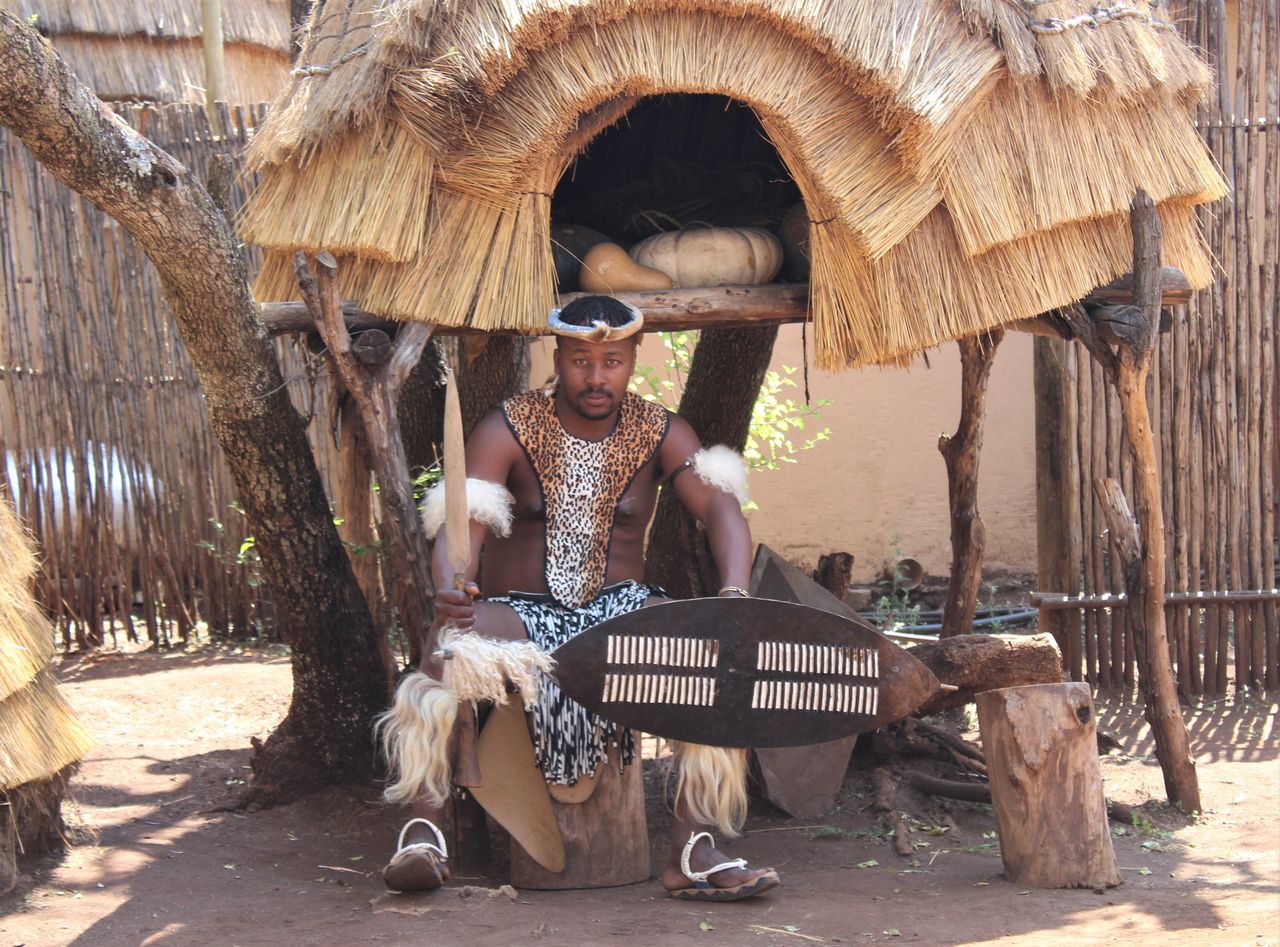
A little further inland, but still just 35 km from the centre of Durban, is Botha’s Hill, a suburb perched on a high ridge. On its northern edge, overlooking the rural Valley of a Thousand Hills, is PheZulu Safari Park.
PheZulu Village, as it’s often called, is the most touristy thing on this list. But if you’ve never been to South Africa or the province of KwaZulu-Natal for that matter, then I recommend visiting. It has three main attractions, one cultural and two focused on wildlife.
As its name suggests, PheZulu is a place for learning about the indigenous Zulu people. There are thatched mud buildings, known as rondavels, which showcase the traditional Zulu home that’s still seen in the countryside today. And you can watch a traditional Zulu dance, which is a very high-energy performance.
Secondly, PheZulu has a reptile park where you can eye dozens of Nile crocodiles up close as they lounge in their enclosure. You can also see various snakes, tortoises, and other native reptiles. And finally, you can actually go on a 4×4 game drive in the pretty Phezulu Conservation Area, where wildlife like giraffes and zebras roam the hills.
7. Walk Umhlanga Promenade
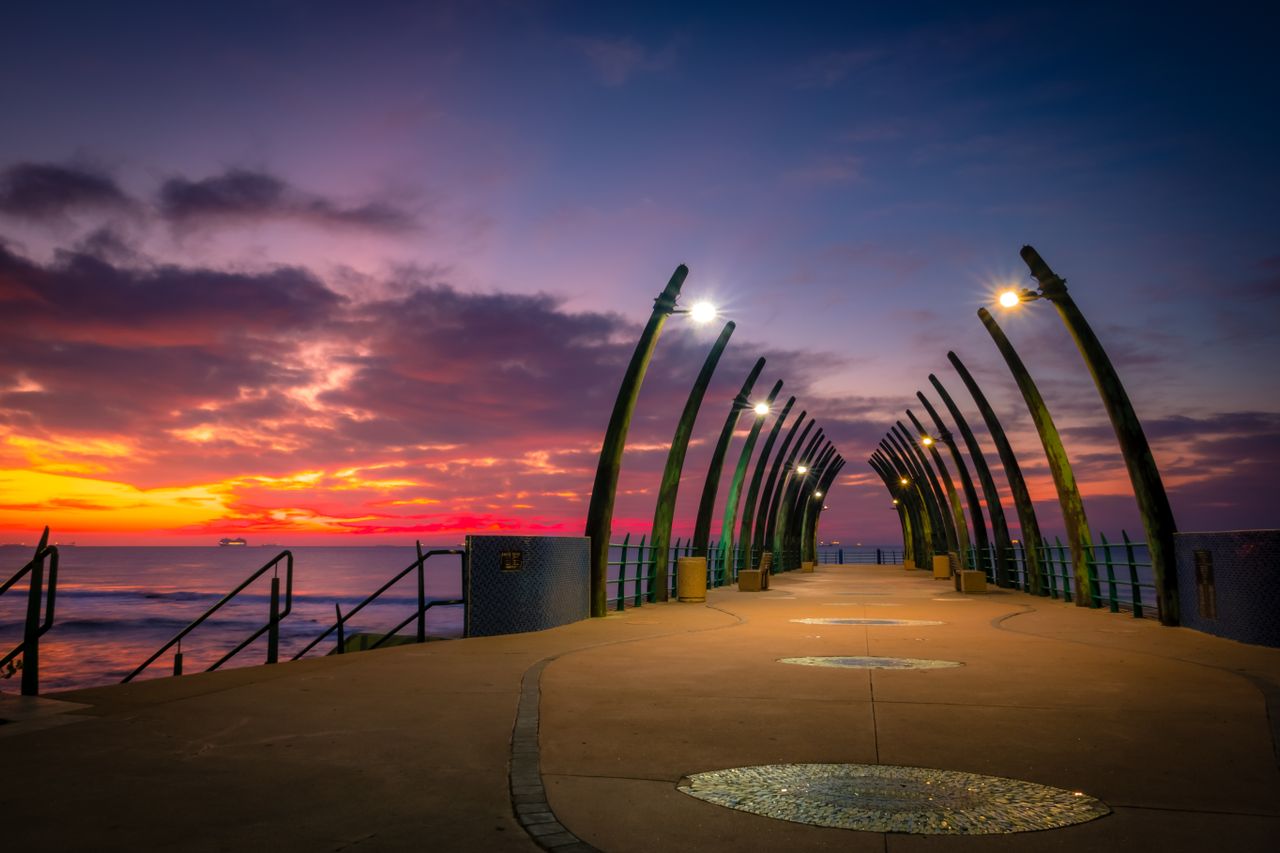
Umhlanga is a coastal town north of Durban with a world-class promenade that overlooks another lovely stretch of sandy beach. It’s wholly different to Durban’s Golden Mile, however. Firstly, this beach has some rocky areas with rock pools that are great for littlies with their buckets and spades. Also, the promenade is narrower and only for pedestrians, and there’s more natural vegetation encroaching on you, in the best of ways. It’s all exceptionally pretty and well maintained. Finally, Umhlanga is a far more affluent than Durban, and this is very noticeable.
Umhlanga’s most iconic beachfront landmarks are its red-and-white lighthouse and the striking whale-bone pier shown below. If your wallet is plump, high tea at the five-star Oyster Box hotel by the lighthouse is a bit of an institution.
Umhlanga Promenade is roughly 3 km (2 miles) long. I like to park at Durban View Parkat the southern terminus, run the length and back, and then sit under one of Daily Dose’s umbrellas with a coffee reward. That said, Rox Coffee at the Lifesaving Club, found at more or less the midway point of the promenade, has the tastiest fresh juices and hot drinks, in my opinion.
The southern half of the promenade is more built up and vibey. The northern half is quieter, and at times you’re in a tunnel of thick greenery where you must mind your head given the wildly angled milkwoods of the dune forest. When you reach Forest Café at the northern end, you can head inland and stroll the wetland boardwalk and forest trail of the Umhlanga Lagoon Nature Reserve if you like.
Plan your Durban visit
Durban is truly unlike any other South African city, having such a different climate, landscape, history, and cultural mix from the rest of the country. It’s also the gateway to various wonderful regional experiences, like the Midlands Meander, one of South Africa’s best road trips and the beautiful Drakensberg mountains.
I highly recommend including Durban in a South African visit. It has its own international airport, so you can fly straight in, as is done with the 12-day Durban to Cape Town via Lesotho tour from African Overland Tours. Another exciting package that starts in Durban is the 14-day Garden Route and Wild Coast tour. Both of these tours take you through some of South Africa’s most beautiful regions, and include world-class safari drives and hiking opportunities.
Note: This blog post was created in November 213 by Bronwyn Paxton. It was completely rewritten in August 2026 by Megan Abigail White.