Beauty is in the eye of the beholder, it’s true. So in my eyes, these are the five most beautiful wildlife reserves in Botswana.
Botswana has many large, untouched, wild places absolutely brimming with wildlife, birds, and beautiful trees, grasslands, rocky outcrops, and more. Let’s look at five of these special places as captured in photo, and you can decide for yourself if they’re worth visiting!
1. The Okavango Delta
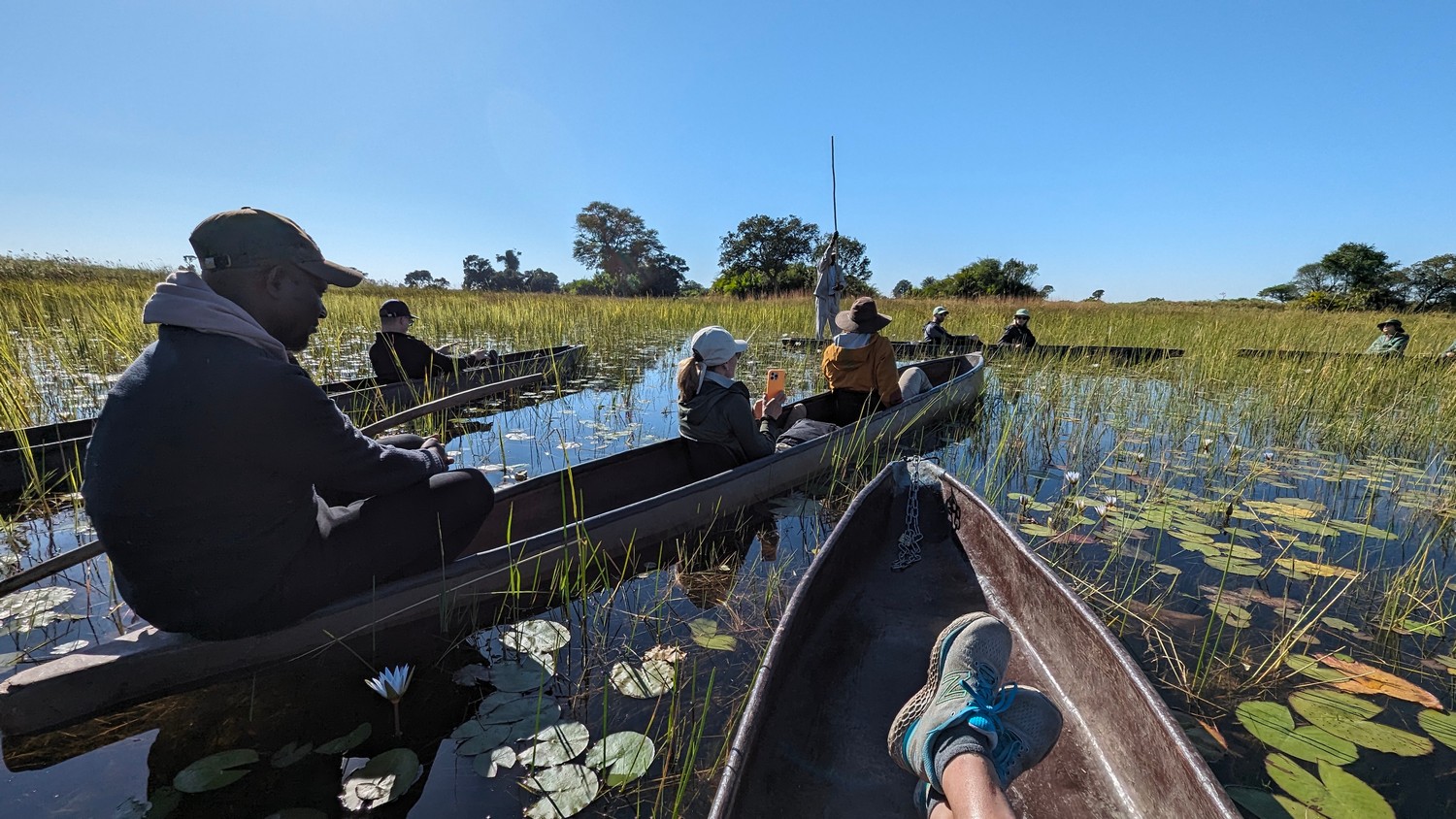
The Okavango Delta in northern Botswana is absolutely enormous and a critical oasis within the dry Kalahari Basin, sustaining countless animals and birds. It’s breathtaking at ground level, as well as from the air.
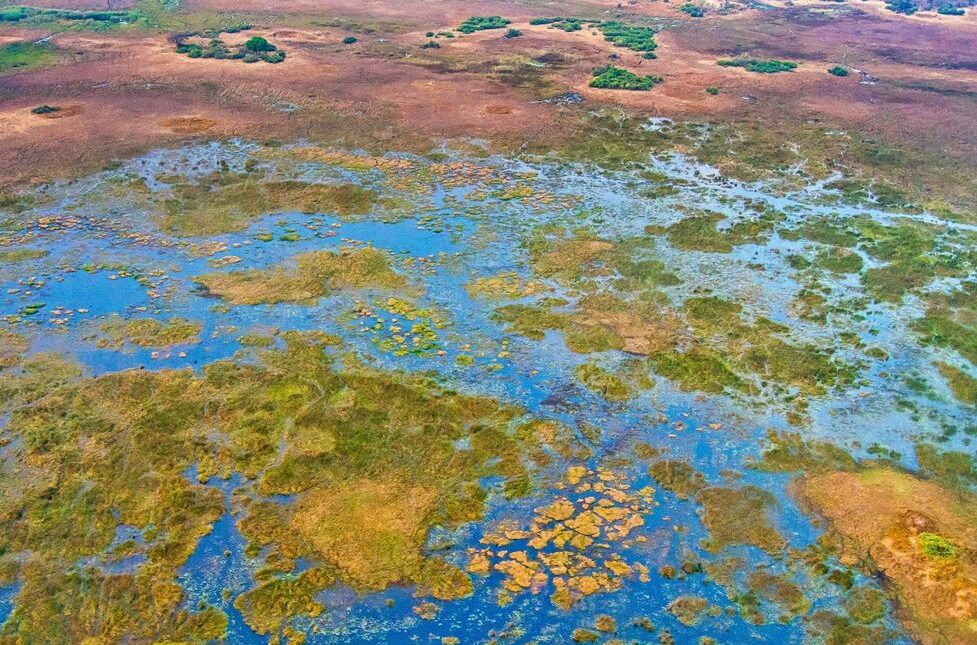
In some places, the switchbacking channels create sharp lines, as seen here.
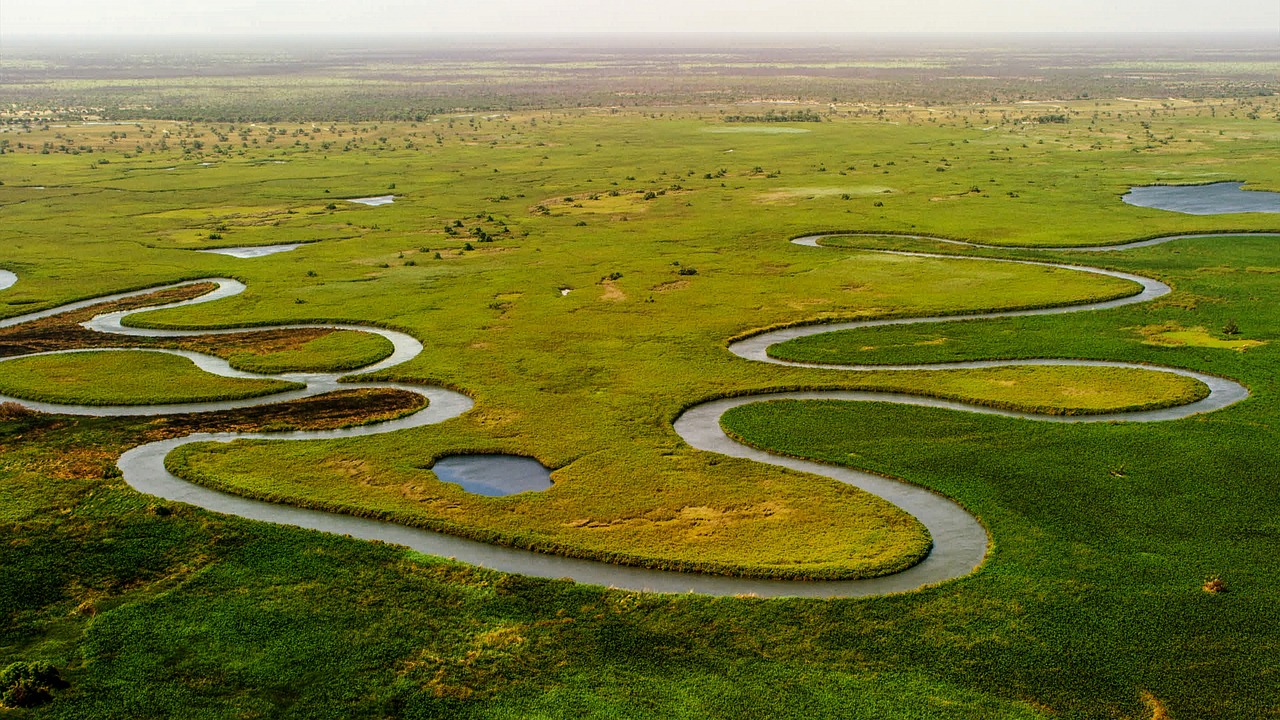
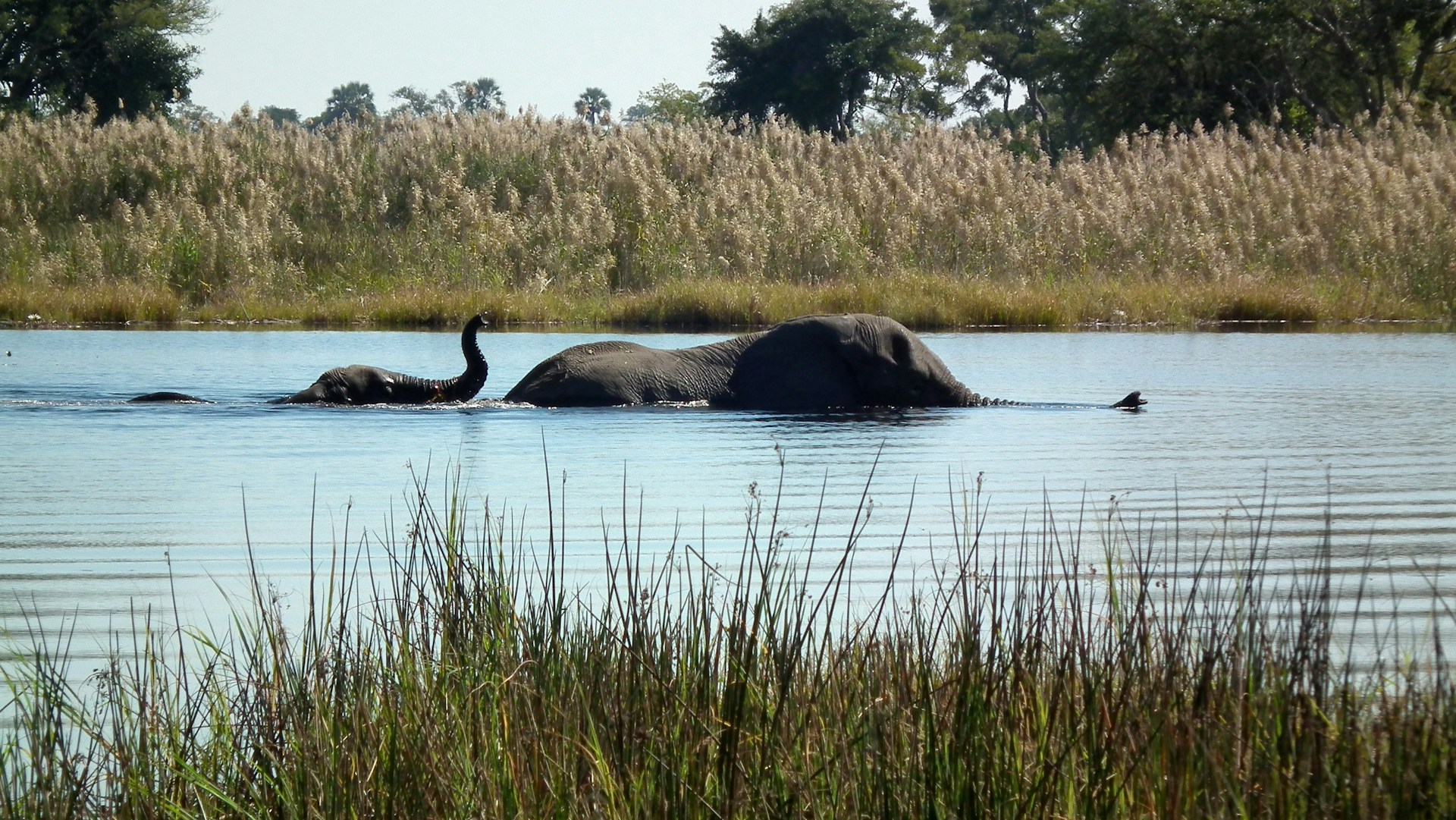
On the ground, the scene is made even more beautiful by dint of there being so much wildlife present. Animals that are regularly spotted include elephants, lions, buffaloes, giraffes, zebras, impalas, red lechwes, hippos, crocodiles, baboons, and African fish eagles.
Moremi Game Reserve
Moremi Game Reserve protects nearly 40% of the Okavango Delta. It includes rivers, permanently flooded lagoons, seasonal channels and other waterways, and large floodplains.
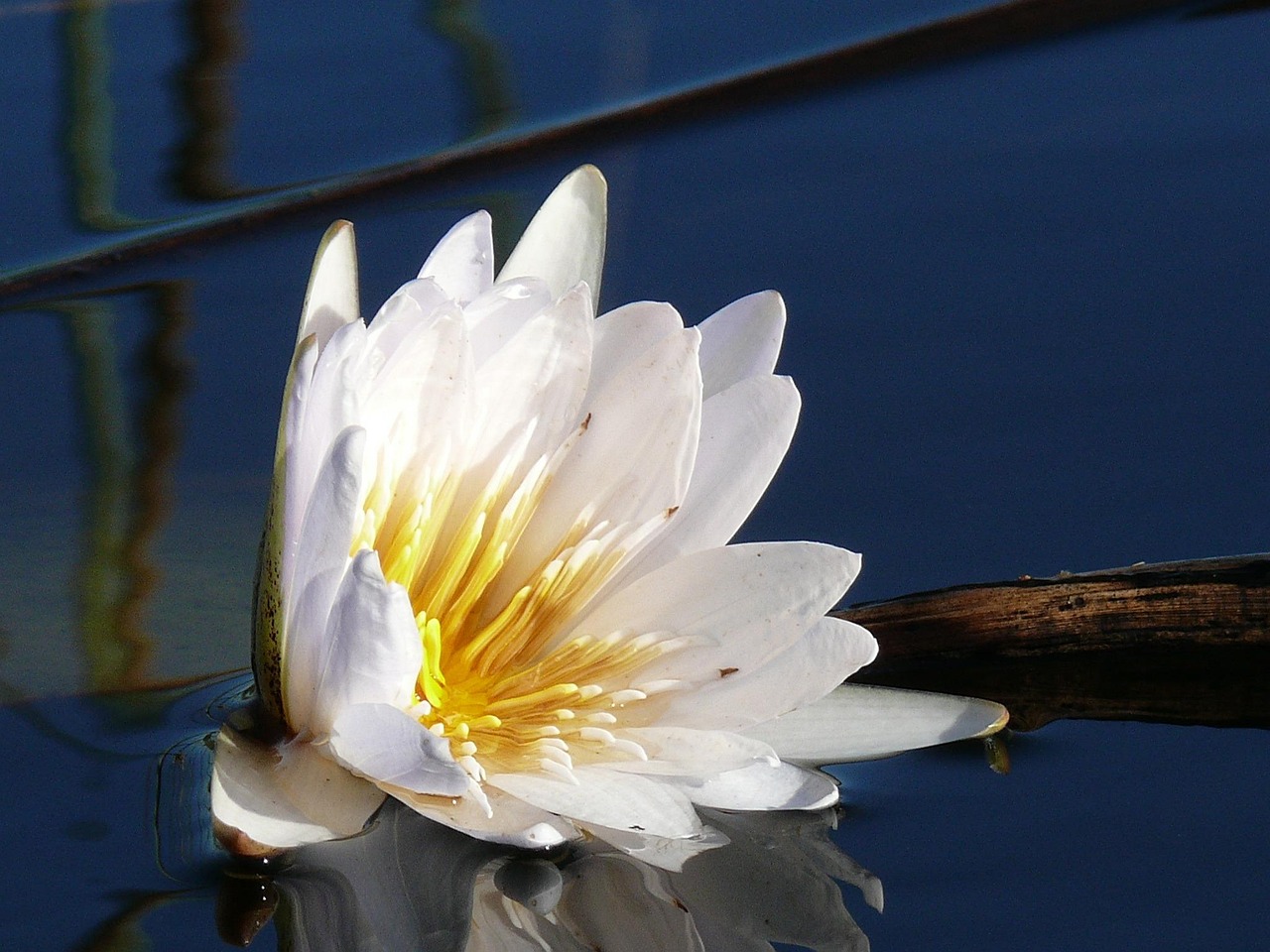
The dark-wooded mopane trees of the Okavango Delta are particularly beautiful, in my opinion.
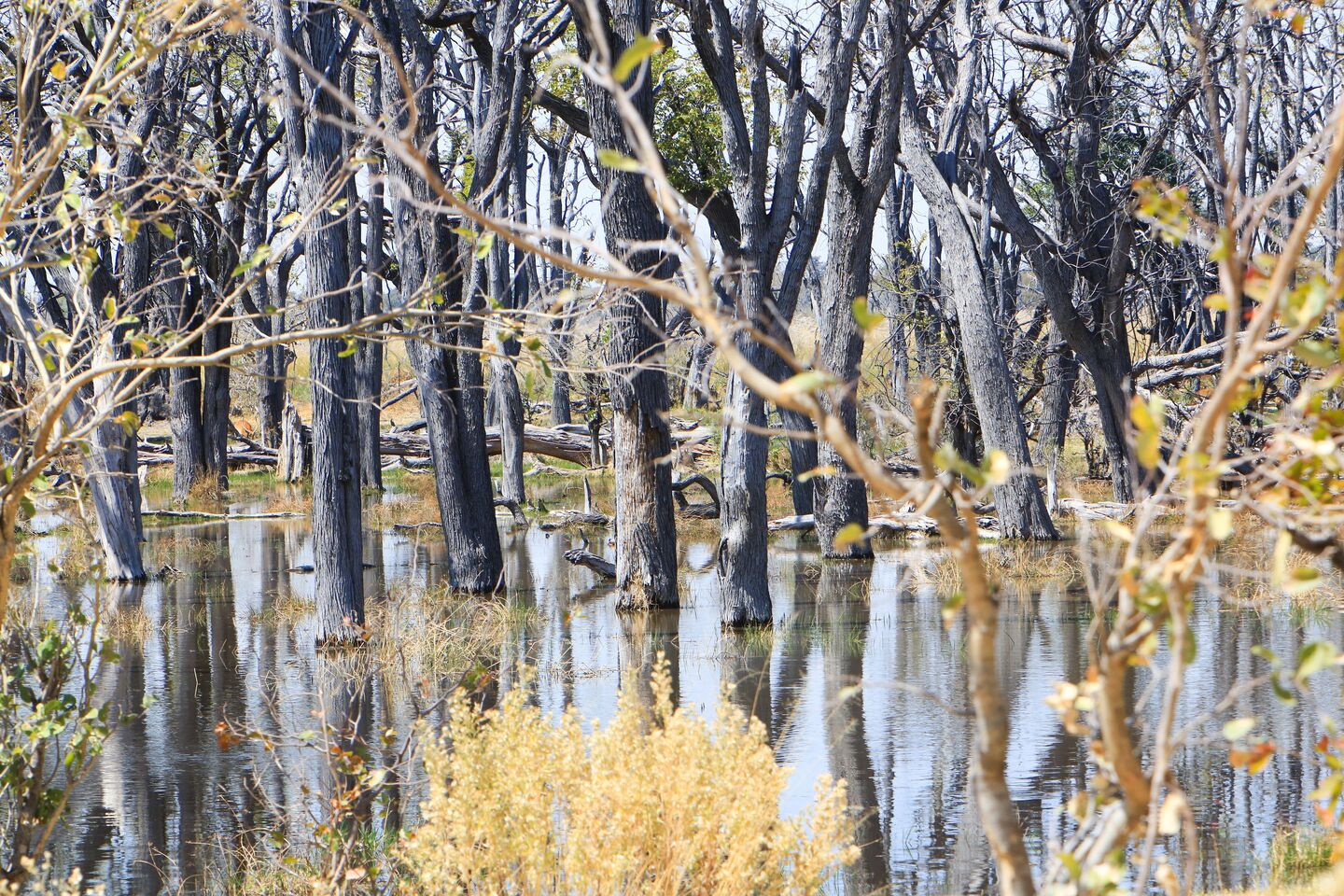
But Moremi also has savannah and woodlands, where you can do traditional game drives.
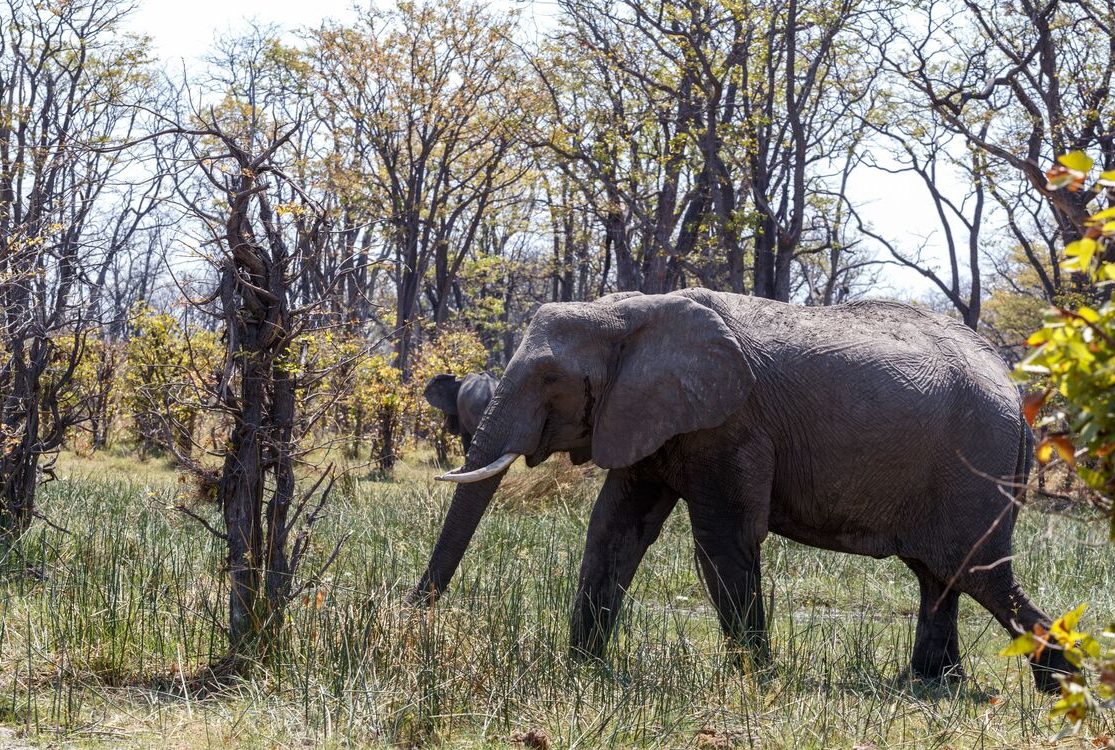
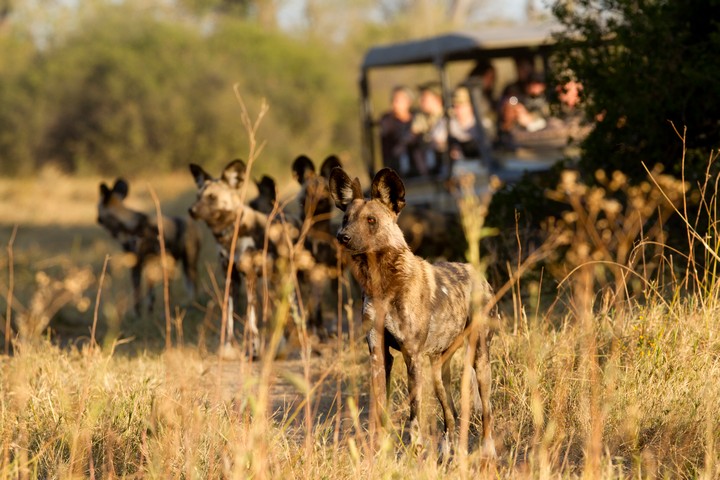
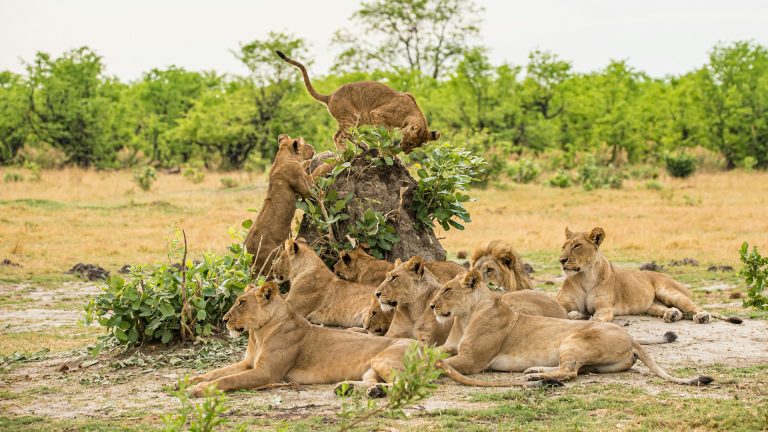
On a game drive in Moremi, you might be lucky and spot lions, leopards, cheetahs, and endangered African wild dogs, among other predators.
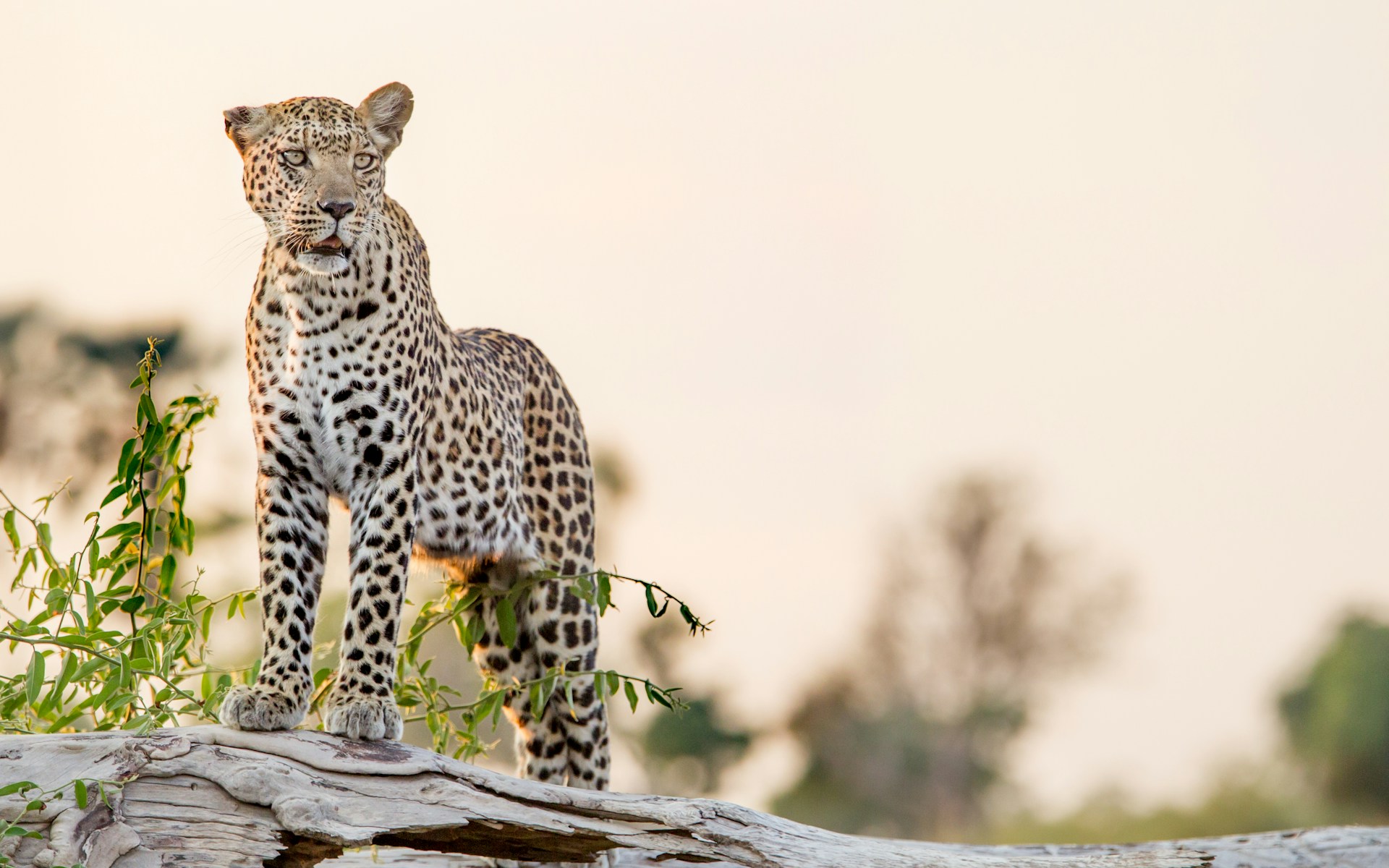
As you can see, the beauty of the Okavango Delta is the furthest thing imaginable from one-note. It is, in my opinion, the single most beautiful wildlife reserve in all of Botswana.
2. Makgadikgadi Pans
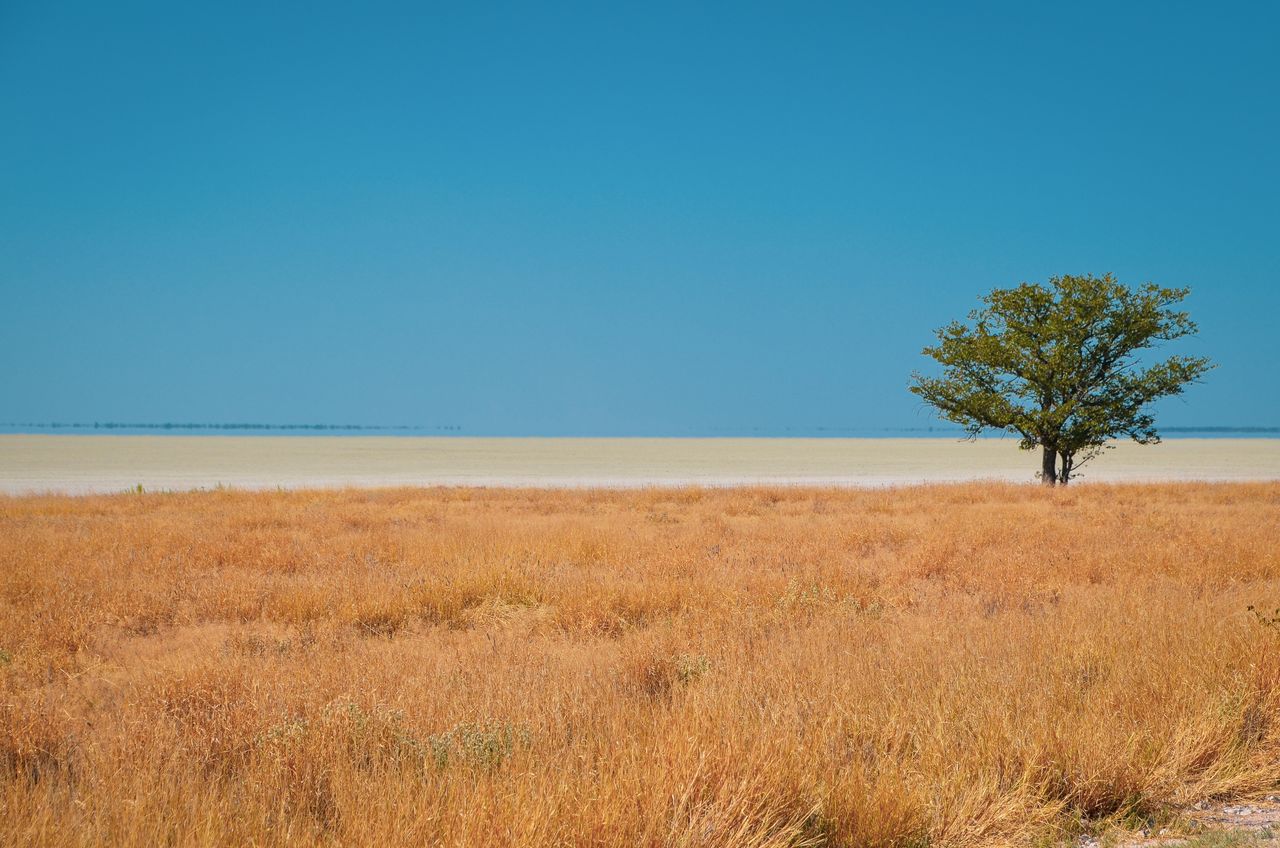
The Makgadikgadi Pans in central Botswana are a collection of utterly enormous salt flats surrounded by grass and bushlands. The pans themselves have a beauty of simplicity, scale, and strong monochromism.
The Makgadikgadi Pans also have a few ‘islands’, which are slightly raised bits of land. Some have dramatic rock formations, like these basalt pillars on Lekhubu Island within Sua Pan.
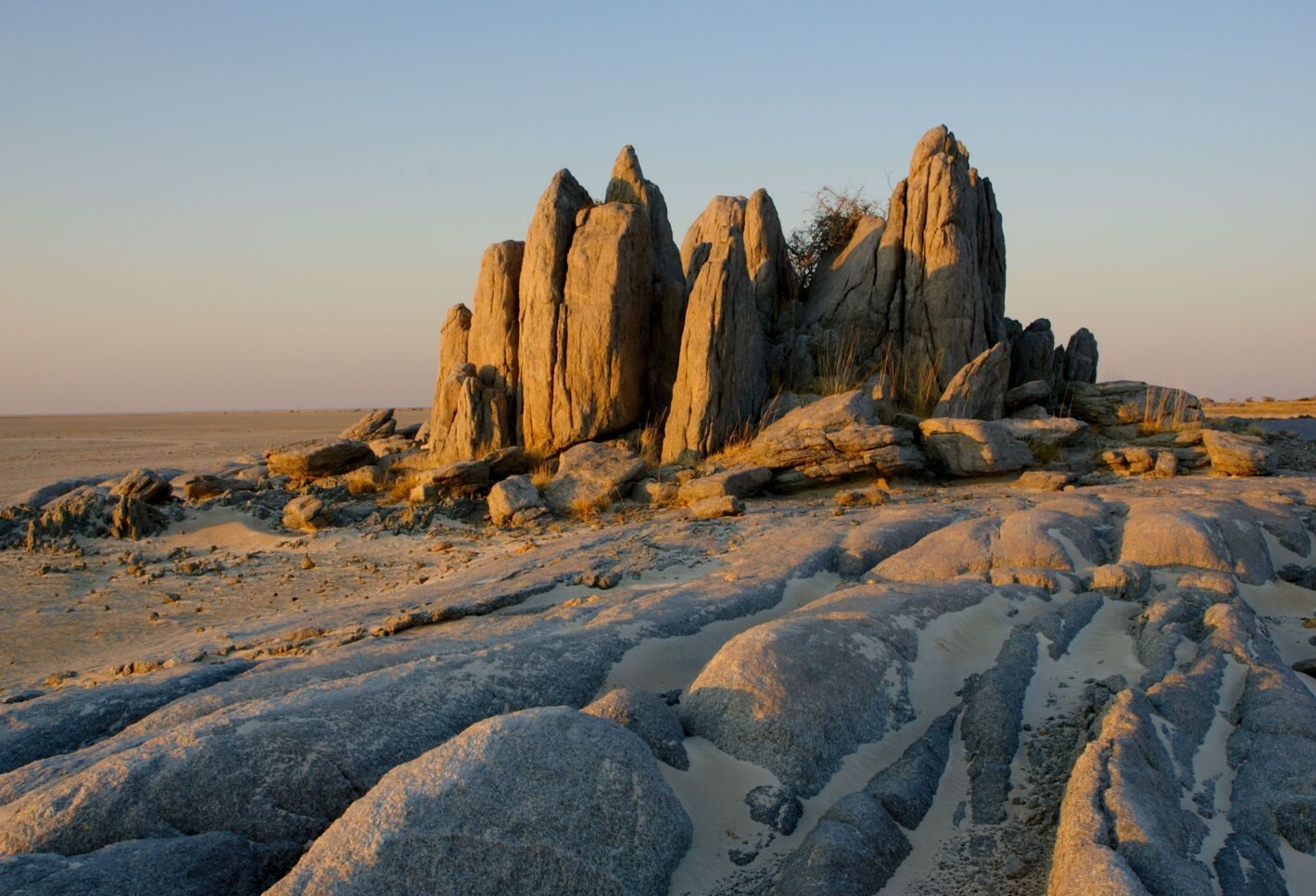
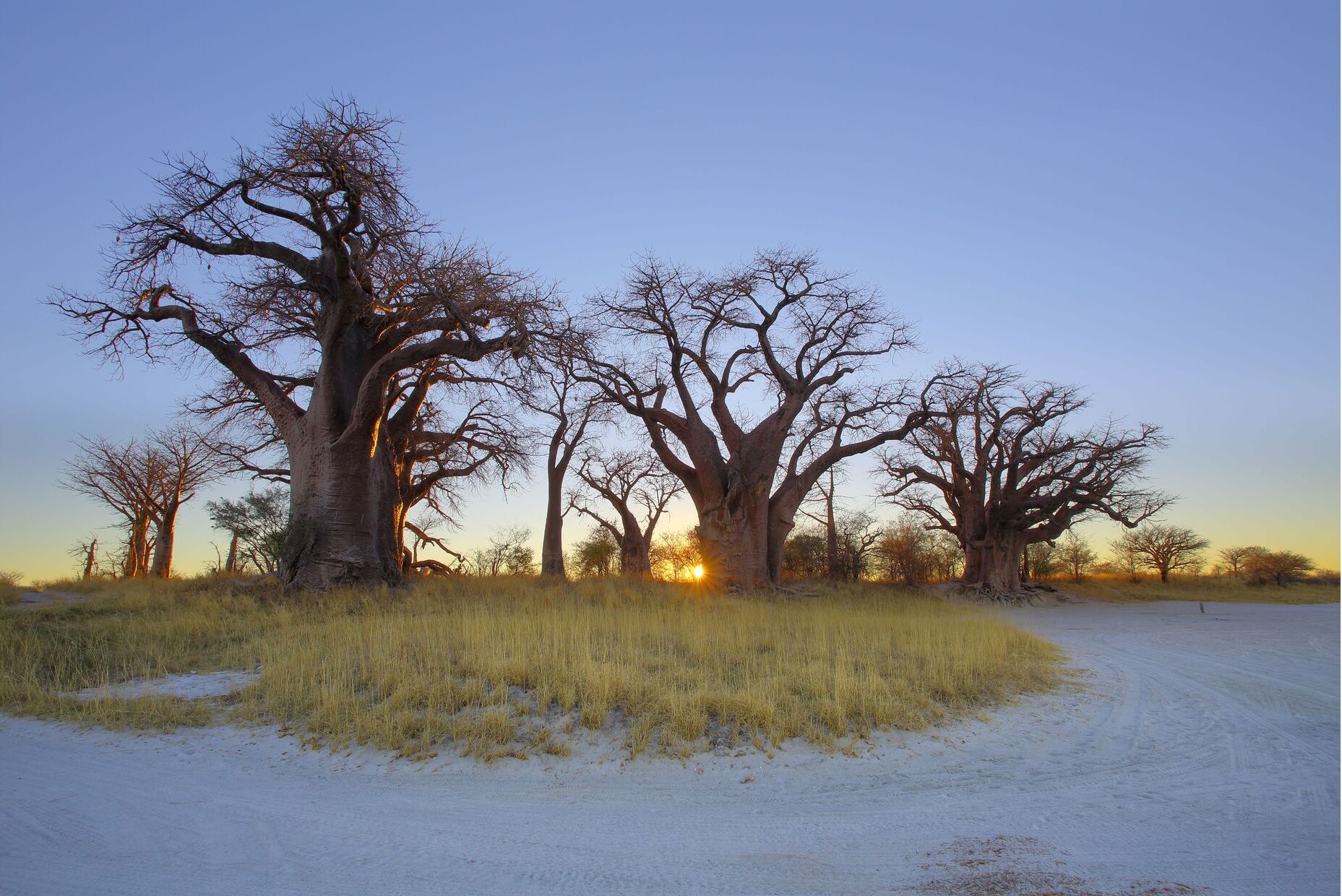
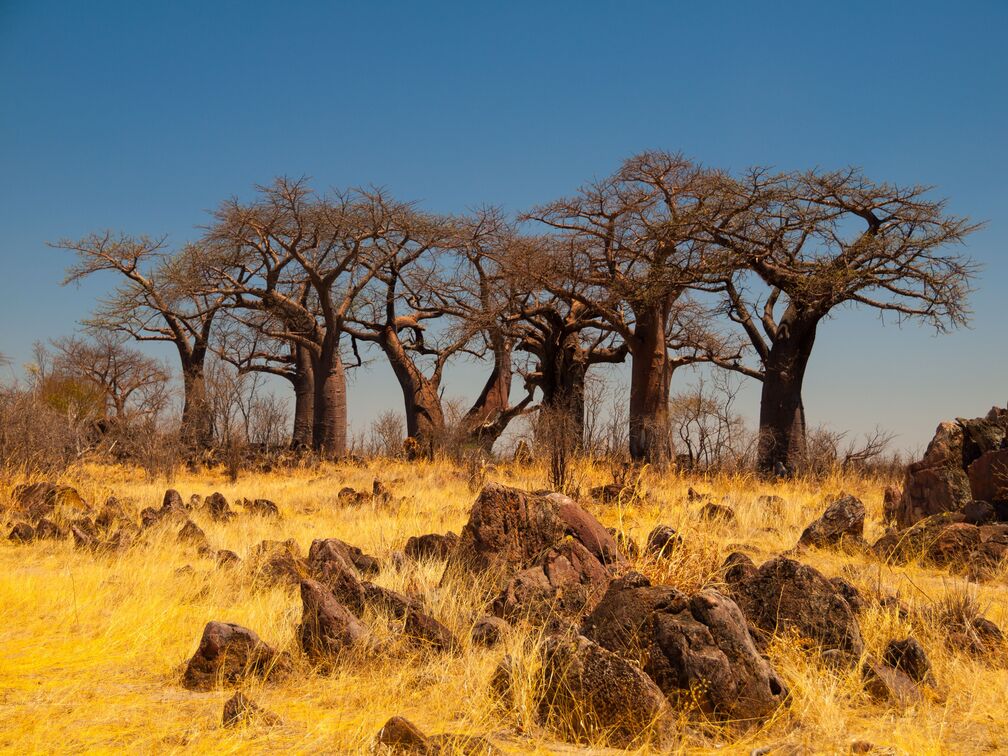
Note that not all of the Makgadikgadi Pans ecosystem is protected land. The two main parks protecting the largest portions are Makgadikgadi Pans National Park and Nxai Pan National Park. Inside Nxai Pan, you can find another famous land island, this one is striking for its collection of ancient baobab trees called Baines’ Baobabs.
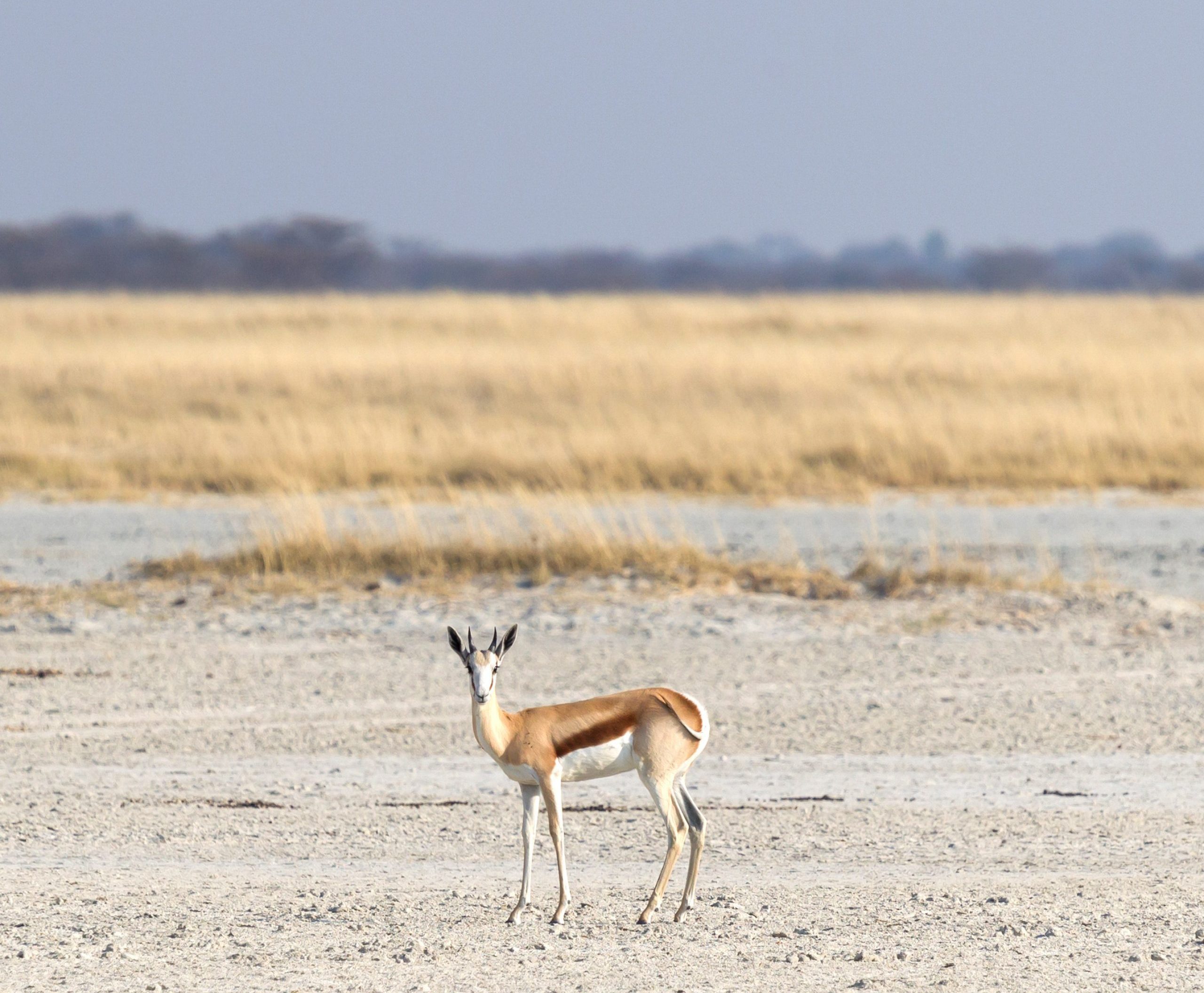
For much of the year, the Makgadikgadi Pans are bone dry. But that doesn’t mean they’re empty. There’s plenty of hardy wildlife present, like springboks, hyenas, bat-eared foxes, and meerkats.
Rain and transformation
The Makgadikgadi Pans transform completely after the annual rains. In years with good rainfall, the salt pans fill up with water and become shallow lakes.
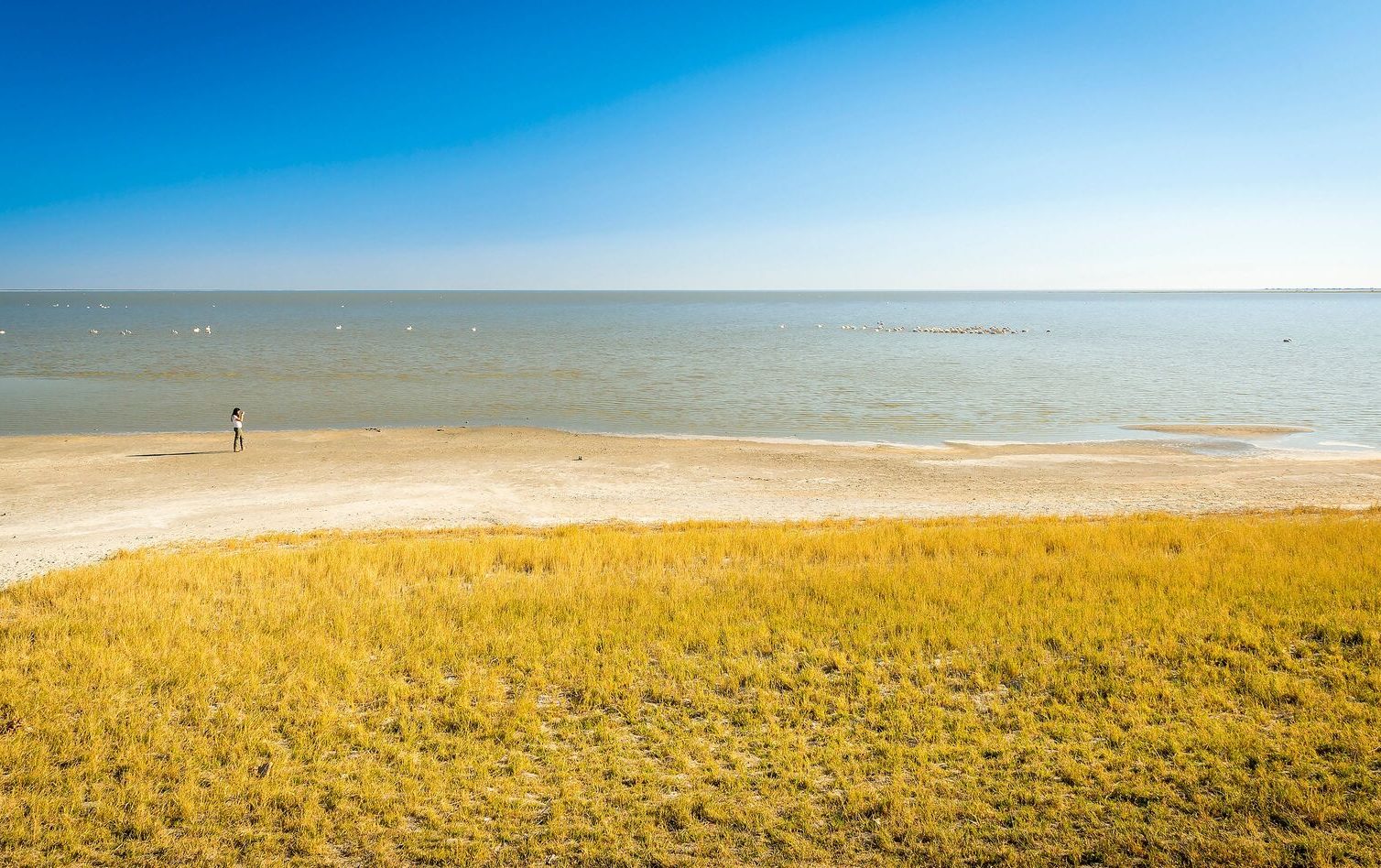
These lakes and the revived grasslands around them attract various migratory animals. Most notably, enormous herds of zebras and wildebeests move into the region.
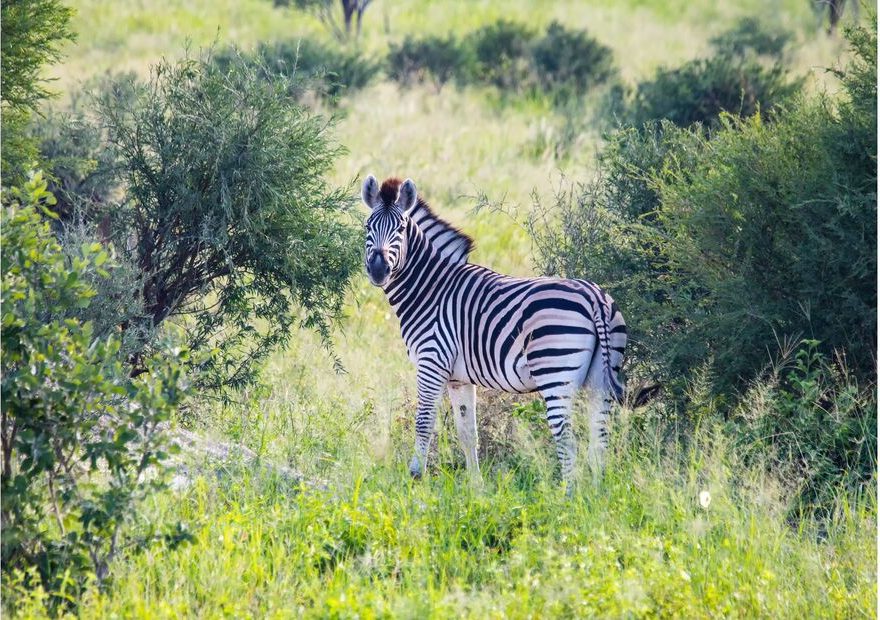
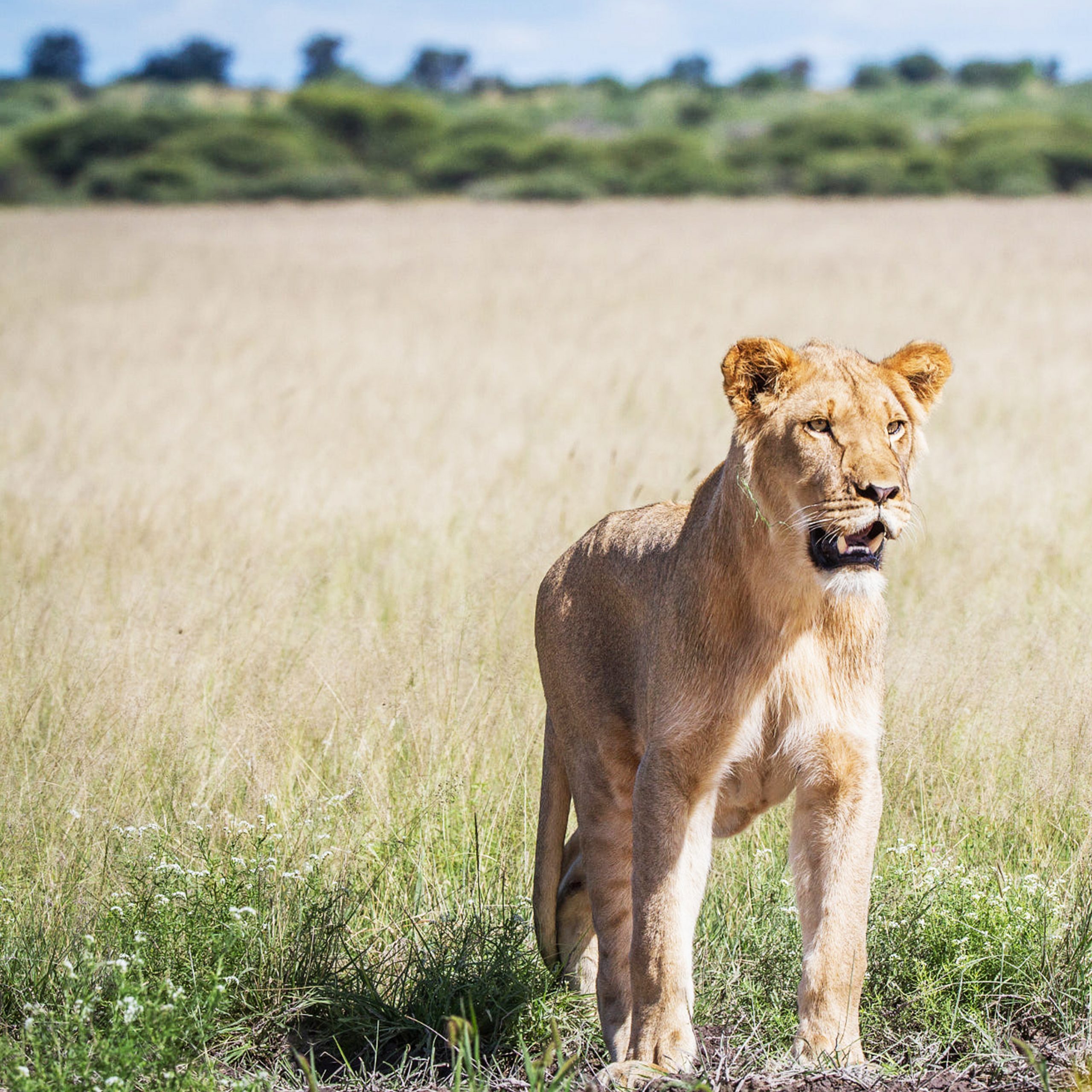
Predators follow the migratory animals, including lions, leopards, and cheetahs.
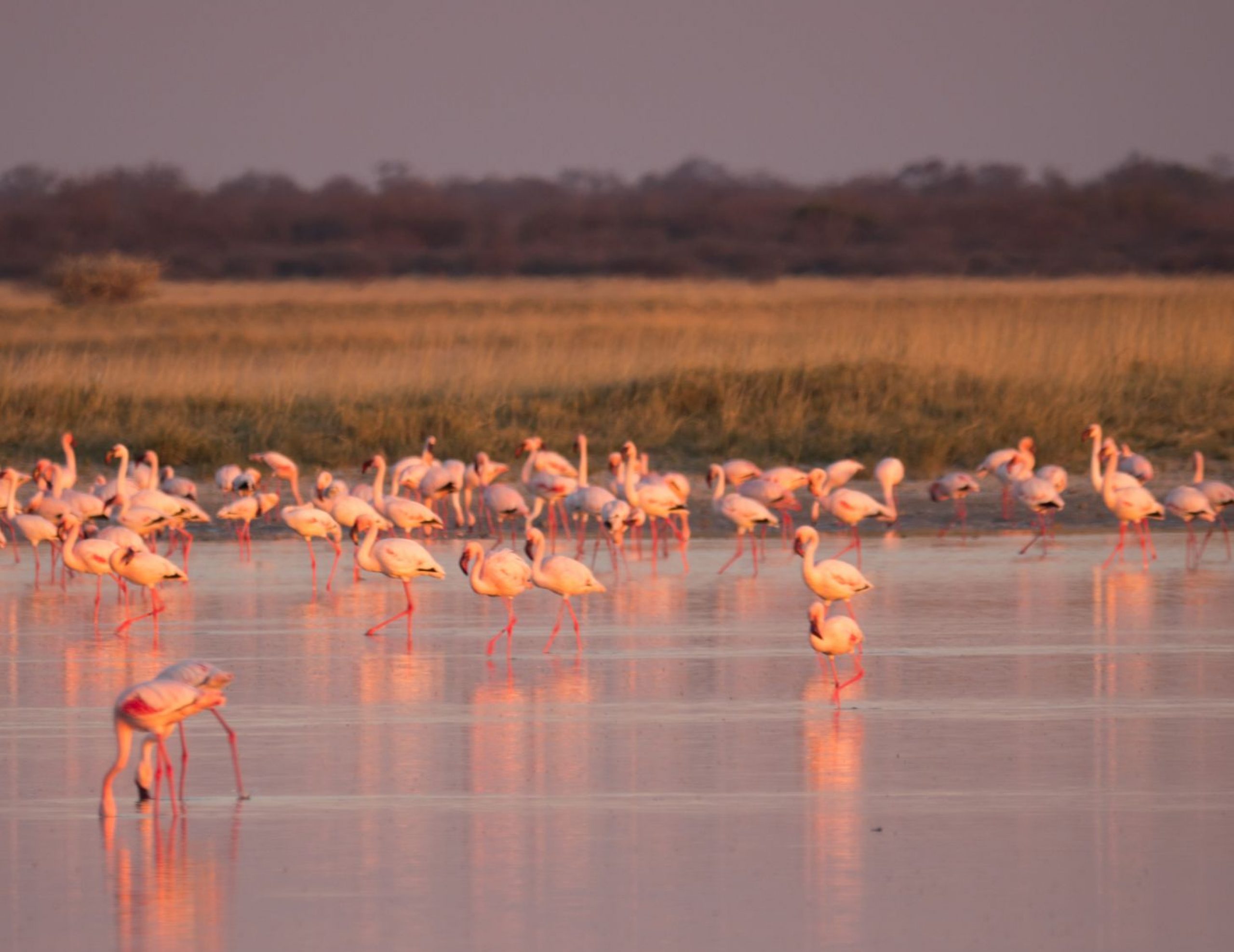
Migratory birds also enter the scene in enormous numbers. You’ll find greater and lesser flamingoes, great and pink-backed pelicans, and various storks, spoonbills, avocets, and ducks, among others.
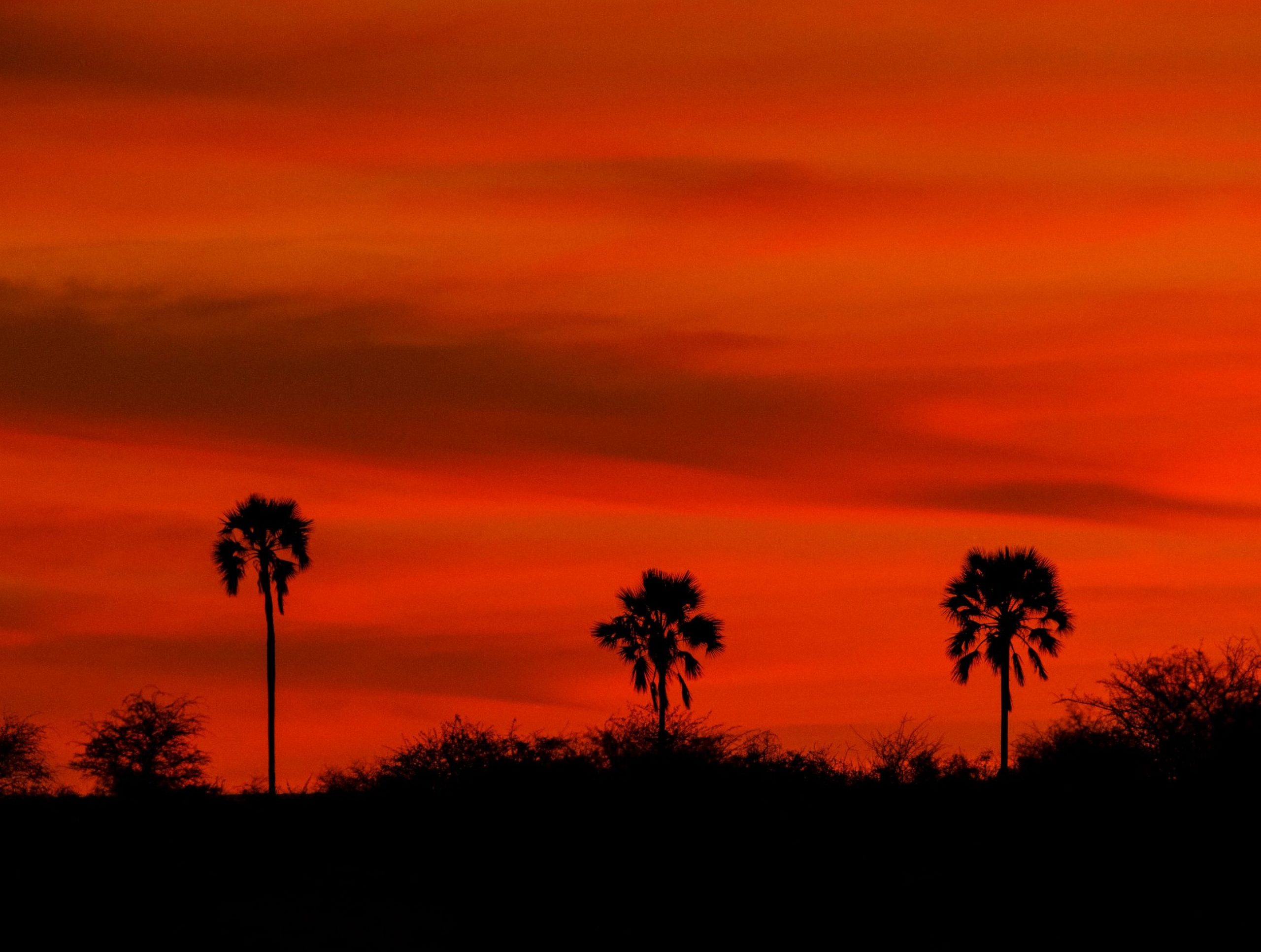
A core part of the beauty of Makgadikgadi Pans comes when the sun starts to go down. The dry desert environment leads to many incredible sunsets. And the stargazing is phenomenal too, as the area has one of the darkest skies in Africa.
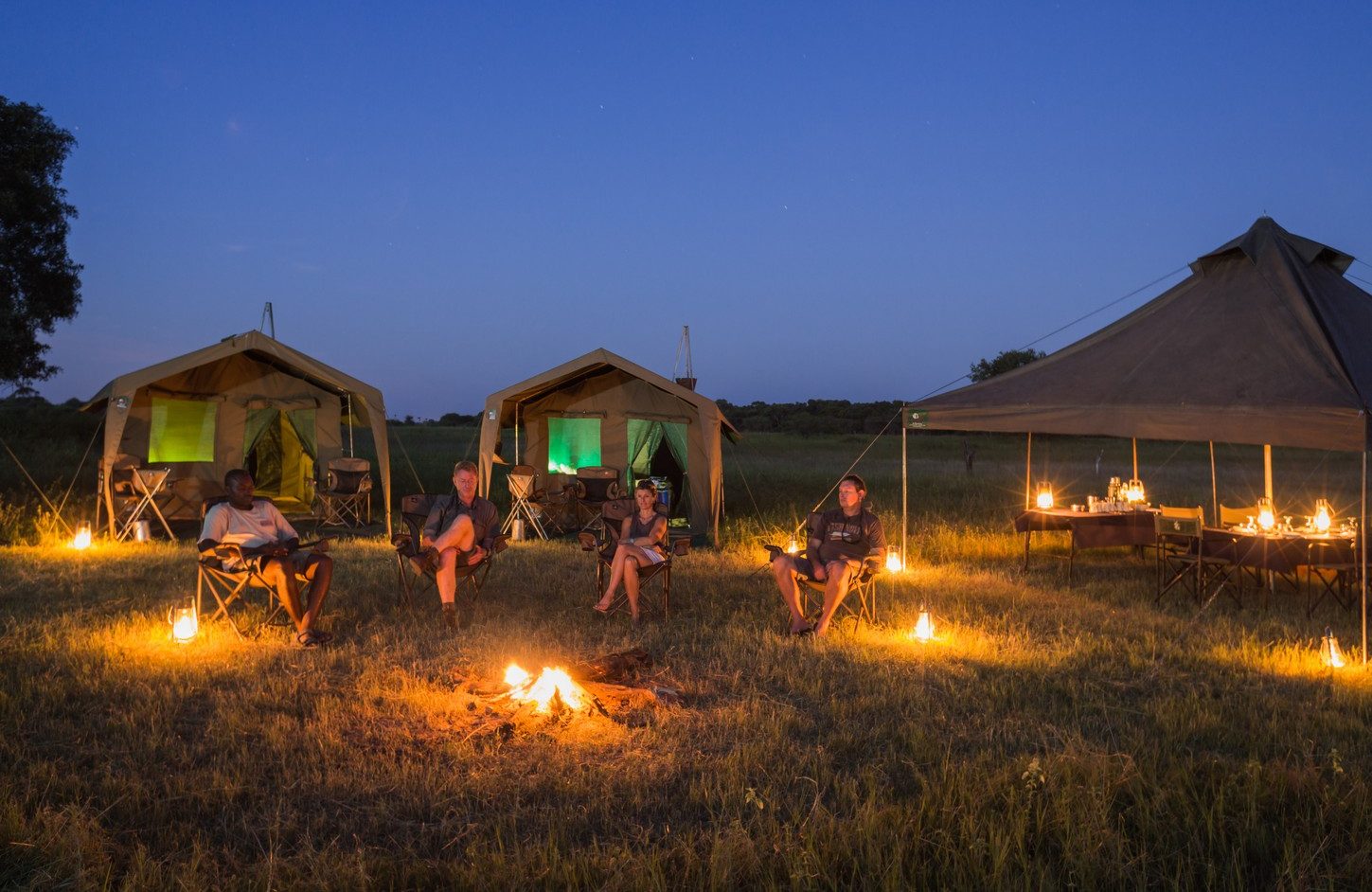
Wonderfully, you can arrange to camp on a salt flat in the dry season. And because the pans ecosystem is so large and remote, you often have your little slice of it all to yourself.
Nature & Wildlife, Waterways & Wetlands, Wilderness Walks, Big 5 Safari
Nature & Wildlife, Waterways & Wetlands, Wilderness Walks, Big 5 Safari
Nature & Wildlife, Waterways & Wetlands, Wilderness Walks
Nature & Wildlife, Waterways & Wetlands, Wilderness Walks, Big 5 Safari
3. Tuli Block
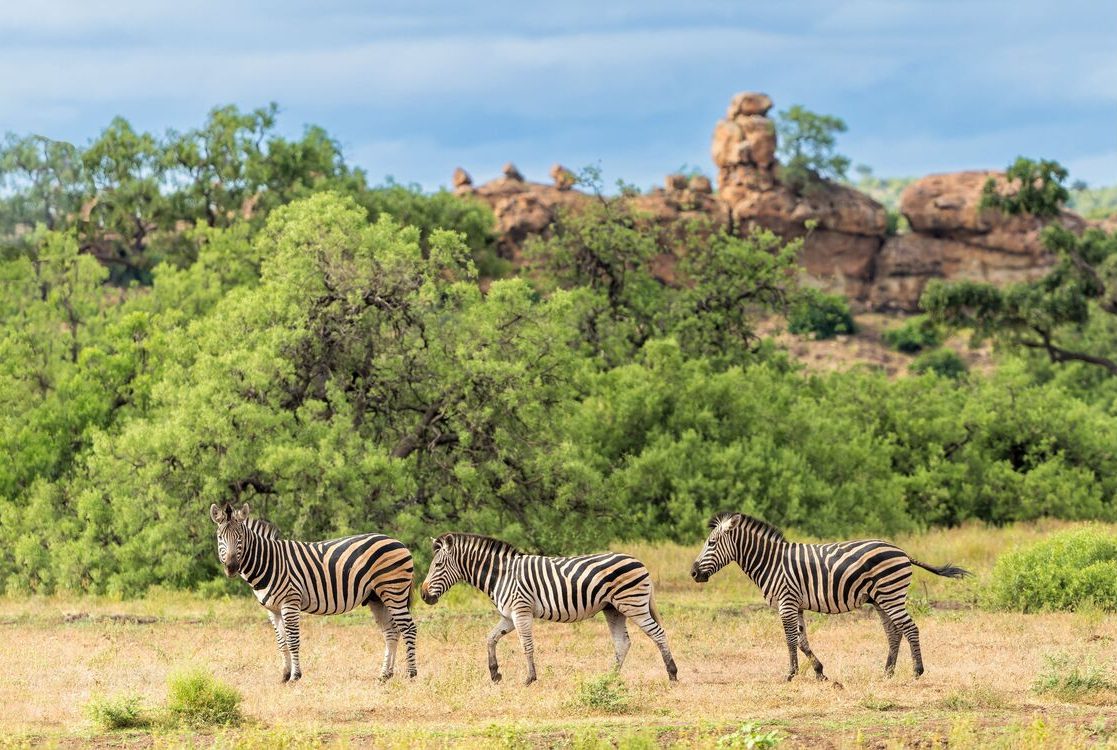
The easternmost tip of Botswana is wedged between Zimbabwe to the north and South Africa to the south. There’s a collection of wildlife reserves here (including the Mashatu and Northern Tuli Game Reserves) that together are called the Tuli Block.
Tuli Block is one of the greenest and prettiest parts of Botswana. It’s also a transition zone between the Kalahari and the Lowveld, so has an interesting assortment of wildlife and vegetation.
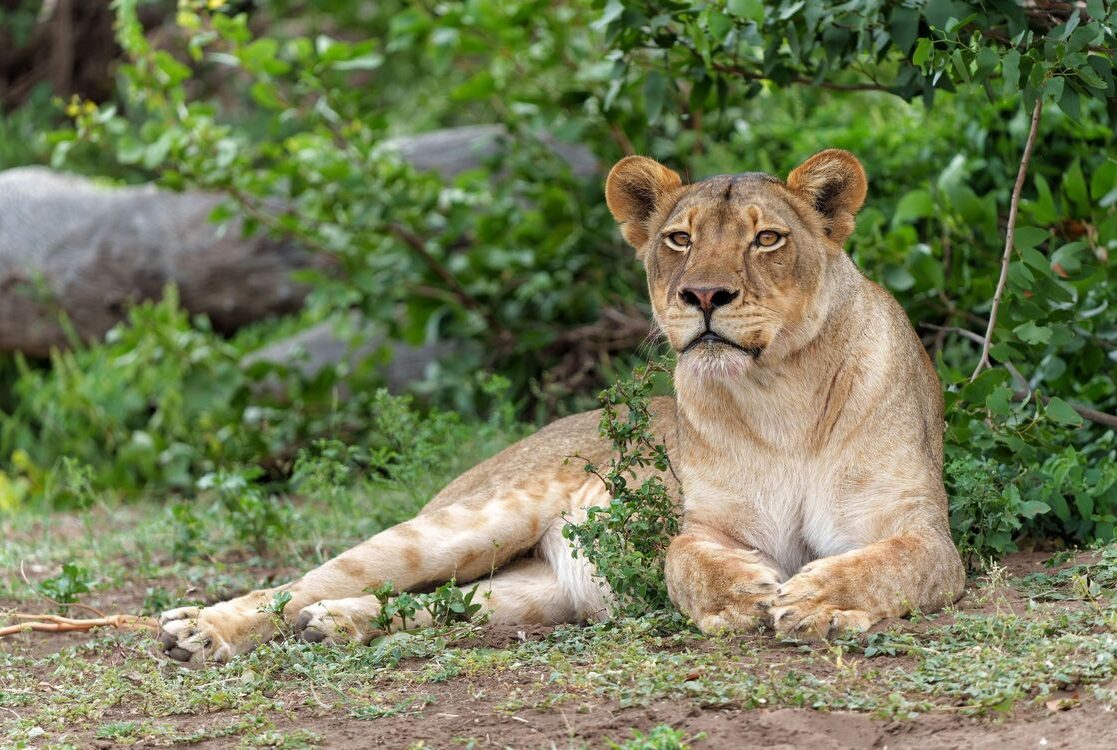
A key reason for Tuli Block’s relative lushness is that it sits at the confluence of the Limpopo and Shashe Rivers, which form the national boundaries to the southeast and northeast respectively.
It’s lovely to spot wildlife, like this cheetah, in a restful green setting.
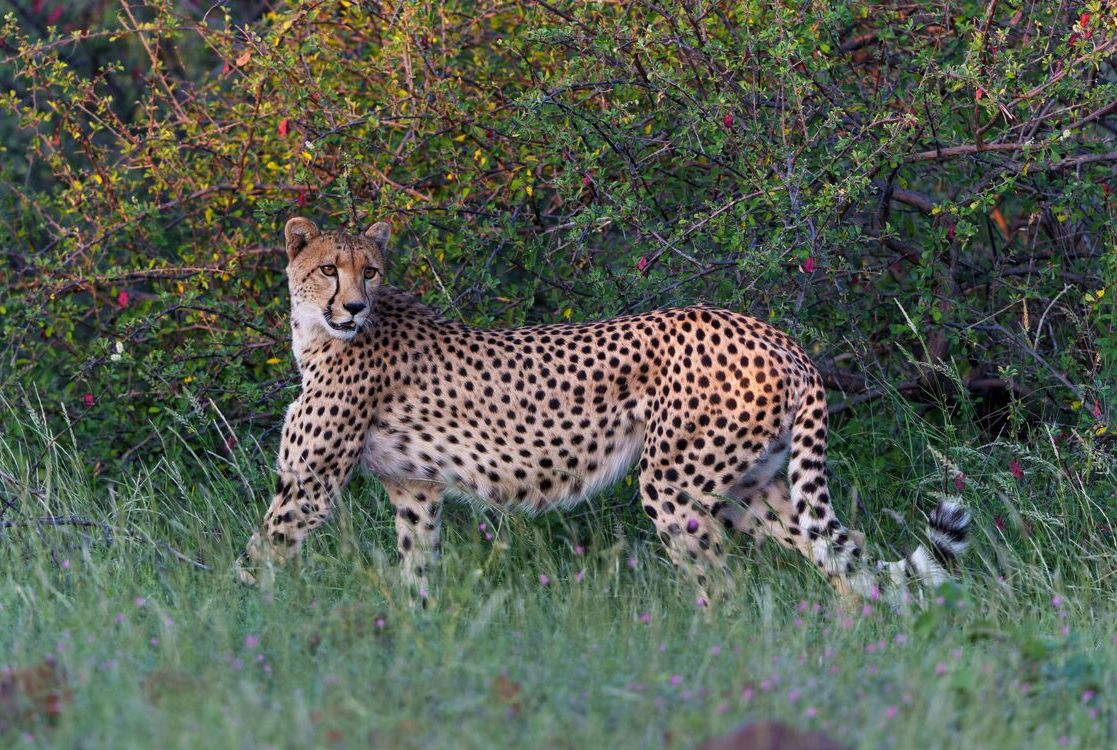
Wildlife of Tuli Block
Some of the other wildlife commonly spotted in Tuli Block are giraffes, zebras, lions, wildebeests, and hyenas.
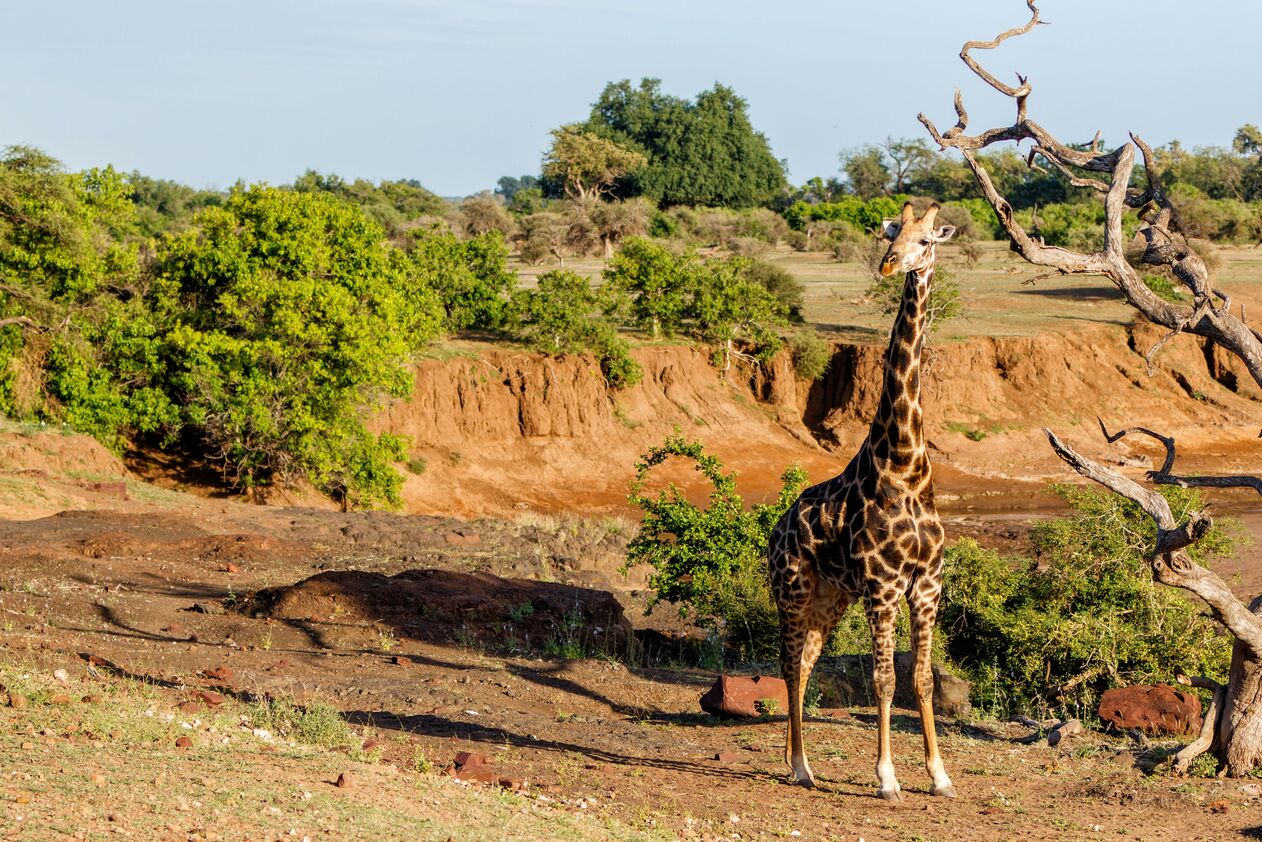
Elephants are also frequently seen here, particularly in Northern Tuli Game Reserve, which reportedly has the largest population of any private game reserve in Africa.
You often find them rubbing up against baobabs or walking in the river valleys. And that’s another aspect of Tuli Block that’s so lovely: so much of Botswana is extremely flat, but Tuli Block has more variety, from undulating hills to cliff faces.
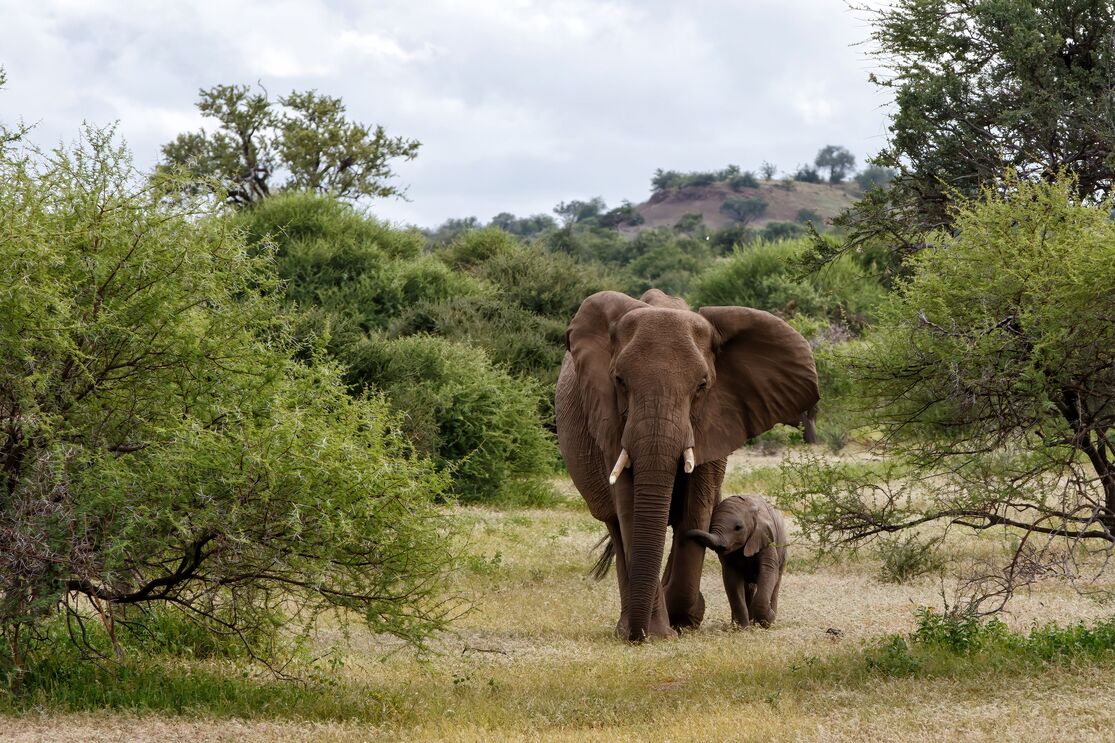
The region has a few ecosystems, namely dry riverbeds, grasslands, bushland, riverine woodlands, and rocky koppies (outcrops).
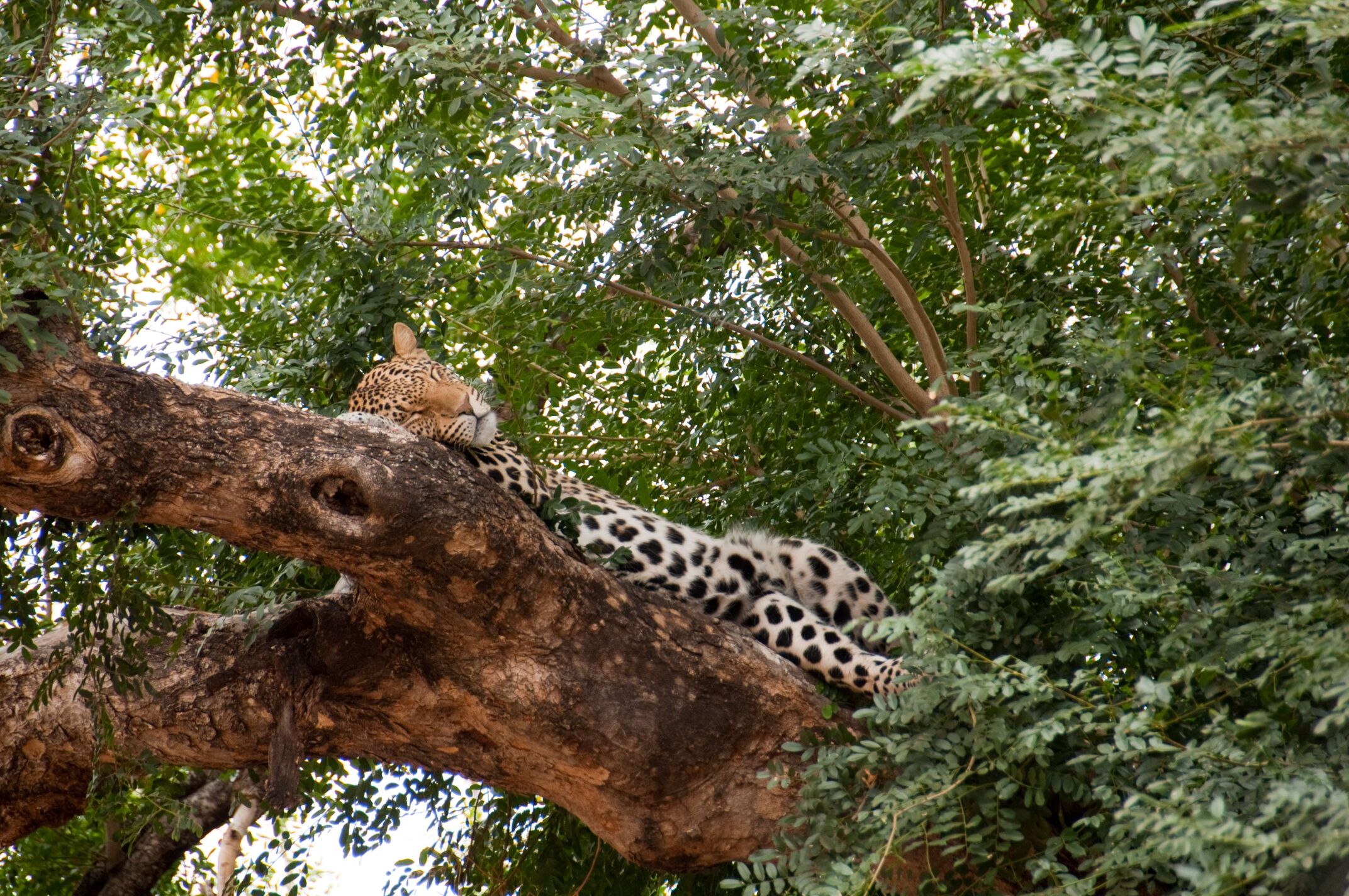
You can sometimes get lucky and spot a leopard lolling in a tree. In fact, Northern Tuli is particularly known for its unfazed leopards, meaning visitors often enjoy frequent and lengthy sightings of these elusive predators.
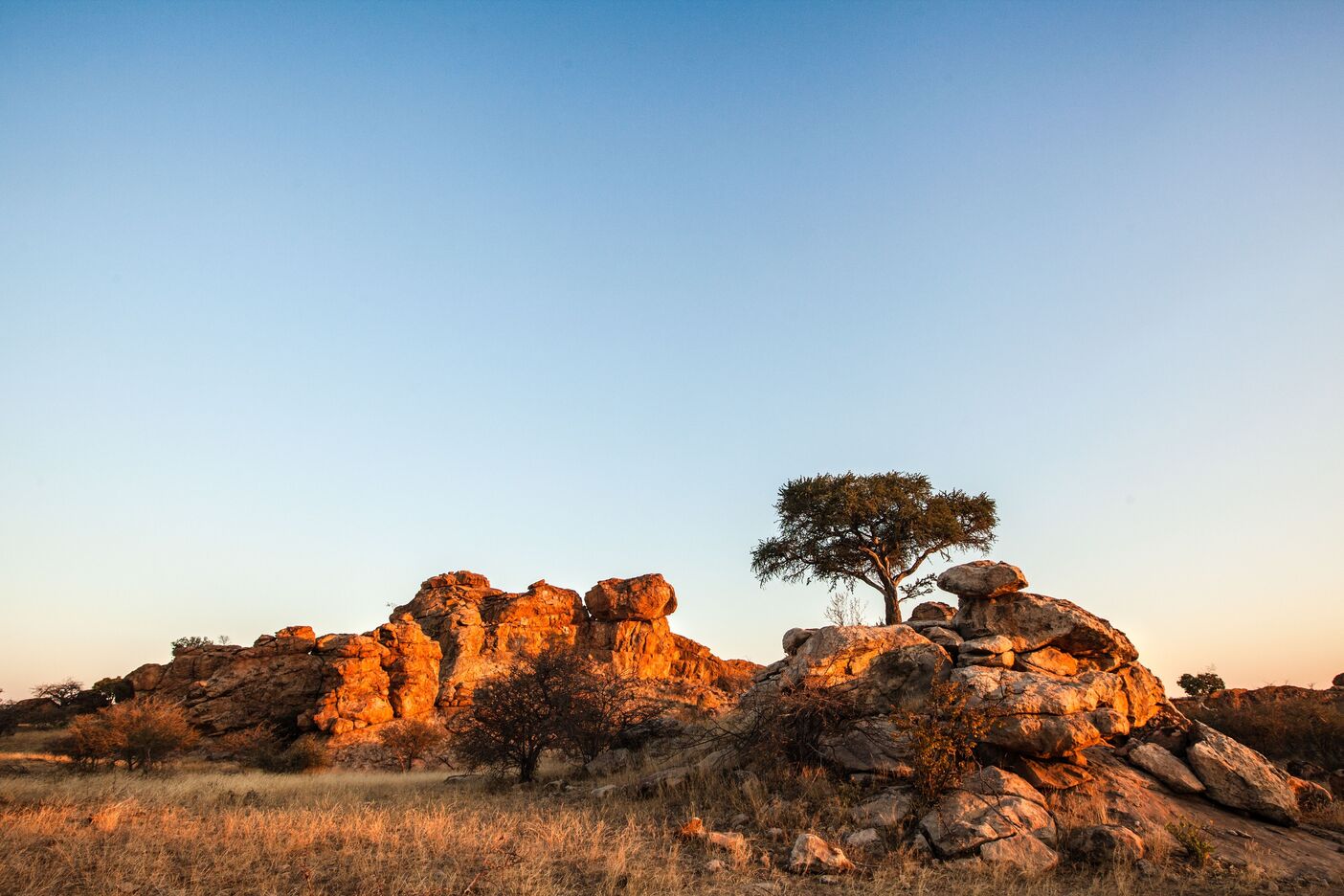
Finally, but far from least, when the setting sun touches Tuli’s basalt cliffs, koppies, and baobab trunks, turning them orange, Tuli Block transforms into something magical.
Make sure to visit Tuli Block if you’d like to see a corner of Botswana seldom explored by foreign tourists.
4. Chobe National Park
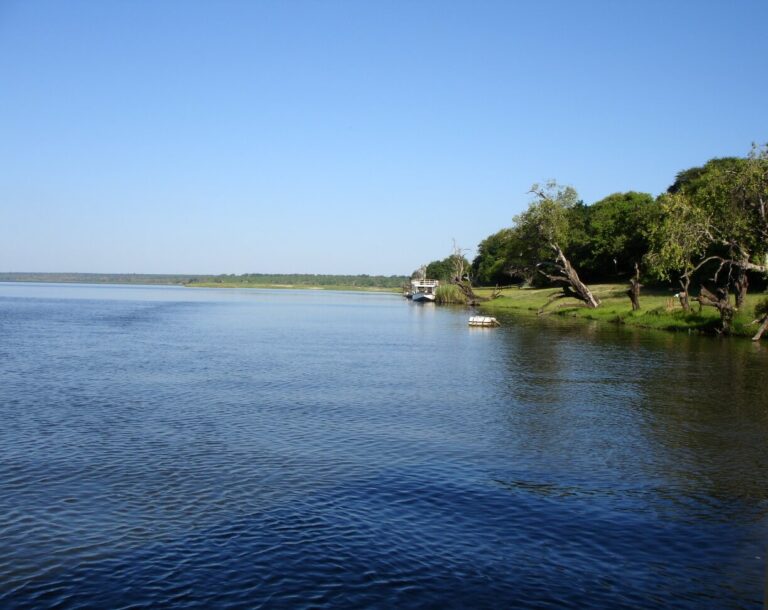
Chobe National Park in the far north of Botswana is one of its top safari parks. It’s also very, very pretty.
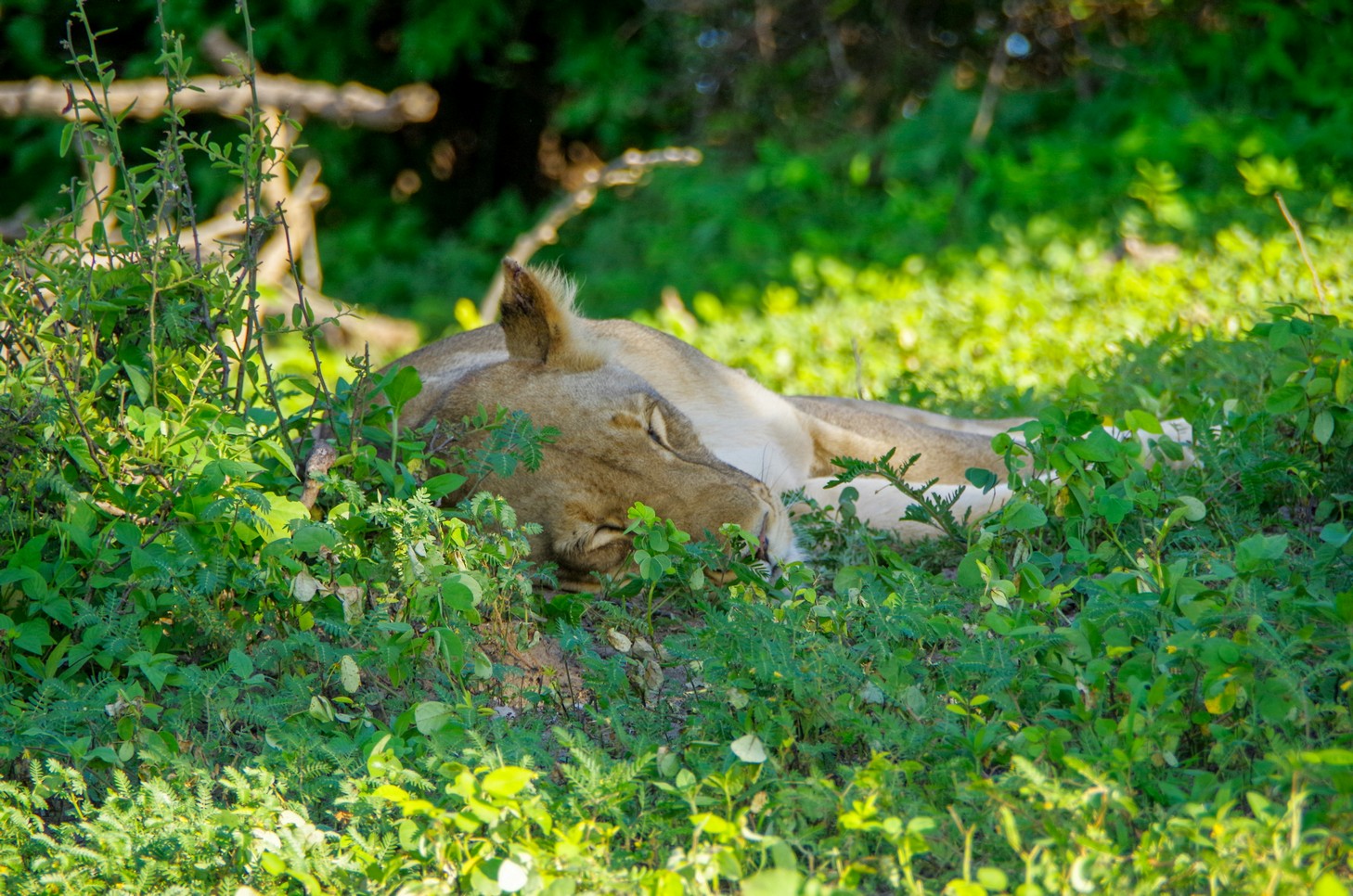
Chobe River
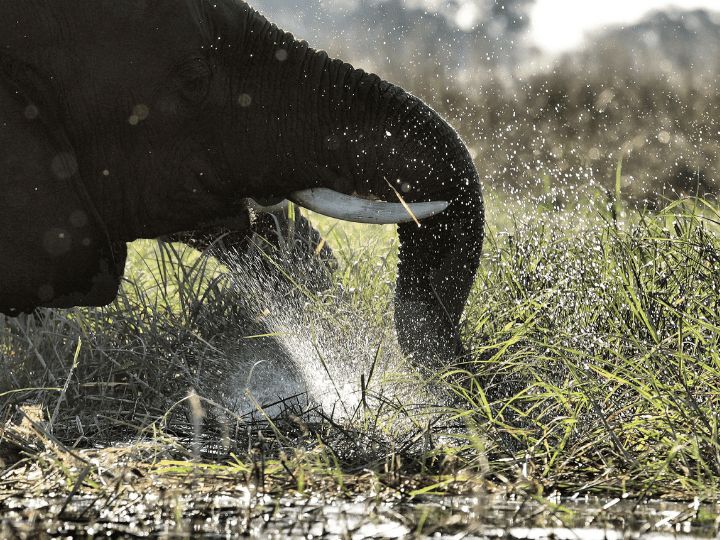
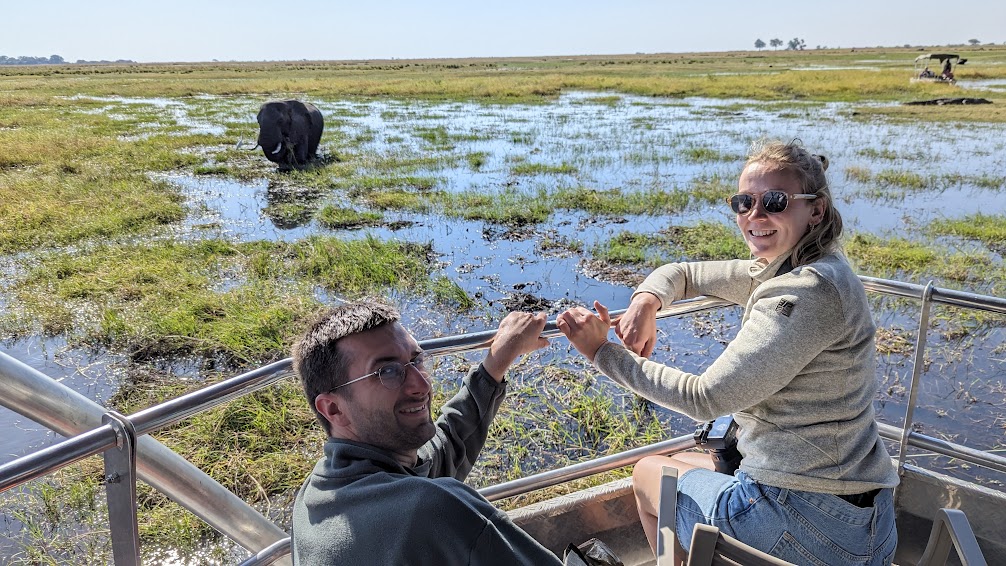
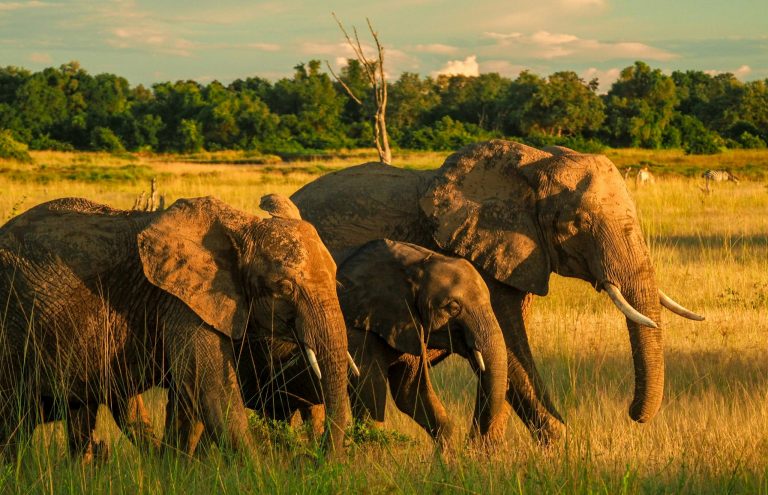
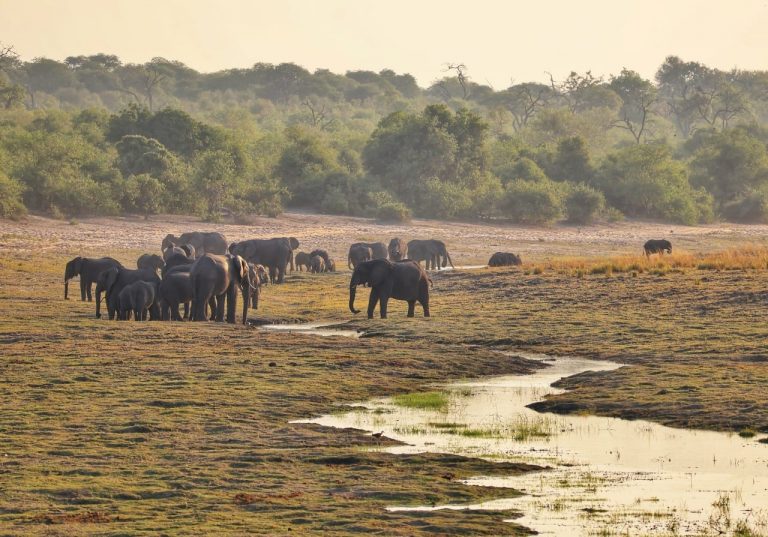
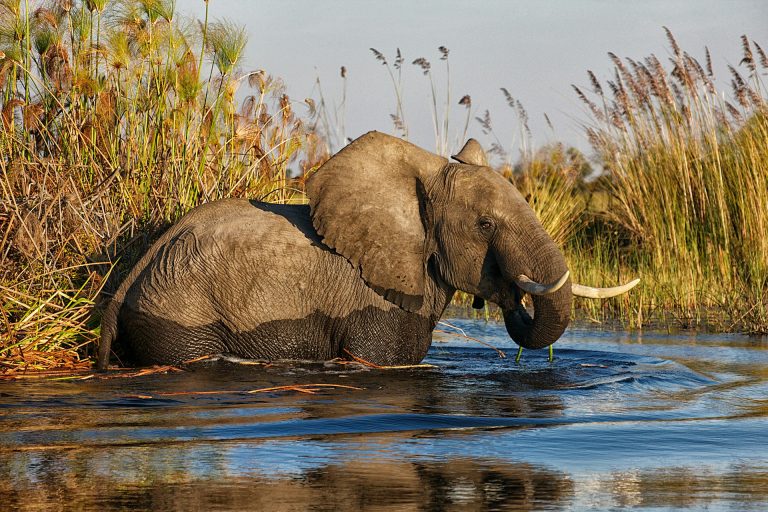
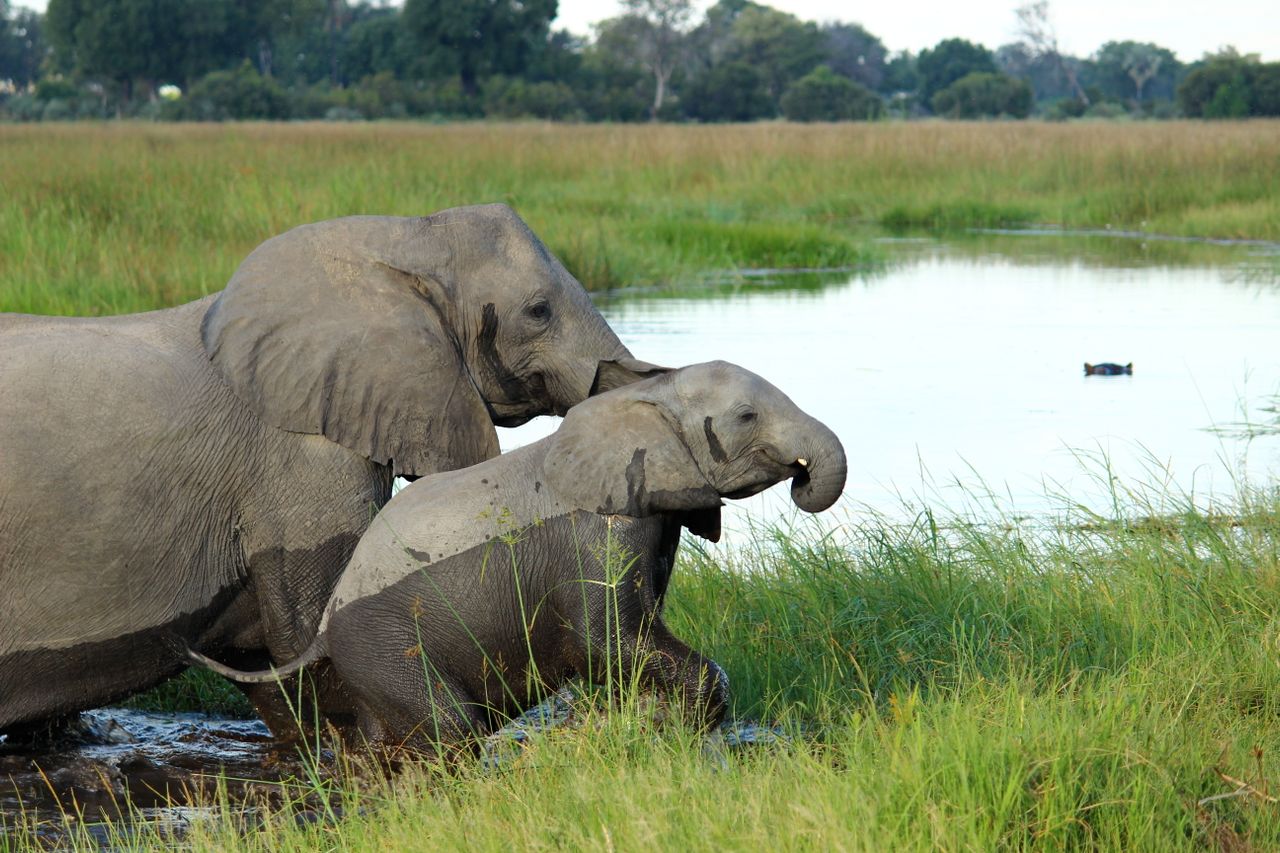
A key reason for the park’s popularity is its enormous elephant population. Visitors often enjoy scenes of elephants in the river, like the one below.
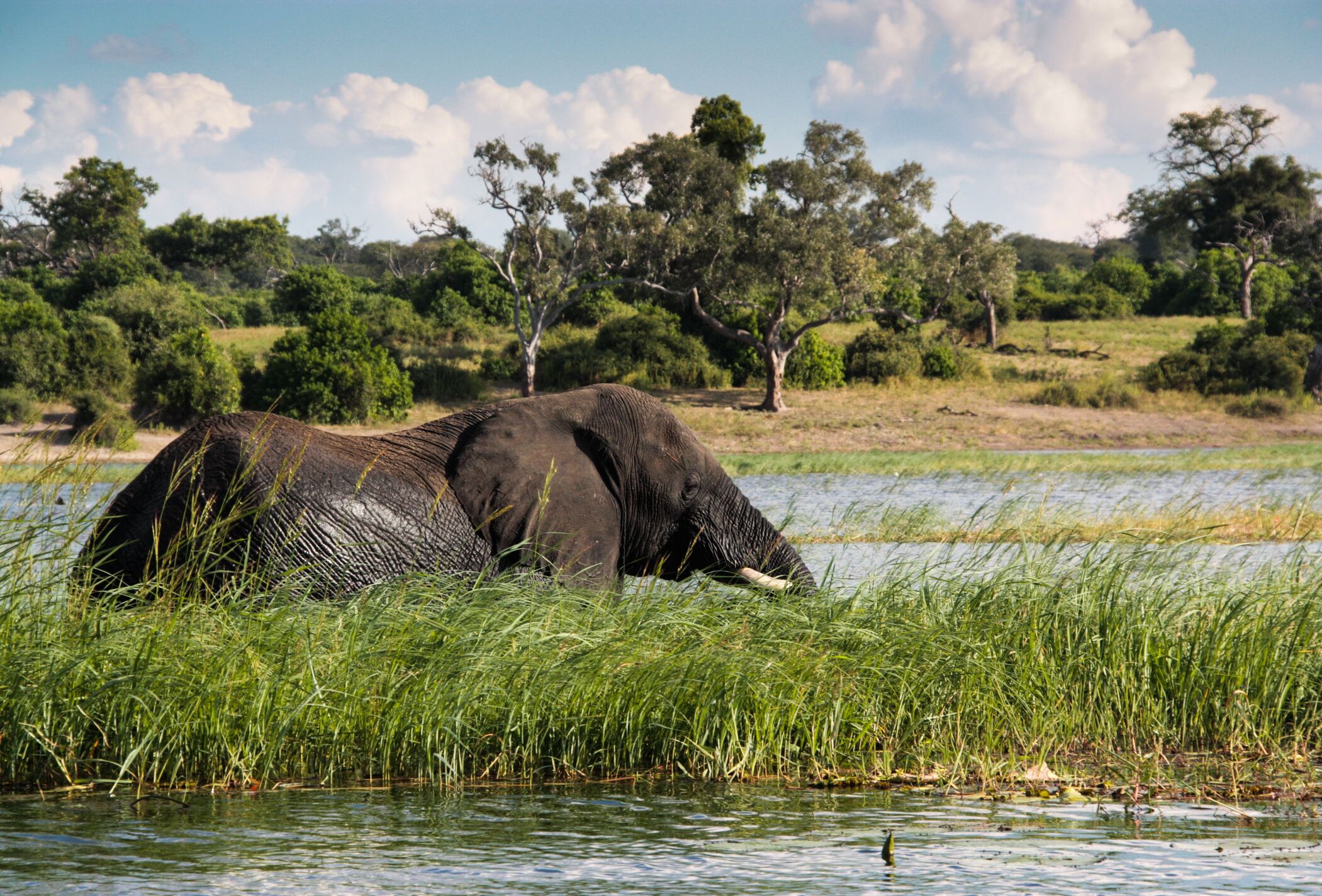
Chobe is, in fact, one of the best places in Africa for almost guaranteed elephant herd sightings. Safarigoers often see these magnificent creatures in large numbers in and alongside the Chobe River, with a backdrop of varied riverine vegetation that includes jackalberry, knobby thorns, sausage trees, and African star chestnuts.
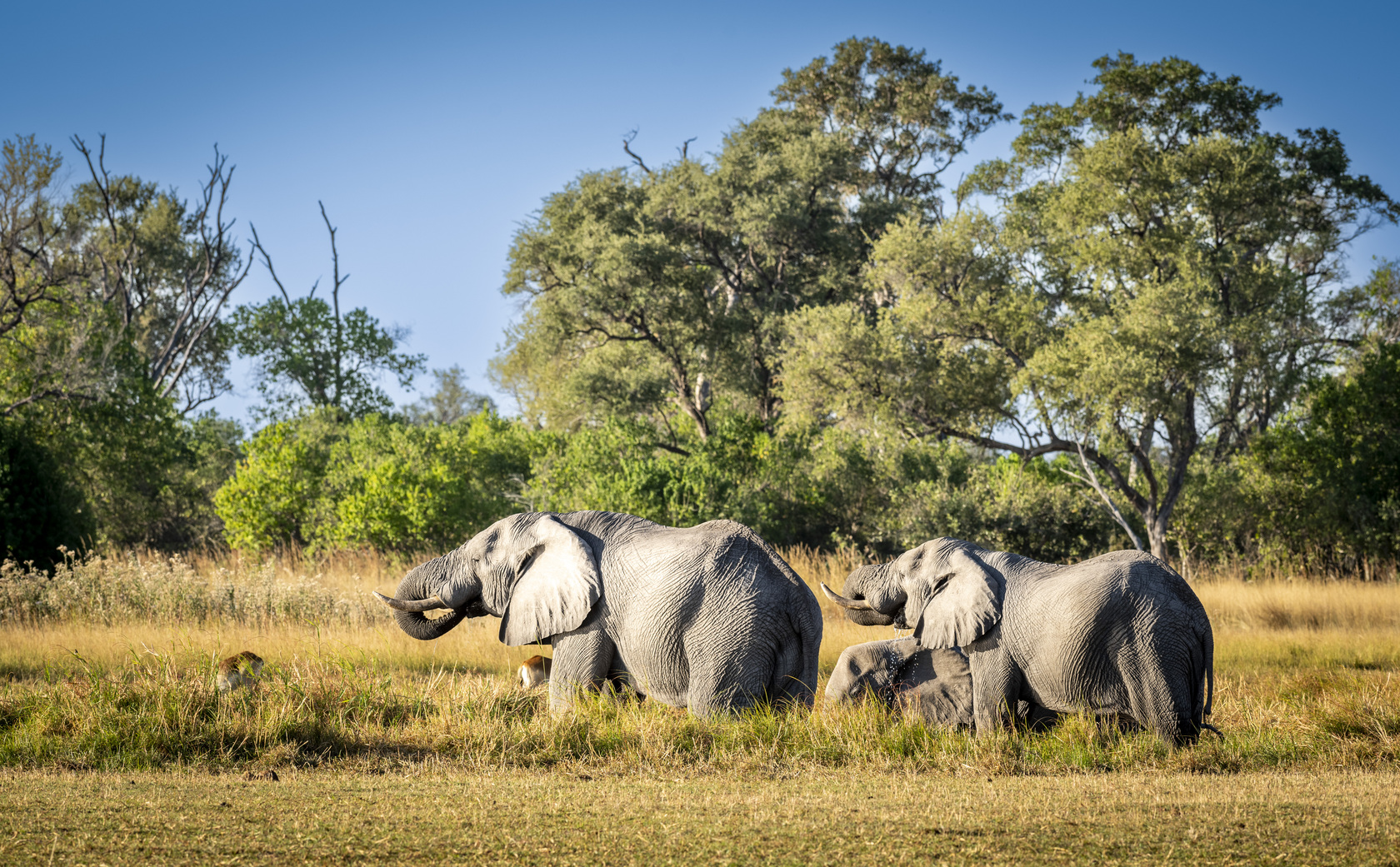
Of course, elephants are far from being the only wildlife drawn to the water. The park has many Cape buffaloes too.
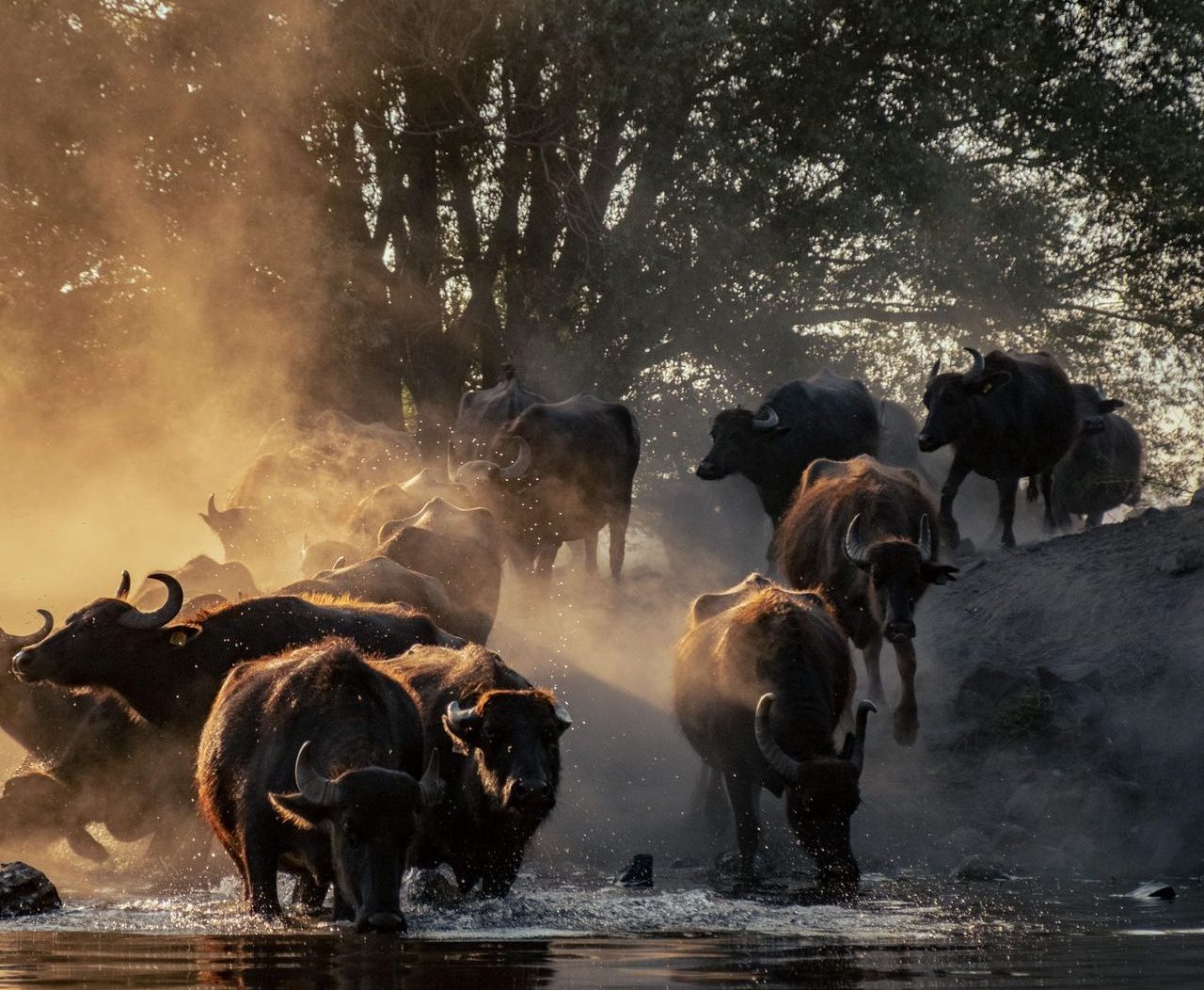
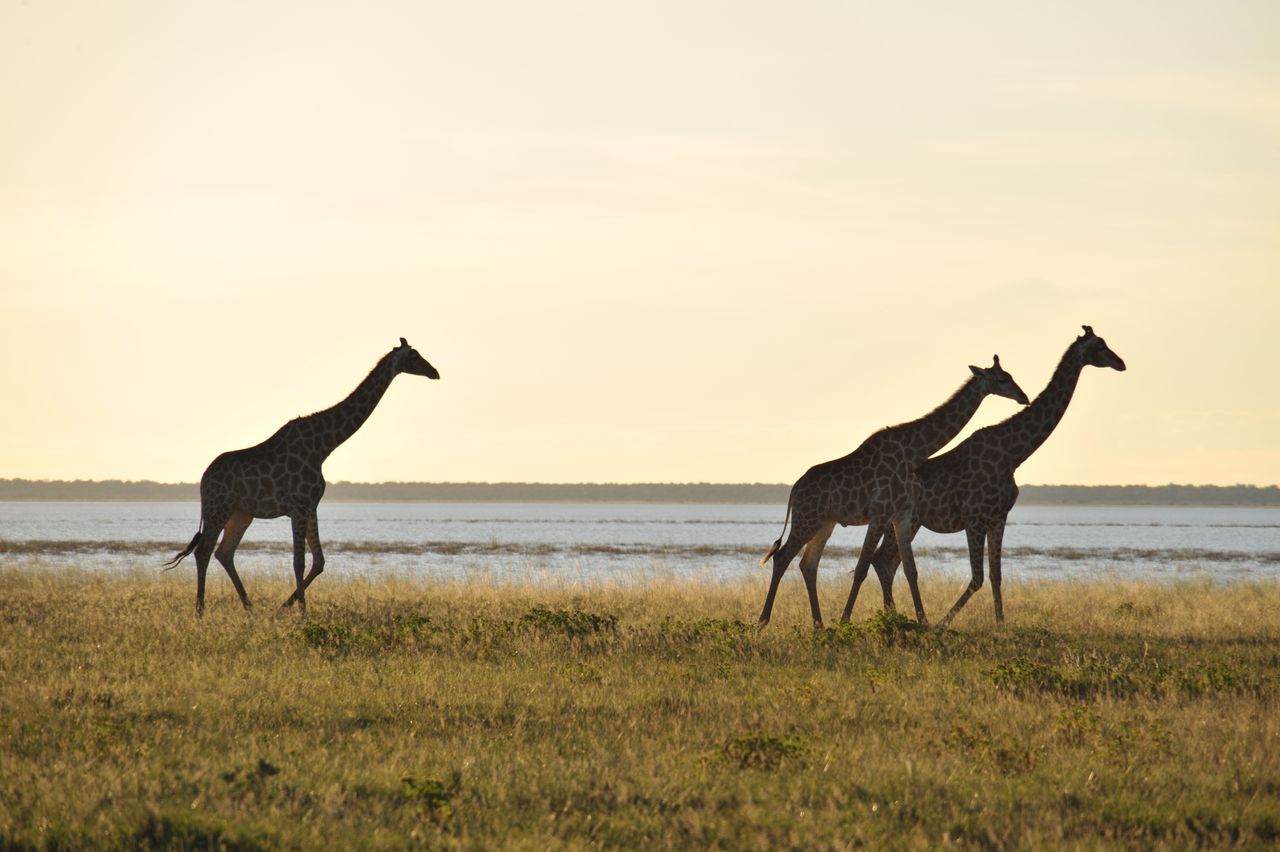
Other wildlife that folks commonly spot on a safari drive or boat cruise are hippos, Nile crocs, giraffes, zebras, and graceful antelopes like red lechwes and pukus.
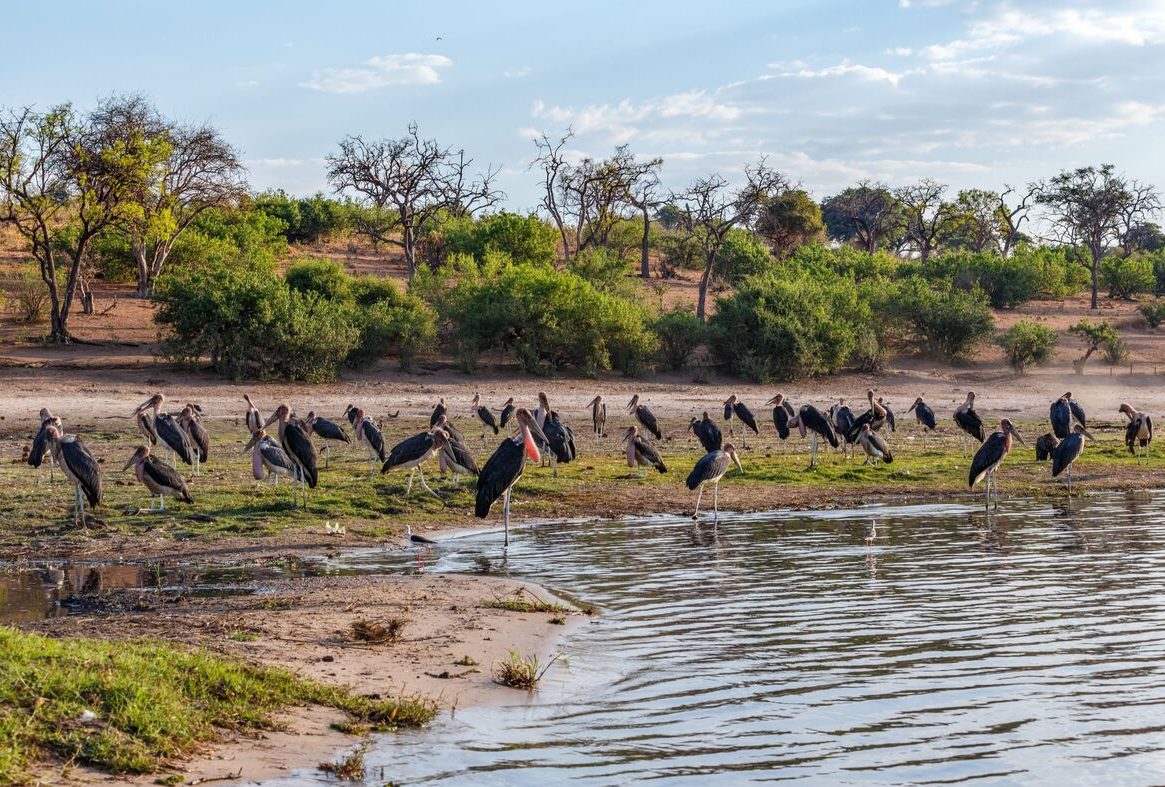
You can see various birds at the river too. These include African fish eagles, African skimmers, various herons and storks, and carmine-bee-eaters. Here, we have a muster of marabou storks.
While the Chobe River and its floodplains are the star of the show in Chobe, there’s far more to appreciate when you venture into its other regions and ecosystems. These include dense riverine forest, mopane woodlands, acacia savannah, grasslands, and marshlands.
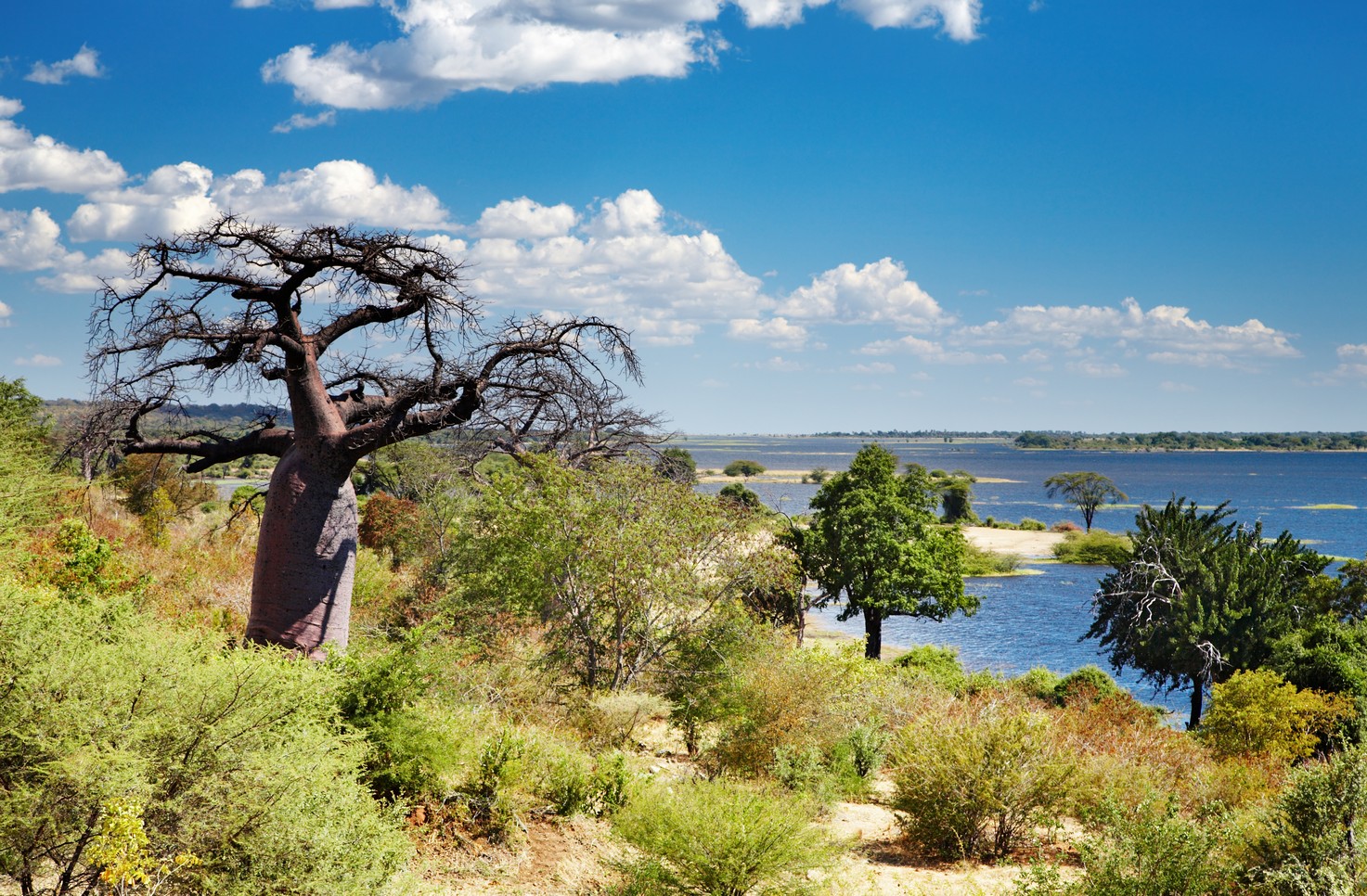
You can also find glorious baobab trees in parts of Chobe.
Some of the wildlife you can hope to spot throughout the park are lions, cheetahs, leopards, bushbuck, sables, and roan antelopes. The fortunate also spot an endangered painted wolf or two, otherwise known as the African wild dog.
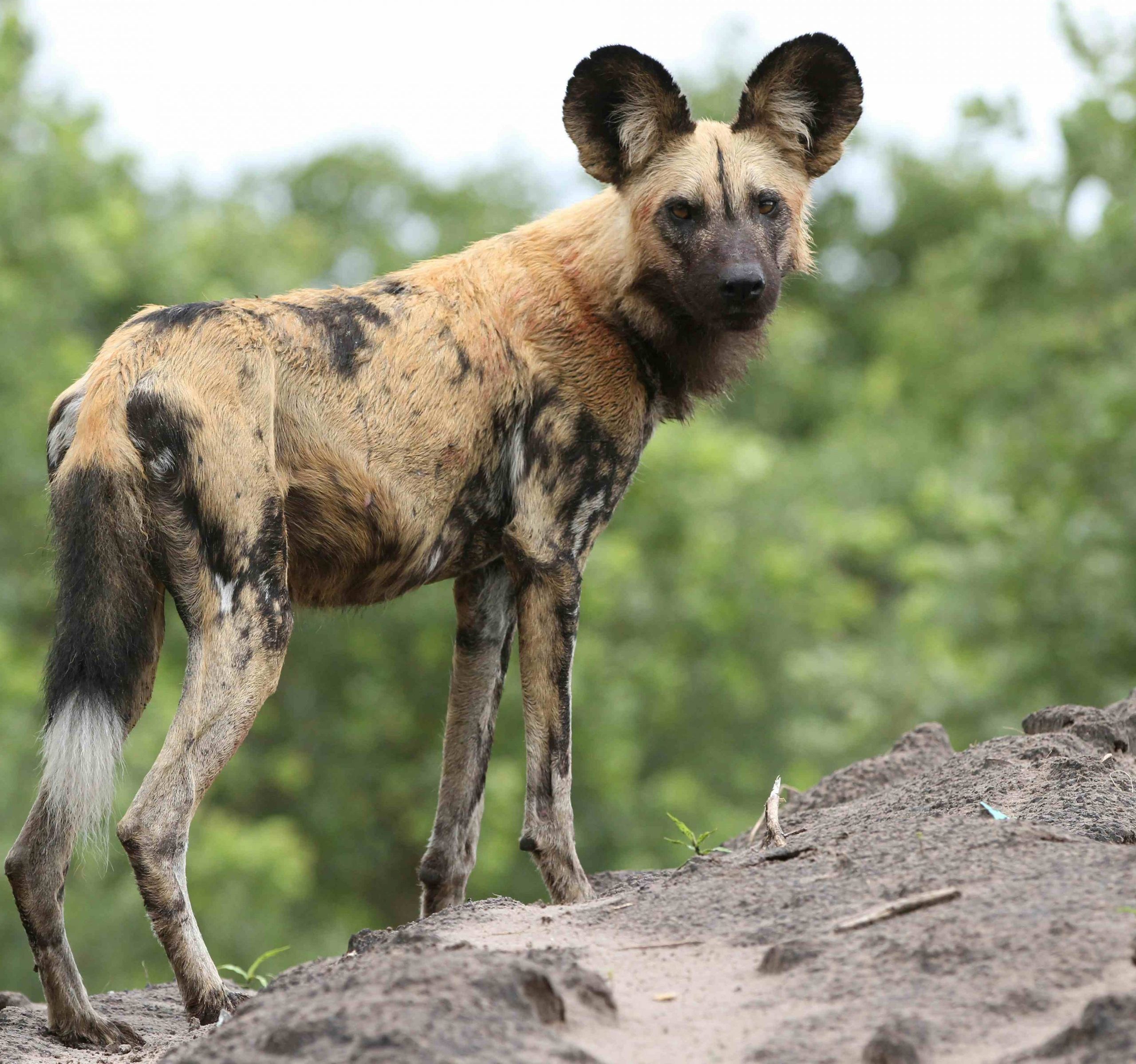
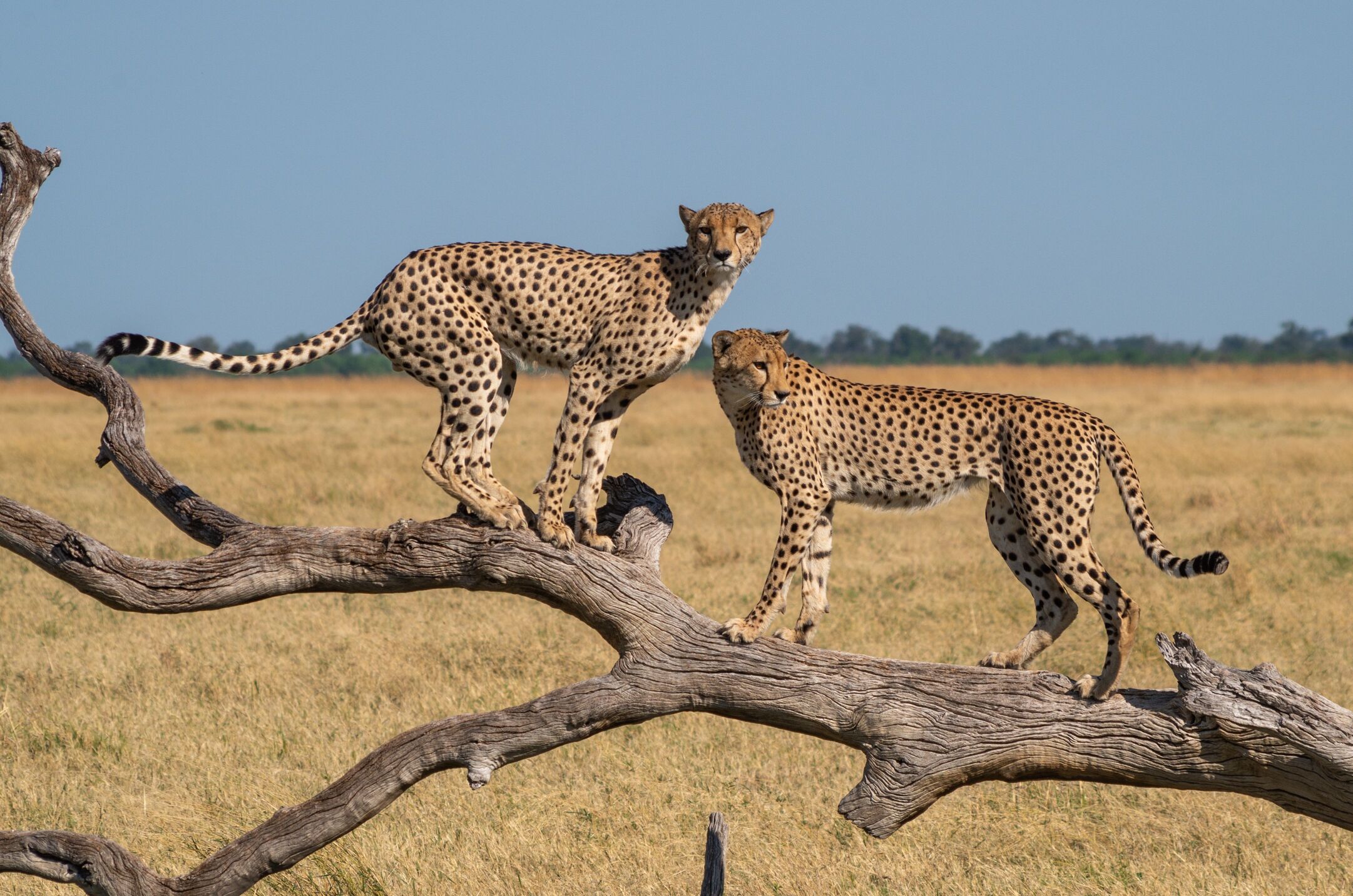
Be sure to visit the park’s Savuti Marsh region in the southwest, for instance, as it’s very lovely and thick with wildlife. These cheetahs were spotted in Savuti.
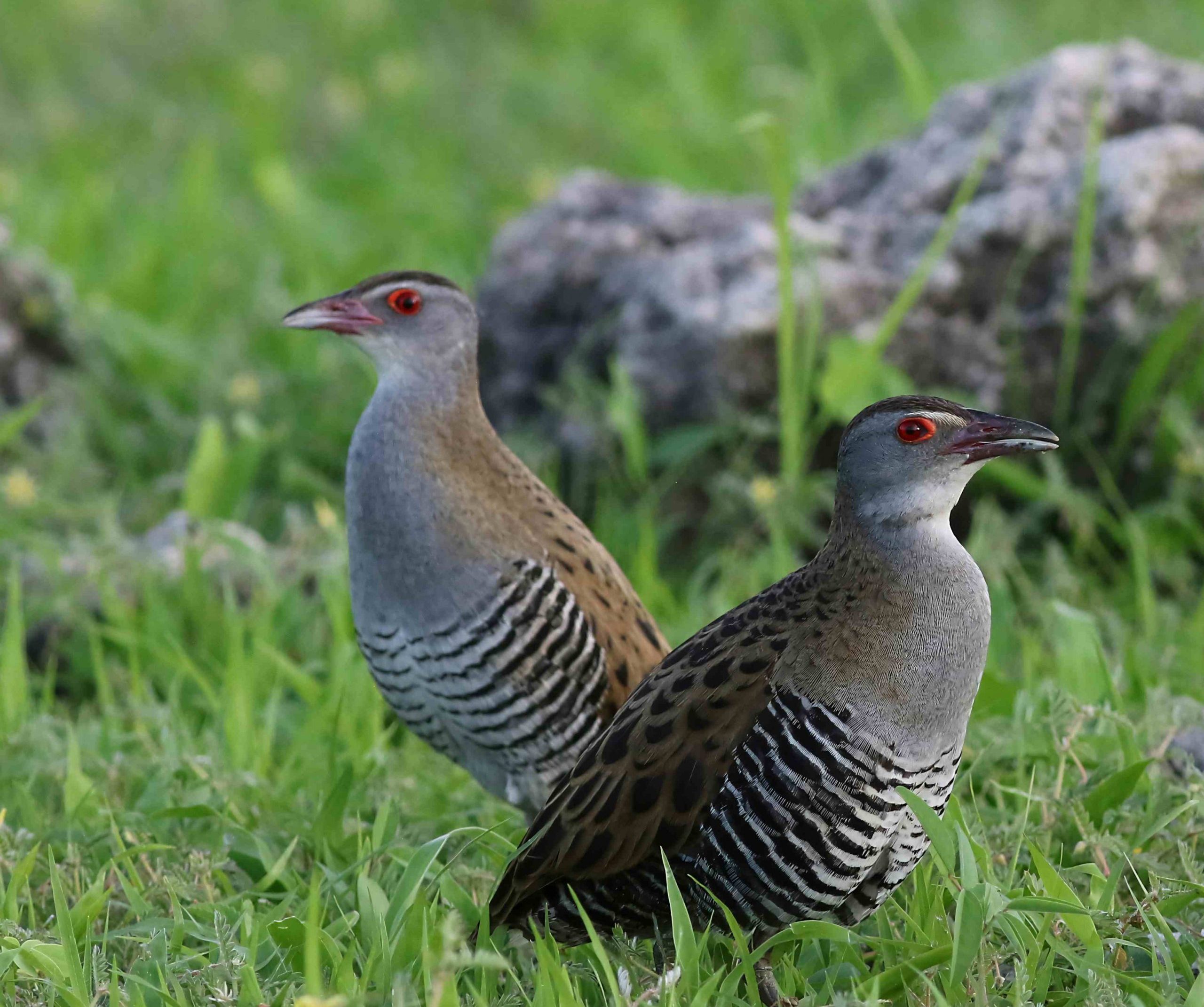
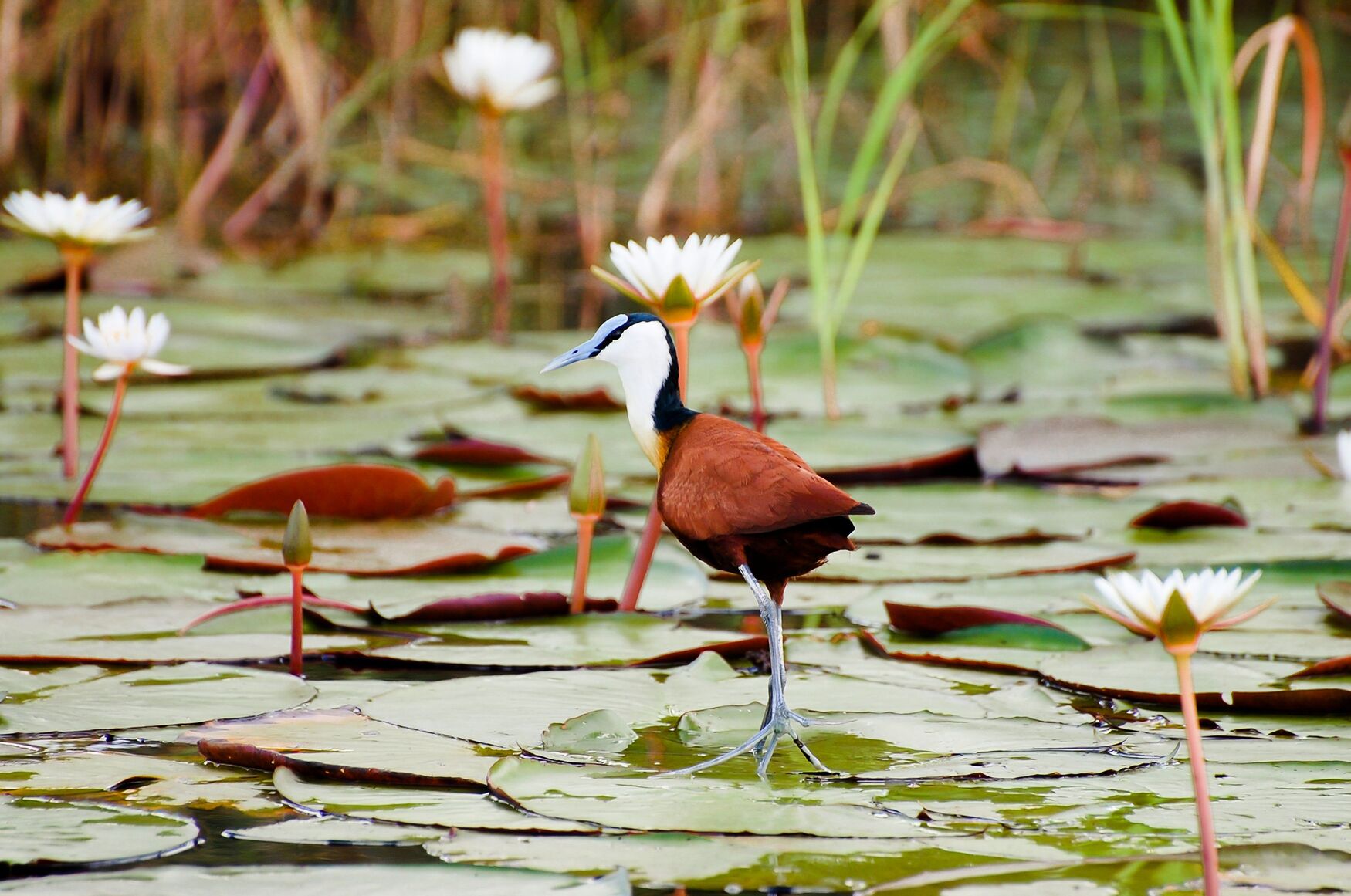
Chobe is also one of Africa’s tippy-top birding sites. It has over 450 bird species in its riverine system, and more than 560 throughout the entire park when migratory birds are in town. Below is an African jacana.
Seasons in Chobe
The green season is the park’s prettiest.
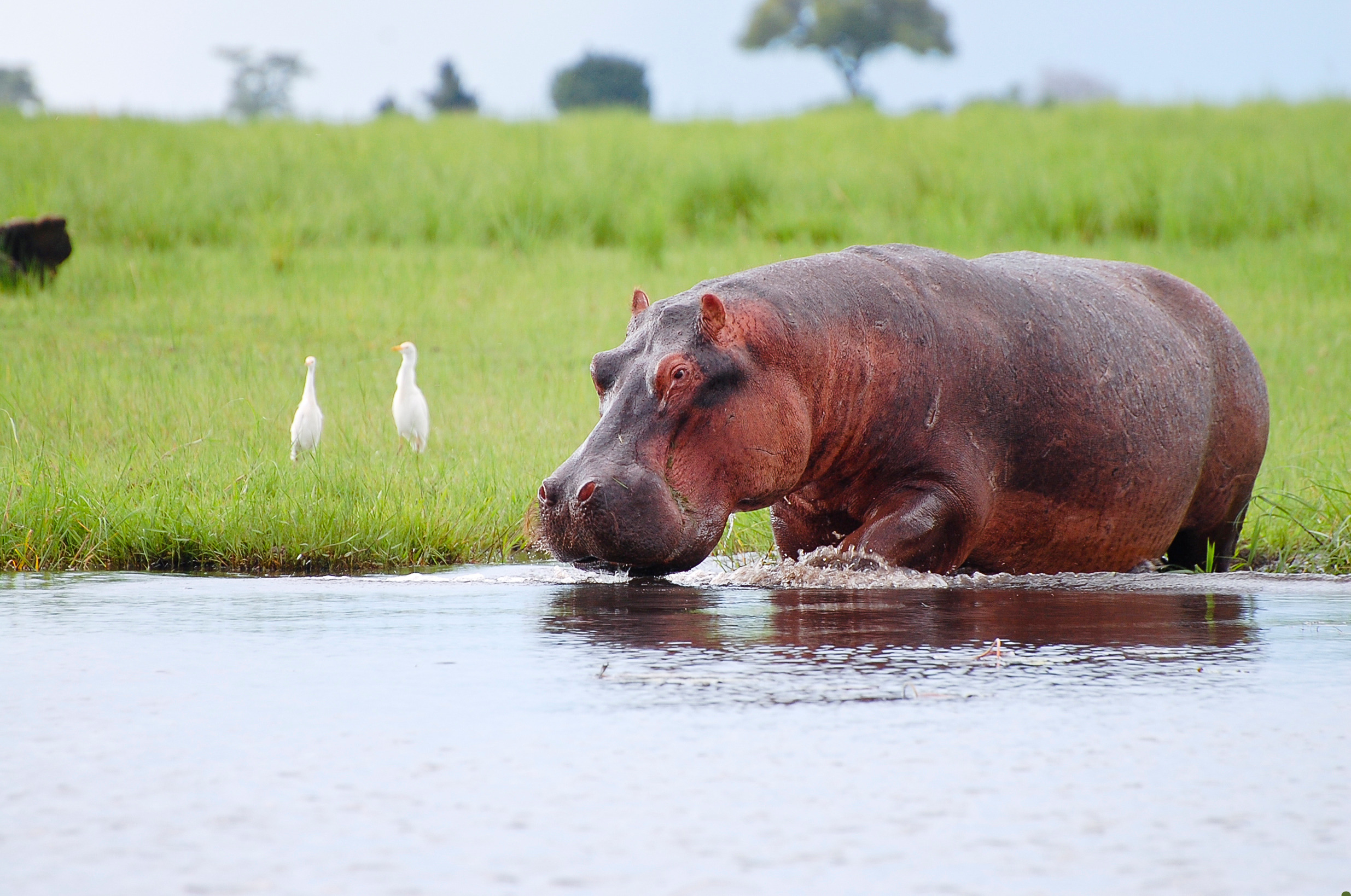
But of course there’s beauty to be found no matter the time of the year.
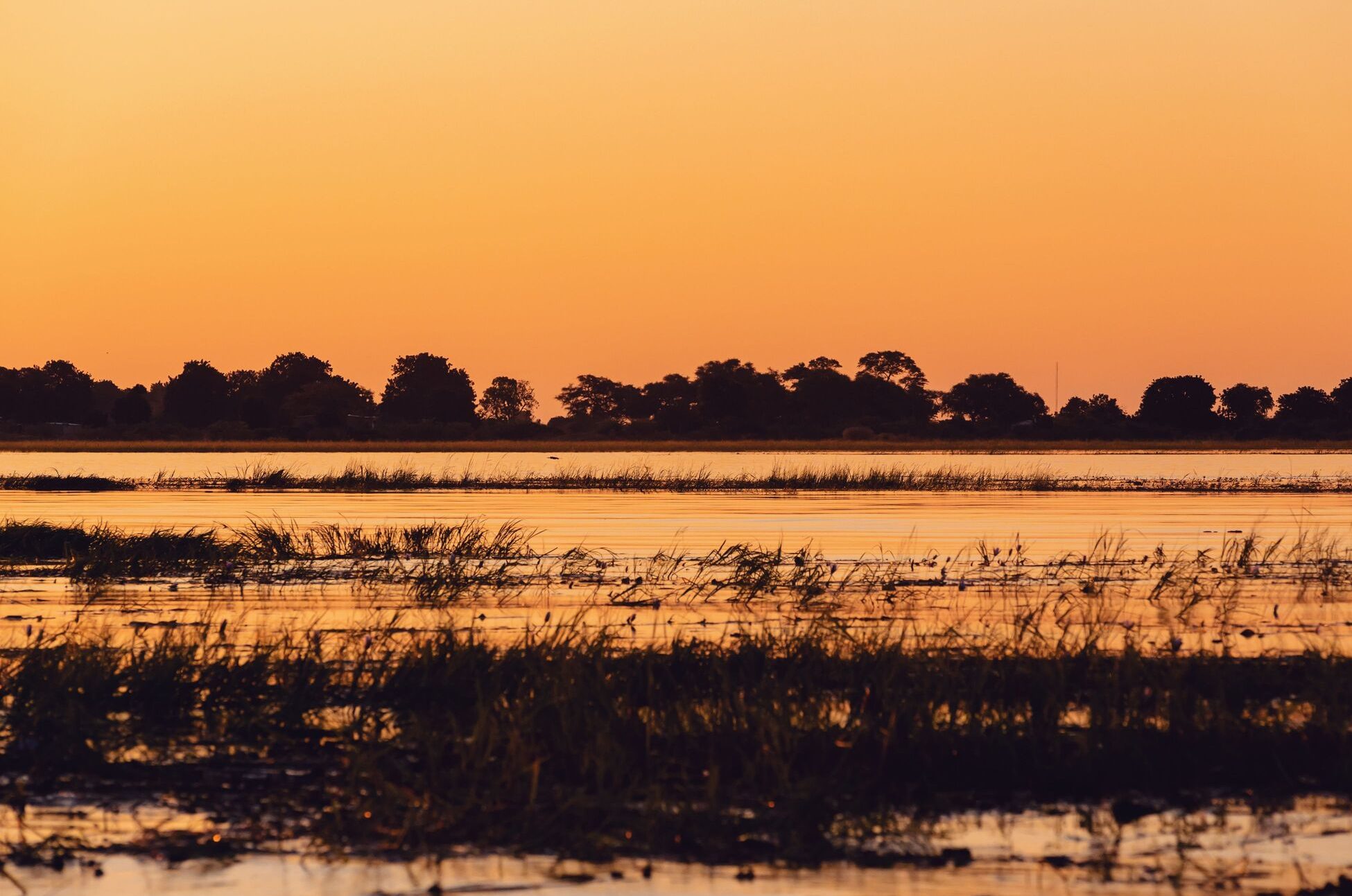
And if you venture out by the water at dawn or dusk, you’re always in for a treat as the light reflects on the water.
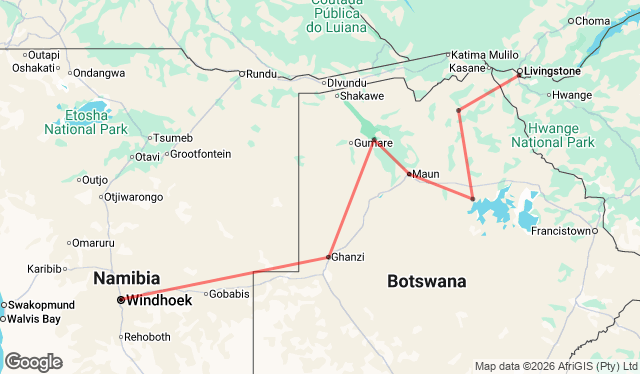
Know that Chobe is relatively close to the famous Victoria Falls. Travellers often therefore pair the two on an overland trip, like in this 11-day Botswana and Victoria Falls safari trip.
5. Kgalagadi Transfrontier Park
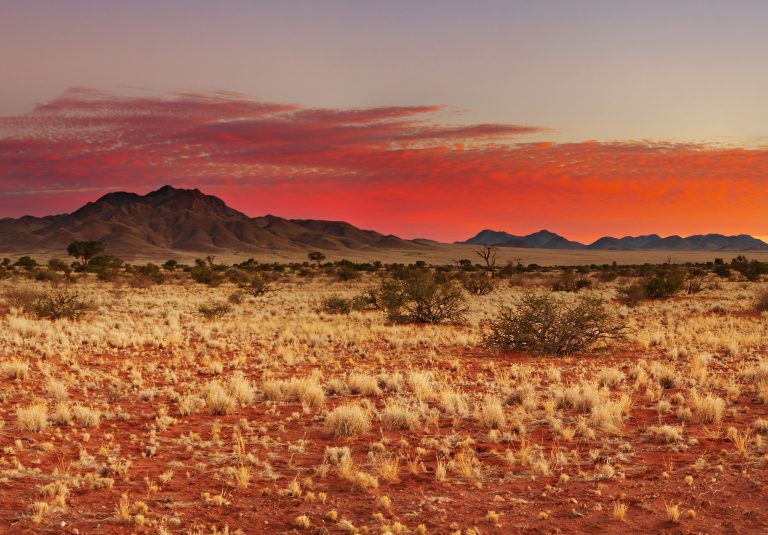
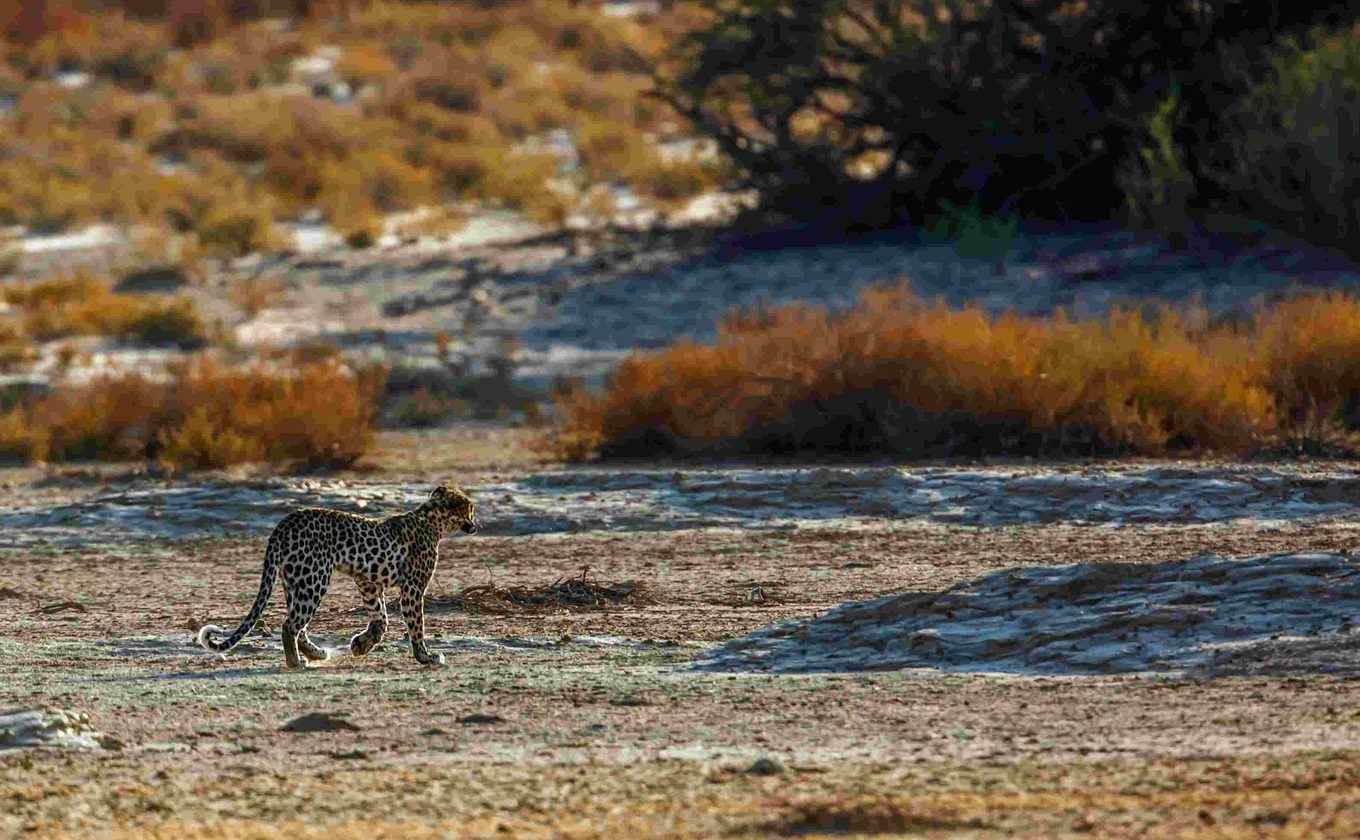
Kgalagadi Transfrontier Park is shared by Botswana and South Africa. It’s enormous, and protects various ecosystems, including grasslands, semi-arid desert scrubland, red sand dunes, and dry riverbeds, like the one being crossed by this leopard.
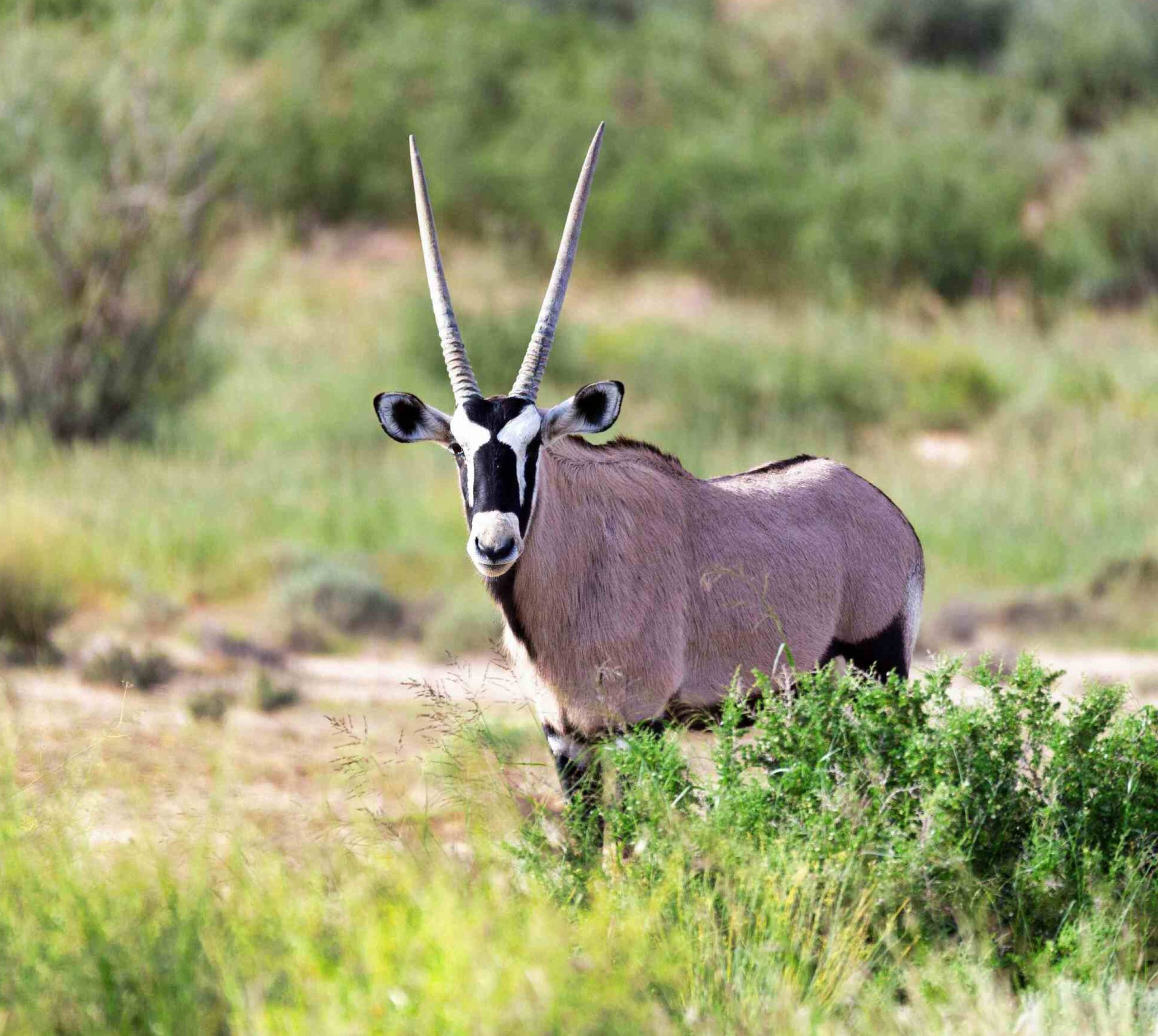
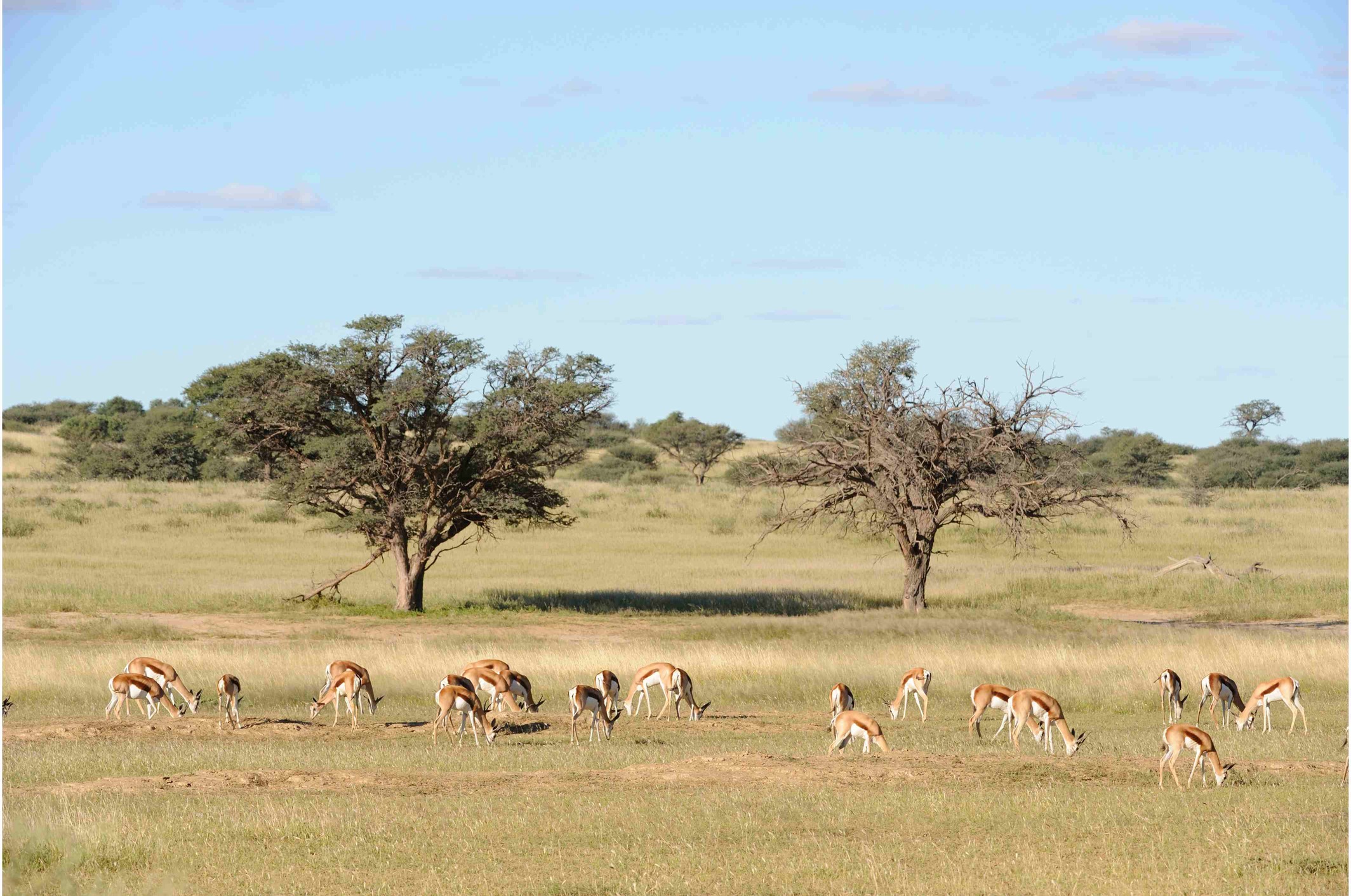
The animals commonly spotted on Kgalagadi safaris include oryxes (gemsboks), leopards, lions, cheetahs, giraffes, springboks, red hartebeests, blue wildebeests, meerkats, and ostriches. Visitors also sometimes spot elands, bat-eared and Cape foxes, and brown and spotted hyenas. There are also many springboks in the park, as seen below.
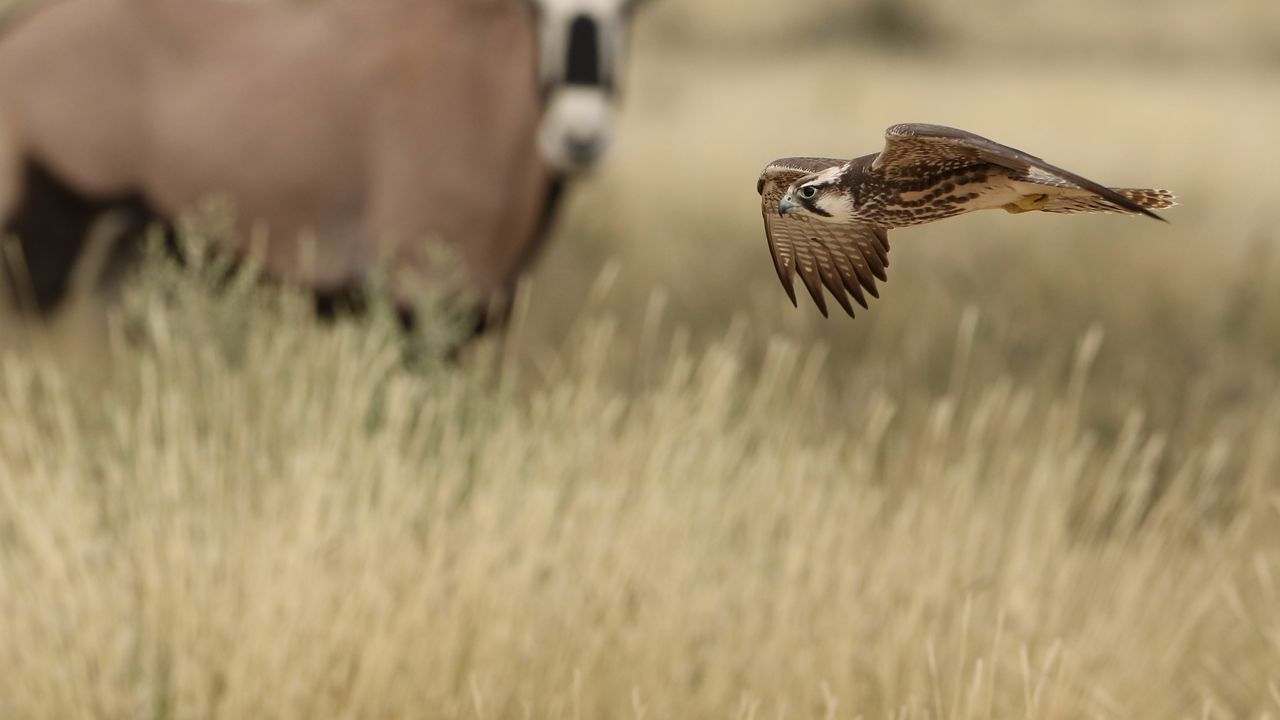
For me, the most beautiful feature of Kgalagadi is its grasslands, specifically when they grow thick and tall. Green or dry, I love them. Here we have a close-up of a lanner falcon flying over some grassland.
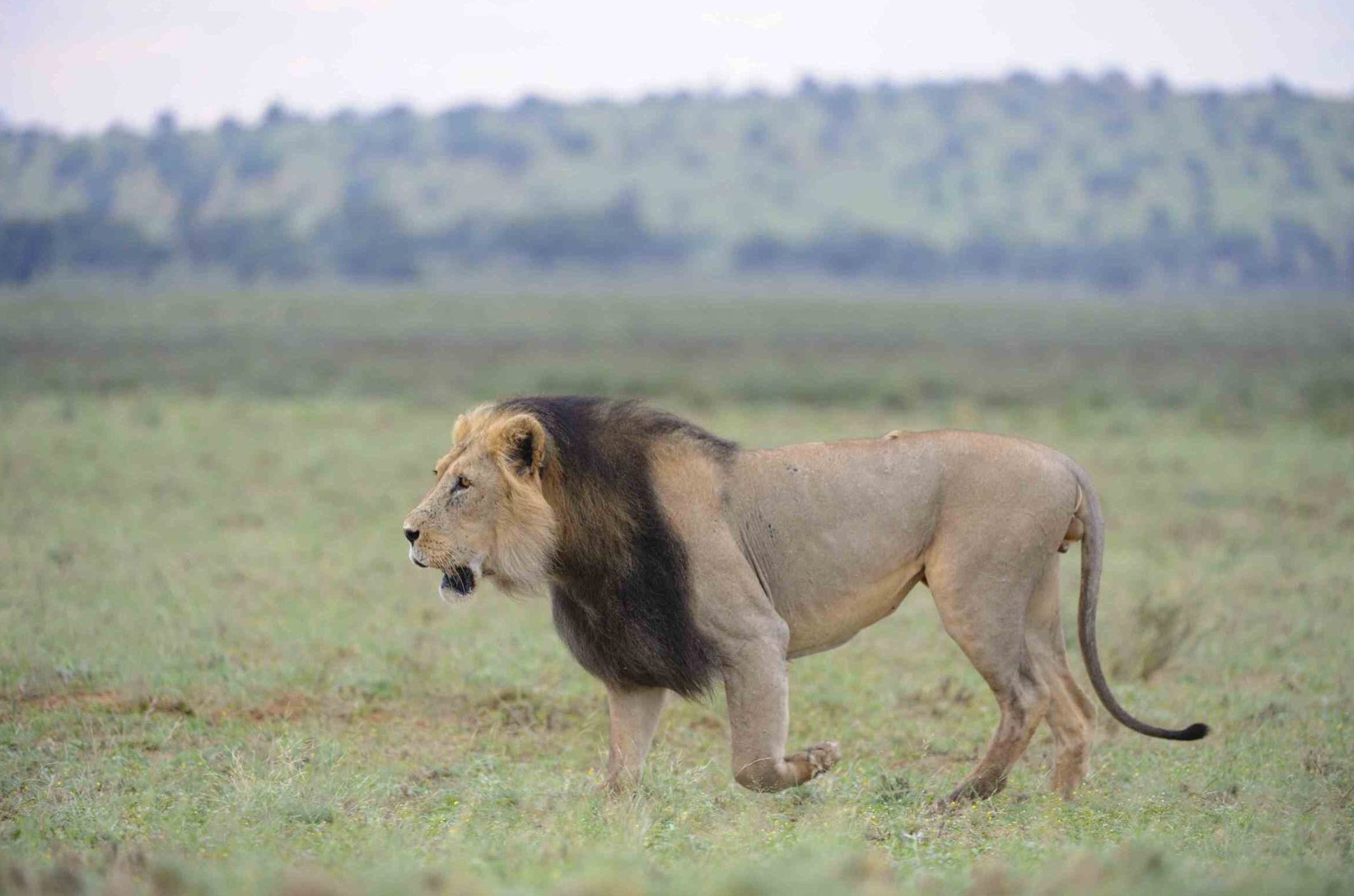
After the rains, the park is soft and pretty. Here we see a Kalahari lion, which has the dark mane typical of this regional variety of lion.
The sand dunes of Kgalagadi are very special too, sometimes rippled by the wind, sometimes dotted with plants.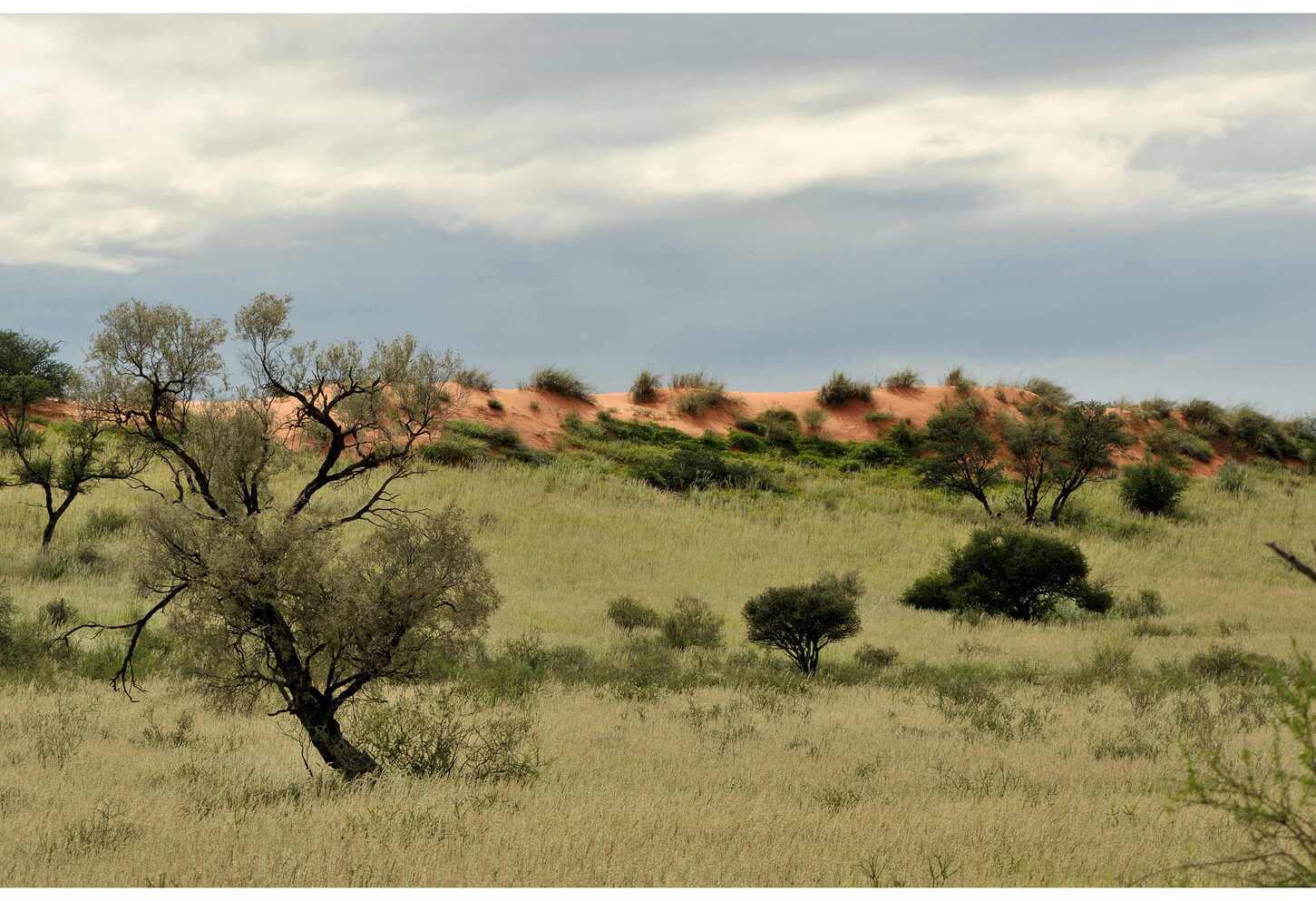
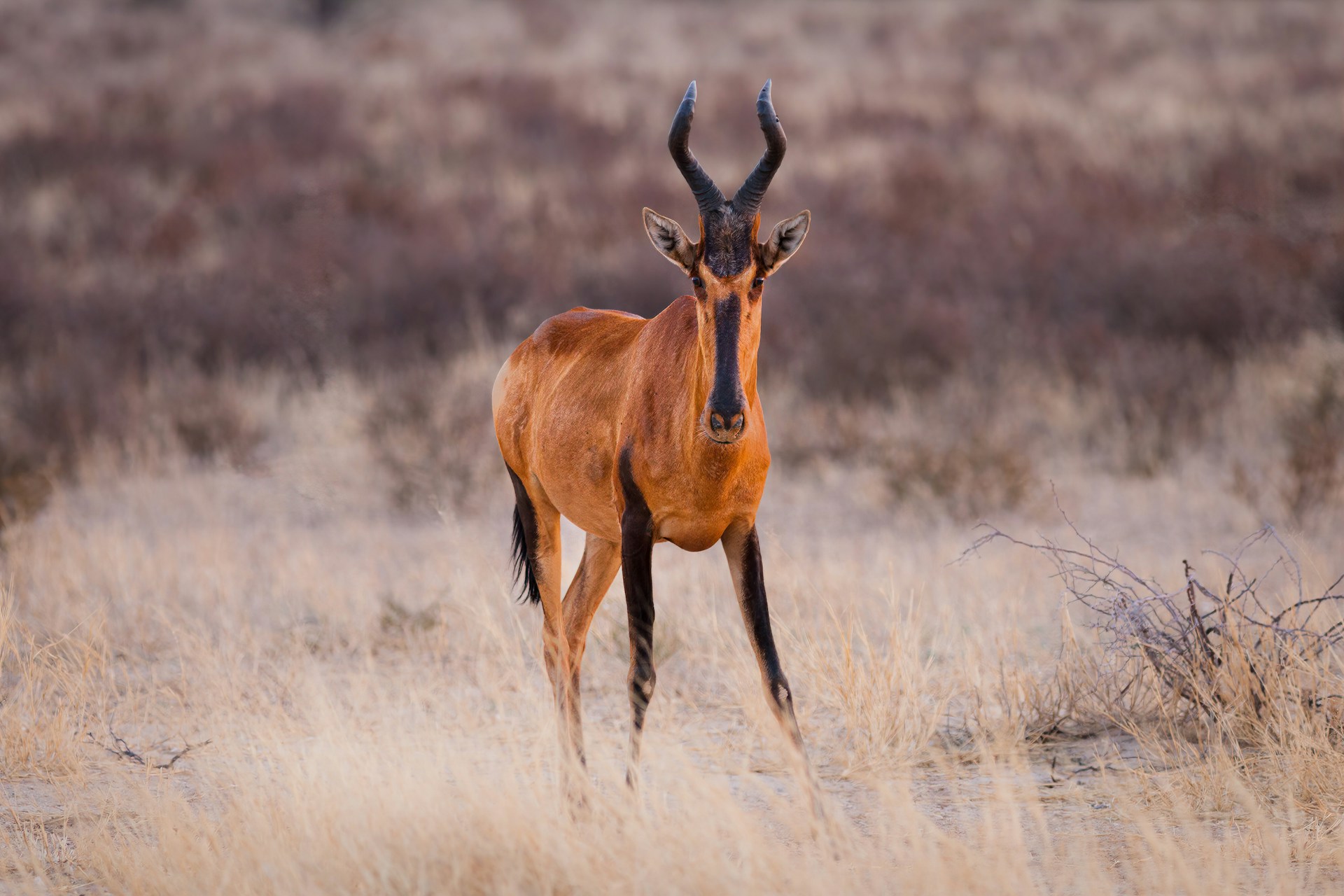
Even when the park is wearing its brown winter cloak, it’s made beautiful thanks to its richly coloured denizens, like this red hartebeest.
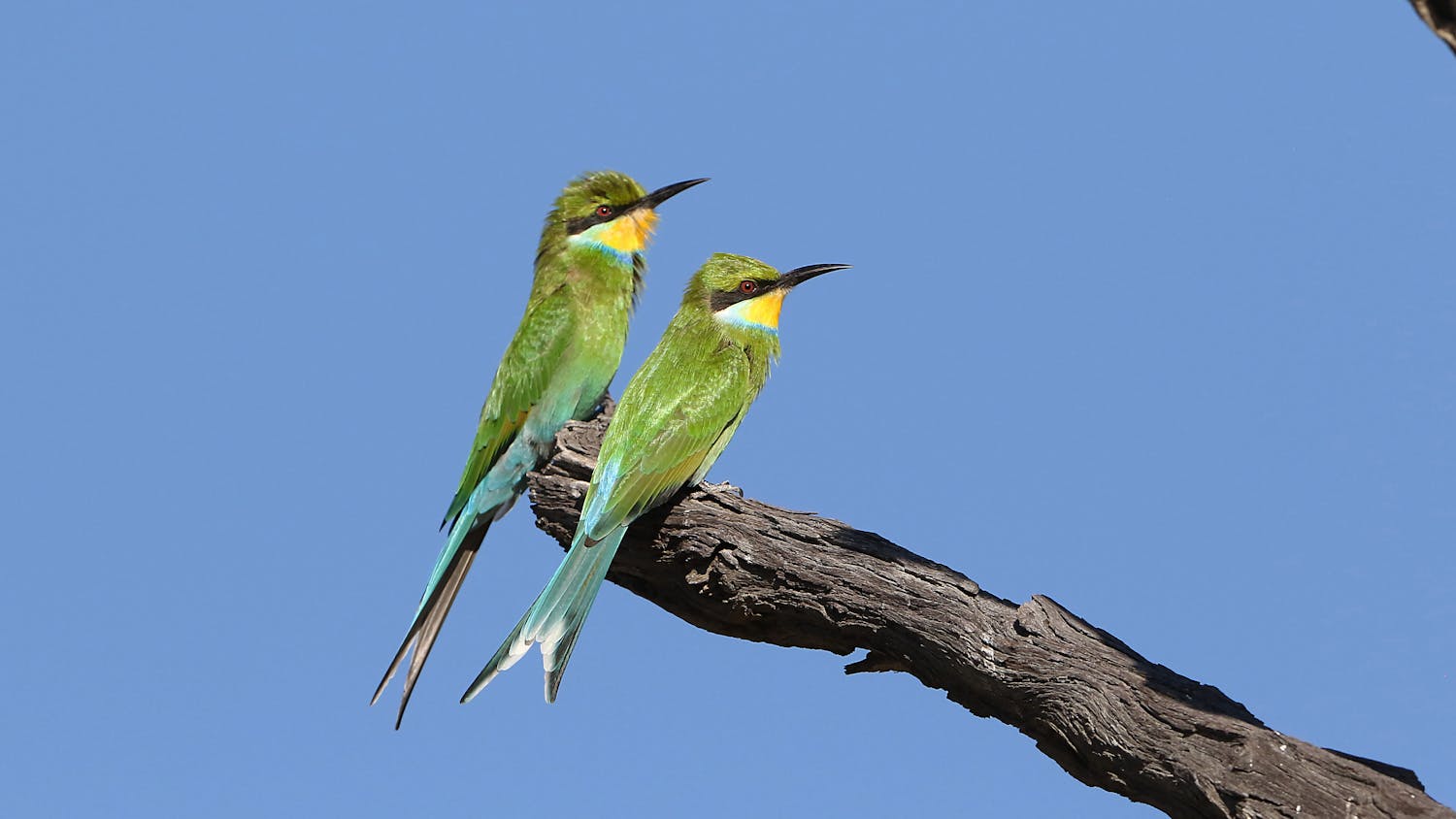
Of course, the brightest flashes of colour in Kgalagadi come from its birds, like these swallow-tailed bee-eaters. And often the bluest of skies tops the whole scene.
The solitude of Kgalagadi
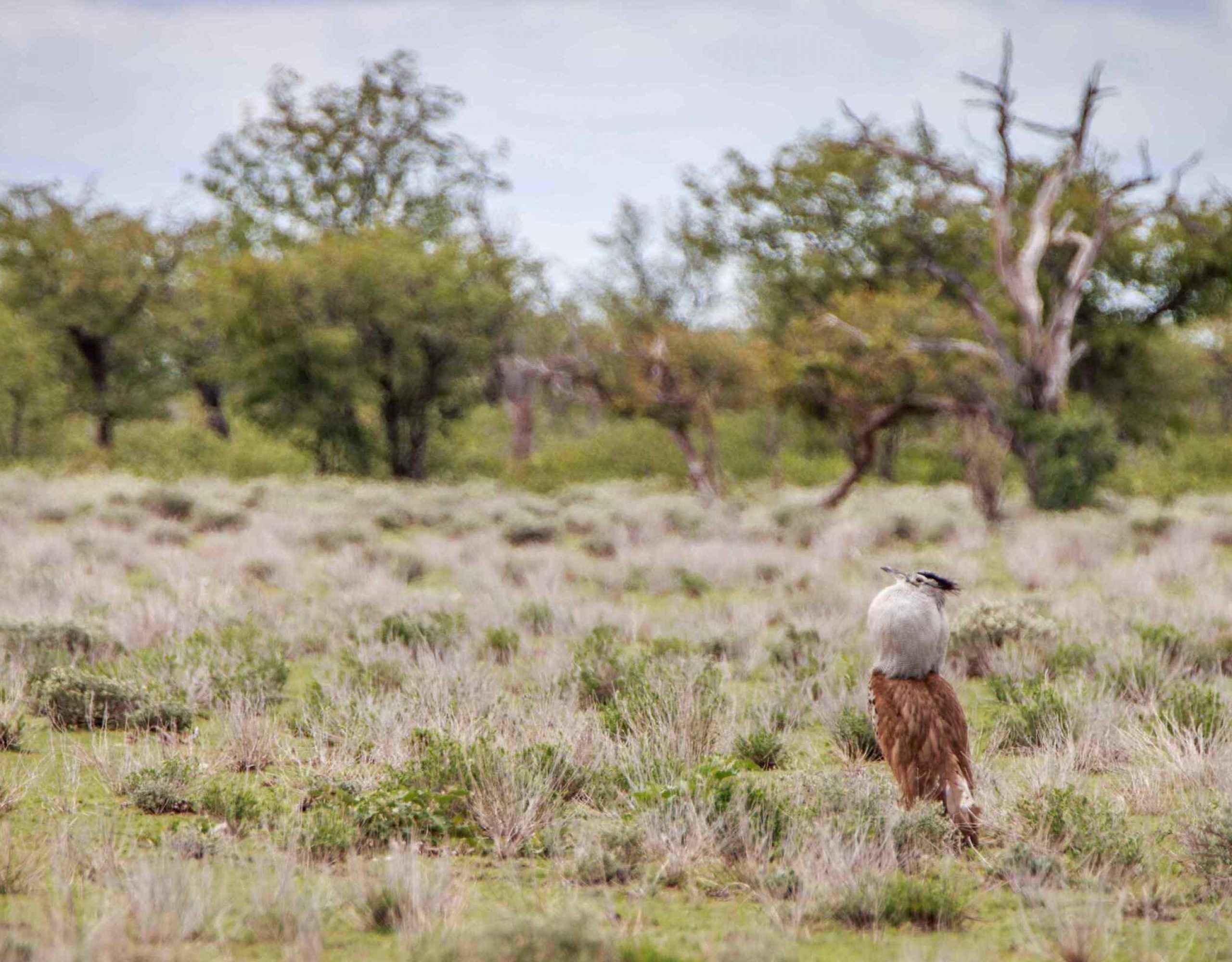
Another integral part of the beauty of Kgalagadi is the awesome sense of space you experience. You can explore for hours on your own. And enjoy moments of profound stillness and solitude, unless the breeze stirs the grasses or an animal makes a sound, like when male kori bustards make their booming mating call.
As with all savannah, there’s a special magic when low-angled sunlight illuminates the tall, wild grasses.
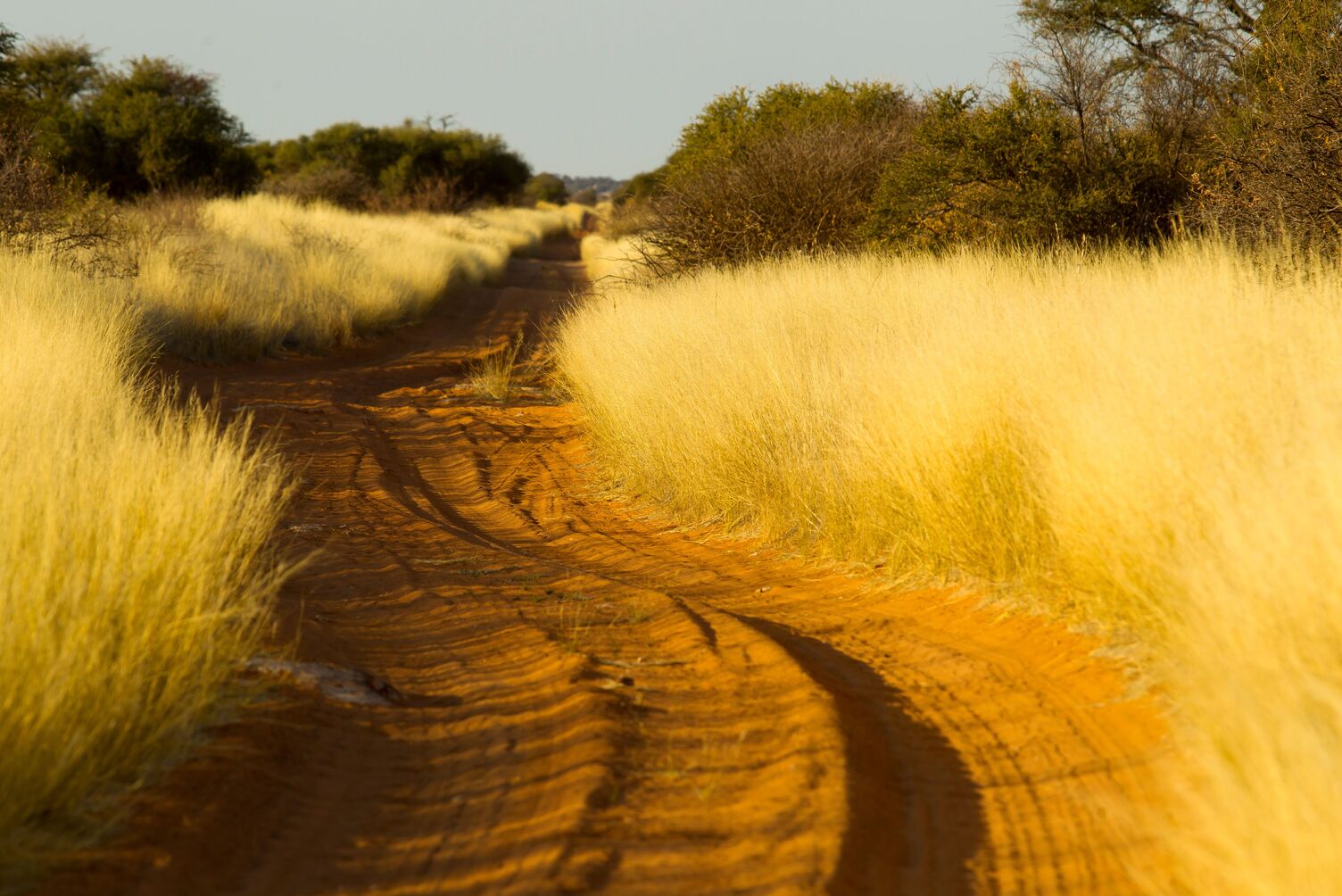
Golden hour softens everything beautifully, and thanks to the dry desert air, everything is wonderfully sharp.
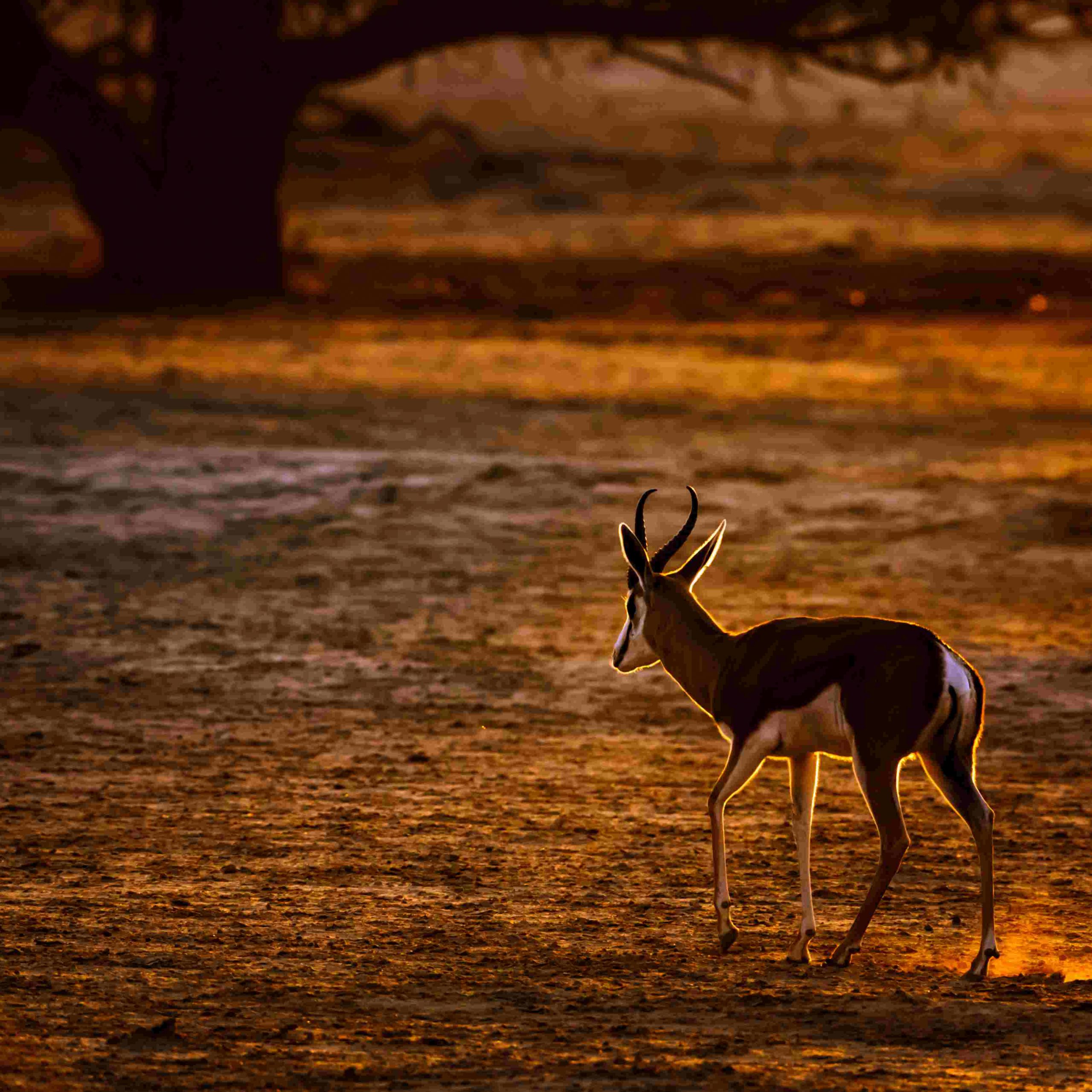
Finally, when the sun sets, an even bigger spectacle falls across the land.
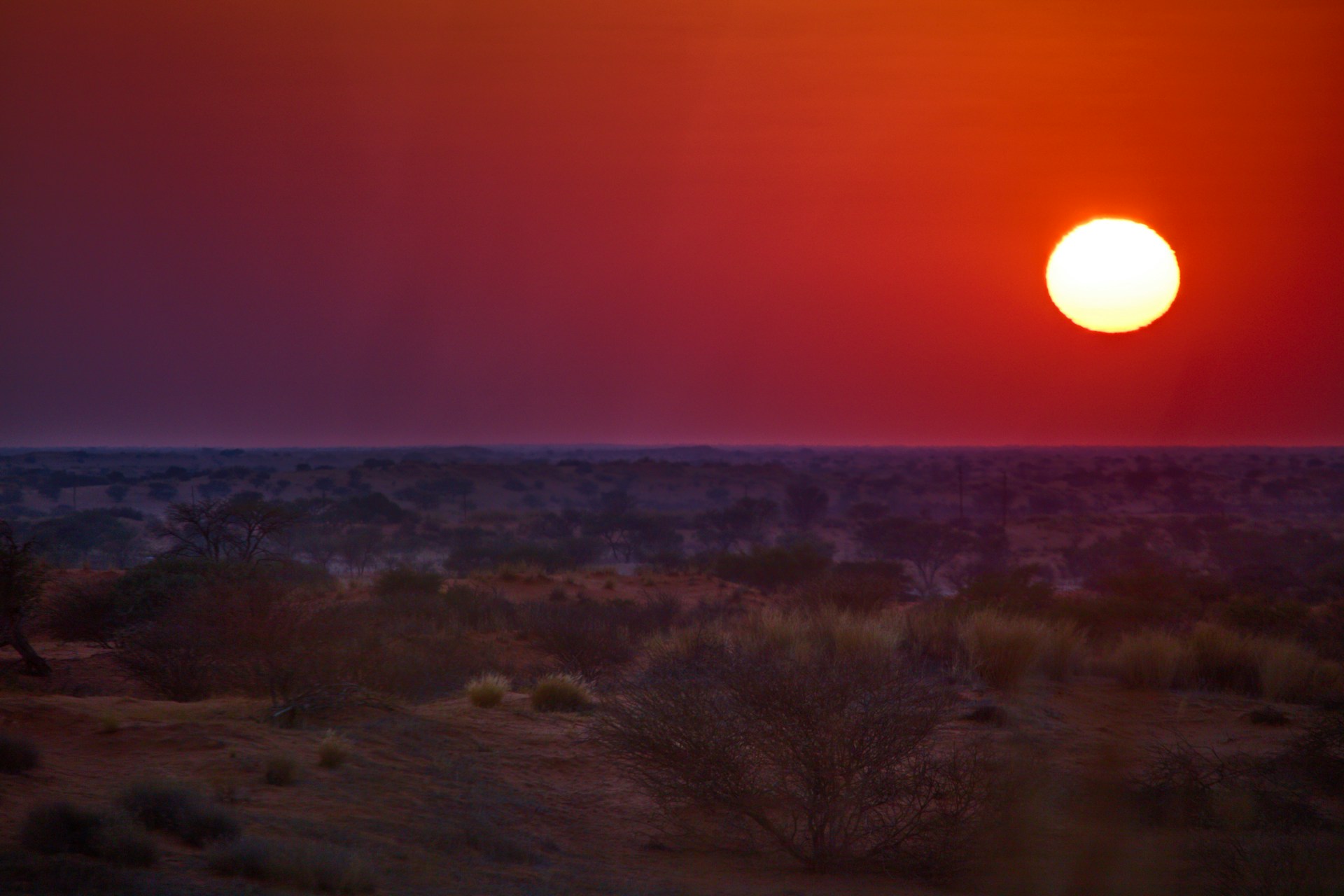
Finally, Kgalagadi has one of the darkest skies in Africa, so the stars and constellations that you can witness from here are extraordinary.
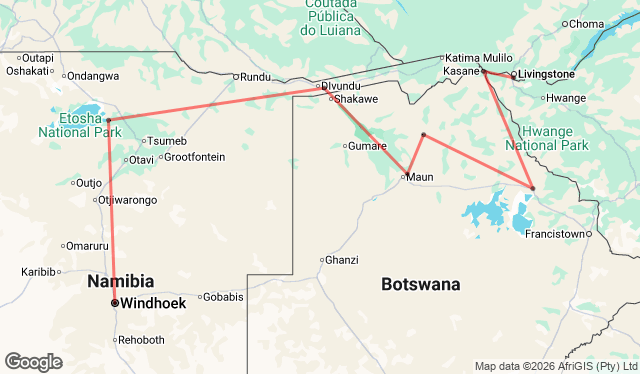
So what do you think? If you’re inspired to visit one or more of these wildlife reserves in Botswana, you may like to browse the itineraries shared below. Botswana is a big country, and the best and most environmentally friendly way to explore it is on a small-group tour like those offered by African Overland Tours.
Note: This blog post was created in May 2024 by Jodi Lucas. It was rewritten in August 2026 by Megan Abigail White.