

















Other information
Important Booking Confirmation
To secure your tour, you must provide your agent with your date of birth, nationality, passport number, special dietary/medical needs, and next of kin emergency contact details. If you are not staying at the official departure hotel the night before your trip, you are required to confirm your tour 24 hours prior to departure and provide a local phone number where you can be reached.
General Touring Style & Guide Protocol
Adventure travel is naturally unpredictable. Itinerary changes may happen on the day due to weather patterns, wildlife migrations, or road conditions—any changes are always made for your benefit and safety. Punctuality in developing countries varies from first-world expectations, so an open mind and flexibility are required. The Operator’s registered, qualified field guides are fully empowered to make all operational decisions on the road.
Active Group Participation
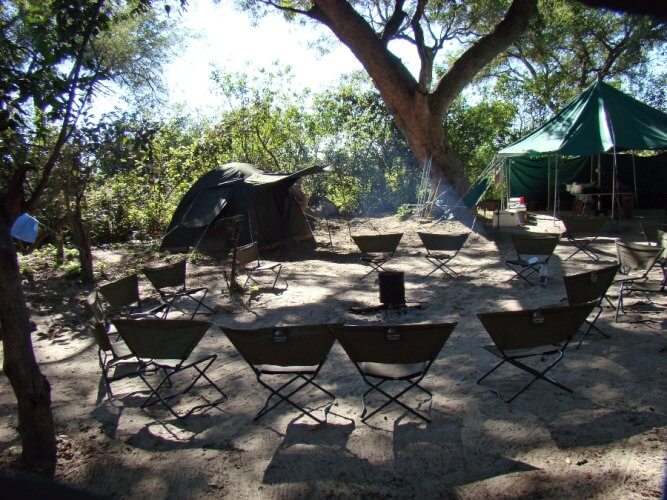
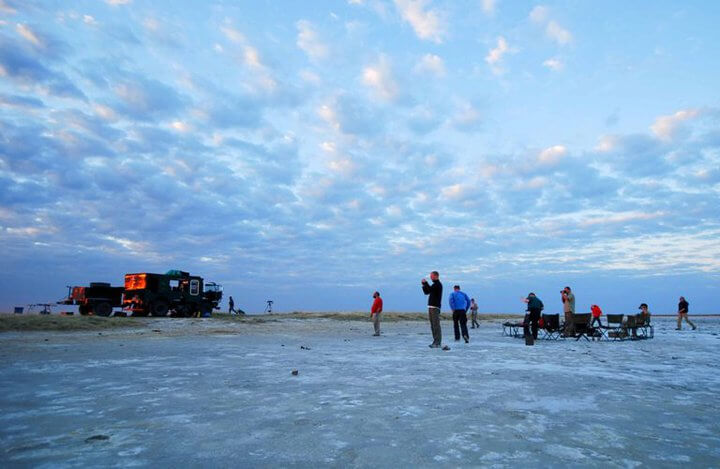
All overland itineraries operate on a participatory principle. This is a shared team adventure, and you are expected or strongly encouraged to help with daily duties. These responsibilities include helping with meal preparation, washing dishes, keeping the safari truck clean, and pitching your own tent on camping trips.
Packing & Luggage Requirements
Luggage is strictly limited to a maximum of 20kg per person. Standard hard-shell suitcases are strongly discouraged because they often do not fit into the truck’s storage lockers. Please bring a backpack, barrel bag, or soft-sided duffel bag instead. Each traveler gets an individual storage locker on the vehicle (60cm H x 38cm W x 88cm L) that can be locked with your own padlock.
For your packing list, bring sturdy sport or hiking shoes, sandals, lightweight long trousers, shorts, T-shirts, a warm jersey/jumper for cold nights, a waterproof windbreaker, a hat, sun cream, insect repellent, and a refillable water bottle. If you are booked on a camping or basic pioneer itinerary, you must bring your own sleeping bag and a small pillow.
Passports, Visas & Minor Regulations
Your passport must be valid for at least 6 months past your tour return date. If entering or transiting through South Africa, you are legally required to have at least two blank facing pages in your passport. It is your sole responsibility to check and secure all necessary entry visas prior to departure.
If traveling through Botswana with minors (children under 18), you must carry certified copies of their unabridged birth certificates. If only one parent is traveling with the child, a certified parental consent affidavit from the absent parent is strictly required. We recommend making two physical photocopies of your passport, visas, and insurance policy to keep in separate places.
Money, Banking & Cash Regulations
In South Africa and Namibia, credit cards are widely accepted at major supermarkets and large establishments, though rural trading stores only accept cash. For East Africa and Zimbabwe, cash is heavily preferred, and credit cards are rarely favored.
If you are using US Dollars (USD), local banks and immigration officials enforce incredibly strict regulations: all bills must be the large head variety and dated 2009 or newer. Bills that are torn, stamped, marked, crumpled, or heavily soiled will be rejected outright. Bring a mix of small and large pristine bills.
Compulsory Travel Insurance
Comprehensive travel insurance is a strict, mandatory requirement for all passengers. You will be required to show full policy details to your guide before traveling. Your insurance must cover medical expenses, personal injury, and emergency medical evacuation. The Operator strongly recommends a minimum evacuation benefit of USD 60,000.00 to safely cover transport from remote wilderness zones back to a major facility in South Africa.
Vaccines & Malaria Health Precautions
A Yellow Fever vaccination certificate is mandatory if your tour enters East Africa (Kenya/Tanzania/Uganda) or if you are entering South Africa after transiting an endemic country. This must be done at least 10 days before departure. Ensure standard boosters for Polio, Tetanus, Typhoid, and Hepatitis are up to date.
Large portions of our tour routes are malaria risk zones, meaning high-quality prescribed malaria prophylaxis is essential. Please consult your local travel clinic or doctor well in advance to find the right medication. To prevent bites, always apply an effective insect repellent after sunset and wear long sleeves and trousers. Please pack a complete supply of your own daily and basic over-the-counter medications, as specific remedies cannot be sourced in remote bush areas.
Food, Drinks & Sundry Expenses
All main daily meals are provided as specified in your tour itinerary. On certain itineraries, the first day does not include meals, allowing the group to meet for an own-expense dinner while conducting the tour briefing. All soft drinks, bottled mineral water, and alcoholic beverages are for your own expense throughout the trip. Your guide will advise you when to buy and stock up on refreshments for a few days at a time.
Tipping Guidelines
Tipping is regarded as an important common courtesy in Southern and East Africa to thank staff for excellent service. As a general safari guideline, we recommend budgeting roughly €10.00 to €18.00 per traveler per day for your main tour guide(s), and €2.00 to €3.00 per day for local site or game guides. For specialized local activities like Okavango Delta polers, a tip of Pula 20.00 per person per day is recommended. For communal lodge or camp staff, a general rate of €5.00 to €10.00 total per person can be placed in the communal tip jar.
Regional Rules & Onboard Power
Please note that plastic carrier bags are strictly illegal in East African countries like Kenya. Do not pack them or use airport plastic luggage wrap, as doing so carries heavy spot fines or legal penalties. Always ask for permission before taking photographs of local people or their homes. For charging your electronics, our safari trucks are equipped with charging stations and inverters that function while the vehicle is driving, allowing you to charge your devices on the road.


