


Explore Uganda
15 days
Tanzania
Places you'll visit
African Overland Tours
https://www.facebook.com/AfricanOverlandTourscom/
https://www.instagram.com/african_overland_tours/
https://www.youtube.com/@africanoverlandtoursandsafaris
+27 (0) 21 448 0997
Customer Service
Worldwide

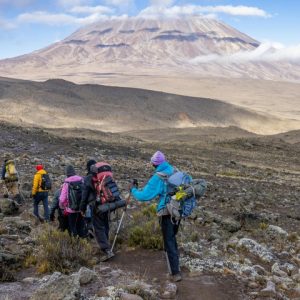
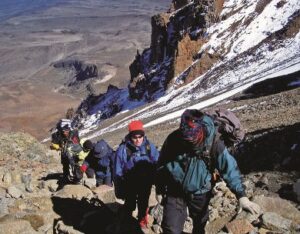
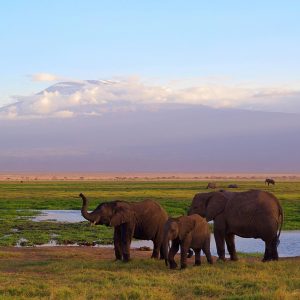
Mount Kilimanjaro Tours and Safaris are popular with nature lovers, adventure seekers, hikers and climbers alike. Whether you would like to view Mt Kilimanjaro from the window of your hotel or from the summit at 5 895 meters, we can organise this for you.
If you would like to climb Kilimanjaro, we recommend taking either the Machame or the Marangu Route. Although there are other routes that we can organise for you, these two routes are well maintained, there are frequent climbs departing and they have good acclimatization profiles.
Climbing Mount Kilimanjaro is a dream adventure for many, and there are several trekking routes to choose from, each offering a unique experience in terms of scenery, difficulty, and duration. Here are the main routes:
Known as the “Whiskey Route,” it is one of the most popular routes due to its stunning scenery and diverse landscapes. The Machame Route is a challenging ascent that typically takes 6-7 days.
Often referred to as the “Coca-Cola Route,” it is the oldest and most well-established route. The Marangu Route offers huts for accommodation, making it more comfortable but less scenic. It’s typically completed in 5-6 days.
Known for its breathtaking views and low traffic, the Lemosho Route is a longer and more remote option. It usually takes 7-8 days, allowing for better acclimatization.
This is the only route that approaches Kilimanjaro from the north. It offers a unique perspective and is less crowded. The Rongai Route typically takes 6-7 days.
The longest and least frequented route, the Northern Circuit offers unparalleled panoramic views. It’s an excellent choice for acclimatization and typically takes 9-10 days.
Known as the most challenging route, the Umbwe Route is steep and demanding. It’s often chosen by experienced climbers seeking a more secluded experience, lasting 6-7 days.
The best time to trek Mount Kilimanjaro is during the dry seasons, which provide favorable weather conditions and clear views. These seasons are divided into two main periods:
This period offers the clearest skies and warmer temperatures. It’s an excellent time for trekking, although it can be busier.
This is the most popular time to climb Kilimanjaro. It provides pleasant weather, with cooler temperatures at higher altitudes and less rainfall.
While these two dry seasons are considered optimal for trekking, it’s essential to note that Kilimanjaro can be climbed year-round. However, the wet seasons (April to May and November to December) bring heavy rains, making the trails muddy and less enjoyable for trekkers.
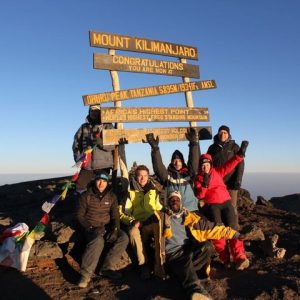
Climbing Mt. Kilimanjaro truly is a once in a lifetime experience. Once you reach the summit and you look down at all you have achieved, your whole body will be smiling.
Kilimanjaro Tours and Safaris can be experienced for a range of budgets, days and highlights. Contact us and pick our brains, we’d love to book your tour for you.

ZAR
97495.00https://schema.org/InStock
African Overland Tours
Price From
R97,495
ZAR
64899.00https://schema.org/InStock
African Overland Tours
Price From
R64,899
ZAR
101199.00https://schema.org/InStock
African Overland Tours
Price From
R101,199
ZAR
52630.00https://schema.org/InStock
African Overland Tours
Price From
R52,630
ZAR
78399.00https://schema.org/InStock
African Overland Tours
Price From
R78,399

ZAR
52730.00https://schema.org/InStock
African Overland Tours
Price From
R52,730
ZAR
38341.00https://schema.org/InStock
African Overland Tours
Price From
R38,341
ZAR
123099.00https://schema.org/InStock
African Overland Tours
Price From
R123,099
ZAR
92930.00https://schema.org/InStock
African Overland Tours
Price From
R92,930
Here are 20 interesting facts about Kilimanjaro that you might not have known. Here are some tips on which Kili route to do and what to pack?
Mount Kilimanjaro, often referred to as the “Roof of Africa,” is one of the world’s most iconic and awe-inspiring natural wonders. Situated in East Africa, this majestic free-standing volcano is a magnet for adventure seekers and nature enthusiasts from around the globe. In this definitive guide, we will explore where Mount Kilimanjaro is located, the various trekking routes available, and the optimal times to embark on this incredible journey.
Mount Kilimanjaro’s location in Tanzania, along with its diverse trekking routes and optimal climbing seasons, makes it a sought-after destination for adventurers and nature enthusiasts. Whether you choose the Machame Route for its stunning landscapes or the Marangu Route for its comfort, the “Roof of Africa” promises an unforgettable journey to its majestic summit. Before embarking on your Kilimanjaro adventure, consult with experienced guides and plan your climb to ensure a safe and memorable experience in this natural wonder of East Africa.
Mount Kilimanjaro is located in the northeastern part of Tanzania, within the Kilimanjaro Region. It straddles the border between Tanzania and Kenya but primarily lies within Tanzanian territory. Kilimanjaro is situated near the equator, approximately 330 kilometers (205 miles) south of the equator.
The coordinates of the summit, Uhuru Peak, are approximately 3.0674° S latitude and 37.3556° E longitude. It towers over the surrounding landscape, making it visible from miles away and a prominent feature on the African continent.
Packing for a Mount Kilimanjaro trek is crucial for your comfort and safety. Here’s a comprehensive list of essential items to bring:
Clothing:
Gear:
Accessories:
Documents:
Miscellaneous:
Climbing Mount Kilimanjaro is a challenging endeavor, but with proper preparation and the right mindset, you can increase your chances of reaching the summit:
Choose the Right Route:
Select a route that matches your fitness level and acclimatization needs. Routes like Lemosho and Northern Circuit offer better acclimatization opportunities due to their longer duration.
Train and Prepare:
Prioritize physical fitness with cardio, strength, and endurance training. Acclimatize by hiking at high altitudes if possible.
Stay Hydrated:
Drink plenty of water throughout the trek to combat altitude sickness. Proper hydration is essential for acclimatization.
Follow the “Pole Pole” Principle:
This Swahili phrase means “slowly, slowly.” Trek at a steady, slow pace to aid acclimatization and conserve energy.
Listen to Your Guide:
Experienced guides are invaluable. Follow their instructions, especially regarding rest breaks, altitude sickness, and safety.
Pack Wisely:
Carry only what’s necessary to keep your backpack as light as possible. Overpacking can lead to unnecessary fatigue.
Dress in Layers:
Weather on Kilimanjaro can change rapidly. Dressing in layers allows you to adapt to varying temperatures.
Stay Positive:
Mental resilience is crucial. Stay positive, maintain a steady pace, and focus on the breathtaking views to keep spirits high.
Stay Healthy:
Avoid overexertion, and listen to your body. Report any health concerns to your guide immediately.
Acclimatization Days:
Some routes include acclimatization days at higher camps. Use these rest days to adapt to the altitude.
Proper Nutrition:
Consume a balanced diet, including carbohydrates, to sustain energy levels.
Stay Warm at Night:
Nights can be frigid at higher altitudes. Ensure you have adequate insulation and clothing to keep warm.
Take It Slow at High Altitudes:
The summit night can be physically demanding due to altitude. Go slow, stay warm, and stay focused on your goal.
With proper preparation, a well-organized climb, and a mindset geared toward success, summiting Mount Kilimanjaro is an achievable and profoundly rewarding accomplishment. Remember that safety and acclimatization should always be prioritized over reaching the summit. Your health and well-being are paramount.

"*" indicates required fields