

African Overland Tours
https://www.facebook.com/AfricanOverlandTourscom/
https://www.instagram.com/african_overland_tours/
https://www.youtube.com/@africanoverlandtoursandsafaris
+27 (0) 21 448 0997
Customer Service
Worldwide

African Overland Tours
https://www.facebook.com/AfricanOverlandTourscom/
https://www.instagram.com/african_overland_tours/
https://www.youtube.com/@africanoverlandtoursandsafaris
+27 (0) 21 448 0997
Customer Service
Worldwide
African Overland Tours
https://africanoverlandtours.com/tours/14-day-kenya-tanzania-adventure-tour-accommodated/
Price From
R173,699
Price Disclaimer: Tour is Priced R173699 – R200699
Price Fluctuates base on the seats available. confirm with your consultant.
*Currency estimated. Tours are Based in South African Rand (ZAR) and converted on the day. Some Tours are Based in EUR/USD

Latest
2025 Tripadvisor Travelers Choice:
Best Travel Company for Adventure Holidays

https://schema.org/InStock

Length
14 days

Tour Type
Accommodated

Starts
Nairobi

Comfort Level
Premier

Ends
Arusha

Age Range
12 - 65 and above

Tour SKU
ACM2614

Operated in
English Guided

Group Size
Max 6
EXTEND MY TOUR


Price From
R148,399

Price From
R79,299
What are you looking for?
Get advice and suggestions to make this your perfect trip.
or call us on:
+27 (0) 21 448 0997On this incredible journey, explore some of the greatest national parks in East Africa, including Kenya’s Masai Mara and Tanzania’s Ngorongoro Crater. When visiting Lake Nakuru, a sanctuary for avian enthusiasts, pack binoculars and search the Serengeti’s wilds for leopards, lions, and elephants. In between safaris, visit a Maasai settlement to learn about their customs and enjoy supper with a family in the busy hamlet of Mto wa Mbu.
14 Day Kenya and Tanzania Adventure Tour
14 Day Kenya and Tanzania Adventure Tour
https://africanoverlandtours.com/wp-content/themes/africanoverlandtours/images/placeholder-img.jpg
2025-06-10T09:03:32+00:00
https://www.youtube.com/embed/oyfGce2IXkE?si=wgKmiI-BP_MDbknp
African Overland Tours
https://africanoverlandtours.com
https://africanoverlandtours.com/wp-content/uploads/2025/04/logo.svg
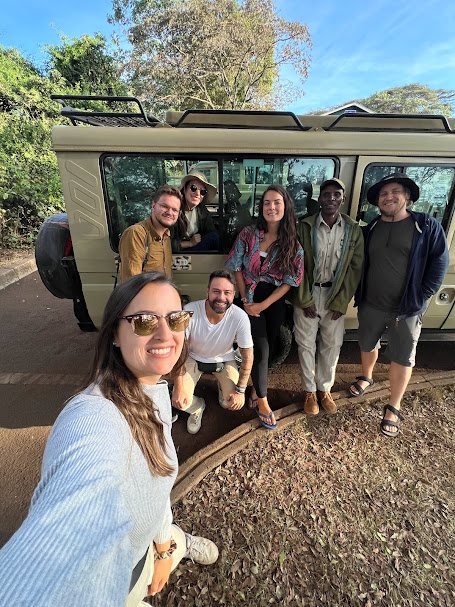
Come when you want to. Transfer upon arrival is covered. A maximum of six passengers can travel on the journey from Kenya and Tanzania, along with a driver and a guide who are both certified safari guides. This implies that everyone receives a window seat and twice as much information about the amazing nature that surrounds them. Your journey begins in the night!
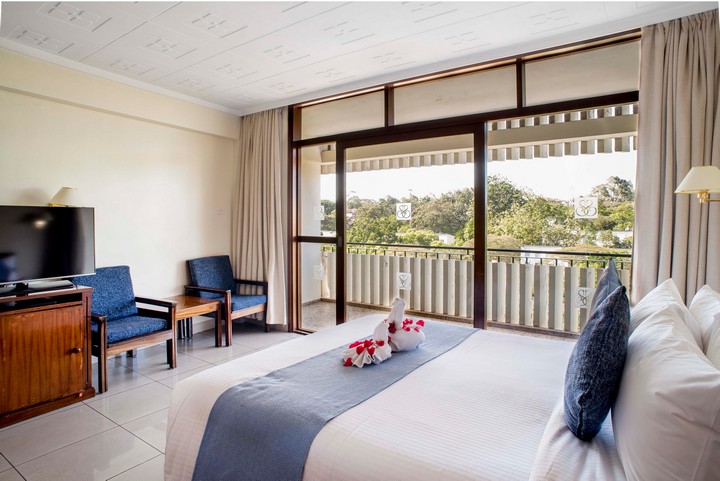

Sarova Panafric Hotel or similar

Airport Transfer, Welcome Meeting on Arrival Day
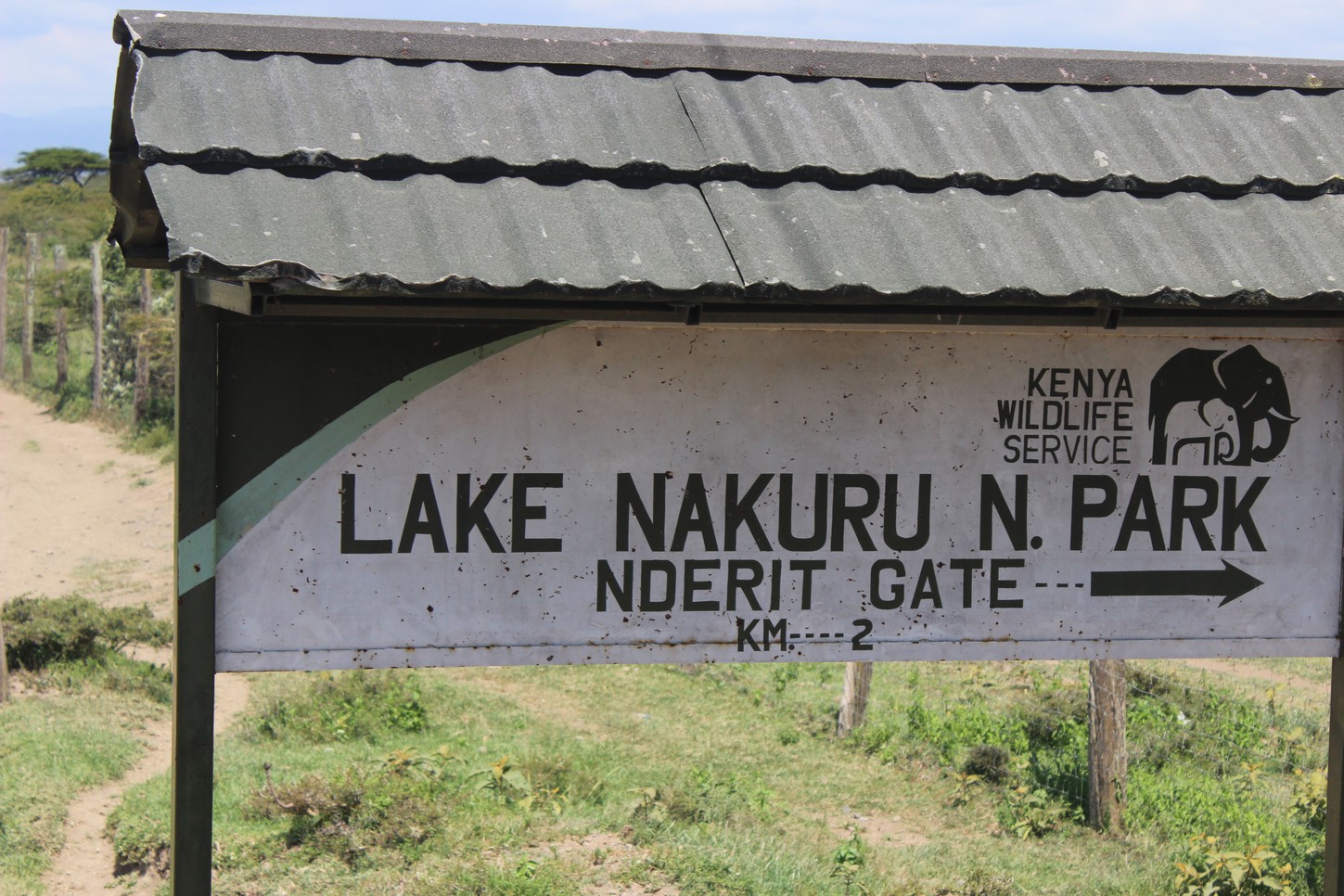
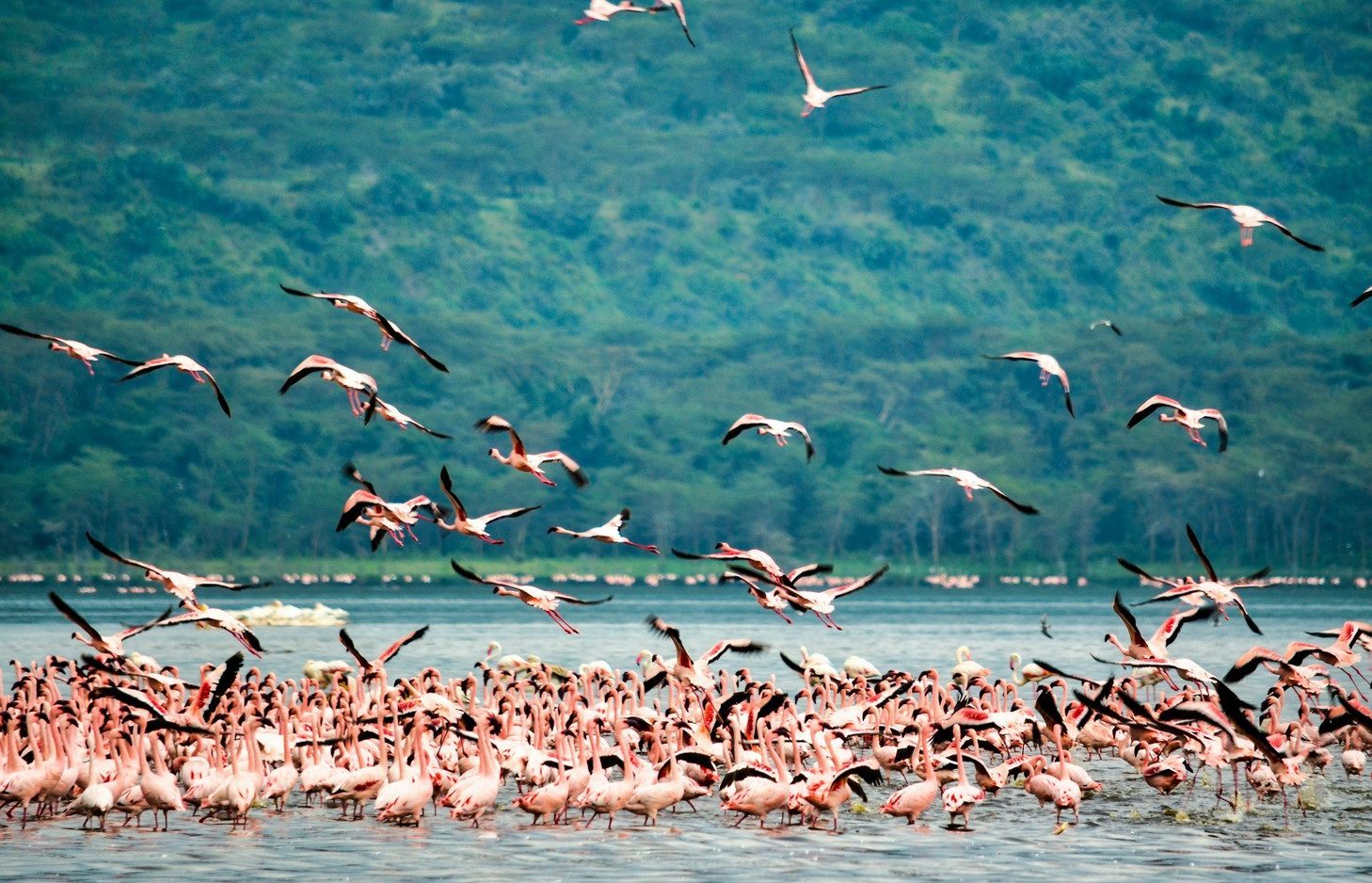
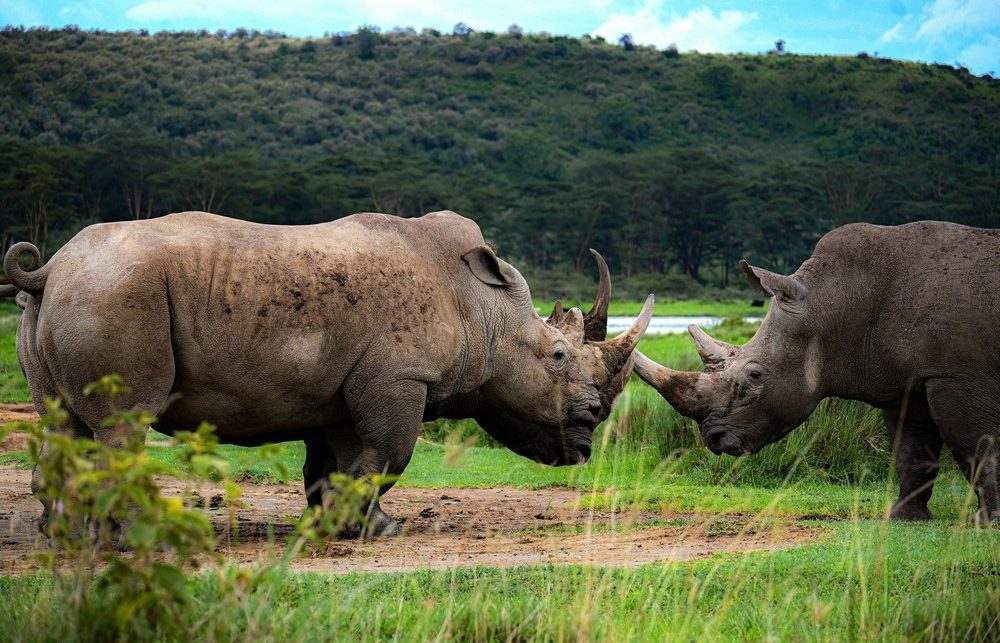
Leave early for Lake Nakuru, which is renowned for being home to large flamingo flocks and a wide range of bird species. Take a late-afternoon wildlife drive to find the resident rhinos after checking into our safari lodge inside Lake Nakuru National Park in time for lunch.
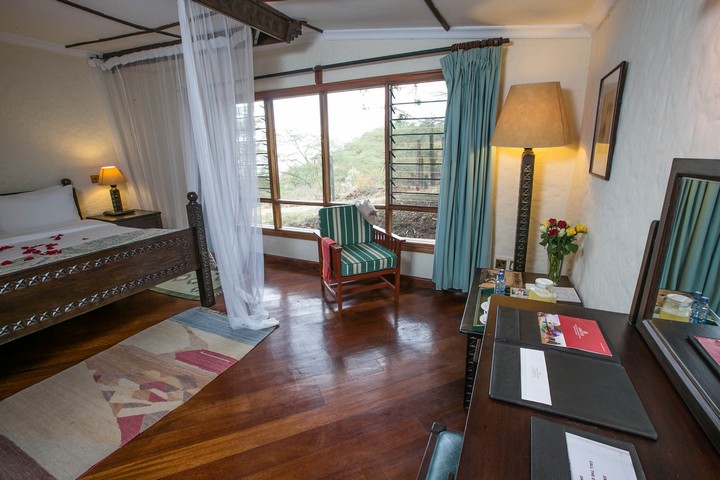
Sarova Lion Hill Game Lodge or similar

Breakfast, Lunch, Dinner
Lake Nakuru Wildlife Safari Drive

Nairobi – Lake Nakuru National Park
±165 km

±3 – 4 hours
Take morning and afternoon safaris around the scenic park, looking for lions, buffalo, impalas, rhinos, and more. You can also drive along the lake’s salty shoreline to see an astounding array of birdlife.
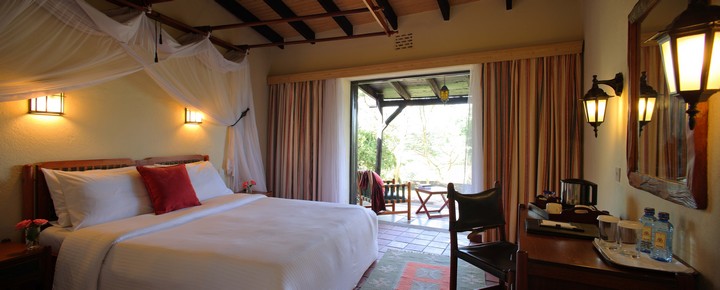
Sarova Lion Hill Game Lodge or similar
Breakfast, Lunch, Dinner
Lake Nakuru Wildlife Safari Drive
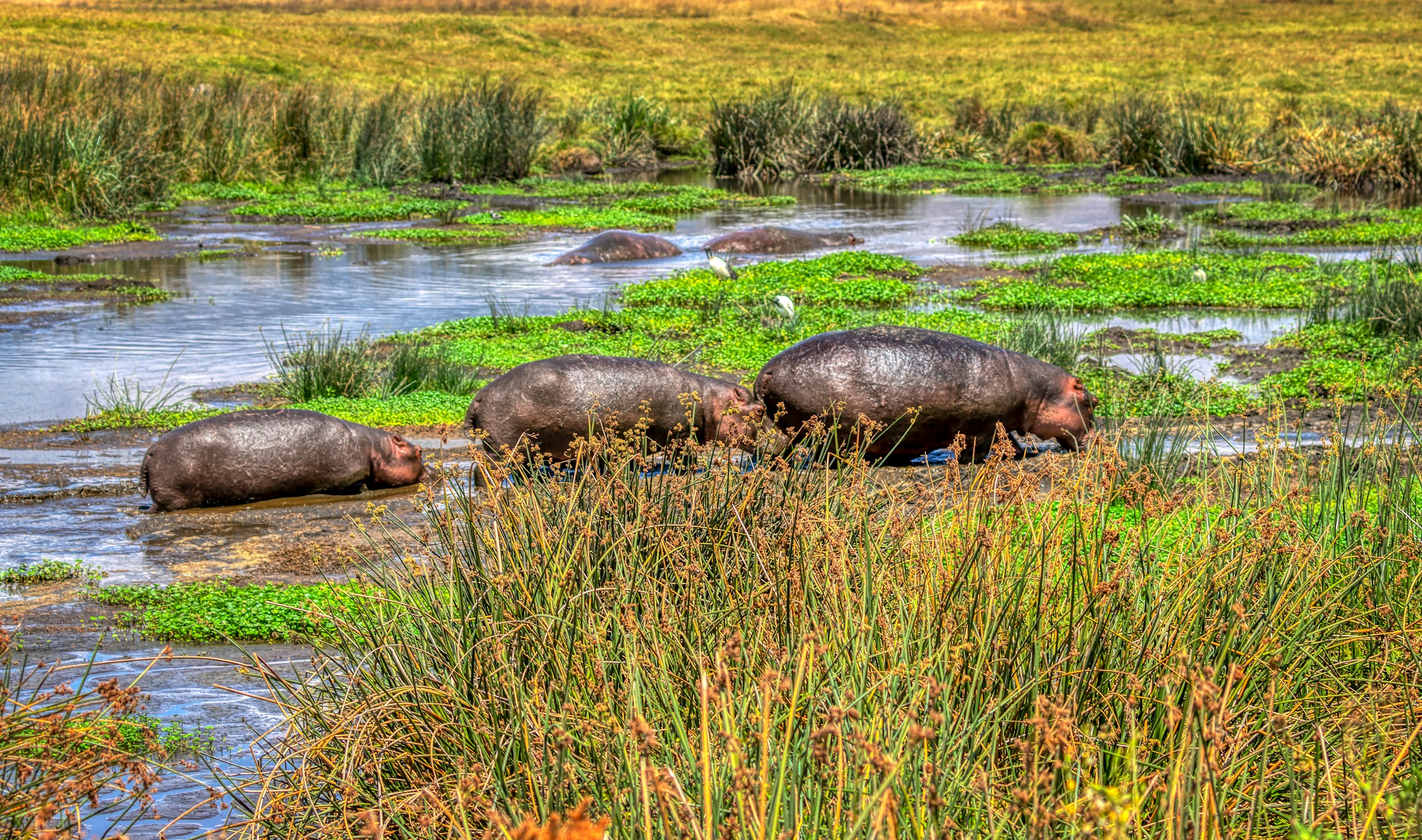
During this morning’s presentation, you will hear from Kenya Wildlife Service representatives about the issues surrounding poaching and wildlife conservation in the country. In the afternoon, head south through the Great Rift Valley to Lake Naivasha, an impressive freshwater lake that is surrounded by grassy banks and olive trees. Watch hippos, crocodiles, and buffalo as you cruise the lake on a boat, and spot lovebirds, ibis, and African fish eagles through your binoculars. Discover wildebeest, zebras, and giraffes at Crescent Island, a peaceful wildlife sanctuary in the middle of Lake Naivasha. Hippos, crocodiles, and a variety of birds can still be seen at Lake Naivasha even though it’s usually tranquil. You may also witness buffaloes wallowing in marshes and hear colobus monkeys calling from the tops of trees in Naivasha, which gets its name from the Maasai word “Nai’posha.” which means rough water. Bring binoculars for this excursion.
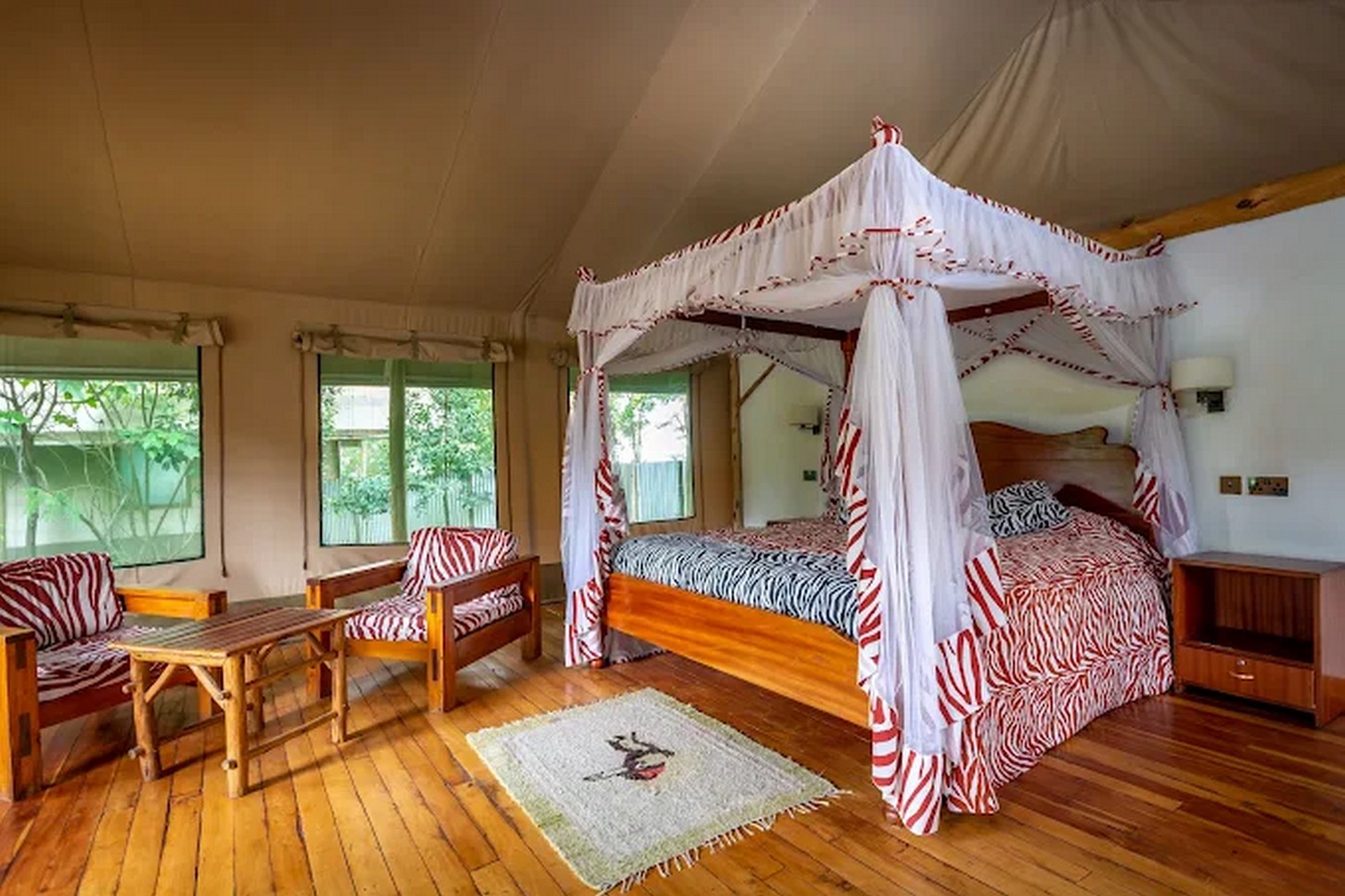
Lake Naivasha Crescent Camp or similar
Breakfast, Lunch, Dinner
Kenya Wildlife Service Conservation Talk, Lake Naivasha Boat Cruise & Crescent Island Walk
Lake Nakuru National Park – Lake Naivasha
±80 km
± 2 – 2½ hours
Arrive at the fabled Masai Mara National Reserve and make yourself at home in our cozy tented camp, which is centrally positioned within the reserve. Take a drive over huge plains scattered with acacia trees on an afternoon safari. Pass by herds of wildebeest, zebra, and giraffes, and look out for lions, elephants, and the other members of the African “big five”. Unwind in the camp in the evening while taking in the breathtaking views of the undulating grasslands. Following breakfast, we head to the renowned Masai Mara National Reserve. Without a stop here, a journey to Kenya wouldn’t be complete. We will go to the region in the afternoon and set up camp at our safari camp, which will serve as our home base while we are here. After that, we’ll head into the reserve for an afternoon wildlife safari drive, during which there’s a good possibility we’ll spot one of the “big five”, a buffalo, elephant, leopard, lion, or rhino.
Fig Tree Camp or similar
Breakfast, Lunch, Dinner
Masai Mara Wildlife Safari Drive
Lake Naivasha – Masai Mara
±230 km
±5 – 6 hours
Take an early morning safari to follow the creatures that passed across the savanna during the night. Witness ungulates during one of their busiest times of the day, including Grant’s and Thomson’s gazelles, topi, and eland antelopes, along with their sly predators. Take a late-afternoon safari to continue your investigation and take in Masai Mara’s timeless scenery.
Fig Tree Camp or similar
Breakfast, Lunch, Dinner
Masai Mara Wildlife Safari Drive
After your last safari in Masai Mara, take in a stunning dawn over the savanna before returning to Nairobi. Aim to stop at Café Ubuntu en-route, an initiative that employs and trains women in the area who are moms of disabled children. Located in Maai Mahiu, Café Ubuntu is a haven of wonderful organic food, friendly service, and a laid-back vibe. Every year, travelers pass through the region on their route to the well-known Masai Mara Conservancy, and it serves as a beacon for them. Discover how the project empowers the locals, stop by the artisan center to chat with some of the ladies who make the items that are sold there, and then enjoy a delectable farm-to-table meal. Breakfast tacos, salads, and soups are among the options; freshly baked pizzas, curries, and burritos are also available. Get up early to enjoy the African sun rising over the Mara plains’ savannah on your last morning wildlife safari drive. Arrive back in Nairobi late afternoon and choose to have a farewell supper with the chief executive officer.

Sarova Panafric Hotel or similar
Breakfast, Lunch
Masai Mara Wildlife Safari Drive, Café Ubuntu and Ubuntu Made
Masai Mara – Nairobi
±245 km

± 5½ – 6½ hours
Take a short flight to Arusha, the gateway to Tanzania’s northern parks. Upon arrival, you will transfer to your hotel and enjoy some free time to explore the town. Later, you will have a second orientation meeting to meet your new Tanzanian guide and potentially new travelers joining for the Tanzania portion of the safari.
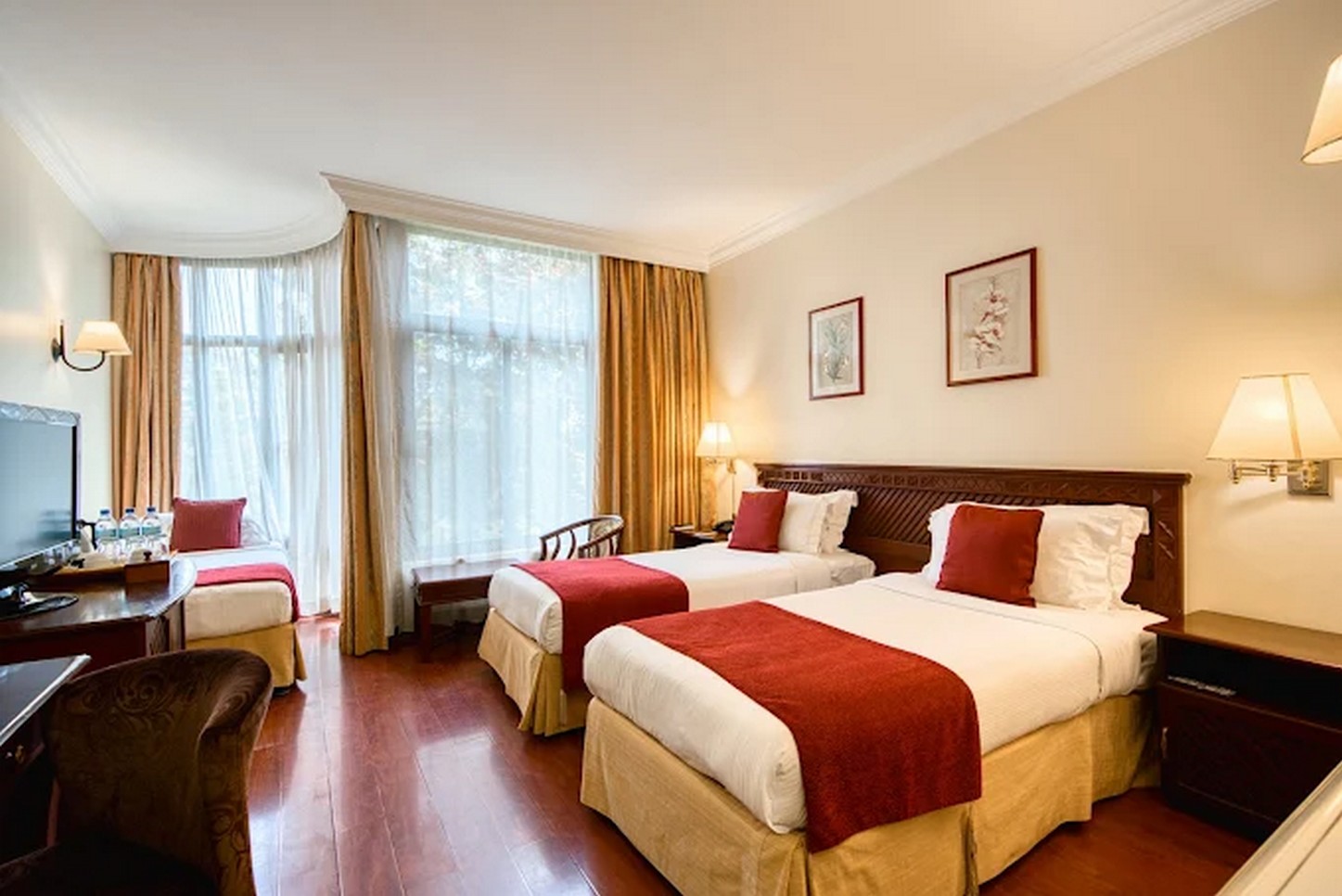
Kibo Palace Hotel or similar
Breakfast
Plane flight from Nairobi to Arusha (1 hour)
Kilimanjaro International Airport – Arusha
±10 km
±30 minutes
Travel to Mto wa Mbu village this morning, a bustling community of Tanzania’s many ethnic groups. After going on a guided stroll through the hamlet, stopping by the neighborhood market and artisan’s workspace, have a traditional lunch with a local family. Proceed to the edge of Lake Manyara National Park, where our safari camp is situated, and make yourself at home. Go on a safari drive with us to explore the fabled fauna of East Africa, looking for lions, elephants, hippos, giraffes, and more. It is really breathtaking to see the western wall of the Rift Valley escarpment. It serves as a background for exploring the park’s avian inhabitants, as well as the lions that scale trees, elephants, hippos, and baboons. The afternoon is spent exploring the main road, which meanders through a cool, thick forest with enormous ficus trees covered in ferns and bromeliads, to see wildlife.
Rift Valley Photographic Lodge or similar
Breakfast, Lunch, Dinner
Lake Manyara National Park Afternoon Safari Drive , Mto wa Mbu Community Visit and Lunch
Arusha – Lake Manyara National Park
±130 km
±2 – 3 hours
See the magnificent Rift Valley as you make your way to our safari camp in the Serengeti National Park. Enjoy a stop along the journey at the Olduvai Gorge Museum and Visitor’s Centre, which is situated close to the location where Louis and Mary Leakey, archaeologists for National Geographic, found stone tools and early hominid fossils in 1960. From here, proceed to the renowned Serengeti National Park and have a late-afternoon safari drive on the Serengeti Plain, where you can spot lions relaxing and antelope herds basking in the golden light.
Serengeti Tortilis Camps or similar
Breakfast, Lunch, Dinner
Olduvai Gorge Museum, Serengeti National Park Safari
Lake Manyara National Park – Serengeti National Park
± 220 km
± 5 – 6 hours
Take in the majesty of one of Africa’s most renowned animal sanctuaries, the Serengeti. Take a 4×4 safari across the golden grasslands in the morning or afternoon to see the park’s renowned animals. Try your luck at seeing all five of Africa’s “big five”: buffalo, lion, leopard, elephant, and rhino. Attend a discussion by a visiting researcher at the Serengeti Wildlife Research Centre later on.
Serengeti Tortilis Camps or similar
Breakfast, Lunch, Dinner
Serengeti National Park Safari, Serengeti Wildlife Research Centre Lecture
Leave the Serengeti early and make your way to the Ngorongoro Conservation area over a huge savannah. With a diameter of almost 20 kilometers, the Ngorongoro Crater is the world’s largest non-flooded caldera and is home to some 25,000 animals. Take a full-day safari drive into the Ngorongoro Crater to witness the local species and biodiversity. This area is crucial for the preservation and protection of wildlife worldwide. Savor a picnic lunch surrounded by the flora and fauna of Ngorongoro in the center of the largest crater in the world. After that, make your way to Pembeni, where we have dinner and a restful overnight stay in a natural environment.
Pembeni Africa Lodge or similar
Breakfast, Lunch, Dinner
Ngorongoro Crater Full Day Safari Drive
Serengeti National Park – Ngorongoro
±160 km
±4 hours
This morning, depart from Ngorongoro and make your way to a Maasai community from our resort in Pembeni. Here, we discover more about the Clean Cookstoves Project, aims to give Maasai communities all around Tanzania access to clean burning cookstoves. Take in a talk about the project’s effects given by a Maasai lady and join a guided tour of the village to see the traditional bomas and assist in constructing a new stove. Proceed toward Arusha, making a lunch stop along the way. Enjoy the rest of the day at your own pace in Tanzania’s safari capital city.
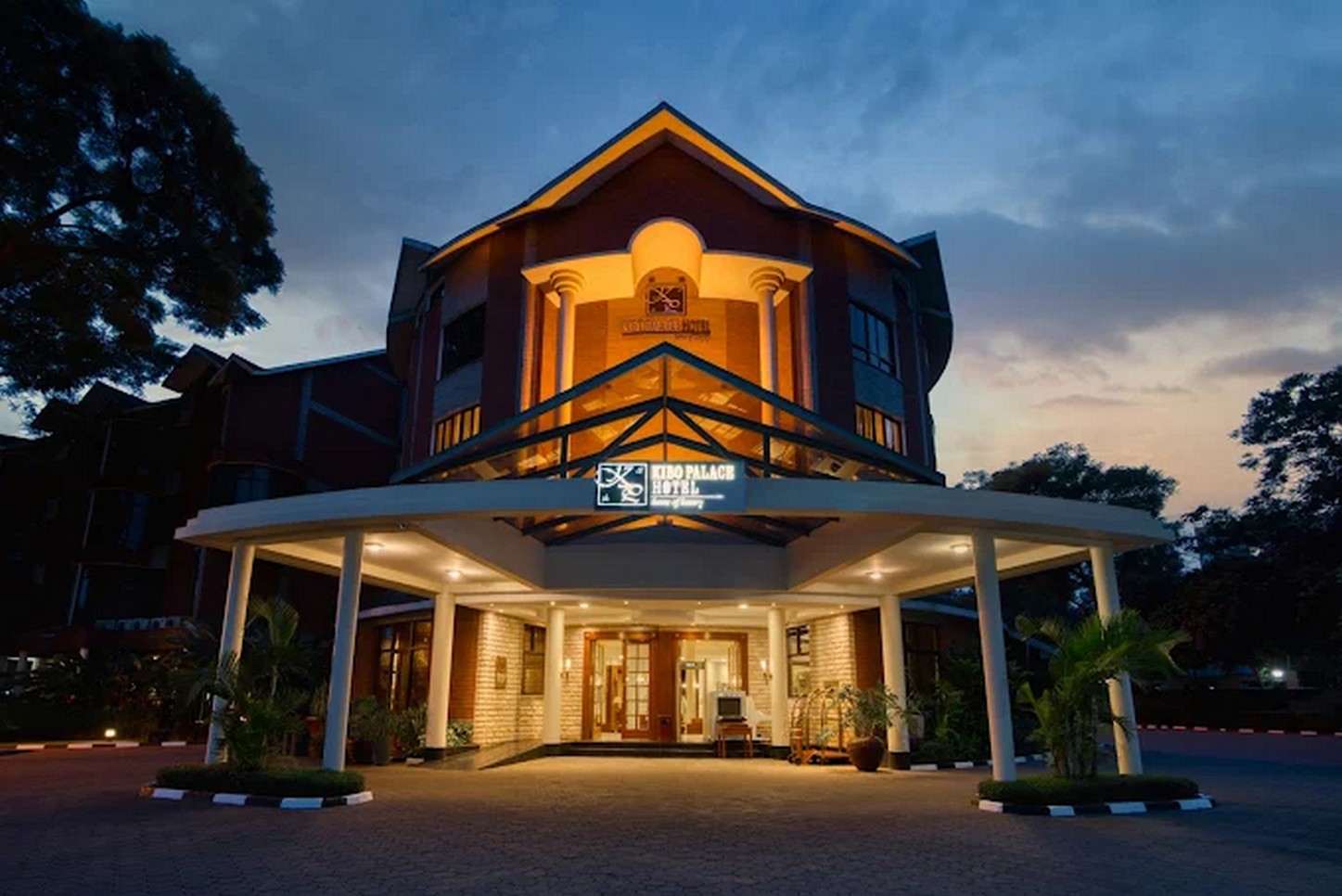
Kibo Palace Hotel or similar
Breakfast, Lunch
Clean Cookstove Project Talk, Clean Cookstove Project Visit
Ngorongoro – Arusha
±200 km
±4 – 5 hours
Your exciting and memorable journey comes to an end. Depart at any time that is most suitable to you.
Breakfast
Price From
R173,699
Price Disclaimer: Tour is Priced R173699 – R200699
Price Fluctuates base on the seats available. confirm with your consultant.
*Currency estimated. Tours are Based in South African Rand (ZAR) and converted on the day. Some Tours are Based in EUR/USD
EXTEND MY TOUR
Price From
R148,399
Price From
R79,299
What are you looking for?
Get advice and suggestions to make this your perfect trip.
or call us on:
+27 (0) 21 448 0997
Price From
R79,299
Chat to our experts to help you plan your dream trip.





Aside from the Big Five, Tanzania is home to tree-climbing lions (Lake Manyara and Serengeti), the endangered wild dog (Selous/Nyerere), black-and-white colobus monkeys (Arusha & Usambara), and the largest wildebeest migration on Earth.
Best Overall Months: June to October and January to February
If you’re looking for a sweet spot for both Southern and East Africa, the dry season from June to October and January-February is widely considered the best time to visit. Why?
Dry weather easier travel and fewer mosquitoes
Peak wildlife viewing animals gather around waterholes and are easier to spot
Cooler temperatures especially pleasant in places like Namibia, Botswana, and Kenya
Southern Africa (South Africa, Namibia, Botswana, Zimbabwe, Zambia)
Best months: May to September
June–August: Excellent for safaris; cool mornings, dry days
September–October: Hotter, but fantastic for wildlife as animals cluster near water
November–April: The green (rainy) season — landscapes are lush, but wildlife is harder to spot and roads can get muddy. Great for birdwatching.
Top pick: July or August — dry, clear, and great for game drives in Kruger, Chobe, and Etosha.
East Africa (Kenya, Tanzania, Uganda, Rwanda)
Best months: June to October and January to February
July–September Prime time for the Great Migration in the Serengeti and Maasai Mara
January–February Short dry season, good for safaris and gorilla trekking
March–May Long rains — travel is still possible, but muddy conditions and wildlife dispersal can be a challenge
Top pick July or August — Great Migration + ideal gorilla trekking conditions in Uganda and Rwanda
| Highlight | Best Time |
|---|---|
| Classic safaris | June – October |
| Fewer tourists | May or November |
| The Great Migration (Kenya/Tanzania) | July – September |
| Gorilla trekking (Uganda/Rwanda) | June – August, January – February |
| Victoria Falls at peak flow | March – May |
| Budget travel | Green season (November – April) |
Campsite facilities are overall very good facilities through Southern Africa with basic facilities in East Africa. It’s all part of the adventure and it adds to the flavour of the trip. Remote campsites such as; Serengeti National Park, Ngorongoro Crater and Masai Mara can be more primitive and do not always have hot water. Less remote campsites and accommodations have hot and cold running water, swimming pool, small shop and a bar. A handy tip: always have pocket tissues + baby wipes + hand sanitizer with you.
Yes, the Great Migration typically occurs from July to October in the Masai Mara, offering a spectacular wildlife viewing experience.
Yes, most travelers require a visa to enter Kenya. You can apply for an e-visa online before your trip. It's advisable to check the latest visa requirements based on your nationality.
Yes, certain vaccinations are recommended or required, such as yellow fever, hepatitis A and B, typhoid, and malaria prophylaxis. Consult your nearest travel doctor or healthcare professional.
Key safari destinations include the Masai Mara National Reserve, Amboseli National Park, Lake Nakuru National Park, Tsavo National Parks, and Samburu National Reserve.
The Kenyan Schilling (KES) is the official currency. However, credit cards are widely accepted within the major cities and tourist areas. It is also advisable to carry some cash for more remote locations such as national parks and cultural regions.
For wildlife sightings, it is recommended that you travel during the dry season, June to October, or January to February. However, Kenya offers year-round attractions and the green season (November to December) is great for bird lovers.
Kenya is home to the Big Five: lion, leopard, elephant, buffalo, and rhinoceros. You may also encounter cheetahs, giraffes, zebras, hippos, crocodiles, and a diverse array of bird species.
More questions? Let the Experts help
LET THE EXPERTS HELP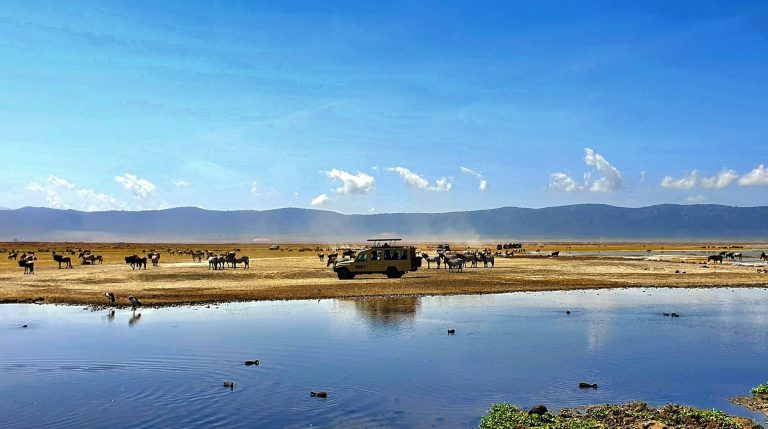
Ngorongoro Crater is an expensive safari destination, but there are two key ways to keep costs down Ngorongoro Crater is one of Africa’s most famous safari destinations and on the bucket list of people around the world. Between June 2022…
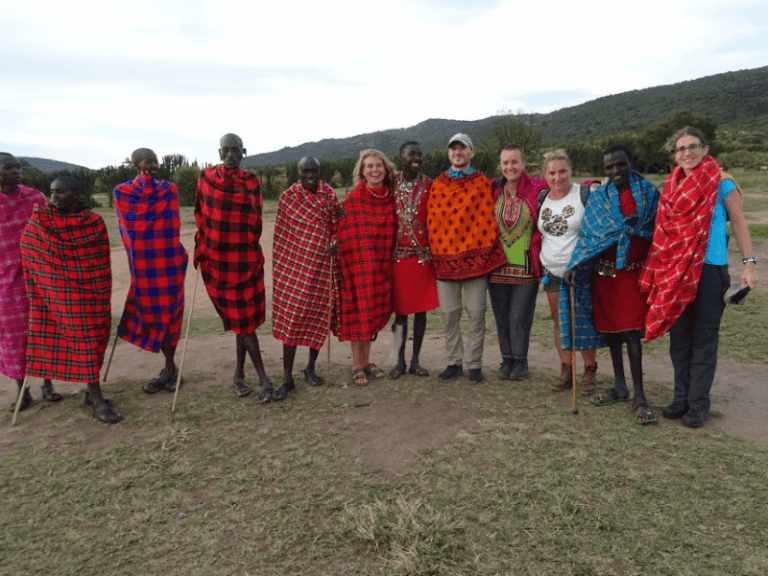
Our experience at Masai Mara There is no combination of words that can describe everything we felt on our first Masai Mara Safari. It is truly a unique experience, and one I recommend to everyone who can afford to do…

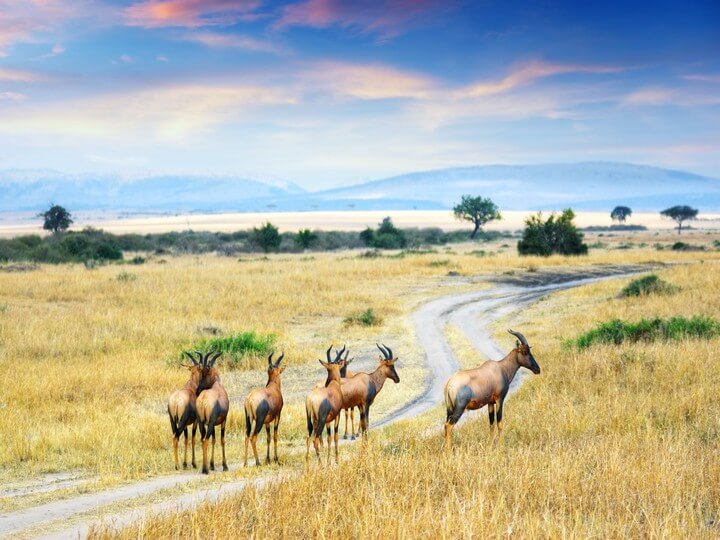
Kenya is one of Africa’s most popular safari destinations, and it’s easy to see why. The East African country has a lot to offer travellers, from spectacular game reserves to an abundance of wildlife (including the Masai Mara, where the…


Inspired to book the holiday of a lifetime? Here are 7 things to know before you start planning your African safari. Wild animals Something that people seem to forget when they’re on a safari is that the animals they’re encountering are wild…
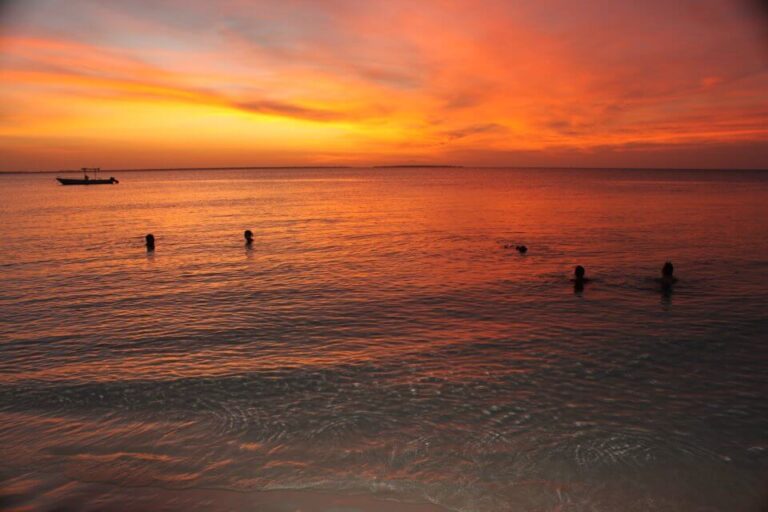
We just received some great feedback from a family that completed the 12 Day Kenya and Tanzania Budget Safari. This trip travels in a circular route covering the Best of Kenya and Tanzania. It is perfect for traveler who want…

Here is a list of 10 Quick Tips before heading into Africa you can refer to with links to pages on our Blog that will give you more information. 1. Start planning early: Start planning anytime from 6 months to…
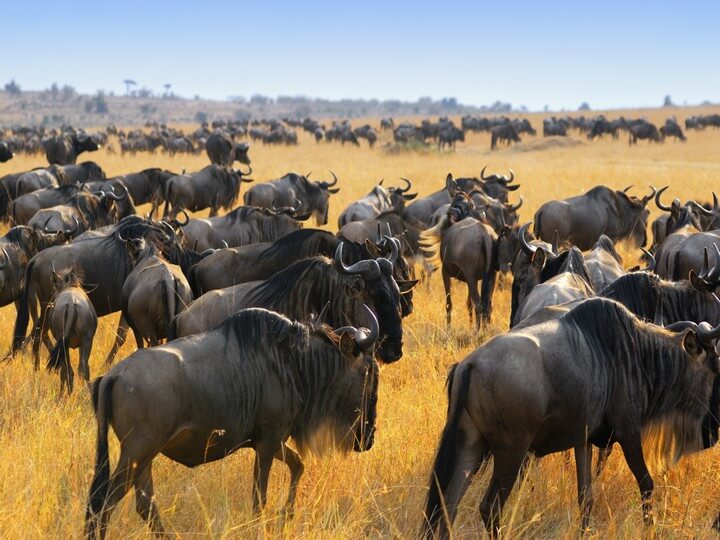
One of the most spectacular wildlife events on the planet and the greatest movement of land mammals on Earth, is the Great Wildeebest Migration in East Africa. The spectacle involves the movement of more than 1.5 million wildebeest and 300…
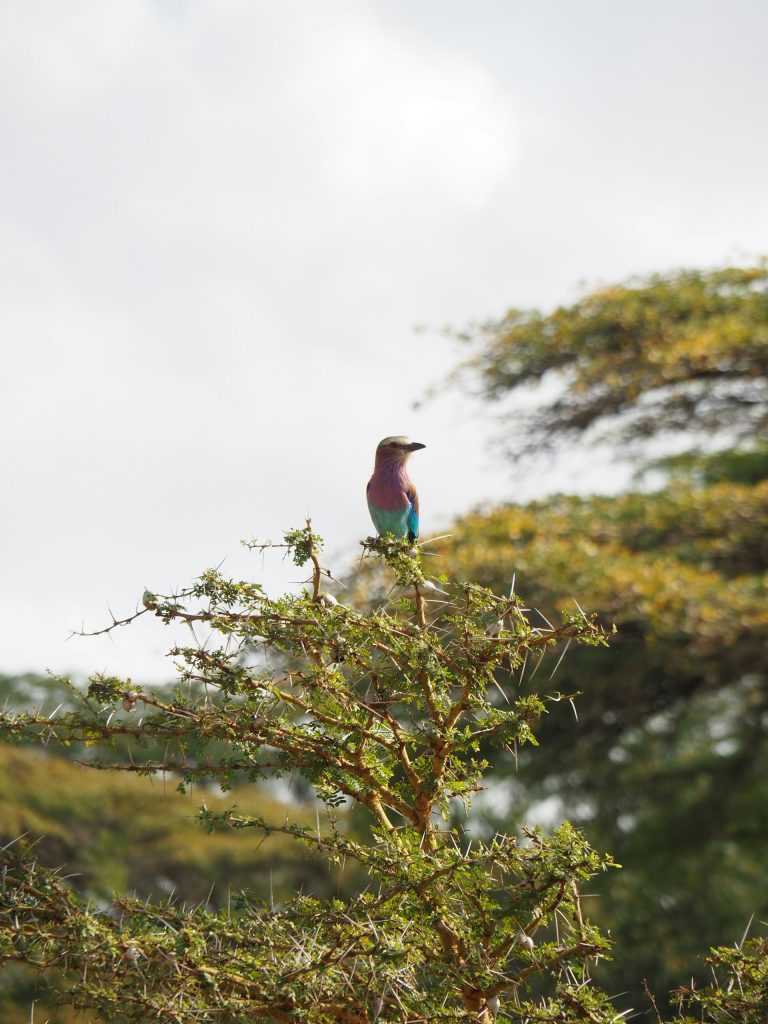
The Serengeti is an expensive safari destination, but there are a few ways to lower the overall price tag The main costs involved in a Serengeti safari are the park’s various tariffs, accommodation, transport and fuel, and an optional tour…
![How to plan an Overland Tour through Africa [Guide]](https://africanoverlandtours.com/wp-content/uploads/2025/04/Plan-an-overland-tour-in-africa-768x576.jpg)
An overland tour in Africa is a travel odyssey like no other. After all, this beautiful continent is filled with sensational sights and experiences that have probably been on your bucket list for a while! The great migration in the…

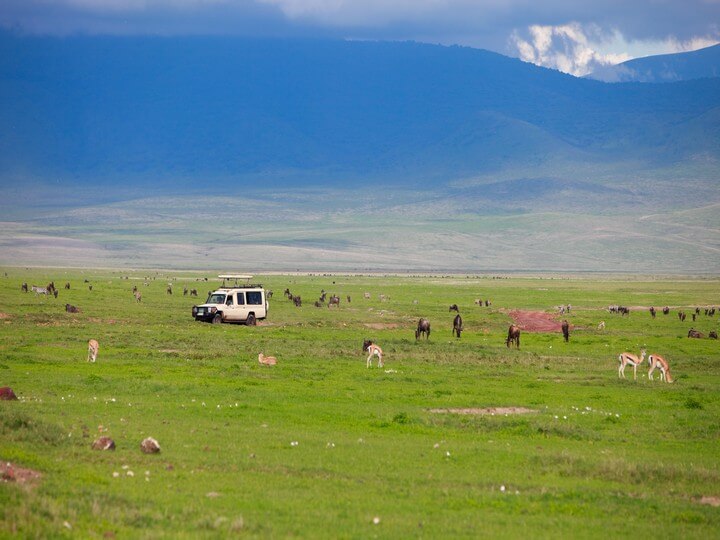
The following will give you a little more insight about the Serengeti Assisted-Camping Excursion valid on a selection of our Camping and Comfort tours (this does not apply to all tours). The cost of the Serengeti Excursion is not included in…
Price From
R173,699
14 Day Kenya and Tanzania Adventure Tour
https://africanoverlandtours.com/wp-content/uploads/2013/04/Hippos-in-swamp-in-Ngorngoro-Crater-Tanzania.jpg
https://africanoverlandtours.com/tours/14-day-kenya-tanzania-adventure-tour-accommodated/
"*" indicates required fields