

African Overland Tours
https://www.facebook.com/AfricanOverlandTourscom/
https://www.instagram.com/african_overland_tours/
https://www.youtube.com/@africanoverlandtoursandsafaris
+27 (0) 21 448 0997
Customer Service
Worldwide

African Overland Tours
https://www.facebook.com/AfricanOverlandTourscom/
https://www.instagram.com/african_overland_tours/
https://www.youtube.com/@africanoverlandtoursandsafaris
+27 (0) 21 448 0997
Customer Service
Worldwide
African Overland Tours
https://africanoverlandtours.com/tours/11-day-victoria-falls-and-botswana-safari-southbound-accommodated/
Price From
R69,932
Price Disclaimer: Tour is Priced Low Season USD 4195 (Jan to May, Nov & Dec) | High Season USD 4580 (Jun to Oct)
Single Supplement USD 750
Price fluctuations occur based on the season. For more information please speak to your travel consultant
*Currency estimated. Tours are Based in South African Rand (ZAR) and converted on the day. Some Tours are Based in EUR/USD

Latest
2025 Tripadvisor Travelers Choice:
Best Travel Company for Adventure Holidays

https://schema.org/InStock

Length
11 days

Tour Type
Smaller Group Tours, Accommodated

Starts
Victoria Falls

Comfort Level
Classic

Ends
Maun

Age Range
12 - 65 and above

Tour SKU
ACS4512

Operated in
English Guided

Group Size
Max 12
EXTEND MY TOUR


Price From
R63,785
What are you looking for?
Get advice and suggestions to make this your perfect trip.
or call us on:
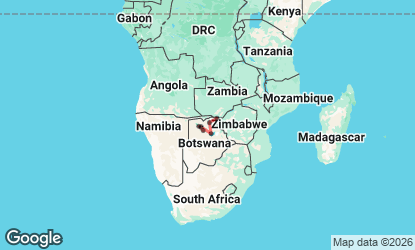
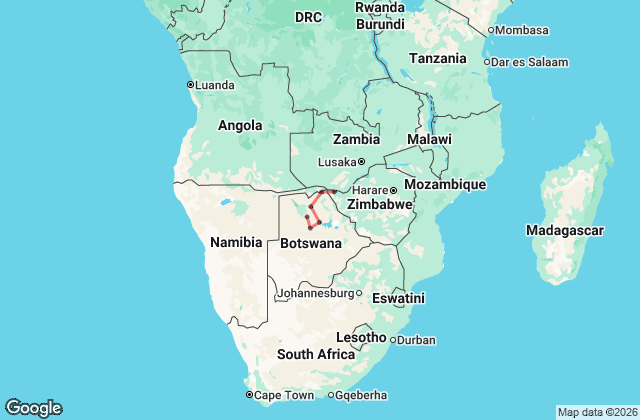
+27 (0) 21 448 0997During this unforgettable guided safari, you will visit protected wildlife areas in Botswana and you will be staying at a lodge located close to Victoria Falls, Zimbabwe, which is a must do. Traveling through Zimbabwe and Botswana on this trip is affordable and a fantastic experience. A trip to these countries can offer you a taste of their diversity. Lodges, guest homes, and bungalows will be your accommodations during your travels.
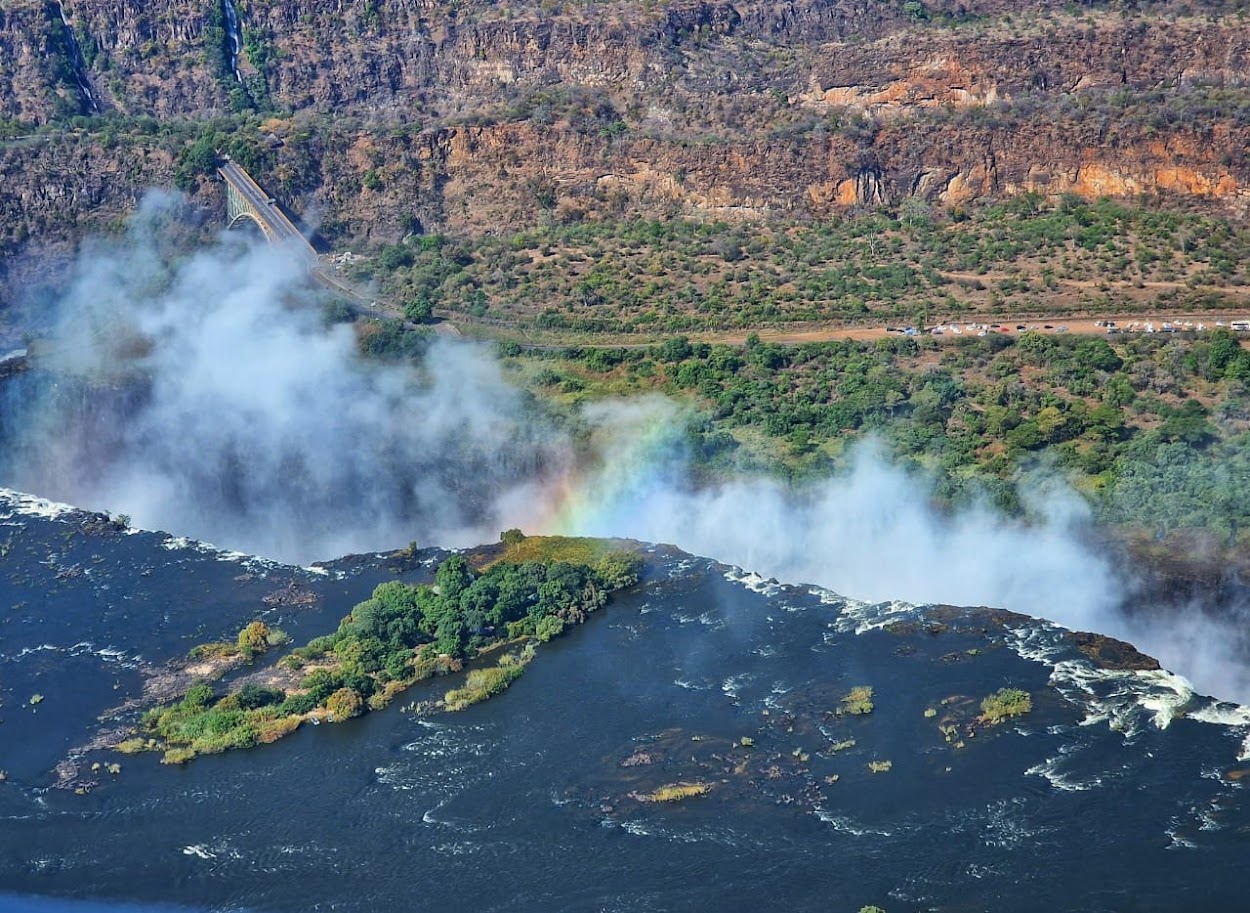
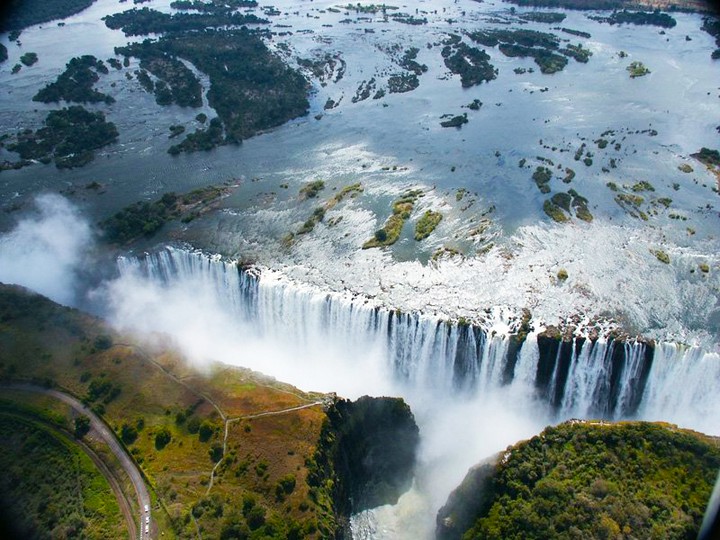
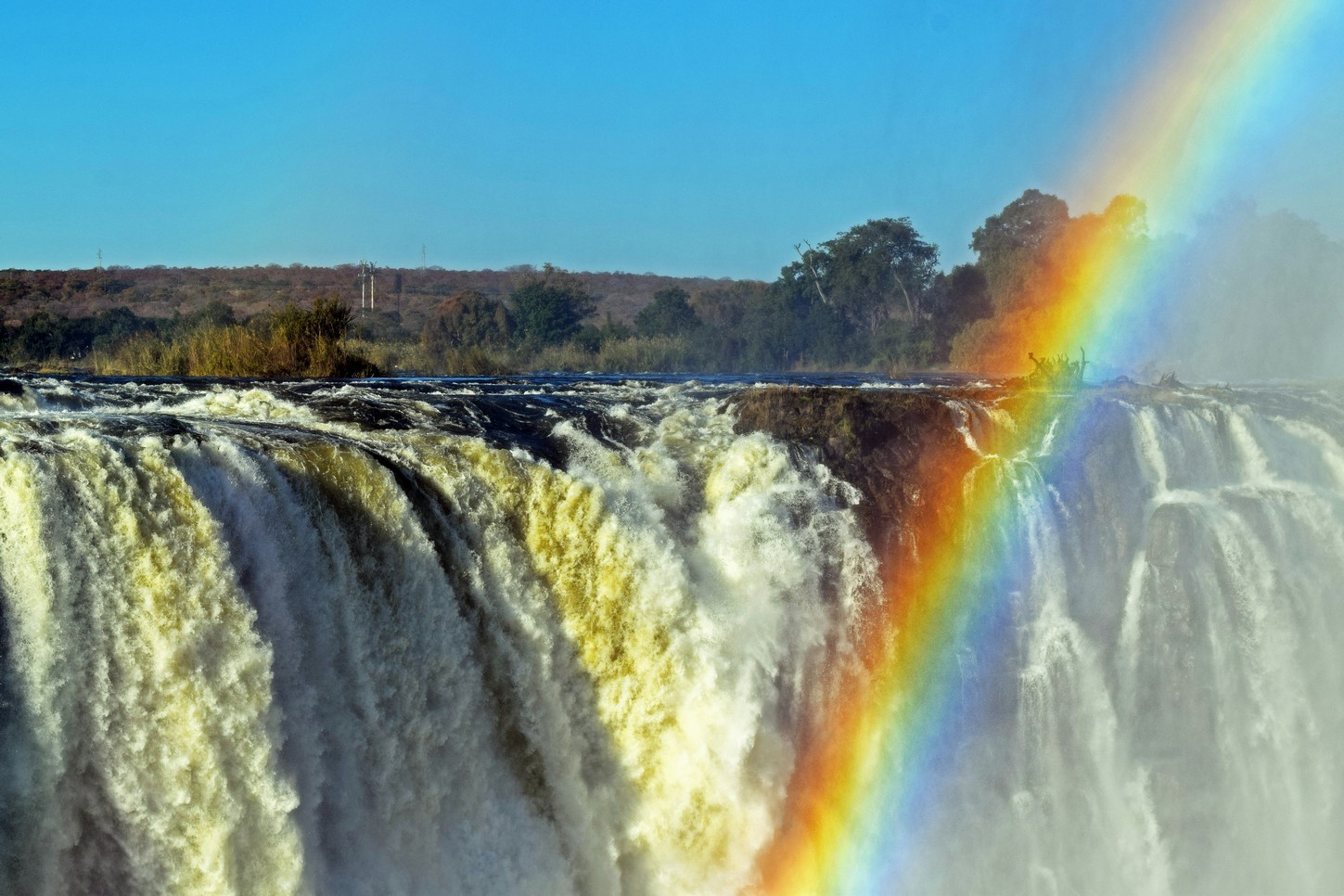
At Victoria Falls, your adventure begins with a stay at a comfortable lodge. Please contact us if you need assistance with pre-safari arrangements, including airport transfers (extra cost). Your afternoon is free for you to relax or explore Victoria Falls town and its many activities.

Pioneers Victoria Falls Lodge or similar
The rest of today is yours for exploring Victoria Falls Town further. If it is not pre-booked, please ask the lodge reception for details about white water rafting, canoeing, and helicopter flights over Victoria Falls.
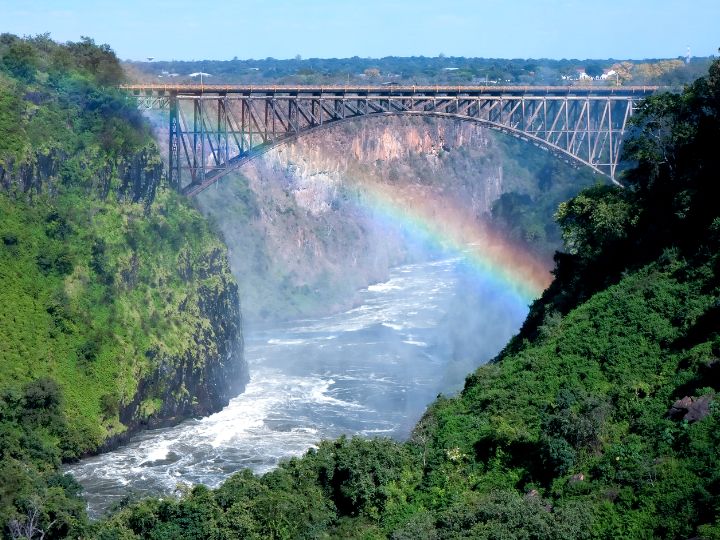
Pioneers Victoria Falls Lodge or similar

Breakfast

White Water Rafting, Canoeing on the upper Zambezi, Helicopter flights over Victoria Falls
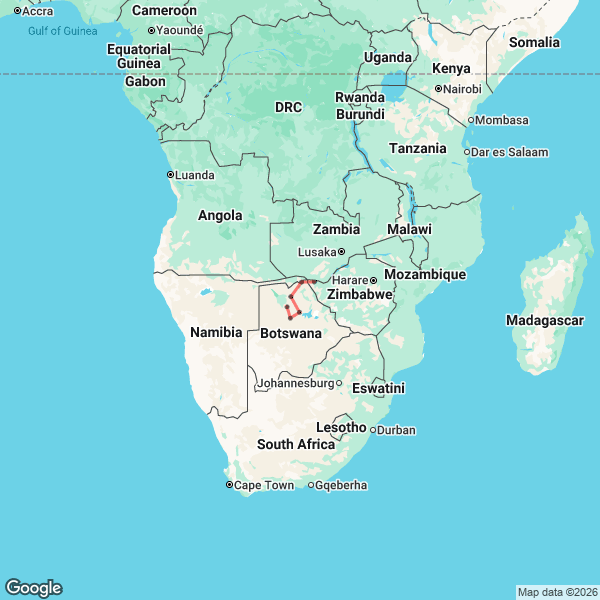
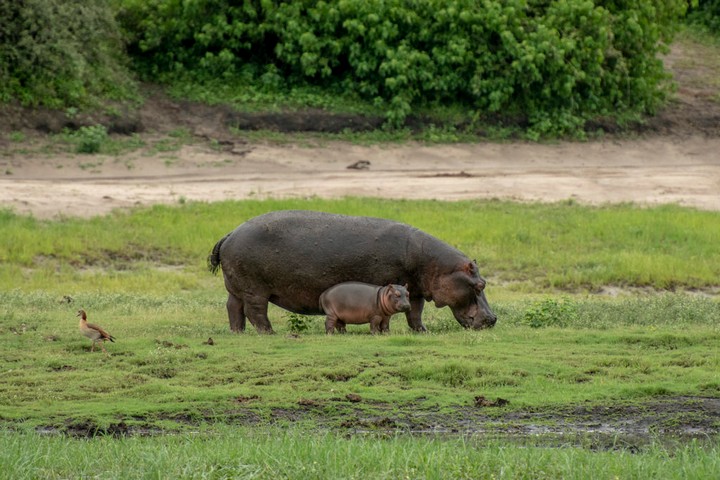
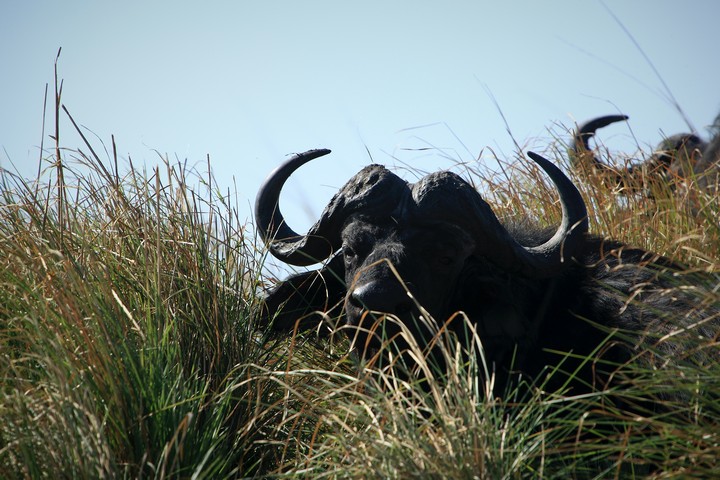
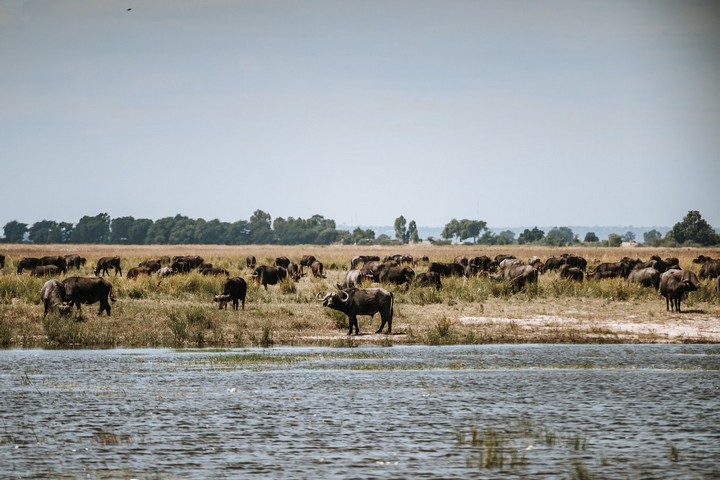
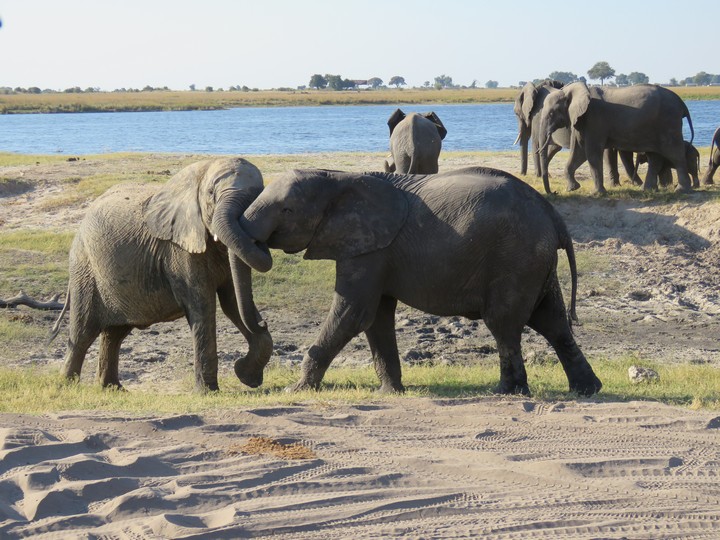
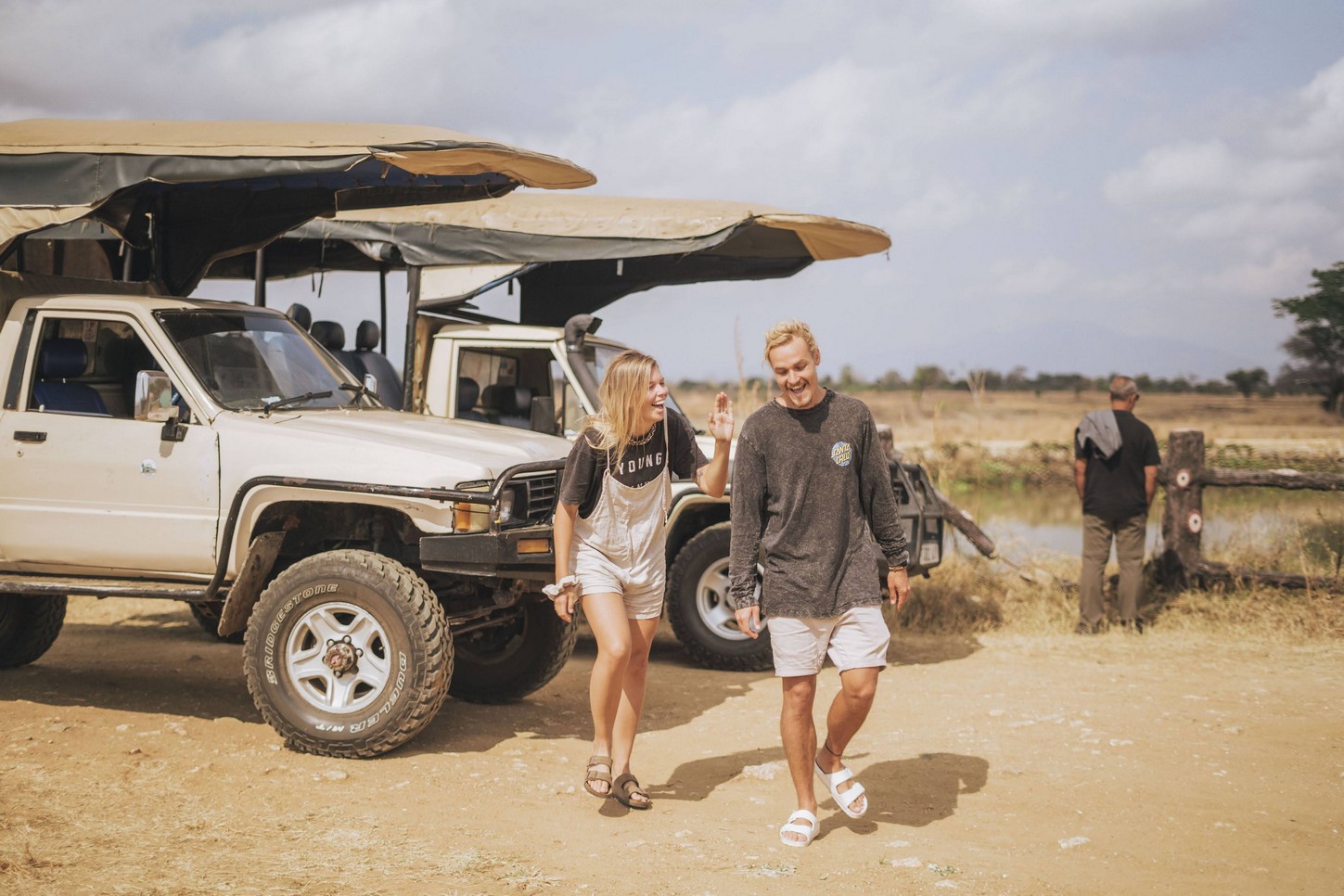
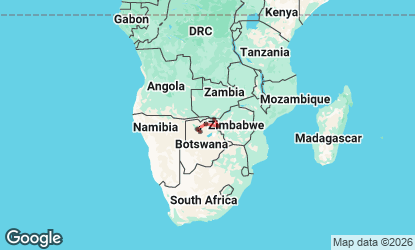
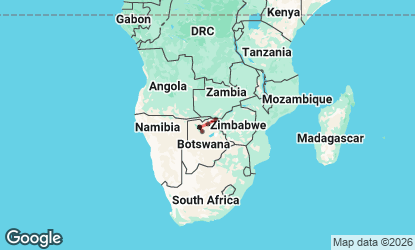
After a relaxed lodge breakfast, your journey begins with a seamless transfer, where your expert safari guide awaits to unveil the wonders of Chobe National Park. Settle into a charming, rustic camp nestled on its edge, keeping your eyes peeled for wildlife en route. Prepare to be awestruck by Chobe’s year-round abundance, thanks to the life-giving Chobe River, drawing massive elephant and buffalo herds, and attracting thrilling predator sightings like lions and leopards. Your stay at Chobe Elephant Camp includes exhilarating game drives and captivating boat cruises, offering unparalleled wildlife encounters within this iconic park.

Chobe Elephant Camp or similar
Breakfast x2, Lunch x2, Dinner x2

Chobe National Park Game Drive and Boat Cruise on the Chobe River

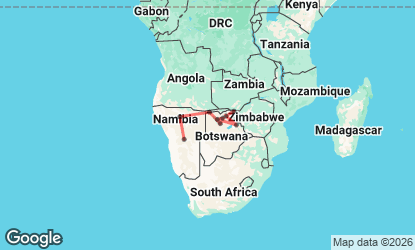
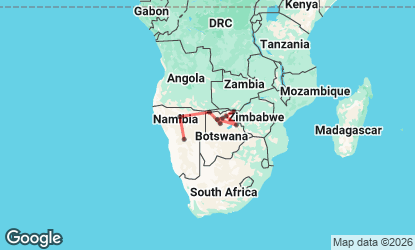
Victoria Falls – Chobe
±160km

±3½ hours driving (plus border crossing)
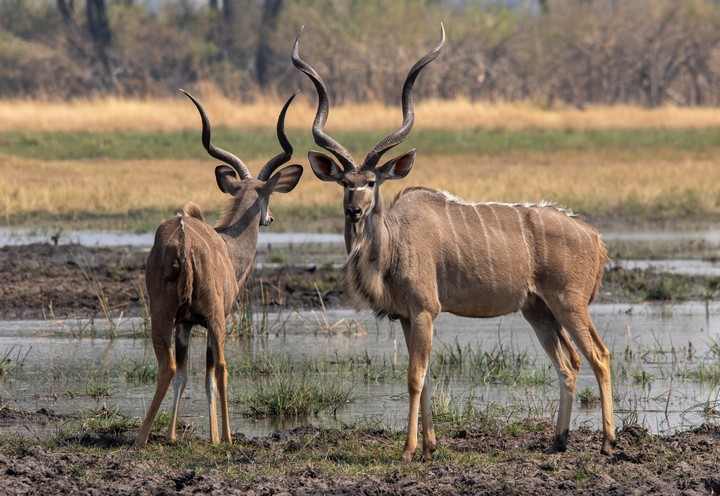
Leaving Chobe, you will travel south through the Savuti area, stopping for a picnic lunch before arriving in the Khwai River region. This area borders the famous Moremi Game Reserve and is considered one of Botswana’s premier wilderness spots. For three nights, your base is Khwai Guest House, located in a traditional village. You will spend your days searching for diverse wildlife and birds in the Khwai Concession. A highlight of this leg is the mokoro excursion—a traditional dugout canoe trip where a local poler will guide you through the quiet tributaries, revealing the hidden gems of the water system.

Khwai Guest House or similar
Breakfast x3, Lunch x3 Dinner x3
Moremi Game Reserve Game Drives, Mokoro Excursion
Chobe – Khwai Guest House
±200 km
±10 hours (including game drives)
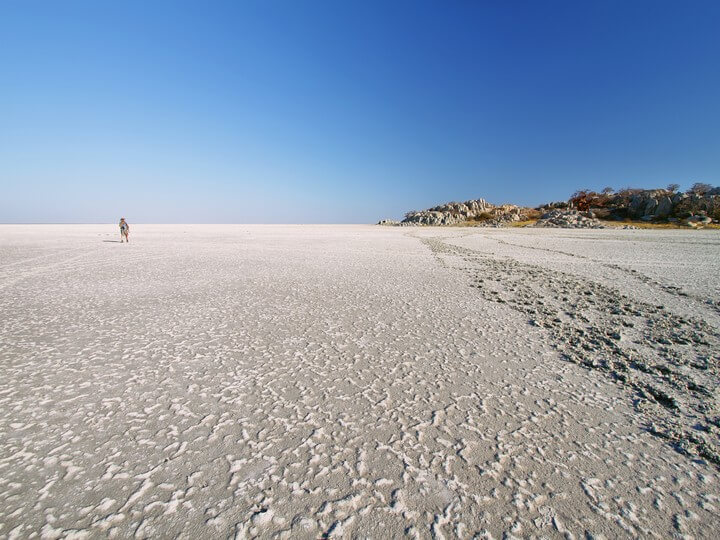
Traveling south to Maun will inspire you with its beauty. In the morning, you will be able to book an air transfer that will take you to Maun in an hour, including a 45 minute scenic flight, at a rate to be discussed with your guide/agent during the safari, with payment being made in cash only (USD). After enjoying a bit of curio shopping in the local market, you can have lunch at a local restaurant (lunch is at your own expense) while waiting for the guide and the rest of the group to arrive. We will then take you to your next lodge, located just outside the Makgadikgadi National Park, overlooking the Boteti River in Khumaga village, an oasis on the edge of the Makgadikgadi National Park. In the afternoon, you can relax by the pool or spend some time relaxing on the lounge while enjoying the view.
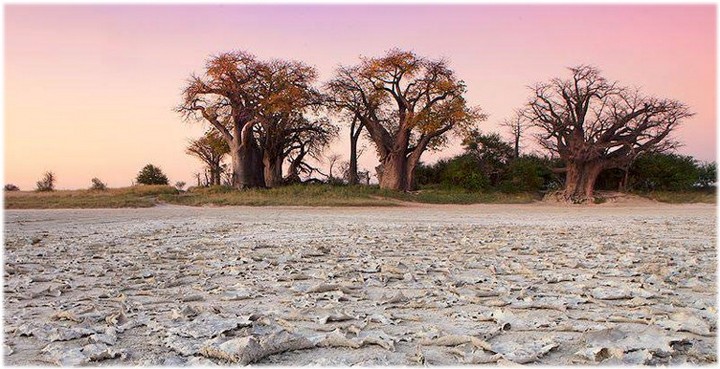
Boteti River Camp or similar
Breakfast, Dinner
Makgadikgadi National Park surrounds
Helicopter transfer to Maun (45 minutes, rate TBA by your guide)
Khwai – Boteti River Camp
±340 km
±6 hours by road (excluding lunch stop over)
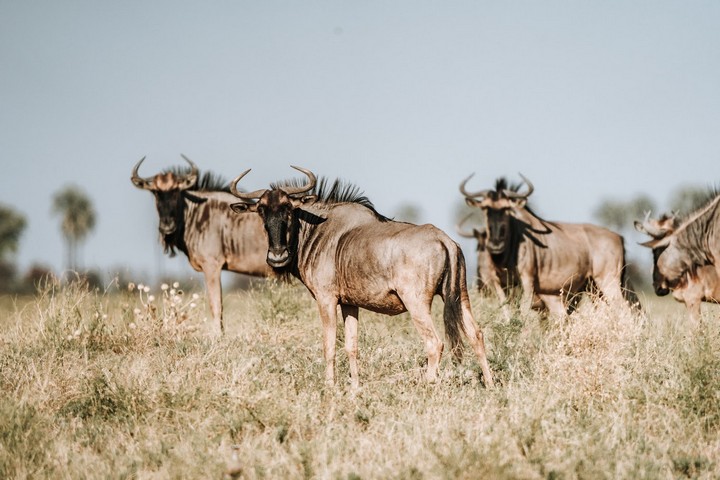
After breakfast, you will journey approximately 180km to the Deception Valley Private Reserve on the northern border of the Central Kalahari Game Reserve. Our accommodation, The Dune Camp, offers spectacular views of the Kalahari valleys. This leg of the trip focuses on desert-adapted wildlife, such as oryx, cheetahs, brown hyenas, and the famous black-maned lions. The cultural highlight of the trip takes place here: a nature walk with a local San tracker who will share their captivating culture and knowledge of the bush. Enjoy the vast open spaces and crystal-clear night skies.

Dune Camp or similar
Breakfast x2, Lunch x2, Dinner x2
Game Drive along the Boteti River, Game Drives, Deception Valley Private Reserve – Guided Nature walk (Local San Tracker)
Boteti – Deception Valley Private Reserve (northern border CKGR)
±180 km
±4 hours
You will depart early in the morning for Maun Airport, where your safari will officially end at 12h00.
Breakfast
Optional Activities available on this tour at your own expense
Price From
R69,932
Price Disclaimer: Tour is Priced Low Season USD 4195 (Jan to May, Nov & Dec) | High Season USD 4580 (Jun to Oct)
Single Supplement USD 750
Price fluctuations occur based on the season. For more information please speak to your travel consultant
*Currency estimated. Tours are Based in South African Rand (ZAR) and converted on the day. Some Tours are Based in EUR/USD
EXTEND MY TOUR
Price From
R63,785
What are you looking for?
Get advice and suggestions to make this your perfect trip.
or call us on:
+27 (0) 21 448 0997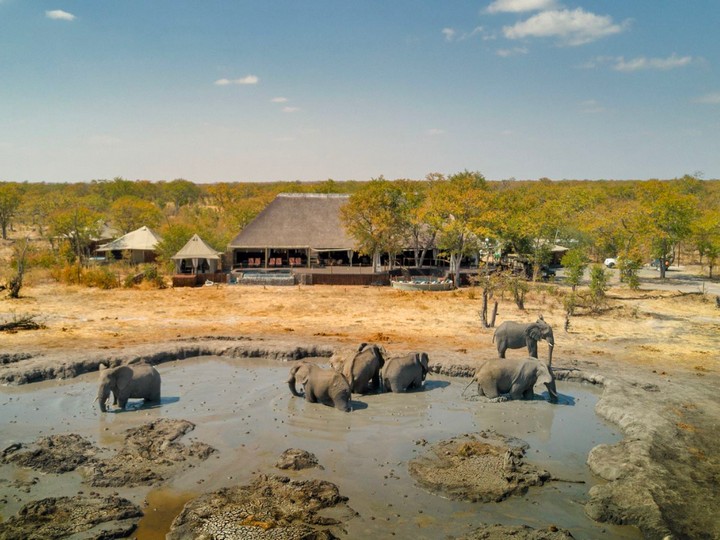
Price From
R101,175
Price From
R116,299

Price From
R100,334

Price From
was
R48,350
R43,515

Price From
was
R63,750
R57,375
Chat to our experts to help you plan your dream trip.

Yes to both! Independent adventurers can enjoy trekking, wildlife, and scenic variety and mature travellers can experience historic Rovos Rail journeys through Hwange and to Victoria Falls.
The Cape Town to Victoria Falls tour is offered in both a camping and an accommodated version. On the classic camping & lodge tours, accommodated guests and campers travel together on the same custom-built truck, and meals are prepared by the crew. The main difference is the sleeping arrangement: accommodated guests stay in rooms, while campers use tents.
Laundry facilities are available in Cape Town, throughout South Africa, Johannesburg, Maputo, Swakopmund, Victoria Falls, Dar es Salaam, Zanzibar, Kampala and Nairobi. Often for a small fee, you can have your laundry washed on your behalf. Most camps (excluding remote camps) have hand-washing facilities. A handy tip: you can buy a small box of eco-laundry detergent from your local camping store or once in Africa.
Best Overall Months: June to October and January to February
If you’re looking for a sweet spot for both Southern and East Africa, the dry season from June to October and January-February is widely considered the best time to visit. Why?
Dry weather easier travel and fewer mosquitoes
Peak wildlife viewing animals gather around waterholes and are easier to spot
Cooler temperatures especially pleasant in places like Namibia, Botswana, and Kenya
Southern Africa (South Africa, Namibia, Botswana, Zimbabwe, Zambia)
Best months: May to September
June–August: Excellent for safaris; cool mornings, dry days
September–October: Hotter, but fantastic for wildlife as animals cluster near water
November–April: The green (rainy) season — landscapes are lush, but wildlife is harder to spot and roads can get muddy. Great for birdwatching.
Top pick: July or August — dry, clear, and great for game drives in Kruger, Chobe, and Etosha.
East Africa (Kenya, Tanzania, Uganda, Rwanda)
Best months: June to October and January to February
July–September Prime time for the Great Migration in the Serengeti and Maasai Mara
January–February Short dry season, good for safaris and gorilla trekking
March–May Long rains — travel is still possible, but muddy conditions and wildlife dispersal can be a challenge
Top pick July or August — Great Migration + ideal gorilla trekking conditions in Uganda and Rwanda
| Highlight | Best Time |
|---|---|
| Classic safaris | June – October |
| Fewer tourists | May or November |
| The Great Migration (Kenya/Tanzania) | July – September |
| Gorilla trekking (Uganda/Rwanda) | June – August, January – February |
| Victoria Falls at peak flow | March – May |
| Budget travel | Green season (November – April) |
Zimbabwe is generally safe for guided groups, but certain areas (e.g., Chizarira) are very remote with limited cellular coverage and basic medical access. Insurance that includes emergency evacuation is vital.
Zimbabwe offers several less-traveled but equally rewarding destinations such as Chizarira National Park, Bvumba (Vumba) Mountains, Mount Selinda / Chirinda Forest, Nyanga National Park and the Chinhoyi Caves.
Many nationalities including South African passport holders do not require a visa for stays up to 90 days. However, because overlanding involves multi-region travel, and if you are planning to visit neighbouring countries such as Namibia or Zimbabwe, you may require a double-entry visa. Essentially, it is always best to check the latest visa requirements with the Botswana Embassy or consulate in your country.
Should you be arriving from or transitioning through a country with a risk of yellow fever transmission, you are required to present a valid yellow fever vaccination certificate, issued at least 10 days before arrival. This is applicable to travellers ages one year and above.
Absolutely, when traveling with a reputable tour operator and taking sensible precautions, overlanding in Africa is generally safe. It’s an adventurous journey, but that doesn’t mean it’s reckless. With experienced crews, well-maintained vehicles, and thoughtful route planning, safety is a top priority.
Here’s how operators ensure a safe and secure experience and what travelers should be aware of:
How our Professional Operators Keep You Safe
Expert Crews
Reputable tours are led by seasoned guides and drivers who know the routes, conditions, and local cultures inside out. They’re trained in first aid, crisis response, and vehicle maintenance, and their regional knowledge is invaluable when navigating remote areas.
Reliable, Purpose-Built Vehicles
Overland trucks and 4x4s are specifically designed for Africa’s rugged terrain. Operators conduct regular maintenance, carry spare parts, and often have support networks along the route, reducing the risk of serious breakdowns in remote regions.
Smart Route Planning
Tours are carefully routed with safety in mind. Operators monitor travel advisories, local conditions, and political developments daily and work closely with campsite managers and local contacts. If a region becomes unstable, they adjust the itinerary.
Hassle-Free Border Crossings
African border crossings can be confusing, but crew-led crossings make things smoother. The team handles paperwork and understands local processes, minimizing delays and avoiding potential complications.
Campsite Security
Most tour campsites are secure, fenced, and often patrolled. Vehicles may include onboard safes for passports, money, and valuables. When wild camping, guides follow strict safety protocols. Common Concerns & How They’re Managed
Petty Theft in Cities
Like in any travel destination, theft can occur, especially in busy urban areas. How it’s handled: You’ll receive advice on staying vigilant, using money belts, avoiding nighttime walks alone, and keeping valuables secure. Tours often limit city stays or arrange secure transport.
Challenging Road Conditions
African roads can range from smooth highways to rough dirt tracks. Wildlife is also a hazard, particularly after dark. How it’s handled: Drivers are trained to handle a wide range of terrain. Most tours avoid night driving altogether to reduce risks.
Health & Illness
Travelers may experience mild illnesses or encounter tropical diseases. How it’s handled: Operators advise on vaccinations and malaria prevention before the trip. Tour leaders are trained in first aid, carry medical kits, and provide guidance on food, water, and hygiene. Travel insurance is mandatory.
Wildlife Encounters
Camping in or near wildlife areas adds to the adventure, but comes with responsibility.
How it’s handled: Guides are trained in wildlife behavior and safety. Campsites are carefully selected, and clear instructions are given about staying within safe zones and respecting animals’ space.
Political Instability
Though rare on tourist routes, unrest can happen.
How it’s handled: Operators continuously monitor regional stability and will reroute or cancel affected sections of a tour if necessary, prioritizing traveler safety at all times.
The Bottom Line
Overlanding in Africa is adventurous — but not unsafe. Traveling with the right operator ensures you’re in expert hands every step of the way, from remote bush camps to border posts.
Still unsure? Check out our traveler reviews and see how hundreds of others found their journey both safe and unforgettable.
Absolutely! Botswana is one of the most sought after destinations in Africa because of its kaleidoscope of wonders. From the life-drenched arteries of the Okavango Delta to the legendary wildlife spectacles within Moremi, Khwai and Chobe, travellers are truly spoiled in this beautiful country. It is also perfect for those looking to explore predator rich areas and birdlife.
The expense of exploring Botswana varies greatly on your chosen travel style. Opting for a tailored, private safari will entail a considerably larger investment than joining an overland tour, and each option has its own set of trade-offs. A private guided Botswana safari allows for travel at your own pace, whereas an overland adventure operates within a specific timeline. Nevertheless, the shared cost of an overland tour makes it more economical, earning you more bang for your buck, without sacrificing the opportunity to encounter some of the world’s best wildlife sightings.
Begin your packing list with essential documents: your valid passport, necessary visas, and comprehensive travel insurance. For your Botswana tour specifically, consider bringing lightweight clothing suitable for fluctuating temperatures, comfortable walking/hiking shoes, flip-flops, insect repellent, sunscreen, a headlamp, and a sleeping bag if camping. Other useful items include a reusable water bottle, personal medications, a quick-dry towel, and a retractable washing line. Given the soft-sided luggage requirement and the emphasis on packing light for overland vehicles, it's wise to consult your travel specialist for tour-specific recommendations, ensuring you bring only essential items.
The best way to tour Africa overland depends on your travel style, budget, and how adventurous you’re feeling but the most popular and practical option for most travelers is to join a guided overland tour. Here’s a breakdown of the best options and what to consider:
Join a Group Overland Tour (Most Popular & Hassle-Free)
Why it’s the best for most travelers:
These are pre-organized tours run by professional operators using rugged, expedition-style vehicles. They handle logistics, safety, accommodation, permits, and border crossings — so you can focus on the experience.
Key Features:
Overland truck or 4×4: Purpose-built for Africa’s roads and terrain
Set itineraries: Ranging from 7 days to 60+ days across multiple countries
Accommodation: Options include camping, lodges, or a mix (see: camping vs comfort)
Inclusions: Transport, some meals, park fees, and a crew (guide + driver, sometimes a cook)
Group size: Typically 6–20 travelers
Ideal for: Solo travelers, couples, and anyone who wants a mix of adventure and convenience
Best for first-timers, bucket-listers, or those who want a deep, immersive experience without doing all the planning.
Self-Drive Safari if you have off-road driving experience (Independent & Flexible)
Best for experienced travelers who want full control and don’t mind handling logistics. You can rent a 4×4 (often with a rooftop tent), plot your own route, and camp or stay in lodges. This is only recommended for Southern Africa do to road conditions and safety.
Pros:
Full freedom and flexibility
Ideal for travel in South Africa, Namibia, Botswana (great road infrastructure)
Great for families or friends traveling together
Cons:
Requires planning, confidence, and navigating cross-border rules
Not recommended in some East African countries due to road conditions or safety
Best for: Return visitors, adventurous couples, or travelers with off-road driving experience.
More questions? Let the Experts help
LET THE EXPERTS HELP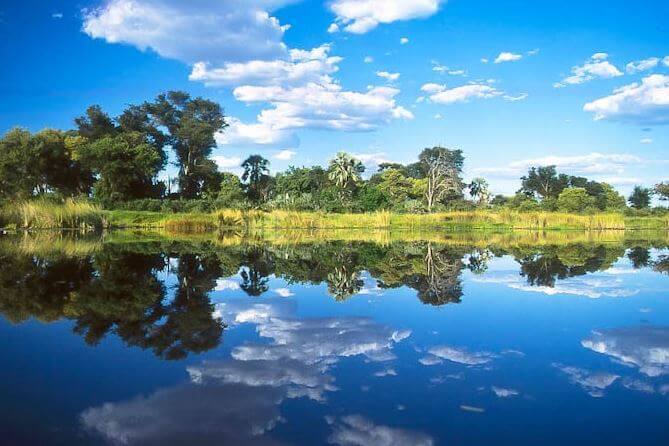
Ever heard of a country with elephants for neighbour’s and salt pans like moonscapes? Welcome to Botswana, a treasure trove of fascinating facts just waiting to be discovered! While we can speak about this incredible destination for hours, we thought…
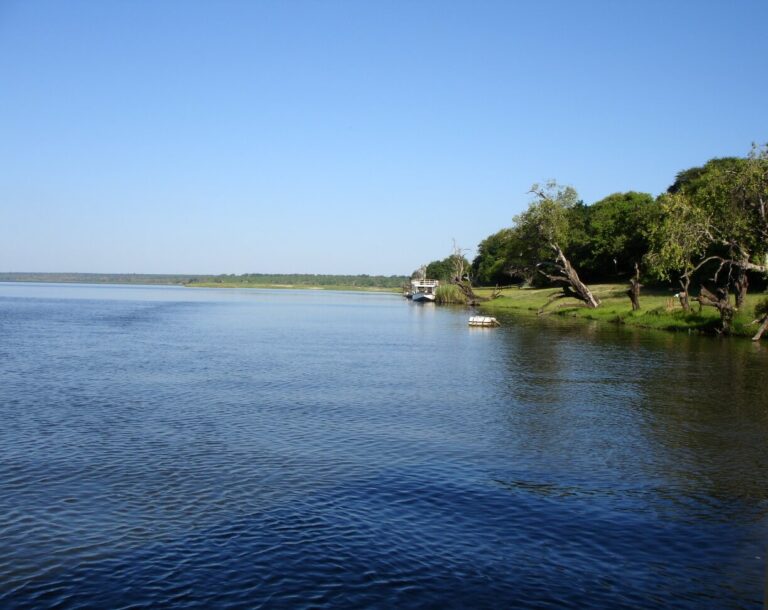
Landlocked Botswana may not get as much press as South Africa or Tanzania in the tourism world but it should definitely be on your bucket list if you love African wilderness, wildlife and epic landscapes. From the waterways of the…

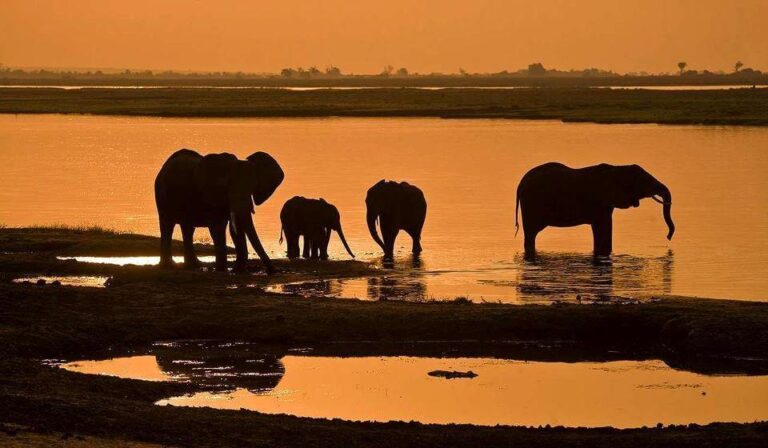
Chobe National Park in northern Botswana is one of the very top safari destinations in Africa thanks to its incredible concentration and diversity of large wildlife. In fact, it’s believed to have the highest density of elephants anywhere in the…

To the rookie traveler, Maun holds little interest. At face value, it’s an outback town of tour operators and nondescript buildings sprawled out over kilometers with not much of a discernible center. The cows and dogs will look both ways…

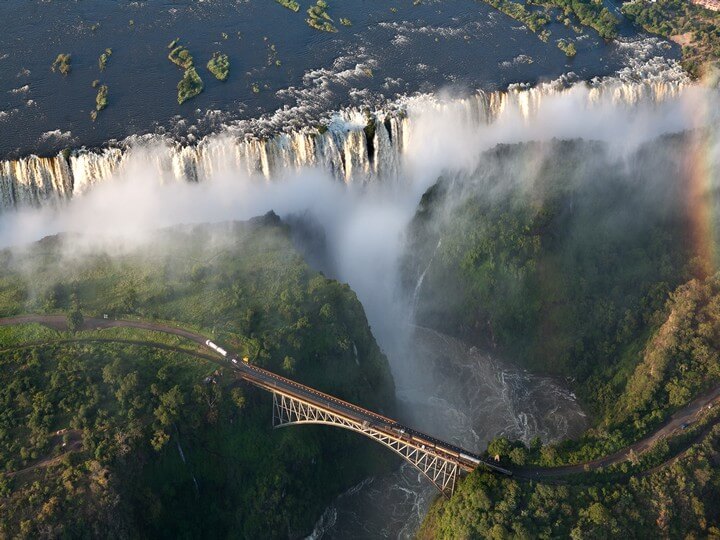
Zimbabwe has suffered major political and economic turmoil in the past decade which has led to a huge downturn in tourism. Over recent years, however, the country has become more stable, leading to a slow rise in travellers coming back.…
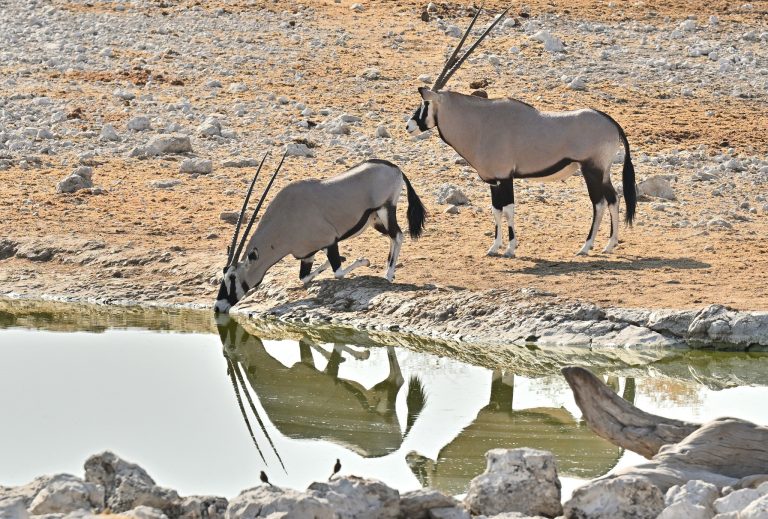
Southern Africa is where National Geographic documentaries come to life, where you’ll have experiences most people only see on television. From the world-famous Kruger National Park to the water wonderlands of the Okavango Delta, Southern Africa offers safari adventures and…

Southern Africa is home to dozens of UNESCO World Heritage Sites – Here’s a List of 11 of the best From South Africa up to Malawi, and from Namibia on the west coast across to Mozambique, you can find many…
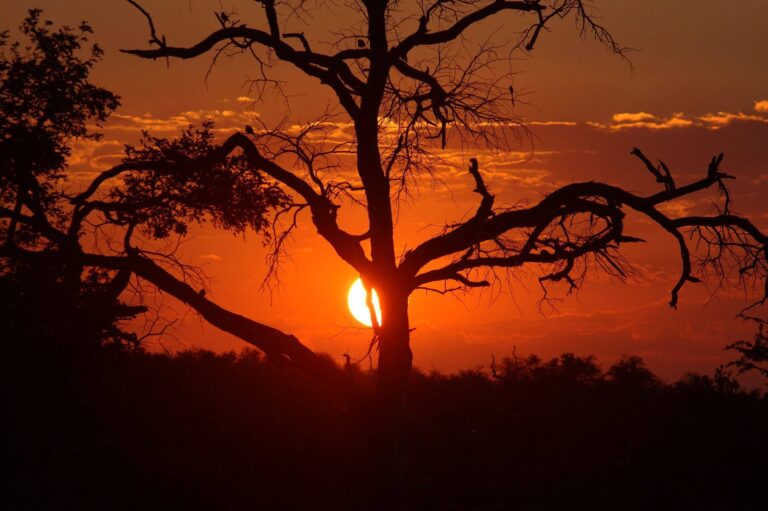
Looking for some literary inspiration before you begin your African safari, or a good read to keep you occupied on your African overlanding trip? Here’s our pick of the best books about Africa, which span the range of fiction, memoir, journalism…

When is the best time to visit Africa? If you’re planning a tour to Africa, knowing the best time to visit Africa can make all the difference in your experience. The continent’s vast and varied landscape offers unique adventures every…
Price From
R69,932
11 Day Victoria Falls and Botswana Safari
https://africanoverlandtours.com/wp-content/uploads/2025/08/view-of-vic-falls-zim.jpg
https://africanoverlandtours.com/tours/11-day-victoria-falls-and-botswana-safari-southbound-accommodated/
"*" indicates required fields