Timing is everything when it comes to planning a holiday. So let’s discuss the best time to go to East Africa.
The geography and climate of East Africa vary wildly from region to region, so the best time to visit depends heavily on where you want to go and what you want to do.
East Africa has tropical beaches, glacier-topped mountains, thick rainforests, dry savannah, cold highlands, and much more. Understanding regional climates and local seasons is therefore important to help you plan the incredible adventure you have in mind.
That said, I can tell you upfront that one month – September – is your safest bet if you want to travel around and do lots of different sorts of activities! But more on that at the end of the blog post. Let me now break down the seasons according to activity to help you plan your perfect itinerary.
Best time to go to East Africa for a safari
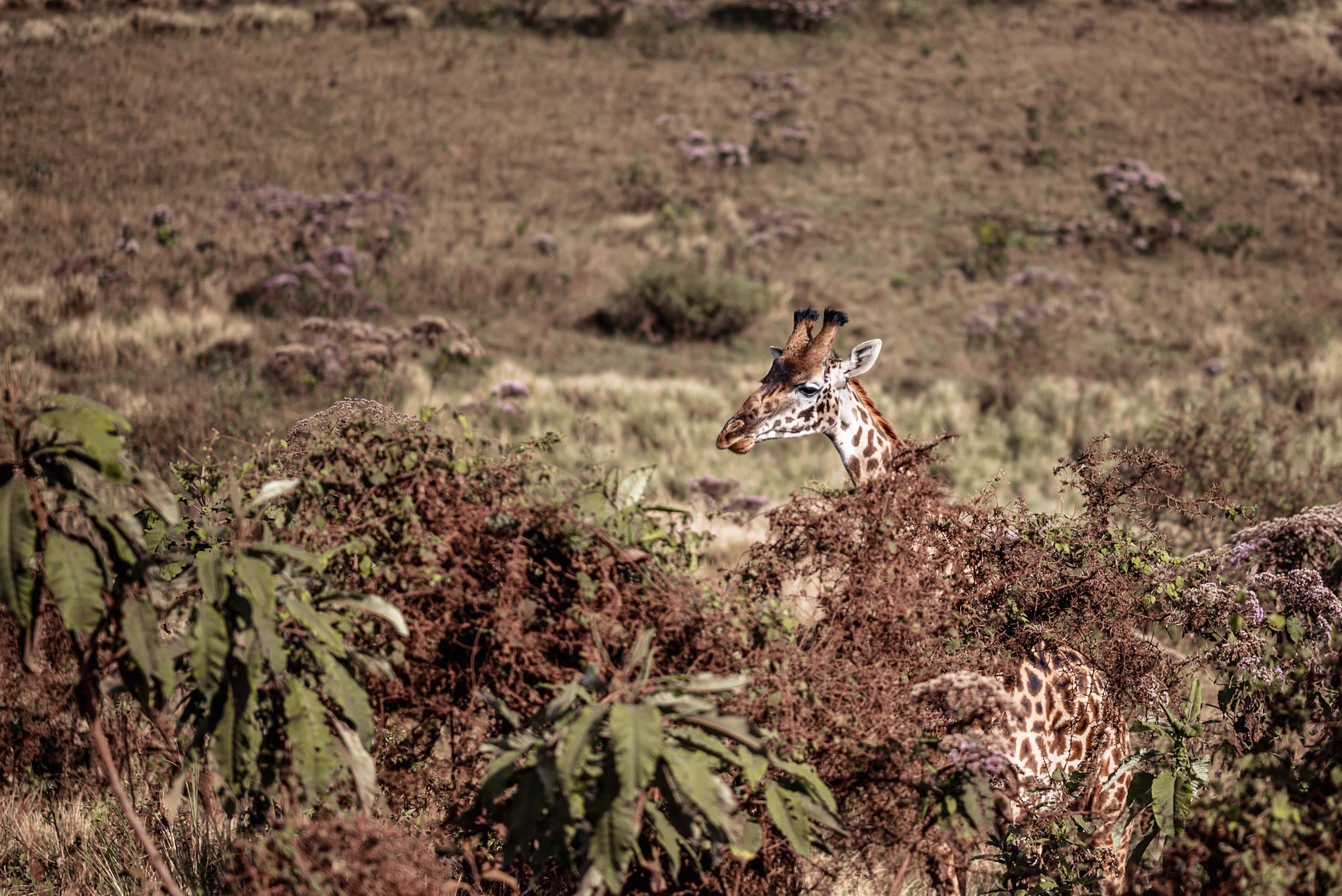
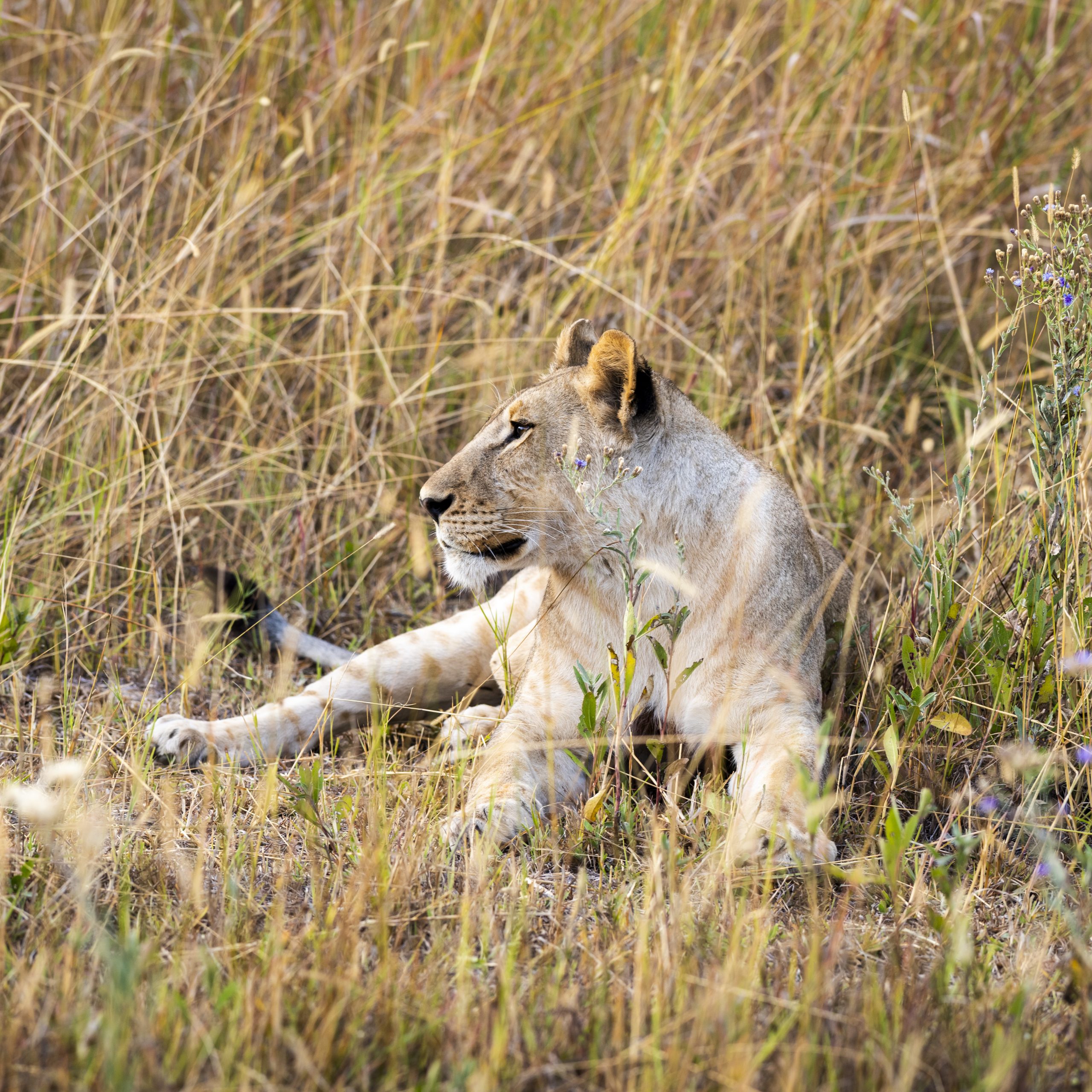
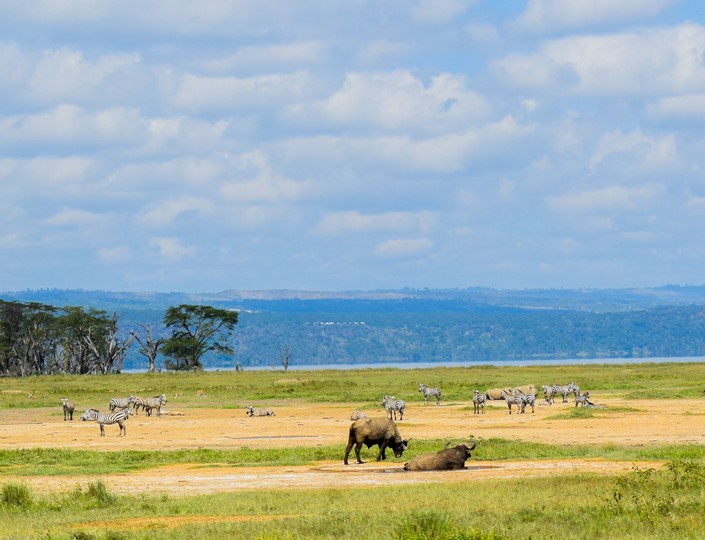
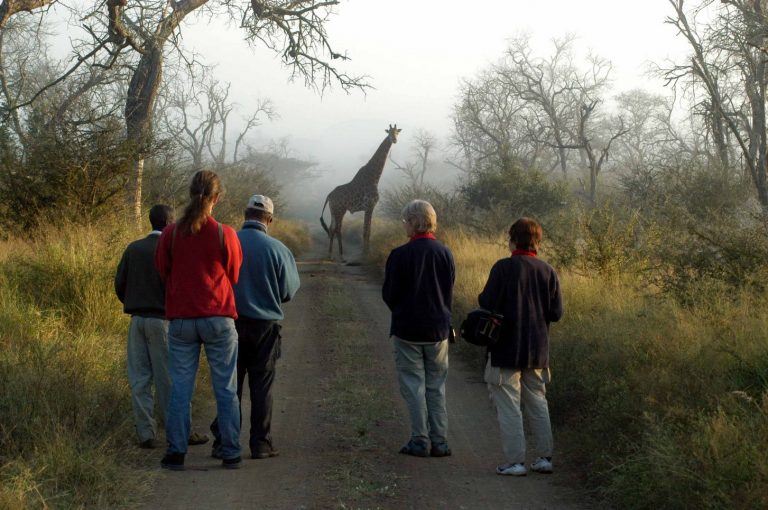
Most folks coming to East Africa from abroad are keen to go on safari, as it’s one of the world’s very best safari destinations. Tanzania and Kenya are the most popular destinations, but Uganda and Rwanda also have excellent safari parks.
Generally speaking, the best time of year if you’re a first-time safarigoer is during the long dry season, which runs from mid-June to October. I say this for a few reasons.
Firstly, the vegetation is thinner during these months, making it easier to spot small or elusive animals. There’s also little rain or humidity, so you enjoy clear skies and no haze. It’s also not so hot during the day, which for many is a plus.
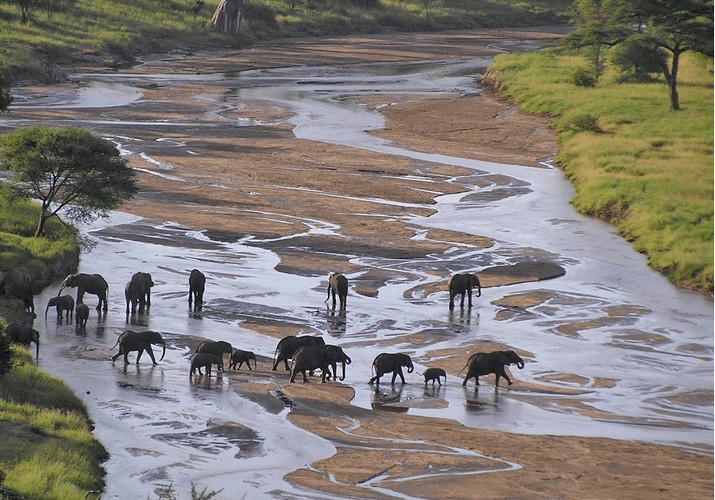
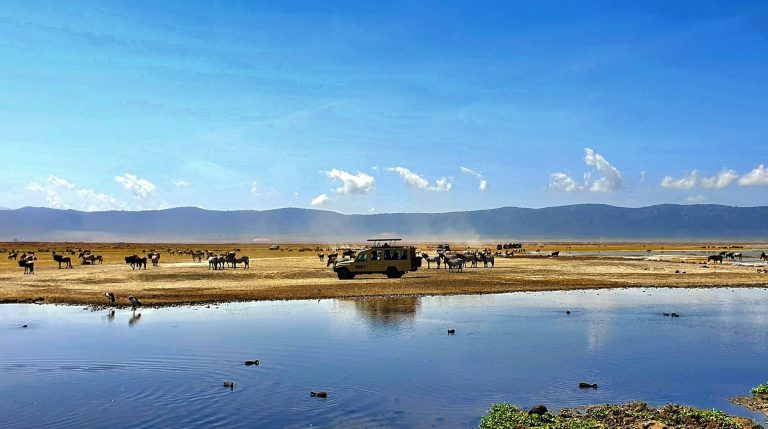
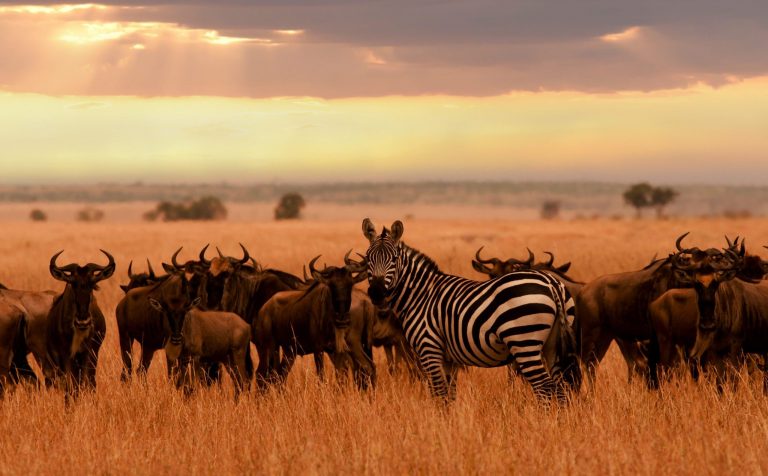
Furthermore, as the water sources dry up, animals congregate around permanent rivers and waterholes. Not only does this mean your guide knows where to find them, but you often enjoy scenes comprised of various species.
The other dry, and therefore popular, safari season is the short dry season of December to March. The landscape is usually greener and prettier at this time.
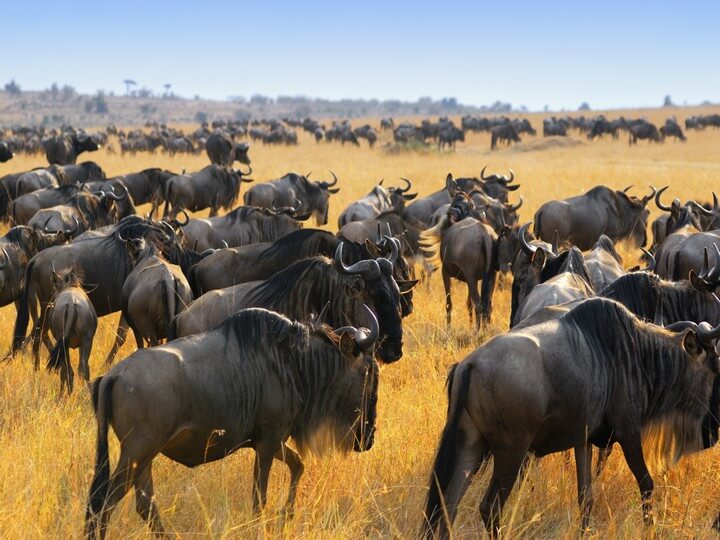
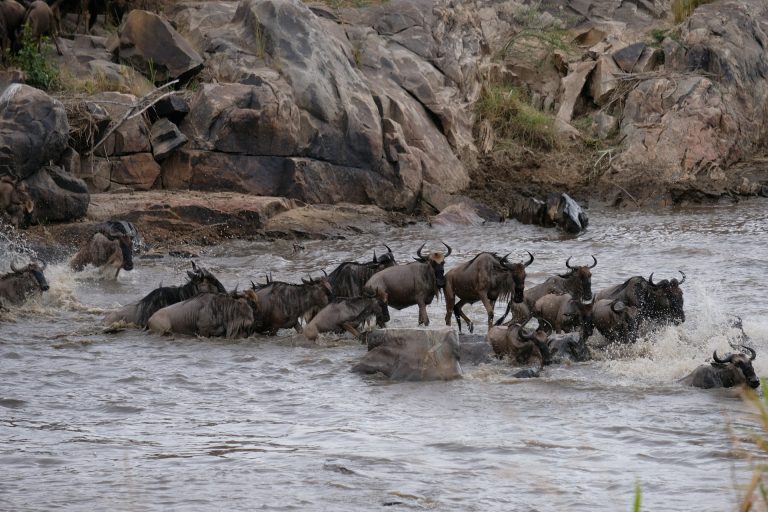
January and February are also calving season, when newborn antelopes, giraffes, warthogs, and elephants must find their legs, so to speak. If you want to see lots of baby animals, head to the southern Serengeti between mid-January and the end of February, as that’s where the female wildebeests of the Great Migration give birth to hundreds of thousands of calves each year! Predator activity is very high at the time too, given all the vulnerable newborns.
Nature & Wildlife, Big 5 Safari, Migration Safaris
Nature & Wildlife, Wilderness Walks, Gorilla Trekking, Mountain Adventures, Cultural Immersion, Big 5 Safari, Migration Safaris
Nature & Wildlife, Big 5 Safari, Migration Safaris
Nature & Wildlife, Cultural Immersion, Big 5 Safari, Migration Safaris
Best time to go to East Africa for birdwatching
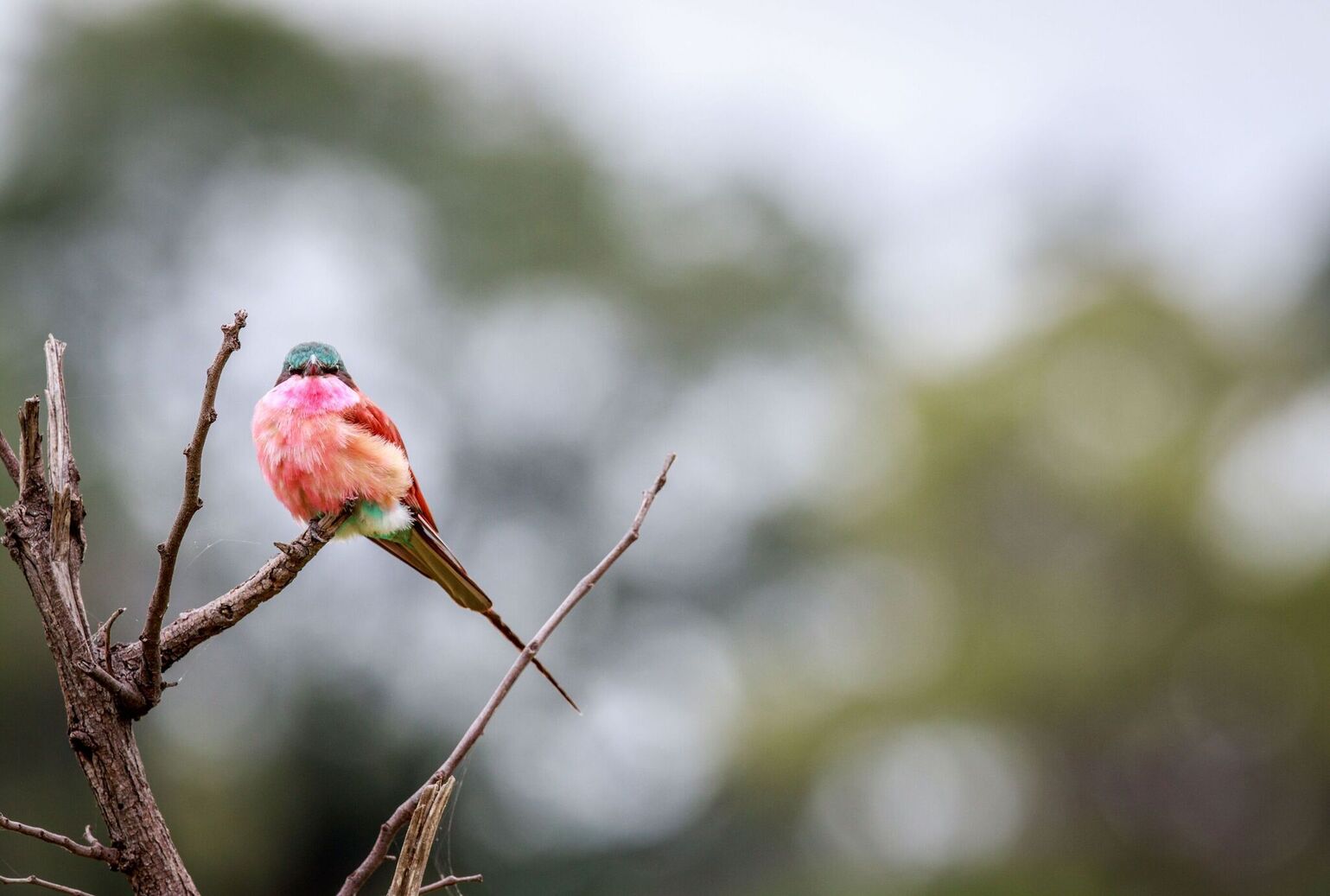
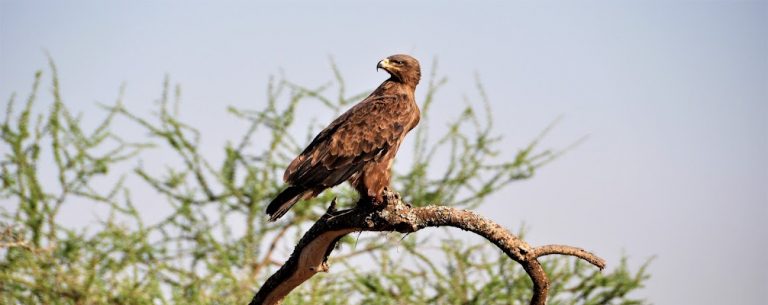
East Africa is one of the world’s premier birding destinations, especially from November to April, as that’s when many migratory birds arrive from Europe and Asia.
The most rewarding months for birding in East Africa are arguably January and February. I say this because a great number of species are present, many are in their beautiful breeding plumage, and the weather is relatively dry, so you have reasonably good visibility and road conditions.
Note that the best time to see flamingoes at Lake Natron is from June to November. I mention this specifically because the lake is the primary breeding ground for approximately 75% of the world’s lesser flamingoes. They start to appear in greater concentrations at the start of the long dry season, as the water level recedes. Then, they breed from August to October. And in November, the eggs usually hatch.
Best time to go to East Africa for a beach holiday
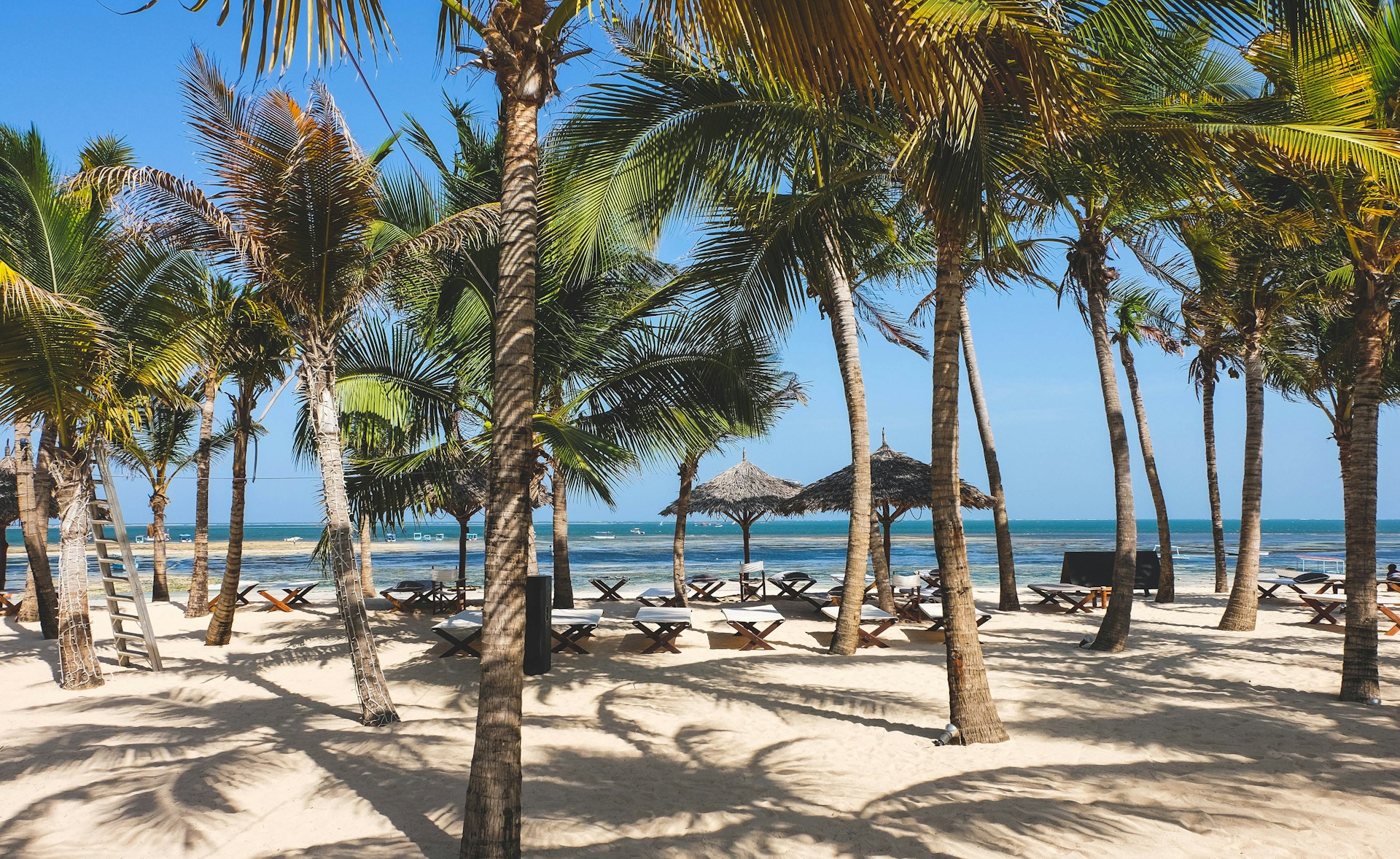
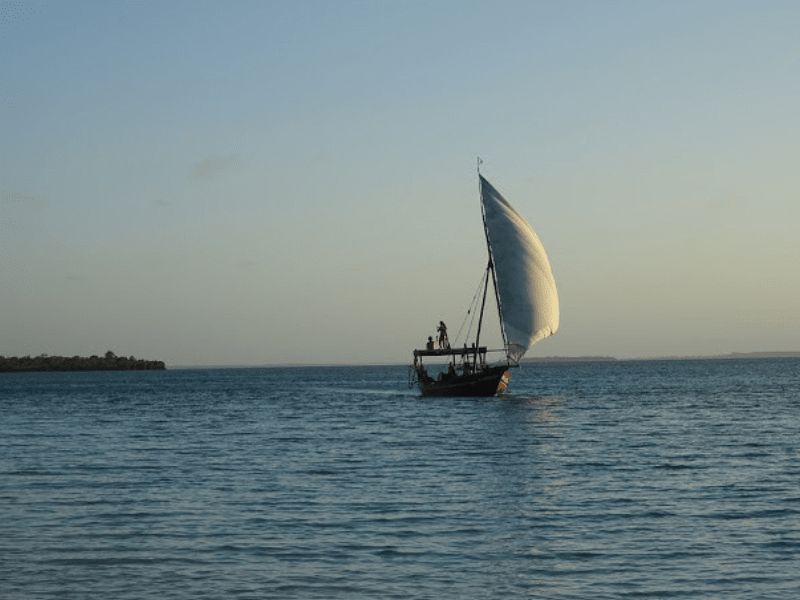
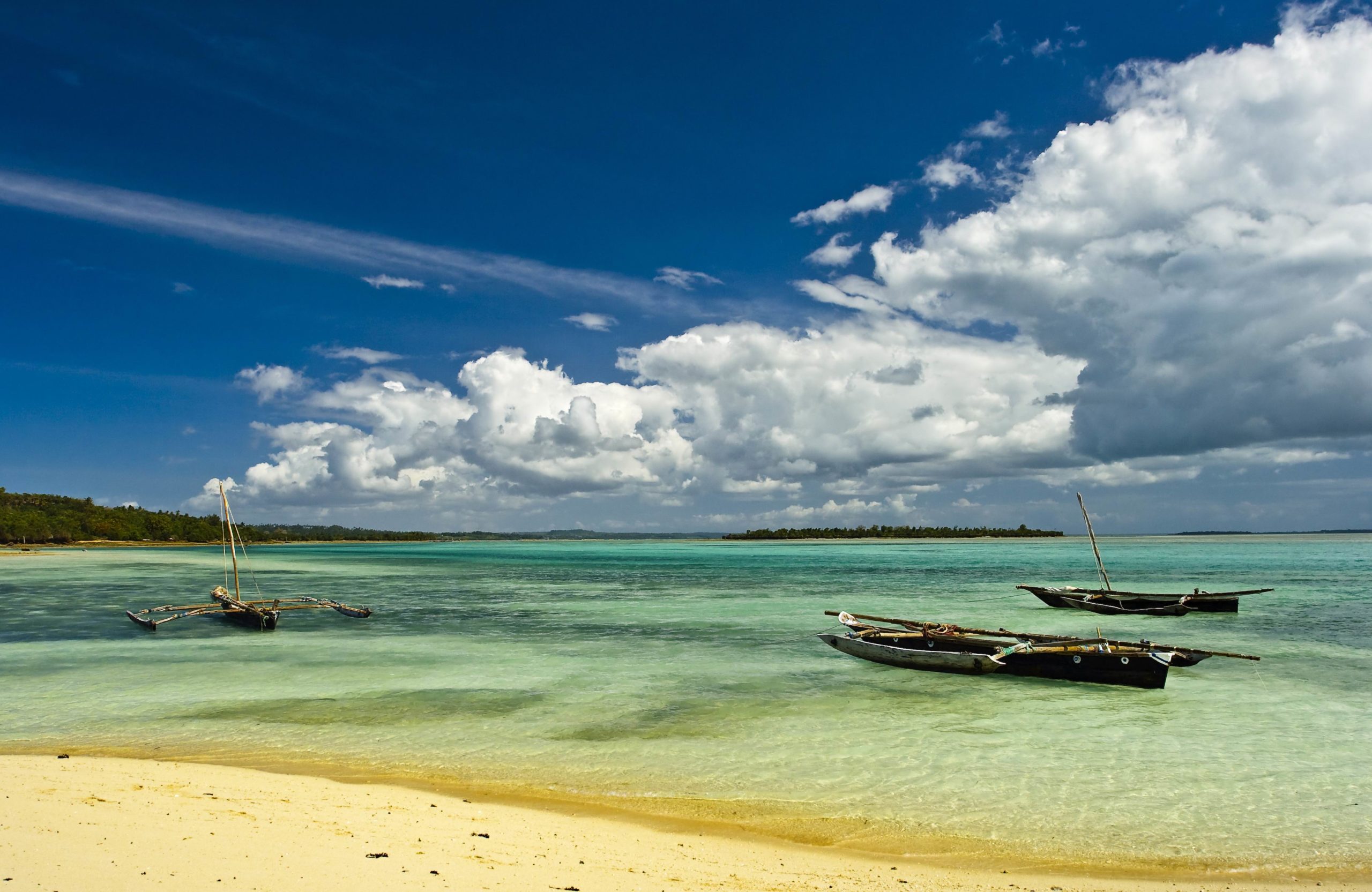
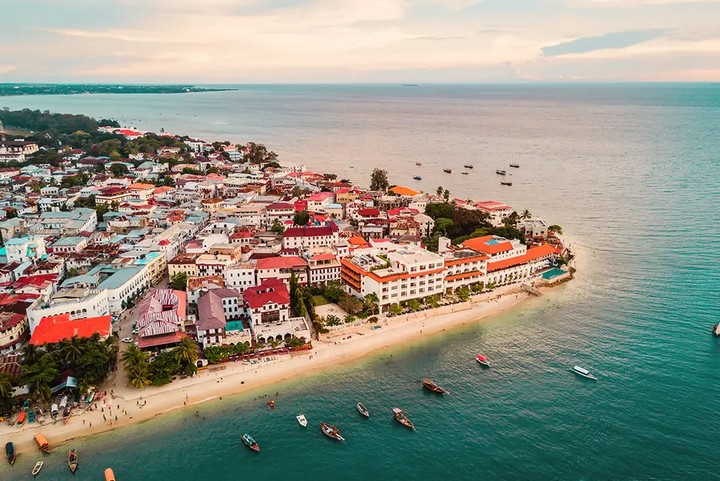
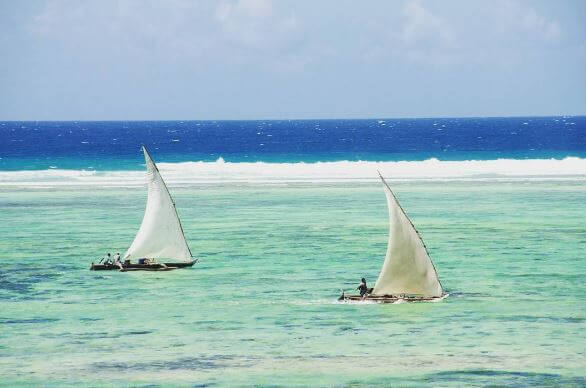
East Africa boasts some of the world’s most beautiful coastlines and archipelagos, including Zanzibar and Mafia Island. The best time to go to East Africa for a beach holiday is typically from June to August, as this is when the weather is hot and dry. December to February is also hot and dry (hotter, even), but it can be humid too, which not everyone likes.
For those who want to explore the coral reefs of East Africa, whether as a snorkeller or diver, know that September to March is generally considered the prime window. This is when the sea is calmest, and visibility can reach up to 30 metres.
If you’d like to swim alongside whale sharks, you should visit between November and February. Migratory humpback whales pass through East Africa’s coastal water between July and October, with the middle months being your surest bet for sightings.
Best time to go to East Africa for mountain climbing
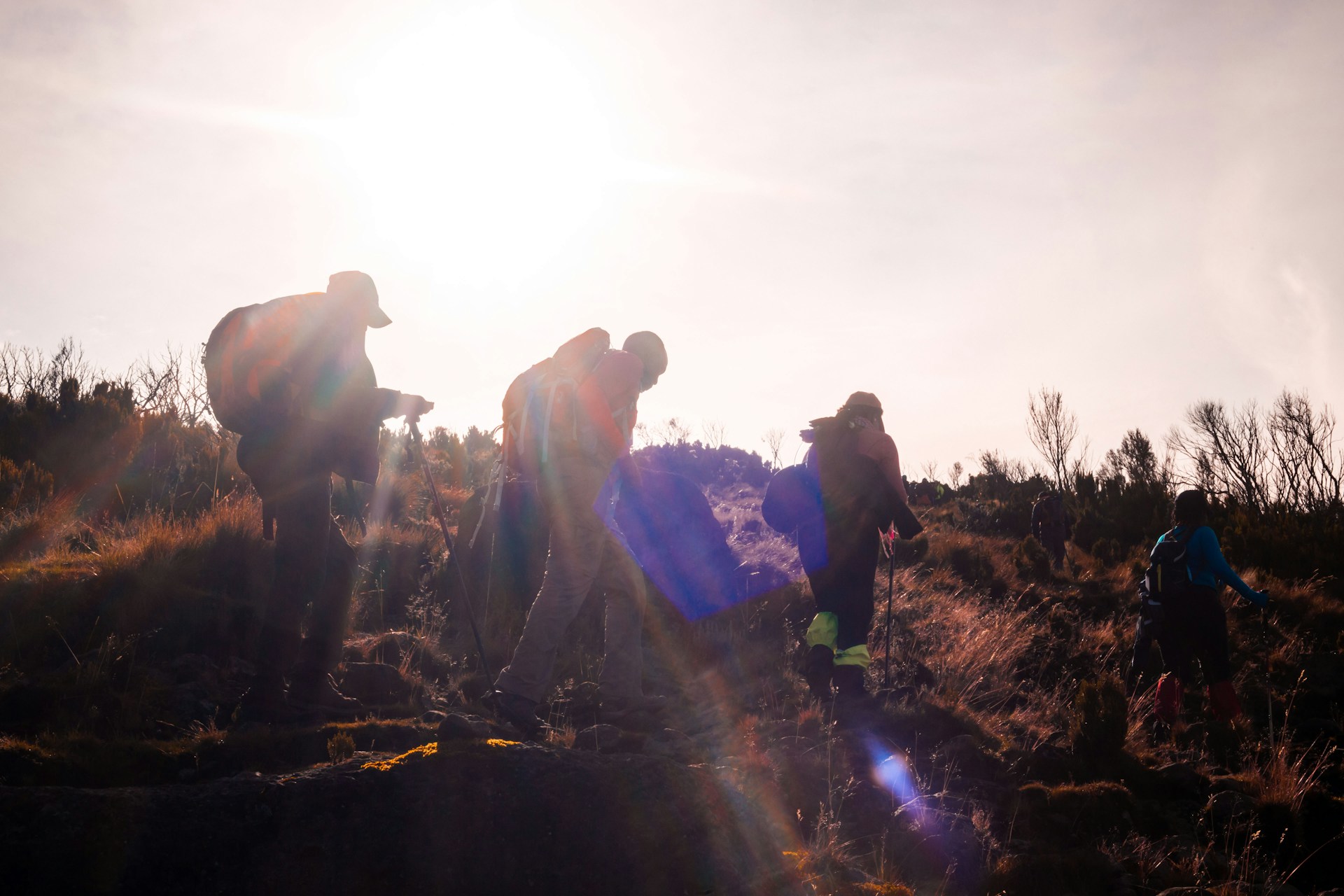
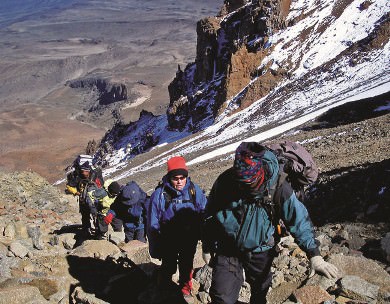
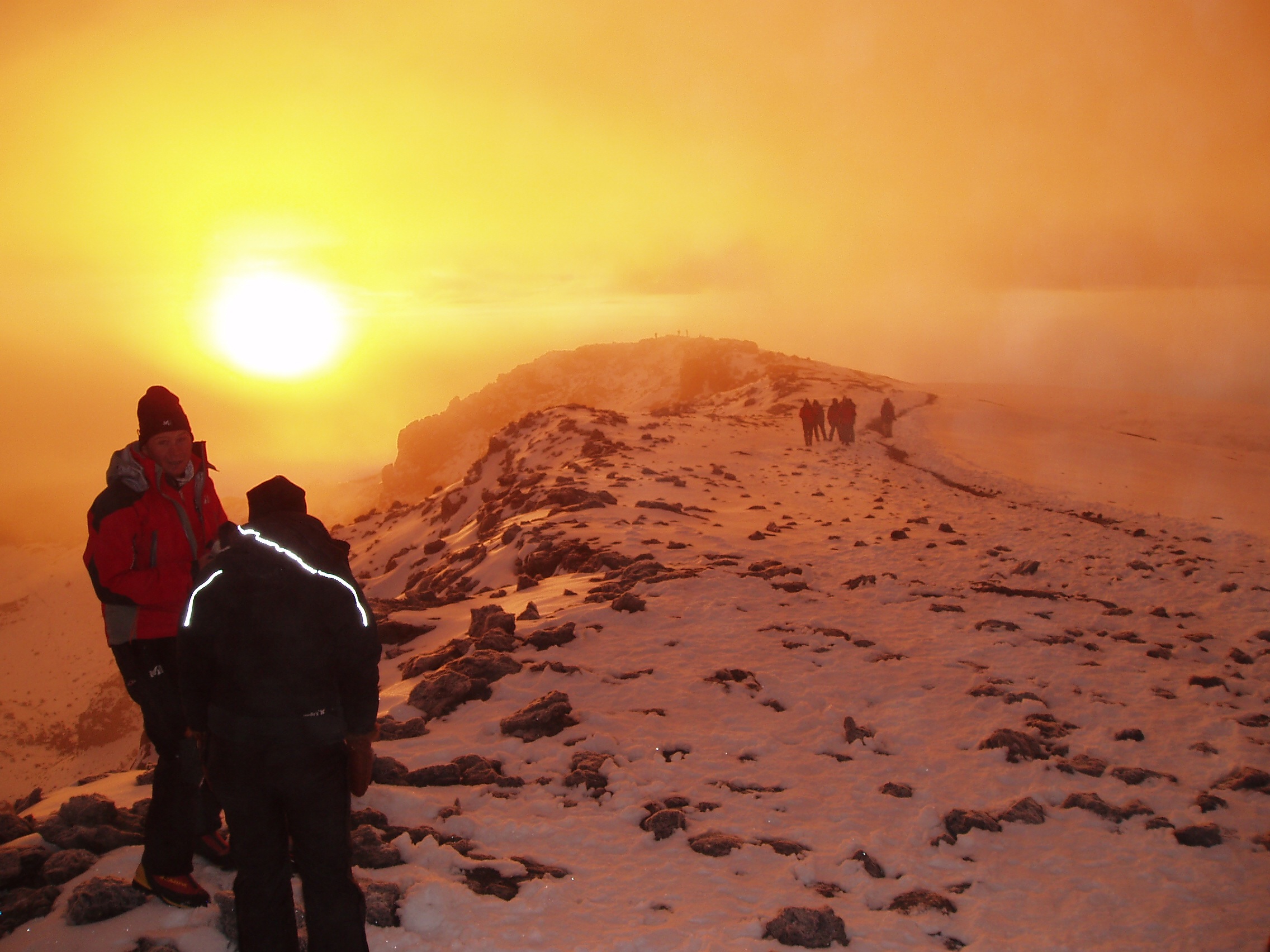
East Africa offers many challenging and rewarding mountain climbs. You can scale one or more of her famous volcanic peaks, like Mt Kilimanjaro or Mt Kenya, or head into towering mountain ranges like the Rwenzoris of Uganda. On most such treks, you often start climbing in a tropical rainforest and then quickly ascend into arctic climates supporting glaciers and seasonal snow. So understanding the weather is critical to your safety, not just your enjoyment of the experience.
The best time to go to East Africa for high-altitude trekking is during one of the two dry seasons: December to mid-March and June to October. During these months (and particularly in the middle of each season), the skies are usually clear, providing breathtaking views. The paths in the lower regions are also drier and therefore safer.
Best time to go to East Africa for mountain gorilla trekking

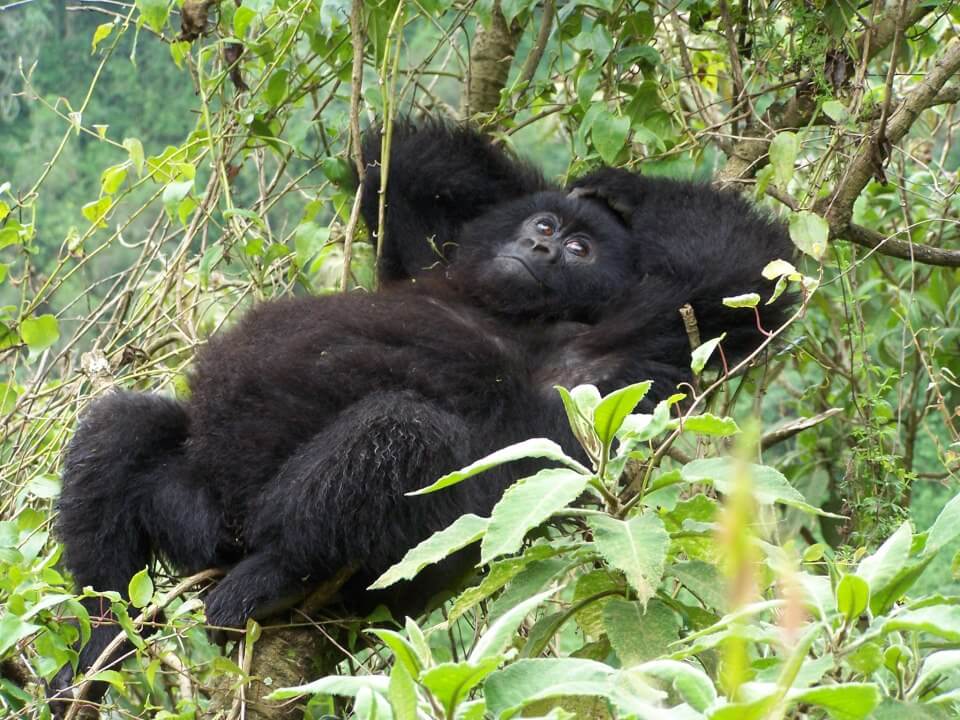
If you go gorilla trekking in Rwanda or Uganda, you ideally want dry conditions since you must navigate your way along sometimes steep trails leading through dense montane jungle. When there’s rain, the paths quickly become muddy and slippery.
The best time to visit East Africa for gorilla trekking is, therefore, once again, during either of the dry seasons. So this means trekking between December and March or June and October, with the middle months being the safest bets.
I must just say that the forests where mountain gorillas live don’t really have dry seasons – they more accurately have wet and less-wet seasons. Showers can and do happen in the drier seasons. So know that even if you choose the driest month, you should still pack waterproof gear and be prepared to trek in wet conditions.
Migration Safaris, Big 5 Safari, Cultural Immersion, Mountain Adventures, Wilderness Walks, Gorilla Trekking, Nature & Wildlife
Gorilla Trekking, Wilderness Walks, Nature & Wildlife, Mountain Adventures, Big 5 Safari
The best month for all tourist activities
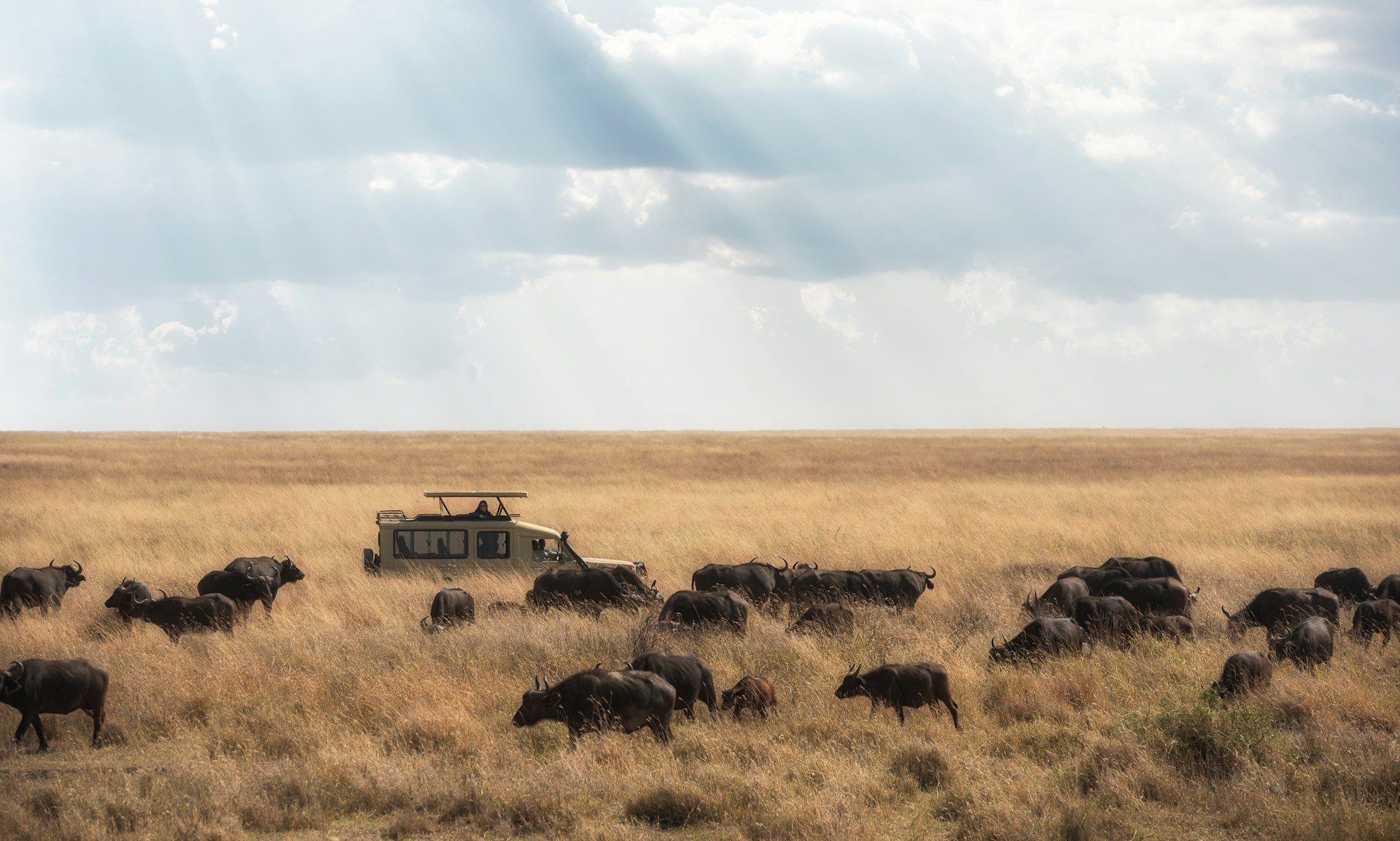
Finally, as mentioned in the intro, if you’d like to combine a few of the above-mentioned activities, like a safari, trekking, and beach escape, into one itinerary, September stands out as one of the most balanced months.
In September, the weather is normally dry and stable, offering good wildlife viewing, safe trekking conditions, great beach weather, and good ocean visibility. It’s only hardcore birders who might look askance at this month. But when you remember the flamingoes of Lake Natron, September once again becomes a great option!
Nature & Wildlife, Beach & Safari, Migration Safaris, Top Beaches
Nature & Wildlife, Beach & Safari, Cultural Immersion, Big 5 Safari, Migration Safaris
Beach & Safari, Mountain Adventures, Top Beaches
Nature & Wildlife, Waterways & Wetlands, Beach & Safari, Wilderness Walks, Gorilla Trekking, Mountain Adventures, Cultural Immersion, Big 5 Safari, Migration Safaris, Top Beaches, Chimp Trekking
Nature & Wildlife, Beach & Safari, Wilderness Walks, Mountain Adventures, Cultural Immersion, Big 5 Safari, Migration Safaris, Dramatic Vistas
Ready to explore?
African Overland Tours specialises in overlanding tours, which is a budget- and environmentally-friendly way to explore East Africa when you want to visit more than on region. Whether you’re looking for a group camping expedition or a private lodge-hopping tour, they can help you plan the perfect East African adventure for you.
Note: This blog post was created in April 2015 by Sarah Duff. It was completely rewritten in May 2026 by Megan Abigail White.