

African Overland Tours
https://www.facebook.com/AfricanOverlandTourscom/
https://www.instagram.com/african_overland_tours/
https://www.youtube.com/@africanoverlandtoursandsafaris
+27 (0) 21 448 0997
Customer Service
Worldwide

African Overland Tours
https://www.facebook.com/AfricanOverlandTourscom/
https://www.instagram.com/african_overland_tours/
https://www.youtube.com/@africanoverlandtoursandsafaris
+27 (0) 21 448 0997
Customer Service
Worldwide
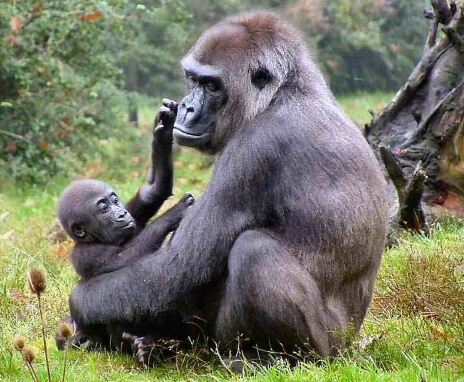
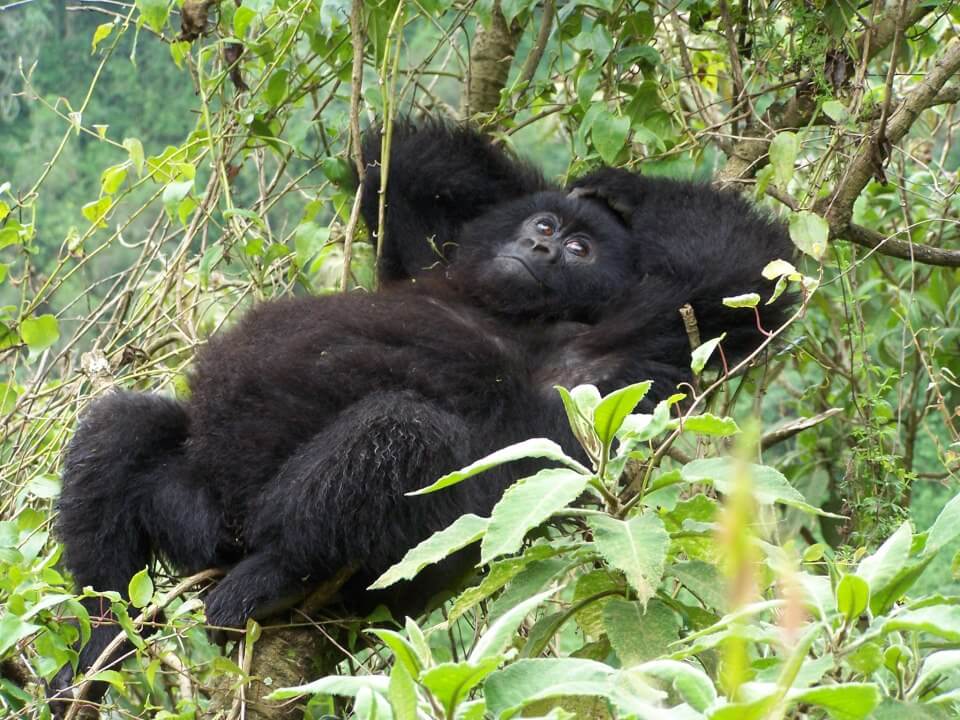
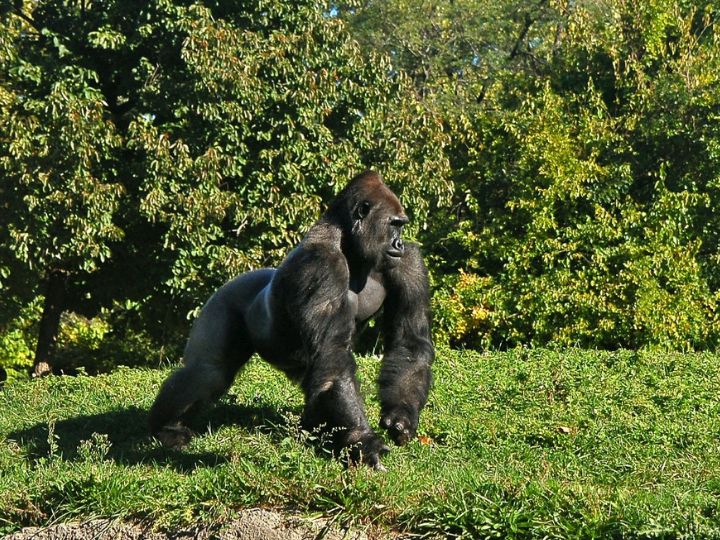
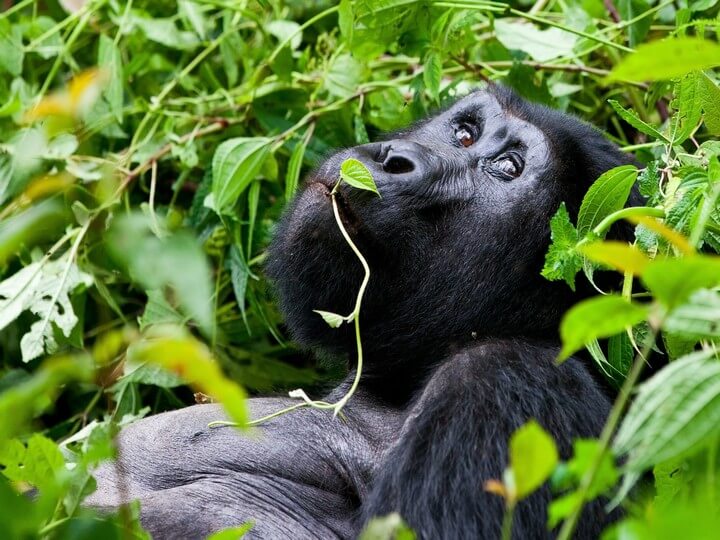
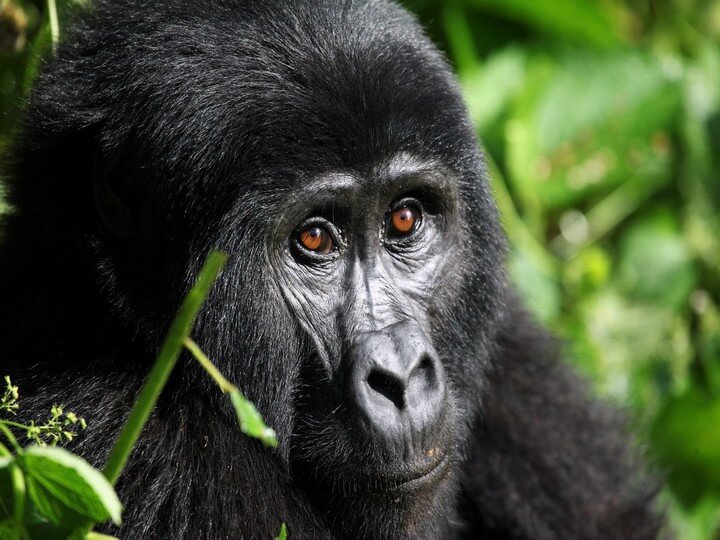
Gorilla trekking in Uganda is one of the most unforgettable highlights on East African overlanding routes, drawing travelers from around the world to the mist-covered forests of Bwindi Impenetrable National Park. Trekking deep into lush jungle terrain to stand face-to-face with endangered mountain gorillas is a rare, once-in-a-lifetime wildlife encounter that perfectly complements a classic African safari circuit.
Overlanders appreciate Uganda’s well-managed permits, knowledgeable local guides, and scenic mountain landscapes, creating an immersive experience that goes far beyond traditional game viewing. Whether you’re adding gorilla trekking to a broader East Africa adventure or planning a dedicated route through Uganda, this bucket-list activity offers authentic cultural connections, breathtaking scenery, and unforgettable close-up wildlife moments, making Uganda an unmissable stop on any overland journey.

1


Price From
R61,450
2
Price From
R137,399
3
Price From
R93,460
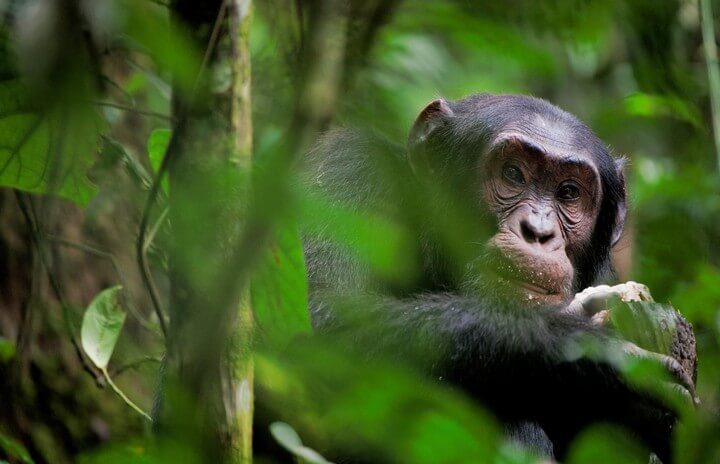
While not as well known as mountain gorilla tracking, chimpanzee tracking is just as thrilling. Chimp tracking is much more challenging than gorilla tracking because the chimps move along the treetop canopy faster than you can run through the forest! Needless to say, this is an immensely exciting experience and when you catch up to the chimps it’s rather magical to observe them.
Kibale Forest National Park is the best place in Uganda to go chimp tracking with over 1000 of the apes living in this region. Either spend a few hours tracking a habituated group or take the whole day to do a chimp habituation experience. The unique chance to visit a chimp group undergoing habituation from when they wake up in the morning to when they make their overnight nests is truly magical.
1
Price From
was
R117,300
R105,570
2
Price From
R91,399
3
Price From
R73,760
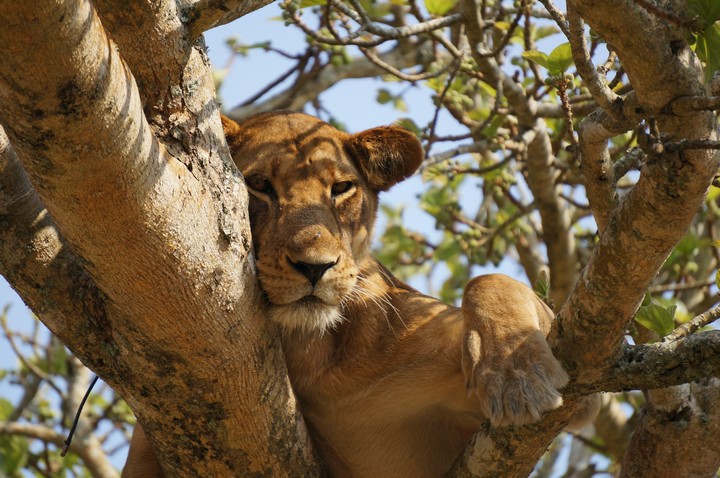
There are only two places in the world where lions climb trees namely Lake Manyara National Park in Tanzania and Queen Elizabeth National Park in Uganda. In the Ishasha region of the park, you can see lions draped over the massive branches of giant fig trees surveying the landscape below them. Most certainly these sightings are incredibly special, even for experienced safari goers.
2


Price From
R161,150
3

Price From
R51,500
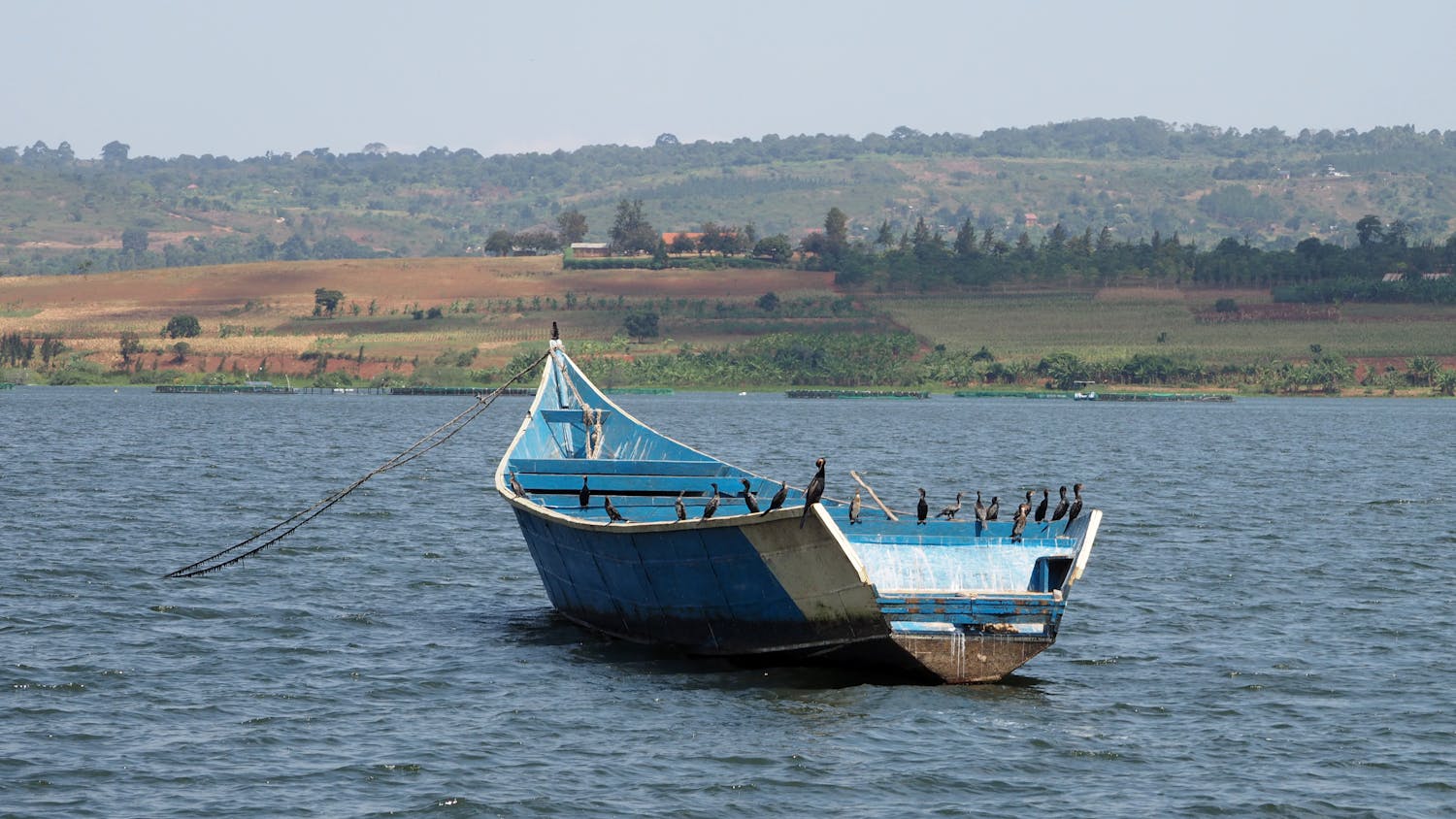
On the northern shore of Lake Victoria and near the source of the White Nile, the town of Jinja is East Africa’s undisputed adventure capital. Offering every adrenaline-spiking outdoor activity you can imagine.
Rafting down the turbulent rapids of the White Nile is guaranteed to be an adventure. Other fun activities include stand up paddle boarding on calmer stretches of the Nile or horse back riding along the banks of the river. Alternatively up your game and go bungee jumping or paragliding.
1
Price From
R111,999
2
Price From
R72,650
3
Price From
R137,399
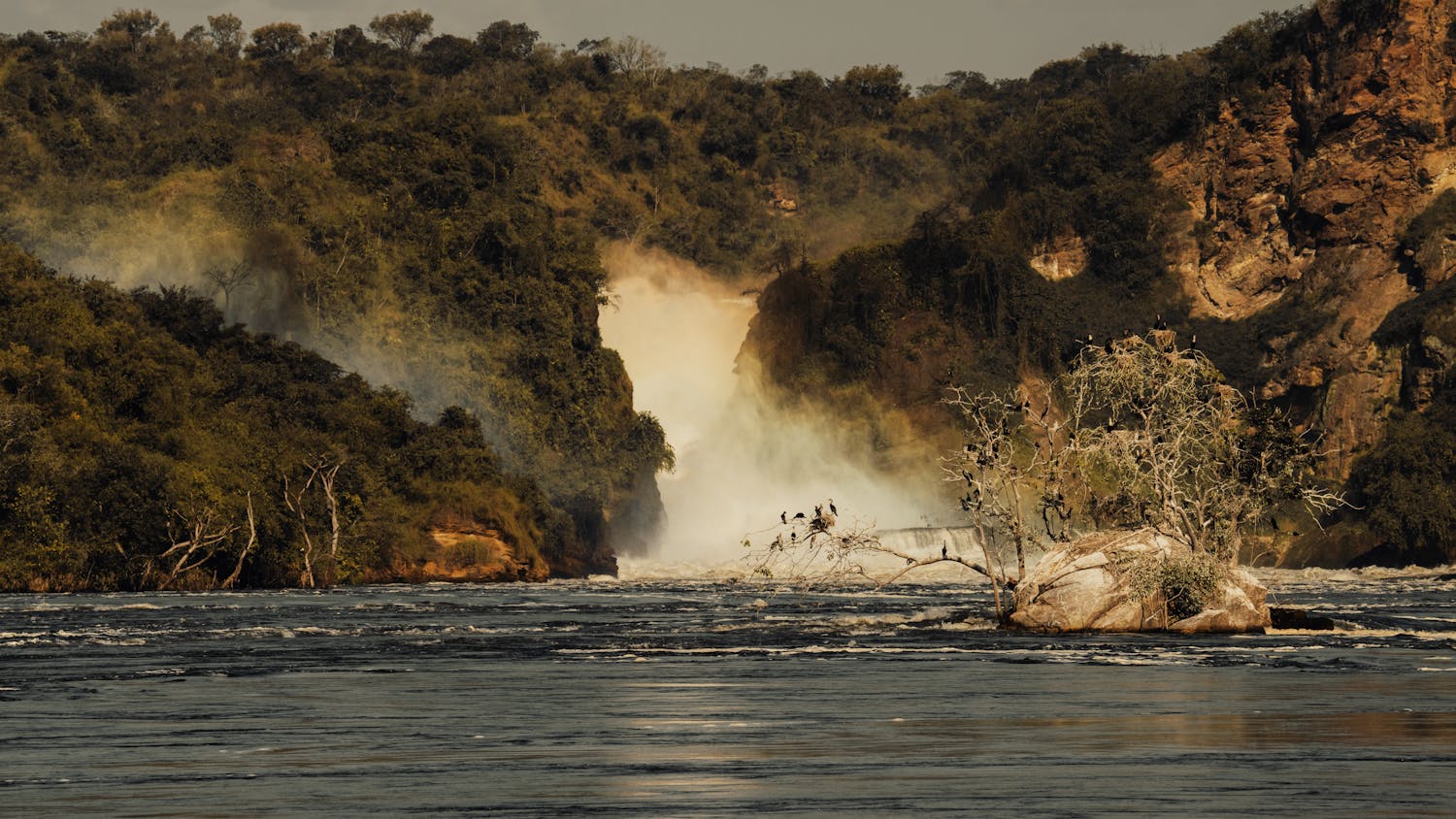
Murchison Falls National Park is Uganda’s largest national park. Here you can find East Africa’s most impressive waterfall. The powerful Nile River tumbles down a six metre wide gorge resulting in a dazzling display of water. Boat cruises take visitors close to Murchison Falls, where you can see the full force of the Nile explosively thundering down the gorge.
1
Price From
R101,355
2

Price From
R229,295
3
Price From
was
R65,950
R59,355
Rwenzori Mountains are Africa’s highest mountain range with snow-capped 4500 meter tall. Stretching over 120 kilometres along Uganda’s border with the DRC and offering some of the continent’s most spectacular mountain hiking routes.
Whether taking on a day hike or braving a multi-day trek this unspoiled wilderness of tropical rainforest will leave you in awe. Ascending to the top of Mount Stanley is tough but rewarding once you realise you have conquered the third highest mountain in Africa. With bamboo forests and glacier lakes, it’s moss-covered valleys and cloud forests are truly a sight to behold.

1
Price From
R101,355
2
Price From
R51,500
3
Price From
R72,650
Chat to our experts to help you plan your dream trip.


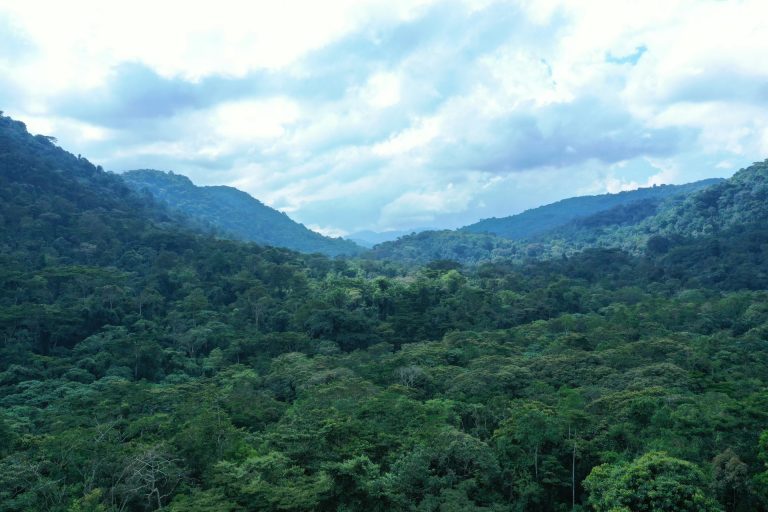
Bwindi Impenetrable National Park in southwest Uganda is a popular gorilla trekking destination The misty, forest-clad mountains of Bwindi Impenetrable Forest are an ecologically rich ecosystem. They’ve become famous all around the world as one of the very few habitats…
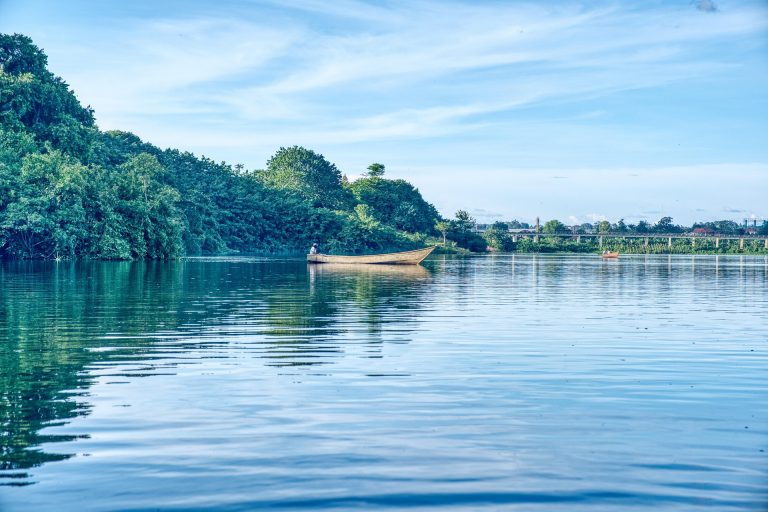
Jinja, a city on the shore of Lake Victoria, is a base for many adventure activities, including white-water rafting, bungee jumping, quad biking, horse riding, and lake cruises Jinja is an historic lakeside city in southern Uganda that sits on…
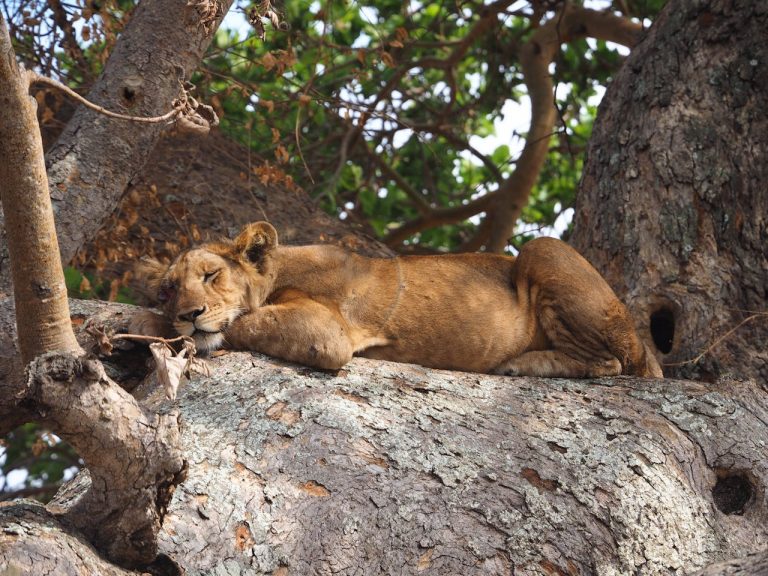
Elizabeth National Park in southwest Uganda is the country’s top safari destination and one of the most diverse parks you could ever imagine It’s hard to talk about Queen Elizabeth National Park in one blog post and do it justice.…

Have you ever dreamt of locking eyes with a majestic silverback gorilla, or felt the weight of history in a land reborn? Join me, and my friend William, as we dive into the heart of Africa, exploring the breathtaking landscapes…

Move over, Simba! The mountain gorilla is the true king of the jungle and Uganda is the best place to spot him! Gorilla trekking in Uganda is the safari adventure you’ve been waiting for. Sitting in silence amid the…

Best Overall Months: June to October and January to February
If you’re looking for a sweet spot for both Southern and East Africa, the dry season from June to October and January-February is widely considered the best time to visit. Why?
Dry weather easier travel and fewer mosquitoes
Peak wildlife viewing animals gather around waterholes and are easier to spot
Cooler temperatures especially pleasant in places like Namibia, Botswana, and Kenya
Southern Africa (South Africa, Namibia, Botswana, Zimbabwe, Zambia)
Best months: May to September
June–August: Excellent for safaris; cool mornings, dry days
September–October: Hotter, but fantastic for wildlife as animals cluster near water
November–April: The green (rainy) season — landscapes are lush, but wildlife is harder to spot and roads can get muddy. Great for birdwatching.
Top pick: July or August — dry, clear, and great for game drives in Kruger, Chobe, and Etosha.
East Africa (Kenya, Tanzania, Uganda, Rwanda)
Best months: June to October and January to February
July–September Prime time for the Great Migration in the Serengeti and Maasai Mara
January–February Short dry season, good for safaris and gorilla trekking
March–May Long rains — travel is still possible, but muddy conditions and wildlife dispersal can be a challenge
Top pick July or August — Great Migration + ideal gorilla trekking conditions in Uganda and Rwanda
| Highlight | Best Time |
|---|---|
| Classic safaris | June – October |
| Fewer tourists | May or November |
| The Great Migration (Kenya/Tanzania) | July – September |
| Gorilla trekking (Uganda/Rwanda) | June – August, January – February |
| Victoria Falls at peak flow | March – May |
| Budget travel | Green season (November – April) |
Yes, especially where yours and the group’s safety is concerned.
Our Africa overland operators make every effort to follow the intended route of the tour with changes rarely made, due to unforeseen circumstances which are beyond their and our control.
In some instances, a particular highlight or city may be unsafe (due to political or natural reasons) in which case your itinerary will be changed to ensure your safety.
Know that we are in daily contact with local campsite managers and operators, and always have an ear to the ground.
Any services booked in addition to your tour (i.e. flights, transfer, accommodation, day tours etc.) must be covered by your comprehensive travel insurance.
Time spent driving depends on the tour and route you’ve chosen. On average each tour has both short drives (a few hours) and long drives (all day) which will include lunch stops, restroom stops and scenic stops to stretch your legs and enjoy the surroundings.
Children are welcome on overland tours in Africa, however some tours do have restrictions due to the activities and destinations that the tour offers. Some tour operators have more restrictive age limits, this is for those people who would prefer not to have children on their tour. Other tour operators are more flexible and will happily accept children on a case by case basis. Please ask us about the best options for a tour with your children or family, and we will make the best suggestions for you based on your preferences. Privately arranged charter tours’ age limits will be assessed based on the route and type of tour you choose. Please bear in mind that the Gorilla Trekking tours have a minimum age limit of 16 years.
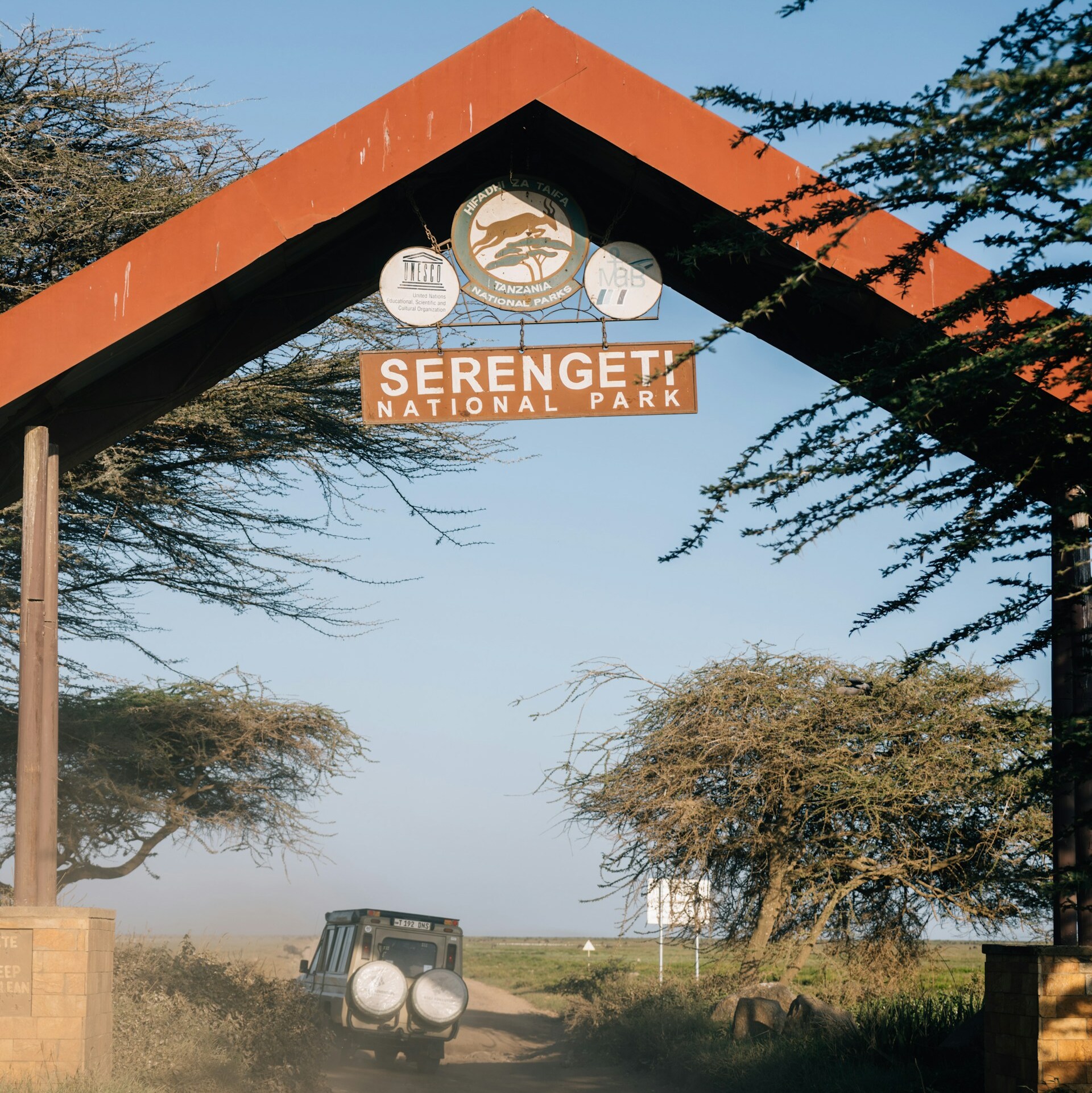
Campsite facilities are overall very good facilities through Southern Africa with basic facilities in East Africa. It’s all part of the adventure and it adds to the flavour of the trip. Remote campsites such as; Serengeti National Park, Ngorongoro Crater and Masai Mara can be more primitive and do not always have hot water. Less remote campsites and accommodations have hot and cold running water, swimming pool, small shop and a bar. A handy tip: always have pocket tissues + baby wipes + hand sanitizer with you.
All tours will include; tents (camping tours), chairs, table, cutlery, pots, pans etc. Sleeping bags are included on select camping tours, while a sleeping bag rental option is available on others. Most travellers will bring their own sleeping bag + travel pillow + towel. Bedding is included on the accommodated tours. Sleeping mats are included on most overland tours, with the exception of a few budget overland camping tours. We will advise on this when suggesting a tour(s) for your overland adventure. The camping tour makes use of large 2-man dome canvas tents, with built in mosquito nets. They are super quick and easy to put up and take down. The accommodated tours combine the adventure of camping and comfort of bedded accommodation, making use of twin and single rooms in hotels, hostels, lodge-style bungalows, chalets and permanent tented safari camps.
More questions? Let the Experts help
LET THE EXPERTS HELP
"*" indicates required fields