Twyfelfontein is a picturesque valley in Namibia where you can find over 2,000 ancient rock art engravings, as well as a few rock paintings.
Significantly, Twyfelfontein boasts the largest collection of engravings in Southern Africa, and in 2007 it became Namibia’s first UNESCO World Heritage Site.
Visiting Twtfelfontein (or /Ui-//aes in the Nama language) is a must for any history enthusiast. It’s an immersive and mind-stretching experience to explore the very same places that saw hunter-gatherer communities of millennia ago enact their religious rites, including carving stories into the rockface.
What are the Twyfelfontein rock engravings?
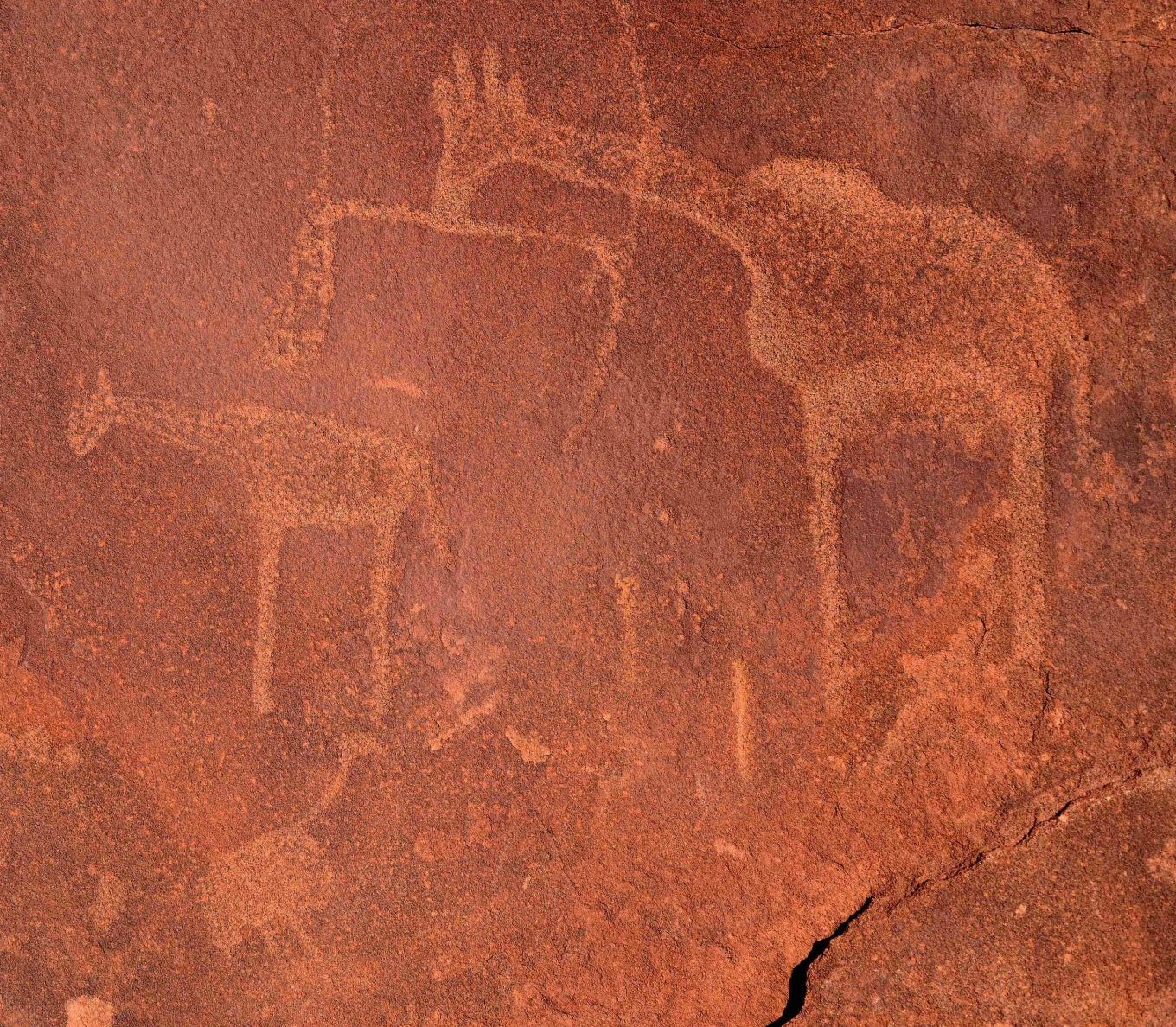
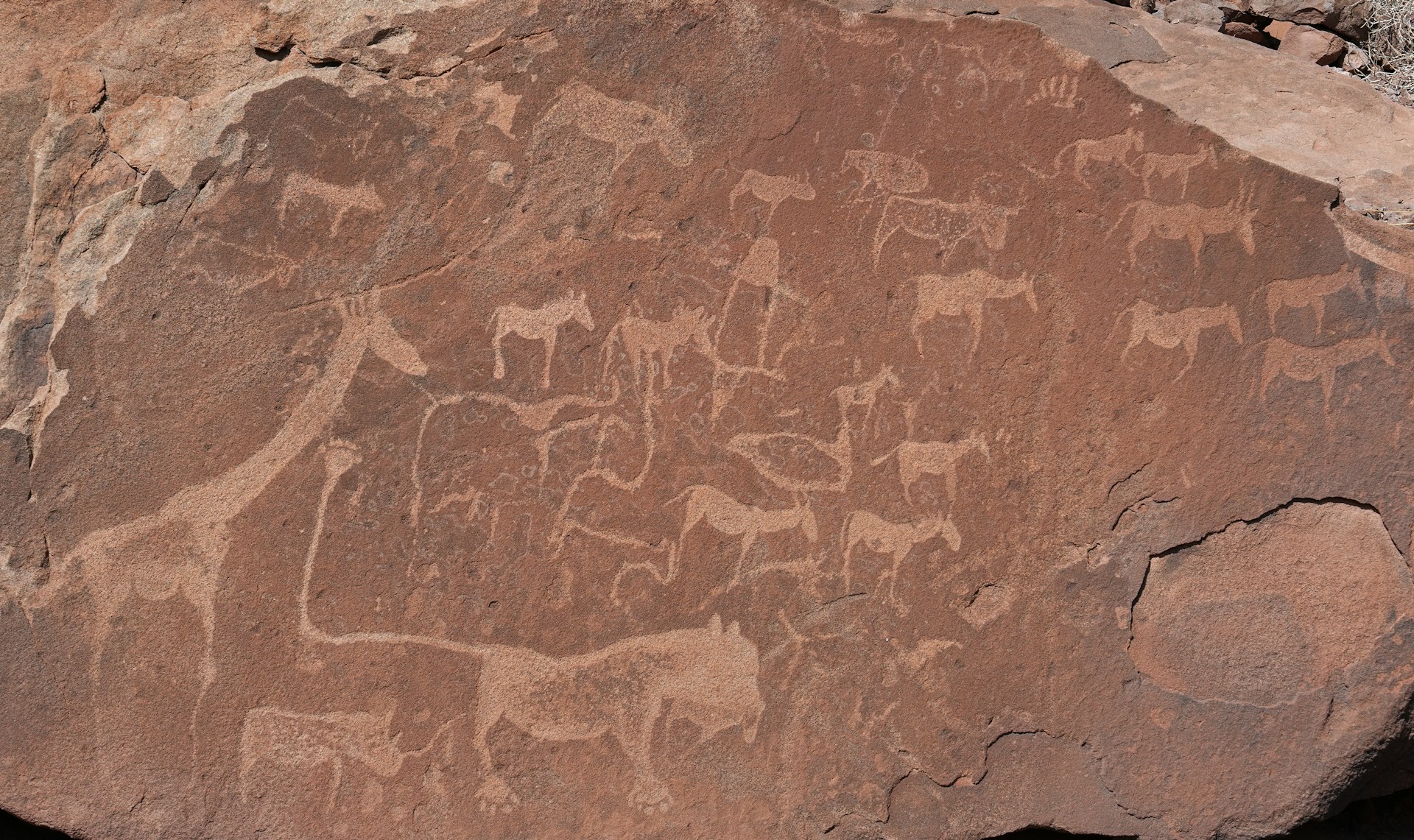
The Twyfelfontein rock engravings are a vast collection of petroglyphs, which are images carved into rock. Petroglyphs are usually ancient, as is the case at Twyfelfontein.
That said, the exact age of the Twyfelfontein engravings is contested, with some believing them to be around 6,000 years old, while others argue for a timeframe of 2,000 to 3,000 years ago. The images certainly weren’t created in one go.
Scholars agree that the petroglyphs were the work of San (or Bushmen) hunter-gatherer communities, and were most likely undertaken as part of shamanistic rituals.
The images are mostly of animals, like rhinoceroses, ostriches, lions, zebras, and different antelopes. The giraffe is the most ubiquitous animal. There are also pictures of seals and flamingoes, which suggest the creators roamed far, as the coast is about 100 km away.
Different artistic styles are evident among the petroglyphs. Some are quite accurate, while others are flat and stylised or distorted. There are also many paw prints and geometric patterns amongst the engravings.
One of the most famous and intriguing images is that of the ‘Lion Man’ (shown in the feature image of this blog post). It depicts a lion with prey in its mouth, but its elongated, L-shaped tail has a paw print at the tip, as do its feet.
Note that there are also a few rock paintings at Twyfelfontein; they’re just not as widely discussed, as it’s the petroglyphs that steal the show.
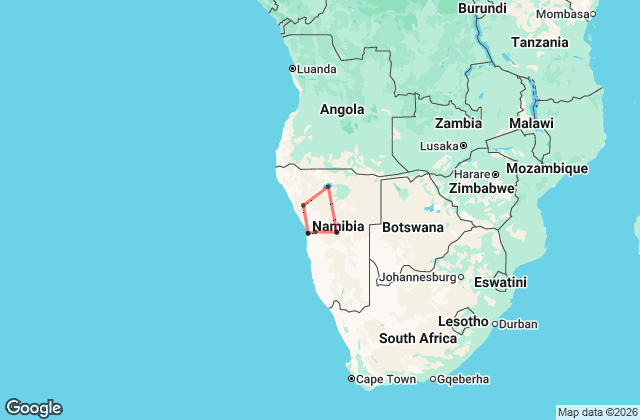
Where is Twyfelfontein?
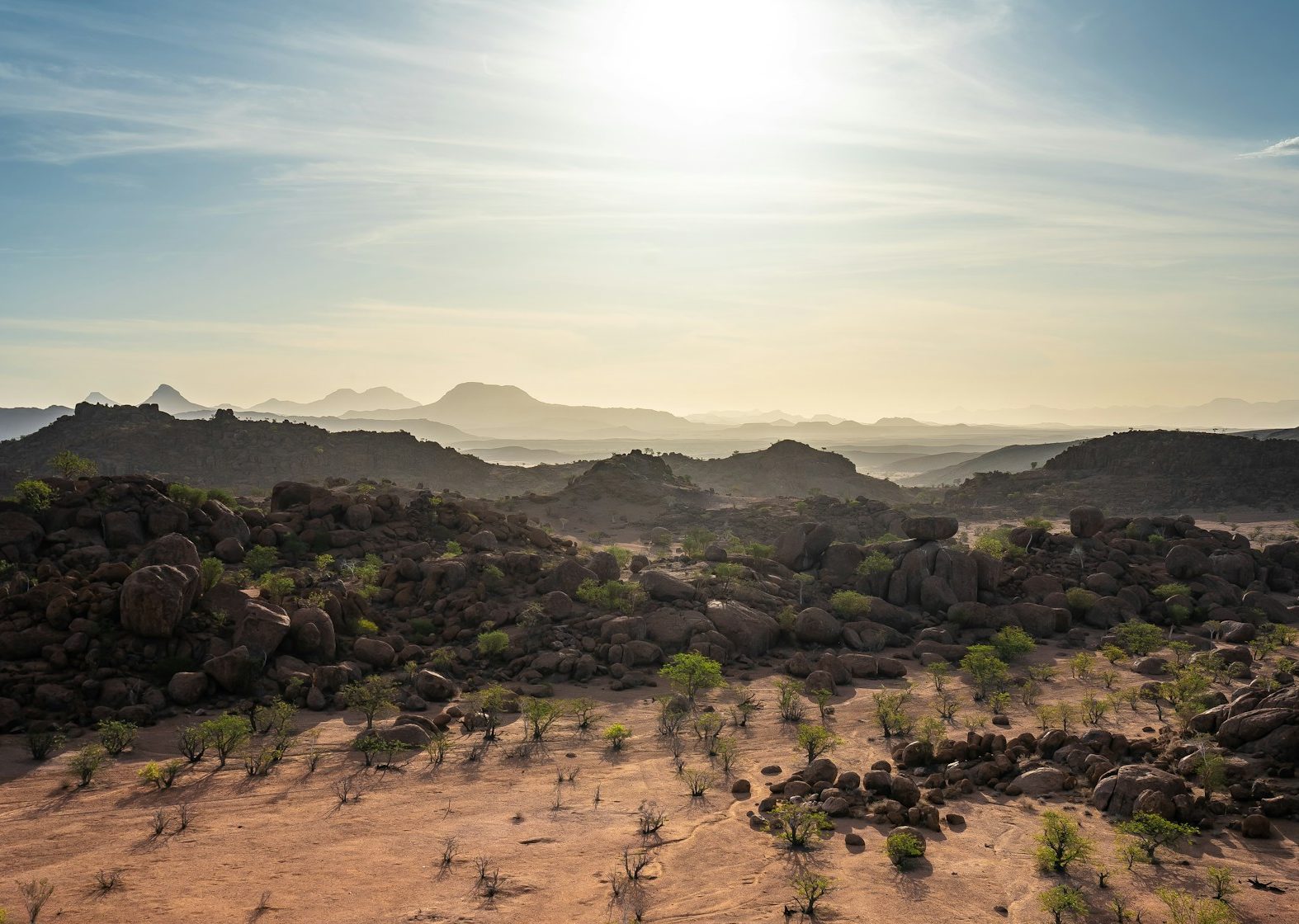
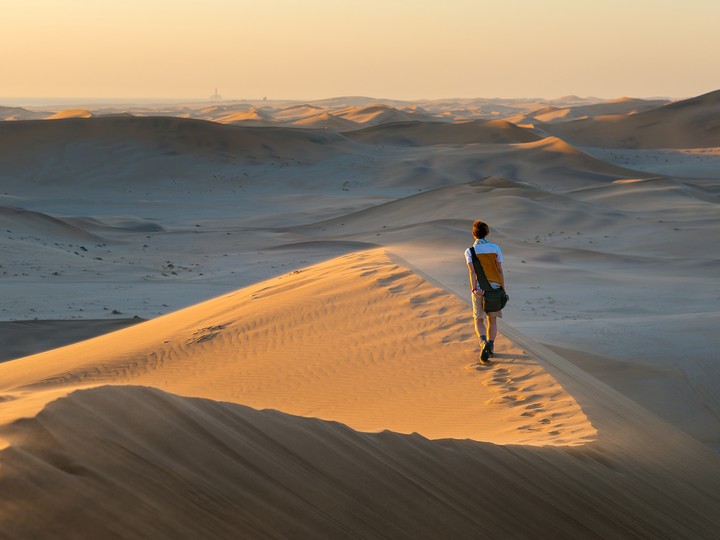
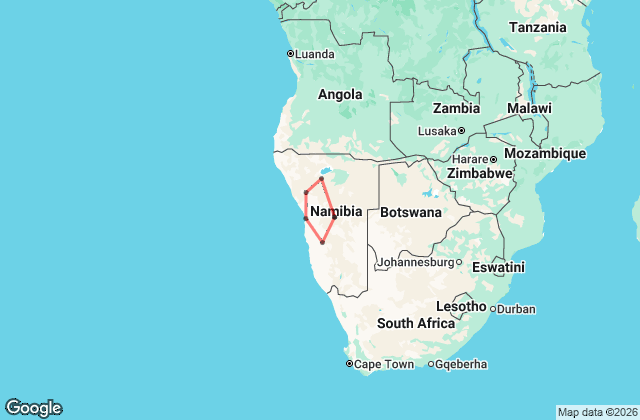
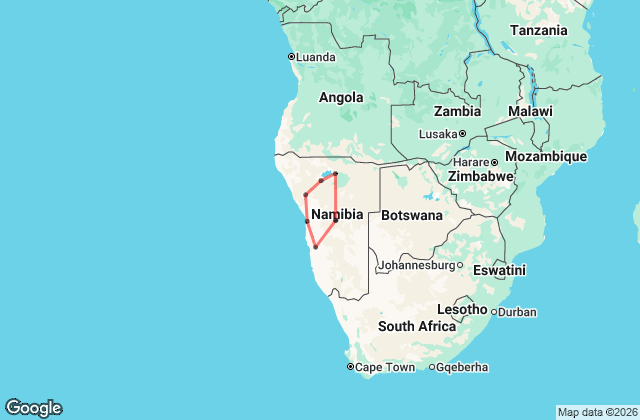
Twyfelfontein is a valley with a small but permanent spring. It’s part of Damaraland, a dry, mountainous, and scenic region in northwest Namibia. This dry climate has helped to preserve the ancient engravings, some of which are exposed to the elements.
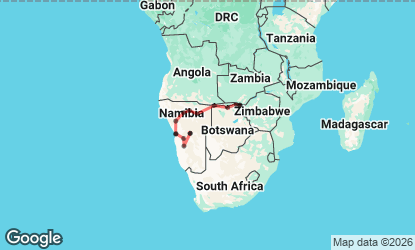
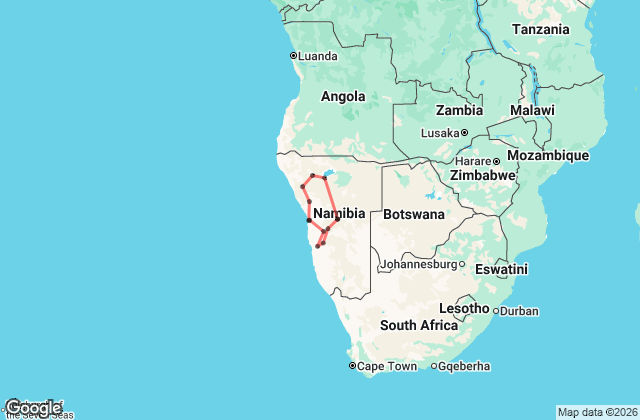
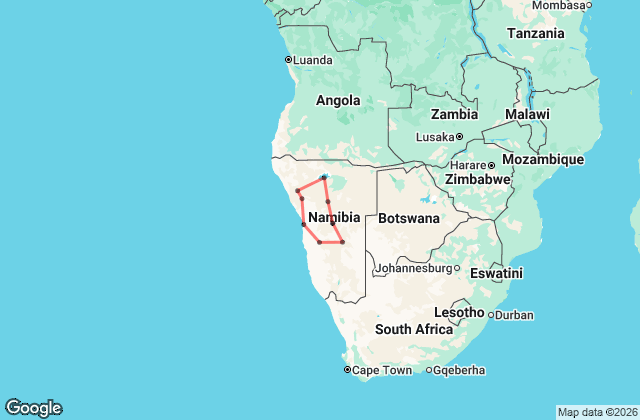
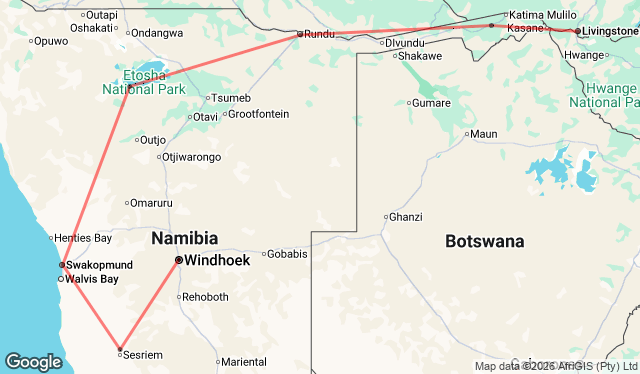
The easiest way to reach Twyfelfontein is to fly into Walvis Bay on the west coast and then drive north into Damaraland, the southern portion of the Kunene Region. It’s in Kunene that you also find other popular tourist attractions like Skeleton Coast National Park and Epupa Falls. You’re also very close to Etosha Pan, Namibia’s flagship wildlife park.
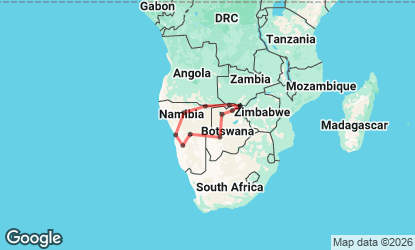
One of the best ways to explore this vast region is on an overland tour, like those offered by African Overland Tours.
Nature & Wildlife, Wilderness Walks, Cultural Immersion, Desert Adventurer
Nature & Wildlife, Waterways & Wetlands, Wilderness Walks, Cultural Immersion, Big 5 Safari, Desert Adventurer
Nature & Wildlife, Wilderness Walks, Mountain Adventures, Cultural Immersion, Desert Adventurer
What does a visit to Twyfelfontein look like?
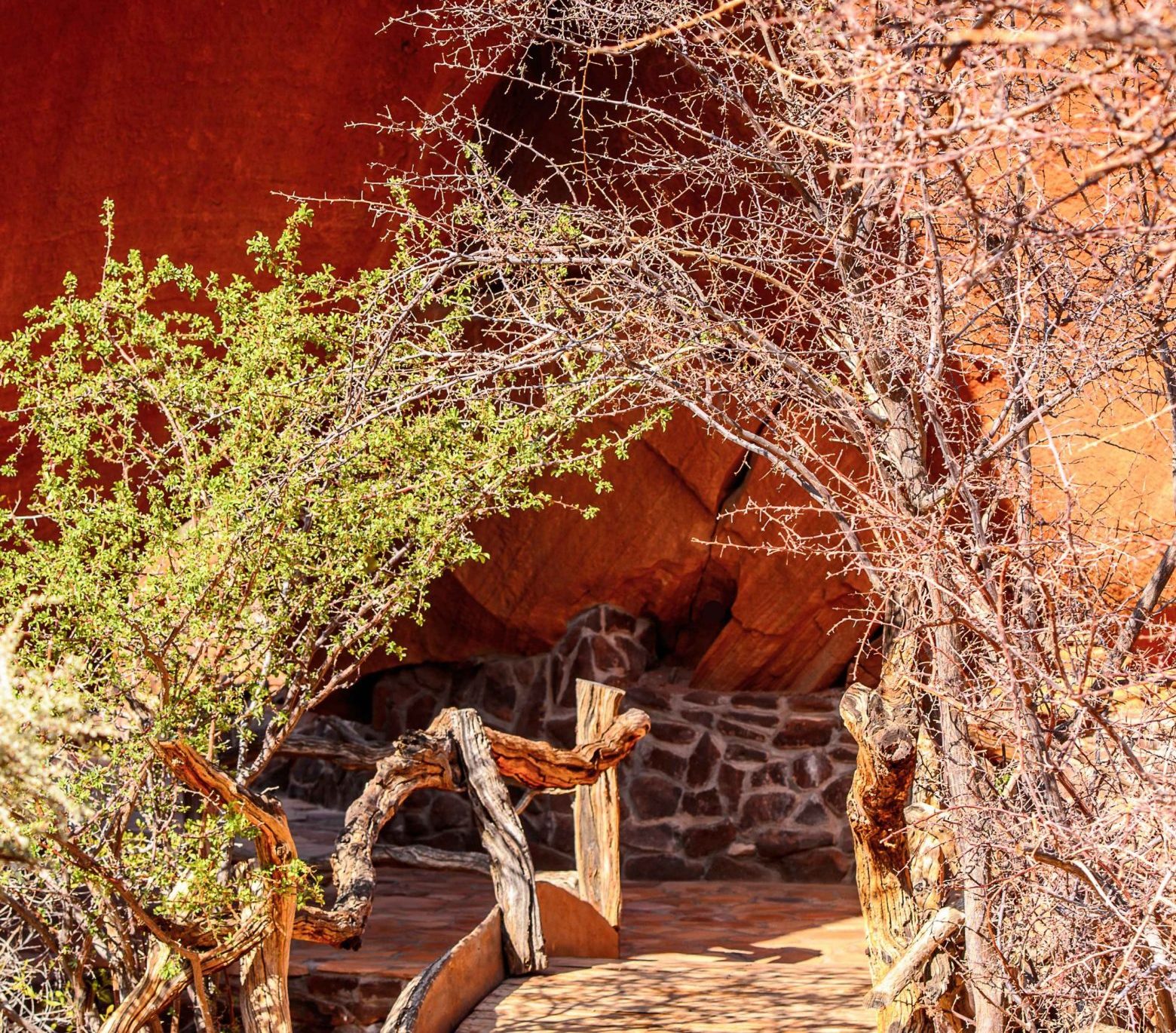
Twyfelfontein is basically an open-air museum. There are petroglyphs at the visitor centre that you can see without much effort, and then there’s also a self-guided route that takes about 30 minutes to walk.
Then there are two routes that can only be visited in the company of a tour guide. Naturally, a guided tour means a richer experience for you, the visitor, as the millennia-old stories held in the images can only really be brought to life by someone schooled in San art and history.
Firstly, there’s the Dancing Kudu Route. This 60-minute trail involves a bit of climbing, but is very scenic. Importantly, you get to see an arresting ‘sculpture’ in the landscape; formed by the elements, a rocky overhang offers a tableau that looks like a giant lion’s maw mid roar.
Then there’s the Lion Man Route. This walk takes about 80 minutes and requires a reasonable degree of fitness and mobility, as the way is a bit rough underfoot. You visit various engravings, including the Lion Man, which is a prime example of the more sophisticated shaded relief carvings found throughout Twyfelfontein.
The other attractions of Twyfelfontein
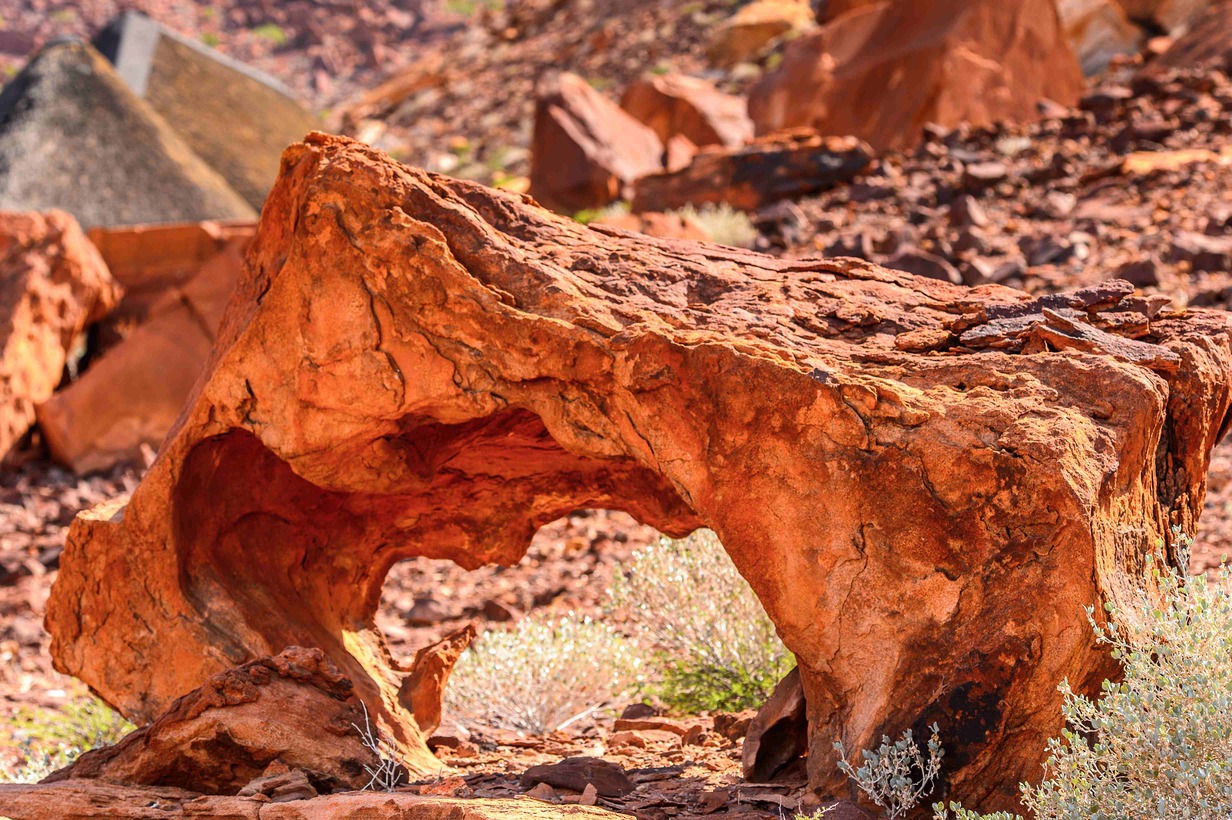
Twyfelfontein is a beautiful destination in its own right, petroglyphs or no petroglyphs.
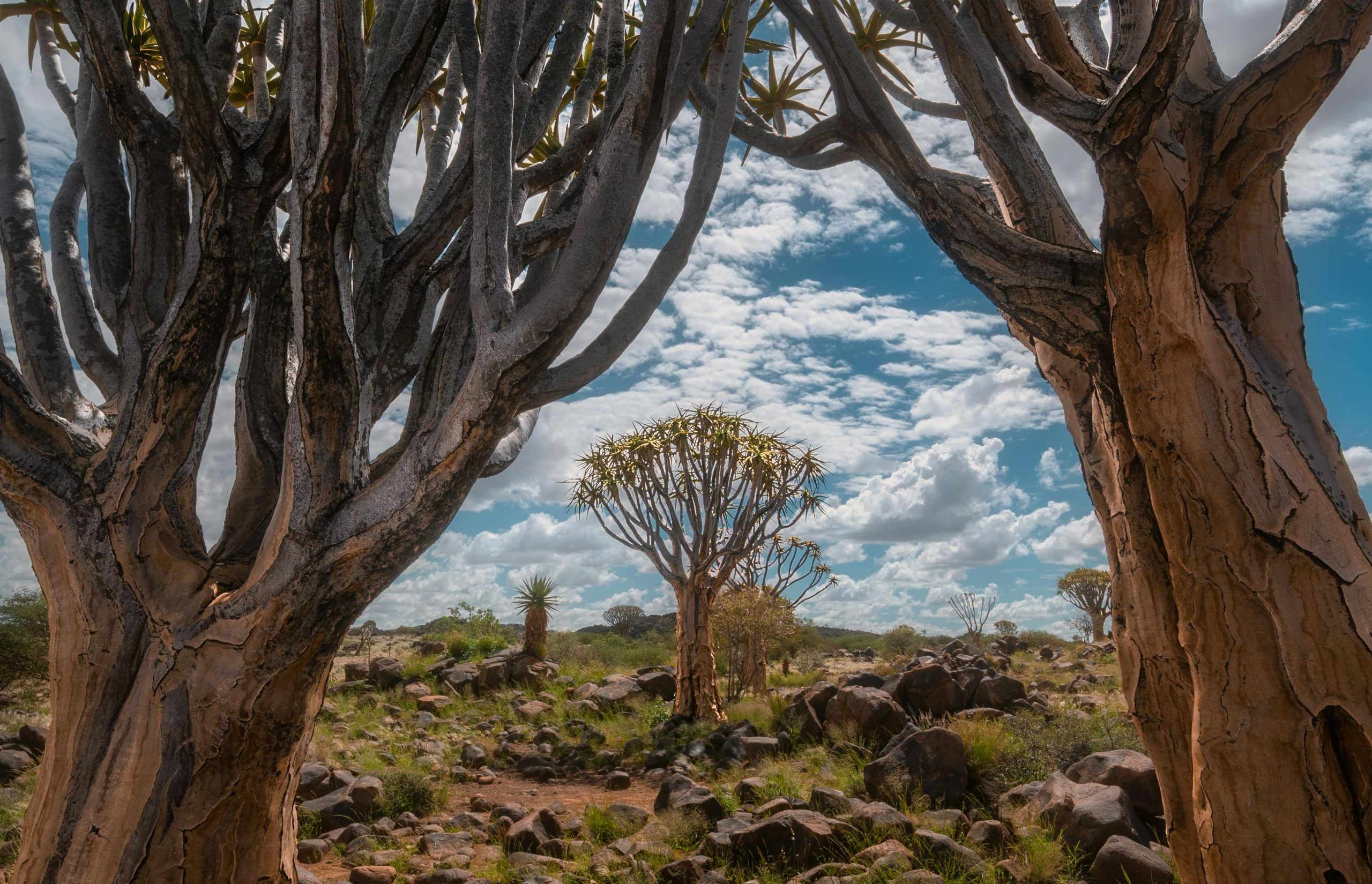
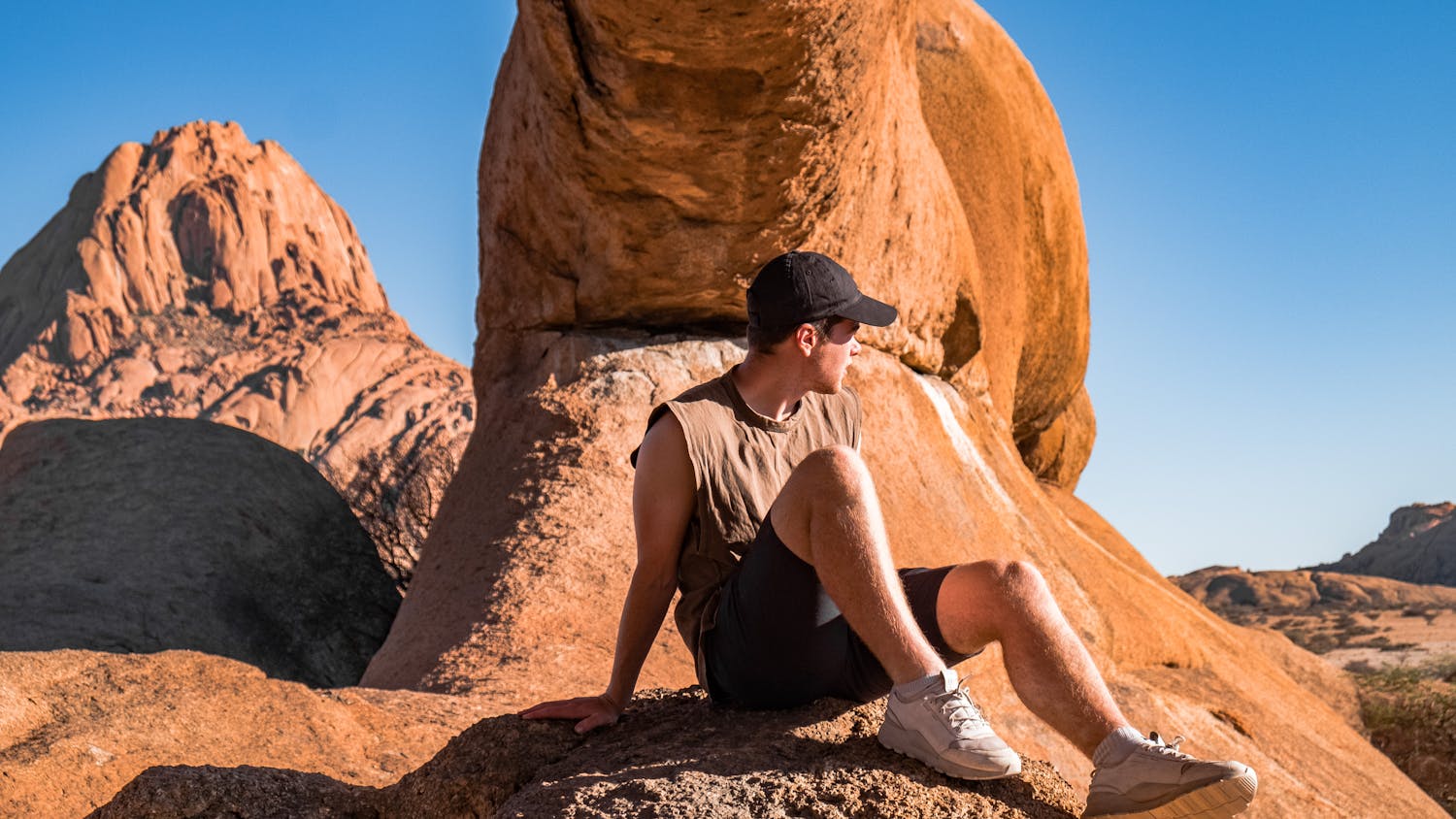
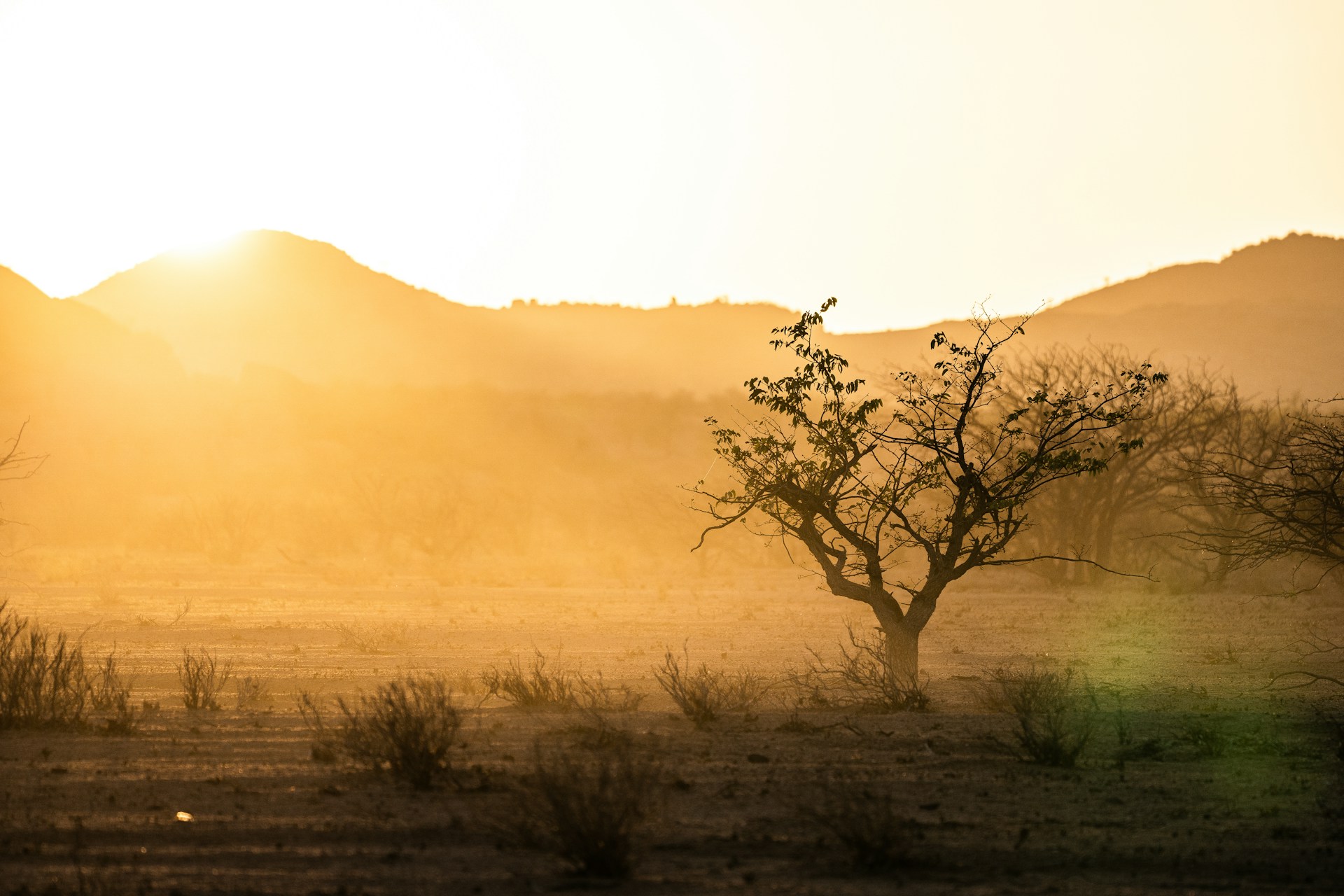
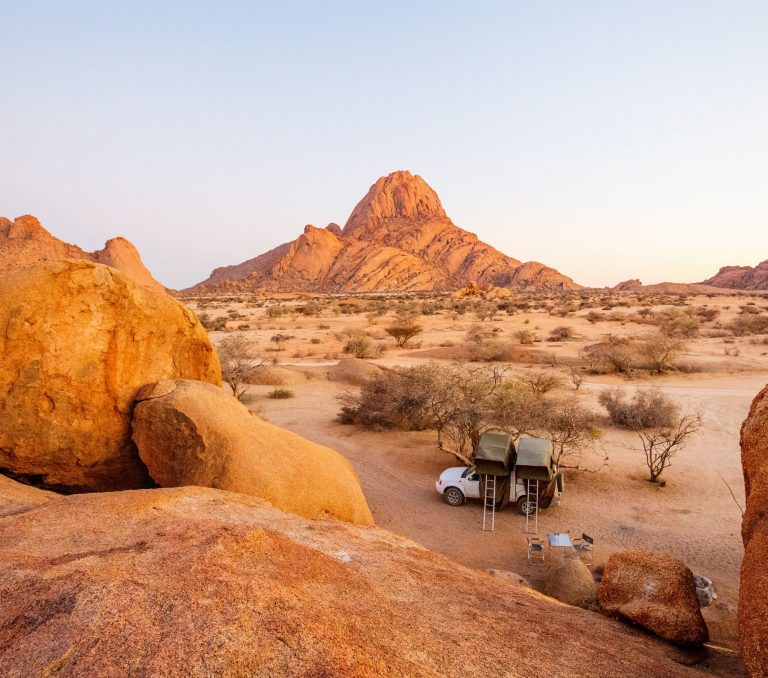
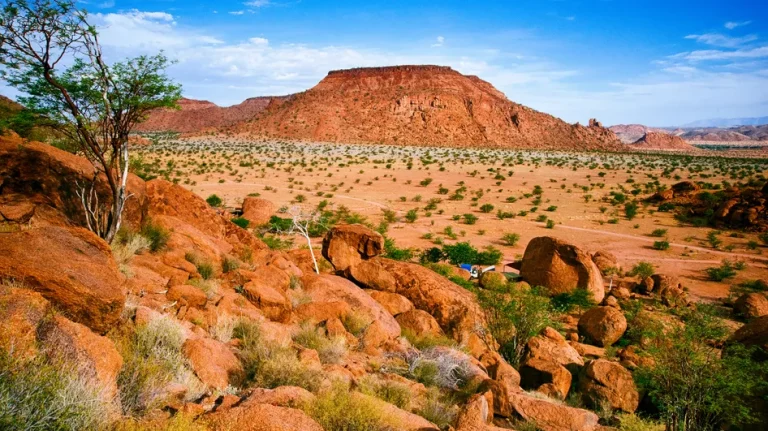
The craggy sandstone cliffs and enormous tumbled rocks invite exploration. And the deepening red of the landscape that comes out in low, angled light is heaven for photography.
Twyfelfontein is also a fantastic stargazing destination. You can enjoy exceptionally clear, dark night skies that are perfect for viewing the Milky Way and southern constellations.
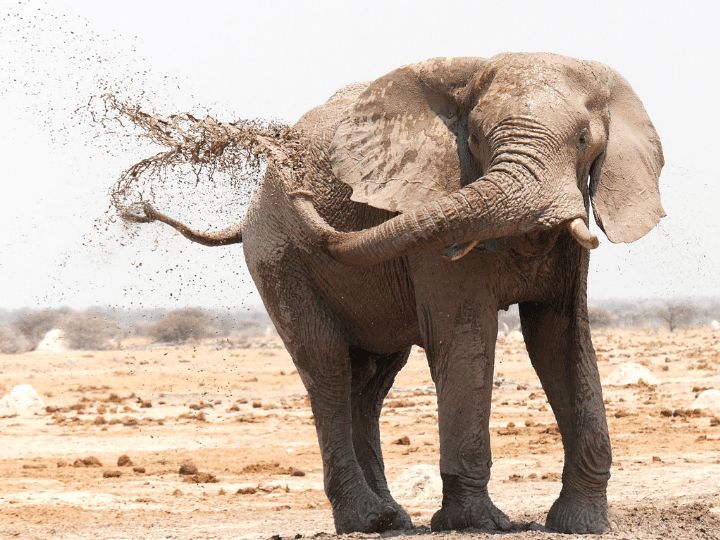
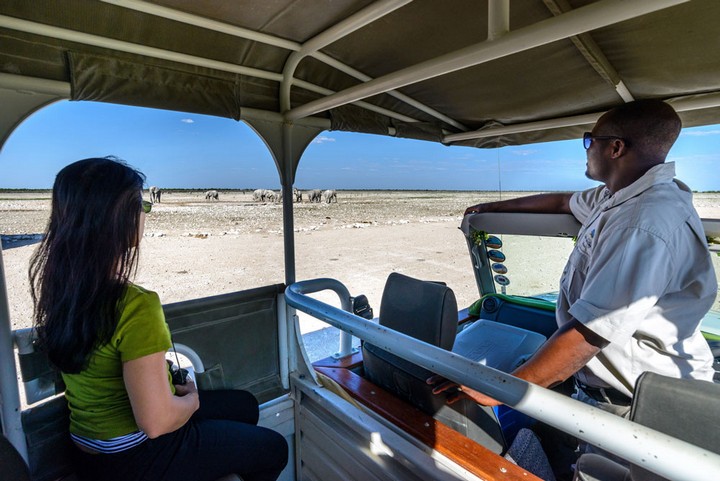
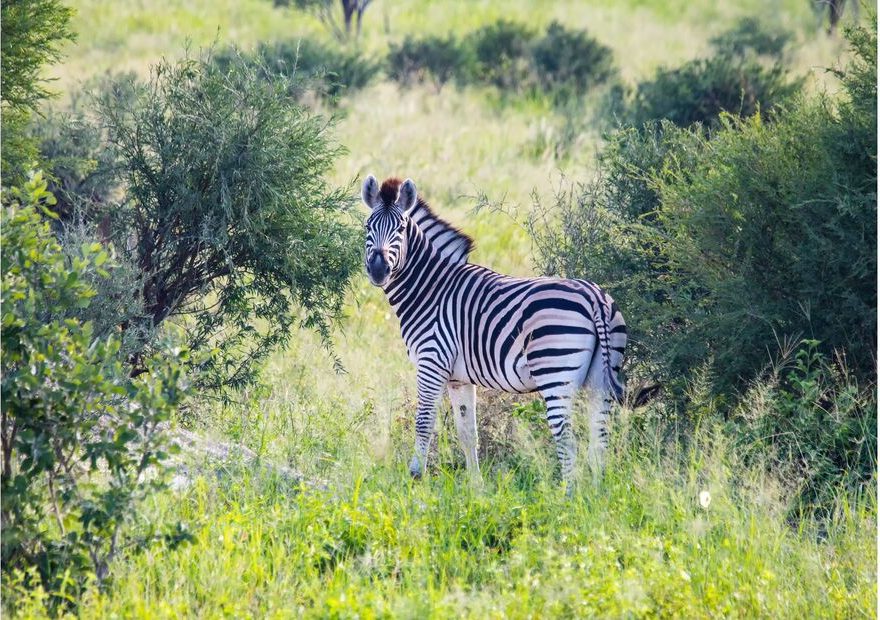
Finally, keep your eyes open for wildlife, as there are many desert-adapted species in the region. These include elephants, lions, leopards, rhinos, oryxes, giraffes, springboks, and zebras. In fact, you can go on game drives starting in Twyfelfontein that are all about finding desert elephants.
So there’s plenty to do in this remote and beautiful corner of Namibia, and you should be sure to add it to your Namibian itinerary.
Note: This blog post was created by Bronwyn Paxton in 2013. It was rewritten by Megan Abigail White in 2026.