


African Overland Tours
https://www.facebook.com/AfricanOverlandTourscom/
https://www.instagram.com/african_overland_tours/
https://www.youtube.com/@africanoverlandtoursandsafaris
+27 (0) 21 448 0997
Customer Service
Worldwide

African Overland Tours
https://www.facebook.com/AfricanOverlandTourscom/
https://www.instagram.com/african_overland_tours/
https://www.youtube.com/@africanoverlandtoursandsafaris
+27 (0) 21 448 0997
Customer Service
Worldwide
When on safari, the animals you will be looking for from the start will be The Big 5. Seeing these 5 species is an incredible experience and one that you will not forget. Africa’s Big Five—comprising the lion, elephant, rhino, leopard, and buffalo—carries a legendary status that has long captivated the imagination of adventurers and wildlife enthusiasts worldwide.
The name “The Big Five” originated from big-game hunters in Africa. It refers to the five most difficult animals to hunt on foot in Africa, due to their danger and elusiveness. This term includes the lion, elephant, buffalo, leopard, and rhinoceros.
The term now celebrates these species’ iconic roles in Africa’s biodiversity rather than their prowess in the hunt. In this article, we delve into the mystique and allure of these magnificent creatures, exploring their habitats, behaviors, and the crucial conservation efforts required to preserve their future.
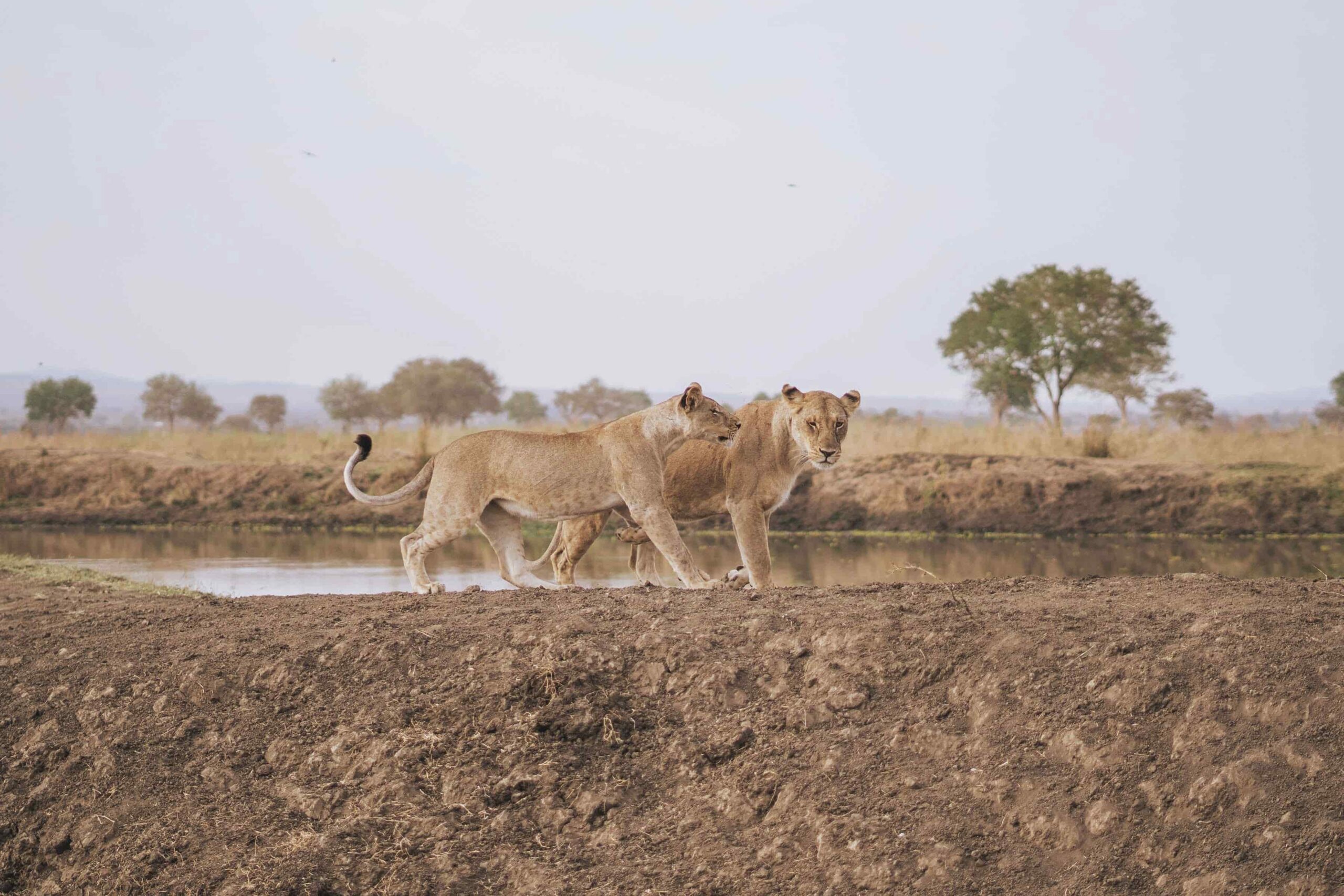
Let’s start with the African lion. One of the most beautiful animals, also referred to as ‘the King of the Jungle’ (mostly in storybooks and movies), this large and beautiful carnivore (meat-eater) is the most dangerous, as they can attack without provocation. Camouflaging themselves in the bush, they are not easy to spot, so when on safari, keep your eyes peeled at all times.
The African lion exudes power, grace, and majesty. To witness these awe-inspiring creatures in their natural habitat, the Serengeti National Park in Tanzania and the Maasai Mara Reserve in Kenya are among the prime locations. The best time to see lions in action is during the dry season (from June to October), when wildlife congregates around watering holes, and the grass is shorter, facilitating optimal visibility for both predator and prey.
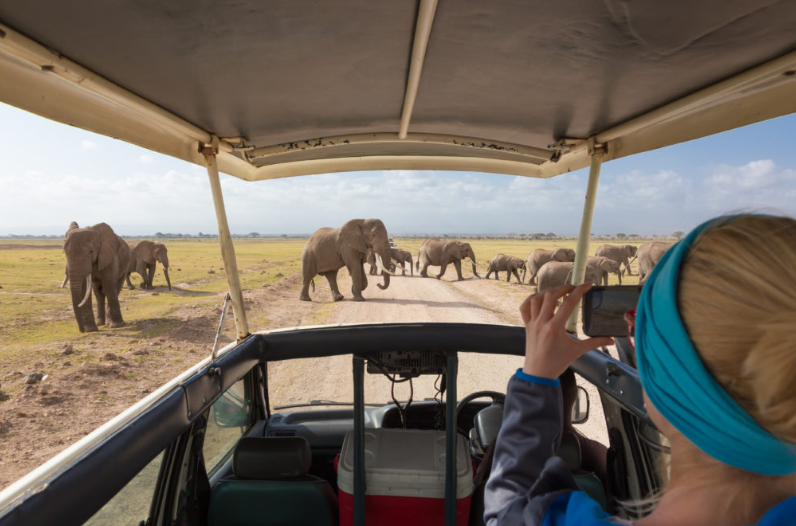
The African elephant is by far the most intimidating as it snorts and digs in the ground, getting ready to storm you! However, many have been tamed in certain reserves and one can interact with them (from a distance) quite happily. Elephants are herbivores (eating only foliage), so you may not be eaten, but you certainly could be chased and stomped upon! They are also well-camouflaged by the African bush.
The African elephant, classified into two species—the larger savanna (or bush) elephant and the smaller forest elephant—differs significantly from its Asian cousin. African elephants are the largest land animals on Earth, distinguished by their larger ears, which resemble the African continent, and both males and females have tusks.
The African elephant is an emblem of strength, intelligence, and familial bonds.
Etosha National Park in Namibia, Chobe National Park in Botswana, and Amboseli National Park in Kenya are renowned for their elephant populations. While these gentle giants can be seen throughout the year, the dry season (from May to October) is particularly rewarding, as elephants gather around water sources, creating magnificent scenes of large herds interacting and engaging in social behaviour.

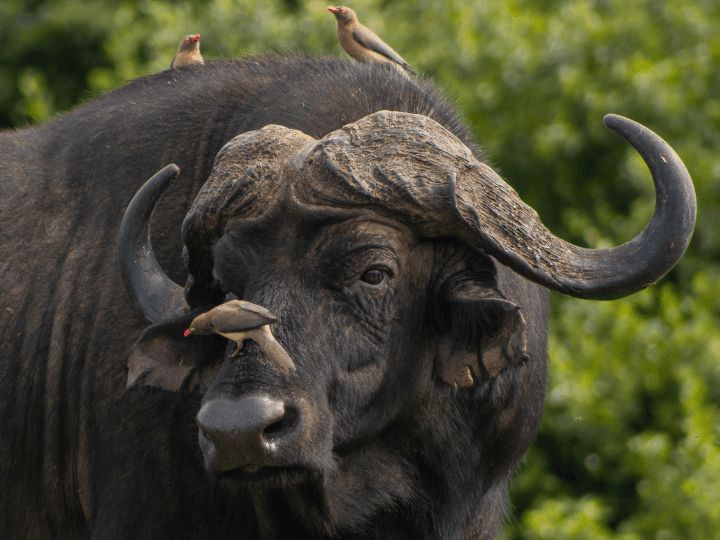
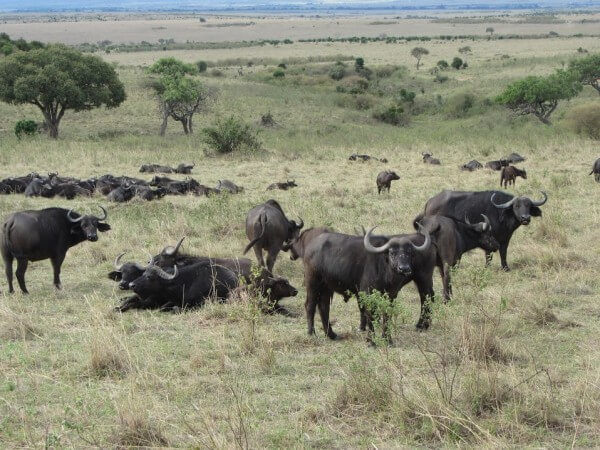
When one sees a herd of African buffalo casually grazing in the veld, they don’t look dangerous at all, but be warned, they have been known to kill more people than any other animal. They weigh about 700 kg and stand 4 to 6 feet tall. It only takes one look from these animals and a disgruntled snort to have you running in the opposite direction!
Known for its imposing size and unpredictable temperament, the Cape buffalo is an integral part of Africa’s ecosystem. Kruger National Park in South Africa, Hwange National Park in Zimbabwe, and Serengeti National Park in Tanzania are some of the top destinations to encounter these robust animals. It’s advisable to visit during the dry season (from May to October) when water sources become scarce, and buffalo herds congregate in large numbers, providing extraordinary photographic opportunities.
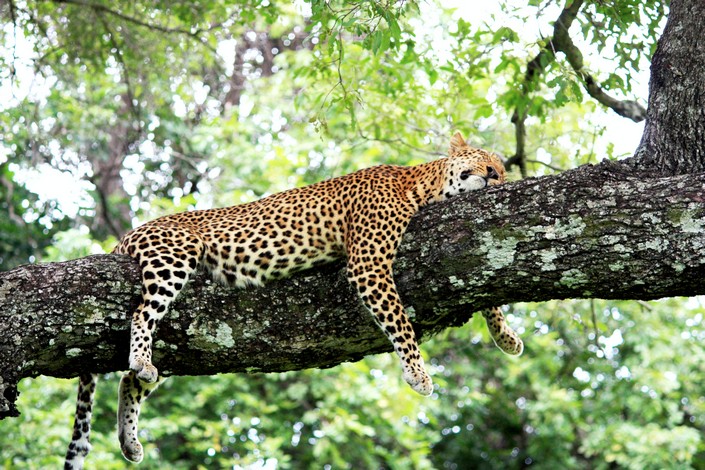
Probably the most difficult of the Big 5 to see African Leopards look like beautiful big cats (and they even purr!), but don’t be deceived, they can kill prey that are larger than themselves! Their eye-catching circles are called ‘rosettes’, once again providing good camouflage. However, what is dangerous about these animals is that they hide in trees to survey their territory, can charge at speeds of over 35 mph and are very agile on their feet. They tend to be more difficult to spot, being nocturnal animals and hiding away from predators.
With its stealth and captivating beauty, the elusive and enigmatic leopard is a true testament to nature’s artistry. South Luangwa National Park in Zambia, Kruger National Park in South Africa, and Maasai Mara Reserve in Kenya are renowned for their leopard populations. Leopards are primarily solitary and nocturnal, so embarking on game drives or guided walks during the early morning or late afternoon presents the best chances of spotting these elusive felines as they emerge from their daytime hideouts.

Last, but not least is the great African Black or White rhinoceros (although grey in colour) – hunted for their beautiful ivory tusks by poachers. Now considered to be an endangered species, one must try to see them before they become extinct. Also herbivores they feed on leaves, bushes and branches. But once again, don’t be fooled by their calm demeanour, they readily have been known to attack predators, including humans.
The rhinoceros, an ancient creature revered for its prehistoric charm and unfortunate battle against extinction, can be found in a few select destinations. South Africa’s Kruger National Park and Hluhluwe-iMfolozi Park, as well as Lewa Wildlife Conservancy in Kenya, are notable places to witness both the white and black rhino species. While rhinos can be seen year-round, the dry season (from May to September) is ideal, offering clearer visibility and increased chances of spotting these magnificent creatures in their natural habitats.
Embarking on a safari adventure to witness Africa’s Big Five is a dream come true for wildlife enthusiasts. Whether you’re captivated by the mighty roar of the African lion, the gentle presence of the African elephant, the untamed spirit of the Cape buffalo, the elusive beauty of the leopard, or the ancient charm of the rhinoceros, Africa’s diverse landscapes and national parks offer unparalleled opportunities to experience nature at its finest.

Price From
R46,295
Price From
R103,440




"*" indicates required fields