These are perhaps the best places for delving into the history of Johannesburg
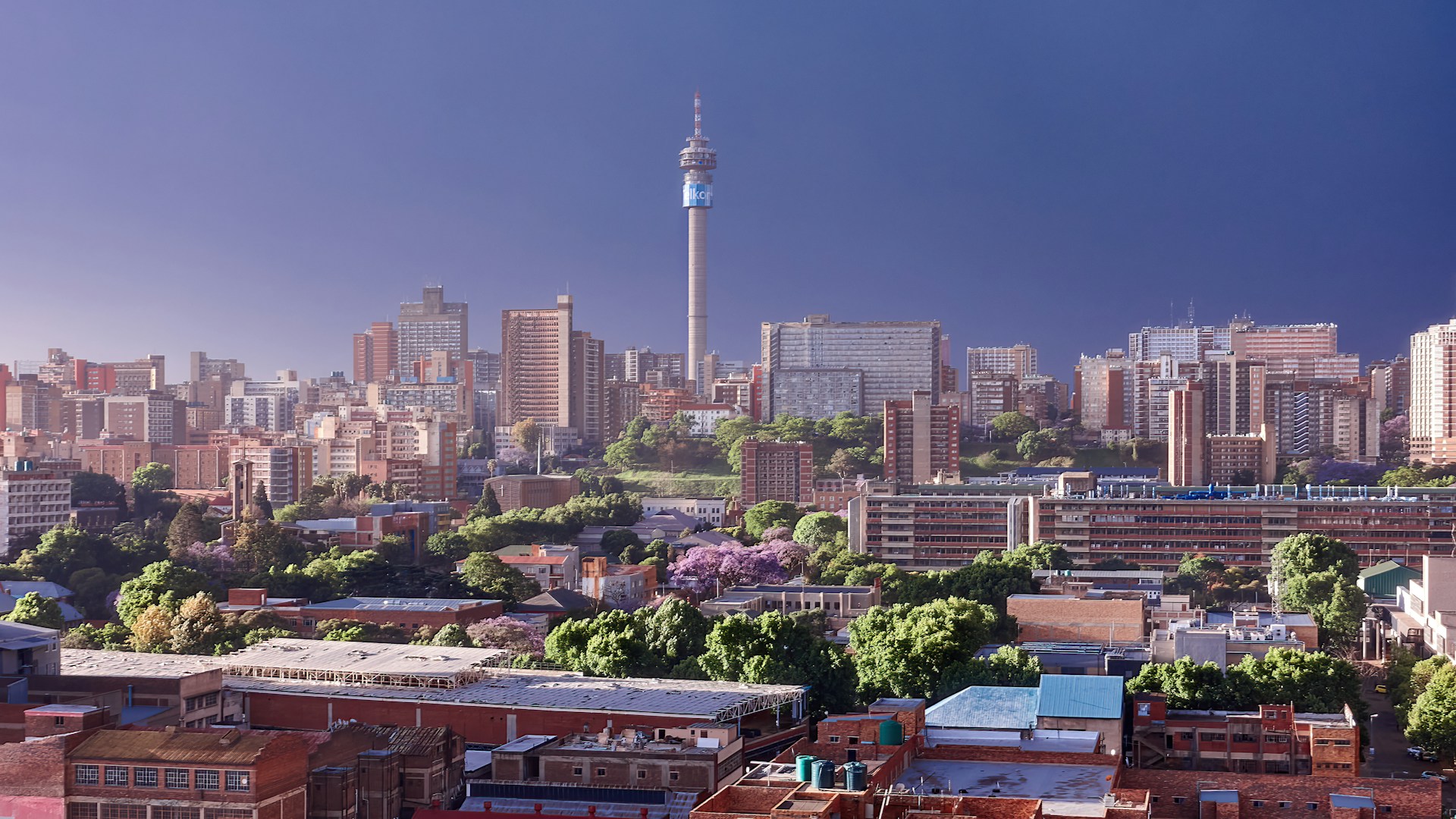
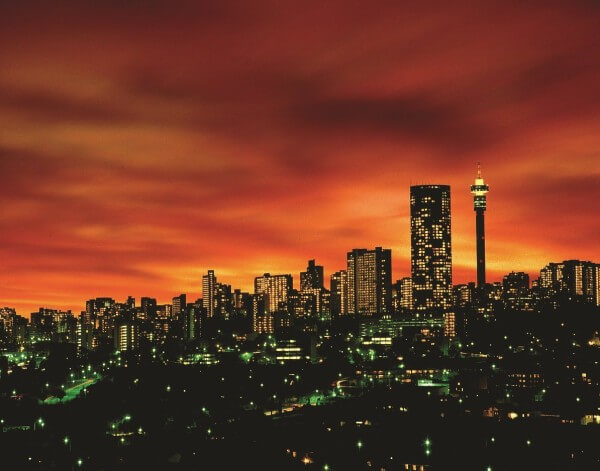
You can’t understand South Africa without understanding Johannesburg. This is because Johannesburg is by far the biggest city in South Africa, as well as its undisputed commercial heartbeat. It’s also played a significant role in the country’s dramatic political history.
Yet Johannesburg didn’t even exist 150 years ago!
If you visit the historic attractions discussed below, you’ll begin to understand why Johannesburg evolved in the whirlwind, colourful, and turbulent ways that it has.
But first, let’s briefly discuss …
Why Johannesburg even exists
At the start of 1886, the plot of land that today sits at the centre of the city was occupied by a handful of rugged and remote cattle farms. Then, in March, gold was discovered.
But it wasn’t your regular gold reef. It was so unimaginably enormous that the world’s largest gold rush ever ensued. Britons, Americans, Australians, and Europeans all swarmed in. The development of the site was so explosive in size and speed that Johannesburg bypassed the typical centuries-long evolution of a major city. In fact, it transformed from a windswept ridge to a global financial hub in just over a decade! That makes it the fastest-growing major city in modern history.
By the late 1890s, Johannesburg produced nearly 25% of the world’s gold. And so it became the undisputed financial and mineral heart of Southern Africa.
Top historic spots in Johannesburg
With that bit of history in our back pockets, let’s now discuss the best historic attractions within the city of Johannesburg. Most concentrate on South Africa’s anti-apartheid struggles, but the final two go further back in time, looking at Victorian colonial society and the military history of South Africa as a whole.
Historical site
Key focus
Recommended time
Best for …
Apartheid Museum
20th-century political struggle
3 hours
First-time visitors
Mandela House
Personal life of Nelson Mandela
1 hour
Cultural-seekers
Constitution Hill
Human rights and justice
2 hours
Law and history buffs
Hector Pieterson Memorial (Soweto)
1976 student uprising
2 hours
Political history aficionados
Lindfield Victorian House
British colonialism
2 hours
Social history enthusiasts
Museum of Military History
Military history and innovation
2 hours
Military history buffs
1. The Apartheid Museum
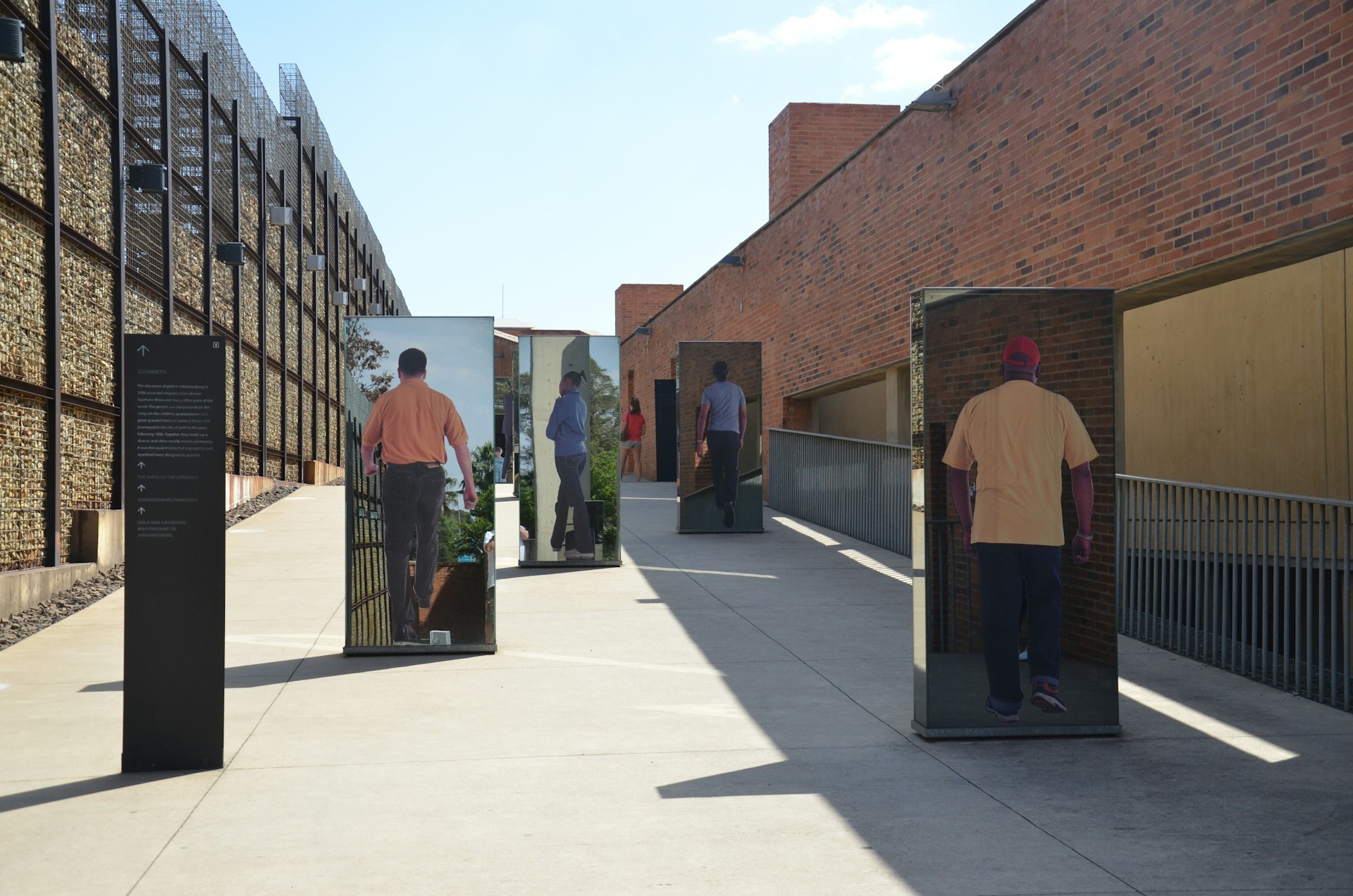
One section of the Apartheid Museum experience
If you only have time to visit one historic site during your visit to Johannesburg, then the Apartheid Museum should probably be it. It’s generally considered to be the very best museum on South Africa’s 20th-century struggle against state-sanctioned racial segregation and discrimination.
From the moment you arrive, the experience is visceral. I say this because visitors are randomly assigned “Whites” or “Non-Whites” entry tickets, forcing you to enter through separate gates and so experience one aspect of the daily reality of the apartheid era.
This creative approach to sharing the story and injustices of apartheid is just the first of many. Inside, you’ll find further imaginatively rendered and moving exhibits and features, alongside the more traditional museum fare of video footage, photographs, and artefacts.
You need a minimum of two hours to really explore the museum and absorb its contents. Three hours is better. Taking a packet of tissues is a good idea too.
2. Mandela House in Soweto
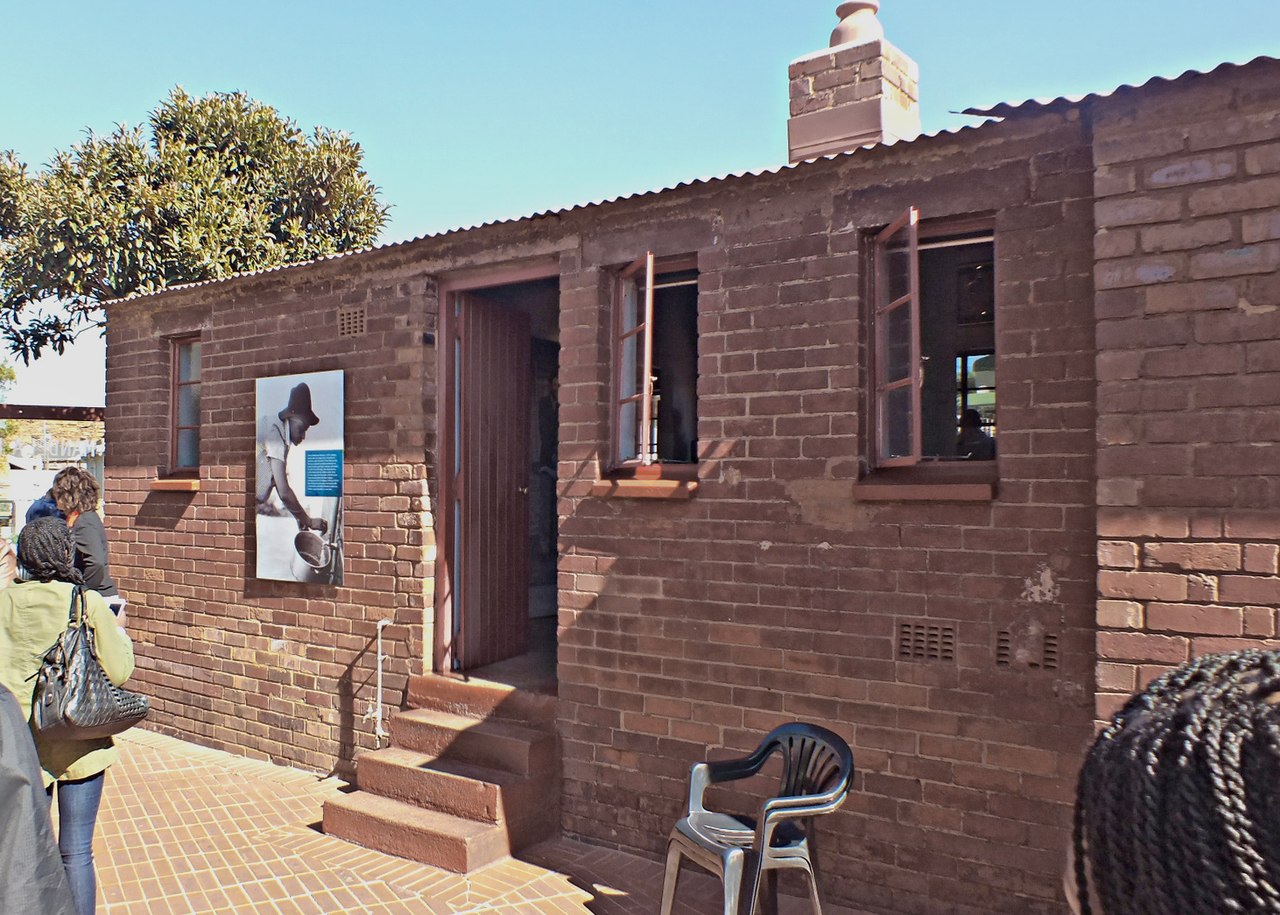
Mandela House | Image by A. Bailey
No historic tour of Johannesburg is complete without a visit to Soweto, the vibrant township at the heart of the anti-apartheid struggle. In fact, Vilakazi Street in the central Soweto is the only street in the world to have been home to two Nobel Peace Prize winners: Nelson Mandela and Archbishop Desmond Tutu.
Mandela House is the modest, matchbox-style home where Mandela lived for 16 years as a young man (this was before his life on the run and subsequent imprisonment on Robben Island). It’s now a museum, and it has been well-preserved, to the point of retaining the bullet holes and scorch marks from petrol bombs, pointing to the dangers Mandela and his family faced as opponents to the apartheid-era government.
3. The Hector Pieterson Memorial and Museum
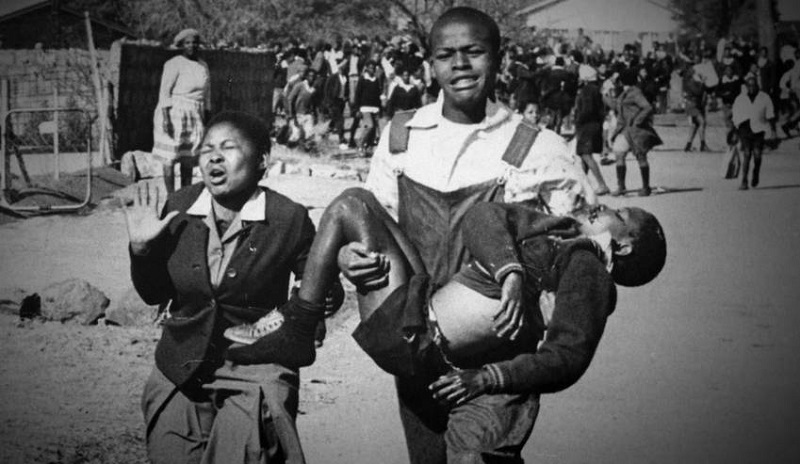
The harrowing image of Hector Pieterson being carried through Soweto
Just a few blocks from Mandela House is the Hector Pieterson Memorial and Museum, another must-see historical site in Soweto.
The site commemorates the infamous Soweto Uprising of 16 June 1976. It was on this day that thousands of students protested the mandatory use of the Afrikaans language in local schools. Hector Pieterson, a 12-year-old boy, became the face of the struggle after the heartbreaking photograph of his dying body being carried through the streets was published globally. Hector, who was unarmed, was shot by a policeman, and this image helped to galvanise international pressure to end apartheid.
Visits to the museum start outside, where a moving water feature symbolises the bloodshed of the protests. Inside, you’ll find large photo prints from the day, as well as oral testimonies and video footage. The complex has been designed to be a deeply immersive environment, and visitors often need a quiet moment in the garden of remembrance after engaging with this difficult yet important history.
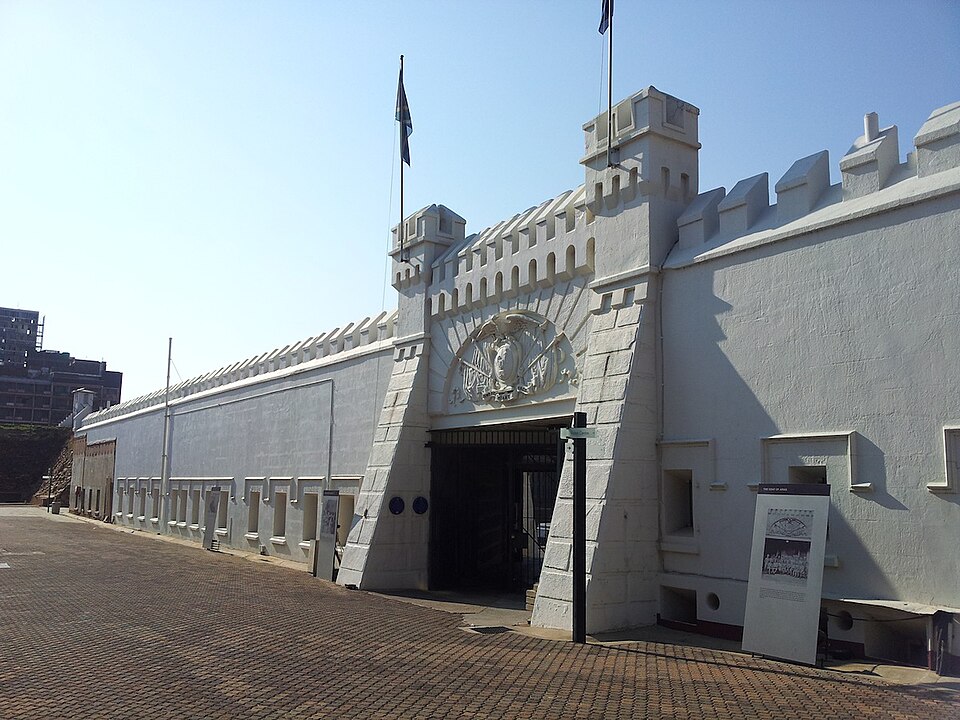
Constitution Hill, which sits atop a ridge as its name suggests, contains Johannesburg’s first prison. For nearly a century, the prison housed various inmates in atrocious conditions. Key anti-apartheid figures like Mahatma Gandhi, Albert Luthuli, and Nelson Mandela spent time here (although Mandela was famously kept in the “whites-only” section to isolate him from other activists).
Today, only part of the prison complex remains. The bricks from its demolished wings were used to build the Constitutional Court building. This move was deliberate, intended to signify the building of justice from the ruins of oppression.
Visitors can take a tour of the old jail cells, which is yet another visceral sort of museum experience.
Then there’s the court building, which is noticeably distinct in design from traditional courthouses. Its architects were guided by the idea of “justice under a tree”, given that was how African disputes were traditionally handled. Consequently, you have angled pillars and plenty of filtered light, among other interesting features.
The courtroom’s gallery also houses over 200 contemporary artworks by some of the country’s most talented artists.
After the discovery of gold in the late 19th century, the British wanted to wrest control of the Boers’ Transvaal Republic to own its mineral wealth. They waged two wars to this end, officially colonising the Transvaal in 1902 after defeating the Boers in the second Anglo-Boer War. Then, in 1910, Britain established the Union of South Africa. It’s in this context that the middle-class Victorian home of Lindfield House was built in what is today the Auckland Park suburb of Johannesburg.
Lindfield is still a private residence, and visitors are shown around by the owner, who dons full period dress and gives fun accounts of the rigid social etiquette of those early days. The busy Victorian and Edwardian finishings, furniture, toys, and other household paraphernalia offer a fascinating time capsule. You can also opt to have traditional afternoon tea served on vintage china on the verandah, if you wish.
6. South African National Museum of Military History
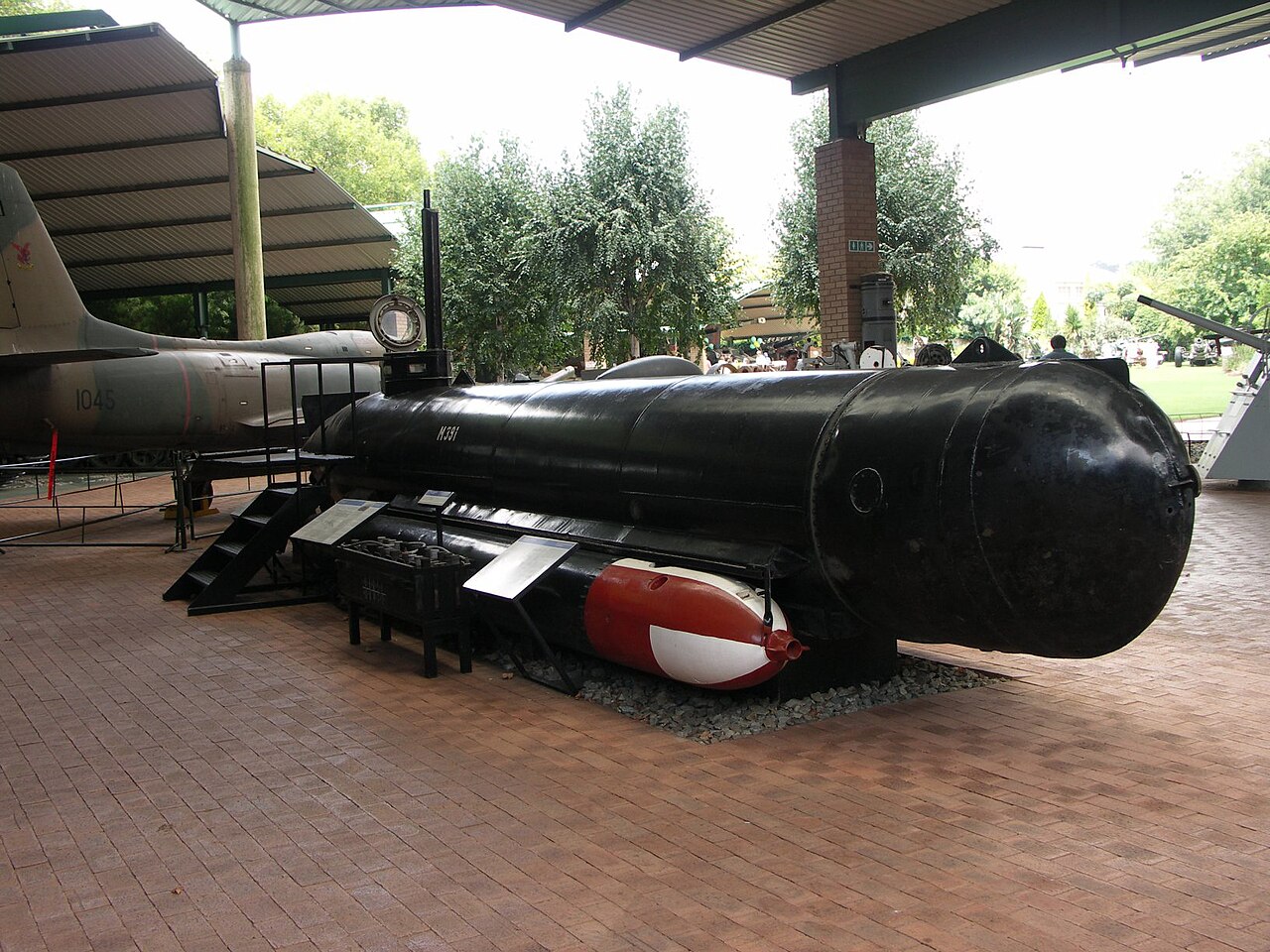
It’s famous amongst military enthusiasts for its rare wartime machinery. Most notably, perhaps, there’s the Me 262, which is the only surviving night-fighter version of the world’s first operational jet. Another gem is the claustrophobic German Molch one-man midget submarine, a relic of the Nazi navy.
There’s also an exhibit exploring the history of Umkhonto weSizwe, the armed wing of the ANC (the liberation organisation turned ruling political party). There’s also an exhibit on combat medicine that showcases the evolution of battlefield surgery and life-saving techniques from the 19th century to the present day.
Dip your toes into Johannesburg’s history
Of course, there are so many more worthwhile historic attractions in Johannesburg, not to mention those just on its doorstep, like the Voortrekker Monument in the adjacent city of Pretoria. If you’d like to explore this region of South Africa, consider going on one of these immersive and affordable South African tours with African Overland Tours.
Note: This blog post was created in November 2022 by Bronwyn Paxton. It was completely rewritten in April 2026 by Megan Abigail White.
Johannesburg – or Joburg as it’s known to locals – is usually not on the top of travellers’ wish lists for a South African safari trip. The city doesn’t have the beauty of Cape Town or the beaches of Durban…
Kruger National Park is one of Africa’s most affordable game parks, making it a great option for budget travellers South Africa’s flagship game reserve, Kruger National Park, offers the quintessential African big-game safari experience. The Kruger’s vastness and diverse ecosystems…
Who is suited to an African overland tour and how do you find the right one for you? An African overland tour is a wild and immersive trip that’s often life-changing and life-affirming. But it’s not for absolutely everyone. Then…
Planning an African overland tour? Awesome choice! Before you hit the road, why not check out some captivating reads by African authors? Trust us, it’ll add a whole new layer of excitement to your adventure. Picture this: as you lounge…
At AOT, our mission is simple: to help people step outside their lives and experience the magic of Africa’s wild spaces accessible, affordable, and unforgettable — without cutting corners on quality or adventure. We believe the best safaris don’t have…
























.jpg)
