The Namaqualand flowers are a springtime event of such scale, splendour, and variety that it has no real parallel anywhere else in the world. Here’s what makes it so special, where it takes place, and when to visit …
There are folks like me who will travel to another country solely for the purpose of seeing special flower displays. But even those who aren’t obsessed with flowers often make the journey to an arid and highly remote corner of South Africa that has little beyond its flowers to recommend it (except, perhaps, incredibly clear and starry night skies). This is because the Namaqualand wildflowers are in a class of their own.
Why all the fuss?
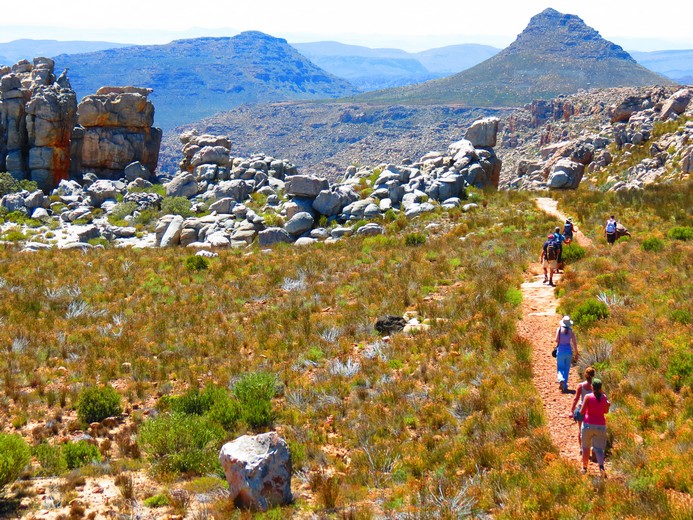
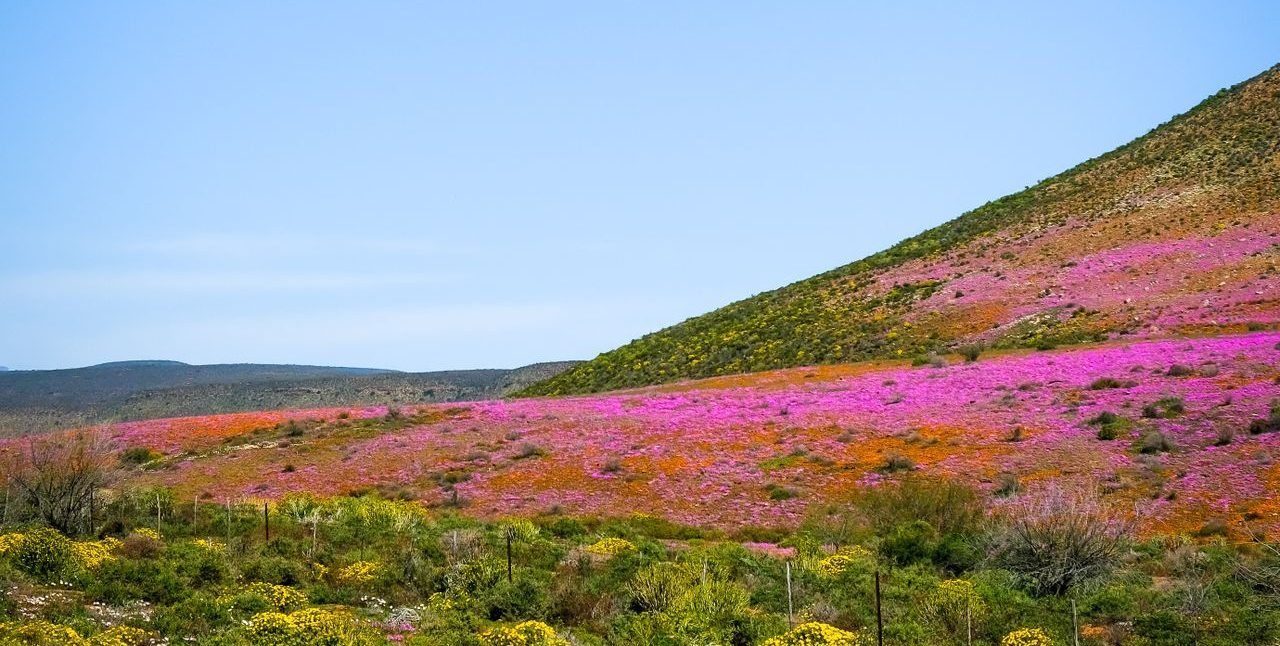
For most of the year, the semi-arid Namaqua landscape – part of a biome known as the succulent Karoo – is a little humdrum. There’s an austere beauty in the rugged, dusty, boulder-strewn hills for those who want to see it. But overall it’s a spread-out place without great variation and very few people or settlements.
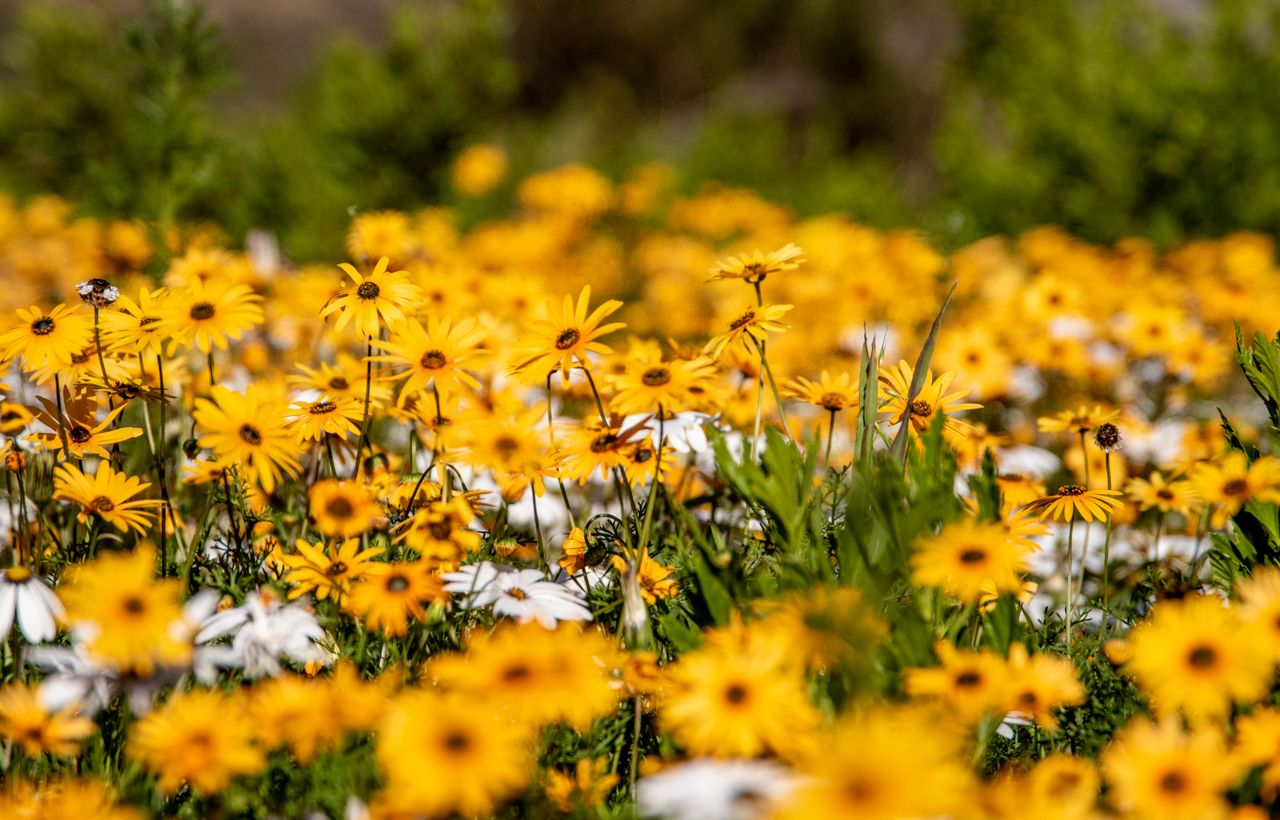
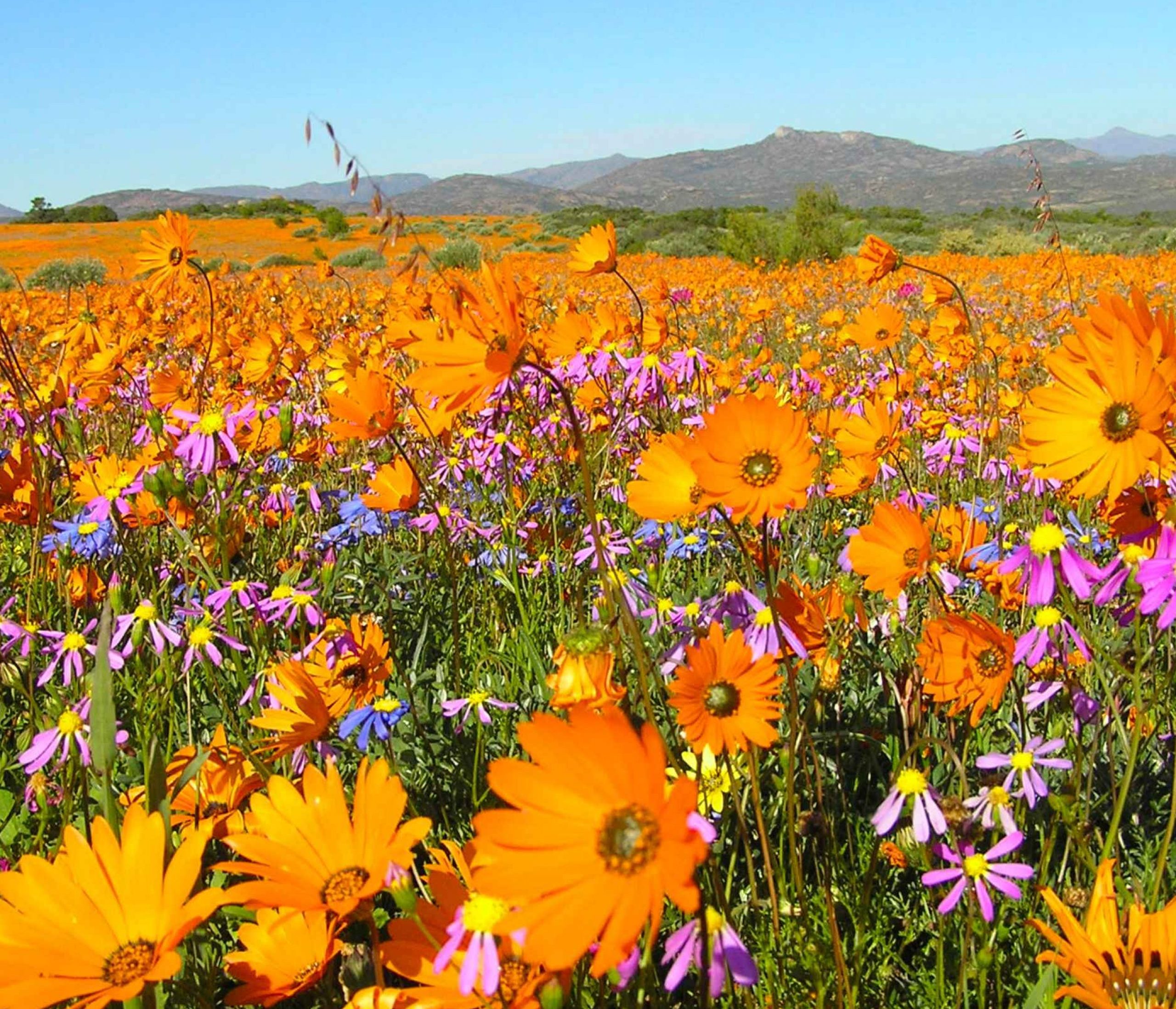
That said, every winter, the region receives some rare, precious rain. And this causes a springtime (August and September) superbloom that transforms everything and blows the socks off everyone who sees it.
Spring in Namaqualand is all about bold, intense colours. In some spots, you encounter a horizon-wide spread of orange daisies. In others, you find a patchwork of colours, as various daisies, bulbs, succulents, and other plants sprout flowers alongside each other in joyful abandon. If you’ve ever wanted to frolic in a big open field of wildflowers, Namaqualand is the place. What’s more, you’re almost guaranteed to be frolicking under a big, open, sunny sky.
The extraordinary biodiversity of Namaqualand
It’s not just the panoramas of Namaqualand that are astounding.
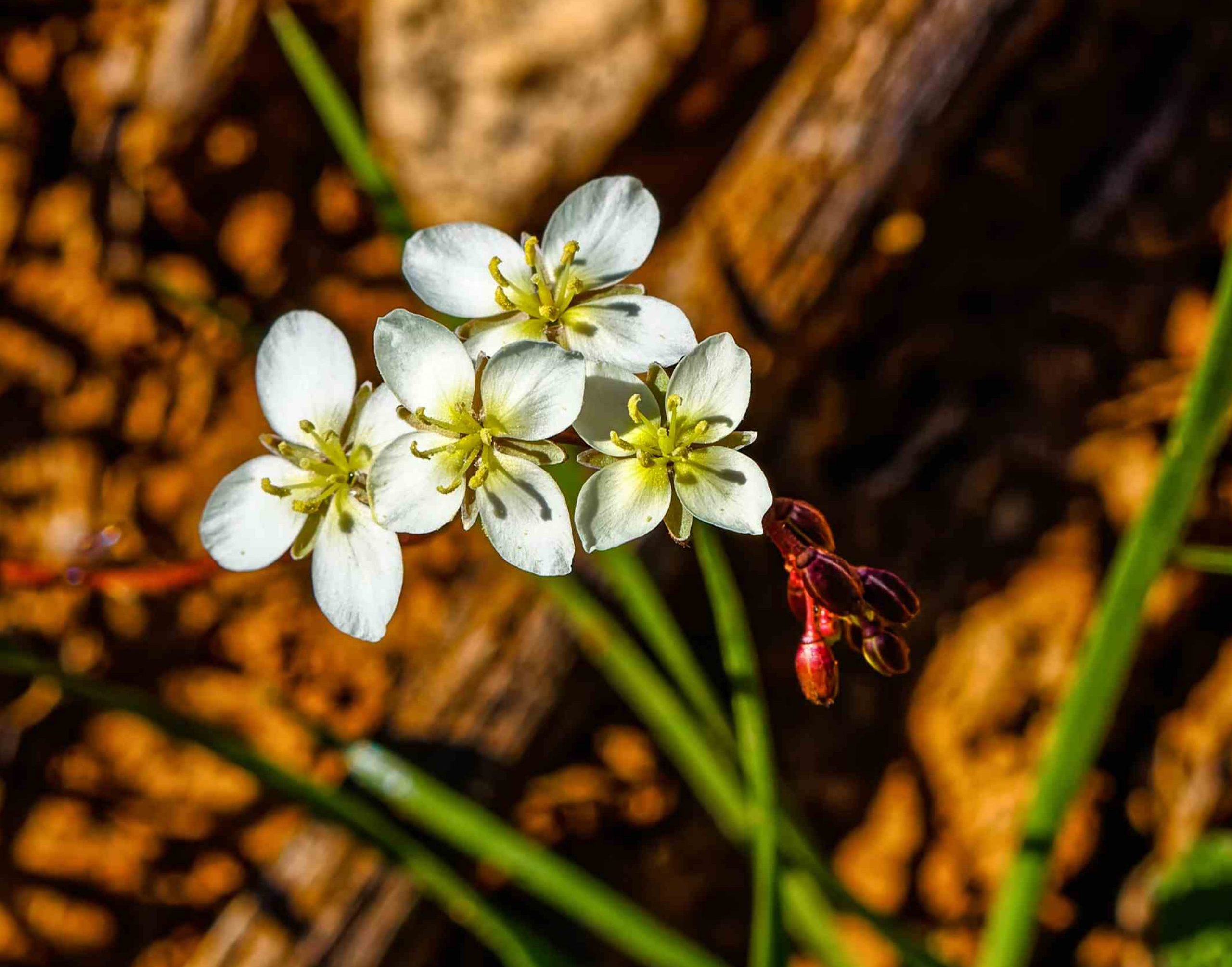
As explained by the South African National Parks, “Namaqualand is home to the richest bulb flora of any arid region in the world, and more than 1 000 of its estimated 3 500 plant species are found nowhere else on earth”! In fact, the Succulent Karoo is one of the world’s official biodiversity hotspots and has the highest concentration of succulents and geophytes of any desert region on the planet.
So if you love admiring individual flowers, are into botany, or enjoy close-up photography, then you need to visit the Namaqualand flowers. In many places, you literally can’t take more than two steps before encountering one or more gorgeous new flowers that you’ve not yet seen. They’re often so dainty and fabulous in design that you’ll be crouching down to see them better.
Do I have to go to Namaqua National Park to see the flowers?
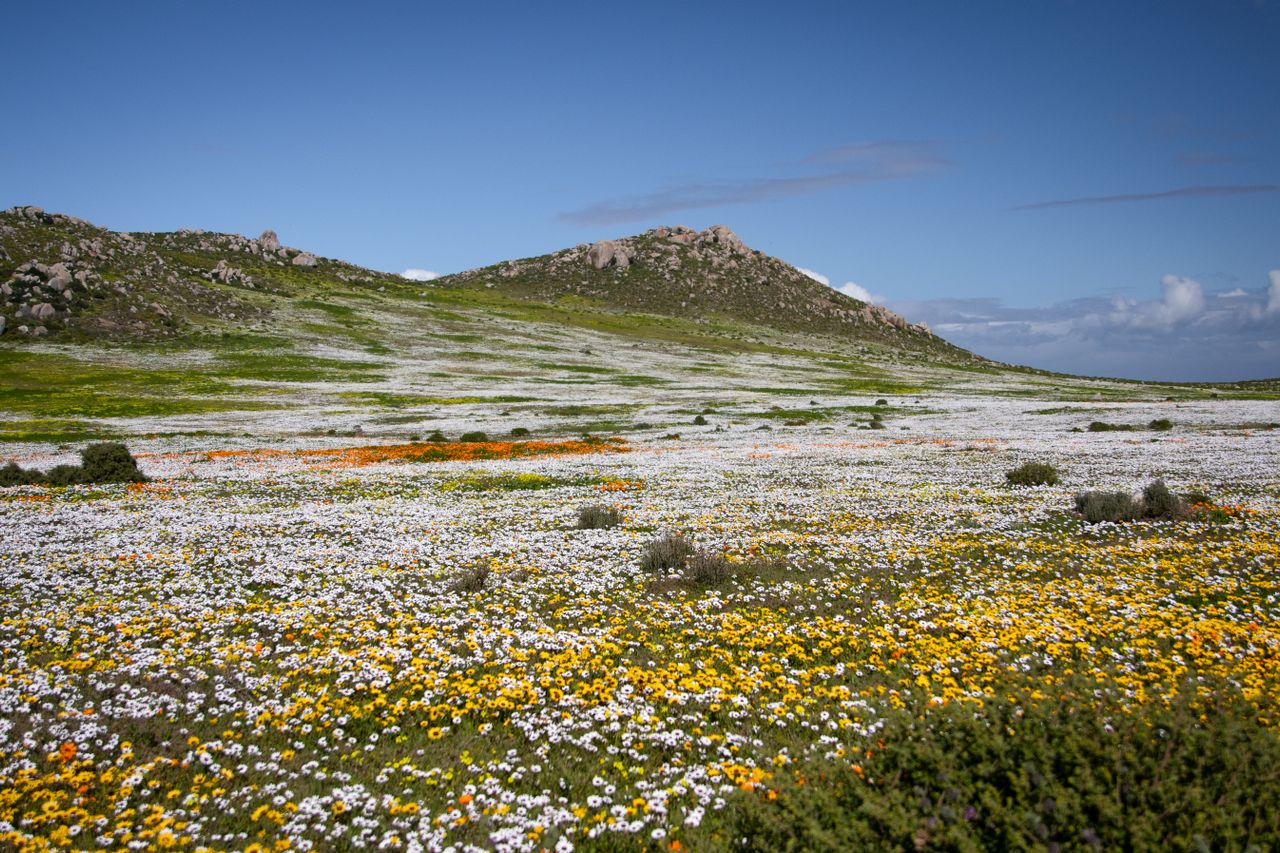
Quick answer: no. There are many places far from this park that you can visit to see a similar superbloom. Let me explain …
In common parlance, we often talk about “the Namaqualand flowers” to refer to all the springtime superblooms along the length of South Africa’s west coast. But this isn’t accurate.
Namaqualand, named for the indigenous Nama and Khoi peoples, is actually a vast region shared by South Africa and Namibia. The Namibian portion is called Great Namaqualand, and the South African portion Little Namaqualand. Little Namaqualand extends inland for over 100 km and stretches roughly 400 to 500 km from the border south to the Olifants River in the north of the Western Cape province. The superblooms south of that aren’t technically part of Namaqualand.
Namaqua National Park in the Northern Cape is simply the one park with flowers that bears the familiar “Namaqua” in its name. It’s certainly an incredible park for wonderful wildflower displays and also to learn about the biome’s rich flora. What’s more, there’s exciting wildlife in the park, like oryxes (gemsboks) and springboks. And the landscape ranges from mountains and massive granite outcrops to a gentle, gorgeous, and untouched coastline. So visiting this park is a great idea!
Places closer to Cape Town with wildflower carpets
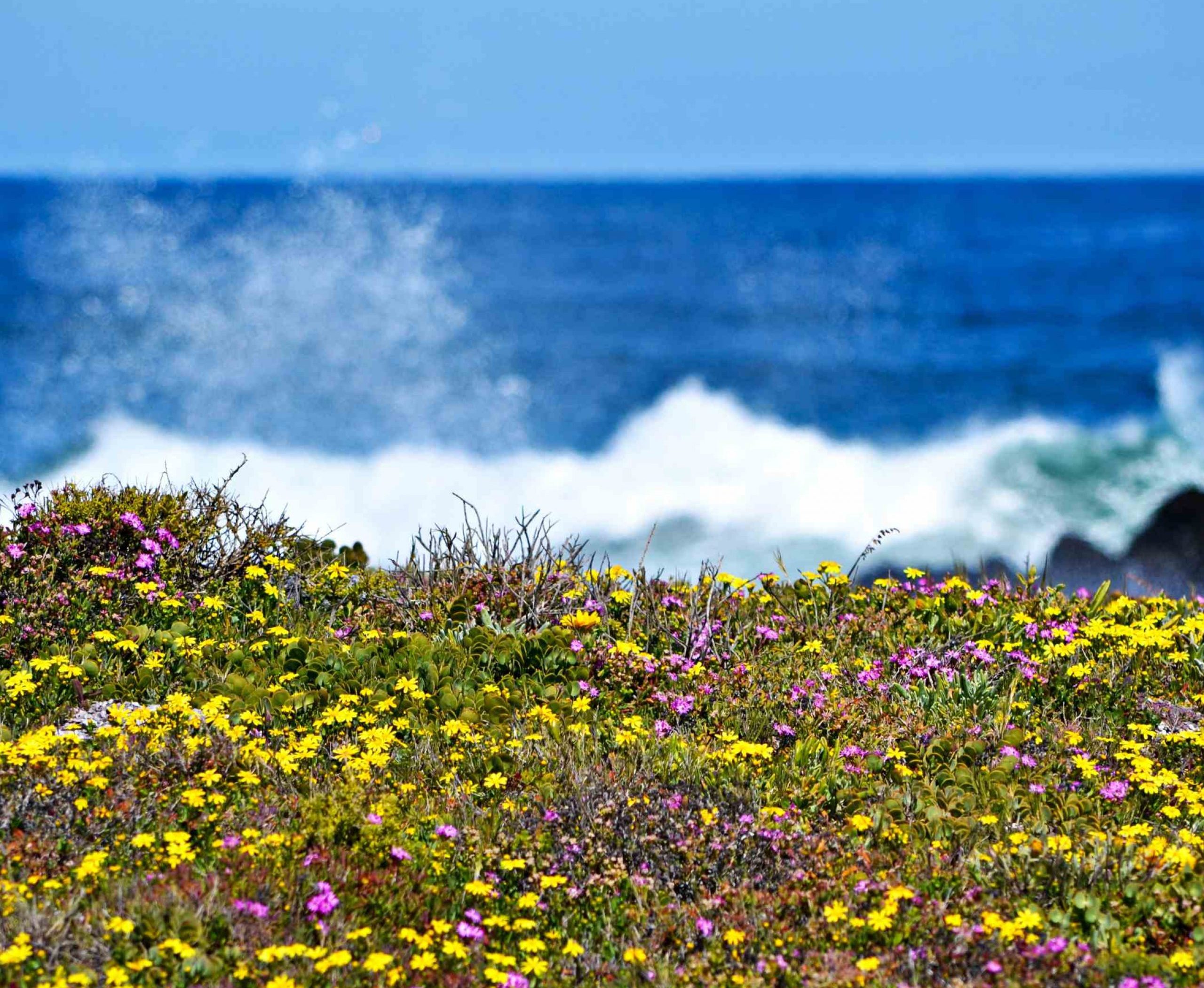
The reality is that pretty much the entire western coast of South Africa has places with springtime superblooms. This means you don’t necessarily need to travel as far north as Namaqua National Park (NP) to find exceptional floral displays.
Many folks instead visit West Coast National Park in the Western Cape or Tankwa Karoo National Park, the latter of which sits on the border of the two provinces. Both of these parks have incredible scenery and wildflower carpets. Postberg Flower Reserve within West Coast National Park, for instance, is notable for its magnificent scenes of wildflowers as well as antelopes like bontebok and eland against the blue of the Atlantic Ocean.
Other visitors head to Nieuwoudtville, a picturesque historical town known as the bulb capital of the world. Nieuwoudtville has the added appeal of being near the remarkable Quiver Tree Forest.
Other flower-seekers go to Clanwilliam in the utterly beautiful Cederberg mountains, where the succulent Karoo and fynbos biomes overlap, and so you also find many gorgeous proteas. Also, the annual Clanwilliam Wild Flower Show sees countless species brought together in one place as part of amazingly creative tableaus.
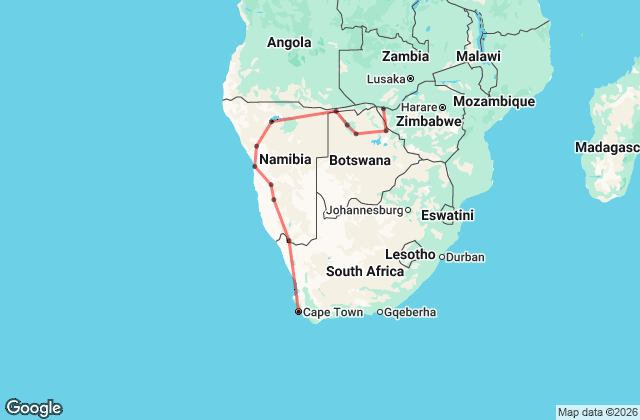
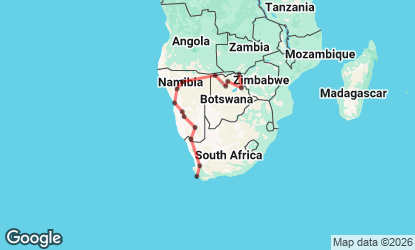
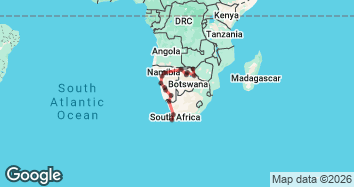
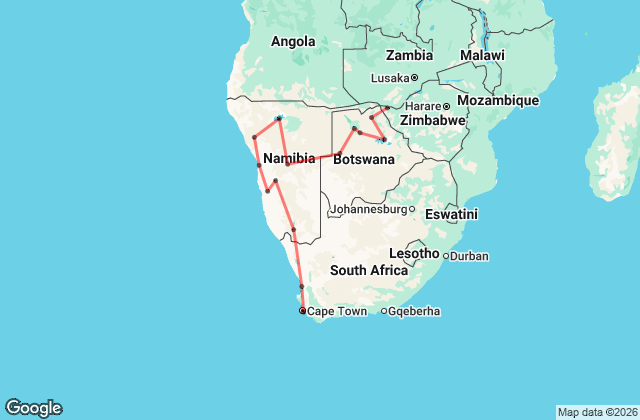
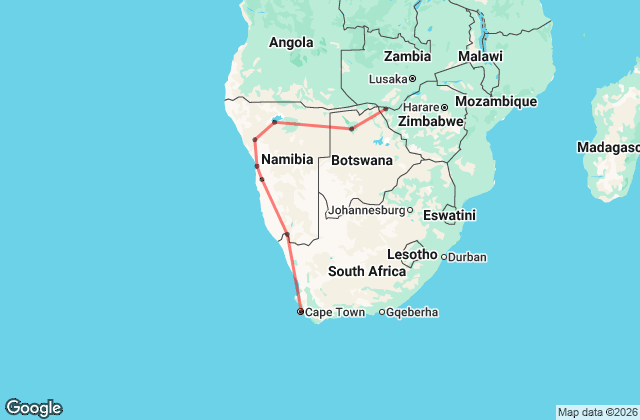
Note that you visit both the Cederberg and Namaqualand on the 21-Day Ultimate Southern Africa Adventure tour offered by African Overland Tours.
When exactly should I visit the Namaqualand flowers?
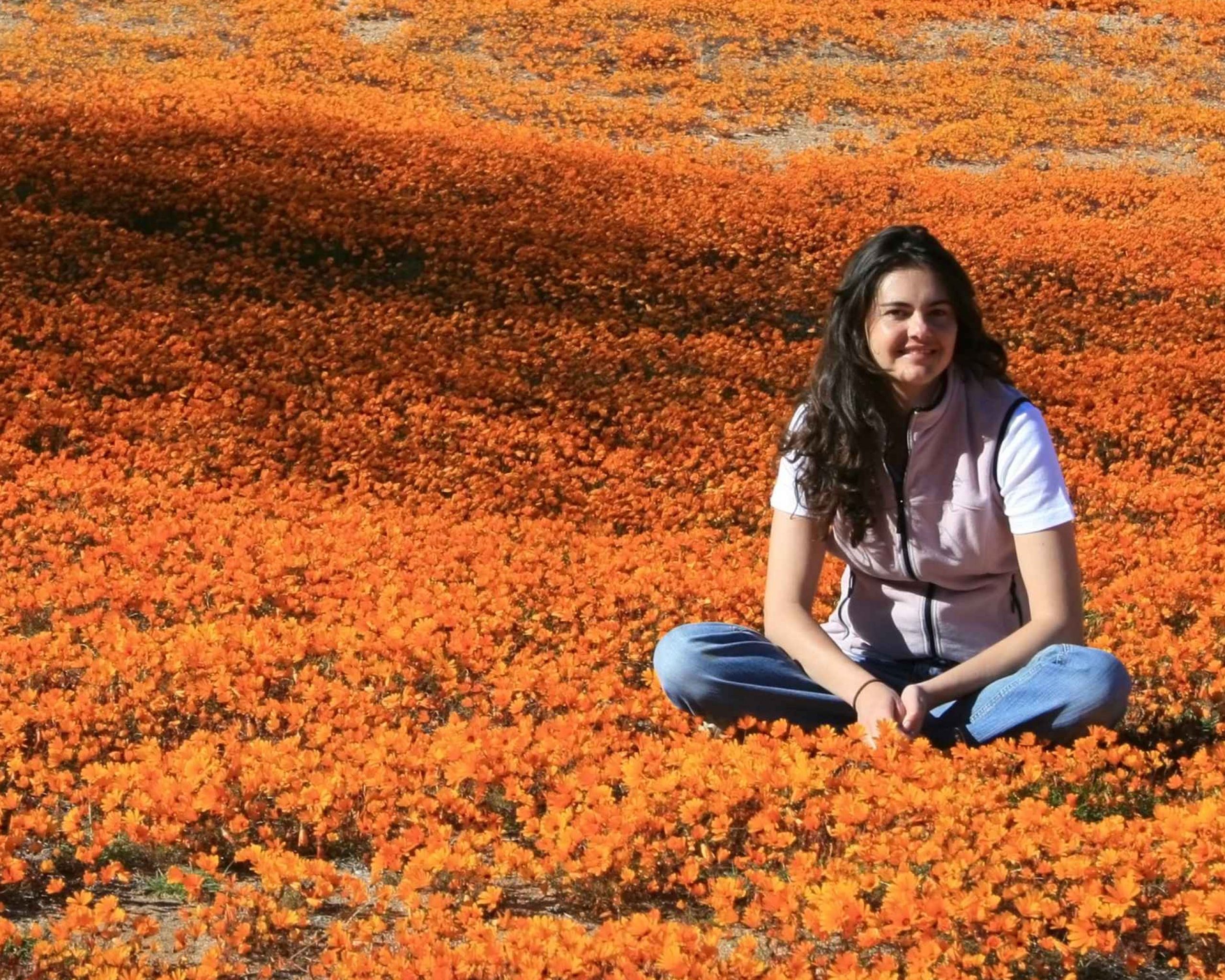
One tricky thing about planning a visit to the Namaqualand flowers (or we should rather say the succulent Karoo wildflowers) is the issue of timing. The winter rains and subsequent springtime blooms are like everything in nature: regular, but not clockwork regular. Usually, the flowers begin blooming in August and fade by the end of September. So book in the middle of that period for the safest bet.
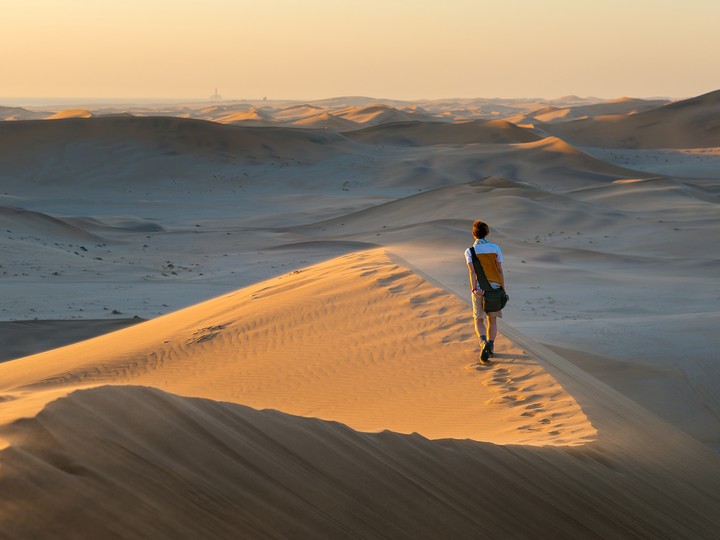
As mentioned, the Namaqualand flowers are pretty remote, especially if you’re heading to Namaqualand proper. An ideal way to see them is on an overlanding tour from Cape Town to Namibia. Check out the tours below for inspiration!
Note: This blog post was created in October 2013. It was rewritten in July 2026.