


African Overland Tours
https://www.facebook.com/AfricanOverlandTourscom/
https://www.instagram.com/african_overland_tours/
https://www.youtube.com/@africanoverlandtoursandsafaris
+27 (0) 21 448 0997
Customer Service
Worldwide

African Overland Tours
https://www.facebook.com/AfricanOverlandTourscom/
https://www.instagram.com/african_overland_tours/
https://www.youtube.com/@africanoverlandtoursandsafaris
+27 (0) 21 448 0997
Customer Service
Worldwide
There are many historic port cities around the globe, yet Stone Town is one of those special locations that everyone knows.
It’s even a UNESCO World Heritage Site.
There are various reasons why this small city on a small island in the Indian Ocean has come to stand out on the world stage. Its enduring appeal lies in things such as its warren-like streets, hybrid architecture, aging courtyards, spicy aromas, moving monuments, and beautiful sea views.
Stone Town is the beguiling and historic heart of modern-day Zanzibar City, the capital of the Zanzibar Archipelago.
The city is on the west coast of Unguja Island (also called Zanzibar Island), which is the biggest of the islands. It’s the gateway to the archipelago, having an airport on its outskirts, and so most tourists start their Zanzibar visit with a couple of nights in Stone Town.
Stone Town was a thriving port in centuries past, and it’s this trade and intermingling with other maritime societies like Oman, Persia, India, and Britain that have resulted in the formation of its uniquely cosmopolitan society.
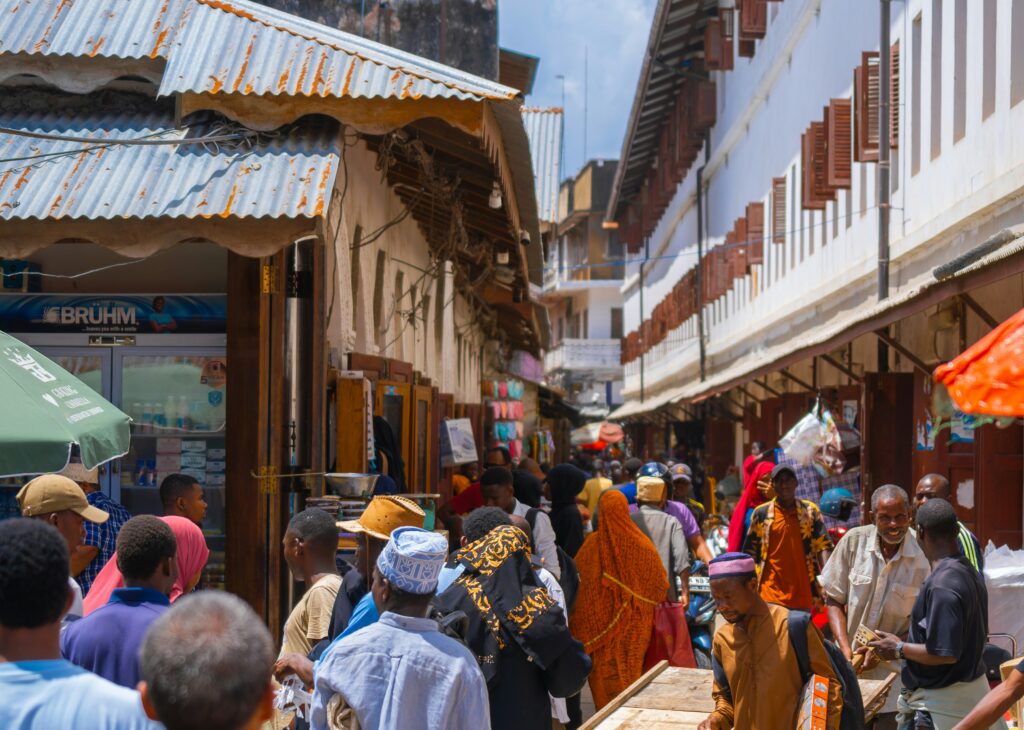
The city today is a charming conglomeration of mazelike streets, weathered coral stone walls and terracotta roofs, pointy-arched windows, small balconies, minarets, grand palaces, colonial mansions, and busy courtyards and bazaars.
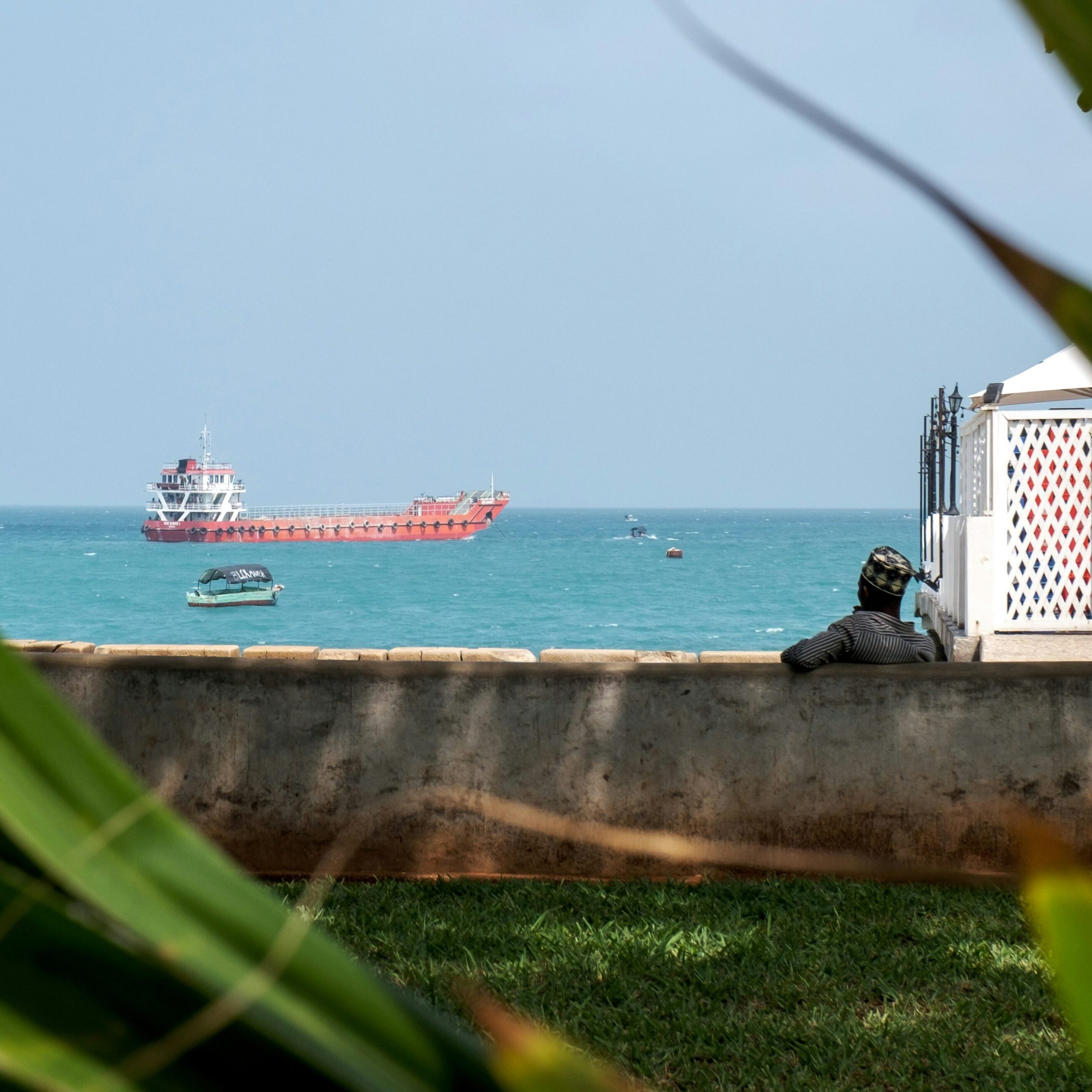
Its palm-lined promenade overlooks turquoise waters dotted with boats, dhows, and other vessels. What’s not to love about that?
Moreover, Stone Town’s residents retain and celebrate their traditions while being an open and tourist-facing destination. From coffee-drinking in public courtyards to open-air food markets and unique public memorials, it’s a living and authentic city that naturally offers many engaging and enriching visitor experiences.
It truly is a place like no other.
I recommend allowing yourself at least two full days in Stone Town so you can explore and appreciate the different sides to this special city. Why travel all this way only to rush through everything?
Zanzibar’s culinary scene is known for three things: arabica coffee, seafood, and lots of spice.
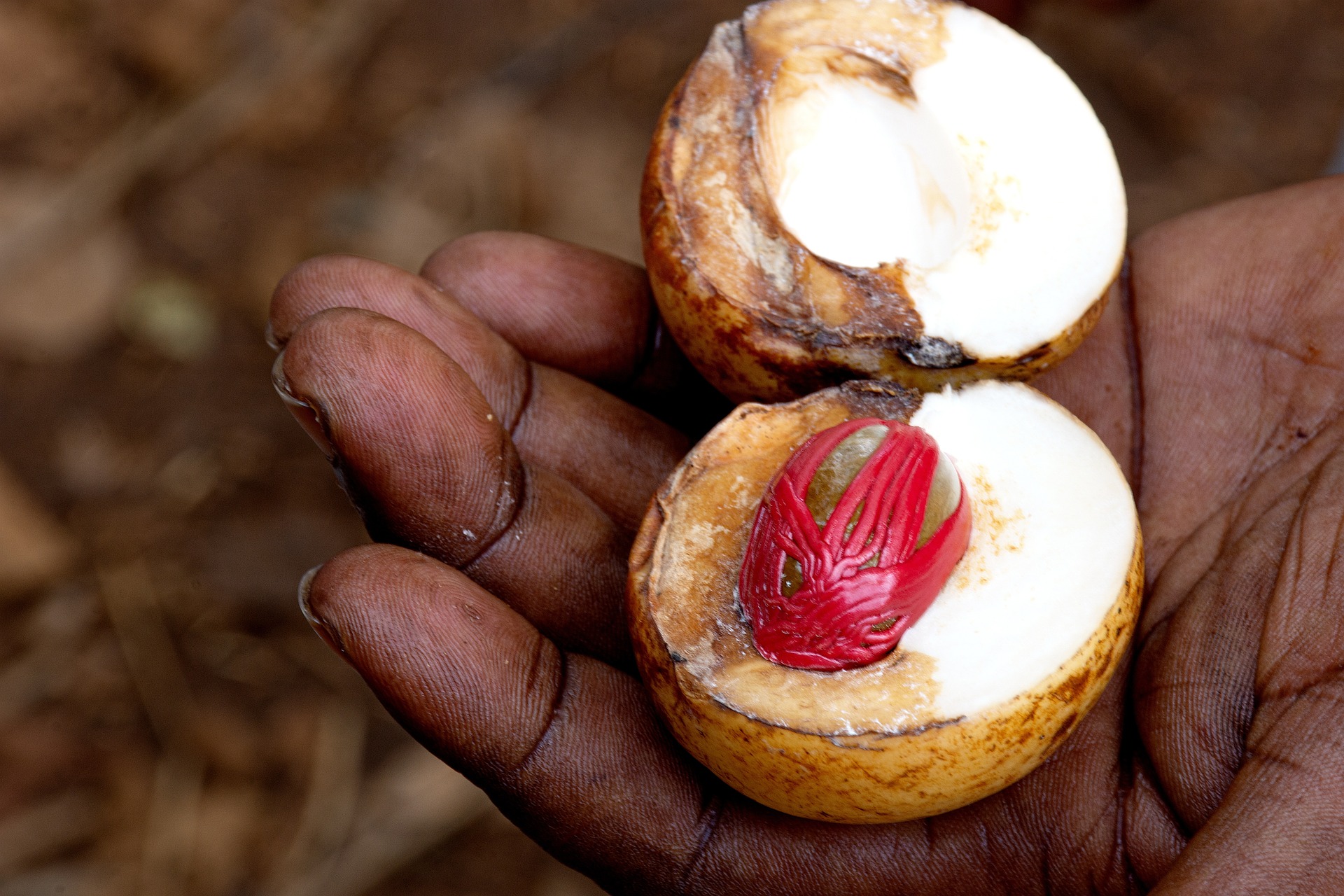
Spices like cardamom, clove, and cinnamon have long been integral to the Zanzibari economy, even earning it the moniker The Spice Island. Stone Town (and the rest of the island) is consequently a foodie’s delight, as the islanders have a long culinary tradition of pairing locally grown spices with freshly caught seafood.
I suggest that on at least one evening of your Stone Town stay you head to Forodhani Gardens by the promenade. Choose a fair night when you’ll most appreciate the sea breeze. This is a great outing for sampling spicy seafood alongside locals and enjoying some live music.
Some of the market foods that are popular with both locals and visitors are grilled seafood kebabs, urojo (a tangy, spicy soup), samosas, and Zanzibar pizza. There’s also sweet Zanzibar pizza, which has toppings like mango, banana, and Nutella.
Also be sure to visit a baraza (social courtyard) or café during your time in Stone Town to enjoy some local coffee. Sitting on a step in the shade of a weathered building while sipping your coffee is a very Zanzibari thing to do!
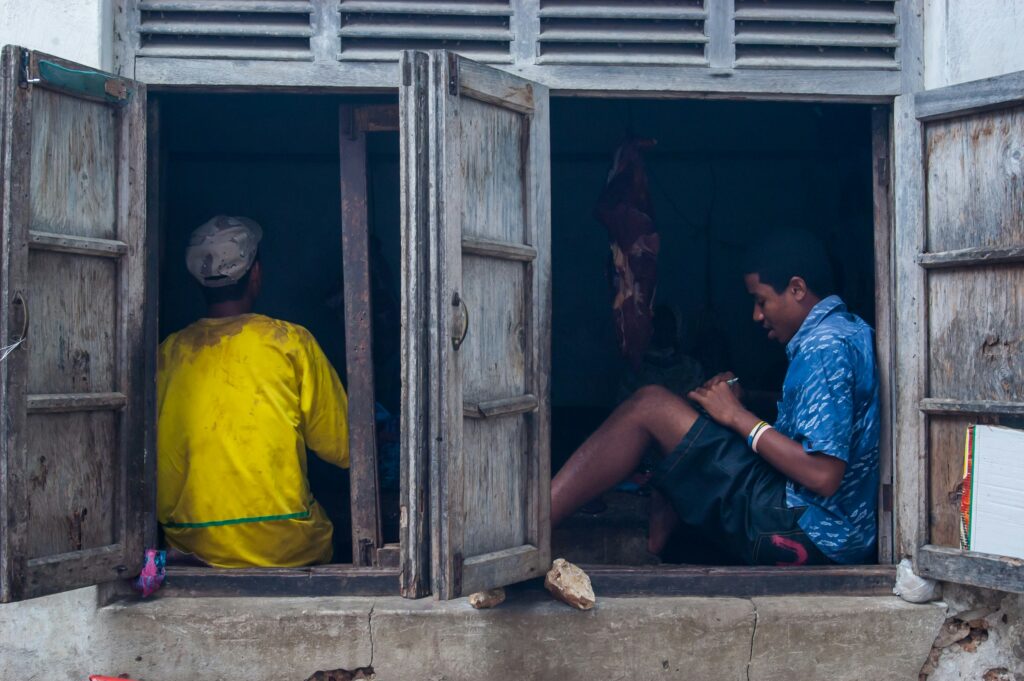
It’s rewarding to wander Stone Town’s labyrinthine lanes, even if you don’t have a destination in mind. During your stroll, you’ll encounter many of the city’s trademark hefty and intricately carved wooden doorways that seem to promise many stories of yore if only they could talk.
If you like pop culture, look for the surprising Jaws mural on the corner of Cathedral Street. Then visit the Freddie Mercury Museum, which pays homage to the island’s most famous citizen. While in the area, you can admire the imposing facade and buttresses of Christ Church Cathedral, which was built on the site of the old slave trade.
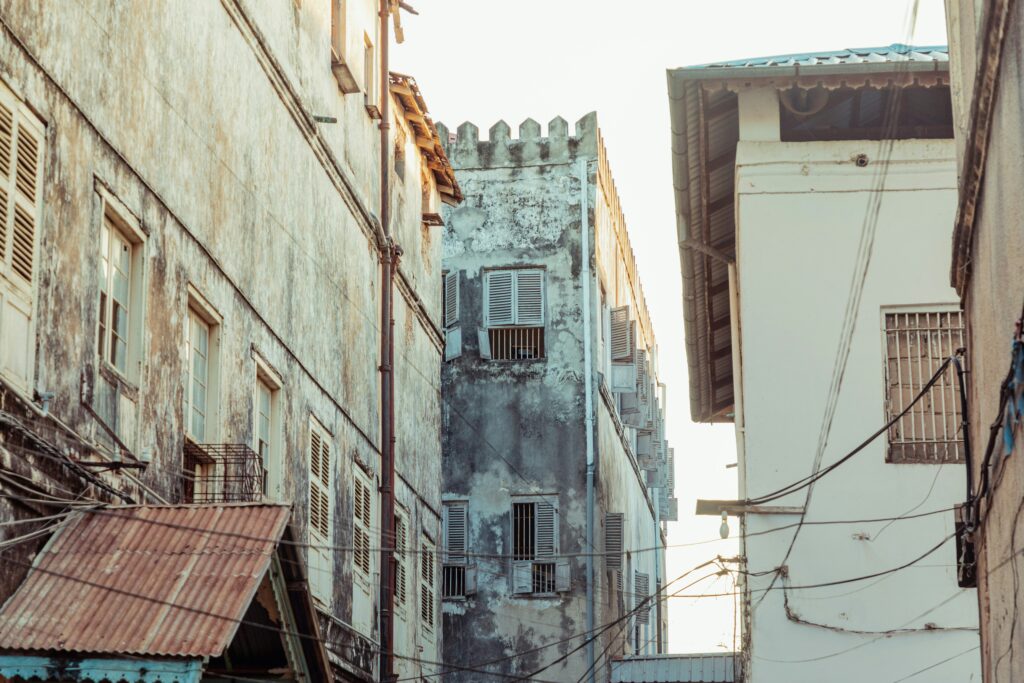
Along the promenade are many grand and important buildings from different eras. Quite a few harken back to the days of the Sultanate, like the ruined Omani Fort, the transporting Mtoni Palace Ruins, and the House of Wonders and Palace Museum. While by the promenade, you can also stroll through Forodhani Gardens and appreciate the boat-speckled sea view from beneath the shade of palm trees.
Finally, there are plenty of invitingly shadowy little clothing and souvenir shops to visit in Stone Town. And there are various bazaars to browse. Try to buy goods made and sold by local artisans rather than from the big souvenir shops, which often sell imported and mass-produced goods.
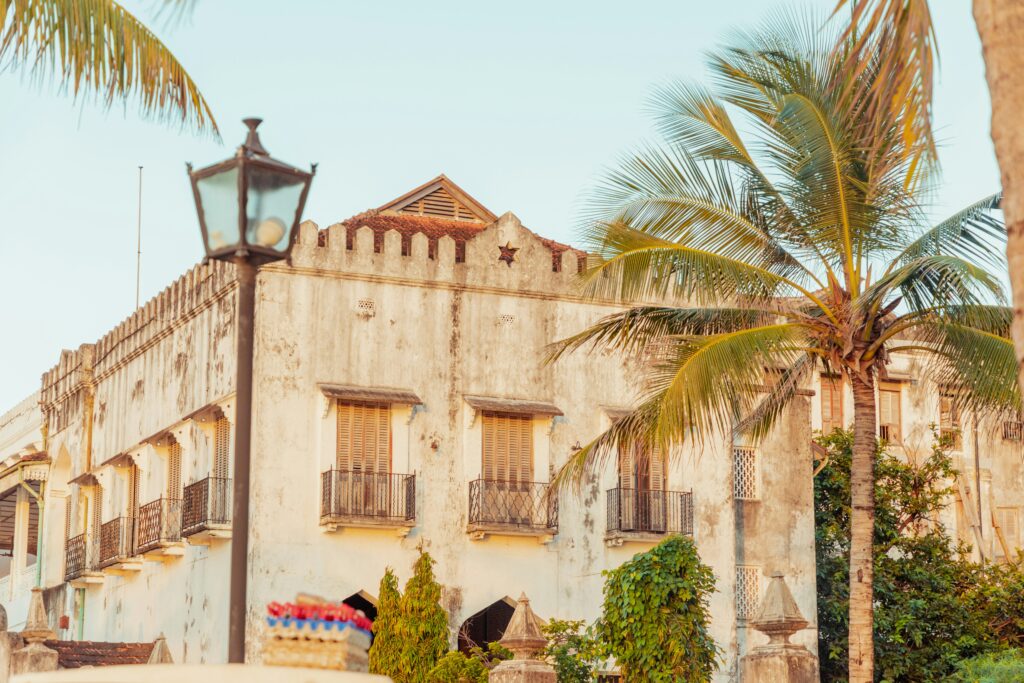
No matter where you travel in the world, you need the services of a local guide if you want to properly appreciate all that you encounter. And since Stone Town is a city with a truly multilayered history, you really do need a skilled tour guide to help uncover those layers for you.
Over the centuries, Zanzibar (and Stone Town in particular) has experienced many seismic cultural shifts thanks to a never-ending succession of settlers, traders, and conquerors. In mediaeval times, these newcomers came primarily from the Swahili Coast, Persia, Yemen, and West India. Then, in 1498, the Portuguese started arriving, followed two centuries later by the Omanis, and then the British took over in 1890. The islanders finally won their independence in 1963, and the following year united with Tanganyika to form present-day Tanzania.
You can see the legacies – good and bad – of all these different people groups on a Stone Town history and culture tour.
The three-storey Old Dispensary, for instance, built in 1894 by the British, is a fascinating hybrid construction. Highly ornamented Indian-style wooden balconies are paired with Victorian broekie lace as well as the local tradition of building walls from coral rag and lime.
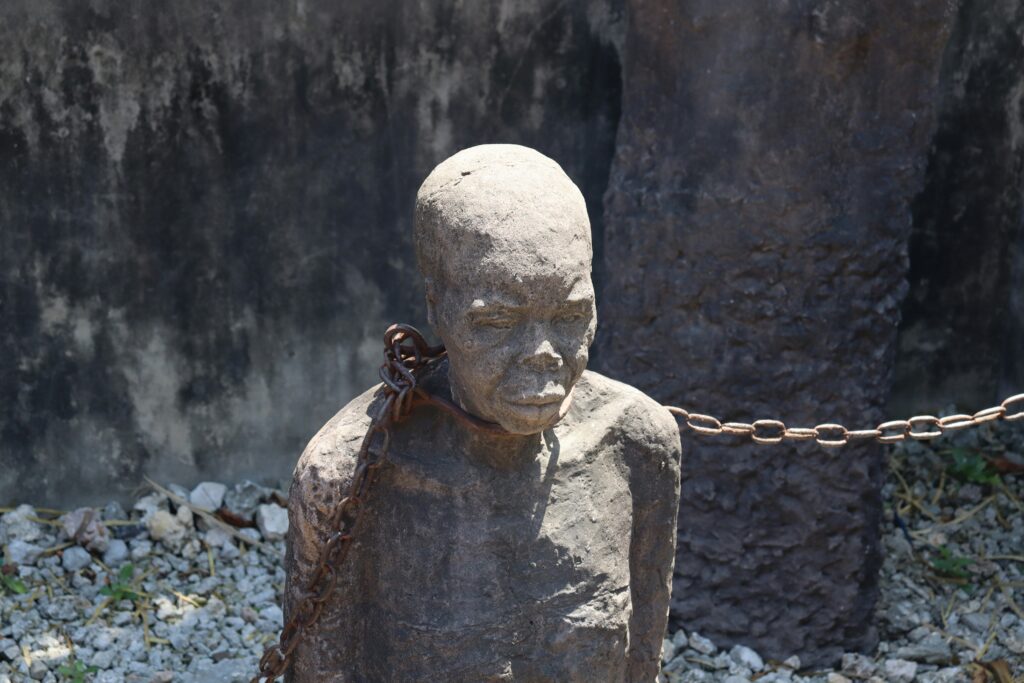
Yet perhaps the most important site to visit is the moving slave trade memorial in the grounds of Christ Church Cathedral. The slave trade here was only abolished at the end of the 1800s, so understanding what took place is critical to understanding Stone Town and Zanzibar today.
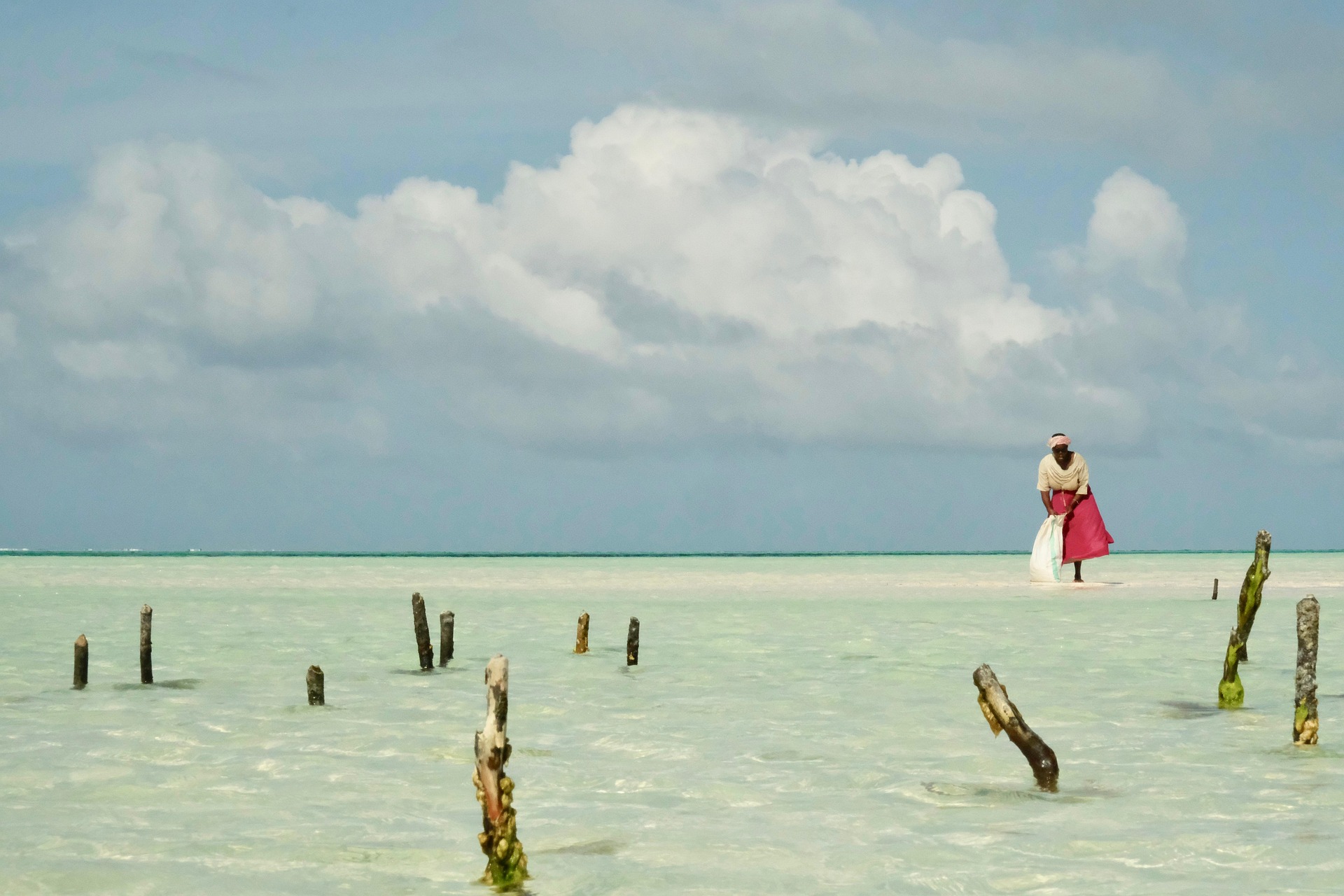
I’d be remiss not to mention the many adventure and cultural activities you can enjoy on a day trip from Stone Town. In fact, the city is a great base for activities all across the island as well as out onto the water and on the surrounding islets.
Some of the most popular activities based out of Stone Town are:

If you’re ready to start planning a Stone Town and Zanzibar adventure, check out these exciting Zanzibar-inclusive tours.

"*" indicates required fields