



Explore Uganda
57 days
South Africa
Places you'll visit
African Overland Tours
https://www.facebook.com/AfricanOverlandTourscom/
https://www.instagram.com/african_overland_tours/
https://www.youtube.com/@africanoverlandtoursandsafaris
+27 (0) 21 448 0997
Customer Service
Worldwide

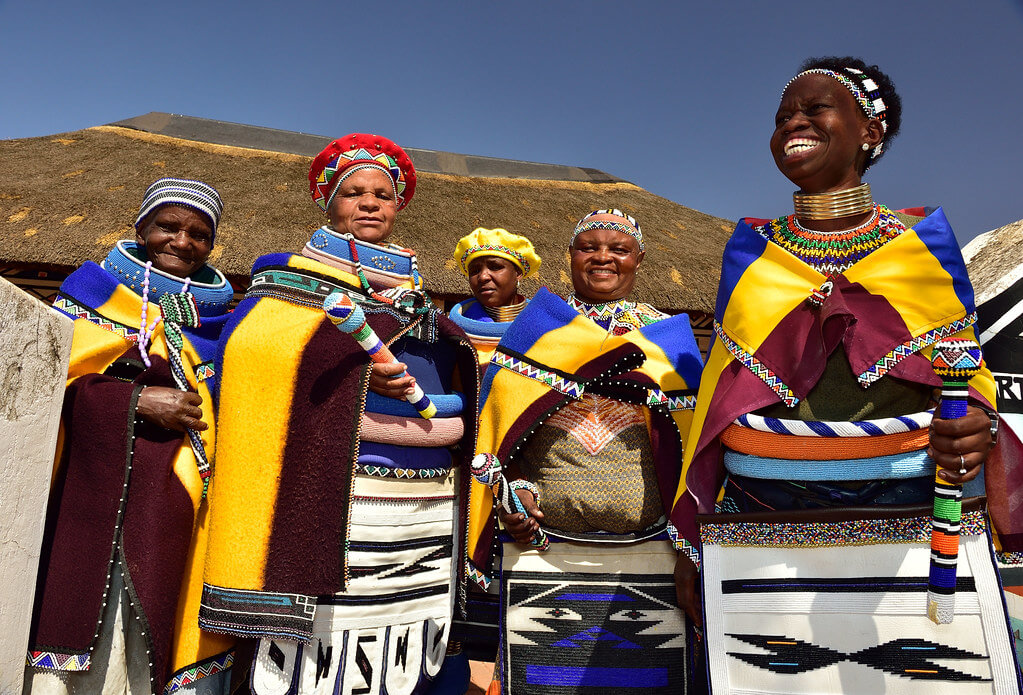
Language has the power to bring people together.
Whether you are fluent or not, learning the common phrases of a different country will not only impress the local people of that country but also bring you closer to experiencing local traditions, transforming your tour into an unforgettable journey! Zimbabwe is a breathtaking country with beautiful landscapes, rich cultural heritage, and magnificent wildlife. Zimbabwe also held the Guinness World Record at a national level for recognizing 16 official languages. These include Chewa, Chibarwe, English, Koisan, Kalanga, Ndau, Nambya, Ndebele, Shangani, Shona, Sign-language, Sotho, Tonga, Tswana, Venda, and Xhosa. Each language represents the cultural and indigenous groups and traditions that make up the people of Zimbabwe. English is spoken in the tourist areas, but learning a few phrases in one of the many Zimbabwean languages can help transform your tour into a magical adventure, promising a truly authentic travel experience. You will move beyond the usual tourist bubble and immerse yourself in the heartbeat of Zimbabwe.
Zimbabwean languages can be tricky to pronounce as they include nasal and clicking sounds. It is not about perfection; it is the journey, more so than the destination, that will transform your travel experience. The effort to speak in a local Zimbabwean language on tour shows respect, and may open doors to parts of Zimbabwe and its people that many don’t get to experience.
The vast majority of Zimbabweans speak Shona in various dialects which include Karanga, Korekore, Manyika, Ndau, Zezuru. The language belongs to the Bantu language group. Hello: Mhoro (mm-HOR-ro) Goodbye/stay well: Sarai zvakanaka (sah-rah-ee zvah-kah-nah-kah) Please: Ndapota (n-dah-POH-tah) Yes: Hongu (Hoh-ngoo) No:Kwete (Kweh-teh) Thank you: Maita zvenyu (Mah-ee-tah zweh-nyoo)
This is a tonal language that is recognized by the use of click sounds that were borrowed from neighboring Koisan languages. Along with Shona and English, it is one of the main languages spoken by Zimbabweans. Hello: Sawubona (Sah-woo-boh-nah) Goodbye: Salakahle (Sah-lah-kah-shleh) Please: Ngicela (Ngee-seh-lah) Yes: Yebo (Yeh-boh) No: Hayi (Hah-yee) Thank you: Ngiyabonga (Ngee-yah-boh-ngah)
English is considered Zimbabwe’s lingua franca as it is the primary language used in urban and professional environments, including education, business, media and government. It is the first language for white Zimbabweans, and a second language for the majority of black Zimbabweans.
Chewa is also known as Chichewa and Chinyanja, and is also a tonal language. It is important to note that some phrases may be similar to other regional languages as they share linguistic heritage. Hello: Moni (Moh-nee) Goodbye: Tionana (Tee-oh-nah-nah) Please: Chonde (Choh-ndeh) Yes: Inde (Ee-nde) No: Ayi (Ah-yee) Thank you: Zikomo (Zee-koh-moh)
Otherwise known as Barwe, it is spoken in the north-eastern parts of Zimbabwe and is an endangered language. It shares linguistic heritage as well, resulting in some phrases being similar to other regional languages.. Hello/How are you?: Muli Bwanji? (Moo-lee Bwan-jee?) Goodbye: Tionana (Tee-oh-nah-nah) Please: Ndaphota (Nda-pfoh-tah) Yes: Inde (Ee-nde) No: Nkhabe (Nkha-beh) Thank you: Zikomo (Zee-koh-moh)
Tshwa is also known as Tsoa by those outside of Zimbabwe. It is a language at risk of facing extinction as it is the mother-tongue of only a few thousand people. There are several dialects, with some phrases being difficult to find because it is an endangered language with limited documentation. The following borrow from Tswaho click language (a branch of the Koisan language.) Hello: Ahee! (Ah-hee!) Goodbye: !Gâise !gû re (Click-Gah-ee-seh Click-goo reh) Please:Toxoba (Toh-(click)-oh-bah) Yes: Î (Ee) No: Nnyaa / Ê-ê (Nnyah-ah / Eh-eh) Thank you: Gangans (Gahn-gahns) 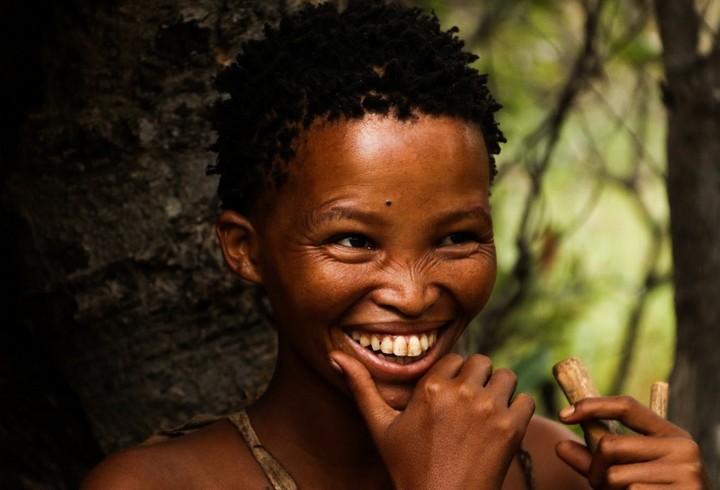
If you are vising the south-western parts of Zimbabwe (bordering Botswana) you will hear the Kalanga language being spoken. Hello: Dumilani (Doo-mee-lah-nee) Goodbye: Tjiwonana (Tjee-woh-nah-nah) Please: Ndapota (Ndah-poh-tah) Yes: Ehe (Eh-heh) No: Aiwa (Ah-ee-wah) Thank you: Ndaboka (Ndah-boh-kah)
Ndau is also known as Chindau, Chidanda, chiNdau, Ndaundau, Ndzawu, Njao, Sofala, or Southeast Shona. It is a stable language, meaning many Zimbabweans speak Ndau. Hello: Mhoroi (Mhoh-roh-ee) Goodbye: Tionana (Tee-oh-nah-nah) Please: Ndinokumbirawo (Ndoh-koom-bee-rah-woh) Yes: Ehe (Eh-heh) No: Aiwa (Ah-ee-wah) Thank you: Ndatenda (Ndah-teh-ndah)
Nambya shares about three quarters of its vocabulary with Kalanga, thus some phrases and words are similar or the same. It also borrows words from English, Ndebele and Tonga. Hello: Muli bwanji? (Moo-lee bwan-jee) (meaning “How are you? But is commonly used as a greeting.) Goodbye: Tionana (Tee-oh-nah-nah) Please: Ndapota (Ndah-poh-tah) Yes: Iyi (Ee-yee) No: Pepe (Pe-peh) Thank you: Taboka (Tah-boh-kah)
The name is associated with a small farming community of Shangani in Zimbabwe, spoken by tribes found along the Shangani river. Hello: Avuxeni (Ah-voo-sheh-nee) Goodbye: Sala kahle (Sah-lah kah-shleh) Please: Ndza kombela (N-za koh-mbeh-lah) Yes: Ina (Ee-nah) No: E-e (Eh-eh) Thank you: Ndza nkhensa (N-za n-khehn-sah) 
Sign-language is recognized as one of the official languages in Zimbabwe. However, there is no official sign-language for the entire country as some people use American sign language, while others adapt to one of the seven sign-languages that exist in the country. Hello: Waving gently from the side of your head, accompanied with a smile and friendly expression. Goodbye: Hand open, palm facing forward, fingers spread, waving the hand side-to-side at the wrist. Please: Bring both hands together, palms touching and fingers spread slightly apart. Move hands slightly forward and in a subtle circular motion. Yes: Make a fist. Lifting it up to the side of your head, nod both your fist and head forward. No: Shake the head from left to right. Thank you: Bringing the fingertips to the chin, move the hand forward and slightly downward, as if blowing a kiss. https://www.youtube.com/watch?v=Tf0ZlEmmcBc
It is also known as SeSotho and is one of the eleven official languages in South Africa. It is a language spoken by few in the southern parts of Zimbabwe. Hello: Lumela! (Loo-meh-lah!) Goodbye: Sala hantle! (Sah-lah hah-ntleh!) Please: Ke kopa… (Keh koh-pah…) Yes: E-e (Eh-eh) No: Che (Cheh) Thank you: Kea leboha. (Keh-ah leh-boh-hah)
Also known as Chitonga, isiTonga and Zambezi, it is spoken by many as a second and third spoken language in Zimbabwe. There is a diverse range of Tonga dialects as well. Hello: Mwapona? (Mwah-poh-nah?) Goodbye: Mucaale kabotu. (Moo-chaa-leh kah-boh-too) Please: Ndakumbila (Ndah-koom-bee-lah) Yes: Iyii (Ee-yee) No: Pepe (Pe-peh) Thank you: Twalumba. (Twa-loo-mbah) 
Also known as Setswana, with most speakers found in the south of Zimbabwe. Hello:Dumelang (Doo-meh-laang) Goodbye: Sala Sentle (Saa-laa Sent-leh) Please: Tsweetswee (Tsweet-swee) Yes: Ee (Eee) No: Nnyaa (n-yaa) Thank you: Ke a leboga (Keh aa le boh ga)
Venda is spoken by Zimbabweans in the South, along the Limpopo river. It is also related to the Kalanga language. Hello: Ndumeliso Goodbye: Sala zwavhuḓi Please: Takadza Yes: Ee No: Hai Thank you: Ndo livhuwa
The Xhosa language is famously recognized for its clicking consonants. Interestingly, it was also Zimbabwe’s former national anthem which was based on a Xhosa hymn. Hello: Mholo Goodbye: Sala kakuhle Please: Ndiyacela Yes: Ewe No: Hayi Thank you: Enkosi Zimbabwe is more than an amalgamation of langauges, cultures and wildlife. But don’t take it from us, listen to Joshua Feyen, a guest on the African Overland Journal Podcast who shared a heartwarming experience about the people of Zimbabwe.
Interacting with the locals not only enriches your adventure, but creates a beautiful memory for you and those you interact with to share forever. Small efforts go a long way, and what better way to make your adventure unforgettable than by embracing the cultures and languages of Zimbabwe.

ZAR
239355.00https://schema.org/InStock
African Overland Tours
Price From
was
R265,950
R239,355

ZAR
158995.00https://schema.org/InStock
African Overland Tours
Price From
R158,995
ZAR
143650.00https://schema.org/InStock
African Overland Tours
Price From
R143,650
ZAR
59975.00https://schema.org/InStock
African Overland Tours
Price From
R59,975

"*" indicates required fields