

African Overland Tours
https://www.facebook.com/AfricanOverlandTourscom/
https://www.instagram.com/african_overland_tours/
https://www.youtube.com/@africanoverlandtoursandsafaris
+27 (0) 21 448 0997
Customer Service
Worldwide

African Overland Tours
https://www.facebook.com/AfricanOverlandTourscom/
https://www.instagram.com/african_overland_tours/
https://www.youtube.com/@africanoverlandtoursandsafaris
+27 (0) 21 448 0997
Customer Service
Worldwide
Nyerere National Park Is Home to Africa’s Most Beloved Wildlife
Nyerere National Park is a truly vast and untamed wilderness that supports an astonishing array and density of wildlife. It’s a fantastic safari destination for anyone who craves to step into a world that’s highly remote and wild. In fact, many parts of the park offer a frontier feeling, as it’s simply you, the bush, the breeze, and the countless creatures that call it home.
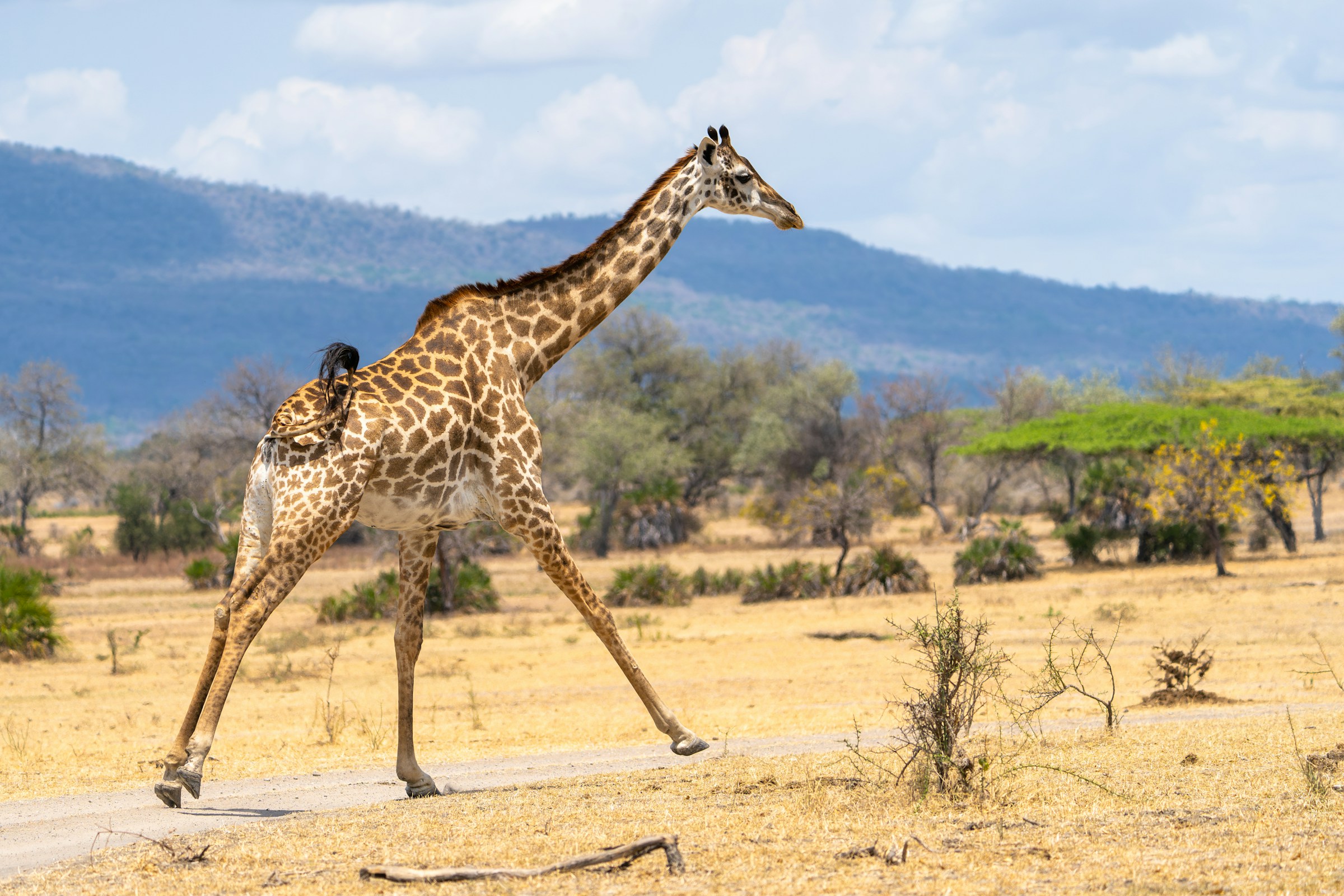
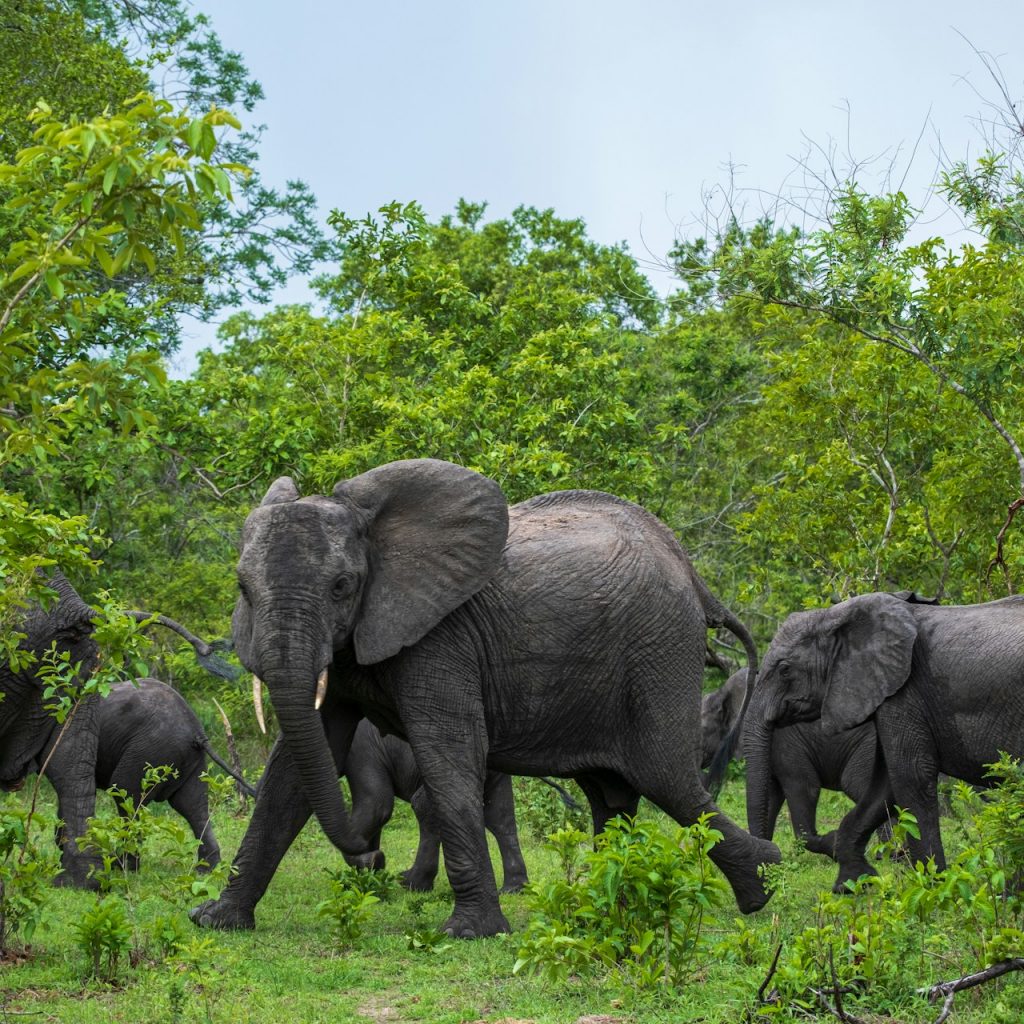
It’s also a great park to visit if you wish to spot Africa’s most iconic wildlife; it hosts the Big Five (lions, leopards, bush elephants, Cape buffaloes, and black rhinos) as well as cheetahs, zebras, hippos, giraffes, hyenas, elands, kudus, and crocodiles.
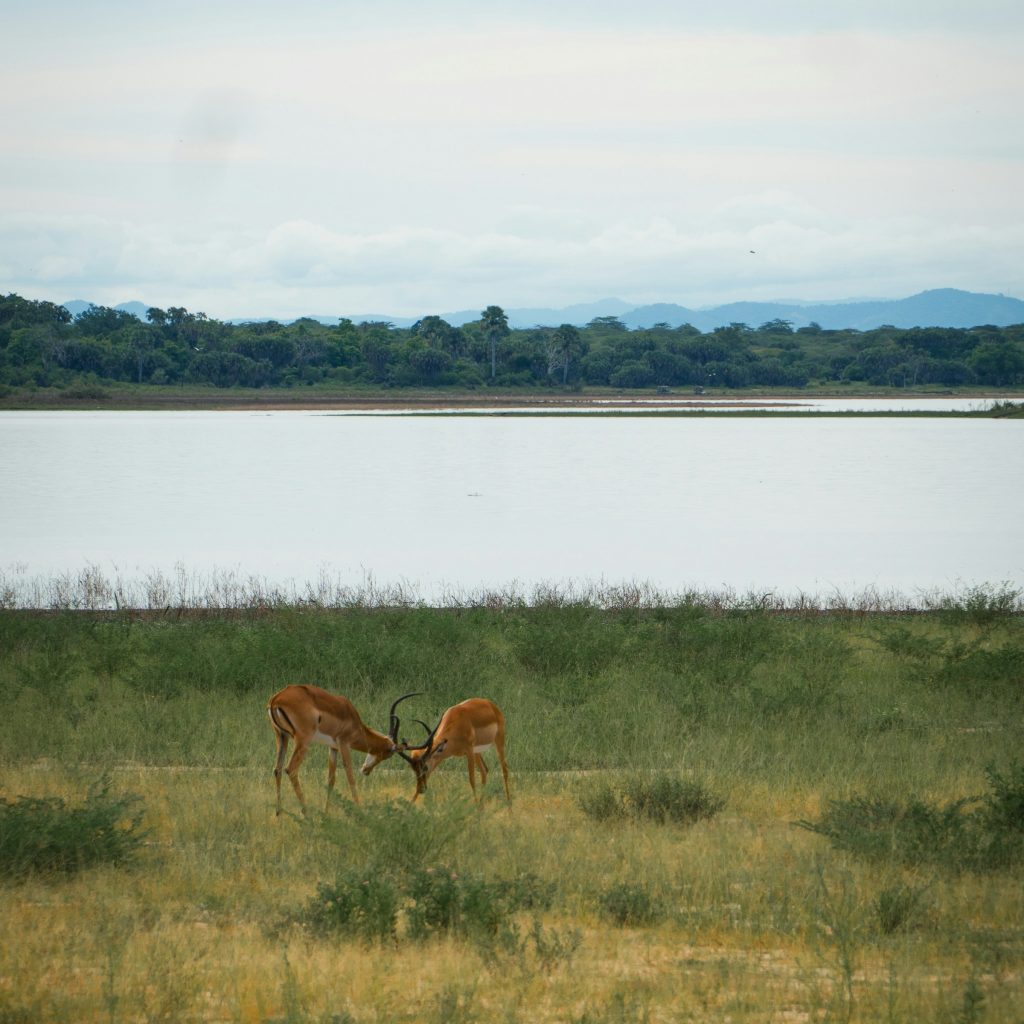
Nyerere’s borders enclose a varied landscape of grasslands, acacia-dotted savannahs, craggy hills, miombo woodlands, riverine forests, and beautiful wetlands. That said, its most defining feature is the Rufiji River, a wide and winding body of water that ultimately flows into the Indian Ocean.
Together with its tributaries, the Rufiji extends into all sectors of the park. Through the sands of time, it has created an enormous and intricate network of oxbow lakes, channels, mudflats, islets, and marshes. These features offer ideal habitats for waterbirds and various aquatic animals, as well as various semi-aquatic and water-dependent animals like crocodiles, waterbucks, hippos, and elephants.
Nyerere National Park sits in southern Tanzania, and is the backbone of the country’s Southern Safari Circuit.
The park is named after former president Julius Nyerere, who is fondly remembered by many as Mwalimu (‘Teacher’ in Swahili). Nyerere led Tanzania to independence in 1961 and promoted ujamaa (brotherhood), a philosophy and socioeconomic policy that emphasises community, cooperation, and self-reliance.
The park is very new – it was formed in 2019 from the northern, western, and southern sections of Selous Game Reserve. Selous still exists, but in much smaller form, and is designated for hunting, while Nyerere is dedicated entirely to conservation and ecotourism.
Nyerere measures about 11,000 square miles (29,000 square km), which makes it East Africa’s largest national park. In fact, it’s almost as big as Belgium!
Nyerere National Park offers a classic African safari experience while being more remote and wilder than some of the country’s more famous parks. It is a great choice for those willing to venture into more secluded territory.
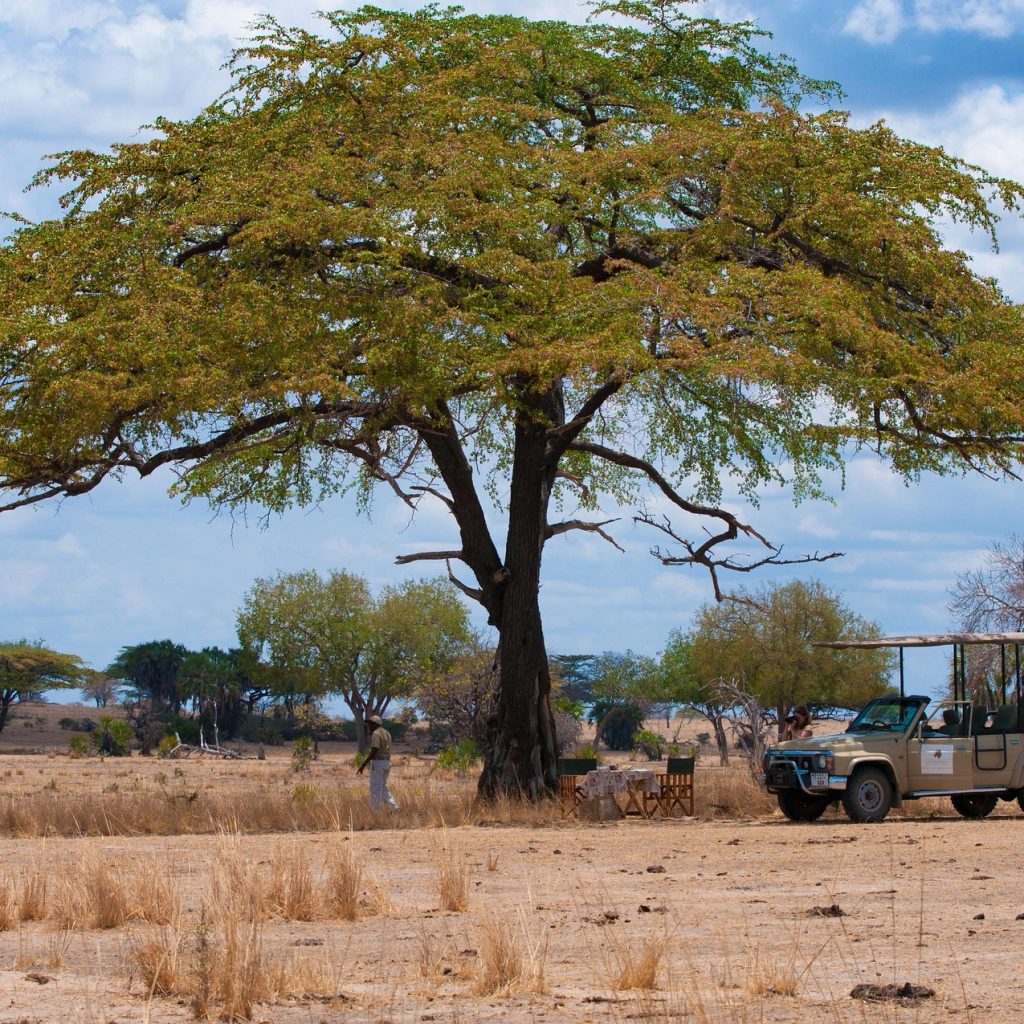
The Southern Circuit is less well-known internationally than the Northern Circuit (where you have the Serengeti), so Nyerere receives far fewer visitors, even in peak game-viewing season.
What’s more, the park’s vastness means guests can spread out, explore their own pockets of it, and feel truly removed form the noise and demands of society for a bit.
Nyerere offers more than just traditional safari drives – you can also take a boat cruise and do a guided bush walk.
Bush walks (or walking safaris) are exciting as they let you stretch your legs and immerse yourself more fully in the ecosystem, as you take away the noise and fumes of vehicles. They’re not allowed in every park.
You stand a greater chance of spotting shy or small animals and birds when on foot. When not looking at animals, your guide will explain the various signs that can help you identify which animals recently passed through, from spoors (tracks) and droppings to snapped branches, scratched tree trunks, and more.
Bush walks are also ideal for birders, given your quiet movements. And you can draw closer to the smaller plants and the flowers.
Boat cruises are perhaps the quintessential Nyerere safari experience. They offer a tranquil journey where you can enjoy the landscape from a different vantage point.
Boat cruises are also great because they let you quietly draw close (but not too close) to animals that can be hard to see from the land. I’m talking here of the herons standing among the reeds, the crocodiles sunning themselves on sand banks, and the elephants covering themselves in mud to protect their skin from the sun, among others.
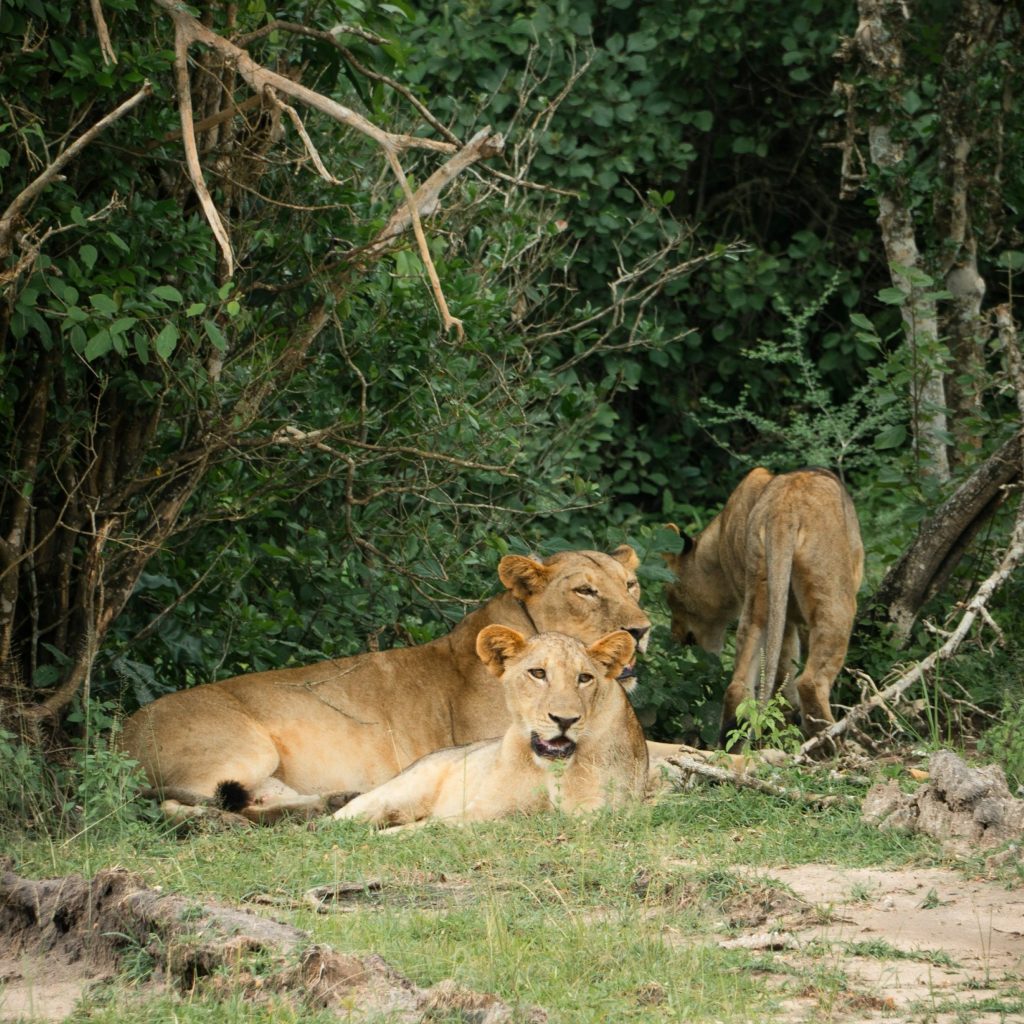
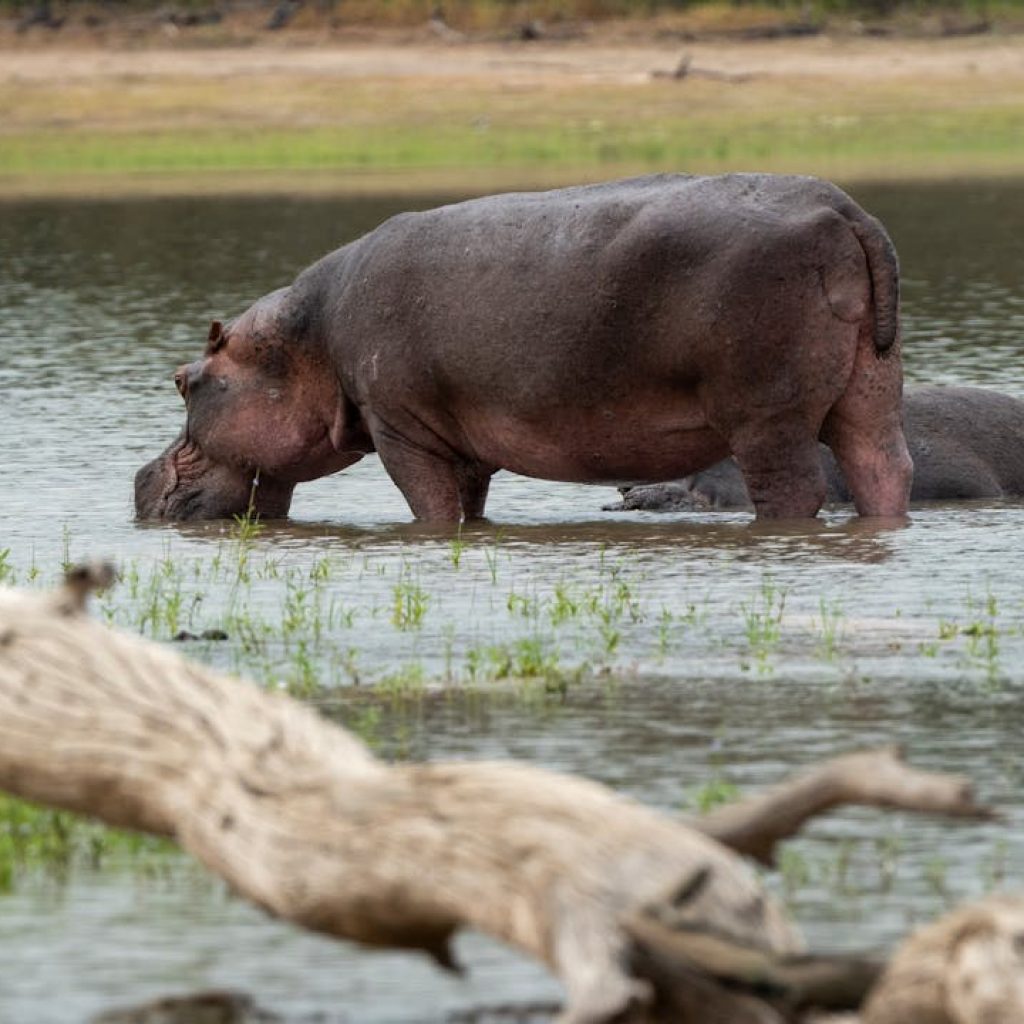
Nyerere National Park is known for its very large populations of elephants, hippos, lions, and crocodiles, among others. It also hosts one of the continent’s healthiest populations of endangered African wild dogs, making this one of the very best parks to visit if you’re keen to find one.
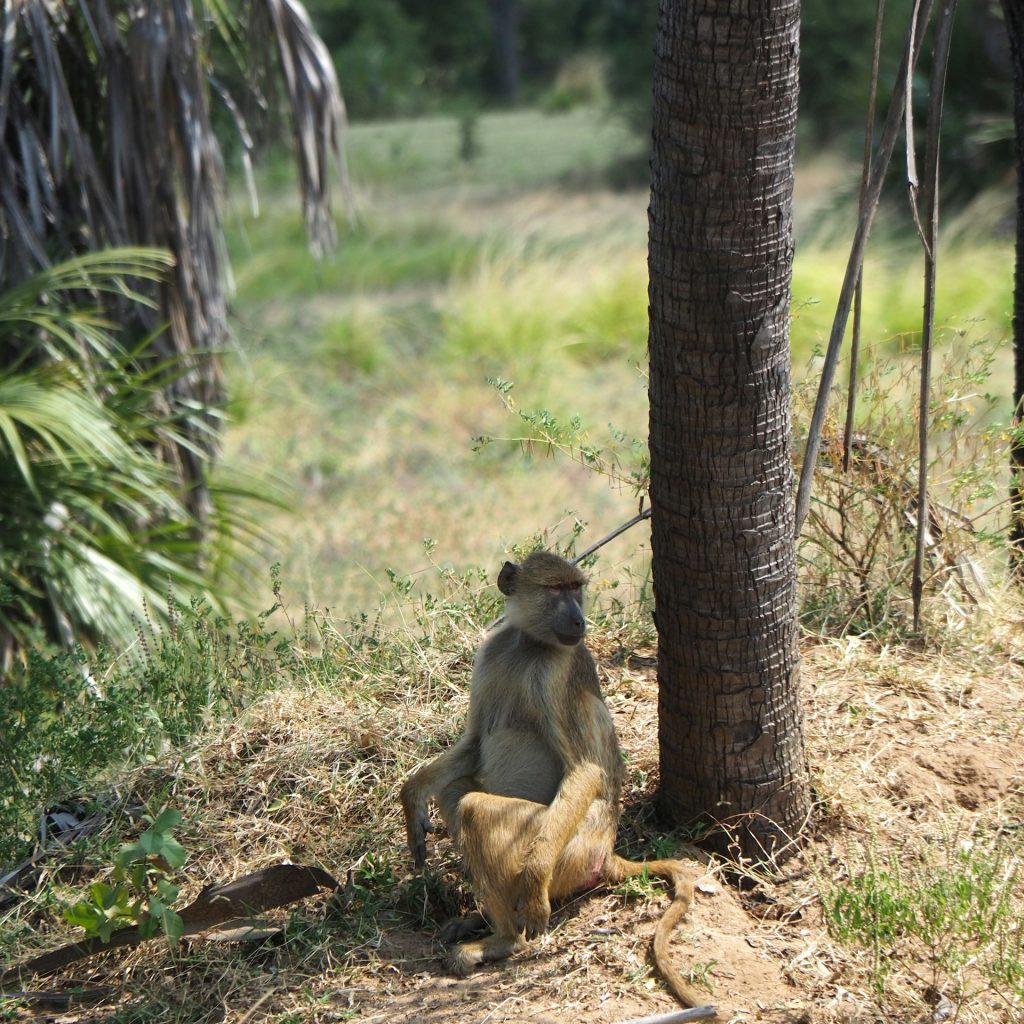
You can also hope to spot some lesser-known antelopes, including stately sable antelopes, Lichtenstein’s and Coke’s hartebeests, pretty puku antelopes, and tiny sunis. Additionally, there are half a dozen primate species living in Nyerere, including yellow and olive baboons, lesser bushbabies, and black-and-white colobus monkeys.

The park’s different habitats support an incredible range of birds, with waterbirds being particularly well represented. In fact, experts say that over 440 bird species have been recorded in the park!
Some of the fan-favourite species you can look for on a visit are banded snake-eagles, white-backed vultures, Goliath herons, African spoonbills, and pink-backed pelicans.
When it comes to the Rufiji River ecosystem, you can hope to spot African fish eagles, Pel’s fishing owls, palm-nut vultures, white-backed herons, yellow-billed storks, white-crowned spur-winged plovers, and African fish skimmers, among others. Colonies of carmine bee-eaters can also often be seen adding specks of colour to the river’s brown mud cliffs.
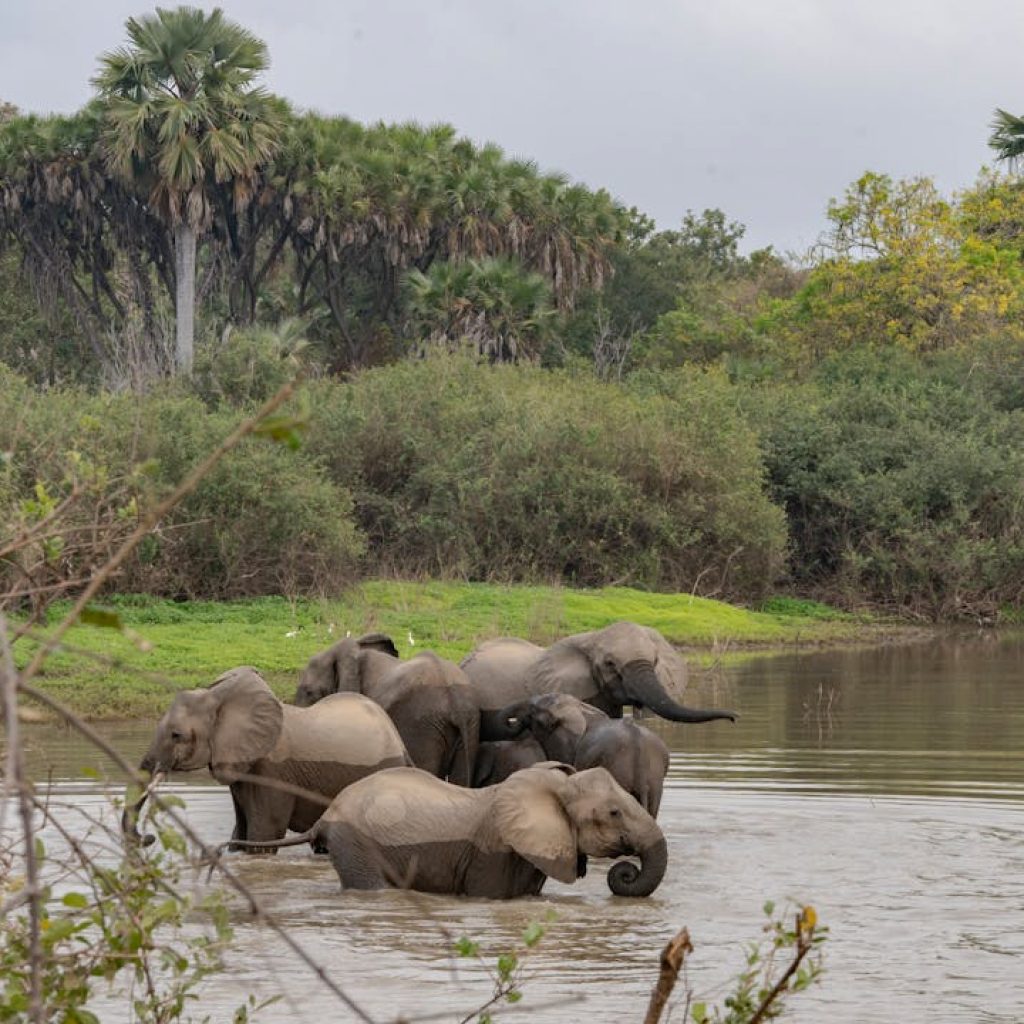
The Borassus palms of the Rufiji’s riverbanks and the tall reeds of its marshes offer the ideal backdrop for wildlife photography. Think herds of elephants, buffaloes, zebras, and antelopes entering the river for a drink.
Then there are the grey ‘rocks’ in the water that indicate the presence of a bloat of submerged hippos. And finally, there’s the splendour provided when flocks of waterbirds like pink-backed pelicans settle across the landscape and dot it with colour.
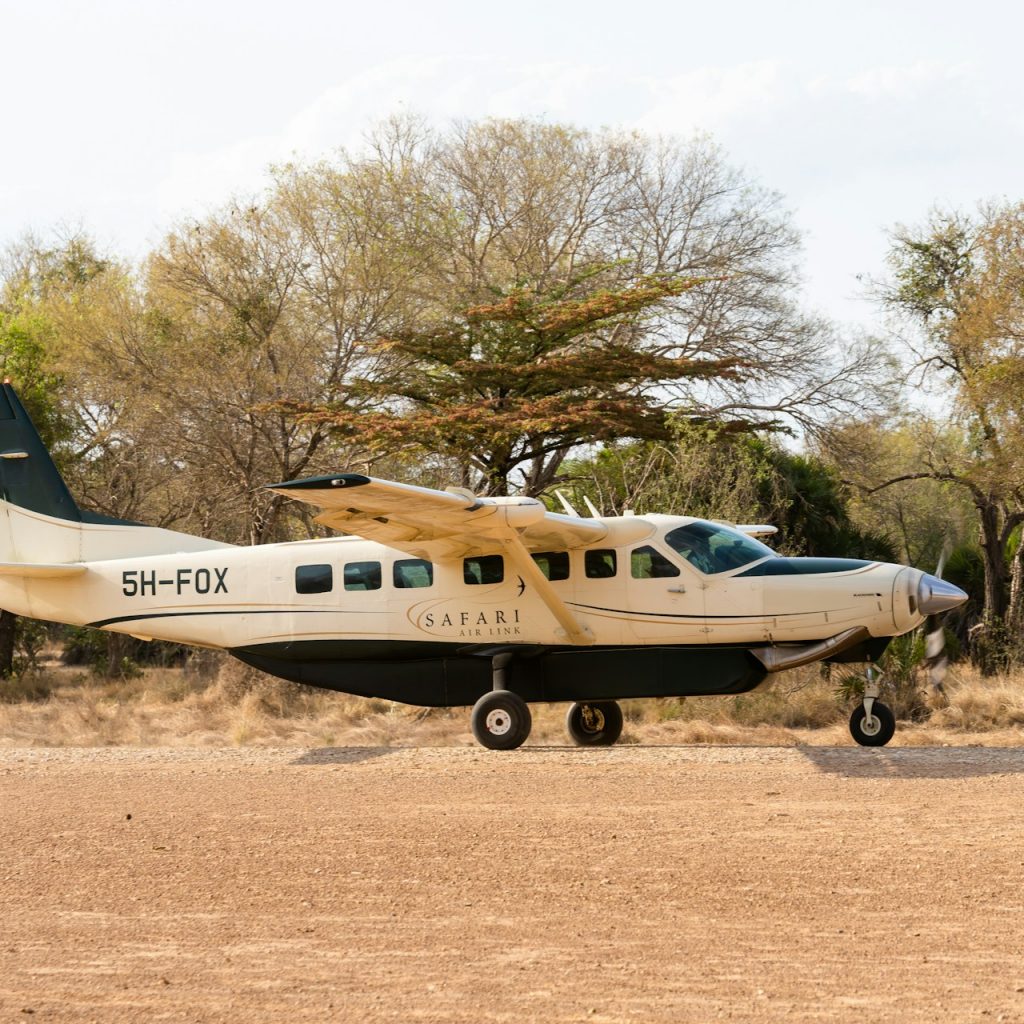
Most foreign visitors fly into Julius Nyerere International Airport (DAR) in Dar es Salaam on the east coast. They then drive to the park or fly into one of its airstrips. The most direct route by road takes several hours and leads through Mikumi National Park before bringing you to the park’s eastern Matambwe Gate.
There are daily scheduled flights from Dar es Salaam to the park’s different airstrips, and these each last an hour. There are also daily flights from Arusha Airport (ARK) and Kilimanjaro International Airport (JRO) in the north of the country.
So is Nyerere for you? Do you feel the pull to head into the wild, don a sunhat, disconnect, and live for a spell in sync with the rhythms of the bush? If you’ve read this far, it just might be!
Note: This blog post was first published on April 4th, 2013. It was rewritten and republished on December 18th, 2025.

"*" indicates required fields