


African Overland Tours
https://www.facebook.com/AfricanOverlandTourscom/
https://www.instagram.com/african_overland_tours/
https://www.youtube.com/@africanoverlandtoursandsafaris
+27 (0) 21 448 0997
Customer Service
Worldwide

African Overland Tours
https://www.facebook.com/AfricanOverlandTourscom/
https://www.instagram.com/african_overland_tours/
https://www.youtube.com/@africanoverlandtoursandsafaris
+27 (0) 21 448 0997
Customer Service
Worldwide
Elizabeth National Park in southwest Uganda is the country’s top safari destination and one of the most diverse parks you could ever imagine
It’s hard to talk about Queen Elizabeth National Park in one blog post and do it justice. This is because the park is so massive and its ecosystems so many and diverse.
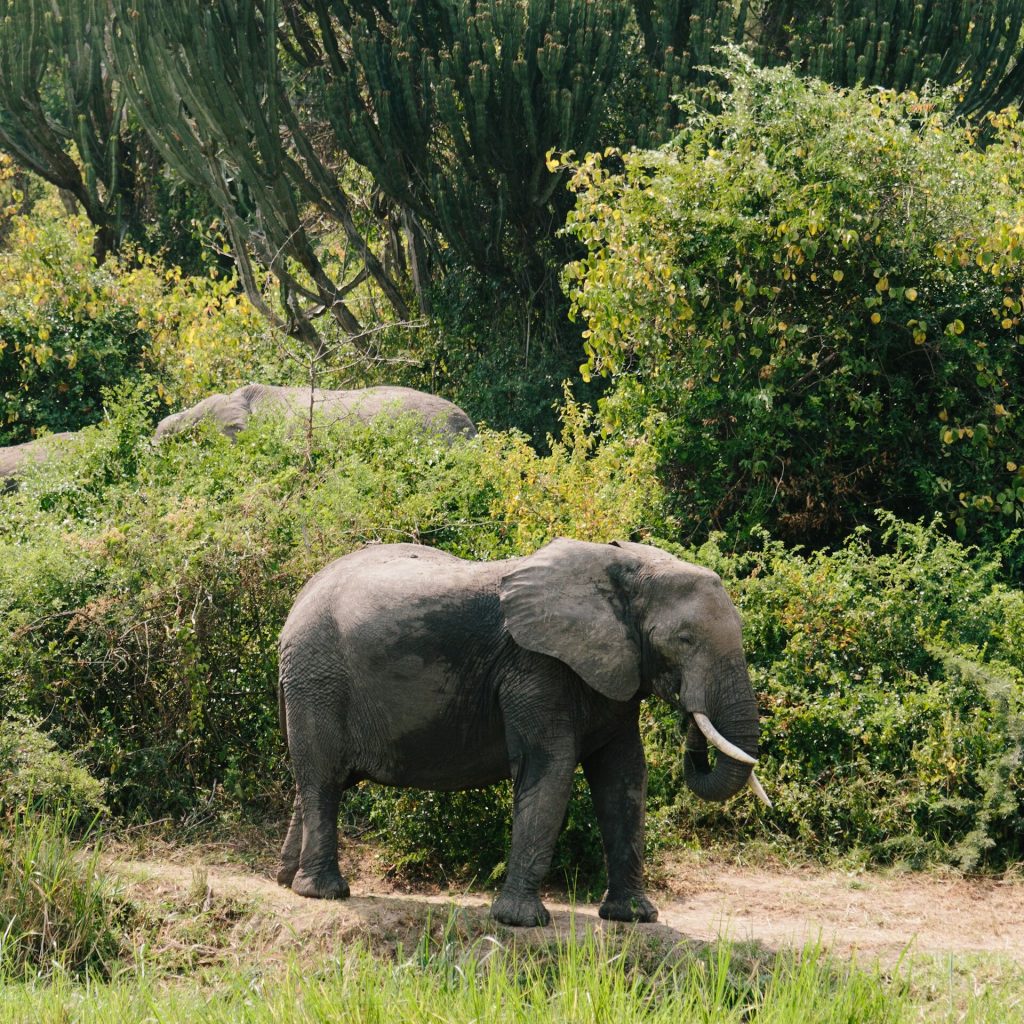
In fact, Queen Elizabeth National Park (NP) includes freshwater lakes, channels, and wetlands, savannah, acacia woodland, and tropical rainforest, and steep volcanic calderas and crater lakes. Naturally, such varied habitats support a plethora of wildlife, ranging from lions, elephants, and crocodiles to Ugandan kobs, chimpanzees, and flamingoes.
Let’s first establish a few facts about the park, like its location within Uganda, so you can place it in context. We’ll dive into the top four things to do when visiting Queen Elizabeth National Park.
Queen Elizabeth National Park sits in the extreme southwest of Uganda, where it straddles the Equator. It also lies within the Albertine Rift Valley, as evidenced by its various volcanic craters.
The park is roughly equidistant between the misty mountains of Bwindi Impenetrable National Park to the south (famous for gorilla trekking) and the mysterious, glacier-topped Rwenzori Mountains to the north (a superlative trekking and mountaineering destination).
Its western boundary is the country’s borderline with the DRC, although most of that line runs through the waters of the shared Lake Edward. The northeastern sector of the park is occupied by Lake George. The 32 km-long Kazinga Channel connects the two lakes.
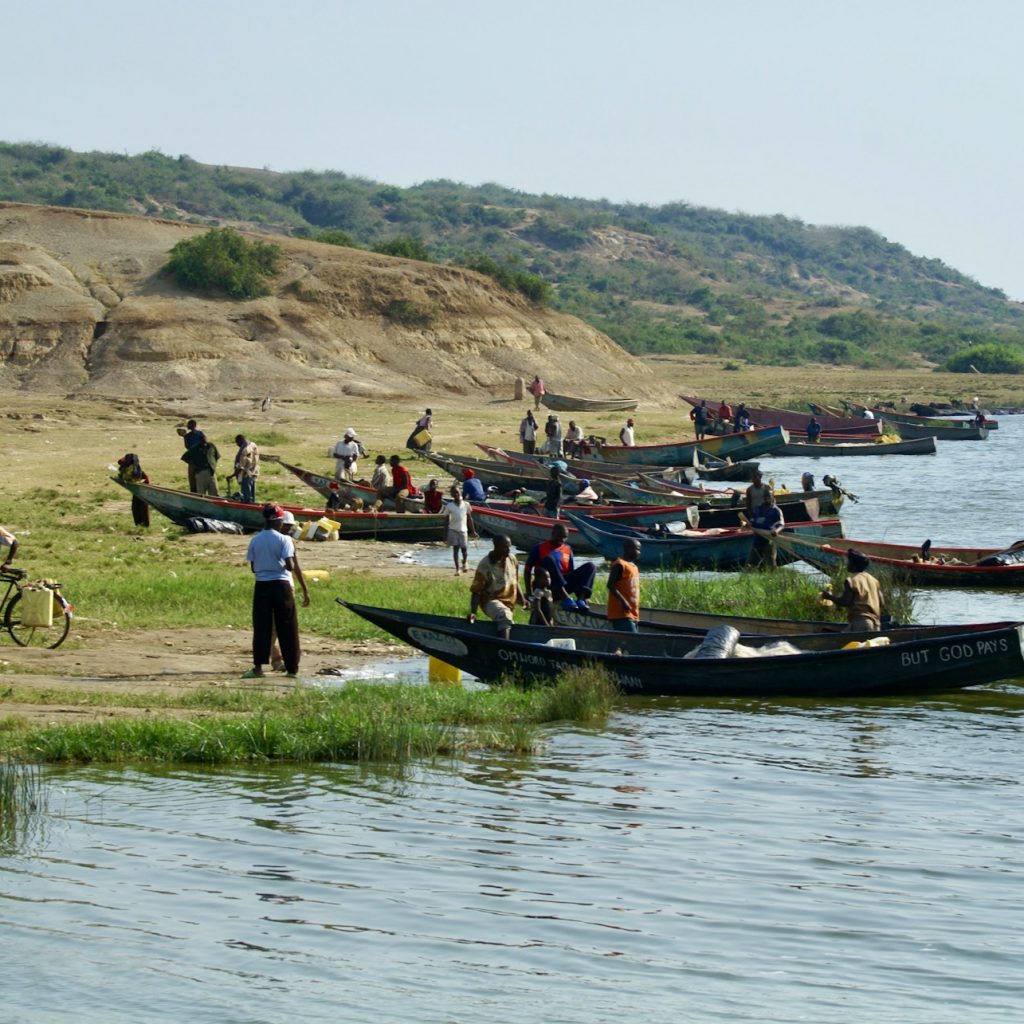
The park is the joint-oldest in the country, having been protected as a wildlife reserve since the 1920s. It’s also the second-largest national park after Murchison Falls National Park, covering nearly 2,000 square kilometres (or 770 square miles). It is, however, the most biodiverse park. UNESCO designated it a Biosphere Reserve in 1979 for its exceptional biodiversity as well as its important socioeconomic characteristics. A dozen communities within the park rely on fishing and salt extraction from the crater lakes for their livelihoods.
What’s more, Ramsar recognised Lake George and the wetlands to its north in 1988 thanks to the diverse wetland species they support.
Most visitors to Queen Elizabeth National Park only have a limited number of days for exploring. So let’s discuss the most popular and rewarding activities, starting with what is arguably the park’s biggest drawcard …
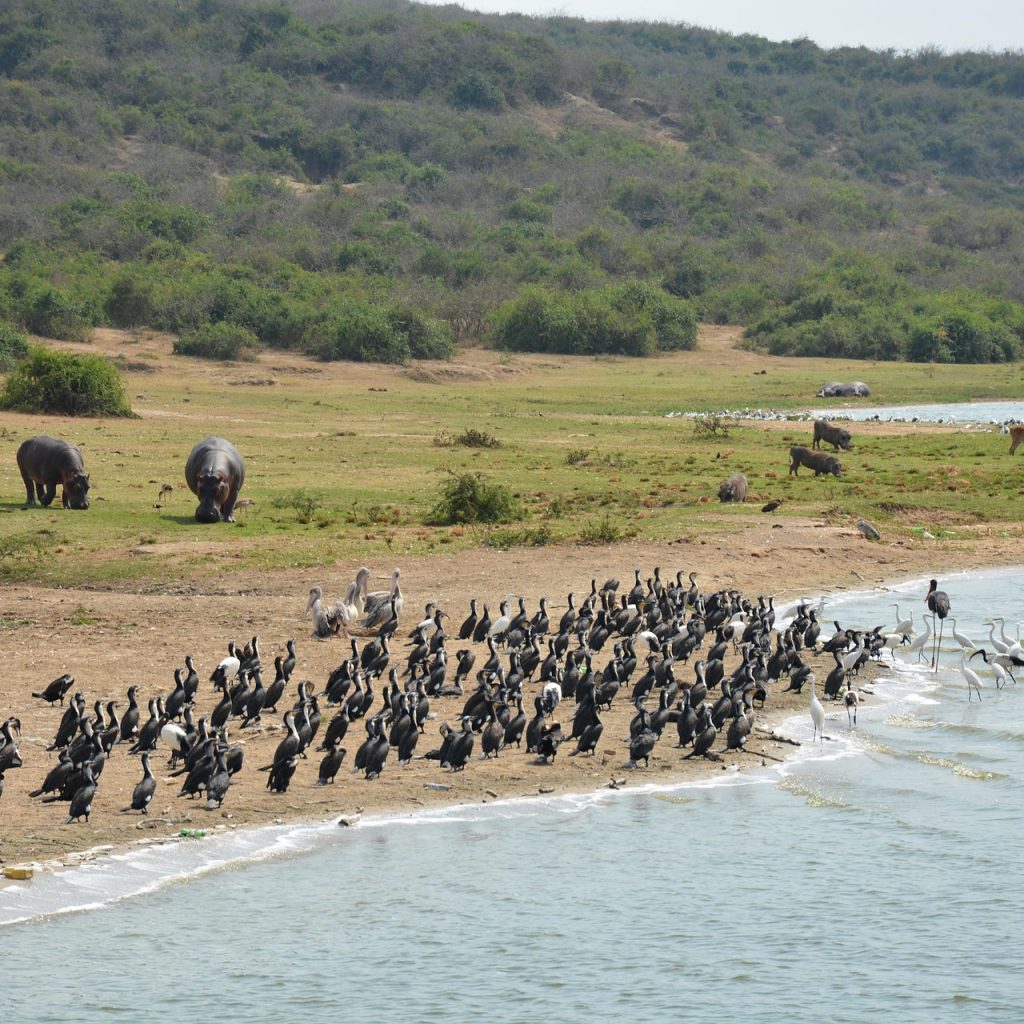
Kazinga Channel is renowned for putting on magnificent wildlife displays. And boat safaris let you draw closer to aquatic and semi-aquatic species. Think Nile crocs sunning on the riverbanks, vast bloats of hippos, and elephants cooling themselves with plumes snorted from their trunks.
Buffaloes also come in large numbers to drink from the river. They’re sometimes a little redder in colour than safarigoers are used to seeing, as there’s been a degree of interbreeding with the forest buffalo of the Congolese rainforest. Boaters also often see giant forest hogs.
Birders also love channel safaris as so many waterbirds can be appreciated here, often in thrilling numbers. Of particular note are shoebill storks, pink-backed pelicans, saddle-billed storks, long-crested eagle, Rüppell’s griffon vulture, lappet-faced vulture, shoebill stork, black-and-white casqued hornbill, and grey-crowned crane.
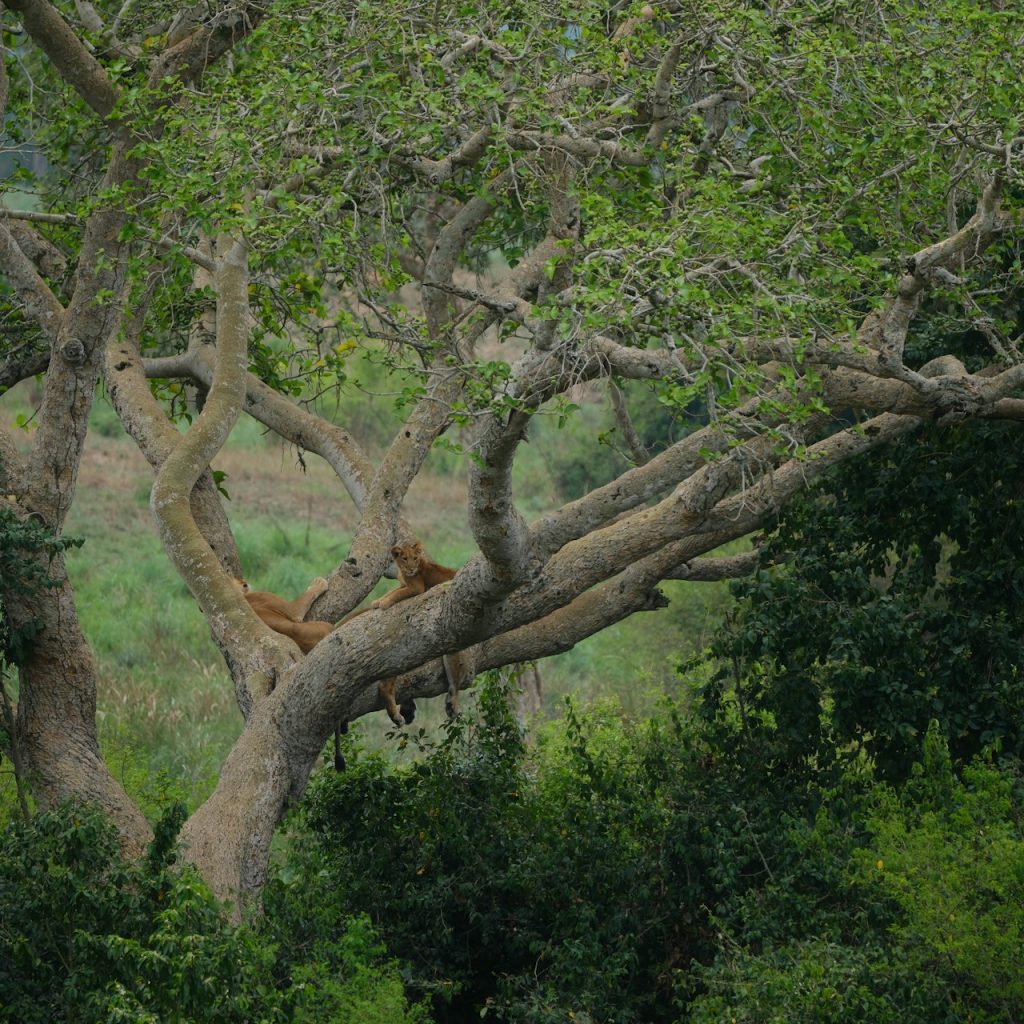
Queen Elizabeth National Park has nearly 100 mammal species, which is comparable to some much larger and more famous parks like the Serengeti. One of the best ways to see as many as possible is on a game drive.
The most popular safari circuit in the park runs through the Kasenyi Plains to the north of the Kazinga Channel. This is prime lion territory. In fact, it’s your best bet in Uganda for (numerous) lion sightings. There’s also an abundance of Ugandan kob and buffalo here.
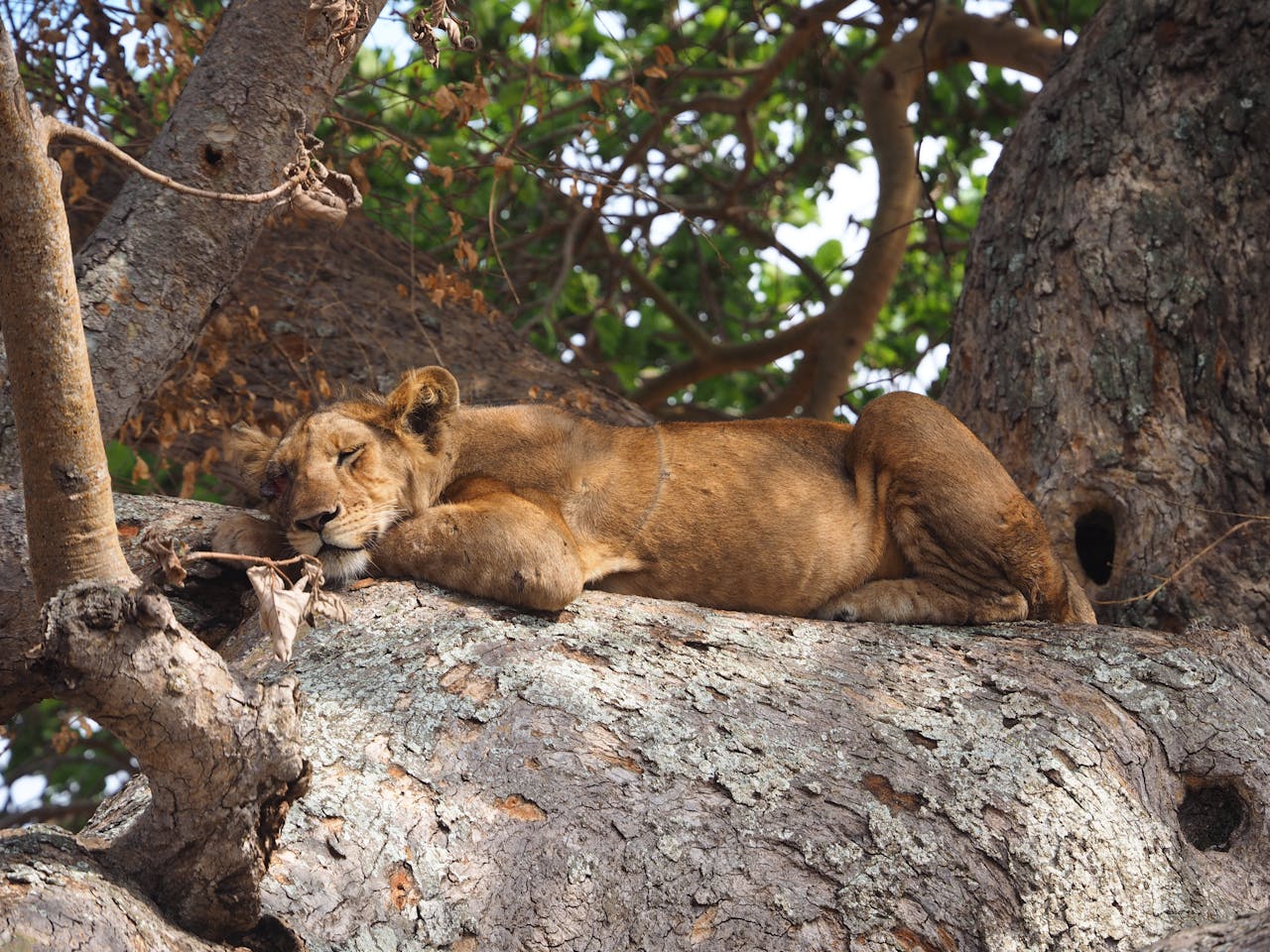
The Ishasha Plains in the park’s far south are difficult to reach, so relatively few park visitors venture there. But its name is synonymous with tree-climbing lions, so it’s certainly a great place to visit if you’re up for the drive. Throughout Africa, most lions stick to the ground, resting in the shade of trees. But there’s a small region shared by Tanzania and Uganda where the lions are notable for liking to loll on the branches of acacia and other trees. It’s not 100% clear why they do this, but everyone agrees that it’s an arresting and highly photographable sight!
Some of the other large and iconic wildlife to look for on a safari drive in Queen Elizabeth NP are giraffes, rhinos, zebras, and warthogs. The park’s antelope species include the sitatungas, Defassa waterbuck, bushbuck, and topi.
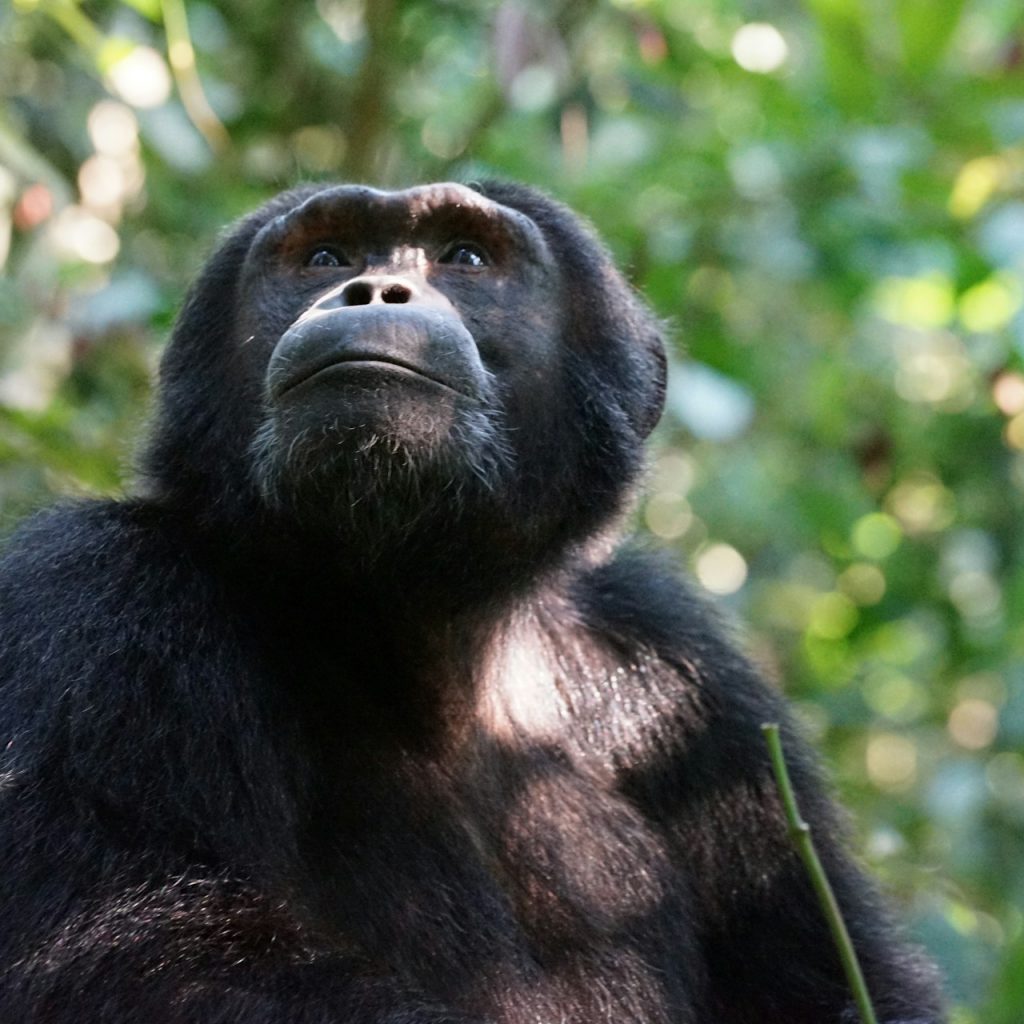
The Kyambura Wildlife Reserve is technically separate from Queen Elizabeth NP. But this reserve, which sits adjacent to the park’s eastern boundary, was intended as a wildlife corridor. Moreover, visitors generally think of Kyambura and its chimp tracking operations as being part of the Queen Elizabeth NP experience.
Chimp tracking, similar to gorilla trekking, is a regulated and well-organise d activity. Each day, a small group is permitted to go on a guided hike in the Kyambura forest to find and spend an hour observing an habituated troop of chimps.
It should be said that the forest walk itself is a treat, as there’s plenty of other exciting wildlife as well as rich birdlife to spot. As to the chimps, they spend most of their time up in the trees, so your time might be spent observing them as they move around above you. Sometimes, however, they come to the ground and you could get to appreciate them from up close. I find it’s best to approach such situations with very little in the way of expectations. This frees you up to enjoy whatever experience evolves.
As you may well know, chimps (along with bonobos) are our closest primate relative, so witnessing their actions and dynamics is a truly fascinating exercise.
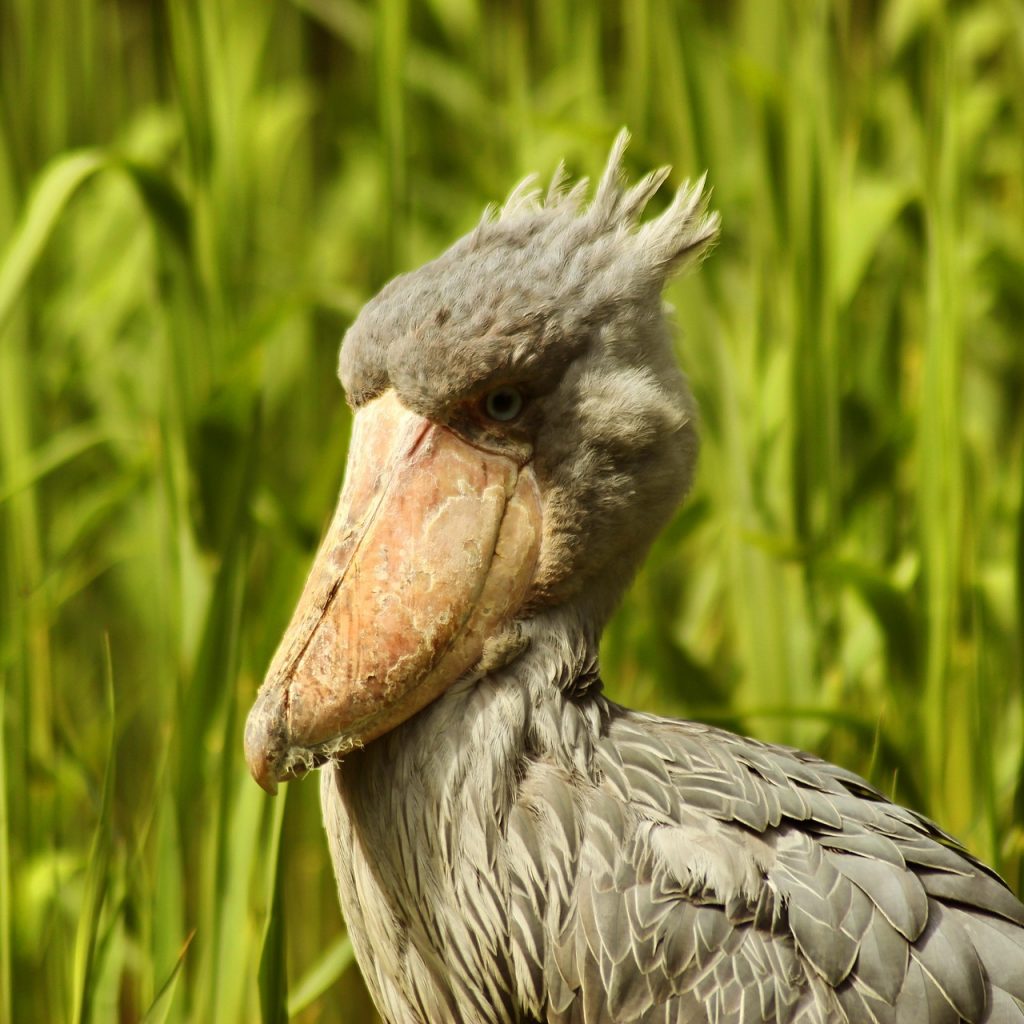
Uganda in general is birding heaven. And Queen Elizabeth NP is one of its top locations, as over 600 species have been recorded here. About half of these are migratory species, as the park lies within an important bird migration corridor.
While the entire park offers excellent birding opportunities, one of the more rewarding and accessible sites is Maramagambo Forest in the south. This tropical forest and its wetlands are home to around 200 species. These include the African finfoot, yellow-throated cuckoo, and Jameson’s wattle-eye.
But Maramagambo isn’t just for birders. In fact, it’s recognised as one of the most biodiverse forests in all of East Africa. One key reason for this is that it has strong connections to the wildlife of the Congo basin. This alone should be reason enough to explore the forest on a guided walk, as most of us will likely never have the chance to explore the treasures of the Congo basin.
Some of the exciting mammals to look for in Maramagambo Forest are elephants, yellow-back duikers, Bates’s pygmy antelopes, giant forest hogs, bush pigs, pottos, and bats. There are also various primates living in the forest, most notably chimps, black-and-white colobuses, L’Hoest’s monkeys, and red-tailed monkeys.

As mentioned, there’s so much else to do in Queen Elizabeth NP besides what I’ve discussed. This includes exploring the crater lakes, visiting fishing villages, taking a hot air balloon safari, tracking lions or leopards, and boating on Lake Edward. So please don’t limit yourself to the above activities. If you have the resources, spend more time exploring the many varied gems on offer in this special Ugandan park.
Note: this blog was first written and published in 2013. It was rewritten and republished in 2026.
Top things to do in Queen Elizabeth National Park
4
1


Price From
R93,760
2
Price From
R101,355
3

Price From
R158,995
4
Price From
R245,250

"*" indicates required fields