

African Overland Tours
https://www.facebook.com/AfricanOverlandTourscom/
https://www.instagram.com/african_overland_tours/
https://www.youtube.com/@africanoverlandtoursandsafaris
+27 (0) 21 448 0997
Customer Service
Worldwide

African Overland Tours
https://www.facebook.com/AfricanOverlandTourscom/
https://www.instagram.com/african_overland_tours/
https://www.youtube.com/@africanoverlandtoursandsafaris
+27 (0) 21 448 0997
Customer Service
Worldwide
If you could only visit one place in Namibia, it should be Namib-Naukluft
At 49,768 sq km (19,216 sq mi), Namib-Naukluft National Park is Africa’s second largest national park, and its third largest protected area.
It’s home to many of Namibia’s most iconic scenes and beloved wildlife. These include the towering red sand dunes of Soussouvlei, a portion of the shipwreck-dotted Skeleton Coast, the craggy and virtually uninhabited Naukluft Mountains, and rare Hartmann’s mountain zebras.
Here’s a brief introduction to this fascinating and important park …
Namib-Naukluft National Park is a long and thinnish park in central Namibia that runs for about 600 km down the Atlantic coastline. It’s the country’s largest and flagship park.
It’s a place of stark and ecologically important habitats.
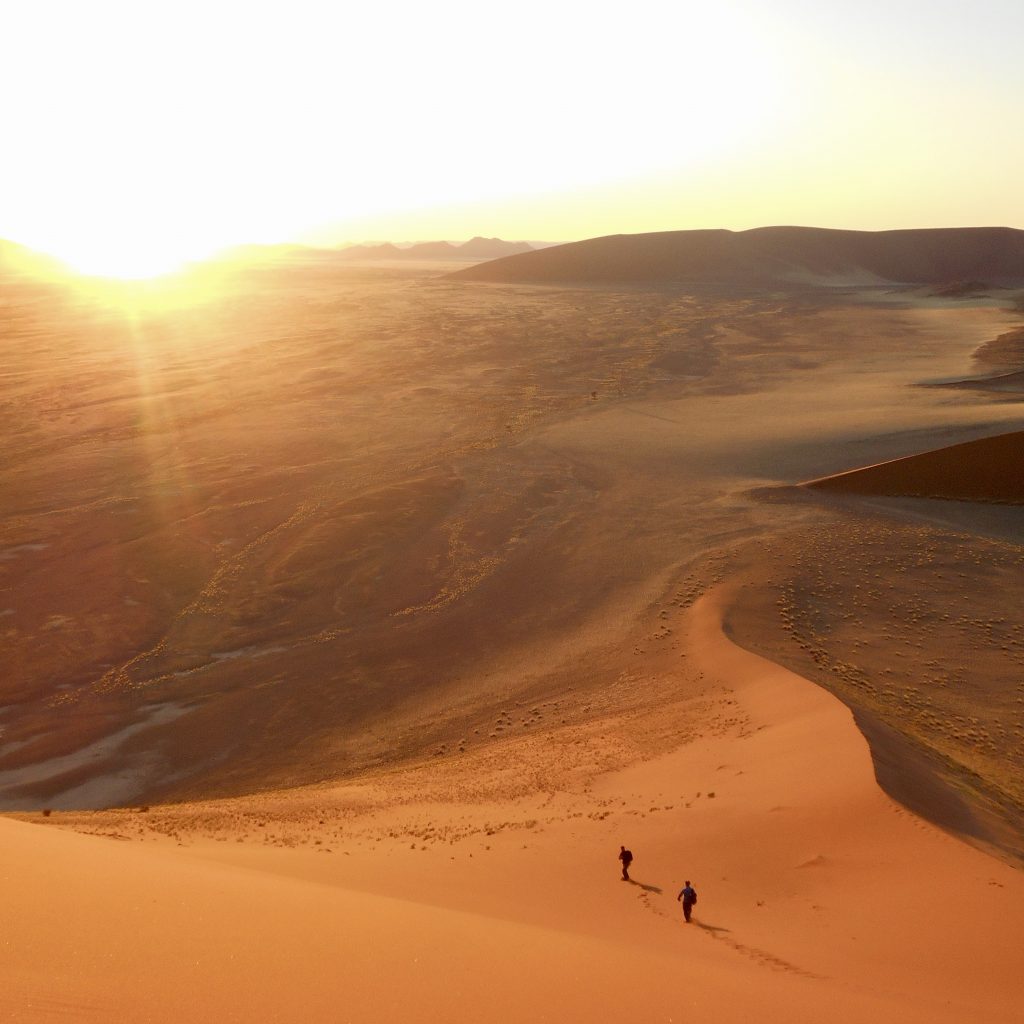
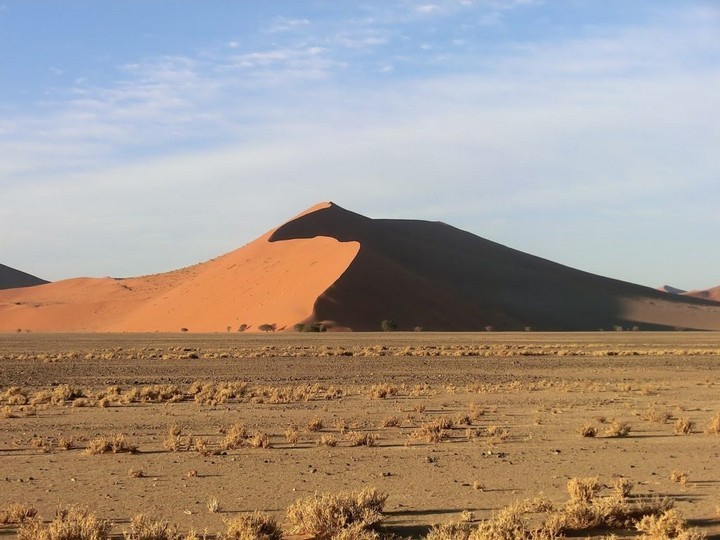
Most famously, there’s the Namib Desert, which occupies the western part of the park along the coast. Who among us hasn’t fallen in love with the image of tiny, intrepid walkers scaling a vast dune set against a strikingly clear, blue sky?
There are also pale clay pans and coastal wetlands making up the desert. The sands closest to the shore are fed by nearly daily morning fogs, which can drift for many kilometres inland, providing critical moisture for lichens and other plant life. And after rare rains, grasslands and flowers spring up between the dunes, creating ephemeral oases.
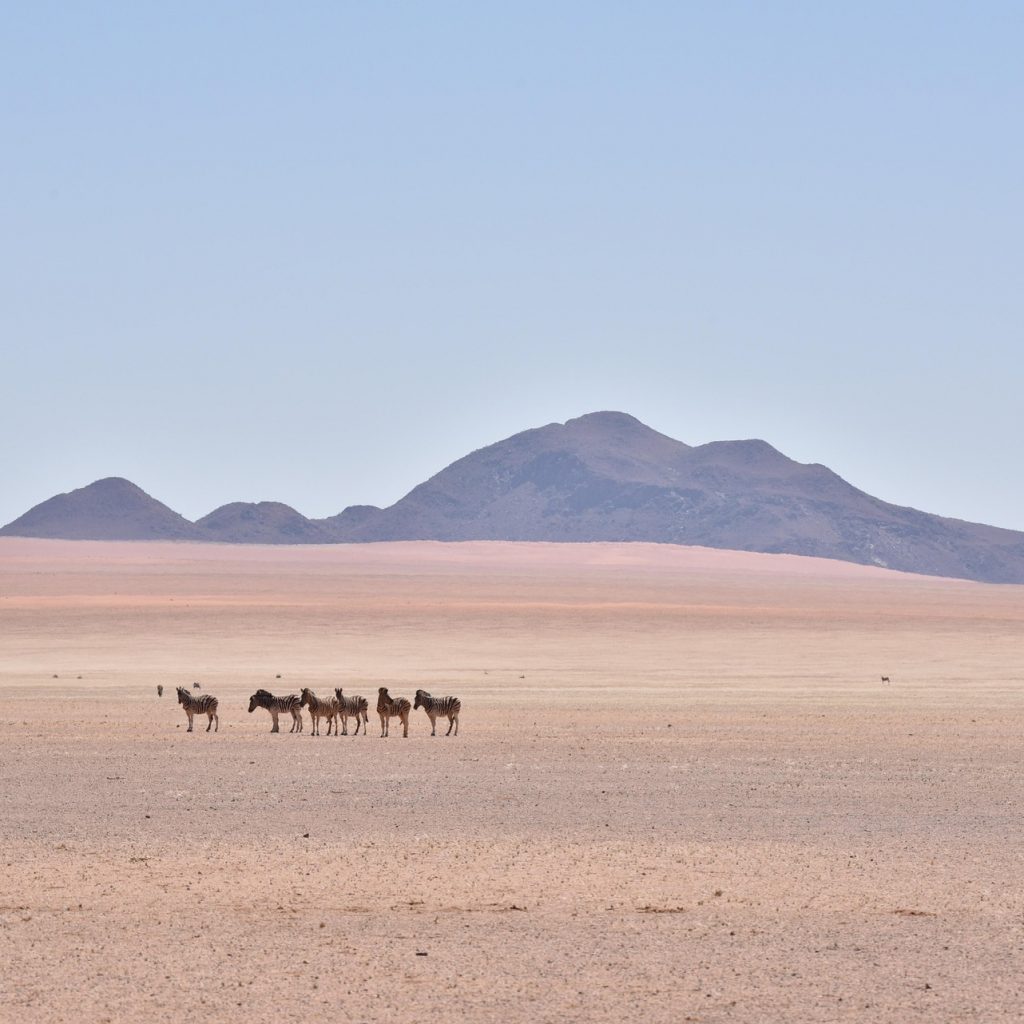
In the centre and north of the park are vast gravel plains. There are also grasslands, like the Ganab Plains, interspersed with inselbergs and fed by ephemeral rivers. This is prime gamespotting territory, as it hosts giraffes, oryxes, leopards, and zebras, among others. It’s also where black rhinos were successfully reintroduced in 2007.
The Naukluft Mountains further inland consist of a massif crisscrossed by ravines and canyons. Beautiful springs, rivers, and pools can be found here. And the sheer cliff faces and ledges are haunts for various raptors, including booted, Verreaux’s, and black-breasted snake eagles.
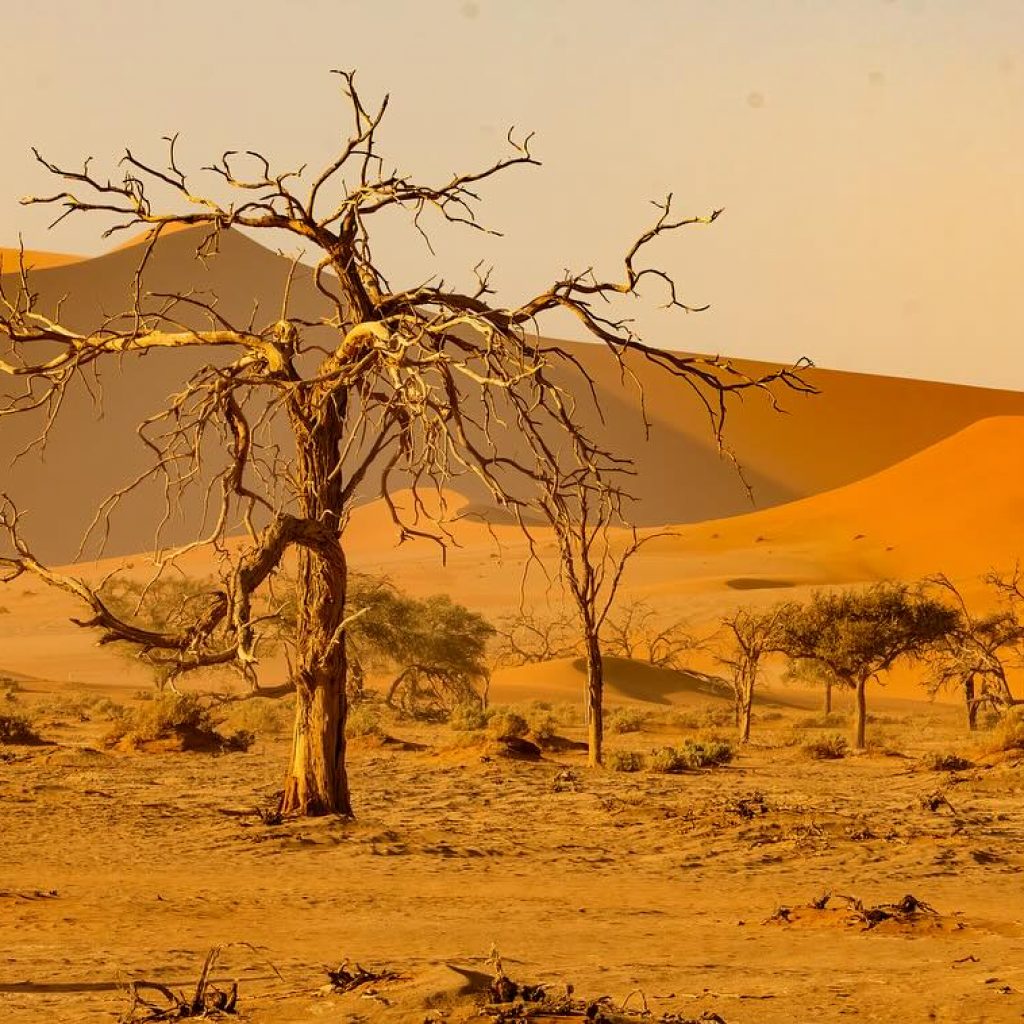
The enormous sand dunes of the Namib Desert are the park’s most recognisable scene.
These red and shifting dunes are among the highest and steepest in the world. They offer truly thrilling 4×4, walking, and sandboarding opportunities.
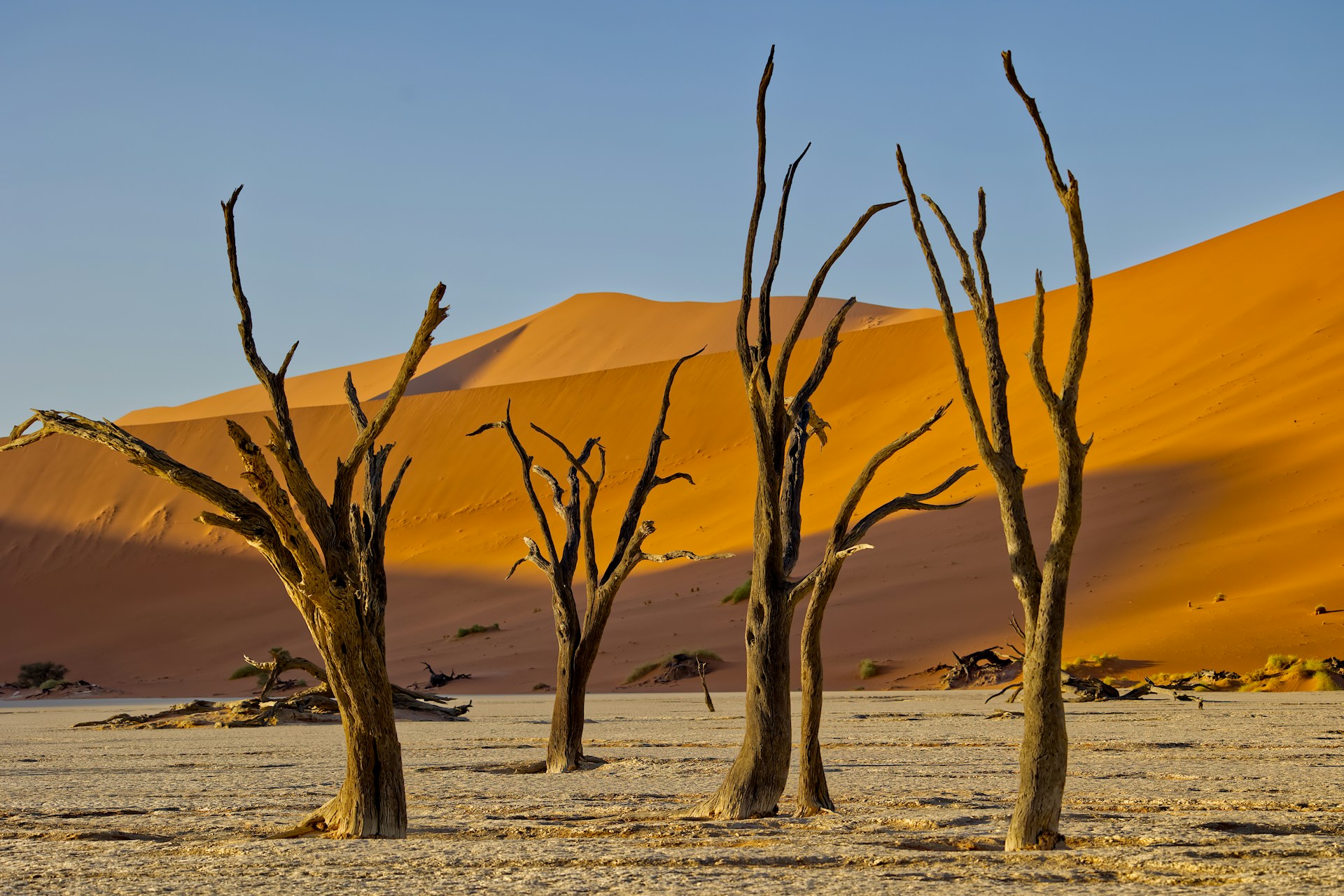
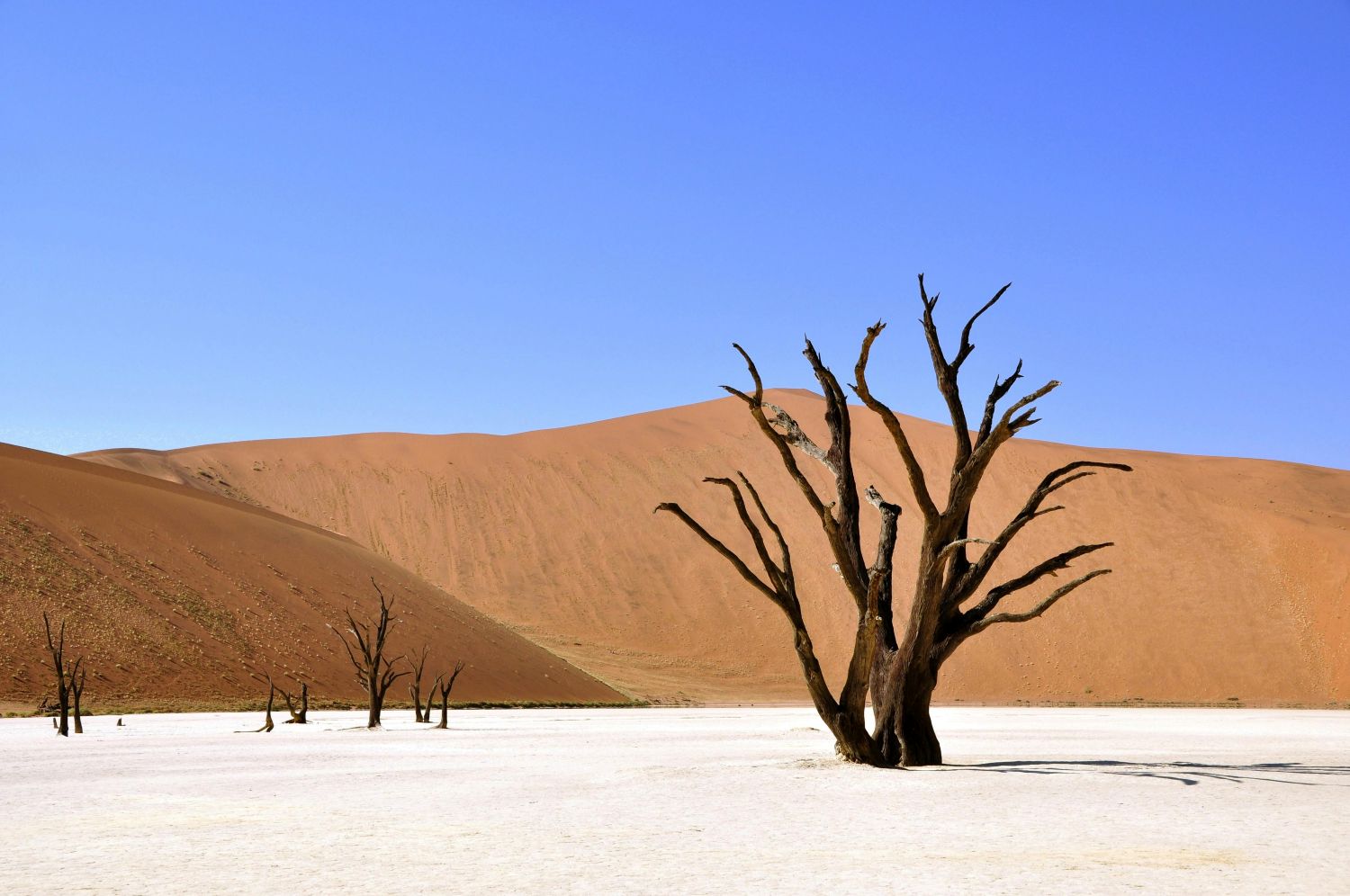
Sunrise at Dune 45 in the Soussousvlei is a popular sunrise spot as the light turns the enormous red dune into a spectacle of blazing red, sharp lines, and deep shadows. Deadvlei, another nearby clay pan, is renowned for its nearly millennium-old dead tree trunks, which poke out of the ground and contrast dramatically with the dunes in the background.
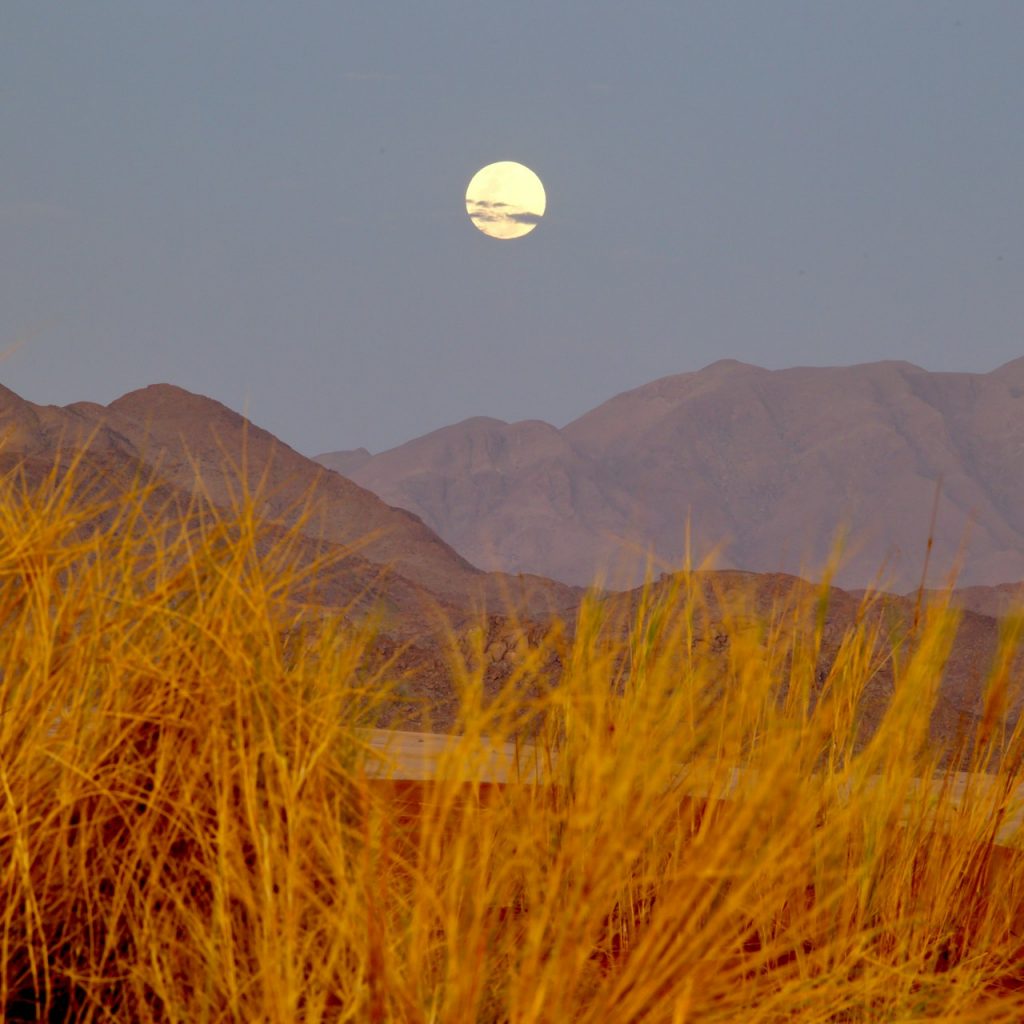
The Namib Desert isn’t all dunes, however. Of particular note is Sesriem Canyon. This slot canyon is 30 to 40 m deep and you can walk along the base in the blessed shade and marvel at its rugged rock formations.
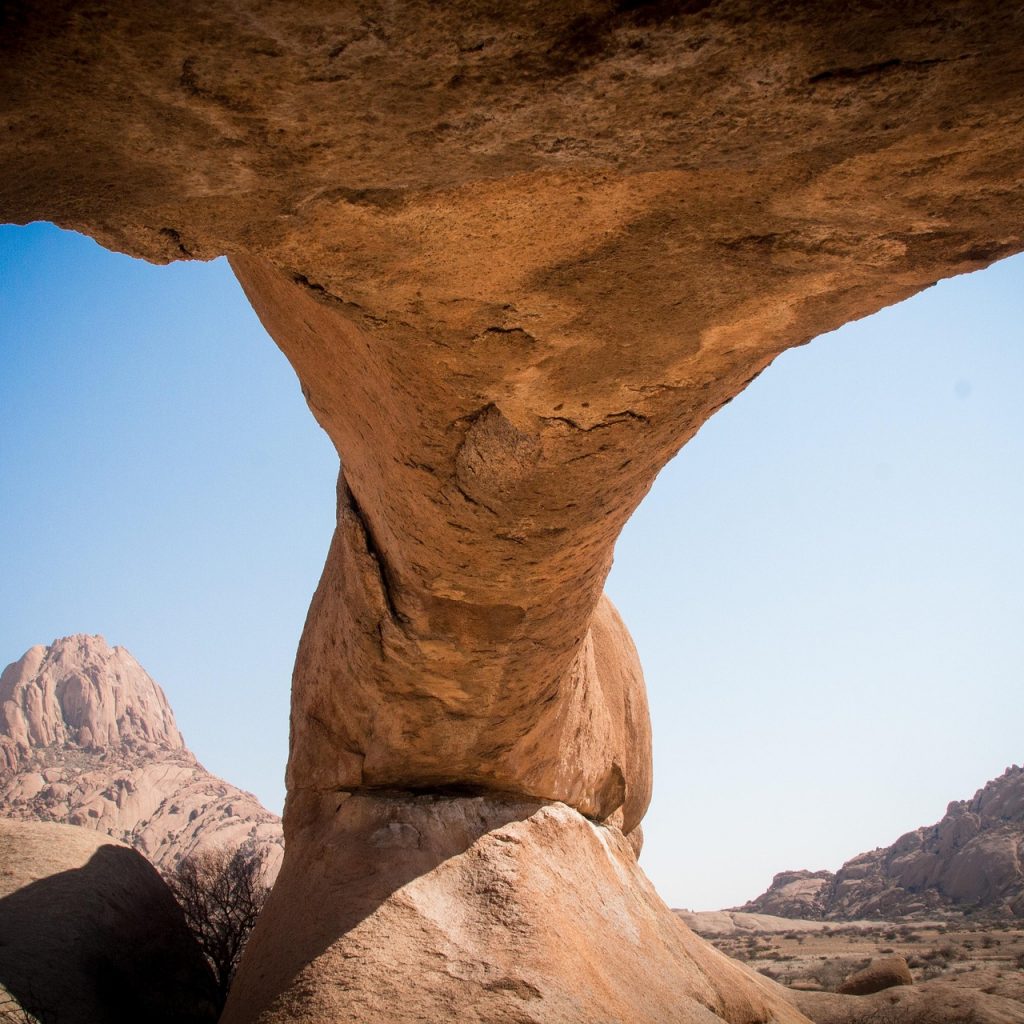
Visitors to the park are often surprised – but charmed – to explore the remote, interior Naukluft mountain range. These limestone and dolomite mountains contain dramatic cliffs, deep gorges, and natural rock pools. This is a stronghold for much of the park’s wildlife, which includes Hartmann’s mountain zebras, a species endemic to western Namibia and southern Angola.
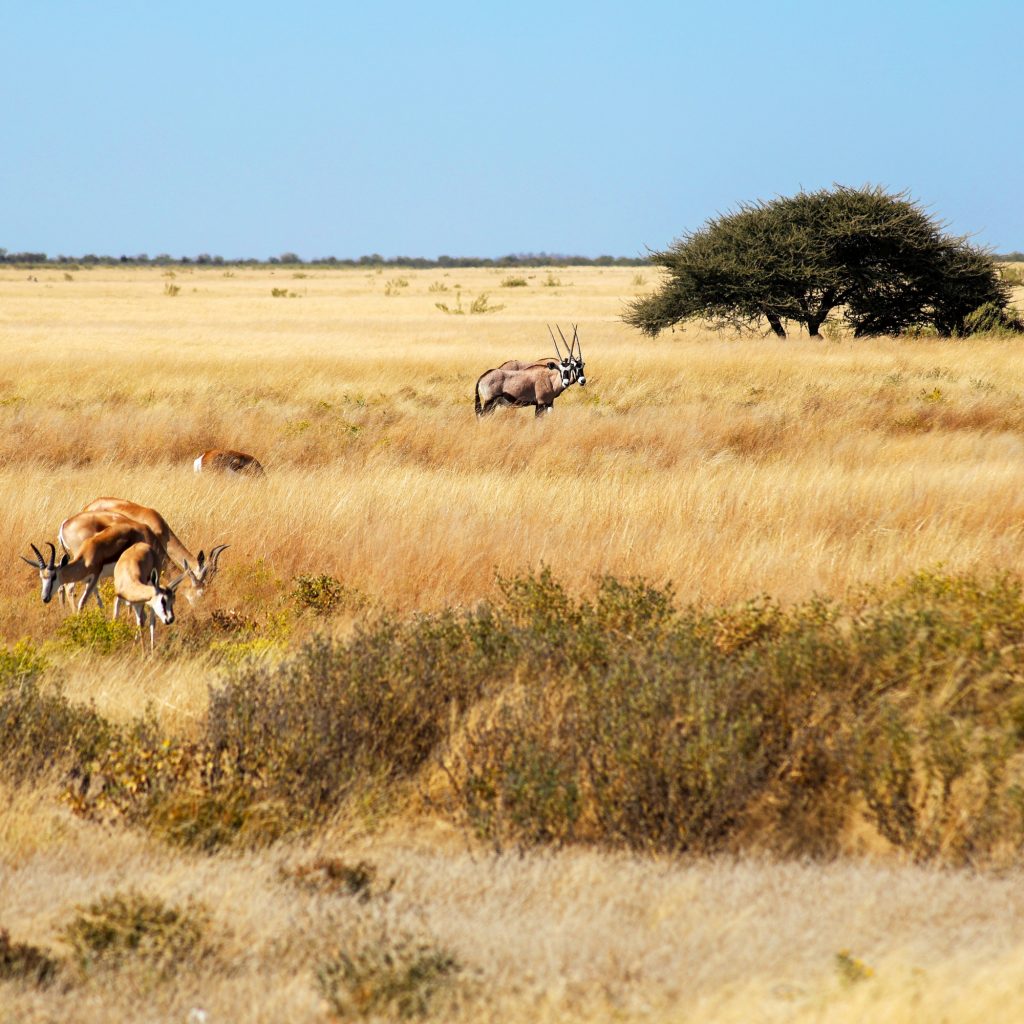
The Namib-Naukluft is a major safari destination as it’s home to many rare animal species and a great variety of birdlife. What’s more, you’re seeing this wildlife against backdrops that are so dramatic in scale, nature, and colour, that your photographs are always imbued with an extra layer of epicness.
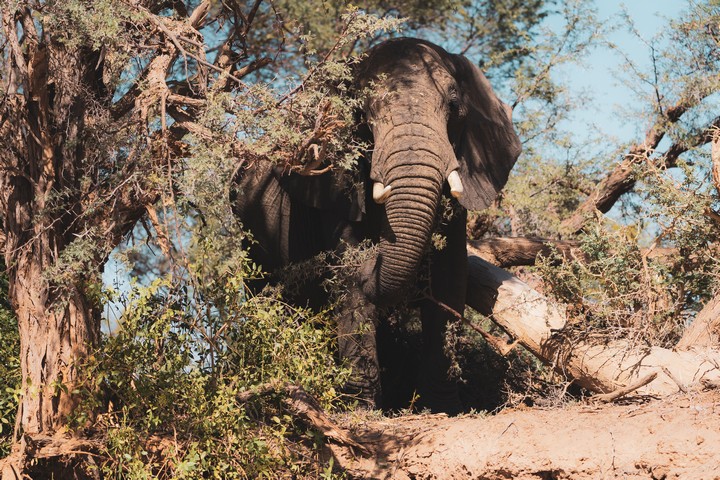
Some of the most exciting predators and scavengers to look for in the park are leopards, caracals, African wildcats, Cape and bat-eared foxes, black-backed and side-striped jackals. Other noteworthy wildlife includes the aforementioned Hartmann’s zebras, as well as Angolan giraffes, aardwolves, greater kudus, oryxes (gemsboks), springboks, klipspringers, baboons, and ostriches.
Smaller inhabitants of the park are warthogs, meerkats, yellow mongooses, and Cape ground squirrels. And along the coast, you can find Cape fur seals. This is where you also find the greatest range of birdlife in the park.
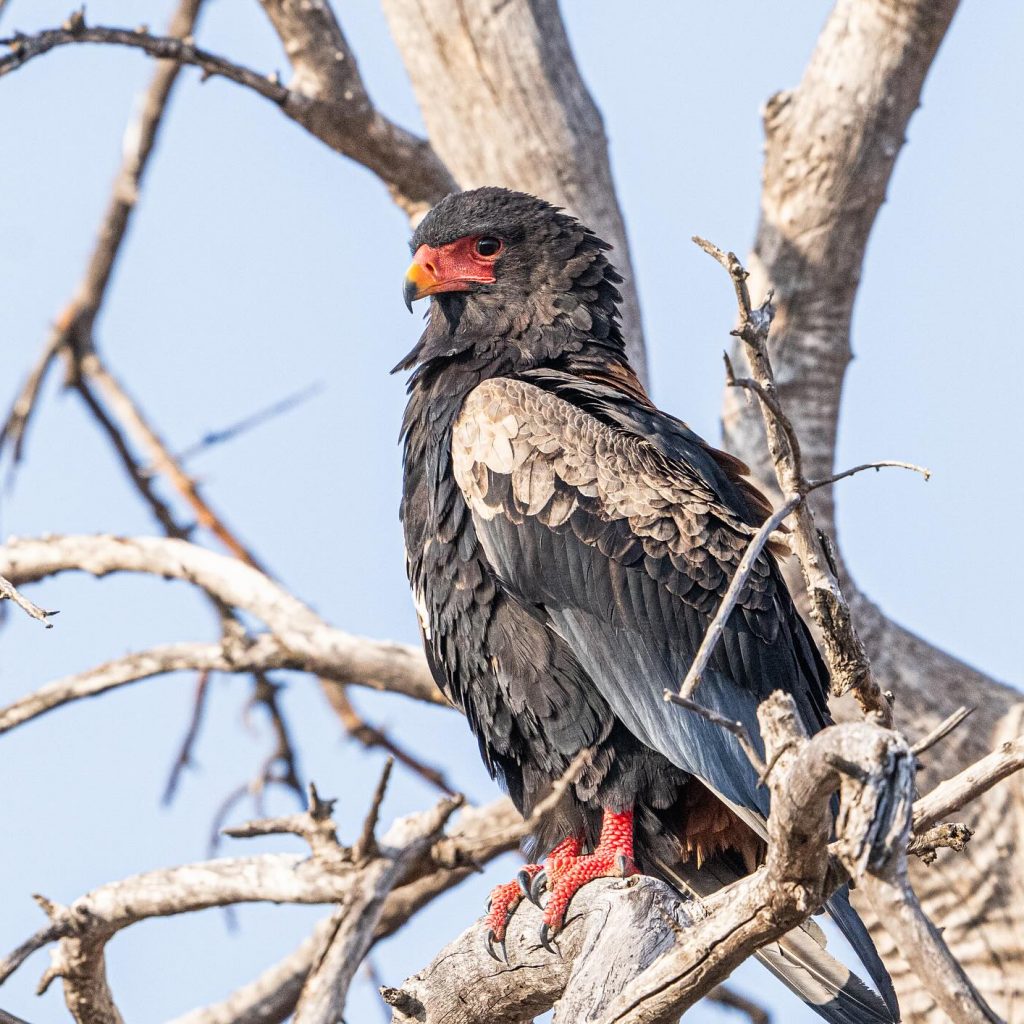
Of particular note when it comes to birdspotting are the wetlands of Sandwich Harbour. This is a Ramsar site to the south of Walvis Bay lagoon. In summer, when migratory species arrive, its lagoon and mudflats host roughly 50,000 waterbirds. These include flamingoes, pelicans, and eight endangered species. Making things even better, the sand dunes here plunge steeply down into the ocean, creating a remote and breathtaking scene.
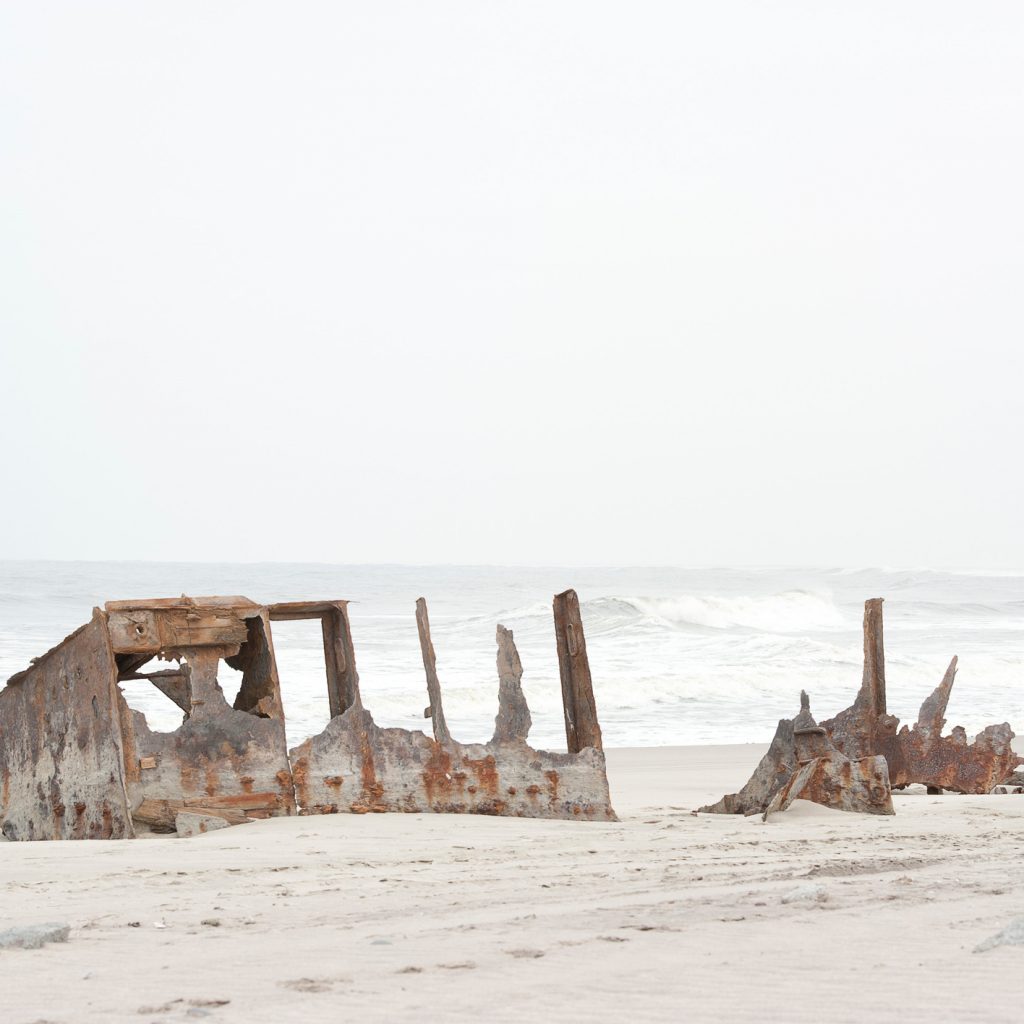
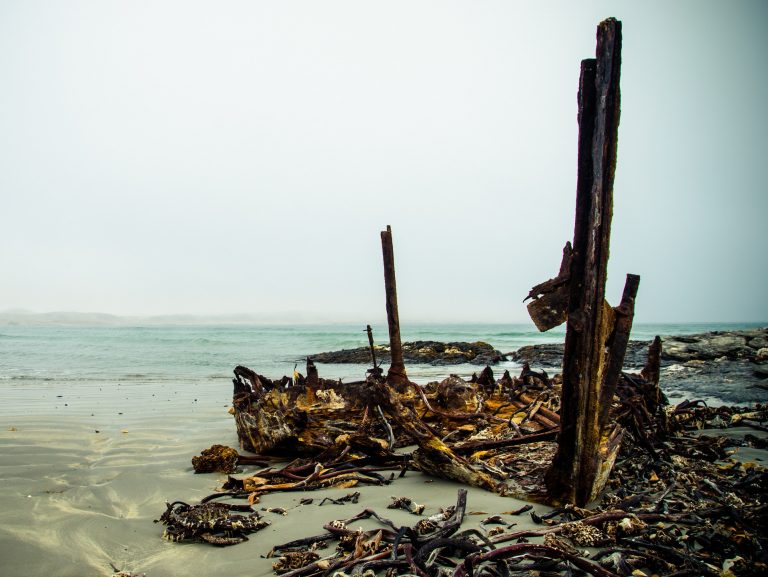
The Namib-Naukluft National Park also protects the ocean that washes its shores. These waters, fed by the Benguela Current which comes from the Antarctic, are ecologically rich. They’re also very turbulent, and prone to intense fog. As a consequence, this stretch of the Atlantic has become the world’s biggest ship graveyard.
While the Skeleton Coast extends beyond the borders of Namib-Naukluft Park, there are some notable shipwrecks within it that can be viewed from land. One of the most notable – the Eduard Bohlen – was wrecked in 1909 and is now actually quite far from the shore (about 400 m) thanks to the ever-shifting nature of the desert sands. You need a 4×4 to access it as it’s highly remote.
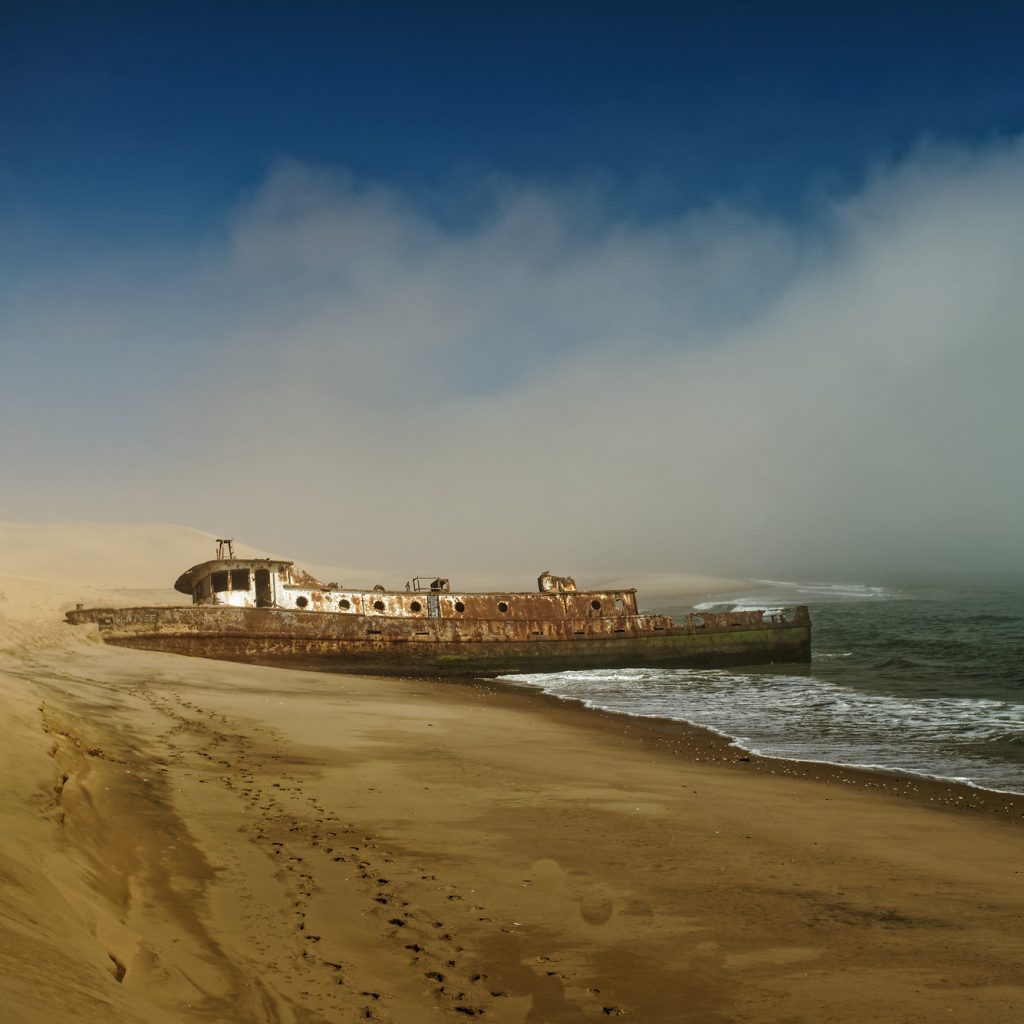
There’s also the Shawnee not far north of the Bohlen. It was a transport tug that ran aground in 1976, and its rusting remains continue to be pummelled by the surf.
You can learn more on this topic in Top 5 shipwrecks to see on the Skeleton Coast, Namibia.
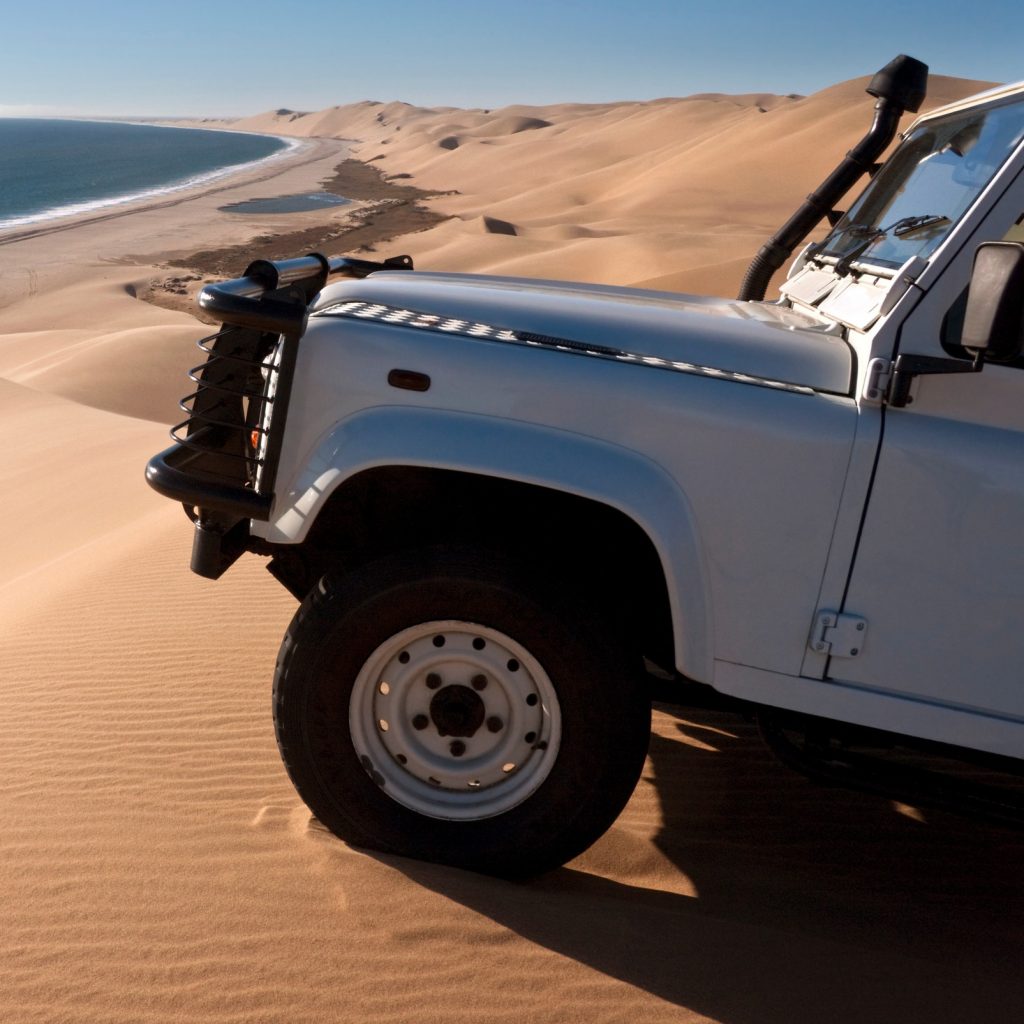
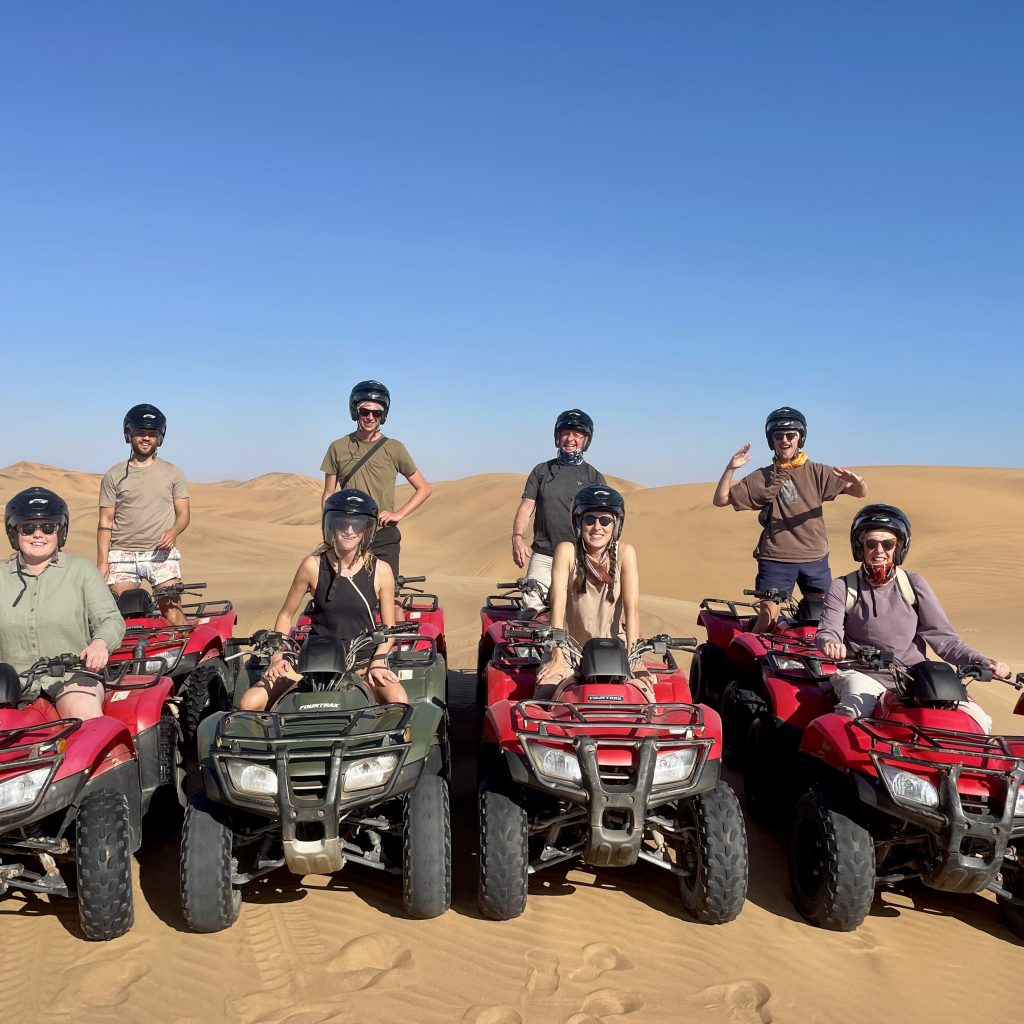
The best and only way to get around all parts of Namib-Naukluft Park is on an overlanding trip.
This is partly because of its vast size, but also because many locations are only reachable with a four-wheel drive. Moreover, some of the Namib Desert sites, like Sandwich Harbour, can only be accessed by specialised operators, as their drivers are trained in navigating the steep and shifting terrain.
You might like to read Overlanding in Africa: self-drive or group tour? if you’re considering visiting Namibia.
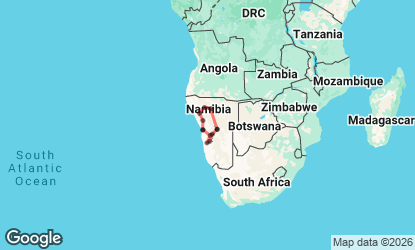
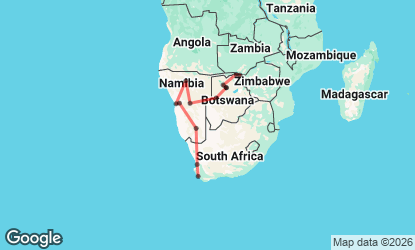
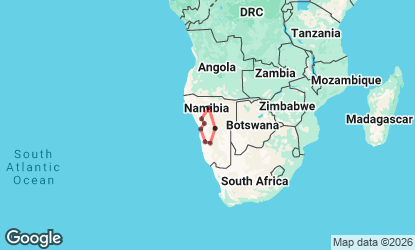
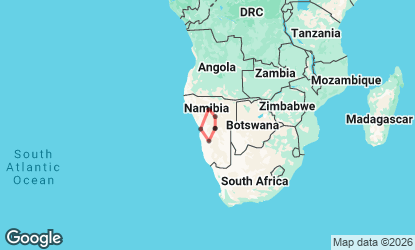
Also, check out these great Namibia overlanding itineraries to see the experiences offered by African Overland Tours.
This blog was originally written and published by Bronwyn Paxton, 31 August 2017. It has since been rewritten by Megan Abigail White on 24 February 2026.
The cold waters of the Atlantic Ocean off the coast of Namibia are a shipwreck graveyard. The largest in the world, in fact. Many hundreds of ships – if not more – have met their ends here. These include sixteenth-century…
Namibia is often overlooked as a safari destination in favour of the more famous South Africa, Kenya and Tanzania. Namibia, a huge, sparsely populated country to the north west of South Africa, may not have the stereotypical safari settings of…


Southern Africa is home to dozens of UNESCO World Heritage Sites – Here’s a List of 11 of the best From South Africa up to Malawi, and from Namibia on the west coast across to Mozambique, you can find many…
Practical and personality considerations to help you choose between a self-drive or group tour on your African overlanding adventure Overlanding is one of the most affordable, thrilling, immersive, and environmentally friendly ways to approach a multi-country African adventure like that…
So you want to go travelling in Africa? Of course you do! But there are different ways to do it. And some are smarter than others, as they’re safer, more cost-effective, more immersive and sustainable, and just more fun. The…
All about Namib-Naukluft National Park, Namibia
9
1

Price From
R43,350
2

Price From
R86,500
3

Price From
R80,699
4

Price From
R51,902
5

Price From
R81,500
6
Price From
R32,200
7
Price From
R68,150
8
Price From
was
R48,250
R41,013
9

Price From
was
R63,750
R57,375

"*" indicates required fields