

African Overland Tours
https://www.facebook.com/AfricanOverlandTourscom/
https://www.instagram.com/african_overland_tours/
https://www.youtube.com/@africanoverlandtoursandsafaris
+27 (0) 21 448 0997
Customer Service
Worldwide

African Overland Tours
https://www.facebook.com/AfricanOverlandTourscom/
https://www.instagram.com/african_overland_tours/
https://www.youtube.com/@africanoverlandtoursandsafaris
+27 (0) 21 448 0997
Customer Service
Worldwide

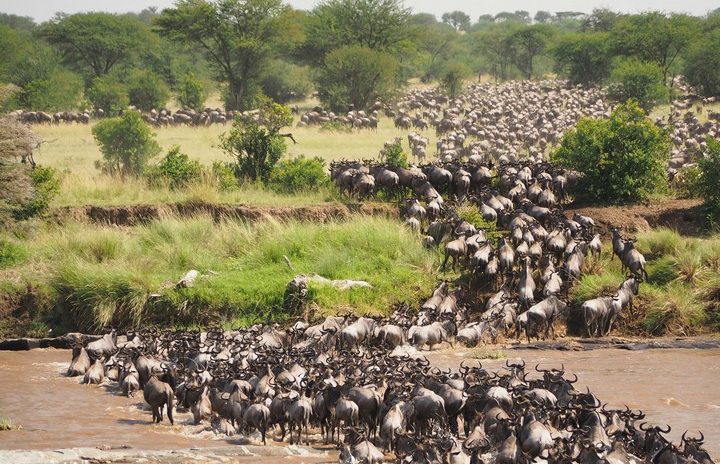
Thundering hooves and dust of a million wildebeest moving across the Serengeti – This is the Great Migration!
It is not a single event, but a year-long epic journey of millions of zebras, wildebeest, and gazelles chasing the rains and greener pastures across the Serengeti. It is truly The Greatest Show on Earth! You’re ready to take an African Safari and see this magnificent event… but when should you go? Where will the herds be? What else will you see? We’ve got you covered! Our month-by-month guide breaks down the entire migration cycle, so that you can book the safari of your dreams and be in the right place at the right time. A quick note: The Great Migration is driven by rainfall, with animals following the paths that lead to food and water. Therefore, the timings are an expert estimate, and are not a guarantee.
As the landscape blooms, showcasing different shades of green and lush, baby animals are taking their first breaths as they are welcomed into their new herds. This is the perfect season to coo at the sight of baby animals, and to gasp at the high drama of incredible predator action. The best place to see this is in the Southern Serengeti and Ndutu Plains, where herds graze collectively on the short-grass plains. January: The landscape is bursting with color after the short rainfalls. You will find animals arriving in the south, grazing hungrily to prepare for the calving season and the next migration. February: In a window of about two to three weeks, around 500,000 wildebeest calves (among other herds) are born. It is a synchronized birthing, and the peak of the calving season. This is when you will see plains filled with wobbly feet, breathing in the same Serengeti air as you, and enjoying the warm weather as they find their feet (literally!) March: The plains are filled with as many herds as the eye can see. The calves are grazing and growing, building their strength for the next move. Towards the end of the month, the rains can begin to get heavier.
Due to the humidity and wet weather, the herds begin to get restless, and the long rains set in. Witness one of the most visually stunning moments of the migration, when the herds consolidate into a mega-herds that trek together, in files that reach up to 40 kilometers long! April: The Great Migration Begins! The cool warm weather now turns humid, and the long rains start to set in. This is the heart of Tanzania’s “Green Season”, painting a scenery of a vibrant emerald paradise. Herds of wildebeest begin to move north through the Seronera Valley (located in Central Serengeti) toward the Western Corridor. The crowds are much less during this time because of the weather, and make for the perfect time to explore the remote corners of the Serengeti. May: The heavy rainfall makes this time relatively quiet in the Serengeti. While it is not the best time to visit the Serengeti, you can follow The Great Migration to the central and western regions of the park. June: The best time to go to the Serengeti, just before the peak of the safari season, is in June! The rains stop, and the dry season begins (with an occasional afternoon thundershower). The Great Migration starts moving north, crossing over their first obstacle – the Grumeti River. The Grumeti River may not be as famous as the Mara River, but still makes for an incredibly dramatic crossing as herds hope to cross without encountering the large, hungry crocodiles.
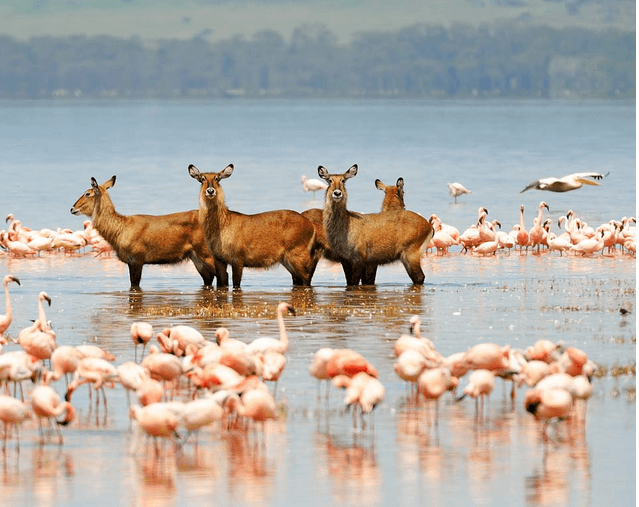
This is the moment you have been waiting for! The most sought-after phase of the Great Migration, when herds have reached the northernmost tip of the Serengeti and prepare to cross the perilous Mara River. July: The air is filled with excitement and panic as the first herds arrive to cross the Mara River. Crocodiles eagerly wait to pounce on the herds and snatch them as they make their way across the river. The crossings are sporadic, but as more animals arrive, the intensity builds. In July, the crowds are at its peak, with more safari vehicles in the Serengeti National Park than any other time during the year. August: August is considered the best time to witness the dramatic river crossing into the Masai Mara, because the crossing is at its peak. The herds courageously charge into the banks of the river, plunging into the crocodile-infested waters, and hoping for a safe escape. It is an unforgettable safari experience – waiting on bated breath as the herds cross, and predators attack. September: The excitement and panic remains as herds are spread across both sides of the river (on the Kenyan Maasai Mara side and the Tanzanian side). The herds will cross back and forth, following the rainfall and fresh grazing pastures. While the Southern parks of the park are quieter during this time, the crowds are still high at the river crossing. October: The dry season now comes to an end, and the plains of the Serengeti are mostly parched. By now, the herds have made their way into Kenya, and the adrenaline-filled crossing now comes to an end. If it is game viewing you are still after, then the game viewing in the Serengeti National Park is spectacular!
Finally, after all the near-death experiences and finding greener pastures, the cycle is complete. The short rains from the south fill air with petrichor, calling the herds back to the fertile plains they call home. November: the low season begins with the short rains in the Serengeti. The herds begin to split as they trek south, some moving toward the eastern side of the Serengeti while others continue to the south. The eastern side is a less frequented area by tourists. This is a great time to spot large herds moving across the plains again. The low season also means less crowds, and many take advantage of the lower rates. December: The rainy weather transforms the dry dusty plains into luscious grasslands. The herds return back to the southern Serengeti and Ndutu region, preparing for the breeding season. The wet summer months bring higher temperatures and humidity. The rise in crowds begins, as many are eager to see baby animals wobbly first steps.

| Season / Months | Migration Phase | Primary Location | Main Event/Animal Behavior | Key Highlights |
| January – March | The Calving Season | Southern Serengeti & Ndutu Plains | Herds gather on the fertile short-grass plains. February: Peak calving season. Herds are relatively static, grazing and nurturing newborns. | High predator action: The best time to see lions, cheetahs, and hyenas hunting. Excellent Photography: Lush green landscapes and vast herds with their young. Quality time with herds: |
| April – June | Trekking North | Central Serengeti (Seronera), moving to the Western Corridor & Grumeti River | Long rains begin, prompting the herds to move north. Herds merge into “mega-herds.” June: The first major river crossing at the Grumeti River. | Fewer Crowds & Lower Prices. (Apr-May): The rainy “Green Season” offers a more intimate experience. Bird Watching Paradise. Mating Season. (May-Jun): Witness the noisy and competitive wildebeest rut. |
| July – October | Crossing the Mara River | Northern Serengeti & Mara River | Herds face the perilous, crocodile-infested Mara River. August: Herds cross back and forth following rainfall. | The Epic Crossing Peak Game Viewing Ideal Weather: Sunny, dry, and pleasant. PEAK SEASON: Expect large crowds and high prices. Book well in advance! |
| November- December | Returning home | Moving south from the Mara, through the Eastern/Central Serengeti, back to Ndutu | Herds trek across the plains, following the fresh grass. December: Herds arrive back in the southern plains to graze and prepare for the next calving season. | Fewer Crowds & Lower Prices Double Bonus: Potentially see the last river crossings (early Nov) and the first gatherings for calving (late Dec). Lush Landscapes: Rains transform the plains back to green. |
The best time to book is truly any time of the year – depending on what you want to see. While the most epic experience is witnessing The Great Migration, each month promises a different experience that is just as thrilling and unforgettable.
Let our team of experts help you plan your perfect trip, and cater to every moment you wish to experience at the best time! Click here.
Explore our Tanzania Tours here.
"*" indicates required fields