


African Overland Tours
https://www.facebook.com/AfricanOverlandTourscom/
https://www.instagram.com/african_overland_tours/
https://www.youtube.com/@africanoverlandtoursandsafaris
+27 (0) 21 448 0997
Customer Service
Worldwide

African Overland Tours
https://www.facebook.com/AfricanOverlandTourscom/
https://www.instagram.com/african_overland_tours/
https://www.youtube.com/@africanoverlandtoursandsafaris
+27 (0) 21 448 0997
Customer Service
Worldwide
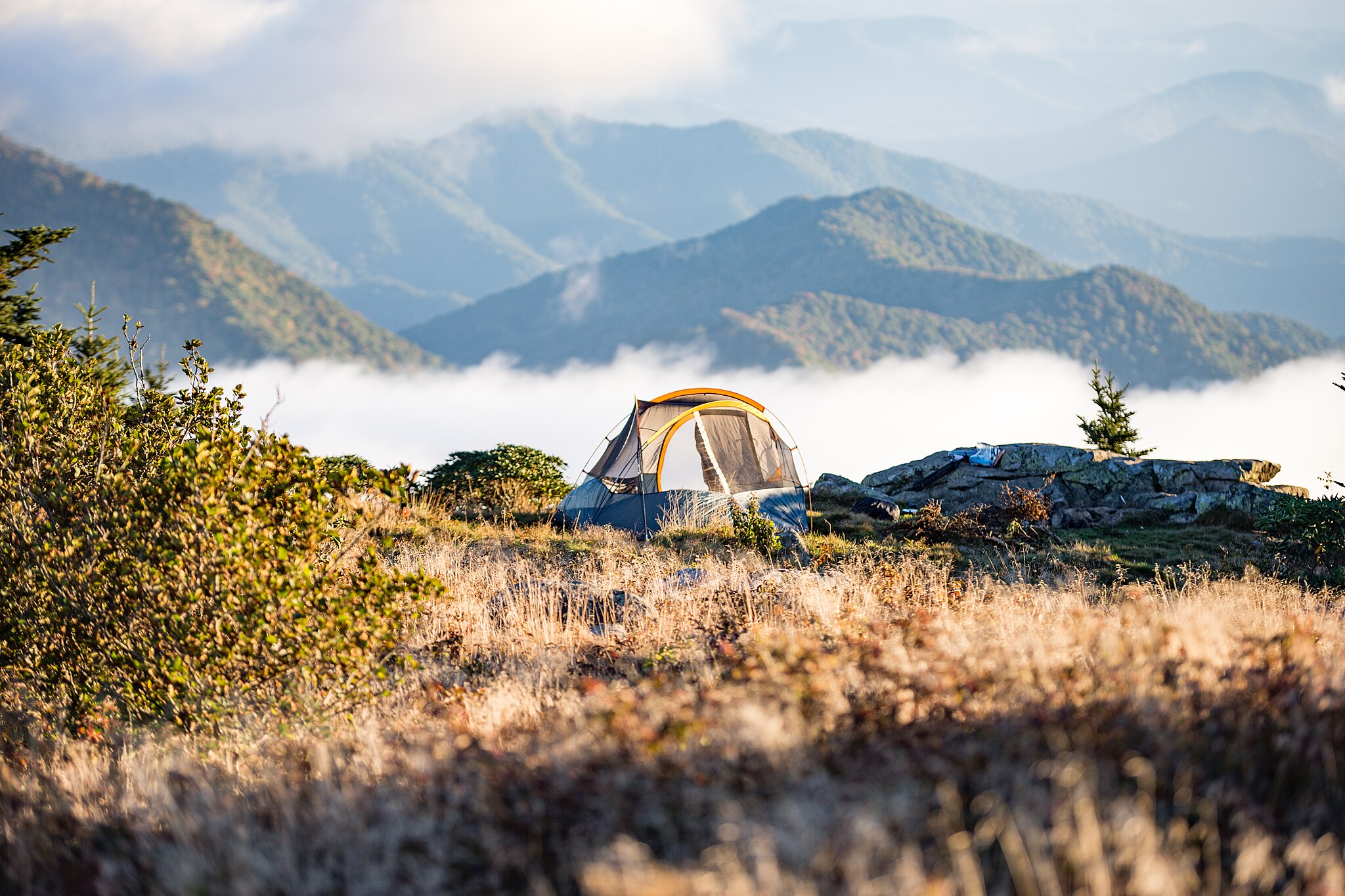
Nature spots need our help to stay beautiful and healthy
We go camping in remote spots like the mountains, bush, and desert because we appreciate the beauty, wildlife, quiet, and other restorative properties of such natural spaces. Yet how we camp there determines the future integrity of those sites. Leave No Trace camping is an idea that’s focused on helping folks to make good decisions that look after both people and planet.
As stated on the Leave No Trace website, the seven Leave No Trace principles “emphasize integrity, respect, responsibility, fairness, and compassion.”
So let’s look at the seven ways you can engage in Leave No Trace camping when trekking, overlanding, or otherwise exploring the wild spaces of Africa.
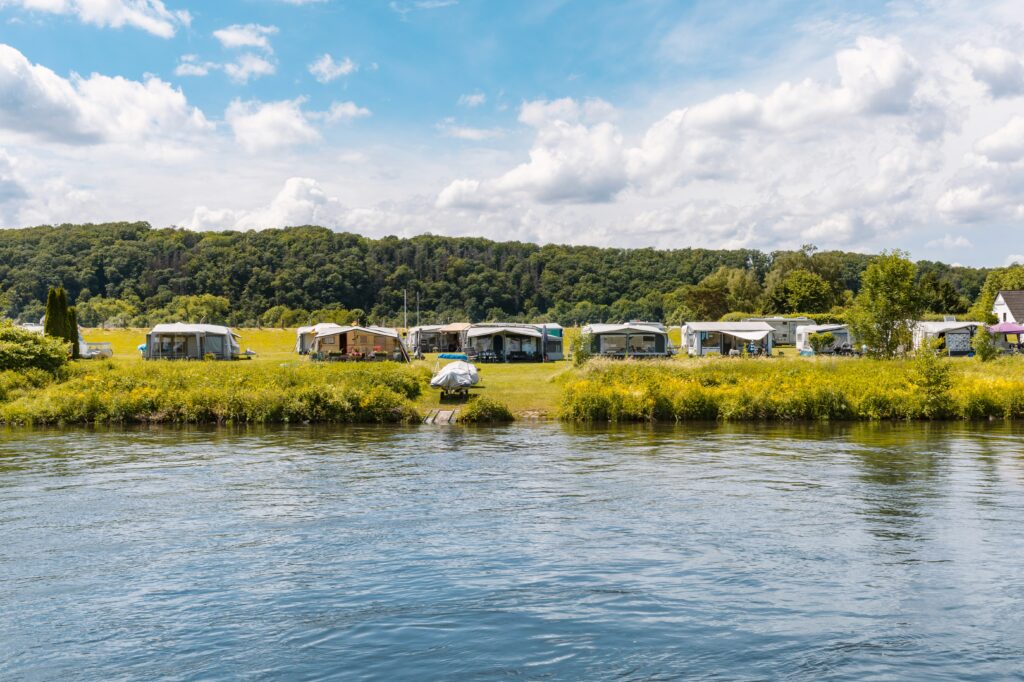
You have to be willing to do a little research and planning prior to your trip to be a responsible camper.
Firstly, find out if any regulations exist for the site you’re going to visit.
For instance, are campfires allowed? If yes, are you allowed to forage for wood or is wood sold onsite? If you like to travel with your dog, are they allowed at that site? These are all questions that need asking beforehand or you might end up breaking the rules.
Also, consider camping in an off-peak season if possible to reduce the impact of your visit. When there are too many people in one location at the same time, it places a greater strain on the landscape and its resources. It’s also more disruptive to wildlife.
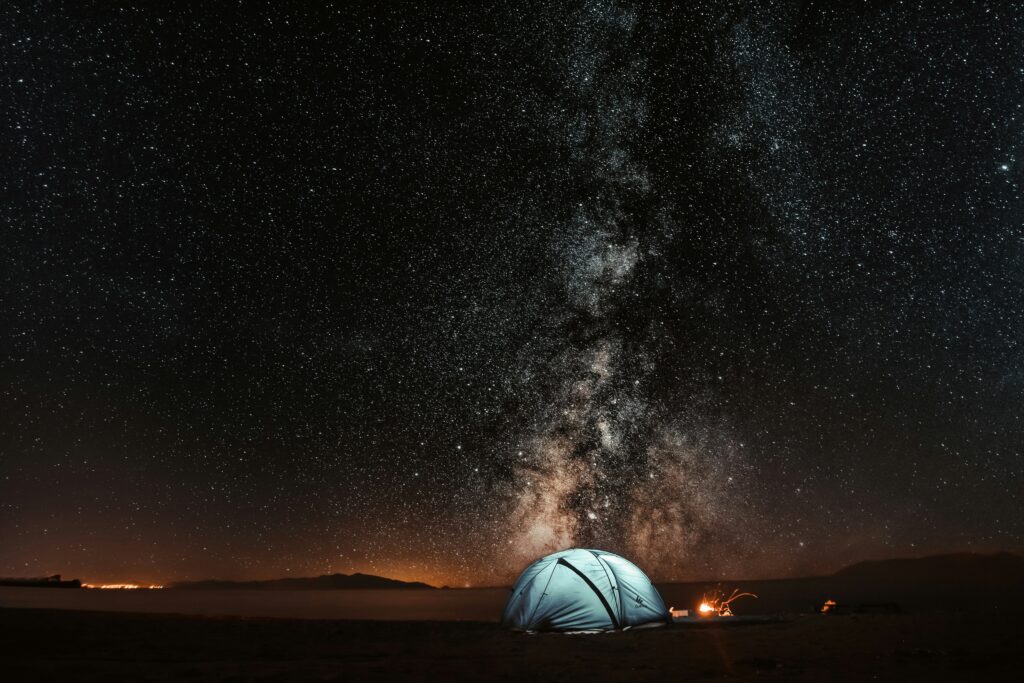
This is one of the most important Leave No Trace camping principles, as our vehicles and campsites can have deeply negative impacts on the visited ecosystem.
For starters, if you pitch your tent or park your overlanding vehicle or other mobile setup on a soft or fragile piece of ground, the ground beneath will be crushed, and the vegetation will die, especially if you stay for a while. Then there’s the varied impact of your whole campsite, from the burnt spot beneath a fireplace to the puncture wounds from chair and table legs.
In many of Africa’s established campsites, camping spots are designated, so you can use these without much thought. But if you’re camping wild, please look for a spot where there’s the least vegetation so that your presence will alter the spot as little as possible. Ideal surfaces are relatively hard or durable, like rock, gravel, dry grasses, and snow.
Eco-friendly camping practices also include camping at least 60 m (200 ft) away from riverbanks or other water sources. And try to keep your campsite small to further reduce impact.
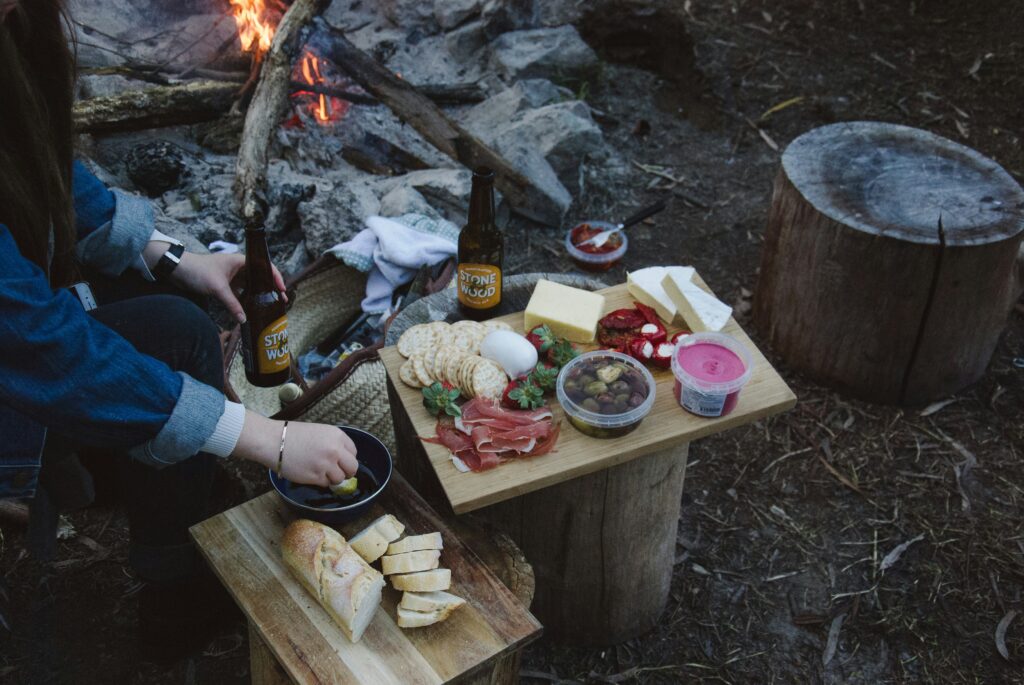
When it comes to waste, there’s the obvious matter of litter.
You want to have a proper bin (trash can) with a sealable lid so that the smells won’t attract animals. It should be sturdy enough that it won’t open even if blown or knocked over. Even better, keep the bin inside your vehicle if you’re camping with one.
Be sure all organic waste goes into the bin too. Not only do scraps make a mess, but things like seeds could introduce a foreign species into the ecosystem.
If you’re camping wild, you need to really plan ahead with regard to waste, as there won’t be ablutions nor a waste collection service. As the saying goes: “Pack it in, pack it out.” Think about what packaging you’ll need to accommodate this, such as drawstring and biodegradable bags.
Note that the rubbish (garbage) you carry out with you might include human waste, as it’s not always possible or advisable to bury it. But if you do bury your waste, dig holes that are 15-20 cm (6-8 inches) deep, and then cover them up properly and also disguise the site. Furthermore, don’t do your ablutions near any water sources – leave a distance of at least 60 m (200 ft).
The same goes for any greywater – whether washing yourself or the dishes, ensure this soapy water drains away far from natural water sources.

Leave No Trace camping is about altering the natural landscape as little as possible. We might rephrase the principle to “Leave what you find alone”, as this expands its meaning. The idea here is about refraining from touching, moving, removing, or manipulating nature when unnecessary.
For instance, don’t move rocks and stones or pull out plants or tufts of grass to make a smoother camping spot. This shouldn’t be necessary if you follow the earlier principle of finding a more durable surface for your campsite.
Also, don’t dig a trench or divert a little stream for your use. Don’t bend and tie tree branches together to make a washing line. If you go on a hike, don’t make cairns, don’t trample vegetation by stepping off the trail unnecessarily, and don’t pick flowers.
This principle also obviously means that you should refrain from taking anything home with you. So don’t dig up a bulb or pocket an unusual rock or shell. What you take could be serving a vital ecological purpose, or it could be endangered.
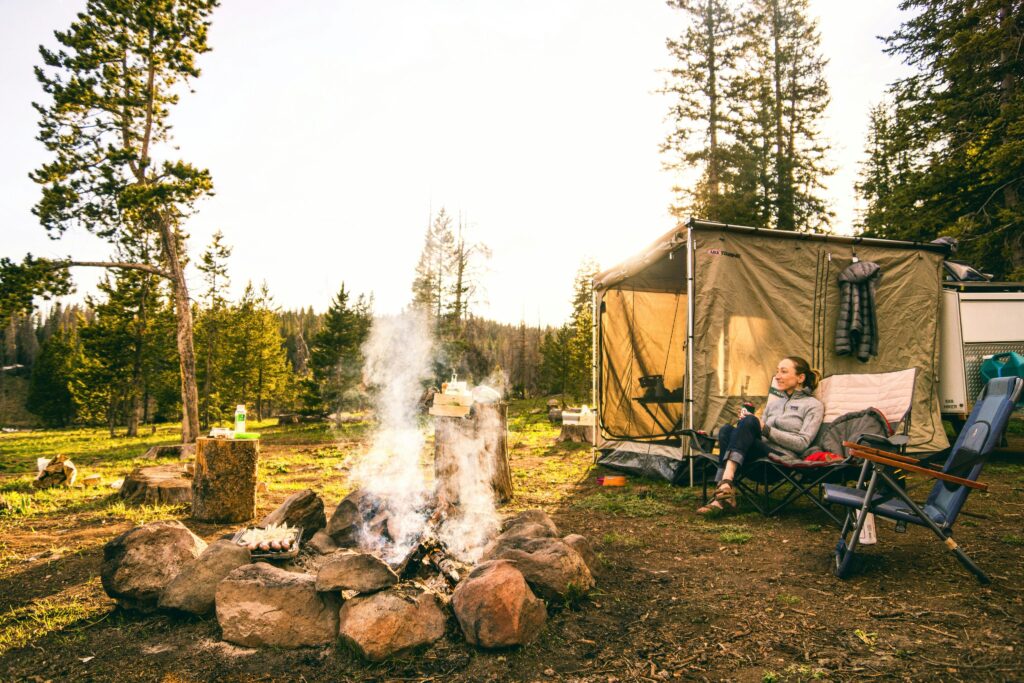
Campfires, while wonderful in many ways, have several drawbacks. For instance, they require lots of firewood and they can be dangerous, not least because they sometimes spark wildfires. Where possible, use a gas-powered stove instead.
If you do need to build campfires during your camping trip, use designated sites like fire pits or use a fire pan. Keep your fire small, and then let it burn through all the wood or coal till it’s ash.
Also, don’t bring in your own wood, as this is a common way in which invasive species enter ecosystems. Rather, purchase wood locally.
If you decide to gather wood, please be aware that the wood you choose really does matter. For instance, fallen or dead trees and branches are often habitats for birds, insects, mosses, and more. Also, avoid cutting or breaking branches and twigs. Look for smaller branches and twigs that have already fallen to the ground.
Finally, if camping outside of a serviced campsite, clean up the fire area when you’re done so that it doesn’t mar the scene for anyone else.
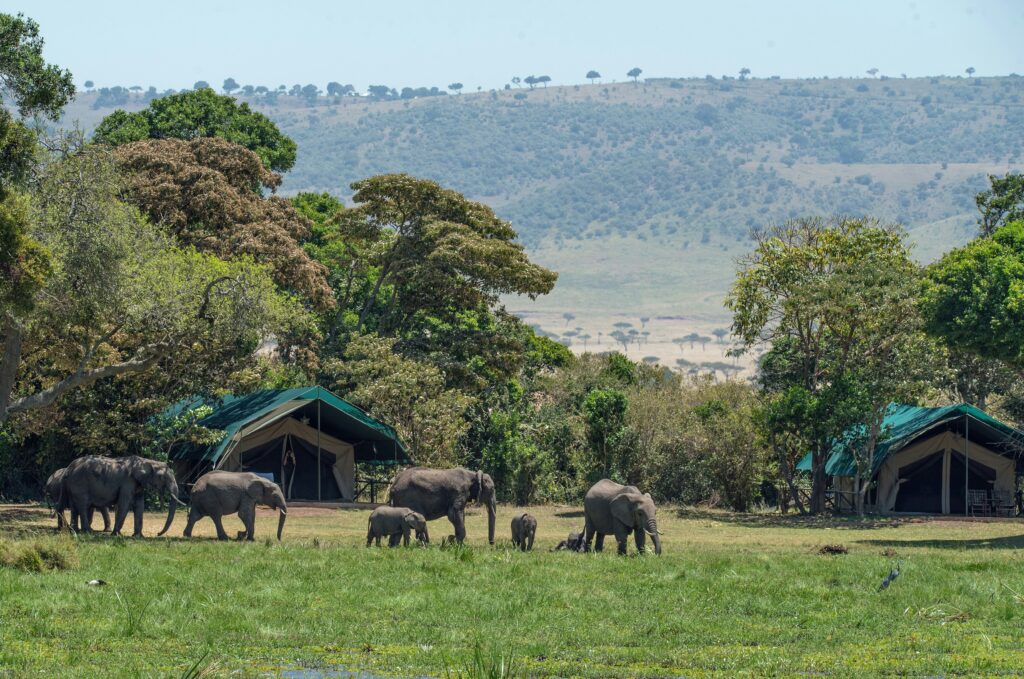
The most obvious ways in which we respect wildlife are by not hurting, tormenting, or killing them. We should also never move nor destroy their homes, whether a termite mound, nest, or something else.
But there are other ways of respecting wildlife.
For starters, avoid disturbing or alarming animals through sound. Don’t make loud or sudden sounds, play (loud) music, rev a motor, shout or scream, make lots of sound at night, nor imitate a species’ call. Such actions might not physically hurt the animals, but they can be harassing or disruptive to natural behaviours and patterns.
We should also avoid disturbing or alarming wildlife through our actions. Don’t pitch your tent on a spot with burrows, for instance. Also, don’t shine a light into a tree in the dark, pick up a small animal, nor pop a specimen in a jar for an hour because you want to have a good look at it.
If camping in a reserve with large game, follow the prescribed safety guidelines closely. When visitors are careless or reckless, it can lead to people being harmed by the wildlife, and the latter are sometimes then put down by rangers. Very sad.
Respecting wildlife really means putting the health and well-being of the animals around you above your own wants and interests.
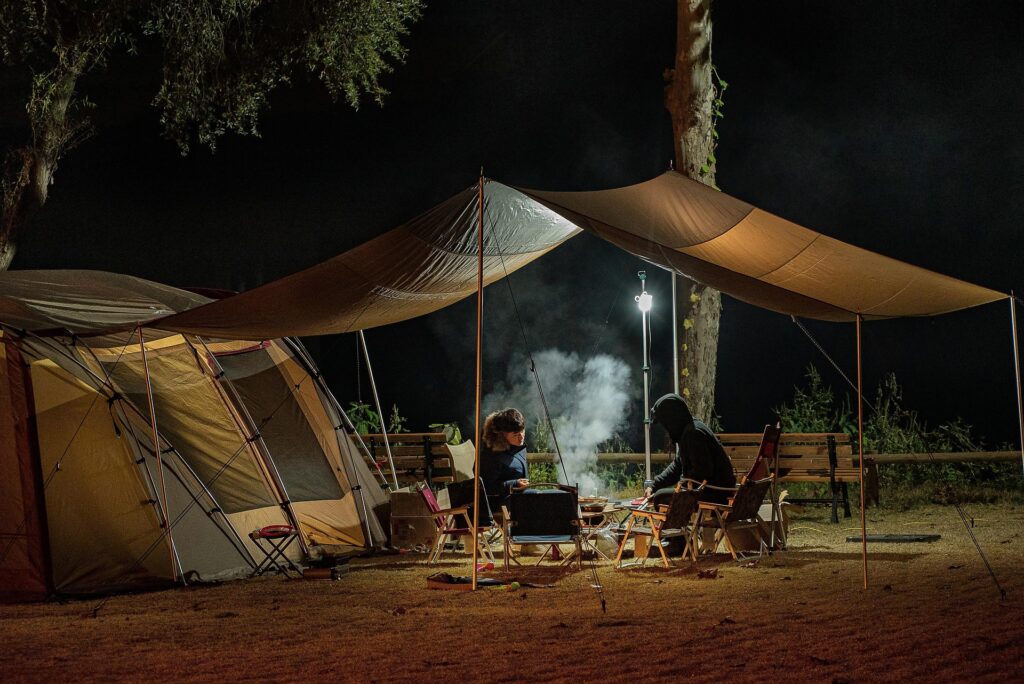
As mentioned, Leave No Trace camping isn’t just about eco-friendly practices; it’s also focused on considerateness towards others.
The main issue here is often around noise. Remember that most people are camping because they want some peace. So don’t play music, hold loud conversations, or otherwise make a nuisance of yourself. It’s especially easy when you’re in a group to forget about others – have fun, but be mindful if you’re taking over the vibe to the detriment of others.
Also, be sure to mute your phone or turn the volume down low. And be especially considerate at night, knowing that tents offer almost no barrier to sound. If you’re staying in a camping ground, take careful note of any ‘quiet hours’.
If you follow these seven responsible camping tips, you can rest easy that your adventure isn’t harming the environment and you’re being a good neighbour. This is a good goal to have, as the world needs more thoughtful denizens.
Are you keen to plan your own camping adventure in Africa? Overlanding and camping in Africa is one of the most budget-friendly ways to explore this beautiful and diverse continent. If you’re keen to start daydreaming, African Overland Tours can help you find your perfect itinerary … just fill in the no-obligation form below to get started!

"*" indicates required fields