


African Overland Tours
https://www.facebook.com/AfricanOverlandTourscom/
https://www.instagram.com/african_overland_tours/
https://www.youtube.com/@africanoverlandtoursandsafaris
+27 (0) 21 448 0997
Customer Service
Worldwide

African Overland Tours
https://www.facebook.com/AfricanOverlandTourscom/
https://www.instagram.com/african_overland_tours/
https://www.youtube.com/@africanoverlandtoursandsafaris
+27 (0) 21 448 0997
Customer Service
Worldwide
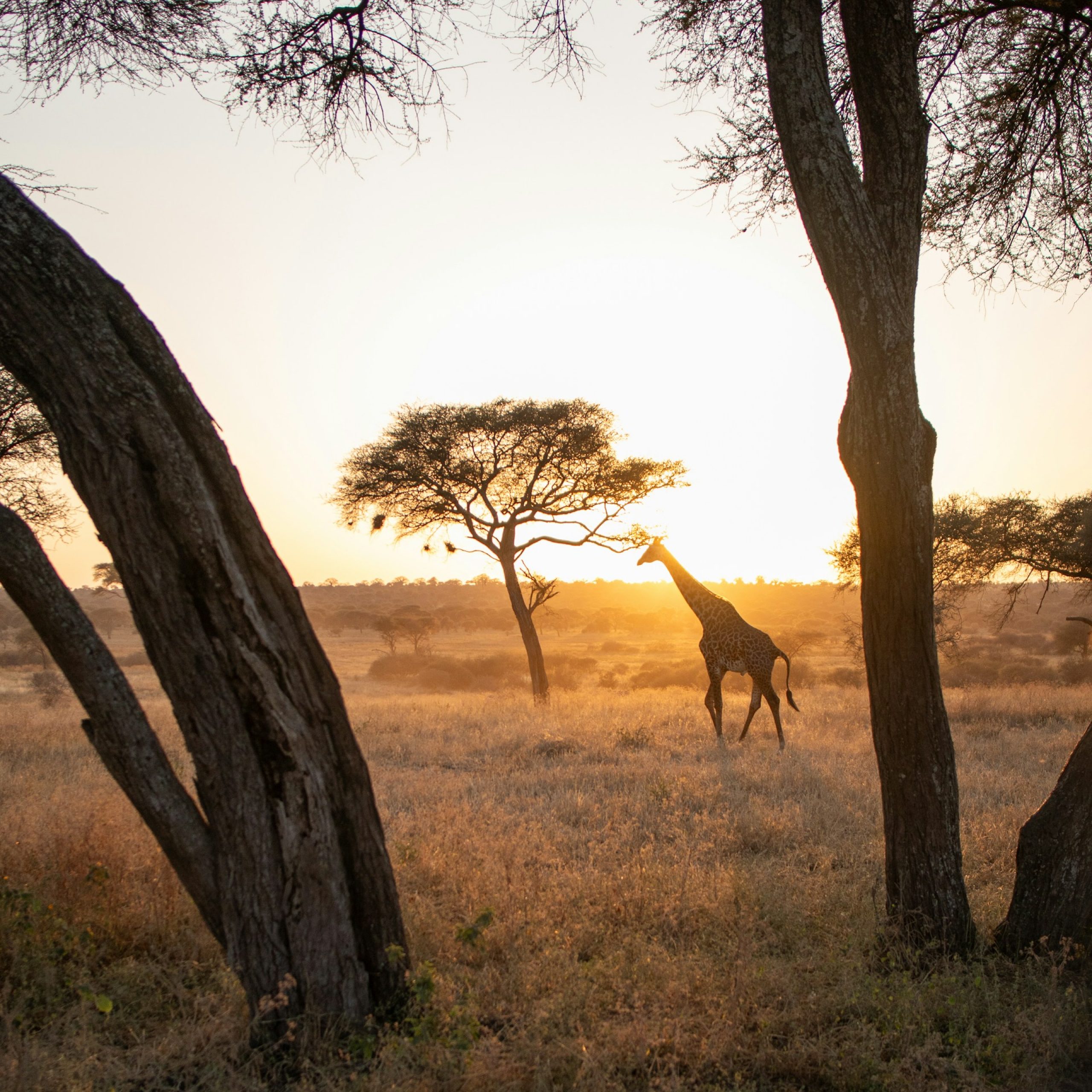
Here are some practical ways to travel more sustainably on an African safari
Green travel isn’t just about choosing a lodge with solar panels and a composting bin. It’s about understanding how your journey affects the environment, the animals, and the people who live alongside them. And then making some strategic and responsible choices.
This is a massive topic, and it can be overwhelming and unhelpful to try take on too much responsibility as the traveller.
The better option, in my opinion, is to find a trusted partner, like a tour operator or travel certification body whose ethics resonate with you, and then take your lead from them. That said, some decisions will still fall with you. Even more if you’re planning a self-drive versus an organised group safari.
So let’s major in the majors, and focus on a few key ways for you to travel greener on your African safari.
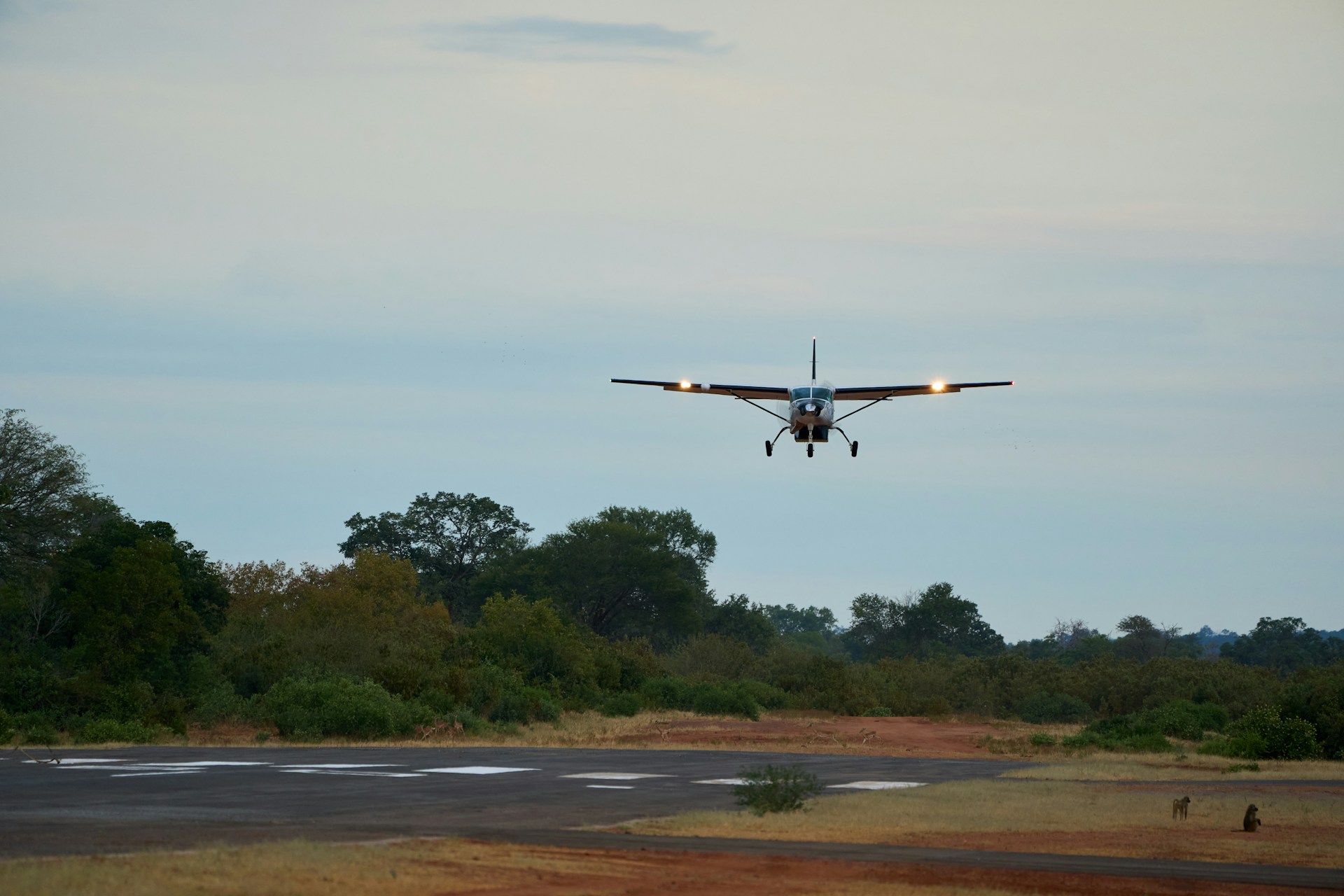
A ‘fly-in’ safari, where you use bush planes to travel between regions and game reserves, saves you many hours on the road. But it’s also the heaviest carbon-hitter, thanks to all those take-offs and landings.
The greener move is to fly into Africa and then drive between destinations, whether that be just two game parks or half a dozen countries. Also, choose an appropriately sized overlanding vehicle. You don’t want two or three of you rattling around in an eight-seater, as that’s not fuel efficient.
You could also, of course, contribute towards a carbon offsetting programme.
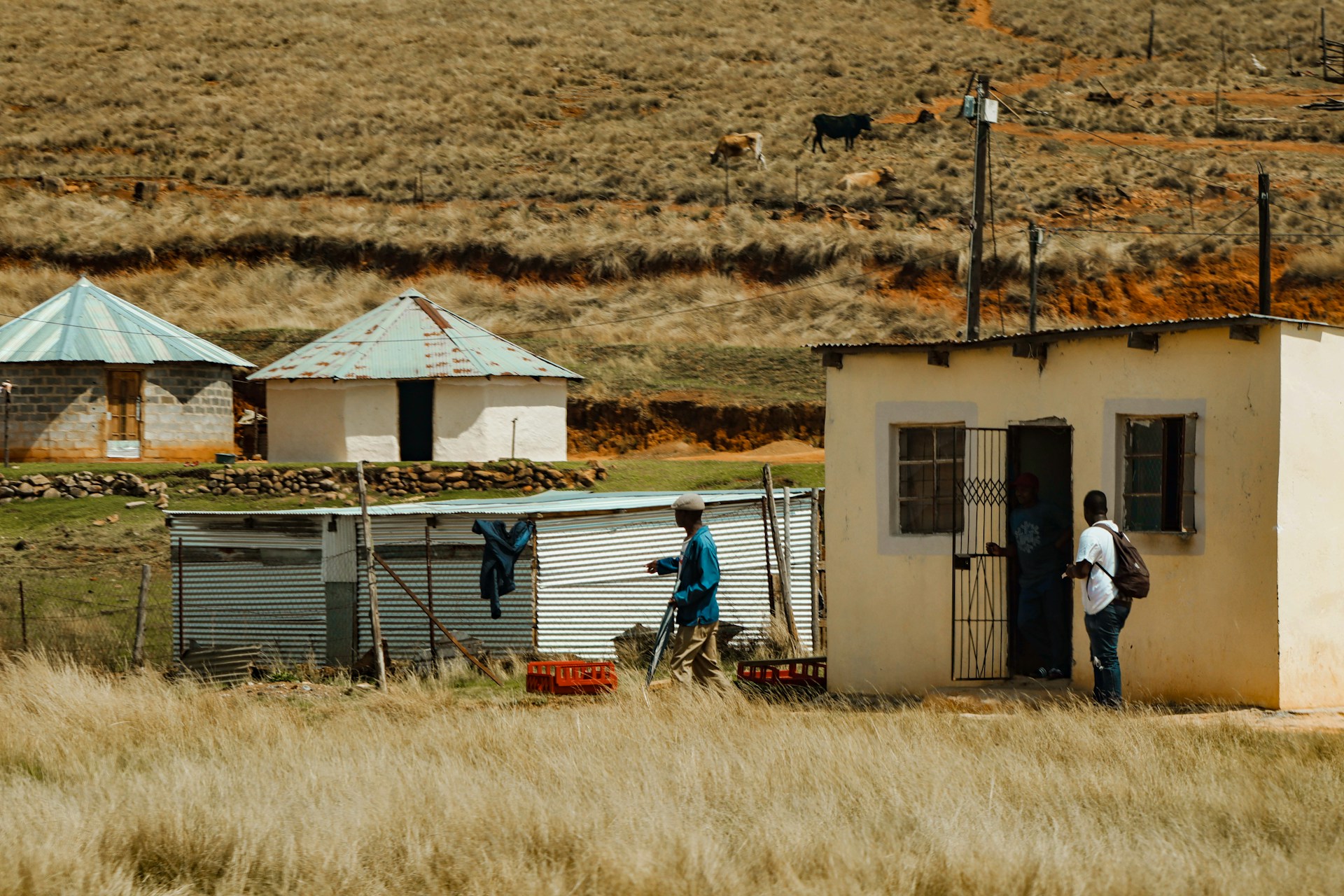
Green travel isn’t just about protecting the environment, as mentioned. True sustainability requires that the host country or region benefit from your presence. The local community in particular should see tangible gains.
So if you want to make greener safari choices, follow the money. By this, I’m suggesting you ask questions like who owns the tour company or lodge? Who do they employ? Who are their suppliers?
The best safari businesses also invest in the local community in other ways, such as partnering with entrepreneurs and supporting schools, clinics, and local infrastructure.
Look at a prospective business’s website to see if they have concrete sustainability practices in place.
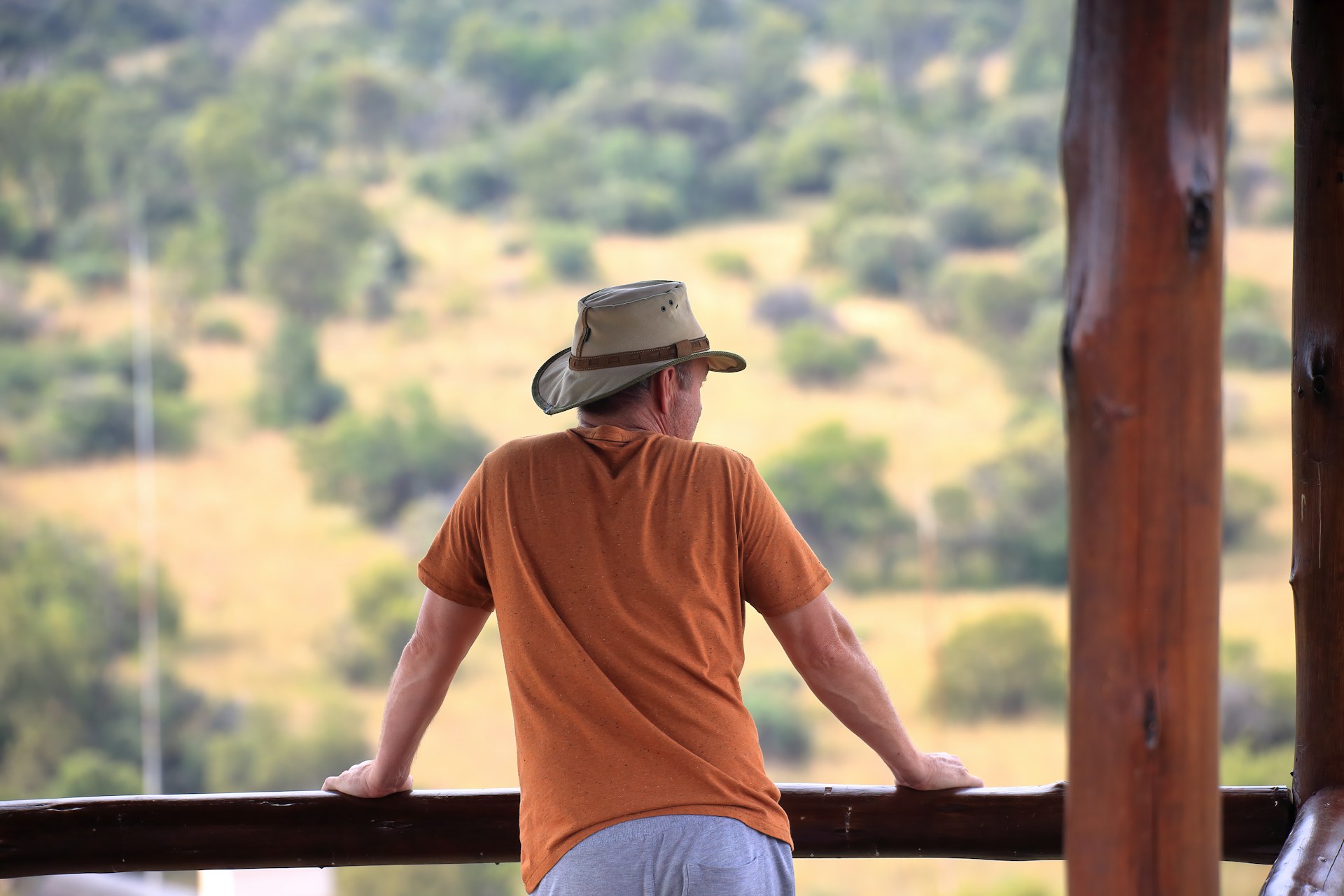
Many safari accommodations are built in fragile and important ecosystems. The nature of their infrastructure and daily operations is therefore critical to the health of that ecosystem. This makes choosing an eco-friendly accommodation one of the most important ways to travel greener on safari.
Fortunately, many safari lodges and campsites are trying earnestly to operate more thoughtfully and responsibly. This can mean building with sustainable materials in ways that blend in with the surrounding landscape. It can also mean features like onsite vegetable gardens, waterless composting toilets, and minimal night-time lighting.
In addition, in environments where certain resources are scarce (like water in a desert), eco-friendliness requires an operation not diverting those precious resources from the local community to give to guests. So they need to have a plan of their own.
Of course, greenwashing marketing is everywhere, where lots of noise is made about a couple of recognisable efforts but an overarching commitment to eco-friendly practices is lacking. While an eco-certification from a credible third party is obviously a great indication of genuineness, also look at an accommodation’s website and independent reviews to see what they have to say about these matters. Smaller businesses are often doing things brilliantly, but can’t afford the expensive accreditation process.
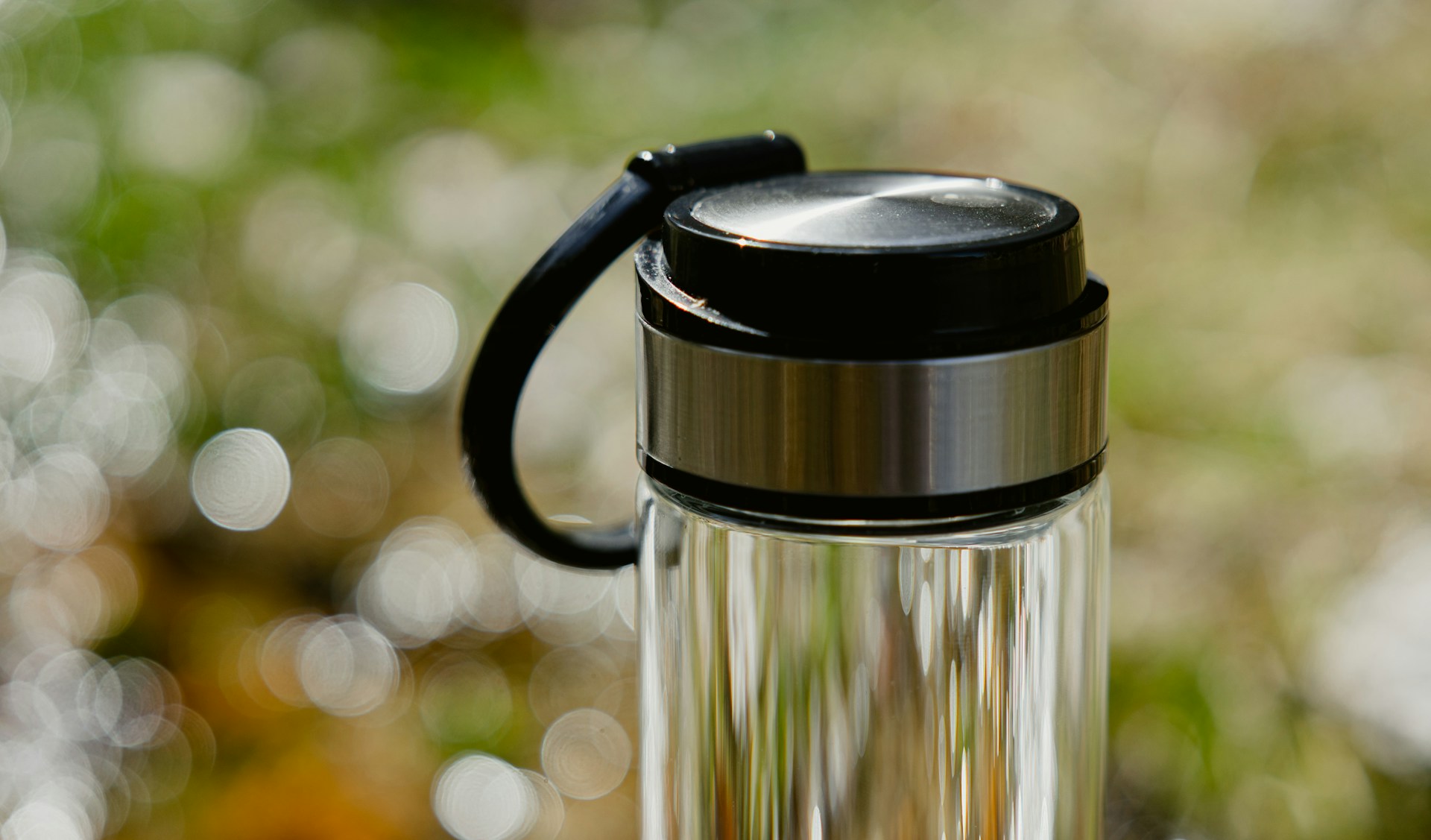
We all know single-use plastic is the enemy. So, of course, you should pack a reuseable water bottle for your safari. But note that you often can’t fill them up with water coming out of the tap (faucet).
Check with your tour provider or accommodations if they supply you with potable water during your trip. Some require you to buy or sterilise your own water, which means buying lots of plastic five- and 10-litre water bottles or having a reliable sterilisation plan of your own.
One of the best solutions at present to the water situation on a safari is to bring your own high-quality purifier water bottle or UV sterilisation pen. These are environmentally responsible ways to ensure your drinking water is safe.

On an African safari, your grey water (the water from your shower or sink) often goes directly into a soak-away or the soil. Standard store-bought detergents and toiletries are loaded with phosphates and chemicals that are toxic to plants, microorganisms, and aquatic life.
It’s critical that you please therefore pack biodegradable, phosphate-free toiletries and laundry soap.
When it comes to sunscreen, choose a mineral-based, reef-safe brand, even if you’re not including a beach visit in your itinerary. This is because it will either wash off you in the shower, or enter the water if you go white-water rafting or swim in a lake.
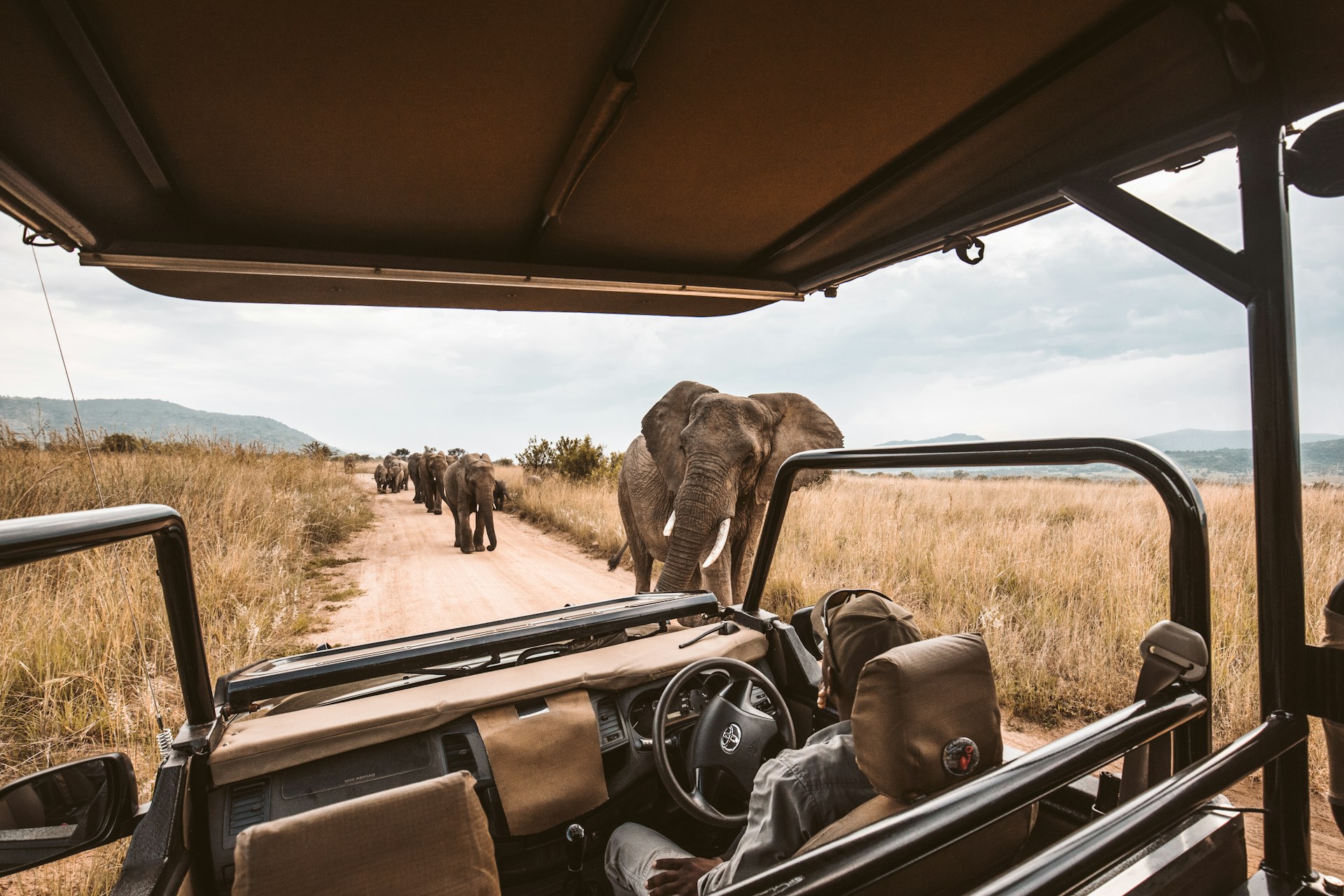
A final but important way to travel greener on a safari is to be mindful of how your behaviour impacts the wildlife.
This most obviously relates to how you drive. Don’t drive off-road, try to get too close to the animals, rev the engine loudly or suddenly, or flash your lights or hoot (honk) at animals.
Beyond this, all safarigoers – whether on a game drive, boat safari, bush walk, or other type of outing – should be mindful that noises like high-pitched squeals of excitement or loud laughing are disruptive and even alarming to wildlife. The green traveller seeks to interrupt the animals’ ways as little as possible.
On a bush walk, try to tread in the obvious places, like on a trail, rocks, or the footsteps of the guide. You want to minimise your chances of trampling fragile vegetation, crushing critters, collapsing a warren, and so on.
Finally, on a night safari drive, use red filters on spotlights instead of the usual white lights, as these temporarily blind the animals and so disrupt their hunting and other behaviours.
Whether it’s something small like scrubbing your dirty feet with a soap that doesn’t lather in the way you like, or something more costly like spending ten hours on a dusty road to avoid an additional flight, the path to greener travel usually requires more effort.
But the reward?
You aren’t just a spectator in Africa; you’re showing up as its champion and protector. That’s the sort of tourist Africa wants and needs.
Note: This blog post was created in 2016 by Sarah Duff. It was completely rewritten in 2026 by Megan Abigail White.
How to travel greener on an African safari
5
1

Price From
R58,480
2

Price From
was
R62,950
R56,655
3
Price From
was
R92,950
R83,655
4
Price From
was
R191,600
R172,440
5
Price From
was
R265,950
R239,355
An African safari is, overall, a very safe sort of trip There’s no reason to be unduly worried about your safety when going on a safari in Africa. Most such trips go off without a hitch. That said, travel is…
Practical and personality considerations to help you choose between a self-drive or group tour on your African overlanding adventure Overlanding is one of the most affordable, thrilling, immersive, and environmentally friendly ways to approach a multi-country African adventure like that…
Who is suited to an African overland tour and how do you find the right one for you? An African overland tour is a wild and immersive trip that’s often life-changing and life-affirming. But it’s not for absolutely everyone. Then…
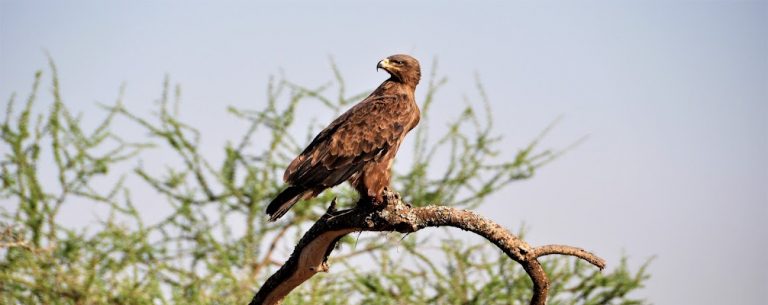
Here are five things to know before your African safari From showing caution with respect to the wildlife, which includes mosquitoes, to managing your expectations on what you’ll find, here are five things I believe it’s useful to know or…
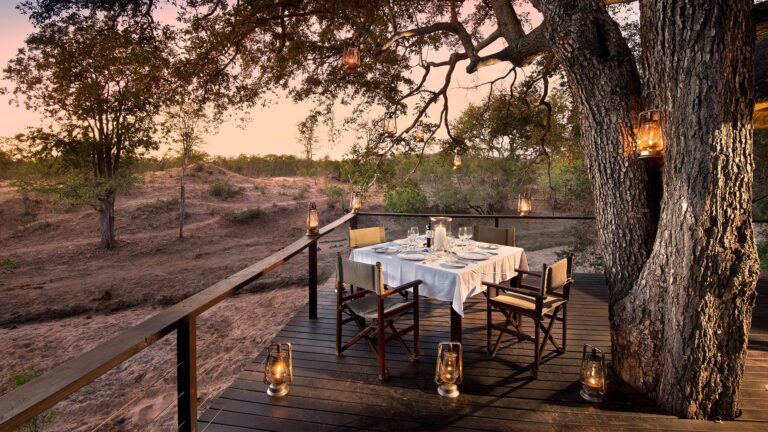
Before booking an overland safari, it’s important to understand the differences between luxury and overland safaris For various reasons, African safaris are pretty pricey holidays, even if you choose budget transport and accommodations. So please understand that an expensive safari…
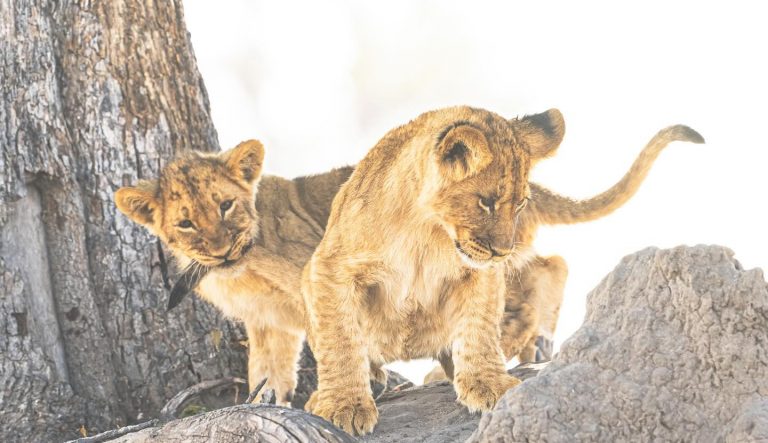
There are a few things to consider when deciding where in Africa to take your kids on safari – and I discuss them all Those able to take their kids on safari most definitely should! It’s a mind- and soul-expanding…
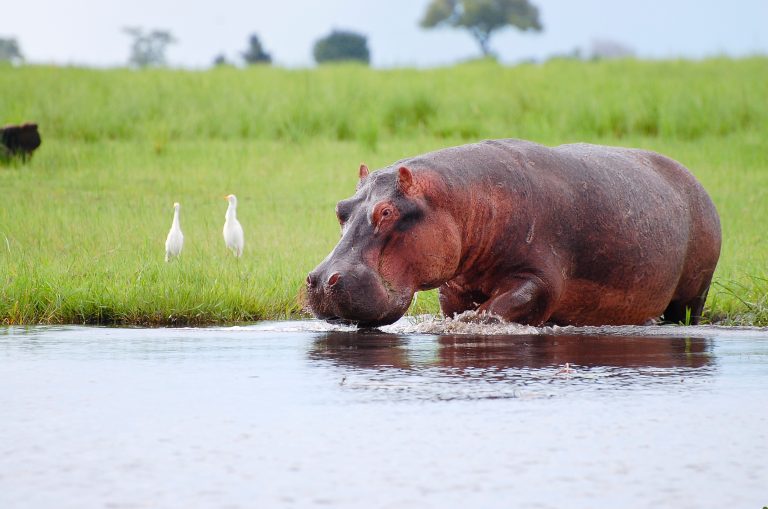
Let’s discuss the main differences between East African and Southern African safaris to help you choose the right destination for you Both East Africa and Southern Africa offer varied and thrilling African safari experiences. You can find a wonderful variety…
Africa is a tipping continent, so here’s a comprehensive guide on when, how, and how much to tip on safari Tipping is an established practice in African tourism. What’s more, many folks working in client-facing tourism service roles rely on…
"*" indicates required fields