


African Overland Tours
https://www.facebook.com/AfricanOverlandTourscom/
https://www.instagram.com/african_overland_tours/
https://www.youtube.com/@africanoverlandtoursandsafaris
+27 (0) 21 448 0997
Customer Service
Worldwide

African Overland Tours
https://www.facebook.com/AfricanOverlandTourscom/
https://www.instagram.com/african_overland_tours/
https://www.youtube.com/@africanoverlandtoursandsafaris
+27 (0) 21 448 0997
Customer Service
Worldwide
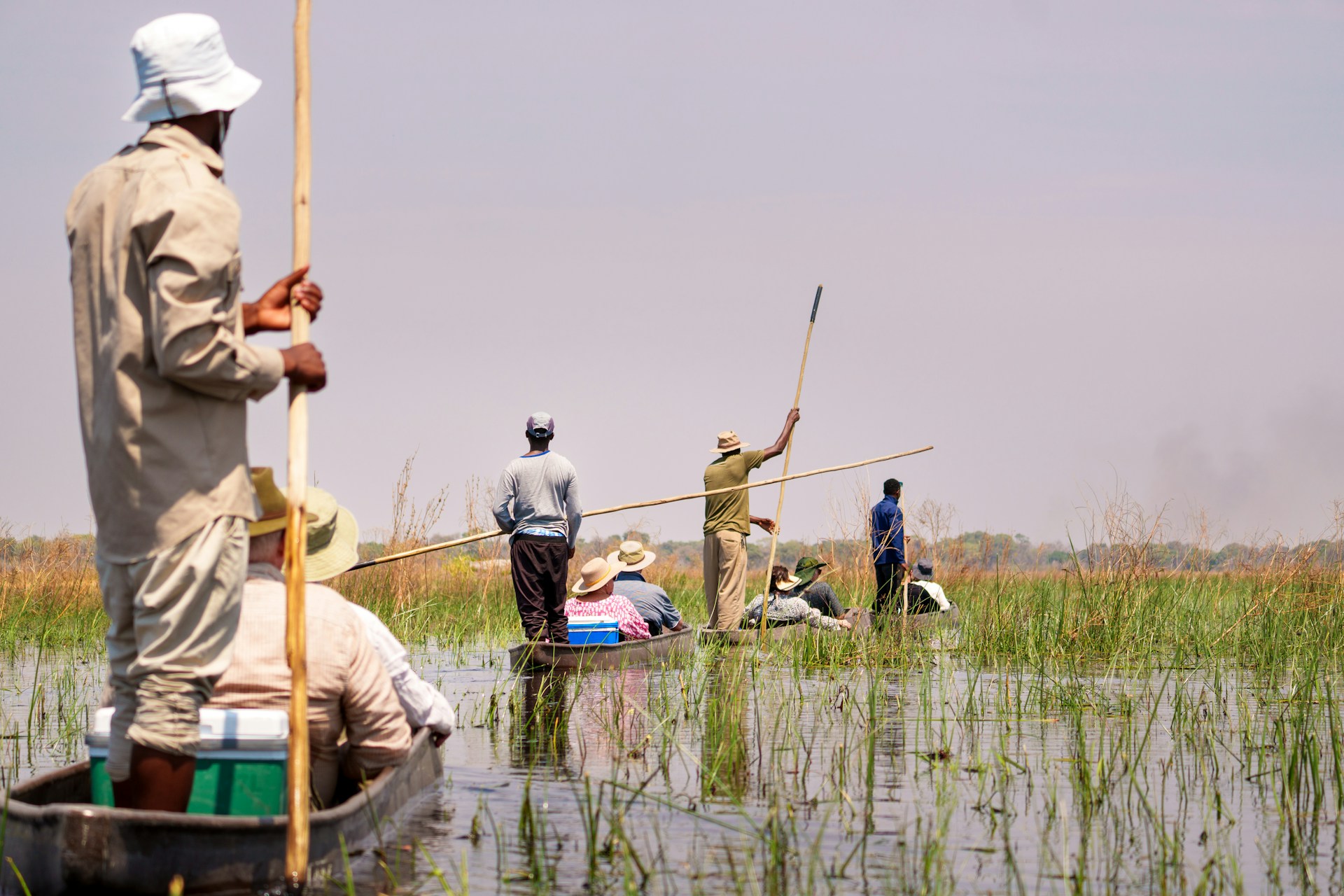
Africa is a tipping continent, so here’s a comprehensive guide on when, how, and how much to tip on safari
Tipping is an established practice in African tourism. What’s more, many folks working in client-facing tourism service roles rely on tips to complement their wages enough to earn a livable income. This is certainly true for many working in the safari industry, like tour guides.
Tips in Africa are almost never mandatory. That said, they are very much hoped for, and even generally expected. Please bear this in mind if you’re coming from a country where tipping isn’t the norm, or is considered inappropriate. Never feel awkward about giving tips to the different service providers on an African safari.
Also note that the tips you hand out on a safari adventure can sometimes be substantial, and also often add up. So they should form a part of your budget, as noted by Konrad from Philosophies of Travel in the short video below.
Anyone planning an African safari needs to have an idea of the tips connected with each service type to help calculate an overall trip budget as well as feel confident when actually giving tips.
In this comprehensive guide to tipping on safari in Africa, I discuss the following:
Please note that I’m writing with Southern and East Africa in mind here, as this is where you find the most developed safari operations and where African Overland Tours takes its clients.
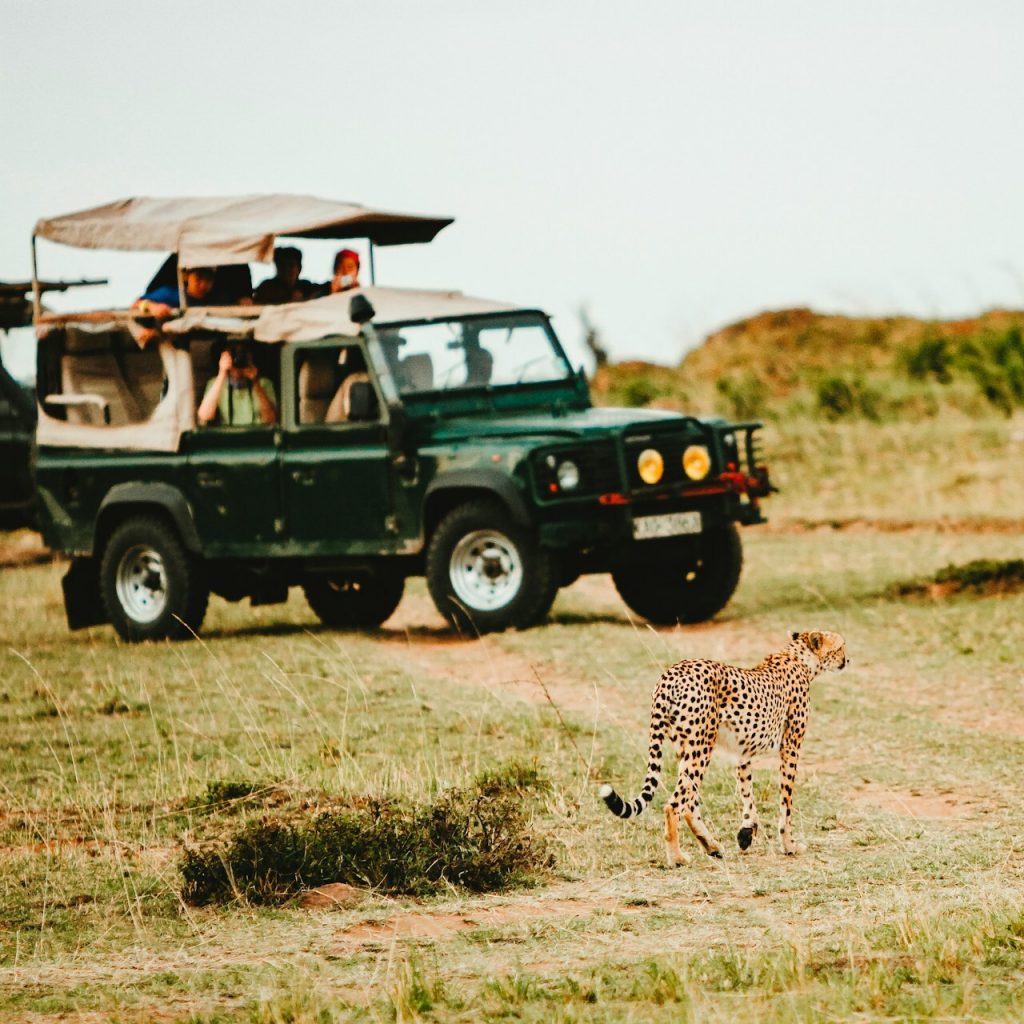
When you go on safari in Africa, you’ll encounter different types of service providers. These include those not working exclusively in tourism, like airport porters and garage (gas station) attendants. It will also, of course, include tourism-specific roles, like safari lodge or campsite staff, tour guides, park rangers, and trek guides. All of these people will be anticipating tips (hence the importance of budgeting for tips!).
That said, if you ever feel the service you received was inadequate, then most would agree that you should tip less than the recommended amount, or not tip at all. Tips here are meant to be a thank-you or reward for good or proper service. This is why they’re always given at the end of a service, so you can assess how much you wish to tip.
If you’re on a group, guided, or package safari, like those offered by African Overland Tours, you’ll likely have a driver-cum-guide who’s with you throughout your trip. Know that they are your go-to person for everything. So if you’re ever in doubt about how much to tip another service provider, simply ask them.
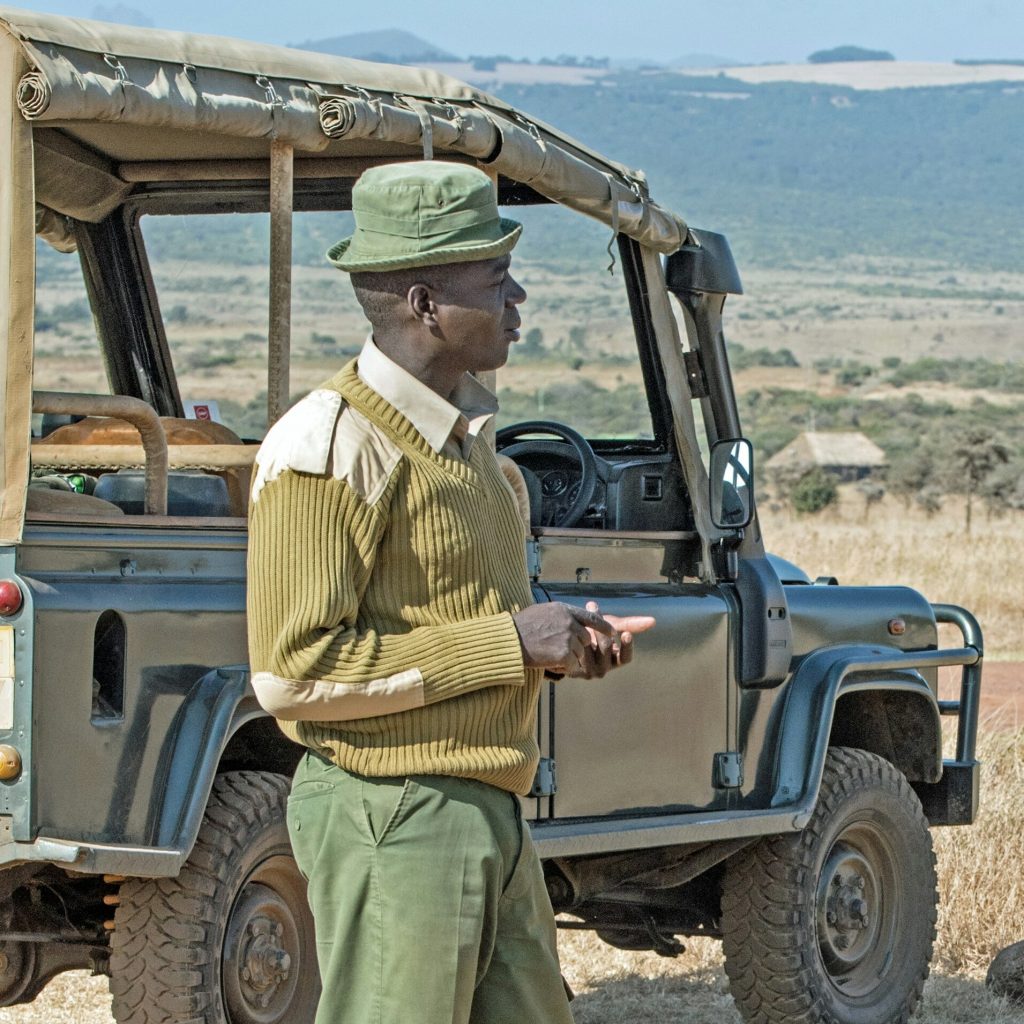
On a typical driving safari, your driver and your tour guide are the same person.
Your driver-guide will likely be your biggest tip on safari, as you usually spend many days together. Their role is an intensive one, as they’re responsible for your safety at all times. I can almost guarantee you that you’re going to want to be able to tip them well.
Importantly, a tour guide’s tip can be divided among the group. So if there are eight of you in the vehicle, you need contribute only an eighth of the total tip amount. This is one big reason why small group travel is one of the most affordable ways to do a safari in Africa.
If you’re planning your African safari with the help of a tour operator, ask them to provide you with tipping ranges for tour guides in the region you’re going to visit. This will help you to budget for your tour guide’s tip well ahead of time. Alternatively, research online the sort of daily tip safari tour guides in that region or park usually earn.
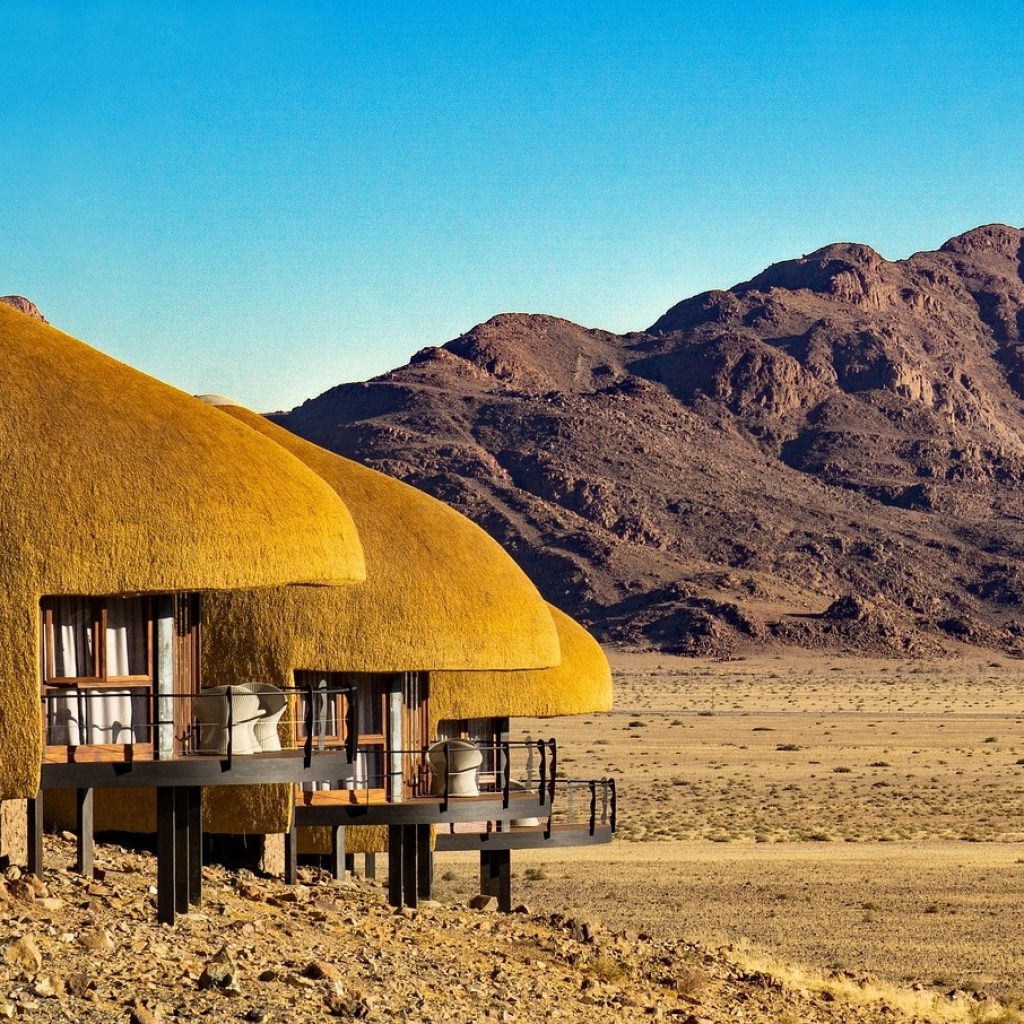
Most safari camps and lodges in Africa have a tipping jar at reception where you can leave a cash tip upon checkout. This is very practical, as it means you only need to give a single tip, and don’t need to seek out different people who might not be available at that moment.
Many accommodations like the tip jar system as the total amount is then shared among all staff members. Please adhere to this method if it exists. Not only does it ensure that behind-the-scenes staff also feel seen and appreciated, but it discourages employees from putting themselves forward for guests’ attention in ways that don’t enhance or protect the local tourism offering.
The amount you tip at a lodge or campsite is really up to you.
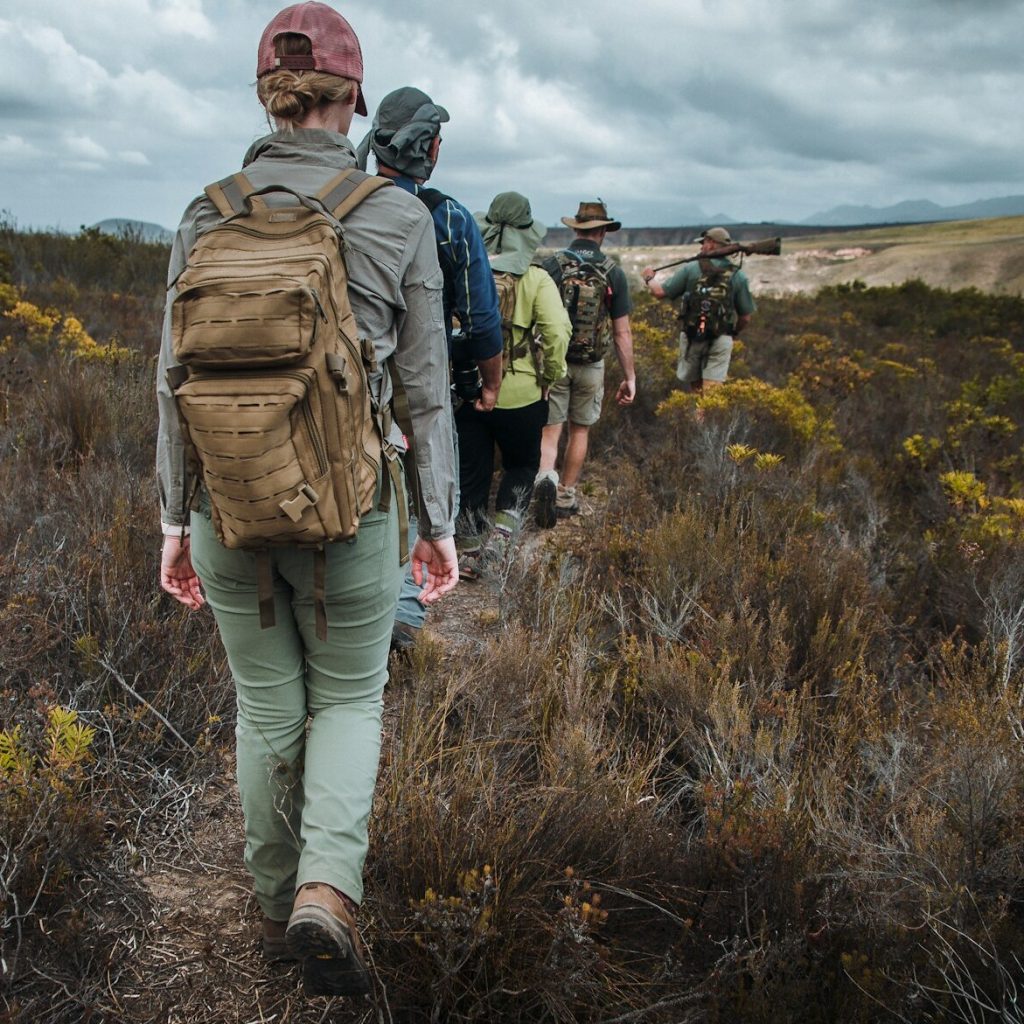
It’s common to engage the services of an activity-specific guide for a day or half day while on a safari. I’m thinking here of the person in charge of your hot air balloon safari ride, your guided bush walk, your mountain biking morning, your boating safari, and so on. These folks will also be hoping for a tip.
As always, if you’re travelling in a group, your contribution to the overall tip will be smaller. Budget around US$5 to $20 per group based on the duration and nature of the activity.
One specific nature activity guide I want to mention is the primate trekking guide.
If you go mountain gorilla trekking in Uganda or Rwanda, for instance, you have a trek guide who leads the hike to find your appointed gorilla troop, stays with you while observing the gorillas, and then leads you back to base. Consider tipping your trek guide around US$15 to $20 per group in Uganda, and US$20 to $25 per group in Rwanda. (Rwanda’s gorilla trekking industry is aimed at more luxury travellers, so staff here are used to higher tips.)
You can expect to pay similar (or slightly smaller) tips for chimp, golden monkey, or other primate tracking experiences. For a mountain gorilla habituation experience, which is a longer experience than a regular mountain gorilla trek, make the tip a little bigger.
Porters are available for hire at certain activity sites, like the mountain gorilla parks of East Africa. These folks will carry your daypack for you and also often help you navigate any treacherous sections of the hike. Please tip them at the end of the trek, as the tip amount is particularly important to them. Consider somewhere in the region of U$10 to $20.
Please note that I’m not going to discuss the porters who assist you on multiday treks or mountain climbs like those who accompany you on a Kilimanjaro climb. Trekking crews like these have a tipping scale and protocol unique to them and their mountain or location, and these are beyond the scope of this blog post.
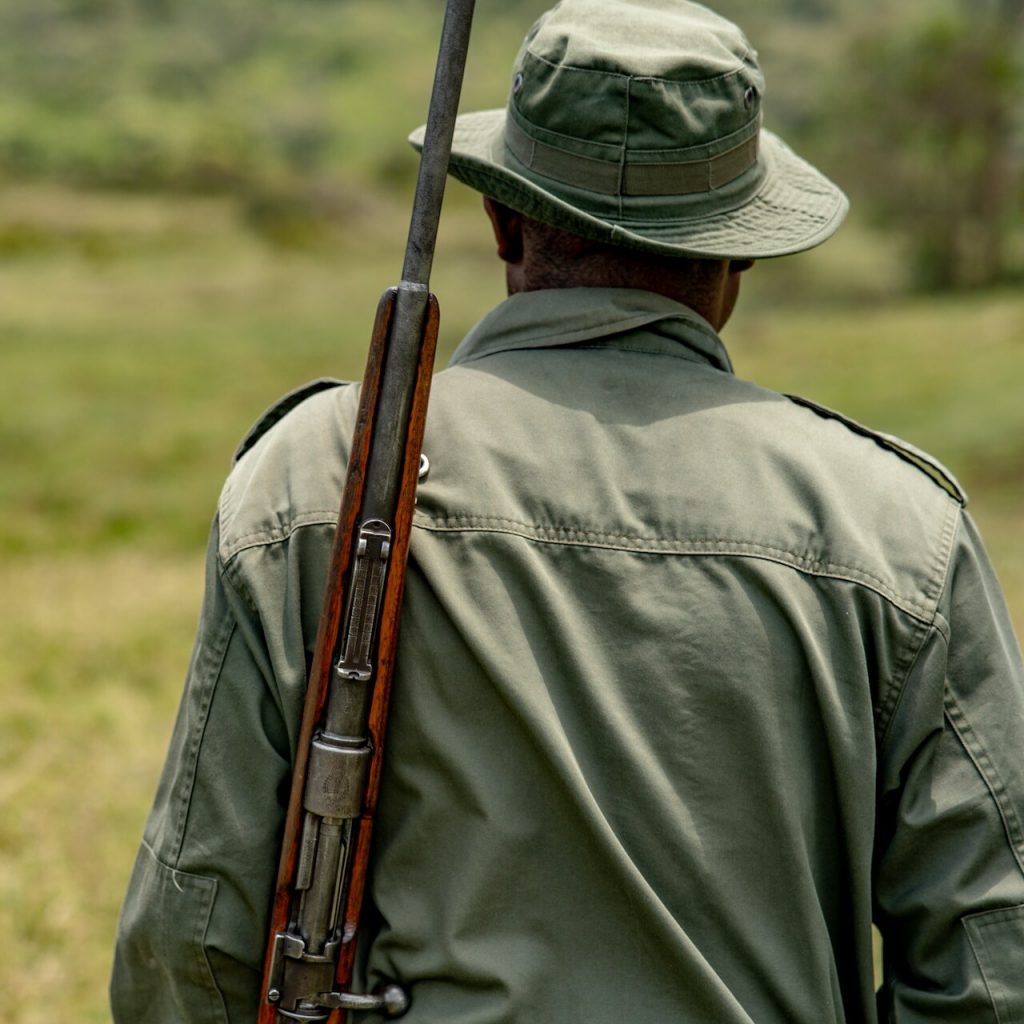
Sometimes you have one or more park rangers with you on certain bush walks, primate treks, and other nature activities in Africa. They’re usually armed, which can be to protect you from dangerous wildlife if necessary or to protect the wildlife from poachers.
On a mountain gorilla trek, for instance, you’ll be accompanied by a park ranger, as the primates need to be protected from poachers. So please budget a tip for your ranger too. A tip of US$5 to $10 per group is average.
Petrol (gas) station attendants are ubiquitous in Africa, such that most Africans don’t actually know how to put petrol in their own cars! While you might be inclined to do this yourself if you come from somewhere like the USA, please note that you shouldn’t, as that’s someone’s job.
Petrol attendants will usually offer to wash your windscreen. You can also ask them to check your tyre pressure, water, and oil, which they’ll happily do. Tips, as usual, aren’t compulsory, but the hope will be for a modest one. In South Africa, for instance, a tip of R2 to R20, depending on how much was done, is normal.
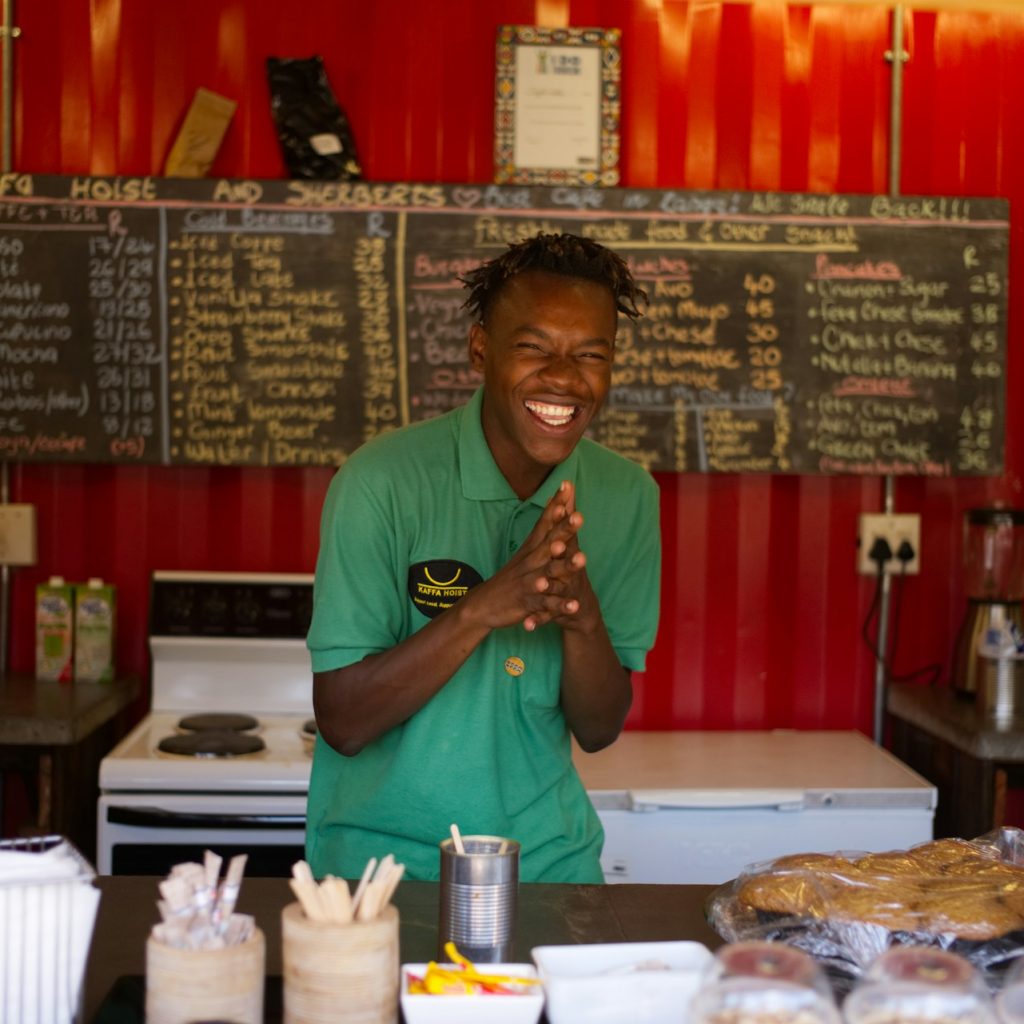
Waiters in restaurants, bars, and cafés in the more developed countries like South Africa and in the bigger cities usually anticipate tips to the tune of around 10%. Go up to 15% for excellent service. Some of the smarter restaurants sometimes have a minimum tip for larger groups that is automatically added to your bill. If buying a takeaway or making a purchase at a self-service establishment like a Starbucks, gratuity isn’t expected but is appreciated.
In the less-developed countries, waiters don’t generally expect tips, but they are always appreciated. In Uganda, for instance, a tip of 10% is considered generous.
If you’re getting your food at your lodge as part of a package accommodation deal, then you’re certainly not expected to tip your waiters after each meal. They’ll earn a share of the tip you leave in the staff tip jar when checking out.
For metered taxicabs in Africa, which include the likes of Uber and Lyft, a tip is appreciated, though not actually expected. Follow the 10% rule of thumb here, or round up your bill.
Note that you don’t tip public transport drivers in Africa. So if you catch a public city bus or minibus, you’ll only pay the fare.
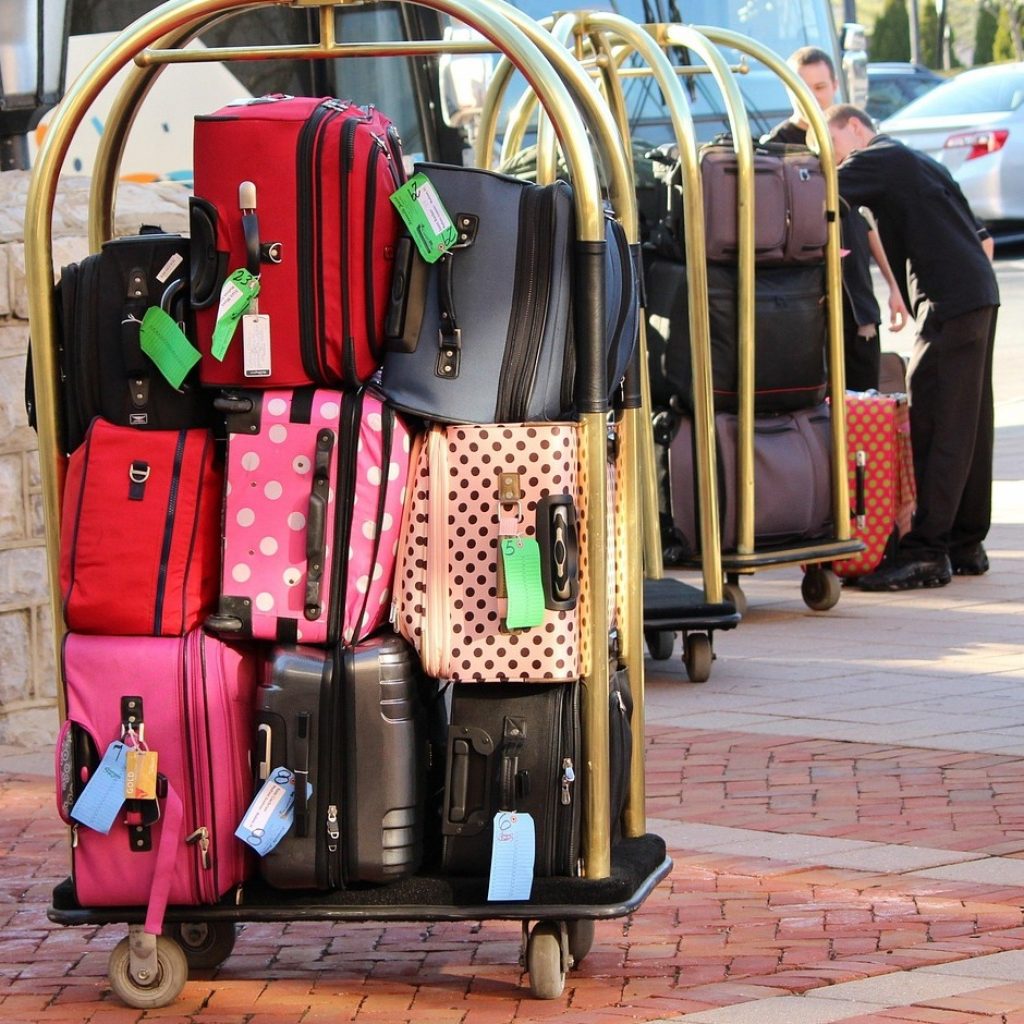
At city and airport hotels, it’s customary to give a small tip to anyone who helps porter your luggage. If you wish to leave a tip for the cleaning staff, around US$3 to $5 is a reasonable amount. This said, with all airport and hotel staff in cities, feel free to use your discretion. They serve an international crowd and are used to receiving a range of tips.
Car guards are a fairly new and unique feature of many African cities. For the most part, this is a needs-must job because they’re unable to find any other employment. So even if you don’t feel your vehicle actually needs guarding, they’ll be there and hoping to earn a tip. Many will try to be of use by offering to carry your groceries or helping you find an empty parking spot. Any small change you have to hand when leaving the parking lot will be appreciated.
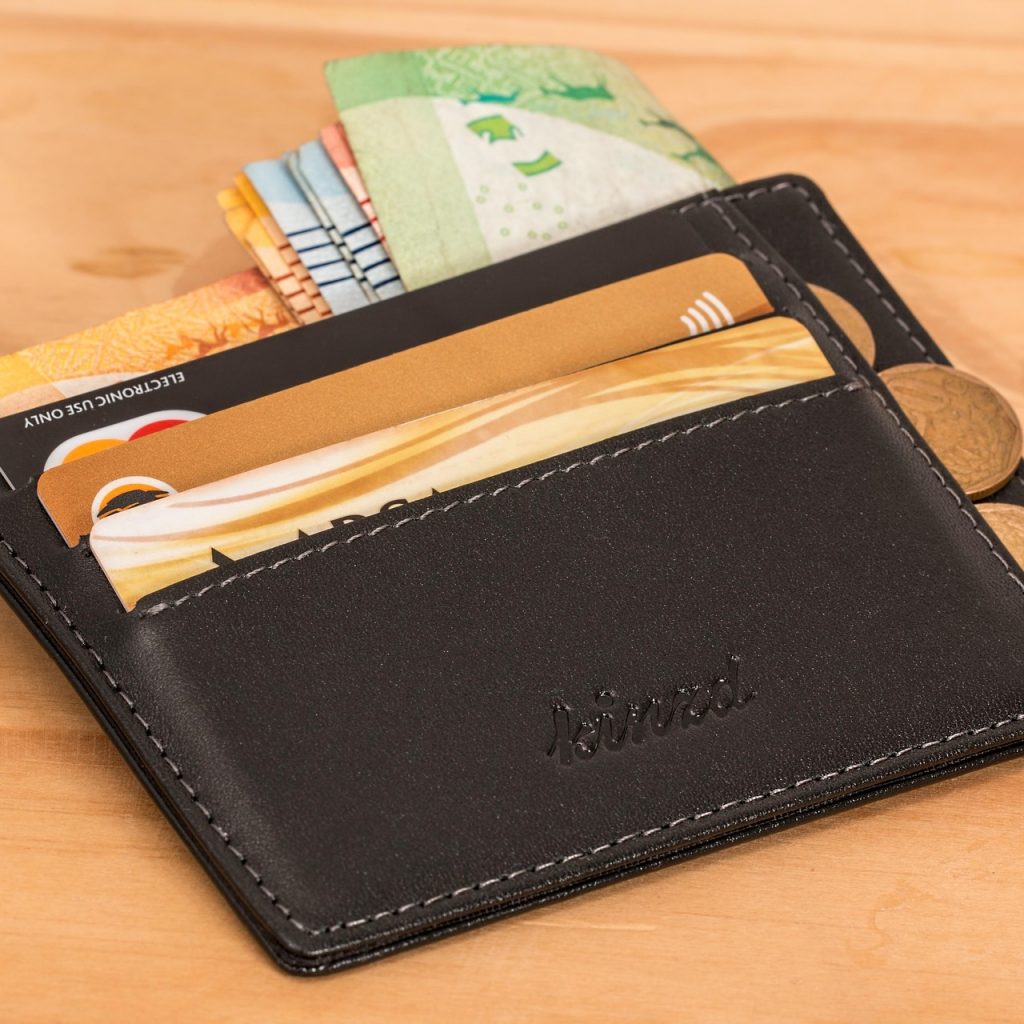
Cash is king in Africa. While upmarket accommodations might accommodate paying tips electronically, most have a cash tipping jar, as discussed. What’s more, the tipping of individuals like tour guides needs to be done in cash.
This means it’s important to have the necessary cash on you when tipping time rolls around.
Many safaris take place in remote locations that are many hours’ drive from urban centres or any ATMs. It’s therefore vital that you draw all the cash you need in advance. Start by withdrawing money at the airport, as it’s safe and convenient.
Note too that the size of a tip might necessitate making cash withdrawals in excess of what’s allowed per day by a bank. Knowing how much to expect to pay in tips beforehand becomes doubly important when you understand this.
I do want to finally mention that most people who go on safari in Africa really want to tip all of the service staff they encounter, and tip them well. It can be heartbreaking to not have enough cash to give the tip you feel someone deserves.
When tipping at your accommodation or tipping your safari guide, it’s often okay to tip in US dollars, euros, or British pounds. But I encourage you to always check beforehand rather than just assume. Especially if doing a budget safari. When in doubt, ensure you have the local currency.
If you want to give tips in a foreign currency, please note that certain banknotes won’t be accepted at accommodations or will be worthless to a guide. I’m talking here of notes that have a tear, are too old, or even, in some cases, have been folded. So please ensure any foreign banknotes are new(ish) with respect to their issue date, are in good condition, and remain unfolded.
International travellers often ask tour operators why they can’t simply charge a higher fee and eliminate the need for tipping, which can sometimes be a bit of a mental and admin pain. There are a few reasons at play here. And most of these are outside of the control of tour operators. Let me share two core reasons sustaining the tipping system in African tourism.
Firstly, many workers prefer tips over higher wages because it helps them come in under the tax threshold. Secondly, but not less importantly, many service staff prefer the tipping system because they like the possibility of earning bigger tips if they provide a really good service. Sub-Saharan Africa overall has quite a hustle culture, and tips have become a strong source of motivation in many service jobs. This is especially true in the safari industry, where workers serve many international clients who regularly tip in dollars, euros, and other strong currencies that convert very favourably.
Don’t worry about the manner in which you physically extend a tip towards a service provider in Africa. While some Africans themselves will extend money in a certain fashion, such as putting the empty hand on the forearm of the other as it gives or receives cash, nobody here takes offence to being handed money in any reasonably respectful manner. Notably, it doesn’t matter if you hand it over with your left or right hand.
When it comes to checking out of a lodge or paying for your meal, tipping is easy. You simply pop your chosen amount into the tipping jar or add the amount to the bill. It’s when you’re in the field, tipping your safari guide, for instance, that it can sometimes be a bit awkward. This is usually the case when tipping someone with whom you’ve spent days in close proximity and have perhaps started to engage with each other more like friends than those in a business agreement.
I don’t wish to prescribe the way to manage tipping a safari or activity guide. You have your own good sense and instincts to guide you. But for anyone who’d appreciate a road map on the matter, so to speak, I can say that I personally like to place larger tips – like those given at the end of a multiday safari – in an envelope. I sometimes include a little thank-you note as well.
Finally, when you’re part of a group, it can be nice and also easier to ask one person to manage the tipping exercise for everyone. Perhaps have that individual say a few words of thanks in front of everyone at the end of your time together, thus framing the handing over of the tip as an expression of gratitude. This can make the moment feel less transactional and more of a collective thank-you-and-farewell.
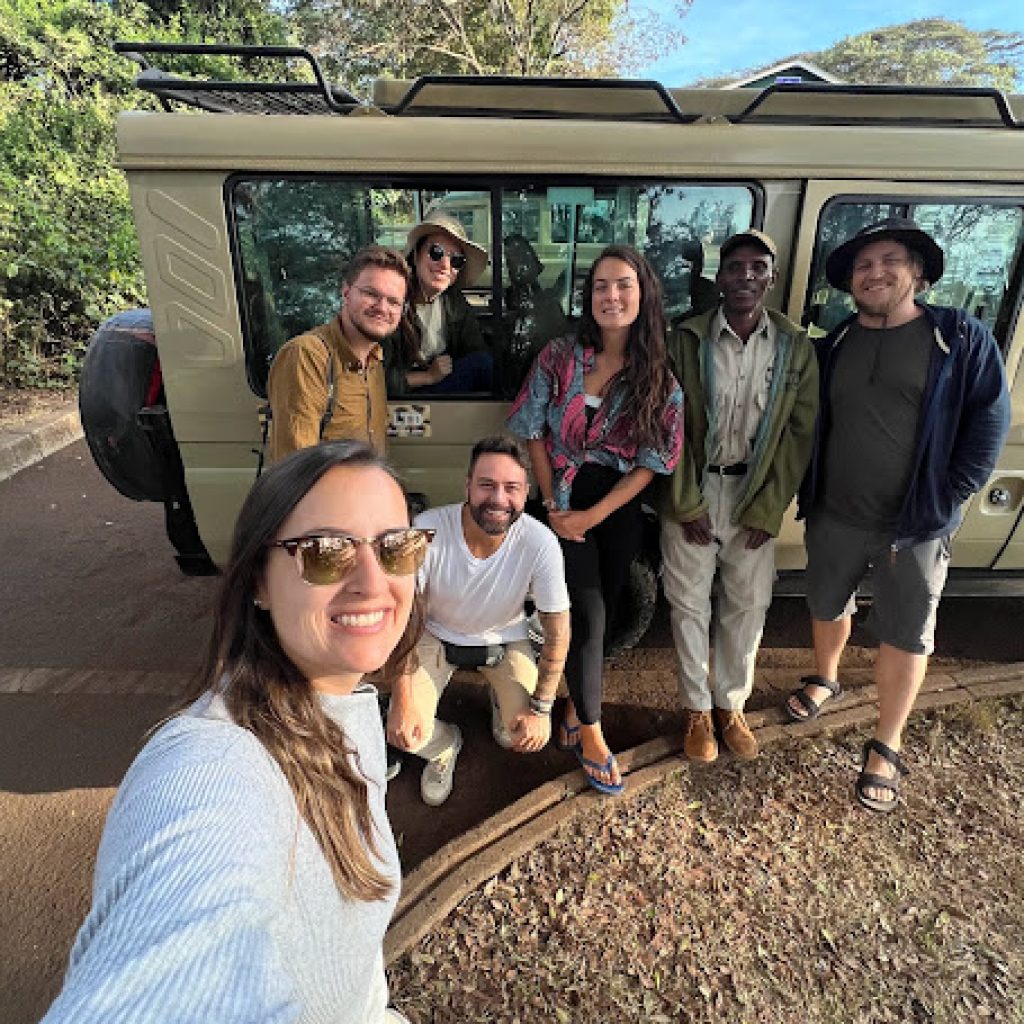
Note: This blog post was first written by Jodi Lucas on 29 April 2024. It was updated by Megan Abigail White on 26 January 2026.

"*" indicates required fields