


African Overland Tours
https://www.facebook.com/AfricanOverlandTourscom/
https://www.instagram.com/african_overland_tours/
https://www.youtube.com/@africanoverlandtoursandsafaris
+27 (0) 21 448 0997
Customer Service
Worldwide

African Overland Tours
https://www.facebook.com/AfricanOverlandTourscom/
https://www.instagram.com/african_overland_tours/
https://www.youtube.com/@africanoverlandtoursandsafaris
+27 (0) 21 448 0997
Customer Service
Worldwide

Just because something is permissible doesn’t mean it’s ethical
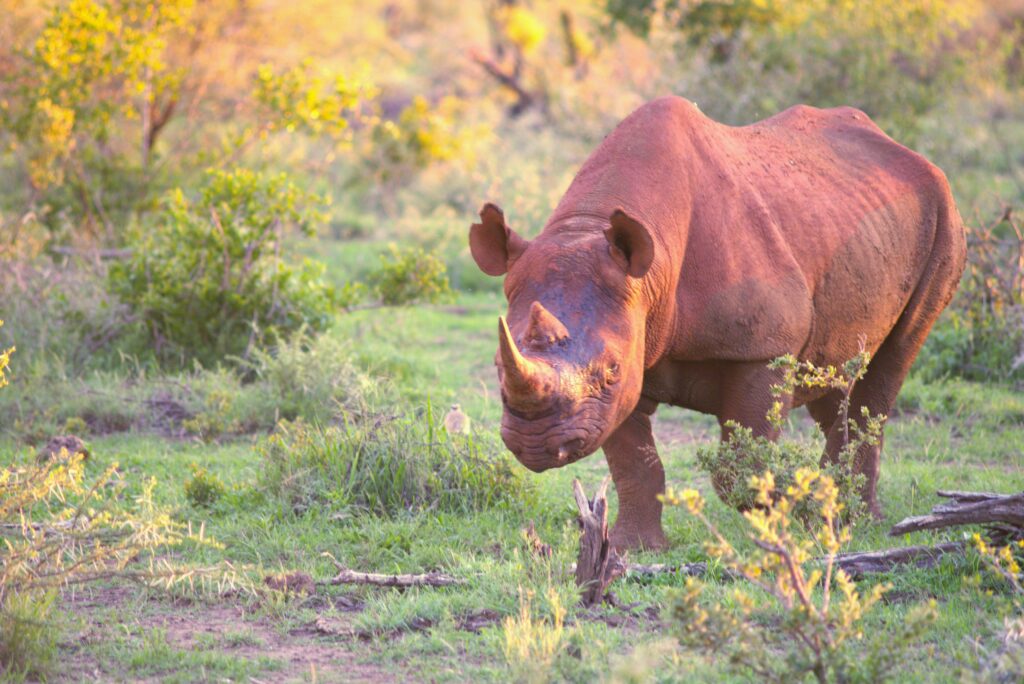
Africa is the most popular continent for wildlife encounters. Not surprising! There are many iconic species here that you can’t find elsewhere, like bush elephants, black rhinos, giraffes, hippos, and chimpanzees. Moreover, certain animal encounters are big business, like gorilla trekking and dolphin swimming. So if you’re someone who cares about wildlife, it’s important to know how to choose an ethical animal encounter in Africa.
This is a tricky question to answer, as ethics differ so much from person to person. Moreover, some might argue that a particular animal encounter is unacceptable because of how it impacts individual creatures, while others might argue that this same encounter is acceptable if it has benefits for the species as a whole.
So at the end of the day, deciding if an animal encounter is ethical or not is often a personal matter.
That said, I hope it goes without saying that you shouldn’t sign up for any encounter where the animal is chained, caged, or drugged. I don’t think you’d be reading this article if you were down for any of that. Beyond that, I believe we should be guided by what ecologists and conservationists tell us about best practices for each type of animal.
Finally, for the sake of this blog post, please note that I’m talking only about established, once-off wild animal encounters that are marketed to paying tourists – I’m not covering every conceivable type of animal encounter in Africa like marine park shows and voluntourism internships. I’m focused primarily on guided encounters in the wild and rescue centre visits.
With all of that said and in mind, let’s now discuss one of the most important principles that can guide you in choosing ethical animal encounters in Africa …
The operators of ethical animal encounters let you observe a wild species up close (still a remarkable privilege), but don’t permit you to touch or otherwise interact with the animals. In other words, they don’t let clients pet, feed, ride, hail, or otherwise directly engage with the wildlife. This is because it’s important to allow wild animals to remain wild.
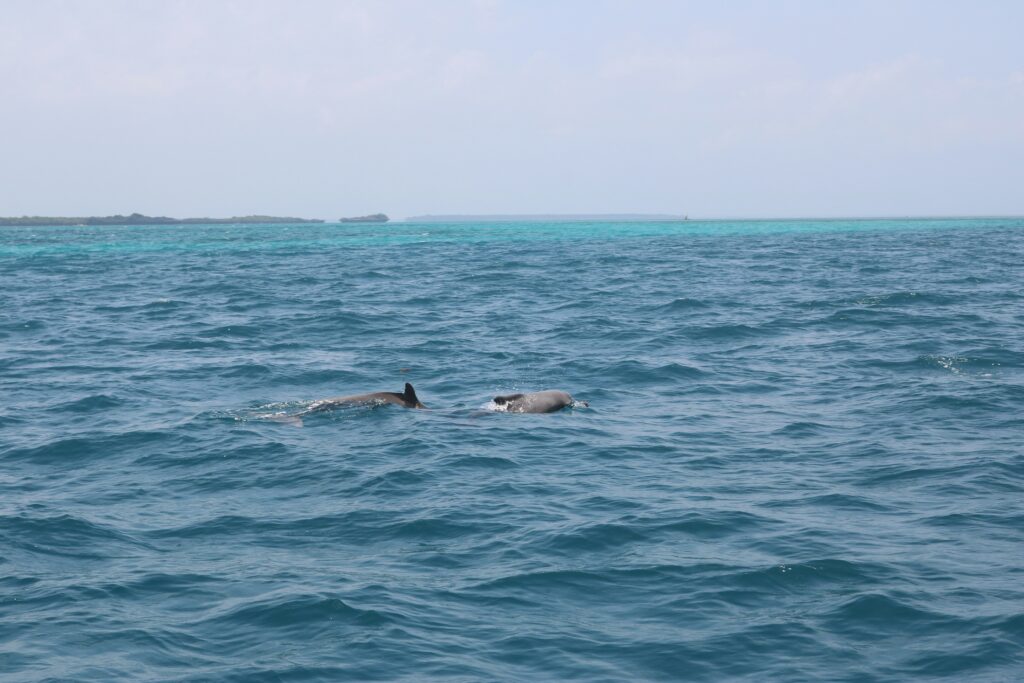
The dangers of direct contact or engagement are many. Sometimes just one interaction can be a problem, like when a human transfers a disease to a mammal or when an animal scratches a person. Sometimes the issue is a protracted one; wild animals’ natural behaviours can become disrupted or change through repeated contact with humans. For instance, dolphins that become too habituated to humans often swim closer to boats and can be hurt when they bump against the hulls or become caught in nets.
It’s also problematic when people try to attract an animal’s attention or seek to alter its behaviour in any other way. This means no hollering, throwing a stick, or jumping and waving your arms to get a creature to turn towards you or react in some other desired way. If an animal decides the back of him is all you’re going to see that day, then let it be.
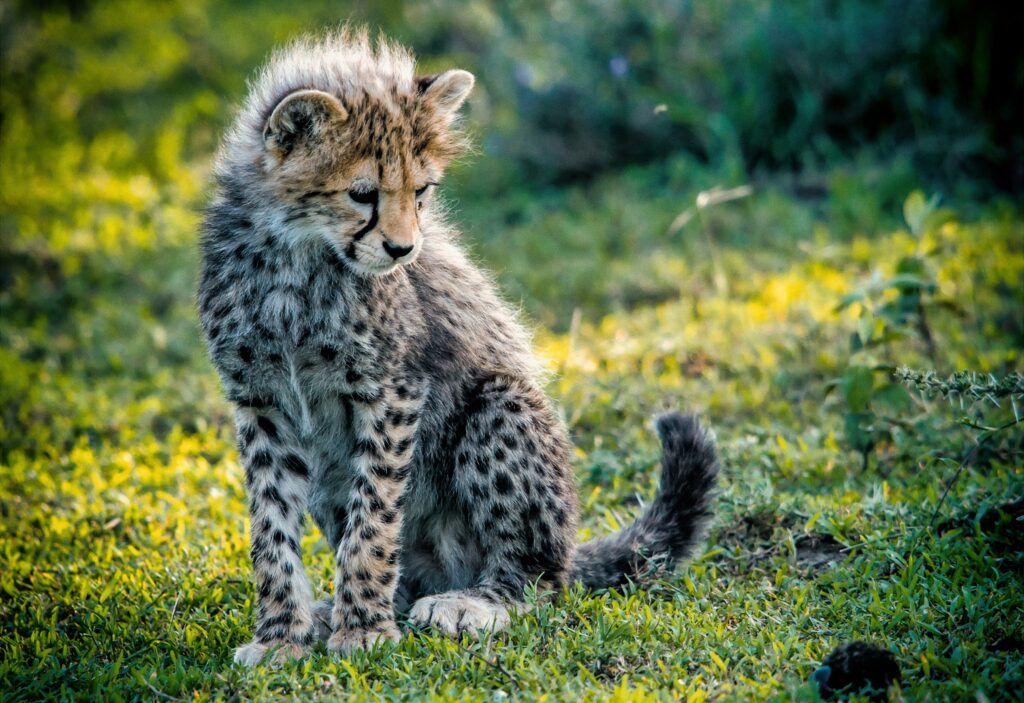
With all of this in mind, avoid animal sanctuaries that promise to let you pet or feed the animals. It can be very tempting, I know; a cheetah cub is soft and adorable, so who wouldn’t want to pet it? But we need to be more high-minded than that. Is it good for the cub to be petted by a succession of humans? While wildlife orphanages and sanctuaries are important and often require human interaction with the rescued animals, that should be the role of one or two dedicated and known vets or caretakers, not an ever-changing parade of day visitors.
There are two ways to determine if an animal encounter is for you or not.
The first way is the easier one: partner with a tour operator who shares your values and you trust to be diligent in their research.
The second option is to do your homework. Here are some questions to help guide you in this:
For some, a centre or operation needs to be ‘perfect’ in every way for them to deem it ethical enough to patronise. For others, the fact that it exists and is looking after the animals in some measure, even if not perfectly, is enough. So yet again, it’s up to individual ethics.
When researching individual operations, don’t only look at what an operator or centre says about itself or at an overall rating. Read what past customers actually have to say so you can decide for yourself if the praises and critiques are valid.
Always be sure to follow the guidelines given to you at the outset of any wild animal encounter. At the start of a primate trek, for instance, your guide will brief you on do’s and don’ts, like the distance to maintain and the sounds, gestures, and actions to avoid.
Note that sometimes, however, in less-than-ideal situations, it’s the tourist who needs to set the boundaries. I’m talking here of in-the-field advocacy and communication. For instance, sometimes guides feel pressure to draw closer to the wildlife than is wise or ethical. This can be because it’s what they think guests want, or it’s what someone in the group demands and they’re hoping for bigger tips, or they’re nervous of earning a bad review or landing in trouble with the boss. There are so many factors at play in these situations, and we often won’t know the half of them. So it’s not about judging others – it’s about ensuring you don’t participate in anything that goes against your values.
I believe we have a responsibility as tourists to show up in ethical ways, regardless of what anyone else is, or should, be doing. If you make it clear that you don’t wish to engage in activities that expose the animals to harm or distress, then you set the boundaries for your experience. And you might also help to nudge the needle in general – you never know.

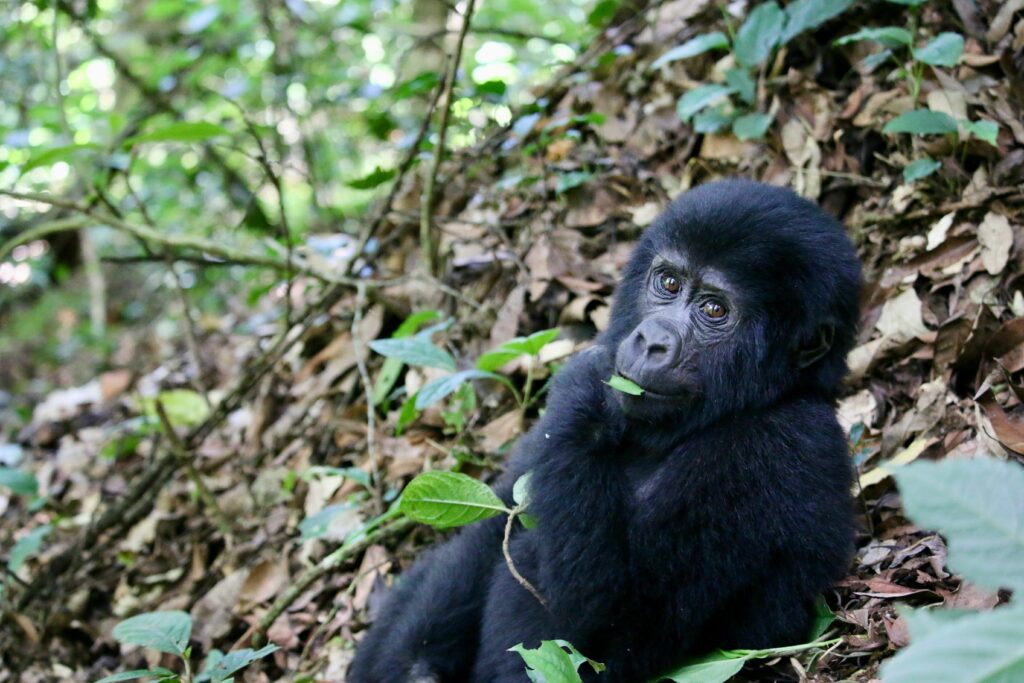
Some of the most ethical animal encounters in Africa at present are gorilla, chimpanzee, and golden monkey treks. This is because such experiences are usually highly controlled and regulated. Visitors are briefed beforehand on do’s and don’ts, and then guided and monitored at all times by a trained guide. Then, visitor numbers and times are limited to prevent the primates from becoming overwhelmed or overexposed to humans. Moreover, the high price tag of a trek (particularly for gorillas) means enough income is generated for multipronged conservation measures.
Orphanages and rehabilitation centres that allow visitors to come and learn about the animals and their conservation are also among the most ethical animal encounters in Africa. You still get to draw fairly close to the animals at these centres – often closer than you could in the wild – but there’s no direct contact and your presence doesn’t provoke, annoy, or endanger them in any way.
A great example of an ethical wildlife sanctuary is Reteti Elephant Sanctuary in central Kenya. Not only does one hear such good reports of the centre’s heroic rescue efforts, veterinary care, and loving caretakers, but it’s also a community-owned enterprise that benefits the local economy and community in various ways. And this leads me to my next and final topic …
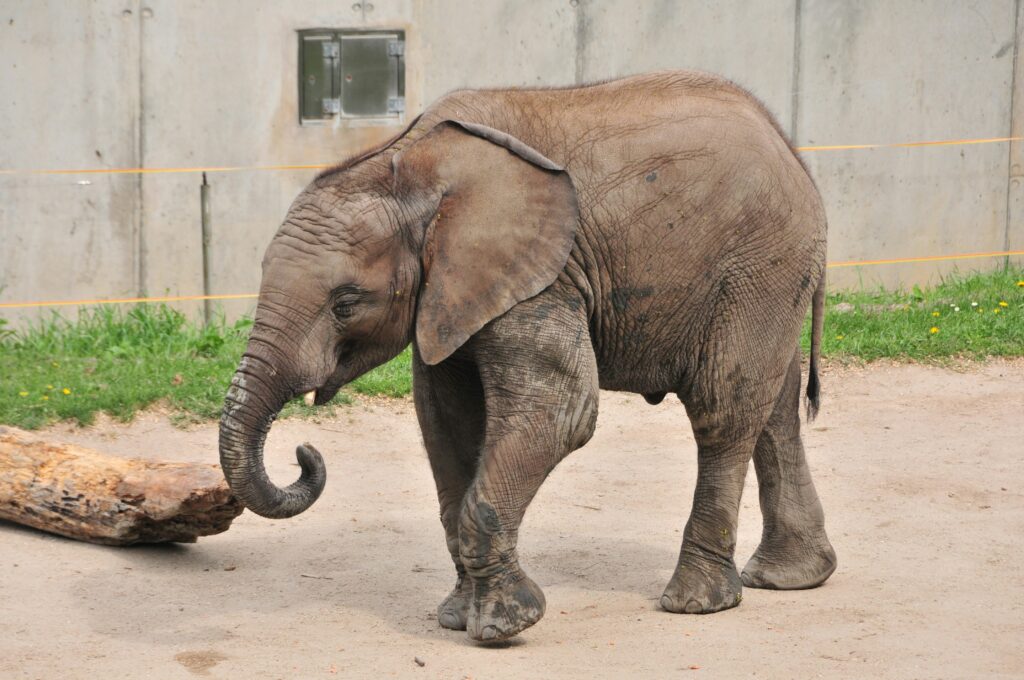
When you support ethical animal encounters, you contribute to that species’ conservation. Visitor fees are often the lifeline needed to sponsor a species’ conservation, from habitat rehabilitation to anti-poaching measures and everything in between.
What’s more, you’re also often encouraging and sustaining community engagement in activities that preserve rather than exploit the wildlife and its habitats. A prime example is the gorilla trekking industry, where it’s well-known that some previous mountain gorilla poachers now have work as rangers. It’s truly a wonderful thing when wildlife tourism provides ways for both wildlife and local communities to thrive.
I encourage all of us wanting to be responsible and conscious travellers to make informed choices about the specific animal encounters we support.
"*" indicates required fields