East Africa or Southern Africa? A safari or an overland adventure? Group travel or a private 4×4? Camping or luxury lodges?
If you’re planning a trip to Africa, there are plenty of decisions to make — and one of the biggest is deciding what kind of African experience you actually want.
So which is better: East Africa or Southern Africa?
The short answer is: neither. They’re different
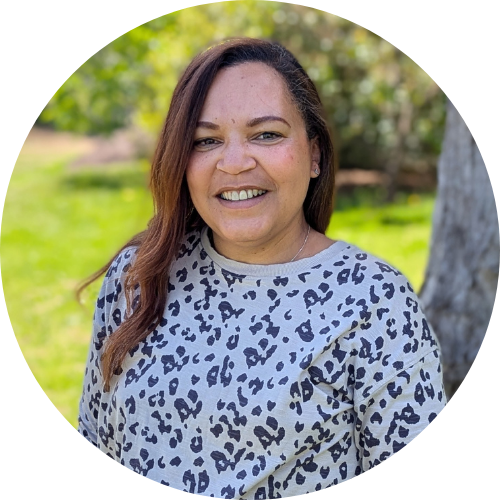
And who better to help us unpack the key differences than someone who has experienced both? For a recent episode of the African Overland Journal, I welcomed travel writer and full-time traveller, Colleen Sims from Then We Walked back to the conversation. Colleen previously travelled with AOT on a 20-Day Victoria Falls to Cape Town overland adventure through Southern Africa. More recently, she returned to Africa for a 13-day private journey through Kenya & Tanzania.
This gave me the perfect opportunity to ask a common question:
What is the difference between travelling through Southern Africa on a scheduled group overland tour and experiencing East Africa through a private, tailored safari?
And perhaps, more importantly:
Which one is right for you?
East Africa vs Southern Africa: What’s the Difference?
Before I get into the finer details, it helps to understand that these two regions can offer very different styles of travel.
East Africa, particularly Kenya and Tanzania, is famous for expansive savannahs, iconic wildlife destinations and experiences such as the Great Migration. Southern Africa encompasses a much broader mix of landscapes and travel experiences, from Botswana’s waterways and Zimbabwe’s Victoria Falls to Namibia’s deserts and South Africa’s diverse scenery.
Safari specialists commonly describe East Africa as offering the classic open-plains safari experience, while Southern Africa is known for its ecological and experiential diversity, including deserts, wetlands, waterways and the ability to combine wildlife with other types of travel.
But Colleen’s experience highlighted something important:
You don’t necessarily have to choose one because it’s “better”. You need to choose based on what you want from your trip.
As Colleen put it during our conversation, the two experiences were completely different, but she couldn’t say she preferred one over the other. Both were memorable for completely different reasons.
It was a classic multi-country Southern African adventure, combining wildlife with landscapes, culture and the experience of travelling overland with a group. There was an overland truck, camping, campfires, long drives and a group of fellow travellers. The journey covered thousands of kilometres and took Colleen through some of Southern Africa’s most recognisable landscapes.
Her second African adventure was very different.
This time, she travelled through East Africa in a private 4×4, travelling with friends and staying in lodges. The itinerary included Kenya and Tanzania, with destinations and experiences centred much more heavily around wildlife and game viewing.
And that contrast is what makes her story so interesting. She didn’t simply visit two different parts of Africa. She experienced Africa through two very different styles of travel.
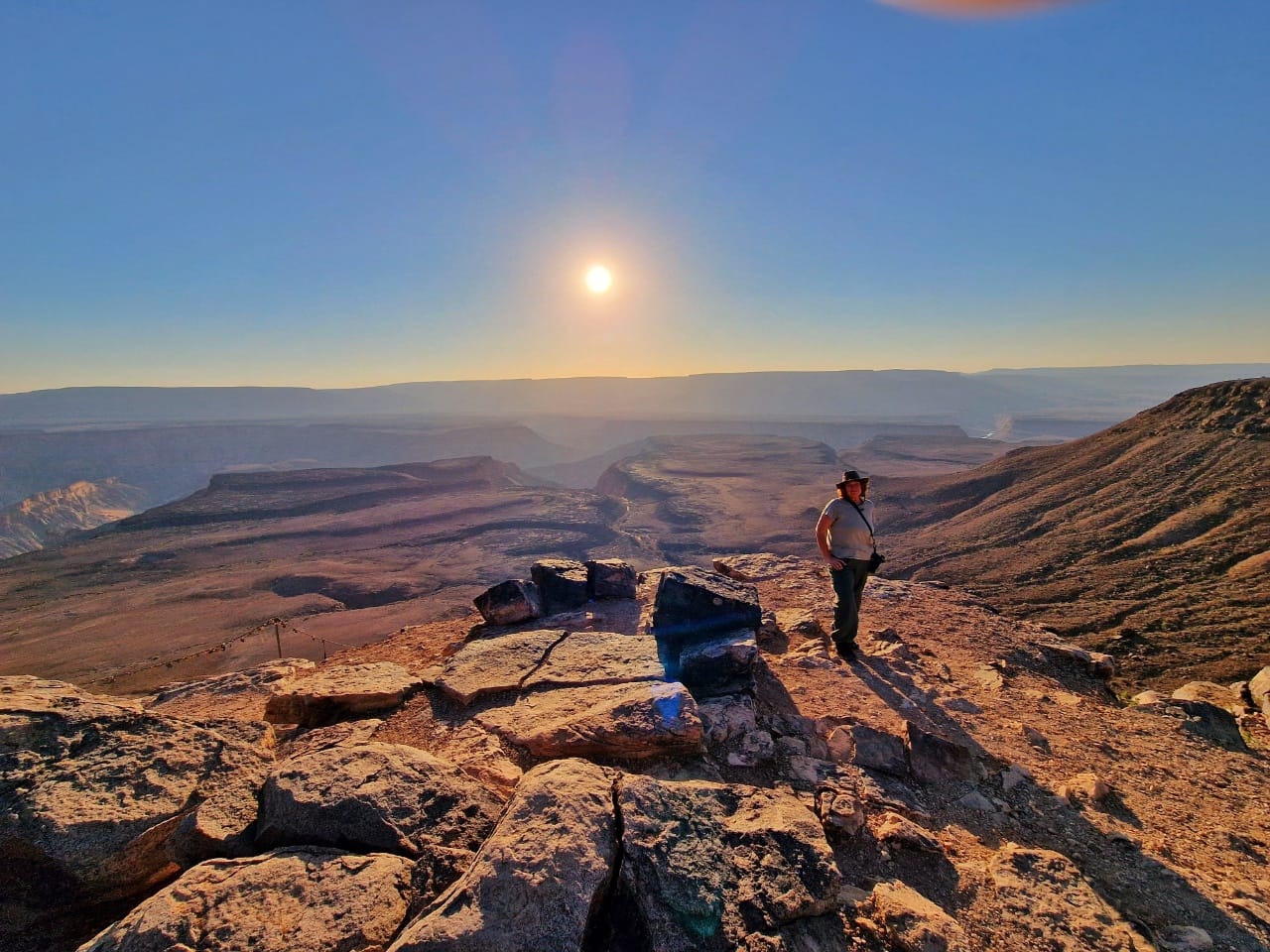
Colleen standing along the Fish River Canyon, Namibia | Tour: Cape Town to Victoria Falls (Overland)
East Africa vs Southern Africa for Wildlife
If you’re researching an African safari, wildlife is probably near the top of your list. And this is where East Africa has a particularly powerful reputation.
The Serengeti and Masai Mara are synonymous with African wildlife, while the Great Migration is one of the continent’s most famous natural spectacles. East Africa’s vast open plains can provide incredible opportunities to see large herds and predators in their natural environment.
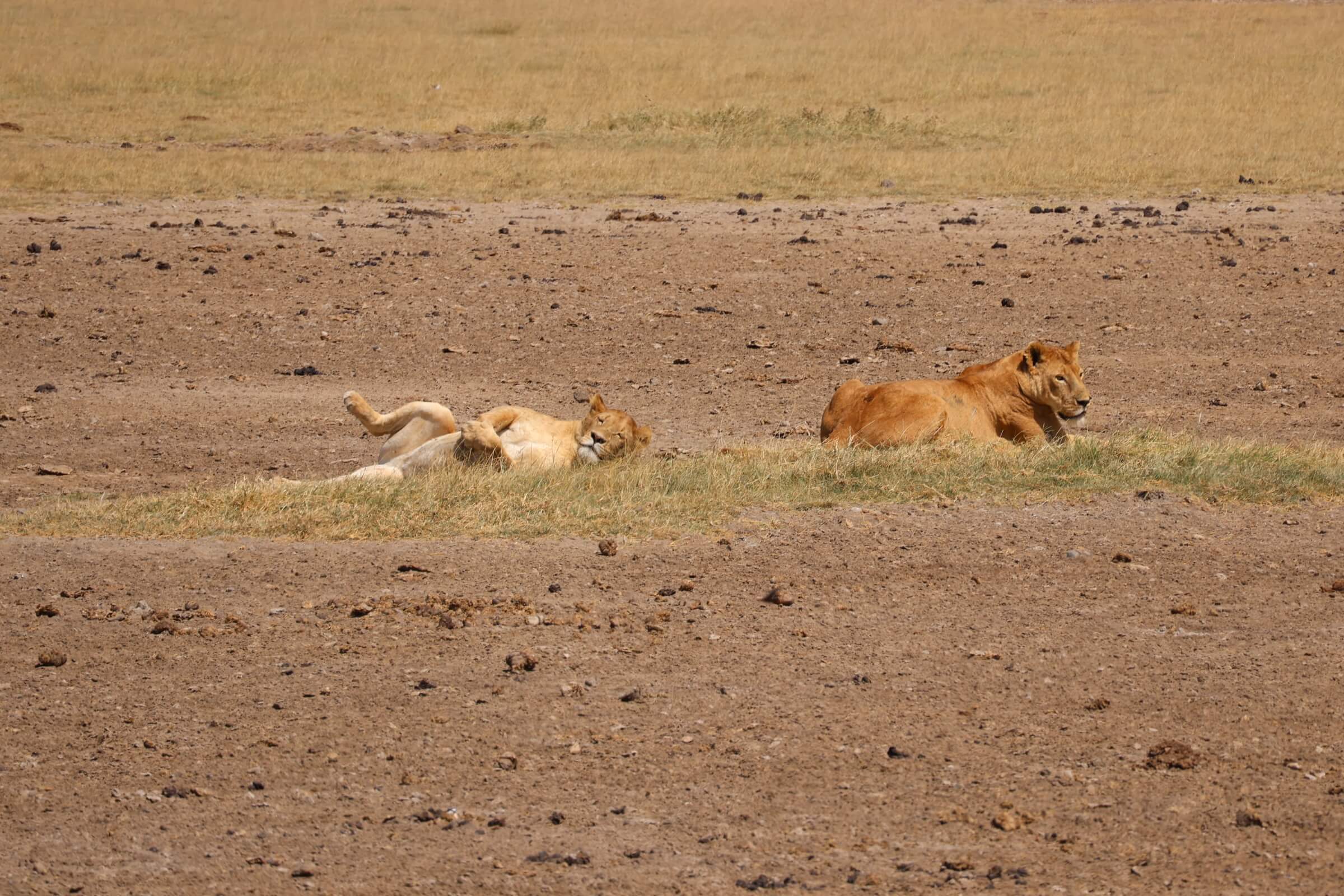
Colleen experienced some of this first-hand. She saw part of the migration in the Serengeti, encountered lions and leopards and experienced the incredible scale of the wildlife around her. But some of her favourite wildlife experiences weren’t necessarily the ones she expected.
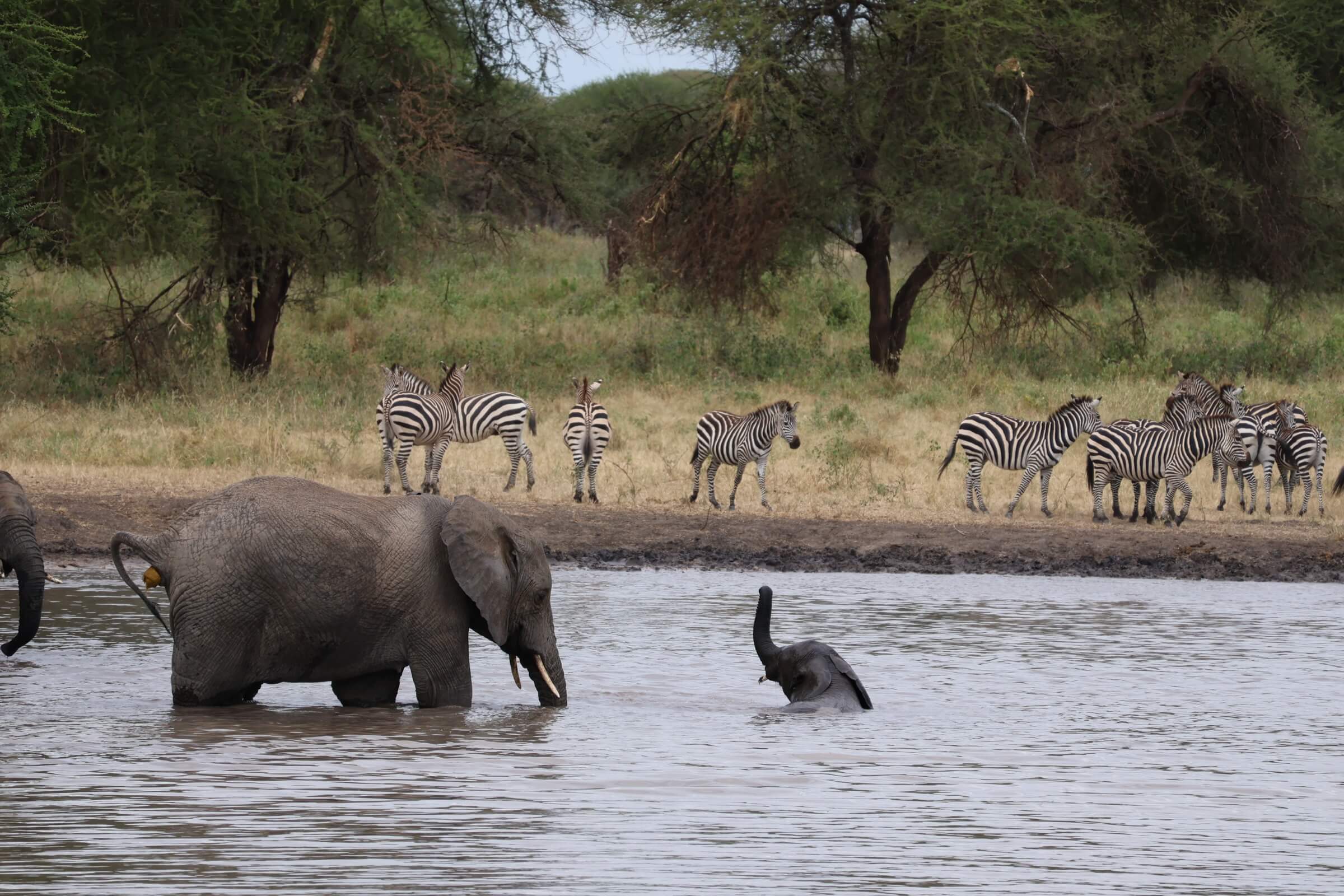
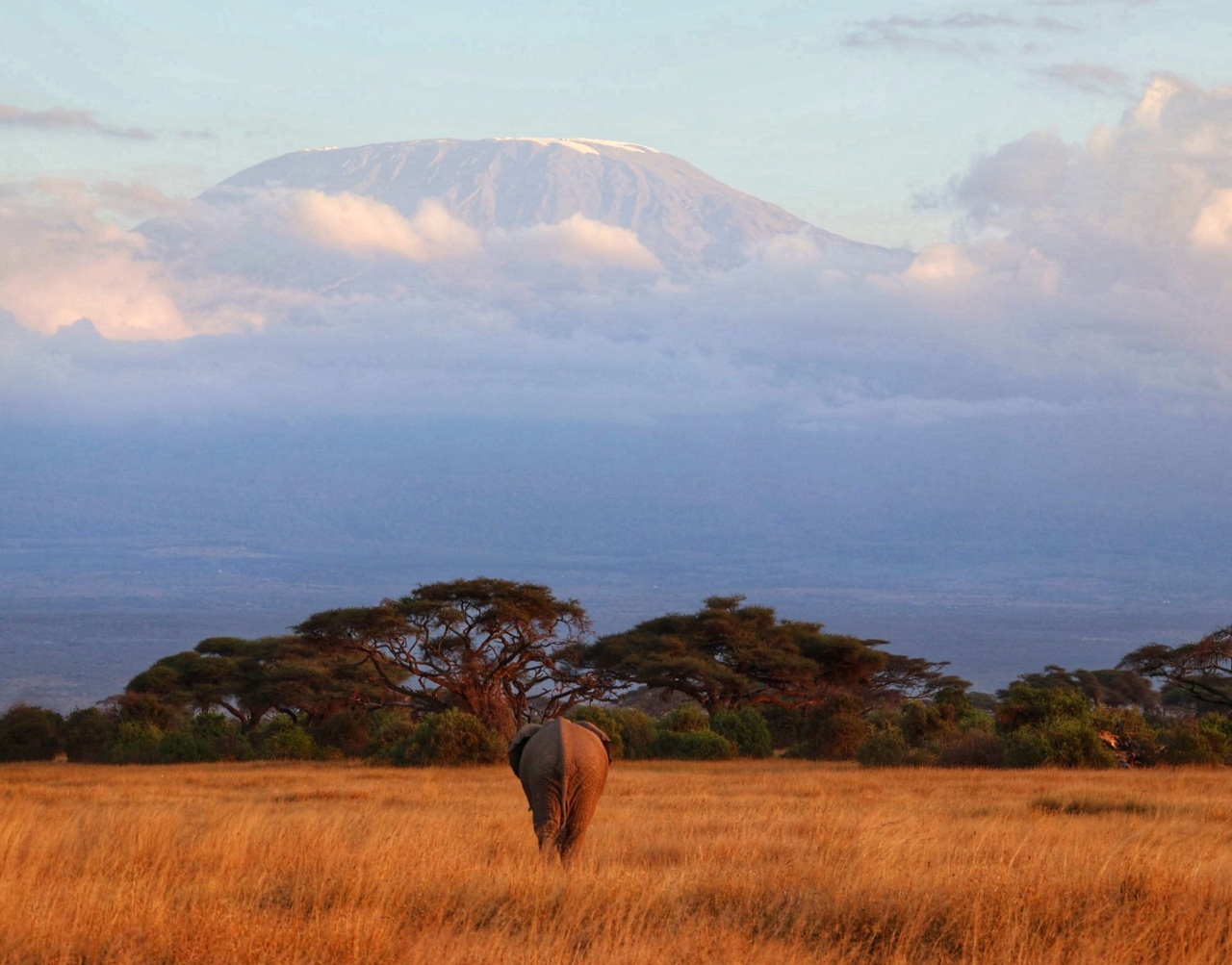
Amboseli National Park was a standout, particularly for its elephants and the extraordinary backdrop of Mount Kilimanjaro. She also described watching a family of elephants playing in the water in Tarangire as one of those moments that simply stays with you.
Adult female elephant with young elephant in river
And that is one of the biggest lessons from Colleen’s experience: don’t go to Africa with a wildlife checklist!
But wildlife doesn’t work like that. These are wild animals, after all. Colleen’s advice was to let go of expectationsand allow your guide to take you where the wildlife is.
On her first Southern African overland adventure, she remembers sitting in Etosha waiting for cheetahs to become active after other vehicles had left. Eventually, the animals got up, moved around, climbed a tree and began hunting. Those unexpected encounters became part of the magic. And sometimes, the animal you weren’t even looking for becomes the sighting you remember most.
East Africa is an exceptional choice if your priority is a wildlife-focused safari and you want to experience iconic destinations such as the Serengeti, Masai Mara or Ngorongoro Crater. Southern Africa can be equally rewarding if you want wildlife alongside a broader mix of landscapes, activities and experiences.
Colleen’s first trip wasn’t simply about seeing animals. It was about travelling through Southern Africa.
She experienced Victoria Falls, Botswana, Namibia and South Africa. She travelled through the Namib Desert and experienced the Okavango region, national parks and dramatically changing landscapes. As she described it, the journey incorporated culture, wildlife and landscapes, rather than being purely about game viewing.
That’s an important distinction.
If your dream trip is primarily about wildlife… East Africa may be exactly what you’re looking for.
If you want wildlife plus a broader journey through different environments… Southern Africa may be a better fit.
But neither answer is universal.
Lone elephant walking with Mount Kilimanjaro in the background
East Africa vs Southern Africa: The Landscapes
One of the most noticeable differences between Colleen’s two journeys was the sheer variety of landscapes. Her Southern African adventure moved through an incredible range of environments, from Victoria Falls and Botswana’s waterways to the deserts and dramatic landscapes of Namibia.
Her East African journey offered something completely different.
Think: vast savannahs, volcanic landscapes, crater rims, wildlife-rich plains and the dramatic presence of Mount Kilimanjaro.
Ngorongoro Crater was particularly memorable for Colleen. She described driving towards the crater in the early morning through thick fog, initially wondering whether they would see anything at all. Instead, the clouds created a dramatic, almost mystical landscape, with sunlight breaking through and illuminating sections of the crater below.
It’s a perfect example of why you can’t always plan your favourite African memory. Sometimes, the weather you thought would ruin the experience is exactly what makes it unforgettable.
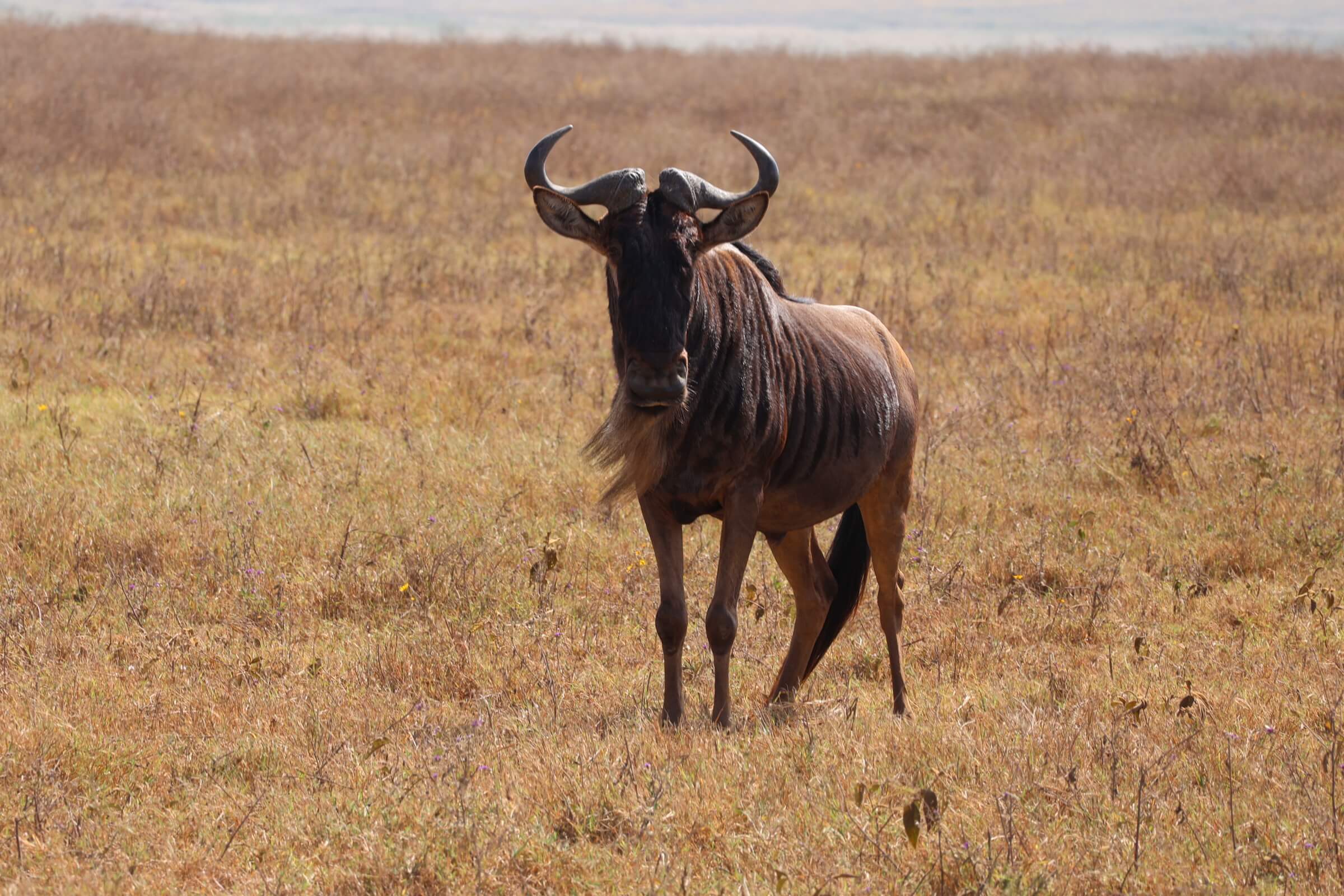
Lone wildebeest in open field
East Africa or Southern Africa: Which Has Better Wildlife?
This is one of those questions that sounds simple but doesn’t really have a simple answer. Both regions offer exceptional wildlife viewing, but the experience can feel different.
East Africa is particularly famous for its vast plains, large herds, predators and migration spectacles. Southern Africa offers diverse habitats and a wide range of wildlife experiences, including traditional game drives as well as water-based experiences in places such as Botswana.
Colleen actually found herself loving both for different reasons.
In East Africa, she was blown away by experiences such as the migration, lions, leopards, elephants and the landscapes surrounding them. But she also remembers Chobe in Southern Africa as one of those quintessential African experiences: wildlife, water, sunset and incredible light all coming together.
Her conclusion?
You could spend a week in the Serengeti and be completely happy. You could also spend a week in Chobe and be just as happy. And honestly, that may be the best answer of all.
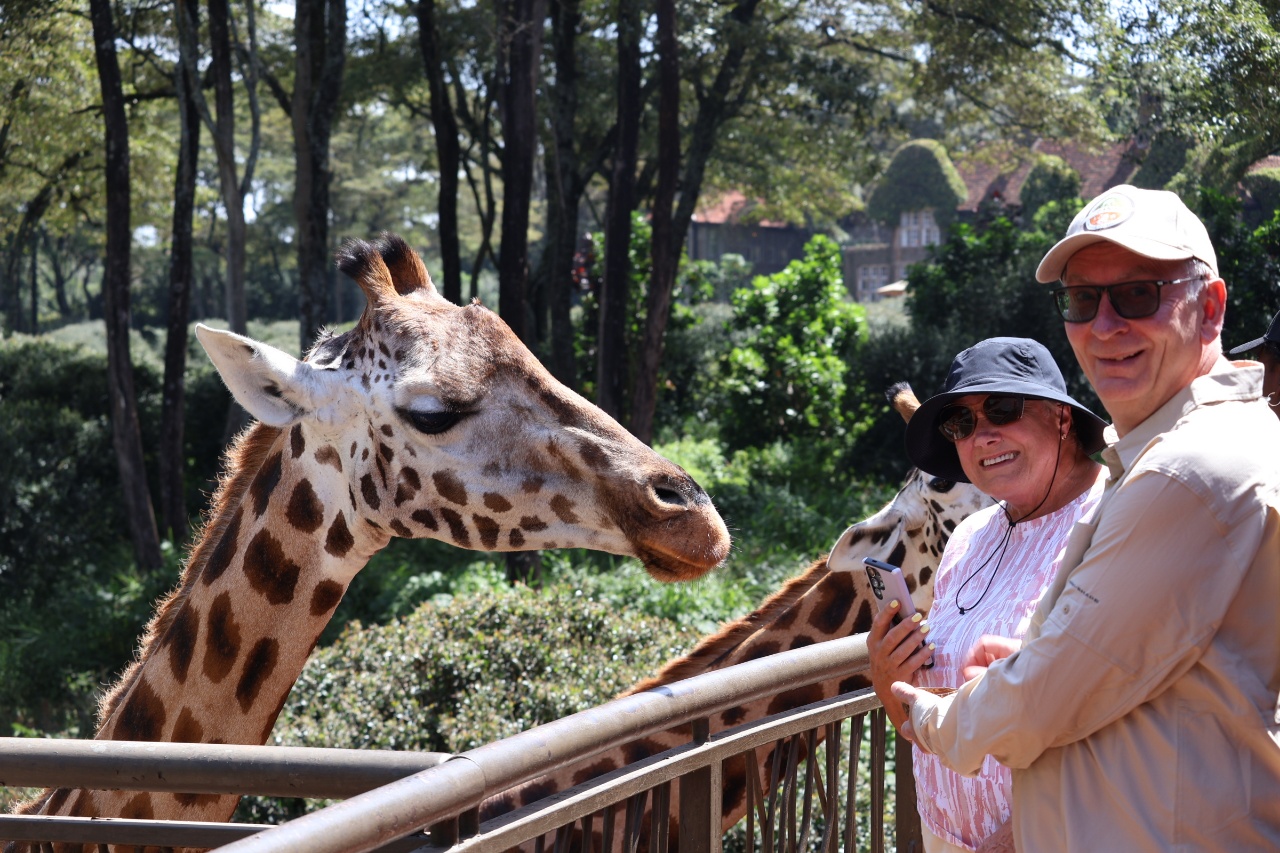
Feeding a Giraffe
Overland Safari vs Private Safari: What’s the Difference?
This is where Colleen’s experience becomes particularly useful. Because choosing between East and Southern Africa isn’t the only decision. You also need to consider how you want to travel.
Colleen’s Southern Africa Trip 20-Day Victoria Falls to Cape Town (Fully Serviced Camping)
Colleen’s East Africa Trip 13-Day Best of East Africa (Private, Dana East Africa Safaris)
Style
Scheduled group overland tour
Private, tailor-made safari
Route
Victoria Falls → Chobe → Okavango Delta → Etosha → Spitzkoppe → Swakopmund → Sossusvlei → Fish River Canyon → Kgalagadi → Augrabies → Cape Town
Nairobi → Amboseli → Tarangire → Lake Manyara → Ngorongoro → Serengeti → Lake Victoria → Masai Mara → Lake Naivasha → Nairobi
Countries covered
Zimbabwe, Botswana, Namibia, South Africa (4)
Kenya, Tanzania (2)
Vehicle
Overland truck (fully serviced, crew-run)
Custom-designed private 4×4 Safari Land Cruiser
Accommodation
Mostly serviced camping (spacious tents, camp bed, mattress), with hotel/guesthouse nights in Victoria Falls, Swakopmund and Cape Town
Lodges and tented camps throughout (e.g. Amboseli Sopa Lodge, Serengeti Baobab Camp, Zebra Plains Mara Camp)
Group size
4–16 travellers, shared sharing-basis camping
Private group/friends, private guide-driver
Meals
Continental breakfasts, campfire dinners; most lunches not included
Full board throughout (breakfast, lunch, dinner)
Standout wildlife experiences
Chobe River sunset cruise, Okavango mokoro excursions, Etosha waterhole game drives, Kgalagadi predator sightings
Amboseli elephants with Kilimanjaro backdrop, Ngorongoro Crater descent, Serengeti migration/Big Five, Masai Mara game drives
Notable extras
Sossusvlei dune walk, Fish River Canyon, meerkat walk, Namaqualand scenery
Optional balloon safari over Serengeti/Mara (~US$450–500), Olduvai Gorge museum stop, cultural visit to Mto wa Mbu village
Comfort level
Premier (camping), 3 nights hotel/guesthouse
Full-service lodge-based, higher comfort throughout
Ideal for
Travellers wanting a classic multi-country overland journey with a strong group/social element
Travellers wanting a flexible, wildlife-dense, higher-comfort private safari
Group Overland Travel vs Private Safari
One of the biggest advantages of private travel is control.
Colleen enjoyed being able to make decisions with her small group, stop when they wanted to, take bathroom breaks when necessary, and have more flexibility around their itinerary.
But she also recognised what she gained from travelling with a group. On her first overland journey, she met people she would never otherwise have met. Some of those friendships continued long after the trip ended.
That’s something you can’t really put on an itinerary.
Group overland travel can give you:
Private travel can give you:
New friendships
More flexibility
Shared experiences
Greater control over your itinerary
Campfire conversations
More privacy
Different perspectives
Travel with friends or family
A ready-made travel community
A more personalised experience
The fun of experiencing something together
Greater freedom to adapt your day
So when deciding between an overland tour vs a private safari, don’t only ask which one is more comfortable. But rather, ask yourself, “What do I want out of this experience?”
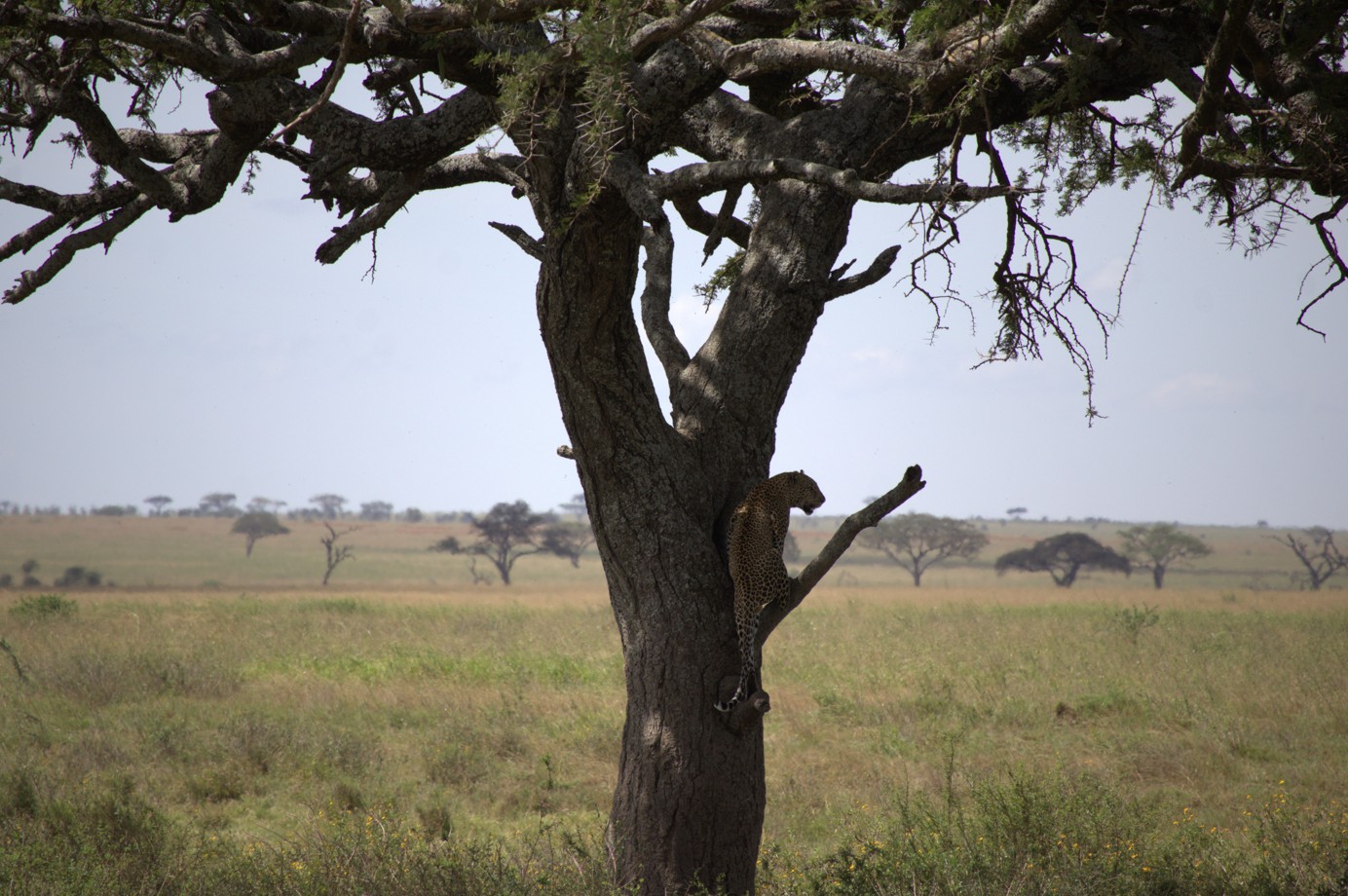
Sighting of leopard in a tree while on safari in East Africa
Does Comfort Matter When Choosing an African Safari?
This is a very personal question. Colleen initially had concerns about camping and the physical side of an overland adventure. Would she cope? Would she miss having her own bathroom? Would sleeping on the ground become uncomfortable?
Those concerns turned out to be far less significant than she expected. But she also discovered that her preferences had changed in some ways.
On her East African journey, staying in beautiful lodges and tented camps was a wonderful part of the experience. Her advice?
Be honest about what matters to you.
If having your own bathroom is essential, tell your travel consultant.
If you’re happy camping but want a raised camp bed, say so.
If you want more comfort, ask about accommodated options.
If meeting other travellers is one of the reasons you travel, a group overland journey could be exactly what you’re looking for.
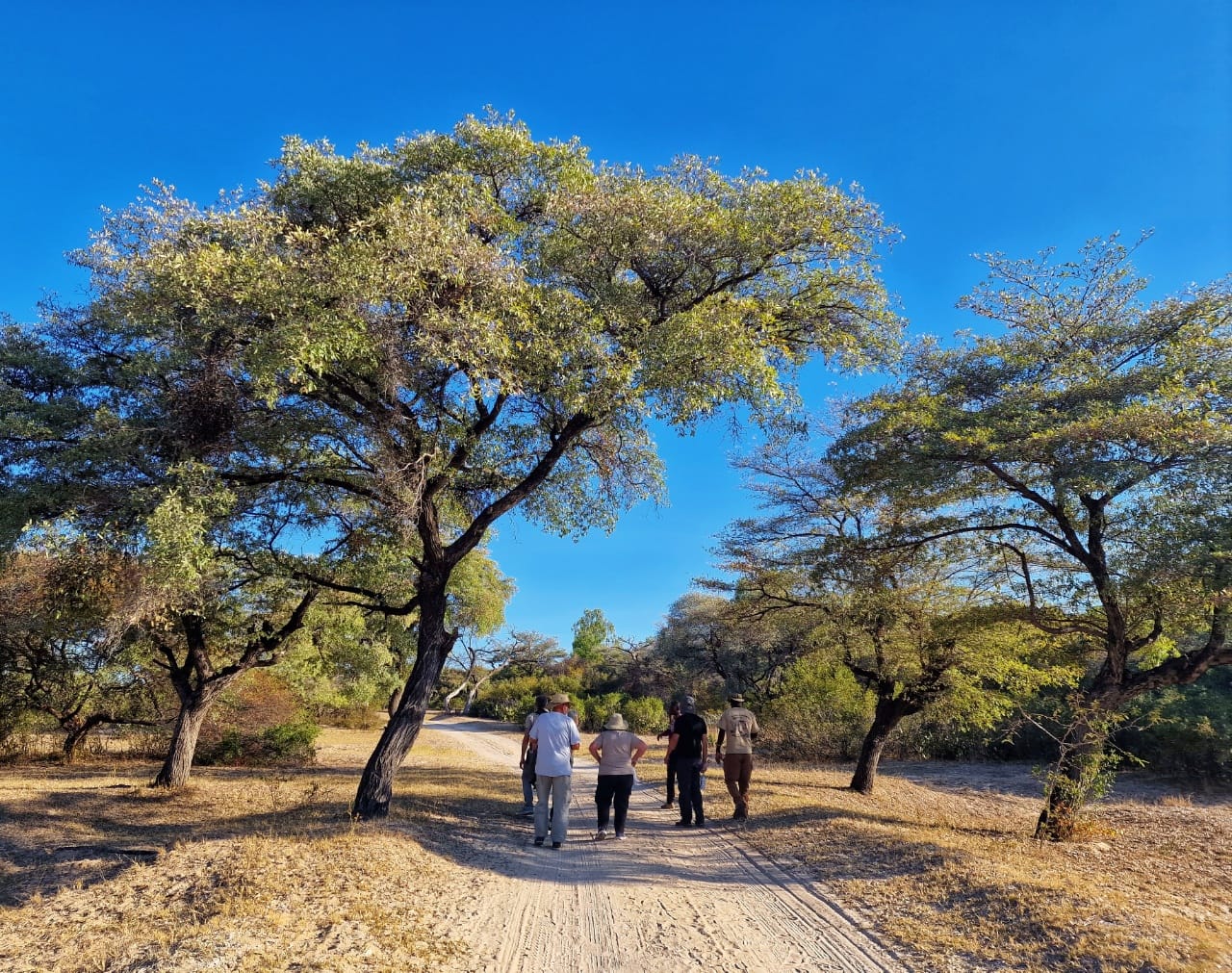
Colleen and a group of travellers walking in Botswana
Why Your Guide Can Make or Break a Safari
One of the strongest themes to emerge from Colleen’s experience was the importance of having a knowledgeable, ethical guide or driver. A safari isn’t simply about getting into a vehicle and driving around until you find animals. Experienced guides understand the environment, animal behaviour, routes and local conditions.
They also know when to wait. When to move on. And, importantly, when not to interfere.
During her East African trip, Colleen encountered a situation where several vehicles were following a cheetah that had made a kill. Her driver chose not to join the crowd or leave the designated road in pursuit. Instead, they moved on. For Colleen, that mattered.
She wanted to experience wildlife without becoming part of the problem.
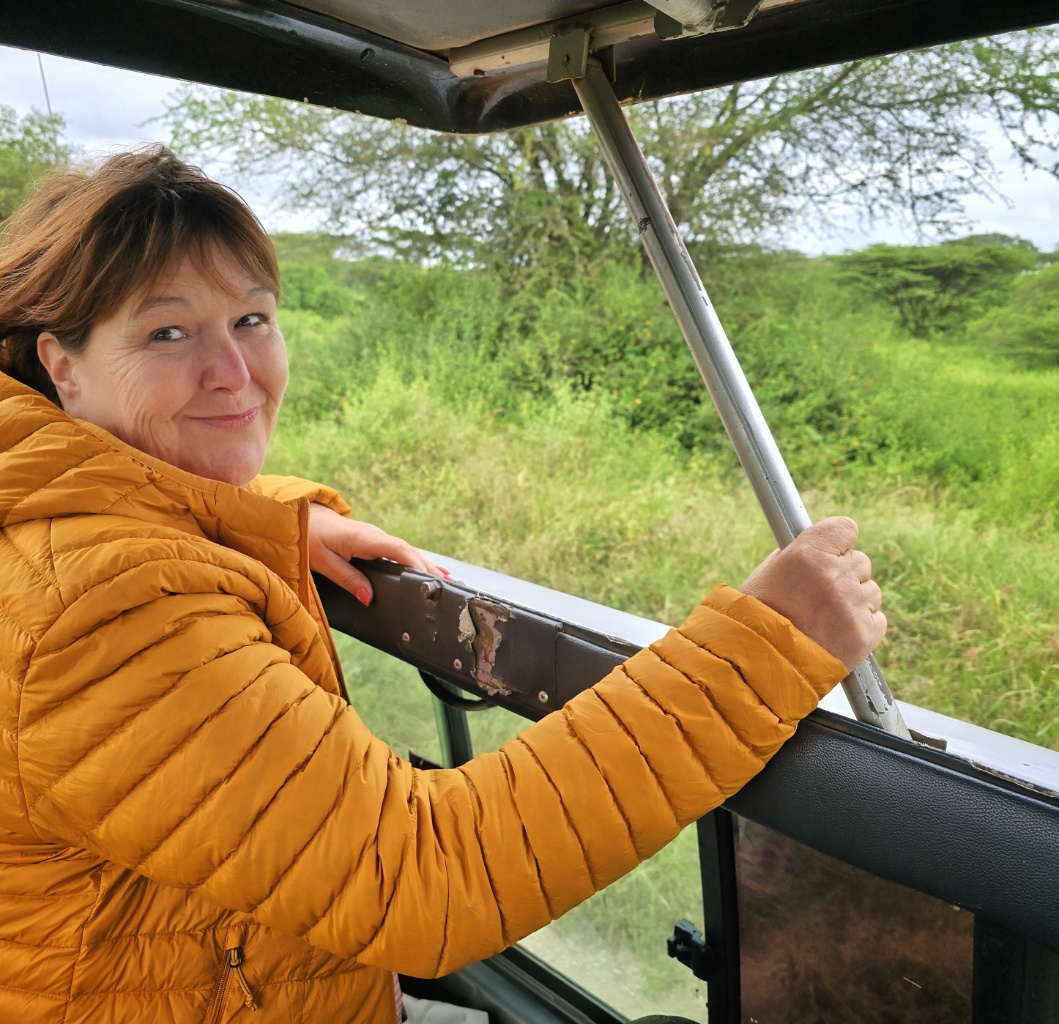
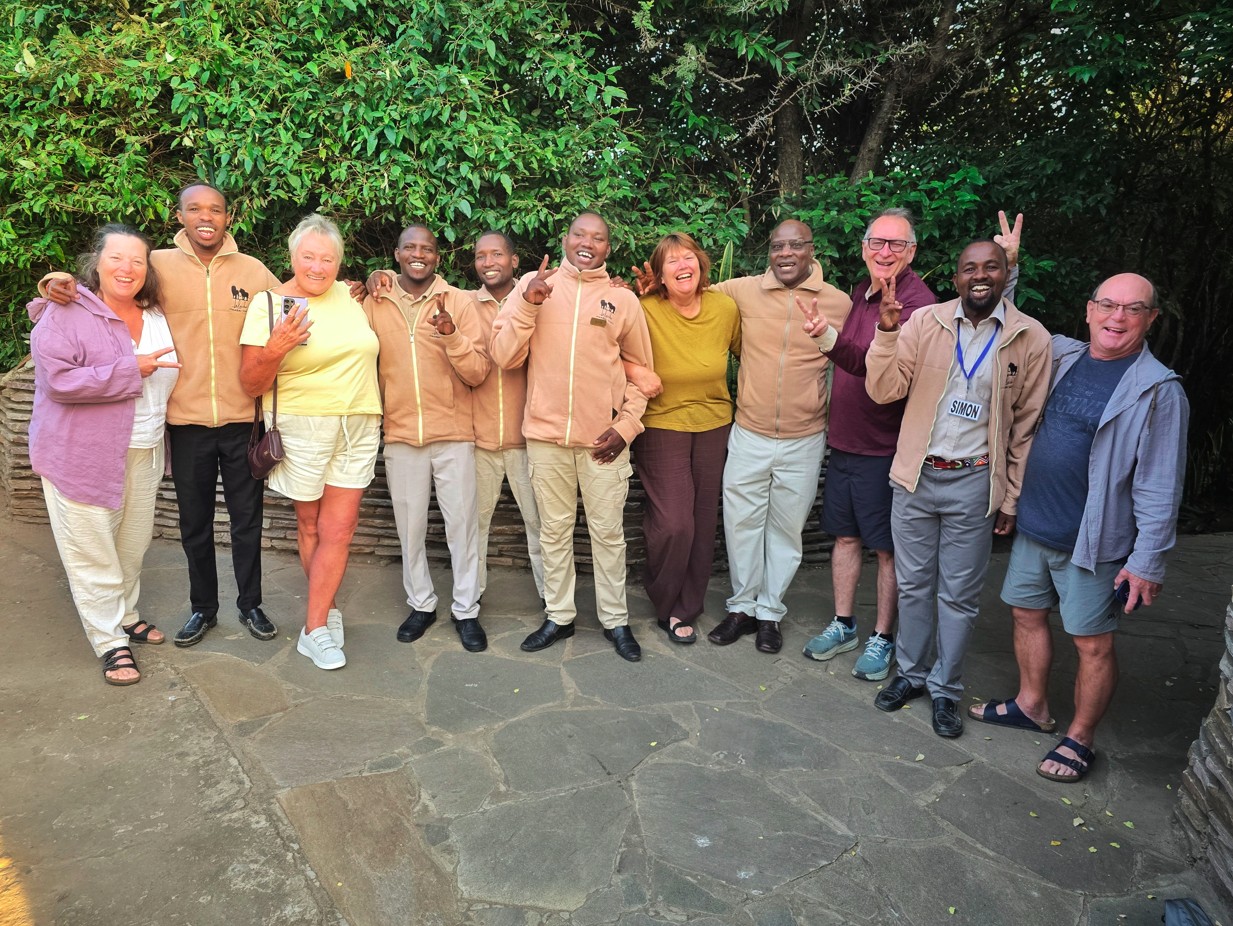
Colleen & Friends during their tour
Ethical Wildlife Viewing Matters
This is something every traveller should consider when comparing safari destinations and operators. Seeing an animal should never come at the expense of the animal. Colleen’s experience reinforced the importance of choosing reputable operators and guides who respect park rules and wildlife.
That means asking questions such as:
Does the operator follow national park regulations?
Do guides remain on designated roads where required?
How do they approach wildlife encounters?
Do they prioritise animal welfare over getting the perfect photograph?
Do they work with authorised or licensed organisations?
How does tourism benefit local communities?
The goal isn’t simply to get close to wildlife. It’s to experience it responsibly.
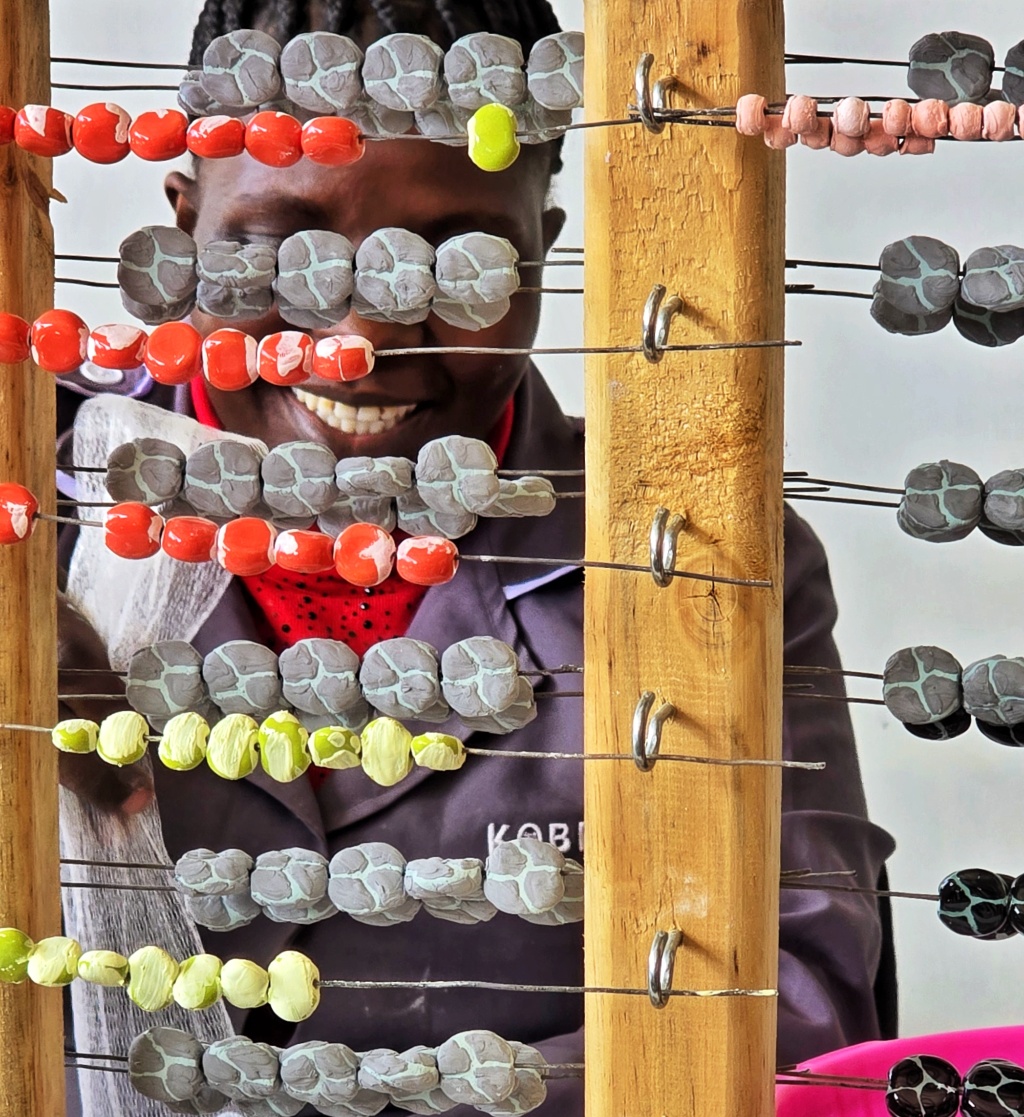
One of my favourite parts of Colleen’s recent trip was that she didn’t simply fly into Nairobi and immediately head for safari. She experienced coffee tasting, bird watching, a cooking class, local markets, and a walking tour through downtown Nairobi. She also visited a women’s bead cooperative and learned about the work happening there.
This is a great reminder that East Africa isn’t only safari. And the same applies to Southern Africa. A trip through Africa can include wildlife, but it can also include:
Cities
Food
Music
History
Local markets
Art
Community experiences
Landscapes
Adventure
Culture
The more time you allow yourself to explore beyond the obvious highlights, the more layered your experience can become.
Woman doing bead work in Nairobi
So… East Africa or Southern Africa?
After experiencing both, Colleen’s answer was refreshingly simple: She wouldn’t choose.
And perhaps that’s because there isn’t really a winner.
East Africa and Southern Africa offer different landscapes, different wildlife experiences, different rhythms and different ways of travelling. One isn’t the “better” Africa. They’re simply different ways of experiencing an extraordinary continent.
Colleen’s biggest piece of advice for anyone about to embark on their first African adventure?
Leave your stereotypes at home.
Africa is far more diverse, modern, vibrant, beautiful and surprising than many first-time travellers expect. And perhaps the best thing you can do is arrive with an open mind and no rigid checklist. Because the experience you didn’t plan for may end up being the one you remember forever.
Neither region is universally better. East Africa is particularly well known for classic savannah safaris, the Serengeti, Masai Mara and the Great Migration, while Southern Africa offers a broader mix of wildlife, landscapes and experiences. The best choice depends on what you want from your African adventure.
East African safaris are often associated with open savannahs, large herds, predators and iconic destinations such as the Serengeti and Masai Mara. Southern Africa offers a wider range of ecosystems and experiences, including deserts, wetlands, rivers and traditional game viewing.
Both East and Southern Africa offer opportunities to see the Big Five — lion, leopard, elephant, rhino and buffalo. Your experience will depend on the specific destination, season, guide and wildlife conditions rather than simply choosing one region over the other.
The best time depends on your destination and what you want to experience. In many East African destinations, June to October is a popular dry-season window for wildlife viewing, while migration timing varies throughout the Serengeti-Masai Mara ecosystem. East Africa can also offer rewarding experiences outside peak season.
For many Southern African safari destinations, the dry season from roughly May to October is a popular period for wildlife viewing because vegetation is thinner and animals often congregate around water sources. However, the best time varies considerably between countries and experiences.
Not necessarily. A private safari generally offers greater flexibility, privacy and personalisation, while an overland tour can provide a strong social experience, multi-country travel and the adventure of travelling as part of a group. The right choice depends on your preferred travel style, budget and comfort level.
Age alone doesn't determine whether an overland adventure is right for you. Physical comfort, accommodation preferences, activity levels and the specific itinerary are more important considerations. Colleen initially had concerns about camping and overlanding but ultimately found the experience far exceeded her expectations.