

African Overland Tours
https://www.facebook.com/AfricanOverlandTourscom/
https://www.instagram.com/african_overland_tours/
https://www.youtube.com/@africanoverlandtoursandsafaris
+27 (0) 21 448 0997
Customer Service
Worldwide

African Overland Tours
https://www.facebook.com/AfricanOverlandTourscom/
https://www.instagram.com/african_overland_tours/
https://www.youtube.com/@africanoverlandtoursandsafaris
+27 (0) 21 448 0997
Customer Service
Worldwide
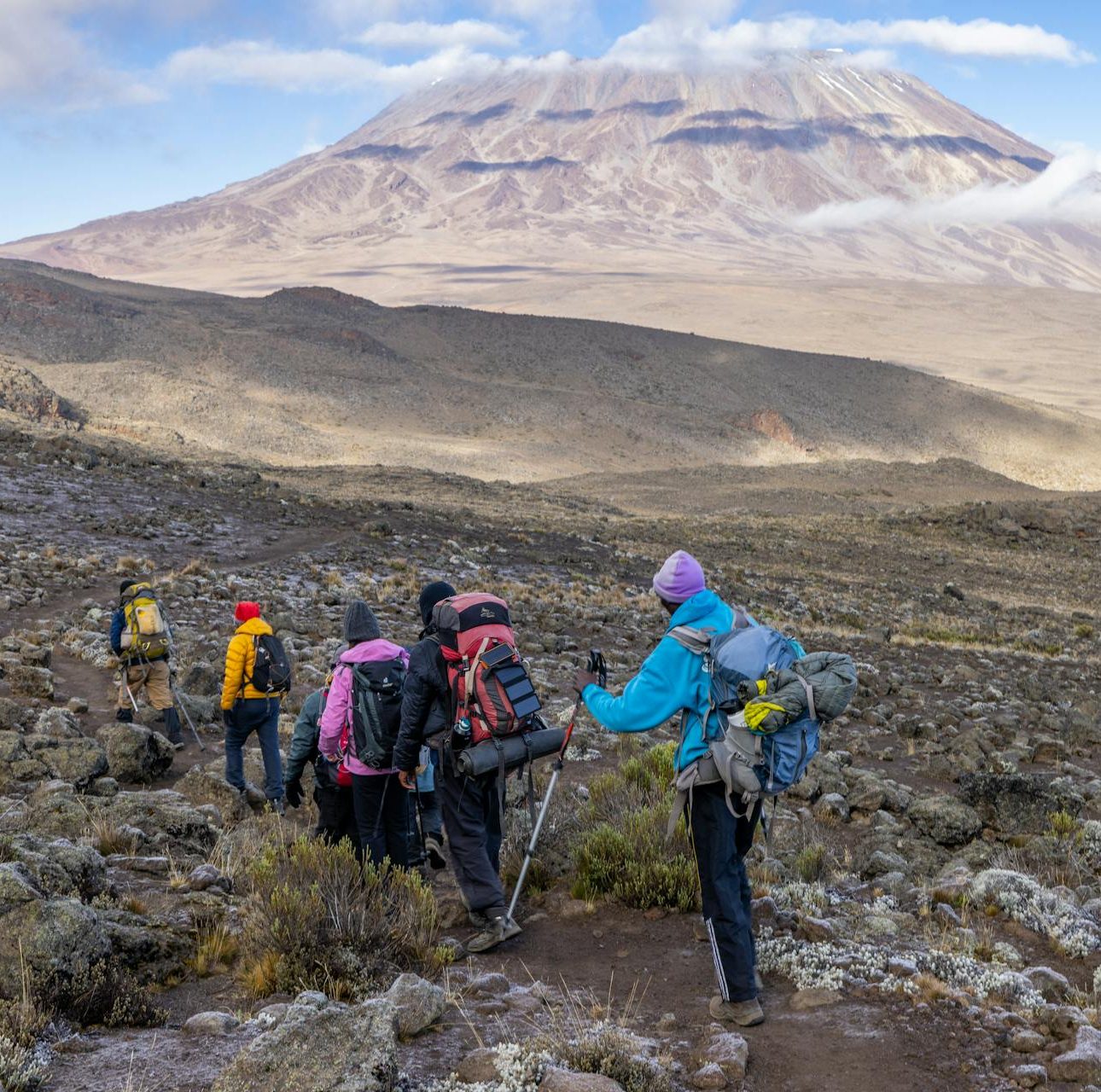
The route you choose for climbing Mount Kilimanjaro is very important, as it can determine if you manage to summit
There are seven established ascent routes leading up Mount Kilimanjaro. Six of the routes require camping, while the other (the Marangu) has permanent huts. Each route varies by distance, duration, difficulty, popularity, and scenery.
For most trekkers, it’s wiser to choose a longer route as this allows your body the necessary time to acclimatise (acclimate) properly. Those who don’t acclimatise well develop altitude sickness and often have to turn back before reaching the summit.
I highly recommend choosing a longer route to improve your chances of having your moment at the summit! The longer options also make the climb less taxing overall, as they’re not as steep.
Remember, Mount Kilimanjaro is a journey, not a competition, so savour the experience and don’t look to rush it.
Here’s a brief summary of each of the different Mount Kilimanjaro routes. I start with the safer and more popular routes and end with the tougher or less scenic ones.
98 km / 61 miles, 9 days
This is the longest, safest, and quietest route. It has the highest summit success rate; roughly 90% of trekkers tackling this route manage to actually reach Uhuru Peak. It’s also very beautiful and varied, as you ascend the western slope along the same route as the Lemosho, but then deviate and go around the northern side of Kibo Cone, where no other route ventures.
The Northern Circuit is a great choice for anyone keen for a more private trekking experience. You descend the mountain via the Mweka route which leads down the southwestern slope.
70 km / 44 miles, 7-8 days
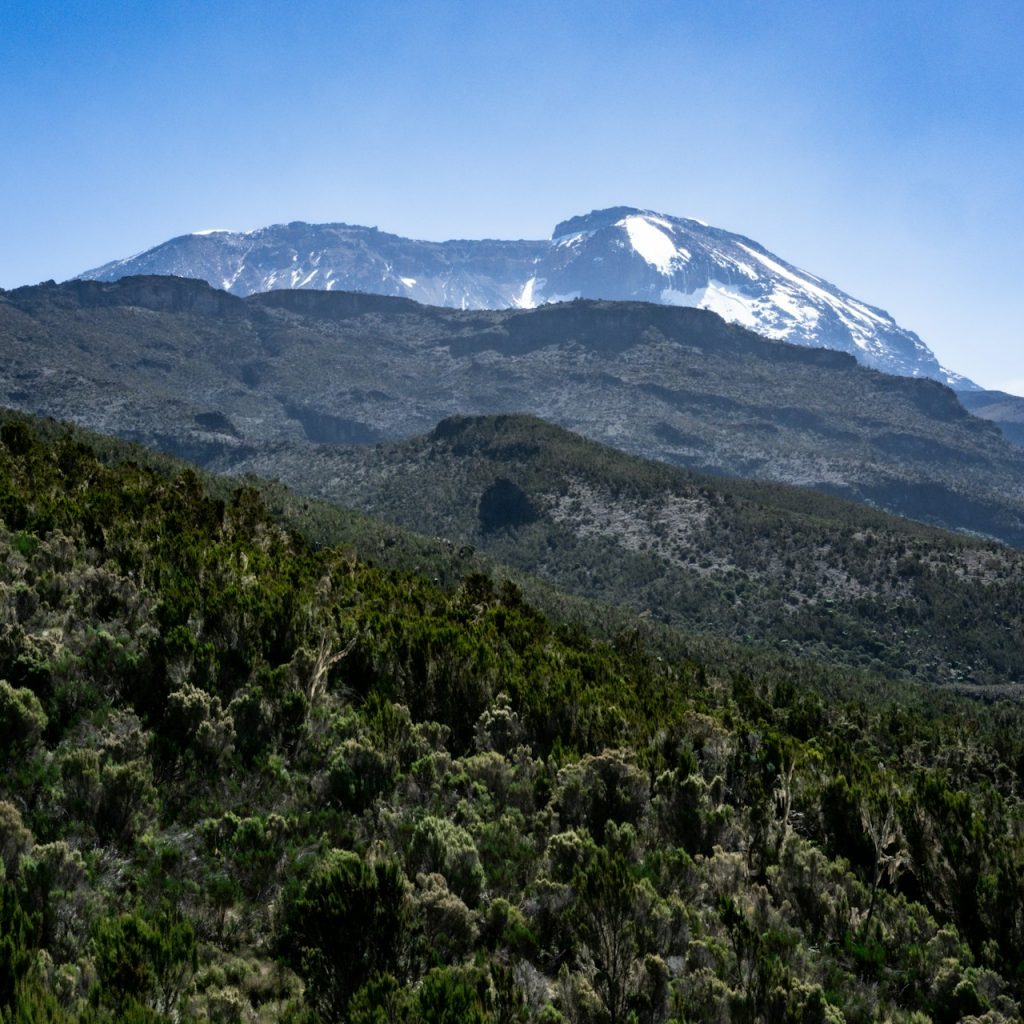
This is a popular route as it leads you up the western slope and down the southeastern slope (the Mweka route). The scenery is varied and exceptional, and you stay at some of the best campsites for views, sunsets, and sunrises.
You scramble up the thrilling Barranco Wall on the Lemosho route, which is a highlight for many.
62 km / 39 miles, 6-7 days
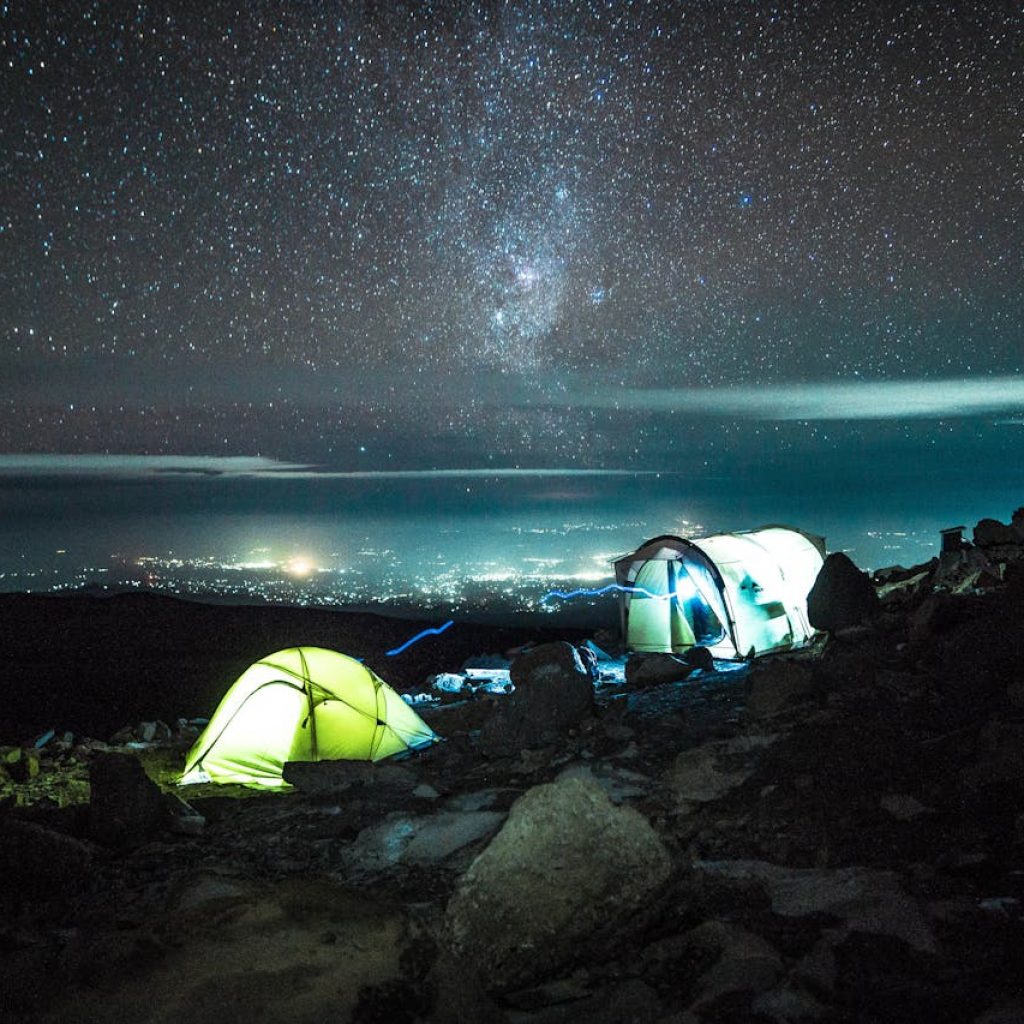
This is one of the busiest routes. The trail winds up the southwestern slope and then takes you down the Mweka route.
It’s popular for offering beautiful and varied scenery. The trail actually links up with the Lemosho a little ways before Barranco Wall, so if you choose this route you still get to enjoy the unique challenge that is Barranco Wall, as well as the camaraderie that accompanies it.
73 km / 45 miles, 6-7 days
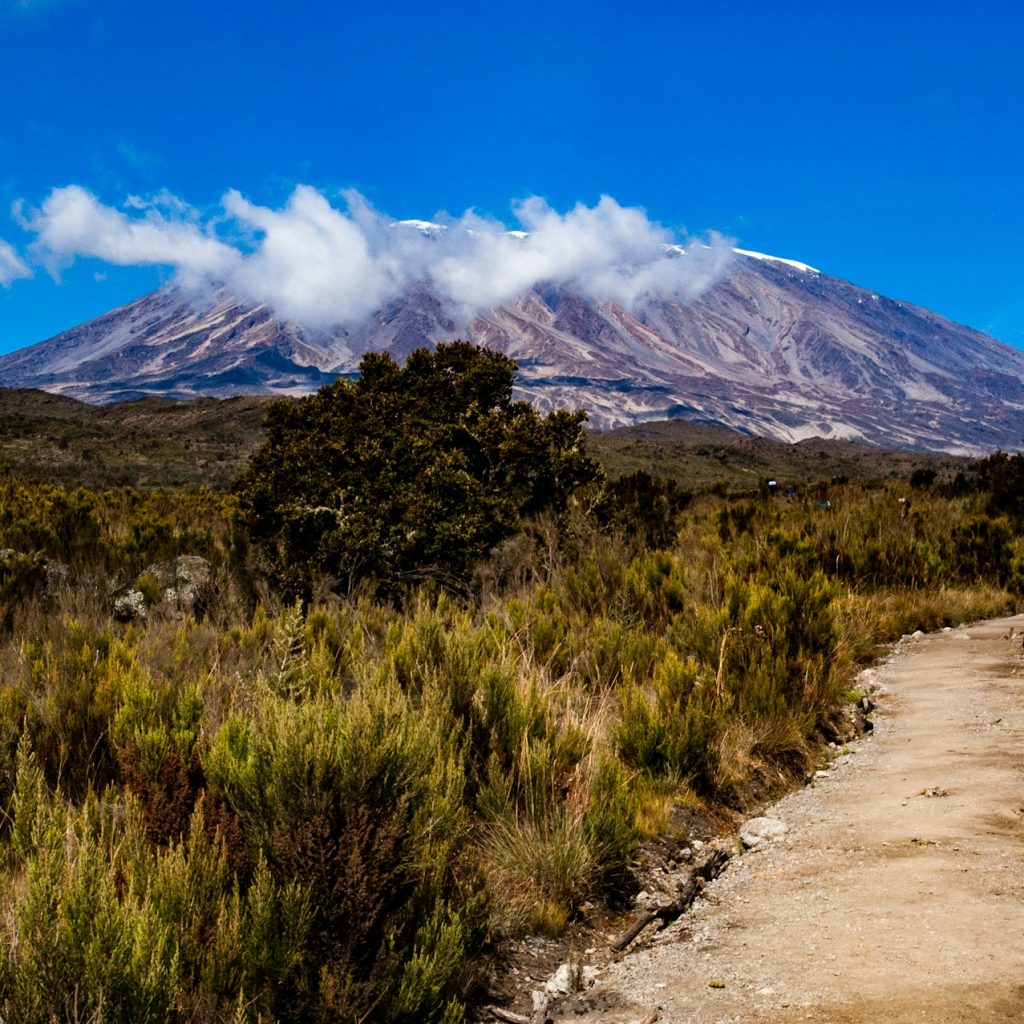
This is one of the quietest routes, as it starts on the seldom-visited northeastern slope. What’s lovely is that you enjoy expansive views over Amboseli National Park in Kenya to the north. Trekkers often see distant giraffes, elephants, and zebras.
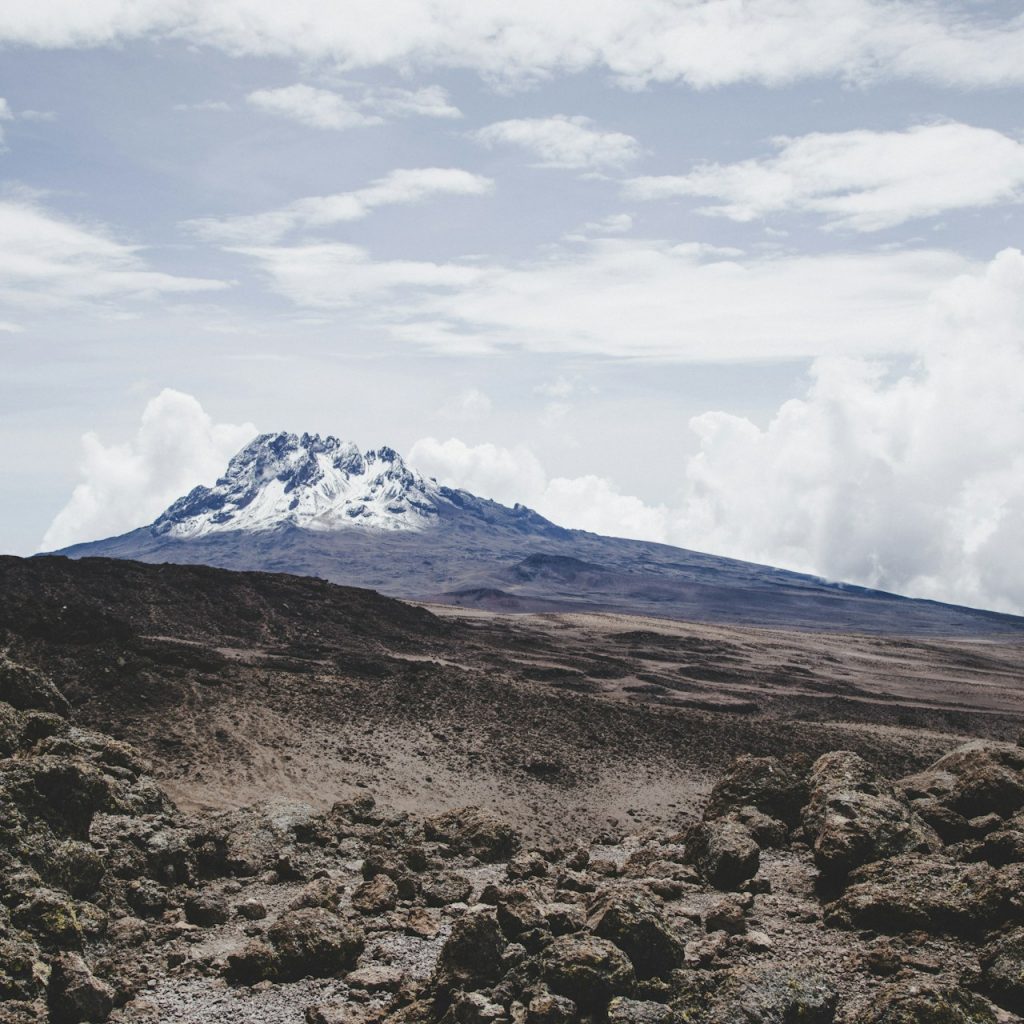
The route brings you close to Mawenzi Peak, which is the craggy and exceptionally picturesque peak that forms Kilimanjaro’s second-highest point. You approach the summit from the east, then descend the mountain’s eastern slope using the Marangu route.
72 km / 45 miles, 5-6 days
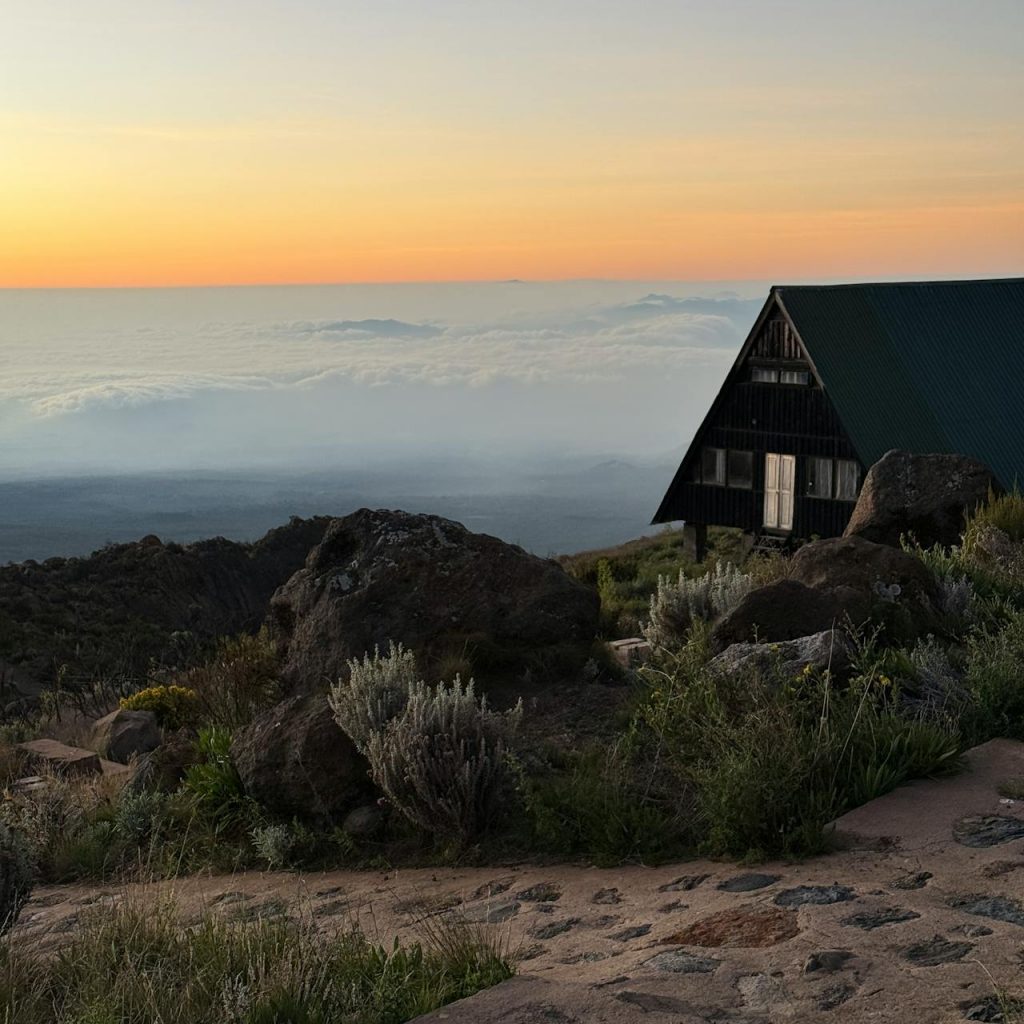
This is the original route for climbing Mount Kilimanjaro, and it heads up the eastern slope. It’s also the only route where you descend via the same trail you climbed. The route’s profile is a relatively steady incline.
The Marangu route is popular as it’s the only route with huts for accommodation. On all the other routes you must camp. The communal huts provided make the Marangu a little more affordable, as you need fewer porters in your trek group.
53 km / 33 miles, 5-6 days
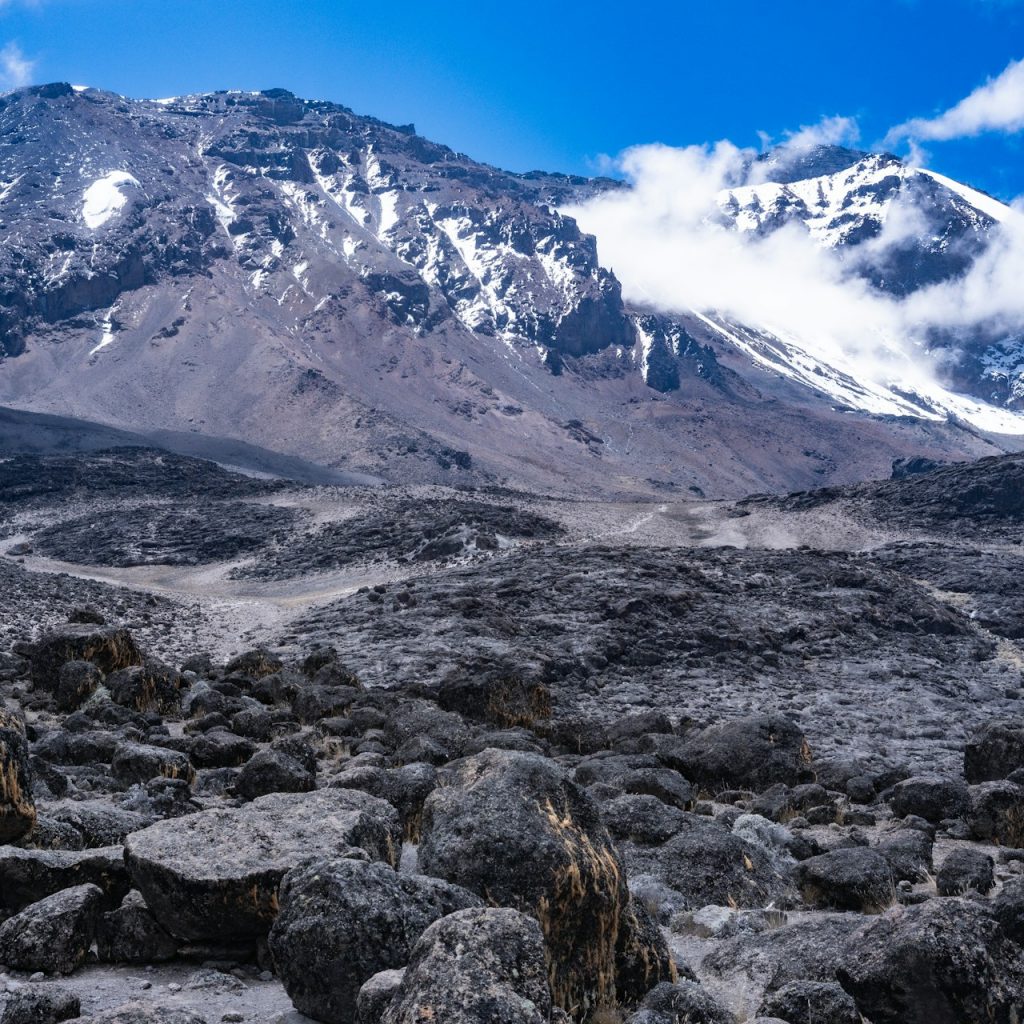
The Umbwe is the shortest ascent route, which means it’s very steep and tough.
The Umbwe leads trekkers up the southern slope, and they then descend via the Mweka route. It’s not a busy route given its poor summit success rate. Only very experienced high-altitude trekkers should choose this route.
56 km / 35 miles, 7-8 days
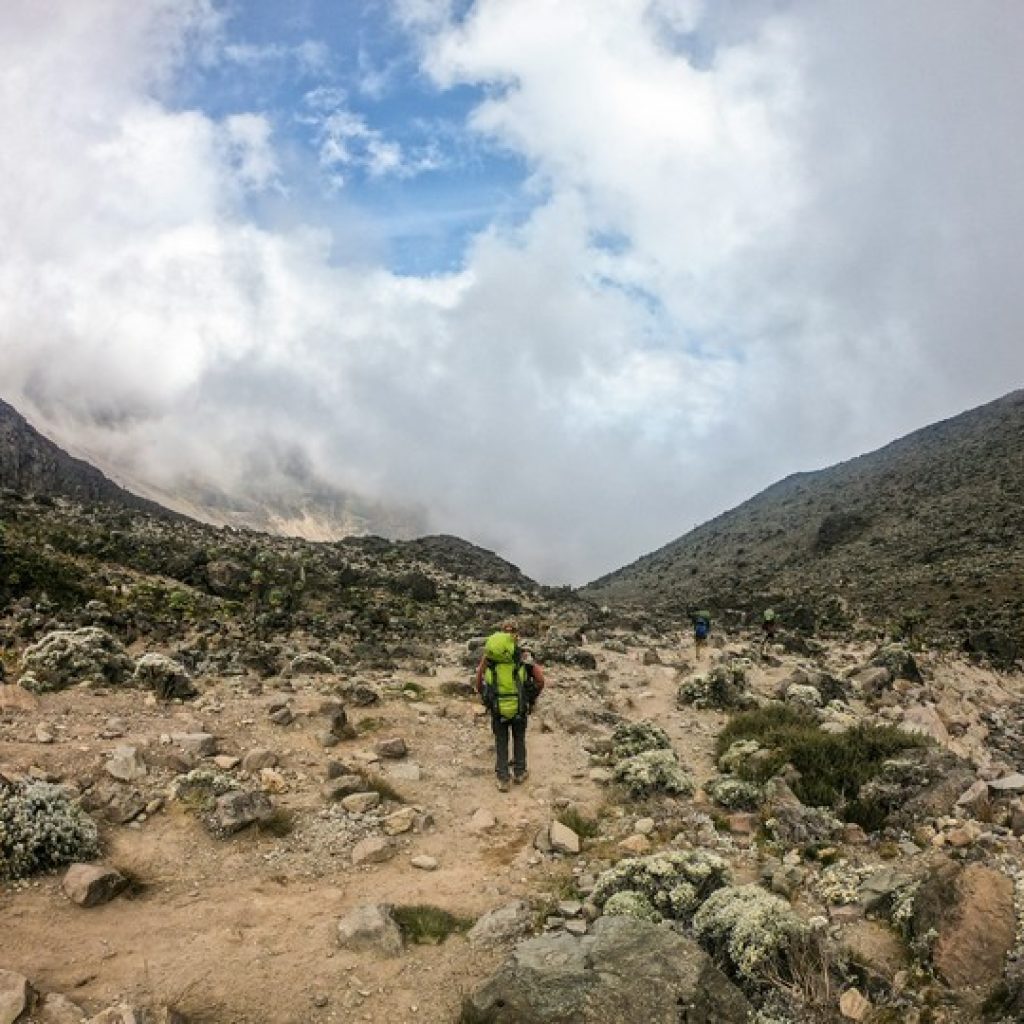
This is another of the less popular routes. The reason it’s seldom chosen is that it starts at such a high altitude – above the rainforest, in fact, on Shira Plateau. This means the route gives you less time to acclimatise, and this can be a problem for many.
On the Shira Route, you ascend the mountain from the west, linking up with the Lemosho route en route. This means it includes the Barranco Wall. You then descend via the Mweka route.
There are many things to think about when it comes to choosing a Kilimanjaro route. I’ve spent years researching and writing about the mountain, and I’ve been paying careful attention to who makes it to the summit and who doesn’t.
What I can tell you with great confidence is that people consistently underestimate the challenge. Fit people. Young people. People who regularly do hard things. Many climbers think that because it’s a non-technical mountain, they’ll chug on up it. But they underestimate just how long and hard it is. And most of all they underestimate the impact of the altitude on their body and health.
I think it’s important to stress that people die on Kilimanjaro every year. This is because high altitude can lead to altitude sickness and trigger other health complications. So please take the expedition seriously and plan accordingly. A Kilimanjaro climb has the potential to be an incredible, unforgettable adventure – you should just give it the respect it deserves. With that in mind …
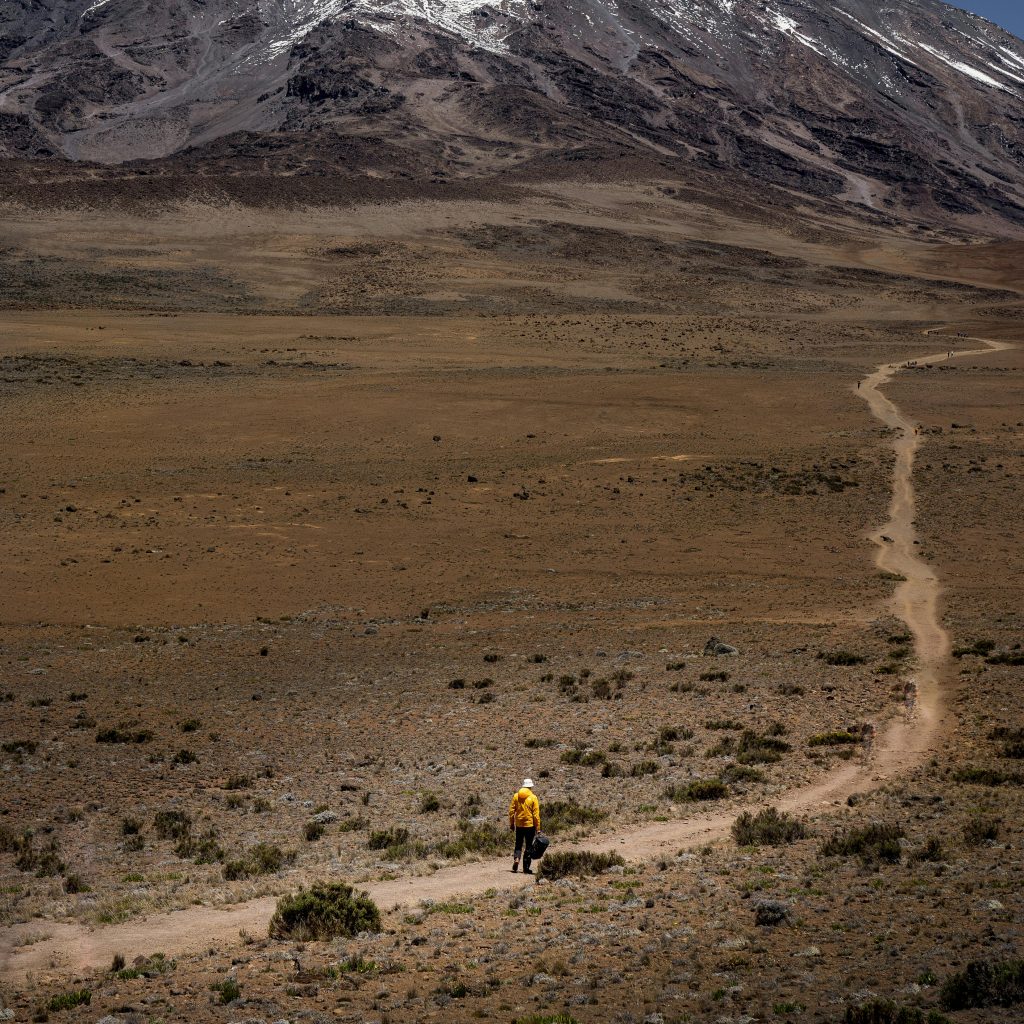
With this in mind, my advice is to always keep safety as your top priority when making a decision on the route to choose for climbing Mount Kilimanjaro. In other words, unless you’ve climbed this or many other similarly high mountains before and know well your capabilities, don’t choose a short route. So choose either the nine-day Northern Circuit or the eight-day version of either the Machame or Lemosho.
These longer, gentler routes give your body time to adapt slowly to the increasing altitude so it doesn’t spazz out. High altitude does strange things to your body.
Case in point, when I decided to do a day’s hike from the start of the Shira route in Kilimanjaro’s moorland zone, I was driven to the starting point, thus bypassing the trek up through the rainforest zone. Within an hour I felt the negative impact of the altitude on my gastrointestinal system. I wouldn’t have coped had I tried to do the full climb from this starting altitude. In my opinion, only choose the Shira route if you’ve just climbed nearby Mount Meru and so are already acclimatised to such great elevation.
If you’re keen for the adventure that Kilimanjaro offers, I say you should go for it! Give yourself time to prepare, and choose one of the longer, safer routes.
African Overland Adventures offers both mid-range and higher-end Kilimanjaro packages. You can learn more in Kilimanjaro Tours and Safaris.
Note: This post was first written and published by Bronwyn Paxton on April 8th, 2013. It was rewritten and republished by Megan Abigail White on December 19th, 2025.

"*" indicates required fields