


African Overland Tours
https://www.facebook.com/AfricanOverlandTourscom/
https://www.instagram.com/african_overland_tours/
https://www.youtube.com/@africanoverlandtoursandsafaris
+27 (0) 21 448 0997
Customer Service
Worldwide

African Overland Tours
https://www.facebook.com/AfricanOverlandTourscom/
https://www.instagram.com/african_overland_tours/
https://www.youtube.com/@africanoverlandtoursandsafaris
+27 (0) 21 448 0997
Customer Service
Worldwide
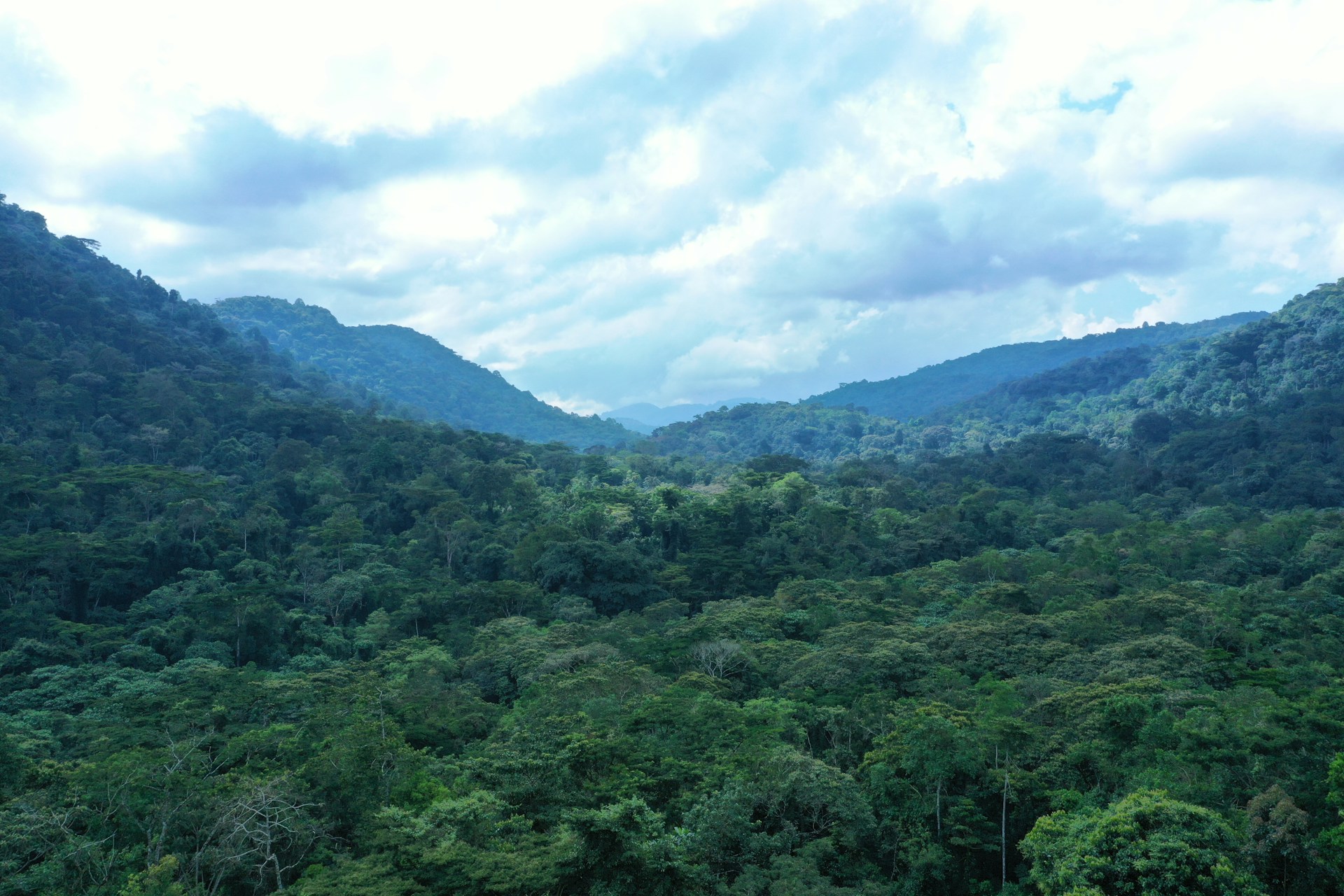
Bwindi Impenetrable National Park in southwest Uganda is a popular gorilla trekking destination
The misty, forest-clad mountains of Bwindi Impenetrable Forest are an ecologically rich ecosystem. They’ve become famous all around the world as one of the very few habitats of mountain gorillas, the world’s largest primate.
Let’s discuss the location of Bwindi Impenetrable National Park. We’ll then talk gorilla trekking, gorilla habituation experiences, and the different sectors of the park. We’ll then touch on the other wildlife and birds protected by the park, as well as the far less expensive hikes you can do to appreciate these other denizens. Finally, I make mention of the other ways in which you can support locals through your Bwindi visit.
Bwindi Impenetrable National Park sits in the southwest of Uganda and shares a border with the DRC.
The mountain range is part of the Albertine Rift, which is a western branch of the East African Rift Valley. About 60% of the park is above 2,000 m (6,500 ft) in elevation. The park’s highest peak is Rwamunyonyi at 2,607 m (8,553 ft).
Kampala, Uganda’s capital city, is located more than 500 km (300 miles) to the northeast of Bwindi. It takes about 10 hours to drive from Entebbe Airport outside of Kampala to Bwindi. Part of the reason for this long drive is that road conditions aren’t very good as you draw nearer the park.
Bwindi is actually closer to the Rwanda capital of Kigali to the south. That drive takes only about four hours. It does, of course, involve a border crossing, but you can get an East African Tourist Visa (EATV) and this significantly simplifies border crossings.
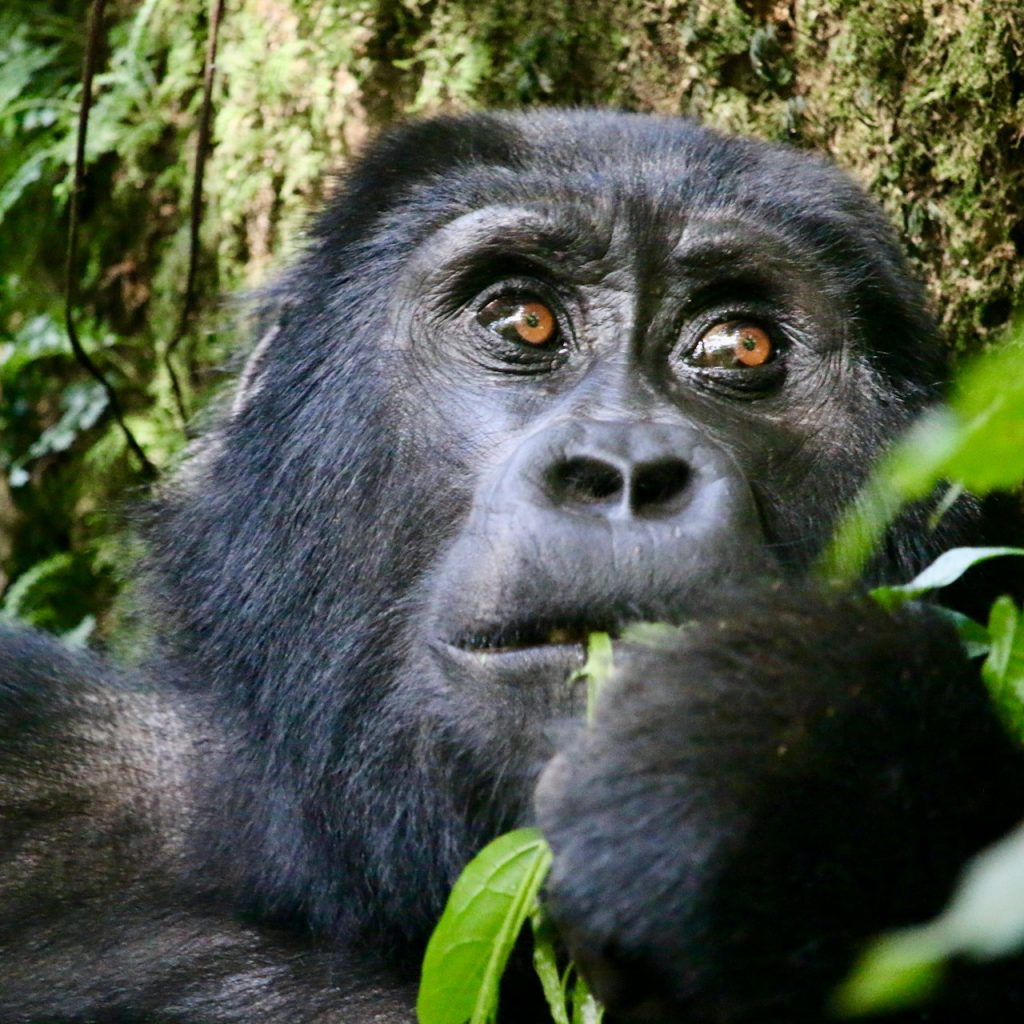
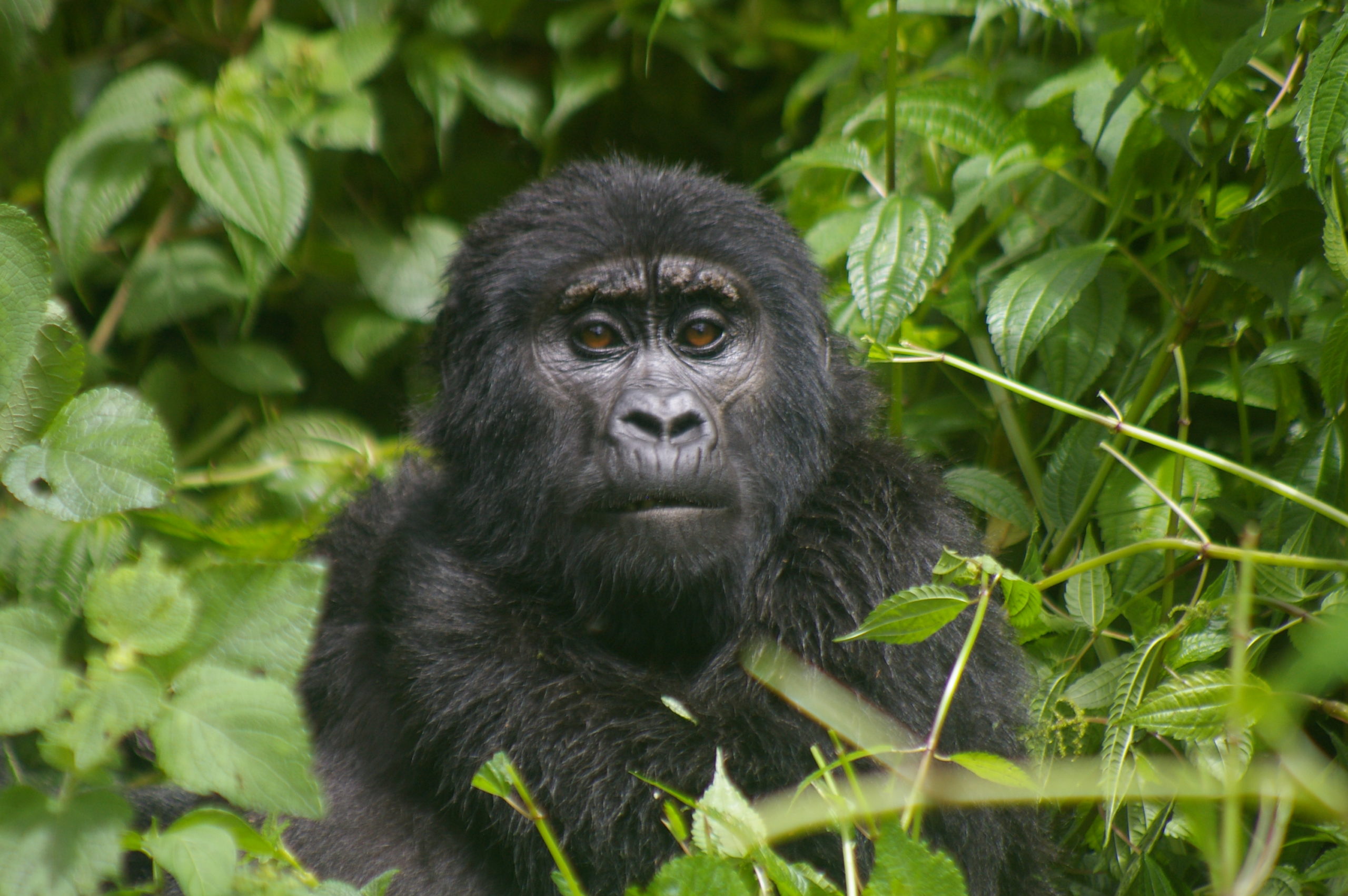
Bwindi Impenetrable National Park is home to Uganda’s most famous wildlife species: mountain gorillas.
Happily, these once critically endangered animals are now being actively protected by the Uganda Wildlife Authority in the two locations where they live. The first of these is Mgahinga Gorilla National Park in the Virunga Mountains, which are shared with neighbouring Rwanda to the south. The second is Bwindi Impenetrable National Park (NP), which sits 50 km (30 miles) to the north.
As a result of concerted conservation efforts, mountain gorilla numbers have been on the increase in recent decades. Key to this success story has been the increased international attention afforded them thanks to Dian Fossey’s book Gorillas in the Mist. This attention helped lead to the park becoming a UNESCO World Heritage Site in 1994.
The income generated from gorilla trekking has also been crucial in funding the park’s various protection measures.
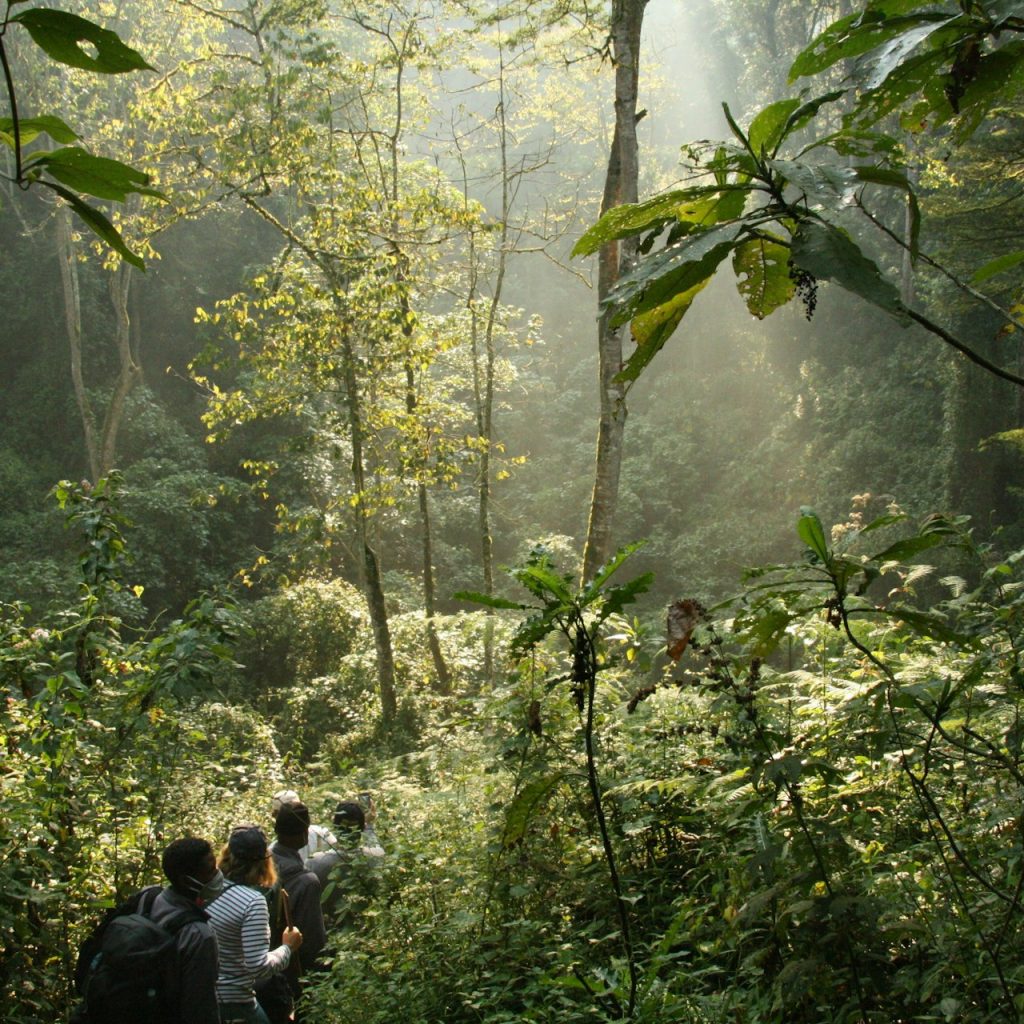
Bwindi Impenetrable NP has more mountain gorillas than Mgahinga Gorilla NP by far. This means it can issue more gorilla trekking permits per day, making it more popular with tourists. In fact, Bwindi is the country’s top tourism destination (followed by Murchison Falls National Park).
Gorilla trekking is an incredible wildlife encounter that relatively few will ever have the honour of enjoying. It involves trekking through the jungle to find an habituated gorilla troop. You can then spend an hour quietly observing them before your guide leads you back to the base.
Many gorilla trekkers report finding the experience incredibly moving. You’re permitted to observe the gentle creatures from a surprisingly close proximity (just a few metres). This means you can see clearly what they’re doing, from munching on bamboo stalks to grooming each other or playing together.
I must point out that these treks can be quite taxing, particularly if you’re assigned a troop that’s far from the starting base. It’s not just the distance that can be tiring, but also the humidity, the steepness and slipperiness of the trails, and the thickness of the surrounding vegetation. Be sure to wear water-resistant hiking boots as well as long pants and sleeves to protect yourself from scratches. You might also like to wear gardening gloves or similar so you can grab hold of vegetation to help you climb but not risk cutting your hands.

Price From
was
R212,500
R191,250

Price From
R111,490

Price From
R93,760
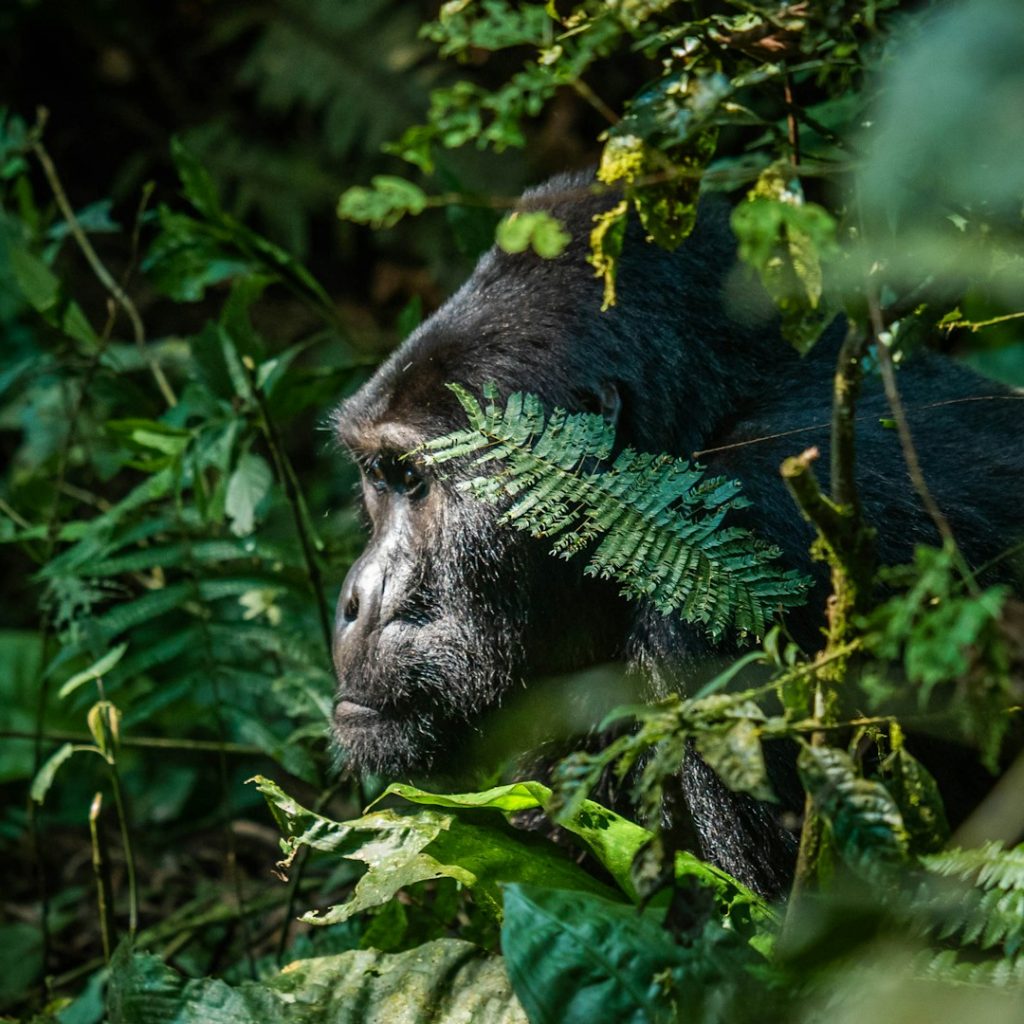
There’s also the option of doing a longer gorilla habituation experience. This involves visiting a troop that is in the process of becoming accustomed to the presence of humans. It’s a great option for anyone interested in conservation and the processes involved in protecting these special primates.
Note that while you should be allowed to spend longer with the troop (up to four hours), it may take longer to find it. Also, the gorillas are likely to be shyer. Finally, this experience costs much more – as of 2026, it costs US$1,500 (compared with $800 for a standard gorilla trek).
Bwindi Impenetrable National Park is a vast and unusually shaped park. It protects most of Bwindi Impenetrable Forest, enclosing an area of 321 km² (or 32,092 ha). That makes it bigger than the island nations of Malta and the Maldives.
The park has been divided into four sectors:
Each sector has its own entrance. The main gate is the Buhoma one on the park’s northern border. This contains the park’s headquarters. It can take hours to drive between some of the gates, so be sure to drive to the sector listed on your particular gorilla trekking permit.
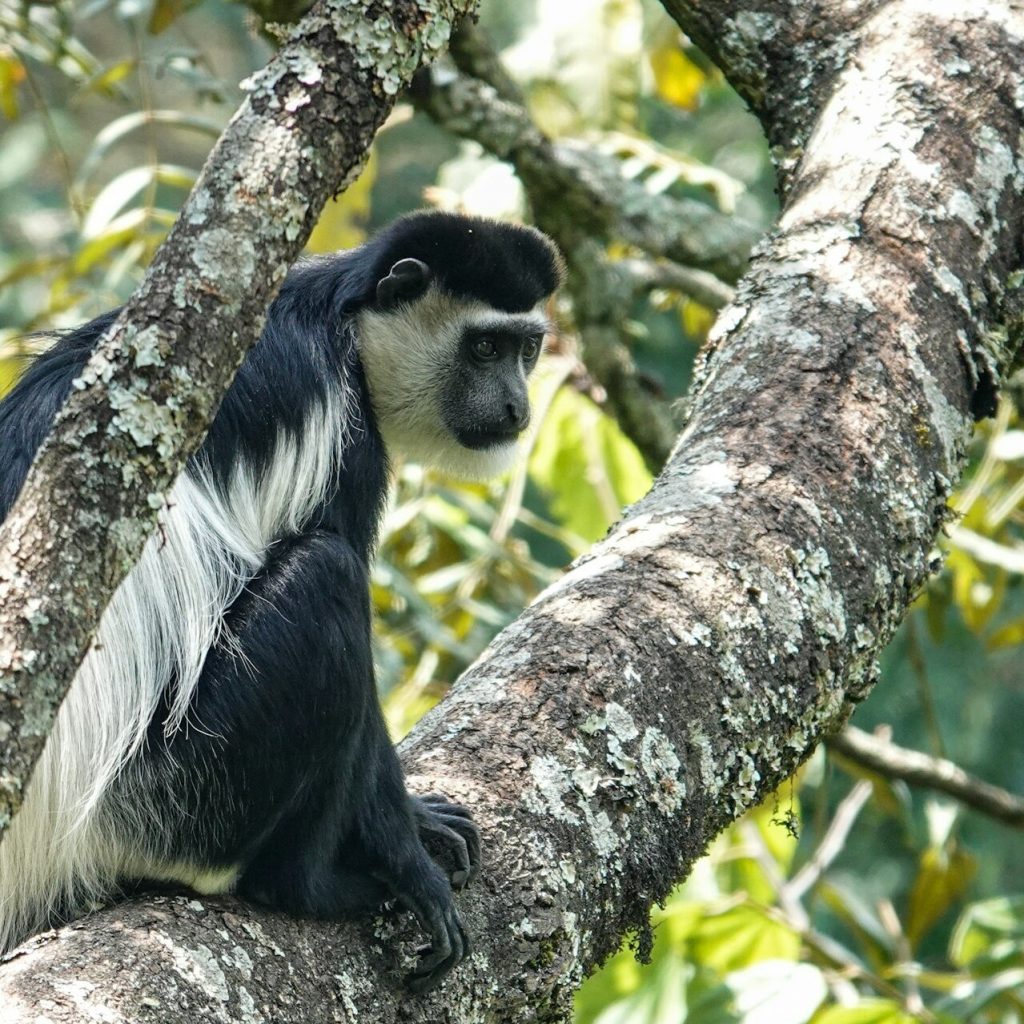
I mentioned that Bwindi Impenetrable National Park was made a UNESCO World Heritage Site in 1994. This move wasn’t just about the mountain gorillas – it was also inscribed for its incredible ecological diversity. The park has recorded 120 mammal species, 348 bird species, and 220 butterfly species, among others. Its mammals include bush elephants, chimps, l’Hoest’s monkeys, red-tailed monkeys, black-and-white colobuses, and yellow-backed duikers.
When it comes to avian finds, there’s a bird hide in the Buhoma sector you can use, and this particular spot is known for its great blue turaco sightings. The park is a great place to look for Albertine Rift endemics, including African green broadbills, Grauer’s swamp warblers, and Shelley’s crimsonwings. Regional endemics found here include Doherty’s bushshrikes, handsome francolins, and blue-headed sunbirds.
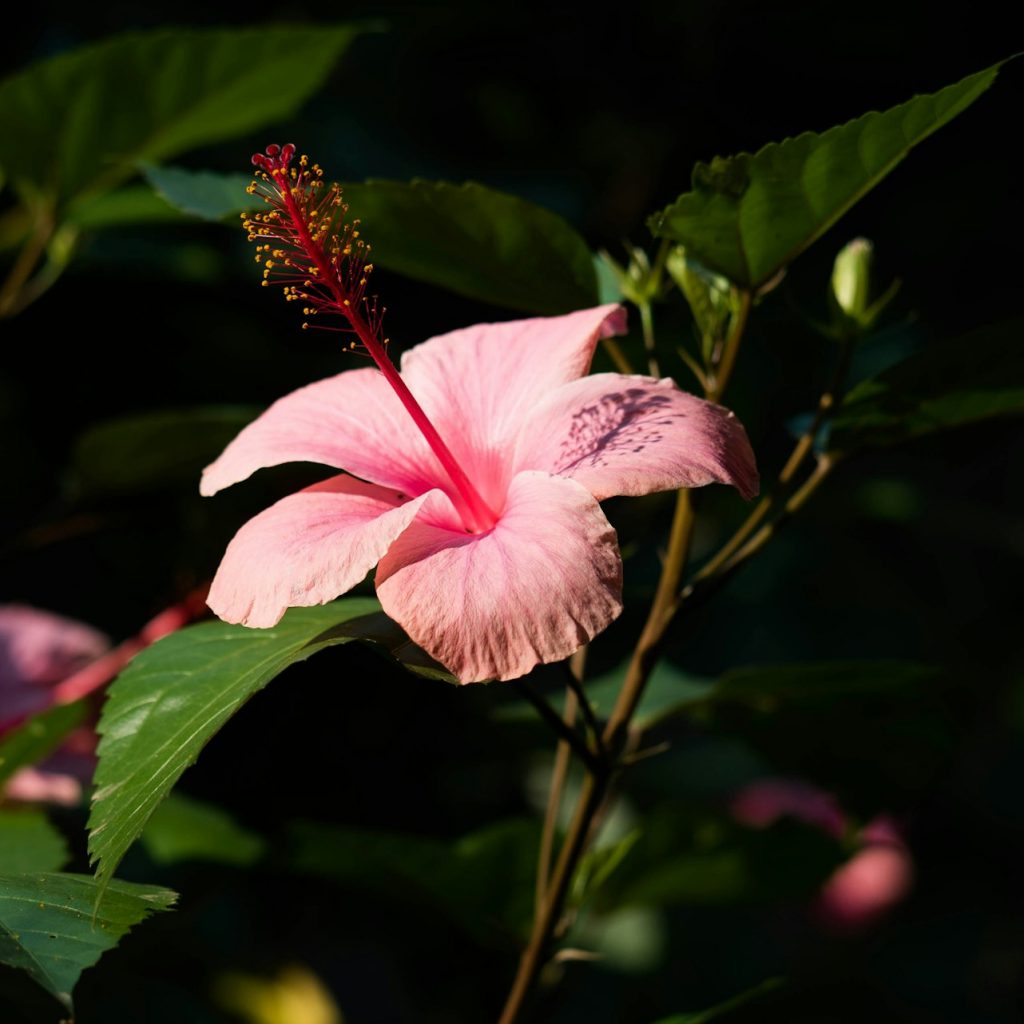
Bwindi Impenetrable NP also has over 220 tree species (this is more than half the tree species in all of Uganda) and over 100 fern species. Nature lovers would therefore do well to make time to explore Bwindi’s treasures beyond just a gorilla trek.
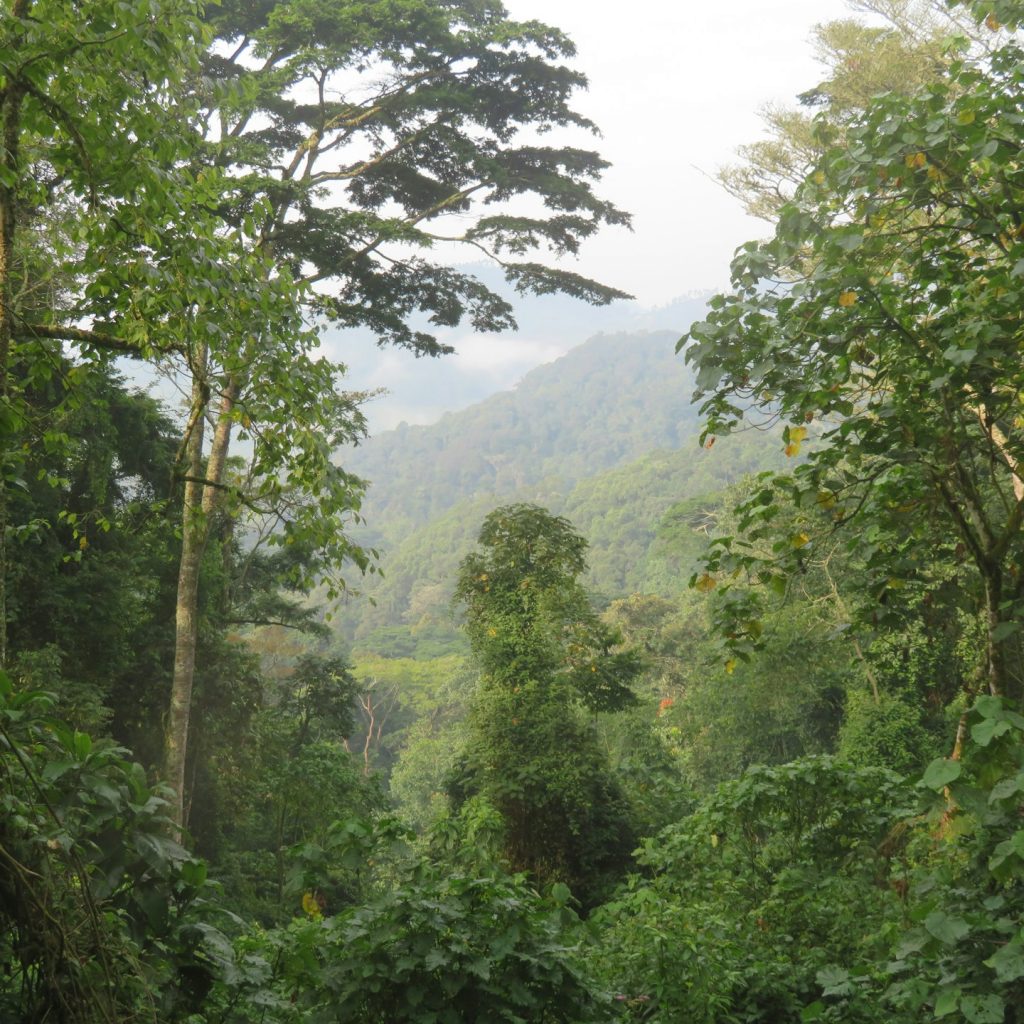
There are various hiking trails on offer within Bwindi Forest, and all offer wonderful wildlife spotting opportunities and incredible views.
Here are just a few of the splendid hikes you might consider:
Here’s a full list of treks and hikes in Bwindi Forest.

Many communities were displaced to create Bwindi Impenetrable National Park. These included some of the already marginalised Batwa people.
For tourism to be truly sustainable, it needs to provide economic opportunities and growth for locals. While your park fees, trekking permits, and tips certainly are important, as they support long-term jobs, please keep your eyes open for other ways to support entrepreneurs and collectives whilst visiting the Bwindi region.
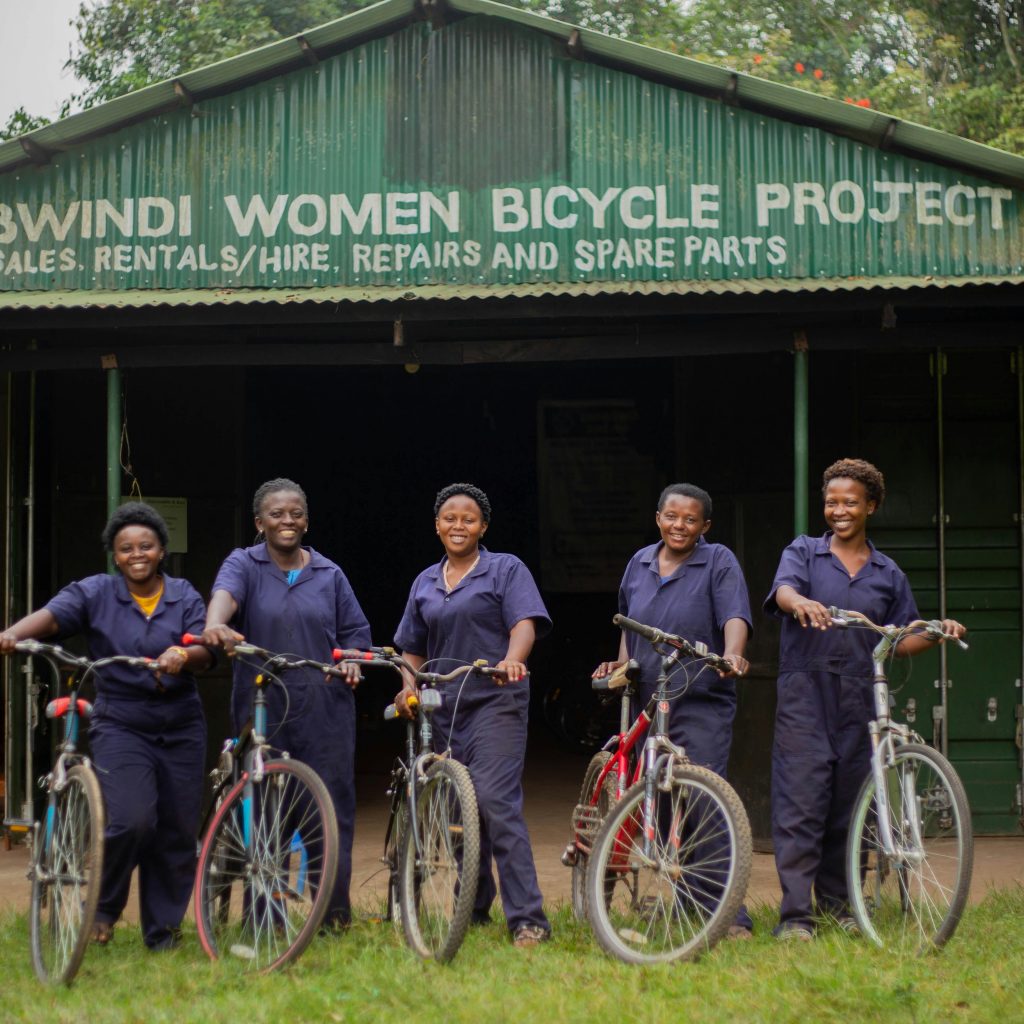
You might, for instance, take part in a cultural village visit, purchase locally made handicrafts, or rent a bike from the Bwindi Women Bicycle Project (as shown in the picture below). As you likely know, when you support women in particular, you’re supporting the whole community.
Check out these popular overlanding tours, all of which include gorilla trekking in Uganda.
Note: This blog post was first written and published on 19 April 2013. It was rewritten and republished on 8 January 2026.

Have you ever dreamt of locking eyes with a majestic silverback gorilla, or felt the weight of history in a land reborn? Join me, and my friend William, as we dive into the heart of Africa, exploring the breathtaking landscapes…
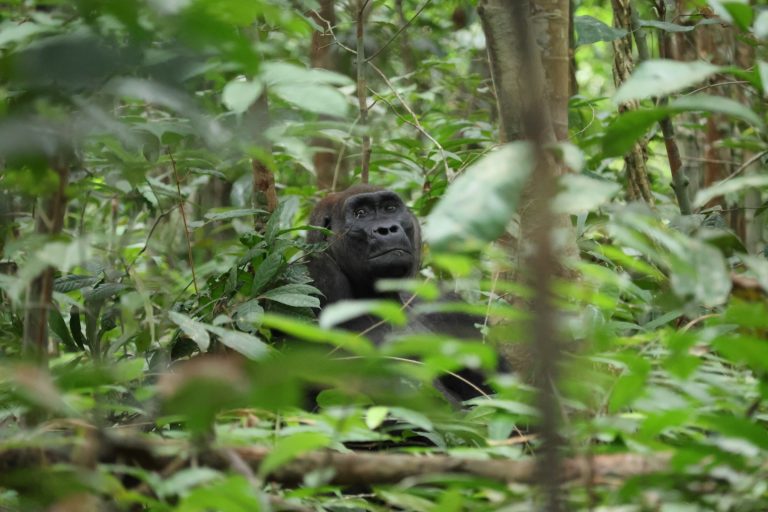
Just because something is permissible doesn’t mean it’s ethical Africa is the most popular continent for wildlife encounters. Not surprising! There are many iconic species here that you can’t find elsewhere, like bush elephants, black rhinos, giraffes, hippos, and chimpanzees.…
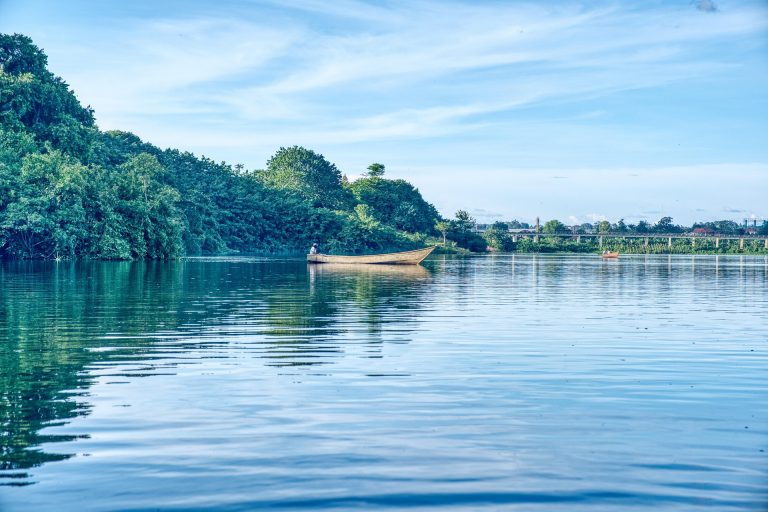
Jinja, a city on the shore of Lake Victoria, is a base for many adventure activities, including white-water rafting, bungee jumping, quad biking, horse riding, and lake cruises Jinja is an historic lakeside city in southern Uganda that sits on…
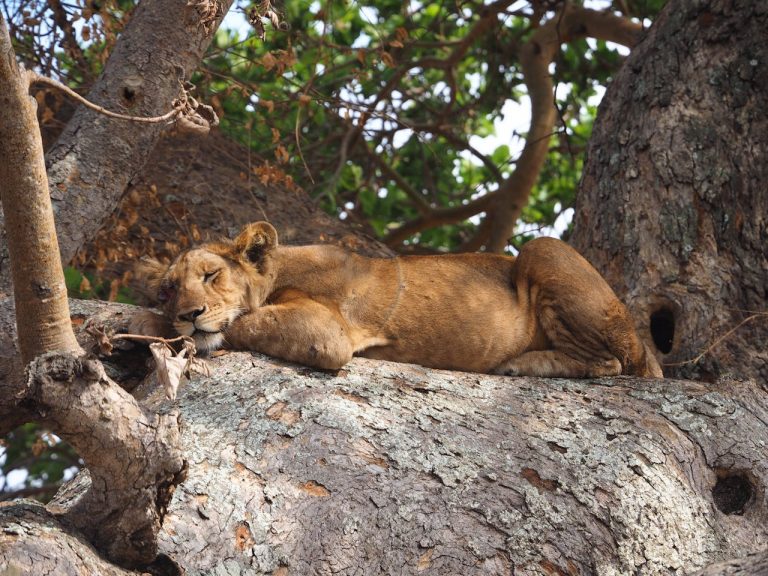
Elizabeth National Park in southwest Uganda is the country’s top safari destination and one of the most diverse parks you could ever imagine It’s hard to talk about Queen Elizabeth National Park in one blog post and do it justice.…

Sipi Falls is an arresting, single-drop waterfall on the western slope of Mount Elgon that’s easy to visit Featured image courtesy of Dixon099 Sipi Falls is the most visited destination in Uganda’s Mount Elgon region. Its popularity stems from its…
"*" indicates required fields