


African Overland Tours
https://www.facebook.com/AfricanOverlandTourscom/
https://www.instagram.com/african_overland_tours/
https://www.youtube.com/@africanoverlandtoursandsafaris
+27 (0) 21 448 0997
Customer Service
Worldwide

African Overland Tours
https://www.facebook.com/AfricanOverlandTourscom/
https://www.instagram.com/african_overland_tours/
https://www.youtube.com/@africanoverlandtoursandsafaris
+27 (0) 21 448 0997
Customer Service
Worldwide
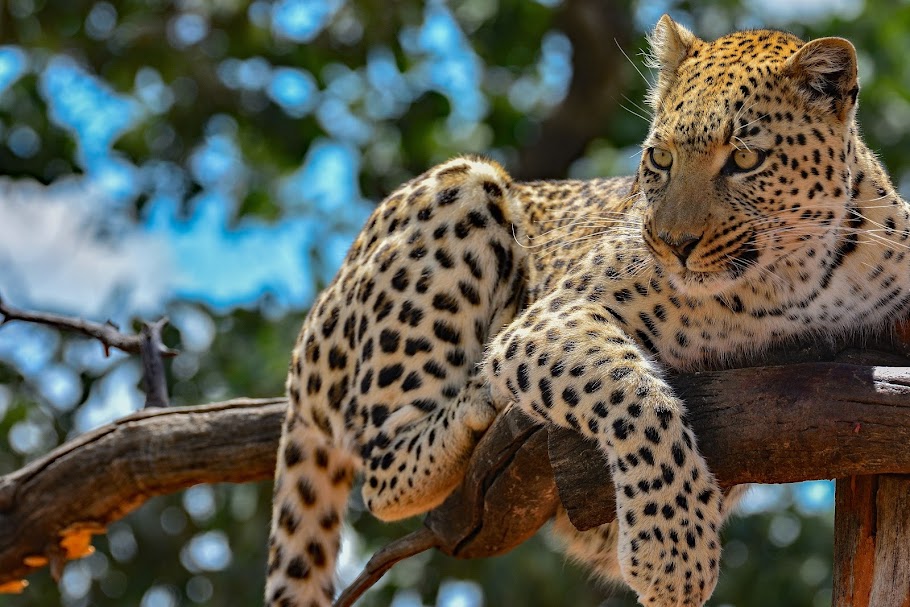
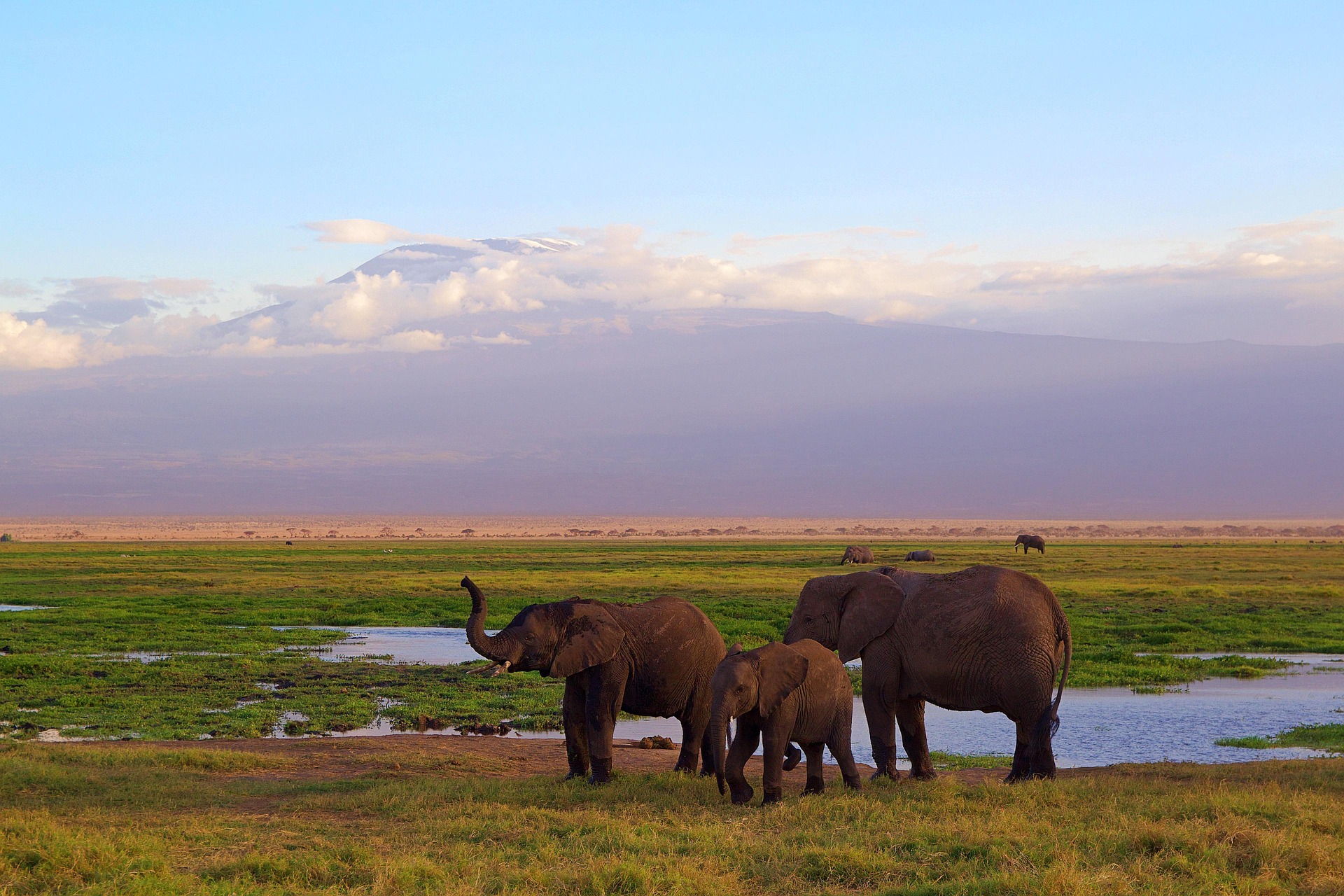
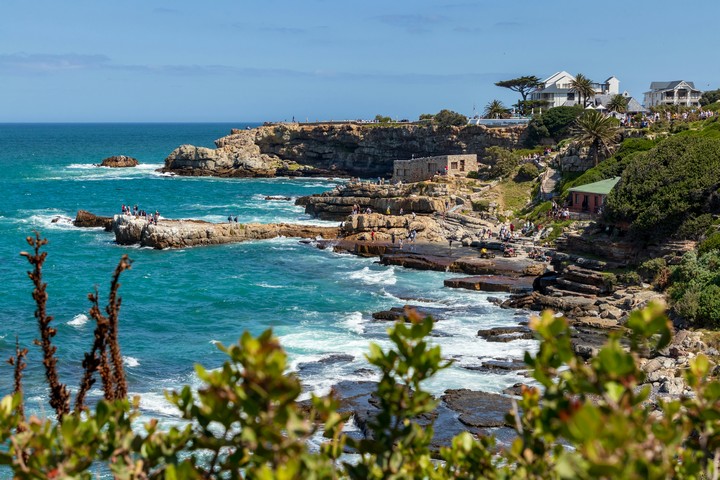
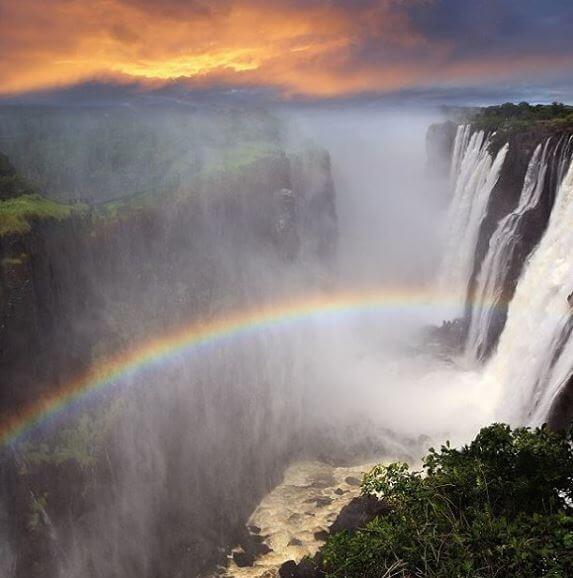
So, you’re ready to adventure on an African safari! Whether you are dreaming of the desert dunes of Namibia, the thundering roar of Victoria Falls or the Great Migration in the Serengeti, an African safari is the trip of a lifetime.
However, traversing the bush requires more than just a passport and a pair of binoculars. To make your planning seamless, we have compiled the ultimate pre-departure guide, packed with visa secrets, budgeting tips and practical advice.
Africa is a bucket list destination, and the best tours book up 6 months to a year in advance. Before you book, you need to decide which style of adventure best suits you. At African Overland Tours, we specialize in two main ways to journey the continent:
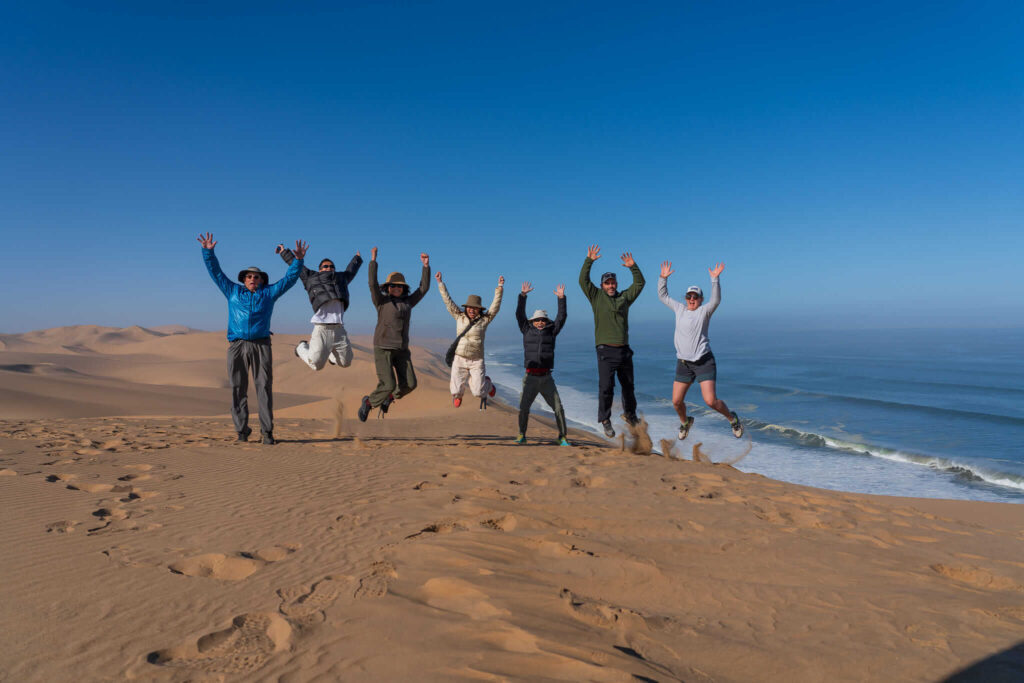
Group Overland Tours are considered the heart of African travel. There is a unique alchemy that happens when travelling in a custom built overland vehicle designed specifically for African terrain. These tours are not only about the miles covered; they are about the bonds forged in the wild. You will find yourself surrounded by like-minded souls from across the world. With a dedicated crew handling the rhythm of the road, you are free to lose yourself in the storytelling of the landscape, which makes it the ultimate sanctuary for the spirited solo traveller.
If you seek a more quiet, intentional connection to the wild, our private tours offer an enclave of exclusivity. Private tours are tailed to your inner circle – be it family or the friends who feel like kin. It offers the freedom to linger a little longer as the leopard slips through the tall grass, or to take the perfect shot as the sun dips below the horizon. You retain that raw spirit and authentic grit of an African safari, but the pace is entirely your own.
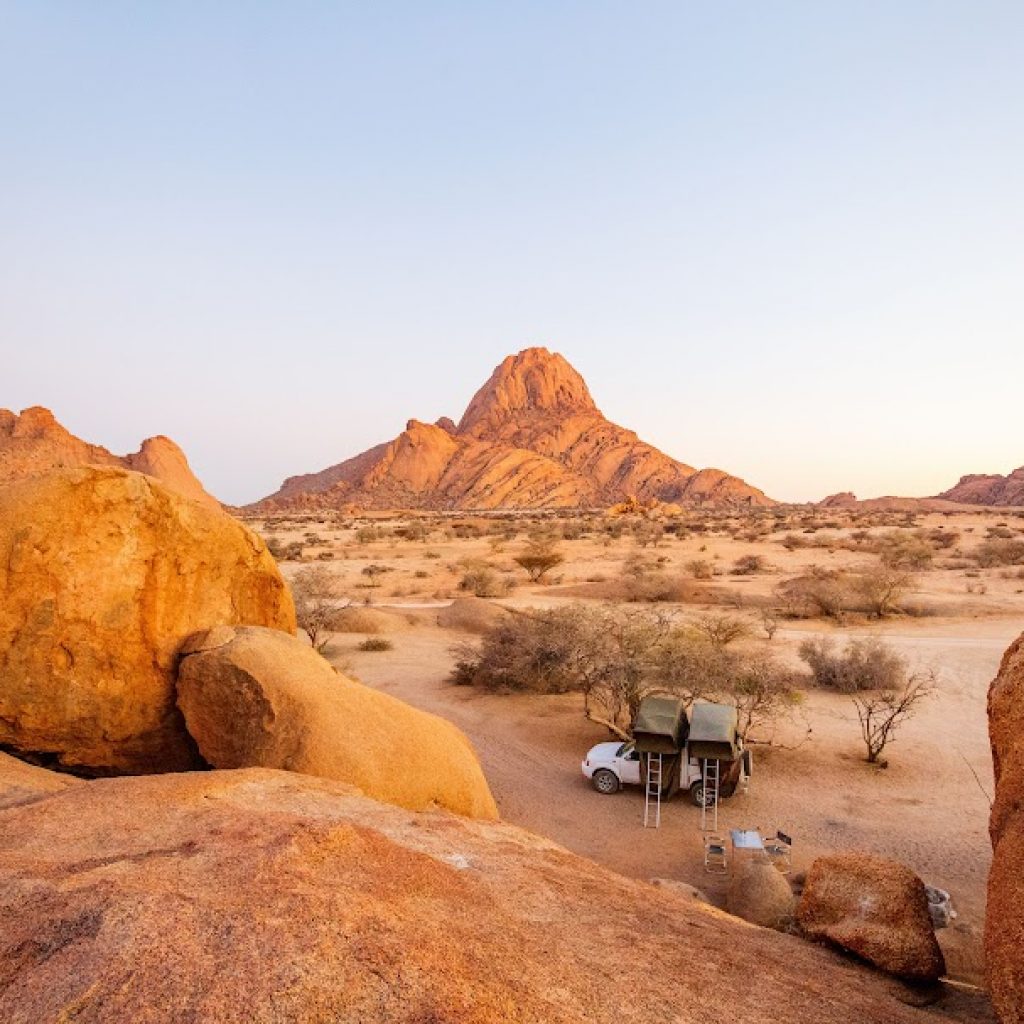
It’s the ultimate road trip. You aren’t just flying from one lodge to another; you are seeing the landscape change through the window of a specialized safari truck. It’s an “all hands on deck” experience where you might help with camp chores or meal prep, creating a real sense of camaraderie. You can choose between Camping (tents) or Accommodated (lodges/bungalows) versions of these tours. Read more about the differences between each accommodation style to better help you decide on which suits you best.
Budgeting is the quietest, yet most daunting part of any holiday. To protect your journey from sudden sticker shock on the road, we recommend a simple, rhythmic formula for your Overland adventure:
Total Investment = Tour Price + Activity Packages + Visas + Flights + Daily Spending.
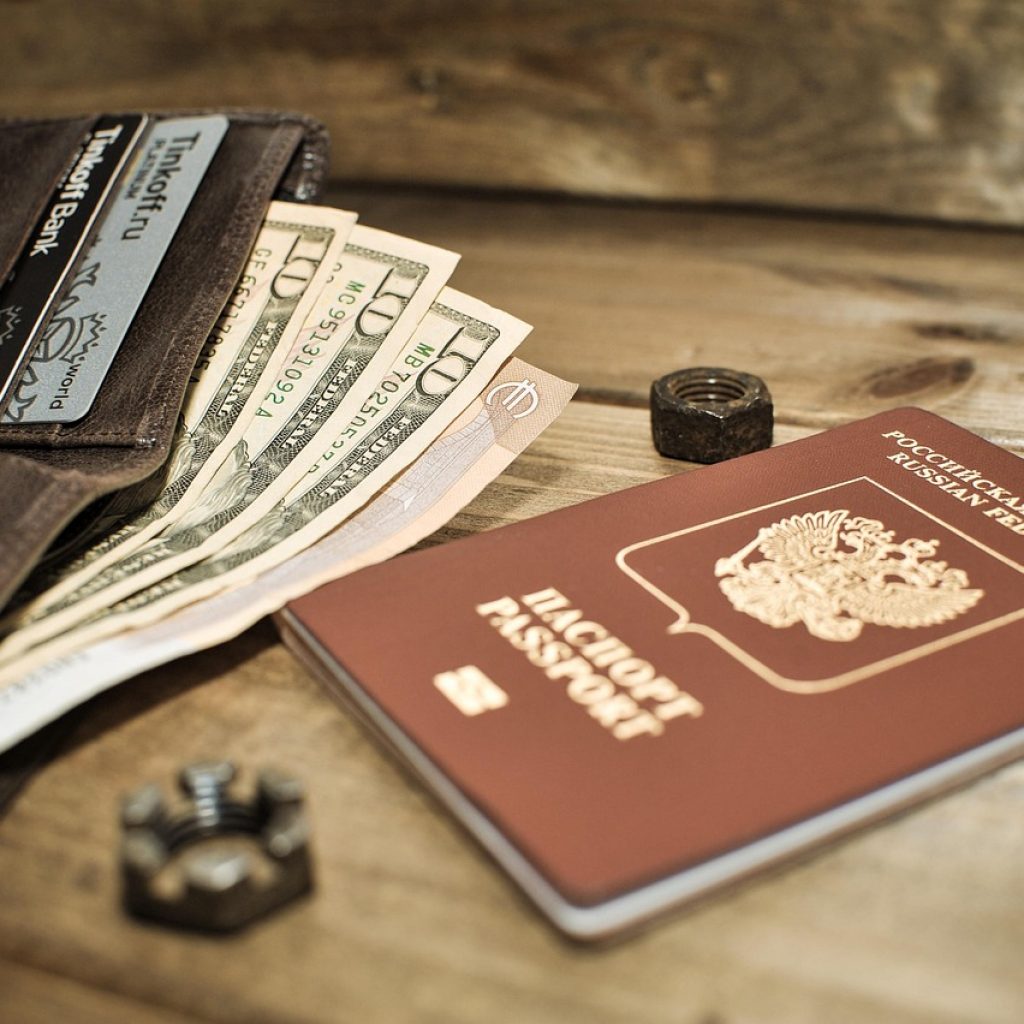
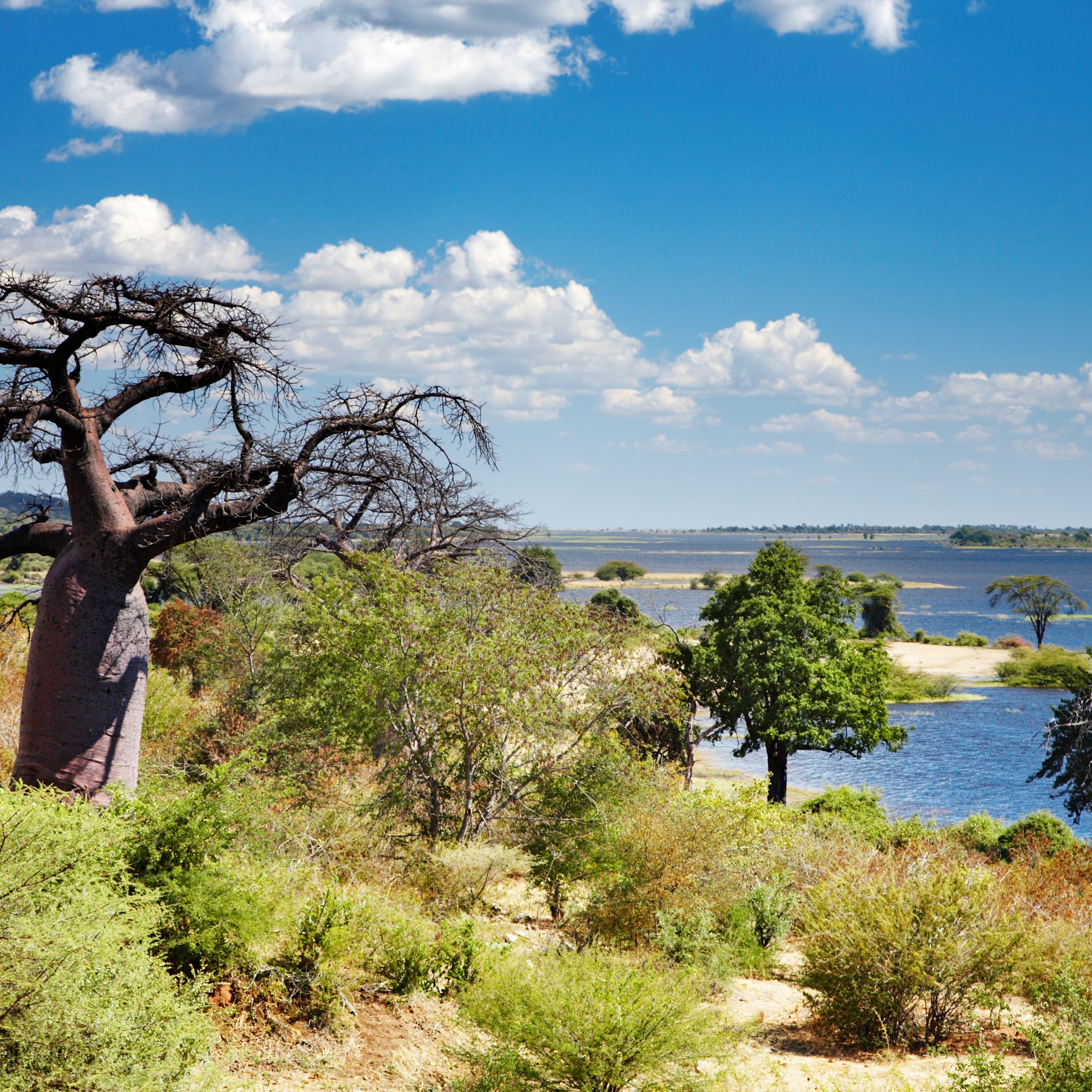
Set aside USD 10 to 15 per person, per day. Think of this as your freedom fund for a hand-carved memento from a local artisan, a spontaneous snack under the baobabs, or an ice-cold drink after a dusty drive. Keep an emergency stash of USD 50 to 100 in cash for any unexpected turns the road might take. This is your silent peace of mind stash. Remember that while the world is digital, the wild is not. Expect a 5% to 8% surcharge on credit cards across Southern and East Africa. ATMs appear like mirages in the cities but can vanish or falter when you need them most—carrying cash ensures your journey never stalls.
Money speaks in many tongues in the vast expanse of Africa – from the South African Rand to the Pula, Kwacha and Shillings. While the landscapes are timeless, the currency is not. Here is what we recommend to navigate these borders with ease:
If you are carrying US Dollars, make sure they are clean, crisp and issued after 2006. In the heart of East Africa, older notes are often met with a shake of the head due to ancient fraud concerns. Let your bills be as fresh as the morning air on the savannah to ensure they are never turned away.
Carry $50 and $100 your major local payments, but keep a secret pocket of $1, $5 and $10 notes close at hand for the hand-carved treasure at a roadside stall, a cold drink after a long drive, or a heartfelt “thank you” to the guides who reveal the wild to you.
Tipping is the pulse of gratitude that flows back to the people who breathe life into your journey. It is a quiet thank you to those who make your safari journey magical.
For your Overland crew, a gesture of appreciation of USD 5 to USD 10 per traveller, per day, acknowledges the tireless work behind the scenes. Think of it as the fuel that keeps the spirit of the expedition bright. For those who help you throughout your epic adventures – a Mokoro poler gliding you through the silent reeds of the delta, or a Rhino tracker leading you through the bush on a walking safari tour – a specialized tip goes a long way. It honors their unique mastery and the ancient knowledge they share with you. As the stars come out on your final nights together, it’s a beautiful tradition for the group to pool their gratitude into a single envelope. Presenting this together isn’t just a payment—it’s a powerful moment of connection, marking the end of a shared chapter in the wild.
Treat your visa preparation as a sacred part of your journey to ensure your crossing is as smooth as a sunrise.
The Golden Rule: Never let an outdated webpage be your guide. Always verify your requirements with official embassies to ensure your entry permit is ready when the wild calls.
Africa is a vast, living continent of infinite moods. To truly connect with its spirit, you must align your journey with the preferred seasons. The landscape you see today will be unrecognizable in six months, transformed by the ancient cycles of rain and sun.
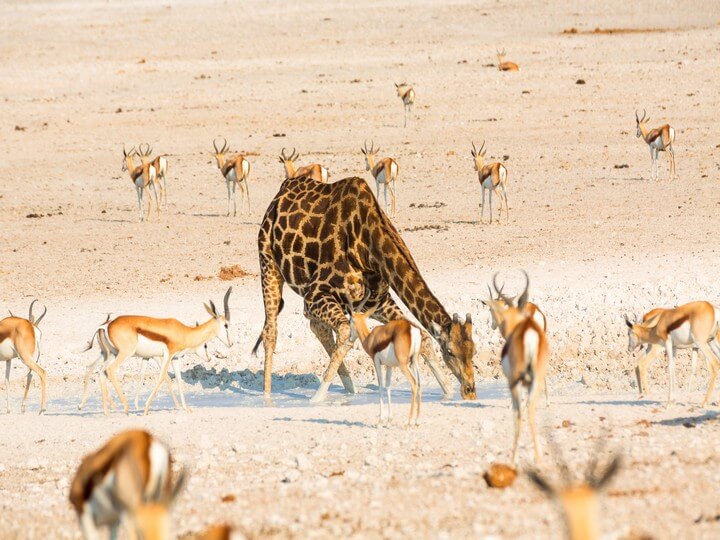
The Golden Dry season, between May and October, is the time of high drama. As the water vanishes from the plains, the wild is drawn to the remaining water pools. Under the relentless sun, you will witness herds and packs of predators and prey gathering together in breathtaking numbers. It is the quintessential safari experience—dusty, golden, and teeming with life.
The Emerald Green Season, between Novemeber and April, is a sight to behold. It feels like the continent exhales as the first rains kiss the earth. The dust settles, replaced by a carpet of vibrant neon-greens and the sweet scent of wet earth. This is a season of new beginnings—of wobbly-legged calves and a kaleidoscope of migratory birds filling the skies. It is a time for the photographer and the dreamer, where the air is crisp and the vistas are lush and soul-stirring.
In the wild, peace of mind is the ultimate luxury. While we often travel to lose ourselves in the moment, a robust travel insurance policy ensures that if the unexpected happens, you are never truly alone. Think of it not as the quiet guardian of your African odyssey.
If your journey leads you to the turquoise shores of Zanzibar, there is a unique local tradition to follow. As of late 2024 and continuing through 2026, all foreign travelers must possess a mandatory inbound policy from the Zanzibar Insurance Corporation ($44). This is a dedicated layer of protection designed specifically for the islands—a small gesture that ensures immediate, local care should you need it, regardless of your private coverage.
In many parts of the continent, medical care operates on a “payment first” basis. Your insurance is your promise of reimbursement, but your Emergency Stash is your immediate bridge to care. Keep those funds close; they are the silent assurance that your health and your journey will always remain the priority.
Why Travel Insurance is Your Most Important Safari Essential (And What It Actually Covers)
Preparing your body is just as important as packing your bags. To fully immerse yourself in the wild, you must arrive with the strength and resilience that the landscape demands. Your journey truly begins two months before you fly. Visiting a travel clinic at least 8 weeks before departure ensures your immune system is primed and ready. It’s the essential lead time for vaccinations to take hold, giving you the freedom to wander without worry.
In the vibrant heart of East Africa, your Yellow Fever certificate is as sacred as your passport. This little yellow book is your mandatory ticket across borders; without it, the gates to the savanna may remain closed. Keep it tucked safely with your travel documents.
Many of the world’s most iconic safari regions are also ancient malaria zones. Consult with a specialized travel doctor to find the prophylaxis that will be best suited to you. It will be these small habits that will allow you to focus on the flickering campfire and the roar of the lion, rather than the buzz in the air.
The Golden Rule: Your health is the vessel for your memories. Treat it with the same respect you give the wild, and it will carry you through every dusty mile.
The wild demands a specific kind of respect. Overland travel is remarkably safe, especially when guided by a crew who knows the language of the land, but staying “safari smart” ensures the only adrenaline you feel is from a lion’s roar, not a lost document.
Packing for an overland journey is an exercise in intentionality. You aren’t just filling a bag; you’re curating the tools for your survival and comfort in a landscape that changes its mood with every hour. Space on a rugged 4×4 truck is a precious commodity—treat every inch of your gear as a vital part of the expedition.
Planning an overland safari can feel like a lot to take in, but we are here to handle the heavy lifting. From booking international flights to securing those elusive Gorilla permits, we’ll make sure you’re ready for the road.
N.B: This blog was first written by Bronwyn Paxton on September 25, 2013. It was rewritten and republished by Faatima Suliman on March 27, 2026.
Your Pre-Departure Guide: 10 Essential Tips for Your African Safari
8
1

Price From
R78,685
2
Price From
R66,230
3
Price From
was
R92,950
R83,655
4

Price From
was
R170,850
R153,765
5
Price From
was
R159,150
R143,235
6


Price From
R103,699
7
Price From
R114,490
8
Price From
was
R265,950
R239,355
"*" indicates required fields