An African safari holds the promise of so many great experiences and sights, especially spotting the Big Five. It’s exciting to spot an African elephant, Cape buffalo, leopard, rhino and lions in the wild. But if you only focus on them, you will miss out if that is all you’re looking for.
Did you know that Africa also has the Little Five? These cute magnificent creatures live in many parts of Africa, and can be spotted on a safari guide or even on a hike. But they are not the only Little Five that exists: Namibia has its own Little Five found in Skeleton Coast and Namib-Naukluft National Park. The little critters are a must to tick off your bucket list, here’s why:
Meet The Little Five
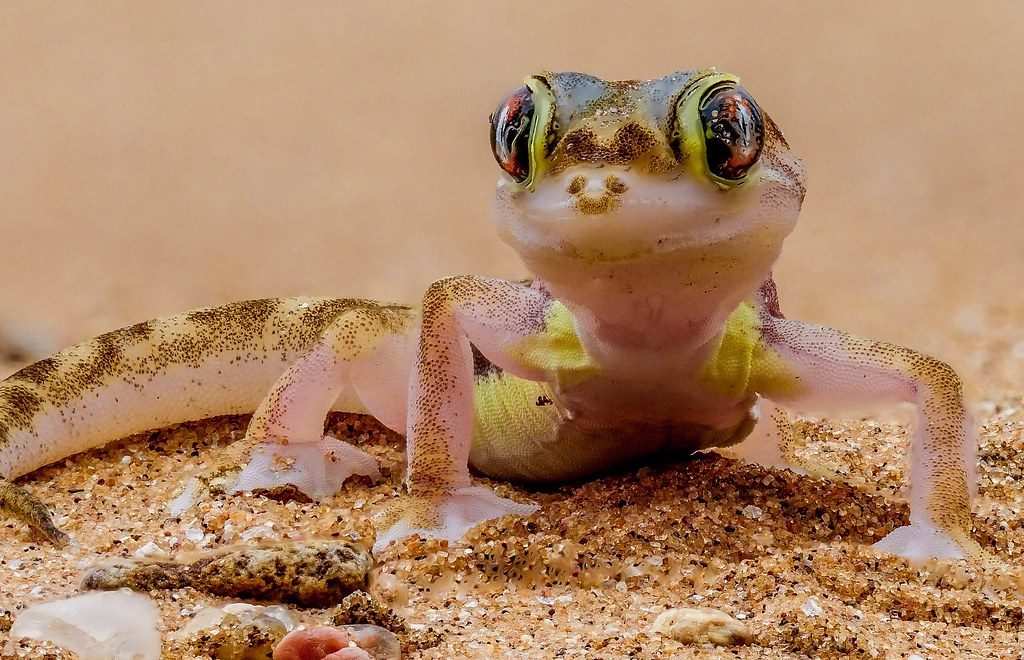
Namib Web-Footed Gecko
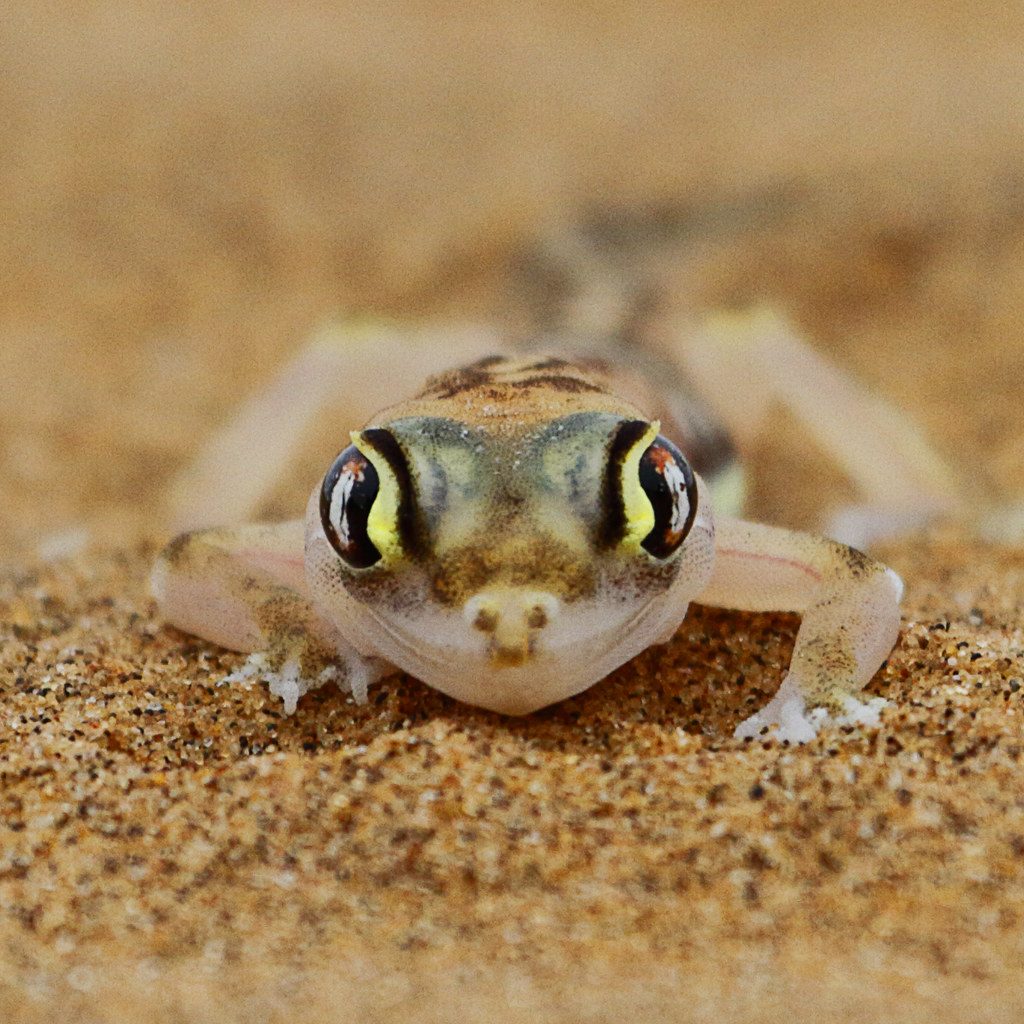
These cute (well, cute to some) little creatures are also called palmatogecko or Namib sand gecko. These small, nocturnal reptiles grow up to 5 inches (12.7 cm) long. The translucent skin and unique colour patterns make them nearly invisible to predators, blending into the sand of the Namib Desert. It is fascinating that you can actually see its blood vessels and internal organs glowing faintly.
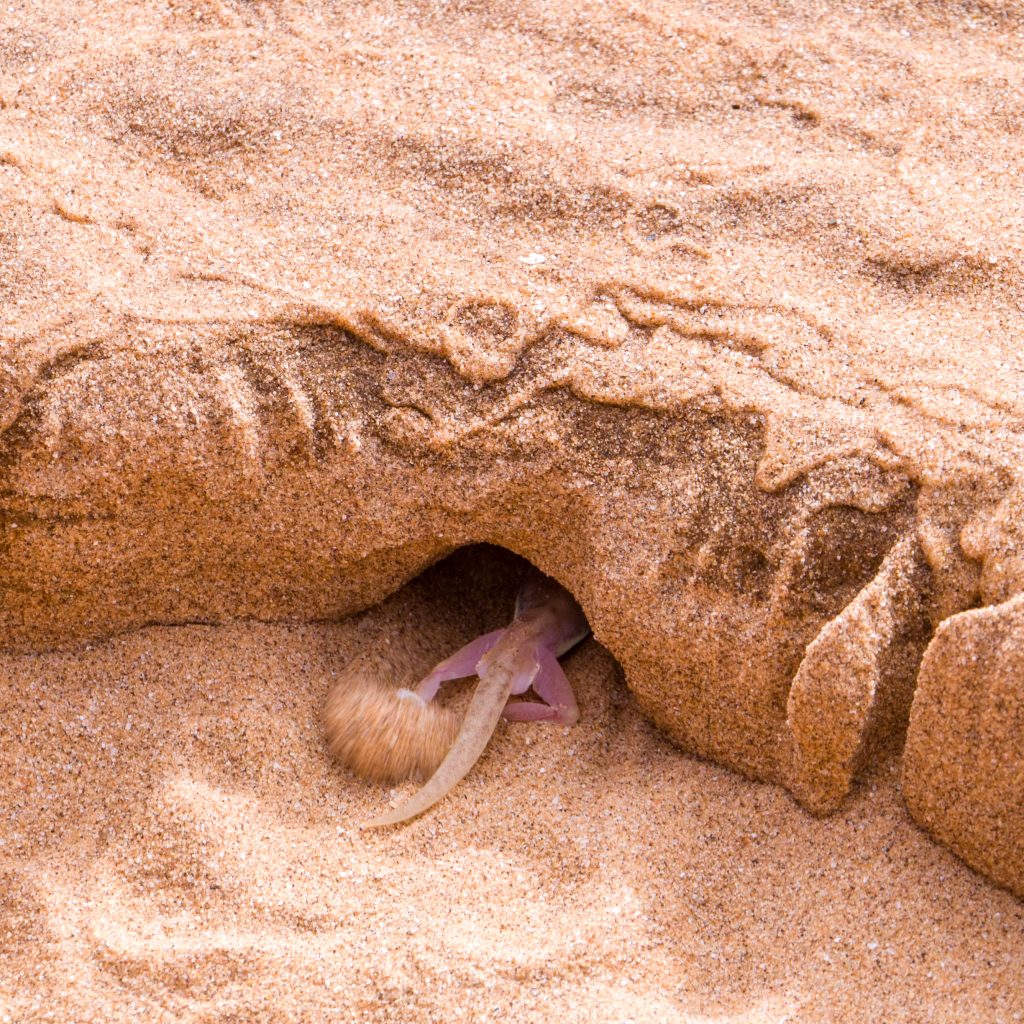
Their specialized webbed feet make them perfectly adapted to the Namib Desert, perfect to scurry across loose dunes and act as spades to dig burrows up to a meter (3.3 ft) underground. During the day, the it escapes the scorching heat by staying in the burrows. By night, they emerge into the colder air, hunting beetles, crickets and other insects using its big eyes.
Their big eyes offer them a constant panoramic view of its surroundings. They lack eyelids though, and use its long tongue to dust off the protective scales covering its eyes. The Namib Desert receives almost no rain, and with the Atlantic Ocean resting on its side, the gecko relies on its fog. These little creatures lap on condensed fog droplets that rest on its massive eyeballs, licking them off for a quick drink.
While these geckos are small, they are not silent. They vocalize with squeaks and croaks, especially to find a mate. When they’ve found the love of thief life, females dig subterranean burrows to lay a pair of eggs, usually in April or May. It takes 8 weeks for the eggs to hatch, between July and October, and out emerges a nearly fully grown 4 inch (10 cm) baby!
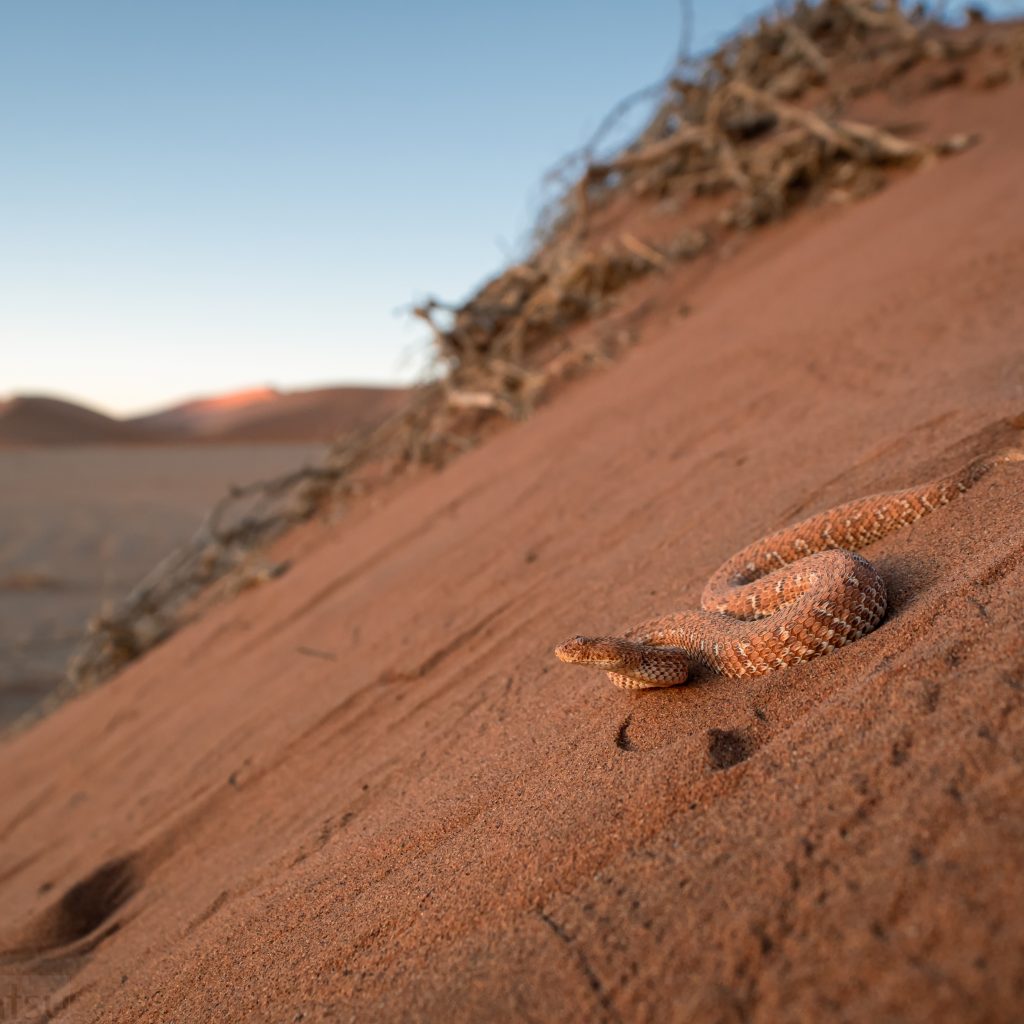
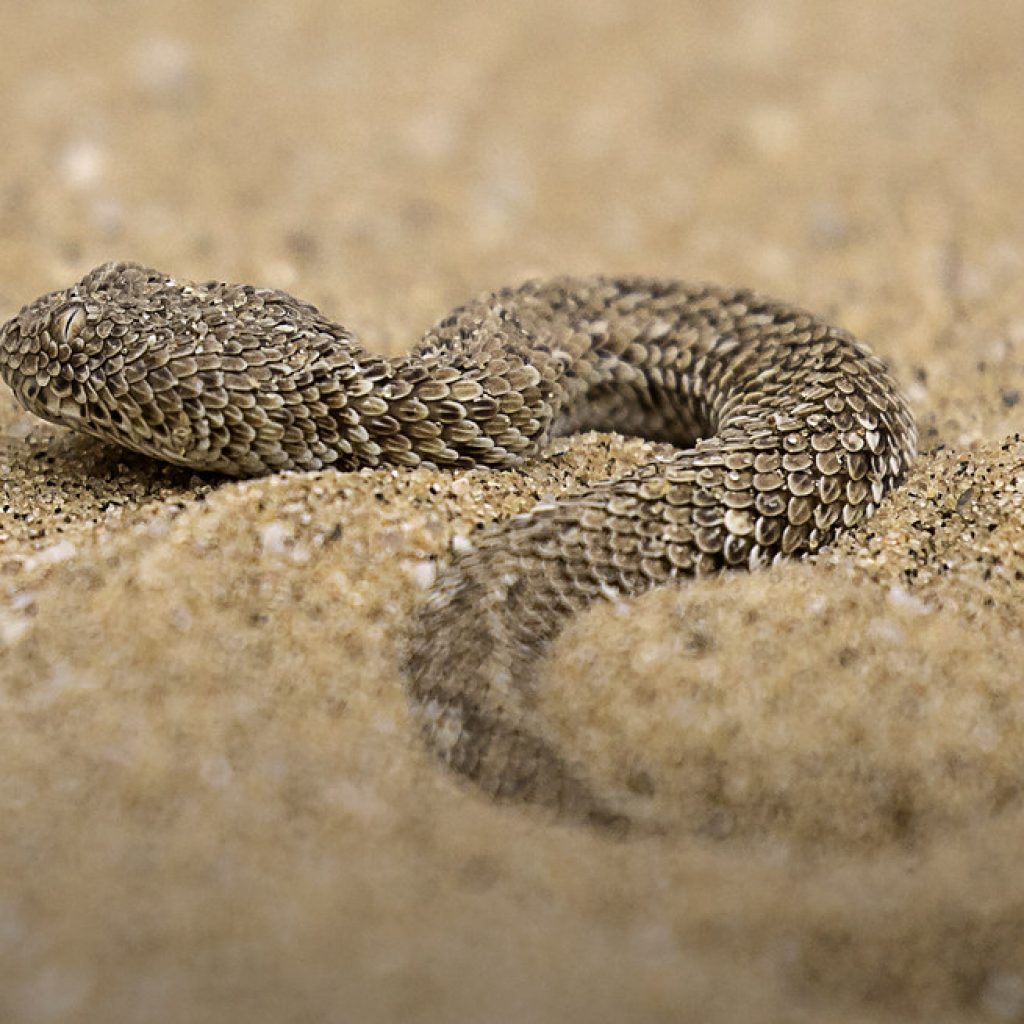
Peringuey’s Adder
This venomous desert snake averages between 8-10 inches (20-30 cm) in length (though some do reach 40 cm!), and inhabits the soft dunes of Namibia and the Angolan coast. They are also known as the sidewinding adder from the unique sideways, S shaped motion it makes as it glides across the desert sand.
In the hot temperatures, they find shelter in small bushes or beneath the surface to stay cool. It is most fascinating to watch them hunt: they use their black tail tips to lure prey by moving it like a wiggling insect, all while covering the rest of their light brown, orangey yellow bodies in the sand. Their eyes remain above the sand to easily spot any potential prey.
They are venomous, but it is not fatal or dangerous to humans. If you accidentally step on one, or if it bites you while you’re handling one, its venom will cause pain, swelling and necrosis. The good news is that you don’t need antivenom!
Because of the lack of rainfall, they, too, rely on the Atlantic fog. In the cool mornings, fog condenses directly onto its keeled scales. They simply lick the water droplets off its own body to quench its thirst. They also have two bladders! One bladder is for waste, while the other bladder is designed to store water. This helps them survive long dry spells between ocean fogs. Did you know that water makes up 12% of its total body weight?
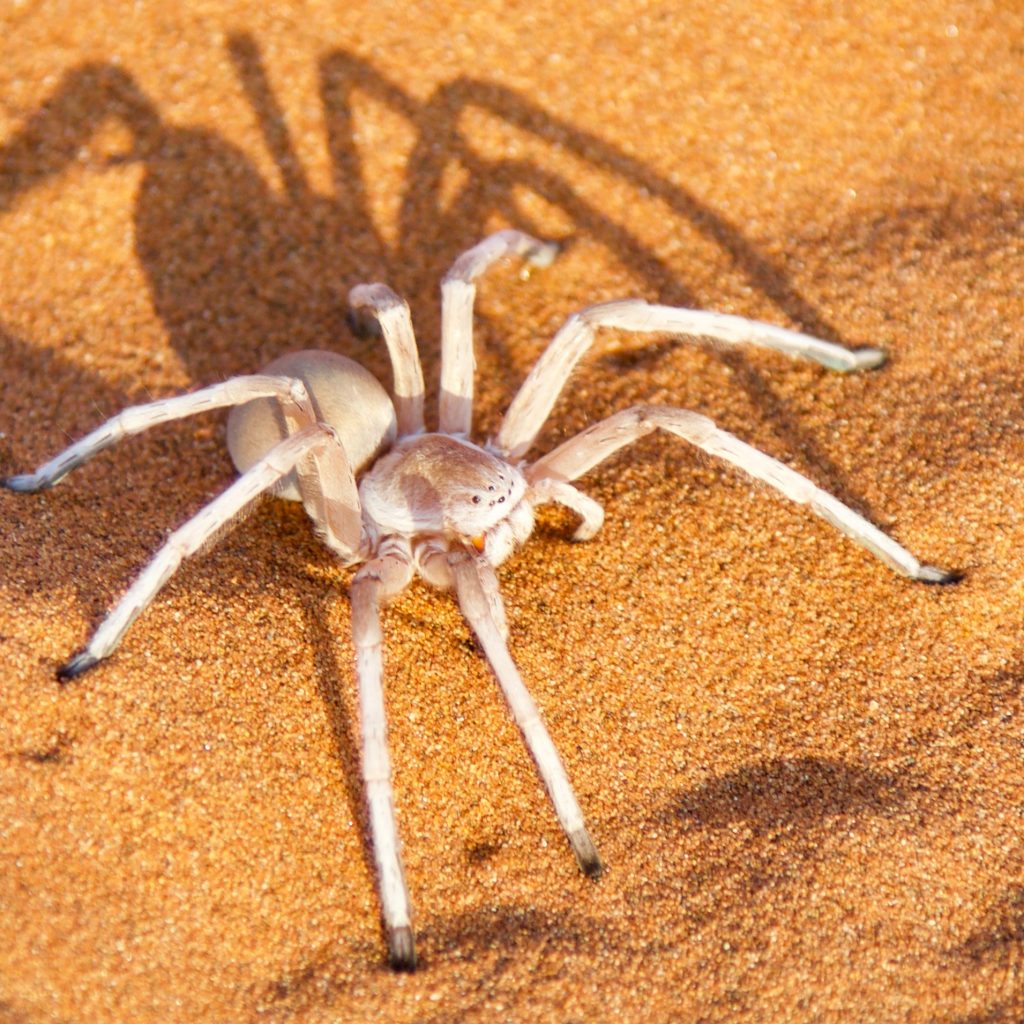
Dancing White Lady Spider
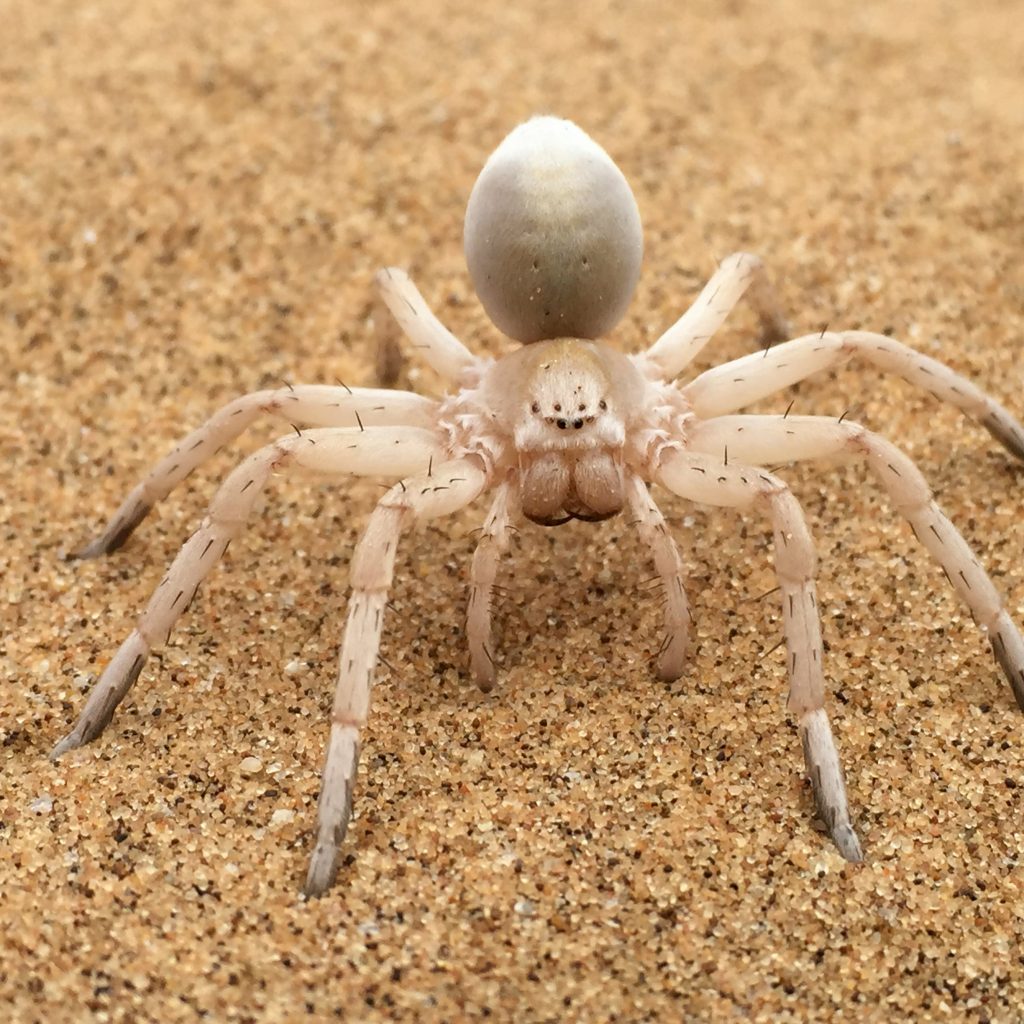
When you hear “the dancing white lady of the desert”, you’d imagine a beautiful woman dancing across the magnificent dunes. Instead, it is a white, ghostly spider that gets its name from the way it dances across the hot sand. Their lovely white colour glows under the hot sun, and their legs grow up to 4 inches (10 cm) long!
There are two species linked to this spider: Leucorchestris arenicola and Carparachne aureoflava. Both look similar, but their sizes and “dances” are different. Leucorchestris arenicola is the larger spider, and communicates by tapping its two front legs on the sand to communicate with other spiders. Carparachne aureoflava is only 2 cm long. It is a joy to see them cartwheel down the sand dunes to escape enemies, like the parasitic wasps! These are known as the cartwheeling spider or wheel spider.
These spiders spend the day hidden in silky sand burrows (their burrows are really made out of sand and silk!) They even build a little lid for their burrow so they can be completely hidden from view. In the cool night, they’re out hunting by feeling the vibrations of prey footsteps through the sand. They sometimes venture out to find insects and lizards to feed on. Adult male spiders do sometimes venture further, especially to look for a mate.
When a male spider discovers a female spider’s burrow, he uses his long legs to carefully drum a rhythm to her and serenade her (how romantic!) It is this very act that gives them their name. If she likes it, they mate, and then travel the long journey back to his own burrow. If she is not impressed, he might just get eaten (not very romantic anymore).
Dancing white lady spiders have poor eyesight. When adult male spiders go out to find a mate, they travel in circuitous patterns. But when he travels back home, he heads back in a straight line. It is not through memory that they return back home. They depend on starlight to reflect on their eyes, moving a few centimeters before waiting for more light before they continue. It does seem they have a thing for romance.
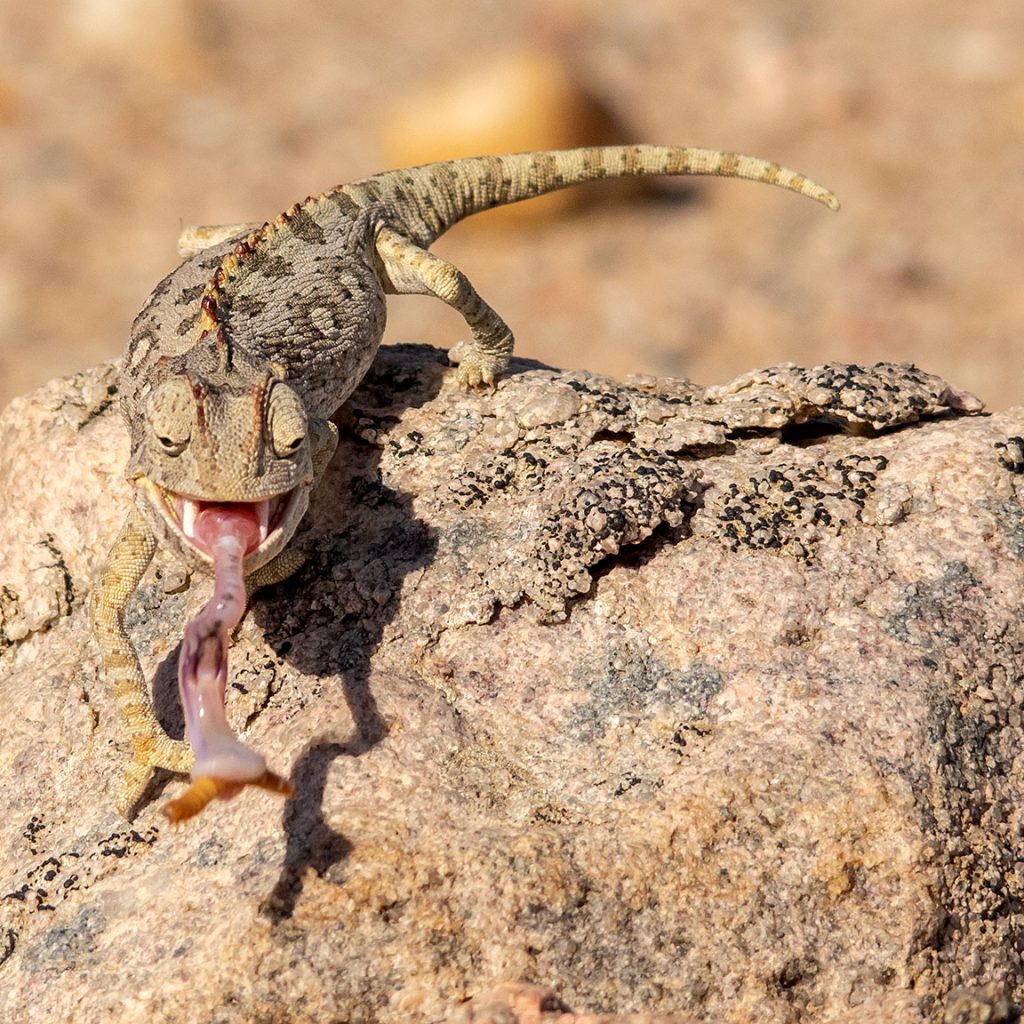
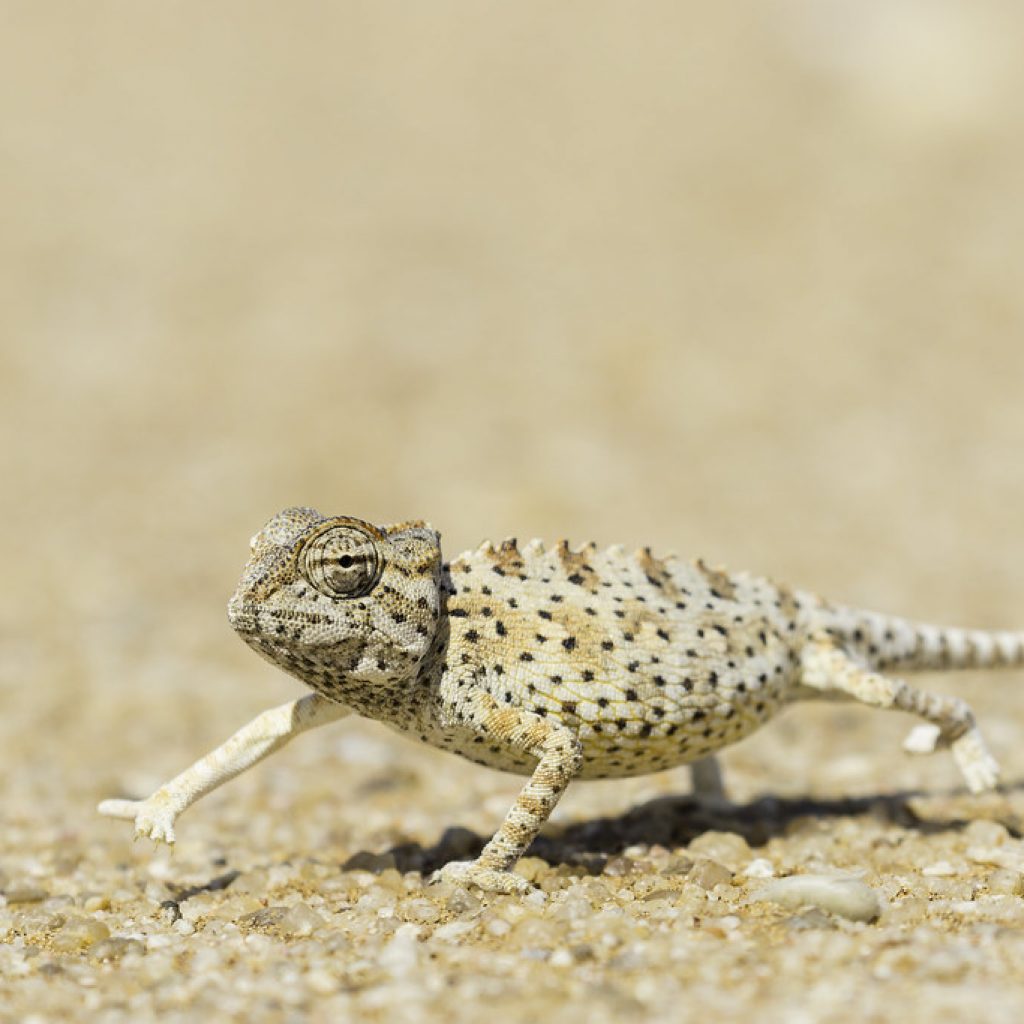
Namaqua Chameleon
These chameleons are known as the little baby rhinos of the Namib desert. They show no fear toward anything, but can be aggressive toward each other. Some are know to rip each other to pieces if kept together. When handled by humans, this aggression disappears into an indifferent, stress-free temperament.
Namaqua chameleons can grow up to 10 inches (25,4 cm) in length, making them one of the larger chameleons in Southern Africa. They, too, quench their thirst by absorbing water droplets that condense on their skin when temperatures drop. Their bellies are pale, and skin colour shifts between shades of gray, brown, deep red, yellow, and greenish black, depending on lighting, mood, and temperature.
These chameleons differ from arboreal chameleons: they can’t climb trees or close their feet to grip branches, sometimes clumsily falling off low rocks. It is the only chameleon species capable of spreading its fused toes to run fast across the dunes. Like the others, these predators are able to eat larger prey, hunting mostly at night when the temperatures are much cooler.
Did you know its tongue is longer than its body? Its sticky tongue can shoot out at 0 to 60 mph in a fraction of a second. This extends up to 1.5 times its total body length to crickets, snag beetles, and small lizards. They also have 360° periscope vision: their eyes move independently, making it easy to track fast moving prey across the open sand, while simultaneously watching the sky for birds of prey.
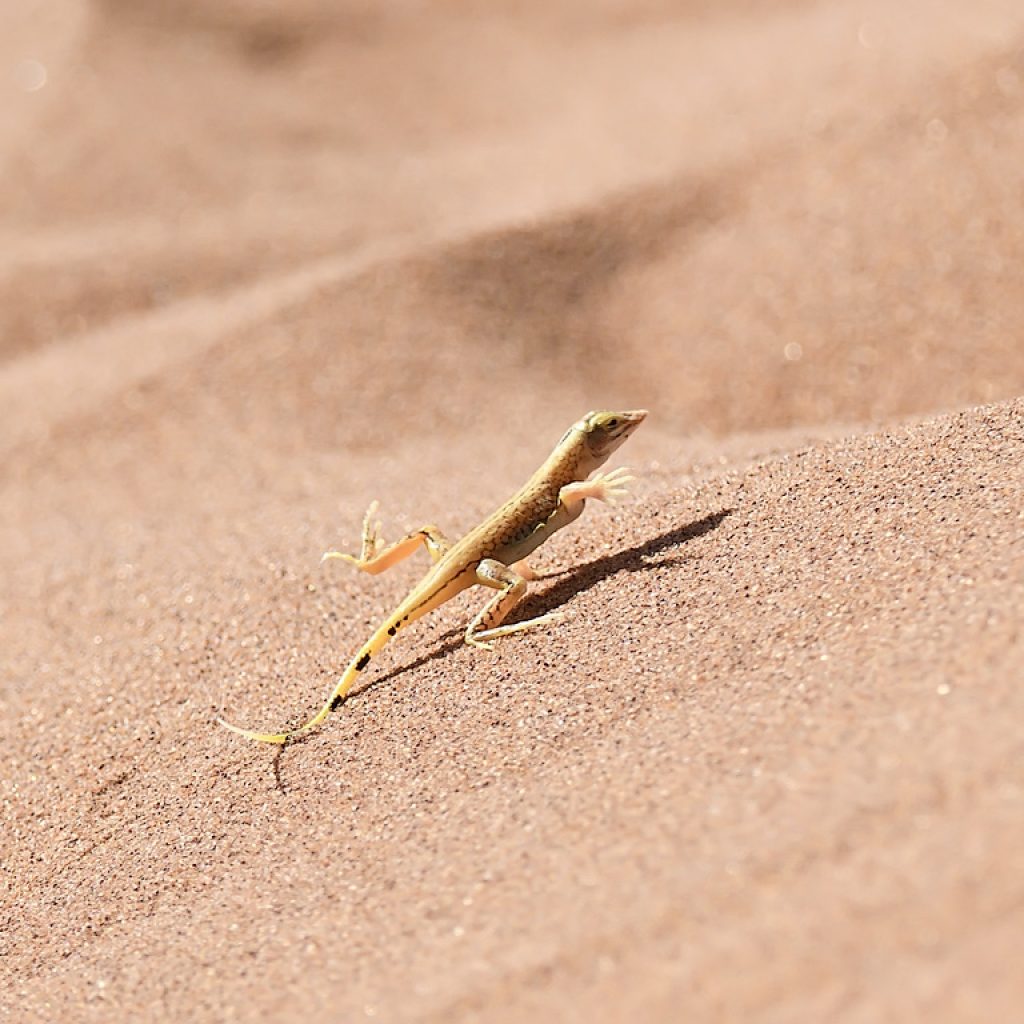
Shovel Snouted Lizard
This small, fast reptile has two names: the Anchieta’s dune desert in honor of a Portuguese explorer, and the thermal dancing lizard. Its shovel snout allows it to burrow quickly and remain buried deep in the sand for an entire day to escape danger and heat. It can tolerate temperatures as high as 111°F (43.89°C) by using a special organ that stores water. These little lizards have an abdominal water sac that can hold water to 12% of its total body weight. It also dives under a layer of sand, with its head popped out, to hunt small insects like spiders, moths and beetles.
The cutest and coolest thing you will see is how it balances on its tail and raises two feet at a time when walking on the hot sand. It alternates its feet (front right and rear left, then vice versa) for about 10 seconds each, creating the illusion of a dance.
Best Way To See Namib’s Little Five
For the best chance to spot Namibia’s Little choose a guided walking tour from Swakopmund to Walvis Bay. You will see more than just the Little Five: from feeling the sand of the dunes, to seeing other critters and beautiful fauna. The cool mornings are the best time to walk around, except in Winter. What makes this so amazing is that you can spot these beautiful creatures all year round! All you need to carry is plenty of water, good shoes, a pair of binoculars, and a camera.
Ready to Tick Off Namibia?
Namibia is full of marvelous wonders, including the infamous Little Five. You can also:
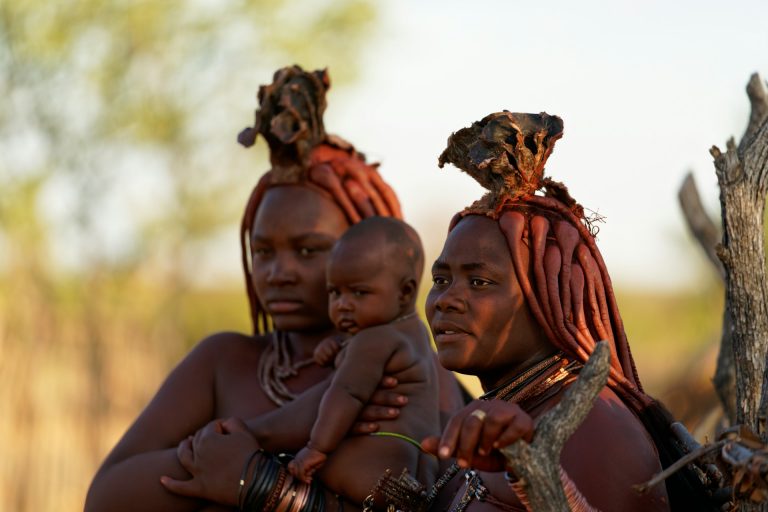
The Himba are a proudly traditional people who live in the coastal Kaokoveld Desert of northern Namibia and southern Angola Apart from the Herero, the Himba are probably Namibia’s most well-known ethnic group, not least because of the women’s distinctive…
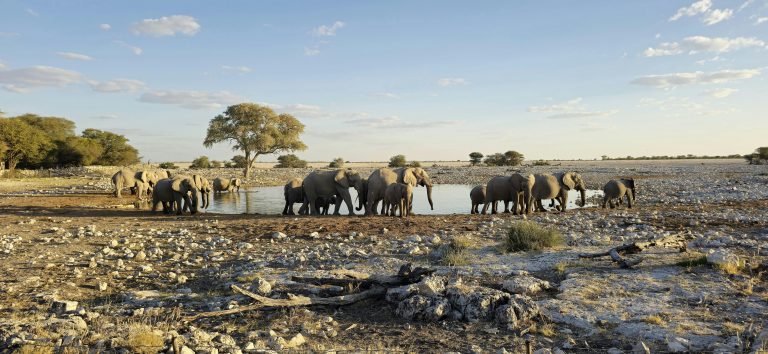
Imagine sitting in the silence, with a cold drink in your hand, as a herd of thirty elephants emerges from the dust, followed shortly by a pride of lions and a solitary black rhino. In Etosha National Park, you don’t…
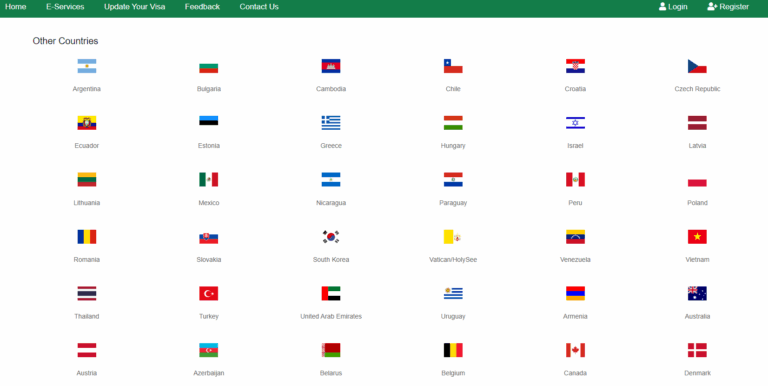
It is highly recommended that you apply for a Namibian e-Visa before your trip to potentially reduce waiting times and congestion at border points. Namibia launched its new online visa application system on March 3, 2025, which allows eligible travellers…
Yes, you can see the Big Five (lion, leopard, elephant, rhinoceros, and buffalo) in Namibia, but not in a single location. Because the animals live in very different landscapes, you must visit different parks to find them all
Absolutely. Overland tours are a fantastic way for solo travelers to meet others and share unforgettable adventures with a friendly, diverse group.
Definitely! Etosha’s salt pan and waterholes create ideal conditions for wildlife viewing. It’s one of Africa’s best parks for spotting game from a vehicle or camp.
Malaria is low risk in most parts of Namibia, especially in the south and desert areas. In Etosha and the north, it’s recommended to take precautions, especially in summer.
Yes, Namibia is one of the best overland destinations in Africa due to its scenic routes, good roads, safe environment, and stunning natural diversity.
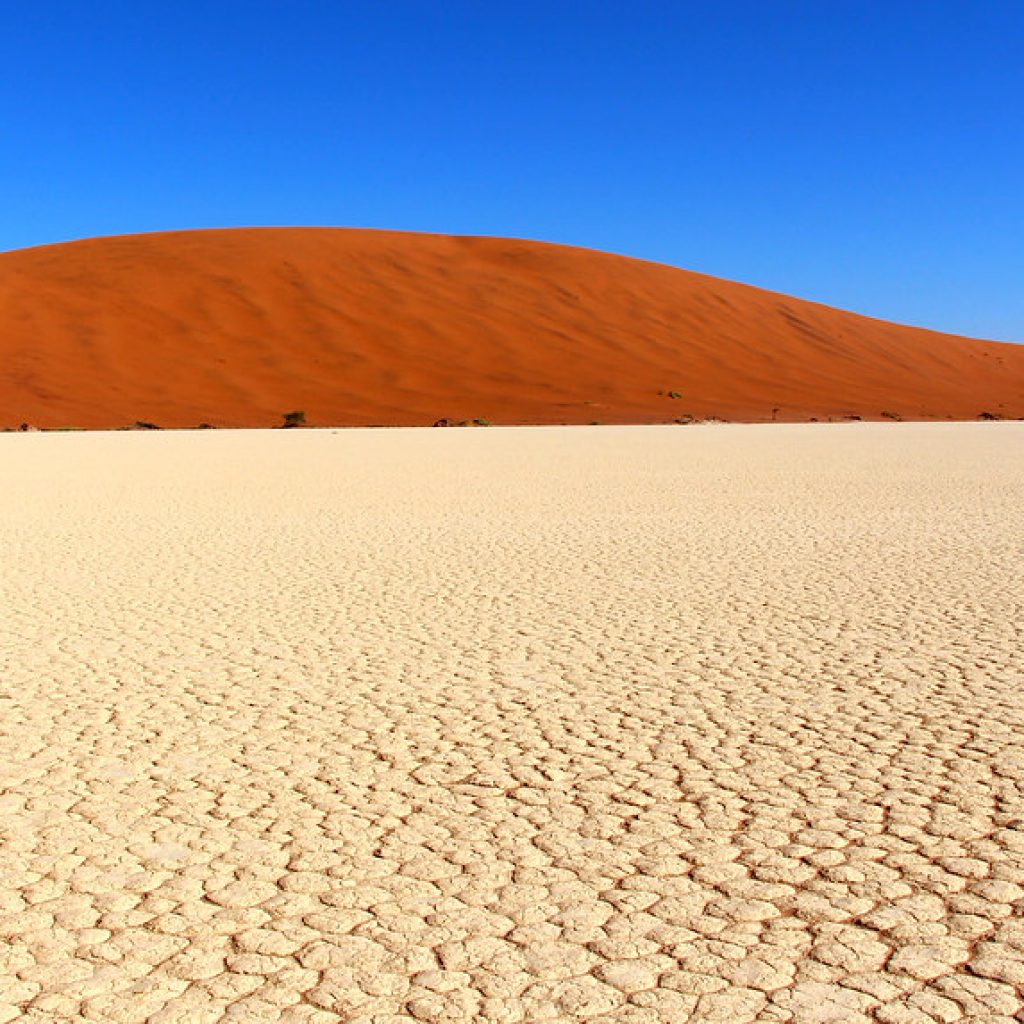
Namibia is known for its vast desert landscapes, towering red dunes, dramatic coastlines, and wildlife-rich national parks like Etosha. It's a haven for nature lovers, photographers, and adventure seekers alike.