Jinja, a city on the shore of Lake Victoria, is a base for many adventure activities, including white-water rafting, bungee jumping, quad biking, horse riding, and lake cruises
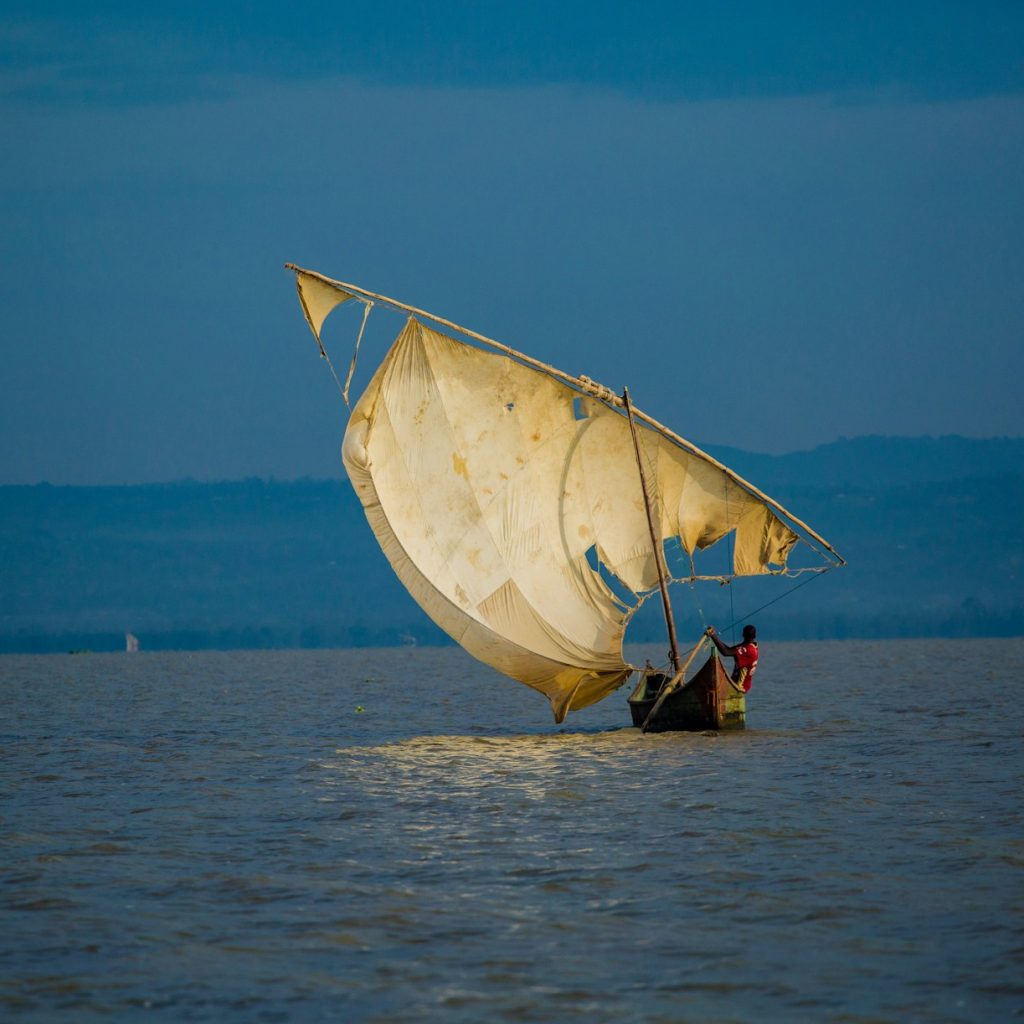
Jinja is an historic lakeside city in southern Uganda that sits on a peninsula. To its south and east is Lake Victoria, Africa’s largest lake. To its west is the start of the Victoria Nile, making it the spot where the world’s longest river starts its epic journey.
Jinja occupies an auspicious site
History buffs will know that European explorers – most notably David Livingstone – searched for the source of the Nile for roughly a hundred years. Its location was one of the great mysteries of the colonial era.
It was only in 1858 that Englishman John Hanning Speke approached the site of modern-day Jinja, where the river has its effluence, and realised he had achieved this much-coveted goal.
He subsequently named the lake and the river for his monarch, Queen Victoria. But the growing town of Jinja earned its name from the local Luganda word Ejjinja, which referred to the nearby Ripon Falls.
The rapid rise of an adventure capital

The story of Jinja is one of unexpected twists and turns.
The city began in 1900 as a small British settlement, and this legacy can still be seen today in its spacious, grid-like layout and the colonial buildings in its historic centre. Key developments ensured its growth, including the installation of a telegraph line to connect it with Kampala to the west. It later evolved into a commercial hub after the completion of railway lines and ferry services connecting it to key locations in Kenya.
In the 1950s, Jinja began to emerge as an industrial and manufacturing centre. The primary reason for this rise was the construction of a dam and hydroelectric plant about 4 km north. But such industry largely fell apart in 1972 when Idi Amin expelled all Asians from the country, and Jinja lost a huge portion of its population.
At the turn of the twenty-first century, Jinja’s fate took yet another surprise turn when an operator launched a white-water rafting operation at Bujagali, a village and waterfall 7 km downriver from Jinja. It was a great success and spurred the creation of similar adventure tourism businesses. Within the space of just about 20 years, Jinja emerged as East Africa’s adventure tourism capital!
Jinja’s many adventure tourism activities
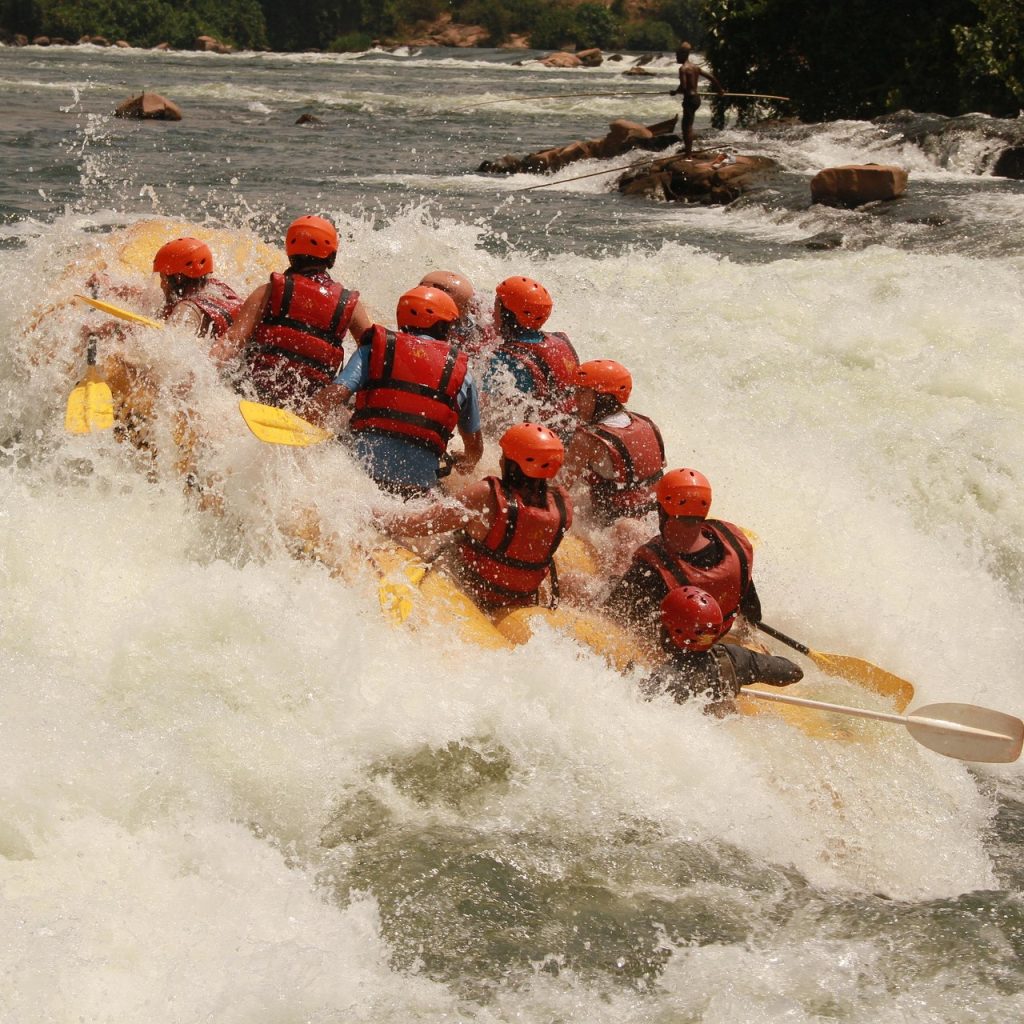
The start of the Victoria Nile offers superlative white-water rafting opportunities, comparable to those of the Zambezi. Or at least it did; the construction of a few dams in recent years has submerged certain legendary rapids, including those of Bujagali and Ripon Falls. That said, there are still some great rapids on offer, ranging from Grade II to Grade V. Rafters and kayakers simply start their adventure a little further downriver.
What’s more, the newly formed Lake Bujagali has become a popular spot with visitors. Not only is the narrow, winding lake very pretty, surrounded as it is by riparian forest, but it also offers various other popular activities. These include fishing, standup paddleboarding, kayaking, and sunset cruises.

Birders also love the lake. Some have seen well over 100 species in a day. These include the papyrus gonolek, crimson-rumped waxbill, white-backed heron, and rock pranticole.
Other popular adventure activities in the Jinja and Bujagali area are horseback riding, bungee jumping, lake cruises, mountain biking, and quad biking. Finally, there’s a fun 20-metre (66-foot) water slide that drops you into the river at Explorer’s River Camp.
Other things to do in and around Jinja
Jinja itself is worth exploring. The decline in the city’s fortunes in the late twentieth century meant that many older buildings were left alone to decay rather than be demolished and replaced by modern facilities. Today, some of the European and Asian buildings in the historic centre have been restored to their former glory. The suburbs also make for interesting meandering. The thick vegetation can make it appear in danger of being reclaimed by the jungle.
Some of the key attractions within the town or on its peripheries are the Cuupa Arts Gallery, where you can buy quality handicrafts, the Jinja War Cemetery, which honours mostly fallen WWII servicemen, and the Jinja Club, whose nine-hole golf course overlooks the Nile. Of course, just wandering the streets, visiting the local markets, and stopping for a bite to eat in any of the various bistros and cafés is also very rewarding and gives you a sense of the city’s people and its rhythms.
If you’d like to be deliberate in learning about the city, consider visiting the Uganda Railway Museum, which showcases Uganda’s rail history. You could also pop into the Cultural Research Centre Museum. It tells the story of the Basoga, the city’s primary ethnic group.

Then there’s the highly rated Source of the Nile Gardens, which sits on the west bank of the Nile. You can reach it by canoe from the east bank, which I think is the most fun way to access it. The garden includes a monument to Speke, as this was the spot where he realised he’d found the Nile’s source. It also has a little walking trail that offers great birding.
Finally, if you head downriver a little, you’ll reach the sublime Kalagala and Itanda Falls. These waterfalls surge through rocky channels between the riverbanks and rocky, forested islands. They’re too steep and fierce for rafting, and are strictly the domain of awe and photographs.
Are you ready to plan a Jinja adventure?

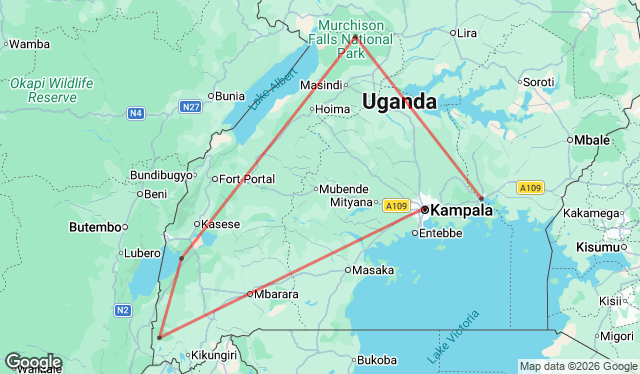
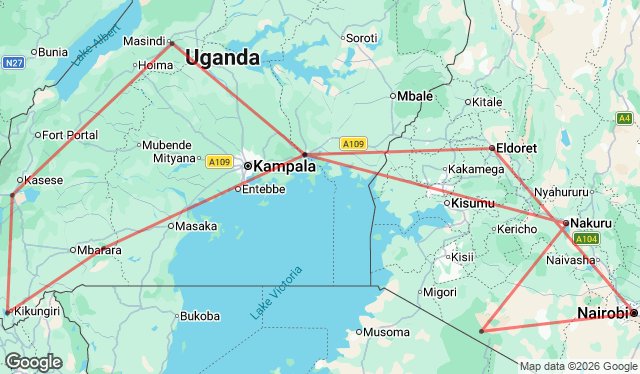
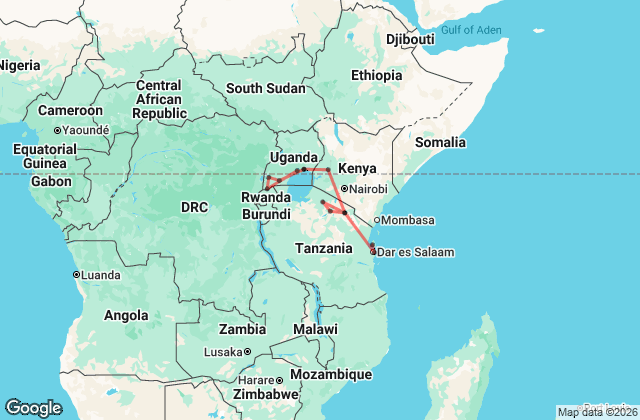
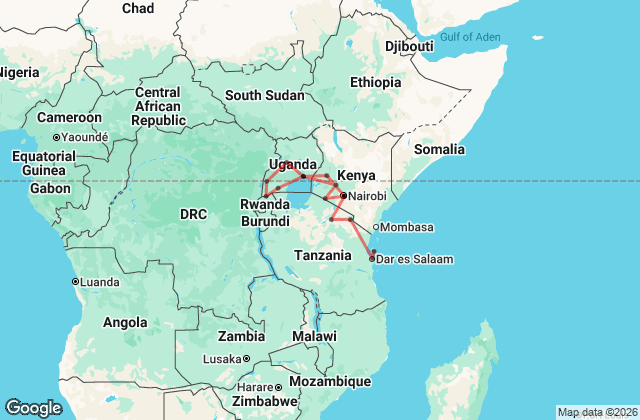
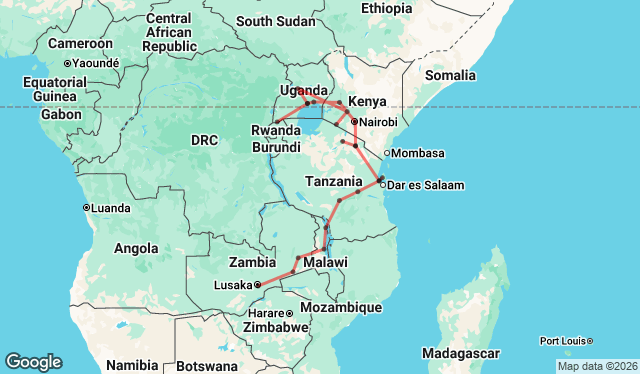
Are you keen to visit Jinja, Uganda? African Overland Tours can take you there. Check out these varied overlanding itineraries that include Uganda.
Note: This blog post was first published on 19 April 2013. On 7 January 2026, it was updated.