

African Overland Tours
https://www.facebook.com/AfricanOverlandTourscom/
https://www.instagram.com/african_overland_tours/
https://www.youtube.com/@africanoverlandtoursandsafaris
+27 (0) 21 448 0997
Customer Service
Worldwide

African Overland Tours
https://www.facebook.com/AfricanOverlandTourscom/
https://www.instagram.com/african_overland_tours/
https://www.youtube.com/@africanoverlandtoursandsafaris
+27 (0) 21 448 0997
Customer Service
Worldwide
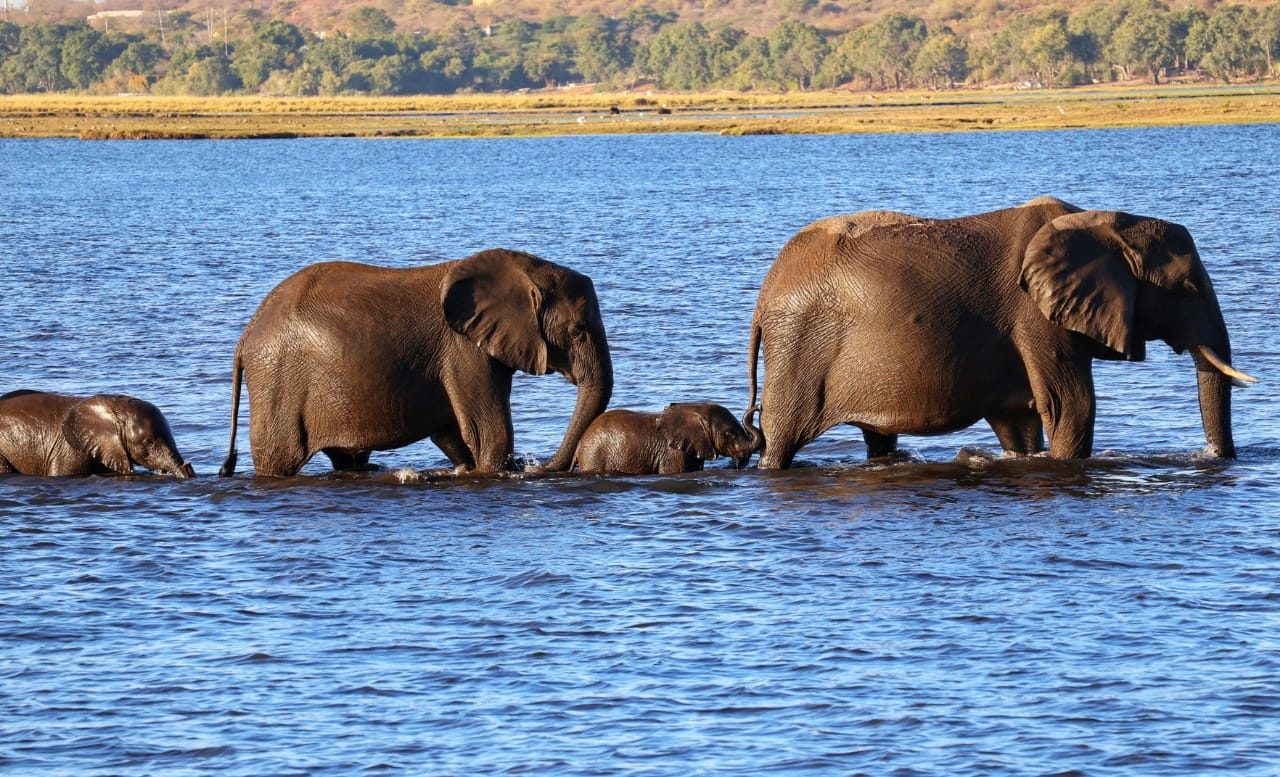
These are the four safari destinations that are highlights of Botswana
Botswana has every kind of safari you could imagine. Think thrilling big-game safari drives. Boat safaris and quiet canoe rides along watery channels. Horse riding, cycling, and even quadbiking safaris. Bush walks. Birding safaris. And more.
To help you anticipate and plan, let’s discuss the destinations widely considered to offer the best safaris in Botswana. What’s more, together they present diverse landscapes and ecosystems able to support a staggering range of wildlife and birds. From lagoons attracting elephants, buffaloes, and hippos to vast arid savannahs roamed by black-maned lions and oryxes, a safari in Botswana is a wild and immersive experience that never leaves you.
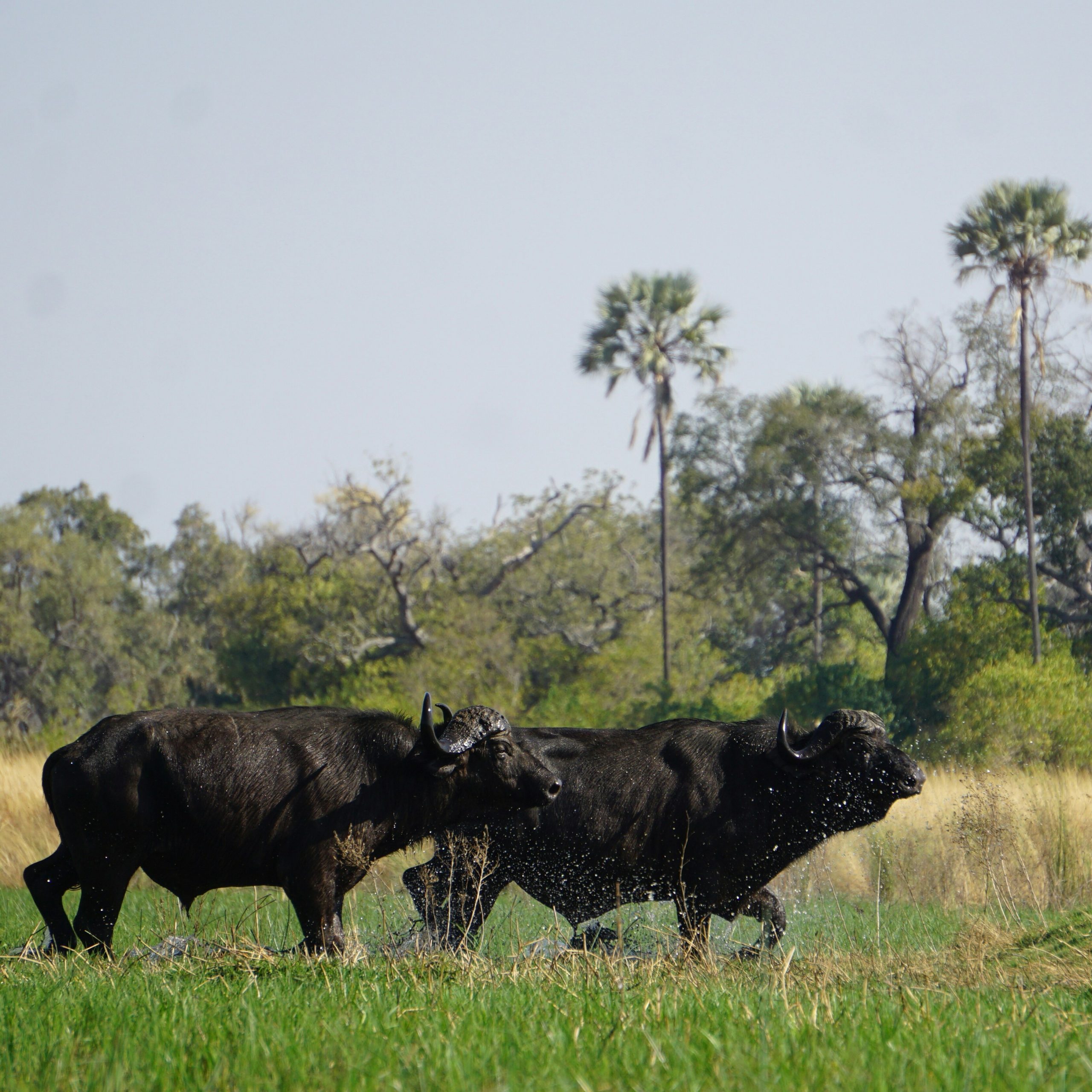
One of Africa’s most famous and beautiful safari destinations is the Okavango Delta. Located in the northwest of Botswana, it’s the world’s second-largest inland delta.
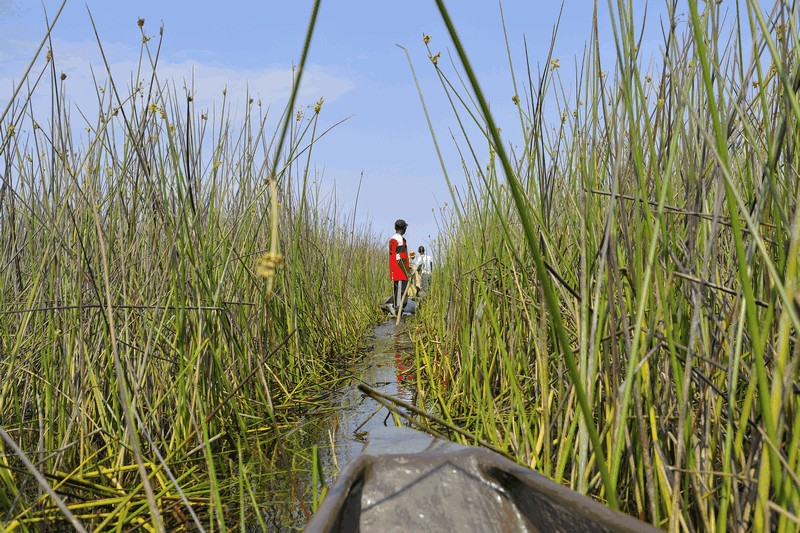
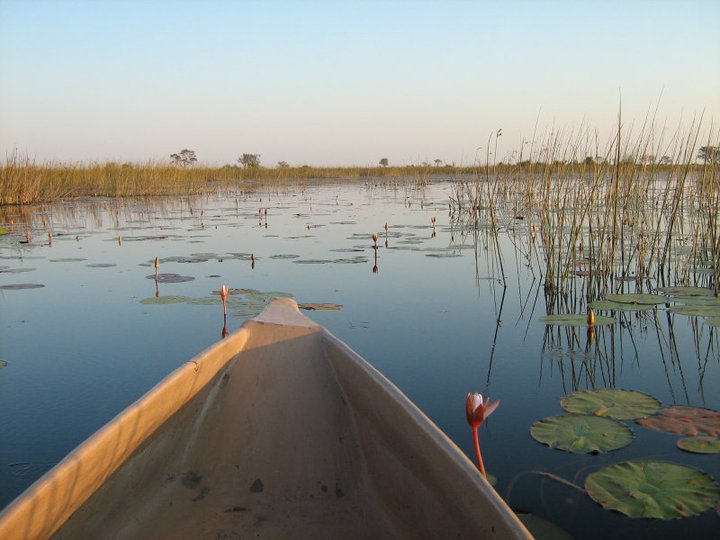
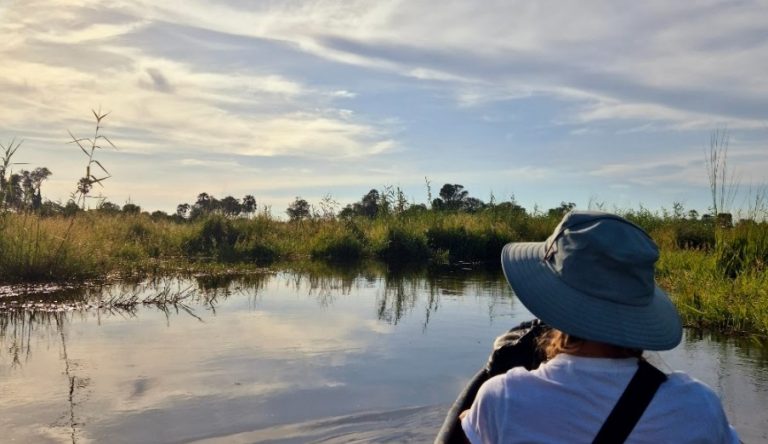
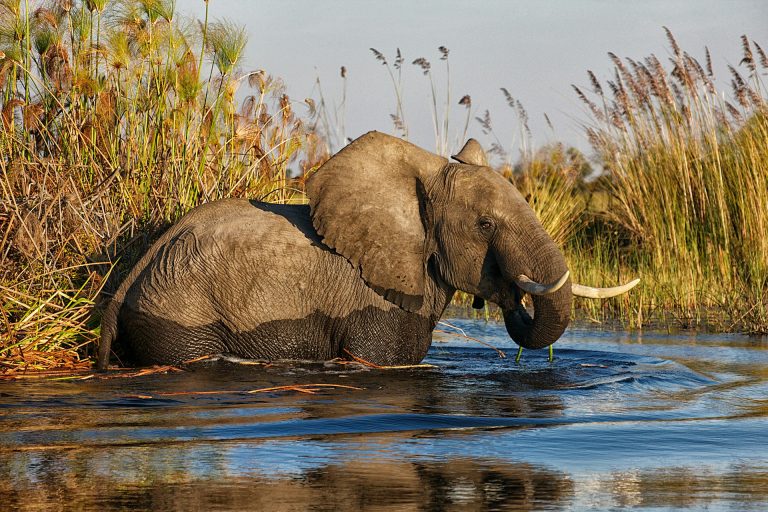
The primary joy of an Okavango Delta safari is that it offers water-based gamespotting. In the flooded season, you can step into low-lying traditional canoes called mokoros and explore papyrus-lined channels. But the delta also has perennial rivers and lagoons, so you can always enjoy water outings like sunset boat rides.
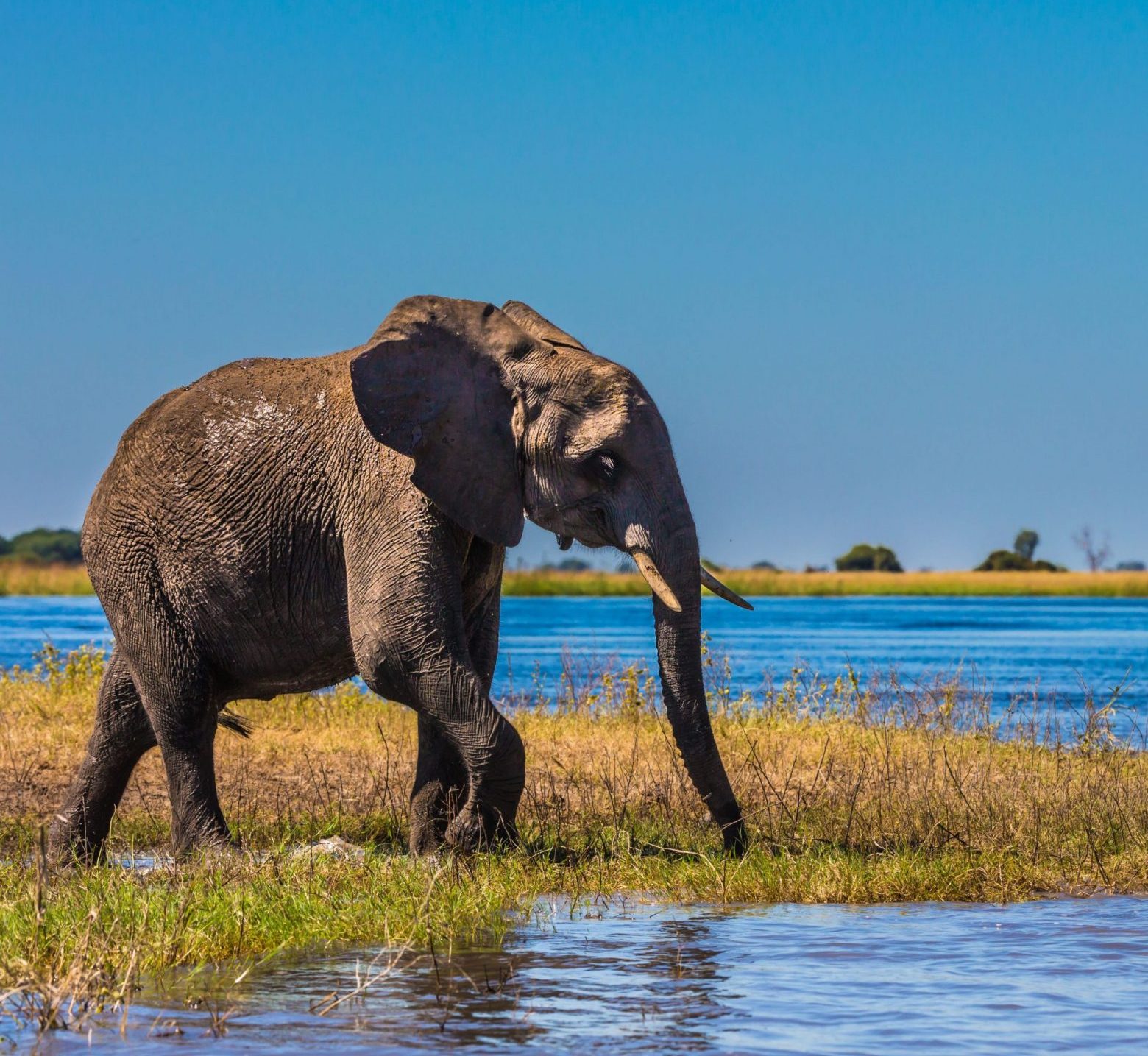
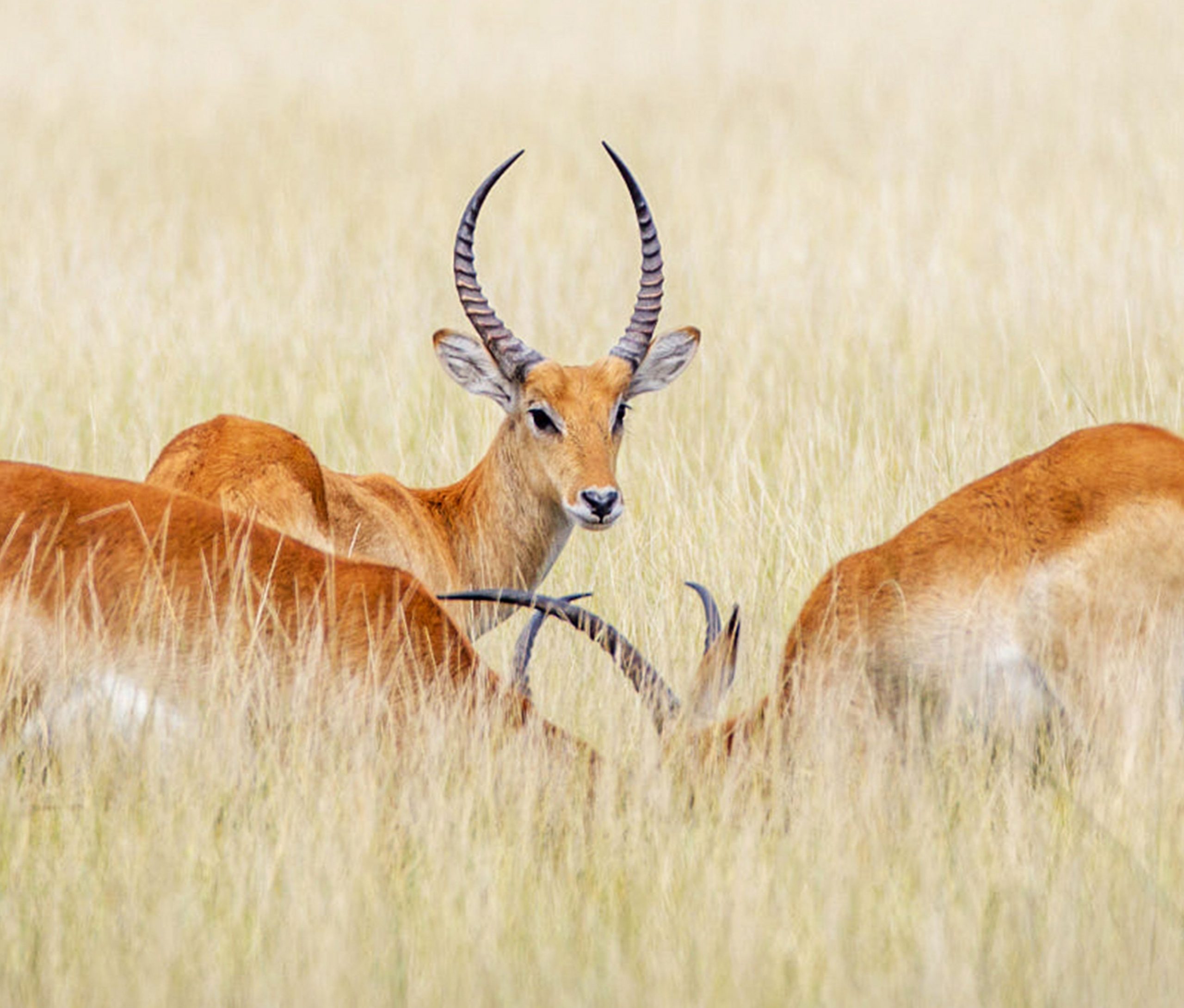
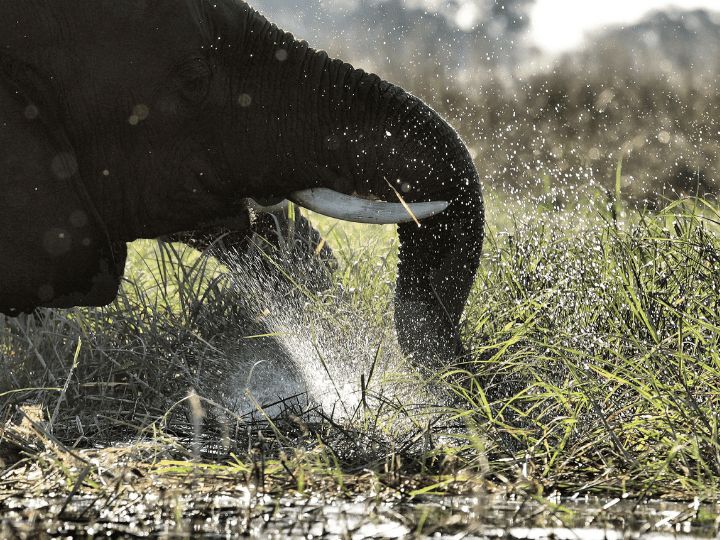
The wildlife you can find in the delta includes many large species, like elephants, buffaloes, crocodiles, hippos, waterbucks, and lechwes.
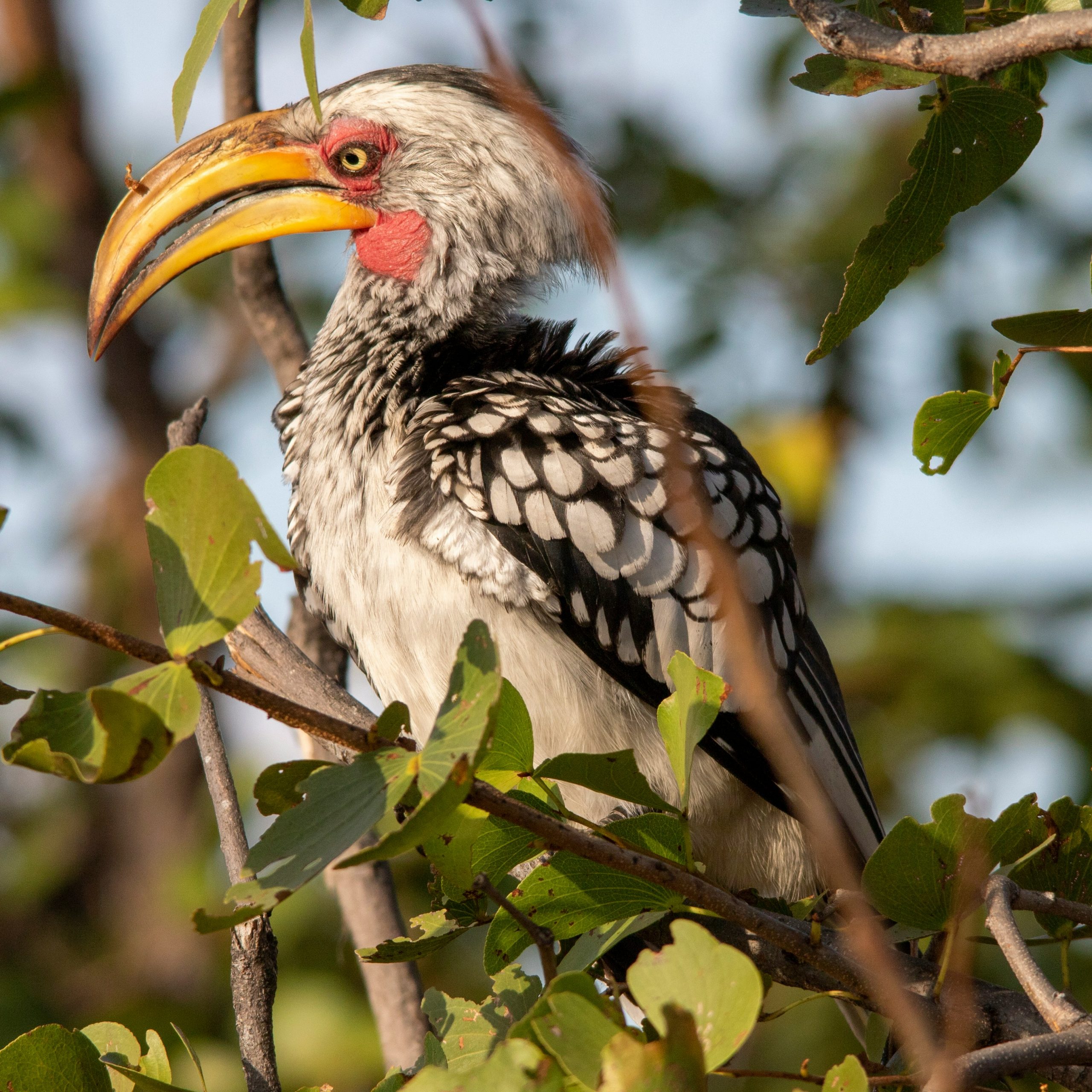
The Okavango Delta is also a world-class birdwatching site, boasting over 500 species! Naturally, these include many wonderful waterbirds, such as the Pel’s fishing owl, African skimmer, slaty egret, and wattled crane.
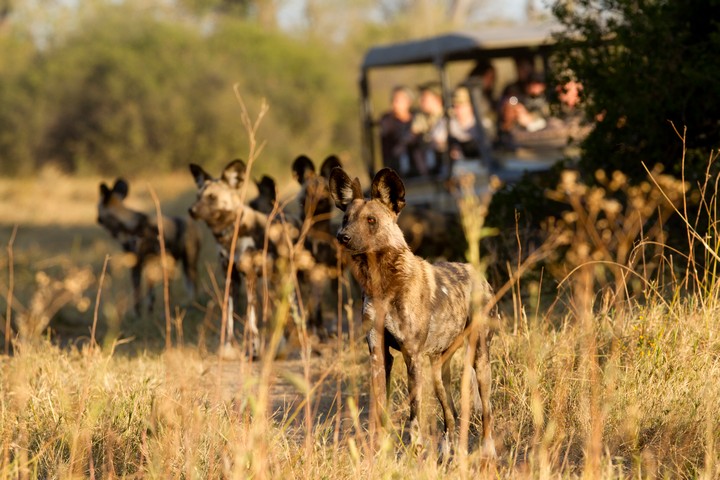
One of the best places for experiencing the varied magic of the delta is Moremi Game Reserve. I say this because while Moremi protects the northeastern portion of the delta, it also has a dry triangle of land known as the Mopane Tongue. In the Mopane Tongue, you can enjoy fantastic game drives to find various savannah animals. These include predators like lions, leopards, cheetahs, hyenas, and rare painted wolves. You can also find giraffes, zebras, kudus, and sable antelopes, among numerous others.
Further reading
A Beginner’s Guide to Exploring the Okavango Delta
Suggested tours

Price From
R82,235

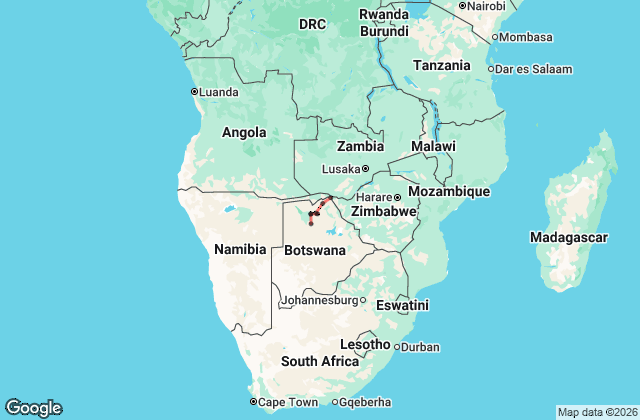
Price From
R82,235

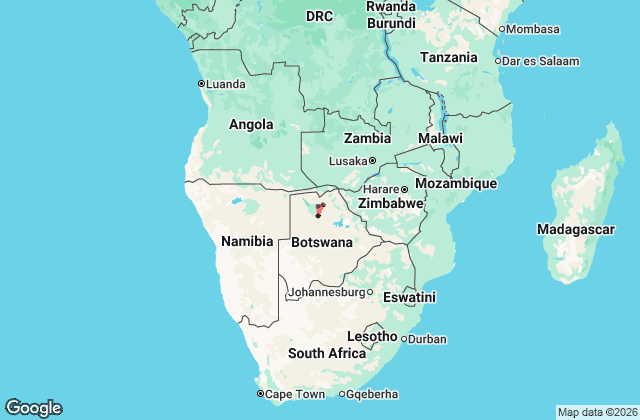
Price From
R51,545
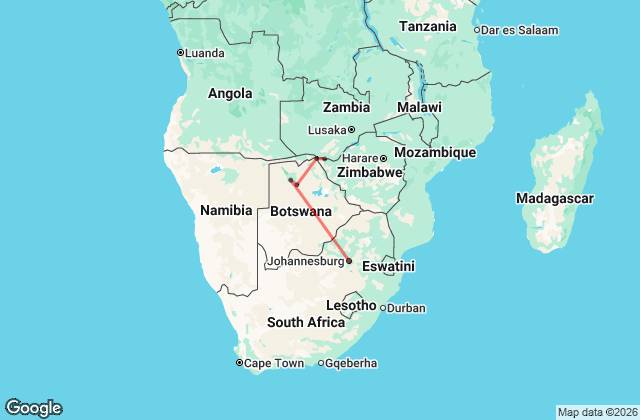

Price From
R58,400
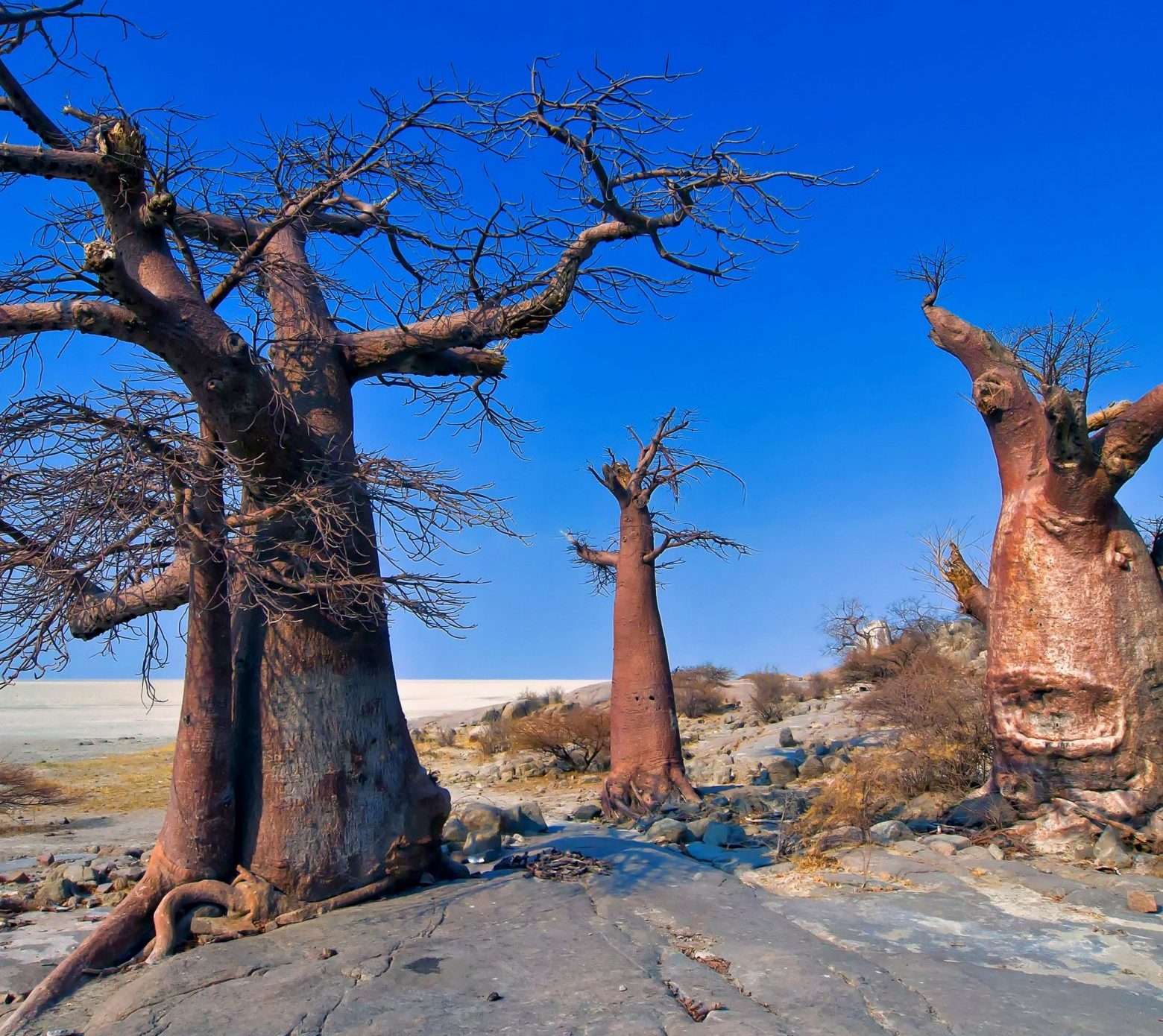
The Makgadikgadi Pans of north-central Botswana are a collection of truly enormous salt flats interspersed with savannah. The pans themselves are somewhat surreal landscapes, mesmerising in their vast unchangingness, solitude, and quietude. The Makgadikgadi region also offers unique and unforgettable safaris, especially in the flooded season when the salt flats are transformed into shallow lakes that attract countless migratory animals.
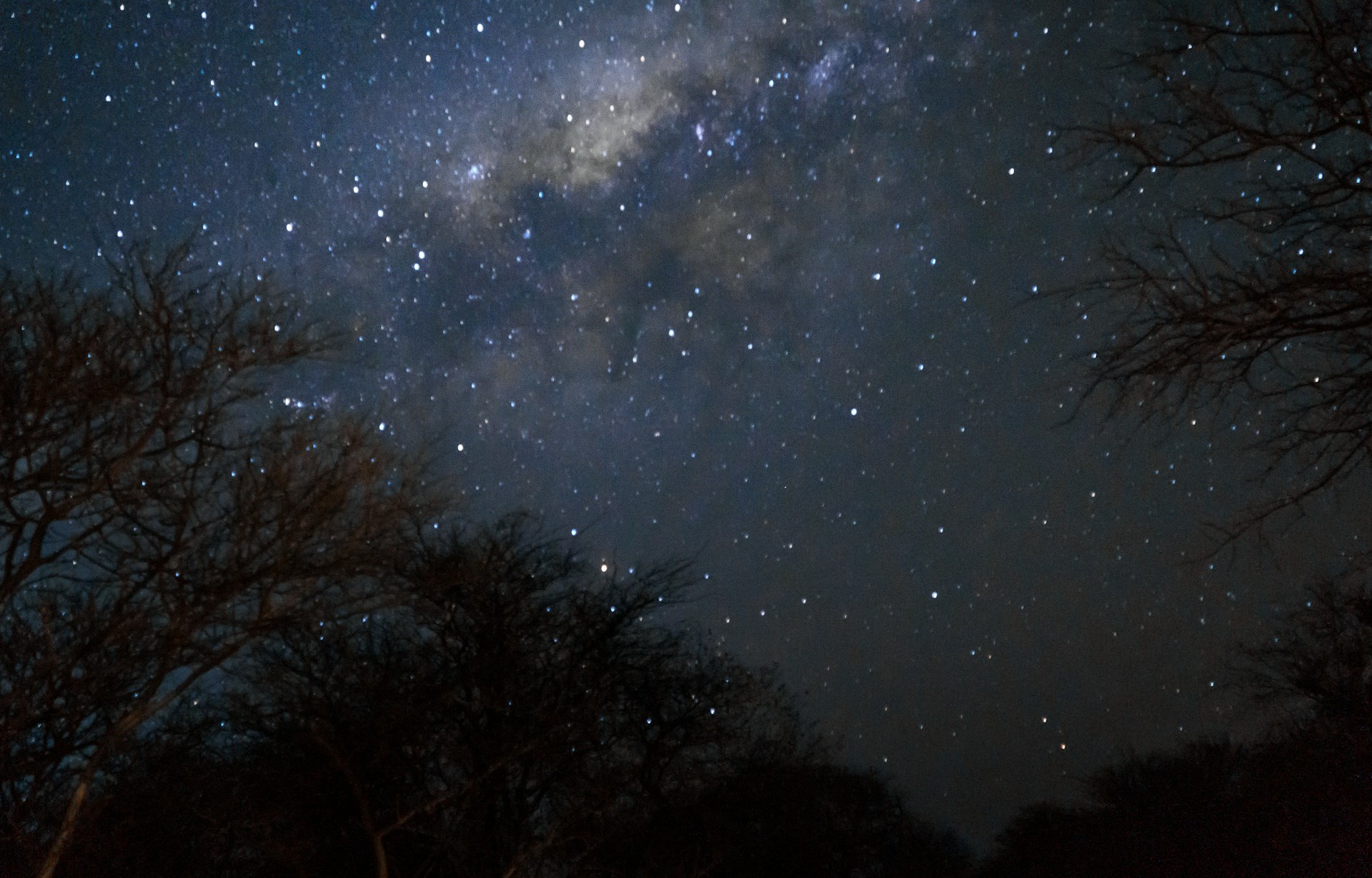
The largest of the salt flats are the Ntwetwe and Sowa (or Sua) Pans. In the dry season, these cracked white pans can be explored on foot or by mountain or quad bike. Sunsets are a spectacular event, as the clear desert air means the horizon works its way through a succession of deep oranges, pinks, reds, and purples. At night, you’re treated to impossibly bright stars.
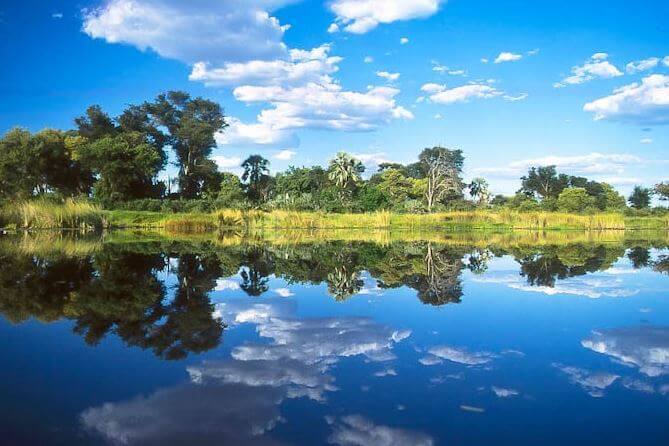
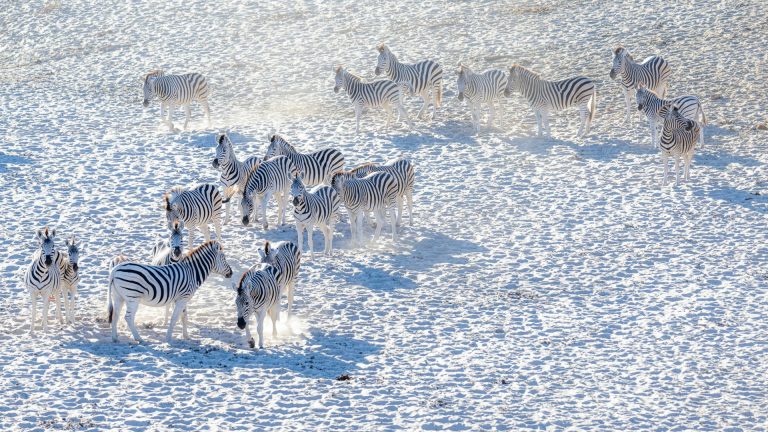
In years with good rains, the salt pans fill with a thin layer of water that often creates mirror-like reflections. What’s more, many migratory herds enter the frame, including plains zebras, bush elephants, blue wildebeests, and oryxes.
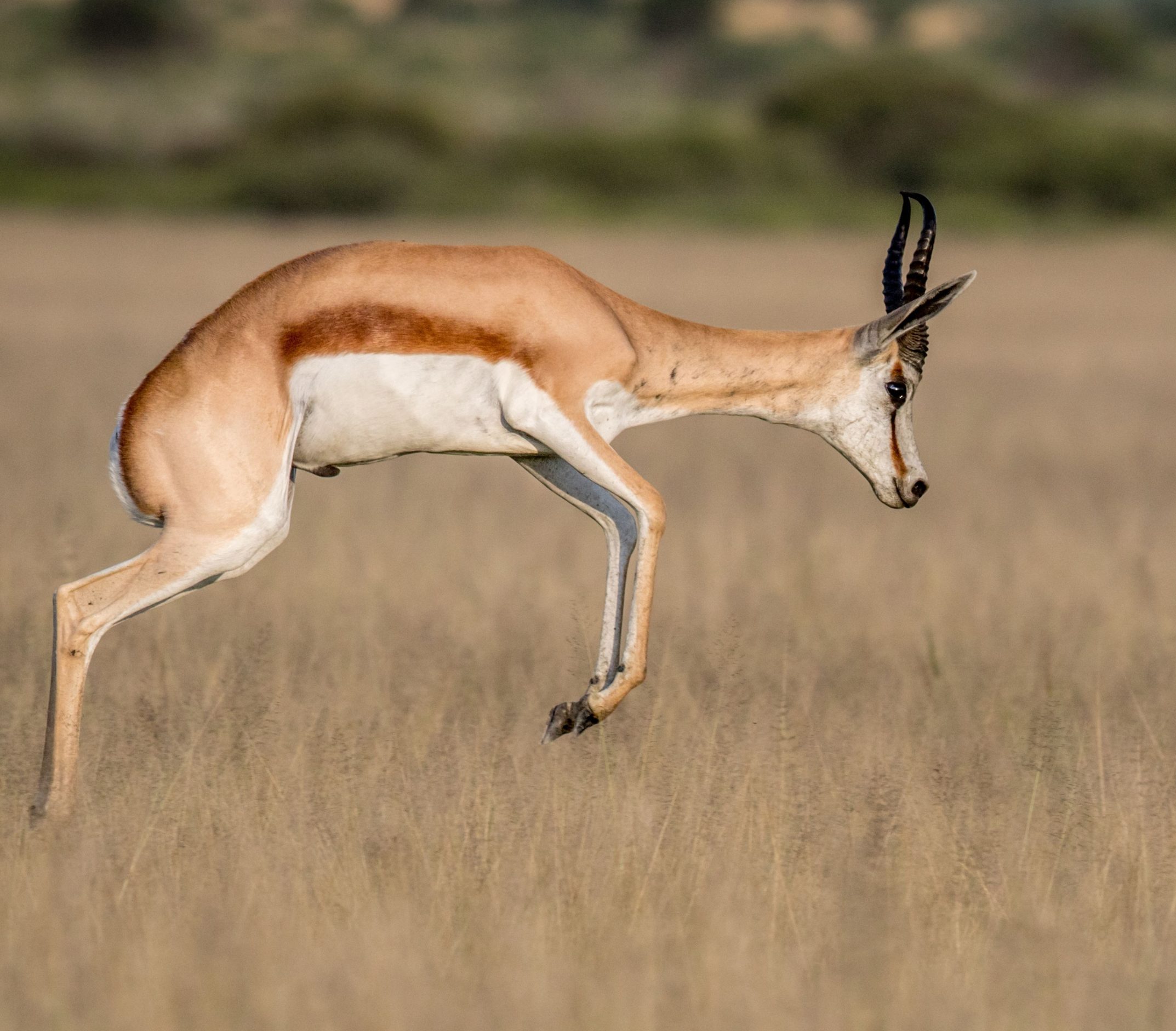
In between the salt pans are vast tracts of savannah that are chockfull of wildlife. Nxai Pan National Park in the northwest of the Makgadikgadi Pans region is a particularly great place for traditional safari drives. Here, you can find zebras, lions, cheetahs, giraffes, springboks, impalas, kudus, oryxes, white rhinos, and brown hyenas, among many others.
Another feature of the region is the slightly raised ‘land islands’ that crop up in the pans. On some, baobabs grow among tall rocky outcrops. On others, palm trees sway above grasslands.
Finally, Nata Bird Sanctuary on Sowa Pan in the east is an incredible birding destination. For starters, it’s one of Africa’s very few flamingo nesting sites, and hosts around a quarter of a million greater and lesser flamingoes in the flooded season. The other dominant species of the sanctuary are the great white and pink-backed pelicans. Some other special birds to try spot are the African fish eagle, Cape glossy starling, and Bradfield’s hornbill.
Further reading
Makgadikgadi Pans, Botswana: Scorched Salt Flats and Resilient Wildlife
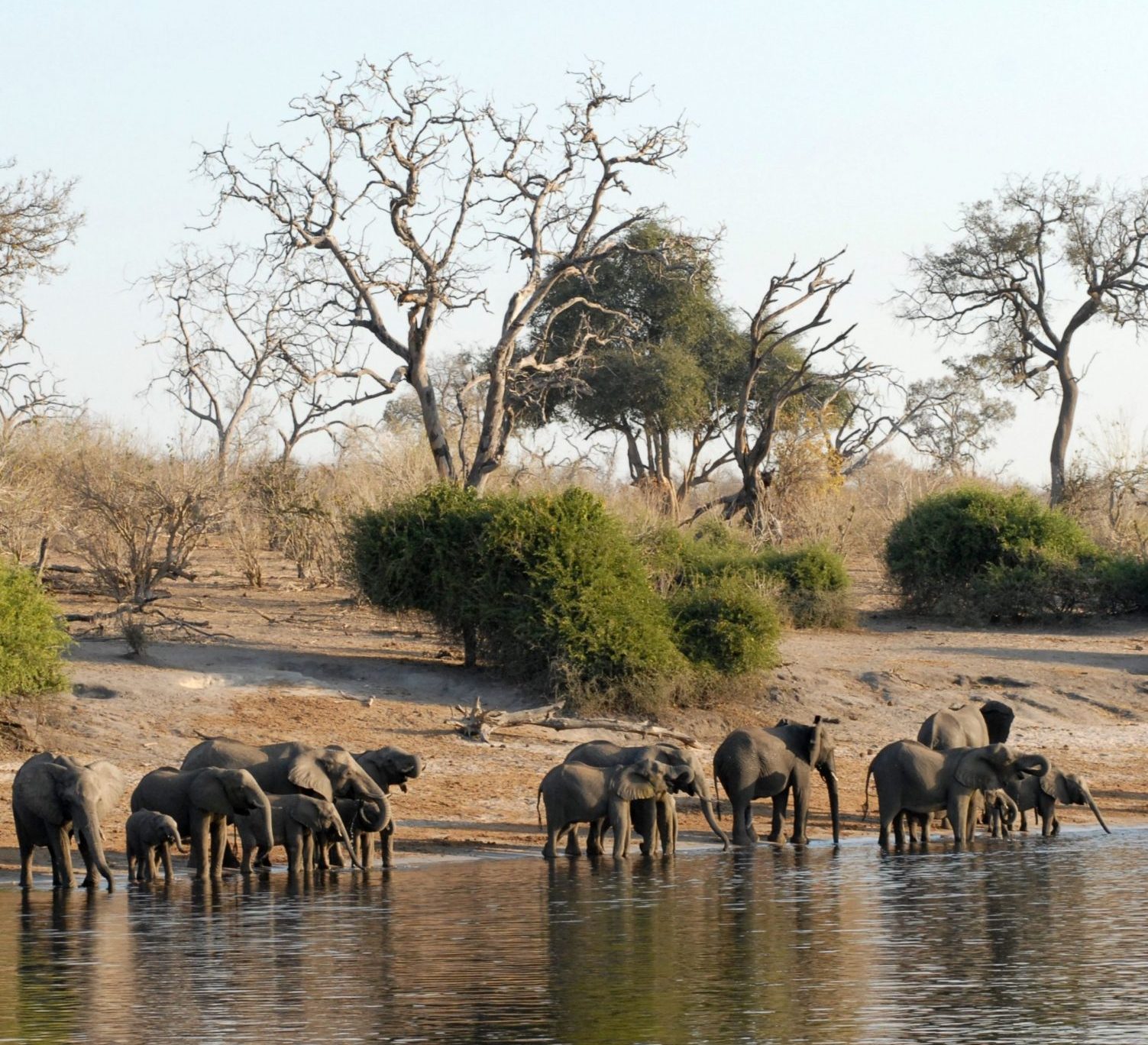
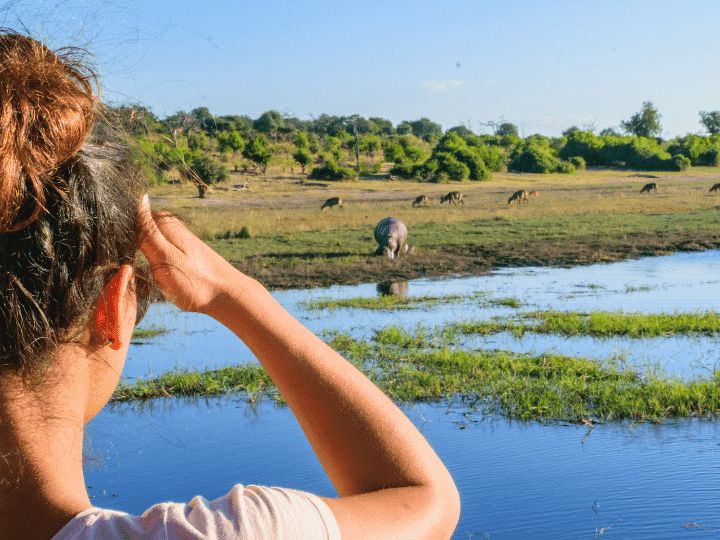
Another safari highlight of Botswana is the famous Chobe National Park in the far north of the country. This is a fantastic reserve for traditional big-game safari drives. It’s also a great reserve for first-time safarigoers, as it has many varied ecosystems supporting a variety of wildlife and a high concentration of iconic animals like lions and elephants. So if you want to spot as many animals as possible, this is the place.
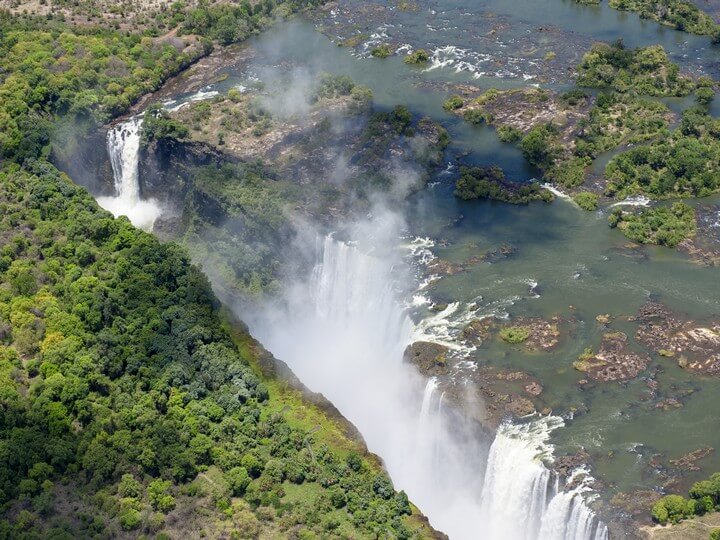
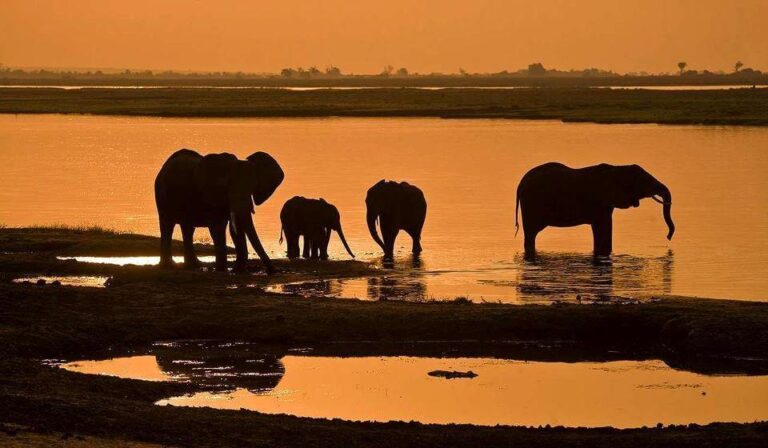
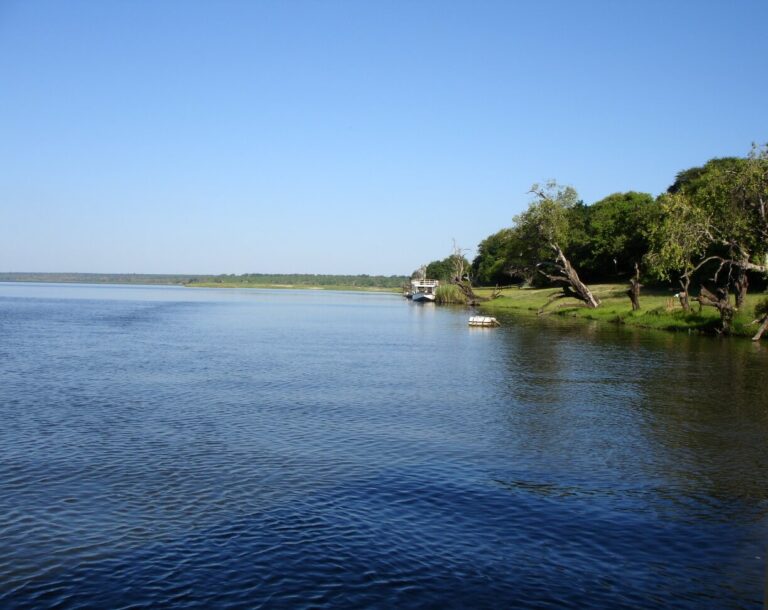
The Chobe River forms part of the northern border of the park, as well as being the boundary between Botswana and Namibia’s Caprivi Strip. This part of the park is therefore quite lush, and is renowned for its rewarding riverside drives and boat rides. Here, you can find large elephant herds, prides of lions, and obstinancies of buffaloes. There are also many crocodiles and hippos lurking in the water.
Chobe’s other main ecosystems also its forests, woodlands, wetlands, floodplains, and salt pans. Of particular note is Savuti Marsh in the southwest corner of the park. This region is famous for its many elephants as well as its large predator populations, which include lions, leopards, cheetahs, spotted hyenas, and painted wolves.
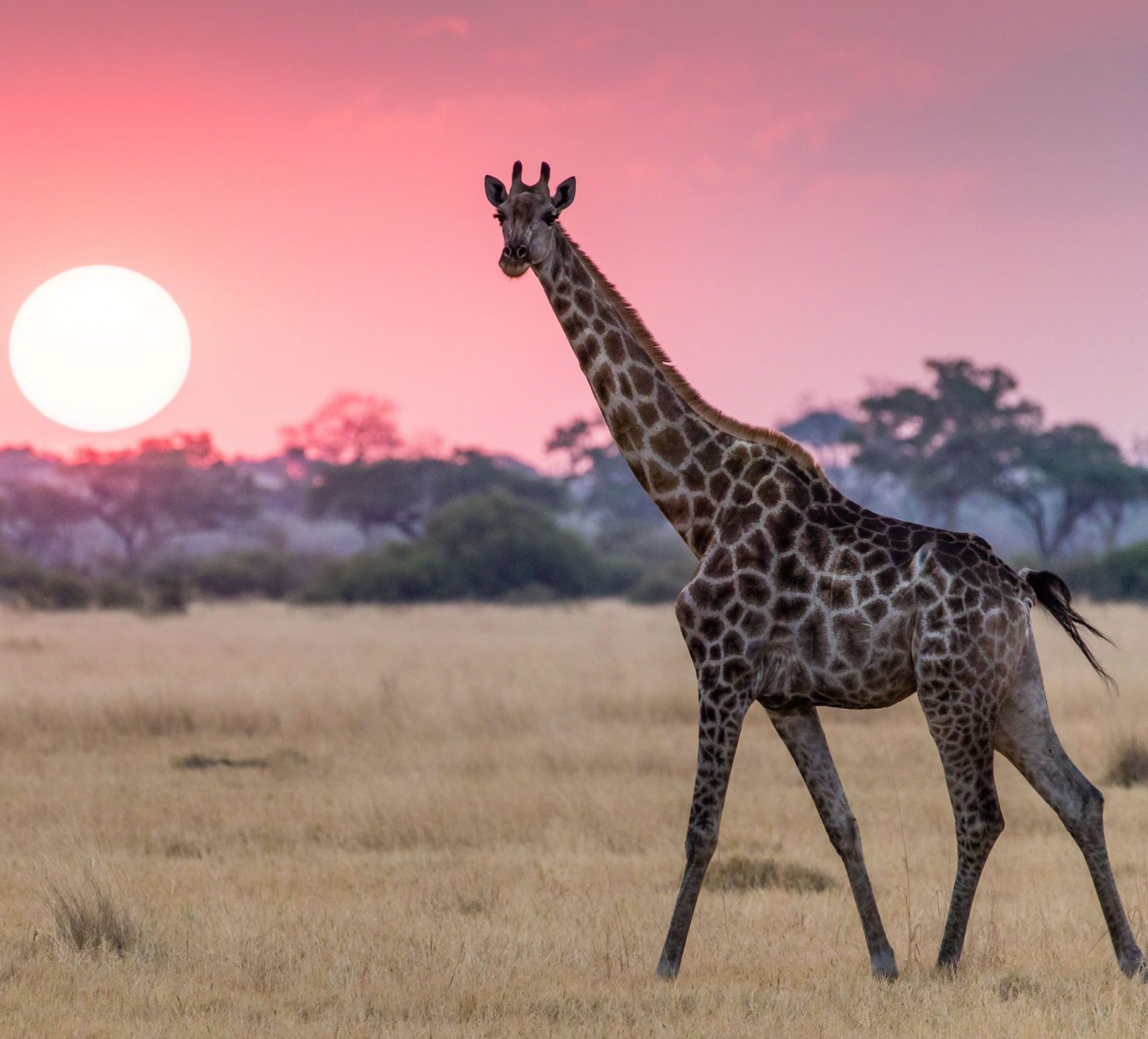
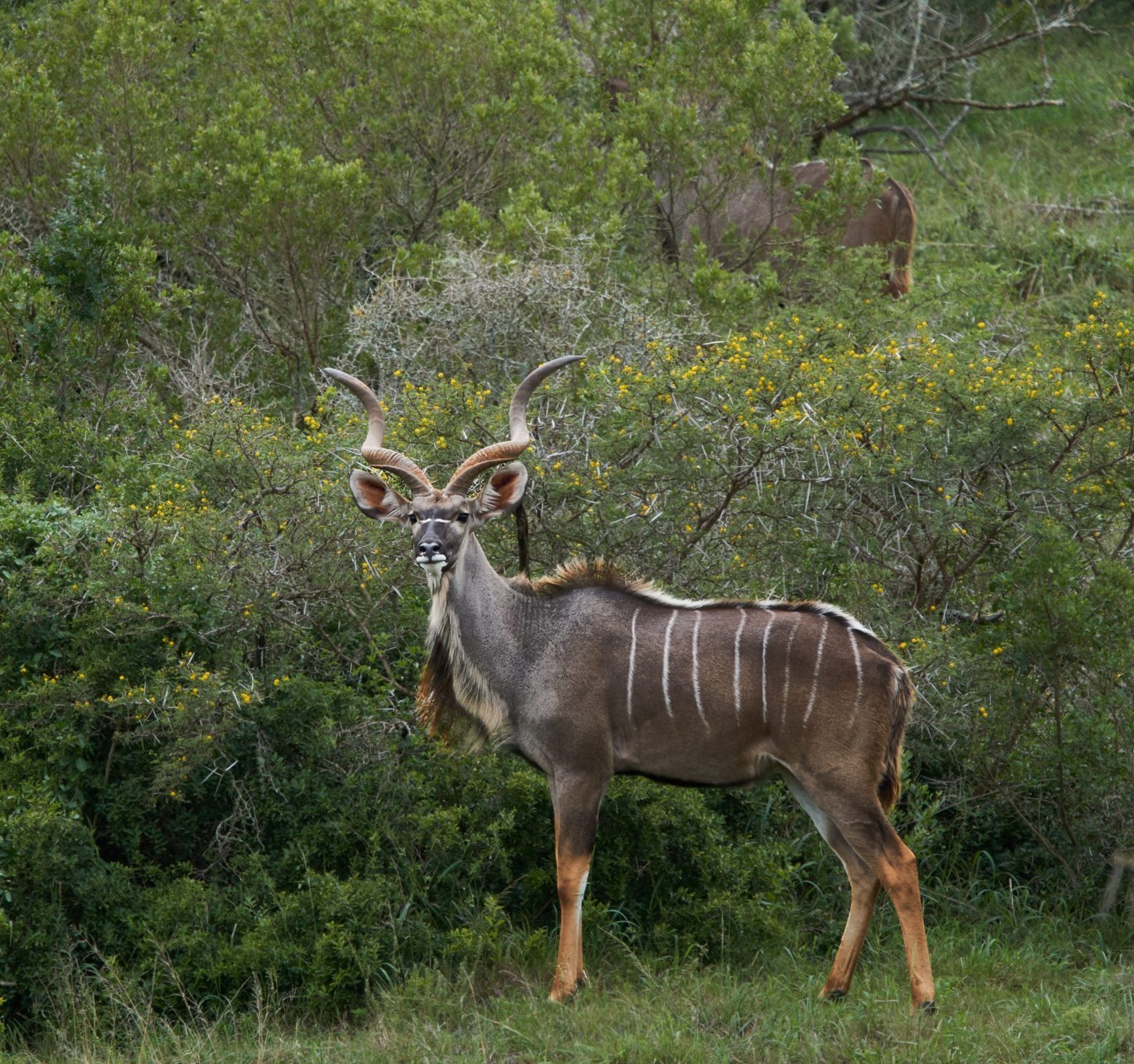
There are also many other wonderful wild animals to find throughout the park, like giraffes, kudus, sable and puku antelopes, zebras, and baboons.
Chobe is also a safari highlight of Botswana thanks to its incredible roster of birds. Similarly to the Okavango Delta, over 500 species have been recorded here, which makes it an avian diversity hotspot.
The birds you can hope to find include the African skimmer, rock pratincole, Schalow’s turaco, rosy-throated longclaw, and southern carmine bee-eater. Four endangered vulture species have been recorded here too: the white-headed, hooded, lappet-faced, and white-backed. The wet season (November to March) is prime birding time if you wish to see many migratory species.
Further reading
5 reasons to visit Chobe National Park, Botswana
Suggested Tours
Price From
R47,900
Price From
R39,790
The word Kalahari means “land of great thirst” in the Tswana language. This gives you an idea of the sort of landscape and wildlife that are protected by the Central Kalahari Game Reserve (CKGR) in central Botswana.
Yet that said, this part of the Kalahari is really a semi-desert, and much of the reserve is covered in grasslands. There’s also scrubland, salt pans, and fossilised river valleys, among other ecosystems.
One of the great attractions of a CKGR safari is the soothing sense of space and remoteness it inspires. Its beauty is austere, but softened by the warm hues of sunrise and sunset.
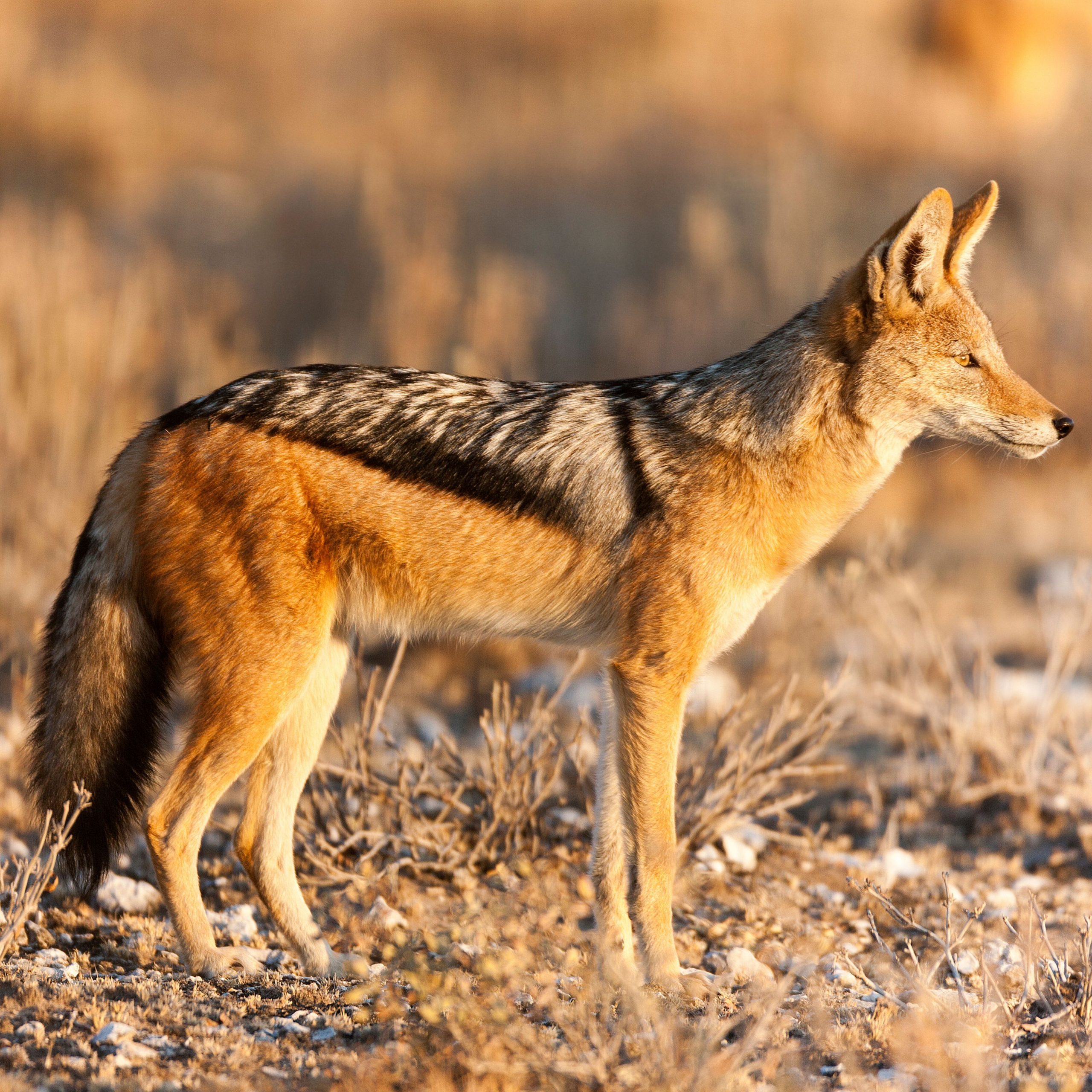
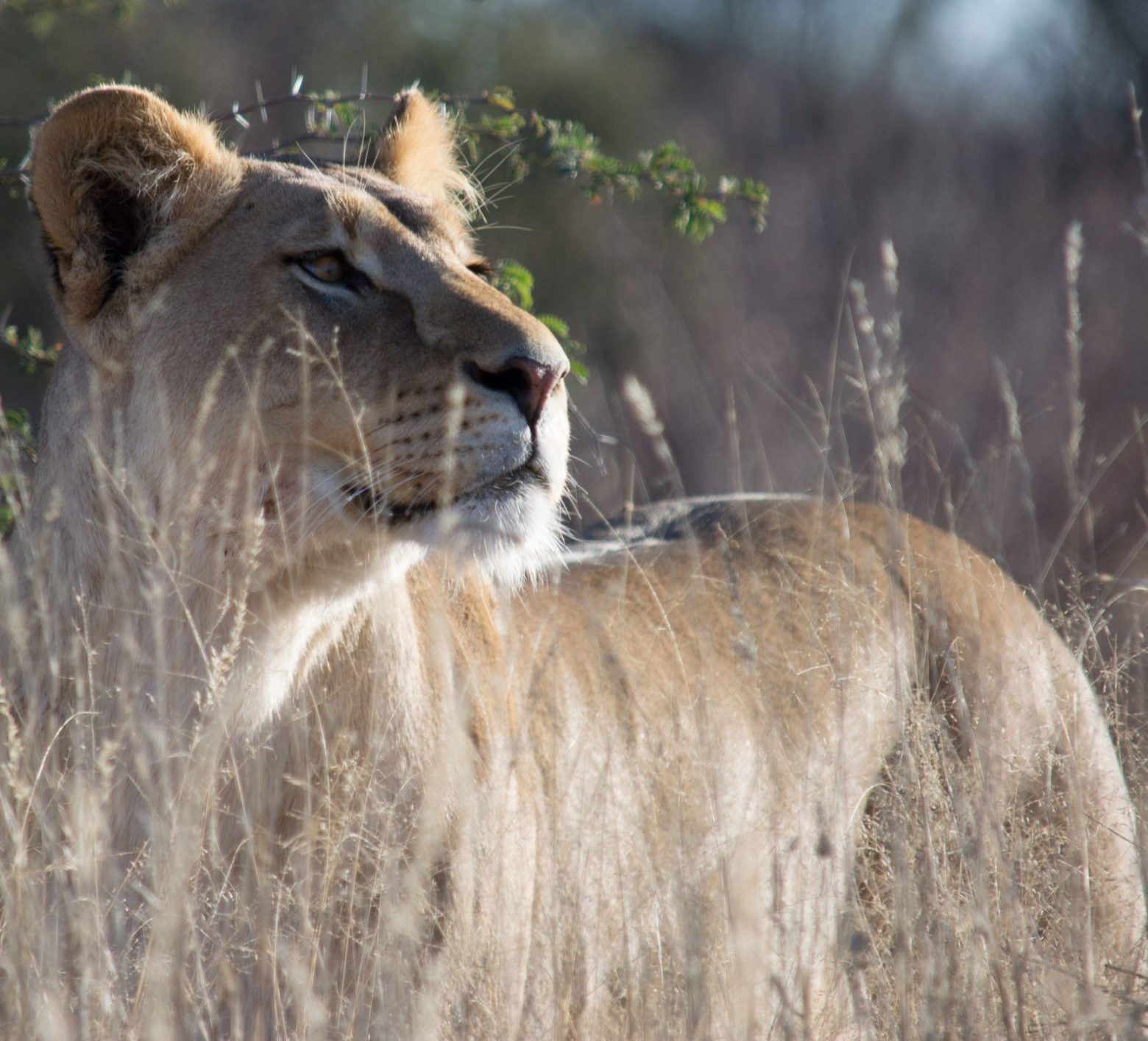
The wildlife of the CKGR includes exciting desert-adapted species that many safarigoers have never seen before. These include the Kalahari lion, a regional type of the Southern African lion that has adapted to the taxingly dry conditions. For instance, Kalahari lions generally make more but smaller kills. And the males tend to have darker, even black, manes.
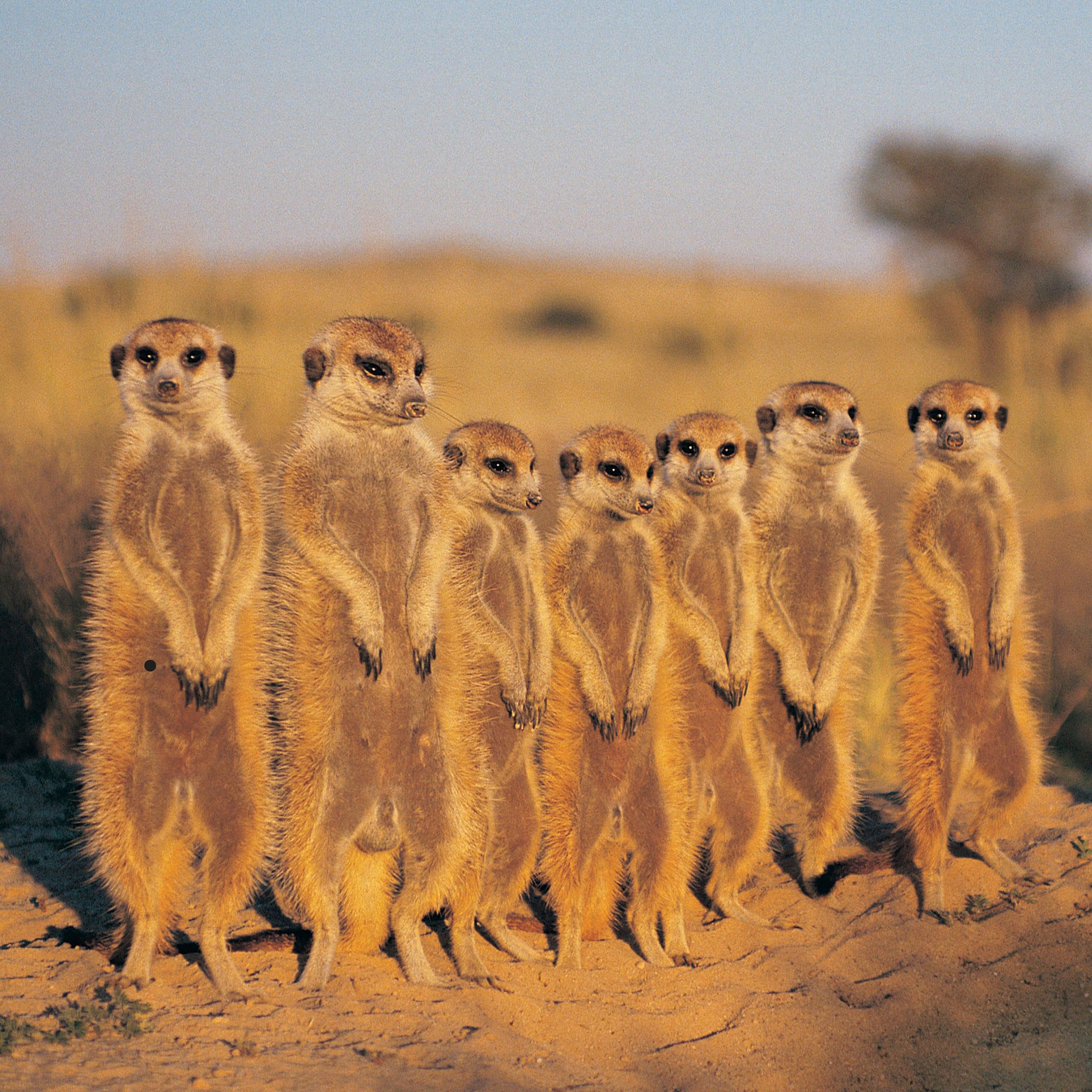
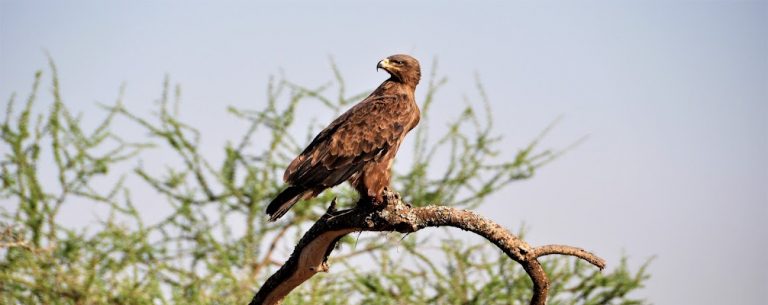
Other wildlife species roaming the reserve are brown hyenas, bat-eared foxes, jackals, caracals, honey badgers, meerkats (or suricates), painted wolves, and oryxes. The reserve also has over 250 bird species, including large ones like the common ostrich, secretary bird, kori bustard, martial eagle, and pale chanting goshawk.
Many well-known and iconic wildlife species are present in the park too. These include lions, leopards, cheetahs, wildebeests, and springboks. But know that they’re not as easy to spot as in the north of the country, where they live in higher densities. So it’s perhaps helpful to think of the CKGR as offering an ‘advanced level’ of safari that’s not for beginners – come if you’re up for the challenge of seeking out harder-to-find wildlife and rarer species.
Further reading
The Inspiring Kalahari Desert: A Journey Through the Thirstland
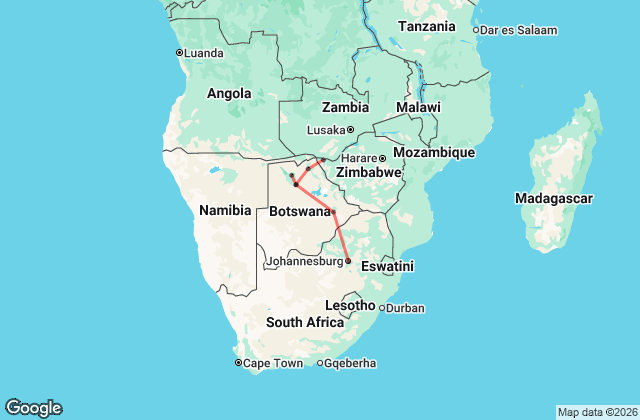
Are you eager to visit Botswana and go on an unforgettable safari? I suggest you browse these wonderful Botswana overland tours for inspiration and to plan your own epic highlights of Botswana safari.
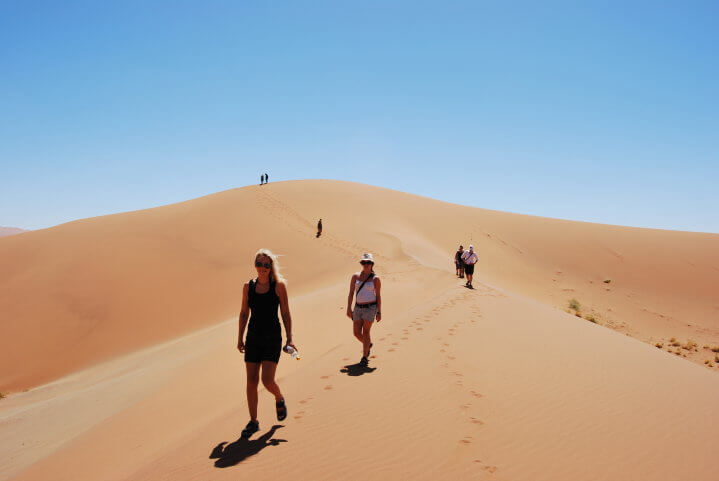
Note: The featured image is used with kind permission from Colleen Sims, the Author of Then We Walked. Also, this blog post was created by Bronwyn Paaxton in 2013 and was rewritten in 2026 by Megan Abigail White.
Top 4 safari highlights of Botswana
7
1
Price From
R87,990
2
Price From
R93,330
3
Price From
was
R56,950
R51,255
4
Price From
R58,635
5

Price From
R84,410
6

Price From
R46,950
7
Price From
R83,450
Let’s be honest, booking your first safari is a mix of pure excitement and a healthy dose of “What have I gotten myself into?” You’ve seen the stunning photos, dreamed of the wildlife, but the reality of camping in the…
Ever heard of a country with elephants for neighbour’s and salt pans like moonscapes? Welcome to Botswana, a treasure trove of fascinating facts just waiting to be discovered! While we can speak about this incredible destination for hours, we thought…
Chobe National Park in northern Botswana is one of the very top safari destinations in Africa thanks to its incredible concentration and diversity of large wildlife. In fact, it’s believed to have the highest density of elephants anywhere in the…

Southern Africa is home to dozens of UNESCO World Heritage Sites – Here’s a List of 11 of the best From South Africa up to Malawi, and from Namibia on the west coast across to Mozambique, you can find many…
Landlocked Botswana may not get as much press as South Africa or Tanzania in the tourism world but it should definitely be on your bucket list if you love African wilderness, wildlife and epic landscapes. From the waterways of the…
If you’ve ever dreamed of visiting the Okavango Delta, here’s what you need to know to start planning your adventure The Okavango Delta is the world’s second-largest inland delta. It’s a crucial habitat for thirsty migratory species like elephants as…
Makgadikgadi Pans in northeastern Botswana is a massive salt pan system within the Kalahari Desert that sustains a surprising variety of wildlife. Once upon a time, Makgadikgadi Pans was covered by a vast lake. Today, that lake is gone, and…
Here are five things to know before your African safari From showing caution with respect to the wildlife, which includes mosquitoes, to managing your expectations on what you’ll find, here are five things I believe it’s useful to know or…
"*" indicates required fields