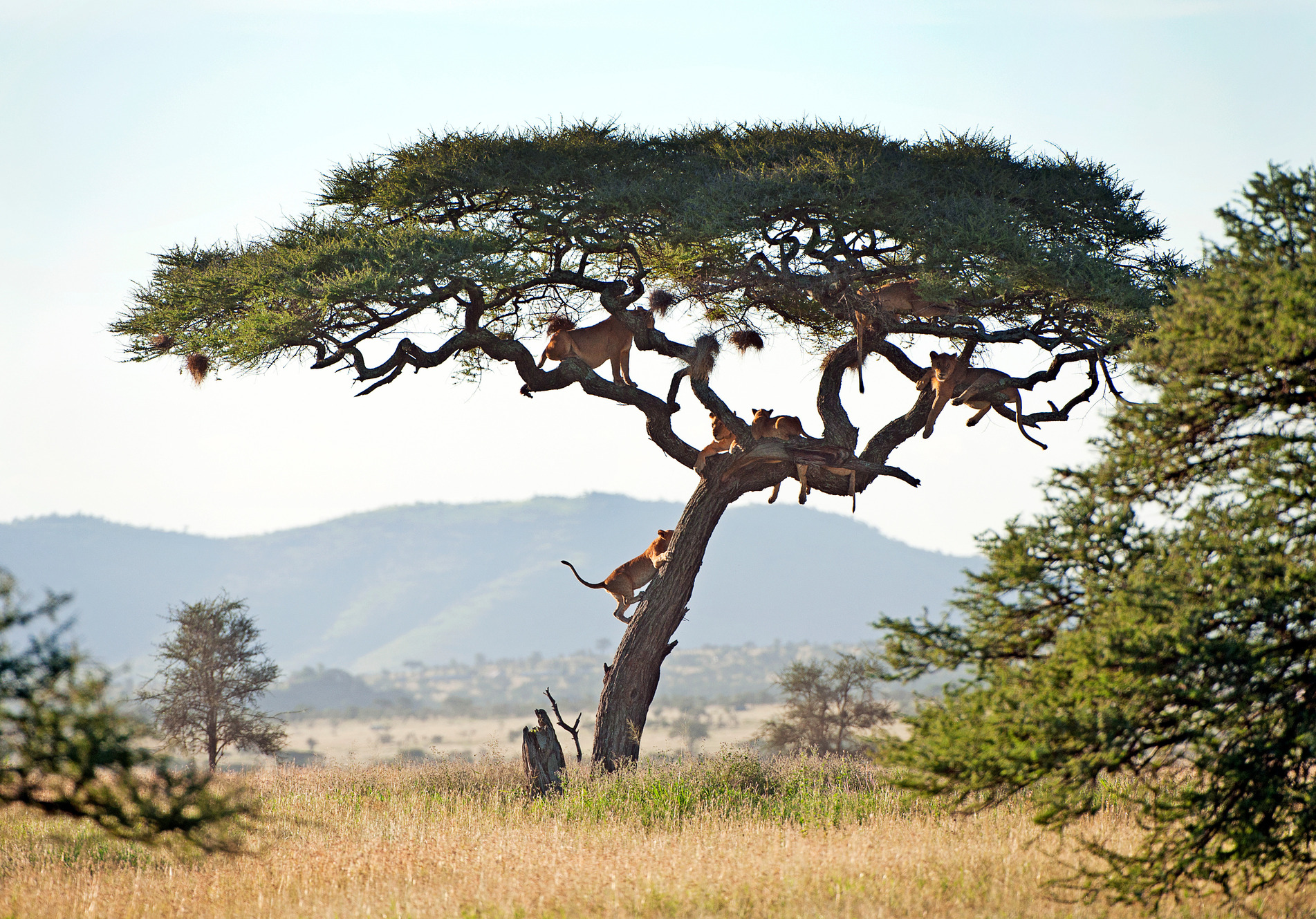
An African safari is, overall, a very safe sort of trip
There’s no reason to be unduly worried about your safety when going on a safari in Africa. Most such trips go off without a hitch.
That said, travel is risky business. There’s no getting around that. If you don’t want to run the risk of anything ever happening to you, you should stay at home. The danger in that, of course, is that nothing will ever happen to you.
So let’s discuss the top safety concerns relating to Africa’s main safari regions so you can mitigate the potential risk. This means discussing topics like general tourist safety as well as malaria. Finally, I make the case for why organised tours are a much wiser option than independent travel.
Safety varies by country and region
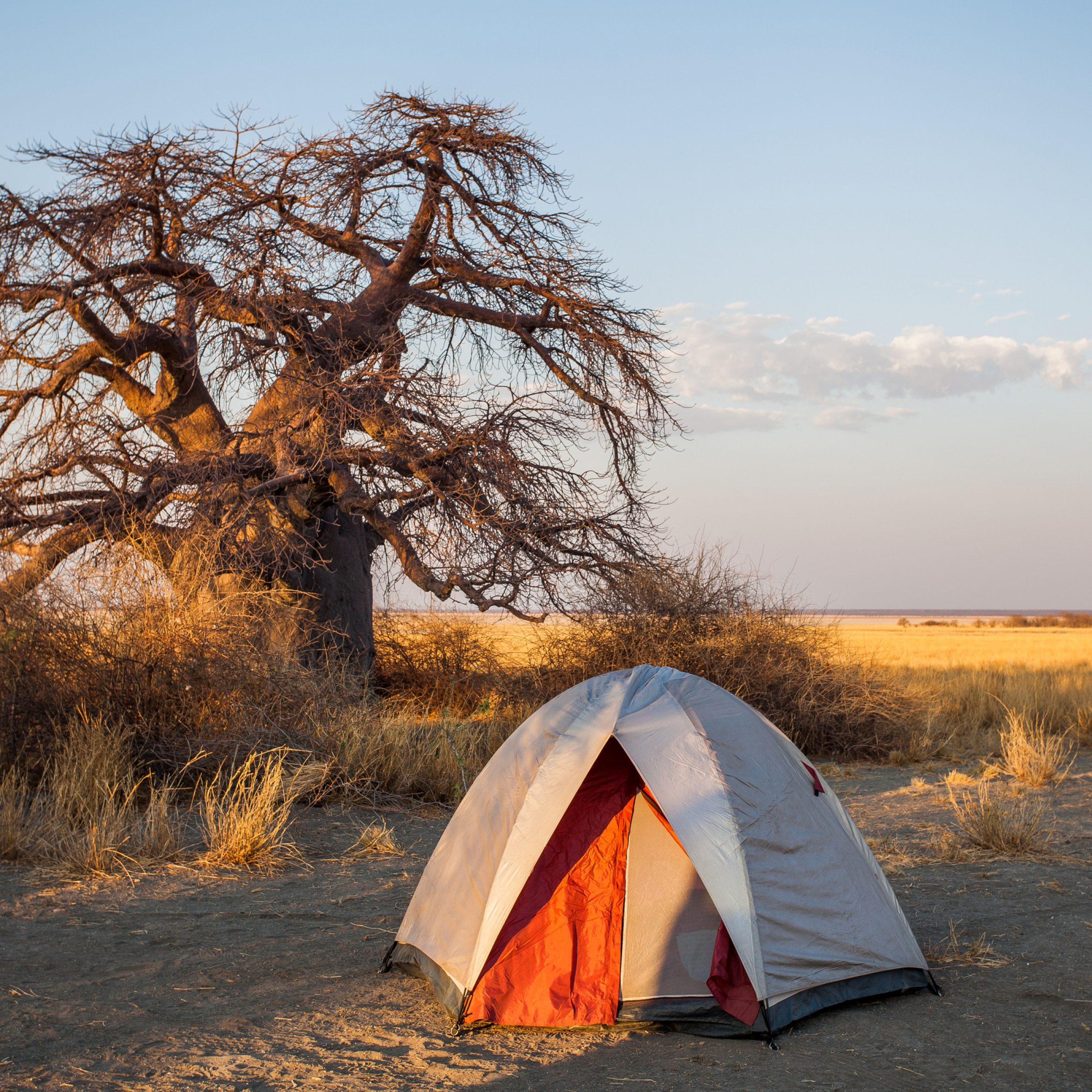
Africa’s safari tourism is centred heavily on East and Southern Africa. A key reason for this is the relative safety of these regions. In fact, the four safest mainland African nations are all located in Southern Africa.
That said, and to state the obvious, some countries within East and Southern Africa are safer than others.
Botswana is the safest country in mainland Africa according to the Global Peace Index. Namibia comes next. What’s more, these two countries have been politically stable for decades and are well-known for being very safe tourist destinations.
The next safest countries in Africa are Zambia and Malawi, also in Southern Africa. I discuss this topic further in the blog post Which is better for safari: East Africa or Southern Africa?
All this said, please know that you can enjoy a safe safari in most East and Southern African nations. The key to ensuring your safety would be travelling in the company of a local tour guide who knows how to keep you safe, and paying attention to any relevant developments.
On that last point …
The pros and cons of travel advisories
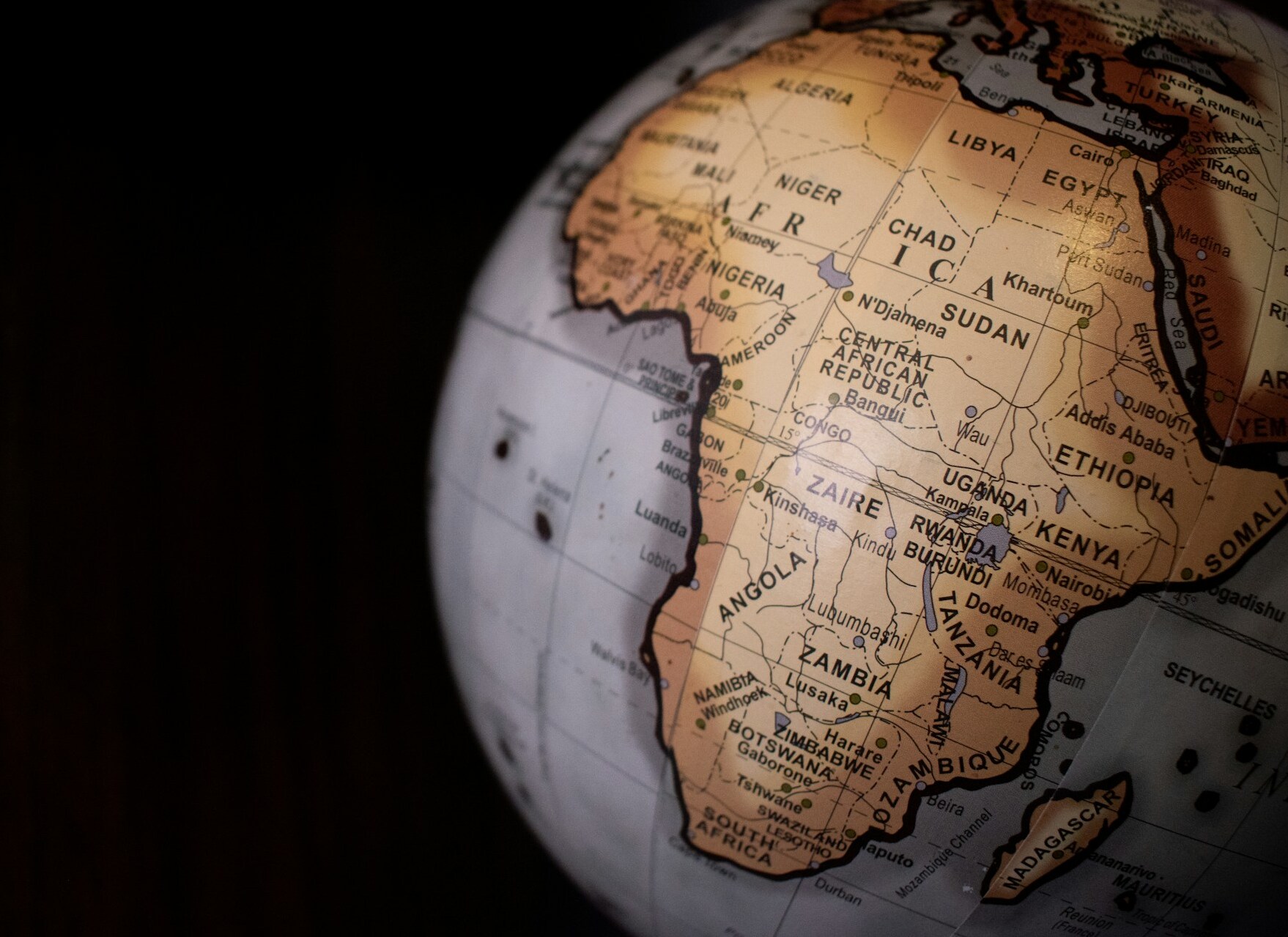
In general, you should listen to your country’s travel advisories in order to stay up to date on developments in potential safari destinations. That said, I also recommend checking reports with people on the ground.
I say this because many times I’ve seen foreign governments issue travel advisories against whole swathes of Africa for a virus, conflict, or whatnot that is so geographically distant as to be ludicrous. These advisories are akin to suggesting someone cancel their Portugal trip because something went down in Finland.
The truth is that Africa is enormous. It’s about three times the size of Canada, and much bigger than it’s shown on flattened world maps (as explained here). Yet this often isn’t understood internationally. So far-distant regions can be unhelpfully lumped together in travel advisories.
It’s important, in my opinion, for the worldwide travel community to provide consistent and therefore sustainable support for tourism destinations where possible. This requires we question travel advisories to ensure they provide accurate advice with appropriate scope.
Dangerous wildlife
Perhaps you had the wildlife in mind when wondering if an African safari is a safe exercise?
Africa does indeed have an impressive roster of wildlife that can kill you. There are lions, elephants, buffaloes, hippos, rhinos, crocodiles … big, tough guys with trunk-like legs, sharp protusions, and gnarly teeth. There are also smaller species you don’t want to tango with. I’m looking at you, honey badgers.
But the truth is that most safaris are extremely safe for people. This is because you’re mostly inside a robust vehicle, so there’s a barrier between you and the wildlife. That said, independent tourists or disreputable guides can provoke wildlife through ill-advised actions, like driving too close or hooting (honking).
This is why it’s so smart to travel with a local safari guide, as I stress further on. The odd incident you hear about in the news involving a charging elephant or the like almost always arises off the back of an unwise decision on the part of a human.
To stay safe on safari, listen to your guide at all times. Don’t pack a snack of dried meat. Don’t try to feed the baboons. Don’t call to an animal to get it to turn its head. Don’t step outside of the vehicle without the say-so of your guide. And simply do as told in any situation.
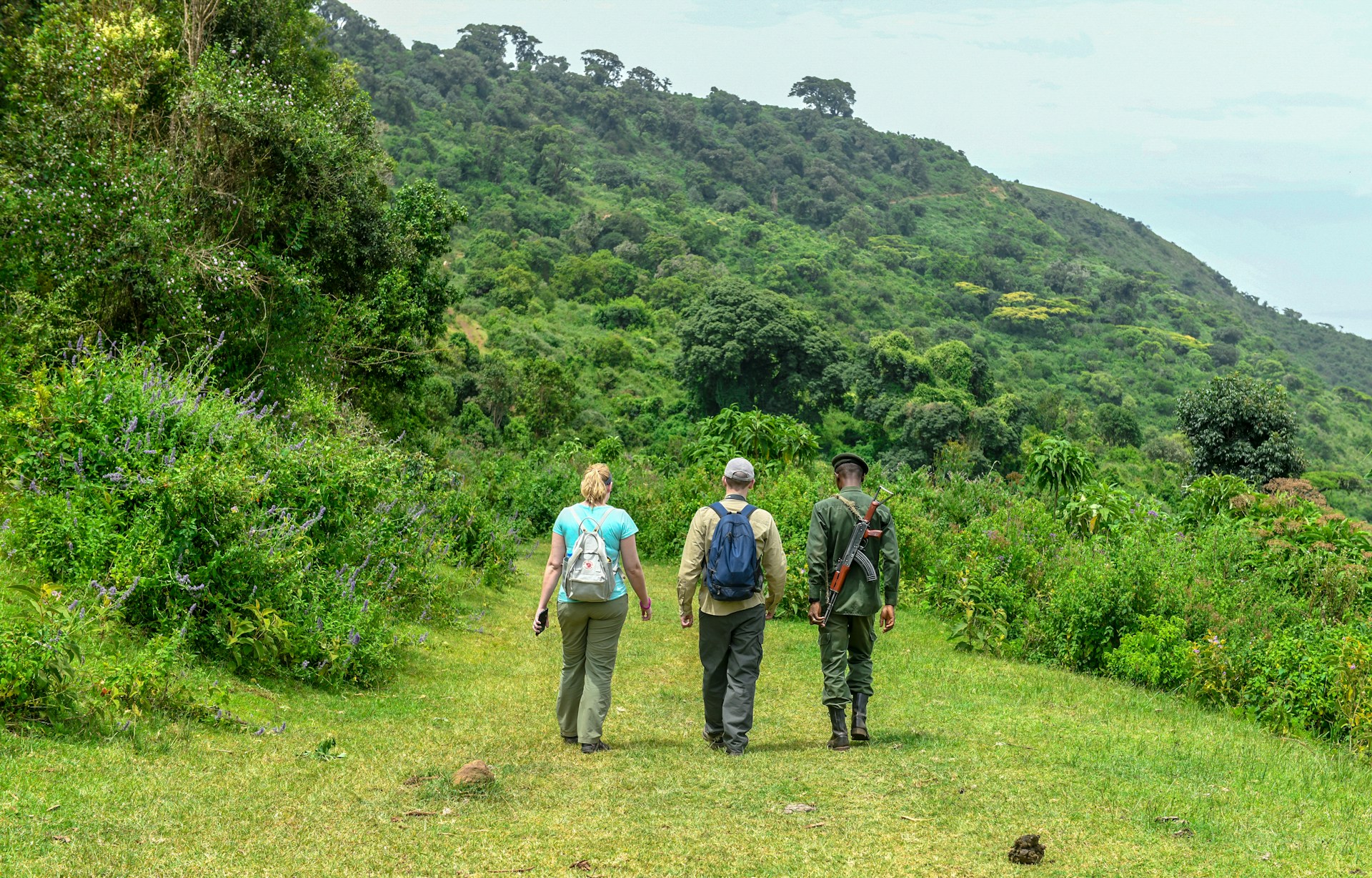
Certain other safari activities, like canoe trips and bush walks, pose more potential danger. But you should nonetheless be fine if these outings are undertaken in the company of an (armed) guide or ranger who understands the local wildlife and how to avoid incidents.
Malaria and yellow fever
Malaria plagues large parts of Southern Africa and almost all of East Africa. In my opinion, the biggest or ‘realest’ safety concern of anyone planning a safari in Africa should be malaria.
To this end, I advise you to speak with your doctor about preventative measures should you be planning a safari in a malaria zone. If you’re travelling with small kids, I recommend choosing a destination in Southern Africa where there’s no malaria. I discuss these locations in Best places in Africa to take your kids on safari.
There’s also a small risk of yellow fever in parts of East Africa, most notably Kenya. But as you’re required to be vaccinated against this disease in order to enter the country, it becomes a moot point.
Sunburn and cold

The worst thing to happen to most safarigoers is that they get a bit burnt after too much sun. So please remember to pack a full-spectrum sunscreen as well as a sunhat.
It’s also advisable to wear long-sleeved, lightweight, breathable tops and long pants. These do double duty as they also prevent mosquito bites.
Perhaps less obvious is the advice to ensure you pack enough warm clothes. Many African safari locations surprise international visitors by throwing up some decent cold at night. Don’t be caught shivering on an early morning, sunset, or night-time safaris in an open-sided vehicle.
Safari tour groups are safer than independent travel
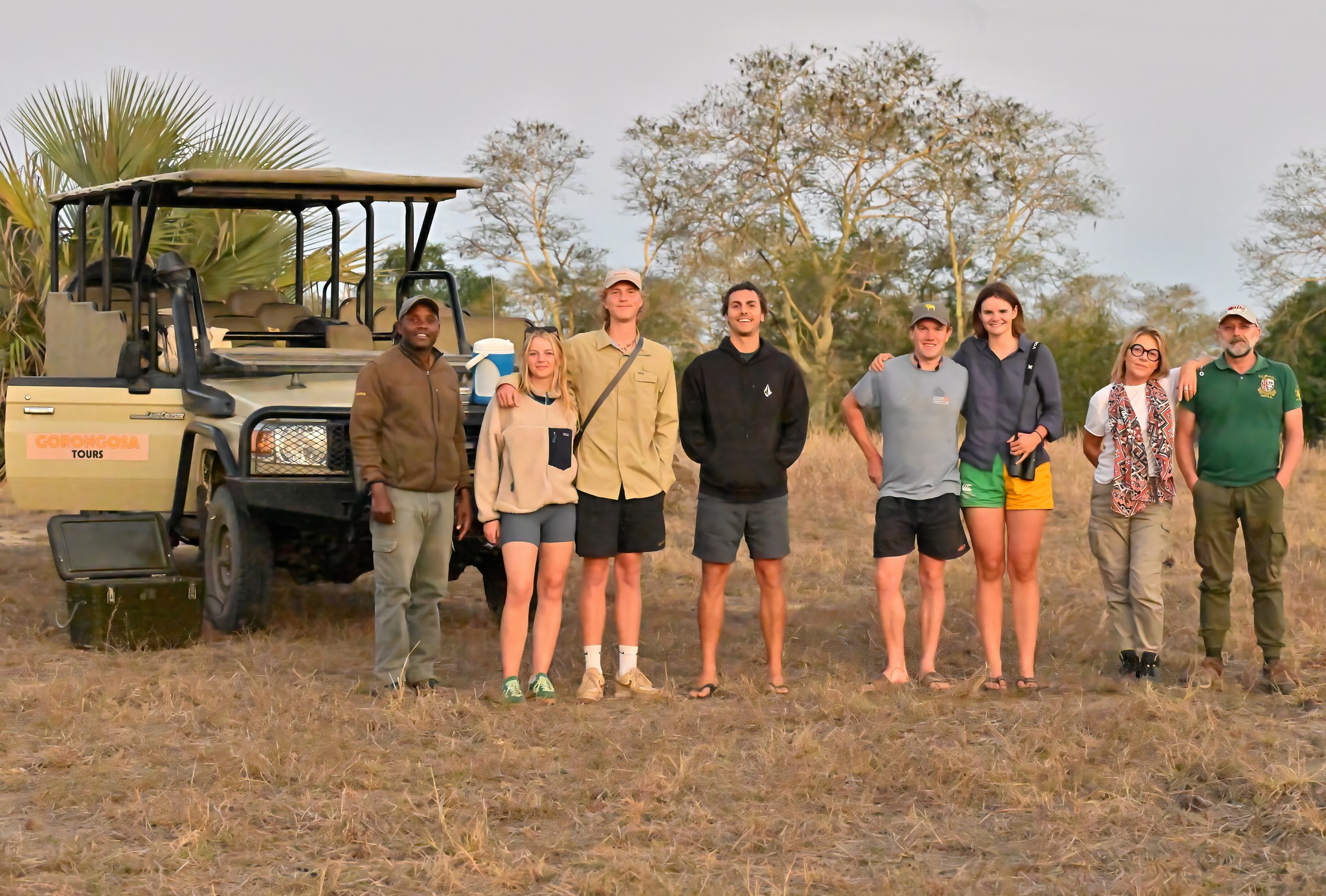
As is the case in many places throughout the world, you can travel reasonably safely throughout most of East and Southern Africa, provided you know what’s what. If you blithely swan about as a tourist who looks like a tourist … I’m afraid you could very well land in trouble.
I want every visitor to Africa to enjoy a safe trip here. And the single best piece of advice I can give in this regard is to travel with a reputable tour operator, as it’s their job to look after you. If you do this, then you really needn’t research the topic of safety on an African safari much further.
Finally, I want to talk about the one key way a tour operator ensures their clients’ safety, which is the safari driver-guide …
Driver-guides keep you safe on safari
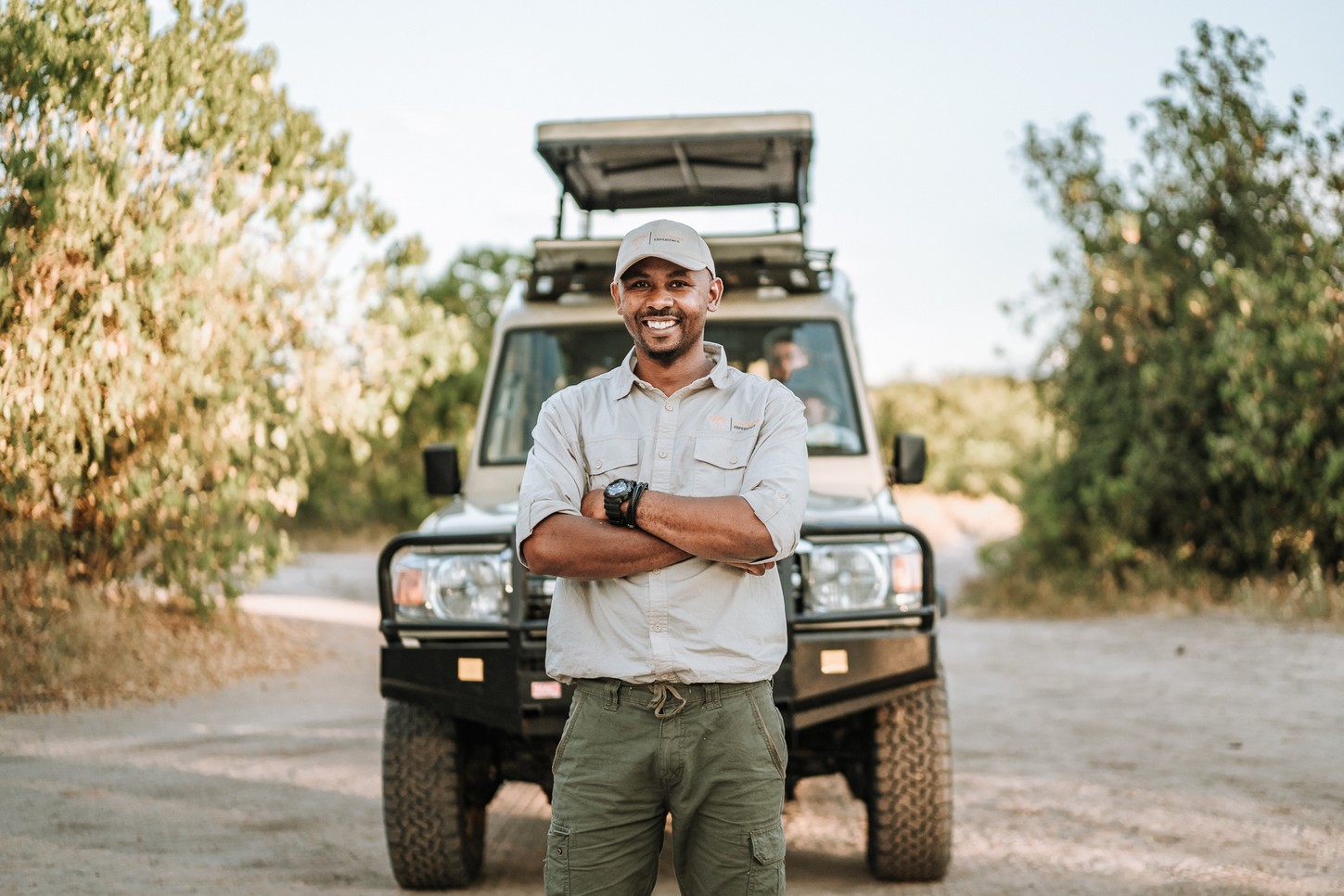
If you visit Africa’s remote or really big safari wildernesses, know that there will be times when you have no network connectivity. There won’t be any roadside assistance if you break down or get stuck. And a hospital will be many hours away.
In all such situations, you’ll be far better off in the company of a registered safari guide than if you were travelling independently. For instance, a safari driver-guide should have a radio phone and have colleagues in the area they can call on for help. They should also be trained in wilderness first aid and emergency protocols.
In addition, a driver-guide is less likely to become lost, get the vehicle stuck in the first place, or lose their head in a tricky situation. They’re locals trained in 4WD and all the what-if’s of safaris in that region. So they’re your best ally in avoiding danger, as well as dealing with it appropriately should it arise.
So again, in summary, if you want to be safe on safari in Africa, please consider booking your trip with a reputable safari operator. Like African Overland Tours. I say this because I want you to visit my continent, fall in love with it, be safe, and go home with beautiful safari stories to share with others.
Note: This blog post was first written by Bronwyn Paxton in 2013. It was rewritten by Megan Abigail White in 2026.