


African Overland Tours
https://www.facebook.com/AfricanOverlandTourscom/
https://www.instagram.com/african_overland_tours/
https://www.youtube.com/@africanoverlandtoursandsafaris
+27 (0) 21 448 0997
Customer Service
Worldwide

African Overland Tours
https://www.facebook.com/AfricanOverlandTourscom/
https://www.instagram.com/african_overland_tours/
https://www.youtube.com/@africanoverlandtoursandsafaris
+27 (0) 21 448 0997
Customer Service
Worldwide
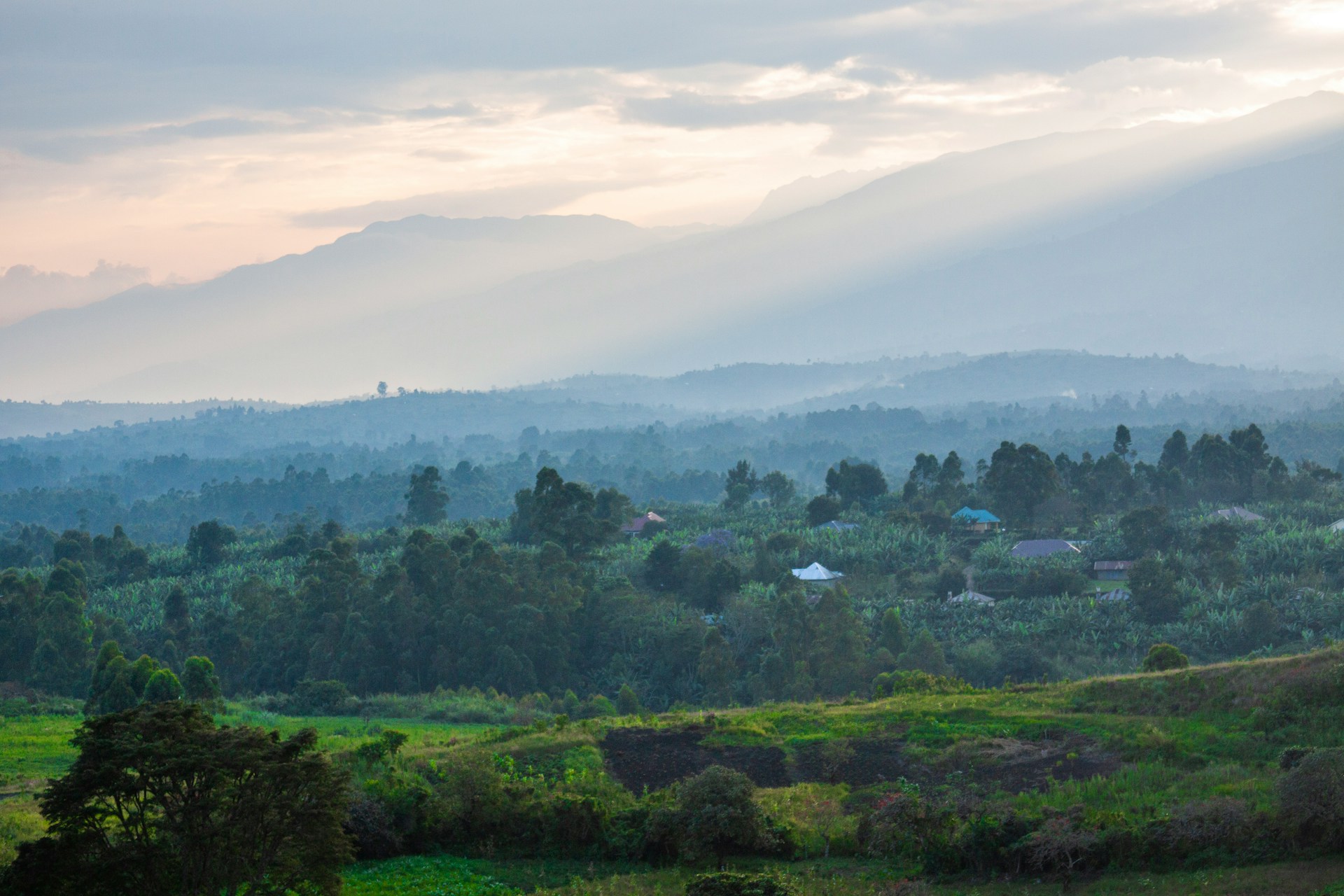
The Great Rift Valley is a storied location of geological wonders, iconic wildlife, and rich cultures
The Great Rift Valley is a monumental geographic feature that runs for 7,000 km (4,300 miles) from the Middle East all the way down the eastern side of Africa. So, for starters, it’s not just in Africa.
The word valley in its name might confuse some; you certainly shouldn’t picture a big, long V-shaped valley with a river. Rather, the Great Rift Valley is a complex geological formation with various branches or arms. The width of the so-called valley ranges from roughly 50 to 480 km (or 30 to 300 miles). And while there are certainly many great valleys found within it, it also contains other depressions (like craters) as well as numerous mountains, lakes, plains, and more.
The Great Rift Valley was formed when the Arabian, Somalian and African (Nubian) tectonic plates started to pull apart from one another. The divergence of these plates (which is ongoing) led to the formation of many dramatic landscapes. These include snow-capped volcanic peaks, fault lines (zones of fracture in the Earth’s crust), sheer escarpments, narrow gorges, and deep lakes.
The Great Rift Valley actually consists of four sections:
Often when people refer to the Great Rift Valley, they’re thinking of the East African Rift. This is because it’s the most famous portion. But it’s more accurate to refer to Africa’s Great Rift Valley as the East African Rift – or the East African Rift System (EARS). Note too that the EARS can itself be further subdivided into different sections. Most notably, there’s the Albertine Rift, which forms its main western branch, and the Gregory Rift, which refers to its eastern branch in Kenya and Tanzania.
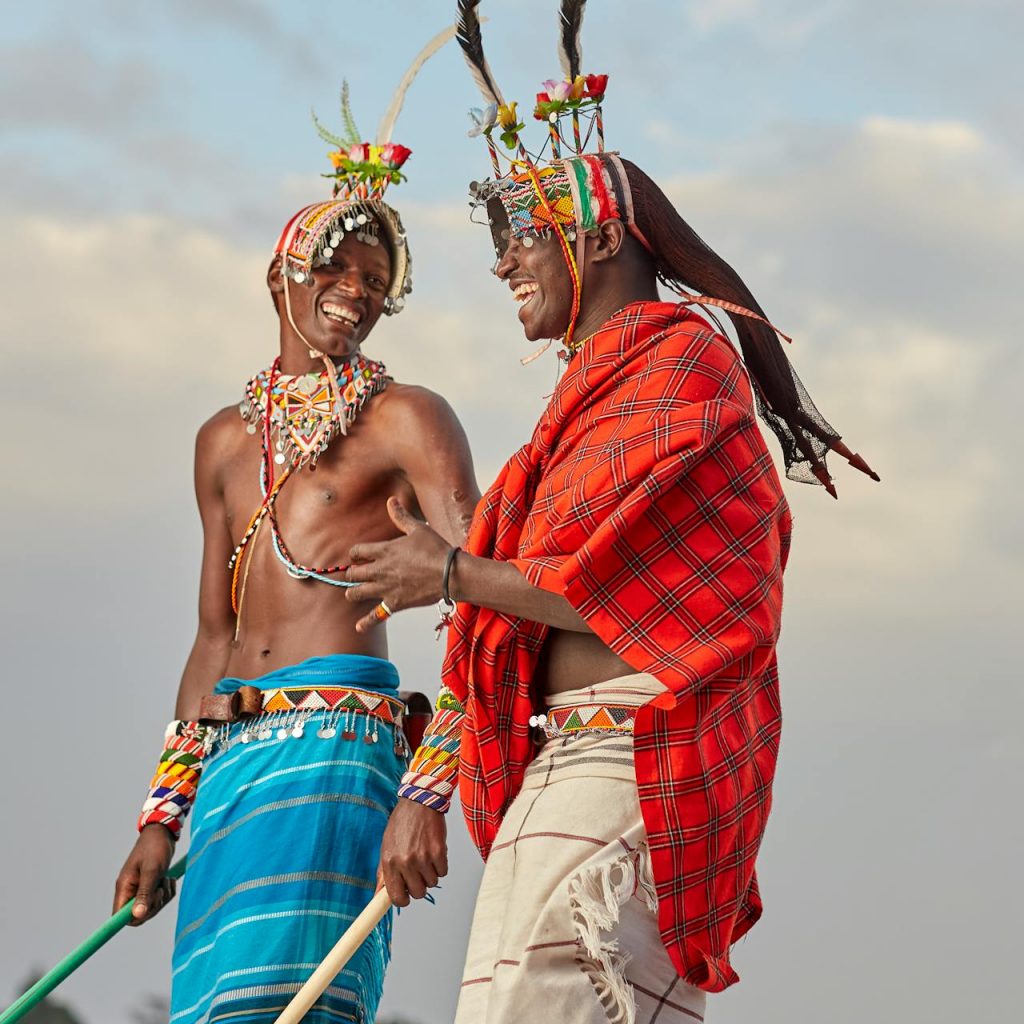
The East African Rift is a truly special place, where wildlife and humans often live together in close quarters. Many of these societies have chosen to retain very distinct cultures, so the region boasts more cultural diversity than many other parts of the world. What’s more, the landscape and wildlife usually play an integral role in the different communities’ livelihoods, customs, and identities.
The ruggedness of the EARS has led to the formation of various specialised habitats. These have, in their turn, caused a high level of animal endemism (which is where animals are native and restricted to a small area). Think of the mountain gorillas, for instance. Such rare wildlife has led to the formation of important animal-based tourism industries, like safaris and gorilla trekking.
What’s more, archaeological finds within the EARS suggest that this is a region of origins. Tanzania’s Olduvai Gorge, for instance, is known as the “Cradle of Mankind” for its early hominid fossils. And the Omo I remains in Ethiopia are reportedly the oldest known Homo sapiens fossils.
All this said, the region’s long history doesn’t automatically ensure its future. This is a region under pressure, and there’s a critical need to balance human prerogatives (including tourism) with conservation concerns. As tourists, we can play our part in various ways, like choosing only ethical animal encounters and opting for more sustainable modes of travel, such as small-group travel.
The East African Rift runs through 11 nations for roughly 6,400 km (4,000 miles) down the eastern side of the African continent from Ethiopia to Mozambique. I can’t touch on every country nor every notable geographical site without spreading the narrative unhelpfully thin. So I’ll mention just a few countries and features that I consider particularly notable or representative.
Let’s start in the north and work southwards.
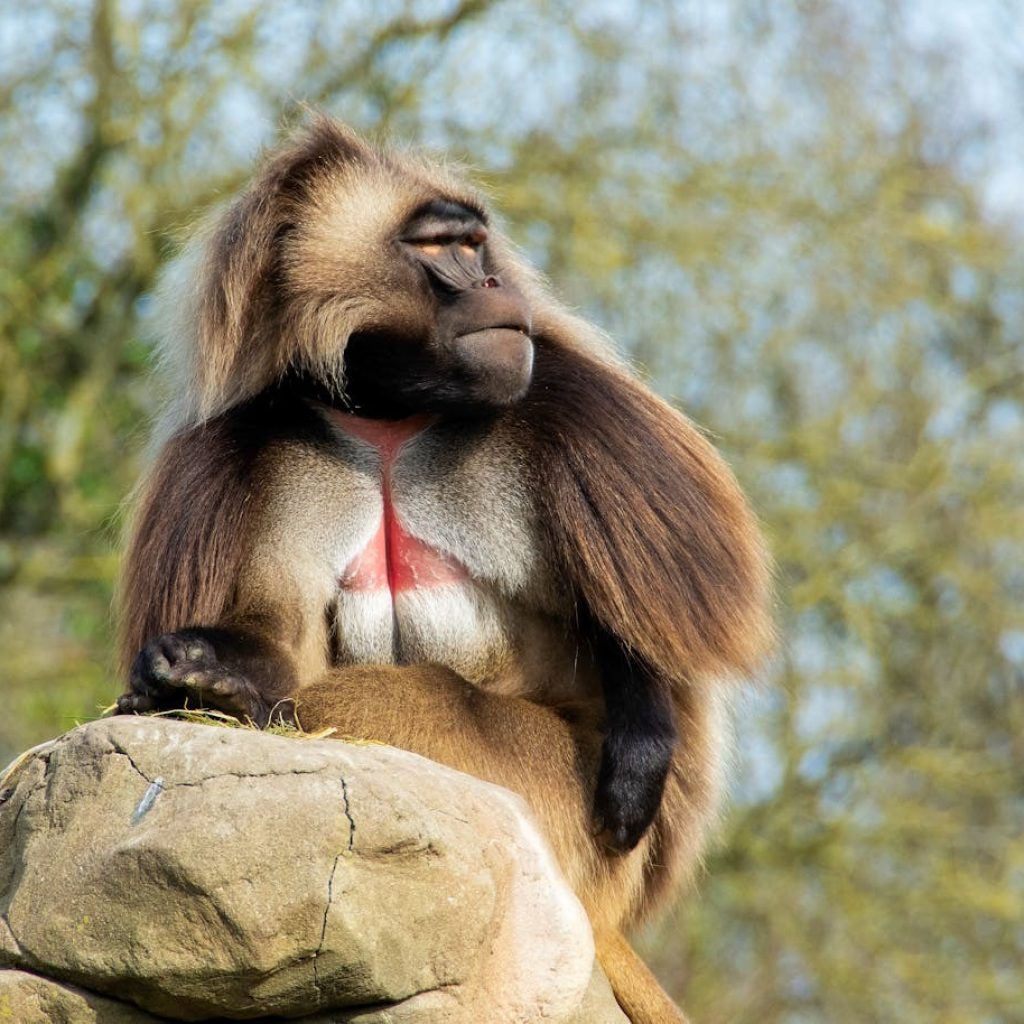
The East African Rift divided the famed highlands of Ethiopia and thus helped to isolate various animal species. Today, the mammal and bird endemism of the highlands is next level. Most noticeably, you can hope to spot gelada baboons (or “bleeding-heart monkeys”), Ethiopian wolves (the world’s rarest canine), mountain nyalas, Walia ibexes, and Ethiopian siskins.
The two key places to visit in the Ethiopian highlands for both rare wildlife and scenery are the Simien and Bale Mountains. Both ranges offer breathtaking and varied scenery, from sweeping escarpment views to otherworldly misty forests clinging to steep mountainsides. They’re among Africa’s best hiking haunts and ideal for anyone who appreciates unusual ecosystems not yet noticeably impacted by tourism.
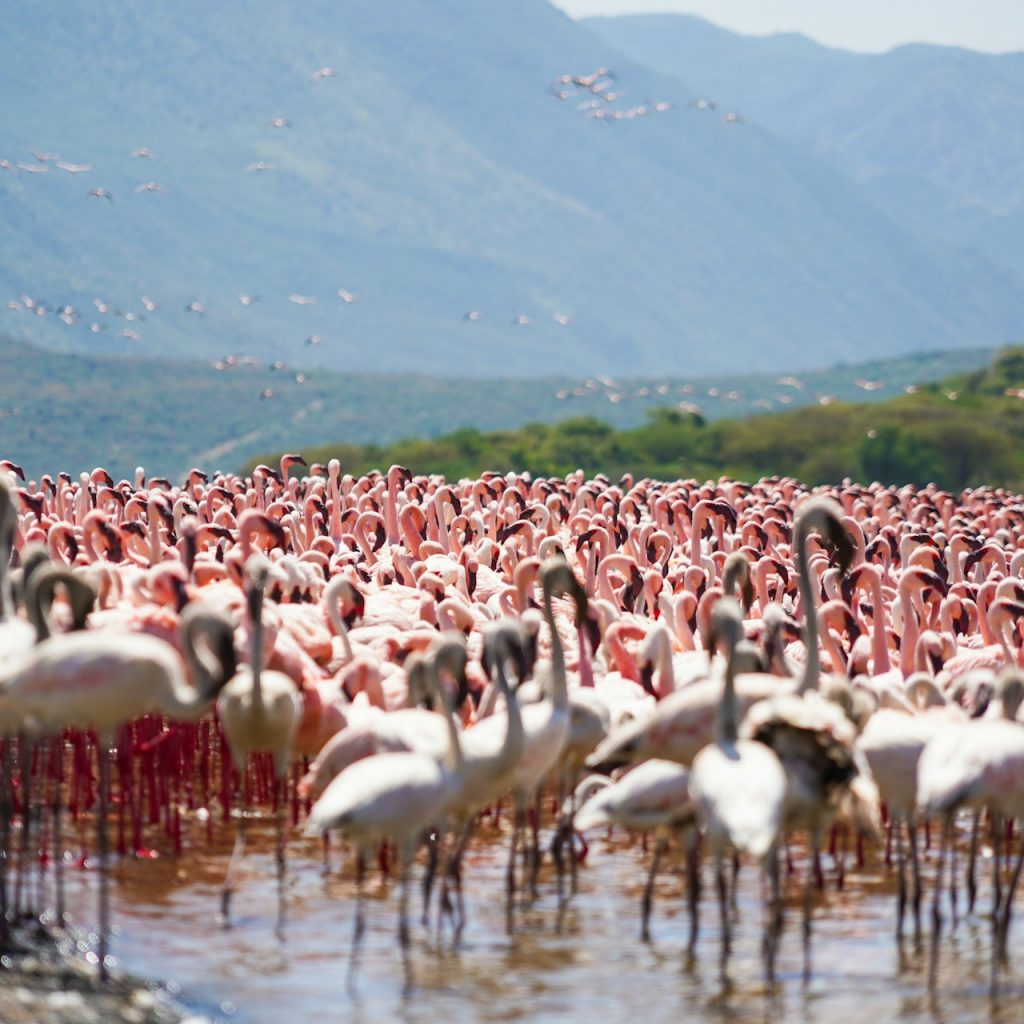
The East African Rift System has created many geothermal lakes that are inhospitable to most wildlife except hardy sorts like flamingoes. Lake Bogoria in central Kenya is a prime example. In addition to its striking stands of flamingoes, the park has geysers and hot springs for added drama. And all this comes with a particularly beautiful backdrop of acacia woodlands and the Siracho Escarpment.
Another worthy EARS destination in Kenya is Hell’s Gate National Park. This park is known for its steep-sided gorges, plains game, birds, and excellent hiking trails.
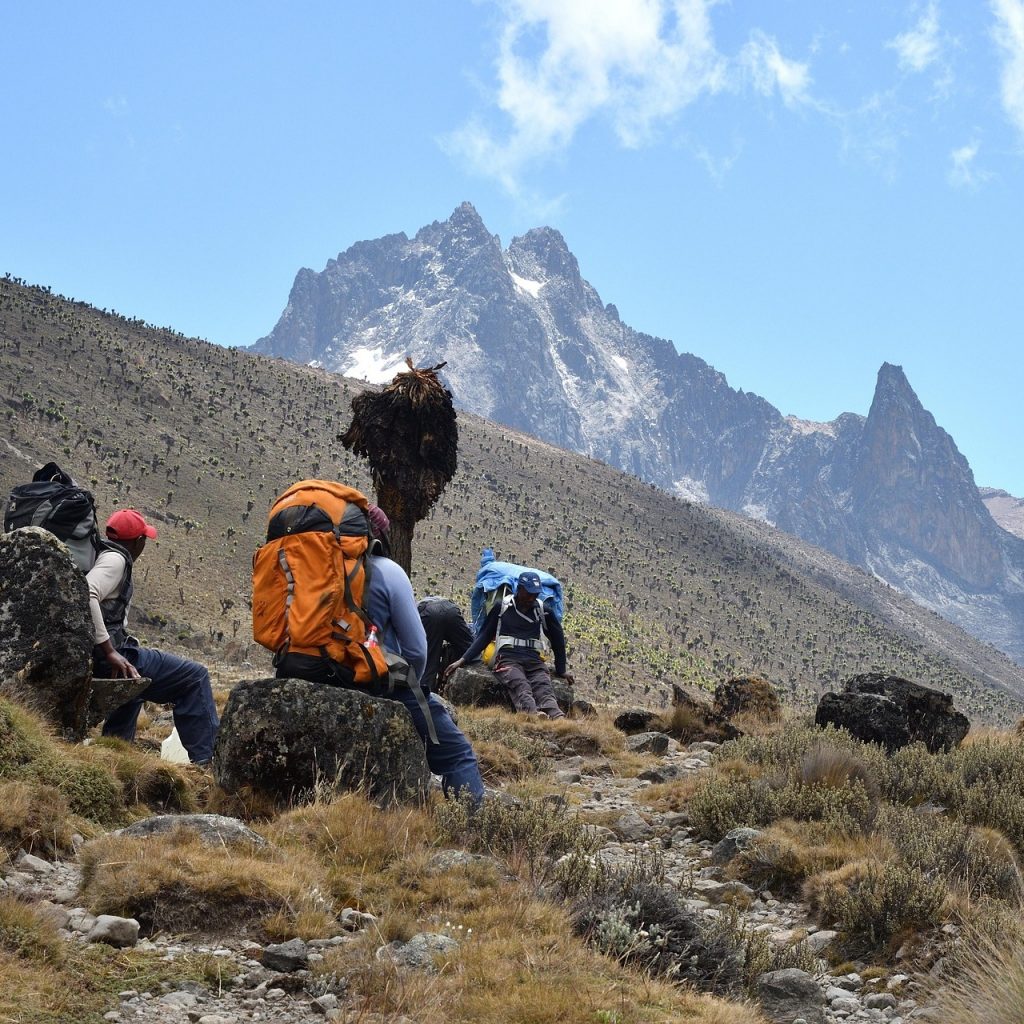
Then there’s Mount Kenya, Africa’s second-highest peak and a thrilling trekking destination. It offers a technical climbing summit as well as a highly rewarding trekking peak that’s not much lower and also offers incredible views.
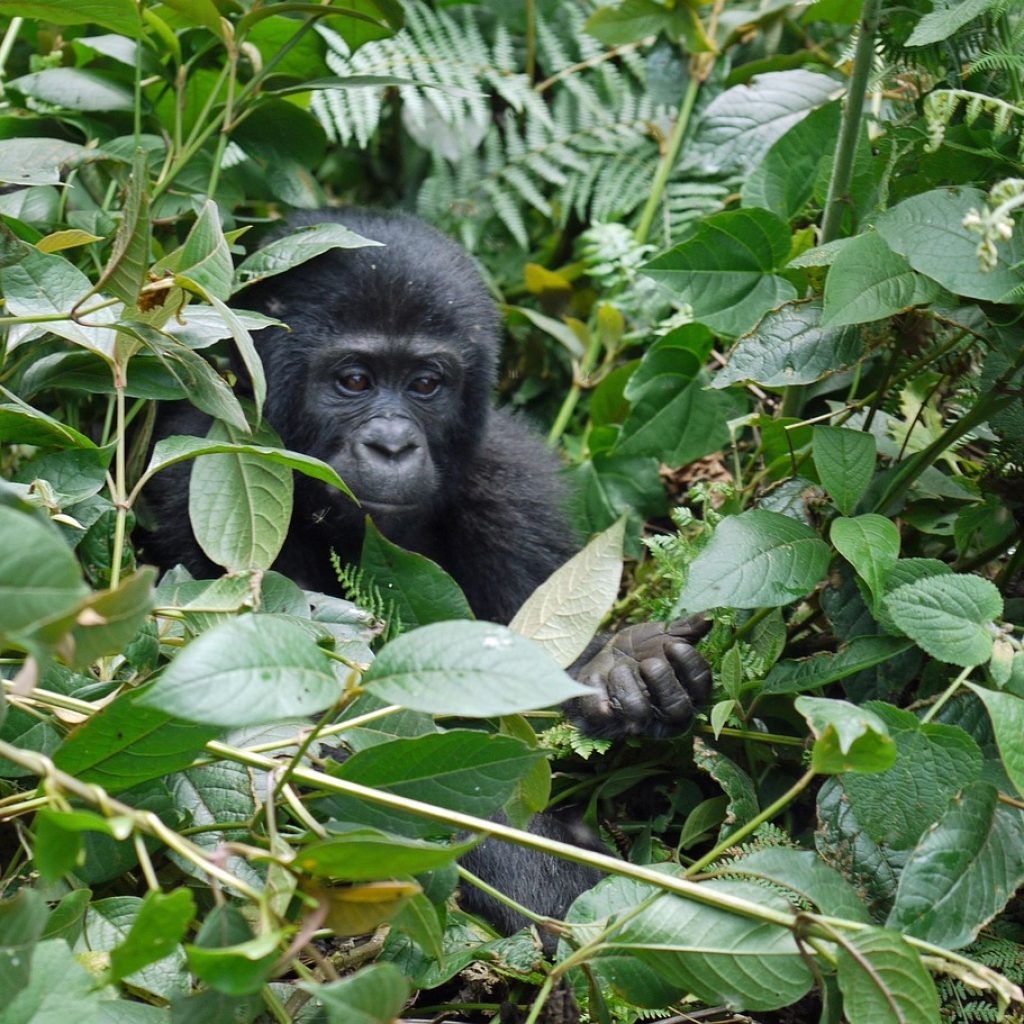
In Uganda you find so many wonderful and diverse results of Great Rift Valley tectonics in a relatively small space that it’s arguably the best single country for appreciating the many faces of the East African Rift System.
Firstly, you have the Virungas, a volcanic mountain range within the Albertine Rift. The mountains, which are shared with Rwanda and the DRC, are famous as one of just two habitats supporting mountain gorillas. They’re also the only home of golden monkeys, another endangered primate species.
Another major feature of the East African Rift is Lake Victoria, the largest lake in Africa. It’s from here that the Nile River begins its long journey northwards towards the Mediterranean. The town of Jinja on the lake’s northern shore is the adventure capital of East Africa, as it’s the start of various adventure activities, including white-water rafting, kayaking, and quad biking.
Uganda also has the most bird species of all East Africa in comparison to its size, making it a top birding destination. Well over 1,000 bird species have been recorded here, many of which are endemics, like the Rwenzori turaco.
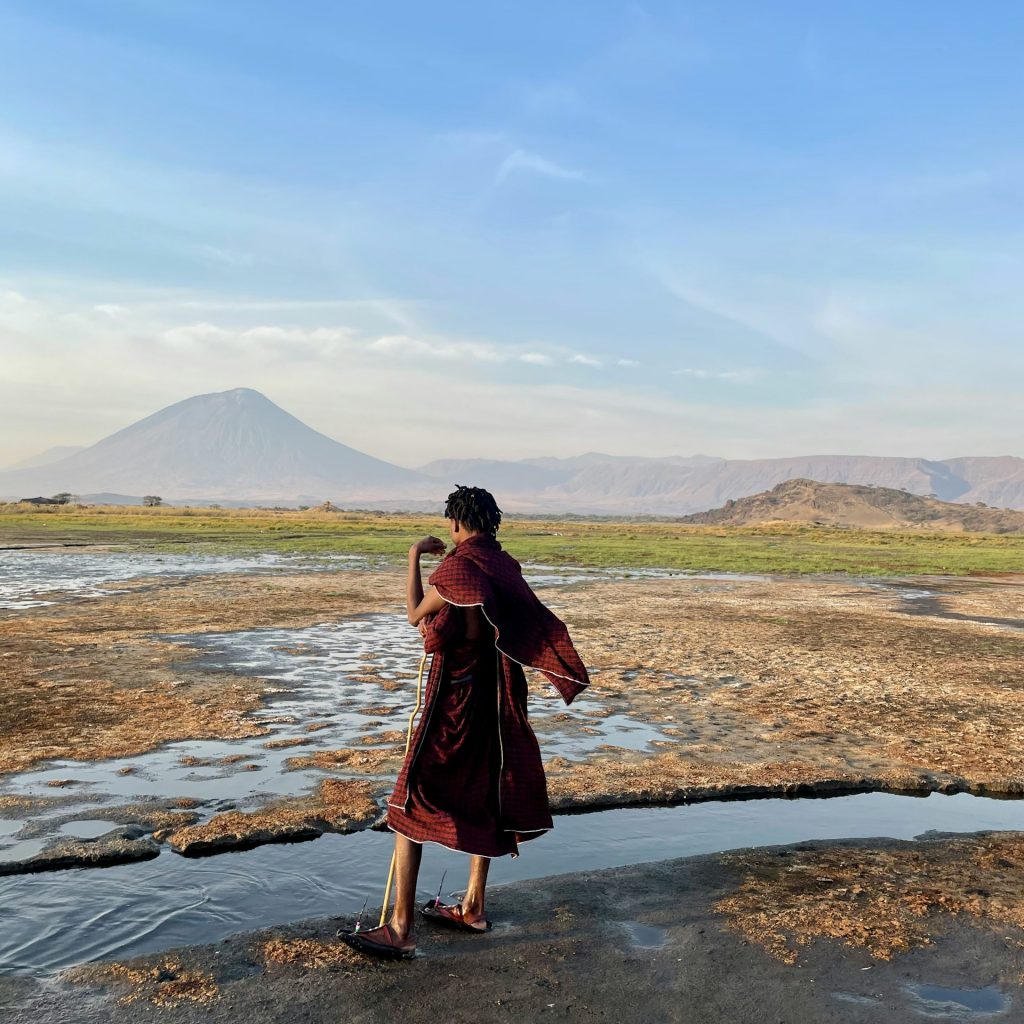
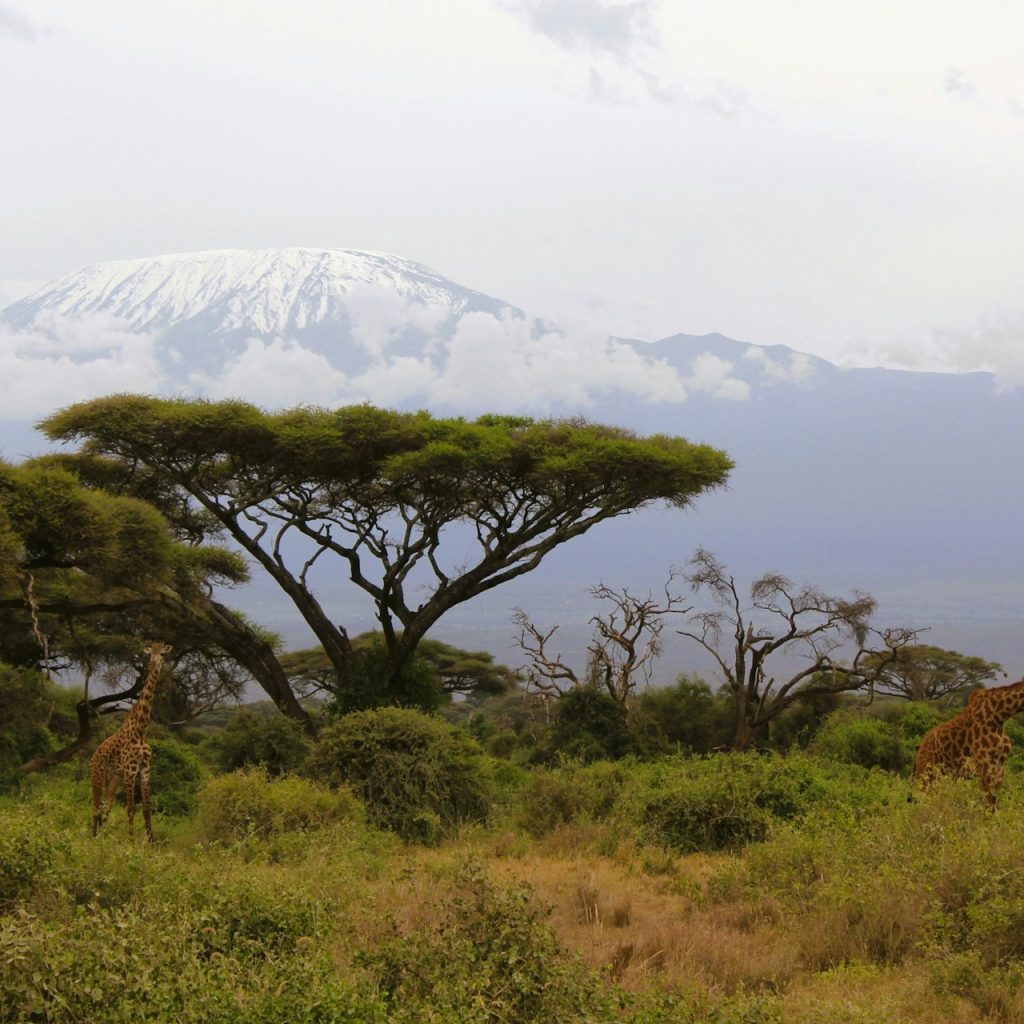
Tanzania is able to boast more than its fair share of East African Rift marvels. Very notably you have Mount Kilimanjaro, the world’s tallest free-standing mountain. This dormant volcano offers a non-technical summit climb, so it understandably attracts trekkers from all over the world.
Not far away is Mount Ol Doinyo Lengai (Maasai for “Mountain of God”). This sacred and active volcano is one of East Africa’s best sites for seeing multiple marks of the Rift Valley’s power in one place. Not only is there the neat cone of the volcano itself, but you also have the sheer western wall of the Gregory Rift right next to it as well as the highly caustic Lake Natron, whose waters famously sometimes turn red from acidity.
Also part of the Gregory Rift is the country’s most famous national park: the Serengeti. Its vast, fertile plains absolutely teem with wildlife, including the Big Five. And then just a stone’s throw away is Ngorongoro Crater, one of the world’s largest intact calderas. The bowl of this steep-sided volcanic depression is chockfull of wildlife while also being a feature so dramatic that it’s worthy of a visit for that reason alone.
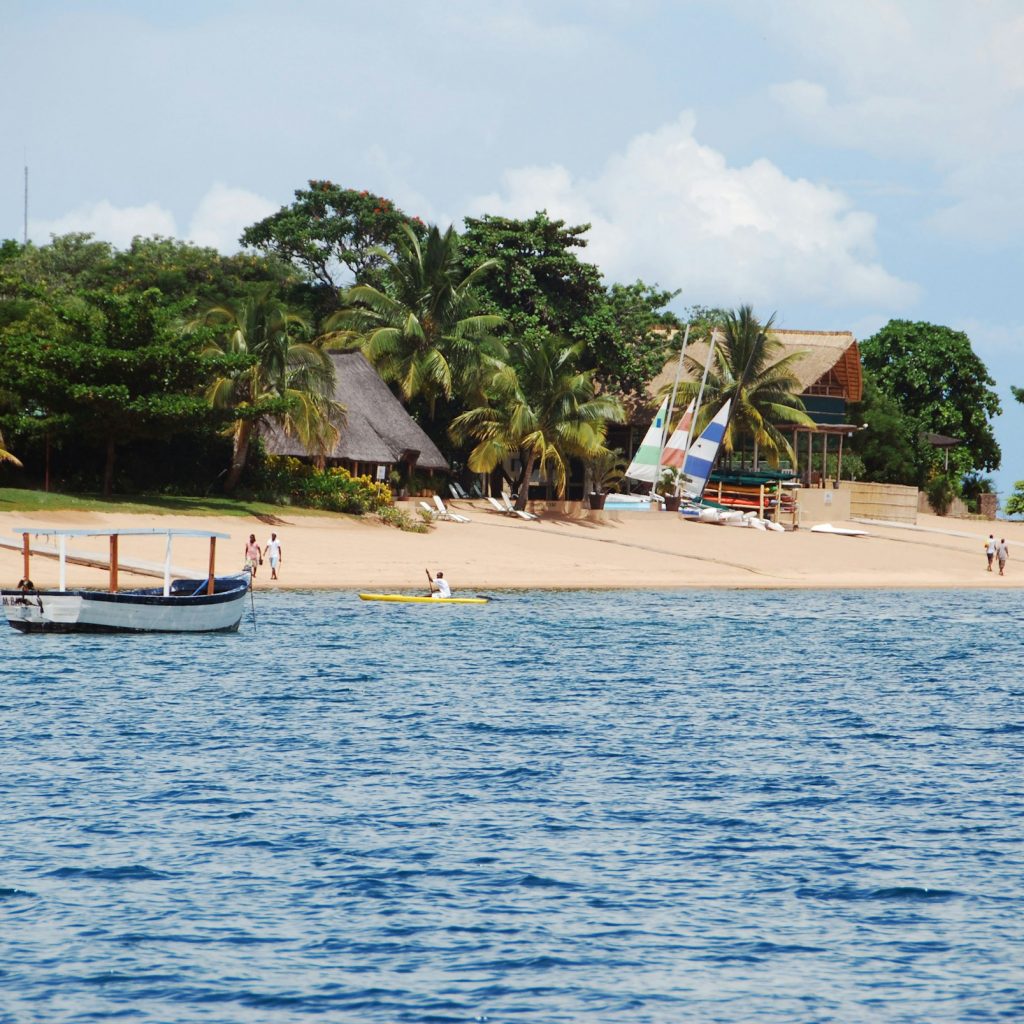
Lake Malawi is a classic Great Rift Valley lake: long, narrow, and deep. But it’s also a superlative example, as it’s the second-deepest lake in Africa, among other boasts. When you look at it on a map, it’s easy to imagine the tectonic plates pulling apart to create this narrow north-to-south rip in the land.
Lake Malawi is perfect for anyone who enjoys sandy beaches, warm waters, uninhabited islands you can visit by kayak, and all other manner of watersports. What’s more, I can’t think of a more consistently friendly, honest, and hospitable people than the Malawians.
The highlands in the west of the country were also formed by the EARS. They offer an even more uncrowded safari and adventure sports destination. The beautiful Viphya Mountains, for instance, provide excellent trekking and mountain biking opportunities. Even better, you can trek from the highlands and down the escarpment wall to Lake Malawi via the 74 km-long Luwawa Mountain Wilderness Trail, thereby enjoying both parts of Malawi.

The famous Luangwe River Valley of Zambia lies at the tail end of the Great Rift Valley. It’s characterised by the life-giving Luangwe River, dramatic escarpment walls, and rich wildlife biodiversity. The river itself is a magnet for wildlife, given the relative dryness of the region. So herds of elephants, buffaloes, hippos, and other animals are easily found drinking and wallowing in its shallows.
North Luangwe National Park in particular has emerged as a great example of how wildlife tourism, conservation, and human development goals can be achieved simultaneously. The park’s Amatololo Experience offers visitors a back-to-basics sort of safari that is all about uncurated wildlife encounters in a remote, uncrowded, and largely untouched ecosystem. But it’s been set up specifically to benefit local communities. So it’s an excellent park to consider visiting as a conscientious traveller.
I hope this post has helped you better understand the EARS and its many extraordinary features and traits.
As you can see, there’s so much to explore and experience. Overlanding is one of the best and most affordable ways to do this. This is because not only are the various destinations often far apart, they’re also frequently in remote areas that are accessed by less-than-stellar roads. And yet it’s this same ‘hard-to-reachness’ that makes many of the sites so worth visiting. The world of today often feels small enough as it is. I, for one, am glad that some places take a little more commitment to reach, and remain the reward of the determined and intrepid.
Note: This blog post was first written and published in 2013 by Bronwyn Paxton. It was rewritten and republished by Megan Abigail White on 14 January 2026.

"*" indicates required fields